Feeds:
Posts
Comments

Archive for the ‘Obedience’ Category

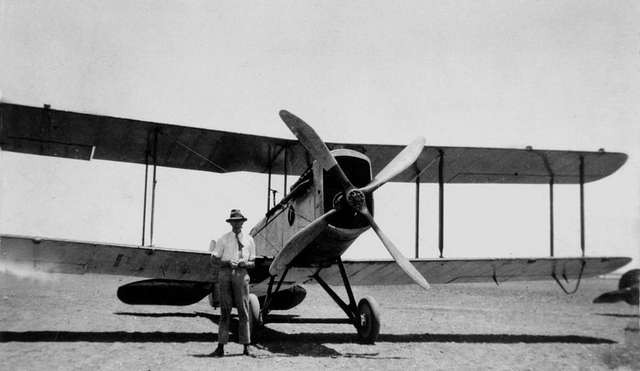
Missionary John Flynn removed his hat to wipe his forehead with a kerchief, then leaned back in his camel’s saddle to drink deeply from his canteen. Neither strategy offered much relief from the heat of the Outback in South Australia, but John scarcely minded.

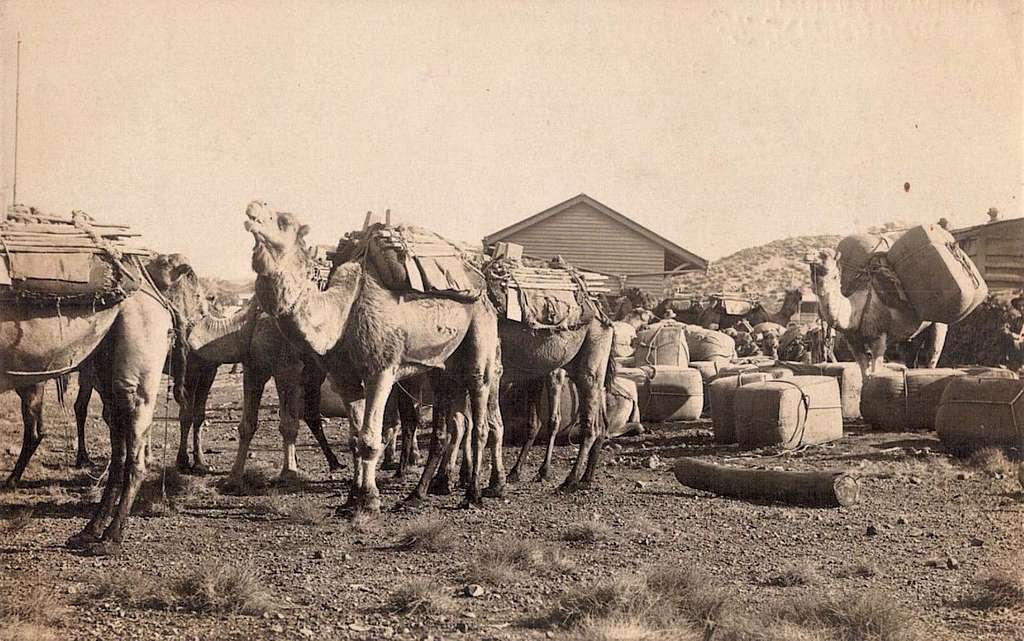
Camels of the Outback ready to transport wool and other goods.

As a recent 1910 graduate from Melbourne University (with a theology degree), he was living his dream, planted within his heart by God himself—a dream so out-sized, so impossible, some people would find it laughable:

“Your assignment, should you accept it, is to provide for the spiritual, social, and medical needs of people in the Outback.”

That assignment came through the Presbyterian Church General Assembly, to serve in Beltana, a small settlement of less than 200 people–with the surrounding region, about the size of the British Isles.

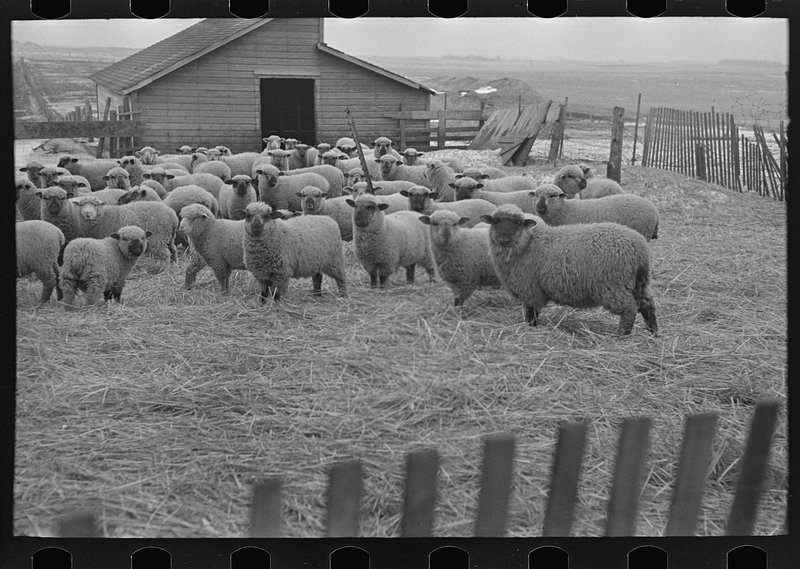
He’d come to love the Outback in spite of multiple challenges: no communication between far-spread sheep ranchers and miners, no radio service, no medical help for hundreds of miles, and the arid climate with sweltering summers.

Undaunted by these factors, John had set about fulfilling his assignment. In 1912 he presented his report to the Assembly. They then formed the Australian Inland Mission and delegated John as “the first superintendent, responsible for the northern half of the continent” [1].

Mission impossible indeed!

His staff included one nurse who managed the single nursing station, and one traveling “patrol padre” who ministered as he could—from conducting worship services, weddings and funerals, to offering medical aid, and assisting ranchers with their work [2].

John’s team also received five camels for transportation and as beasts of burden.

Within a year, John had overseen the construction of the first Outback hospital, paid for by a generous friend. Always, he was traveling, helping in any way he could, and sharing about the wonderful life-change Jesus offers.

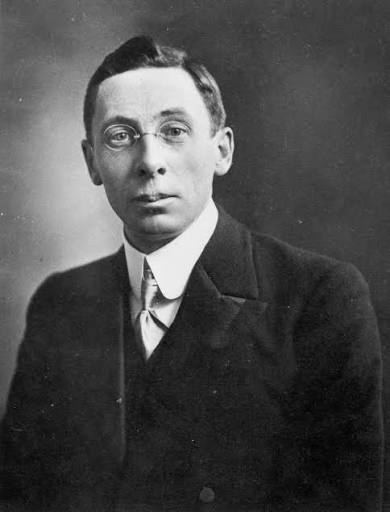
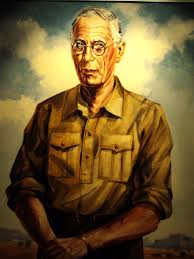
Young John Flynn

He considered his impossible mission an honor:

“If Jesus of Nazareth is indeed the Son of Almighty God; if He was in reality ‘God with us,’ showing us the Father; if it is a fact that we only sojourn on this earth for a while, and then appear before the Creator of the universe . . . what more honourable [sic] calling can a man follow than getting his fellows to realise [sic] this fact and act upon it” [3]?

In 1917, John received a letter from Clifford Peel, a lieutenant in the Australia Air Corps. He’d left medical school to help Britain fight against Germany.

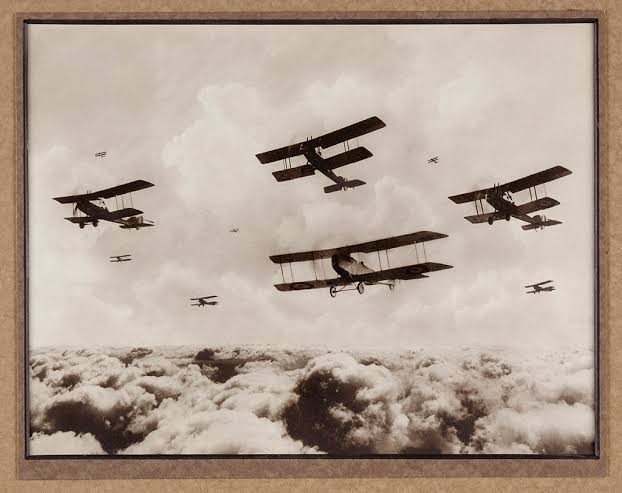
Australian bombers, World War 1

Clifford explained he’d read about John’s work and suggested aeroplanes might be useful in providing medical care to remote areas. John too became enthused about the idea.

Had Clifford survived the war, he undoubtedly would have sought to join John in his work. But weeks before Germany’s surrender, his plane disappeared over France.

It was up to John to bring Clifford’s idea to life—a challenge that would take ten years. First was the cost—hundreds of dollars for just one plane, not to mention pilots, fuel, mechanics, landing strips and more.

 Another impossible mission.

But for John that word impossible just fueled his determination. He launched The Inlander Magazine that highlighted Outback conditions and needs, suggesting ways that life could be improved. Thousands of people donated to the cause [4].

In 1928, the Flying Doctor Service (FDS) became a reality with a rented plane from a new airline, Qantas. Within the first year, Doctor St. Vincent Welch visited 255 patients [5].

One of first Qantas airplanes

Of course, such visits would have been impossible without a way for people to contact the FDS. John had inspired inventor Alfred Traeger to solve that problem. He designed a pedal-operated generator to power radio receivers [6].

During World War II, FDS provided medical care to troops and civilians in Australia and other areas of the Pacific region. It soon became apparent the ministry greatly strengthened Australia’s position against the Japanese [7].

Medical care wasn’t John’s only dream. His vision included support for the children being homeschooled in isolated areas, who rarely had contact with other children or teachers.

School of the Air was established in 1951, using the FDS radio network. Children could interact with others, ask questions of their teacher, and supplement their correspondence lessons [8].

John Flynn died of cancer that same year. Imagine his pleasure to know the Royal Flying Doctor Service (renamed in 1955) still functions today.

In fact, his impossible mission has grown to impossible size. More than 900 patients receive care each day in one of the 22,000+ RFDS clinics, or by aeromedical transport in one of eighty-three planes, based in twenty-three locations, as well as many by telehealth consults [9]. In addition, School of the Air still ministers to Outback families.

Perhaps even John Flynn would marvel at the outcome of his impossible mission. Then again, he’d probably just smile and softly quote Matthew 19:26:


[1] https://sahistoryhub.history.sa.gov.au/people/john-flynn-obe/

[2] Ibid.

[3] https://dailydeclaration.org.au/2021/10/13/the-royal-flying-doctor-service-and-the-rev-john-flynn/

[4] https://vision.org.au/read/articles/episode-247-john-flynn/

[5] Ibid.

[6] https://www.flyingdoctor.org.au/news/how-alfred-traeger-gave-outback-its-voice/

[7] https://medrecruit.medworld.com/articles/the-history-of-the-royal-flying-doctor-service;

https://vision.org.au/read/articles/episode-247-john-flynn

[8] https://www.flyingdoctor.org.au/about-the-rfds/history/john-flynn-bio/

[9] Ibid.

Other Sources:

https://www.chr.org.au/schools-content/2.-John-Flynn

https://christianhistoryinstitute.org/dailystory/permalink/rev-flynn-advocated-a-flying-ambulance-for-australias-outback

https://didyouknow.org.au/johnflynn/

Image credits: http://www.picryl,com; http://www.rawpixel.com; http://www.flickr.com; http://www.picryl.com (3); http://www.flickr.com; http://www.needpix.com.

Processing…
Success! You're on the list.

Read Full Post »

The date: October 31, 1991.

The place: Juno Beach, Florida–our home at the time.

The event: The “Halloween Swell,” when monstrous waves nearly twenty feet high broke close to the Atlantic shore and pounded the beach, generated by a powerful “perfect storm” off the coast of New England.

Our family stood on high ground with a gathering crowd, watching the surreal display of awesome power and strength. (Such waves can exert forces over 5,000 pounds per square foot.*)

[Watch a video from an observer on the beach that day:

https://www.youtube.com/watch?v=fnQJHFEDxyo.]

About fifty yards north, one particularly large wave crashed ashore and washed over the dunes. Several cars parked on the beach road (A1A) actually lifted from the pavement and drifted toward the middle of the road. You’d think they were made of balsa wood.

Understand: by then the wave had lost most of its power, but it still packed a wallop.

We experienced a mix of serious respect and breathtaking wonder that afternoon. Those waves could have crushed us if we’d stood too close.

Yet there was mesmerizing beauty too as the water rose high in a graceful curve, formed a foamy crest, then glided toward shore to crash explosively into the sand.

The waves we witnessed that day were much taller!

Such imagery may help us understand a phrase used over one hundred times in the Bible: the fear of God. One example, Ecclesiastes 12:13: “Fear God and keep his commandments, for this is the whole duty of man.”

Such fear does not mean terror for a Being with infinite strength, but rather serious reverence and respect for who he is: the all-powerful One of the universe (just as we respected the power of those waves that day).

On the other hand, the fear of God also includes awe and breathtaking wonder.

Think of the heart-swell while gazing upward at his innumerable stars . . .

. . . downward into clear, tropical waters where brightly-colored fish and coral dazzle . . .

A parrotfish feeding on algae

. . . into the eyes of a newborn baby . . .

. . . or outward upon his immense and powerful ocean (especially as it heaves tons of water on the shore).

In such moments we can’t help but cry out to the Maker of all wonders, “God, you are so incredibly magnificent! There are no boundaries to your greatness” (Psalm 145:3 MSG, not a direct quote).

Some might think God directs us to fear him as a means of self-gratification, as if he takes prideful satisfaction in our admiration and praise. No, scripture makes clear: his instruction that we fear him leads to blessing for us.

The book of Proverbs alone lists at least twelve benefits:

  • Wisdom and understanding (9:10)—because these qualities originate with God (Job 12:13)

  • Strong confidence (14:26 ESV)—in the character and promises of God

  • A fountain of life (14:27)—a continual prosperity of spirit

  • God’s trustworthy instruction (15:33) as we grow in our relationship with him

  • Avoidance of evil (16:6)—under the influence of God’s grace and goodness

  • True [fulfilling] life, contentment, and ultimate deliverance from evil (19:23)

  • Riches [of mind and spirit] and honor [from God himself one day] (Proverbs 22:4)

  • Happiness (Proverbs 28:14 HCSB)!

And consider this:

So how do we cultivate such a strong fear of God?

Possibilities include:

  • Feeding our confidence on scripture each day
  • Centering our thoughts frequently on God’s attributes, including his love, forgiveness, power, wisdom, and goodness
  • Looking for evidence of his gracious involvement in our lives and expressing continual gratitude
  • Spending time with God-fearing people and learning from them
  • Seeking to obey his wise ways

Forest Landscape by Peter Monsted, 1908

As we stood on the beach that day in 1991, a healthy fear made us choose a safe distance from a power that could have killed us.

As we contemplate the truths about the healthiest fear of all, the fear of God, we’re also faced with a choice. Only this time it’s a decision to move in close with reverence and awe, toward a Power that gives us life (John 10:10).  


*https://www.sky-chaser.com/perfstrm.htm

Image credits: http://www.pxhere.com; http://www.pickpik.com (2); http://www.commons.wikimedia.com; http://www.pxhere.com; http://www.flickr.com; http://www.publicdomainpictures.com; http://www.picryl.com.

Processing…
Success! You're on the list.

Read Full Post »

King David Playing the Harp by Gerard van Honthorst (1622)

(Psalm 131, personalized)

O God, King David’s firm assertion that no pride lurks in his heart stirs up envy within me. I wish I could say no pride ever lurks in my heart.

Pride is such an ugly attribute.  Just like mold on bread causes ruin, pride causes ruin in me.

A bent toward self-aggrandizing—even in my thoughts—spoils my connection with You, Father, as much as pridefully choosing to do things my way instead of Your way. And when my feelings are bruised by the words and actions of others? It’s really pride masquerading as “hurt.”

I’d like to say with King David, “I have given up my pride and turned away from my arrogance” (v. 1 GNT), but the mold of pride still forms in my spirit from time to time.

I ask Your help, O God, to help me cut it off the moment it begins to appear. Remind me that apart from You I am nothing and can do nothing (1).

David also asserts he doesn’t concern himself with matters outside his control or things too profound for him and beyond his understanding.

In years past and much too often I allowed my mind to circle around distressing situations and worrisome what-ifs, even though such thinking accomplishes nothing.

You’ve taught me, Lord, (and continue to give me opportunities for practice!), to affirm what I know about You and Your ways instead of fretting, including such encouraging passages as Psalm 145:8-9:

But David also prayed concerning his needs, trusting that You’d provide:

Thank You, Father, for teaching me the power of prayer and praise to quiet my soul. I have only to present my requests before You—with thanksgiving—to experience your peace [2].

In fact, the calm and quiet of Your peace is like that of a weaned child, contentedly nestled on his mother’s lap [3]—no longer demanding immediate gratification.

What a sweet image of the rest I can experience in the assurance of Your provision, in Your time, while reveling in the closeness and companionship in Your presence.

I know Your goal for me is emotional and spiritual maturity. You sometimes choose to wean me away from good things, to bring me to better things. Help me to remember: painful losses can give way to wonderful gains [4].

And so, Father, I put my hope in You, now and forevermore. This is not wishful thinking but confident expectation based on the perfections of Your character. My hope is strengthened by Your glorious promises, including Your assurance never to leave me or forsake me.

I can joyfully anticipate what You will do in the future, knowing You have my best interest at heart. This day and every day I place my trust in You afresh, my good and gracious God!

____________________

[1] 1 Corinthians 1:27-31; John 15:5 

]2] Philippians 4:6-7

[3] Psalm 131:2

[4] Warren Wiersbe, Be Exultant, 174.

Image credits: http://www.picryl.com; http://www.commons.wikimedia.org; http://www.heartlight.org; www. canva.com (2); http://www.wikimedia.org.

Processing…
Success! You're on the list.

Read Full Post »

Mom, Dad, and great-granddaughter, about 2011

As he got older, my dad would occasionally quip, “My memory is so good I can remember things that didn’t even happen!”

Actually, Dad remembered accurately many past events, numerous jokes, a plethora of interesting trivia, and an impressive amount of Bible knowledge—well into old age.

Some years ago I happened to recall a fun song from my childhood, but a few lines of lyrics had escaped my memory. Dad was in his upper-eighties by this time, but I asked anyway.

“Do you happen to remember the lyrics to “Cheer Up, Cheer Up?”

He remembered them perfectly, and we enjoyed reminiscing about the Scottish pastor who’d taught us to sing the chorus with a Scottish accent.

Delightful memories are one of the joys of getting older.

In fact:

But God designed our memory-capacity for more than just enjoyment. He had in mind important purpose as we use this ability to foster our relationship with him.

For example:

Remembering God’s interventions contributes to our hope.

Looking back over our lives, we all can remember how God has brought us through challenging times, miraculously supplied urgent needs, and guided us in difficult decisions.

As a result, we can affirm: if he took care of those situations then, he can certainly take care of this situation now. And we find hope beginning to bloom.

Remembering God’s mighty deeds bolsters our faith.

Like the psalmist Asaph wrote: “I will ponder all your works and meditate on your mighty deeds. Your way, O God, is holy. What god is great like our God?” (Psalm 77:12-13).

Remembering is a form of worship. And as we rehearse with him the miracles we’ve witnessed and experienced, our fears subside, doubts shrink, strength increases, and our confidence in God expands.

Remembering God’s faithfulness fosters gratitude and peace.

Brain research has confirmed that “engaging in gratitude rewires neural-pathways, combating anxiety.” 

That means, with every remembrance of God’s faithfulness, we’re taking advantage of the ability he’s given us, to calm our stress and hard-wire pathways to peace. *

Remembering the past encourages personal and spiritual growth.

We find wisdom for the present from the lessons learned in the past.

One lesson I’ve learned along the way was actually proclaimed eons ago by a Greek playwright, Aeschylus: “Happiness is a choice.” 

I can choose negativity and spiral downward into discouragement, or I can look for the blessings in my life and give my heart a good dose of cheer (Proverbs 17:22).

I’d rather do the latter.

Remembering the past contributes to obedience.

  • As we consider how God has provided throughout our lives, we’re more able to obey the instructions:
  • As we praise God for what he’s accomplished in the past, we’ll sidestep complaining about a difficulty in the present.
  • As we remember the joy of liberal generosity (Acts 20:35), we’ll avoid tight-fisted possessiveness.
  • And as we strengthen our faith by remembering God’s amazing deeds, we fight against spiritual complacency.

With the psalmist we can affirm:

We have no need for wishful thinking, remembering things that didn’t even happen. Pondering all the wonders God has performed for us will keep us happily occupied into eternity.

* https://cfc.sebts.edu/faith-and-culture/why-remembering-matters-and-how-it-shapes-our-lives-and-our-brains/


 Image credits: Nancy Ruegg; http://www.easy-peasy.ai; http://www.canva.com; http://www.heartlight.org; Nancy Ruegg; http://www.dailyverses.net; http://www.canva.com.

Processing…
Success! You're on the list.

Read Full Post »

Chances are you’ve never heard of Dixie Thompson. She was the music director for one of the churches my husband pastored. Descriptors for Dixie would include:

(We performed “I’ll Be Home for Christmas” in 1998. That’s me on the right.)

  • Gifted; directing all aspects of a musical (instruments, choir, players, narrator, stage crew, sound technician, etc.–and making it look easy)
  • Talented; bringing the best out of each participant
  • Good listener; not interrupting, seeking to understand
  • Unflappable; calm under fire
  • Encouraging; often writing notes of appreciation

When I happened to be with Dixie at a restaurant or store, we’d always run into people she knew. And everybody wanted to talk to Dixie. She made each person feel important to her.

Much sooner than we would have liked, God chose to take Dixie home to heaven. She died of a brain tumor several years after my husband had been assigned to another church.

Hundreds of people attended her funeral. And the numerous stories told that afternoon gave indication of Dixie’s widespread impact.

Does that sound appealing—to influence for good the people around you?

In fact, that’s a normal desire:

“The drive to significance is a simple extension of the creative impulse of God that gave us being . . . We were built to count as water is made to run downhill. We are placed in a specific context to count in ways that no one else does. That is our destiny” [1].

But to accomplish our destiny requires determination. Determination to:

Accept who we are and where we are (Psalm 138:8)

‘Feeling ordinary? Insignificant? Unseen? Your feelings are lying to you!

“There is no such thing as an insignificant person or an insignificant place or an insignificant position” [2].

Granted, some people are like Waterford crystal, refracting the light and drawing praise. Others of us feel as forgettable as a compost bin.

Just remember: Crystal can be fragile, but that unremarkable compost bin offers “rich possibilities for fertilizing the lives of others” [3].

Pray to be prepared (Psalm 143:10)

“God’s recipe for significance is to get low, not high, to commit our plans to the Lord in prayer, not to move ahead without a sense of his blessing and guidance ”[4].

We can pray each day that God will work and speak through us to benefit those we encounter.

Invest in others (1 Thessalonians 5:11)

A life isn’t significant except for its impact on other lives” (Jackie Robinson).

And impact occurs as we help and support, share and give, listen and encourage, challenge and celebrate those around us.

Cumulate words and deeds (Zechariah 4:10a)

“Never underestimate the power of a simple act of kindness or an encouraging word” [5].

Sometimes what seems like ordinary conversation and ordinary gestures actually add up to far-reaching impact.

I think of my grandmother, whose steady faith over the course of her life, her consistent kindness, overriding serenity, and more still inspire me, more than fifty years after she went home to her beloved Jesus.

Model / Be an example (Matthew 5:16)

An impactful example can occur even when we’re unaware.

“With every deed you are sowing a seed, though the harvest you may not see.”—Ella Wheeler Wilcox.

Words are seeds too. Even an overheard conversation might be just the catalyst to turn a mind toward Christ.

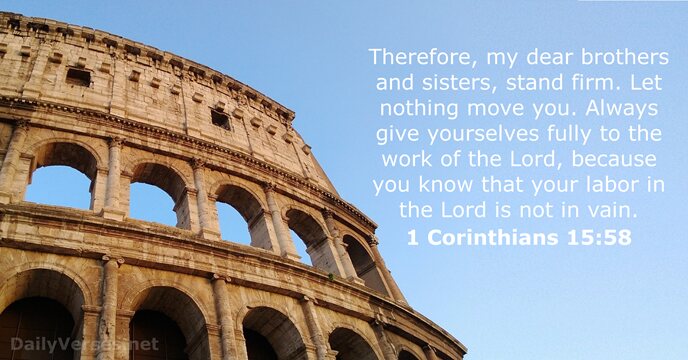
[Be] Tenacious of faith (1 Corinthians 15:58)

We can determine to be tenacious, faithful, and watchful people, always attentive to those persons God puts in front of us, and seeking to honor him by honoring them. Then “we trust there will be fruit whether we see it or not” [6].

Stir these actions into your life . . .

  • I nvestment in others
  • M odeling / Be an example
  • P rayers of preparation
  • A cceptance of who we are and where we are
  • C umulation of simple words and deeds
  • T enacity of faith

. . . and you will indeed provide IMPACT in this world, an impact that extends into eternity.

No doubt people are still entering heaven’s gates who were impacted by the legacy of Dixie Thompson, and even of my dear grandmother.


[1] Dallas Willard, The Divine Conspiracy: Rediscovering Our Hidden Life in God, quoted by Sara Hagerty in Unseen, 40.

[2] Anne Graham Lotz, The Vision of His Glory, 77.

[3] illustration from Maggie Wallem Row, This Life We Share, 15.

[4] Dane Ortlund, In the Lord I Take Refuge, 359.

[5] Dorothea Shields, https://liviingmagazine.net/a-life-of-significance

[6] Hilary Yancey, contributor to A Moment to Breathe, 135.

Image credits: Steve Ruegg; http://www.pickpik.com; http://www.canva.com; http://www.pick.pik.com; http://www.canva.com; http://www.dailyverses.net; http://www.canva.com.

Processing…
Success! You're on the list.

Read Full Post »

The Agony in the Garden, by Francesco Trevisani, 1740

I praise You, Lord Jesus, Founder of our faith and supreme exemplar of what the life of faith looks like. You demonstrated what it means to live in continual obedience to our Father [1], doing nothing of your own initiative but only what God directed you to do.

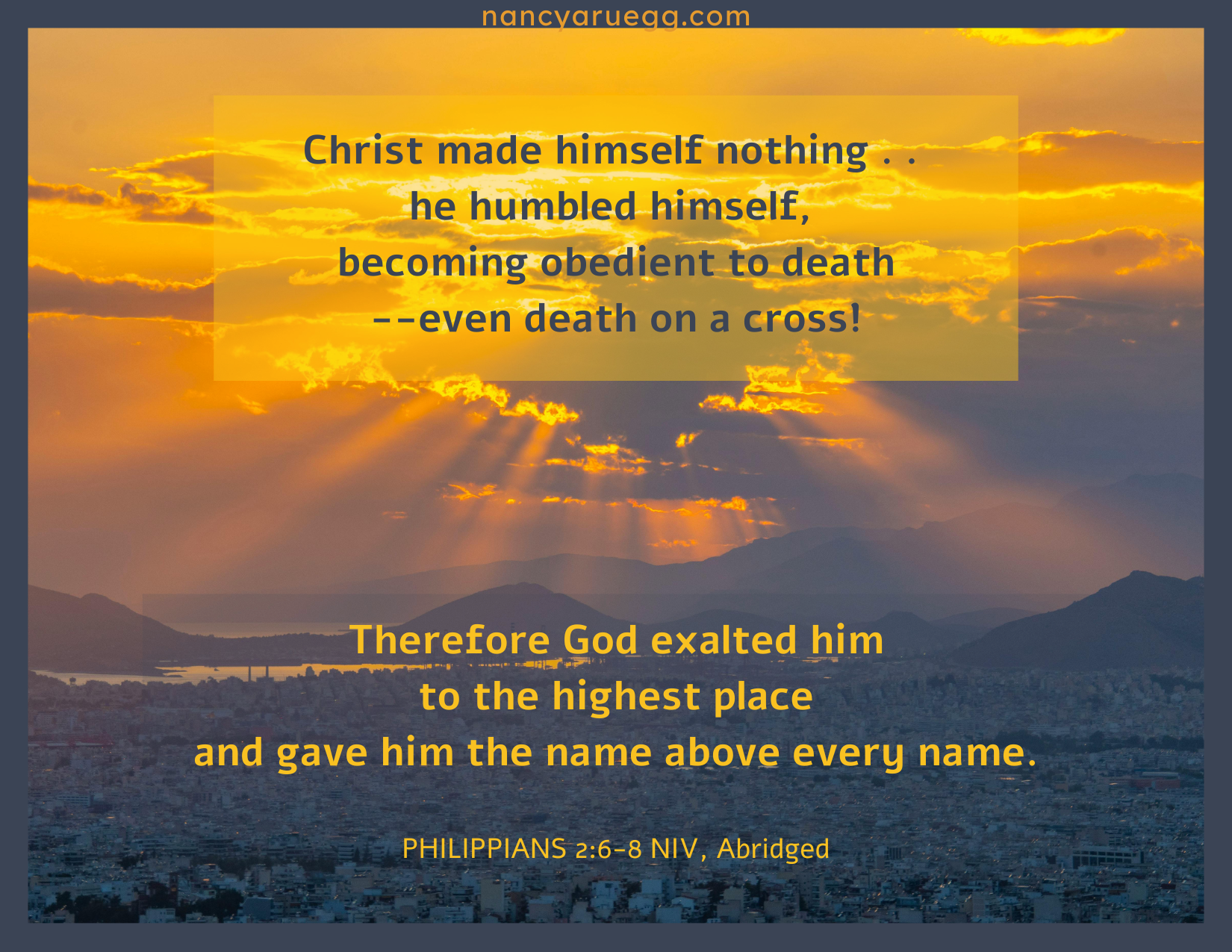
In the Garden of Gethsemane you poignantly affirmed trusting submission, even while anguishing over the suffering to come [2].

Yet you acquiesced to your Father’s will. You trusted your Righteous Father to provide the supernatural strength you’d need, knowing his right hand would sustain you, and he’d provide ultimate victory [3].

Your submission cost you horrific pain yet you endured to the end. By comparison, my submission has cost me little and yet I sometimes balk at even small sacrifices.

How dare I stoop to complaining and self-pity when people don’t respond the way I think they should, when disagreeable tasks require attention and I ignore them, when “little” temptations beset me and I make excuses to give in?

Oh Lord, forgive me for losing sight of your example. Remind me too that obedience is not for performance’ sake but for love’s sake [4]. Out of gratitude, I do want my love for you to overflow; out of love, I do want my submission to you to grow.  

I praise You, Lord Jesus, that you are the Perfector of my faith [5]. You didn’t just set me on the path to abundant life and then leave me to figure out the journey on my own.

“Your Spirit has enlightened my understanding of spiritual matters, developed my conscience, drawn my affections toward things of eternal value, created the desire within me to follow [your] will, with new motives, principles, and purpose” (Unknown) [6].  

THANK YOU!

You guide and empower, to mold my life into what is useful and even beautiful. You faithfully work to release me from those things that ensnare me [7]. How gracious you are!

You change my perspective, so I can see things from your point of view; you work repentance in my heart, desiring to purify and transform me, day by day, into your likeness [8]. That’s my desire too.

I’ve not been an easy project for you, Lord, given my stubbornness and slowness to learn.  And yet, scripture assures me your continual inner-work within me is for your good pleasure [9]. You do it because it gives you pleasure! That astounds me.

How thankful I am to belong to you, that you never give up on me. You never tire of wielding your transforming power, to refine all your children into radiant reflections of you [10].

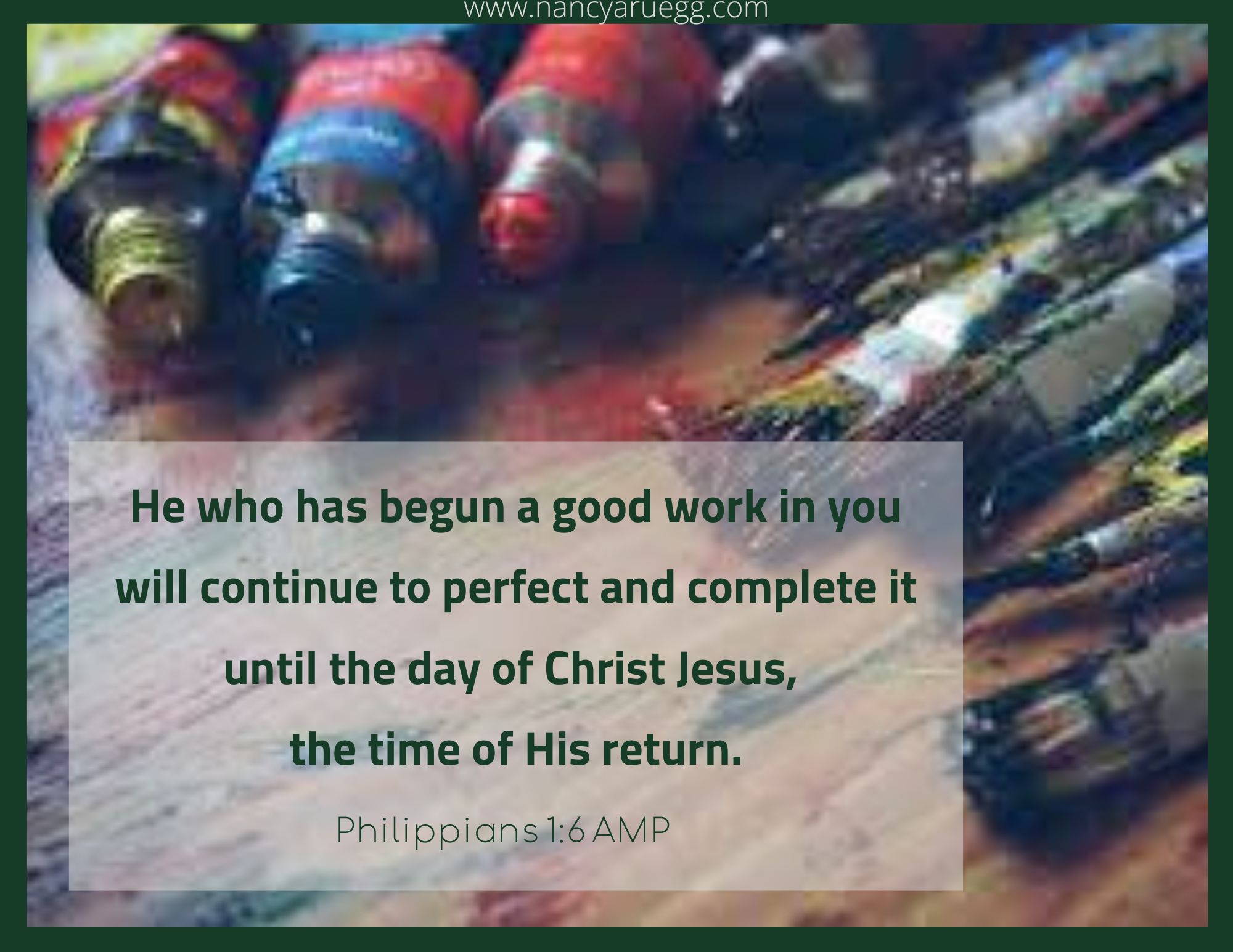
I praise you, Jesus, for your patience and persistence! And I praise you for your promise, that you’ll carry to completion the good things you—with all your wisdom, goodness, and love—have planned for me [11].

May I be an enthusiastic participant to the end!



[1] Hebrews 12:2; 1 Peter 2:21; John 6:38

[2] John 5:30; Matthew 26:36-46

[3] Philippians 2:6-8; Psalm 18:32, 35b; 37:39-40

[4] John 14:15

[5] Hebrews 12:2

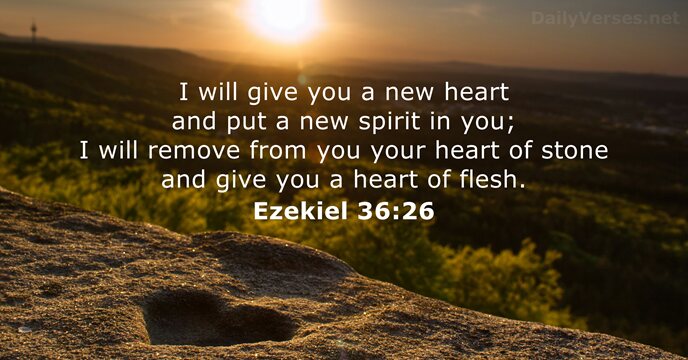
[6] Ephesians 1:18; Hebrews 9:14; 2 Corinthians 4:16-18; Philippians 2:13; Ephesians 4:24-26; Ezekiel 36:26-27

[7] John 16:13; Acts 1:8; Ephesians 2:10; Psalm 25:15

[8] Romans 12:2; 1 John 1:9; Romans 2:4; 2 Corinthians 3:18

[9] Philippians 2:13

[10] Hebrews 13:5; 2 Corinthians 3:18

[11] 1 Timothy 1:16; Luke 15:4-7; Philippians 1:6

Image credits: http://www.picryl.com; http://www.canva.com; http://www.dailyverses.net; http://www.freerangestock.com (Lia Leslie).

Processing…
Success! You're on the list.

Read Full Post »


Do you know . . . 

. . . the approximate number of stars in the sky? 

  • “Astronomers estimate that the universe could contain up to one septillion stars – that’s a one followed by 24 zeros (1) !”

. . . about the “Goldilocks Zone?” 

  • That’s what scientists call our perfect position in the galaxy, where Earth doesn’t get too hot or too cold. The distance is “just right” to sustain life (2).

. . . how ocean currents are important to our survival? 

  • They help regulate Earth’s climate by distributing heat around the globe. They also transport nutrients and oxygen to deep-sea ecosystems (3).

. . . where the tallest mountain is located? 

  • It’s not Mount Everest—it’s Mauna Kea, part of the Hawaiian-Emperor seamount range. It rises 13,800 feet above the Pacific Ocean and extends down to the ocean floor another 19,700 feet, for a total of 33,500 feet—more than a mile higher than Mount Everest (4). 

. . . how trees in a forest can stay healthy for centuries without human intervention? 

  • An underground fungus network connects plants together, allowing for transfer of water and nutrients (5). 

I can’t speak for you, but such facts astound me and prompt awed adoration for the Creator of all things.

My amazement expands even further as I read in scripture:

  • God knows all those septillion of stars by name (Isaiah 40:26).
  • He is the One who set the earth on its [invisible] foundations; it can never be moved (Psalm 104:5).
  • God inspired David to include “the paths of the sea” in one of his songs (Psalm 8:8), long before Matthew Maury studied those currents and charted them.
  • He covered the earth with enough water to stand above the tallest mountains (Psalm 104:6).
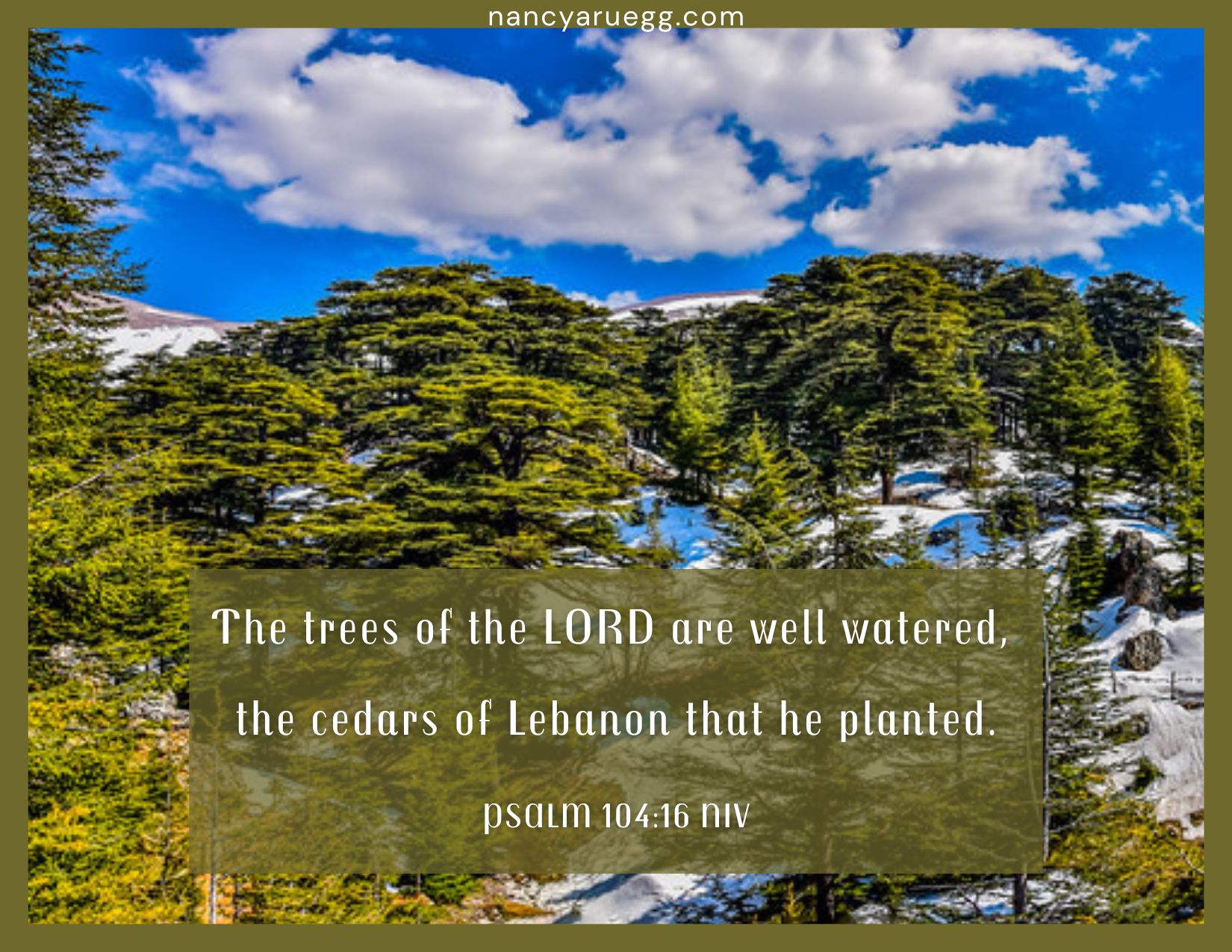
  • God has made sure his trees in the deepest forests have been well-watered and nourished since time began (Psalm 104:16).

Photo taken by Paul Saad in the “Cedars of God” nature preserve in Lebanon.

Some trees are well over 1,000 years old, a few even 2,000 and 3,000 years old.

Who is like our God?!

Because of his incomparable power, he could do whatever he wants, whenever he wants. Yet his actions are always guided by absolute love, wisdom, and goodness. 

But of course, God’s magnificence isn’t limited to his creative genius and immense power to accomplish every good work.

Consider his holiness—his separateness from all else, his perfections above everyone else.

He’s the Only One who:

  • can create out of nothing
  • has the capacity to rule and sustain the universe
  • knows all things, all truth
  • can provide eternal life to those who come to him (6)

We see his holiness in:

  • the numerous, already-fulfilled prophecies of scripture, brought about with 100% accuracy
  • his promises, kept with 100% reliability
  • his flawless attributes, at work 100% of the time (7)

Think of all his blessings lavished upon us, the answers to prayer, the difficulties overcome, the miracles bestowed. Your life and mine offer proof of God’s holy faithfulness and lovingkindness.

In fact:

Not since Adam stood up on the earth has God failed a single man or woman who trusted him.

—A. W. Tozer, The Root of the Righteous, 44.

Again, my heart responds with awed adoration.

Yet there’s more.

This astounding, wonderful, and perfect God invites us to be holy too.

“Now why would we want to do that?” the skeptic will ask. “Holiness sounds dull and boring!”

In actuality, the process of becoming holy is the pathway to happiness. Yes it is.

Every time God says, “Don’t,” he’s indicating, “Don’t hurt yourself.” When we choose to sin, we’re choosing to suffer (9).

Now why would we want to do THAT?

Some will argue, “But holiness is so hard to achieve.”

That’s where awed adoration comes in, for the magnificence of God’s deeds and the perfections of his character, just as we’ve done in this post.

Why? 

The life of true holiness is rooted in the soil of awed adoration.

—J. I. Packer (quoted by Ann Voskamp in 1000 Gifts, 111).

So let’s plant our roots and grow

Greater happiness awaits.

Endnotes:

  1. https://science.nasa.gov/universe/stars/
  2. https://science.nasa.gov/exoplanets/what-is-the-habitable-zone-or-goldilocks-zone/
  3. https://oceanblueproject.org/ocean-currents-map/
  4. https://www.mos.org/blog/the-earth-around-us/Why-Hawaii
  5. https://www.nationalforests.org/blog/underground-mycorrhizal-network
  6.  Hebrews 11:3; Colossians 1:17; 1 John 3:20c; John 3:16
  7. Isaiah 46:10-11; Numbers 23:19; Psalm 18:30
  8. James MacDonald, Gripped by the Greatness of God, 36-37.

Image credits: http://www.commonswikimedia.org (2); http://www.flickr (Paul Saad); http://www.picryl.com; http://www.freebibleimages.org; http://www.canva.com.

Processing…
Success! You're on the list.

Read Full Post »

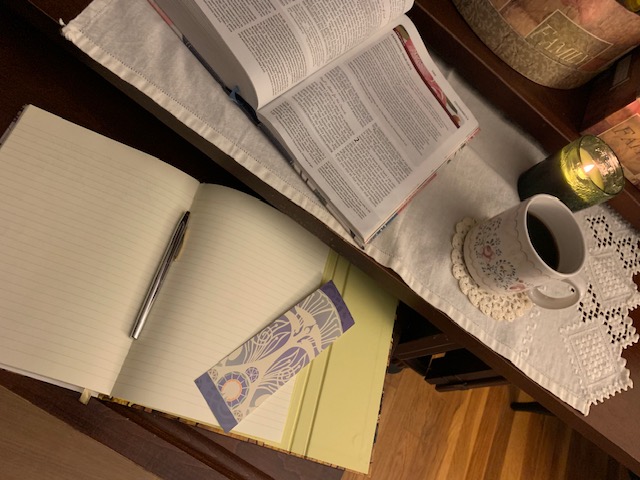
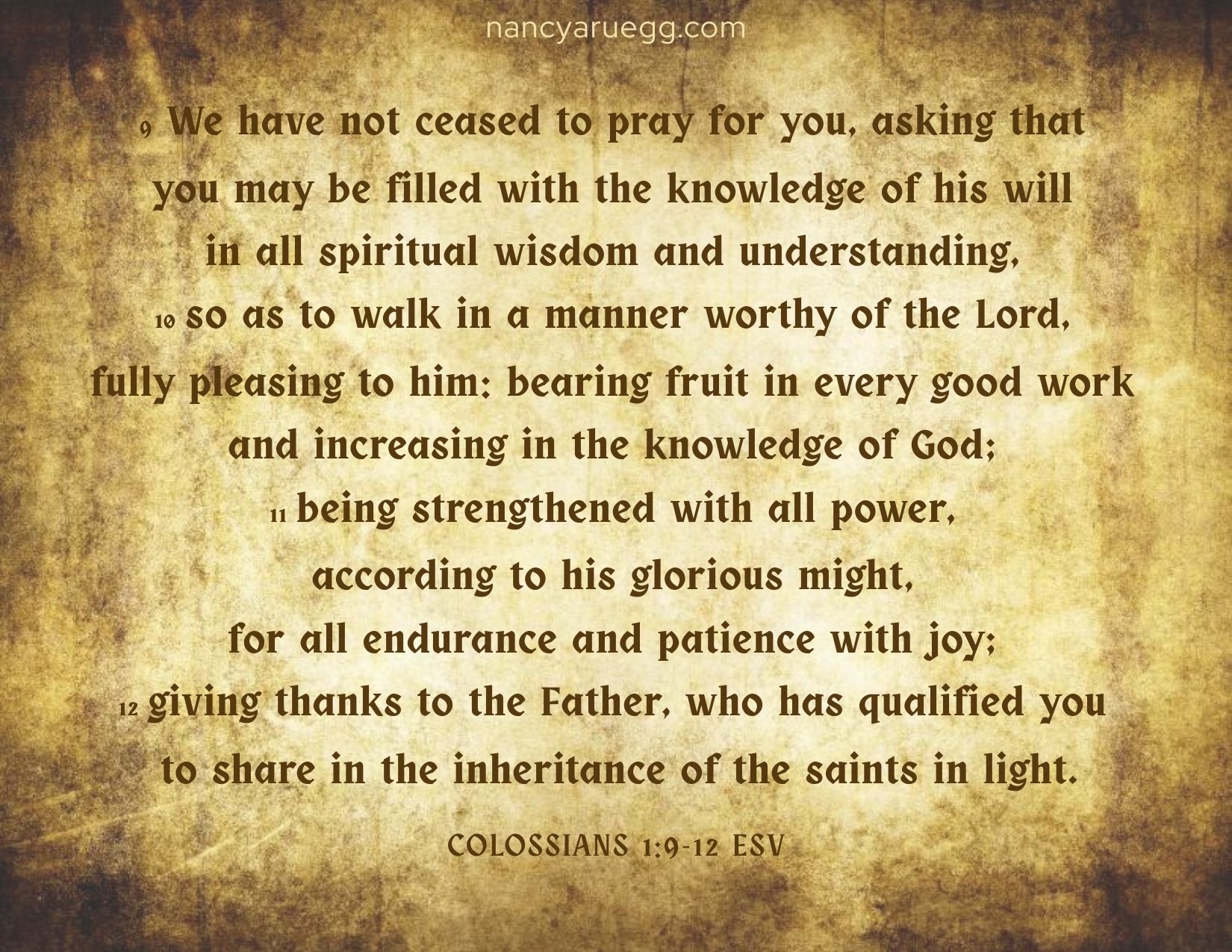
Black coffee steamed, a fir-scented candle glowed as I began to journal a prayer from Colossians 1:9-12, in response to a Bible study prompt. What follows is the result, with recent additions and revisions.

Perhaps you’d like to pray along?

Thank you, Father, for including many exemplary prayers in the Bible. Moses showed us how to intercede for others, David, how to praise, and Daniel, how to pray using scripture (1).

You’ve also provided promises, assuring our prayers will be answered–for those who believe in you, seek to live your ways, and pray according to your will (2)

With these assurances in mind, I appropriate for me Paul’s prayer for the Colossian Christians (1:9-12), desiring to experience the same realities in my life: knowledge of your will, obedience worthy of you, power to endure, and joyful gratitude for the promised inheritance in your kingdom.

I too pray to be filled with the knowledge of your will (v.9)—for small matters and major decisions alike. I know that fulfillment of your purpose will result in prosperity of soul (3).

I pray for spiritual wisdom and understanding (v. 9), “to recognize truth and discern reality from your point of view.” Many want to make truth relative to fit their world view apart from you. But “ignorance of spiritual realities is the constant source of error, instability, and sorrow” (4).

In contrast, knowledge of your divine truth brings helpful instruction, guidance, comfort, and more. For me to live by your truth is what you deserve, as my all-wise, loving Father. It also brings you honor and allows me to enjoy “life in all its fullness.” How lavish you are in your goodness, O Lord (6)! 

May my life “be the kind that brings credit to [your] grace” (7). One way to do that is to bear fruit (v. 10); to be your instrument of mercy to others with my words and actions. But to do that I need your power, Father, your enablement to carry out what you ask. 

I also need your power to persevere, equipping me to even triumph through trials. Eugene Peterson called it “glory-strength—strength that endures the unendurable and spills over into joy” (v. 11 MSG). Such an incredible gift!

I praise you for your supply of endurance. Millions of martyrs who’ve gone before have proved: no circumstance in life can ever defeat . . . no event can ever vanquish (8).

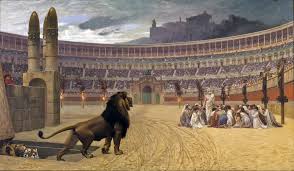
How many, Lord, were tortured and maimed, killed by lions in the Roman Colosseum, burned alive, or tied inside a burlap sack and thrown in a river to drown?

The Christian Martyrs’ Last Prayer by Jean-Leon Gerome, 1883

And yet as death drew near, they spoke and sang words of joy, because of their love for you and their confidence of heaven with you. You made it possible for them, you’ll make it possible for me to deal triumphantly with whatever life delivers.

You also provide patience to withstand unpleasant, even malicious people. You make it possible to set aside bitterness, despair, and exasperation and focus instead on the joyful conclusion ahead, just as Christ did.

Help me to do so, Father. May I remember to take encouragement from your promise that even out of evil, you bring good (9).

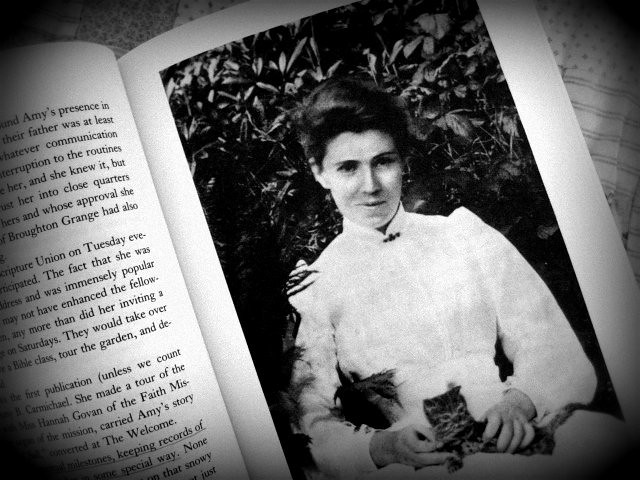
Your most mature saints exemplify “giving joyful thanks” (v. 12), even as they suffer. Amy Carmichael, missionary to India, offered a perfect example.

She was often in pain from neuralgia, sometimes bedridden for weeks at a time, yet served faithfully for fifty-five years, even writing thirty-five inspiring books.

Amy Carmichael

“Joy is not gush, ” she wrote. “Joy is not mere jolliness. Joy is perfect acquiescence ~ acceptance, rest ~ in God’s will, whatever comes.”

I know she’s right. 

Thank you, O God, for your willingness to bestow all these life-enhancing entities: knowledge of and compliance with your will that leads to satisfaction, strength and power to endure, and joy–especially in the glorious inheritance you’ve provided in your kingdom of light!

Help me do your bidding, Lord, joyfully leaving the outcome to you.

Notes:

  1. Exodus 32; Psalm 145 among many, Daniel 9.
  2. 1 Peter 3:12; 1 John 5:14-15.
  3. Psalm 40:8.
  4. 4. J. B. Phillips, The New Testament in Modern English, Colossians 1:9; Charles Spurgeon, http://www.preceptaustin.org.
  5. Psalm 119:14, 105, 52.
  6. John 10:10 GNT; Psalm 31:19.
  7. http://www.bereanbiblechurch.org.
  8. William Barclay, The Daily Study Bible, The Lettters to the Philippians, Colossians, and Thessalonians, 131.
  9. Hebrews 12:2; Romans 8:28; Genesis 50:15.

Image credits: Nancy Ruegg; http://www.canva.com (2); http://www.picryl.com; http://www.flickr.com; http://www.publicdomainpictures.net (2).

Processing…
Success! You're on the list.

Read Full Post »

The Annunciation by Philippe de Champaigne, 1644

‘Remember what the angel Gabriel said to Mary when he first appeared to her?

“Greetings, you who are highly favored! The Lord is with you. Do not be afraid, you have found favor with God” [1].

He then made an incredible announcement. Mary would give birth to the Messiah [2].

Did her mind jump to Isaiah’s prophecy about a young woman who would conceive and give birth to Immanuel?

Surely many Jewish girls knew the passage. And each must have wondered, Might I grow up to be the mother of the King of all?

God favored Mary with the singular role of mother to the Righteous One. Perhaps his choice was based on Mary’s virtue, but scripture gives no indication of that.

Luke did mention that Zacharias and Elizabeth, the parents of John the Baptist, “were righteous in the sight of God, observing all the Lord’s commands and decrees blamelessly” [3].

But no such commendation is given for Mary. It may be God wanted us to understand: he can use anyone. His empowerment doesn’t depend on social standing, intelligence, accomplishments, or even moral superiority.

Our part is willingness and faith, which Mary did demonstrate when she professed: ‘’I am the Lord’s servant. May your word to me be fulfilled” [4]. Mary acquiesced to God’s plan, his choice for her.  

If you’re like me, you’ve wondered about the favor bestowed upon Mary. To us the word conjures up kindness and generosity.

But Mary faced:

  • rejection and cruelty as a pregnant and unmarried, young teen [5]
  • the probable annulment of her engagement to Joseph
  • a grueling trip to Bethlehem, nine months pregnant
  • delivering her first child in a stable-cave
  • another difficult journey to Egypt to protect Jesus from Herod’s slaughter
  • the hurtful disapproval of many for her firstborn, including his own half-siblings
  • watching her son die in agony [6]

How could Gabriel call Mary favored?

We’re looking in the wrong direction. God’s favor, his best for us, does not guarantee an easy path through life and an abundance of material blessings. That kind of favor would only spoil us.

God would have us look in the direction of more satisfying favor: his spiritual blessings [7].

That’s what Mary did, evidenced by her Magnificat, a prayer preserved for us in Luke 1:46-55, where she praised God for his mindfulness of her, his might that had accomplished great things for her, his mercy extended to those who fear God, and more.

In the NIV Study Bible, nineteen cross-references from this passage cite verses from seven books of the Old Testament. Mary knew scripture.

It’s unlikely she thought God’s favor would bring fame and fortune. Mary would have known that God’s best more often includes:

  • empowerment to carry out his assignments
  • instruction in the ways we should choose
  • help in times of trouble
  • strength to endure hardship and grief
  • compassion and comfort to quell distress
  • satisfaction in taking part in God’s wonderful plans [8]

And as God’s wonderful plan of redemption for all people began to unfold, his favor began to flow upon Mary.

He dispelled her fears, gave her courage to tell Joseph the unsettling news, inspired Mary to visit her wise cousin Elizabeth for encouragement, filled her with endurance for the journey to Bethlehem, and strength for the birth of her first child in less-than-ideal circumstances.

Of course, Mary isn’t the only one who’s experienced the favor of the Lord. God’s best is available to everyone who allows God to choose what’s best.

God would have us know:

By his favor he forms our characters and fits us for satisfying service. He charts our course, imparts strength to accomplish his plan, supplies all that is necessary, and ultimately crowns our efforts [9].

Just as he did for Mary.


[1] Luke 1:26-30 NIV, emphasis added

[2] Luke 1:31-33

[3] Luke 1:6

[4] Luke 1:38

[5] This was surely Mary’s experience, given the social norms of the day.

[6] Matthew 1:18-19; Luke 2:1-5; 6-7; Matthew 2:13-15; Mark 3:20; John 19:26-27

[7] Ephesians 1:3

[8] Psalm 138:8 ESV; 25:12; 46:1; 73:26; 86:15; Isaiah 66:13a; Psalm 128:1

[9] Based on Herbert Lockyer quote, Seasons of the Lord, 202.

Image credits: http://www.picryl.com; http://www.canva.com; http://www.freebibleimages.org (4); http://www.stockvault.net.

Processing…
Success! You're on the list.

Read Full Post »

In 1937, the Imperial State Crown of England was created for the coronation of King George VI. It is inarguably one of the most beautiful in the world.

The number of jewels staggers the imagination. Among them: eleven emeralds, seventeen sapphires, 269 pearls, and 2868 diamonds [1].

Front and center, just above the ermine band, sits the largest diamond—the “Star of Africa II, weighing 317.4 carats. (“Star of Africa I,” which is even larger, sits atop the British royal scepter.)

Puritan preacher and author, Thomas Watson (1620-1686), named one of God’s attributes as the most sparkling jewel of God’s crown. But before I reveal his answer, which of God’s quality traits would you consider his “attribute of attributes?”

  1. Love
  2. Holiness
  3. Power
  4. Infinitude

Watson chose B, perhaps because of the word’s meaning: separate and set apart. God is completely removed from every other creature, given his omnipotence, omniscience, and omnipresence. In addition, he is perfect in purity, goodness, faithfulness, and so much more.

In heaven the seraphim (fiery angels!) continually celebrate God’s holiness. The prophet Isaiah heard them saying:

The Apostle John, during his vision of heaven, heard a similar chant [2].

We can’t help but notice the repetition of holy three times, and if you’re like me, that makes us curious. Why three times?

First, “holy” in triplicate may seek to honor each Person of the Trinity: Father, Son, and Spirit.

Second, repetition indicates emphasis.

The ancient Hebrew language included no punctuation, no bold print, no way to indicate greater importance. When writers wanted to highlight something, they’d repeat it.

Other examples would include:

  • In Genesis chapter one “God saw that it was good” is repeated six times.
  • 1 Kings 9:26-10:29 includes the word gold fifteen times to emphasize King Solomon’s wealth.
  • Psalm 130:6 offers heartfelt longing: “I wait for the Lord more than the watchmen wait for the morning, more than watchmen wait for the morning.”
  • Psalm 136 includes “His love endures forever” twenty-six times.
  • In Ezekiel 21:27, the prophet related God’s soon-coming judgment on Jerusalem—“A ruin! A ruin! I will make it a ruin!”

But nowhere in scripture do we see a triple-repetition of an attribute for anyone but God and only for this one attribute [3]. God’s holiness is superlative; he is infinitely holy. And that holiness impacts everything else about him.

His love is holy love. His power is holy power. His justice is holy justice. All his attributes are characterized by purity and splendor beyond those of anyone else.

Gaze upon the crowning jewel of God’s holiness and be overcome with awe and reverence, as well as “a sense of our incredible, desperate need for a fresh infusion of who He is”—because he’s instructed us to be holy too [4].

“Oh, I can’t do that,” someone will say. “Even at my age I still do and say things I shouldn’t, and then leave undone the things I should do. Being holy is impossible!”

Here’s what that person doesn’t understand:

“What God’s truth demands; His grace will provide.” “Faithful is he that calls, who also will do it” [5].

The more we expand our awareness of God’s holiness, the more honor and respect we’ll long to give him through obedience—obedience that he rewards with blessing.

Just how do we expand that awareness? Through Bible study that instructs, prayer that empowers, worship that inspires, and practicing his presence that encourages.

*     *     *     *     *     *     *     *     *     *

Holy God, who is like you? You are majestic in holiness beyond my comprehension; you are awesome in glory that takes my breath away. Every moment you are continually working wonders. There is no one holy like you! There is no one besides you!

I praise you, Father, for working your holiness into my spirit, enabling me to reflect your holy love, your holy goodness, your holy compassion to those around me. Empower me this day, I pray. AMEN.

(Exodus 15:11; 1 Samuel 2:2; Philippians 2:13)


[1] https://www.rct.uk/collection/31701/the-imperial-state-crown

[2] Revelation 4:8

[3] James MacArthur, Gripped by the Greatness of God, 28.

[4] MacArthur, 31.

[5] Francis Frangipane, Holiness, Truth, and the Presence of God, 23; 1 Thessalonians 5:24

Images: http://www.picryl.com; http://www.flickr.com; http://www.canva.com; http://www.rawpixel.com; http://www.heartlight.org; http://www.dailyverses.net; http://www.canva.com.

Processing…
Success! You're on the list.

Read Full Post »

Older Posts »

Sylvia Schroeder

Impressions Becoming Expressions

Mitch Teemley

The Power of Story

Still Traveling

Impressions Becoming Expressions

Living Our Days

Gaining a heart of wisdom

He Said What?!

I'm Patty, and my husband and I are living with our adult son who has autism and epilepsy. I love sharing lessons learned from life around me, especially life with Aaron.

Meditations of my Heart

Impressions Becoming Expressions

Linda Stoll

Impressions Becoming Expressions

Signora Sheila

Where faith meets la dolce vita

Heidi Viars

Finding the Image of God