Feeds:
Posts
Comments

Archive for the ‘God’s Faithfulness’ Category

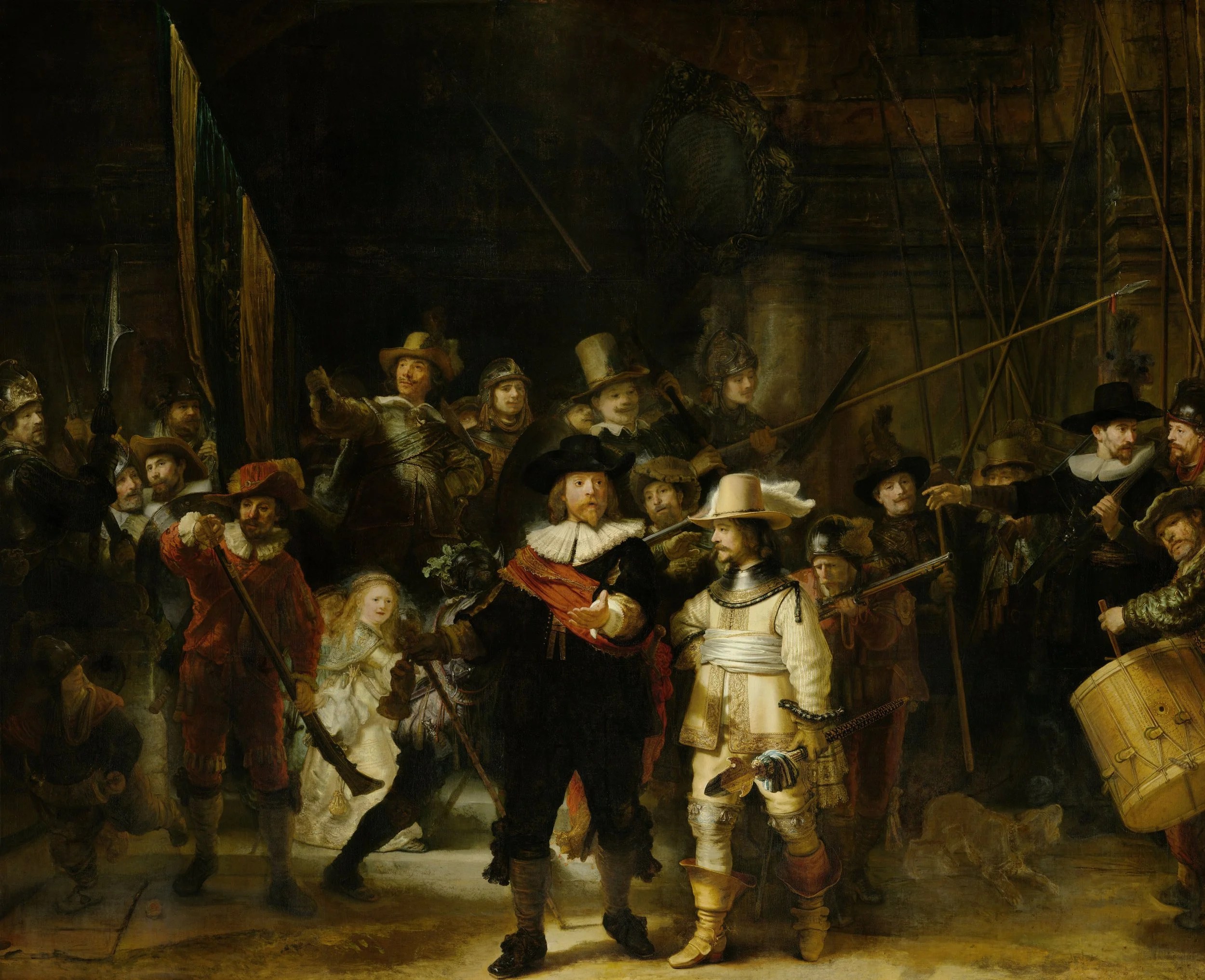
A large team of specialists—scientists, curators, conservators, computer and AI specialists—began their research in 2019. Two and a half years later, they finally moved into Phase Two. The assignment? To restore a 12’ x 14.5’ painting titled The Night Watch (1642), by Rembrandt.

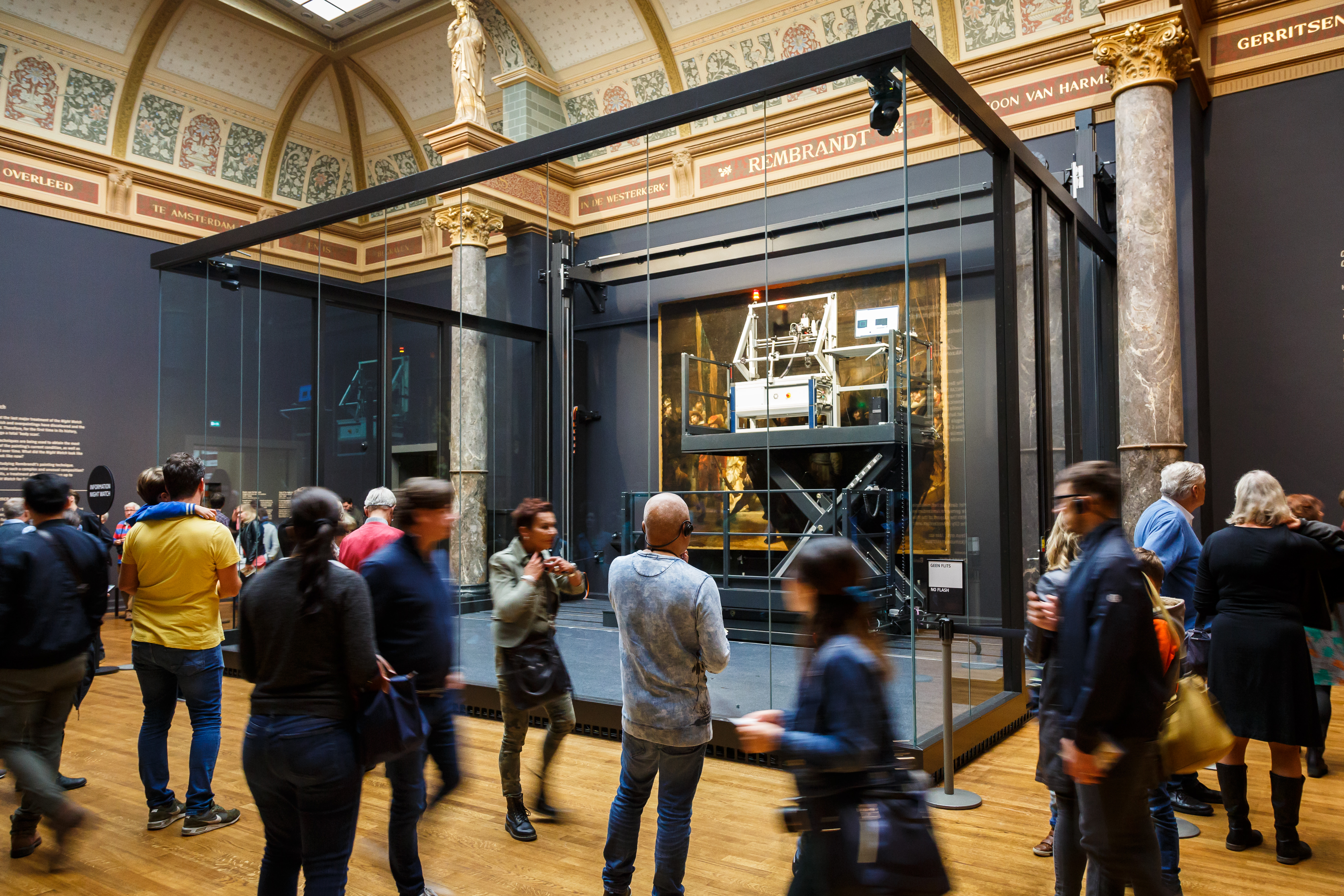
Example of equipment used during research phase, while museum visitors watched.

In 2022 a team removed the painting from its wooden stretcher (applied in the 1970s) and re-stretched it on an aluminum frame with springs, to keep the tension evenly distributed.

Beginning in November 2024 and still in process, conservators work to remove the varnish layers from the 1970s and 1990s, clouding the painting with a yellowish cast, muting the colors, and obscuring details. The task is accomplished with microfiber fiber tissue prepared with solvent.

Imagine the resplendence of Rembrandt’s work when the restoration is complete!

Once these layers are removed, the team will determine whether older layers of varnish can be removed, and what solvent will work best. They’ll also switch from the tissues to cotton swabs, and slowly but surely reveal the beauty that lies beneath.

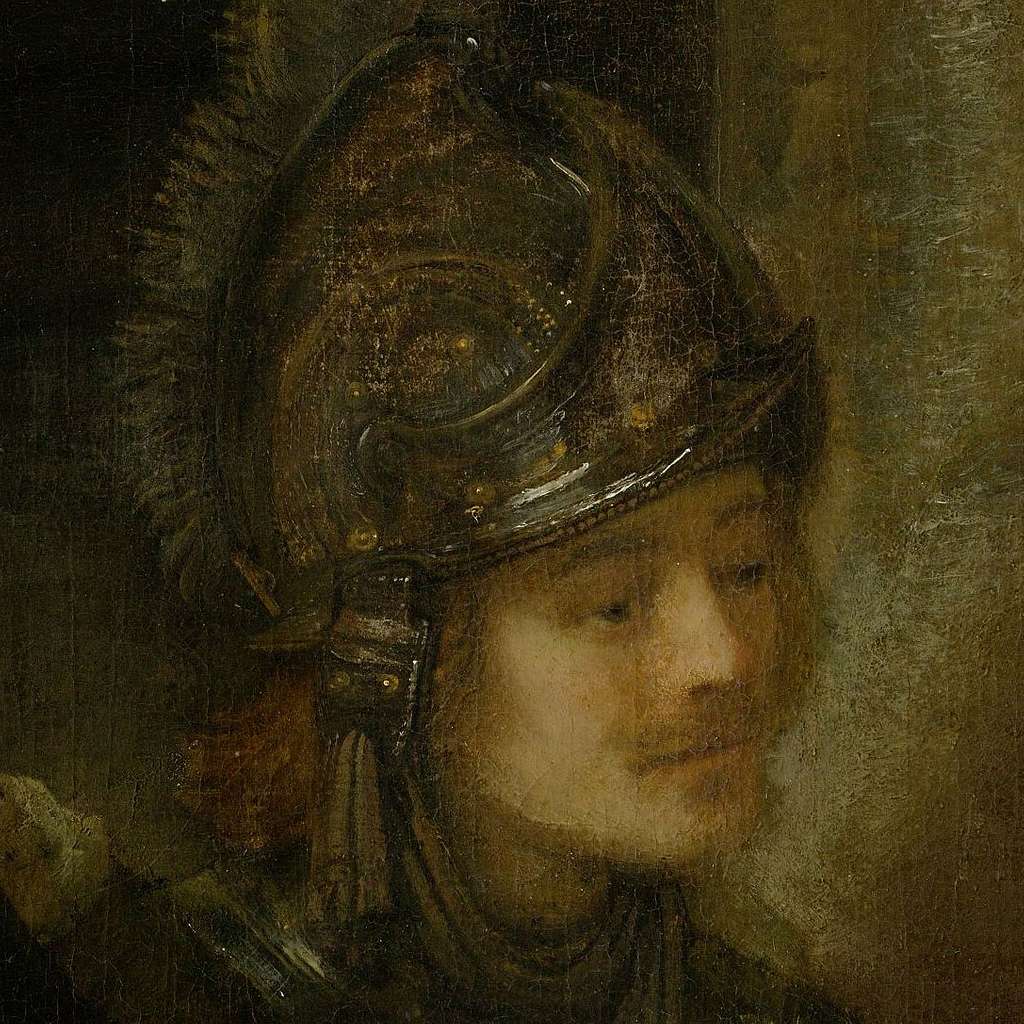
What details might conservators discover for this soldier?

They’ll also address damage caused by knife attacks and deterioration of the paint. The team expects to conclude in 2027-28.

The world is filled with masterpieces in need of restoration—and not just ancient works of art. These masterpieces include you, me, and all mankind. Scripture tells us we are God’s workmanship–“his own master work, a work of art” (Ephesians 2:10 AMP).

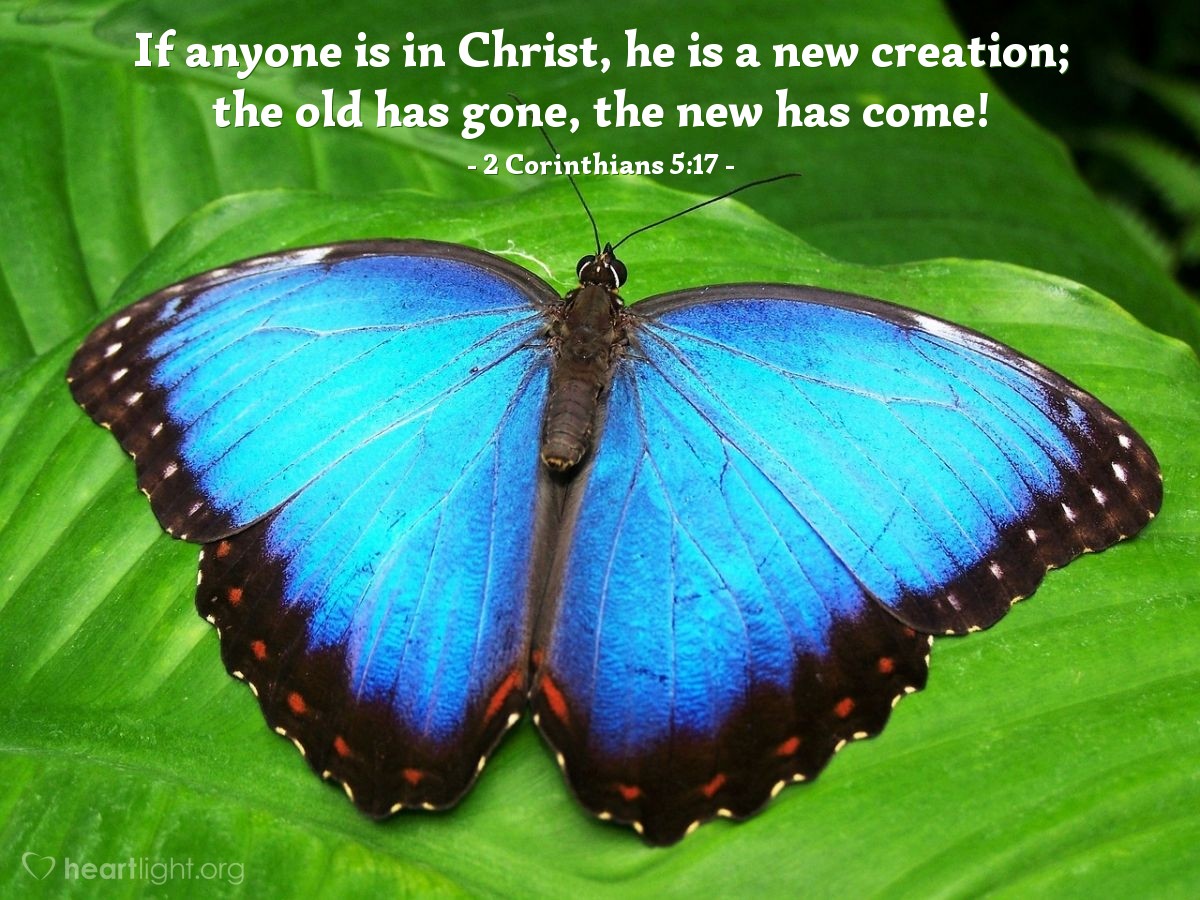
But like The Night Watch, our true selves are clouded and discolored by self-centeredness, discontentment, unforgiveness, and more. We too need restoration, and God himself has engineered the way for us to be made new:

Those layers of the old life include harmful actions like a quick temper, unhealthy thought-patterns like worry, and unwholesome choices like holding a grudge. As they’re removed, the lustrous colors of the fruit of the Spirit begin to shine through—love, joy, peace, patience, and more.

And just as conservators are finding new details in The Night Watch, we find newness of life in our relationship with God—new perspectives and purposes, new desires and motives, new goals and passions, new hopes for the future and new power to face whatever comes. 

The process does take time, as if God works with a Q-tip. But that’s because he works with gentleness and patience to mature us.*

I suppose if a painting could feel all that rubbing (gentle as it may be), there’d be discomfort. But it wouldn’t take long for hope to settle in—hope for the day when the beauty of what lies beneath becomes visible— when every lovely detail is revealed and the colors glow with vibrancy.

Surely the painting would decide: the results are worth the process. How much more should we welcome the restorative work of God, knowing that submission to him turns:

  • Deafness in our spirits to sensitivity for God’s voice
  • Blindness to God’s involvement in our lives to seeing the evidence of his work nearly everywhere
  • Disinterest in the Bible to hunger for truth
  • Immature understanding to growth in wisdom
  • An appetite for material possessions to a desire for spiritual depth
  • Anxious thoughts to faith-filled affirmations from scripture

How do we begin to experience such restoration? It begins with timetime set aside most days to spend in the presence of our Restorer.

We can also learn to practice God’s presence all day long—with frequent whispered prayers, moments of praise, and words of gratitude.

Slowly but surely what lies beneath is exposed, because:


* Romans 2:4; Isaiah 40:11; Psalm 103:8, 13, 14 HCSB.

Image credits: http://www.commons.wikimedia.org; http://www.picryl.com (2); http://www.heartlight.org (2); http://www.commons.wikimedia.org.

Sources of information for The Night Watch restoration:

https://www.rijksmuseum.nl/en/whats-on/exhibitions/operation-night-watch

https://www.rijksmuseum.nl/en/stories/10-things/story/10-things-about-rembrandt-s-night-watch

https://www.france24.com/en/20181016-rembrandt-masterpiece-night-watch-be-restored-live

Processing…
Success! You're on the list.

Read Full Post »

“Please come—a young mother is dying!” cried the young man at the door.

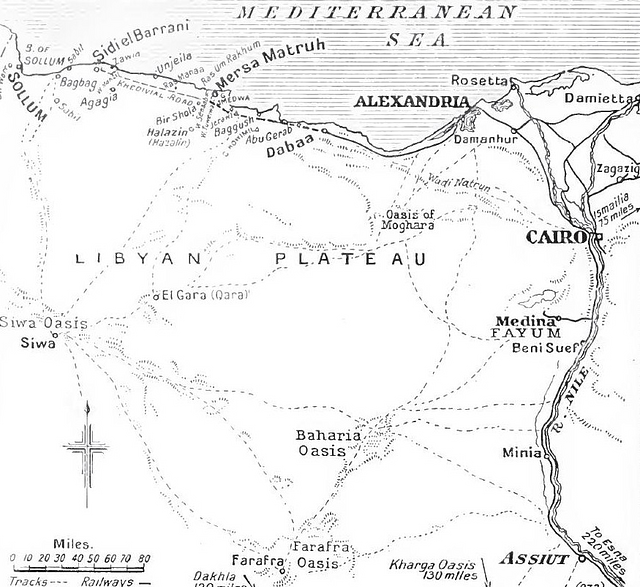
Twenty-three-year-old missionary, Lillian Trasher, grabbed her medical kit and followed him to a dirty hovel. The poverty and stench that greeted her didn’t surprise Lillian. After three months in Assiut, Egypt, she was growing accustomed to the deprivation.

Lillian had no means to save the young woman. Her sickly, scrawny infant mewled with hunger.

“You must keep the baby,” family members insisted. “There is no one here who can care for her.”

So Lillian took the infant back to the mission house. A few days later the director insisted Lillian return the child, explaining, “Her incessant crying keeps everyone awake at night.”

“I can’t take her back,” Lillian protested.

Her only alternative: spend the few rupees she had to rent a little house and purchase a bit of furniture.

But living on her own meant no further support from the mission station. Lillian prayed for God to supply, and begged from her neighbors. Day by day God provided.

Before long, other orphans were brought to Lillian and the Assiut Orphanage came into existence. The year: 1911. Lillian must have smiled to trace the events God had orchestrated, leading to this outcome.

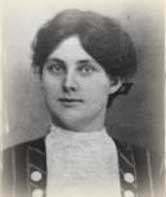
Lillian Trasher

Four years earlier she’d traveled from home in Brunswick, Georgia to Atlanta, to interview for a newspaper job as a sketch artist. On the way she just happened to meet Mattie Perry, an orphanage director from North Carolina.

Mattie described the work and “how they lived by faith, believing each day that God would supply all their needs”[1]. Mattie invited the would-be sketch artist to come work with her. Lillian declined.

But it just so happened the sketch-artist position went to someone else by mistake, after Lillian had supposedly been hired. She decided to work at the orphanage after all.

For five years she handled all sorts of tasks and learned the many facets of orphanage administration. She also attended Bible School, pastored a church for a short time, and even traveled as an evangelist.

In 1910 Lillian became engaged. But, as it happened, ten days before the wedding, she heard a missionary from India speak passionately about his work. Lillian felt strongly God was calling her to mission work–in Africa. Her fiancé, however, felt no such call, and Lillian broke off the engagement.

Next, Lillian just happened to attend a Christian conference where she met a missionary working in Assiut. He invited her to join their team; Lillian accepted.

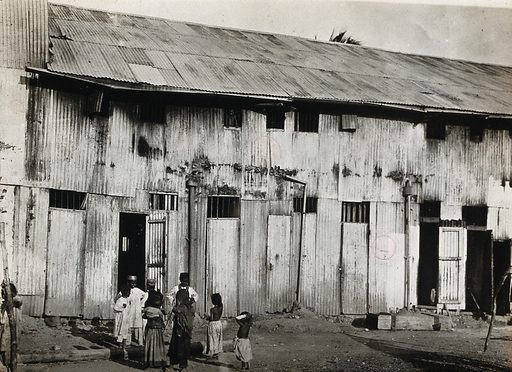
Assiut, bottom right corner

Her family expressed concern, but older sister Jennie volunteered to go along, just until she was settled. Jennie never left.

By 1915, the two women were caring for fifty orphans and needed more space. Miraculously, a large property was supplied across the river in Abnub for just $250. She and the older children made a kiln and baked their own bricks to construct the needed buildings.

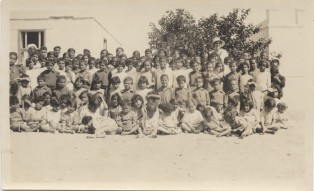
Lillian and her children, 1920

1919 brought political unrest and British authorities required everyone at the orphanage to evacuate. The boys were sent to a Presbyterian school in Assiut, the girls to a hospital.  

Lillian and Jennie returned to America and spent the year raising funds for the work. When they returned in 1920, Lillian began taking in anyone in need, including widows and the blind. They helped with the work of the orphanage, and by 1923, 300 lived on the compound.

God continued to meet their needs, sometimes in spectacular ways. One time an anonymous donor sent a truckload of foodstuffs. And when Lord Maclay of Scotland visited the orphanage, he gave Lillian $5,000 for her work. Later he sent another $25,000 [2].

As World War II began, the Assiut Orphanage housed seven hundred people. Once again, food and supplies became scarce.

In April of 1941, the American ambassador shared incredible news. A Red Cross ship had been enroute to Greece when that nation fell to the Nazis.

The captain had received orders to dump the supplies and return home. But a soldier on board knew of Lillian and persuaded the captain to unload at Alexandria.

“Believe it or not,” announced the ambassador, “you have a warehouse full of clothing, blankets, and towels, hundreds of kegs of powdered milk, many sacks of rice, and more! It’s all waiting for you”[3]!

By the 1950s, the orphanage included sixteen buildings: dormitories, a hospital wing, chapel, school, nurseries, bakery, sewing rooms, carpentry workshop, gardens, and more. Over a thousand children resided on the grounds [4].

Of course, throughout the years, Lillian and Jennie made sure their charges knew about Jesus. Thousands committed their lives to him [5].

Now, 125 years since its founding, the legacy of Lillian Trasher (and Jennie) lives on in the still-functioning facility. However, in 1961, shortly after Lillian’s death, the name became the Lillian Trasher Orphanage.  


[1] https://oercommons.org/courseware/lesson/60957/student/?section=19

[2] https://christiansforsocialaction.org/resource/heroes-of-the-faith-lillian-trasher/

[3] https://oercommons.org/

[4] https://www.cbeinternational.org/resource/story-lillian-trasher/

[5] https://oercommons.org/

Other Sources:

https://www.gc.cuny.edu/sites/default/files/2021-12/Beth-Baron%2C-22Nile-Mother-Lillian-Trasher-and-the-Orphans-of-Egypt-22.pdf

Image credits: http://www.look and learn.com; http://www.commons.wikipedia.org; http://www.itoldya420.getarchive.net; http://www.digitalgallery.bgsu.edu; http://www.canva.com.

Processing…
Success! You're on the list.

Read Full Post »

Ask a number of people what we celebrate on July 4th, and many will surely mention FREEDOM or LIBERTY.

Rightly so.

They’ll likely agree with Rev. Robert J. McCracken (1904-1973) who wrote:

But, we need to remember, with FREEDOM comes responsibility.

And former chaplain for the U. S. Senate, Peter Marshall, (1902-1949) would have us understand:

Even though Christianity is not as prevalent in our society as it once was, most Americans have a sense of what’s right, naming these qualities as important to them: respect, trustworthiness, kindness, integrity, and fairness [1].

Would some be surprised to know all of those qualities are set forth in the New Testament? In fact, since the founding of our nation in 1776, FAITH in God and respect for his commandments has provided a strong foundation for our nation’s ideals.

Imagine a country where most people couldn’t be trusted, kindness was rare, and hardly anyone treated others with integrity and fairness. Such circumstances would severely limit “the pursuit of happiness,” and the opportunity for prosperity.

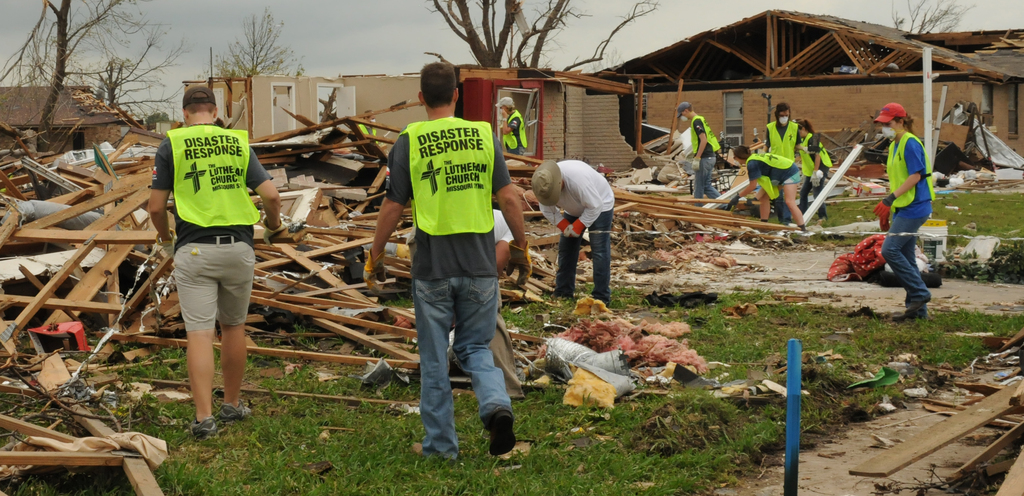
Volunteers help with clean-up after a tornado

In America, most of us pay our taxes, because it’s the right thing to do. And in America, most jury-members seek fair decisions in the cases they hear.

Yes, America has its flaws and problems, but she’s still a great place to live. Just ask the enthusiastic Europeans visiting here for the World Cup!

America is worthy of our PATRITOSIM.

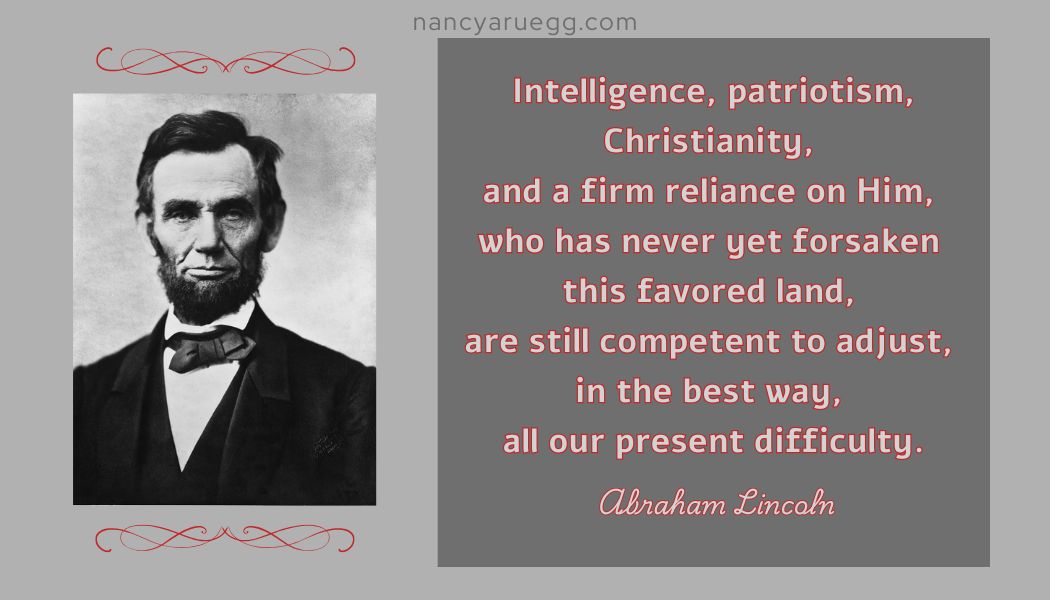
As for the flaws and problems, it’s been asserted that Christianity is part of the solution to our difficulties—by a man well-known for his wisdom and discernment:

As Lincoln walked the streets of Richmond (the capital of the Confederacy) shortly after it was captured by Union troops, a slave ran to meet him and fell to his knees before the president.

“Don’t kneel to me,” Lincoln responded. “Kneel to God only, and thank Him for the liberty you will enjoy hereafter” [3].

We’d do well to do the same, and to pray for God’s holy protection of our nation.


[1]  https://news.gallup.com/poll/691964/family-top-value-americans.aspx_, April 2025.

[3] https://www.deseret.com/2015/5/4/20563998/lincoln-saved-a-nation-but-deflected-credit-to-a-greater-power/

Image credits: http://www.printerval.com (Letitia Grasshopper); http://www.commons.wikimedia.org; http://www.picryl.com (George Armstrong); http://www.pickpik.com.

Processing…
Success! You're on the list.

Read Full Post »

Mom, Dad, and great-granddaughter, about 2011

As he got older, my dad would occasionally quip, “My memory is so good I can remember things that didn’t even happen!”

Actually, Dad remembered accurately many past events, numerous jokes, a plethora of interesting trivia, and an impressive amount of Bible knowledge—well into old age.

Some years ago I happened to recall a fun song from my childhood, but a few lines of lyrics had escaped my memory. Dad was in his upper-eighties by this time, but I asked anyway.

“Do you happen to remember the lyrics to “Cheer Up, Cheer Up?”

He remembered them perfectly, and we enjoyed reminiscing about the Scottish pastor who’d taught us to sing the chorus with a Scottish accent.

Delightful memories are one of the joys of getting older.

In fact:

But God designed our memory-capacity for more than just enjoyment. He had in mind important purpose as we use this ability to foster our relationship with him.

For example:

Remembering God’s interventions contributes to our hope.

Looking back over our lives, we all can remember how God has brought us through challenging times, miraculously supplied urgent needs, and guided us in difficult decisions.

As a result, we can affirm: if he took care of those situations then, he can certainly take care of this situation now. And we find hope beginning to bloom.

Remembering God’s mighty deeds bolsters our faith.

Like the psalmist Asaph wrote: “I will ponder all your works and meditate on your mighty deeds. Your way, O God, is holy. What god is great like our God?” (Psalm 77:12-13).

Remembering is a form of worship. And as we rehearse with him the miracles we’ve witnessed and experienced, our fears subside, doubts shrink, strength increases, and our confidence in God expands.

Remembering God’s faithfulness fosters gratitude and peace.

Brain research has confirmed that “engaging in gratitude rewires neural-pathways, combating anxiety.” 

That means, with every remembrance of God’s faithfulness, we’re taking advantage of the ability he’s given us, to calm our stress and hard-wire pathways to peace. *

Remembering the past encourages personal and spiritual growth.

We find wisdom for the present from the lessons learned in the past.

One lesson I’ve learned along the way was actually proclaimed eons ago by a Greek playwright, Aeschylus: “Happiness is a choice.” 

I can choose negativity and spiral downward into discouragement, or I can look for the blessings in my life and give my heart a good dose of cheer (Proverbs 17:22).

I’d rather do the latter.

Remembering the past contributes to obedience.

  • As we consider how God has provided throughout our lives, we’re more able to obey the instructions:
  • As we praise God for what he’s accomplished in the past, we’ll sidestep complaining about a difficulty in the present.
  • As we remember the joy of liberal generosity (Acts 20:35), we’ll avoid tight-fisted possessiveness.
  • And as we strengthen our faith by remembering God’s amazing deeds, we fight against spiritual complacency.

With the psalmist we can affirm:

We have no need for wishful thinking, remembering things that didn’t even happen. Pondering all the wonders God has performed for us will keep us happily occupied into eternity.

* https://cfc.sebts.edu/faith-and-culture/why-remembering-matters-and-how-it-shapes-our-lives-and-our-brains/


 Image credits: Nancy Ruegg; http://www.easy-peasy.ai; http://www.canva.com; http://www.heartlight.org; Nancy Ruegg; http://www.dailyverses.net; http://www.canva.com.

Processing…
Success! You're on the list.

Read Full Post »

Harry Leigh-Dunmore listened to waves strike the shore and gulls shriek overhead. A year ago, he mused, I’d have considered this a lark, sitting on the beach under a sunny sky.

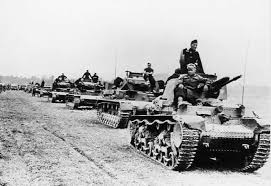
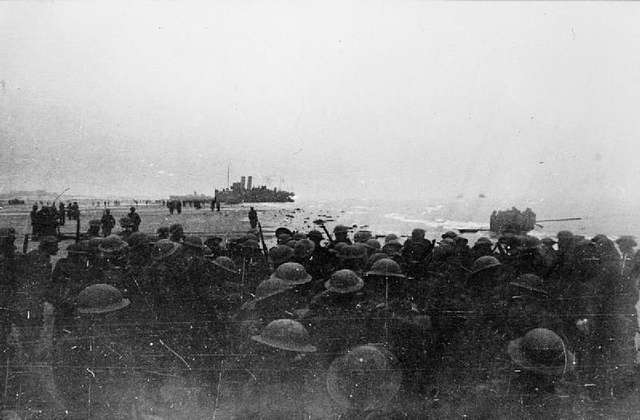
But this was May 25, 1940, and Harry found himself waiting on the French coast for rescue while dozens of German panzer tanks barreled westward toward him and more than 300,000 others of the British Expeditionary Forces gathering on the beaches of Dunkirk.

The Germans had blitzed through Belgium, Holland, and southern France, surrounding the Allied forces and leaving them stranded on the coast.

Rumors spread that ships from Britain would soon rescue them, but how could such an effort be mounted in time and for so many? Harry dared hope they’d find a way.

In the distance, he and every other soldier heard the rumble of the Luftwaffe (the German air force) approaching again from the east.

Quickly they spread out and hunched down small and tight, to make themselves difficult targets. There wasn’t enough cover to protect them all.

Meanwhile in England, in spite of predictions that only 20,000 to 30,000 men could be rescued, Prime Minister Winston Churchill had sanctioned Operation Dynamo on May 20, to begin on Sunday May 26.

Vice Admiral Ramsay called for every boat or ship owner willing to participate in the dangerous mission, to gather their crafts around Dover on the southeastern coast. More than eight hundred began to assemble [1].

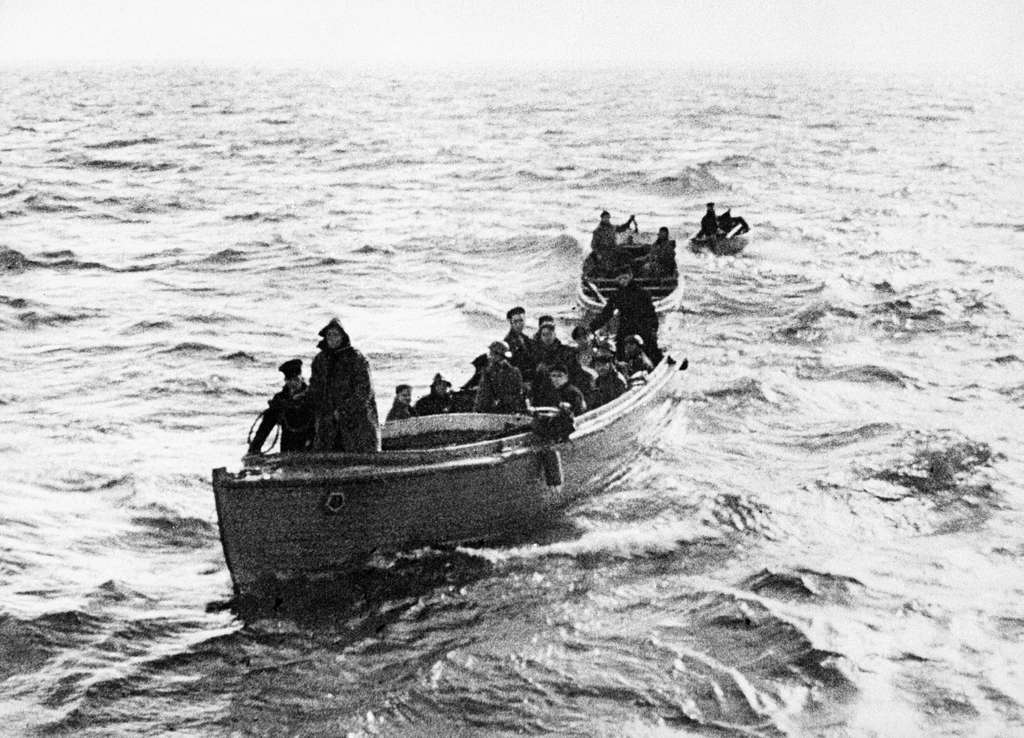
The plan called for smaller boats to shuttle the soldiers from the shallow waters of Dunkirk to larger vessels and naval ships anchored further out, that would then transport the men back to Dover. French ground forces and the RAF would provide cover.

King George VI, a man of strong faith, received briefing of the plan and the dire predictions. On May 24th he called for a National Day of Prayer to occur as evacuations would begin May 26.

Within hours of that call to prayer, Hitler halted that western-bound panzer assault, just ten miles or so from Dunkirk [2], in order to give the German infantry time to catch up [3].

German General Göring assured Hitler the Luftwaffe could decimate the beach-stranded soldiers, even though only one run per day was possible. (They had to fly from Germany and attack quickly in order to conserve fuel for the return trip [4]).

On Sunday May 26th as the rescue mission began, millions of Britons overflowed the churches into the streets, praying for God’s intervention on behalf of their boys.

On Tuesday, more stormy weather grounded the Luftwaffe. Wednesday brought uncommonly calm waters in the English Channel, making it possible for the smallest of boats to participate in the rescue and make the crossings quickly.

When the storms subsided, fog rolled in. The Luftwaffe still couldn’t fly. In fact, for the ten days boats and ships crisscrossed the English Channel, the German pilots only had two and a half days of good weather for attack.

Even then their efforts were often stymied. One group of about four hundred men suffered machine-gun fire and bombing from about sixty aircraft. Not a single man was killed [5].

Another soldier related that many of his comrades knew Psalm 91 by heart. During the Luftwaffe attacks they shouted the verses together [6].

When each Luftwaffe attack subsided, the scattered men would return in orderly fashion to their places in the lines [7].

Meanwhile, a breeze took the smoke from the German bombs and protected from view the soldiers loading onto boats [8].

By June 4, the mission was complete. Yes, there were casualties, but the British had evacuated 338,226 soldiers, including approximately 140,000 French, Belgian, Dutch, and Polish troops [9].

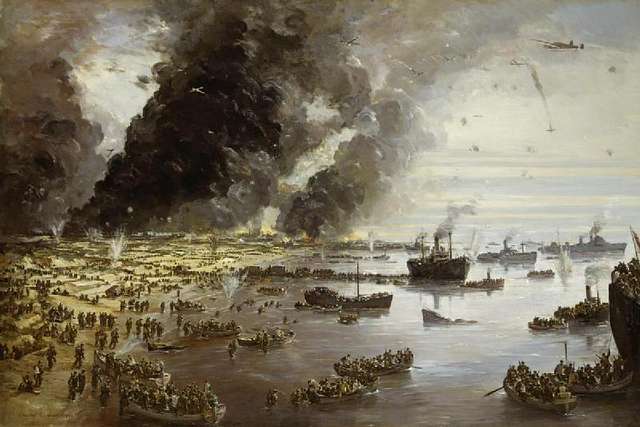
“Battle of Dunkirk” (1940) by Charles Ernest Cundall

Harry Leigh-Dunmore was among them. After a three-hour crossing, he and hundreds of other soldiers were loaded onto a train. Harry promptly fell asleep; he awoke in Wales [10].

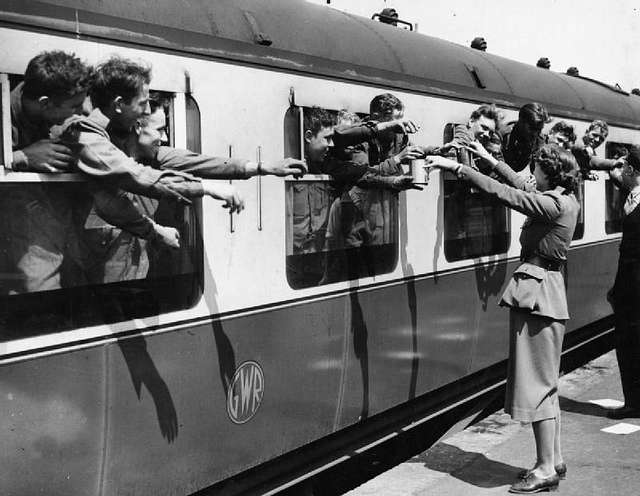
In fact, trains took the Dunkirk evacuees all over Britain.  Women’s organizations provided food and drink at railway stations as the trains passed through.

Once each train arrived at its destination, the men were taken to barracks made ready to house and feed them—another divinely-engineered feat of staggering proportions.

God had answered their prayers; he’d brought about the “the miracle of Dunkirk.”

King George designated the next Sunday, June 9, a Day of Thanksgiving. Citizens and rescued soldiers stood side-by-side in churches across Britain and sang together Psalm 124 [11]:


[1] https://www.godreports.com/2017/07/dunkirk-god-answered-prayers-in-miraculous-ways/

[2] https://www.christianstogether.net/Articles/200052/Christians_Together_in/Christian_Life/The_Miracle_of.aspx

[3] https://the-past.com/feature/was-dunkirk-really-a-miracle/

[5] https://www.standingforfreedom.com/2025/05/26/this-week-in-history-gods-miracle-at-dunkirk/

[6] https://kinshipradio.org/home/psalm-91-and-the-miracle-of-dunkirk/

[7] https://www.britishlegion.org.uk/get-involved/remembrance/stories/remembering-dunkirk

[8] https://guideposts.org/articles/angels-and-miracles/miracles/gods-grace/the-four-miracles-of-dunkirk/

[9] https://www.standingforfreedom.com

[10] https://www.britishlegion.org.uk

[11] https://www.christianstogether.net

Image credits: http://www.pickpik.com; http://www.picryl.com (5); http://www.jenikirbyhistory.getarchive.net; http://www.picryl.com; http://www.canva.com.

Processing…
Success! You're on the list.

Read Full Post »

Just for fun, I pulled my God Is Faithful journal off the shelf and flipped the pages to several decades ago—years when Steve served in the pastorate, our three children still lived at home, and I was a stay-at-home mom, then teacher.

God certainly worked behind the scenes for our family and created magnificent poetry. Here are a few examples:

THE POETRY OF ANSWERED PRAYER

11-11-85 I prayed with N. concerning a worrisome visit with her disagreeable aunt that afternoon. The next day N. told me the visit went beautifully. No doubt God not only worked through N., but prepared her aunt’s heart also.

9-27-89 I’d been praying God would affirm Steve during a difficult season. On this date he received a kind and supportive note from a parishioner.

11-7-89 The books my students had ordered from Scholastic Books were long past due for arrival. I’d forgotten to xerox the order form and checks before sending them snail mail, and now had no proof-of-purchase. (This was before online ordering.)

That night I prayed for God to intervene for me. When I arrived at school the next morning, there was the book-order box on my desk.

THE POETRY OF GOD’S FAVOR 

6-18-86 A man came to our door with my wallet in his hand. He’d found it on the sidewalk several blocks away, where I’d somehow dropped it while returning home from an errand. (I’d walked in order to incorporate exercise into the day.)

I hadn’t even realized yet my wallet was missing!

1-13-88  I didn’t set the alarm properly, but awoke anyway the next morning—out of a sound sleep—at 5:15 on the dot, just when I was supposed to get up.

12-26-92 During our family Christmas Brunch (just the five of us—no visiting family), Steve asked the children what God had done for them in 1992.

E. said God had helped him become more focused and motivated at school. H. said he’d helped her feel better about herself and she’d been happier since the mission trip that summer. J. said he was thankful to go to a good school. 

We enjoyed a great time of family togetherness, focusing on God and his participation in our lives.   

THE POETRY OF GOD’S INTERVENTION

3 -25-88 I made it to Spring Break! In spite of 1,000 things to do in an impossible time frame, God brought me through. Actually, what He did was remove about 900 of those tasks!

I couldn’t believe how one thing after another took care of itself or was postponed. God worked out everything superbly.

6-1-89 I drove H. to ballet class in Steve’s new stick-shift Colt, so pleased that muscle-memory kicked in and we arrived with no mishaps or “frogging.” But after parking the car, I mistakenly left it in neutral.

When I came out of the school the car was not where I’d left it, but had rolled across the aisle into the matching spot on the other side, as if I’d parked there instead.

(Sometimes I feel like such a toddler in God’s family—he has to watch over me every minute!)

10-9-90 A contentious issue in our church came to a vote. We heard rumblings that some unhappy people were urging a “no” vote. But the discussion proceeded smoothly with a prevailing spirit of unity, and in the end a strong majority voted “yes.”

God had worked in people’s hearts; Steve felt as though we’d turned a corner.

5-29-92 I was registered to attend a week-long class, held at a hotel. When I arrived the desk clerk said the class had been canceled. Just then, another attendee, Ruth, approached the desk. We deliberated about what to do.

Though it was early evening on a Friday and the offices of the host school would likely be closed, we decided to call anyway. 

A woman just happened to be there who told us the location had been changed to another hotel. Ruth and I were among those who’d registered early, before the change, and somehow had never been notified.

*     *     *

God’s sacred hands do indeed weave poetry into our lives! And . . .

You’ve no doubt experienced episodes of God’s goodness similar to those described above. Please share an example in the comments below.

Your illustration of God-woven poetry may be just what someone else needs to read!

Image credits: http://www.commons.wikimedia.org; Nancy Ruegg; http://www.pickpik; http://www.canva.com (2); http://www.needpix.com.

Processing…
Success! You're on the list.

Read Full Post »

A prayer in the midst of distress:

Heavy concerns weigh upon my heart, Lord,

beyond my abilities to remedy.

My thoughts bounce from faith-affirmations 

to faltering “what-ifs.”

I wonder, “How long, O Lord; how long?” (Psalm 6:3)

And so I come, to curl up on your footstool (Psalm 132:7), 

to rest in your comforting presence ( Psalm 62:1),

to catch my breath, slow my heart rate, and

look to you for uplift in my mind and spirit (Psalm 145:14).

I hear your tender voice reminding me:

“I am watching over you (Psalm 121:8),

surrounding you with my unfailing love (Psalm 32:10)

Just as I’ve promised in my Word,

I will provide guidance for the path ahead (Proverbs 3:5-6)

and the power to endure (Isaiah 40:29).

I am faithful in all I do, never forsaking those who seek me (Psalm 36:5; Psalm 9:10).

Remember, I have always been your help (Psalm 46:1);

I have always sustained you through every challenge (Isaiah 41:10).

Thank you, Father, for your reassurances.

Already I feel strength returning to my soul (Psalm 138:3)

and hope cheering my heart (Psalm 94:19).

I praise you for your attentiveness (Matthew 10:29-31)—

your watchful care, unfailing love, and reliable guidance, 

your unstoppable power, everlasting faithfulness, and ever-ready help.*

I picture you reaching down,

cupping my chin in your hand,

and lifting my head to look into your eyes (Psalm 3:3)—

eyes that speak-without-words of your love,

compassion, patience, and forgiveness.*

And in my heart I hear you reaffirm:

“Know this:

As you come into my presence and

allow me to lift your head (Psalm 3:3)

To encourage, edify, and inspire your spirit,

I will bestow multiple blessings, including:

ALLEVIATION—

As I firmly support you to bear these burdens (Psalm 68:19),

ANTICIPATION—

for the intervention I can provide (Isaiah 64:4),

CONSOLATION—

to ease the distress (Matthew 11:28-29).

INSPIRATION—

to press on with confidence (Galatians 6:9),

LIBERATION—

 from crippling guilt and nagging doubts (Romans 8:1; Isaiah 41:10),

MANIFESTION—

of my comforting, empowering presence (Psalm 23:4), and

RESTORATION—

of hope to fuel your spirit and faith to carry on (Isaiah 40:31).

“Then the uplift of your spirit will become evident

In the uplift of your face (Proverbs 27:19),

as trust supersedes concern, and

expectation displaces doubt.”

I praise you, Lord—

You’ve heard my cry for mercy.

You are my strength and shield;

my heart trusts in you, and you help me (Psalm 28:6-7).

Hallelujah!

*Psalms 103 and 145 celebrate many of God’s awesome attributes.

Image credits: http://www.pixnio.com; http://www.stockvault.net (Mohamed Hassan); http://www.dailyverses.net; http://www.pixabay (Simon); http://www.heartlight.org; http://www.dailyverses.net; http://www.pickpik.com; http://www.heartlight.org; http://www.commons. wikimedia.org; http://www.publicdomainpictures.net.

Processing…
Success! You're on the list.

Read Full Post »

The women were Mary Magdalene and the other Mary, mother of the disciple James. They’d witnessed the crucifixion of Christ, had been present when Joseph of Arimathea buried Christ, and arrived first at the tomb that Sunday morning, to anoint their Lord’s body with spices.

But as they approached, a violent earthquake threw them to the ground and an angel, bright-white as lightning, descended from the sky. Even the Roman soldiers guarding the tomb became frozen with fear.

The angel paid them no attention and set about rolling the massive stone away from the tomb. Then he sat upon it. The women warily peeked inside; Jesus wasn’t there.

No doubt they huddled in fear as these events unfolded in rapid succession. But the angel reassured them, “Do not be afraid.” He then announced Christ had risen from the dead, and they must go quickly to tell his disciples (1).

Can you imagine their conversation as they hurried to the upper room where these men would likely be gathered?

“I’ve never been so frightened in all my life! My heart is still pounding.”

“And I’m still shaking! Have you ever seen someone glow like that?”

“No indeed! 

“I can scarcely believe what he told us. How is this possible?”

“Jesus did raise Lazarus from the dead. It must be true.” 

“But what if the disciples don’t believe us? They’re going to think we’re crazy.” 

And so, with trepidation the two Marys made their way to the house with the upper room. 

Yet their hearts were also filled with joy. Jesus was alive! It was the most glorious news they could hope to hear. And they’d been chosen to announce it.

____________________

We too experience fear and joy at the same time, in spite of the fact these emotions occupy opposite ends of the spectrum.

Think how you felt when hired for that highly-desired job. Worries may have included: Will I be up to the task? Able to fit in with other employees? Get along with the boss? But you were also thrilled for the opportunity God had provided, just as you’d hoped and prayed.

Think about your wedding day. You and the love of your life would soon promise to cherish one another for the rest of your days. The thought certainly brought great joy, but perhaps a niggle of fear as well. Will our love last, or will we fall prey to division?

Think about the birth of your first child. No other joy compares to bringing new life into the world. But, this tiny, fragile creature is now your responsibility for the next eighteen years—at least. It’s a fearsome thing to contemplate. 

This joy-and-fear combination is also part of our experience with God, all-powerful and awe-inspiring as he is, capable of fearsome acts. After all, he once annihilated an enemy-army of 185,000 in one night (2). 

To fear God—reverence him and highly respect him—is a wise choice!  

Then, as we face worrisome unknowns and fears begin to rise, we can still take joy in such blessings as:

  • God’s unfailing strength and goodness to carry us through
  • Scripture-promises to quiet our spirits
  • Enhanced intimacy with God as he draws especially near with comfort and encouragement 

And during the process of the unknown becoming known, we discover God’s plan includes multiple delights.

Steve and I saw this occur in all six churches where he served as pastor during forty years of ministry. Each seemed a fearsome challenge for different reasons, and yet we also felt the joy of expectation, to see what God would do.

And each church did provide multiple delights, as God blessed us and others.

Praise God, he “guides us only into that which will finally result in our joy and radiance, even if it means passing through pain”(3)–or fear, we might add.

Imagine the joy and radiance of the two Marys as they followed the angel’s instructions and made their announcement!

The same pleasure can be ours—in spite of fear—as we follow God’s guidance for us.

__________

Notes:

  1. Matthew 27:32-61; 28:1-8; Mark 16:1-7
  2. 2 Kings 19:32-36
  3. Dane C. Ortlund, In the Lord I Take Refuge, 90.

Image credits: http://www.publicdomainpictures.net (Marina Shemesh) & http://www.canva.com; http://www.freebibleimages.org; http://www.pxhere.com; http://www.commons.wikimedia.org; http://www.pickpik.com; http://www.dailyverses.net.

Processing…
Success! You're on the list.

Read Full Post »

The Agony in the Garden, by Francesco Trevisani, 1740

I praise You, Lord Jesus, Founder of our faith and supreme exemplar of what the life of faith looks like. You demonstrated what it means to live in continual obedience to our Father [1], doing nothing of your own initiative but only what God directed you to do.

In the Garden of Gethsemane you poignantly affirmed trusting submission, even while anguishing over the suffering to come [2].

Yet you acquiesced to your Father’s will. You trusted your Righteous Father to provide the supernatural strength you’d need, knowing his right hand would sustain you, and he’d provide ultimate victory [3].

Your submission cost you horrific pain yet you endured to the end. By comparison, my submission has cost me little and yet I sometimes balk at even small sacrifices.

How dare I stoop to complaining and self-pity when people don’t respond the way I think they should, when disagreeable tasks require attention and I ignore them, when “little” temptations beset me and I make excuses to give in?

Oh Lord, forgive me for losing sight of your example. Remind me too that obedience is not for performance’ sake but for love’s sake [4]. Out of gratitude, I do want my love for you to overflow; out of love, I do want my submission to you to grow.  

I praise You, Lord Jesus, that you are the Perfector of my faith [5]. You didn’t just set me on the path to abundant life and then leave me to figure out the journey on my own.

“Your Spirit has enlightened my understanding of spiritual matters, developed my conscience, drawn my affections toward things of eternal value, created the desire within me to follow [your] will, with new motives, principles, and purpose” (Unknown) [6].  

THANK YOU!

You guide and empower, to mold my life into what is useful and even beautiful. You faithfully work to release me from those things that ensnare me [7]. How gracious you are!

You change my perspective, so I can see things from your point of view; you work repentance in my heart, desiring to purify and transform me, day by day, into your likeness [8]. That’s my desire too.

I’ve not been an easy project for you, Lord, given my stubbornness and slowness to learn.  And yet, scripture assures me your continual inner-work within me is for your good pleasure [9]. You do it because it gives you pleasure! That astounds me.
How thankful I am to belong to you, that you never give up on me. You never tire of wielding your transforming power, to refine all your children into radiant reflections of you [10].

I praise you, Jesus, for your patience and persistence! And I praise you for your promise, that you’ll carry to completion the good things you—with all your wisdom, goodness, and love—have planned for me [11].

May I be an enthusiastic participant to the end!


[1] Hebrews 12:2; 1 Peter 2:21; John 6:38

[2] John 5:30; Matthew 26:36-46

[3] Philippians 2:6-8; Psalm 18:32, 35b; 37:39-40

[4] John 14:15

[5] Hebrews 12:2

[6] Ephesians 1:18; Hebrews 9:14; 2 Corinthians 4:16-18; Philippians 2:13; Ephesians 4:24-26; Ezekiel 36:26-27

[7] John 16:13; Acts 1:8; Ephesians 2:10; Psalm 25:15

[8] Romans 12:2; 1 John 1:9; Romans 2:4; 2 Corinthians 3:18

[9] Philippians 2:13

[10] Hebrews 13:5; 2 Corinthians 3:18

[11] 1 Timothy 1:16; Luke 15:4-7; Philippians 1:6

Image credits: http://www.picryl.com; http://www.canva.com; http://www.dailyverses.net; http://www.freerangestock.com (Lia Leslie).

Processing…
Success! You're on the list.

Read Full Post »

(An addendum to one of the stories in last week’s post:)

“John just called,” Steve informed me.  “He and his wife Peg will be in town on business this weekend, and want to visit the church on Sunday. What would you think of inviting them for dinner afterwards?”

‘Let me check with Mom—‘see if she can help,” I responded. “It would be nice to get acquainted with them ahead of our move.”

John served as chairman of the staff-parish relations committee for the new church Steve had been appointed to. In seven weeks we’d be moving from west coast to east coast in Florida, as determined a couple of months previously by those in charge. 

The visit in late April was arranged and dinner planned. My dear mother helped with preparations, since we were already stretched quite thin with Steve’s church responsibilities, mine as an elementary teacher, our three kids, and packing already underway.

As some of you know, we lived in parsonages during Steve’s ministry. Until 2010 or so, these clergy-homes were also supposed to be furnished.

At the time of this move we lived in a lovely middle-class home that fit the current guidelines for parsonages.

This house (over 2000 square feet), included four bedrooms, and even a study. It leant itself well to holding meetings in the living room while the children could be in a separate family room.

Three years previously the church had purchased the house and some new furniture. This is the home that John and Peg saw, as we enjoyed getting acquainted with them.

John would tell us later he was struck by the contrast between our current home and the one we’d be moving into—with approximately 1200 square feet of living space and long-outdated furniture. 

Storage would be another problem, given the insufficient kitchen cabinets, small closets, the detached garage (where bugs and critters could create havoc), no attic, and of course no basement in Florida.

John knew the time had come to provide their pastor a home similar to what other professionals with three-year advanced degrees own, that met the scripture-directive of “double honor for those preaching and teaching” (1 Timothy 5:17).

But John had to wait for the committee to meet and funding to be appropriated.

Soon after John’s and Peg’s visit, Steve and I traveled across-state to tour their church and parsonage. That’s when we realized some of the challenges to come—in the deficient housing provided and in the church situation.

On the way home, we heard Jeremiah 29:11 quoted on the radio:  

Days later, a devotional suggested repeating “all the promises from God’s Word you can remember.” I determined to write in my journal as many as I could find that fit our circumstances. including:

I knew God would enable the five of us to thrive in the small house, or he’d provide another home. But I struggled with “what-ifs.”

Meanwhile, John rallied the staff-parish committee; they voted “yes” for a new parsonage. A week later, the administrative board passed a resolution to purchase a four-bedroom house and allocate funds for some new furniture.

Still to come: a church-wide vote, with the district superintendent presiding.

Of course, a few hiccups occurred. After one disappointment, I wrote: “We still have our promises from our never-failing God. . . I put my trust in You, Lord, by an act of my will, not by what I see happening! 

“You know our needs, you know what’s best for this church. Guide us into Your plan in Your timing, and give us wisdom and grace to accept whatever You have for us. We do want what you want!”

And I copied more scripture-promises.

In mid-June, the move into the small house went smoothly.

A week later the church-wide conference voted by a wide margin to relocate their parsonage. 

Mid-July our daughter and I flew to Austin, Texas to meet my newborn nephew. Steve called one evening to say a suitable house had been found, similar to our previous home but a bit smaller at 1800 square feet. The kids would love the pool. 

I trusted Steve’s appraisal, and agreed the church should make an offer.

As our children started school, we were settling into our new home—just two blocks down the street.

Image credits: http://www.dailyverses.net; http://www.canva.com (3).

Processing…
Success! You're on the list.

Read Full Post »

Older Posts »

Sylvia Schroeder

Impressions Becoming Expressions

Mitch Teemley

The Power of Story

Still Traveling

Impressions Becoming Expressions

Living Our Days

Gaining a heart of wisdom

He Said What?!

I'm Patty, and my husband and I are living with our adult son who has autism and epilepsy. I love sharing lessons learned from life around me, especially life with Aaron.

Meditations of my Heart

Impressions Becoming Expressions

Linda Stoll

Impressions Becoming Expressions

Signora Sheila

Where faith meets la dolce vita

Heidi Viars

Finding the Image of God