Feeds:
Posts
Comments

Archive for the ‘Waiting on God’ Category

The decision had been narrowed down to two schools for our granddaughter Emma*, a rising seventh-grader. Which would be the best choice for next year–Willow Hills or Sheridan? She’d taken the tests and been accepted by both; each offered its own set of benefits.

Our son Derek and daughter-in-law Heidi received input from others, but their comments only added to the list of pros and cons. No definitive answer came to light.

Emma spent a school day shadowing another student at Sheridan. “It was OK,” she reported afterward. “The teachers were nice.” But nothing she’d seen or experienced had convinced her, “This is the place I want to be!”

All through this process Derek, Heidi and Emma (as well as little sister Madison) had been praying God would make clear the best choice.  The deadline was nearing and the uncertainty felt like a heavy weight upon their minds and hearts.

No doubt you’ve faced similar decisions. It’s not a comfortable place to be.

So why does God allow such distress? Why don’t the answers to our prayers become evident immediately?

There are a number of reasons. Among them:

Uncertainty reveals the frailty of self-reliance.

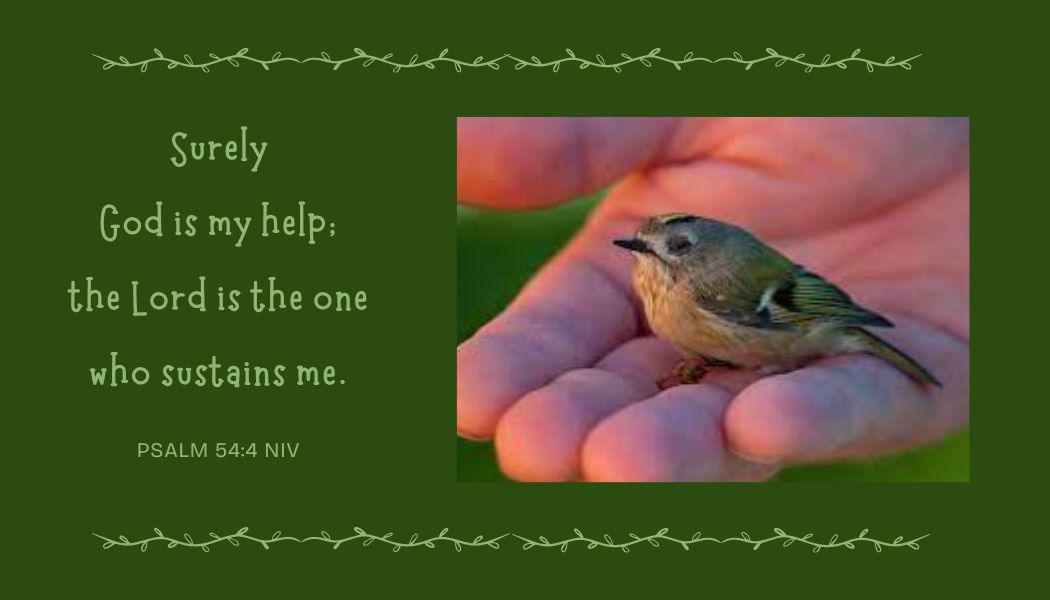
We can’t see the big picture, and to be honest, very little in our lives is under our full control. Times of uncertainty press us into a place of trusting God [1].

We do well to affirm he’s our devoted heavenly Father. We can trust that what he’s lovingly planned is exactly what we’d choose for ourselves if we could see the entire storyline [2].

So our son and his family (Nana and Papa too!) waited and prayed. All we could do was trust our faithful God to reveal his good and wise plan in his good time.

Uncertainty provides a platform for God to display his grace, wisdom, and power.

These attributes and more become apparent as the answer unfolds and we see his lovingkindness in the plan he’s designed, the wisdom behind it, and the power he’s wielded to make events play out just so.

In the meantime, we must realize the uncertainty we face is only apparent uncertainty. Our future and our provision are certain to God. We’d also do well to remember that “uncertain seasons are often some of the most powerful moments we experience with God” [3]

Uncertainty allows us to experience God in fresh ways as we:

  • Sense his presence more profoundly during difficulty. Pat Chen calls it liquid love [4] — perfect imagery for the warm and comforting presence of our Heavenly Father.
  • See his unfailing love on display, even as we struggle—through the kindness of others, the beauty of creation, an encouraging scripture, and more.
  • Recognize his lavish goodness in the eventual, right-on-time provision.

The Sunday after the two acceptance letters arrived for Emma, our family just happened to sit in church in front of a couple with a son who attends Willow Hills.

Both the parents and he shared enthusiastically about the school. They also knew students at Sheridan and expressed concerns that our son and daughter-in-law hadn’t heard before.

The young man, several years older than Emma, spoke directly to her, giving her reasons why he’s loved Willow Hills.

Several days after that encounter, Emma and her dad visited Willow Hills for a tour. “Impressive!” he declared. “I like it!” she affirmed.

And so, just as we’d all prayed, God made the decision clear, and the weight lifted.

When have you faced a season of uncertainty? What helped you to triumph over the doubts and questions? Please share in the comment section below!

*All names changed, including the schools.


[1] https://serenityinsuffering.com/4-ways-to-trust-god-in-uncertainty/

[2] Katilyn Bouchillon, contributor to Take Heart, 210.

[3] Jon Bloom, Not by Sight, 57.

[4] Intimacy with the Beloved, 81-82.

Image credits: http://www.pexels.com; http://www.dailyverses.net; http://www.heartlight.org; http://www.canva.com (3).

Processing…
Success! You're on the list.

Read Full Post »

Life is about choices, and there are just two ways to make them. We can trust our own wits, or we can put our faith in guidance from outside ourselves.

Guidance from outside might come from trusted family and friends, counselors, self-help books, and God. But only one source offers infallible wisdom every time: God.

The question becomes, will we live a life of faith with God [1], or will we choose to live without?

As a child I chose the former and never regretted it. Many of you have walked a similar path.

Sometimes, though, we get weary. Doubts creep in. Problems crop up like weeds and answers to life’s dilemmas don’t come as quickly as we’d like.

What then?

There are a number of faith-building actions you’re probably familiar with, including: praise and gratitude to God, scripture study, prayer, as well as spending time with mature and wise Christians.

You know what else is helpful? Studying the facets of faith. As we deepen our understanding of how faith works, we enhance our connection with God, increase our usefulness, and experience more contentment in life.

No doubt there are quite a few facets to our faith, but today we’ll briefly look at just eight.

FAITH IS:

Affirmation of What We Know

God would have us understand he is righteous, good, faithful, and compassionate [2].

He never forsakes those who seek him. He arms us with strength and keeps our way secure. God guides us along the right path, and surrounds us with his unfailing love [3].

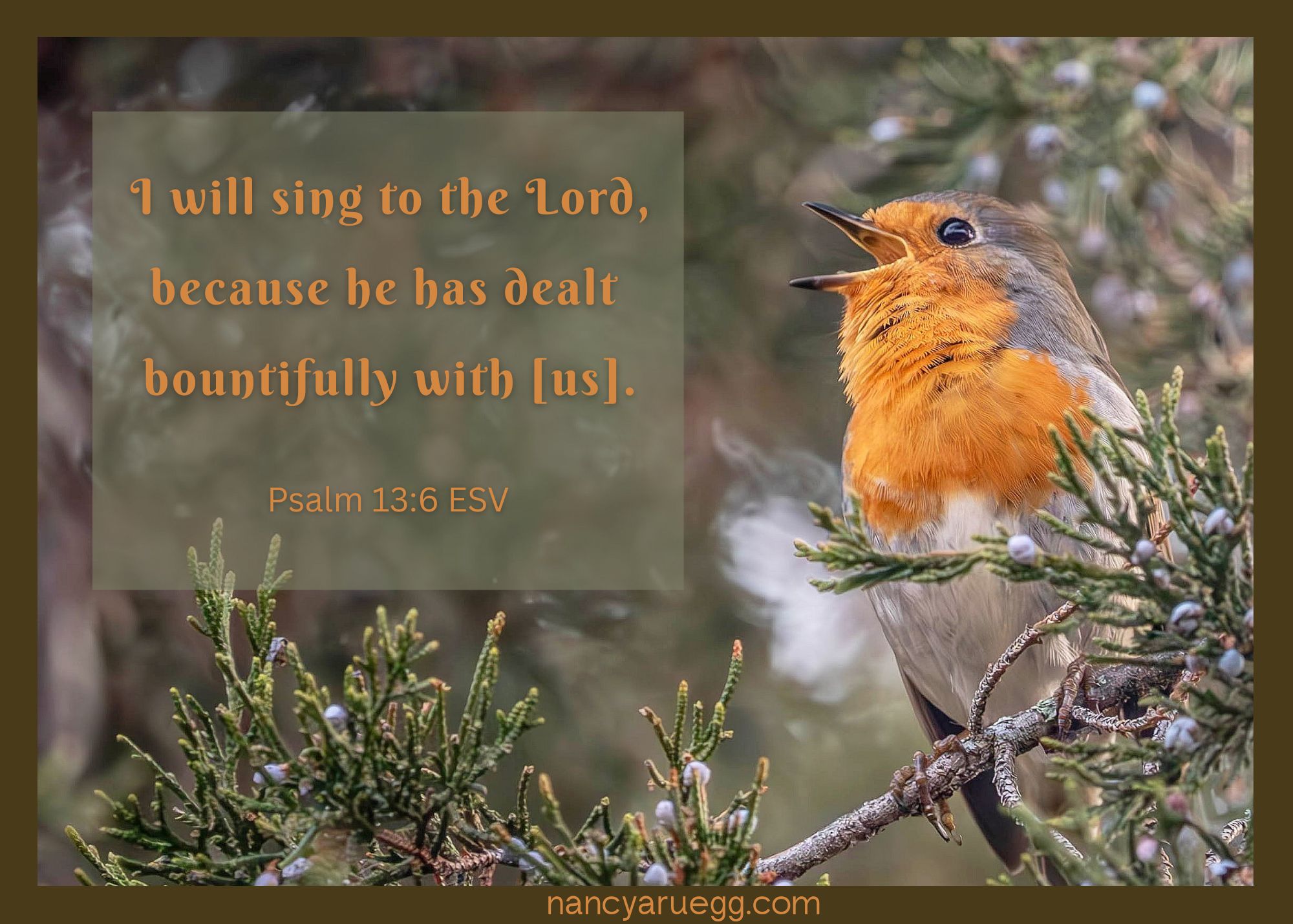
In the book of Psalms alone you’ll find hundreds of such encouraging affirmations as these, highlighting who God is and the glorious things he does. It’s a delight-of-discovery to seek them out [4].

And affirmation of God’s character is a beneficial first course.

Attentiveness

And where might we find that light? In the presence of God and in the encouragement and promises of scripture that fill our hearts with the light of hope [5].

Confidence

As we practice affirmation and attentiveness, we build confidence in the truth that God will do what is right when the time is right, though for now we may see no sign of it.

Courage

Confidence in God fuels our courage to trust without proof, to thank God in advance (even before there’s evidence of anything happening), and to step into the unknown.

Empowerment

Be inspired by what Charles Spurgeon wrote decades ago:

With almighty God on our side, what have we to fear [6]?

Expectancy

And surely, such an attitude will contribute joyful up-timism [7] in our spirits.

Rest

When we trust without reservation we find peace and rest.

Waiting

Without the discipline of wait-time, our faith would remain underdeveloped. This facet provides opportunity for strength of spirit to grow [8]. And we can take comfort from the knowledge that:

As we live life with him we’ll find:

  • Affirmation, attentiveness, and waiting will grow our faith.
  • Confidence, courage, and empowerment will result from our faith.
  • Expectancy and rest will flow from our faith.

I can’t imagine making any other choice than living life with God.

How about you?


[1] Life with God is precipitated by accepting Jesus’ glorious invitation into God’s family (John 1:12).

[2] Psalm 7:17; 13:6; 31:5; 51:1

[3] Psalm 9:10; 18:32; 23:3; 32:10

[4] See the post, https://nancyaruegg.com/2025/01/16/celebrating-god-through-the-psalms/

[5] Psalm 146:5

[6] Psalm 27:1

[7] See the post, https://nancyaruegg.com/2022/10/06/better-than-optimism/

[8] Isaiah 40:31

Image credits: http://www.canva.com; http://www.pxhere.com; http://www.pexels.com; http://www.canva.com (2).

Processing…
Success! You're on the list.

Read Full Post »

Twenty-one-year-old James Gribble, a streetcar conductor, scanned the avenue ahead, but his mind swirled with visions of the future. Life was treating him well in Philadelphia with its many amenities in 1904, compared to his hometown of Mechanicsburg, PA. What opportunities might lie ahead?

Then it happened. A woman stepped off the still-moving trolley, caught her skirt under a wheel, and was pulled under. She died at the scene.

James agonized over the terrible accident. “Oh God, deliver me, and I’ll serve you!” he wrote in his journal.

That Sunday James attended church and accepted Jesus into his life. That evening he was baptized.

On Monday while reading his Bible, James came to Matthew 28:19a:

He told his pastor, “I think God wants me to become a missionary.”

For several years James received mentoring and instruction, then joined the African Inland Mission. To his delight, the team included a pretty young doctor, Florence Newberry. In 1908 they established a mission station in West Central Africa and started ministering to the nearby tribes.

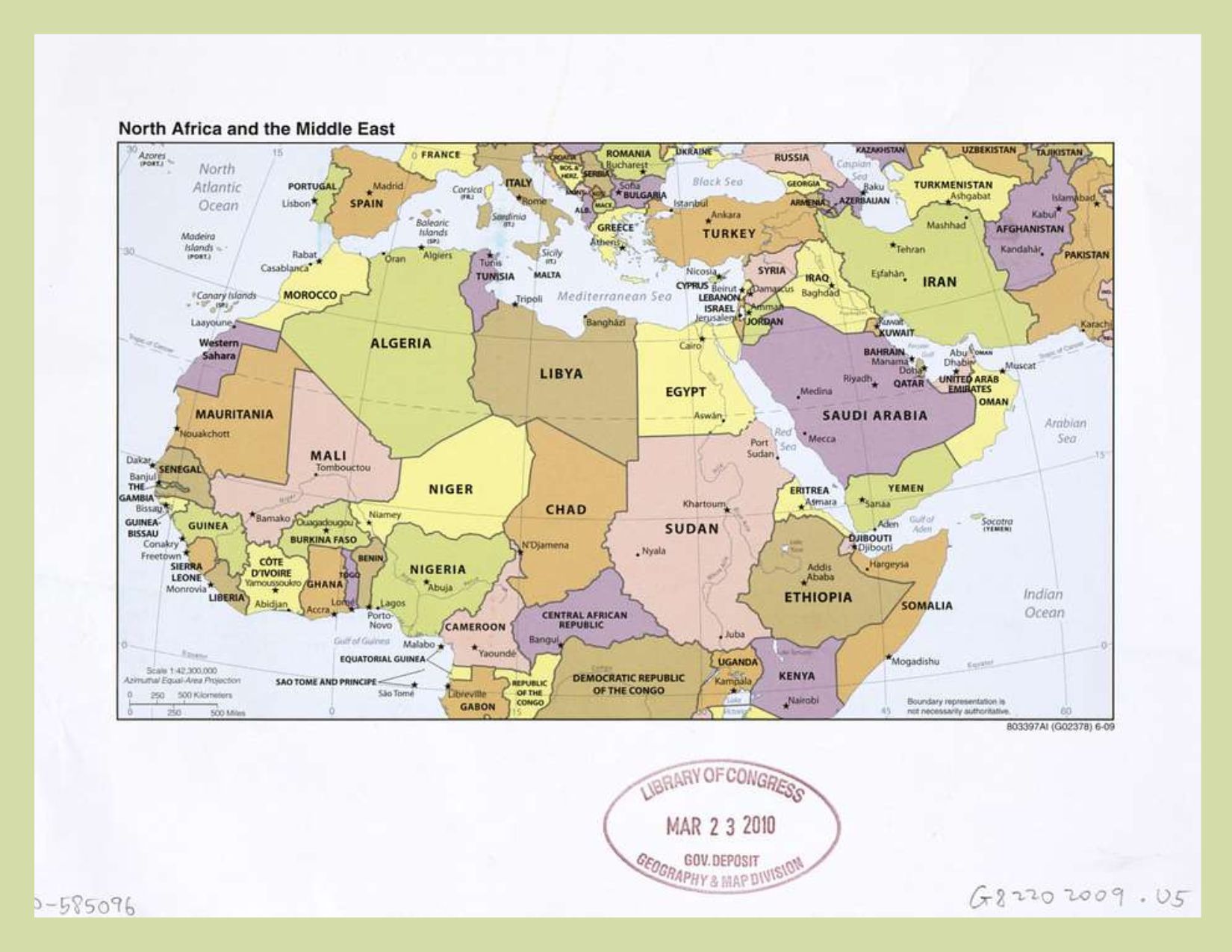
The station was located in what is now the Central African Republic, south of Chad.

James wanted to become better-acquainted with Florence, but patients kept her busy from morning till night. Suddenly genius struck. James could pretend he was sick!

During the appointment he suggested courtship. Florence preferred they remain friends, still devastated over a previous beau uninterested in foreign mission work.

Twice more over the next four years James would approach her about courtship; twice more she declined.

James and another missionary traveled inland to establish a new station.

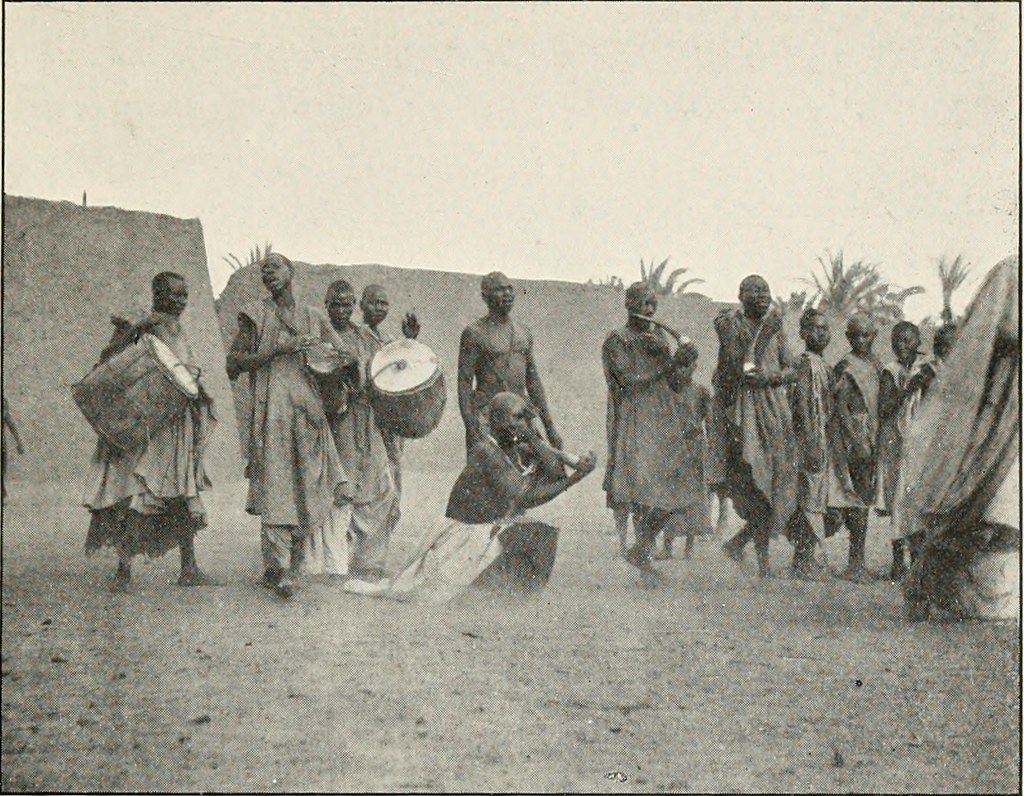
West African tribesmen, 1912

Soon his partner became ill and had to return to base camp, then James succumbed to black water fever. He expected to die.

Afterward James wrote about the vision God gave him on his sickbed—a panoramic view of the tribes of West Central Africa. God said, “Thou shalt be instrumental in carrying the gospel to these.” James knew then he’d survive.

During a prayer vigil in 1912, Florence’s thoughts turned to James. Her heart had warmed toward the trustworthy and kind missionary, so passionate about sharing Christ with the African people. Florence sensed the Spirit whispering to her, “Why not?”  

The two were married within a few months.

Sometime later Florence developed appendicitis and required hospitalization. For thirty days they traveled the three hundred miles to the nearest hospital.

As she slowly recovered, the doctor told James, “You must take her back to America. She cannot live in the tropics.”

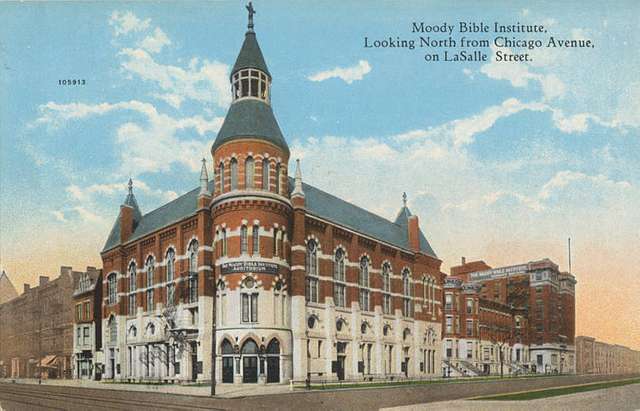
Florence did return home and six months later James followed. They lived in Chicago for several years while Florence regained strength. Their only child Marguerite was born there in 1915.

Daily James would pray over a map of Africa. He found his attention drawn to a town named Bozoum, in Ubangi-Shari (now the Central African Republic). He wondered why.

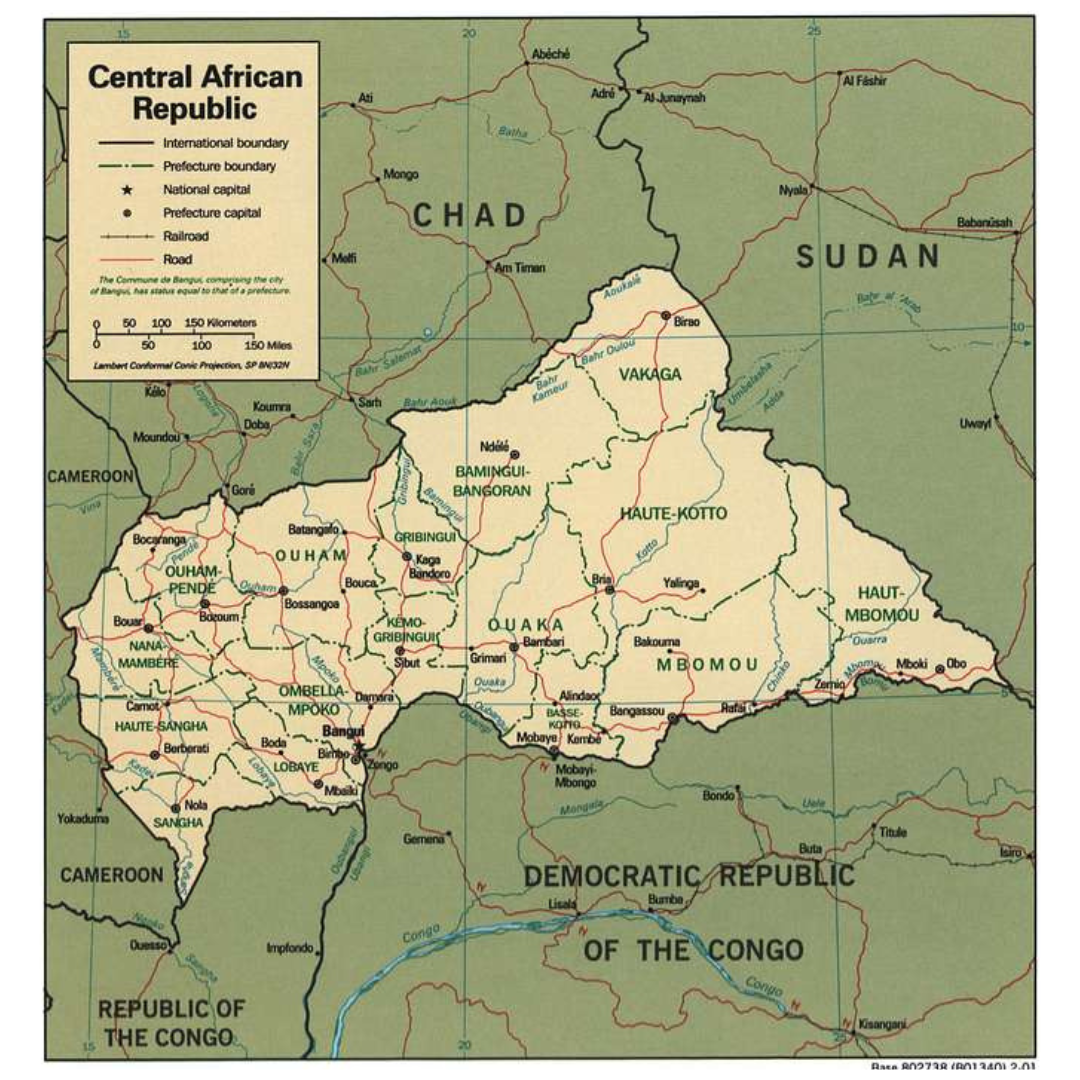
Bozoum is located in the northwestern province of Ouham-Pende.

The couple shared their hope with area churches: to establish base camps across central Africa as a barrier against encroaching Islam. When they returned in 1918, two nurses and another family joined them.

The group desired to enter a French-controlled area, but it took eighteen months to receive permission. They named their base, Camp-Wait-Some-More.

Finally able to move on, they arrived in Carnot. While waiting there another eighteen months, they spent their time learning the language and praying.

A new official arrived, and James made an appointment with him.

He asked James, “Where do you intend to set up camp, now that you’ve received permission?”

Permission?! James was stunned. “Where would you recommend?”

Then came Surprise #2. “I think Bozoum would be a good place.”

Now James knew why God had inspired him to pray particularly for this town.

In 1921, Florence and James became ill again. She had to return to the States, taking their daughter with her. Eighteen months later Florence traveled back to Africa, but without Marguerite. Though an anguishing decision, the couple determined she should remain in America to attend school.

In 1923 a young recruit was due to arrive, but he died within miles of reaching their mission station, causing more heartache.

James wrote:

Not long after, James succumbed to black water fever again; this time the forty-year-old did not survive.

He’d previously written to Florence, “I shall be content with the lowest seat in heaven if only there I may sit and see the redeemed of the Lord come in from those fields where I have a been a pioneer missionary.”

Except James had not witnessed one person becoming a Christ-follower during his years in Africa.

Some might say those years of pain and hardship had accomplished nothing. And what about God’s promise: ““Thou shalt be instrumental in carrying the gospel to these?”

James had been instrumental, by bringing others to join in their work. Even his own daughter returned to Africa, ministering with her husband for thirty-one years.

James had served as a foundation builder—constructing base camps, encouraging others, and giving himself to prayer. He followed in the footsteps of the Apostle Paul:

Today, 70% of the population of the Central African Republic are Christians.

In my mind’s eye I see James in heaven, greeting saint after saint from West Central Africa, just as he imagined. But instead of sitting, I think James is standing and celebrating with all his heart.

Sources:

Photo credits: http://www.flickr.com; http://www.rawpixel.com; http://www.picryl.com; http://www.flickr.com; http://www.commons.wikimedia.org; http://www.nara.getarchive.net; http://www.commons.wikimedia.org.

Processing…
Success! You're on the list.

Read Full Post »

Imagine an impression, conviction, direction or affirmation imprinted so strongly upon your spirit that you knew for certain it came from God. It’s an appealing idea, but we may wonder:

How can we know when a thought is divinely bestowed?

The above promise from Jeremiah 33:3 indicates we can distinguish God’s voice. (Further evidence includes Isaiah 30:21, John 8:47, Revelation 3:20, and more.)

In addition, many respected Jesus-followers offer affirmation, based on their own experience.

Below you’ll find excerpts from some of these teachers, preachers, and authors, to answer our questions about hearing God speak within our hearts—questions like:

TO WHOM DOES GOD SPEAK?

To those who belong to God.

To those who make time for stillness.

To those willing to sit in silence.

To those who prepare themselves to hear.

WHY DOES GOD SPEAK INTO THE HEARTS OF HIS CHILDREN?

HOW CAN WE KNOW THAT GOD IS ACTUALLY SPEAKING TO US?

He speaks in love (Jeremiah 31:3), not condemnation (Romans 8:1).

Whatever God says will concur with his Word.

Confirmation from elsewhere may also present itself.

WHAT CAN WE DO TO IMPROVE OUR LISTENING ABILITY?

Spend time in God’s Word.

Pray.

Be still.

Take time to wait.

Stay alert.

Even at the kitchen sink.

“Just as this beautiful cluster of grapes once grew on a vine,

you are growing beautiful fruit as you abide in Me”–JESUS (John 15:5).

If we ask God to reveal himself, he’ll do it—as he chooses—through little whispers, confirmations, divine delays and heavenly echoes that corroborate with what he’s already saying through His Word and Spirit (Priscilla Shirer, Discerning God’s Voice, 193).

Let’s ask him now.

*     *     *     *     *     *     *     *     *     *

Jesus, please quiet all the loud voices that flood my heart and mind. Give me ears to hear the gentle sound of your voice. Speak Lord, your servant is listening. Amen (Chrystal Evans Hurst, Kingdom Woman Devotional, 41).

Psalm 37:7; 1 Samuel 3:9

Photo credits: http://www.heartlight.org; http://www.dailyverses.net; http://www.pexels.com (2); http://www.canva.com (2); http://www.pexels.com.

Read Full Post »

She was very popular at the University of British Columbia: effervescent, attractive, and intelligent. Yet Isobel (Belle) Miller found herself standing at the medicine cabinet in her parents’ home, ready to swallow poison.

Life had become meaningless, her spirit restless. To make matters worse, her fiancé was seeing another girl. Belle didn’t turn to God, having brushed aside her Christian upbringing when a professor insisted Christianity was for the superstitious.

She heard her father’s snuffling snore from the next room.  If he found her dead, Belle knew it would break his heart. She returned to her room.

Suddenly, a line from Dante came to mind: “In His will is our peace.”

Belle prayed, “God, if you prove to me that you are, and if you will give me peace, I will give you my whole life[1].  She began a passionate search for God, truth, and purpose.

Following graduation in 1922, Belle taught school. During this time she heard J. O. Fraser speak about his ministry in China and the need for more missionaries. Belle wondered, Is this what you want me to do, God?

Fraser was staying with Belle’s family. She asked questions about missionary life and the China Inland Mission he represented. Belle learned they required two years of Bible school and Fraser recommended Moody Bible Institute. With funds from a friend, she enrolled.

While at Moody, Belle met John Kuhn who also felt called to serve in China. Friendship developed into romance, but Belle wasn’t sure God wanted her to marry him. John sailed for China in 1926.

After graduation, Belle attended the China Inland Mission training school in Toronto. She and John corresponded frequently. In one of his letters he proposed and Belle said yes. They prayed to be assigned in the Yunnan province, hoping to work under Fraser. God answered their prayer affirmatively.

After Belle completed a year of language study, she and John finally married in 1929. Belle moved to Cheng Chiang where he lived.

Yunnan Province in southwest corner

The first time she hosted a few women in their home, a baby soiled the Kuhn’s new rug. Worse yet, Belle found more “guests” after the humans left: bed bugs, fleas, and lice.

“Lord, make these souls more important to me than anything else,” she prayed. And soon genuine love superseded concerns about vermin or stains.

Over the next twenty years, the Kuhns served in five locations. For the most part, John preached in the villages and Belle taught women’s Bible classes. Their first child Kathryn arrived in 1931.

A terrible flood occurred in 1933, during Belle’s second pregnancy. John was away preaching, so she dragged belongings upstairs, some very heavy. Belle miscarried the baby.

There was little time to grieve as a new directive arrived from Fraser the next day: You’re needed in the Salween Valley to work with the Lisu people.

In 1936 Communist soldiers threatened the valley and missionaries were instructed to evacuate. For eight days they trekked northward, but so did the enemy.

“It seemed as if the Communists were after us,” she wrote, “but in real fact, our pursuers were those faithful watch dogs of Jehovah . . . ‘Goodness and Mercy followed us all our days ‘”[2].

In 1937, as the war with Japan escalated, they were told Kathryn needed to attend a far-distant CIM school out of harm’s way, causing a heartbreaking separation.

Belle fought her distress with a new form of ministry to train church leaders: Rainy Season Bible School, taking advantage of the free time inclement weather provided. Many men attended.

In 1938 their dear friend Fraser died. John’s ministry broadened to include travel throughout Lisu territory. At home, Belle continued to teach, but she also found time to write, completing four books during those twenty years of ministry.

Several times the Kuhns had to escape the Communists and then the Japanese. Each time the Kuhns returned when the danger had passed.

Yangtze River, Yunnan Province

Daniel Kuhn was born in 1942. When he was six, Belle and her son had to evacuate again. This time they traveled to America where Kathryn was attending college. John followed a short time later. They were never allowed to return to China.

Did the Kuhns wonder if the Lisu Christians would lose heart and give up their faith?

Author Wright Doyle wrote: “Of the 18,000 Lisu who lived in Fugong, Yunnan in 1950, 3,400 professed faith in Christ. As of 2007, it is estimated that 80-90% of the 70,000 population make the same profession. In Yunnan, it is estimated that there are between 100,00-200,000 Lisu Christians”[3].

A church in Fugong today

For three years the Kuhns worked in Thailand, but then Belle was diagnosed with cancer. She died in 1957 at age fifty-five. Yet even while battling disease, Belle completed five more books.

To this day, the legacy of Isobel Miller Kuhn lives on, among her beloved Lisu people and through her writing.


[1] https://bdcconline.net/en/stories/kuhn-isobel-miller

[2] https://fromthevault.wheaton.edu/2021/03/01/letters-from-lisuland-the-ministry-of-isobel-kuhn/

[3] https://g1.fieldpartner.org/isobelkuhn/

Other sources:  

https://www.evangelical-times.org/isobel-kuhn

https://www.thetravelingteam.org/articles/isobel-kuhn

Photo credits: http://www.dailyverses.net; http://www.picryl.com; http://www.flickr.com; http://www.dailyverses.net; http://www.flickr.com; http://www.enwikipedia.org.

Read Full Post »

Addison Ant and other members of his colony twittered with worry. They hadn’t been able to collect enough food for winter due to a summer drought. How could they possibly survive?

“I have an idea,” Addison announced to the ant council. “Let’s ask Farmer Ezra to help! He harvested his winter wheat before the drought began. Perhaps he’ll donate a bit to us .”

Addison instinctively brushed his right antennae with a foreleg and looked expectantly at the group. Some were shaking their heads.

“He doesn’t care about us,” countered one.

“Sure he does,” replied Addison. “Farmer Ezra could have destroyed us by now if he’d wanted, but he hasn’t.” Addison paused. “So who will go with me?”

No one answered.

“Then I’ll go by myself,” he declared.

Late that afternoon, Addison marched up the hill toward the farmhouse, about an hour away. He arrived just as Farmer Ezra returned from milking his cows. Taking a deep breath, Addison shouted as loudly as he could. “Kind sir! Kind sir!”

Farmer Ezra looked about for the source of the small voice. His eyes finally rested on an ant whose whole body was a-quiver. He’d never witnessed such behavior. Farmer Ezra bent down to investigate.

And now that Addison had the farmer’s attention, he began to deliver the speech he’d prepared while walking.

“Please, sir. I’ve come from the ant colony in the southeast corner of the pasture. You may have noticed we never approach your house or cause mischief as other ants do.

“But I have come today because we’ve been unable to gather enough seeds during the drought to carry us through the winter. If you could spare us a few handfuls of wheat grains, then we can survive until spring. I beg you, sir!”

Farmer Ezra heard the desperation in the little ant’s voice. His eyes drifted to the fields where weeks earlier acres and acres of wheat had flourished.

Even after a semi had taken 20,000 tons of wheat to the train, his personal supply of wheatberries was plentiful. He wouldn’t even miss a few handfuls.

Farmer Ezra smiled down upon the ant. “All right. I will help you,” he replied. “Tomorrow morning when I take the cows to pasture, I’ll bring a small sack of wheat for your colony. Then you and your friends can transport the berries down into your tunnels.”

“Oh, kind sir!” Addison Ant’s antennae danced with glee. “I cannot thank you enough. Never will we forget your compassion!”

*     *     *    

No doubt you can guess that Addison typifies us— minute (compared to God), needy, and often helpless.

Farmer Ezra[1] represents our Heavenly Father: all-sufficient, capable, and compassionate.

Note in the verse above the psalmist did not say God will immediately deliver. Though his help frequently comes in the moment, as it did for Addison Ant, sometimes we have to wait [2].

Ah! But even then God provides help–building our confidence, strengthening our faith, and granting peace–as we:

Hope in his promises.

Promises such as Isaiah 41:13:

Other promises worthy of contemplation include: Psalm 46:1, Isaiah 41:10, and Hebrews 4:16.

Embrace God’s truth.

Like Addison and his fellow ants, we are insufficient in ourselves. But with King David we can affirm:

When King David wrote that verse, he was a hunted man. Yet he didn’t question God’s help, he affirmed and embraced it. We’d do well to do the same.

Lean on God’s record of faithfulness.

Consider how God has proven himself throughout our lives—in his provision, protection, and direction.

Review his help in the past and experience joy.

We can pray as King Asa did:

And so, even while we wait for help, God provides help as we:

  • H ope in his promises
  • E mbrace his truth
  • L ean on his record of faithfulness
  • P ray with confidence in his all-sufficiency

Addison Ant would also have us remember: whatever our trouble, it is minuscule compared to God’s power and resources!


Notes: 

[1] Ezra in Hebrew means help, support, assistance, aid, either human or divine

[2] A previous post explores the topic of waiting on God: https://nancyaruegg.com/2021/07/22/are-we-there-yet/

Sources:

Charles Spurgeon, Morning by Morning, 18.

https://dtermination.com/what-do-ants-do-in-the-winter

Photo credits: http://www.rawpixel.com; http://www.freerangestock.com (falkenpost); http://www.flickr.com (Jason and Kris Carter); http://www.canva.com; http://www.pxhere.com; http://www.pexels.com (Valentin Antonucci); http://www.pexels.com (Simon Berger).

Read Full Post »

Christian trudged to the church he pastored as rain drummed on his umbrella. His pant cuffs grew increasingly damp from his splashing boots.

Is this really worth the effort, he wondered. Only a handful of people attended the Monday night prayer meetings, which he’d established several years prior at Church of St. Nicholas.

And yet the faithful few who came demonstrated such hope, Christian always felt uplifted by the end of each gathering.

Encouragement of any kind was in short supply. Times were difficult; everyone was suffering except the government elite and their cronies.

In the third year of the weekly prayer sessions, Christian felt compelled to invite fifty people to his church to discuss the oppressive circumstances of their country. More than six hundred came, and subsequently, attendance at the Monday prayer meetings also grew.

Such a large crowd didn’t slip by the attention of authorities. They discouraged religious gatherings, but assumed that prayer meetings were harmless.

Attendees began bringing family and friends. Over the next few years the church started to fill to overflowing. Eventually eight thousand people gathered every Monday night, praying for peace in their land and throughout the world.

Other churches around the country organized their own prayer meetings. Some attendees would walk the streets afterward, carrying candles and praying or singing as they went.

The authorities finally ran out of patience with the demonstrations. They barricaded the streets around the Church of St. Nicholas to discourage attendees. Instead, the congregation grew.

The next step included peaceful protests. Thousands of people participated. And even though hundreds of demonstrators were beaten and arrested, they weren’t deterred.

Numerous threats were made; some lost their jobs. One woman reported that government officials took custody of her children for a while, due to her participation in what they called an extremist group.  

Worse yet, the protesters were threatened with death. And though many admitted to fearing for their lives, they did not back down.

“Our fear was not as big as our faith,” Christian explained later [1].

One night, after an hour-long service at St. Nicholas Church, Christian led the people outside to join a crowd of approximately 70,000, all gathering from various churches. Each one carried a candle and marched through the city chanting “we are the people” and “no violence” [2].

All along the way, long rows of armed police watched their every move.  More soldiers manned tanks, waiting for the order to disperse the crowd with murderous force.

But the order never came. Afterward it was revealed that government officials persuaded their leader to leave the protesters alone.

One of the demonstrators gave a soldier a lighted candle. He put down his weapon and accepted it. Others followed suit. “Soon all the soldiers had lowered their weapons and joined with the protestors” [3].

In the following weeks, the prayerful, candle-carrying crowd grew to 120,000, then 300,000, and finally 700,000.

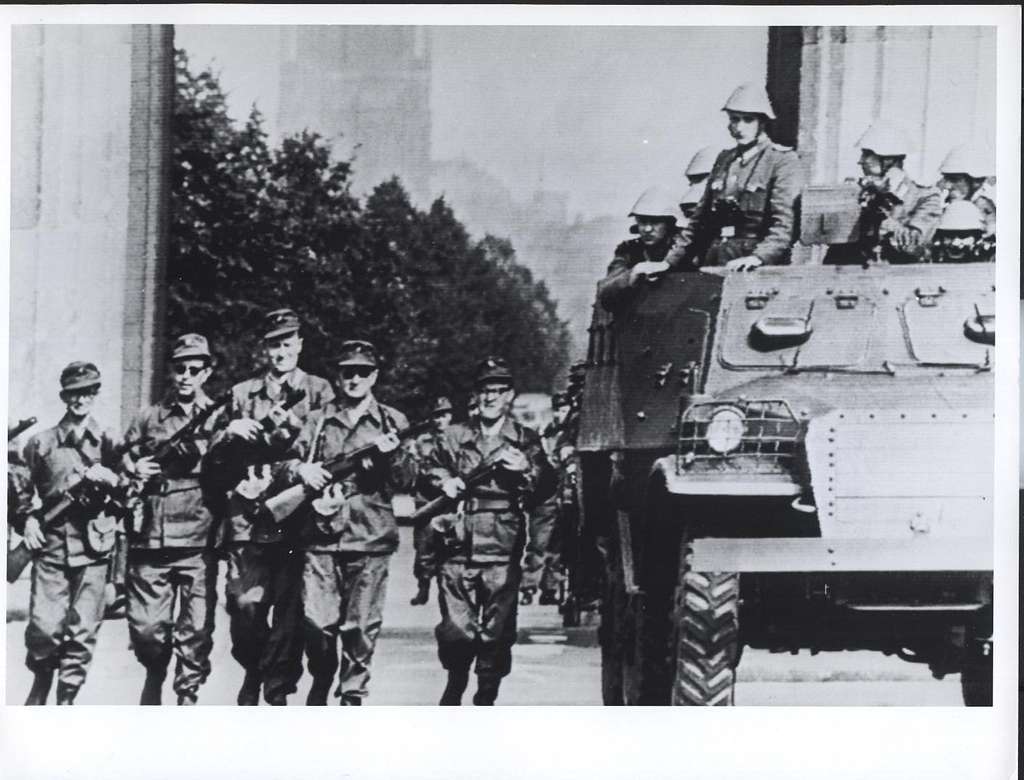
A crowd such as this must have gathered.

The country’s leader resigned, knowing that without the army to back him, he had become powerless. Soon the whole regime resigned, unable to fight against the power of prayer and Light.

One month after the tide-changing protest, a government spokesperson mistakenly announced in a public broadcast that a monumental change was about to take place. Citizens would be allowed to travel freely, effective immediately [4].

News spread rapidly, reported across the world. Thousands of people soon gathered at the symbol of their thirty-year oppression, a barrier that had divided them into east and west: the Berlin Wall.

Harald Jager, commanding officer of the border guards that night, called his superiors to find out how to deal with the gathering crowd. He received no orders.

“People could have been injured or killed . . . if there had been panic among the thousands gathered at the border crossing,” he declared afterward. “That’s why I gave the order: Open the barrier” [5].

And so, on November 9,1989, thousands flowed through, celebrating and crying. Others climbed over the barrier, chipping away at the wall with hammers and pickaxes. Bulldozers and cranes soon made quick work of dismantling the entire structure [6].

Thirty-four years ago today, that menacing wall became rubble, and a tyrannical regime miraculously toppled with it.

And it all began with Pastor Christian Furher and a handful of praying saints.

Christian Furher (1943-2014)


[1] https://contemporarychurchhistory.org/2014/09/reflection-on-pastor-christian-fuhrer-of-the-nikolai-church-in-leipzig/

[2] https://embracingbrokenness.org/2020/10/prayer-and-the-berlin-wall-by-charles-buttigieg/

[3] http://storage.cloversites.com/worldhistoryinstitute/documents/WHI_03Mar014_Journal_4.pdf

[4] https://www.foxnews.com/lifestyle/this-day-history-nov-9-1989-berlin-wall-falls-cold-war-victory-us-allies

[5] https://www.bbc.com/news/world-europe-50013048

[6] https://www.history.com/topics/cold-war/berlin-wall

Additional Source: http://www.godgossip.org/article/did-a-prayer-meeting-really-bring-down-the-berlin-wall

Photo credits: http://www.commons.wikimedia.org; http://www.pxhere.com; http://www.rawpixel.net; http://www.picryl.com; http://www.commons.wikimedia.org; http://www.pexels.com; http://www.nara.getarchive.net; http://www.picryl.com; http://www.commons.wikimedia.org.

Read Full Post »

Want to know three actions guaranteed to bring delight?

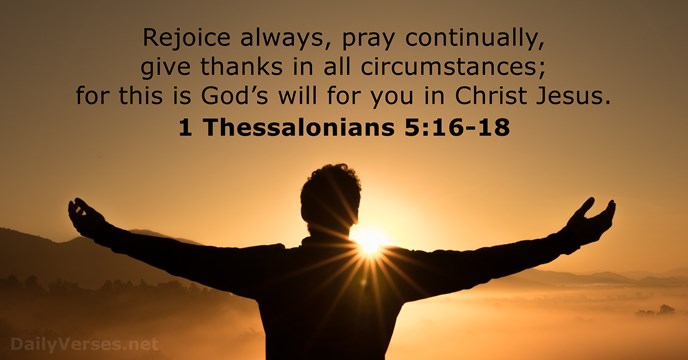
These actions are recommended by the One who designed us, God himself, because of the blessings he’s built into them. He would have us:  always rejoicing, always praying, and always giving thanks [1].

You might say, “I’ve experienced the delight of rejoicing in God’s goodness, and gratitude to him does uplift my spirit, but prayer? That seems more discipline than delight. Besides, how can we pray continually and keep up with the responsibilities of life?”

We’ll address the delights of prayer near the end of this post. As for praying always, we can relax. That’s not what God desires.

Continual prayer is more about an abiding attitude rather than an all-consuming pursuit–an attitude that includes:

  • Faith, believing God exists and rewards those who seek him.
  • Humility, as we acknowledge our dependence upon him for everything.
  • Honesty, knowing that God is near to those who call to him with integrity.
  • Expectancy, because he can do all things and is generous with his gifts [2].

Continual prayer is also about an abiding awareness of God’s presence and communicating with him throughout the day. For example, we can offer sentence prayers such as these:

  • Thank you, Lord, for your strength; you will see me through today’s tight schedule.
  • Grant your wisdom for this decision, Father.
  • That woman over there reminds me of Tiffany. Bless Tiff, I pray; fill her with your joy and peace in spite of the challenges she currently faces.
  • Thank you for quieting my nerves during the presentation this afternoon.
  • What beautiful clouds you made today, Lord! I marvel at your artistry.
  • Oh God, forgive me for getting so upset with that rude driver. Calm the anger within me.
  • Such disturbing news heard just now. I pray against the forces of evil that cause such suffering. I pray that your right hand, majestic in power, will shatter the enemy at work in this situation [3]!

We’d do well to remember:

Edge your days with prayer;

they are less likely to unravel.

Unknown

Third, continual prayer is about persistence. When prayers go unanswered, Hannah of the Bible provides an example for us. “She pressed in ever closer, filling the space of her wait with prayer” [4].

I love that: “filling the space of her wait with prayer.” We too can experience delightful, calming confidence in God while persisting in prayer through the wait.

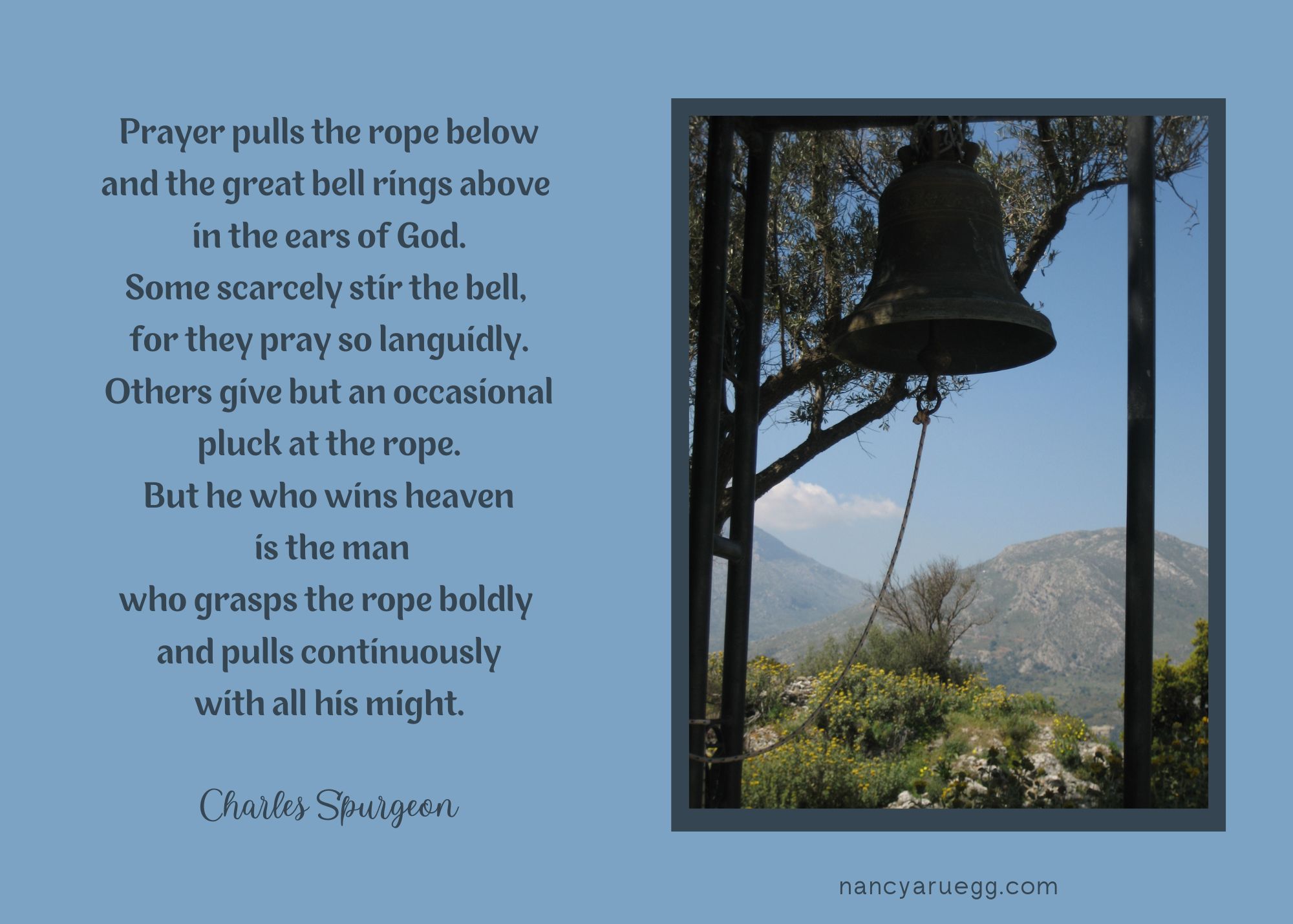
The great preacher, Charles Spurgeon (1834-1892), had this to say about continual prayer:

To pray continually takes effort; it’s easy to let distractions interfere. That in turn leads to such adverse effects as frustration, irritation, a lack of peace, confusion, a short temper, weariness, and discouragement [5].

Oh, but what delights result when we maintain an attitude of prayer —in addition to our prayers answered! What follows is just a short list.

Communicating with God:

  • Helps us focus less on trivial matters and more on glorious realities [6]
  • Fosters peace [7]
  • Increases our trust in God, our reliance upon him [8] 
  • Allows us to participate in what God is doing around the world [9]
  • Helps us build a life-enhancing relationship with God [10]

Unceasing prayer can grow to be something we do

not because of discipline but because of friendship.

Desire. It’s where we’re headed,

if we’ll let Him take us there.

Sara Hagerty, Unseen, 227

Oh, yes Lord, that’s my desire, to experience the constant delight of communion with you, through continual prayer. Keep me mindful to pray my way through every day.


[1] 1 Thessalonians 5:16-18

[2] Hebrews 11:6; John 15:5; Psalm 145:18 HCSB; Matthew 19:26; Psalm 84:11

[3] Lamentations 3:22-23; Isaiah 41:10; James 1:5; Psalm 94:19; Job 5:9; Exodus 15:6

[4] 1 Samuel 1:1-20; Lysa Terkeurst, Embraced, 174.

[5] Ray Pritchard, https://www.preceptaustin.org/1_thessalonians_516_commentary .

[6] Sarah Young, Jesus Calling, 135.

[7] Philippians 4:6-7

[8] Jeremiah 17:7-8

[9] Matthew 6:9-10; Philippians 1:19 offers an example.

[10] Luke 11:9

Photo credits: http://www.dailyverses.net; http://www.heartlight.org; http://www.commons.wikimedia.org (2); http://www.heartlight.org.

Read Full Post »

“Forgive me, Mr. Ruskin, but I cannot give myself to painting the way you desire and continue to keep God at the center of my life.” Lilias Trotter looked imploringly into her tutor’s eyes.

After three years of instruction from John Ruskin, the well-known artist, author, and art critic, twenty-five-year-old Lilias had prayerfully made the difficult choice. She would forego the opportunity to become “the greatest living painter in England” (as Ruskin predicted she would be) [1], and devote more time to her mission work.

(Self-portrait of John Ruskin)

“Ah, my dear Lilias, he sighed. “I was afraid our efforts would come to this. Goodness knows how many times I’ve complained that you needed to spend more time with your brushes and less time with the women of ill-repute around Victoria Station. However, I do admire your dedication, and regretfully wish you well.”

From this crossroads, a new path began to open before Lilias Trotter.

For a while she continued her work with women at the lowest rung of society, bringing them to the newly-established YWCA for training in various employable skills and introducing them to Jesus.

But in 1887 Lilias found her heart drawn to Algeria, after hearing a plea for more missionaries to the region. She applied to the North African Mission board but was denied because of her frail health.

(Algiers, Algeria circa 1880)

Undeterred, Lilias and two friends chose to go on their own. A generous endowment from her wealthy father (upon his death in 1865) provided the financial support necessary.

The three women settled in the French Quarter of Algiers and immediately began learning the Arabic language and Muslim culture. Because of the male-dominated society, they chose to engage women and children.

(watercolor sketches from Lilias’ journals)

Lilias put her artistic abilities to work creating leaflets. The charming illustrations drew attention to the spiritual truths she wrote. Her inspiration came from the hours she spent in Bible study, meditation, and prayer.

But inroads into Algerian society didn’t come easily. Nearly everyone was suspicious of them. They were women after all, European and Christian. Opposition came from the French authorities as well as Muslim leaders. Lilias wrote in one of her journals that she and her friends felt like they were knocking their heads against stone walls [2].

In addition, the Muslim women were difficult to reach since they were seldom allowed in public. But after several years one woman accepted Jesus into her life. Sometime later another woman and then another expressed their faith, until they could count their little band of believers on two hands.

Lilias also traveled into Morocco on the west and Tunisia on the west, into the far regions of the Sahara Desert where no European woman had been before. There too she sought out the isolated Arab women as well as the Sufi mystics who resided in the desert.

Lilias shared her pamphlets and booklets that included depictions of Arab life, always praying that her writings and drawings would help these Muslims understand who Jesus is and why he came.

Of course, persecution came to those who chose Jesus. Two of the new Arab Christians were slowly poisoned to death, others were drugged, and still more were punished in additional ways.

After twenty years of struggle, the missionaries still had little to show for their effort. And yet Lilias wrote:

I am full of hope that when God delays in fulfilling our little thoughts, it is to leave Himself room to work out His great ones. And, more and more as time goes on, I feel that the longer He waits the more we can expect, . . . and the greater will be the band of those who will come forth free from their prison walls. When one gets hold of that vision, one can throw back in the devil’s face his taunts over the seemingly wasted years that lie behind us.

Lilias Trotter

Perhaps even more productive than her conversations with people was the impact of her writings. Lilias’ appealing parables, “creatively illustrated in Eastern style” were widely circulated [3].

She felt confident that the Arabs would more seriously consider written material in the privacy of their homes, than in public conversation where opposition was likely. With her knowledge of the culture, language, and arguments of challengers, she was perfectly-suited for the task of producing these materials.

Lilias returned to Europe a number of times because of her health, each time in dire need of rest as well as relief from Africa’s oppressive heat. But Lilias often used these trips to garner interest and support for the organization she founded: the Algerian Mission Band.

A number of people responded, joining Lilias in her work. However she never asked for financial backing. “God’s wealth is boundless,” she said [4].

For forty years Lilias Trotter lived out her passion for the Algerian people. Before her death in 1928, she’d established twelve mission stations. And instead of three workers, a team of thirty had joined them, bringing the joy-filled, abundant life of Christ to the Muslims of Algeria [5].


Notes:

[1] https://ililiastrotter.wordpress.com/about/

[2] https://ishshahsstory.com/2016/08/10/celebrating-lilias-trotter-of-algeria/

[3] https://www.imb.org/2019/06/12/missionaries-you-should-know-lilias-trotter/

[4] https://thiseternalmoment.com/the-life-and-legacy-of-lilias-trotter/

[5] https://pioneers.org/2021/03/15/the-legacy-of-lilias-trotter

Other sources:

https://www.christiantoday.com/article/lilias.trotter.talented.artist.dedicated.missionary/139139.htm

https://liliastrotter.com/about/

Photos of Lilias Trotter and her paintings as well as John Ruskin’s self-portrait, courtesy of Lilias Trotter Legacy at http://www.liliastrotter.com and their Facebook page. Street scene of Algiers: http://www.commons.wikimedia.org.

Read Full Post »

“This is your last chance!” shouted the leader of Columbian guerillas. “Join us, convince the Motilone to join us, and you will live. Otherwise, you are a dead man.”

The surrounding group of rebels aimed their guns at American missionary Bruce Olson. He fully expected to see Jesus in the next moment.

Of course, this was not the first time Bruce faced death during his twenty-seven years with the fierce Motilone tribe.

No sooner had he arrived in 1961, than Bruce was surrounded by tribal warriors who shot him in the leg with an arrow and took him captive. The guides who had led him to their village fled.

Bruce was just nineteen years old and had received no backing from any mission organization, because of his age and lack of training. But he’d seen a picture of the remote Columbian tribe and felt drawn to share with them about Jesus.

His own life had been wonderfully transformed by Christ, and Bruce desired that for others—especially for this people-group who knew nothing about Jesus.

(The Motilone live in northeastern Colombia and western Venezuela.)

Some would say, “Bruce must have misunderstood God’s plan. Otherwise, why would he experience calamity the minute he arrived?”

But look what God did.

First, the Motilone chief forbade the warriors to kill Bruce. Later he and his men would admit there was no reason to spare him; they just did.

The next day the chief’s son, Bobarishora, brought worms for Bruce to eat, which thankfully tasted like liquified bacon and eggs. In spite of the language barrier, Bruce and Bobarishora began to build a friendship.

The leg wound became infected. Bruce escaped and returned to civilization for treatment. But upon regaining strength, the young missionary went back to the tribe—only to contract dysentery and have to seek medical help again. He almost died in the effort.

For his third attempt to settle with the Motilone, Bruce brought medical supplies. The witch doctor took great interest in their healing powers and learned from Bruce how to use them. With Bobarishora and the witch doctor as allies, Bruce began to achieve acceptance in the tribe.

Over the next four years he learned the Motilone language and set about translating the New Testament into their language, putting to use his knowledge of Hebrew, Greek, and Latin.

Bobarishora, or “Bobby,” became the first to accept Jesus into his life. At a festival not long after, Bobby sang about the jungle trail of life, a metaphor familiar to the Motilone. Bobby explained he’d seen the footprints of God.

“There are many trails in the jungles,” he said. “But there is one trail that goes to the horizon.” (Bobby was referring to heaven.)  “Christ came to walk that trail so we can walk in his footsteps.”[1]

It wasn’t long before many tribespeople had become Jesus-followers. They began sending their own missionaries to neighboring tribes to tell them about Christ.

The Motilone wanted to learn how to read and write, so Bruce started a school. He also set up a medical clinic, and led the effort to grow cacao, to help support the tribe.

(Cutting a cacao pod from the tree.)

Over time the proceeds helped finance 48 schools, more than 20 health clinics, 12 farming cooperatives, and numerous scholarships for Motilone students to attend high school and university.[2]

Then came the day in 1988 when 15 Communist guerillas kidnapped Bruce with the plan of forcing his cooperation, and convincing the Motilone to do so also. Bruce spent several months chained to a palm tree and became very ill. Somehow he survived.

One of the leaders asked Bruce to teach them how to read and write. They brought a book to Bruce, not knowing it was a New Testament. Bruce used it to teach the men to read, and many became Jesus followers.

Bruce’s health continued to deteriorate. The guerillas decided to give him a blood transfusion.

“I will give him some of my blood,” one rebel announced.

The next day he told Bruce that when he was a young child, the Motilone had given food to his widowed mother for three years, never asking for anything in return. “You saved my life,” he said, “Now, I save your life.”[3]

Months passed. No amount of mistreatment had convinced Bruce to help their cause.

One day a group stood him against a tree, announced his execution, and aimed their guns at him. But when they fired, Bruce remained unharmed. They’d shot blanks at him, expecting this final test to break him.

Sometime later one of the leaders told Bruce that capturing him had been a mistake. He hoped that Bruce could forgive them.

He promised the rebels would leave the Motilone alone, and Bruce could continue his work. After nine months of captivity, they released him.

As a result of Bruce’s long devotion to the tribe, more than 400 Motilone have graduated from high school, and over 30 from university, trained as physicians, accountants, translators, forest rangers, agriculturalists, and more. Still others have received technical training.

All have returned to their jungle communities to share their expertise within the tribe.

As of 2018, more than 70% of the Motilone tribe are following in Christ’s footsteps to the horizon.[4]

As for Bruce Olson, now 80, you’ll find him still working with the people of 18 different tribes and languages of the jungles.[5]


 Notes:

[1] https://missionexus.org/an-interview-with-bruce-olson/

[2] https://www.tms-global.org/story-details/bruchko

[3] Ibid

[4] Ibid

[5] https://www.godreports.com/2021/02/legendary-american-missionary-ate-maggots-wore-a-flea-collar-to-survive/ 

Additional Sources:

https://www.bruceolson.com/en/index.html

https://www.theopedia.com/bruce-olson

Photo credits: http://www.picryl.com; http://www.pxhere.com; http://www.flickr.com; http://www.commons.wikipedia.org (2).

Read Full Post »

Older Posts »

Still Traveling

Impressions Becoming Expressions

Living Our Days

Gaining a heart of wisdom

He Said What?!

I'm Patty, and my husband and I are living with our adult son who has autism and epilepsy. I love sharing lessons learned from life around me, especially life with Aaron.

Meditations of my Heart

Impressions Becoming Expressions

Linda Stoll

Impressions Becoming Expressions

Debby Thompson

Impressions Becoming Expressions

Signora Sheila

Notes on Life, Faith & Italy

Colleen Scheid

Writing, Acting, Living in God's Love

Mitch Teemley

The Power of Story

Heidi Viars

Finding the Image of God