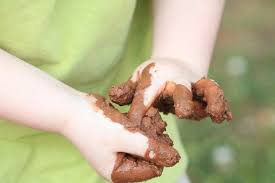
Seven-year-old Paul mashed a bit more water into his pail of mud, looking for that just-right consistency to build walls. His sister Connie collected sticks to help support them.
Soon they’d have two miniature mud houses with roofs made from the large leaves of a peepal tree. This is where their stick-people would live, using the structures as a base for their glorious adventures.
The fact they had few toys never bothered Paul and Connie. Their creative play with what nature provided kept them happy for hours.
Across the yard, their father, a missionary doctor in southwest India, met with patients in a shelter outside their home. Paul stayed clear. The sight of some injuries and diseases turned his stomach.
As the children played, three men limped toward the house, their hands and feet bandaged in rags. Curious about what happened to them, Paul allowed himself to watch.
His father donned surgical gloves and unwrapped the cloths. As they fell away, Paul startled to see open sores, missing fingers and mere stumps for feet. He quickly looked away. But in his peripheral vision he could see his father wash and apply salve to their wounds.
When the men left, Paul’s mother immediately bathed Paul and Connie, even though they’d had no contact with the men. Later his father told him the men suffered from leprosy, a flesh-eating disease.
That’s when Paul decided: I will NOT become a doctor.
At age nine in 1923, Paul’s parents escorted his sister and him back to England to begin their formal education.
Paul took special interest in construction and trained as an engineer and carpenter. He planned to return to India and follow in his parents’ footsteps as a missionary—just not in the medical field.
However, he did study tropical medicine for one year, learning to care for injuries and common illnesses like malaria.
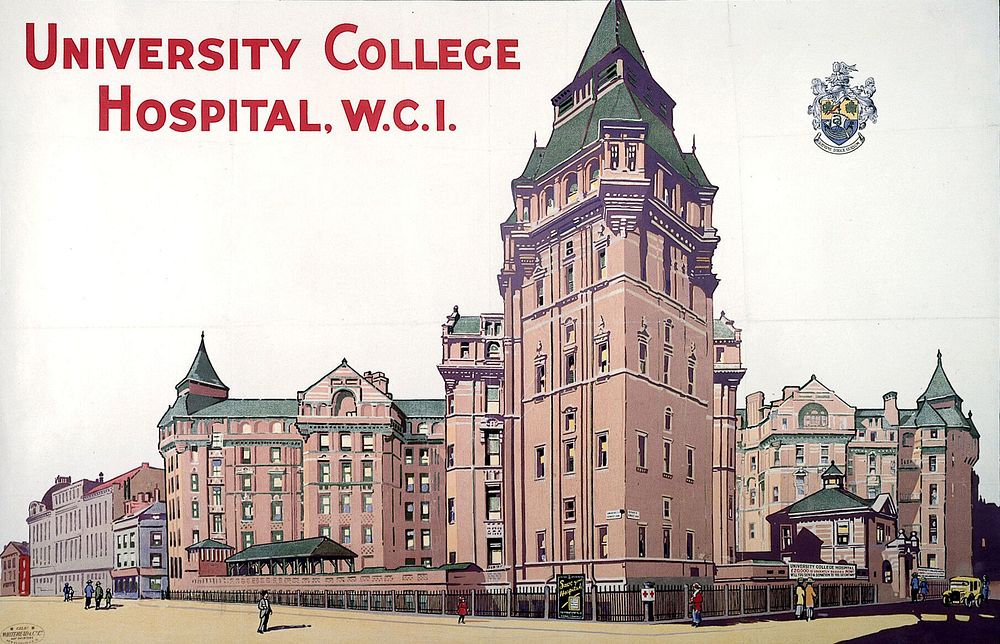
During that year Paul witnessed the miraculous healing of a woman near death when a blood transfusion saved her life. God used that thrilling incident to change Paul ‘s trajectory, and at age 23 he enrolled at the University College Hospital in London.
Over the next ten years Paul became an orthopedic surgeon, married another medical student, Margaret Berry, and treated bomb victims during World War II.
In 1946, the couple traveled to India where Paul would teach at the Christian Medical School and Hospital in Vellore, India [1].
He and Margaret, an ophthalmologist, encountered many leprosy patients. It pained them to witness their terrible suffering.
A senior colleague suggested Paul study leprosy. Perhaps he could determine the cause of the deformities as well as an effective treatment. After years of extensive research, Paul was convinced: leprosy was not a flesh-eating disease, it was a nerve disease.
Damaged nerves meant patients lost the ability to sense pain, leaving a person vulnerable to injury—third-degree burns, deep cuts, and other serious wounds. When improperly treated, infection flared, which in turn caused the loss of fingers, toes, and more.
Even as research ensued, Paul put his surgery skills to work, successfully repairing hands and feet by moving healthy muscles and tendons where they could do the most good.

Restorative hand surgery, pioneered by Dr. Paul.
As some lepers regained use of their hands and feet, a new problem presented itself. They could no longer beg for a living and needed vocational training.
Paul founded the New Life Center in Vallore to provide those opportunities. He remained a surgeon by day but also became a teacher of carpentry at night.
How astounding, Paul thought, that God made sure I was schooled in both.
Through the 1950s and early 1960s, Paul served in several leadership positions for mission organizations focused on leprosy research and rehabilitation.
One day he and Margaret received an invitation to work at the U.S. Public Health Service Hospital in Carville, Louisiana, the only leprosy research facility in America. They and their six children moved to Louisiana in 1966.
For twenty years Paul served as chief of rehabilitation in the Carville hospital, and then the couple moved to Seattle where Paul taught at the University of Washington. He also continued to serve as consultant to the Leprosy Mission and the World Health Organization.
Paul received many awards, and invitations to lecture sent him all over the world until age 88, when travel became difficult. Just nine months later, Paul died.
Well-known author and friend of Paul, Philip Yancey, wrote about the doctor’s affinity for that ostracized class of people, lepers:
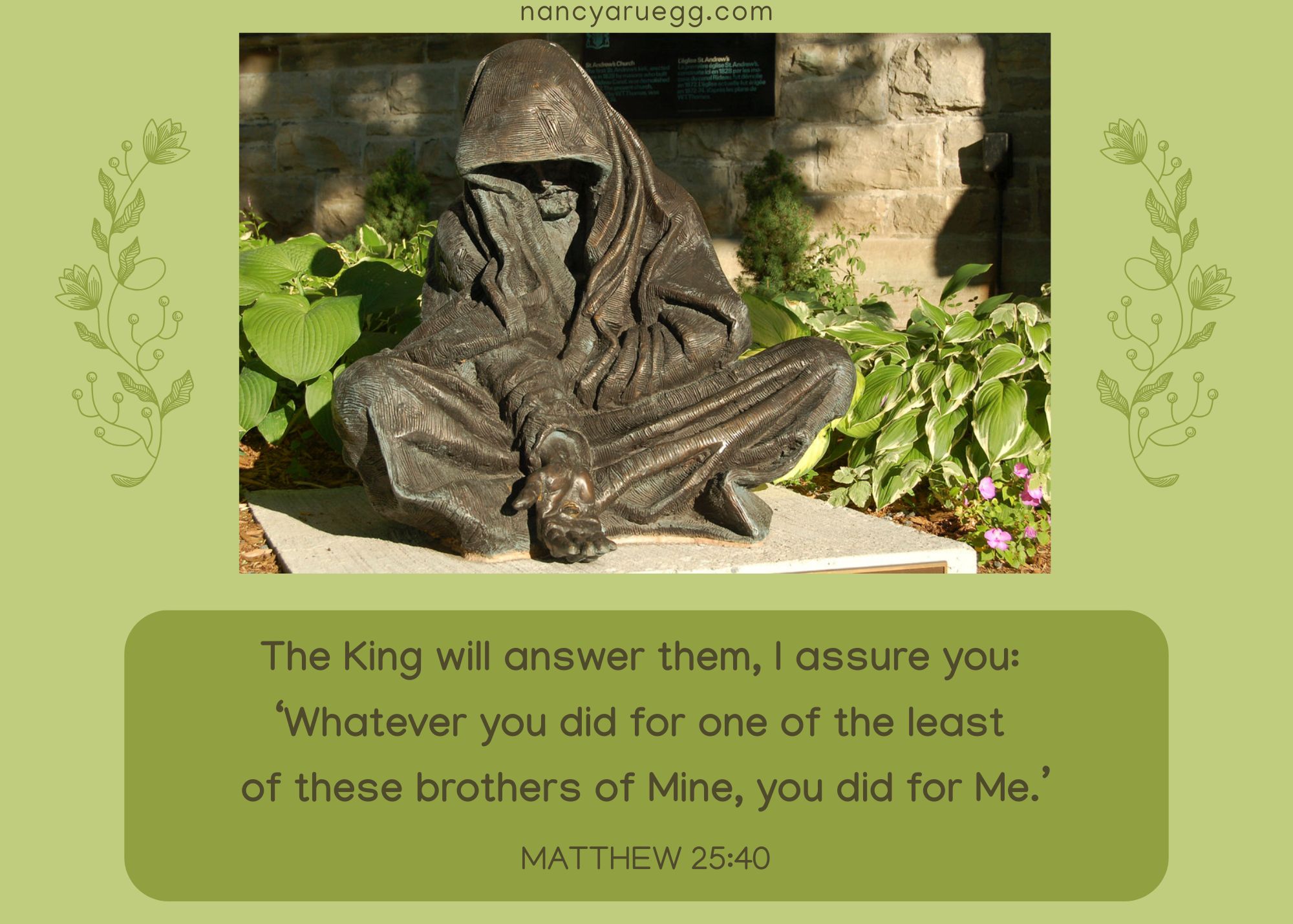
“To him these, among the most neglected people on earth, were not nobodies, but people made in the image of God, and he devoted his life to try to honor that image”[2].
Surely all could agree: Dr. Paul Brand succeeded.
[1] A previous post One Step At a Time/ tells the amazing story of Ida Scudder and the founding of the Christian hospital in Vallore.
[2] Grace Notes, p. 48.
Other Sources:
https://biologos.org/articles/members-of-the-body-reflections-of-dr-paul-brand
https://leprosyhistory.org/database/person31
https://www.teddingtonbaptist.org.uk/tbcgc02.htm
Image credits: http://www.picryl.com; http://www.commons.wikimedia.org; http://www.rawpixel.com; http://www.flickr.com; http://www.flickr.com & http://www.canva.com.
Sign up below for the monthly newsletter that includes additional features not on the blog. (This month you’ll find a recipe for a delicious tomato/cucumber salad with walnut dressing.) Thank you in advance for becoming a subscriber!

 From the Inside Out