
The Annunciation by Philippe de Champaigne, 1644
‘Remember what the angel Gabriel said to Mary when he first appeared to her?
“Greetings, you who are highly favored! The Lord is with you. Do not be afraid, you have found favor with God” [1].
He then made an incredible announcement. Mary would give birth to the Messiah [2].
Did her mind jump to Isaiah’s prophecy about a young woman who would conceive and give birth to Immanuel?
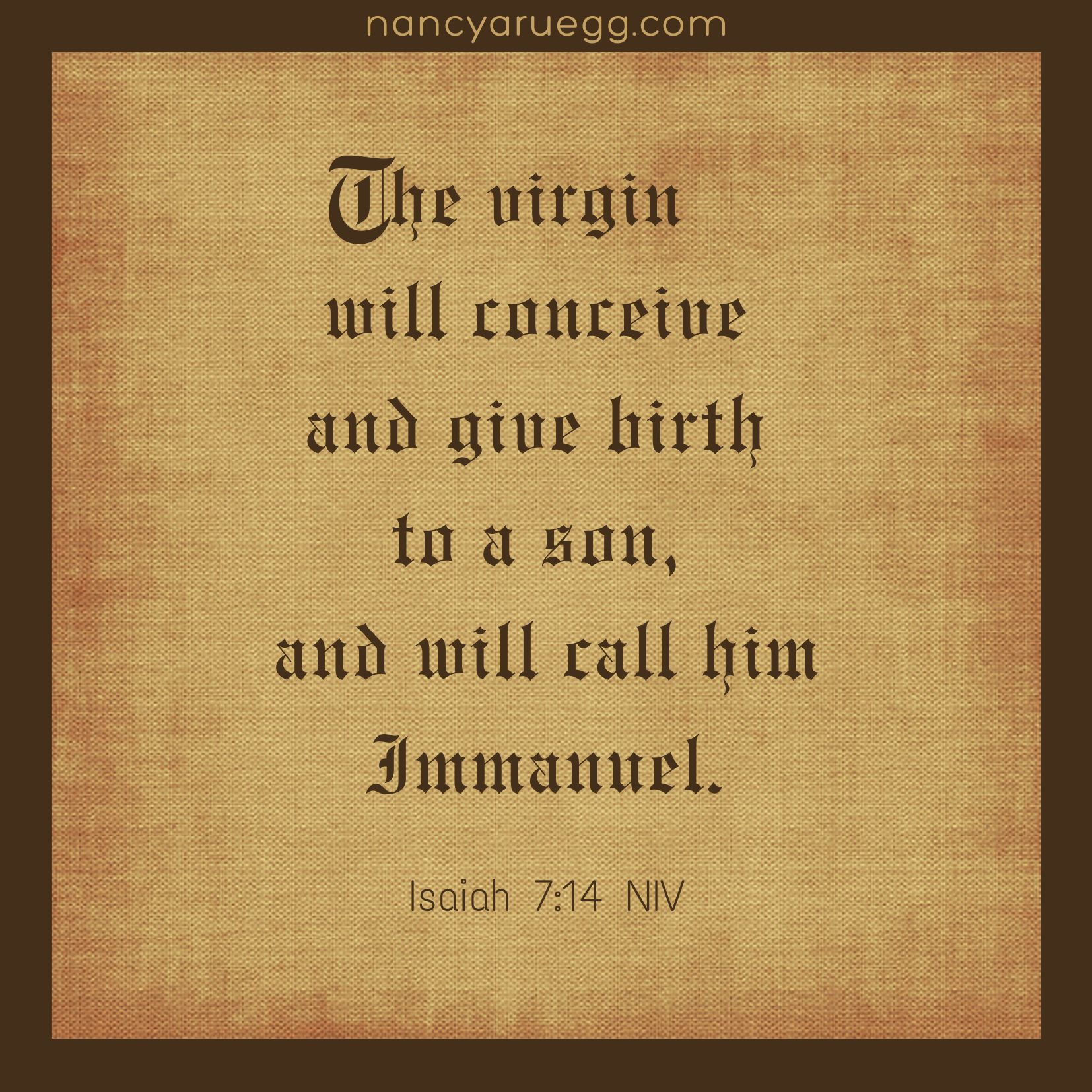
Surely many Jewish girls knew the passage. And each must have wondered, Might I grow up to be the mother of the King of all?
God favored Mary with the singular role of mother to the Righteous One. Perhaps his choice was based on Mary’s virtue, but scripture gives no indication of that.
Luke did mention that Zacharias and Elizabeth, the parents of John the Baptist, “were righteous in the sight of God, observing all the Lord’s commands and decrees blamelessly” [3].
But no such commendation is given for Mary. It may be God wanted us to understand: he can use anyone. His empowerment doesn’t depend on social standing, intelligence, accomplishments, or even moral superiority.
Our part is willingness and faith, which Mary did demonstrate when she professed: ‘’I am the Lord’s servant. May your word to me be fulfilled” [4]. Mary acquiesced to God’s plan, his choice for her.
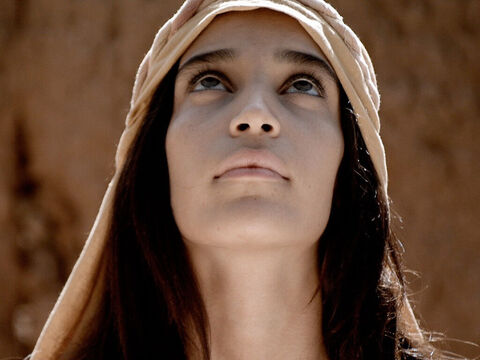
If you’re like me, you’ve wondered about the favor bestowed upon Mary. To us the word conjures up kindness and generosity.
But Mary faced:
- rejection and cruelty as a pregnant and unmarried, young teen [5]
- the probable annulment of her engagement to Joseph
- a grueling trip to Bethlehem, nine months pregnant
- delivering her first child in a stable-cave
- another difficult journey to Egypt to protect Jesus from Herod’s slaughter
- the hurtful disapproval of many for her firstborn, including his own half-siblings
- watching her son die in agony [6]

How could Gabriel call Mary favored?
We’re looking in the wrong direction. God’s favor, his best for us, does not guarantee an easy path through life and an abundance of material blessings. That kind of favor would only spoil us.
God would have us look in the direction of more satisfying favor: his spiritual blessings [7].
That’s what Mary did, evidenced by her Magnificat, a prayer preserved for us in Luke 1:46-55, where she praised God for his mindfulness of her, his might that had accomplished great things for her, his mercy extended to those who fear God, and more.

In the NIV Study Bible, nineteen cross-references from this passage cite verses from seven books of the Old Testament. Mary knew scripture.
It’s unlikely she thought God’s favor would bring fame and fortune. Mary would have known that God’s best more often includes:
- empowerment to carry out his assignments
- instruction in the ways we should choose
- help in times of trouble
- strength to endure hardship and grief
- compassion and comfort to quell distress
- satisfaction in taking part in God’s wonderful plans [8]
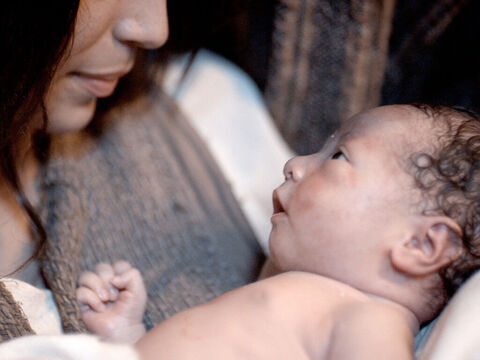
And as God’s wonderful plan of redemption for all people began to unfold, his favor began to flow upon Mary.
He dispelled her fears, gave her courage to tell Joseph the unsettling news, inspired Mary to visit her wise cousin Elizabeth for encouragement, filled her with endurance for the journey to Bethlehem, and strength for the birth of her first child in less-than-ideal circumstances.
Of course, Mary isn’t the only one who’s experienced the favor of the Lord. God’s best is available to everyone who allows God to choose what’s best.
God would have us know:
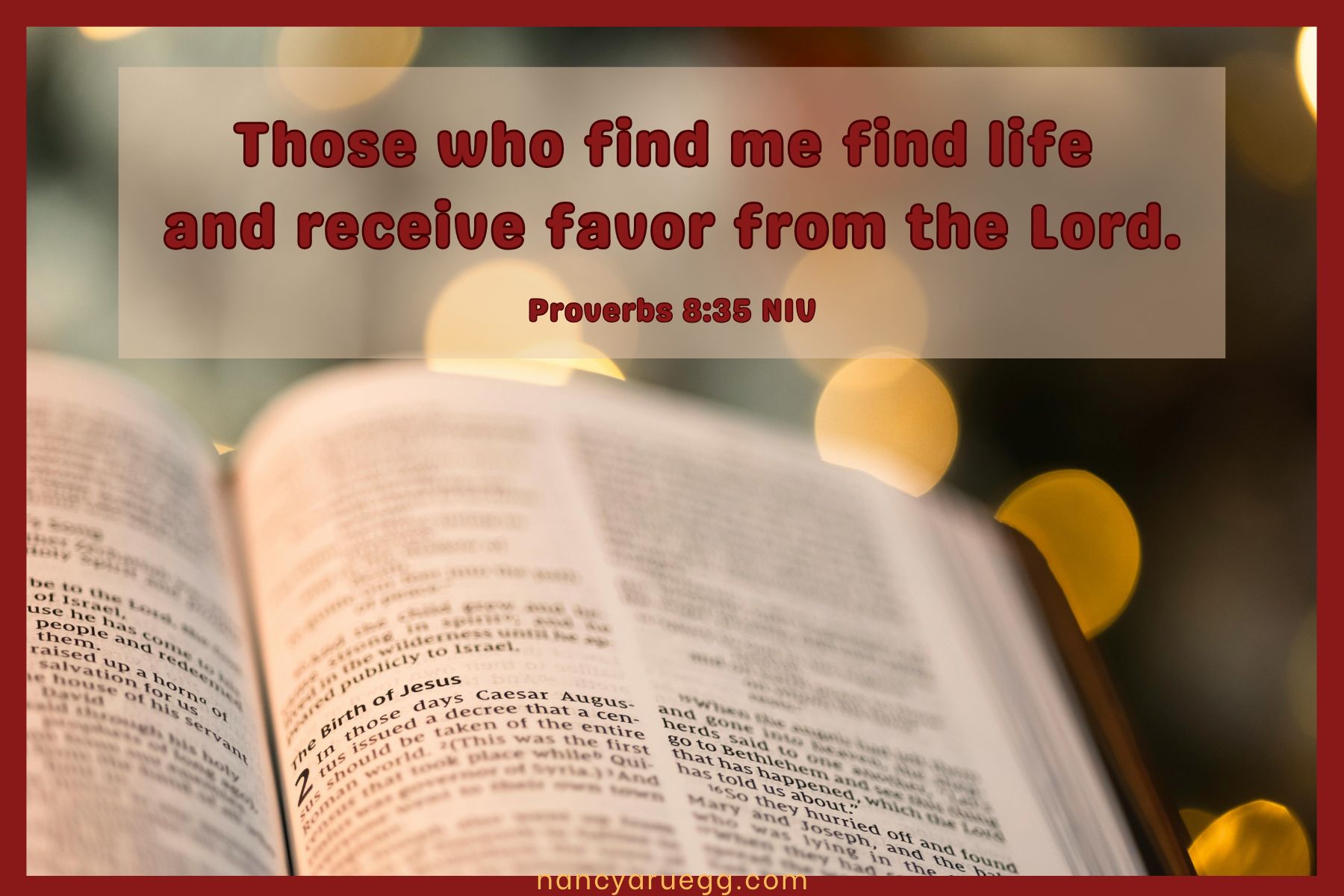
By his favor he forms our characters and fits us for satisfying service. He charts our course, imparts strength to accomplish his plan, supplies all that is necessary, and ultimately crowns our efforts [9].
Just as he did for Mary.

[1] Luke 1:26-30 NIV, emphasis added
[2] Luke 1:31-33
[3] Luke 1:6
[4] Luke 1:38
[5] This was surely Mary’s experience, given the social norms of the day.
[6] Matthew 1:18-19; Luke 2:1-5; 6-7; Matthew 2:13-15; Mark 3:20; John 19:26-27
[7] Ephesians 1:3
[8] Psalm 138:8 ESV; 25:12; 46:1; 73:26; 86:15; Isaiah 66:13a; Psalm 128:1
[9] Based on Herbert Lockyer quote, Seasons of the Lord, 202.
Image credits: http://www.picryl.com; http://www.canva.com; http://www.freebibleimages.org (4); http://www.stockvault.net.
Do sign up below for the monthly newsletter that includes a THANK YOU GIFT: Thirty encouraging quotes to inspire your own spirit and share with others.
Scroll to the end of the newsletter to find this resource!


 From the Inside Out