Feeds:
Posts
Comments

Archive for December, 2024

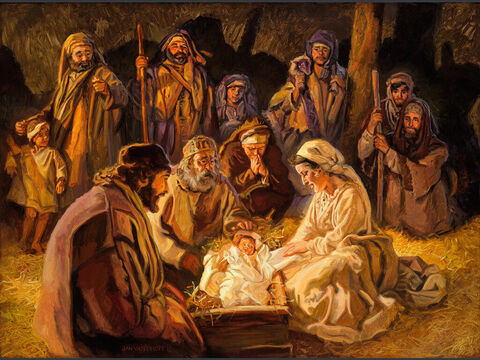
No Christmas season would be complete without the reading of the second chapter of Luke—the account of Mary and Joseph traveling to Bethlehem, presiding over the birth of Jesus in a stable or cave, and receiving shepherd-guests.

Toward the end of the account, as those shepherds were spreading the word of Jesus’ birth, Luke wrote, “Mary treasured up all these things and pondered them in her heart” (v. 19).

Indeed. She had much to process:

  • Her baby was the Messiah, the Promised One, who would save his people from their sin. I wonder if she studied him, looking for signs that he was different from other infants.
  • This was the Prince of Peace cradled in her arms. Yet he had been born to a common village girl in very primitive conditions.  Did that seem strange to her?
  • The shepherds had learned of his birth when angels visited them, just as the angel, Gabriel, had visited Mary and then Joseph.  Gabriel had also visited Zechariah, the father of John the Baptist. Four angel visitations in a matter of months. Never had that happened before.

I find myself pondering, too—pondering Mary herself–this dear, young girl who carried a tremendous burden for a long time.

Dear means beloved and valued. Mary is certainly that for numerous reasons.

  • She embraced Gabriel’s announcement with great faith. “May it be to me as you have said,” (Luke 1:38). She put herself in the care of God in spite of incomprehensible circumstances.
  • Her prayer, the Magnificat (Luke 1:46-55), gives indication of a heart fully committed to God.
  • She endured much: shame for her pregnancy, a long, uncomfortable journey to Bethlehem, and crude circumstances for the birth of her Son.

Mary was young—perhaps between thirteen and fifteen years of age. That was the typical age for a girl to be married in Bible times.

Yet, young as Mary was, Gabriel praised her for being “endued with grace” (v. 28, AMP). In addition, Mary demonstrated stamina, maturity, and gentleness beyond her years.

No doubt God graced her with these traits. But I have to believe Mary also had freedom of choice, as we all do, to embrace God’s way for her.

What I ponder most, however, is the fact Mary carried a tremendous burden, given to her by an elderly man, Simeon, eight days after Jesus was born.

You undoubtedly remember the story. Joseph and Mary took Jesus to the temple at Jerusalem to be circumcised.

There they met the righteous and devout Simeon who had been waiting decades for the Messiah. The Holy Spirit had revealed to him he would not die until he had seen the Lord Christ.

Immediately upon seeing the Child, Simeon knew this was the One.

He praised God for keeping his promise, blessed Mary and Joseph, and then spoke particularly to Mary, saying Jesus would cause some to rise and some to fall, he would be spoken against, the thoughts of many hearts would be revealed, and a sword will pierce your own soul too (Luke 2:21-35).

Those last words must have caused Mary’s eyes to grow wide and her heart to skip a beat. Wasn’t the worst behind her? Surely Mary wanted to ask Simeon, “What do you mean?” Scripture gives us no indication that she did so.

For thirty-three years those last words of Simeon must have echoed in Mary’s mind again and again. How does a person live with such long-term foreboding? Perhaps her mind turned back to the night of Gabriel’s visitation.

Perhaps, for thirty-three years, Mary repeated what she had told the archangel: “I am the Lord’s servant. May it be to me as you have said” (1:38).

Mary may very well have developed the calm assurance that even when God’s ways are baffling, we can rest assured he is orchestrating events to accomplish far more than we could ever imagine (Ephesians 3:20). She’d been witness to such orchestration in Bethlehem.

Mary knew that even our personal hardships can fulfill purposes that extend far beyond ourselves.

That’s a lesson for all of us to embrace with calm assurance.

(Revised and reblogged from December 15, 2014, while we enjoy a blessed week with family!)

Photo credit: http://www.stocksnap.io.

Processing…
Success! You're on the list.

Read Full Post »

I praise you, Lord Jesus, for surrendering all the glorious perfections of heaven, to live among us with all our un-glorious imperfections [1].

Also astounding is your arrival as an infant, born to peasants, in a stable-cave. How ignoble for the King of kings, the Alpha and Omega who always was and always will be.

As Mary and Joseph tried to rest on scratchy straw, did they wonder, “How could this be part of your plan, Lord Jehovah? How could the Messiah fulfill his grand destiny from such lowly beginnings?”

Little did the couple know:

  • their helpless baby who could not stand “would one day walk on water” [2]
  • his little hands that could not grasp would one day break five rolls and two fish into pieces and feed five thousand people
  • their Child who could not speak would one day make the hearts of men burn within them as he spoke words of supernatural wisdom and insight
  • his flailing arms would one day spread wide on a cross, to save his people from their sins [3]

The depth of your humility and the magnitude of your sacrifice, Lord Jesus, overwhelm me.

I praise you for all the ways you demonstrated God’s character to us during your earthly ministry—his love, compassion, goodness, and more.

I praise you, Lord Jesus, for your power on display in the miracles you performed and those you continue to perform to this day, confirming who you are—not just a wise teacher or mystic but the Son of God.

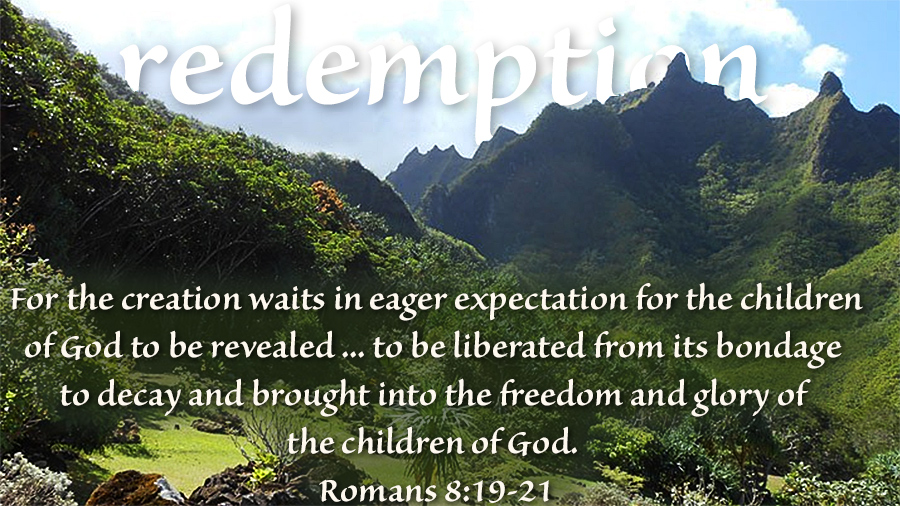
I praise you for the glimpses of heaven we experience from time to time of what it will be like when all creation is “brought into the freedom and glory of the children of God,”–because of what you accomplished [4].

Such glimpses include:

  • The exquisite beauty of nature, causing us to gasp in wonder
  • The profound heart-to-heart connections we experience with other believers
  • The songs that move our spirits and cause tears of blissful joy
  • The sense of your presence—your encompassing and perfect shalom [5]

–C. S. Lewis (The Problem of Pain, 150-151)

I praise you, Lord God, that before time began, you’d already established the plan for your Son’s birth, ministry, death, and resurrection [6].

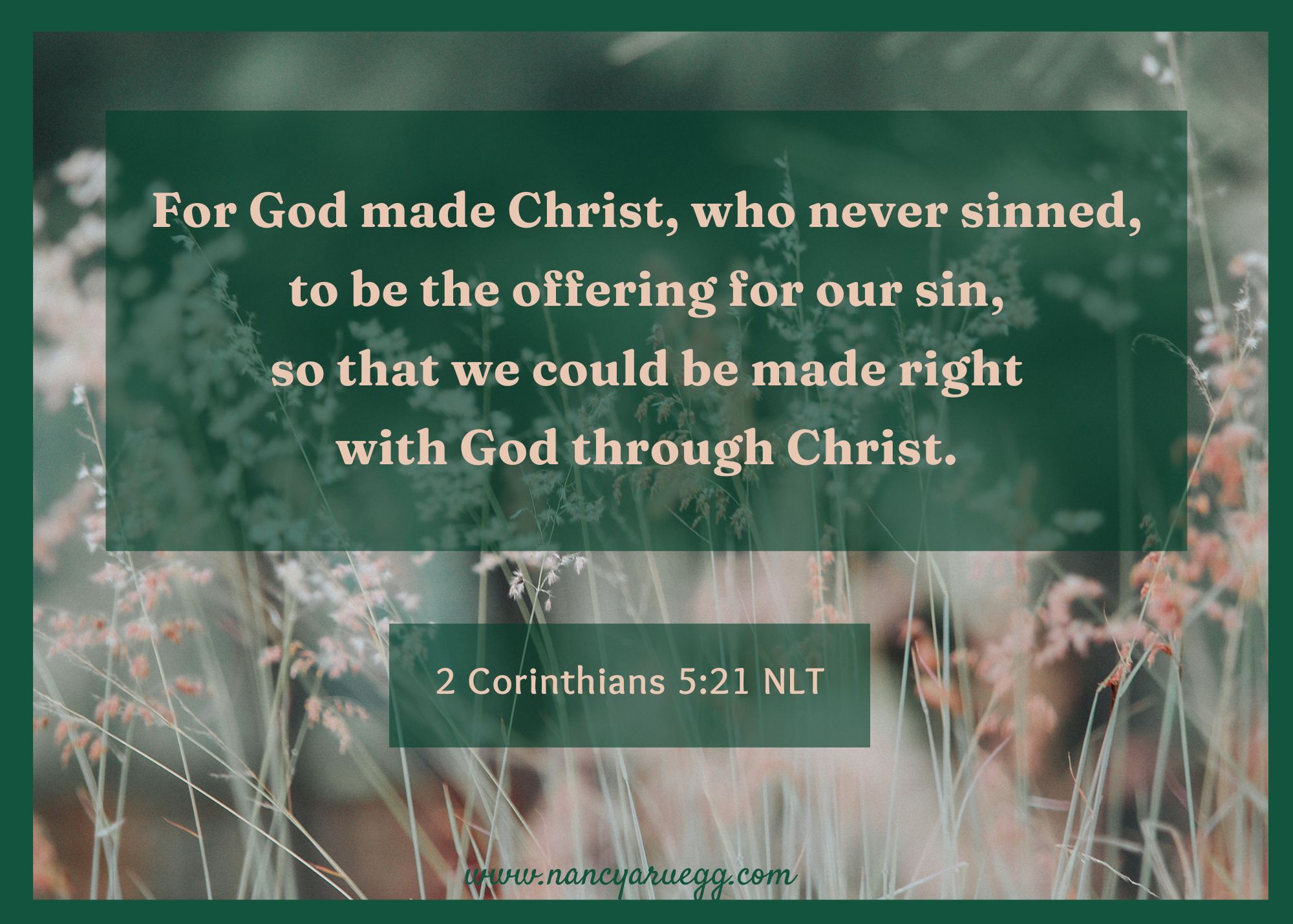
I praise you, Lord Jesus, for withstanding horrific suffering in our place, paying the penalty for our sins [7].

I praise you Heavenly Father, for your power over death, proven by the resurrection of your Son. He received a grand welcome back to heaven and now sits on his throne, receiving the honor, glory, and power he deserves [8].

I praise you for the promise—repeated many times through scripture—that upon our physical deaths, those of us who believe in Christ will live forever with you, surrounded by the wonders of heaven [9].

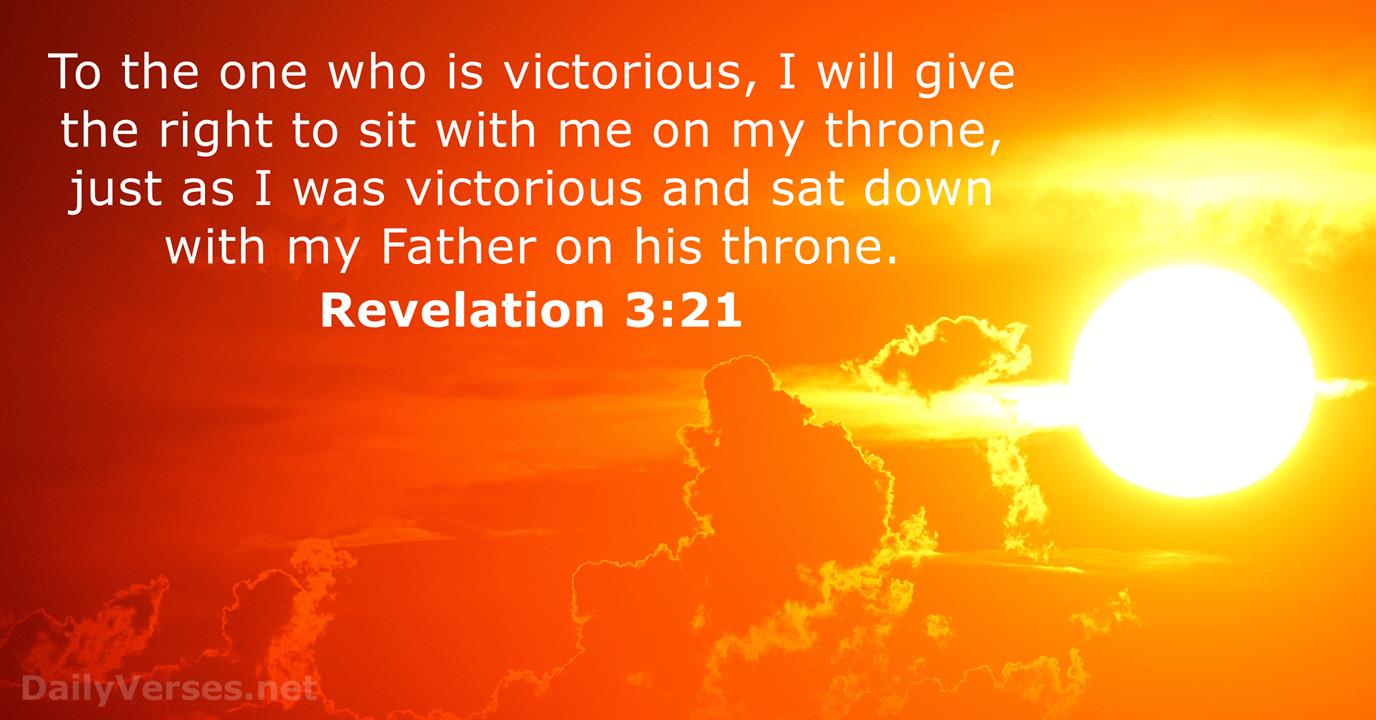
I praise you, Lord Jesus, we’ll even sit with you on your throne [10]!

Such an honor seems downright absurd, and yet there it is—promised and guaranteed in your infallible Word—promises we can trust, a guarantee we can believe in.

I pray that many will see:

And may many embrace you, O Christ, as their Prince of Peace and King of kings, to experience your shalom and joy. May they accept your gift of gifts: eternal life!


[1] Philippians 2:5-7

[2] From Mark Lowry’s carol, “Mary Did You Know”; see also Matthew 14:22-33 for one example

[3] Matthew 14:13-33; Luke 24:13-24; Luke 23:33; Matthew 1:21

[4] Romans 8:21

[5] Shalom includes not only peace, but complete well-being and wholeness

[6] Titus 1:2

[7] Romans 5:8

[8] Revelation 3:21

[9] John 3:16

[10] Revelation 3:21

[11] From a sermon, “The Great Birthday of Our Coming Age,” December 21, 1884.

Photo credits: http://www.freebibleimages.com; http://www.canva.com; http://www.heartlight.org; http://www.dailyverses.net; canva.com.

Processing…
Success! You're on the list.

Read Full Post »

As his father prayed, little Isaac peeked through his fingers to see what was causing a rustling sound. His eyes spied a mouse crawling up a bell-rope, and Isaac giggled.

After family prayers, Father wanted to know what had possessed his son to be so disrespectful.

“I saw a mouse running up the bell-rope, and it came to my mind:

There was a mouse for want of stairs,

‘Ran up a rope to say his prayers.”

Father was not amused and reached for the rod. Isaac fell to his knees and begged:

“Father, Father, pity take,

And I will no more verses make [1]!”

Neither the little poet Isaac Watts (1674-1748) nor his father could have known where the boy’s penchant for rhymes would take him.

As a late teen, Isaac complained often to his father about the tiresome, chanted hymns of the church. How was a person supposed to sing them with joy as the Bible-psalms often urged, when the music droned in a minor key?

From a 1600’s hymnal

Mr. Watts finally suggested he turn complaining into composing and create better melodies and lyrics. Isaac did, and over the next fifty-plus years more than six hundred of his hymns were published.

Some people found fault with Isaac’s contemporary worship songs. But at least several prominent leaders supported him, including Samuel Johnson, Cotton Mather, and John Wesley [2].

Isaac Watts

Probably the best known of Watts’ hymns is “Joy to the World,” although Watts never set it to music. Decades later Lowell Mason felt inspired to do so and upon publication in 1848, the song soon became a beloved Christmas carol.

Some insist this hymn has no place in the carol-category, because Watts included no elements of the Christmas story in the lyrics.

But as Alyssa Poblete points out: This song celebrates what Christ came to do. And along with looking back at the grace accomplished in the past, we also look forward to the grace accomplished for our future, to the ultimate joy to be revealed [3].

That enlightenment helps explain that puzzling first line, “Joy to the world, the Lord is come” (emphasis added). I’ve often wondered why Watts didn’t choose “has come.”

Ms. Poblete gives us indication. God’s grace (explained in part by the acronym, God’s Riches at Christ’s Expense) is active in all of time—past, present, and future.

Our Messiah’s birth was long-promised for centuries. His coming ushered in a new kingdom of Light. Those who believe in Jesus gain release from the kingdom of darkness, and one day that evil kingdom will be utterly destroyed [4].

In addition:

Christ’s coming is an ever-present and ongoing engagement in the world.

–Darrow L. Miller [5]

The Lord didn’t just come. He is here! And we can sing with dazzling Christmas joy because:

  • One day the whole earth will receive her King. Therefore, let heaven and nature sing (v. 1) [6]
  • The Savior reigns forever and ever (v. 2) [7]
  • Sins and sorrows will be no more, when Christ returns (v. 3) [8]
  • He comes to make his blessings flow (v. 3) [9]
  • He rules the world with truth and grace (v. 4) [10]
  • The glories of his righteousness and the wonders of his love are on display everywhere (v. 4) [11]

These musicians capture well the dazzling joy of knowing our Savior reigns!

For the reasons listed above and more, Watts invites: “Let every heart prepare him room” (v. 1), and “Let men [all humanity] their songs employ” (v. 1)!

May we be just such people who sing with intention, from a place of authenticity [12].

In fact, take a moment right now if you can, and worship, celebrate, and sing with dazzling Christmas joy!


[1] Betty Dunn, https://www.powerofchange.org/blog/2011/12/16/isaac-watts-joy-to-the-world.html

[2] Erin Tabor, https://www.zmiinternational.org/daily-dose-of-encouragement/joy-to-the-world-the-lord-is-come  

[3] https://www.thegospelcoalition.org/article/joy-to-the-world-a classic-christmas-hymn-reconsidered/

[4] Isaiah 7:14 and 9:6; Colossians 1:14; Revelation 20:7-20.

[5] https://disciplenations.org/wp-content/uploads/202004/Music-that-Writes-Culture-Reflections-on-Joy-to-the-World.pdf

[6] Romans 8:19-23; Revelation 22:20; Psalm 96:1-4

[7] Revelation 11:15

[8] Revelation 21:4

[9] Psalm 5:12; 34:10b; 2 Peter 1:3

[10] John 1:14; Colossians 1:16-17

[11] Psalm 33:4; 145:17 31:21

[12]  https://passioncitychurch.com/article/joy-to-the-world/

Art & photo credits: http://www.justanotherclaypotblogspot.com 9/10/2008; http://www.boudewijnhuijgens.getarchive.net; http://www.jenikirbyhistory.getarchive.net; http://www.canva.com (2); youtube.com; http://www.pxhere.com and canva.com.

Processing…
Success! You're on the list.

Read Full Post »

You’ve heard the Christmas story—probably multiple times.

You may even know interesting background information such as:

  • The number of miles Mary and Joseph traveled from Nazareth to Bethlehem—about seventy—and the number of days on the road—four to seven
  • Angels not necessarily singing to the shepherds but most likely speaking their message [1]
  • The gifts of the Magi holding symbolic meaning: gold for Christ’s royalty, myrrh (used in embalming) for his humanity, and incense for his divinity

But perhaps a new insight or two about the familiar story will add a bit of icing to your Christmas joy!

For example, consider:

A Disadvantaged Upbringing

Most of us would choose a sophisticated city like Jerusalem (in the homes of priests perhaps) for the upbringing of the mother and earthly father of the Christ Child.

Instead, God chose Nazareth–a small, nondescript town that nobody cared about. That’s where Mary and Joseph, the parents for the Son of God, were likely born and raised.

We mustn’t think anyone too weak, untrained, or undistinguished to fulfill God’s plans.

An Unknowing Participant

The Roman emperor Caesar Augustus—not a believer in God—unknowingly carried out holy purpose [2]. Our Lord can and does use the most unlikely people; we mustn’t underestimate his influence and power.

An Unlikely Invitation

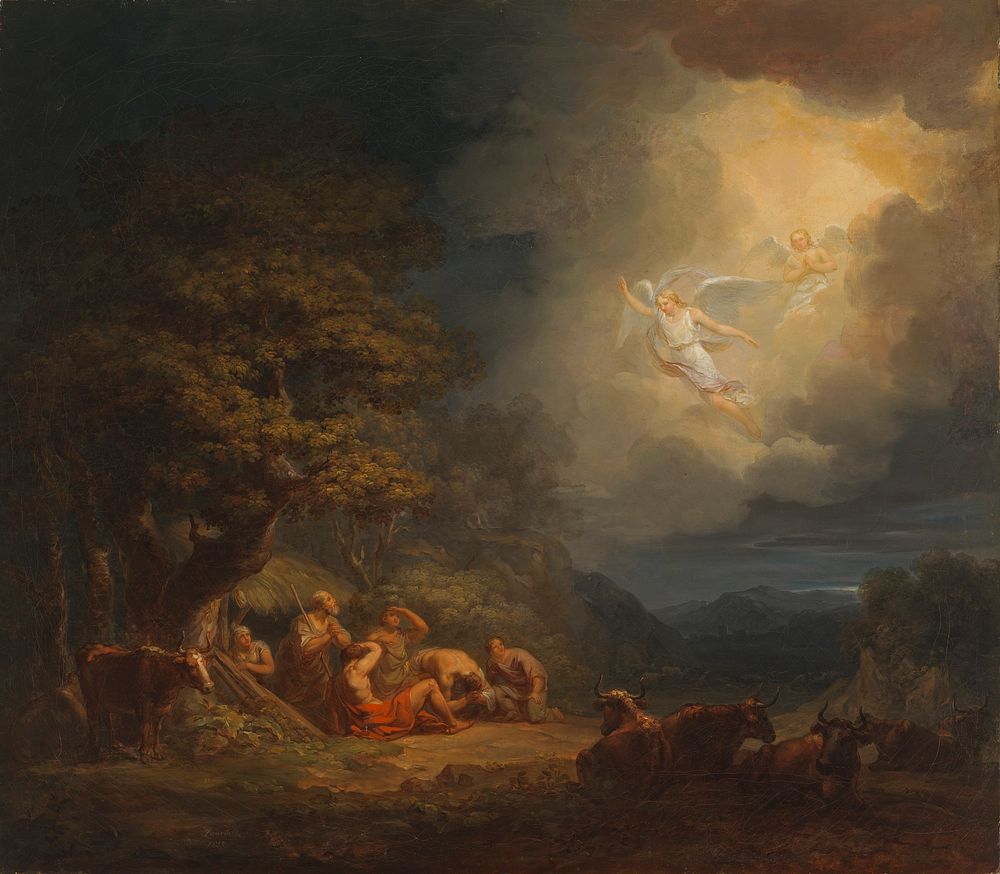
by Alexander Laureus, 1815

Neither the powers of Rome nor the priests of the Jewish people received an invitation to the birthplace of the King of kings. Instead, angels delivered the news of the Messiah’s birth to scruffy shepherds and told them where Christ could be found.

Often it is the lowly who are the beneficiaries of God’s special favors and blessings—more so than the rich or famous [3].

An Unassuming Humility

Our Savior God is a humble God. Even though he’s the sovereign power of the universe, Christ humbled himself to be born a helpless baby, grow into manhood, and suffer death in the place of all sinners who put their faith in him [4].

How dare I entertain even the smallest of prideful thoughts?

An Unexpected Circumstance

Our God loves surprises! Imagine the shepherds crying out in shock as an angel suddenly appears to them, only to be even more surprised by the angel’s message!

No doubt you’ve been surprised by God too, as he worked out impossible circumstances, miraculously supplied a dire need, or blessed beyond imagination. God’s surprises prove his creative capability to perform wonders that cannot be fathomed, and miracles that cannot be counted!

An Unlikely Juxtaposition

The shepherds visited the True Shepherd; the kings from the East visited the King of the universe. And that Shepherd-King (such a mind-boggling juxtaposition of humility and majesty!) now lives within us.

An Uncommon Possibility

When angels announced Christ’s birth to the shepherds, “the glory of the Lord shone around them [5].”

I wonder, might that celestial light have been rainbow-infused? Consider Revelation 4:3 where the Apostle John tries to describe the glory around God’s throne.

He wrote, “A rainbow that shone like an emerald encircled the throne.” Perhaps those same, glorious rainbow hues swirled in the light above the hills of Bethlehem that night!  

This is the only public-domain image that hints toward what I’m imagining!

Some people enjoy adding such facts and conjectures to their bank of knowledge.

Better yet is to let such information provide the icing on our Christmas joy—the icing of delicious astonishment and sweet encouragement that leads to worship.

*     *     *     *     *     *     *     *     *     *

I praise you Lord God, that your Word is living and active. No matter how often we read a passage or hear a scripture story, you can breathe fresh life into its meaning and impact.

The Christmas narrative is no exception. As we read and hear again the grand story of Jesus’ birth, may our hearts be open to your inspiration, may we overflow with renewed wonder, and in response, offer you our heartfelt worship.

Hebrews 4:12a; Proverbs 4:20-22;

Psalm 119:18; Psalm 40:5; Psalm 72:18-19


[1] Luke 2:13-14

[2] Luke 2:1-4

[3] http://www.examiner.com

[4] Colossians 1:17; Philippians 2:5-8

[5] Luke 2:9

Art & photo credits: http://www.freebibleimages.org; http://www.pickpik.com; http://www.flickr.com; http://www.rawpixel.com; http://www.canva.com; http://www.flickr.com; http://www.canva.com.

Processing…
Success! You're on the list.

Read Full Post »

Still Traveling

Impressions Becoming Expressions

Living Our Days

Gaining a heart of wisdom

He Said What?!

I'm Patty, and my husband and I are living with our adult son who has autism and epilepsy. I love sharing lessons learned from life around me, especially life with Aaron.

Meditations of my Heart

Impressions Becoming Expressions

Linda Stoll

Impressions Becoming Expressions

Debby Thompson

Impressions Becoming Expressions

Signora Sheila

Notes on Life, Faith & Italy

Colleen Scheid

Writing, Acting, Living in God's Love

Mitch Teemley

The Power of Story

Heidi Viars

Finding the Image of God