Feeds:
Posts
Comments

Archive for the ‘God-Given Abilities’ Category

“Hey James–I like your hat,” declared Henry Clifford as he sauntered up to the smaller boy on the playground.

James’ heart began to pound.

I need a hat,” Henry continued, and the bully reached for it.

James dodged and began to run. Unfortunately, the direction away from Henry took him toward the street. James didn’t see the bread truck coming; parked cars blocked his vision. Neither did the driver see the boy.

James crashed into the vehicle with his head, denting his forehead like an eggshell hit with a spoon.

The surgeon warned James’ parents before attempting to remove bone fragments. “Prepare yourselves; there’s a strong possibility of brain damage.”  

But the boy surprised everyone, sustaining no loss of function.

James endured three weeks in the hospital, followed by six months of recuperation at home.

He was fitted with an aluminum plate to wear over the wound, held in place with an elastic band. The doctor told him his head would remain dented, and he’d need to wear the protective head-gear for the rest of his life.

Of course, sports were out of the question, and as James grew up in the village of Twyning, England, he became increasingly withdrawn. He spent his leisure hours reading and writing stories.

James had always loved books; his mother taught him how to read before he started school. He especially enjoyed Agatha Christie. The year of the accident, 1933, James read all nine mysteries she’d written thus far. He was seven years old.

At age eleven, James balked at his parents’ continued protectiveness. Granted, he couldn’t play sports, but couldn’t he at least ride a bicycle? All the other boys his age had them. And why wear the protective plate (which generated plenty of teasing) if he couldn’t do anything anyway?

James was sure his arguments would win his parents over. The morning of his birthday he expected to come downstairs to shiny chrome spokes and gleaming Whizzer Maroon fenders.

Instead, sitting atop the dining room table was a second-hand typewriter. James’ mother stood in the kitchen doorway, a pained expression on her face.

“Please understand, son. If you injured yourself again, it could be  even more serious. We just can’t take that chance.”

James’ father helped him heft the machine to his room where curiosity soon got the better of him. He began to type one of his stories[1]. And . . .

“It proved to be his best present and the most treasured possession of his boyhood”[2].

At age fifteen James refused to wear the protective head-gear any longer. If he was injured again, so be it.

James excelled in school and won a scholarship to Oxford University.

One evening he attended a church service nearby. Though James had read C. S. Lewis’ Mere Christianity and The Screwtape Letters, James realized he didn’t know Jesus. At the speaker’s invitation, he went forward to ask Christ into his life.

After graduation James taught at a college in London, but after two years, felt the need of further education and returned to Oxford.

James earned his master’s degree and was ordained deacon in the Church of England. He also wrote his first published article for the Evangelical Quarterly.

In 1954 James earned his doctorate from Oxford and married Kit Mullett, a nurse he’d met two years before. They would subsequently adopt three children.

Over the next twenty-five years James served in academic positions at three colleges, including Oxford, and as superintendent of an evangelical research center.

Always he was writing–publishing essays, articles, pamphlets, and dozens of books.

In the 1960s an editor asked James to write articles for Evangelical Magazine. He wrote 720 of them over the next five years. Some of those articles became his most popular book, published in 1973, with more than a million and half copies sold.

James and Kit relocated to Vancouver, Canada in 1979, for James to teach at Regent College. The next year James became senior editor of the magazine, Christianity Today while still maintaining his position at Regent.

Regent College today. Photo by Ken McAllister

Regent College today. Photo by Ken McAllister.

In 1997, Crossway Books invited James to serve as general editor of The English Standard Bible, published in 2001. He felt this was the most important work of his life.

Upon James’ death in 2020, “readers of Christianity Today identified him as second only to C. S. Lewis among the most influential theological writers of the twentieth century”[3]. No doubt many of them had read that best seller, Knowing God.

And the influence they spoke of surely began to take root with that typewriter James hadn’t wanted.

But look what God did for J. I. (James Innell) Packer. Look what God did through him.

https://www.azquotes.com/author/17128-J_I_Packer


[1] This story based on fact. Our pastor shared a brief version last Sunday; curiosity led me to learn more. See https://www.thegospelcoalition.org/blogs/justin-taylor/j-i-packers-11th-birthday-the-tale-of-the-bicycle-and-the-typewriter/

[2] Alister McGrath, J. I. Packer: A Biography, 6.

[3] https://www.samstorms.org/enjoying-god-blog/post/the-life-of-j-i-packer–1926-2020-

Additional source: https://www.thegospelcoalition.org/blogs/justin-taylor/j-i-packer-1926-2020/

Image credits: http://www.wallpaperflare.com; http://www.flickr.com (3); http://www.wallpaper.com; http://www.commons.wikimedia.org; http://www.azquotes.com.

Processing…
Success! You're on the list.

Read Full Post »

Most tourists to Rome will visit St. Peter’s Basilica and find their way to the Chapel of the Pietá. There resides the striking statue carved by Michelangelo when he was only twenty-four years old.

For the viewer, the subject matter evokes sad commiseration with the grieving mother, and yet the artistry of the statue manifests incomparable beauty in Mary’s tranquil expression, the luxurious folds of her robe, and the peaceful repose of Jesus’ face.

Perhaps Michelangelo wished to convey Mary’s relief that the anguish of her Son was over. Jesus’ expression might indicate his satisfaction in perfectly executing the Father’s mission.  

The Pietá gives evidence: beauty may be its most captivating when viewed in juxtaposition against suffering. And Michelangelo superbly represented the two entities in this one statue.

Yet there is One who surpasses even the great Renaissance sculptor in the compelling intertwining of beauty and suffering: our heavenly Father. His medium? The lives of his children.

He can make all things beautiful—even suffering.

Perhaps you’ve known people who’ve endured much—physically, mentally, and/or emotionally. And among them are those who’ve manifested the beauty of strong faith.

We’ve seen heavenly joy in their eyes, even amidst the tears.

We’ve heard the winsome affirmations of God’s palpable, sustaining presence and even of God’s blessings during their season of trouble.

We’ve witnessed their striking maturity in the way they react to their circumstances.

 These saints have embraced the truth that:

How do people find the wherewithal to radiate such loveliness of spirit even as they suffer?

Beauty-in-Suffering Begins with Trust

Of course, it begins with strong trust in God—in his sovereignty over all things, his grace to uphold, and in his power to accomplish purpose through hardship. Such people can say:

–Dr. Charles Stanley, Advancing through Adversity, 78.

Can you also see the beauty of joy on the face of such a witness? How do we grow a strong trust like that?

Beauty-in-Suffering Grows with Intimacy

The formula for growing intimacy with God is quite simple: Prayer + the Word + Time [1].

The closer we walk with God, the less room there is for any other thing to come between us, including trouble, hardship, or pain. In addition, we begin to reflect the glory of his beautiful character [2]!

Beauty-in-Suffering Impacts Others

The question is, will the impact be characterized by the ugliness of complaining, negativity, and self-pity? Or will it be the beauty of vibrant faith, contagious joy, and a settled peace?

Meet Anik, a young African father who was suffering through illness and finding it difficult to provide for his family. Nearby another household also dealt with hardship, and yet their quick smiles and frequent laughter indicated a happiness Anik craved.

He could hear them worship God and pray. They even prayed for him! Anik finally asked them about this God they praised. They told him about Christ, and the family shared their Bible with him.

Upon reading the stories about Jesus, Anik prayed to receive him into his life. So did his family, and they found their hearts transformed.

Their circumstances didn’t change immediately, but they did [3].

May the beauty-in-suffering illustrated by the Pietá and reflected in those like Anik’s neighbor, be evidenced in us also.

*     *     *     *     *     *     *     *     *     *

We praise you, O God, for gifting us with extra measures of your peace and presence—even joy—when difficulty invades our lives. Only you can bring beauty out of suffering! Help us to lean upon you in ever-deepening faith, to carry us through until the final day of triumph. 

(Psalm 34:18; Philippians 4:5-7; Romans 5:3-5;

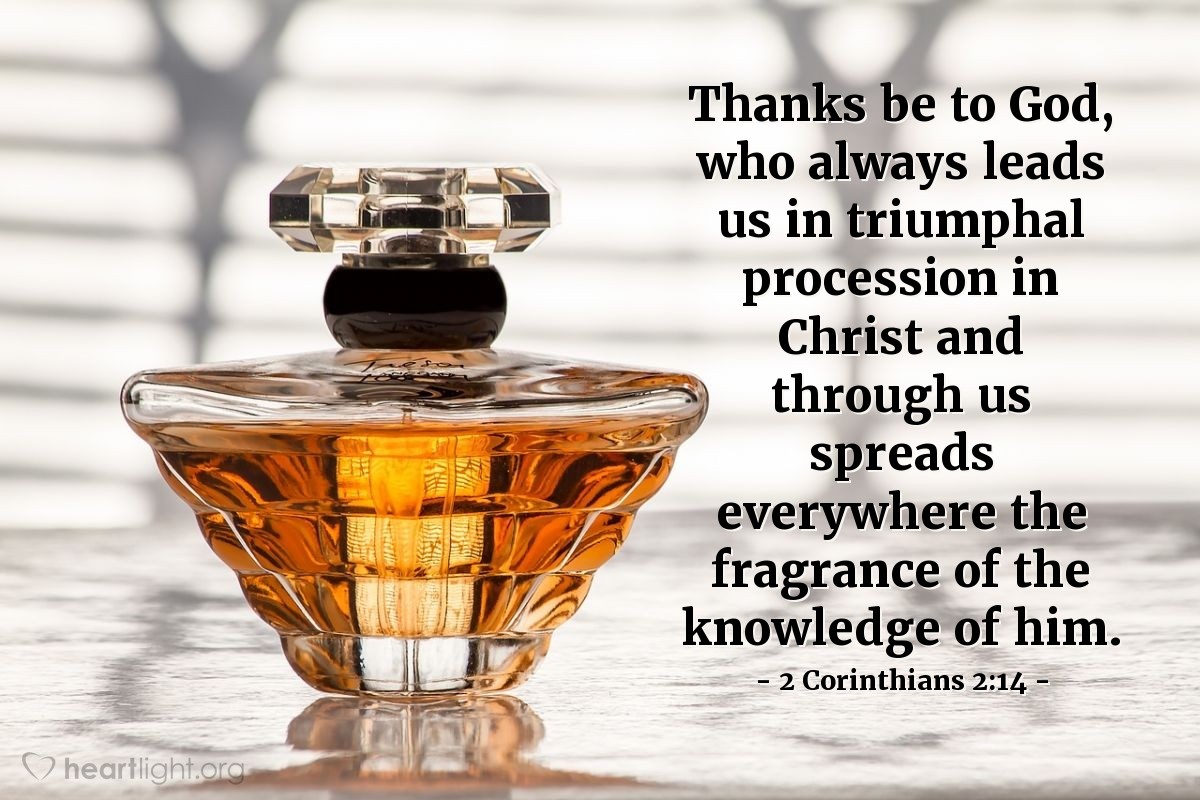
2 Corinthians 2:14)


[1] Joanna Weaver, Having a Mary Heart in a Martha World, 77.

[2] 2 Corinthians 3:18

[3] www.wycliffe.org/blog/posts/the-light-of-hope-scripture-passages-for-hard-times-.

Image credits: http://www.flickr.com; http://www.canva.com (2); http://www.en.wikipedia.org; http://www.heartlight.org.

Processing…
Success! You're on the list.

Read Full Post »

Late spring, 1961, President John F. Kennedy and his wife Jackie visited France. He’d only been in office four months, but already the world had embraced the refined and fashionable First Lady.

Upon arrival in Paris, people lined the streets and shouted, “Vive Jackie!”

And as the week unfolded, she impressed them further with her knowledge of French history and culture and her command of their language, polished to perfection at the Sorbonne during her junior year of college.

With dignitaries Jackie proved to be articulate, diplomatic, and a good listener. She especially charmed their president, Charles DeGaulle.

President Kennedy, on the other hand, received a cool reception from his French counterpart. The two had not seen eye-to-eye on certain policies. Jackie helped pave the way for diplomacy between them.

At a state dinner held in the Palace of Versailles, JFK famously introduced himself as “the man who accompanied Jacqueline Kennedy to Paris. And I have enjoyed it.”

The Hall of Mirrors where the dinner took place

Today, many still remember Jackie’s iconic style, her gentle demeanor, and stalwart courage following President Kennedy’s tragic death. But she will also “go down in history . . . for creating a dominant soft power dynamic in American politics” [1].

We also admire the way JFK humbly honored his wife at that state dinner. He appreciated her strengths that provided great benefit to him.

With this example in mind (although a weak one compared to what it illustrates!), we might understand more clearly what the psalmist meant when he wrote that God is the glory and strength of those who put their faith in him:

“Strength” we more readily understand. Many of us have experienced God’s power upholding us through crises and augmenting our efforts to serve him. But glory? What did the psalmist mean by “God is their glory?”

Perhaps the following comparisons will make the meaning clearer.

  • Even more than the great benefit Jackie provided to her husband, God provides abundant benefit to us.
  • As Jack gloried in Jackie, honoring her and acknowledging her worth, we glory in God.
  • As Jackie made the visit to France a glowing success, so God makes his people glow with success—that is, prosperity of soul, contentment of heart, and peace of mind.

JFK understood it was Jackie who exalted his position with DeGaulle and the French people. Similarly, we need to acknowledge that our sovereign God is the one who exalts us.

We don’t have to push and strive to prove ourselves; we can rest in all the glorious attributes of our Heavenly Father, lavished upon us for our benefit [2].

But like all analogies, this one involving the Kennedys breaks down, because no one is like our God.

Beyond the examples given above to explain how God is our glory, consider these truths:

God’s magnificence

God’s infinite power gives impetus to all his perfections in our lives. After all, what good would his perfect wisdom do without the wherewithal to execute it? His unfailing mercy without the ability to apply it? His infallible promises without the capability to keep them [3]?

God’s enabling work in our lives

God’s incomparable strength is instilled in us as we rely upon him. The result? We begin to display the glory of his attributes, including: patience in the midst of stress, kindness in response to rudeness, and self-control in the face of frustration [4].  

God’s power

God specializes in the impossible. Nothing is too great for his almighty power; nothing is too small for his love. Enter God’s realm where everything is possible [5]!

Of course there are many more facets to God’s glory. And this splendorous God of wonders is our strength—even if we don’t feel tough enough, talented enough, smart enough, or engaging enough for the path ahead—even if circumstances seem against us.

That last state of affairs must have been President Kennedy’s perception as he and Jackie left for France. Little did he know how Jackie would transform their visit.

By contrast we KNOW God’s capabilities of transformation! The evidence is in scripture, history, in the lives of those around us, and in our own experience.

Therefore, let’s remember:

Praise be to God, our glory and strength!


[1] https://uscpublicdiplomacy.org/blog/jackie-kennedy-public-diplomacy-camelot

[2] Another post about God’s attributes: Rooted/

[3] 2 Peter 1:3

[4] 2 Corinthians 12:9; Ephesians 1:15

[5] Based on a quote of Corrie ten Boom, Holocaust survivor

Image credits: http://www.deviantart.com (Kralj Aleksandar); http://www.boudewijnhuijgens.getarchive.net; http://www.flickr.com; http://www.pickpik.com; http://www.dailyverses.net (2); http://www.canva.com (2).

Processing…
Success! You're on the list.

Read Full Post »

Seven-year-old Paul mashed a bit more water into his pail of mud, looking for that just-right consistency to build walls. His sister Connie collected sticks to help support them.

Soon they’d have two miniature mud houses with roofs made from the large leaves of a peepal tree. This is where their stick-people would live, using the structures as a base for their glorious adventures.

The fact they had few toys never bothered Paul and Connie. Their creative play with what nature provided kept them happy for hours.

Across the yard, their father, a missionary doctor in southwest India, met with patients in a shelter outside their home. Paul stayed clear. The sight of some injuries and diseases turned his stomach.

As the children played, three men limped toward the house, their hands and feet bandaged in rags. Curious about what happened to them, Paul allowed himself to watch.

His father donned surgical gloves and unwrapped the cloths. As they fell away, Paul startled to see open sores, missing fingers and mere stumps for feet. He quickly looked away. But in his peripheral vision he could see his father wash and apply salve to their wounds.

When the men left, Paul’s mother immediately bathed Paul and Connie, even though they’d had no contact with the men. Later his father told him the men suffered from leprosy, a flesh-eating disease.

That’s when Paul decided: I will NOT become a doctor.

At age nine in 1923, Paul’s parents escorted his sister and him back to England to begin their formal education.

Paul took special interest in construction and trained as an engineer and carpenter. He planned to return to India and follow in his parents’ footsteps as a missionary—just not in the medical field.

However, he did study tropical medicine for one year, learning to care for injuries and common illnesses like malaria.

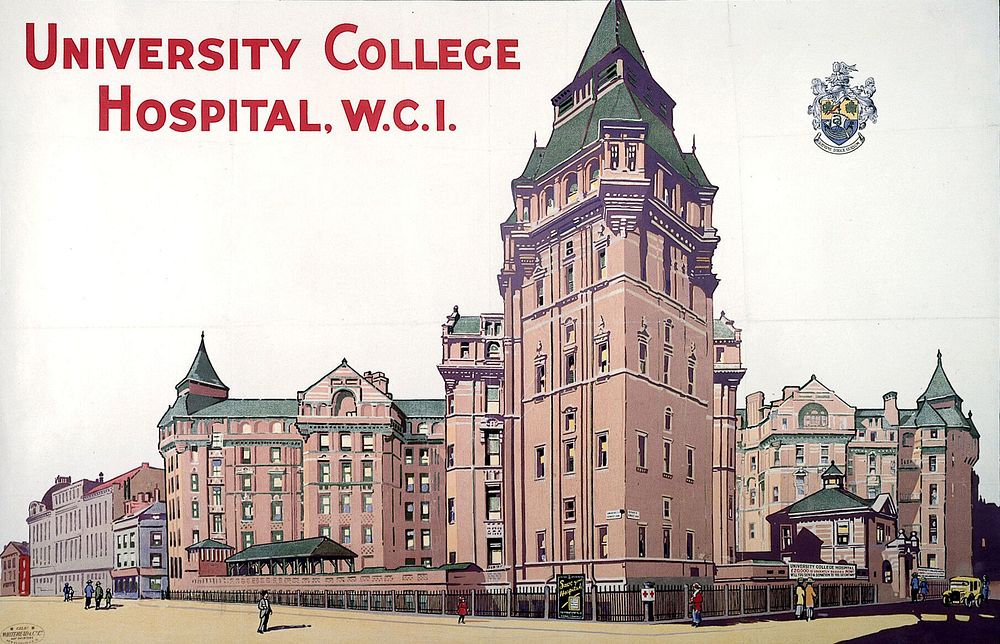
During that year Paul witnessed the miraculous healing of a woman near death when a blood transfusion saved her life. God used that thrilling incident to change Paul ‘s trajectory, and at age 23 he enrolled at the University College Hospital in London.

Over the next ten years Paul became an orthopedic surgeon, married another medical student, Margaret Berry, and treated bomb victims during World War II.

In 1946, the couple traveled to India where Paul would teach at the Christian Medical School and Hospital in Vellore, India [1].

He and Margaret, an ophthalmologist, encountered many leprosy patients.  It pained them to witness their terrible suffering.

A senior colleague suggested Paul study leprosy. Perhaps he could determine the cause of the deformities as well as an effective treatment. After years of extensive research, Paul was convinced: leprosy was not a flesh-eating disease, it was a nerve disease.

Damaged nerves meant patients lost the ability to sense pain, leaving a person vulnerable to injury—third-degree burns, deep cuts, and other serious wounds. When improperly treated, infection flared, which in turn caused the loss of fingers, toes, and more.

Even as research ensued, Paul put his surgery skills to work, successfully repairing hands and feet by moving healthy muscles and tendons where they could do the most good.

Restorative hand surgery, pioneered by Dr. Paul.

As some lepers regained use of their hands and feet, a new problem presented itself. They could no longer beg for a living and needed vocational training.

Paul founded the New Life Center in Vallore to provide those opportunities. He remained a surgeon by day but also became a teacher of carpentry at night.

How astounding, Paul thought, that God made sure I was schooled in both.

Through the 1950s and early 1960s, Paul served in several leadership positions for mission organizations focused on leprosy research and rehabilitation.

One day he and Margaret received an invitation to work at the U.S. Public Health Service Hospital in Carville, Louisiana, the only leprosy research facility in America. They and their six children moved to Louisiana in 1966.

For twenty years Paul served as chief of rehabilitation in the Carville hospital, and then the couple moved to Seattle where Paul taught at the University of Washington. He also continued to serve as consultant to the Leprosy Mission and the World Health Organization.

Paul received many awards, and invitations to lecture sent him all over the world until age 88, when travel became difficult.  Just nine months later, Paul died.

Well-known author and friend of Paul, Philip Yancey, wrote about the doctor’s affinity for that ostracized class of people, lepers:

“To him these, among the most neglected people on earth, were not nobodies, but people made in the image of God, and he devoted his life to try to honor that image”[2].

Surely all could agree: Dr. Paul Brand succeeded.


[1] A previous post One Step At a Time/ tells the amazing story of Ida Scudder and the founding of the Christian hospital in Vallore.

[2] Grace Notes, p. 48.

Other Sources:

https://biologos.org/articles/members-of-the-body-reflections-of-dr-paul-brand

https://leprosyhistory.org/database/person31

https://www.teddingtonbaptist.org.uk/tbcgc02.htm

Image credits: http://www.picryl.com; http://www.commons.wikimedia.org; http://www.rawpixel.com; http://www.flickr.com; http://www.flickr.com & http://www.canva.com.

Processing…
Success! You're on the list.

Read Full Post »

“God preserved me so I might tell the story of my life and of God’s goodness to me,” wrote Jeanette Li in her autobiography. And readers might expect her to share stories indicating a life of continual blessing.

They would be wrong.

Jeanette Li (known first as Li Mao Ya, or “Jasmine Bud”), was born in 1899 and grew up in Southeast China with a large extended family of forty-plus people. They lived in hardship and poverty along with most everyone else in the village.

At age six, Jeanette suffered her first trauma—her beloved father died.

Many more ordeals followed, including:

At age 9: Jeanette contracted malaria and received treatment at a mission hospital. One blessing: while there, she and her mother, Taai-So, became Christians.

Perhaps a mission such as this one in central China

When Jeanette was released, they returned home, only to be turned away by their Buddhist family because they’d become Christians.  Taai-So and Jeanette returned to the mission and lived there.

Age 10: The mission was closed due to political strife; all their missionary-friends had to leave.

Age 16: Against Jeanette’s will, Taai-So arranged a marriage for Jeanette, in order to provide for her daughter’s future. Jeanette went to live with her husband’s family under the thumb of a domineering mother-in-law.

Age 20: Jeanette bore a son. But her husband was rarely home, first because he was in school, and then because he was hired as a teacher some distance away. Eventually he married someone else.

Age 32: Jeanette left all she knew to live and serve in bitter-cold Manchuria, requiring her to learn a new language and culture. For thirteen years she traveled by cart on unpaved roads, telling people about Jesus.

Age 38: War broke out between China and Japan in 1937, lasting eight years. Millions died in combat or the result of starvation or disease.

Age 47: The Communists warred against the Nationalists in a three-year civil war, resulting in more suffering and the death of another million-plus people.

Jeanette returned to South China, to the mission where she and her mother had lived. Jeanette was questioned many times by Communist Army officials.

Age 50: All foreign missionaries were constrained to leave China as the Communist Party took power. Jeanette assumed responsibility for the mission-orphanage.

Age 51: She suffered imprisonment for seventeen months, accused of being a counter-revolutionary. Jeanette had to sleep on the floor “in a damp cell infested by mosquitoes, with hardly any food”[1].

They forced her to perform hard labor, and interrogated her day and night. she became ill with fever and developed hemorrhaging dysentery. Her captors offered no medical treatment [2].

Some would ask, “Where was God in all this? The poor woman endured such hardship, pain, and unfair treatment!”

Jeanette would have us know that God graciously involved himself throughout her life, blessing her, and bringing her joy:

He was there during the siege of malaria that took Jeanette and her mother to the regional mission. God spared Jeanette’s life and introduced them to Jesus.

When they returned home, God used the family upheaval to lead the two back to the mission. Taai-So obtained employment and they grew in their Christian faith.

God brought good out of the abandonment of Jeanette’s husband, providing the opportunity for her to obtain a teaching certificate. She was able to support her son as a teacher and then as school administrator.

God fulfilled Jeanette’s desire to tell others about Jesus and made it possible for her to serve in Manchuria, teaching in village after village.

God led her to return to South China where he used her to assume leadership of the mission-orphanage, putting to use her skills as educator and administrator.

God sustained Jeanette during her imprisonment as she suffered acute misery with grace, courage, and stamina—a witness to all in the prison of God’s power at work in her life.

God also spared her life as illness and weakness nearly overcame her.

After her release, God provided for her recovery and subsequent missionary-work in Canton.

God bestowed a miraculous escape from Communist China, first to Hong Kong where she ministered to children and refugees, and finally, in 1962, to Los Angeles, California where her son already lived.

Throughout her life, Jeanette was one of those “true saints who [could] wear the mismatched pairing of suffering and joy” [3]. And as a result,  she drew attention to Christ.

May we do the same.

Addendum: For six years prior to a fatal stroke, Jeanette ministered in the Chinese community of Los Angeles, told her story at every opportunity, and wrote her autobiography.


[1] https://www.placefortruth.org/blog/jeanette-li-and-her-faith-in-gods-promises

[2] Ibid.

[3] https://jenniferdukeslee.com/on-suffering-and-joy-a-lesson-from-the-garden-tomato/ 

Other Sources:

https://www.bdcconline.net

https://rpwitness.org

Image credits: http://www.commons.wikimedia.org; http://www.getarchive.net (2); http://www.canva.com (2); http://www.freebibleimages.org; http://www.getarchives.net.

Processing…
Success! You're on the list.

Read Full Post »

Lott Carey ran his hands over the polished wood of his new desk. He shook his head in wonder while contemplating the most recent turn-of-events in his life.

Lord, I can scarce believe where you’ve brought me, he prayed.

Surely no one but a prophet could have predicted this day for Lott, a former slave from Virginia, born about 1780. 

Thank you, Father, for placing me in a God-fearing family, and for our kind master who kept us together—my grandmother, parents, and me. Thank you for their faithfulness to raise me up knowing you.

Lott rested his elbows on the desk and covered his eyes at the next memory, when his master sent him to work in a tobacco warehouse in Richmond.

He was twenty-four, joined with a group of carousing men, and began drinking heavily.

Months later, he returned to church and reestablished his faith in Christ.

Thank you, Lord, for never giving up on me, even when I turned my back on you.

Lott smiled to think how God engineered the ensuing events. First came the desire to read, and Lott signed up for night school at First Baptist Church. He also studied writing, math, the Bible, and other subjects.

Then God provided a promotion to supervisor at the tobacco warehouse, providing a better salary. Lott saved every extra penny and purchased his freedom [1].

Looking back, God, I can see how you’ve cared for me all along the way. You’ve gone before me, you’ve been with me, and have never forsaken me [2].

Next came the realization that God had given him a gift for preaching, and his church licensed him to do so. Lott ministered to a small black congregation for a time, and under his leadership, it grew to over eight hundred members. Lott began receiving invitations to preach all over Virginia.

That turned out to be a short stretch of road, didn’t it Father! You used my teacher, Mr. Crane, and others to turn my heart toward Africa, which I found exciting but also overwhelming.

The fact that my church family provided strong affirmation encouraged me that this was your plan.

For six years the idea of becoming a missionary in Africa had grown increasingly urgent in Lott’s heart. Finally, in 1821, the dream became a reality when he, his second wife, three children and two more co-workers with their families set sail for Sierra Leone.

They were the first black Americans to serve as missionaries in Africa.

West Africa

Lott shook his head. Never would I have expected my life journery to take me across the ocean!” he mused.

Not long after disembarking, the group discovered that the American Colonization Society, responsible for purchasing land for them, had not done so. The team had to work as laborers for nearly a year until support arrived from the States.

An even more grievous event that year: Lott’s wife became ill and died.

Such agonizing setbacks might have done me in, Lord, but you upheld me. Thank you for your sustaining presence.

One uplifting circumstance: God used Lott to establish a mission among the nearby Mandingo tribe.

In 1822 the neighboring state of Liberia was founded by the America Colonization Society as a place for freed slaves to resettle and govern themselves.

Lott became Liberia’s health officer and government inspector in the capital city of Monrovia, while also serving as pastor for several churches.

These have been exciting times, Lord. You’ve also helped me found the Monrovia Mission Society, to help us spread the good news of Christ all over Africa.

He suddenly chuckled. AND you made me physician of the colony!

Lott marveled how much he’d learned just through observation and experience while ministering to the sick. He’d also absorbed knowledge from scientific practitioners who visited the colony [3].

But most surprising of all, Lord, is where I currently sit, at this desk—the GOVERNOR’S desk!

Who would ever guess that an illiterate, former slave like me would be chosen provisional governor of Liberia while the elected governor returns home because of illness?

Lott surveyed the desktop with its books and papers–his domain now.

God, you’ve taken me on an extraordinary journey. As I assume these responsibilities, thank you in advance for your continued enablement to do what you require. May I serve you well, AMEN.

Little did Lott know that he’d shortly be organizing a defense force against hostile tribes, that he and seven co-workers would die in a gun powder explosion while preparing to rescue negotiators from the enemy. He was just forty-nine years old.

And yet during his short life, Lott set for us a stellar example of hard work, strong faith, and prayerful compliance with whatever God set before him to do.

His legacy lives on in the Lott Carey Global Christian Missional Community, established in 1897 and “dedicated to broadening the reach of the Christian faith across the globe” [4].


[1] He also purchased freedom for his first wife who later died, and their two children. The cost: $850. (https://landmarkevents.org/lott-carey-sails-for-africa-1821/; https://docsouth.unc.edu/neh/taylor/taylor.html).

[2] Deuteronomy 31:18 NIV

[3] https://docsouth.unc.edu/neh/taylor/taylor.html , 44.

Additional Sources:

http://www.imb.org, “Missionaries You Should Know: Lott Carey.”

https://www.thetravelingteam.org/articles/lott-carey

Image credits: http://www.stockcake.com; http://www.picryl.com; http://www.canva.com; http://www.flickr.com (Juan Freire); http://www.heartlight.org; http://www.canva.com.

Processing…
Success! You're on the list.

Read Full Post »

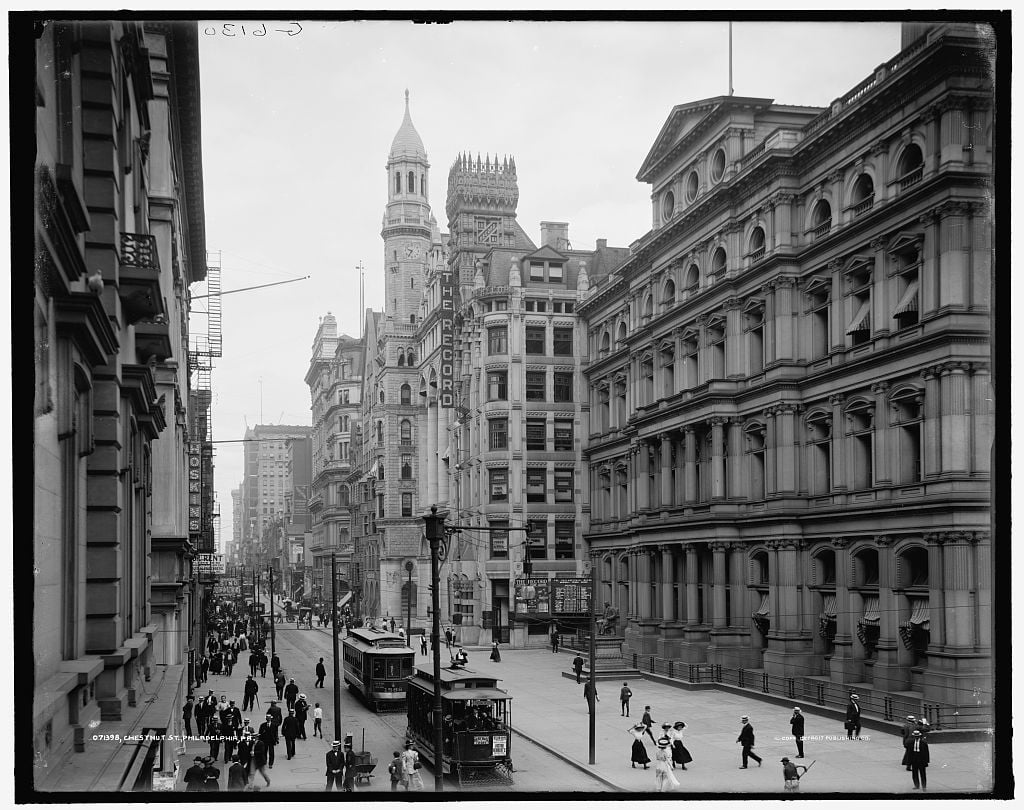
Twenty-one-year-old James Gribble, a streetcar conductor, scanned the avenue ahead, but his mind swirled with visions of the future. Life was treating him well in Philadelphia with its many amenities in 1904, compared to his hometown of Mechanicsburg, PA. What opportunities might lie ahead?

Then it happened. A woman stepped off the still-moving trolley, caught her skirt under a wheel, and was pulled under. She died at the scene.

James agonized over the terrible accident. “Oh God, deliver me, and I’ll serve you!” he wrote in his journal.

That Sunday James attended church and accepted Jesus into his life. That evening he was baptized.

On Monday while reading his Bible, James came to Matthew 28:19a:

He told his pastor, “I think God wants me to become a missionary.”

For several years James received mentoring and instruction, then joined the African Inland Mission. To his delight, the team included a pretty young doctor, Florence Newberry. In 1908 they established a mission station in West Central Africa and started ministering to the nearby tribes.

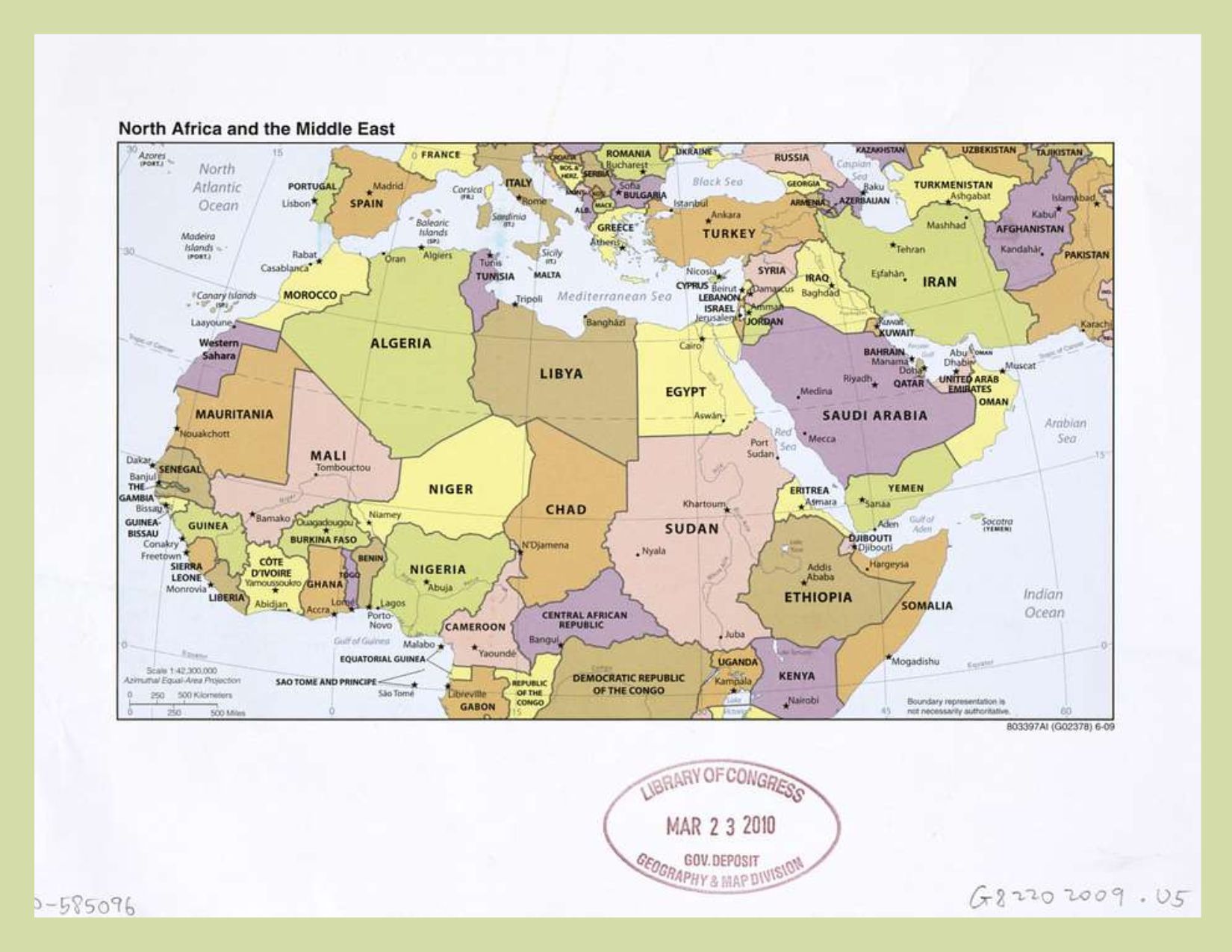
The station was located in what is now the Central African Republic, south of Chad.

James wanted to become better-acquainted with Florence, but patients kept her busy from morning till night. Suddenly genius struck. James could pretend he was sick!

During the appointment he suggested courtship. Florence preferred they remain friends, still devastated over a previous beau uninterested in foreign mission work.

Twice more over the next four years James would approach her about courtship; twice more she declined.

James and another missionary traveled inland to establish a new station.

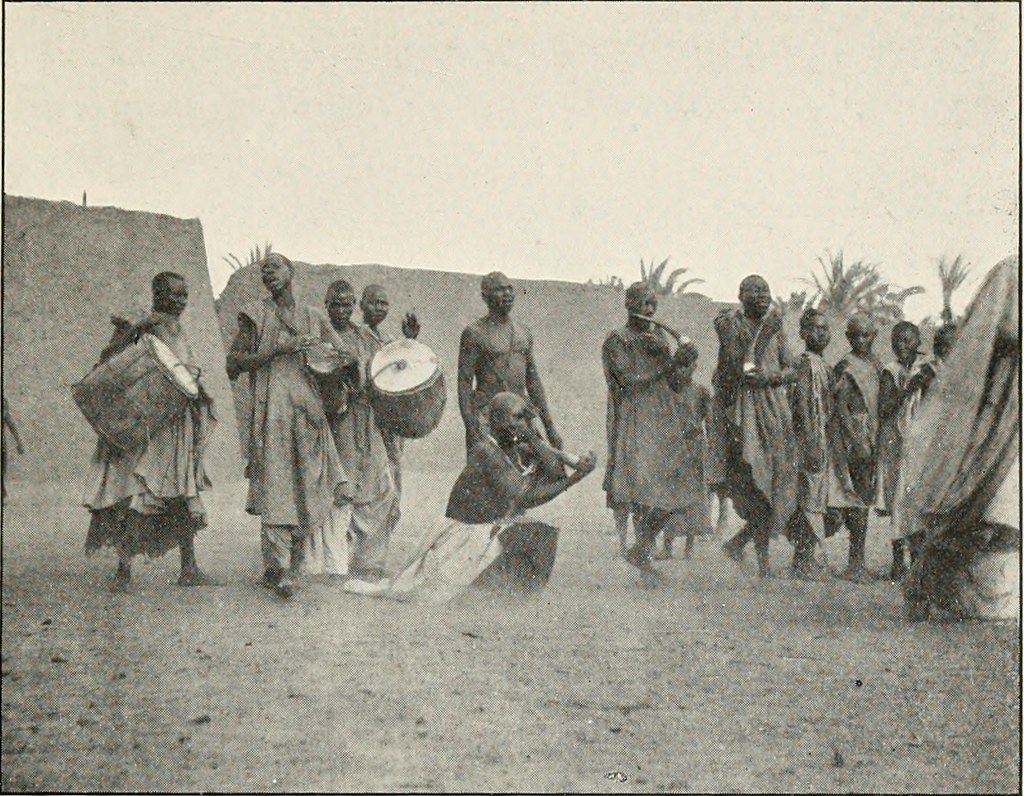
West African tribesmen, 1912

Soon his partner became ill and had to return to base camp, then James succumbed to black water fever. He expected to die.

Afterward James wrote about the vision God gave him on his sickbed—a panoramic view of the tribes of West Central Africa. God said, “Thou shalt be instrumental in carrying the gospel to these.” James knew then he’d survive.

During a prayer vigil in 1912, Florence’s thoughts turned to James. Her heart had warmed toward the trustworthy and kind missionary, so passionate about sharing Christ with the African people. Florence sensed the Spirit whispering to her, “Why not?”  

The two were married within a few months.

Sometime later Florence developed appendicitis and required hospitalization. For thirty days they traveled the three hundred miles to the nearest hospital.

As she slowly recovered, the doctor told James, “You must take her back to America. She cannot live in the tropics.”

Florence did return home and six months later James followed. They lived in Chicago for several years while Florence regained strength. Their only child Marguerite was born there in 1915.

Daily James would pray over a map of Africa. He found his attention drawn to a town named Bozoum, in Ubangi-Shari (now the Central African Republic). He wondered why.

Bozoum is located in the northwestern province of Ouham-Pende.

The couple shared their hope with area churches: to establish base camps across central Africa as a barrier against encroaching Islam. When they returned in 1918, two nurses and another family joined them.

The group desired to enter a French-controlled area, but it took eighteen months to receive permission. They named their base, Camp-Wait-Some-More.

Finally able to move on, they arrived in Carnot. While waiting there another eighteen months, they spent their time learning the language and praying.

A new official arrived, and James made an appointment with him.

He asked James, “Where do you intend to set up camp, now that you’ve received permission?”

Permission?! James was stunned. “Where would you recommend?”

Then came Surprise #2. “I think Bozoum would be a good place.”

Now James knew why God had inspired him to pray particularly for this town.

In 1921, Florence and James became ill again. She had to return to the States, taking their daughter with her. Eighteen months later Florence traveled back to Africa, but without Marguerite. Though an anguishing decision, the couple determined she should remain in America to attend school.

In 1923 a young recruit was due to arrive, but he died within miles of reaching their mission station, causing more heartache.

James wrote:

Not long after, James succumbed to black water fever again; this time the forty-year-old did not survive.

He’d previously written to Florence, “I shall be content with the lowest seat in heaven if only there I may sit and see the redeemed of the Lord come in from those fields where I have a been a pioneer missionary.”

Except James had not witnessed one person becoming a Christ-follower during his years in Africa.

Some might say those years of pain and hardship had accomplished nothing. And what about God’s promise: ““Thou shalt be instrumental in carrying the gospel to these?”

James had been instrumental, by bringing others to join in their work. Even his own daughter returned to Africa, ministering with her husband for thirty-one years.

James had served as a foundation builder—constructing base camps, encouraging others, and giving himself to prayer. He followed in the footsteps of the Apostle Paul:

Today, 70% of the population of the Central African Republic are Christians.

In my mind’s eye I see James in heaven, greeting saint after saint from West Central Africa, just as he imagined. But instead of sitting, I think James is standing and celebrating with all his heart.

Sources:

Photo credits: http://www.flickr.com; http://www.rawpixel.com; http://www.picryl.com; http://www.flickr.com; http://www.commons.wikimedia.org; http://www.nara.getarchive.net; http://www.commons.wikimedia.org.

Processing…
Success! You're on the list.

Read Full Post »

No Christmas season would be complete without the reading of the second chapter of Luke—the account of Mary and Joseph traveling to Bethlehem, presiding over the birth of Jesus in a stable or cave, and receiving shepherd-guests.

Toward the end of the account, as those shepherds were spreading the word of Jesus’ birth, Luke wrote, “Mary treasured up all these things and pondered them in her heart” (v. 19).

Indeed. She had much to process:

  • Her baby was the Messiah, the Promised One, who would save his people from their sin. I wonder if she studied him, looking for signs that he was different from other infants.
  • This was the Prince of Peace cradled in her arms. Yet he had been born to a common village girl in very primitive conditions.  Did that seem strange to her?
  • The shepherds had learned of his birth when angels visited them, just as the angel, Gabriel, had visited Mary and then Joseph.  Gabriel had also visited Zechariah, the father of John the Baptist. Four angel visitations in a matter of months. Never had that happened before.

I find myself pondering, too—pondering Mary herself–this dear, young girl who carried a tremendous burden for a long time.

Dear means beloved and valued. Mary is certainly that for numerous reasons.

  • She embraced Gabriel’s announcement with great faith. “May it be to me as you have said,” (Luke 1:38). She put herself in the care of God in spite of incomprehensible circumstances.
  • Her prayer, the Magnificat (Luke 1:46-55), gives indication of a heart fully committed to God.
  • She endured much: shame for her pregnancy, a long, uncomfortable journey to Bethlehem, and crude circumstances for the birth of her Son.

Mary was young—perhaps between thirteen and fifteen years of age. That was the typical age for a girl to be married in Bible times.

Yet, young as Mary was, Gabriel praised her for being “endued with grace” (v. 28, AMP). In addition, Mary demonstrated stamina, maturity, and gentleness beyond her years.

No doubt God graced her with these traits. But I have to believe Mary also had freedom of choice, as we all do, to embrace God’s way for her.

What I ponder most, however, is the fact Mary carried a tremendous burden, given to her by an elderly man, Simeon, eight days after Jesus was born.

You undoubtedly remember the story. Joseph and Mary took Jesus to the temple at Jerusalem to be circumcised.

There they met the righteous and devout Simeon who had been waiting decades for the Messiah. The Holy Spirit had revealed to him he would not die until he had seen the Lord Christ.

Immediately upon seeing the Child, Simeon knew this was the One.

He praised God for keeping his promise, blessed Mary and Joseph, and then spoke particularly to Mary, saying Jesus would cause some to rise and some to fall, he would be spoken against, the thoughts of many hearts would be revealed, and a sword will pierce your own soul too (Luke 2:21-35).

Those last words must have caused Mary’s eyes to grow wide and her heart to skip a beat. Wasn’t the worst behind her? Surely Mary wanted to ask Simeon, “What do you mean?” Scripture gives us no indication that she did so.

For thirty-three years those last words of Simeon must have echoed in Mary’s mind again and again. How does a person live with such long-term foreboding? Perhaps her mind turned back to the night of Gabriel’s visitation.

Perhaps, for thirty-three years, Mary repeated what she had told the archangel: “I am the Lord’s servant. May it be to me as you have said” (1:38).

Mary may very well have developed the calm assurance that even when God’s ways are baffling, we can rest assured he is orchestrating events to accomplish far more than we could ever imagine (Ephesians 3:20). She’d been witness to such orchestration in Bethlehem.

Mary knew that even our personal hardships can fulfill purposes that extend far beyond ourselves.

That’s a lesson for all of us to embrace with calm assurance.

(Revised and reblogged from December 15, 2014, while we enjoy a blessed week with family!)

Photo credit: http://www.stocksnap.io.

Processing…
Success! You're on the list.

Read Full Post »

Twelve-year-old Henry bolted into the kitchen crying, “Look Ma!” and proudly held out his empty basket. An hour before it had been full of fresh produce, grown himself on the family farm in Sharpsburg, PA (near Pittsburgh).

Now his pocket was full—of change. Just as he’d hoped, townswomen had purchased every vegetable.

“Well done, Henry!” exclaimed his mother, ruffling his hair. “Your hard work paid off!”

It wasn’t long after that first sales excursion in 1856 that Henry required a wheelbarrow for his deliveries. By age fifteen, Henry was caring for three-plus acres of produce and required a wagon for transport. Not only did he sell to those nearby, but also to grocers in town.

The teenager became known for his quality produce, positive attitude, and honest business dealings, making his mother proud as he lived up to the Christian principles taught at home and church.

One day he approached his mother with a new possibility. “Could I use your recipe for horseradish and try to sell it along with my vegetables?”

She agreed the area’s German immigrants just might buy the popular sauce, saving them time and nuisance during the busy canning season.

Horseradish had to be grated, which often resulted in nicked knuckles. It also caused the eyes to sting and water—just like onions. As a result, many women of Sharpsburg were glad to forego the chore and buy Henry’s horseradish.

His entrepreneurial instincts led him to additional ways for growing his business. Henry chose white vinegar instead of brown and clear glass bottles instead of the traditional green, even though both were more expensive. The former resulted in a more appetizing product, the latter allowed his customers to see his top quality horseradish–with no fillers like some companies used.

Over the next few years Henry added pickles, sauerkraut, and vinegar to his product-line. He also expanded deliveries to Pittsburgh’s grocers, restaurants, and hotels.

Meanwhile Henry experimented with different seeds, taking careful notes to track results. He arranged for the design of attractive jars and labels to entice even more customers.

At age 24, Henry took on two partners and moved the company to Pittsburgh. They added fruit preserves, mustard, and catsup to the product-line, while expanding their market east and west via the new railroads.

Another important event that year: Henry married Sarah Young. They would have five children; one would die in infancy.

19th Century Pittsburgh

By 1872 the partners employed 150 people during harvesttime, producing 500 barrels of sauerkraut, 15,000 of pickles, and 50,000 of vinegar.

But when the economic Panic of 1873 occurred, Henry and his partners were forced to claim bankruptcy. Deep disappointment sunk him into depression.

Henry soon recovered, however, and determined to rebuild his company by doing what he’d always done—work hard and trust God [1].

With financing from two of his seven siblings and his mother, Henry set about reestablishing himself. Five years later he’d not only achieved success again, he’d repaid all his debts—even though that wasn’t required.

Henry continued adding new products, including apple butter, baked beans, and tomato soup. Always he sought new ways to market his wares, like free pickle pins with the company name, distributed at the Columbian Exposition in Chicago, 1893.

Columbian Exposition 1893

But out of reverence for God, he never allowed his newspaper advertisements to run on Sunday [2].

Henry applied Christian integrity to his treatment of employees, providing many more benefits than other factories including: free dental and health care onsite, lunchtime concerts and lectures, English lessons and assistance to obtain citizenship, and advancement of women to managerial positions.

Henry also “worked hard to encourage his employees to live the ‘righteous life’” [3].

During these years of company-development, Henry taught Sunday School and became a promoter of Sunday Schools not only in Pittsburgh but around the world.

He faithfully tithed his income his entire life beginning with 10%, but increasing over the years until Henry was giving away almost 100% of his income [4].

By 1896, Henry’s company produced over one hundred products. He put a new slogan on each bottle and jar: “57 Varieties,” thinking the number fifty-seven (based on Sarah’s and his favorite numbers) [5], was more memorable than one hundred.

Once again, Henry John Heinz had created a winning marketing strategy as “Heinz 57” became a familiar phrase all over the country.

Throughout his career, Henry kept experimenting to improve his products and production, provide eye-catching packaging, upgrade working conditions for his employees, and expand distribution and marketing.

Before his death in 1919, Heinz products were being produced and sold in Europe as well as all over America.

In his will, Heinz wrote:

“I desire to set forth at the very beginning of this will, as the most important item in it, a confession of my faith in Jesus Christ as my Savior.

John Henry Heinz


[1] (https://www.365christianmen.com/podcast/1146-henry-j-heinz-us-entrepreneur/

[2] https://positivelypittsburgh.com/heinz-legacy/#:~:text=Religious%20Roots&text=Heinz%20devoted%20time%20and%20energy,devoted%20that%20day%20to%20God

[3] https://profectusmag.com/american-original-hj-heinz/

[4] https://stories4homilies.blogspot.com/2016/12/tithing-colgate-kraft-and-heinz.html

[5] https://www.ai-bees.io/post/henry-john-heinz-founder-of-the-condiment-empire

[6] https://bibletruthpublishers.com/the-heinz-will/christian-treasury-volume-5/la155191

Other sources:

https://explorepahistory.com/hmarker.php?markerId=1-A-37

https://welcomechurch.co.uk/the-story-of-heinz-57-varieties

Photo credits: http://www.pickpik.com; http://www.picryl.com; http://www.flickr.com; http://www.rawpixel.com; jenikirbyhistory.getarchive.net; timelessmoon.getarchive.net; http://www.pickryl.com.

Read Full Post »

Ken looked up from his Bible into the faces of his children, gathered for their family devotions [1]. He’d been reading to them from a puzzling passage, and the circle of glassy eyes betrayed their lack of understanding.

Ken knew the problem; he’d dealt with it himself growing up in the 1920s. The King James Version of 1611, used by most Protestant churches at the time, was difficult for modern generations to comprehend—much less Ken’s children growing up in the 1940s and ‘50s.

He stopped reading and explained the meaning of the confusing verse.

“But Daddy,” said one of his daughters, “if that’s what it means, why doesn’t it say so” [2]?

Why not, indeed, thought Ken. That’s when he decided to rewrite certain Bible stories for his ten children.

Ken’s background provided a strong foundation for such a project. He’d grown up in the home of a pastor father and godly mother, and earned an advanced theology degree.

That training served him well, first as editor for HIS magazine, then at Good News Publishers, and finally as director of Moody Press in Chicago.

Ken’s children loved his stories, and when he shared them with colleagues at Moody, they urged him to publish. (He’d already published two children’s books.) The first collection of scripture-stories, The Bible in Pictures for Little Eyes (1956), was followed by several more.

Then came a new God-inspired epiphany. What if he rewrote scripture thought-for-thought instead of word-for-word, but still based on the original Hebrew or Greek? Could he make scripture—even the non-story parts—more understandable for his children?

Ken flipped open his Bible, and his eyes landed on 2 Timothy 2:4.

“No man that warreth entangleth himself with the affairs of this life; that he may please him who hath chosen him to be a soldier” (KJV).

After careful thought, Ken wrote: “As Christ’s soldier do not let yourself become tied up in worldly affairs, for then you cannot satisfy the one who has enlisted you in his army [3].”

That night he shared his rewrite with the family. They approved.

Thus began a multi-year commitment of evenings, weekends, and vacations, revising scripture for his family. Ken even worked during the 45-minute commute by train from his home (in Wheaton, Illinois) to Chicago.

Each evening he’d share the results of his efforts with the family.

A few years later another possibility occurred to Ken. Other families might also appreciate a scripture revision in modern-day English. By this time (1962), he’d completed the twenty-one epistles (letters) of the New Testament. He called the book Living Letters.

However, publisher after publisher rejected the manuscript. They doubted people would be interested in a modern version of the epistles so far removed from the familiar King James.

Ken and his wife Margaret decided to finance from their savings a printing of 2000 copies. He then rented half a booth at a Christian book convention and sold 800 copies.

The family helped process the orders at the dining room table. Boxes of books were stored under their beds.

Several months passed before the first orders arrived at their home. Ken dipped into their savings again and printed 5,000 copies. A few months later, 10,000 more.

In 1963 the Billy Graham Association contacted Ken. They wanted to offer Living Letters to anyone who requested a copy. They distributed six hundred thousand copies world-wide.

Considerable proceeds began to accumulate, but Ken and Margaret weren’t interested in upgrading their modest lifestyle. They set up a foundation in order to fund Christian mission projects worldwide [4].

Another prompting from God led Ken to leave Moody Press so he could write full-time and revise more books of the Bible into modern day language.

From 1964 to 1970 Ken added such volumes as The Living Prophecies (1964) and The Living Gospels (1966).  Each one included a different portion of the Bible.

By 1965, the dining room no longer sufficed for conducting the business of their company, Tyndale House Publishing [5]. Ken moved the operation to offices nearby. Another move became necessary in 1967 when even more space was required.

By 1972 Ken had completed the revision of the entire scriptures. The Living Bible was released, selling eight million copies by the end of that year.

In 1973, The Living Bible became the best-selling book in America, and Tyndale House Publishing soon became the well-known and highly-respected company it is today.

By the late 1980s Ken had been semi-retired for several years and his son Mark served as CEO. Tyndale House brought together ninety Bible scholars to work on The New Living Translation, which would be “faithful to the ancient texts and eminently readable” [6]. That volume was released in 1996 and has sold more than 50 million copies.

To this day Tyndale House carries on the passion and Living legacy of Kenneth N. Taylor (1917-2005), ministering to “the spiritual needs of people, primarily through literature consistent with biblical principles” [7].


[1] A time of Bible reading and prayer

[2] https://todayschristianliving.org/ken-taylor-making-scripture-clear/

[3] Ibid.

[4] Ibid.

[5] William Tyndale translated the Bible into English, and was burned at the stake in 1536 for doing so.

[6] https://www.tyndale.com/about-the-nlt

[7] https://www.tyndale.com/kenneth-n-taylor

Other sources:

https://www.zianet.com/maxey/ver4.htm

https://www.referenceforbusiness.com/history2/6/Tyndale-House-Publishers-Inc.html

Read Full Post »

Older Posts »

Still Traveling

Impressions Becoming Expressions

Living Our Days

Gaining a heart of wisdom

He Said What?!

I'm Patty, and my husband and I are living with our adult son who has autism and epilepsy. I love sharing lessons learned from life around me, especially life with Aaron.

Meditations of my Heart

Impressions Becoming Expressions

Linda Stoll

Impressions Becoming Expressions

Debby Thompson

Impressions Becoming Expressions

Signora Sheila

Notes on Life, Faith & Italy

Colleen Scheid

Writing, Acting, Living in God's Love

Mitch Teemley

The Power of Story

Heidi Viars

Finding the Image of God