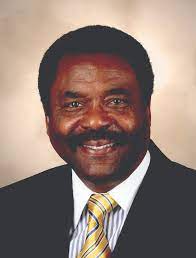
Feeds:
Posts
Comments

Archive for the ‘Heroes of the Faith’ Category

Young Klaus-Dieter John read the last page of another “jungle doctor” book by Dr. Paul White—his favorite series. The adventures, based on the missionary doctor’s experiences in Africa, never failed to capture Klaus’s imagination and heart.

The boy sighed. How great would it be to live in the jungle and help people as a medical missionary.

That dream stayed with Klaus through high school in his hometown of Weisbaden, Germany. As graduation neared in the late 1970s, he felt certain God wanted him to become a doctor and serve in a third world country.

Another person in his school carried the same dream, a pretty girl named Martina. Soon Klaus and Tina were a couple.

The next decade included university, medical school, and marriage. Further training took the Johns to England, Johannesburg, and finally America. Klaus studied at Harvard, and then completed his surgical residency at Yale.

Meanwhile, Tina earned board certification in pediatrics, in Germany and America.

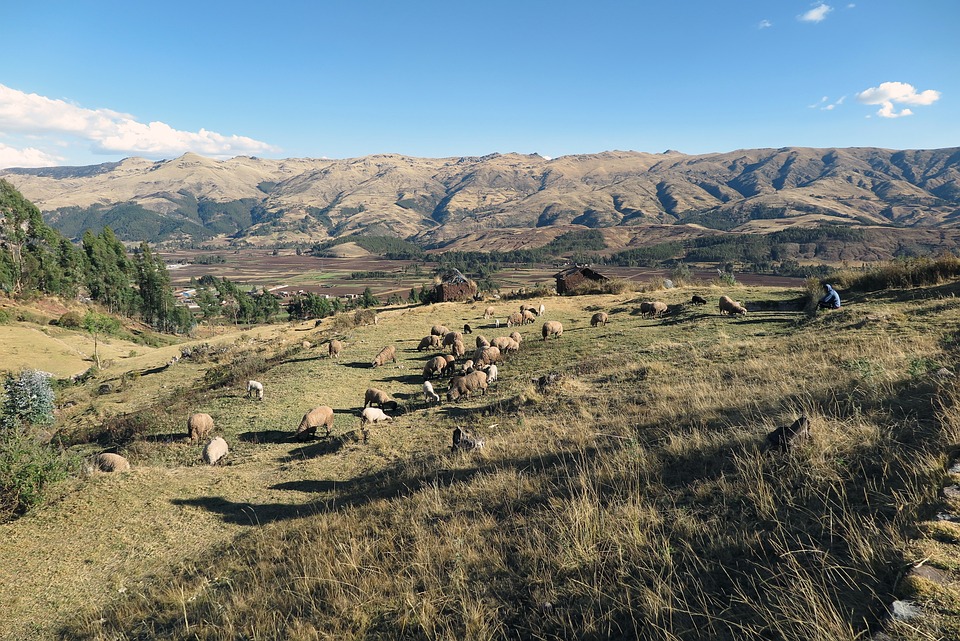
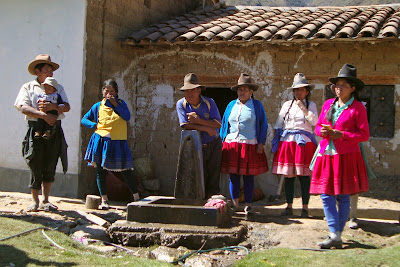
God used a backpacking trip through Peru in 1991 to draw their hearts toward the Quechua people, descendants of the Incas. These Indians live on high plateaus and in deep valleys of the Andes Mountains, impoverished and illiterate.

At that time, just four doctors served 40,000 people. The Johns knew immediately: this was where God wanted them to serve.

First they volunteered for five years at a well-established mission hospital in Ecuador. During that time Klaus and Tina founded the Diospi Suyana organization to alleviate the suffering of Peruvian Indians.

In Quechua, the words mean, “We trust in God.”

But they desired to do much more. “What if,” the couple dreamed, “we could establish a hospital for the Quechua people near Machu Picchu—not just a bare-bones clinic but a true hospital with everything necessary to provide excellent care?”

Just saying the words out loud highlighted the implausibility of their desire. How could they raise the millions of dollars necessary? And even if they could build such a facility, how would they keep it staffed and equipped?

But God propelled them forward.

In 2004 the Johns began seeking financial support for their vision, first in Germany and then in other countries. A trickle of donations at first grew to a steady flow. Several companies even committed to provide equipment and materials.

Also during this time, Klaus and Tina moved their family of five into a mud home in the village of Curahuasi, a village strategically located between three Peruvian cities.

By May 2005, the Johns were participating in a miracle: the ground-breaking for Diospi Suyana Hospital—a project that would cover eight-plus acres of land, and cost $100,000 each month to construct [1].

The couple was determined not to incur debt. God would either supply the needed funds or construction would be discontinued.

Supply he did—through more than 50,000 individual donors who’ve contributed to the hospital’s ministry [2].

As the complex took shape, fifteen miles of computer cable were set in the walls, as well as “countless miles of pipes for suction, compressed air, and oxygen” [3].  

The dedication of the facilities took place in August, 2007. By 2017, 300,000 Peruvian patients had received care at Diospi Suyana—patients who only pay 20% of the cost of their care—at most; the other 80% is paid by generous donors.

Each day begins with a worship service. Thousands of Peruvians have heard about Jesus and been told of his gift of eternal life. For those who accept that gift, one of the hospital pastors visits their home and connects them to a local church [4].

The ministry has expanded over the years to include dental and eye clinics, Kids’ Clubs, a school for six hundred children, and a radio station [5].

Many miraculous provisions have contributed to the flourishing of Diospi Suyana.

For example, in January 2006, while Klaus was in Germany on a speaking tour, he met with a good friend. Klaus mentioned they needed a civil engineer to oversee the hospital construction, but the person had to be willing to serve without pay.

“I know someone who might be interested,” declared the friend and he made a phone call, setting an appointment for later that day with the engineer Udo Klemenz.

Meanwhile, when the phone rang at the Klemenz’ home, Udo and his wife were in the midst of praying about their plans for the future.

At the meeting that afternoon, Klaus made his proposal. The couple gasped in surprise for this near-instantaneous answer to their prayer.

“Come to Peru for as long as you can stay,” Klaus invited.

Udo and his wife soon traveled to Curahausi—and stayed for eight years [6].

Klaus affirms often, “God has become visible in my life” [7]. (Emphasis added.)

Indeed, he has.


[1] https://cvm.swisshealthweb.ch/fileadmin/assets/CVM/2018/cvm.2018.00564/cvm-2018-00564.pdf

[2] https://cbn.com/news/news/hospital-built-faith-proof-me-god-real

[3] https://cvm.swisshealthweb.ch/fileadmin/assets/CVM/2018/cvm.2018.00564/cvm-2018-00564.pdf

[4] https://cbn.com/news/news/hospital-built-faith-proof-me-god-real

[5] https://www.diospi-suyana.de/diospi-suyana-2-2/?lang=en#

[6] https://cvm.swisshealthweb.ch/fileadmin/assets/CVM/2018/cvm.2018.00564/cvm-2018-00564.pdf

[7] https://www.churchtimes.co.uk/articles/2014/3-october/features/interviews/interview-klaus-dieter-john-founding-director-diospi-suyana-hospital

Photo credits: http://www.pixabay.com (2); http://www.canva.com; http://www.heartlight.org; http://www.travelingteacheronline.com, H. McElwee; http://www.pxhere.com.

TAKE NOTE! A newsletter launched this month that includes additional topics to what’s on the blog. Please sign up below and check out the first installment. Thank you!

Processing…
Success! You're on the list.

Read Full Post »

‘If I were you I’d buy a ticket for a boat going on the longest journey you can find and pray to know where to get off. If God doesn’t want you on that boat he’s perfectly able to stop you . . . or make the ship go anywhere in the world.’

Jackie Pullinger of Croydon, England nodded, sensing God’s affirmation to this advice from her pastor.

For months Jackie’s dream of becoming a missionary in Africa had been stymied. No mission society, school, or broadcasting company took interest in her, a twenty-two-year-old music teacher.

And yet the dream she’d held since age five remained as strong as ever—stronger, in fact, upon developing a close, personal relationship with Jesus while attending the Royal College of Music.

Jackie soon implemented her pastor’s advice and set sail from London in 1966 with no destination in mind and only ten pounds in her pocket. When she reached Hong Kong, Jackie sensed God telling her, this is the place.

Hong Kong, 1960s

She began exploring the island and came upon the Walled City, a place of lawlessness and squalor, open sewers and rats, gangs, drug addicts, and prostitutes. Thirty-some thousand people on six acres.

No building codes enforced .

Years prior the area had been occupied by the Chinese imperial garrison. “It was omitted from the lease of 1898 in which China ceded Hong Kong to Britain. Neither government had taken responsibility for it” [1].  When the garrison disbanded the underclass moved in, unchecked by any police presence.

In spite of the filth and stench, Jackie felt happy there because in her mind’s eye she already saw the darkness lifting. She saw the kingdom of God.

No trash pick-up either.

To support herself, Jackie took a teaching position in a government school, but she also worked at a school in the Walled City, run by a missionary.

Jackie turned a few shabby rooms into a youth club where teenagers could play ping pong and darts. She began to build relationships with them, many of whom were already heroin or opium addicts.

Preaching about Jesus proved ineffective. But Jackie noticed people watching how she lived. So she focused on putting her faith in action.

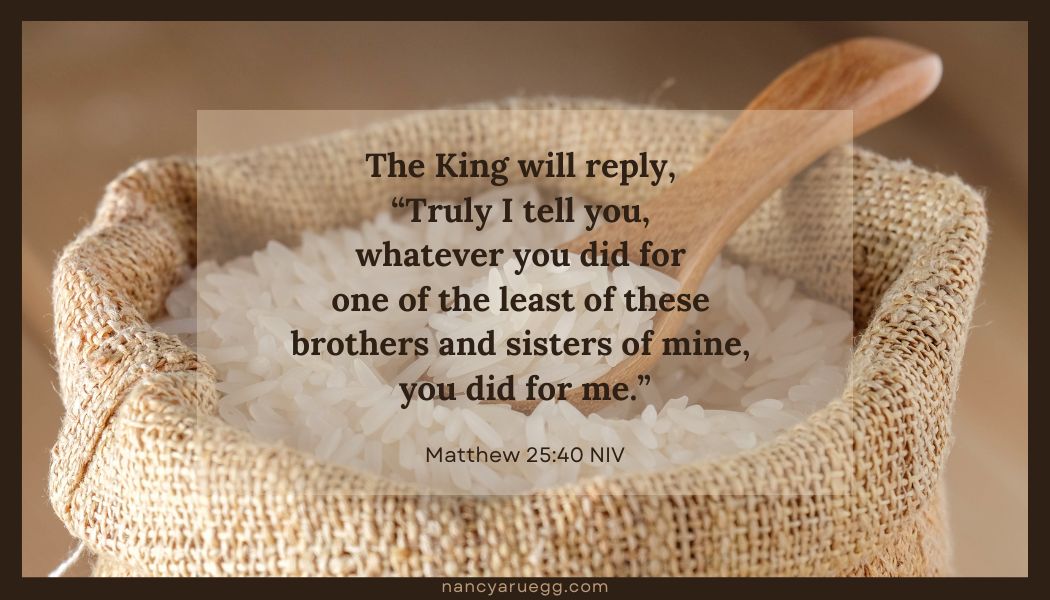
Jackie shared her rice with an old woman, took a gang member to the hospital after a fight, waited in line overnight to register a young girl for school, went to court with a gang member who said he’d been framed, and more [2].

Many expressed appreciation for her kindness and generosity but no lives were changed—at first.

One night thugs ransacked the youth club. Benches, skateboards, and the games equipment were destroyed, the walls and floor smeared with sewage. But a gang leader who respected Jackie assigned guards to protect the youth club from future damage.

Another leader asked Jackie to help his gang members quit drugs. Sober members made better dealers, he explained.

“I’ll only help them to follow Jesus, reject narcotics, and not participate in organized crime,” she told him.

And yet the leader continued to support Jackie and even released from the gang those boys who became Christians [3].

One day while walking through the Walled City, Jackie spotted Christopher, a boy from her youth group. She asked him to carry her accordion.

As they walked, they talked. Christopher confessed he couldn’t become a Christian because he wasn’t good enough. Jackie made clear that wasn’t a prerequisite, and the boy became a Jesus-follower that day [4].

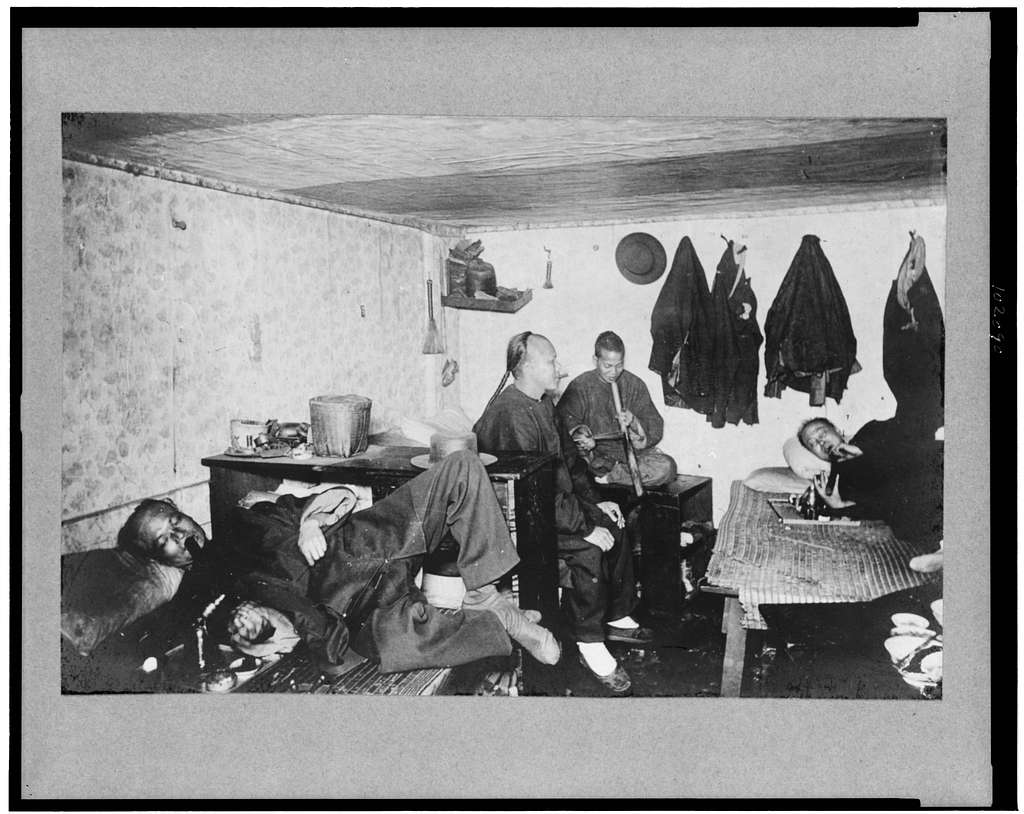
Others soon made the choice to become Christians, including one of the youth-club guards. But some of these new believers lived in opium dens, making their transition to sober-living especially difficult. 

One by one they came to live in Jackie’s home, where they received compassionate care and faith-filled prayer while processing through withdrawal. For many their transition was neither painful or traumatic [5].

Of course, Jackie’s apartment quickly became crowded. But through gifts from other Christians and government resources she was able to rent more apartments. It wasn’t long before dozens of such living quarters became hundreds and each quickly filled to capacity.

More workers joined in the work, including former addicts. They established additional homes for teenagers, women, and girls.

In 1981 Jackie founded the St. Stephen’s Society, to provide accountability for the growing ministry.

In 1985, the Hong Kong Government gave the society a complex of buildings divided into apartments. Hundreds more displaced persons—the poor, the elderly, and the infirm—were given places to live.

In the 1990s, the government offered another property to the St. Stephen’s Society. Buildings were erected to house two hundred men as they completed the five-phase withdrawal program, from detoxification to re-entering society as productive citizens.

The St. Stephen Society continues to function to this day, “rescuing hundreds of young people from a life of misery on the streets” [6]—not only in Hong Kong but in other countries as well.

Jackie, now eighty years old, continues to serve.


[1] https://mycharisma.com/charisma-archive/one-woman-vs-the-dragon/

[2] https://www.ststephenssociety.com/about-us

[3] https://thechurch.org.au/celebrating-jackie-pullinger-of-hong-kong/

[4] https://www.cmf.org.uk/resources/publications/content/?context=article&id=26751

[5] https://thechurch.org.au/celebrating-jackie-pullinger-of-hong-kong/

[6] https://blogs.georgefox.edu/dlgp/jackie-pullinger-loving-the-unlovely/

Photo credits: http://www.flickr.com (2); http://www.picryl.com; http://www.flickr.com; http://www.picryl.com; http://www.pickpik.com; http://www.rawpixel.com.
Read Full Post »

Come with me on a journey through time and space and watch God spin a miracle, crossing more than ten countries and spanning more than seventy years.

First, Sweden, 1885: Pastor and poet Carl Boberg watches a storm roll across the countryside—loud and blustery with pelting rain. For all its fury however, the maelstrom soon moves on and leaves behind a sparkling landscape, arched by a glowing rainbow.

Boberg is inspired to write and composes a nine-verse poem, “O Great God,” celebrating the beauty of God’s creation.

In 1891 he hears his poem being sung, set to a traditional Swedish melody. He publishes his poem and the tune together. However, the popularity of “O Great God” quickly subsides.

Second, Estonia, 1907: Manfred von Glehn becomes acquainted with Boberg’s hymn and translates the lyrics into German. . .

. . . and third, in 1925, E. Gustav Johnson brings the hymn to America and translates it to English, titling it “O Mighty God.”

In Russia, 1927, Ivan Prokhanoff hears the hymn while imprisoned for his faith. He translates the lyrics into Russian and his rendition is published in Moscow.

Fifth, the Carpathian Mountains in Eastern Europe, 1934: British missionary Stuart L. Hine bicycles from village to village, sharing his faith in Jesus and distributing Bibles to peasants who’ve never even seen one.

No doubt there were few paved roads through the Carpathian Mts. in the 1930s

Like Boberg, Hine also witnesses a fearsome storm and is reminded of a hymn he’s heard, the Russian form of “O Great God.” However, new lyrics begin to develop in his mind, and he writes an original stanza in English.

In Romania Hine marvels at the beauty and serenity of the woods, the warbles, trills, and whistling of the birds. He adds a second verse.

High up in the mountains he comes upon the village of Dmitri and Lyudmila who do own a Bible, left behind by a Russian soldier in 1915.

Just that year Lyudmila had learned to read, and as Hine arrives at their home, she’s just completed a read-aloud to other villagers. They’re discussing the wonder of God’s love, and Hine is prompted to write verse three.

By 1939, war threatens Europe again. Hine and his wife Mercy are forced to return home to England.

Nazi troops marching through Warsaw, Poland, September, 1939

Six years later they immerse themselves in ministering among the thousands of refugees. “Their stories of loss and hope inspire the fourth verse of the hymn, filled with the promise of eternal reunion” [1].

In 1949, Hine publishes his lyrics in a gospel magazine that’s sent to missionaries in fifteen countries across Europe and Asia.

India, 1954: British-American missionary J. Edwin Orr hears a choir singing Hine’s hymn. He experiences the power of the lyrics and tune.

Back in America, 1954, Orr begins sharing the song at conferences he leads on college campuses.

Children of actor/singer/song-writer Tim Spencer attend one of those colleges. Tim had been a well-known singing cowboy in the 1930s and ‘40s, appearing in numerous films.

(One cowboy trio, but no Tim!)

But in 1949 Tim had become a Christian. When his kids share with him this new, inspiring song, he also becomes an enthusiast.

In 1955 Spencer founds Manna Music Publishing and purchases the rights to Hine’s song. This same year, a friend of George Beverly Shea and Cliff Barrows introduces them to the newly-published hymn.

(Some of you will recognize those names. Shea was a featured soloist and Barrows was the music and program director for the Billy Graham Crusades.)

Toronto, Canada, 1955: Shea sings the hymn at one of the crusades and it rapidly gains popularity.

New York City, 1957: Shea and the crusade choir sing the song ninety-nine times during the sixteen weeks of meetings [2].

1959: It became the theme song for Billy Graham’s weekly radio program and continued to grow in popularity.

1978: The American Society of Composers, Authors, and Publishers named the song “The All-Time Outstanding Gospel Song” in America [3].

It has been translated into more than fifty languages and recorded by dozens of artists.

To this day the hymn “How Great Thou Art” remains a beloved favorite of many, as the lyrics lift our hearts in worship:


[1] https://worshipleader.com/worship-culture/how-great-thou-art-75-years-later/

[2] https://billygraham.org.uk/p/summer-soul-refresher-how-great-thou-art/

[3] https://www.umcdiscipleship.org/resources/fiftieth-anniversary-of-how-great-thou-art-in-the-united-states

Other Sources:

https://www2.cbn.com/article/not-selected/story-behind-how-great-thou-art

https://www.crosswalk.com/faith/spiritual-life/the-story-you-don-t-know-behind-how-great-thou-art.html

https://www.ibelieve.com/slideshows/10-incredible-facts-about-how-great-thou-art.html

https://www.premierchristianity.com/worship/the-ukrainian-roots-of-britains-favourite-hymn-how-great-thou-art/12908.article

http://www.wycliffe.ca

Photo credits: http://www.garystockbridge617.getarchive.net; http://www.commons.wikimedia.org; http://www.picryl.com; http://www.rawpixel.com; http://www.boudewijnhuijgens.getarchive.net; http://www.rawpixel.com.

Read Full Post »

Twelve-year-old Henry bolted into the kitchen crying, “Look Ma!” and proudly held out his empty basket. An hour before it had been full of fresh produce, grown himself on the family farm in Sharpsburg, PA (near Pittsburgh).

Now his pocket was full—of change. Just as he’d hoped, townswomen had purchased every vegetable.

“Well done, Henry!” exclaimed his mother, ruffling his hair. “Your hard work paid off!”

It wasn’t long after that first sales excursion in 1856 that Henry required a wheelbarrow for his deliveries. By age fifteen, Henry was caring for three-plus acres of produce and required a wagon for transport. Not only did he sell to those nearby, but also to grocers in town.

The teenager became known for his quality produce, positive attitude, and honest business dealings, making his mother proud as he lived up to the Christian principles taught at home and church.

One day he approached his mother with a new possibility. “Could I use your recipe for horseradish and try to sell it along with my vegetables?”

She agreed the area’s German immigrants just might buy the popular sauce, saving them time and nuisance during the busy canning season.

Horseradish had to be grated, which often resulted in nicked knuckles. It also caused the eyes to sting and water—just like onions. As a result, many women of Sharpsburg were glad to forego the chore and buy Henry’s horseradish.

His entrepreneurial instincts led him to additional ways for growing his business. Henry chose white vinegar instead of brown and clear glass bottles instead of the traditional green, even though both were more expensive. The former resulted in a more appetizing product, the latter allowed his customers to see his top quality horseradish–with no fillers like some companies used.

Over the next few years Henry added pickles, sauerkraut, and vinegar to his product-line. He also expanded deliveries to Pittsburgh’s grocers, restaurants, and hotels.

Meanwhile Henry experimented with different seeds, taking careful notes to track results. He arranged for the design of attractive jars and labels to entice even more customers.

At age 24, Henry took on two partners and moved the company to Pittsburgh. They added fruit preserves, mustard, and catsup to the product-line, while expanding their market east and west via the new railroads.

Another important event that year: Henry married Sarah Young. They would have five children; one would die in infancy.

19th Century Pittsburgh

By 1872 the partners employed 150 people during harvesttime, producing 500 barrels of sauerkraut, 15,000 of pickles, and 50,000 of vinegar.

But when the economic Panic of 1873 occurred, Henry and his partners were forced to claim bankruptcy. Deep disappointment sunk him into depression.

Henry soon recovered, however, and determined to rebuild his company by doing what he’d always done—work hard and trust God [1].

With financing from two of his seven siblings and his mother, Henry set about reestablishing himself. Five years later he’d not only achieved success again, he’d repaid all his debts—even though that wasn’t required.

Henry continued adding new products, including apple butter, baked beans, and tomato soup. Always he sought new ways to market his wares, like free pickle pins with the company name, distributed at the Columbian Exposition in Chicago, 1893.

Columbian Exposition 1893

But out of reverence for God, he never allowed his newspaper advertisements to run on Sunday [2].

Henry applied Christian integrity to his treatment of employees, providing many more benefits than other factories including: free dental and health care onsite, lunchtime concerts and lectures, English lessons and assistance to obtain citizenship, and advancement of women to managerial positions.

Henry also “worked hard to encourage his employees to live the ‘righteous life’” [3].

During these years of company-development, Henry taught Sunday School and became a promoter of Sunday Schools not only in Pittsburgh but around the world.

He faithfully tithed his income his entire life beginning with 10%, but increasing over the years until Henry was giving away almost 100% of his income [4].

By 1896, Henry’s company produced over one hundred products. He put a new slogan on each bottle and jar: “57 Varieties,” thinking the number fifty-seven (based on Sarah’s and his favorite numbers) [5], was more memorable than one hundred.

Once again, Henry John Heinz had created a winning marketing strategy as “Heinz 57” became a familiar phrase all over the country.

Throughout his career, Henry kept experimenting to improve his products and production, provide eye-catching packaging, upgrade working conditions for his employees, and expand distribution and marketing.

Before his death in 1919, Heinz products were being produced and sold in Europe as well as all over America.

In his will, Heinz wrote:

“I desire to set forth at the very beginning of this will, as the most important item in it, a confession of my faith in Jesus Christ as my Savior.

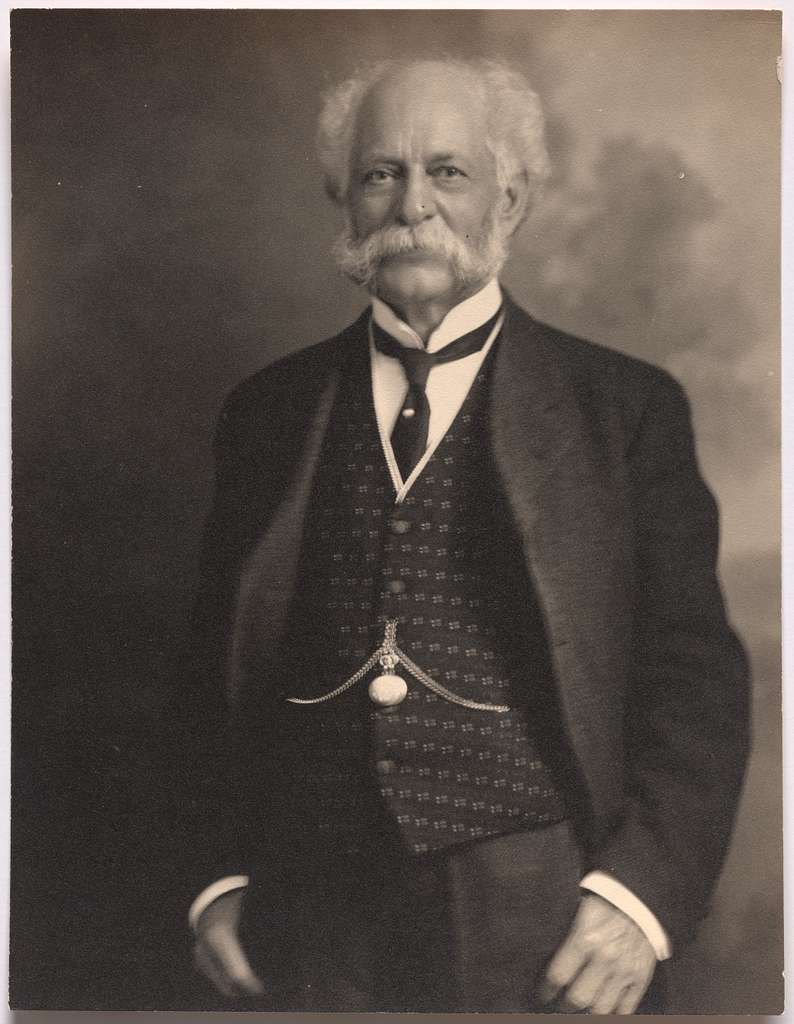
John Henry Heinz


[1] (https://www.365christianmen.com/podcast/1146-henry-j-heinz-us-entrepreneur/

[2] https://positivelypittsburgh.com/heinz-legacy/#:~:text=Religious%20Roots&text=Heinz%20devoted%20time%20and%20energy,devoted%20that%20day%20to%20God

[3] https://profectusmag.com/american-original-hj-heinz/

[4] https://stories4homilies.blogspot.com/2016/12/tithing-colgate-kraft-and-heinz.html

[5] https://www.ai-bees.io/post/henry-john-heinz-founder-of-the-condiment-empire

[6] https://bibletruthpublishers.com/the-heinz-will/christian-treasury-volume-5/la155191

Other sources:

https://explorepahistory.com/hmarker.php?markerId=1-A-37

https://welcomechurch.co.uk/the-story-of-heinz-57-varieties

Photo credits: http://www.pickpik.com; http://www.picryl.com; http://www.flickr.com; http://www.rawpixel.com; jenikirbyhistory.getarchive.net; timelessmoon.getarchive.net; http://www.pickryl.com.
Read Full Post »

She was very popular at the University of British Columbia: effervescent, attractive, and intelligent. Yet Isobel (Belle) Miller found herself standing at the medicine cabinet in her parents’ home, ready to swallow poison.

Life had become meaningless, her spirit restless. To make matters worse, her fiancé was seeing another girl. Belle didn’t turn to God, having brushed aside her Christian upbringing when a professor insisted Christianity was for the superstitious.

She heard her father’s snuffling snore from the next room.  If he found her dead, Belle knew it would break his heart. She returned to her room.

Suddenly, a line from Dante came to mind: “In His will is our peace.”

Belle prayed, “God, if you prove to me that you are, and if you will give me peace, I will give you my whole life[1].  She began a passionate search for God, truth, and purpose.

Following graduation in 1922, Belle taught school. During this time she heard J. O. Fraser speak about his ministry in China and the need for more missionaries. Belle wondered, Is this what you want me to do, God?

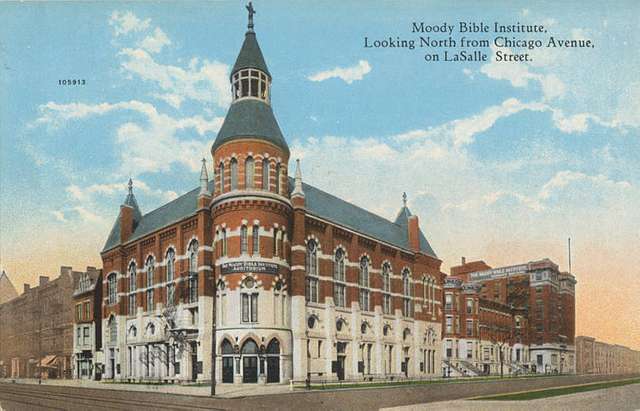
Fraser was staying with Belle’s family. She asked questions about missionary life and the China Inland Mission he represented. Belle learned they required two years of Bible school and Fraser recommended Moody Bible Institute. With funds from a friend, she enrolled.

While at Moody, Belle met John Kuhn who also felt called to serve in China. Friendship developed into romance, but Belle wasn’t sure God wanted her to marry him. John sailed for China in 1926.

After graduation, Belle attended the China Inland Mission training school in Toronto. She and John corresponded frequently. In one of his letters he proposed and Belle said yes. They prayed to be assigned in the Yunnan province, hoping to work under Fraser. God answered their prayer affirmatively.

After Belle completed a year of language study, she and John finally married in 1929. Belle moved to Cheng Chiang where he lived.

Yunnan Province in southwest corner

The first time she hosted a few women in their home, a baby soiled the Kuhn’s new rug. Worse yet, Belle found more “guests” after the humans left: bed bugs, fleas, and lice.

“Lord, make these souls more important to me than anything else,” she prayed. And soon genuine love superseded concerns about vermin or stains.

Over the next twenty years, the Kuhns served in five locations. For the most part, John preached in the villages and Belle taught women’s Bible classes. Their first child Kathryn arrived in 1931.

A terrible flood occurred in 1933, during Belle’s second pregnancy. John was away preaching, so she dragged belongings upstairs, some very heavy. Belle miscarried the baby.

There was little time to grieve as a new directive arrived from Fraser the next day: You’re needed in the Salween Valley to work with the Lisu people.

In 1936 Communist soldiers threatened the valley and missionaries were instructed to evacuate. For eight days they trekked northward, but so did the enemy.

“It seemed as if the Communists were after us,” she wrote, “but in real fact, our pursuers were those faithful watch dogs of Jehovah . . . ‘Goodness and Mercy followed us all our days ‘”[2].

In 1937, as the war with Japan escalated, they were told Kathryn needed to attend a far-distant CIM school out of harm’s way, causing a heartbreaking separation.

Belle fought her distress with a new form of ministry to train church leaders: Rainy Season Bible School, taking advantage of the free time inclement weather provided. Many men attended.

In 1938 their dear friend Fraser died. John’s ministry broadened to include travel throughout Lisu territory. At home, Belle continued to teach, but she also found time to write, completing four books during those twenty years of ministry.

Several times the Kuhns had to escape the Communists and then the Japanese. Each time the Kuhns returned when the danger had passed.

Yangtze River, Yunnan Province

Daniel Kuhn was born in 1942. When he was six, Belle and her son had to evacuate again. This time they traveled to America where Kathryn was attending college. John followed a short time later. They were never allowed to return to China.

Did the Kuhns wonder if the Lisu Christians would lose heart and give up their faith?

Author Wright Doyle wrote: “Of the 18,000 Lisu who lived in Fugong, Yunnan in 1950, 3,400 professed faith in Christ. As of 2007, it is estimated that 80-90% of the 70,000 population make the same profession. In Yunnan, it is estimated that there are between 100,00-200,000 Lisu Christians”[3].

A church in Fugong today

For three years the Kuhns worked in Thailand, but then Belle was diagnosed with cancer. She died in 1957 at age fifty-five. Yet even while battling disease, Belle completed five more books.

To this day, the legacy of Isobel Miller Kuhn lives on, among her beloved Lisu people and through her writing.


[1] https://bdcconline.net/en/stories/kuhn-isobel-miller

[2] https://fromthevault.wheaton.edu/2021/03/01/letters-from-lisuland-the-ministry-of-isobel-kuhn/

[3] https://g1.fieldpartner.org/isobelkuhn/

Other sources:  

https://www.evangelical-times.org/isobel-kuhn

https://www.thetravelingteam.org/articles/isobel-kuhn

Photo credits: http://www.dailyverses.net; http://www.picryl.com; http://www.flickr.com; http://www.dailyverses.net; http://www.flickr.com; http://www.enwikipedia.org.

Read Full Post »

David Steward leaned against the family cow as he milked her, his hands automatically squeezing left, right, left, right. This was his final chore of the day; he’d already cleaned out the barn and fed the pigs and cow.

The twelve-year-old tried not to think about morning chores awaiting him in just twelve hours: emptying the chamber pots, milking the cow again, then collecting the ashes from the potbelly stove and spreading them on the driveway to create traction.

His only consolation was, his seven siblings had their chores too.

David trudged back to the house. He could smell collard greens frying in bacon grease, the pork and beans simmering in the Dutch oven, and cornbread browning in the skillet.

It wasn’t a fancy supper-spread, but all ten of them got enough to eat, thanks to Daddy’s hard work and the whole family pitching in on the farm.

Daddy should have made enough money to support them. He’d been trained as a master mechanic while living in Chicago in the 1930s and ‘40s. But now it was 1963 and the family resided in Mama’s hometown of Clinton, Missouri—a segregated town—and the Stewards were Black. Many businesses didn’t hire people of color.

So Daddy took whatever work he could find as a personal mechanic, nightwatchman, and part-time policeman. He managed a janitorial service, transported coal or trash, even tended bar at parties.

Daddy and Mama could have been bitter; but David and his siblings saw them demonstrate Christian love and kindness, grace and forgiveness, strength and resolve.

Times were changing however; segregation was finally outlawed in 1964. David was among the first Blacks allowed to swim in the community pool.

The next year David started high school and made the basketball team. Four years later he was playing for Central Missouri State University, and after proving himself, earned a sport scholarship. In 1973 he graduated with a degree in business administration.

Over the next eight years, David worked for several companies, including the Missouri Pacific Railroad and Federal Express. In each position David learned skills related to manufacturing, marketing, accounting, sales, and more.

While senior account executive at Federal Express he earned the Salesman of the Year Award and received a trophy—a silver ice bucket engraved with his initials. David looked inside and was struck by its emptiness. Is this all I want out of life? he thought.

The answer was no. He’d long dreamed of owning his own company and managing it with biblical principles.  He and his wife Thelma had faith that now was the time—even with their family of four to support.

In 1984, David launched Transportation Business Specialists, putting to use the lessons he’d learned at Missouri Pacific Railroad. His new company audited bills and overcharges for the rail industry.

Another company was launched in 1987, Transport Administrative Service, and finally, in 1990, World Wide Technology, Inc., to help companies use technology for solving business-related problems.

Success did not come quickly. And though David always made sure his employees received their paychecks, sometimes his family went without.

But he didn’t give up. David wrote: “What we were doing for our employees and customers was meaningful. I had faith that our company was capable of providing exceptional value” [1].

A unique opportunity presented itself in 1995. U.S. troops in Bosnia needed specialized computer software, so David’s company developed a program customized to their needs. They provided the hardware also.

That success led to the development of more applications for additional functions, useful to other government entities. A company that began with a $2000 investment and a handful of employees is now a Fortune 500 company (#71), bringing in twenty billion dollars in annual revenue and employing 10,000 people [2].

In the early 2000s, the Stewards’ pastor asked them to lead a Bible study about doing business God’s way. That led to a book, Doing Business by the Good Book: Timeless Principles for Making an Eternal Impact (2004).

The overall theme: strong leadership is love, expressed by serving others—employees and their families, customers and associates, as well as your own family.

David considers his company his ministry as he applies biblical principles in the workplace.

Eighty-six percent of his employees say World Wide Technology is a great place to work [3].

David also sees himself as an ambassador for Christ in the business world. He keeps one scripture-based goal in mind.

Every day David asks the question:

“Am I living my life worthy of the sacrifice that was made on my behalf”[4]?

That’s a profitable question for each of us. May we all—no matter our place in life—answer with a joy-filled YES!

David L. Steward (1951 – )


[1] Doing Business by the Good Book, 2004, quoted by https://www.referenceforbusiness.com/biography/ S-Z/Steward-David-L-1951.html

[2] https://www.wwt.com/corporate/why-wwt/overview

[3] https://www.greatplacetowork.com/certified-company/1100933

[4] https://www.youtube.com/watch?v=OCtItBwZEEU (Steward, 3:36-3:46)

Other sources:

1. https://www2.cbn.com/article/not-selected/david-steward-building-business  

2. https://horatioalger.org/members/detail/david-l-steward/

3. https://www.referenceforbusiness.com/biography/S-Z/Steward-David-L-1951.html#google_vignette

4. https://coinnounce.com/the-success-story-of-david-steward-second-richest-black-man-in-the-us/

Photo credits: http://www.rawpixel.com; http://www.picryl.com; http://www.pexels.com; http://www.daiyverses.net; http://www.en.wikipedia.org; http://www.amazon.com; http://www.heartlight.org; http://www.flickr.com.

Read Full Post »

Ken looked up from his Bible into the faces of his children, gathered for their family devotions [1]. He’d been reading to them from a puzzling passage, and the circle of glassy eyes betrayed their lack of understanding.

Ken knew the problem; he’d dealt with it himself growing up in the 1920s. The King James Version of 1611, used by most Protestant churches at the time, was difficult for modern generations to comprehend—much less Ken’s children growing up in the 1940s and ‘50s.

He stopped reading and explained the meaning of the confusing verse.

“But Daddy,” said one of his daughters, “if that’s what it means, why doesn’t it say so” [2]?

Why not, indeed, thought Ken. That’s when he decided to rewrite certain Bible stories for his ten children.

Ken’s background provided a strong foundation for such a project. He’d grown up in the home of a pastor father and godly mother, and earned an advanced theology degree.

That training served him well, first as editor for HIS magazine, then at Good News Publishers, and finally as director of Moody Press in Chicago.

Ken’s children loved his stories, and when he shared them with colleagues at Moody, they urged him to publish. (He’d already published two children’s books.) The first collection of scripture-stories, The Bible in Pictures for Little Eyes (1956), was followed by several more.

Then came a new God-inspired epiphany. What if he rewrote scripture thought-for-thought instead of word-for-word, but still based on the original Hebrew or Greek? Could he make scripture—even the non-story parts—more understandable for his children?

Ken flipped open his Bible, and his eyes landed on 2 Timothy 2:4.

“No man that warreth entangleth himself with the affairs of this life; that he may please him who hath chosen him to be a soldier” (KJV).

After careful thought, Ken wrote: “As Christ’s soldier do not let yourself become tied up in worldly affairs, for then you cannot satisfy the one who has enlisted you in his army [3].”

That night he shared his rewrite with the family. They approved.

Thus began a multi-year commitment of evenings, weekends, and vacations, revising scripture for his family. Ken even worked during the 45-minute commute by train from his home (in Wheaton, Illinois) to Chicago.

Each evening he’d share the results of his efforts with the family.

A few years later another possibility occurred to Ken. Other families might also appreciate a scripture revision in modern-day English. By this time (1962), he’d completed the twenty-one epistles (letters) of the New Testament. He called the book Living Letters.

However, publisher after publisher rejected the manuscript. They doubted people would be interested in a modern version of the epistles so far removed from the familiar King James.

Ken and his wife Margaret decided to finance from their savings a printing of 2000 copies. He then rented half a booth at a Christian book convention and sold 800 copies.

The family helped process the orders at the dining room table. Boxes of books were stored under their beds.

Several months passed before the first orders arrived at their home. Ken dipped into their savings again and printed 5,000 copies. A few months later, 10,000 more.

In 1963 the Billy Graham Association contacted Ken. They wanted to offer Living Letters to anyone who requested a copy. They distributed six hundred thousand copies world-wide.

Considerable proceeds began to accumulate, but Ken and Margaret weren’t interested in upgrading their modest lifestyle. They set up a foundation in order to fund Christian mission projects worldwide [4].

Another prompting from God led Ken to leave Moody Press so he could write full-time and revise more books of the Bible into modern day language.

From 1964 to 1970 Ken added such volumes as The Living Prophecies (1964) and The Living Gospels (1966).  Each one included a different portion of the Bible.

By 1965, the dining room no longer sufficed for conducting the business of their company, Tyndale House Publishing [5]. Ken moved the operation to offices nearby. Another move became necessary in 1967 when even more space was required.

By 1972 Ken had completed the revision of the entire scriptures. The Living Bible was released, selling eight million copies by the end of that year.

In 1973, The Living Bible became the best-selling book in America, and Tyndale House Publishing soon became the well-known and highly-respected company it is today.

By the late 1980s Ken had been semi-retired for several years and his son Mark served as CEO. Tyndale House brought together ninety Bible scholars to work on The New Living Translation, which would be “faithful to the ancient texts and eminently readable” [6]. That volume was released in 1996 and has sold more than 50 million copies.

To this day Tyndale House carries on the passion and Living legacy of Kenneth N. Taylor (1917-2005), ministering to “the spiritual needs of people, primarily through literature consistent with biblical principles” [7].


[1] A time of Bible reading and prayer

[2] https://todayschristianliving.org/ken-taylor-making-scripture-clear/

[3] Ibid.

[4] Ibid.

[5] William Tyndale translated the Bible into English, and was burned at the stake in 1536 for doing so.

[6] https://www.tyndale.com/about-the-nlt

[7] https://www.tyndale.com/kenneth-n-taylor

Other sources:

https://www.zianet.com/maxey/ver4.htm

https://www.referenceforbusiness.com/history2/6/Tyndale-House-Publishers-Inc.html

Read Full Post »

Christian trudged to the church he pastored as rain drummed on his umbrella. His pant cuffs grew increasingly damp from his splashing boots.

Is this really worth the effort, he wondered. Only a handful of people attended the Monday night prayer meetings, which he’d established several years prior at Church of St. Nicholas.

And yet the faithful few who came demonstrated such hope, Christian always felt uplifted by the end of each gathering.

Encouragement of any kind was in short supply. Times were difficult; everyone was suffering except the government elite and their cronies.

In the third year of the weekly prayer sessions, Christian felt compelled to invite fifty people to his church to discuss the oppressive circumstances of their country. More than six hundred came, and subsequently, attendance at the Monday prayer meetings also grew.

Such a large crowd didn’t slip by the attention of authorities. They discouraged religious gatherings, but assumed that prayer meetings were harmless.

Attendees began bringing family and friends. Over the next few years the church started to fill to overflowing. Eventually eight thousand people gathered every Monday night, praying for peace in their land and throughout the world.

Other churches around the country organized their own prayer meetings. Some attendees would walk the streets afterward, carrying candles and praying or singing as they went.

The authorities finally ran out of patience with the demonstrations. They barricaded the streets around the Church of St. Nicholas to discourage attendees. Instead, the congregation grew.

The next step included peaceful protests. Thousands of people participated. And even though hundreds of demonstrators were beaten and arrested, they weren’t deterred.

Numerous threats were made; some lost their jobs. One woman reported that government officials took custody of her children for a while, due to her participation in what they called an extremist group.  

Worse yet, the protesters were threatened with death. And though many admitted to fearing for their lives, they did not back down.

“Our fear was not as big as our faith,” Christian explained later [1].

One night, after an hour-long service at St. Nicholas Church, Christian led the people outside to join a crowd of approximately 70,000, all gathering from various churches. Each one carried a candle and marched through the city chanting “we are the people” and “no violence” [2].

All along the way, long rows of armed police watched their every move.  More soldiers manned tanks, waiting for the order to disperse the crowd with murderous force.

But the order never came. Afterward it was revealed that government officials persuaded their leader to leave the protesters alone.

One of the demonstrators gave a soldier a lighted candle. He put down his weapon and accepted it. Others followed suit. “Soon all the soldiers had lowered their weapons and joined with the protestors” [3].

In the following weeks, the prayerful, candle-carrying crowd grew to 120,000, then 300,000, and finally 700,000.

A crowd such as this must have gathered.

The country’s leader resigned, knowing that without the army to back him, he had become powerless. Soon the whole regime resigned, unable to fight against the power of prayer and Light.

One month after the tide-changing protest, a government spokesperson mistakenly announced in a public broadcast that a monumental change was about to take place. Citizens would be allowed to travel freely, effective immediately [4].

News spread rapidly, reported across the world. Thousands of people soon gathered at the symbol of their thirty-year oppression, a barrier that had divided them into east and west: the Berlin Wall.

Harald Jager, commanding officer of the border guards that night, called his superiors to find out how to deal with the gathering crowd. He received no orders.

“People could have been injured or killed . . . if there had been panic among the thousands gathered at the border crossing,” he declared afterward. “That’s why I gave the order: Open the barrier” [5].

And so, on November 9,1989, thousands flowed through, celebrating and crying. Others climbed over the barrier, chipping away at the wall with hammers and pickaxes. Bulldozers and cranes soon made quick work of dismantling the entire structure [6].

Thirty-four years ago today, that menacing wall became rubble, and a tyrannical regime miraculously toppled with it.

And it all began with Pastor Christian Furher and a handful of praying saints.

Christian Furher (1943-2014)


[1] https://contemporarychurchhistory.org/2014/09/reflection-on-pastor-christian-fuhrer-of-the-nikolai-church-in-leipzig/

[2] https://embracingbrokenness.org/2020/10/prayer-and-the-berlin-wall-by-charles-buttigieg/

[3] http://storage.cloversites.com/worldhistoryinstitute/documents/WHI_03Mar014_Journal_4.pdf

[4] https://www.foxnews.com/lifestyle/this-day-history-nov-9-1989-berlin-wall-falls-cold-war-victory-us-allies

[5] https://www.bbc.com/news/world-europe-50013048

[6] https://www.history.com/topics/cold-war/berlin-wall

Additional Source: http://www.godgossip.org/article/did-a-prayer-meeting-really-bring-down-the-berlin-wall

Photo credits: http://www.commons.wikimedia.org; http://www.pxhere.com; http://www.rawpixel.net; http://www.picryl.com; http://www.commons.wikimedia.org; http://www.pexels.com; http://www.nara.getarchive.net; http://www.picryl.com; http://www.commons.wikimedia.org.

Read Full Post »

David Bussau sat with three of his teenage friends in the dining hall of Sedgley Boys’ Home, an orphanage in New Zealand.

“How’d you guys like to work for me?” he asked.

David had lived in the orphanage himself until recently. Now he was out on his own, living at a boardinghouse. But David had prepared for this eventuality, saving money from odd jobs while living at Sedgley.

Currently he was running his own hot dog stand, and now he was ready to expand. With the help of his friends, David became proprietor of three hot dog stands, then two other food stands, followed by a bakery, and a pancake company. David improved each business and sold them for a substantial profit.

In 1965 at age 25, David married Carol Crowder, a girl from his church. Not long after they moved to Sydney, Australia.

Sydney, Australia 1960s

David found work as a construction foreman, and quickly learned the business. Before long he was part-owner of the company.

Over the next ten years, the Bussaus became parents to two daughters. His boss retired and David purchased his shares of the company. Soon he owned three construction companies, and reached the status of millionaire—before his thirty-fifth birthday.

David knew money wouldn’t satisfy. He wanted to live on enough and use his God-given wealth and talent as an entrepreneur to serve others. But how?

In 1974 a cyclone devastated Darwin, Australia. David and twenty volunteers traveled two thousand miles to help with reconstruction.

Of course, several weeks of work made little difference. So David made arrangements for his businesses in Sydney to carry on without him and moved his family to Darwin. In addition to supervising construction crews, David raised funds throughout Australia for the flattened city.

By 1976 Darwin was nearly rebuilt, and the Bussaus’ pastor in Sydney presented them a new opportunity in Bali, to rebuild a church destroyed by earthquake. Their answer: yes.

“This was my first real exercise in faith,” David said later. “Even when I’m out of my depth I like to take on a challenge. I jumped into it trusting and believing that God would redeem if I screwed up.” [1]

In the remote village of Blimbingsari, the Bussaus lived in a thatch-roofed home with no electricity, running water, or phone. But the community of one thousand Christians were willing to work hard to have a church again.

Water was the top priority, in order to make concrete for a sturdy structure. But bringing water to the village meant bypassing two Hindu villages. David and his crew built a dam and laid pipe, providing water to them first.

That project yielded another blessing. Now the villagers could irrigate their rice fields and harvest twice a year, not just once. 

While working toward church construction, David learned of the systemic debt plaguing the rice farmers. Landowners required sixty percent of the crop as rent; the remaining proceeds didn’t cover most families’ expenses. 

They often mortgaged their children to manage mounting debts, but it was rarely enough.

David created a solution: micro-financing. He began with his interpreter, Ketut, whose wife knew how to use a sewing machine.  

David lent them fifty dollars to purchase an old one. They sold the crafted items in surrounding villages, and as the business grew Ketut paid back the loan.

Even better, they made enough to buy a second machine and hire another worker. Before long Ketut and his family were ready to diversify. They opened an import/export business as well as a taxi service, employing more community members.

And so began the villagers’ escape from chronic debt into sustainable, successful businesses.

When the church was complete, village leaders asked the Bussaus to stay and help build a hotel. People could then be trained to work in the growing tourist industry.

David and Carol agreed. (Their two daughters loved living in Bali, making the decision even easier.)

To further develop his ability to provide micro-loans, David founded a non-profit organization called “Maha Bhoga Marga”— “The Way of Prosperity.” Over the decades he’s founded seventeen international ministries.

David also joined forces with a colleague to form Opportunity International (O.I.). As of 2021, it has served over 18 million clients in thirty countries. [2]

An O. I. savings and loans ready to open in Ghana, 2011

“O. I. creates a job in the developing world every thirty seconds, and they estimate that every permanent job created directly lifts six people out of poverty.” [3]

David explains their success: “Our original intent wasn’t to set up an international organization, it just grew. That’s the way God works. [When you] do what He puts in front of you, the more doors He opens up. The result is that God is glorified through it.” [4]

Now in his eighties, David still travels internationally, furthering the work God gave him to do: bringing people out of poverty one micro-loan at a time and glorifying God through it.


[1]  https://www.issuu.com/opportunity/docs/oia_agency_issue08

[2] https://opportunity.org/content/News/Publications/Annual%20Report/annual-report-2021/annual-report-2021.pdf

[3] https://www.hopechannel.com/read/david-bussau-creates-opportunity

[4]  https://www.issuu.com/opportunity/docs/oia_agency_issue08

Other sources:

https://christiantoday.com.au/news/cma-courageous-leadership-conference-melbourne-and-interview-with-micro-finance-pioneer-david-bussau.html

https://www.discoverwalks.com/blog/australia/top-10-sensational-facts-about-david-bussau/

https://opportunity.org/news/blog/2021/december/back-to-the-beginning-david-bussau

Photo credits: http://www.commons.wikimedia.org; http://www.rawpixel.com; http://www.flickr.com; http://www.commonswikimedia.org; http://www.rawpixel.com; http://www.commonswikimedia.org (2).; http://www.piqsels.com.

Read Full Post »

Ida Scudder, a senior at Northfield Seminary in Massachusetts, envisioned a future for herself in a small American town that included a charming home with a loving husband, fun times with good friends, adventure, and eventually several children.

Such a dream was the antithesis of her upbringing in Vallore, India—with its crowds, poverty, famine, and disease. Having lived in the States now for several years, Ida had no desire to return.

Her parents served as medical missionaries in Vallore, and her paternal grandparents before them. Ida wanted no part of that kind of life.

But when Mrs. Scudder became seriously ill in 1894, Ida felt compelled to return home to care for her mother and help run the clinic. Following graduation that year, she set sail, praying she’d arrive before the unthinkable occurred. Ida’s prayers were answered [1].

One evening during her visit, a Hindu man knocked at the door, desperate for Ida to come help his wife.

“She’s been struggling for hours to deliver our baby,” he cried. “Now she is growing weak. I’m afraid for her!”

“Let me get my father,” Ida suggested. “He’s the doctor.”

“Oh no,” the man replied. “It is against our beliefs for another man to see my wife. You must attend to her.”

Ida explained she could not help; she knew nothing about childbirth. And the grief-stricken man turned away.

Later that same night a Moslem came to the door with the same request. He too refused help for the same reason. And not long after, the scenario repeated itself a third time with another Hindu.

When Ida finally went to bed, no visions of idyllic living in America filled her mind. Instead she prayed, and a new dream began to form. God meant for her to become a doctor and help the suffering women of India. Even more startling: Ida found herself eager to follow his plan.   

In the morning, she learned that all three mothers and their infants had died. It broke her heart and solidified her resolve.

When Ida returned to the States, she was one of the first women to attend Cornell Medical College. And no sooner had she graduated in 1899, than Ida was on her way back to India, bolstered by a $10,000 grant from a Manhattan banker, in honor of his wife, Mary Taber Schell.

At first Ida treated women in a small medical office set up in her parents’ home. But patients often waited too long to see her, so she decided to go to them.

An ox-pulled cart full of medical supplies became her clinic. And as she tended the sick and injured, Ida spoke of Jesus and asked patients if they’d like to know more about the Great Physician.

In 1902, Ida was able to open the Mary Taber Schell Hospital in Vellore. But with only forty beds, the medical needs in the region far exceeded what Ida could provide.

She set about establishing a school for young women to train as nurses. Critics warned no one would come since the education of girls wasn’t part of Indian culture. But come they did—151 students that first year—and they performed well.

Funding from various denominations in the U.S. and Britain allowed for expansion of the hospital. By 1906, 40,000 patients were being treated annually.

Ida’s next venture, in 1918, was to establish a medical school to train women doctors. Naysayers claimed women would not be able to pass the final exams, but all fourteen of the first class succeeded.

More qualified staff meant more space needed for them to work. A second hospital was built in Vallore in 1923.

Expansion continued in 1928 with an endeavor even Ida could not have envisioned:  the construction of the Vellore Christian Medical College and Hospital, spread over 200 acres. Gandhi himself came to see Ida and the monumental project underway.

Ida seated on left.

Also during this time, Ida traveled back and forth to America to raise funds. Her passion for the work inspired people to give, and she raised millions of dollars.

Back in India, Ida spent less time with patients and more time preparing for the opening of the new college, “negotiating between various missionary agencies, and dealing with a turbulent Indian political scene as fierce demands for independence were growing”[2].

Today the Vallore Medical College and Hospital treat over 8,000 patients a day and are well known for excellence in the fields of research, patient care, and disease prevention. Chaplains pray with the patients, and Bible classes are offered in nine different languages [3].

The main building of Vallore Medical College and Hospital

Dr. Scudder and students

Ida Scudder (1870-1960) was once asked how she was able to accomplish so much. Her answer explains how to fulfill God’s individualized plan for each of us:

“I took only one step at a time; the step God showed me” [4].


[1] Mrs. Sophia Scudder passed to heaven in 1925.

[2] https://canonjjohn.com/2022/11/12/heroes-of-the-faith-ida-scudder/

[3]  https://scudder.org/family-history/ ; https://www.christianity.com/church/church-history/church-history-for-kids/ida-scudder-reluctant-missionary-11635053.html  

[4] https://www.youtube.com/watch?v=tJIHIJpmVTs

Other Sources:

  1. https://scudder.org/about/history/india-medical-missions/ida-scudder-story/

3. “A Life of Consecrated Purpose: The Ministry of Dr. Ida Scudder” by Dr. Rebekah Naylor at http://www.imb.org.

Photo credits: All photos of Dr. Ida Scudder courtesy of The Scudder Association Foundation at http://www.scudder.org. The Indian city street scene, http://www.picryl.com.

Read Full Post »

« Newer Posts - Older Posts »

Still Traveling

Impressions Becoming Expressions

Living Our Days

Gaining a heart of wisdom

He Said What?!

I'm Patty, and my husband and I are living with our adult son who has autism and epilepsy. I love sharing lessons learned from life around me, especially life with Aaron.

Meditations of my Heart

Impressions Becoming Expressions

Linda Stoll

Impressions Becoming Expressions

Debby Thompson

Impressions Becoming Expressions

Signora Sheila

Notes on Life, Faith & Italy

Colleen Scheid

Writing, Acting, Living in God's Love

Mitch Teemley

The Power of Story

Heidi Viars

Finding the Image of God