Feeds:
Posts
Comments

Archive for the ‘Perseverance’ Category

‘If I were you I’d buy a ticket for a boat going on the longest journey you can find and pray to know where to get off. If God doesn’t want you on that boat he’s perfectly able to stop you . . . or make the ship go anywhere in the world.’

Jackie Pullinger of Croydon, England nodded, sensing God’s affirmation to this advice from her pastor.

For months Jackie’s dream of becoming a missionary in Africa had been stymied. No mission society, school, or broadcasting company took interest in her, a twenty-two-year-old music teacher.

And yet the dream she’d held since age five remained as strong as ever—stronger, in fact, upon developing a close, personal relationship with Jesus while attending the Royal College of Music.

Jackie soon implemented her pastor’s advice and set sail from London in 1966 with no destination in mind and only ten pounds in her pocket. When she reached Hong Kong, Jackie sensed God telling her, this is the place.

Hong Kong, 1960s

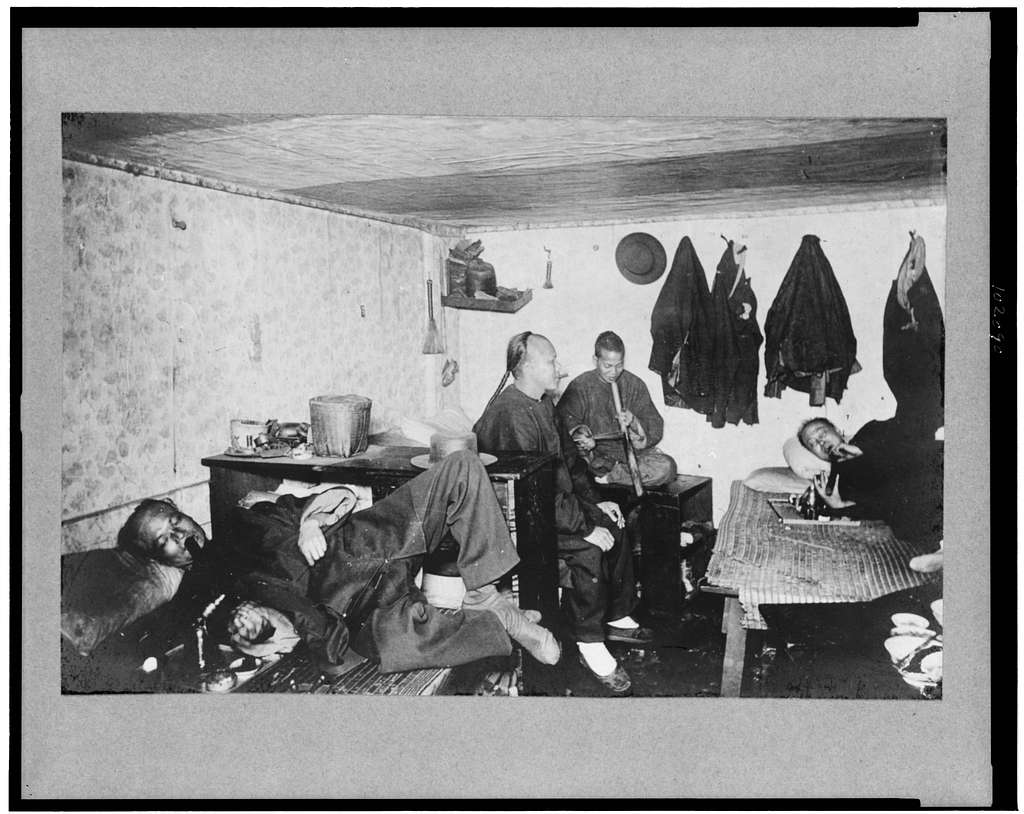
She began exploring the island and came upon the Walled City, a place of lawlessness and squalor, open sewers and rats, gangs, drug addicts, and prostitutes. Thirty-some thousand people on six acres.

No building codes enforced .

Years prior the area had been occupied by the Chinese imperial garrison. “It was omitted from the lease of 1898 in which China ceded Hong Kong to Britain. Neither government had taken responsibility for it” [1].  When the garrison disbanded the underclass moved in, unchecked by any police presence.

In spite of the filth and stench, Jackie felt happy there because in her mind’s eye she already saw the darkness lifting. She saw the kingdom of God.

No trash pick-up either.

To support herself, Jackie took a teaching position in a government school, but she also worked at a school in the Walled City, run by a missionary.

Jackie turned a few shabby rooms into a youth club where teenagers could play ping pong and darts. She began to build relationships with them, many of whom were already heroin or opium addicts.

Preaching about Jesus proved ineffective. But Jackie noticed people watching how she lived. So she focused on putting her faith in action.

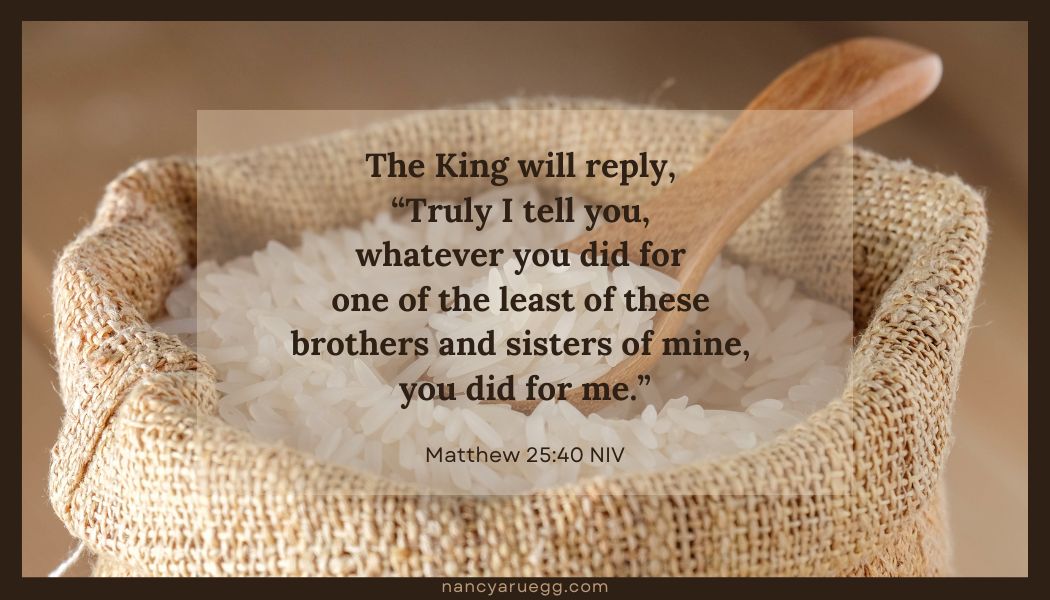
Jackie shared her rice with an old woman, took a gang member to the hospital after a fight, waited in line overnight to register a young girl for school, went to court with a gang member who said he’d been framed, and more [2].

Many expressed appreciation for her kindness and generosity but no lives were changed—at first.

One night thugs ransacked the youth club. Benches, skateboards, and the games equipment were destroyed, the walls and floor smeared with sewage. But a gang leader who respected Jackie assigned guards to protect the youth club from future damage.

Another leader asked Jackie to help his gang members quit drugs. Sober members made better dealers, he explained.

“I’ll only help them to follow Jesus, reject narcotics, and not participate in organized crime,” she told him.

And yet the leader continued to support Jackie and even released from the gang those boys who became Christians [3].

One day while walking through the Walled City, Jackie spotted Christopher, a boy from her youth group. She asked him to carry her accordion.

As they walked, they talked. Christopher confessed he couldn’t become a Christian because he wasn’t good enough. Jackie made clear that wasn’t a prerequisite, and the boy became a Jesus-follower that day [4].

Others soon made the choice to become Christians, including one of the youth-club guards. But some of these new believers lived in opium dens, making their transition to sober-living especially difficult. 

One by one they came to live in Jackie’s home, where they received compassionate care and faith-filled prayer while processing through withdrawal. For many their transition was neither painful or traumatic [5].

Of course, Jackie’s apartment quickly became crowded. But through gifts from other Christians and government resources she was able to rent more apartments. It wasn’t long before dozens of such living quarters became hundreds and each quickly filled to capacity.

More workers joined in the work, including former addicts. They established additional homes for teenagers, women, and girls.

In 1981 Jackie founded the St. Stephen’s Society, to provide accountability for the growing ministry.

In 1985, the Hong Kong Government gave the society a complex of buildings divided into apartments. Hundreds more displaced persons—the poor, the elderly, and the infirm—were given places to live.

In the 1990s, the government offered another property to the St. Stephen’s Society. Buildings were erected to house two hundred men as they completed the five-phase withdrawal program, from detoxification to re-entering society as productive citizens.

The St. Stephen Society continues to function to this day, “rescuing hundreds of young people from a life of misery on the streets” [6]—not only in Hong Kong but in other countries as well.

Jackie, now eighty years old, continues to serve.


[1] https://mycharisma.com/charisma-archive/one-woman-vs-the-dragon/

[2] https://www.ststephenssociety.com/about-us

[3] https://thechurch.org.au/celebrating-jackie-pullinger-of-hong-kong/

[4] https://www.cmf.org.uk/resources/publications/content/?context=article&id=26751

[5] https://thechurch.org.au/celebrating-jackie-pullinger-of-hong-kong/

[6] https://blogs.georgefox.edu/dlgp/jackie-pullinger-loving-the-unlovely/

Photo credits: http://www.flickr.com (2); http://www.picryl.com; http://www.flickr.com; http://www.picryl.com; http://www.pickpik.com; http://www.rawpixel.com.

Read Full Post »

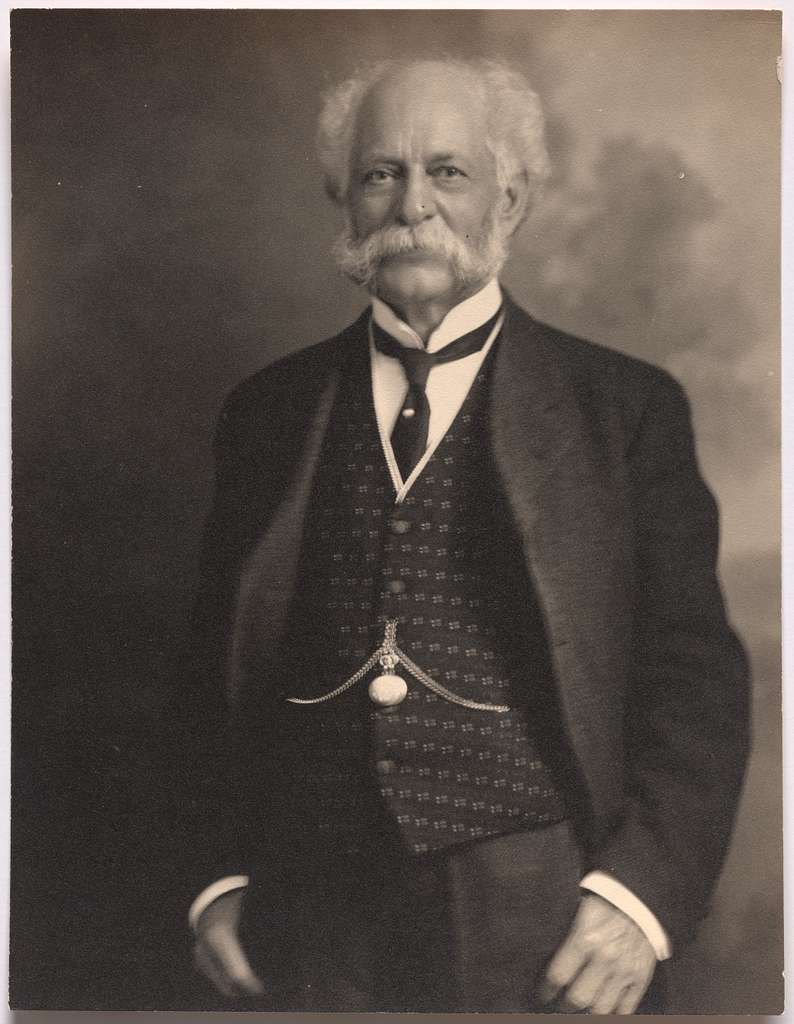
Twelve-year-old Henry bolted into the kitchen crying, “Look Ma!” and proudly held out his empty basket. An hour before it had been full of fresh produce, grown himself on the family farm in Sharpsburg, PA (near Pittsburgh).

Now his pocket was full—of change. Just as he’d hoped, townswomen had purchased every vegetable.

“Well done, Henry!” exclaimed his mother, ruffling his hair. “Your hard work paid off!”

It wasn’t long after that first sales excursion in 1856 that Henry required a wheelbarrow for his deliveries. By age fifteen, Henry was caring for three-plus acres of produce and required a wagon for transport. Not only did he sell to those nearby, but also to grocers in town.

The teenager became known for his quality produce, positive attitude, and honest business dealings, making his mother proud as he lived up to the Christian principles taught at home and church.

One day he approached his mother with a new possibility. “Could I use your recipe for horseradish and try to sell it along with my vegetables?”

She agreed the area’s German immigrants just might buy the popular sauce, saving them time and nuisance during the busy canning season.

Horseradish had to be grated, which often resulted in nicked knuckles. It also caused the eyes to sting and water—just like onions. As a result, many women of Sharpsburg were glad to forego the chore and buy Henry’s horseradish.

His entrepreneurial instincts led him to additional ways for growing his business. Henry chose white vinegar instead of brown and clear glass bottles instead of the traditional green, even though both were more expensive. The former resulted in a more appetizing product, the latter allowed his customers to see his top quality horseradish–with no fillers like some companies used.

Over the next few years Henry added pickles, sauerkraut, and vinegar to his product-line. He also expanded deliveries to Pittsburgh’s grocers, restaurants, and hotels.

Meanwhile Henry experimented with different seeds, taking careful notes to track results. He arranged for the design of attractive jars and labels to entice even more customers.

At age 24, Henry took on two partners and moved the company to Pittsburgh. They added fruit preserves, mustard, and catsup to the product-line, while expanding their market east and west via the new railroads.

Another important event that year: Henry married Sarah Young. They would have five children; one would die in infancy.

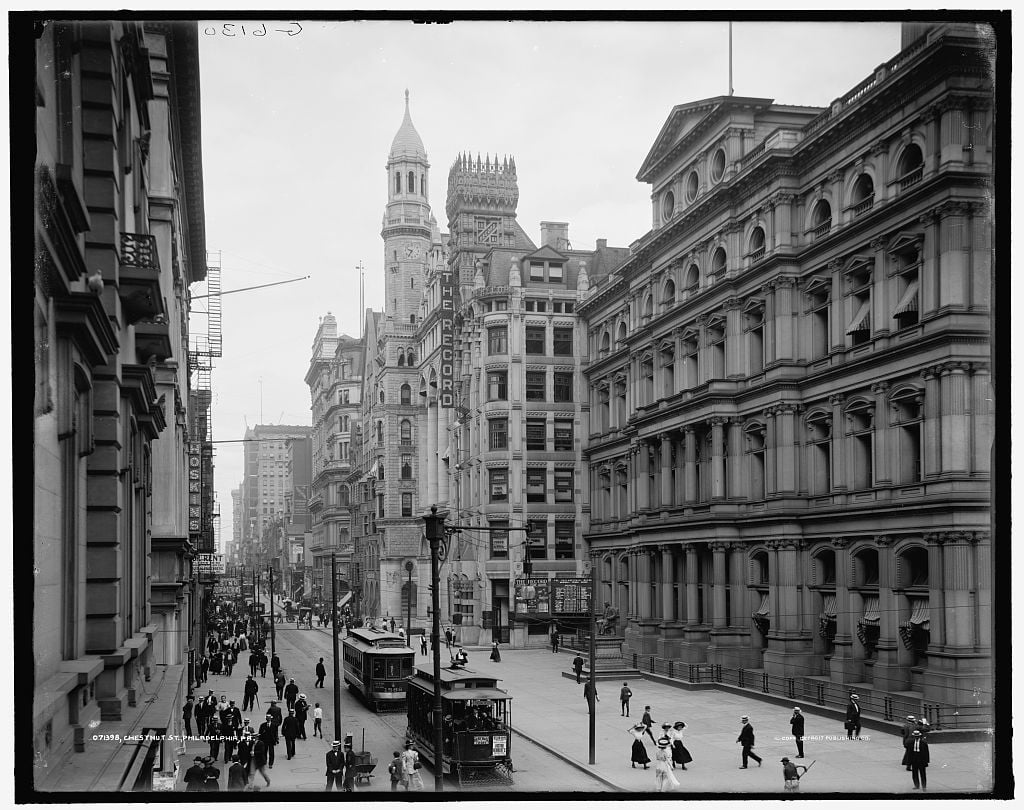
19th Century Pittsburgh

By 1872 the partners employed 150 people during harvesttime, producing 500 barrels of sauerkraut, 15,000 of pickles, and 50,000 of vinegar.

But when the economic Panic of 1873 occurred, Henry and his partners were forced to claim bankruptcy. Deep disappointment sunk him into depression.

Henry soon recovered, however, and determined to rebuild his company by doing what he’d always done—work hard and trust God [1].

With financing from two of his seven siblings and his mother, Henry set about reestablishing himself. Five years later he’d not only achieved success again, he’d repaid all his debts—even though that wasn’t required.

Henry continued adding new products, including apple butter, baked beans, and tomato soup. Always he sought new ways to market his wares, like free pickle pins with the company name, distributed at the Columbian Exposition in Chicago, 1893.

Columbian Exposition 1893

But out of reverence for God, he never allowed his newspaper advertisements to run on Sunday [2].

Henry applied Christian integrity to his treatment of employees, providing many more benefits than other factories including: free dental and health care onsite, lunchtime concerts and lectures, English lessons and assistance to obtain citizenship, and advancement of women to managerial positions.

Henry also “worked hard to encourage his employees to live the ‘righteous life’” [3].

During these years of company-development, Henry taught Sunday School and became a promoter of Sunday Schools not only in Pittsburgh but around the world.

He faithfully tithed his income his entire life beginning with 10%, but increasing over the years until Henry was giving away almost 100% of his income [4].

By 1896, Henry’s company produced over one hundred products. He put a new slogan on each bottle and jar: “57 Varieties,” thinking the number fifty-seven (based on Sarah’s and his favorite numbers) [5], was more memorable than one hundred.

Once again, Henry John Heinz had created a winning marketing strategy as “Heinz 57” became a familiar phrase all over the country.

Throughout his career, Henry kept experimenting to improve his products and production, provide eye-catching packaging, upgrade working conditions for his employees, and expand distribution and marketing.

Before his death in 1919, Heinz products were being produced and sold in Europe as well as all over America.

In his will, Heinz wrote:

“I desire to set forth at the very beginning of this will, as the most important item in it, a confession of my faith in Jesus Christ as my Savior.

John Henry Heinz


[1] (https://www.365christianmen.com/podcast/1146-henry-j-heinz-us-entrepreneur/

[2] https://positivelypittsburgh.com/heinz-legacy/#:~:text=Religious%20Roots&text=Heinz%20devoted%20time%20and%20energy,devoted%20that%20day%20to%20God

[3] https://profectusmag.com/american-original-hj-heinz/

[4] https://stories4homilies.blogspot.com/2016/12/tithing-colgate-kraft-and-heinz.html

[5] https://www.ai-bees.io/post/henry-john-heinz-founder-of-the-condiment-empire

[6] https://bibletruthpublishers.com/the-heinz-will/christian-treasury-volume-5/la155191

Other sources:

https://explorepahistory.com/hmarker.php?markerId=1-A-37

https://welcomechurch.co.uk/the-story-of-heinz-57-varieties

Photo credits: http://www.pickpik.com; http://www.picryl.com; http://www.flickr.com; http://www.rawpixel.com; jenikirbyhistory.getarchive.net; timelessmoon.getarchive.net; http://www.pickryl.com.

Read Full Post »

We’ve all had days when discouragement, inadequacy, hurt, or fear want to plague our spirits. And we find our own weak efforts do little to ease the distress.

BUT!

Praise God he provides the antidote for every malady of the soul.

What follows is a list of ways he accomplishes that healing and binding [1]. I pray these declarations may be just the antidote to strengthen your inner being:

When we worry; he reassures.

When we stress, he soothes.

“Would you drown your cares? Then go, plunge yourself in the Godhead’s deepest sea; be lost in His immensity; and you shall come forth as from a couch of rest, refreshed and invigorated.

“I know nothing which can so comfort the soul; so calm the swelling billows of sorrow and grief; so speak peace to the winds of trial, as a devout musing upon the subject of the Godhead.”

—Charles Spurgeon

When we stagger; he steadies.

When we struggle; he strengthens.

“With the goodness of God to desire our highest welfare, the wisdom of God to plan it, and the power of God to achieve it, what do we lack?” — A. W. Tozer [2]   

When we falter; he lifts up.

When we fail; he forgives.

“With [God], each day—each moment—is a clean slate” — Aliza Latta [3].  

When we forget; he reminds.

When we doubt; he affirms.

Dismantle doubts with declarations of truth from God’s Word, truths that remind us: his character is flawless, his actions are righteous, his power is unlimited, his love is unfailing, his faithfulness unending [4].

When we regret; he forgets.

When we hunger; he fills.

When we’re bent; he repairs.

“God is mercifully shaping our lives into what is useful and beautiful” — Eugene Peterson [5].

When we desire wrongly; he directs rightly.

When we’re uncertain; he guides.

“Happy are those who place their hands in that of the Great Guide. He will bring them all the way and when he has brought them home to glory and has opened their eyes to see the way by which he has led them, what a song of gratitude will they sing unto God! Lord, lead your poor blind child this day, for I know not my way” — Charles Spurgeon [6].

When we’re discouraged; he inspires

He would have us know: “Nothing under My control can ever be out of control. Everything you need I know about in every detail. Remember, I am able to supply, to guide, to start, to stop, to sustain, to change, to correct in My time and for My purposes” [7] .

Again and again he provides the antidote for every need of our souls.

Our part is simply to receive.


[1]  “Binding” in Psalm 147:3 intimates holding together while an injury heals. God often allows time in combination with his antidotes to accomplish healing, fostering inner strength and perseverance in the process (James 1:2-4).

[2] Knowledge of the Holy, 70.

[3] www.incourage.com, 1-19-19

[4] Exodus 32:4; Psalm 145:17; Job 36:22-23; Psalm 117:1-2; 100:5

[5] Run with the Horses, 79.

[6] Faith’s Checkbook, March 23.

[7] Based on statements made by Chuck Swindoll in Intimacy with the Almighty, 73.

Photo credits: http://www.negativespace.com; http://www.dailyverses.net; http://www.heartlight.org; http://www.dailyverses.net; http://www.pexels.com; http://www.canva.com.

Read Full Post »

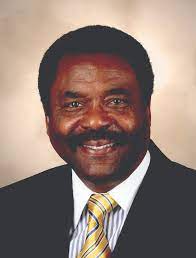
David Steward leaned against the family cow as he milked her, his hands automatically squeezing left, right, left, right. This was his final chore of the day; he’d already cleaned out the barn and fed the pigs and cow.

The twelve-year-old tried not to think about morning chores awaiting him in just twelve hours: emptying the chamber pots, milking the cow again, then collecting the ashes from the potbelly stove and spreading them on the driveway to create traction.

His only consolation was, his seven siblings had their chores too.

David trudged back to the house. He could smell collard greens frying in bacon grease, the pork and beans simmering in the Dutch oven, and cornbread browning in the skillet.

It wasn’t a fancy supper-spread, but all ten of them got enough to eat, thanks to Daddy’s hard work and the whole family pitching in on the farm.

Daddy should have made enough money to support them. He’d been trained as a master mechanic while living in Chicago in the 1930s and ‘40s. But now it was 1963 and the family resided in Mama’s hometown of Clinton, Missouri—a segregated town—and the Stewards were Black. Many businesses didn’t hire people of color.

So Daddy took whatever work he could find as a personal mechanic, nightwatchman, and part-time policeman. He managed a janitorial service, transported coal or trash, even tended bar at parties.

Daddy and Mama could have been bitter; but David and his siblings saw them demonstrate Christian love and kindness, grace and forgiveness, strength and resolve.

Times were changing however; segregation was finally outlawed in 1964. David was among the first Blacks allowed to swim in the community pool.

The next year David started high school and made the basketball team. Four years later he was playing for Central Missouri State University, and after proving himself, earned a sport scholarship. In 1973 he graduated with a degree in business administration.

Over the next eight years, David worked for several companies, including the Missouri Pacific Railroad and Federal Express. In each position David learned skills related to manufacturing, marketing, accounting, sales, and more.

While senior account executive at Federal Express he earned the Salesman of the Year Award and received a trophy—a silver ice bucket engraved with his initials. David looked inside and was struck by its emptiness. Is this all I want out of life? he thought.

The answer was no. He’d long dreamed of owning his own company and managing it with biblical principles.  He and his wife Thelma had faith that now was the time—even with their family of four to support.

In 1984, David launched Transportation Business Specialists, putting to use the lessons he’d learned at Missouri Pacific Railroad. His new company audited bills and overcharges for the rail industry.

Another company was launched in 1987, Transport Administrative Service, and finally, in 1990, World Wide Technology, Inc., to help companies use technology for solving business-related problems.

Success did not come quickly. And though David always made sure his employees received their paychecks, sometimes his family went without.

But he didn’t give up. David wrote: “What we were doing for our employees and customers was meaningful. I had faith that our company was capable of providing exceptional value” [1].

A unique opportunity presented itself in 1995. U.S. troops in Bosnia needed specialized computer software, so David’s company developed a program customized to their needs. They provided the hardware also.

That success led to the development of more applications for additional functions, useful to other government entities. A company that began with a $2000 investment and a handful of employees is now a Fortune 500 company (#71), bringing in twenty billion dollars in annual revenue and employing 10,000 people [2].

In the early 2000s, the Stewards’ pastor asked them to lead a Bible study about doing business God’s way. That led to a book, Doing Business by the Good Book: Timeless Principles for Making an Eternal Impact (2004).

The overall theme: strong leadership is love, expressed by serving others—employees and their families, customers and associates, as well as your own family.

David considers his company his ministry as he applies biblical principles in the workplace.

Eighty-six percent of his employees say World Wide Technology is a great place to work [3].

David also sees himself as an ambassador for Christ in the business world. He keeps one scripture-based goal in mind.

Every day David asks the question:

“Am I living my life worthy of the sacrifice that was made on my behalf”[4]?

That’s a profitable question for each of us. May we all—no matter our place in life—answer with a joy-filled YES!

David L. Steward (1951 – )


[1] Doing Business by the Good Book, 2004, quoted by https://www.referenceforbusiness.com/biography/ S-Z/Steward-David-L-1951.html

[2] https://www.wwt.com/corporate/why-wwt/overview

[3] https://www.greatplacetowork.com/certified-company/1100933

[4] https://www.youtube.com/watch?v=OCtItBwZEEU (Steward, 3:36-3:46)

Other sources:

1. https://www2.cbn.com/article/not-selected/david-steward-building-business  

2. https://horatioalger.org/members/detail/david-l-steward/

3. https://www.referenceforbusiness.com/biography/S-Z/Steward-David-L-1951.html#google_vignette

4. https://coinnounce.com/the-success-story-of-david-steward-second-richest-black-man-in-the-us/

Photo credits: http://www.rawpixel.com; http://www.picryl.com; http://www.pexels.com; http://www.daiyverses.net; http://www.en.wikipedia.org; http://www.amazon.com; http://www.heartlight.org; http://www.flickr.com.

Read Full Post »

Ken looked up from his Bible into the faces of his children, gathered for their family devotions [1]. He’d been reading to them from a puzzling passage, and the circle of glassy eyes betrayed their lack of understanding.

Ken knew the problem; he’d dealt with it himself growing up in the 1920s. The King James Version of 1611, used by most Protestant churches at the time, was difficult for modern generations to comprehend—much less Ken’s children growing up in the 1940s and ‘50s.

He stopped reading and explained the meaning of the confusing verse.

“But Daddy,” said one of his daughters, “if that’s what it means, why doesn’t it say so” [2]?

Why not, indeed, thought Ken. That’s when he decided to rewrite certain Bible stories for his ten children.

Ken’s background provided a strong foundation for such a project. He’d grown up in the home of a pastor father and godly mother, and earned an advanced theology degree.

That training served him well, first as editor for HIS magazine, then at Good News Publishers, and finally as director of Moody Press in Chicago.

Ken’s children loved his stories, and when he shared them with colleagues at Moody, they urged him to publish. (He’d already published two children’s books.) The first collection of scripture-stories, The Bible in Pictures for Little Eyes (1956), was followed by several more.

Then came a new God-inspired epiphany. What if he rewrote scripture thought-for-thought instead of word-for-word, but still based on the original Hebrew or Greek? Could he make scripture—even the non-story parts—more understandable for his children?

Ken flipped open his Bible, and his eyes landed on 2 Timothy 2:4.

“No man that warreth entangleth himself with the affairs of this life; that he may please him who hath chosen him to be a soldier” (KJV).

After careful thought, Ken wrote: “As Christ’s soldier do not let yourself become tied up in worldly affairs, for then you cannot satisfy the one who has enlisted you in his army [3].”

That night he shared his rewrite with the family. They approved.

Thus began a multi-year commitment of evenings, weekends, and vacations, revising scripture for his family. Ken even worked during the 45-minute commute by train from his home (in Wheaton, Illinois) to Chicago.

Each evening he’d share the results of his efforts with the family.

A few years later another possibility occurred to Ken. Other families might also appreciate a scripture revision in modern-day English. By this time (1962), he’d completed the twenty-one epistles (letters) of the New Testament. He called the book Living Letters.

However, publisher after publisher rejected the manuscript. They doubted people would be interested in a modern version of the epistles so far removed from the familiar King James.

Ken and his wife Margaret decided to finance from their savings a printing of 2000 copies. He then rented half a booth at a Christian book convention and sold 800 copies.

The family helped process the orders at the dining room table. Boxes of books were stored under their beds.

Several months passed before the first orders arrived at their home. Ken dipped into their savings again and printed 5,000 copies. A few months later, 10,000 more.

In 1963 the Billy Graham Association contacted Ken. They wanted to offer Living Letters to anyone who requested a copy. They distributed six hundred thousand copies world-wide.

Considerable proceeds began to accumulate, but Ken and Margaret weren’t interested in upgrading their modest lifestyle. They set up a foundation in order to fund Christian mission projects worldwide [4].

Another prompting from God led Ken to leave Moody Press so he could write full-time and revise more books of the Bible into modern day language.

From 1964 to 1970 Ken added such volumes as The Living Prophecies (1964) and The Living Gospels (1966).  Each one included a different portion of the Bible.

By 1965, the dining room no longer sufficed for conducting the business of their company, Tyndale House Publishing [5]. Ken moved the operation to offices nearby. Another move became necessary in 1967 when even more space was required.

By 1972 Ken had completed the revision of the entire scriptures. The Living Bible was released, selling eight million copies by the end of that year.

In 1973, The Living Bible became the best-selling book in America, and Tyndale House Publishing soon became the well-known and highly-respected company it is today.

By the late 1980s Ken had been semi-retired for several years and his son Mark served as CEO. Tyndale House brought together ninety Bible scholars to work on The New Living Translation, which would be “faithful to the ancient texts and eminently readable” [6]. That volume was released in 1996 and has sold more than 50 million copies.

To this day Tyndale House carries on the passion and Living legacy of Kenneth N. Taylor (1917-2005), ministering to “the spiritual needs of people, primarily through literature consistent with biblical principles” [7].


[1] A time of Bible reading and prayer

[2] https://todayschristianliving.org/ken-taylor-making-scripture-clear/

[3] Ibid.

[4] Ibid.

[5] William Tyndale translated the Bible into English, and was burned at the stake in 1536 for doing so.

[6] https://www.tyndale.com/about-the-nlt

[7] https://www.tyndale.com/kenneth-n-taylor

Other sources:

https://www.zianet.com/maxey/ver4.htm

https://www.referenceforbusiness.com/history2/6/Tyndale-House-Publishers-Inc.html

Read Full Post »

Christian trudged to the church he pastored as rain drummed on his umbrella. His pant cuffs grew increasingly damp from his splashing boots.

Is this really worth the effort, he wondered. Only a handful of people attended the Monday night prayer meetings, which he’d established several years prior at Church of St. Nicholas.

And yet the faithful few who came demonstrated such hope, Christian always felt uplifted by the end of each gathering.

Encouragement of any kind was in short supply. Times were difficult; everyone was suffering except the government elite and their cronies.

In the third year of the weekly prayer sessions, Christian felt compelled to invite fifty people to his church to discuss the oppressive circumstances of their country. More than six hundred came, and subsequently, attendance at the Monday prayer meetings also grew.

Such a large crowd didn’t slip by the attention of authorities. They discouraged religious gatherings, but assumed that prayer meetings were harmless.

Attendees began bringing family and friends. Over the next few years the church started to fill to overflowing. Eventually eight thousand people gathered every Monday night, praying for peace in their land and throughout the world.

Other churches around the country organized their own prayer meetings. Some attendees would walk the streets afterward, carrying candles and praying or singing as they went.

The authorities finally ran out of patience with the demonstrations. They barricaded the streets around the Church of St. Nicholas to discourage attendees. Instead, the congregation grew.

The next step included peaceful protests. Thousands of people participated. And even though hundreds of demonstrators were beaten and arrested, they weren’t deterred.

Numerous threats were made; some lost their jobs. One woman reported that government officials took custody of her children for a while, due to her participation in what they called an extremist group.  

Worse yet, the protesters were threatened with death. And though many admitted to fearing for their lives, they did not back down.

“Our fear was not as big as our faith,” Christian explained later [1].

One night, after an hour-long service at St. Nicholas Church, Christian led the people outside to join a crowd of approximately 70,000, all gathering from various churches. Each one carried a candle and marched through the city chanting “we are the people” and “no violence” [2].

All along the way, long rows of armed police watched their every move.  More soldiers manned tanks, waiting for the order to disperse the crowd with murderous force.

But the order never came. Afterward it was revealed that government officials persuaded their leader to leave the protesters alone.

One of the demonstrators gave a soldier a lighted candle. He put down his weapon and accepted it. Others followed suit. “Soon all the soldiers had lowered their weapons and joined with the protestors” [3].

In the following weeks, the prayerful, candle-carrying crowd grew to 120,000, then 300,000, and finally 700,000.

A crowd such as this must have gathered.

The country’s leader resigned, knowing that without the army to back him, he had become powerless. Soon the whole regime resigned, unable to fight against the power of prayer and Light.

One month after the tide-changing protest, a government spokesperson mistakenly announced in a public broadcast that a monumental change was about to take place. Citizens would be allowed to travel freely, effective immediately [4].

News spread rapidly, reported across the world. Thousands of people soon gathered at the symbol of their thirty-year oppression, a barrier that had divided them into east and west: the Berlin Wall.

Harald Jager, commanding officer of the border guards that night, called his superiors to find out how to deal with the gathering crowd. He received no orders.

“People could have been injured or killed . . . if there had been panic among the thousands gathered at the border crossing,” he declared afterward. “That’s why I gave the order: Open the barrier” [5].

And so, on November 9,1989, thousands flowed through, celebrating and crying. Others climbed over the barrier, chipping away at the wall with hammers and pickaxes. Bulldozers and cranes soon made quick work of dismantling the entire structure [6].

Thirty-four years ago today, that menacing wall became rubble, and a tyrannical regime miraculously toppled with it.

And it all began with Pastor Christian Furher and a handful of praying saints.

Christian Furher (1943-2014)


[1] https://contemporarychurchhistory.org/2014/09/reflection-on-pastor-christian-fuhrer-of-the-nikolai-church-in-leipzig/

[2] https://embracingbrokenness.org/2020/10/prayer-and-the-berlin-wall-by-charles-buttigieg/

[3] http://storage.cloversites.com/worldhistoryinstitute/documents/WHI_03Mar014_Journal_4.pdf

[4] https://www.foxnews.com/lifestyle/this-day-history-nov-9-1989-berlin-wall-falls-cold-war-victory-us-allies

[5] https://www.bbc.com/news/world-europe-50013048

[6] https://www.history.com/topics/cold-war/berlin-wall

Additional Source: http://www.godgossip.org/article/did-a-prayer-meeting-really-bring-down-the-berlin-wall

Photo credits: http://www.commons.wikimedia.org; http://www.pxhere.com; http://www.rawpixel.net; http://www.picryl.com; http://www.commons.wikimedia.org; http://www.pexels.com; http://www.nara.getarchive.net; http://www.picryl.com; http://www.commons.wikimedia.org.

Read Full Post »

Ida Scudder, a senior at Northfield Seminary in Massachusetts, envisioned a future for herself in a small American town that included a charming home with a loving husband, fun times with good friends, adventure, and eventually several children.

Such a dream was the antithesis of her upbringing in Vallore, India—with its crowds, poverty, famine, and disease. Having lived in the States now for several years, Ida had no desire to return.

Her parents served as medical missionaries in Vallore, and her paternal grandparents before them. Ida wanted no part of that kind of life.

But when Mrs. Scudder became seriously ill in 1894, Ida felt compelled to return home to care for her mother and help run the clinic. Following graduation that year, she set sail, praying she’d arrive before the unthinkable occurred. Ida’s prayers were answered [1].

One evening during her visit, a Hindu man knocked at the door, desperate for Ida to come help his wife.

“She’s been struggling for hours to deliver our baby,” he cried. “Now she is growing weak. I’m afraid for her!”

“Let me get my father,” Ida suggested. “He’s the doctor.”

“Oh no,” the man replied. “It is against our beliefs for another man to see my wife. You must attend to her.”

Ida explained she could not help; she knew nothing about childbirth. And the grief-stricken man turned away.

Later that same night a Moslem came to the door with the same request. He too refused help for the same reason. And not long after, the scenario repeated itself a third time with another Hindu.

When Ida finally went to bed, no visions of idyllic living in America filled her mind. Instead she prayed, and a new dream began to form. God meant for her to become a doctor and help the suffering women of India. Even more startling: Ida found herself eager to follow his plan.   

In the morning, she learned that all three mothers and their infants had died. It broke her heart and solidified her resolve.

When Ida returned to the States, she was one of the first women to attend Cornell Medical College. And no sooner had she graduated in 1899, than Ida was on her way back to India, bolstered by a $10,000 grant from a Manhattan banker, in honor of his wife, Mary Taber Schell.

At first Ida treated women in a small medical office set up in her parents’ home. But patients often waited too long to see her, so she decided to go to them.

An ox-pulled cart full of medical supplies became her clinic. And as she tended the sick and injured, Ida spoke of Jesus and asked patients if they’d like to know more about the Great Physician.

In 1902, Ida was able to open the Mary Taber Schell Hospital in Vellore. But with only forty beds, the medical needs in the region far exceeded what Ida could provide.

She set about establishing a school for young women to train as nurses. Critics warned no one would come since the education of girls wasn’t part of Indian culture. But come they did—151 students that first year—and they performed well.

Funding from various denominations in the U.S. and Britain allowed for expansion of the hospital. By 1906, 40,000 patients were being treated annually.

Ida’s next venture, in 1918, was to establish a medical school to train women doctors. Naysayers claimed women would not be able to pass the final exams, but all fourteen of the first class succeeded.

More qualified staff meant more space needed for them to work. A second hospital was built in Vallore in 1923.

Expansion continued in 1928 with an endeavor even Ida could not have envisioned:  the construction of the Vellore Christian Medical College and Hospital, spread over 200 acres. Gandhi himself came to see Ida and the monumental project underway.

Ida seated on left.

Also during this time, Ida traveled back and forth to America to raise funds. Her passion for the work inspired people to give, and she raised millions of dollars.

Back in India, Ida spent less time with patients and more time preparing for the opening of the new college, “negotiating between various missionary agencies, and dealing with a turbulent Indian political scene as fierce demands for independence were growing”[2].

Today the Vallore Medical College and Hospital treat over 8,000 patients a day and are well known for excellence in the fields of research, patient care, and disease prevention. Chaplains pray with the patients, and Bible classes are offered in nine different languages [3].

The main building of Vallore Medical College and Hospital

Dr. Scudder and students

Ida Scudder (1870-1960) was once asked how she was able to accomplish so much. Her answer explains how to fulfill God’s individualized plan for each of us:

“I took only one step at a time; the step God showed me” [4].


[1] Mrs. Sophia Scudder passed to heaven in 1925.

[2] https://canonjjohn.com/2022/11/12/heroes-of-the-faith-ida-scudder/

[3]  https://scudder.org/family-history/ ; https://www.christianity.com/church/church-history/church-history-for-kids/ida-scudder-reluctant-missionary-11635053.html  

[4] https://www.youtube.com/watch?v=tJIHIJpmVTs

Other Sources:

  1. https://scudder.org/about/history/india-medical-missions/ida-scudder-story/

3. “A Life of Consecrated Purpose: The Ministry of Dr. Ida Scudder” by Dr. Rebekah Naylor at http://www.imb.org.

Photo credits: All photos of Dr. Ida Scudder courtesy of The Scudder Association Foundation at http://www.scudder.org. The Indian city street scene, http://www.picryl.com.

Read Full Post »

Want to know three actions guaranteed to bring delight?

These actions are recommended by the One who designed us, God himself, because of the blessings he’s built into them. He would have us:  always rejoicing, always praying, and always giving thanks [1].

You might say, “I’ve experienced the delight of rejoicing in God’s goodness, and gratitude to him does uplift my spirit, but prayer? That seems more discipline than delight. Besides, how can we pray continually and keep up with the responsibilities of life?”

We’ll address the delights of prayer near the end of this post. As for praying always, we can relax. That’s not what God desires.

Continual prayer is more about an abiding attitude rather than an all-consuming pursuit–an attitude that includes:

  • Faith, believing God exists and rewards those who seek him.
  • Humility, as we acknowledge our dependence upon him for everything.
  • Honesty, knowing that God is near to those who call to him with integrity.
  • Expectancy, because he can do all things and is generous with his gifts [2].

Continual prayer is also about an abiding awareness of God’s presence and communicating with him throughout the day. For example, we can offer sentence prayers such as these:

  • Thank you, Lord, for your strength; you will see me through today’s tight schedule.
  • Grant your wisdom for this decision, Father.
  • That woman over there reminds me of Tiffany. Bless Tiff, I pray; fill her with your joy and peace in spite of the challenges she currently faces.
  • Thank you for quieting my nerves during the presentation this afternoon.
  • What beautiful clouds you made today, Lord! I marvel at your artistry.
  • Oh God, forgive me for getting so upset with that rude driver. Calm the anger within me.
  • Such disturbing news heard just now. I pray against the forces of evil that cause such suffering. I pray that your right hand, majestic in power, will shatter the enemy at work in this situation [3]!

We’d do well to remember:

Edge your days with prayer;

they are less likely to unravel.

Unknown

Third, continual prayer is about persistence. When prayers go unanswered, Hannah of the Bible provides an example for us. “She pressed in ever closer, filling the space of her wait with prayer” [4].

I love that: “filling the space of her wait with prayer.” We too can experience delightful, calming confidence in God while persisting in prayer through the wait.

The great preacher, Charles Spurgeon (1834-1892), had this to say about continual prayer:

To pray continually takes effort; it’s easy to let distractions interfere. That in turn leads to such adverse effects as frustration, irritation, a lack of peace, confusion, a short temper, weariness, and discouragement [5].

Oh, but what delights result when we maintain an attitude of prayer —in addition to our prayers answered! What follows is just a short list.

Communicating with God:

  • Helps us focus less on trivial matters and more on glorious realities [6]
  • Fosters peace [7]
  • Increases our trust in God, our reliance upon him [8] 
  • Allows us to participate in what God is doing around the world [9]
  • Helps us build a life-enhancing relationship with God [10]

Unceasing prayer can grow to be something we do

not because of discipline but because of friendship.

Desire. It’s where we’re headed,

if we’ll let Him take us there.

Sara Hagerty, Unseen, 227

Oh, yes Lord, that’s my desire, to experience the constant delight of communion with you, through continual prayer. Keep me mindful to pray my way through every day.


[1] 1 Thessalonians 5:16-18

[2] Hebrews 11:6; John 15:5; Psalm 145:18 HCSB; Matthew 19:26; Psalm 84:11

[3] Lamentations 3:22-23; Isaiah 41:10; James 1:5; Psalm 94:19; Job 5:9; Exodus 15:6

[4] 1 Samuel 1:1-20; Lysa Terkeurst, Embraced, 174.

[5] Ray Pritchard, https://www.preceptaustin.org/1_thessalonians_516_commentary .

[6] Sarah Young, Jesus Calling, 135.

[7] Philippians 4:6-7

[8] Jeremiah 17:7-8

[9] Matthew 6:9-10; Philippians 1:19 offers an example.

[10] Luke 11:9

Photo credits: http://www.dailyverses.net; http://www.heartlight.org; http://www.commons.wikimedia.org (2); http://www.heartlight.org.

Read Full Post »

“Forgive me, Mr. Ruskin, but I cannot give myself to painting the way you desire and continue to keep God at the center of my life.” Lilias Trotter looked imploringly into her tutor’s eyes.

After three years of instruction from John Ruskin, the well-known artist, author, and art critic, twenty-five-year-old Lilias had prayerfully made the difficult choice. She would forego the opportunity to become “the greatest living painter in England” (as Ruskin predicted she would be) [1], and devote more time to her mission work.

(Self-portrait of John Ruskin)

“Ah, my dear Lilias, he sighed. “I was afraid our efforts would come to this. Goodness knows how many times I’ve complained that you needed to spend more time with your brushes and less time with the women of ill-repute around Victoria Station. However, I do admire your dedication, and regretfully wish you well.”

From this crossroads, a new path began to open before Lilias Trotter.

For a while she continued her work with women at the lowest rung of society, bringing them to the newly-established YWCA for training in various employable skills and introducing them to Jesus.

But in 1887 Lilias found her heart drawn to Algeria, after hearing a plea for more missionaries to the region. She applied to the North African Mission board but was denied because of her frail health.

(Algiers, Algeria circa 1880)

Undeterred, Lilias and two friends chose to go on their own. A generous endowment from her wealthy father (upon his death in 1865) provided the financial support necessary.

The three women settled in the French Quarter of Algiers and immediately began learning the Arabic language and Muslim culture. Because of the male-dominated society, they chose to engage women and children.

(watercolor sketches from Lilias’ journals)

Lilias put her artistic abilities to work creating leaflets. The charming illustrations drew attention to the spiritual truths she wrote. Her inspiration came from the hours she spent in Bible study, meditation, and prayer.

But inroads into Algerian society didn’t come easily. Nearly everyone was suspicious of them. They were women after all, European and Christian. Opposition came from the French authorities as well as Muslim leaders. Lilias wrote in one of her journals that she and her friends felt like they were knocking their heads against stone walls [2].

In addition, the Muslim women were difficult to reach since they were seldom allowed in public. But after several years one woman accepted Jesus into her life. Sometime later another woman and then another expressed their faith, until they could count their little band of believers on two hands.

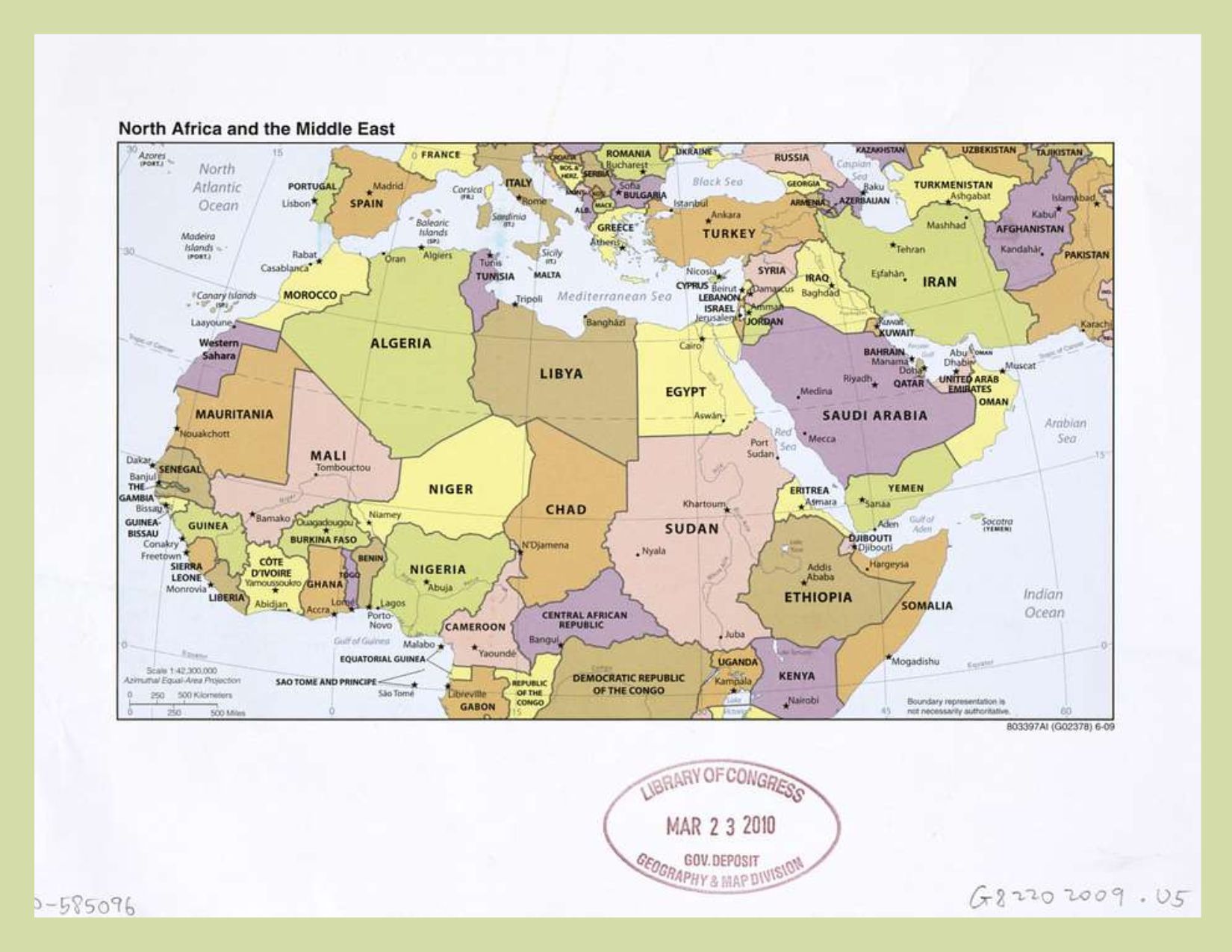
Lilias also traveled into Morocco on the west and Tunisia on the west, into the far regions of the Sahara Desert where no European woman had been before. There too she sought out the isolated Arab women as well as the Sufi mystics who resided in the desert.

Lilias shared her pamphlets and booklets that included depictions of Arab life, always praying that her writings and drawings would help these Muslims understand who Jesus is and why he came.

Of course, persecution came to those who chose Jesus. Two of the new Arab Christians were slowly poisoned to death, others were drugged, and still more were punished in additional ways.

After twenty years of struggle, the missionaries still had little to show for their effort. And yet Lilias wrote:

I am full of hope that when God delays in fulfilling our little thoughts, it is to leave Himself room to work out His great ones. And, more and more as time goes on, I feel that the longer He waits the more we can expect, . . . and the greater will be the band of those who will come forth free from their prison walls. When one gets hold of that vision, one can throw back in the devil’s face his taunts over the seemingly wasted years that lie behind us.

Lilias Trotter

Perhaps even more productive than her conversations with people was the impact of her writings. Lilias’ appealing parables, “creatively illustrated in Eastern style” were widely circulated [3].

She felt confident that the Arabs would more seriously consider written material in the privacy of their homes, than in public conversation where opposition was likely. With her knowledge of the culture, language, and arguments of challengers, she was perfectly-suited for the task of producing these materials.

Lilias returned to Europe a number of times because of her health, each time in dire need of rest as well as relief from Africa’s oppressive heat. But Lilias often used these trips to garner interest and support for the organization she founded: the Algerian Mission Band.

A number of people responded, joining Lilias in her work. However she never asked for financial backing. “God’s wealth is boundless,” she said [4].

For forty years Lilias Trotter lived out her passion for the Algerian people. Before her death in 1928, she’d established twelve mission stations. And instead of three workers, a team of thirty had joined them, bringing the joy-filled, abundant life of Christ to the Muslims of Algeria [5].


Notes:

[1] https://ililiastrotter.wordpress.com/about/

[2] https://ishshahsstory.com/2016/08/10/celebrating-lilias-trotter-of-algeria/

[3] https://www.imb.org/2019/06/12/missionaries-you-should-know-lilias-trotter/

[4] https://thiseternalmoment.com/the-life-and-legacy-of-lilias-trotter/

[5] https://pioneers.org/2021/03/15/the-legacy-of-lilias-trotter

Other sources:

https://www.christiantoday.com/article/lilias.trotter.talented.artist.dedicated.missionary/139139.htm

https://liliastrotter.com/about/

Photos of Lilias Trotter and her paintings as well as John Ruskin’s self-portrait, courtesy of Lilias Trotter Legacy at http://www.liliastrotter.com and their Facebook page. Street scene of Algiers: http://www.commons.wikimedia.org.

Read Full Post »

“Living well [the Christian life] is both a discipline and an art,” wrote Sarah Young [1] .

The discipline-part was easy enough to affirm. From experience I know: spiritual practices do enhance the joy of relationship with my Heavenly Father—behaviors like Bible study, prayer, worship, giving, and more.

But what might the art of Christian living look like? For me that was more difficult to qualify.

I turned my thoughts to artists themselves. What actions impel them toward creating art that produces beauty and meaning, and pleases the eye?

(One of our son’s recent paintings)

That question spawned another. What might I learn about producing beauty and meaning in my life that pleases God and my soul?

The following truths presented themselves:

Artists are observant, paying attention to detail. They’re constantly learning; delighting in discovery.

Imagine studying a blade of grass. Take note of the rich green color and subtle striping, its graceful curve downward and sharp, pale-yellow point. Add crystal dew drops and the sight is indeed beautiful and pleasing.

“The moment one gives close attention to anything, even a blade of grass, it becomes a mysterious, awesome, indescribably magnificent world in itself”.

Henry Miller

But how often do we barrel through our days with no attentiveness, no reflection, no listening to God’s voice? In the middle of the bustling, niggling, babbling pother we miss God’s presence and other glorious gifts [2].

Lesson #1: The art of living well includes attentiveness to God’s beauty—in creation, in people, in words and deeds, in everything.

Artists spend time with inspiring people, including other artists.

And who is more inspiring than God?! He invites us to concentrate on staying close to him, the divine Artist [3].

Just think: God wants to spend quality time with us. He looks forward to our time together and misses us when we don’t show up. Quiet time isn’t meant to be a ritual; it’s meant to be a relationship [4].

Lesson #2: The art of living well includes the great privilege and pleasure of keeping company with God.

Artists are deep thinkers and curious about truth.

While the subject matter of the masterpiece, The Girl with a Pearl Earring is obvious enough for a child to understand, it will not yield its astonishing riches except to those who study the painting and reflect on Vermeer’s attention to light, shade, balance, color, and even the brush strokes. (Only two strokes created the pearl.)

The same is true for those of us who seek truth from God’s Word. Its basic message is clear enough for a child to understand [5]. But it will not yield its astonishing riches unless we study and reflect on its teachings (Proverbs 4:20-22).

Lesson #3: Open the treasury of the Bible and delight in its magnificent contents. 

Artists are persistent and patient.

It took Georges Seurat two years to paint A Sunday on Le Grande Jatte—with tiny dots.

Leonardo da Vinci spent about four years to get the Mona Lisa just right.

Michelangelo lay on his back the better part of five years to create the 343 figures on the ceiling of the Sistine Chapel.

Consider: “Even God does not make a glorious sunset in a moment. For several days He gathers the mist with which to build His beautiful palaces in the western sky”[6].

Lesson #4: Take joy in process and progress; stay the course and proceed steadily in the way God reveals (Psalm 119:1 MSG).

Artist, Robert Henri (1865-1929) observed:

“The object isn’t to make art, it’s to be in that wonderful state which makes art inevitable.”

Robert Henri

Such an applicable statement to the art of living well as a Christian! Our object isn’t to perform for God as much as it is to know him, love him, and desire to honor him–which makes a beautiful, God-honoring life inevitable.    


[1] Sarah Young, Jesus Calling, 193.

[2] Leslie William, Night Wrestling, quoted in Refresh My Heart, compiled by Terri Gibbs, 124.

[3] Ibid.

[4] Joanna Weaver, Having a Mary Heart in a Martha World, 73.

[5] Jesus took the punishment we deserved for our wrongful behavior. When we confess our sins, believe in Jesus as our Savior, and accept him into our lives as Lord, he bestows many blessings now, and eternal life in heaven with him to come. Millions of children have responded with simple faith to these wonderful truths. I was one of them.

[6] L. B. Cowman, Streams in the Desert, p. 206.

Art & photo credits: J. Eric Ruegg; http://www.wikimedia.commons.org; http://www.publicdomainpictures.net; http://www.hippopx.com; http://www.wikimedia.commons.org (2); http://www.canva.com.

Read Full Post »

« Newer Posts - Older Posts »

Still Traveling

Impressions Becoming Expressions

Living Our Days

Gaining a heart of wisdom

He Said What?!

I'm Patty, and my husband and I are living with our adult son who has autism and epilepsy. I love sharing lessons learned from life around me, especially life with Aaron.

Meditations of my Heart

Impressions Becoming Expressions

Linda Stoll

Impressions Becoming Expressions

Debby Thompson

Impressions Becoming Expressions

Signora Sheila

Notes on Life, Faith & Italy

Colleen Scheid

Writing, Acting, Living in God's Love

Mitch Teemley

The Power of Story

Heidi Viars

Finding the Image of God