Feeds:
Posts
Comments

Archive for the ‘Perseverance’ Category

Christian trudged to the church he pastored as rain drummed on his umbrella. His pant cuffs grew increasingly damp from his splashing boots.

Is this really worth the effort, he wondered. Only a handful of people attended the Monday night prayer meetings, which he’d established several years prior at Church of St. Nicholas.

And yet the faithful few who came demonstrated such hope, Christian always felt uplifted by the end of each gathering.

Encouragement of any kind was in short supply. Times were difficult; everyone was suffering except the government elite and their cronies.

In the third year of the weekly prayer sessions, Christian felt compelled to invite fifty people to his church to discuss the oppressive circumstances of their country. More than six hundred came, and subsequently, attendance at the Monday prayer meetings also grew.

Such a large crowd didn’t slip by the attention of authorities. They discouraged religious gatherings, but assumed that prayer meetings were harmless.

Attendees began bringing family and friends. Over the next few years the church started to fill to overflowing. Eventually eight thousand people gathered every Monday night, praying for peace in their land and throughout the world.

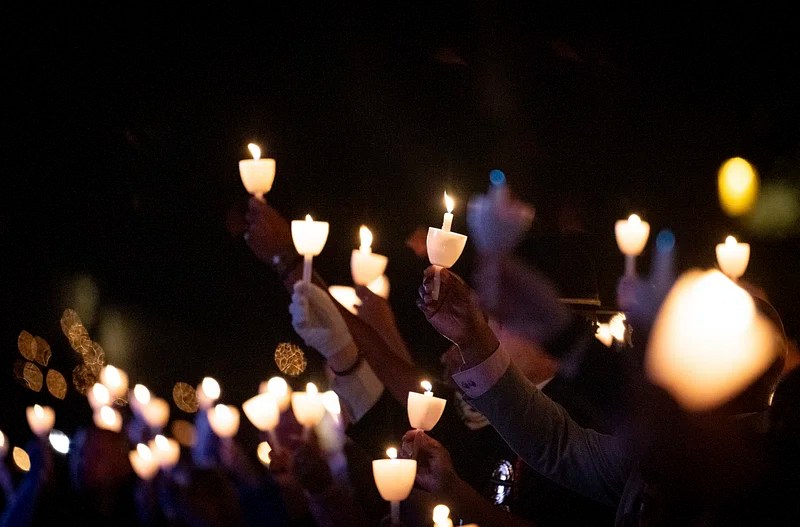
Other churches around the country organized their own prayer meetings. Some attendees would walk the streets afterward, carrying candles and praying or singing as they went.

The authorities finally ran out of patience with the demonstrations. They barricaded the streets around the Church of St. Nicholas to discourage attendees. Instead, the congregation grew.

The next step included peaceful protests. Thousands of people participated. And even though hundreds of demonstrators were beaten and arrested, they weren’t deterred.

Numerous threats were made; some lost their jobs. One woman reported that government officials took custody of her children for a while, due to her participation in what they called an extremist group.  

Worse yet, the protesters were threatened with death. And though many admitted to fearing for their lives, they did not back down.

“Our fear was not as big as our faith,” Christian explained later [1].

One night, after an hour-long service at St. Nicholas Church, Christian led the people outside to join a crowd of approximately 70,000, all gathering from various churches. Each one carried a candle and marched through the city chanting “we are the people” and “no violence” [2].

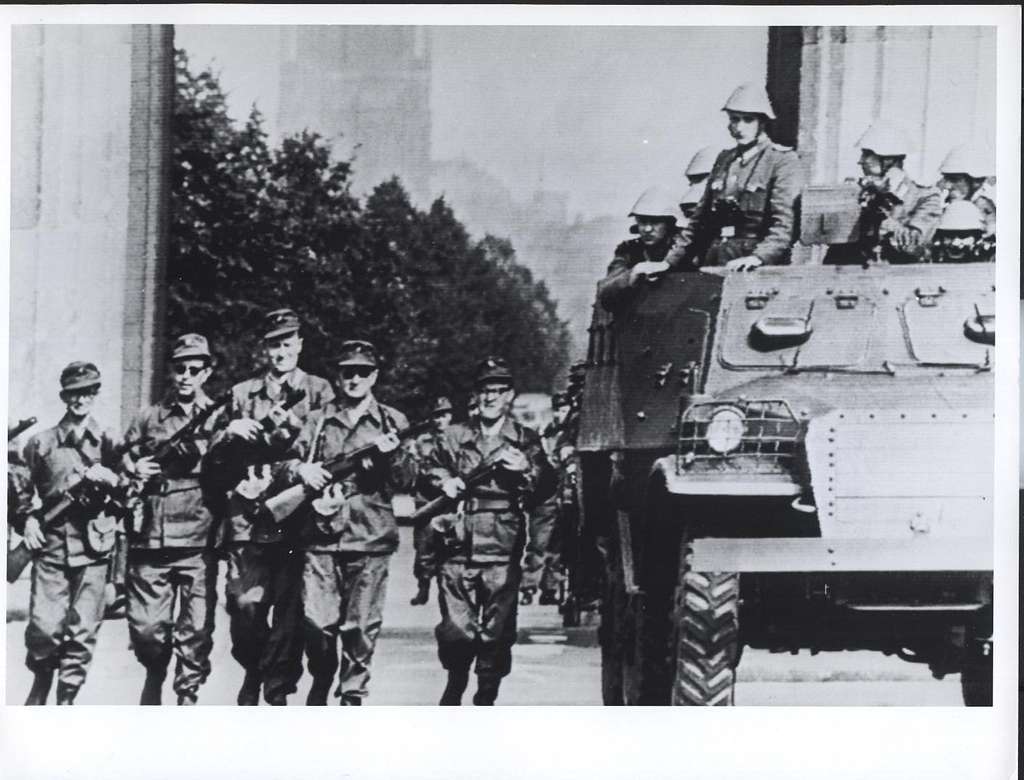
All along the way, long rows of armed police watched their every move.  More soldiers manned tanks, waiting for the order to disperse the crowd with murderous force.

But the order never came. Afterward it was revealed that government officials persuaded their leader to leave the protesters alone.

One of the demonstrators gave a soldier a lighted candle. He put down his weapon and accepted it. Others followed suit. “Soon all the soldiers had lowered their weapons and joined with the protestors” [3].

In the following weeks, the prayerful, candle-carrying crowd grew to 120,000, then 300,000, and finally 700,000.

A crowd such as this must have gathered.

The country’s leader resigned, knowing that without the army to back him, he had become powerless. Soon the whole regime resigned, unable to fight against the power of prayer and Light.

One month after the tide-changing protest, a government spokesperson mistakenly announced in a public broadcast that a monumental change was about to take place. Citizens would be allowed to travel freely, effective immediately [4].

News spread rapidly, reported across the world. Thousands of people soon gathered at the symbol of their thirty-year oppression, a barrier that had divided them into east and west: the Berlin Wall.

Harald Jager, commanding officer of the border guards that night, called his superiors to find out how to deal with the gathering crowd. He received no orders.

“People could have been injured or killed . . . if there had been panic among the thousands gathered at the border crossing,” he declared afterward. “That’s why I gave the order: Open the barrier” [5].

And so, on November 9,1989, thousands flowed through, celebrating and crying. Others climbed over the barrier, chipping away at the wall with hammers and pickaxes. Bulldozers and cranes soon made quick work of dismantling the entire structure [6].

Thirty-four years ago today, that menacing wall became rubble, and a tyrannical regime miraculously toppled with it.

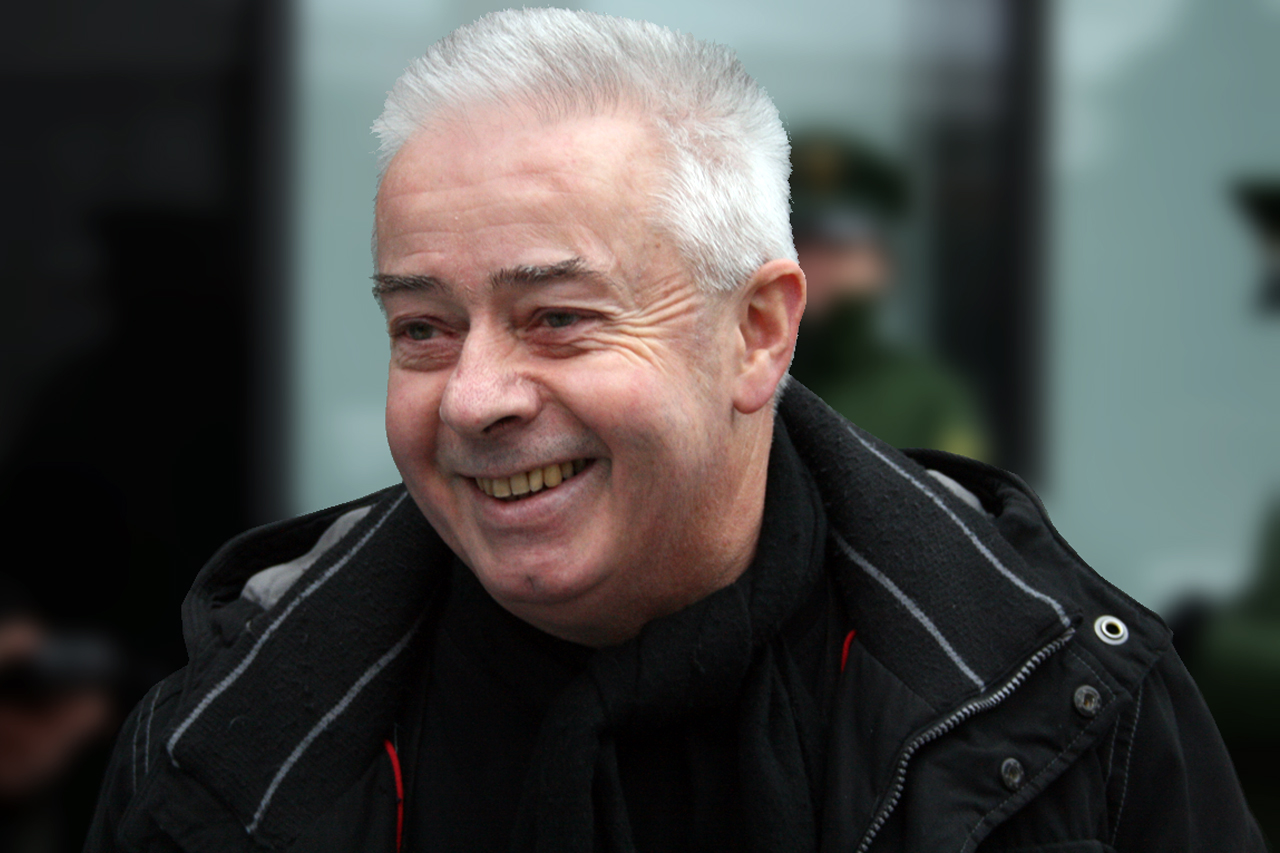
And it all began with Pastor Christian Furher and a handful of praying saints.

Christian Furher (1943-2014)


[1] https://contemporarychurchhistory.org/2014/09/reflection-on-pastor-christian-fuhrer-of-the-nikolai-church-in-leipzig/

[2] https://embracingbrokenness.org/2020/10/prayer-and-the-berlin-wall-by-charles-buttigieg/

[3] http://storage.cloversites.com/worldhistoryinstitute/documents/WHI_03Mar014_Journal_4.pdf

[4] https://www.foxnews.com/lifestyle/this-day-history-nov-9-1989-berlin-wall-falls-cold-war-victory-us-allies

[5] https://www.bbc.com/news/world-europe-50013048

[6] https://www.history.com/topics/cold-war/berlin-wall

Additional Source: http://www.godgossip.org/article/did-a-prayer-meeting-really-bring-down-the-berlin-wall

Photo credits: http://www.commons.wikimedia.org; http://www.pxhere.com; http://www.rawpixel.net; http://www.picryl.com; http://www.commons.wikimedia.org; http://www.pexels.com; http://www.nara.getarchive.net; http://www.picryl.com; http://www.commons.wikimedia.org.

Read Full Post »

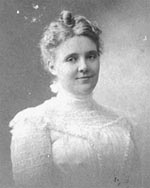
Ida Scudder, a senior at Northfield Seminary in Massachusetts, envisioned a future for herself in a small American town that included a charming home with a loving husband, fun times with good friends, adventure, and eventually several children.

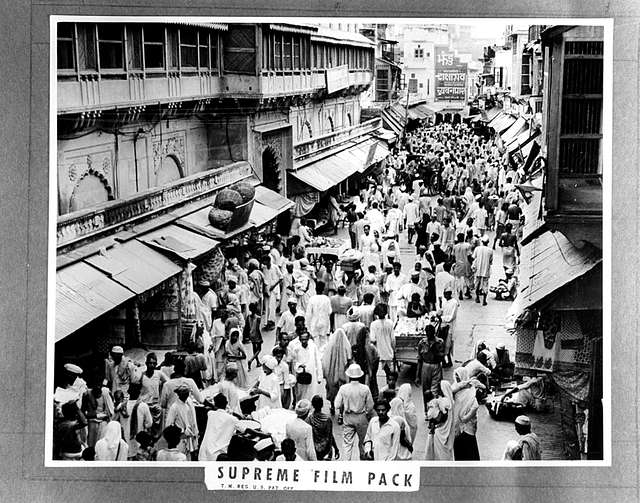
Such a dream was the antithesis of her upbringing in Vallore, India—with its crowds, poverty, famine, and disease. Having lived in the States now for several years, Ida had no desire to return.

Her parents served as medical missionaries in Vallore, and her paternal grandparents before them. Ida wanted no part of that kind of life.

But when Mrs. Scudder became seriously ill in 1894, Ida felt compelled to return home to care for her mother and help run the clinic. Following graduation that year, she set sail, praying she’d arrive before the unthinkable occurred. Ida’s prayers were answered [1].

One evening during her visit, a Hindu man knocked at the door, desperate for Ida to come help his wife.

“She’s been struggling for hours to deliver our baby,” he cried. “Now she is growing weak. I’m afraid for her!”

“Let me get my father,” Ida suggested. “He’s the doctor.”

“Oh no,” the man replied. “It is against our beliefs for another man to see my wife. You must attend to her.”

Ida explained she could not help; she knew nothing about childbirth. And the grief-stricken man turned away.

Later that same night a Moslem came to the door with the same request. He too refused help for the same reason. And not long after, the scenario repeated itself a third time with another Hindu.

When Ida finally went to bed, no visions of idyllic living in America filled her mind. Instead she prayed, and a new dream began to form. God meant for her to become a doctor and help the suffering women of India. Even more startling: Ida found herself eager to follow his plan.   

In the morning, she learned that all three mothers and their infants had died. It broke her heart and solidified her resolve.

When Ida returned to the States, she was one of the first women to attend Cornell Medical College. And no sooner had she graduated in 1899, than Ida was on her way back to India, bolstered by a $10,000 grant from a Manhattan banker, in honor of his wife, Mary Taber Schell.

At first Ida treated women in a small medical office set up in her parents’ home. But patients often waited too long to see her, so she decided to go to them.

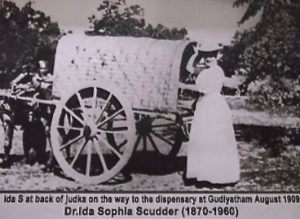
An ox-pulled cart full of medical supplies became her clinic. And as she tended the sick and injured, Ida spoke of Jesus and asked patients if they’d like to know more about the Great Physician.

In 1902, Ida was able to open the Mary Taber Schell Hospital in Vellore. But with only forty beds, the medical needs in the region far exceeded what Ida could provide.

She set about establishing a school for young women to train as nurses. Critics warned no one would come since the education of girls wasn’t part of Indian culture. But come they did—151 students that first year—and they performed well.

Funding from various denominations in the U.S. and Britain allowed for expansion of the hospital. By 1906, 40,000 patients were being treated annually.

Ida’s next venture, in 1918, was to establish a medical school to train women doctors. Naysayers claimed women would not be able to pass the final exams, but all fourteen of the first class succeeded.

More qualified staff meant more space needed for them to work. A second hospital was built in Vallore in 1923.

Expansion continued in 1928 with an endeavor even Ida could not have envisioned:  the construction of the Vellore Christian Medical College and Hospital, spread over 200 acres. Gandhi himself came to see Ida and the monumental project underway.

Ida seated on left.

Also during this time, Ida traveled back and forth to America to raise funds. Her passion for the work inspired people to give, and she raised millions of dollars.

Back in India, Ida spent less time with patients and more time preparing for the opening of the new college, “negotiating between various missionary agencies, and dealing with a turbulent Indian political scene as fierce demands for independence were growing”[2].

Today the Vallore Medical College and Hospital treat over 8,000 patients a day and are well known for excellence in the fields of research, patient care, and disease prevention. Chaplains pray with the patients, and Bible classes are offered in nine different languages [3].

The main building of Vallore Medical College and Hospital

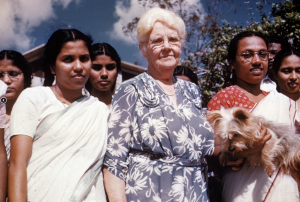
Dr. Scudder and students

Ida Scudder (1870-1960) was once asked how she was able to accomplish so much. Her answer explains how to fulfill God’s individualized plan for each of us:

“I took only one step at a time; the step God showed me” [4].


[1] Mrs. Sophia Scudder passed to heaven in 1925.

[2] https://canonjjohn.com/2022/11/12/heroes-of-the-faith-ida-scudder/

[3]  https://scudder.org/family-history/ ; https://www.christianity.com/church/church-history/church-history-for-kids/ida-scudder-reluctant-missionary-11635053.html  

[4] https://www.youtube.com/watch?v=tJIHIJpmVTs

Other Sources:

  1. https://scudder.org/about/history/india-medical-missions/ida-scudder-story/

3. “A Life of Consecrated Purpose: The Ministry of Dr. Ida Scudder” by Dr. Rebekah Naylor at http://www.imb.org.

Photo credits: All photos of Dr. Ida Scudder courtesy of The Scudder Association Foundation at http://www.scudder.org. The Indian city street scene, http://www.picryl.com.

Read Full Post »

Want to know three actions guaranteed to bring delight?

These actions are recommended by the One who designed us, God himself, because of the blessings he’s built into them. He would have us:  always rejoicing, always praying, and always giving thanks [1].

You might say, “I’ve experienced the delight of rejoicing in God’s goodness, and gratitude to him does uplift my spirit, but prayer? That seems more discipline than delight. Besides, how can we pray continually and keep up with the responsibilities of life?”

We’ll address the delights of prayer near the end of this post. As for praying always, we can relax. That’s not what God desires.

Continual prayer is more about an abiding attitude rather than an all-consuming pursuit–an attitude that includes:

  • Faith, believing God exists and rewards those who seek him.
  • Humility, as we acknowledge our dependence upon him for everything.
  • Honesty, knowing that God is near to those who call to him with integrity.
  • Expectancy, because he can do all things and is generous with his gifts [2].

Continual prayer is also about an abiding awareness of God’s presence and communicating with him throughout the day. For example, we can offer sentence prayers such as these:

  • Thank you, Lord, for your strength; you will see me through today’s tight schedule.
  • Grant your wisdom for this decision, Father.
  • That woman over there reminds me of Tiffany. Bless Tiff, I pray; fill her with your joy and peace in spite of the challenges she currently faces.
  • Thank you for quieting my nerves during the presentation this afternoon.
  • What beautiful clouds you made today, Lord! I marvel at your artistry.
  • Oh God, forgive me for getting so upset with that rude driver. Calm the anger within me.
  • Such disturbing news heard just now. I pray against the forces of evil that cause such suffering. I pray that your right hand, majestic in power, will shatter the enemy at work in this situation [3]!

We’d do well to remember:

Edge your days with prayer;

they are less likely to unravel.

Unknown

Third, continual prayer is about persistence. When prayers go unanswered, Hannah of the Bible provides an example for us. “She pressed in ever closer, filling the space of her wait with prayer” [4].

I love that: “filling the space of her wait with prayer.” We too can experience delightful, calming confidence in God while persisting in prayer through the wait.

The great preacher, Charles Spurgeon (1834-1892), had this to say about continual prayer:

To pray continually takes effort; it’s easy to let distractions interfere. That in turn leads to such adverse effects as frustration, irritation, a lack of peace, confusion, a short temper, weariness, and discouragement [5].

Oh, but what delights result when we maintain an attitude of prayer —in addition to our prayers answered! What follows is just a short list.

Communicating with God:

  • Helps us focus less on trivial matters and more on glorious realities [6]
  • Fosters peace [7]
  • Increases our trust in God, our reliance upon him [8] 
  • Allows us to participate in what God is doing around the world [9]
  • Helps us build a life-enhancing relationship with God [10]

Unceasing prayer can grow to be something we do

not because of discipline but because of friendship.

Desire. It’s where we’re headed,

if we’ll let Him take us there.

Sara Hagerty, Unseen, 227

Oh, yes Lord, that’s my desire, to experience the constant delight of communion with you, through continual prayer. Keep me mindful to pray my way through every day.


[1] 1 Thessalonians 5:16-18

[2] Hebrews 11:6; John 15:5; Psalm 145:18 HCSB; Matthew 19:26; Psalm 84:11

[3] Lamentations 3:22-23; Isaiah 41:10; James 1:5; Psalm 94:19; Job 5:9; Exodus 15:6

[4] 1 Samuel 1:1-20; Lysa Terkeurst, Embraced, 174.

[5] Ray Pritchard, https://www.preceptaustin.org/1_thessalonians_516_commentary .

[6] Sarah Young, Jesus Calling, 135.

[7] Philippians 4:6-7

[8] Jeremiah 17:7-8

[9] Matthew 6:9-10; Philippians 1:19 offers an example.

[10] Luke 11:9

Photo credits: http://www.dailyverses.net; http://www.heartlight.org; http://www.commons.wikimedia.org (2); http://www.heartlight.org.

Read Full Post »

“Forgive me, Mr. Ruskin, but I cannot give myself to painting the way you desire and continue to keep God at the center of my life.” Lilias Trotter looked imploringly into her tutor’s eyes.

After three years of instruction from John Ruskin, the well-known artist, author, and art critic, twenty-five-year-old Lilias had prayerfully made the difficult choice. She would forego the opportunity to become “the greatest living painter in England” (as Ruskin predicted she would be) [1], and devote more time to her mission work.

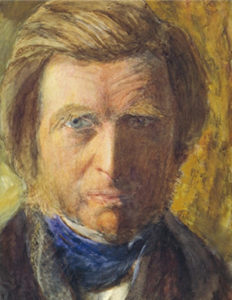
(Self-portrait of John Ruskin)

“Ah, my dear Lilias, he sighed. “I was afraid our efforts would come to this. Goodness knows how many times I’ve complained that you needed to spend more time with your brushes and less time with the women of ill-repute around Victoria Station. However, I do admire your dedication, and regretfully wish you well.”

From this crossroads, a new path began to open before Lilias Trotter.

For a while she continued her work with women at the lowest rung of society, bringing them to the newly-established YWCA for training in various employable skills and introducing them to Jesus.

But in 1887 Lilias found her heart drawn to Algeria, after hearing a plea for more missionaries to the region. She applied to the North African Mission board but was denied because of her frail health.

(Algiers, Algeria circa 1880)

Undeterred, Lilias and two friends chose to go on their own. A generous endowment from her wealthy father (upon his death in 1865) provided the financial support necessary.

The three women settled in the French Quarter of Algiers and immediately began learning the Arabic language and Muslim culture. Because of the male-dominated society, they chose to engage women and children.

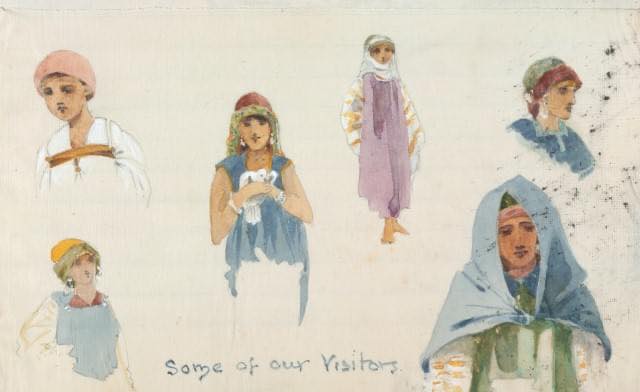
(watercolor sketches from Lilias’ journals)

Lilias put her artistic abilities to work creating leaflets. The charming illustrations drew attention to the spiritual truths she wrote. Her inspiration came from the hours she spent in Bible study, meditation, and prayer.

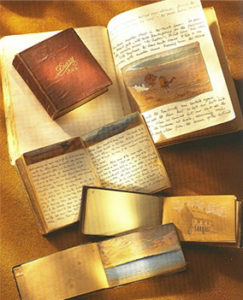
But inroads into Algerian society didn’t come easily. Nearly everyone was suspicious of them. They were women after all, European and Christian. Opposition came from the French authorities as well as Muslim leaders. Lilias wrote in one of her journals that she and her friends felt like they were knocking their heads against stone walls [2].

In addition, the Muslim women were difficult to reach since they were seldom allowed in public. But after several years one woman accepted Jesus into her life. Sometime later another woman and then another expressed their faith, until they could count their little band of believers on two hands.

Lilias also traveled into Morocco on the west and Tunisia on the west, into the far regions of the Sahara Desert where no European woman had been before. There too she sought out the isolated Arab women as well as the Sufi mystics who resided in the desert.

Lilias shared her pamphlets and booklets that included depictions of Arab life, always praying that her writings and drawings would help these Muslims understand who Jesus is and why he came.

Of course, persecution came to those who chose Jesus. Two of the new Arab Christians were slowly poisoned to death, others were drugged, and still more were punished in additional ways.

After twenty years of struggle, the missionaries still had little to show for their effort. And yet Lilias wrote:

I am full of hope that when God delays in fulfilling our little thoughts, it is to leave Himself room to work out His great ones. And, more and more as time goes on, I feel that the longer He waits the more we can expect, . . . and the greater will be the band of those who will come forth free from their prison walls. When one gets hold of that vision, one can throw back in the devil’s face his taunts over the seemingly wasted years that lie behind us.

Lilias Trotter

Perhaps even more productive than her conversations with people was the impact of her writings. Lilias’ appealing parables, “creatively illustrated in Eastern style” were widely circulated [3].

She felt confident that the Arabs would more seriously consider written material in the privacy of their homes, than in public conversation where opposition was likely. With her knowledge of the culture, language, and arguments of challengers, she was perfectly-suited for the task of producing these materials.

Lilias returned to Europe a number of times because of her health, each time in dire need of rest as well as relief from Africa’s oppressive heat. But Lilias often used these trips to garner interest and support for the organization she founded: the Algerian Mission Band.

A number of people responded, joining Lilias in her work. However she never asked for financial backing. “God’s wealth is boundless,” she said [4].

For forty years Lilias Trotter lived out her passion for the Algerian people. Before her death in 1928, she’d established twelve mission stations. And instead of three workers, a team of thirty had joined them, bringing the joy-filled, abundant life of Christ to the Muslims of Algeria [5].


Notes:

[1] https://ililiastrotter.wordpress.com/about/

[2] https://ishshahsstory.com/2016/08/10/celebrating-lilias-trotter-of-algeria/

[3] https://www.imb.org/2019/06/12/missionaries-you-should-know-lilias-trotter/

[4] https://thiseternalmoment.com/the-life-and-legacy-of-lilias-trotter/

[5] https://pioneers.org/2021/03/15/the-legacy-of-lilias-trotter

Other sources:

https://www.christiantoday.com/article/lilias.trotter.talented.artist.dedicated.missionary/139139.htm

https://liliastrotter.com/about/

Photos of Lilias Trotter and her paintings as well as John Ruskin’s self-portrait, courtesy of Lilias Trotter Legacy at http://www.liliastrotter.com and their Facebook page. Street scene of Algiers: http://www.commons.wikimedia.org.

Read Full Post »

“Living well [the Christian life] is both a discipline and an art,” wrote Sarah Young [1] .

The discipline-part was easy enough to affirm. From experience I know: spiritual practices do enhance the joy of relationship with my Heavenly Father—behaviors like Bible study, prayer, worship, giving, and more.

But what might the art of Christian living look like? For me that was more difficult to qualify.

I turned my thoughts to artists themselves. What actions impel them toward creating art that produces beauty and meaning, and pleases the eye?

(One of our son’s recent paintings)

That question spawned another. What might I learn about producing beauty and meaning in my life that pleases God and my soul?

The following truths presented themselves:

Artists are observant, paying attention to detail. They’re constantly learning; delighting in discovery.

Imagine studying a blade of grass. Take note of the rich green color and subtle striping, its graceful curve downward and sharp, pale-yellow point. Add crystal dew drops and the sight is indeed beautiful and pleasing.

“The moment one gives close attention to anything, even a blade of grass, it becomes a mysterious, awesome, indescribably magnificent world in itself”.

Henry Miller

But how often do we barrel through our days with no attentiveness, no reflection, no listening to God’s voice? In the middle of the bustling, niggling, babbling pother we miss God’s presence and other glorious gifts [2].

Lesson #1: The art of living well includes attentiveness to God’s beauty—in creation, in people, in words and deeds, in everything.

Artists spend time with inspiring people, including other artists.

And who is more inspiring than God?! He invites us to concentrate on staying close to him, the divine Artist [3].

Just think: God wants to spend quality time with us. He looks forward to our time together and misses us when we don’t show up. Quiet time isn’t meant to be a ritual; it’s meant to be a relationship [4].

Lesson #2: The art of living well includes the great privilege and pleasure of keeping company with God.

Artists are deep thinkers and curious about truth.

While the subject matter of the masterpiece, The Girl with a Pearl Earring is obvious enough for a child to understand, it will not yield its astonishing riches except to those who study the painting and reflect on Vermeer’s attention to light, shade, balance, color, and even the brush strokes. (Only two strokes created the pearl.)

The same is true for those of us who seek truth from God’s Word. Its basic message is clear enough for a child to understand [5]. But it will not yield its astonishing riches unless we study and reflect on its teachings (Proverbs 4:20-22).

Lesson #3: Open the treasury of the Bible and delight in its magnificent contents. 

Artists are persistent and patient.

It took Georges Seurat two years to paint A Sunday on Le Grande Jatte—with tiny dots.

Leonardo da Vinci spent about four years to get the Mona Lisa just right.

Michelangelo lay on his back the better part of five years to create the 343 figures on the ceiling of the Sistine Chapel.

Consider: “Even God does not make a glorious sunset in a moment. For several days He gathers the mist with which to build His beautiful palaces in the western sky”[6].

Lesson #4: Take joy in process and progress; stay the course and proceed steadily in the way God reveals (Psalm 119:1 MSG).

Artist, Robert Henri (1865-1929) observed:

“The object isn’t to make art, it’s to be in that wonderful state which makes art inevitable.”

Robert Henri

Such an applicable statement to the art of living well as a Christian! Our object isn’t to perform for God as much as it is to know him, love him, and desire to honor him–which makes a beautiful, God-honoring life inevitable.    


[1] Sarah Young, Jesus Calling, 193.

[2] Leslie William, Night Wrestling, quoted in Refresh My Heart, compiled by Terri Gibbs, 124.

[3] Ibid.

[4] Joanna Weaver, Having a Mary Heart in a Martha World, 73.

[5] Jesus took the punishment we deserved for our wrongful behavior. When we confess our sins, believe in Jesus as our Savior, and accept him into our lives as Lord, he bestows many blessings now, and eternal life in heaven with him to come. Millions of children have responded with simple faith to these wonderful truths. I was one of them.

[6] L. B. Cowman, Streams in the Desert, p. 206.

Art & photo credits: J. Eric Ruegg; http://www.wikimedia.commons.org; http://www.publicdomainpictures.net; http://www.hippopx.com; http://www.wikimedia.commons.org (2); http://www.canva.com.

Read Full Post »

I know—that’s not a title you expect to see on a blog for Jesus-followers or those curious about him. But please, hear (read) me out!

You see, the word fast has a number of meanings. The definition of “wild, reckless, and self-indulgent” is only one of them. Fast can also denote:

  • fixed, secure, and immovable as in “The rope held the boat fast to the dock.”
  • firmly loyal, as in “They became fast friends.”
  • completely and deeply, as in “She fell fast asleep.”

These definitions can give new meaning to” life in the fast lane,” when considered in the context of faith in Jesus:

  • Our future destinies are fast; they are fixed and secure
  • He is our fast, firmly loyal Friend now and forever
  • His love for us is fast—it’s complete and runs deep[1]

The Bible also includes other references to fast[2], instructing us to hold on to certain entities as we walk this lane/path of life. For example, we’re told to:

  • Hold fast to instruction and never let it go (Proverbs 4:13 NAB).
  • Stand firm in the faith (1 Corinthians 16:13 NIV)
  • Stand fast in the Lord (Philippians 4:1 ERV); that is, keep our relationship with the Lord firm (same verse, GWT).
  • Hold fast to that which is good (1 Thessalonians 5:21 NIV)
  • Hold firmly to our confidence and the hope in which we glory (Hebrews 3:6, NIV).
  • Hold fast to Christ’s name (Revelation 2:13 MSB)

And what are the results when life is lived in this fast lane with God?

The Bible tells us:

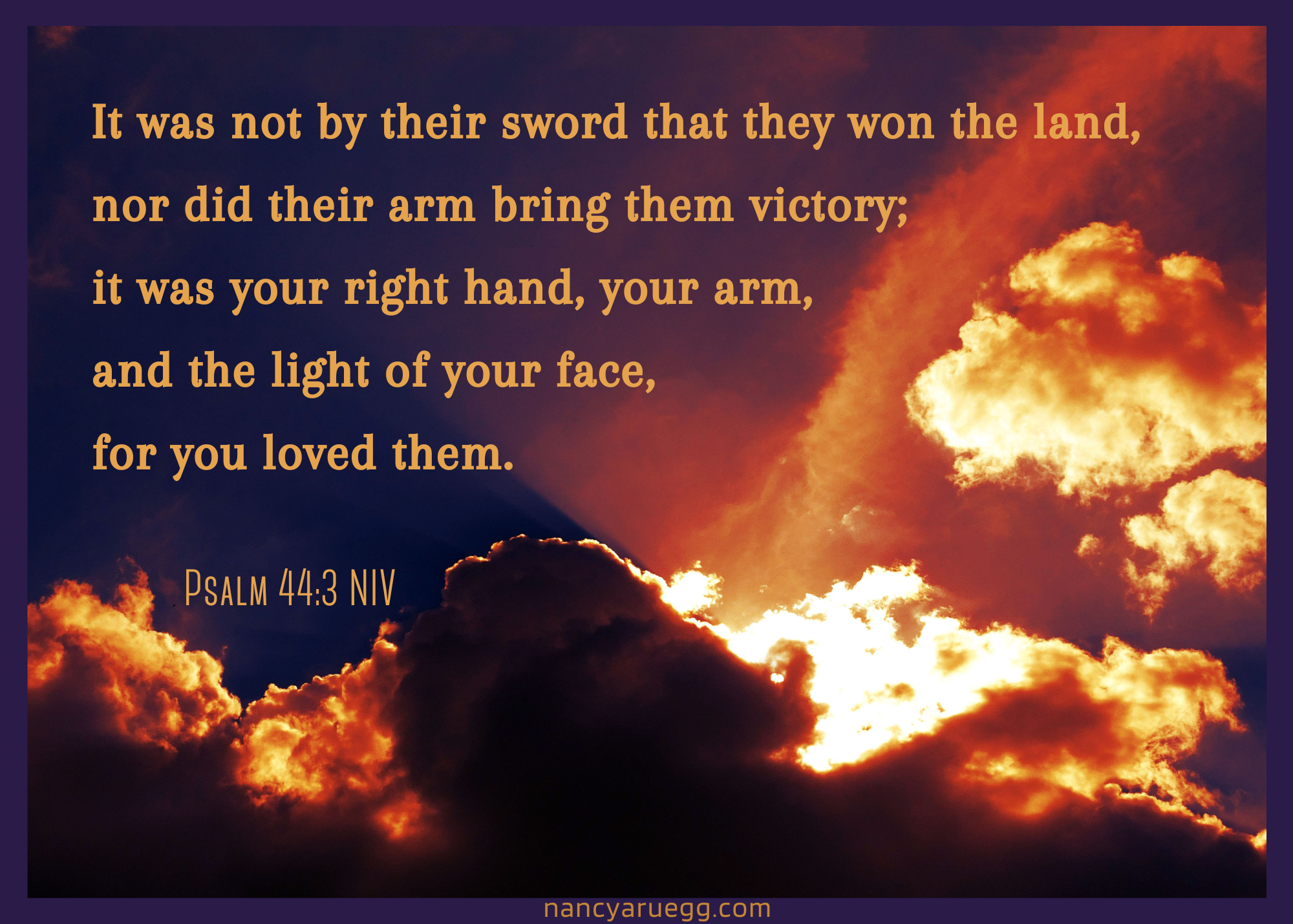
In other words, when we seek to follow the above directives and live in God’s fast lane, we’ll enjoy some high living!

What does that include?

  • The wise instruction of God’s Word, providing guidance, peace, comfort, and encouragement (Psalm 119:24, 28, 103; 111, 165)
  • Strong faith, protecting us from fear and anxiety (Philippians 4:6-7)
  • An intimate relationship with God, enjoying his unfailing kindness (Jeremiah 31:3)
  • Good thoughts that result in a continual feast of delight; good actions that result in blessing and fulfillment (Proverbs 15:15b, Psalm 107:9, Acts 20:35)
  • Confidence in the promise of heaven that fosters spiritual strength (2 Corinthians 4:16-17)
  • Reliance upon all that Christ is (indicated by his many names), contributing to our well-being, and the added joy of reflecting his radiance to others (Colossians 3:17; 2 Corinthians 2:15a)

In a nutshell, the benefits of life in this fast lane include: guidance, peace, comfort, encouragement, serenity, joy, contentment, delight, blessing, fulfillment, spiritual strength, a sense of well-being, purpose, and more. Whew!

That sounds like high living to me—of the heavenly sort!

The question is, will we choose to live in this fast lane?

*     *     *     *     *     *     *     *     *     *

Lord God, thank you for making possible this thrilling journey—accompanied by you, led by you, loved by you, empowered by you, blessed by you.  Keep me in your fast lane where I can live life to the fullest as you intended. And may others choose to join us.


[1] 1 Peter 1:3-5; John 15:12-15; Ephesians 3:17-19

[2] Some translations use synonyms such as firm and firmly

Art & photo credits: http://www.publicdomainpictures.net; http://www.canva.com (3); http://www.rawpixel.com.

Read Full Post »

“This is your last chance!” shouted the leader of Columbian guerillas. “Join us, convince the Motilone to join us, and you will live. Otherwise, you are a dead man.”

The surrounding group of rebels aimed their guns at American missionary Bruce Olson. He fully expected to see Jesus in the next moment.

Of course, this was not the first time Bruce faced death during his twenty-seven years with the fierce Motilone tribe.

No sooner had he arrived in 1961, than Bruce was surrounded by tribal warriors who shot him in the leg with an arrow and took him captive. The guides who had led him to their village fled.

Bruce was just nineteen years old and had received no backing from any mission organization, because of his age and lack of training. But he’d seen a picture of the remote Columbian tribe and felt drawn to share with them about Jesus.

His own life had been wonderfully transformed by Christ, and Bruce desired that for others—especially for this people-group who knew nothing about Jesus.

(The Motilone live in northeastern Colombia and western Venezuela.)

Some would say, “Bruce must have misunderstood God’s plan. Otherwise, why would he experience calamity the minute he arrived?”

But look what God did.

First, the Motilone chief forbade the warriors to kill Bruce. Later he and his men would admit there was no reason to spare him; they just did.

The next day the chief’s son, Bobarishora, brought worms for Bruce to eat, which thankfully tasted like liquified bacon and eggs. In spite of the language barrier, Bruce and Bobarishora began to build a friendship.

The leg wound became infected. Bruce escaped and returned to civilization for treatment. But upon regaining strength, the young missionary went back to the tribe—only to contract dysentery and have to seek medical help again. He almost died in the effort.

For his third attempt to settle with the Motilone, Bruce brought medical supplies. The witch doctor took great interest in their healing powers and learned from Bruce how to use them. With Bobarishora and the witch doctor as allies, Bruce began to achieve acceptance in the tribe.

Over the next four years he learned the Motilone language and set about translating the New Testament into their language, putting to use his knowledge of Hebrew, Greek, and Latin.

Bobarishora, or “Bobby,” became the first to accept Jesus into his life. At a festival not long after, Bobby sang about the jungle trail of life, a metaphor familiar to the Motilone. Bobby explained he’d seen the footprints of God.

“There are many trails in the jungles,” he said. “But there is one trail that goes to the horizon.” (Bobby was referring to heaven.)  “Christ came to walk that trail so we can walk in his footsteps.”[1]

It wasn’t long before many tribespeople had become Jesus-followers. They began sending their own missionaries to neighboring tribes to tell them about Christ.

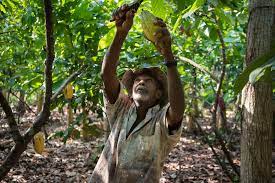
The Motilone wanted to learn how to read and write, so Bruce started a school. He also set up a medical clinic, and led the effort to grow cacao, to help support the tribe.

(Cutting a cacao pod from the tree.)

Over time the proceeds helped finance 48 schools, more than 20 health clinics, 12 farming cooperatives, and numerous scholarships for Motilone students to attend high school and university.[2]

Then came the day in 1988 when 15 Communist guerillas kidnapped Bruce with the plan of forcing his cooperation, and convincing the Motilone to do so also. Bruce spent several months chained to a palm tree and became very ill. Somehow he survived.

One of the leaders asked Bruce to teach them how to read and write. They brought a book to Bruce, not knowing it was a New Testament. Bruce used it to teach the men to read, and many became Jesus followers.

Bruce’s health continued to deteriorate. The guerillas decided to give him a blood transfusion.

“I will give him some of my blood,” one rebel announced.

The next day he told Bruce that when he was a young child, the Motilone had given food to his widowed mother for three years, never asking for anything in return. “You saved my life,” he said, “Now, I save your life.”[3]

Months passed. No amount of mistreatment had convinced Bruce to help their cause.

One day a group stood him against a tree, announced his execution, and aimed their guns at him. But when they fired, Bruce remained unharmed. They’d shot blanks at him, expecting this final test to break him.

Sometime later one of the leaders told Bruce that capturing him had been a mistake. He hoped that Bruce could forgive them.

He promised the rebels would leave the Motilone alone, and Bruce could continue his work. After nine months of captivity, they released him.

As a result of Bruce’s long devotion to the tribe, more than 400 Motilone have graduated from high school, and over 30 from university, trained as physicians, accountants, translators, forest rangers, agriculturalists, and more. Still others have received technical training.

All have returned to their jungle communities to share their expertise within the tribe.

As of 2018, more than 70% of the Motilone tribe are following in Christ’s footsteps to the horizon.[4]

As for Bruce Olson, now 80, you’ll find him still working with the people of 18 different tribes and languages of the jungles.[5]


 Notes:

[1] https://missionexus.org/an-interview-with-bruce-olson/

[2] https://www.tms-global.org/story-details/bruchko

[3] Ibid

[4] Ibid

[5] https://www.godreports.com/2021/02/legendary-american-missionary-ate-maggots-wore-a-flea-collar-to-survive/ 

Additional Sources:

https://www.bruceolson.com/en/index.html

https://www.theopedia.com/bruce-olson

Photo credits: http://www.picryl.com; http://www.pxhere.com; http://www.flickr.com; http://www.commons.wikipedia.org (2).

Read Full Post »

If you’d asked Robert’s mother Elizabeth about her teenage son, she may have replied, “He is a strong-willed, rebellious daredevil. If God doesn’t get ahold of him, he may not make it to twenty!”

No doubt Robert’s parents wondered if they’d made the right decision, when they allowed him to drop out of school at age fourteen and work in an iron foundry. But given his learning difficulties, on-the-job training seemed appropriate, to prepare Robert for his future.

Two years later in 1904, God answered the concerned parents’ prayers for their son. Robert decided hell was not an option he wanted to risk and at age sixteen invited Jesus into his life.

Later he would write, “No bolts of lightning hit me. No great flash of awareness. I just prayed to the Lord to save me, and then I was aware of another presence. No words were spoken. I received no messages. It was just that all of my bitterness was drained away, and I was filled with such a vast relief that I could not contain it all.”[1]

Robert moved from one uninspiring tradesmen job to another until he became an auto mechanic and discovered his passion—machinery. He opened his own garage with a business partner in 1911.

In April of 1917 the U.S. entered World War I. Robert volunteered for the war effort, working in a naval shipyard north of San Francisco. In August of that year he married Evelyn Peterson.

Upon returning home to Stockton, CA in 1918, Robert discovered his partner had sunk their business into debt. Robert carried $5000 of that liability.

He wondered, was God trying to transition him out of business? Should he become a missionary so he could work for God more directly? Robert sought guidance from his pastor and after praying together the clergyman remarked, “You know God needs businessmen too.”

Not long after, a rancher asked Robert to level a large parcel of land. The job paid well and Robert signed on. He satisfactorily completed the task in good time and actually enjoyed the work.

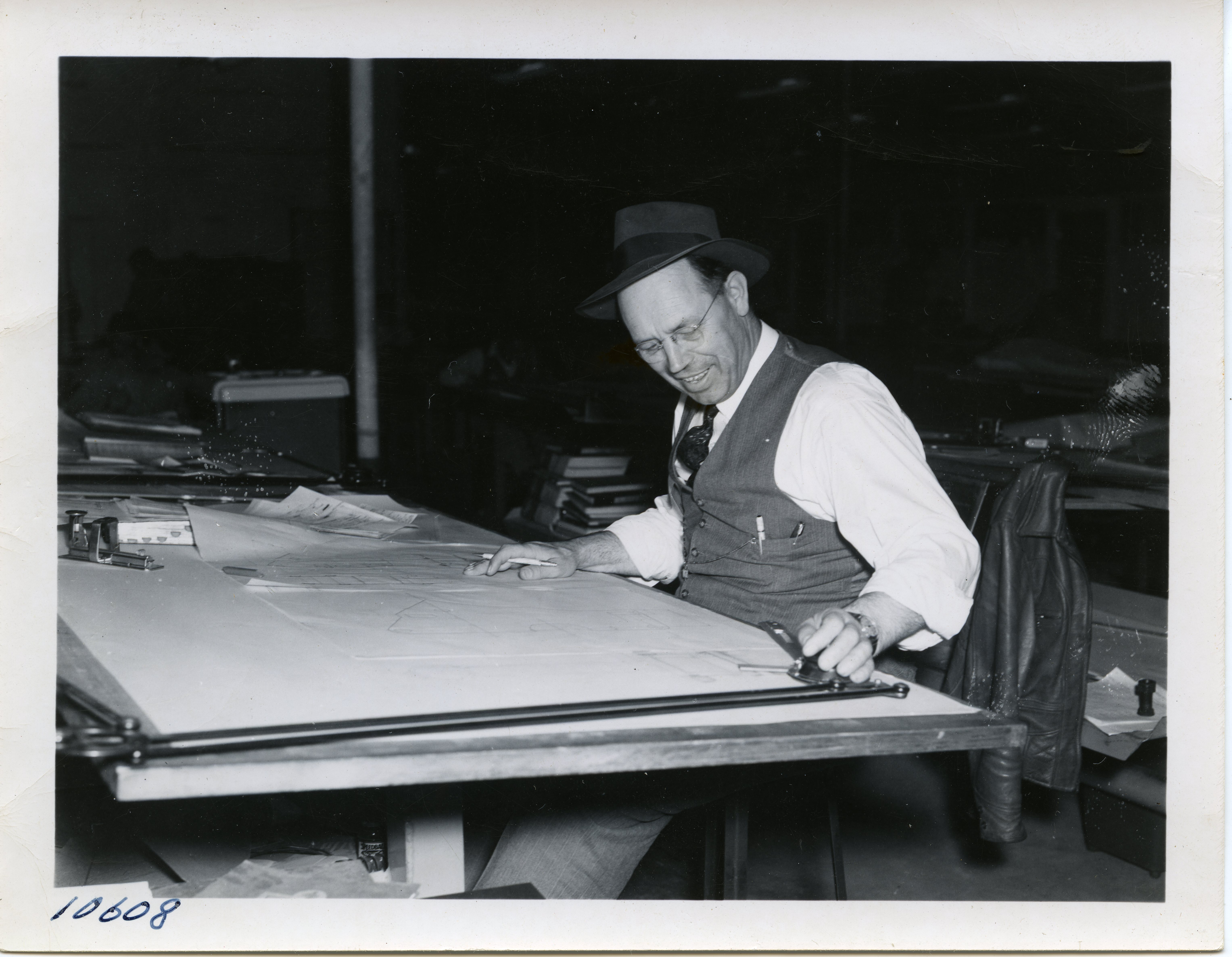
Through the 1920s earth-moving contracts kept coming Robert’s way. He bought land and built an engineering shop where he put his ingenuity and giftedness for engineering to work, designing machines that completed the task more efficiently. Most other companies still used mules with plows and dozens of men with shovels.

(Two of LeTourneau’s early machines)

But even as a top-notch, road-construction contractor, financial struggles still plagued Robert. Now and then he’d sell one of his earth-moving inventions to help make ends meet for his growing family. (He and Evelyn had five children, though tragically their first died during the Spanish influenza epidemic.)

In the early 1930s, Robert’s attorney suggested, “Why don’t you focus on manufacturing your machines? That might prove more profitable.”

Robert decided to try, even though the nation was suffering through the Great Depression. During his first year in 1932, he earned a profit of more than $52,000 and by 1935, well over two million.[2]

(Robert nearly always included reference to his life verse with each signature.)

It was then that he and Evelyn decided to live on 10% of Robert’s income and give 90% to Christian mission work, colleges, and institutions. Meanwhile Evelyn started Sunday Schools and youth camps. God blessed each of their endeavors.

Robert not only invented the earth mover, but also the bulldozer, the electric wheel, the tree crusher, the log picker, the Tournawheel (a two-wheel tractor), and more. Eventually he’d own 300 patents and construction plants on four continents. He’d also design the first off-shore oil rig.

(from the R.G. LeTourneau Museum and Archives, The Margaret Estes Library, LeTourneau University)

During World War II Robert’s company supplied 70% of the U.S. Army’s earth-moving equipment, making it possible for the Allies to quickly build roads, airports, and military bases.

After the war, Robert’s machinery helped construct the 48,000 miles of U.S. interstate highways.

(R.G. LeTourneau:  The Man, Machines, and Mission Collection
Evelyn LeTourneau Collection)

In 1946 he and Evelyn founded the LeTourneau Polytechnic Institute, a Christ-centered school especially for veterans who desired training in engineering. It has since become LeTourneau University.

Business and philanthropy weren’t Robert’s only pursuits. Though he’d always feared public speaking, Robert felt compelled to accept an invitation to share his story at a banquet in 1935. Soon he was speaking all over America and even overseas.  Robert would encourage others to honor God with their wallets and see what God would do.

“You will never know what you can accomplish

until you say a great big yes to the Lord.”

Robert Gilmour LeTourneau (1888-1969)

How has God blessed you as you’ve honored him with your wallet? Please share your story in the comment section below!


 Notes:

[1] https://www.wayoflife.org/reports/christian_inventor_rg_letourneau.html
[2] Ibid

Other sources:

 http://www.giantsforgod.com/rg-letourneau/

https://www.letu.edu/75/exhibit/panel-faith.html, and subsequent panels

https://www.oemoffhighway.com/trends/article/21366254/historical-construction-equipment-association-hcea-the-great-innovator-r-g-letourneau

https://www.peoriamagazines.com/ibi/2011/jan/rg-letourneau

Photo credits: http://www.flickr.com; http://www.picryl.com; http://www.canva.com; http://www.wikipedia.org; http://www.dailyverses.net; http://www.wikimedia.org; Margaret Estes Library, LeTourneau University (2); http://www.dailyverses.net.

Special thanks to Shelby Ware at the Margaret Estes Library, LeTourneau University, for arranging permission to use the two images of R. G. LeTourneau in this post.
Read Full Post »

“This is the property,” his agent told him, as they flew over a great swath of swampy real estate—about 43 square miles worth.  “What do you think?”

The passenger, W.E., smiled with satisfaction. He hardly noticed the scrub pines, cypress groves, and marshy ponds dotting the landscape. In his mind’s eye he saw beauty and grandeur. “I like it!” he cried.

Ground view of the kind of landscape W.E. saw that day

Within days, W.E. and his associates were arranging to purchase the land from the various owners. The final price tag: five million dollars (the equivalent of about 43 million today).

That was in 1963. In 2011, the property was estimated to be worth over 1.3 billion dollars, because of W. E.’s vision and his ability to accomplish what he started.

Development of the property began in 1965. It took thousands of workers and six years to complete the initial phase of W. E.’s plan.

First, the acreage had to be cleared, then lakes dredged as well as canals built in order to control the flow of water. Before the first foundation could be poured, the land had to be elevated. Millions of trees, shrubs, and plants were also installed.

Some might say what followed was pure magic, as the massive project resulted in Disney World. And ever since its opening in 1971, the visionary genius of Walter Elias Disney has dazzled the senses of visitors.

Someone else sees value in places where most of us don’t. The King of the universe recognizes worth in you and me, scrubby and nondescript as we might be. In fact, he smiles with satisfaction on his people of faith, because what he envisions is the beauty and grandeur of what we’re becoming.[1]

The Apostle Paul explained it this way:

And what does God’s good work include? Here’s a partial list:

  • He guides us to know what’s right and then empowers us to do it
  • He creates the desire within us to follow his way of wisdom
  • He draws us toward a heavenly perspective that impacts our choices and motives
  • He grows our love for one another
  • He develops godly traits that minister to others and provide us satisfaction as well
  • He transforms us, day by day, into the beauty and grandeur of Christ’s character[2]

“The life of a Christian is a series of miracles” wrote Charles Spurgeon—miracles that include wisdom, love, godliness, power, and more. Such transformation is much more spectacular than turning swampland into a stunning park. And God will never stop developing his miracles within us until we’re home with him.

Our challenge is to submit to his work.  

God wants to dredge self-centeredness from our spirits so rivers of living water can flow freely. Then we’ll enjoy the continual, life-giving spring of contentment he provides.[3]

God wants to place us on the foundation-rock of his Word, providing peace and security—especially when the storms of life threaten to overtake us.[4]   

God also wants to establish us like trees planted by water. Then we won’t fear the heat of difficulty or a drought of deprivation, because our roots grow deep into the river of God’s delights—delights like His love, his truth as found in the Bible, his strength and presence.[5]

Walt Disney and his team did accomplish incredible feats of innovation, design, and technology. But God shaping us into beautiful, joyful, purposeful people?  That’s mind-boggling miraculous.

*     *     *     *     *     *     *     *     *     *

Thank you, loving Father, for continuing to grow me in your grace until your task within me is finally finished. Thank you for never giving up, for completing what you start. May I be an enthusiastic participant in your good work!

Sources:

https://dozr.com/blog/building-disney-world

https://d23.com/we-say-its-disney/

https://www.forbes.com/sites/megandubois/2021/09/23/looking-back-at-50-years-of-walt-disney-world-history-and-business-strategy/?sh=a0fc33fff209

https://www.themeparktourist.com/features/20140323/17091/making-walt-disney-world-20-amazing-photographs

Notes:


[1] Psalm 147:11

[2] Psalm 119:33-37; Philippians 2:13; Colossians 3:2; Philippians 1:9; Galatians 5:22-23; 2 Corinthians 3:18

[3] John 7:37-39 and footnote to v. 38, The Woman’s Study Bible

[4] Matthew 7:24-27; Psalm 119:24

[5] Jeremiah 17:7-8; Psalm 36:8; Ephesians 3:16-19

Photo credits: http://www.publicdomainpictures.net; http://www.wikimedia.org; http://www.pxhere.com; http://www.heartlight.org; http://www.rawpixel.com; http://www.flickr.com.

Read Full Post »

Nellie Gray listened to the breaking news, not believing her ears.

How is this possible? she wondered. Surely everyone agrees that slavery was wrong, treating men, women, and children as less than human. And have we already forgotten the horrors of Nazi Germany, where revolting experiments were performed on babies?

Nellie’s thoughts transported her back to the days of World War II, when she served as a corporal in the Woman’s Army Corps. And though nearly thirty years had passed since Nazi war criminals faced a panel of judges at the Nuremberg Trials, the atrocities revealed at that time remained fresh in her mind.

Nellie bristled. How can our Supreme Court sanction another atrocity against innocent victims?

And she began to consider what might be done to reverse the decision of Roe vs. Wade, handed down on January 22, 1973.

Not long after a group from Long Island, already involved in the right-to-life movement, asked Nellie to host a meeting in her home. They desired to expand their local efforts to the national stage. “You live near the Capitol—it’s the perfect location,” the spokesperson explained.

Later Nellie would quip, “Be careful who you let into your dining room because you may wind up being the president of a corporation.”[1]

The group first met in October 1973, and someone presented the idea of a march, to be held in Washington D. C. on the first anniversary of Roe vs. Wade. They hoped to draw thousands of people, which would urge Congress to overturn the court’s decision.

Nellie was asked to arrange for speakers, because of her contacts in and around Washington as a federal lawyer. The one role she was unable to fill was emcee, so Nellie provided that function herself.

The event did raise awareness, as twenty thousand people gathered in Washington, and peacefully marched twenty-one blocks on Constitution Avenue to the steps of the Supreme Court Building.

It was supposed to be a one-time-event.

“We thought we were going to march one time and Congress would certainly pay attention to 20,000 people coming in the middle of winter to tell them to overturn Roe vs. Wade,” Nellie said.[2]

But their expectation proved erroneous. And because there were leftover funds after the ‘74 event, someone suggested holding another march the following year.

Nellie decided to retire from practicing law and established the March for Life and Education Defense Fund, dedicating the rest of her life to the pro-life cause. She and the vice-president, Terrence Scanlon, took no salaries; Nellie ran the organization from her home.

As the decades passed, support for their cause continued to grow. In recent years, well over 100,000 have participated in the March for Life, enduring the cold and even snow to draw attention to the plight of unborn babies. In 2011, fifty-three members of Congress spoke at the March for Life Rally.

Also important to the cause: neonatal research, proving fetuses develop much more rapidly than we knew in 1973. For example:

  • Within the first few weeks, the beginnings of a face become apparent.
  • The heartbeat can be heard at 6 weeks.
  • The neural tube (brain, spinal cord, and other neural tissue of the central nervous system) is well formed at 8 weeks.
  • Fingers and toes are easily distinguishable by 11 weeks.
  • Thumb-sucking has been photographed at 18 weeks.
Ultrasound of 12-week old fetus

Of course, Nellie Gray and the March for Life participants have been criticized for their stand against abortion. But she explained her position this way:

“God Almighty created man and woman in his own image, and we recognize that. The United States Constitution recognizes that human beings are endowed with a right to life. We must carry out our patriotism and our love of God through such events.”[3]

In 1998, Nellie asserted the eventual overturn of Roe vs. Wade. “I have complete, utter faith that we are going to get this,” she said.[4]

Nellie Gray led every March for Life through 2012, with undaunted enthusiasm and conviction. But in August of that year, at age 88, she died of natural causes in her home.

I’ve often wondered if good news from Earth becomes known in heaven. If so, might Nellie know what happened last week–that ten years after her arrival in heaven, a giant step has been taken here toward the right-to-life of unborn babies, that her faith is being rewarded and her conviction is becoming fact?

I’d like to think so. 

Notes    


[1]https://religionnews.com/1998/01/15/news-profile-nellie-gray-25-years-behind-the-march-for-life/

[2] https://religionnews.com/2012/08/14/march-for-life-leader-nellie-gray-dead-at-88/

[3] https://heavy.com/news/2017/01/nellie-gary-march-for-life-founder-biography-anti-abortion-pro-life-quotes-2017-date/

[4] https://religionnews.com/1998/01/15/news-profile-nellie-gray-25-years-behind-the-march-for-life/

Other Sources:

http://www.marchforlife.org

http://www.todayscatholic.org

Photo credits: http://www.flickr.com; http://www.wikipedia.org; http://www.flickr.com; http://www.rawpixel.com; http://www.wikimedia.com; http://www.canva.com.

Read Full Post »

« Newer Posts - Older Posts »

When the House is Quiet

Impressions Becoming Expressions

Mitch Teemley

The Power of Story

Still Traveling

Impressions Becoming Expressions

Living Our Days

Gaining a heart of wisdom

He Said What?!

I'm Patty, and my husband and I are living with our adult son who has autism and epilepsy. I love sharing lessons learned from life around me, especially life with Aaron.

Meditations of my Heart

Impressions Becoming Expressions

Linda Stoll

Impressions Becoming Expressions

Signora Sheila

Where faith meets la dolce vita

Heidi Viars

Finding the Image of God