Feeds:
Posts
Comments

Archive for the ‘Service’ Category

One Sunday morning years ago our Bible study teacher, Andy, gave each of us a pencil and a piece of paper with a large grid—4 squares across, 4 squares down. One square at a time but out of order, he guided us to draw various sized curves in various positions.


Sometimes he instructed us to revisit a square and add more detail.


The bits and pieces made no sense—just haphazard strokes accomplishing nothing–until the last few curves remained, and Andy told us to rotate our papers bottom side up.


Each of us was constructing a very recognizable Mickey Mouse.

And you can probably guess Andy’s objective:

God does indeed know what he’s doing, even when events seem random to us. Sometimes he reveals the reasons for nonsensical curves in our lives, as purposeful outcomes finally sharpen into focus.

Such was the case with Joseph in the Bible. The violent curves of his life story finally made sense when he became prime minister of Egypt.

To his brothers who had terribly mistreated him he said,


Quite often, however, God chooses to withhold explanation.

I have to wonder if he’s waiting until all his children are gathered together in heaven and then he’ll reveal the complete, awe-inspiring panorama of intricately wrought events, involving billions of lives over eons of time.

Andy Andrews, in his delightful children’s book, The Boy Who Changed the World, offers a glimpse of this panorama, as he tells the story of a farm manager named Moses and his wife Susan who raised an orphaned boy. Together they shared their love of plants with the child. That boy was George Washington Carver.


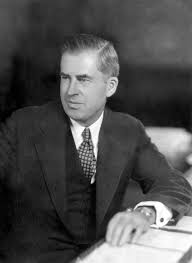
In addition to his many scientific achievements, George provided an important influence for a young boy named Henry, teaching him all about plants. Henry Wallace grew up to become the U.S. secretary of agriculture and then vice president of the United States.


Henry hired a young biochemist named Norman and instructed him to develop a high-yielding, disease-resisting wheat. Norman spent twenty years in laboratory and field research to achieve the objective. He also developed superior corn and rice.


More than two billion lives have been saved because of Norman Borlaug–and Henry Wallace who impacted Norman, and George Washington Carver who influenced Henry, and Moses Carver who inspired George.


Who else but God could have directed such events, connecting one life with another to create such epic results?

We, too, have the exciting privilege to participate with God.  There are grand possibilities in every encounter–to impact our corners of the world as Jesus’ agents, speaking on his behalf, acting in his name, and drawing people to him.

And at those times when the effort doesn’t seem to accomplish much, we can remember:

  1. 1. “God does some of his best work when we don’t think he’s doing a thing” (Priscilla Shirer, The Kingdom Woman Devotional, emphasis added), and
  2. 2.  God’s work in us and through us isn’t over until we’ve completed the last curve.

*     *     *     *     *     *     *     *     *     *

Father, I want to be a person who seizes the day under your instruction, who chooses to honor you in word and action. I want to be a participant in what you’re accomplishing, not just an observer. May I be faithful to follow your lead, knowing that in the end the results will be gloriously worth it.


(Art & photo credits:  Nancy Ruegg (4); http://www.canva.com; http://www.flickr.com; http://www.wikimedia.com (2); http://www.sunraybook.com)



Read Full Post »


The eagle that soars in the upper air

does not worry itself how it is to cross rivers.

—Gladys Aylward


That’s a worthy quote to keep on file, don’t you think? I love the imagery of flying high through life close to God, the One who empowers us to traverse challenge.

But I wonder, who is this Gladys Aylward? Author? Teacher? Did she soar in the upper air? What rivers of challenge did she have to navigate?

A bit of research revealed that Gladys’ life began in the challenging river of the working class in London, 1902. By age fourteen she had to leave school and become a maid, to help support the family.

Two events changed her course, however. One, Gladys met Jesus at a revival meeting, and two, she became impassioned about China, after hearing a pastor speak of several missionaries who worked there.


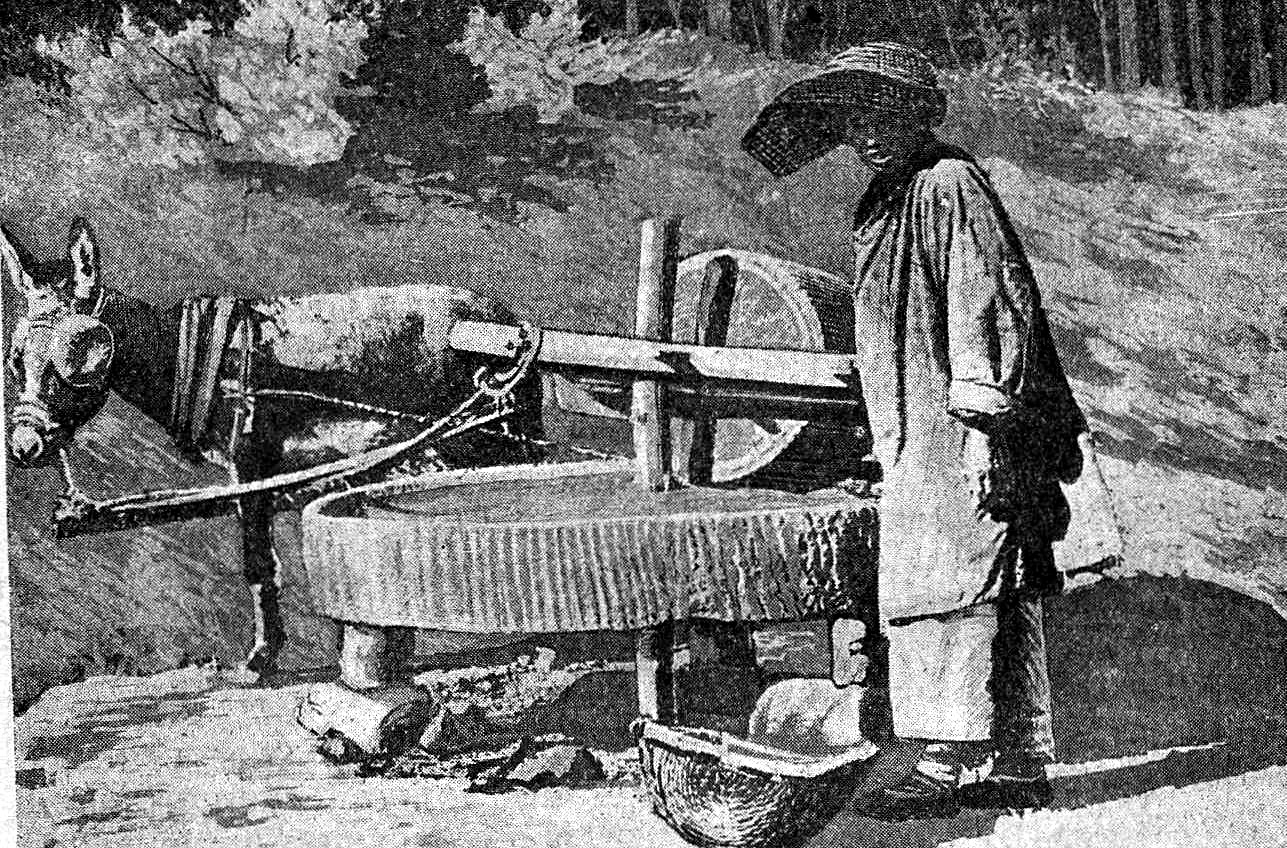
(Millworker in Henan, China, 1930)


Gladys’ thoughts turned toward China frequently and to the millions of people who had never heard about Jesus. She longed to be one of those to tell them, so she applied to the China Inland Mission.

Gladys was turned down. They said she didn’t have the aptitude or education necessary to learn such a difficult language as Chinese.

The rejection was a deep disappointment, but it did not stop her. She spent four years working extra hours, scrimping and saving every possible pence from her meager wages, in order to pay her own passage.

During that fourth year, word reached Gladys that an elderly widow missionary, Jennie Lawson in Yancheng, China, was in need of a helper.

Several months later, in October of 1932, she set out on the dangerous, weeks-long journey through Europe and Russia, mostly by train. (Passage aboard a ship would have provided a shorter, safer trip, but train travel was cheaper.)


When Gladys finally arrived, she found Jennie—not directing an established mission, but living alone in a ramshackle inn. Within a year, however, Jennie, Gladys, and their Chinese cook and friend, Yang, had completed the needed repairs.

The two missionaries were finally able to host the mule drivers who caravanned through Yancheng, transporting their various wares.  In the evenings, Jennie told Bible stories to the guests.

It wasn’t long before Gladys was also telling the stories. She learned Chinese quite readily while conversing with Yang and the muleteers—a feat she later called one of God’s miracles.


(Gladys Aylward)


No sooner did their situation become secure than Jennie fell, and died several days later. Gladys couldn’t sustain the inn on her own. But God made provision for her to stay. The Mandarin of the area offered Gladys a job, inspecting women’s feet!


(foot-binding shoes)


A law had been passed in China forbidding the ancient custom of binding girls’ feet in order to keep them dainty and small. The practice also caused lameness and pain. Gladys accepted the position, eager for the opportunities it would offer to tell people about Jesus.

But life still did not settle down into a comfortable, peaceful routine, as Gladys faced a number of seemingly impossible situations. And she soared over them all with God.

When a prison riot occurred, the Mandarin sent for Gladys—all 4’ 10” of her—to settle the inmates. God gave her the wherewithal (in spite of her fear) to command attention, ask a representative of the prisoners to explain the reasons for the riot, and then act as liaison with the prison guards to improve conditions.


In 1937, the war between Japan and China grew into a full-scale conflict. Gladys became a spy for her Chinese countrymen. Her foreign status gave Gladys the ability to cross into Japanese-controlled areas. When they became aware of Gladys’ espionage activities, a bounty was posted for her capture—dead or alive.

One time, Gladys narrowly escaped the bullets of her Japanese pursuers. As she hid in some bushes, Gladys used her padded coat as protection, wadding it up like a shield.

But the day came, she had to seek sanctuary elsewhere.  It was not just her life that was in danger; Gladys was concerned for the orphans who now lived with her at the inn.

She chose to flee to a government orphanage at Sian. When word spread through the community of her plan, other orphans were brought to her, so they too could escape the war zone. Soon 100 children had gathered for the trek—mostly four to eight years of age.


They walked through the mountains for twelve days—on rough, little-used trails where they could remain hidden. Some nights they spent with welcoming hosts; other nights they slept on the mountainsides. Most of their cloth shoes wore out before they reached Sian.

Miraculously, all of them arrived safe and sound, except Gladys, who was suffering from typhus and pneumonia and collapsed into a coma. She almost died, but did finally recover.

And as soon as she could, Gladys returned to what she loved: helping others in need and telling everyone about Jesus.

Gladys Aylward certainly proved she knew how to soar in the upper air, with God as her strength. And he did indeed carry her across many rivers.

Postscript:  Among the many that accepted Jesus into their lives as the result of Gladys’ efforts, was the Mandarin of Yancheng.


*     *     *     *     *     *     *     *     *     *


May I also soar, O God, resting in the confidence that you will never leave me or forsake me. You have promised to be my Helper. May I focus on you, my loving and powerful God, and not my circumstances, because you are the Lord of every situation. 

(Isaiah 40:31; Hebrews 13:5-6; Ephesians 1:11)


(Some of you may recognize Gladys’ story. It became the basis for a movie in 1958, The Inn of the Sixth Happiness, starring Ingrid Bergman.)


Sources:

  1. https://www.christianity.com/church/church-history/timeline/1901-2000/gladys-aylwards-impossible-mission-to-china-11630754.html
  2. http://justus.anglican.org/resources/bio/73.html
  3. http://www.thetravelingteam.org/articles/gladys-aylward
  4. https://urbana.org/blog/gladys-aylward


Photo credits:  http://www.pexels.com; http://www.wikimedia.org;  http://www.flickr.com; http://www.wikimedia.com; http://www.wikipedia.org; http://www.heartlight.org; http://www.maxpixel.net; http://www.dailyverses.net.


Read Full Post »


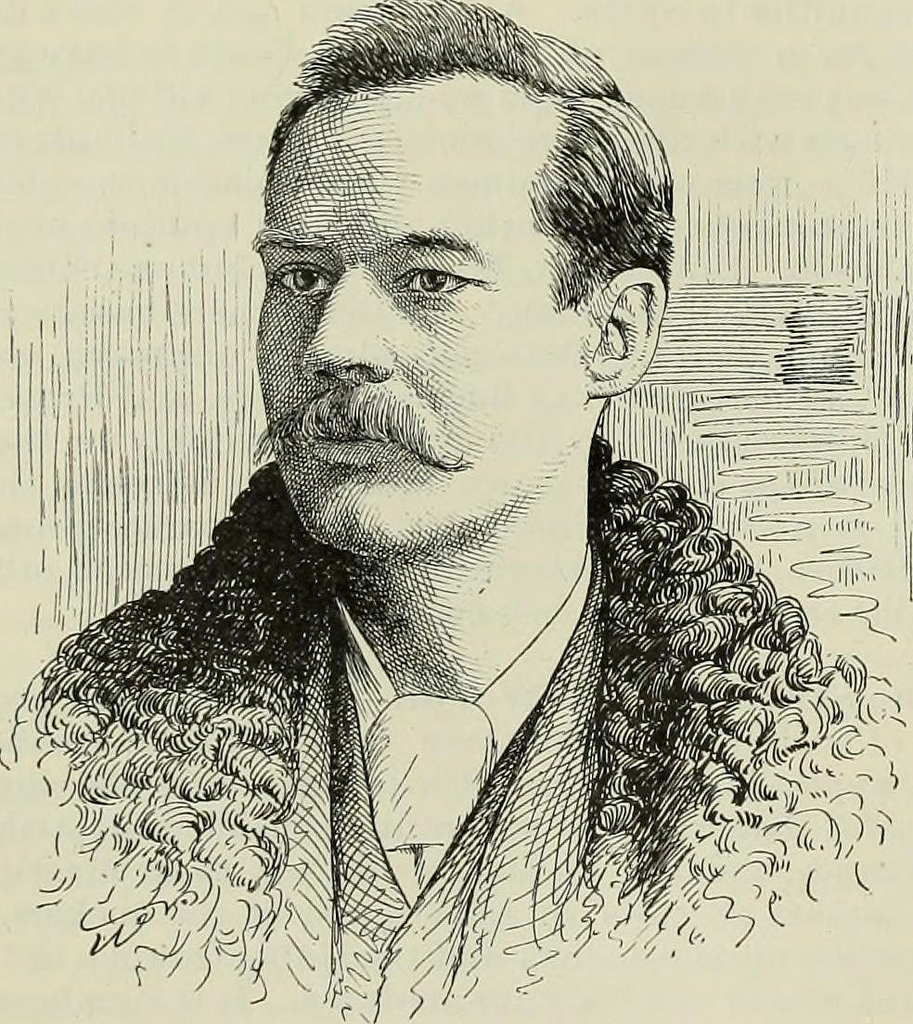
(Wilfred Grenfell, 1865-1940)


Dr. Wilfred Grenfell listened to the ill fisherman’s labored breathing. He took note of the patient’s fever-flushed cheeks and chill-induced tremors. The diagnosis: severe pneumonia, and possibly tuberculosis as well.

With little equipment and scant supplies at hand, Grenfell was unable to save the man. Left behind were the man’s wife and six children, subsisting in a tiny sod house.


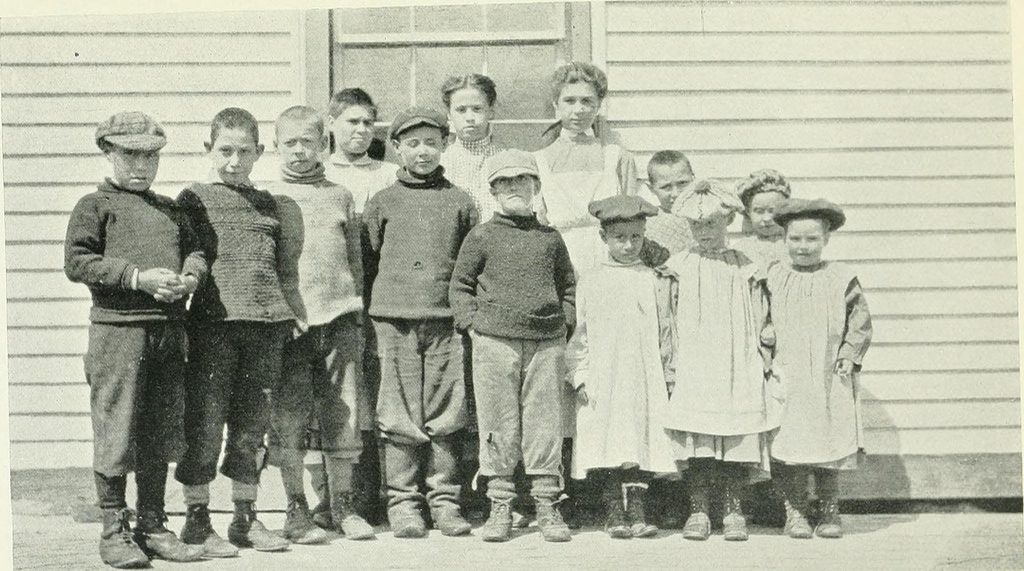
Who would care for the destitute family? Everyone in the fishing village of Battle Harbor, Labrador was barely surviving. In fact, up and down the coast similar tragedies occurred frequently because of the primitive living conditions.

The year was 1892. Dr. Grenfell had just recently arrived on the northeastern coast of Canada.


Over the next three months of summer, he treated about nine hundred people for a variety of medical conditions. And God used those experiences to stir him into action—action for which he had been preparing Grenfell for his entire life.

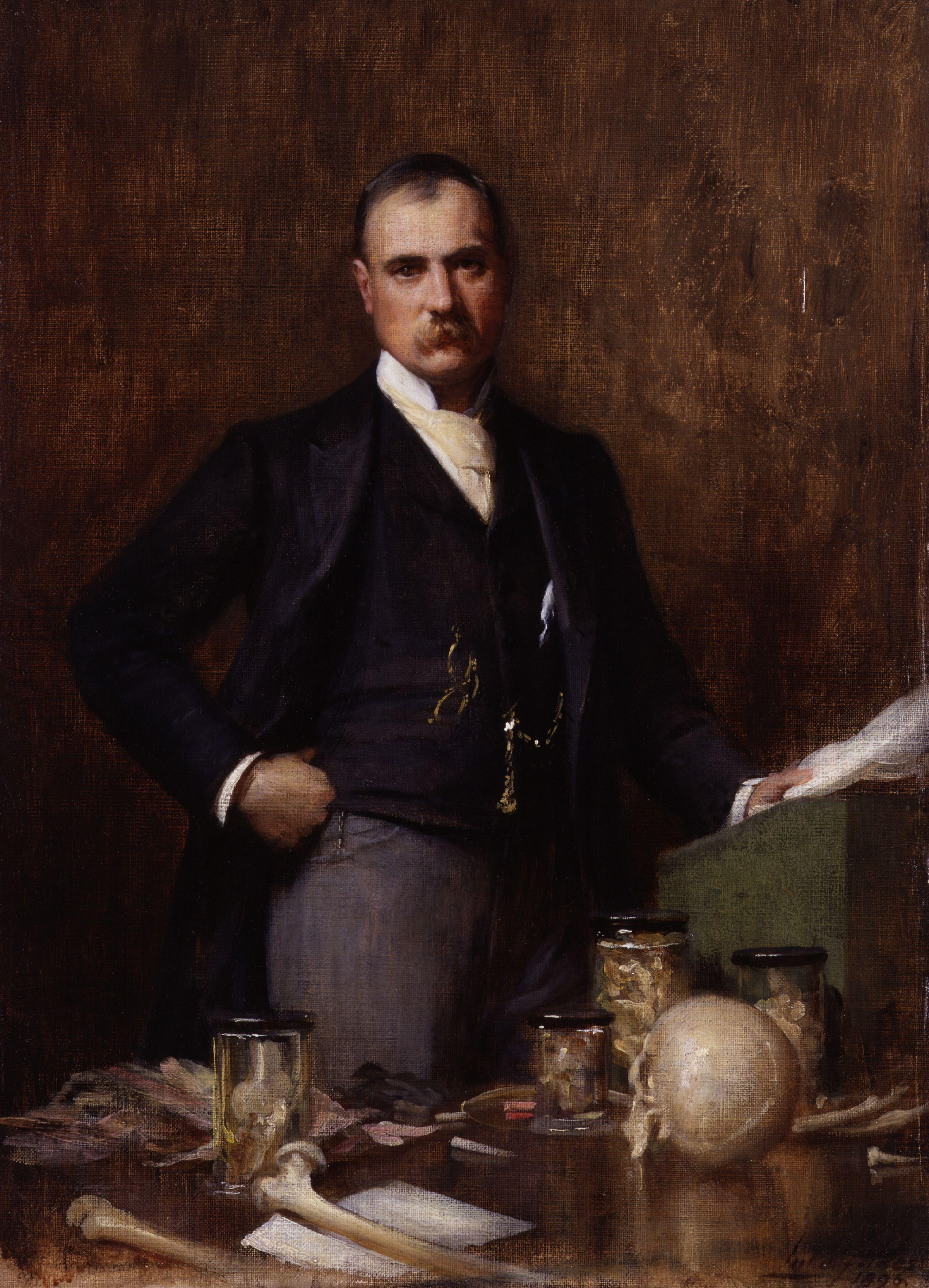
During his childhood, Wilfred’s parents, Reverend Algernon and Jane Grenfell, provided a strong Christian upbringing for their four sons. Grenfell then studied medicine at London Hospital and London University under the mentorship of the highly respected Christian surgeon, Sir Frederick Treves.


(Sir Frederick Treves)


But a life-changing moment occurred for Grenfell in 1885 when he attended a tent-revival meeting held by D. L. Moody. Grenfell accepted Moody’s spirited challenge to serve Christ with passion and courage.

Not long after, he heard the Cambridge Seven speak—famous student athletes at the time, serving as missionaries in China. Wilfred felt further inspired to follow God’s leading toward Christian service.


(The Cambridge Seven in Mandarin garb, 1885)


Upon graduation from medical school, Wilfred joined the Royal National Mission to Deep Sea Fishermen, on recommendation of his mentor and board member of the mission, Sir Frederick Treves.

The RNMDSF already provided floating libraries, clothing stores, and chapels. Now Grenfell could add medical services to the other benefits.


(The Royal National Mission to Deep-Sea Fishermen,

still in operation since its founding in 1881.)


His travels with the mission brought Grenfell to Labrador where the living conditions were so dire he felt compelled to do what he could to improve them.

In addition to offering medical care, Grenfell held simple church services, preaching what he remembered from his father’s sermons. Numerous people chose to follow Jesus; others were strengthened in their faith.

Over the course of the next four decades Grenfell built six hospitals and opened seven nursing stations. He established fourteen industrial centers, a number of churches, and  four boarding schools.


At first, the Royal National Mission to Deep-Sea Fishermen financed his work. But it soon became necessary for Grenfell to raise monies himself. God equipped him for this aspect of the work also, and very quickly he became a successful fundraiser and charismatic speaker.

One close-call adventure Grenfell relayed often on his speaking tours, and it finally became a book. (He wrote more than thirty books—all for the support of his mission work.)


In April of 1908 he found himself drifting out to sea on a chunk of ice with no hope of survival. He’d been dog sledding across the frozen Hope Bay, headed for a remote community in Newfoundland where a young boy needed surgery.

But conditions on the bay changed overnight while he rested. The ice began to break up. Though Grenfell tried to jump from one ice chunk to another in order to return to shore, he soon realized it was wasted effort. The floe was moving too fast.


(Drift ice off the coast of Labrador)


For a day and a night, Grenfell continued to drift. He was sure the rough seas would make rescue impossible. But a small group of fishermen in a boat did spot him and came to his aid.

Later, he described his rescuers as five men “with Newfoundland muscles in their backs and five as brave hearts as ever beat in the bodies of human beings” (Adrift on an Ice Pan, 1909).

Two days later, Grenfell was able to perform surgery on the young boy, who was brought to the local hospital by boat—a much more satisfactory solution.

In addition to his accomplishments and great adventures, Grenfell’s full life also included disappointment and doubt, trouble and sorrow, even failure. But he knew where to find strength and encouragement:


“The word of God is the Christian soul’s best weapon,

and it is essential to have it with him always.

In doubt it decides; in consultation it directs;

in anxiety it reassures, in sorrow it comforts;

in failure it encourages; in defense it protects;

in offense it is mightier than the mighty.”

–Wilfred Grenfell


Thus empowered, the great doctor accomplished his divinely appointed mission–day by day, year after year—with passion and courage.


*     *     *     *     *     *     *     *     *     *

That is what we desire as well, Father, to accomplish the mission you’ve divinely-appointed for each of us. May we embrace with faith, courage, and passion the possibilities you present before us, in honor of you, and because your pleasure always becomes ours as well.


(P.S. The winter after the ice floe rescue, Grenfell met Anna MacClanahan of Lake Forest, Illinois. They were married in November of 1909, and she quickly became Grenfell’s private secretary, editor, and adviser. They had two sons and one daughter.)


Sources:

  1. http://www.biographi.ca/en/bio/grenfell_wilfred_thomason_16E.html
  2. http://www.canadianchristianleaders.org/leader/wilfred-grenfell/
  3. http://www.cdnmedhall.org/inductees/sir-wilfred-grenfell
  4. http://www.greatthoughtstreasury.com/author/wilfred-grenfell-fully-sir-wilfred-thomason-grenfell
  5. http://www.grenfellhistory.co.uk/biographies/wilfred_thomason_grenfell.php
  6. https://www.heritage.nf.ca/articles/society/grenfell-mission.php
  7. https://ottawacitizen.com/news/national/fifteen-canadian-stories-wilfred-grenfell-the-daring-doctor-who-brought-hospitals-to-newfoundland


Art & photo credits:  http://www.flickr.com;www.wikimedia.org; http://www.wikipedia.org; http://www.wikimedia.org (2); http://www.geograph.org.uk; http://www.flickr.com (2); http://www.picryl.com; http://www.wikimedia.org; http://www.picryl.com.

Read Full Post »

We’re all familiar with the extraordinary accomplishments of:


  • Beethoven—composing masterful concertos, symphonies and more while deaf
  • Michelangelo—creating over-sized artworks with awe-inspiring realism
  • Shakespeare—writing dozens of plays and hundreds of sonnets with words that flowed “like a miraculous Celestial Light-ship, woven all of sheet-lightning and sunbeams” (Thomas Carlisle)

Geniuses indeed. But even more important than brilliance was their willingness to exert great effort.


Beethoven rewrote nearly every bar of his compositions at least a dozen times.

Michelangelo produced more than 2,000 preparatory sketches for “Last Judgment” alone, a painting considered by many as one of the best artworks of all time. It took eight years to complete.

Even Shakespeare must have revised again and again before his words approached the sublime eloquence he is known for.


The more we know of such masters, the more we realize: their works required enduring patience, tenacious persistence, and sharp focus.

It just so happens that God values those three attributes also. And since he’s working in us to foster all positive traits, we each have the potential to create masterpieces.

Of course, works of genius include much more than symphonies, paintings, and plays.  Are you part of a ministry, community project, or volunteer organization? Are you a parent, grandparent, mentor, or friend? These are just a few ways you and I contribute to the most valuable masterpieces of all—the people around us.


But there is effort involved. God chooses not to do it alone; he invites us to join with him in the work.  So what might be our part in developing those important qualities of patience, persistence, and focus, necessary for developing our genius?

The following steps may provide a good start.


Step #1: Practice waiting.


It is a fact: most worthwhile endeavors take time. Usually lots of it.

In addition, patience requires stamina to endure delay.

Consider Dr. Albert Sabin, who researched polio and developed the oral vaccine.  His mission required thirty-one years of painstaking effort.


Step #2: Expect to be stretched by struggle.

Oswald Chambers, in My Utmost for His Highest, likens the believer in the hands of God to the bow in the hands of an archer. God stretches us beyond what we think we can bear. And when his purpose is in sight, then he lets fly.

Consider Dr. Jason Fader, son of medical missionaries who now serves as a medical missionary himself in Berundi, Africa–after grueling medical training, intense language school, and challenging fund-raising.  But in 2017 he was chosen as the first recipient of the Gerson L’Chaim Prize for Outstanding Christian Medical Missionary Service ( Jason’s story).


Step #3: Persist—with the application of faith, prayer, and hope.

We must be willing to tolerate discomfort, perhaps for an extended period of time.

However, the genius-in-the-making under God’s tutelage does not plod along as he perseveres; he plots. He sets his coordinates for the course ahead by faith, prayer, and hopetrusting in God’s promises, asking for God’s guidance, and embracing the possibilities of tomorrow as well as the challenges of today—because in all of it there is good.

Consider George Muller of Bristol, England, whose five orphanages housed over 2,000 children at any one time.  Muller not only wanted to care for these children but demonstrate that God would meet “all their needs as a result of prayer and faith, without any one being asked or approached” (www.mullers.org).  His story includes miracle after miracle.


Step #4: Remain focused on the task at hand.

A genius does not allow distraction or discouragement to sidetrack him. He takes delight in the present moment while: composing one bar of sublime, symphonic fusion, getting the light just right in one small area of the canvas, or choosing specific, rhythmic words for one line of imagery.

But even more important for the believer, she is inspired and directed by God himself. His plan may include an exceptional piece of music, art, or writing. Or, perhaps even more importantly, it may include exceptional input into the lives of others–through kindness, encouragement, and integrity.


It is God who is the Supreme Genius, masterfully weaving a tapestry of circumstances and relationships among his people. The full beauty of this masterpiece will not be revealed until we all arrive in heaven.

Then we’ll see the results of the God-given genius in each of us, our patience, perseverance, and focus, woven into God’s perfect design.

And what a celebration will ensue.


(Art & photo credits:  http://www.wikimedia.com; http://www.wikipedia.com (2); http://www.ramstein.af.mil; http://www.flickr.com; http://www.vi.wikipedia.com; http://www.georgemuller.org; http://www.flickr.com.)


Read Full Post »


From the time Darlene McIntosh was ten years old, she knew God wanted her serve him on the mission field.

By age twenty-two, Darlene was newly married to pioneer missionary Russell Deibler, and settled in the jungle of New Guinea where he had built a two-room home for her out of woven bamboo mats.


Russell and Darlene proceeded to build relationships with members of a nearby primitive tribe, the Kapauku, who had never heard of Jesus. She fell in love with the people, the work, and her surroundings.

On her twenty-third birthday in May of 1940, the couple heard that the Nazis had invaded Holland. It didn’t take long for the war to find them, even in their remote location. The Deiblers and other missionaries could have escaped to safety but chose to stay at their mission compound.

In January of 1942 the Japanese came and took the men captive. Russell’s last words to Darlene were: “Remember one thing, dear: God said that He would never leave us nor forsake us.” That was the last time she saw Russell; he would die in the prison camp.


For a short while, the women and one older man continued to live at the mission.

One night Darlene heard scuffling noises in the house. She got up from her bed and encountered a bandit armed with a knife.

Darlene surprised herself by rushing at him. Even more surprising, the bandit turned and fled; Darlene chased him out of the house. Suddenly a gang of bandits ran out of the jungle to join the first. She expected them to attack her. Instead the first bandit yelled to the others, and they all turned and ran.

From then on, the missionaries kept clubs at the feet of their beds, but they never had to use them.

Darlene always suspected the compound gardener had been the bandit, because he was familiar with the house. After the war, Darlene asked him why he had never tried to steal from the missionaries again.

“It was because of all those people you had there–” he replied.  “Those people in white who stood about the house!”


In May of 1943, Darlene and the other remaining missionaries were taken to a prison camp in Kampili. Commander Yamaji, a man with a mercurial temper, required strenuous work quotas of the six hundred women living there, including killing flies.

The flies bothered the pigs, raised at the camp to feed Japanese soldiers. Each prisoner was required to bring Commander Yamaji 100 dead flies every day (That’s 60,000 flies!)—even while completing numerous other tasks.

Darlene prayed for Commander Yamaji and was able to tell him about Jesus. “He died for you,” she told him. “Maybe that’s why God brought me here, to tell you he loves you.” The commander suddenly left his office with tears on his cheeks.


In May of 1944, the Japanese secret police came to escort Darlene to another prison. She was put in solitary confinement, falsely accused of espionage.

Darlene endured nightly mosquito swarms, near-starvation, malaria and other serious illnesses, inhumane conditions, brutal interrogations, and torture.

But only her Heavenly Father saw her tears, never the captors. She sustained herself by singing hymns, quoting scripture, and reciting Russell’s last words: God will never leave you nor forsake you.


One day Darlene pulled herself up to look out the small window of her cell. She saw a woman make her way to the fence, reach through the underbrush, and come away with a bunch of bananas, which she quickly concealed in the folds of her skirt.

Oh, to eat just one banana, Darlene thought. Lord, how I would love a banana! Darlene could not get the coveted fruit out of her mind. She talked to God about her craving, knowing that such a fantastical desire could not be fulfilled.

The next morning, Darlene had a surprise visitor, Commander Yamaji. Tears filled her eyes. “It’s like seeing an old friend,” she exclaimed.

“You are very ill, aren’t you,” he remarked.

“Yes, Mr. Yamaji, I am.”

When the commander left, Darlene watched him speak to the guards for a long time. Later she heard the familiar stomp of boots outside her cell. The door was unlocked and one of the guards threw a stalk of bananas onto the floor.

“From Mr. Yamaji,” he said.

With tears of praise to God, Darlene counted ninety-two bananas. God had provided—far above what she imagined. She savored them, one per day for three months.


Darlene would surely have been beheaded as a spy, but she was inexplicably returned to Kampili, the POW camp under Commander Yamaji’s leadership.

Soon nightly bombings began. The women hid as best they could in ditches. Every morning they would have to bury those who had not survived.

One night during the siege, Darlene felt compelled by God to leave her shelter in the dirt, go back to the barracks, and retrieve a Bible. By the time she returned to her ditch the bombing had subsided.

But during Darlene’s brief absence, her refuge had been hit directly and destroyed.


Finally, in the fall of 1945 the horrific ordeal ended. Darlene returned to her family in America to be nursed back to health. She weighed 80 pounds.

Four years later, Darlene was back in New Guinea. God had brought Gerald Rose into her life, another missionary who also carried a passion for indigenous people. They were married and together raised two sons. For forty years they served God, not only in New Guinea but also in the Outback of Australia.

In 1976, a friend told Darlene she had heard Mr. Yamaji sharing his story on Japanese radio. The angry and cruel prison camp commander had become a changed man because of Jesus.


No doubt God had used Darlene as an important influence in his life—and in the lives of countless others as well.


*     *     *     *     *     *     *     *     *


Almighty God, we exult in your sustaining power that carries us through even the most excruciating circumstances. You supply impossible strength, courage, and perseverance to endure. And just as Russell told Darlene, you never leave us nor forsake us. Hallelujah!

(Psalm 28:7; Philippians 4:13; Deuteronomy 31:6; James 1:2-4, Deuteronomy 31:8)


Sources:

1) http://reneeannsmith.com/a/tag/darlene-deibler-rose/

2) http://pursuedandconquered.blogspot.com/2012/08/bananas-in-prison.html

3) http://www.danielakin.com/wp-content/uploads/2016/08/Psalm-27-The-Lord-Is-My-Light-and-My-Salvation…Darlene-Diebler-Rose-Convocation-Fall-2016-kh.pdf

4) http://www.scripturaltruths.org/Articles/Real%20Life%20Experiences/REAL%20LIFE%20STORIES%20-%20Darlene%20Deibler%20Rose%20-%20Prisoner%20of%20War%20-%20May%202017%20-%20PDF.pdf


Art & photo credits:  http://www.darlenerose.org; http://www.wikimedia.com; http://www.dailyverses.net; http://www.heartlight.org;www.canva.com (2); http://www.heartlight.org (2); http://www.canva.com.

Read Full Post »

Florida's Turnpike North - Exit 75 - FL808 | formulanone | Flickr

A number of years ago and for the span of a decade, I commuted a half hour each way to and from the school where I taught.

Needless to say I saw all kinds of drivers: the speed demons and poke-alongs, the weavers and squeezers, the distracted and multi-taskers—each one an accident waiting to happen, each one confident that he or she was not.

One day a young man on a motorcycle whizzed by, darting between vehicles left and right in search of the fastest lane. This was not in near standstill traffic; it was on a stretch of Florida Turnpike where the speed limit is seventy.

Oh, Lord, I thought. Talk about an accident waiting to happen. That boy has no idea the danger he’s creating for himself and everyone else in his path.

A few minutes later I reached my exit and gasped aloud. Lying in the grass in the middle of the cloverleaf turn-off was that young motorcyclist, far separated from his twisted bike.

A few people were already hunched over him, perhaps from the nearby tollbooth area. I breathed a sigh of relief when I saw his leg move.

Every now and then that scene comes to mind. I imagine that young man as he straddled his cycle that morning, anxious to be on his way for another exhilarating trip of engine revving, speed, and clever maneuvering.

No doubt a trip to the hospital never even crossed his mind.

The young often do live in a fantasy world of invincibility. And those of us with a bit more life-experience shake our heads at their carelessness.

But fast-lane living isn’t the singular domain of speeders and teenage boys on motorcycles.

Even a retired schoolteacher like me can forget: life is fragile.

Not that I drive recklessly or take foolish chances.

But I am very capable of rushing through a to-do list and missing an opportunity to provide joy in someone else’s life. I can breeze right past the blessings-of-the-moment because I’m focused on something down the road.

I can even forget the values I hold dear, including attentiveness to God and loving compassion for others.

It is downright foolish of me to live in a fantasy of invincibility, as if there will always be plenty of tomorrows for attentiveness and compassion, while cruising along in the fast lane of frenzied activity.

Instead, I’d rather cup my hands around each day and:

  • Find the wonder in the common. “The moment one gives close attention to anything, even a blade of grass, it becomes a mysterious, awesome, indescribable, magnificent world in itself” (Henry Miller).
  • Take note of the everyday miracles. “Looking is the beginning of seeing” (Sister Corita Kent).
  • Hug often. “Hugs are one of the reasons God gave us arms. So stretch out your arms to someone today…It will warm the heart of the giver and give light to the soul of the recipient” (Unknown).
  • Laugh easily. “Laughter is the closest thing to the grace of God” (Karl Barth).

  • Value every person. “The way we treat others is more about who we are, not who they are” (Unknown, emphasis added).
  • Forgive quickly. “Forgiveness isn’t about letting the other person off the hook. It’s about keeping the hooks of bitterness from getting into you” (Gabrielle Bernstein).
  • Avoid negativity. “Beautiful things happen when you distance yourself from negativity” (Unknown).
  • Choose joy. “True contentment is the power of getting out of any situation all that there is in it” (G. K. Chesterton).

*     *     *     *     *     *     *     *     *     *

Lord God, I have so much to be thankful for, including this cloudy, cozy day and the welcome chill in the air. I thank you for this moment, complete with winking candle, hazelnut coffee, and soft music to keep me company as I write.

Thank you also for the designated purpose you ordain for each person.   Because I am still alive, you still have plans to fulfill through me, especially to bless others. And for that I am grateful as well.

Keep me mindful, I pray, that fast lane living is not only foolish, it is dangerous to my soul.

(1 Thessalonians 5:18; Psalm 37:23; Proverbs 19:21; Ephesians 2:10)

What will you cup your hands around today?  Tell us about it in the comment section below!

(Art & photo credits:  www.flickr.com; http://www.commons.wikimedia.org (3); http://www.flickr.com; Nancy Ruegg.)

Read Full Post »

“The whole meaning of history is in the proof

that there have lived people before the present time

whom it is important to meet.”

–Eugene Rosenstock Huessy


Betty Greene (1920-1997) is one of them.


Eight year-old Betty sat close to the radio, listening intently to the news all America wanted to hear on May 21, 1927: Charles Lindbergh had landed his tiny plane safely in Paris. He had flown nonstop for thirty-three hours and thirty minutes  to cross the Atlantic Ocean–the first person to do so. As a result, Charles Lindbergh became a hero to many Americans, including young Betty.


The next year, she followed the exploits of Amelia Earhart. In June of 1928, Ms. Earhart also flew nonstop across the Atlantic, from Newfoundland to Wales.


“That’s what I want to do someday—fly airplanes!” Betty asserted. And she began to dream of her own adventures in the sky.

By the time Betty was old enough for flying lessons, however, the Great Depression had settled over the country. Her mom and dad needed every dime to provide necessities for their family of six. Flying lessons were an unaffordable luxury.

But on her sixteenth birthday, Betty received an envelope from one of her uncles. Inside she found one hundred dollars—a small fortune at that time. Betty immediately made arrangements for flying lessons.

Not that she could expect to become a commercial pilot. That career was reserved for men in the 1930s. Unless Betty took up stunt aviation, she would have to be content to fly as a hobby—if she could afford access to a plane.

An elderly family friend suggested a creative possibility. Betty might be able to serve as a missionary pilot. “Think of all the time—and sometimes lives—that could be saved if missionaries didn’t have to spend weeks hacking their way through jungles,” she said.

Immediately Betty knew. This was what God wanted her to do.

Before Betty had a chance to pursue such a radical idea, World War II began. Early in the conflict, it became apparent the number of Air Force pilots was inadequate. But someone decided women could be trained to handle non-combat tasks, freeing up men for the more dangerous assignments.

Betty perfectly fit the criteria to become a WASP in the Women Airforce Service Pilots, and was readily accepted into the program.


Soon she was flying planes from the manufacturing site to military bases and departure points for overseas. She towed aerial targets for soldiers to gain artillery practice—with live ammunition (so say some sources).  And Betty flew missions at high-altitudes, to assist in the development of needed technology for such flights.

Betty’s dream to be a missionary pilot seemed to be on hold as the war continued, but God was about to do immeasurably more than all she could ask or imagine (Ephesians 3:20).

While serving as a WASP, Betty wrote two articles for two different Christian magazines about using planes to help missionaries. Three American pilots read the articles and wrote to Betty about their idea to start such an organization, once the war ended.

On May 20, 1945, the Christian Airmen’s Missionary Fellowship began operation in Los Angeles. Later to become Missionary Aviation Fellowship (MAF)—perhaps because their first pilot was not an airman at all. It was Betty.


(Preparing for the inaugural flight, February, 1946)


That first flight included two women missionaries in need of transportation from southern California to Mexico City, a three-day trip.

On the first leg Betty noticed something coming off the engine, so she made an unscheduled landing at Tuxpan, Mexico to have the plane inspected. The debris turned out to be just flaking paint. Meanwhile the two missionaries made their way to Mexico City on a commercial flight.

Betty and a new passenger, Cameron Townsend (founder of Wycliffe Bible Translators) left Tuxpan for Tuxla Gutierrez, near the Wycliffe Jungle Camp. Along the route Betty stopped in Minatitlan to refuel and then they were off again. However, a heavy storm developed, and they were forced to turn back.

As they headed toward Minatitlan, another setback occurred:  the engine died. Betty kept her head and switched gas tanks, then re-fired the engine. The tactic worked. She and Mr. Townsend safely returned to Minatitlan. Later she discovered that water in the fuel tank had caused the engine to fail.

The next morning, they finally reached Tuxtla. The three-day flight had taken one week. But the troublesome beginnings did not discourage Betty.

She went on to serve as an MAF pilot for sixteen years–in spite of more mishaps, emergency landings on rivers and at least one crash.  She completed 4,640 flights, served in twelve countries, and touched down in another twenty.

Her responsibilities included ferrying aircraft and delivering missionaries, dignitaries, and cargo to remote areas. She also saved lives by transporting ill or injured patients from inaccessible locations back to civilization and medical care.


(Betty, center left, in Papua, Indonesia)


In 1962 Betty transitioned from pilot-in-the-field to representative-and-recruiter for MAF, serving as an advocate for the organization until her death in 1997.

Today, MAF operates 132 aircraft in more than 25 countries worldwide.


(Sites of MAF Bases)


And it all began with a little girl who dreamed of flying.


Sources:  www.dianawaring.com; http://www.footprintsintoafrica.com; http://www.maf.org; http://www.maf-uk.org; http://www.mnnonline.org.


Photo credits:  www.flickr.com (2), http://www.pinterest.com; http://www.maf.org (3).


Read Full Post »


7cca594661dc8cc1a4595d6fb87bd92f


Between the putrid odors and stale air below decks, Francis Asbury chose to spend most of his time on the top deck, often taking his journal and pencils with him. The rolling of the ship caused unsteady handwriting, but recording his thoughts passed the time and focused his heart on what lay ahead.

Twenty-six year old Francis had left home in England, September 4,1771, at the invitation of John Wesley, the great Methodist evangelist. The growing colonies in America needed ministers, and Francis accepted the challenge. Nine years of experience in the pulpit had prepared him for the preaching; what else might be required only God knew.


90f27712740c25fbdde5877e660ac778


Francis put pencil to page. “Whither am I going? To the New World. What to do? To gain honor? No, if I know my own heart. To get money? No, I am going to live to God and to bring others to do so.”

Upon his arrival in America, Francis soon discovered colonial life was drastically different from that of England. Centuries of development and culture in Britain had created a civilized society. America was rough and raw by comparison, although the towns exhibited more refinement than outlying settlements.


exterior_view_of_independence_hall_circa_1770s

(Asbury disembarked at Philadelphia, home of Independence Hall.)


To make his home in one of these towns must have crossed his mind, but Francis was compelled to take his message of hope and peace to the villages and pioneers. He began twenty miles outside of New York in Westchester, and then visited other small hamlets as well. Soon he developed a “preaching circuit.” Other Methodist ministers followed his example. These circuit riders were so willing to travel in all sorts of weather, a saying became popularized: “Nobody out today but the crows and the Methodists.”

In 1775, several of his colleagues decided to return to England, as war between the colonies and Britain seemed imminent. But Francis chose to stay, impassioned as always to continue preaching about Jesus no matter the dangers.

Other perils included sickness, exposed as he was to inclement weather of all sorts. He preached numerous times with an ulcerated throat and high fever. Sometimes Francis was so weak, men would have to lift him onto his horse and tie him in the saddle. In later years, he resorted to a carriage due to rheumatism. Yet he preached on.


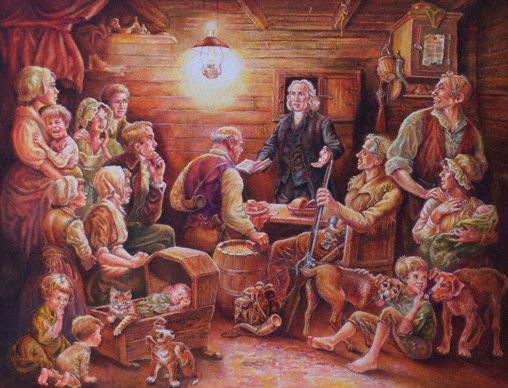
ps30-francis-asbury-preaching-by-lamp-light

(“Francis Asbury Preaching by Lamplight”

by Richard Douglas)


Francis also continued to journal about his experiences:

“Near midnight we stopped at A.’s…Our supper was tea…I lay along the floor on a few deerskins with the fleas. That night our poor horses got no corn, and next morning had to swim across the Monongahela.

“The gnats are almost as troublesome here as the mosquitoes in the lowlands of the seaboard. This country will require much work to make it tolerable” (West Virginia, July 10, 1788).

For 45 years Francis traveled throughout the colonies, from Georgia to Maine, and even into Canada. He covered an estimated 300,000 miles, delivered some 16,500 sermons, ordained nearly 700 preachers, and added well over 200,000 members to the Methodist Episcopal Church.


d4761a4c-797e-43ed-8177-ec6abb414cd5


Francis became so well-known, he received mail addressed simply, “Bishop Asbury, United States of America.”

Yet even as a bishop he earned only $80 per year, and that he mostly gave away. He also gave away the coats and shirts from his own back to anyone more destitute than himself.

On March 24, 1816, Francis Asbury preached his last sermon. He was seventy years old.

A week later, he finally succumbed to yet another bout of illness. The well-known bishop died penniless but “rich in souls” (Dan Graves), a tireless participant in the growth of Christian faith across the colonies that included the building of numerous churches and institutions of learning, impacting future generations to this day.

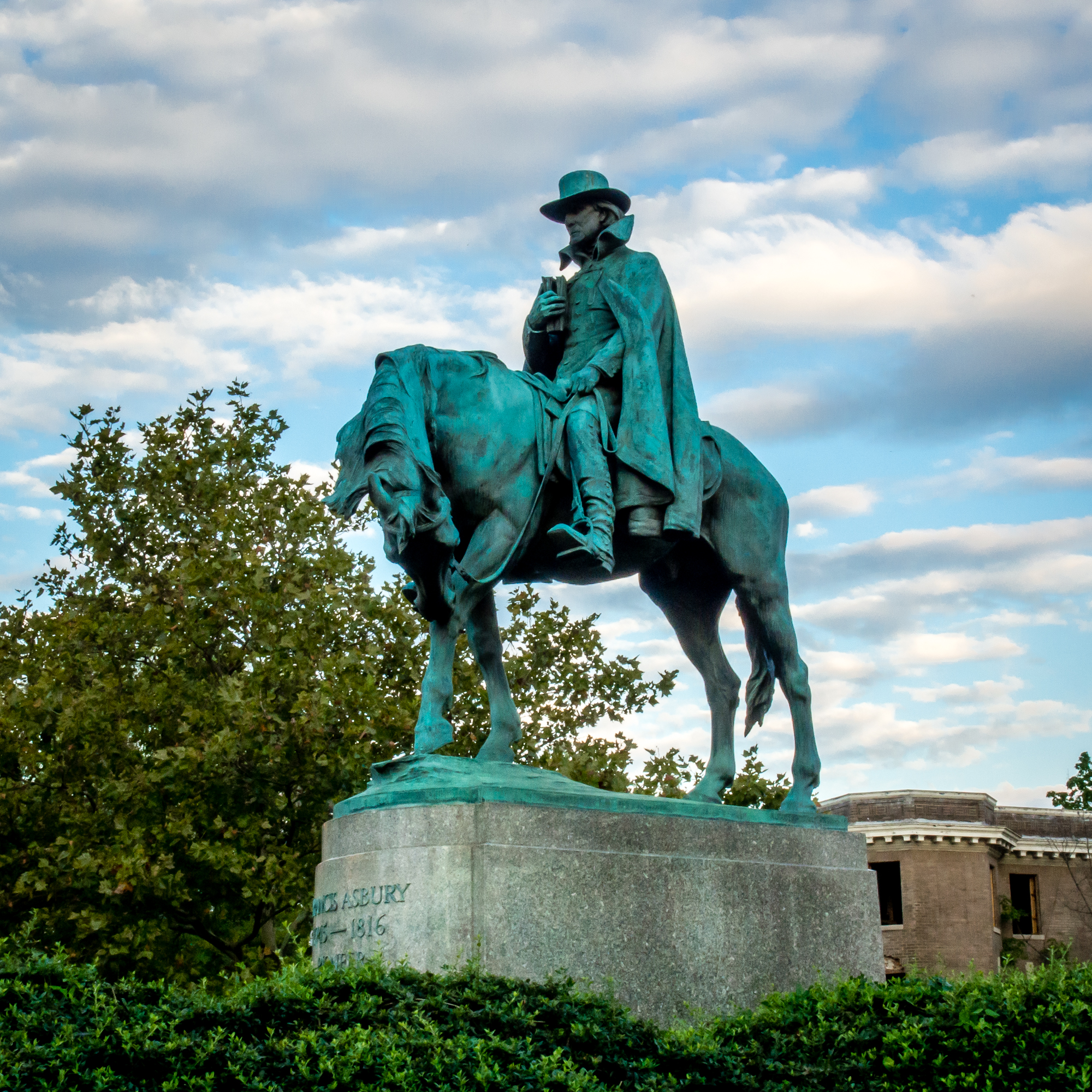
A little more than a century after his death, a statue of Asbury was erected in Washington, D.C. On October 15, 1924, President Calvin Coolidge gave the dedication address at the unveiling.


Monument to Francis Asbury in Washington, DC

Monument to Francis Asbury in Washington, DC


His commendations included:

“He never had any of the luxuries of this life. Even its absolute necessities he had a scanty share…yet his great spirit pressed on to the end, always toward the mark of his high calling.”

Though Asbury is not listed among the founding fathers, President Coolidge affirmed during his address: “He is entitled to rank as one of the builders of our nation.”

Truly, Francis Asbury could say with the apostle Paul, “According to the grace of God which was given to me, like a wise master builder I laid a foundation” (1 Corinthians 3:10 NASB). And Asbury’s example was as powerful as his preaching—his self-sacrifice, passion, and purpose recorded in his ship journal in 1771—a purpose from which he never wavered:


1-corinthians-3-10


“I am going to live to God and bring others to do so.”


*     *     *    *     *     *     *     *     *     *


Oh, Lord, guide me to fulfill that same purpose! Keep me mindful that nothing else will provide such satisfaction and contentment as a life lived for you.


Sources:

  1. http://www.christianity.com, “Francis Asbury” by Dan Graves.
  2. http://www.christianitytoday.com.
  3. Seedbed Sower’s Almanac and Seed Catalog, Seedbed Publishing, 2015-2016.
  4. http://www.wesleycenter.nnu.edu.


Art & photo credits:  www.wallpaperbeautiful.com; http://www.pinterest.com; http://www.wikimediacommons; http://www.wikimedia.com; http://www.place.asburyseminary.edu; http://www.fggam.org; http://www.bibleteachingresources.org.)


Read Full Post »

Yes, the title is a bit of word play, generated by the discovery of this quote:

0725d644e0e4eb43f7a1c2e9904a02e5

M-m-m. Spiritual lessons in the woods are relatively easy to extrapolate.  The Bible offers several inspiring metaphors/similes from trees (1).

But stones—lifeless, drab stones? What can we learn from them?

stones-02

So began my query into stones, and a bit of research turned up the following:

There are at least 120 different sub-categories of rocks, within the igneous, sedimentary, and metamorphic groupings. Another thirty-one types make up a group of their own, not fitting those three common categories.  One website stated there are over 700 varieties of igneous rocks alone.

Geologists and rock collectors will tell you:

There is delight in diversity.

Beach stones washed in the surf

That goes for people, too, doesn’t it. A planet inhabited by identical beings would be painfully boring.

But even similar, ordinary stones can generate interest. For example, take this little pebble:

med_ap025s5408

Rather dull and ordinary, right?

But what if you put it with numerous, similar stones? What then?

water_landscapes_rocks_pebbles_ocean_beaches_cool

We discover that:

Many ordinary stones together can provide breathtaking beauty.

Within the church that truth applies to people. Regular folks become remarkable as we join together and serve under the power of God. Someone put it this way:

When a river sings, it is thanks to the stones.

Now some stones appear dull and plain on the outside. The casual observer passes them by. But the trained eye detects a hint of the splendor within.   And when such a rock is split open, a colorful, gleaming wonder is revealed.

LagunaAgate1
an agate

You have to open up some stones to discover their treasures.

Agates of a different nature are all around us—in our neighbors, coworkers, church acquaintances, etc. What if we reached out with a friendly question or two and gave them opportunity to open up? Perhaps gleaming treasure awaits.

Beauty in stone can occur in other ways, too.  For example:

A stone in the hand of a master sculptor becomes a new creation.

 The genius of Michelangelo gives us a glimpse of such transformation. Out of nondescript marble he chiseled exquisite, life-like statues.

Madonna from the Pieta

Praise God that even dull, ordinary people of stone can become works of art when we give ourselves over to him.

God, our Rock, is Lord of stones. 

*     *     *     *     *     *     *     *     *     * 

I praise you, oh God, for being a Rock of constancy, stability, and protection. You graciously build us into a spiritual house—individually and corporately– where the Holy Spirit can reside.  As “living stones,” we too become everlasting and durable, united together with the One Living Stone, your Son, Jesus (1 Peter 2:5).

(1) For metaphors/similes of trees, see Psalm 1:3, 52:8, and 92:12; Jeremiah 17:8; Micah 4:4.

Photo Credits:  www.pinterest.com; http://www.free-pictures-photos.com; http://www.pxhere.com; http://www.freephotosbank.com; http://www.hdwallpapers.com; http://www.bhmpics.com; http://www.d.umn.edu; http://www.flickr.com.

Read Full Post »

His record sounds like a tall tale.

He traveled 250,000 miles (that’s ten times around the globe at the equator) by horseback or on foot. All told, he preached 40,000 sermons. And by the end of his life, his followers included scores of people on both sides of the Atlantic Ocean:

  • 71, 668 British members
  • 294 preachers in Britain
  • 43,265 American members
  • 198 preachers in America
  • 19 missionaries

But that’s not all. This giant of Christianity also wrote dozens of books.

This is no tall tale; it’s the life of John Wesley (1703-1791).


220px-Jwesleysitting

(John Wesley)

Even into old age, John Wesley proclaimed the good news about Jesus and his gift of eternal life.

At age 83, he was still writing books, but very disappointed that after fifteen hours at his desk, his eyes would start to hurt.

At age 86, Wesley could still preach a rousing sermon, but sadly (to him) he only had stamina for two per day, not three as had been his standard for many years.

It also frustrated Wesley that he needed more rest as he aged. No longer did he wake up ready to seize the day at 4:00 a.m. In his latter years he had to sleep until 5:30.

The evidence seems clear: John Wesley lived every day of his life with purpose and passion—even into old age.

And undoubtedly he received great satisfaction and fulfillment from his choice to remain active and useful.

Like some men and women today, Wesley carried on into his golden years what he had been doing for decades. (I recently heard on the news about a one hundred-year old woman who is still teaching school. Like John Wesley though, she’s curtailed her schedule!)

Others of us explore new paths during our retirement years. Laura Ingalls Wilder didn’t begin her best-selling “Little House on the Prairie” series until age 64. The last book, These Happy Golden Years, she completed at age 76.


Laura_Ingalls_Wilder

(Laura Ingalls Wilder)


Wesley’s and Wilder’s examples (and those of countless others) prove:  It is possible to accomplish worthwhile endeavors even as we age.

If you’re young, you can look forward to new possibilities of successful, purposeful living for decades to come.

If you’re older as I am, we still can enjoy successful, purposeful living.

But for all of us, maintaining an attitude of faith and remaining involved with others is most important because:

Our influence on those around us offers opportunity for the most significant contribution.


*     *     *     *     *     *     *     *     *     *


Thank You, Father, that each chapter of my life has included purpose and blessing. Keep me mindful that my purpose includes living a legacy of influence. May love, faith, and integrity be the guiding principles for all my remaining days!      

Read Full Post »

« Newer Posts - Older Posts »

When the House is Quiet

Impressions Becoming Expressions

Mitch Teemley

The Power of Story

Still Traveling

Impressions Becoming Expressions

Living Our Days

Gaining a heart of wisdom

He Said What?!

I'm Patty, and my husband and I are living with our adult son who has autism and epilepsy. I love sharing lessons learned from life around me, especially life with Aaron.

Meditations of my Heart

Impressions Becoming Expressions

Linda Stoll

Impressions Becoming Expressions

Signora Sheila

Notes on Life, Faith & Italy

Heidi Viars

Finding the Image of God