Feeds:
Posts
Comments

Posts Tagged ‘1 Corinthians 3:10’

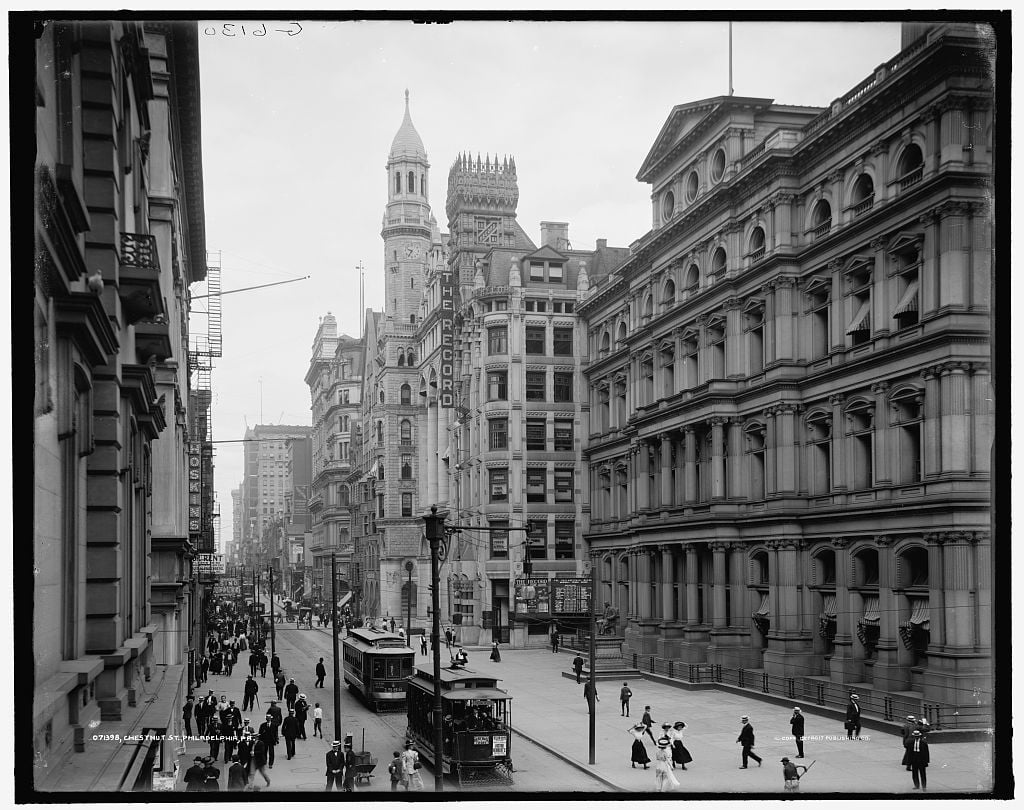
Twenty-one-year-old James Gribble, a streetcar conductor, scanned the avenue ahead, but his mind swirled with visions of the future. Life was treating him well in Philadelphia with its many amenities in 1904, compared to his hometown of Mechanicsburg, PA. What opportunities might lie ahead?

Then it happened. A woman stepped off the still-moving trolley, caught her skirt under a wheel, and was pulled under. She died at the scene.

James agonized over the terrible accident. “Oh God, deliver me, and I’ll serve you!” he wrote in his journal.

That Sunday James attended church and accepted Jesus into his life. That evening he was baptized.

On Monday while reading his Bible, James came to Matthew 28:19a:

He told his pastor, “I think God wants me to become a missionary.”

For several years James received mentoring and instruction, then joined the African Inland Mission. To his delight, the team included a pretty young doctor, Florence Newberry. In 1908 they established a mission station in West Central Africa and started ministering to the nearby tribes.
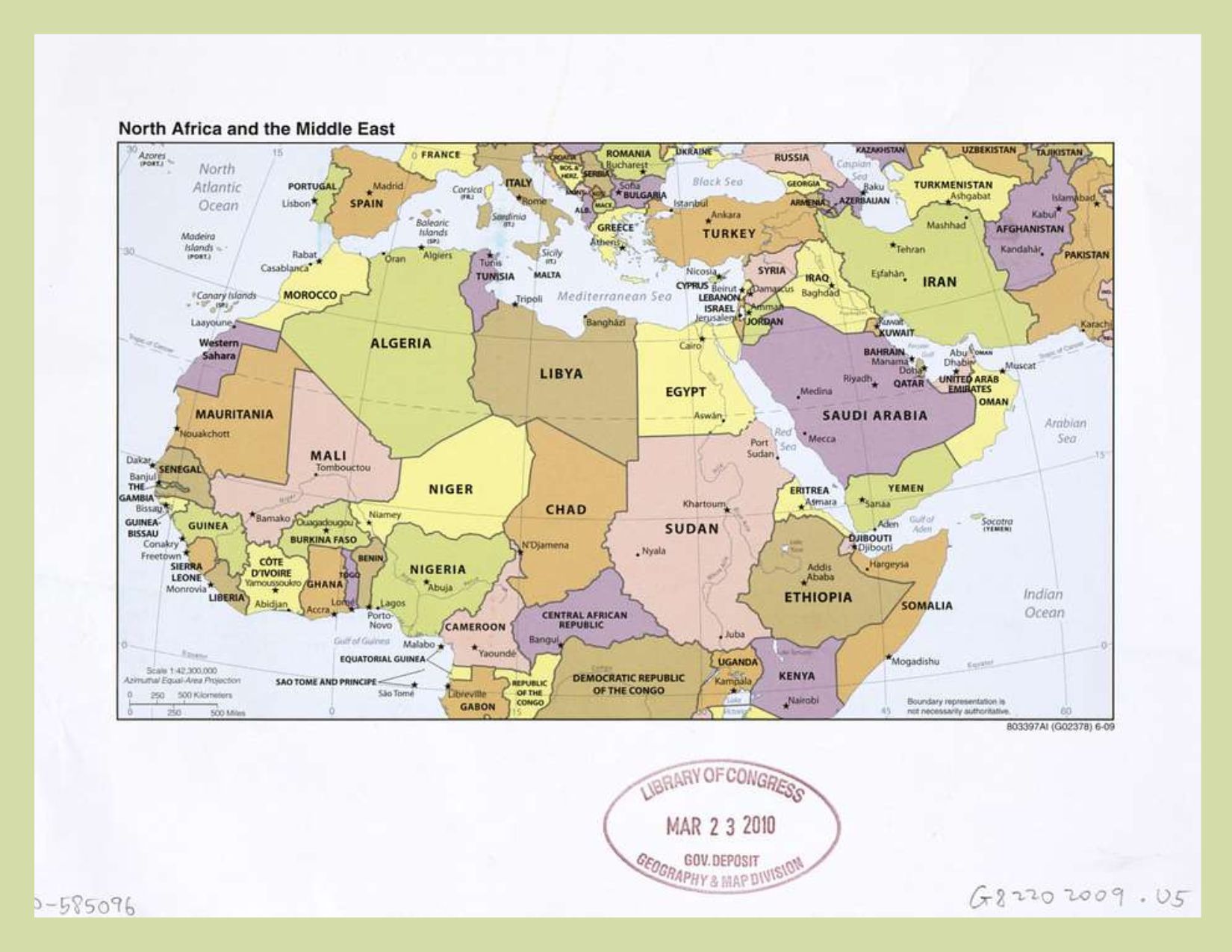
The station was located in what is now the Central African Republic, south of Chad.

James wanted to become better-acquainted with Florence, but patients kept her busy from morning till night. Suddenly genius struck. James could pretend he was sick!

During the appointment he suggested courtship. Florence preferred they remain friends, still devastated over a previous beau uninterested in foreign mission work.

Twice more over the next four years James would approach her about courtship; twice more she declined.

James and another missionary traveled inland to establish a new station.
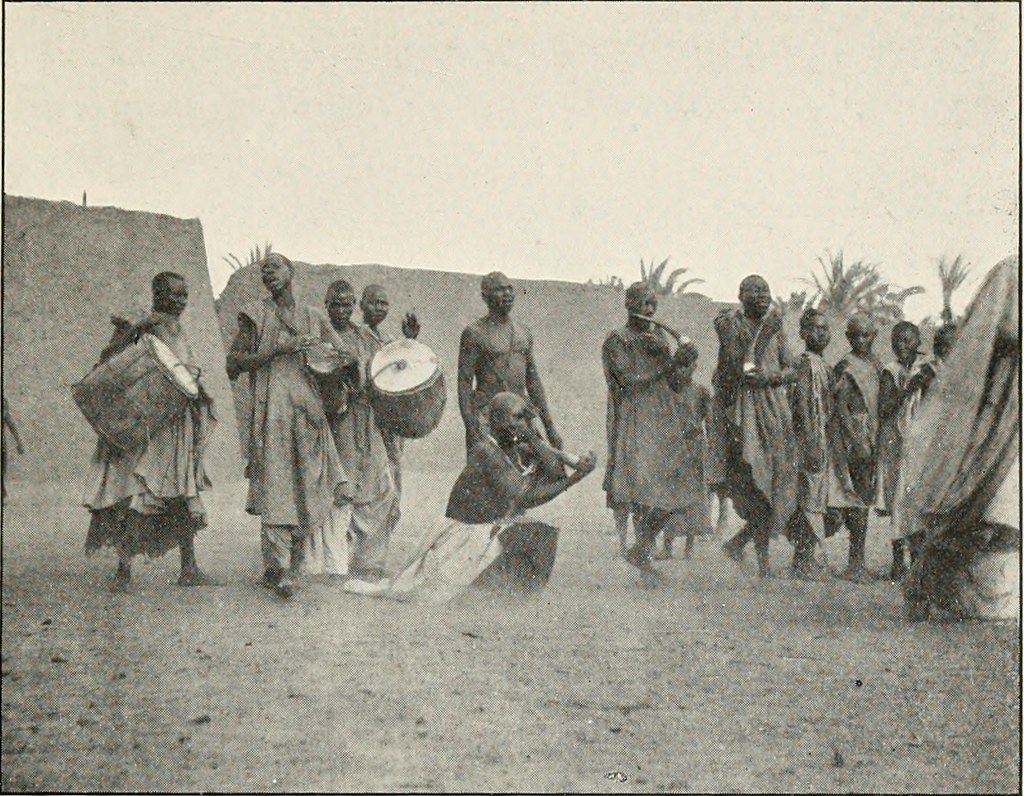
West African tribesmen, 1912

Soon his partner became ill and had to return to base camp, then James succumbed to black water fever. He expected to die.

Afterward James wrote about the vision God gave him on his sickbed—a panoramic view of the tribes of West Central Africa. God said, “Thou shalt be instrumental in carrying the gospel to these.” James knew then he’d survive.

During a prayer vigil in 1912, Florence’s thoughts turned to James. Her heart had warmed toward the trustworthy and kind missionary, so passionate about sharing Christ with the African people. Florence sensed the Spirit whispering to her, “Why not?”  

The two were married within a few months.

Sometime later Florence developed appendicitis and required hospitalization. For thirty days they traveled the three hundred miles to the nearest hospital.

As she slowly recovered, the doctor told James, “You must take her back to America. She cannot live in the tropics.”

Florence did return home and six months later James followed. They lived in Chicago for several years while Florence regained strength. Their only child Marguerite was born there in 1915.

Daily James would pray over a map of Africa. He found his attention drawn to a town named Bozoum, in Ubangi-Shari (now the Central African Republic). He wondered why.
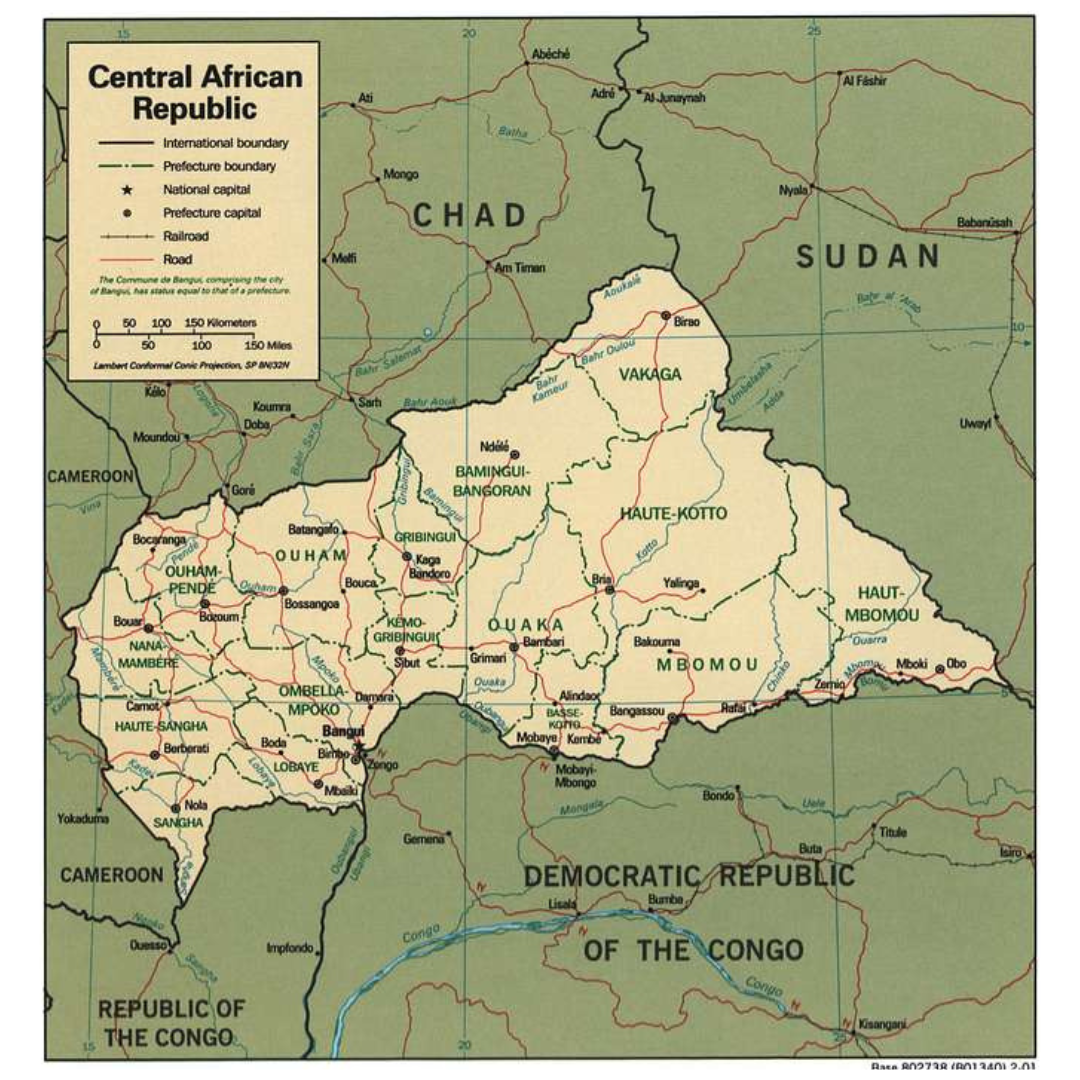
Bozoum is located in the northwestern province of Ouham-Pende.

The couple shared their hope with area churches: to establish base camps across central Africa as a barrier against encroaching Islam. When they returned in 1918, two nurses and another family joined them.

The group desired to enter a French-controlled area, but it took eighteen months to receive permission. They named their base, Camp-Wait-Some-More.

Finally able to move on, they arrived in Carnot. While waiting there another eighteen months, they spent their time learning the language and praying.

A new official arrived, and James made an appointment with him.

He asked James, “Where do you intend to set up camp, now that you’ve received permission?”

Permission?! James was stunned. “Where would you recommend?”

Then came Surprise #2. “I think Bozoum would be a good place.”

Now James knew why God had inspired him to pray particularly for this town.

In 1921, Florence and James became ill again. She had to return to the States, taking their daughter with her. Eighteen months later Florence traveled back to Africa, but without Marguerite. Though an anguishing decision, the couple determined she should remain in America to attend school.

In 1923 a young recruit was due to arrive, but he died within miles of reaching their mission station, causing more heartache.

James wrote:

Not long after, James succumbed to black water fever again; this time the forty-year-old did not survive.

He’d previously written to Florence, “I shall be content with the lowest seat in heaven if only there I may sit and see the redeemed of the Lord come in from those fields where I have a been a pioneer missionary.”

Except James had not witnessed one person becoming a Christ-follower during his years in Africa.

Some might say those years of pain and hardship had accomplished nothing. And what about God’s promise: ““Thou shalt be instrumental in carrying the gospel to these?”

James had been instrumental, by bringing others to join in their work. Even his own daughter returned to Africa, ministering with her husband for thirty-one years.

James had served as a foundation builder—constructing base camps, encouraging others, and giving himself to prayer. He followed in the footsteps of the Apostle Paul:

Today, 70% of the population of the Central African Republic are Christians.

In my mind’s eye I see James in heaven, greeting saint after saint from West Central Africa, just as he imagined. But instead of sitting, I think James is standing and celebrating with all his heart.

Sources:

Photo credits: http://www.flickr.com; http://www.rawpixel.com; http://www.picryl.com; http://www.flickr.com; http://www.commons.wikimedia.org; http://www.nara.getarchive.net; http://www.commons.wikimedia.org.

Processing…
Success! You're on the list.

Read Full Post »


7cca594661dc8cc1a4595d6fb87bd92f


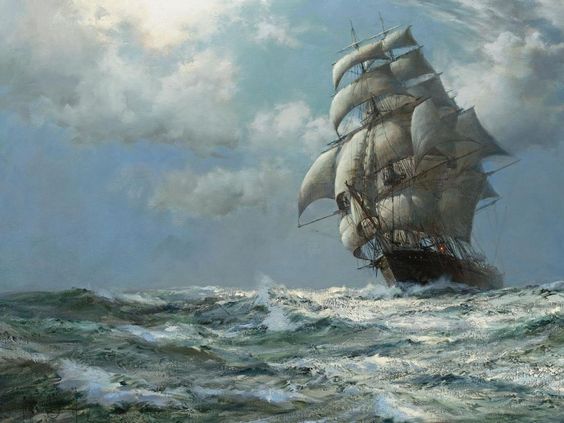
Between the putrid odors and stale air below decks, Francis Asbury chose to spend most of his time on the top deck, often taking his journal and pencils with him. The rolling of the ship caused unsteady handwriting, but recording his thoughts passed the time and focused his heart on what lay ahead.

Twenty-six year old Francis had left home in England, September 4,1771, at the invitation of John Wesley, the great Methodist evangelist. The growing colonies in America needed ministers, and Francis accepted the challenge. Nine years of experience in the pulpit had prepared him for the preaching; what else might be required only God knew.


90f27712740c25fbdde5877e660ac778


Francis put pencil to page. “Whither am I going? To the New World. What to do? To gain honor? No, if I know my own heart. To get money? No, I am going to live to God and to bring others to do so.”

Upon his arrival in America, Francis soon discovered colonial life was drastically different from that of England. Centuries of development and culture in Britain had created a civilized society. America was rough and raw by comparison, although the towns exhibited more refinement than outlying settlements.


exterior_view_of_independence_hall_circa_1770s

(Asbury disembarked at Philadelphia, home of Independence Hall.)


To make his home in one of these towns must have crossed his mind, but Francis was compelled to take his message of hope and peace to the villages and pioneers. He began twenty miles outside of New York in Westchester, and then visited other small hamlets as well. Soon he developed a “preaching circuit.” Other Methodist ministers followed his example. These circuit riders were so willing to travel in all sorts of weather, a saying became popularized: “Nobody out today but the crows and the Methodists.”

In 1775, several of his colleagues decided to return to England, as war between the colonies and Britain seemed imminent. But Francis chose to stay, impassioned as always to continue preaching about Jesus no matter the dangers.

Other perils included sickness, exposed as he was to inclement weather of all sorts. He preached numerous times with an ulcerated throat and high fever. Sometimes Francis was so weak, men would have to lift him onto his horse and tie him in the saddle. In later years, he resorted to a carriage due to rheumatism. Yet he preached on.


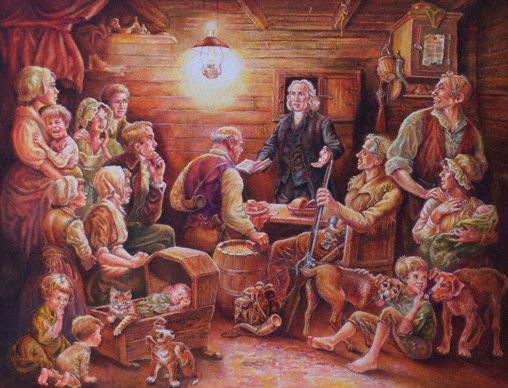
ps30-francis-asbury-preaching-by-lamp-light

(“Francis Asbury Preaching by Lamplight”

by Richard Douglas)


Francis also continued to journal about his experiences:

“Near midnight we stopped at A.’s…Our supper was tea…I lay along the floor on a few deerskins with the fleas. That night our poor horses got no corn, and next morning had to swim across the Monongahela.

“The gnats are almost as troublesome here as the mosquitoes in the lowlands of the seaboard. This country will require much work to make it tolerable” (West Virginia, July 10, 1788).

For 45 years Francis traveled throughout the colonies, from Georgia to Maine, and even into Canada. He covered an estimated 300,000 miles, delivered some 16,500 sermons, ordained nearly 700 preachers, and added well over 200,000 members to the Methodist Episcopal Church.


d4761a4c-797e-43ed-8177-ec6abb414cd5


Francis became so well-known, he received mail addressed simply, “Bishop Asbury, United States of America.”

Yet even as a bishop he earned only $80 per year, and that he mostly gave away. He also gave away the coats and shirts from his own back to anyone more destitute than himself.

On March 24, 1816, Francis Asbury preached his last sermon. He was seventy years old.

A week later, he finally succumbed to yet another bout of illness. The well-known bishop died penniless but “rich in souls” (Dan Graves), a tireless participant in the growth of Christian faith across the colonies that included the building of numerous churches and institutions of learning, impacting future generations to this day.

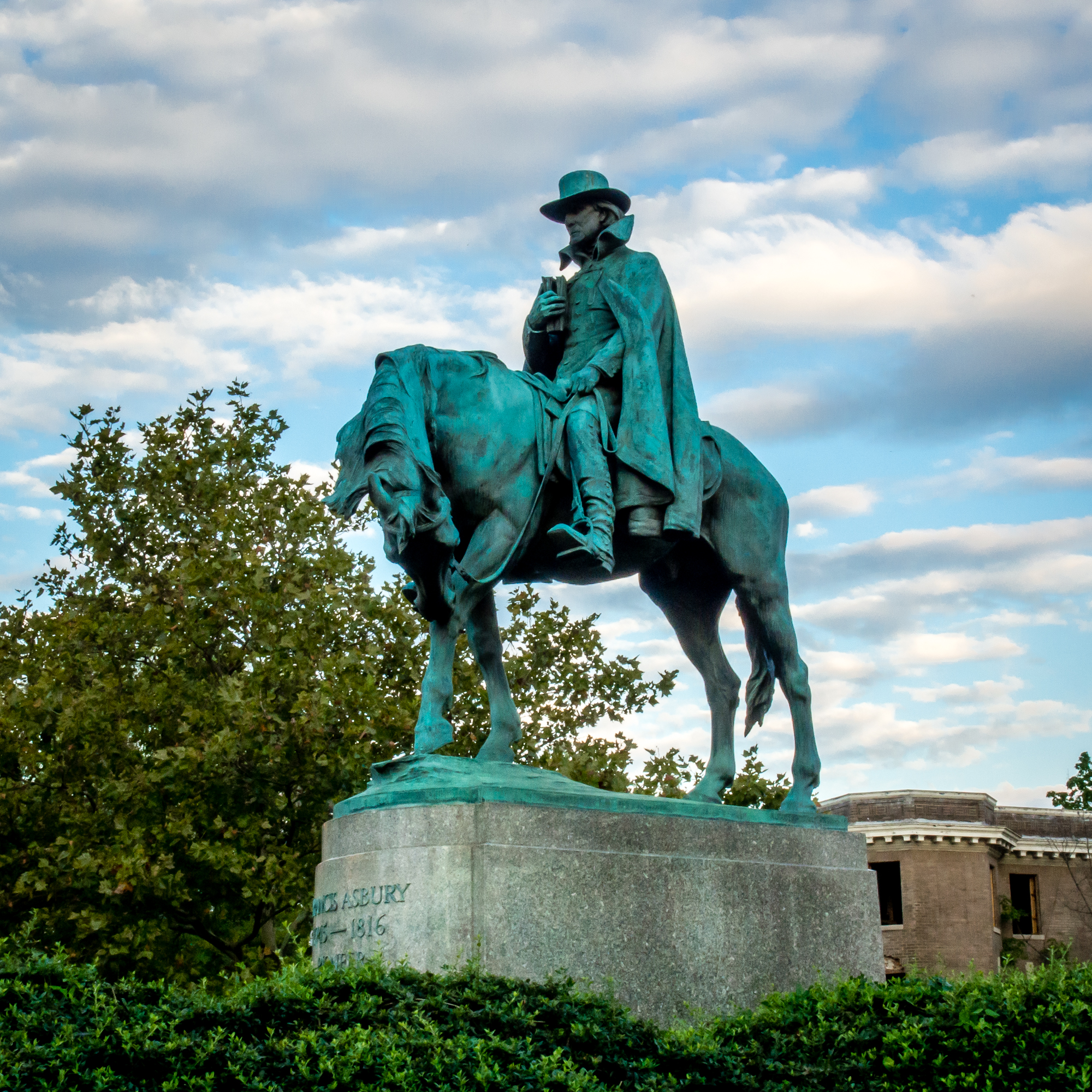
A little more than a century after his death, a statue of Asbury was erected in Washington, D.C. On October 15, 1924, President Calvin Coolidge gave the dedication address at the unveiling.


Monument to Francis Asbury in Washington, DC

Monument to Francis Asbury in Washington, DC


His commendations included:

“He never had any of the luxuries of this life. Even its absolute necessities he had a scanty share…yet his great spirit pressed on to the end, always toward the mark of his high calling.”

Though Asbury is not listed among the founding fathers, President Coolidge affirmed during his address: “He is entitled to rank as one of the builders of our nation.”

Truly, Francis Asbury could say with the apostle Paul, “According to the grace of God which was given to me, like a wise master builder I laid a foundation” (1 Corinthians 3:10 NASB). And Asbury’s example was as powerful as his preaching—his self-sacrifice, passion, and purpose recorded in his ship journal in 1771—a purpose from which he never wavered:


1-corinthians-3-10


“I am going to live to God and bring others to do so.”


*     *     *    *     *     *     *     *     *     *


Oh, Lord, guide me to fulfill that same purpose! Keep me mindful that nothing else will provide such satisfaction and contentment as a life lived for you.


Sources:

  1. http://www.christianity.com, “Francis Asbury” by Dan Graves.
  2. http://www.christianitytoday.com.
  3. Seedbed Sower’s Almanac and Seed Catalog, Seedbed Publishing, 2015-2016.
  4. http://www.wesleycenter.nnu.edu.


Art & photo credits:  www.wallpaperbeautiful.com; http://www.pinterest.com; http://www.wikimediacommons; http://www.wikimedia.com; http://www.place.asburyseminary.edu; http://www.fggam.org; http://www.bibleteachingresources.org.)


Read Full Post »

Still Traveling

Impressions Becoming Expressions

Living Our Days

Gaining a heart of wisdom

He Said What?!

I'm Patty, and my husband and I are living with our adult son who has autism and epilepsy. I love sharing lessons learned from life around me, especially life with Aaron.

Meditations of my Heart

Impressions Becoming Expressions

Linda Stoll

Impressions Becoming Expressions

Debby Thompson

Impressions Becoming Expressions

Signora Sheila

Notes on Life, Faith & Italy

Colleen Scheid

Writing, Acting, Living in God's Love

Mitch Teemley

The Power of Story

Heidi Viars

Finding the Image of God