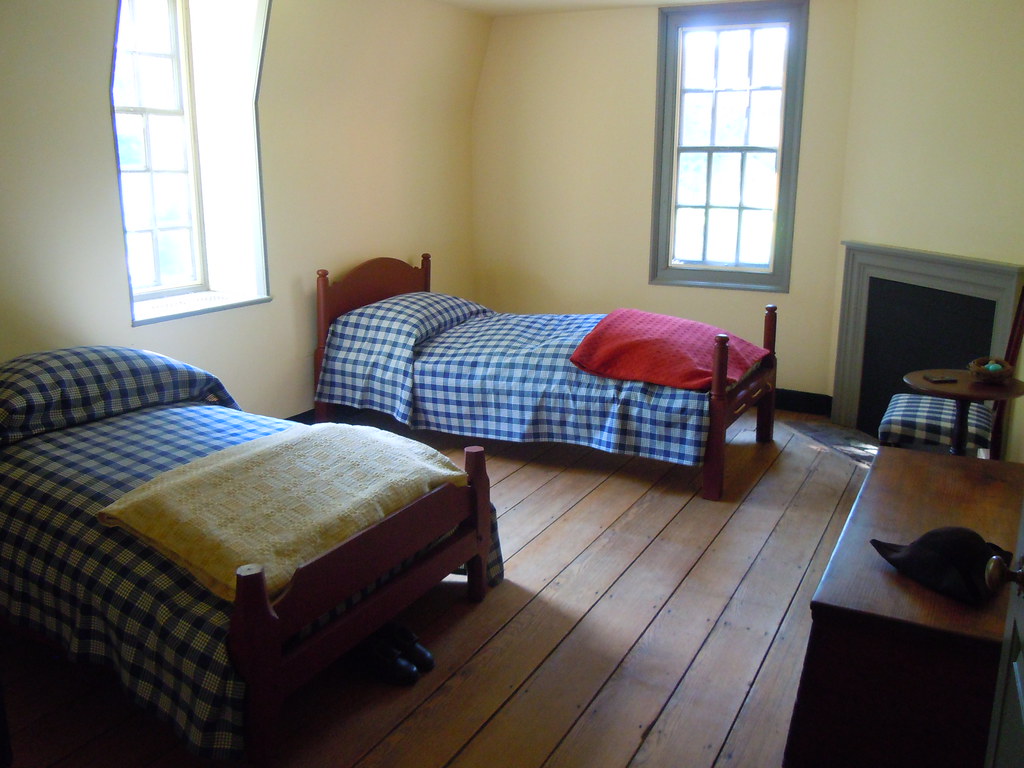
Mama pressed her cheek against Nabby’s forehead. “Your fever is subsiding. Do you feel up to reading?”
Eleven-year-old Nabby nodded, as her mother refluffed the pillow. “What shall it be? A bit of European history? One of Papa’s theology books? Shakespeare?”
“All three, please! I’m so tired of lying here—again.”
Mama began straightening the bedding. “I know Nabby-Dear. This has been . . .what—your fourth illness this winter?”
Mrs. Quincy tucked the last corner of sheet and blankets. “There! That should make you more comfortable. Now I’ll get your sister to fetch those books from Papa’s library.” And she headed downstairs.
“Thank you, Mama.” Nabby called, grateful she’d soon have something to occupy her mind.
What if Mama hadn’t taught me to read and write? she thought. Many girls in the colonies received no such instruction.
Books provided such delights, and during Nabby’s frequent illnesses, they offered welcome escape from the frustration of confinement. But God’s full purpose of her love for reading and writing had yet to be revealed.
At age nineteen, Nabby (now addressed by her given name Abigail), married her beloved John after a three-year courtship.
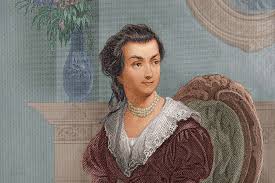
Abigail’s father, a Congregationalist minister, did not approve of the young lawyer and feared he offered little promise for the future.
The young couple settled in John’s hometown of Braintree, Massachusetts, south of Boston, about ten miles from Abigail’s parents.
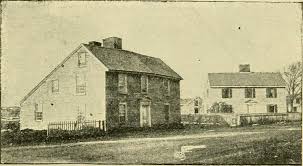
John and Abigail’s home on the right; his parents’ to the left
Within the first year, a daughter was born, followed by a son three years later. Four more children would be added to the family; two would die very young.
Abigail cared for the household and farm (tended by tenant workers), while John’s growing law practice took him throughout Massachusetts. Soon he was spending much of his time in Boston, so the family moved there in 1768.
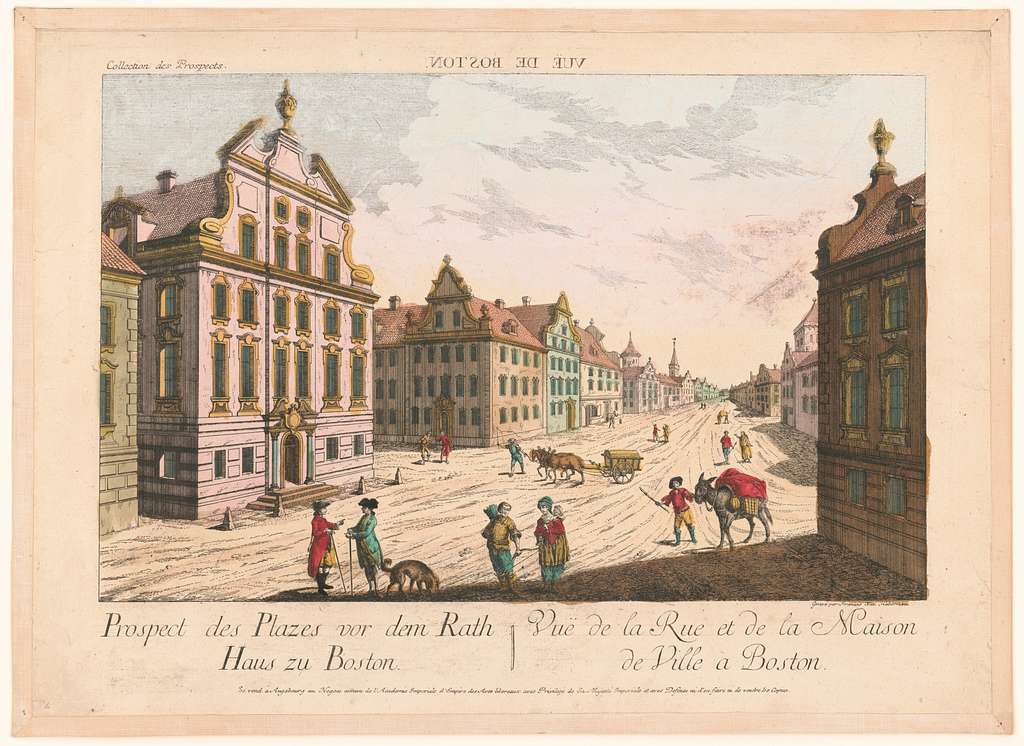
Colonial Boston
By 1771, they were swept up in the fervor for American independence as the city suffered through British occupation. Abigail and John moved back to Braintree, away from the tension and danger.
John represented Massachusetts at the First Continental Congress in 1774, held in Philadelphia. From that point, through the pre-war years and the Revolution itself, John served the cause away from home.
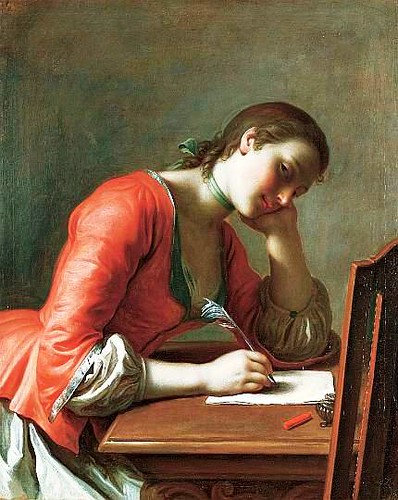
The couple wrote a flurry of correspondence to one another, with more than 1,100 of their letters preserved to this day. Abigail’s reveal keen intelligence, extensive scripture-knowledge and strong faith.
For example:
In 1775 as danger mounted, she wrote to John:
“‘The race is not to the swift, nor the battle to the strong; but the God of Israel is He that giveth strength and power unto His people. Trust in Him at all times . . . God is a refuge for us’ (Ecclesiastes 9:11; Psalm 62:8).
“Charlestown is laid in ashes. The battle began upon our entrenchment upon Bunker’s Hill, Saturday morning about three o’clock, and has not ceased yet, and it is now three o’clock Sabbath afternoon” (1).
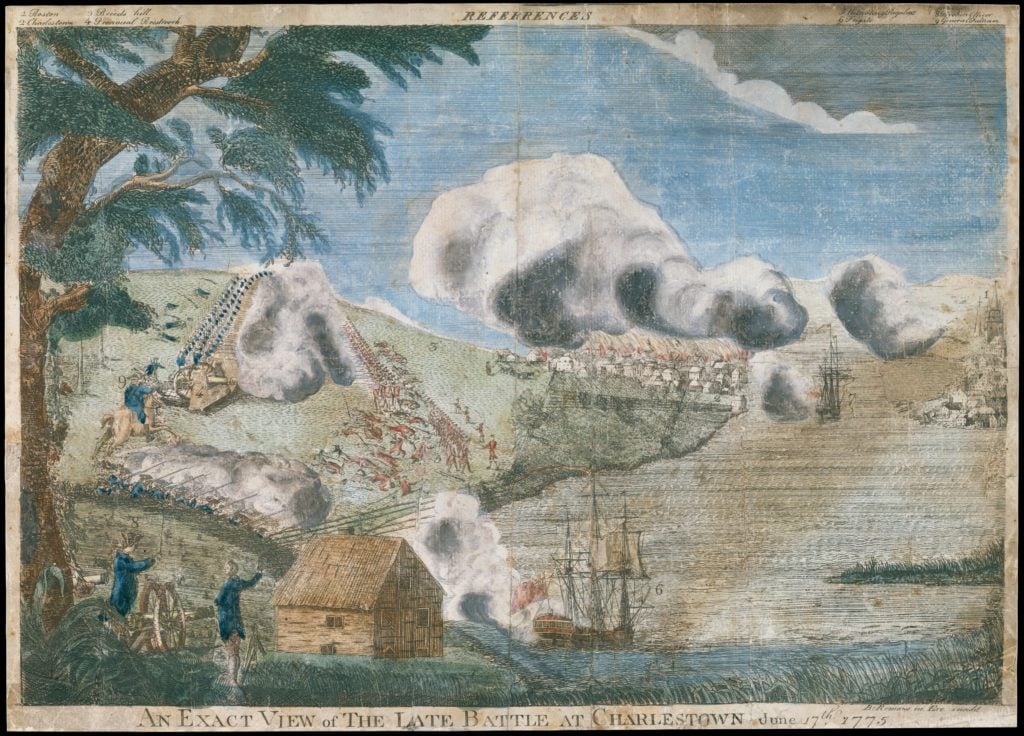
In 1776 colonists suffered shortages of food and supplies. She wrote:
“He who fed the Israelites in the wilderness (Deuteronomy 8:16), who clothes the lilies of the field (Matthew 6:28) and feeds the young ravens when they cry (Job 38:41) will not forsake a people engaged in so righteous a cause, if we remember his loving-kindness” (2).
In 1777-1778, John traveled to France with Benjamin Franklin, to gain support for the war effort. John’s oldest son accompanied them.

Abigail wrote:
“I am sometimes thrown into an agony of distress. Distance, dangers, and oh, I cannot name all the fears which sometimes oppress me . . .
“. . . That we rest under the shadow of the Almighty (Psalm 91:1) is the consolation to which I resort, and find that comfort which the world cannot give” (John 14:27).
Post-Revolution, John helped draft the Treaty of Paris, served in various diplomatic roles including ambassador to Britain, then as vice president under George Washington, and finally John Adams became the second president of the United States.
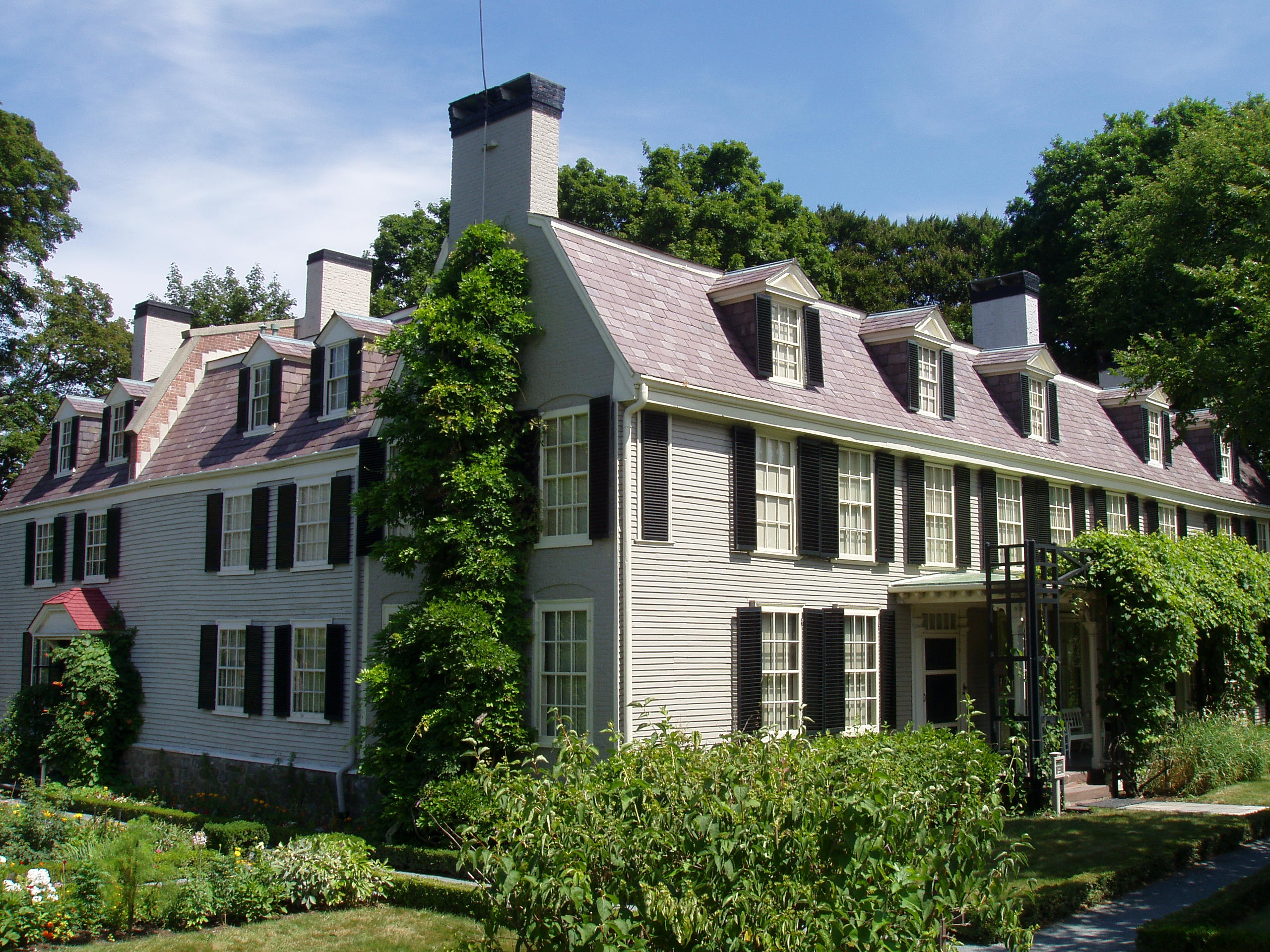
The Adams’ home, beginning 1788
On Inauguration Day, 1797, Abigail wrote to her husband:
“You have this day to declare yourself head of a nation. And now O Lord my God thou has made thy servant ruler over the people (1 Kings 3:7), give unto him an understanding heart before this great people, that he may discern between good and bad, for who is able to judge this thy so great a people” (1 Kings 3:9; 2 Chronicles 1:10) (4)?
And John responded: “I never wanted your advice and assistance more in my life” (5).

No doubt Abigail Adams’ faith-filled wisdom, discernment, and encouragement continued to support John well as he served America for another four years.
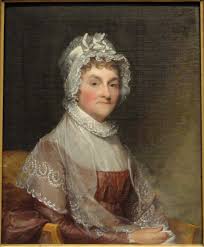
Upon her death in 1818, Abigail’s son John Quincy Adams and America’s sixth president quoted Proverbs 31:10 to describe his mother, that “her price was indeed above rubies.”
Notes:
1. https://wallbuilders.com/resource/celebrating-abigail-adams/
2, 3, and 4. https://www.americanbible.org/engage/bible-blog/articles/abigail-adams-woman-of-valor/
5. https://www.frc.org/blog/2021/03/abigail-adams-force-womens-rights-and-abolition#gsc.tab=0
Additional source:
https://thehistorymom.com/2023/03/01/booking-it-through-history-first-ladies-abigail-adams/
Image credits: http://www.flicker.com; http://www.picrylcom.; jenikirbyhistory.getarchive.net; http://www.loc.getarchive.net; http://www.flickr.com; http://www.itoldya420.getarchive.net; http://www.picryl.com; http://www.commons.wikimedia.org (3).
Do sign up below for the monthly newsletter that includes a THANK YOU GIFT: Thirty ways to stretch and enhance our gratitude to God.
Scroll to the end of the newsletter to find this resource!

 From the Inside Out