Feeds:
Posts
Comments

Posts Tagged ‘Matthew 25:40’

Seven-year-old Paul mashed a bit more water into his pail of mud, looking for that just-right consistency to build walls. His sister Connie collected sticks to help support them.

Soon they’d have two miniature mud houses with roofs made from the large leaves of a peepal tree. This is where their stick-people would live, using the structures as a base for their glorious adventures.

The fact they had few toys never bothered Paul and Connie. Their creative play with what nature provided kept them happy for hours.

Across the yard, their father, a missionary doctor in southwest India, met with patients in a shelter outside their home. Paul stayed clear. The sight of some injuries and diseases turned his stomach.

As the children played, three men limped toward the house, their hands and feet bandaged in rags. Curious about what happened to them, Paul allowed himself to watch.

His father donned surgical gloves and unwrapped the cloths. As they fell away, Paul startled to see open sores, missing fingers and mere stumps for feet. He quickly looked away. But in his peripheral vision he could see his father wash and apply salve to their wounds.

When the men left, Paul’s mother immediately bathed Paul and Connie, even though they’d had no contact with the men. Later his father told him the men suffered from leprosy, a flesh-eating disease.

That’s when Paul decided: I will NOT become a doctor.

At age nine in 1923, Paul’s parents escorted his sister and him back to England to begin their formal education.

Paul took special interest in construction and trained as an engineer and carpenter. He planned to return to India and follow in his parents’ footsteps as a missionary—just not in the medical field.

However, he did study tropical medicine for one year, learning to care for injuries and common illnesses like malaria.

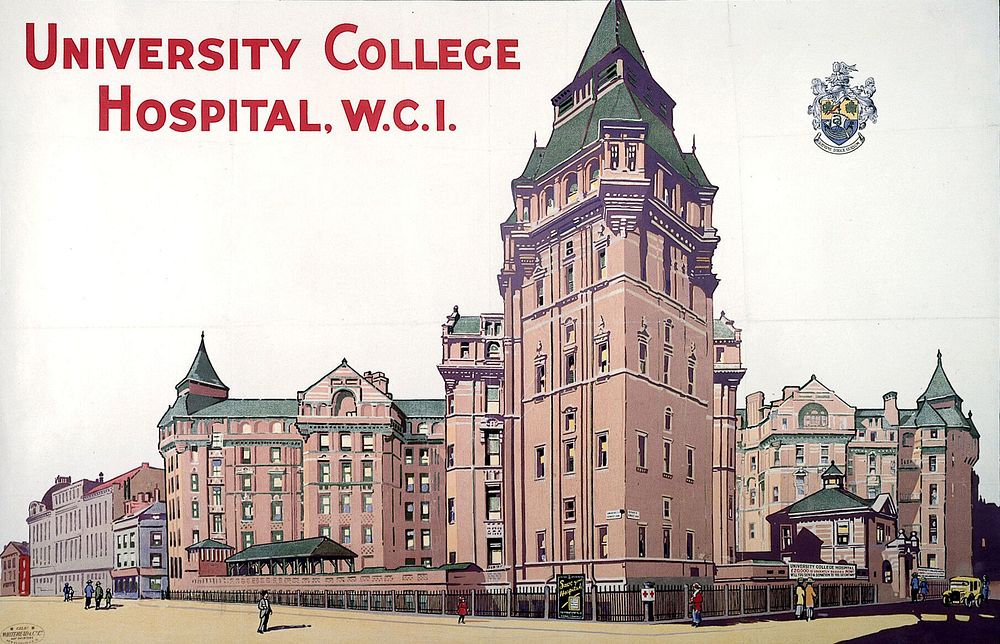
During that year Paul witnessed the miraculous healing of a woman near death when a blood transfusion saved her life. God used that thrilling incident to change Paul ‘s trajectory, and at age 23 he enrolled at the University College Hospital in London.

Over the next ten years Paul became an orthopedic surgeon, married another medical student, Margaret Berry, and treated bomb victims during World War II.

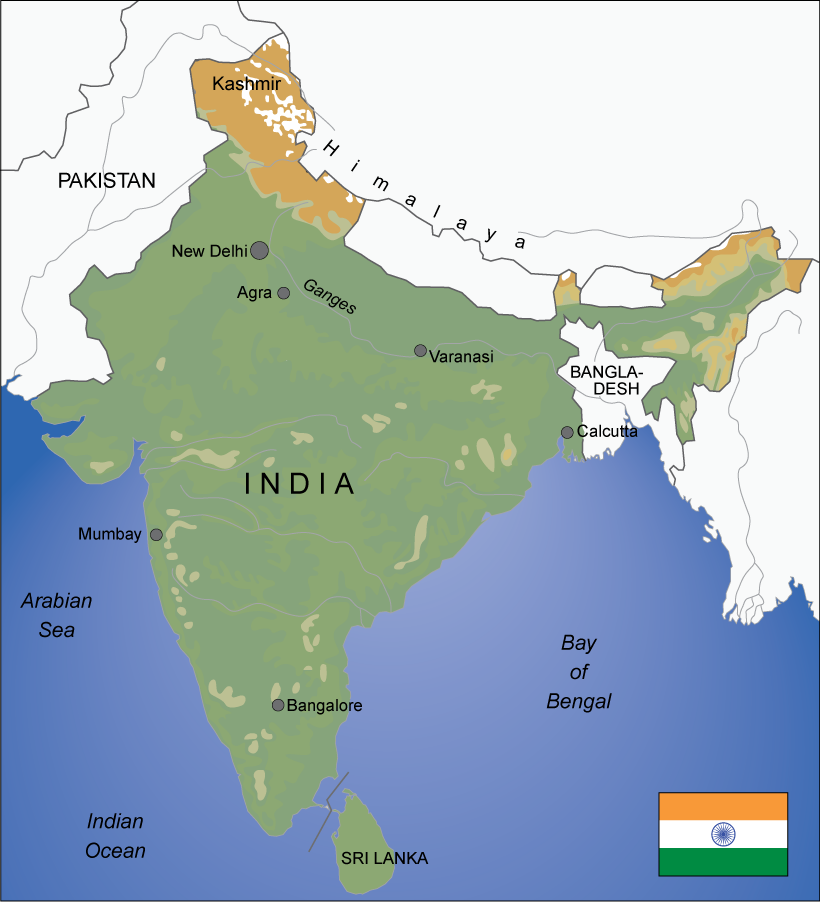
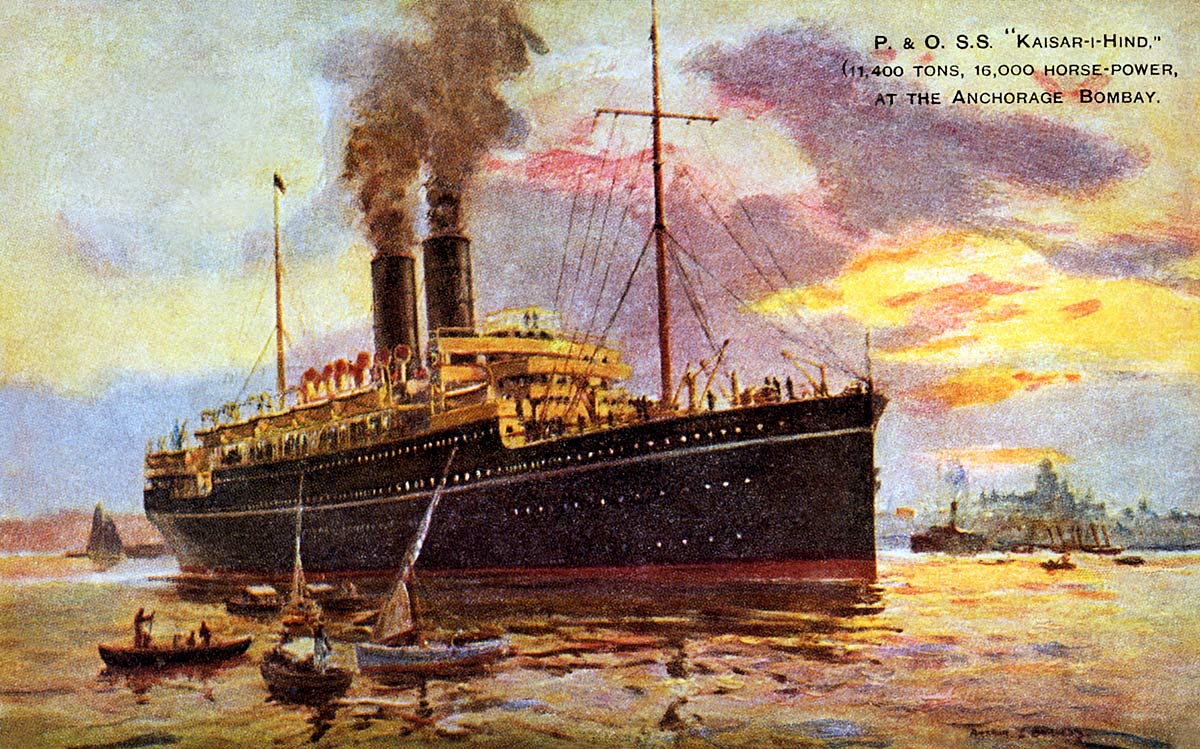
In 1946, the couple traveled to India where Paul would teach at the Christian Medical School and Hospital in Vellore, India [1].

He and Margaret, an ophthalmologist, encountered many leprosy patients.  It pained them to witness their terrible suffering.

A senior colleague suggested Paul study leprosy. Perhaps he could determine the cause of the deformities as well as an effective treatment. After years of extensive research, Paul was convinced: leprosy was not a flesh-eating disease, it was a nerve disease.

Damaged nerves meant patients lost the ability to sense pain, leaving a person vulnerable to injury—third-degree burns, deep cuts, and other serious wounds. When improperly treated, infection flared, which in turn caused the loss of fingers, toes, and more.

Even as research ensued, Paul put his surgery skills to work, successfully repairing hands and feet by moving healthy muscles and tendons where they could do the most good.

Restorative hand surgery, pioneered by Dr. Paul.

As some lepers regained use of their hands and feet, a new problem presented itself. They could no longer beg for a living and needed vocational training.

Paul founded the New Life Center in Vallore to provide those opportunities. He remained a surgeon by day but also became a teacher of carpentry at night.

How astounding, Paul thought, that God made sure I was schooled in both.

Through the 1950s and early 1960s, Paul served in several leadership positions for mission organizations focused on leprosy research and rehabilitation.

One day he and Margaret received an invitation to work at the U.S. Public Health Service Hospital in Carville, Louisiana, the only leprosy research facility in America. They and their six children moved to Louisiana in 1966.

For twenty years Paul served as chief of rehabilitation in the Carville hospital, and then the couple moved to Seattle where Paul taught at the University of Washington. He also continued to serve as consultant to the Leprosy Mission and the World Health Organization.

Paul received many awards, and invitations to lecture sent him all over the world until age 88, when travel became difficult.  Just nine months later, Paul died.

Well-known author and friend of Paul, Philip Yancey, wrote about the doctor’s affinity for that ostracized class of people, lepers:

“To him these, among the most neglected people on earth, were not nobodies, but people made in the image of God, and he devoted his life to try to honor that image”[2].

Surely all could agree: Dr. Paul Brand succeeded.


[1] A previous post One Step At a Time/ tells the amazing story of Ida Scudder and the founding of the Christian hospital in Vallore.

[2] Grace Notes, p. 48.

Other Sources:

https://biologos.org/articles/members-of-the-body-reflections-of-dr-paul-brand

https://leprosyhistory.org/database/person31

https://www.teddingtonbaptist.org.uk/tbcgc02.htm

Image credits: http://www.picryl.com; http://www.commons.wikimedia.org; http://www.rawpixel.com; http://www.flickr.com; http://www.flickr.com & http://www.canva.com.

Processing…
Success! You're on the list.

Read Full Post »

‘If I were you I’d buy a ticket for a boat going on the longest journey you can find and pray to know where to get off. If God doesn’t want you on that boat he’s perfectly able to stop you . . . or make the ship go anywhere in the world.’

Jackie Pullinger of Croydon, England nodded, sensing God’s affirmation to this advice from her pastor.

For months Jackie’s dream of becoming a missionary in Africa had been stymied. No mission society, school, or broadcasting company took interest in her, a twenty-two-year-old music teacher.

And yet the dream she’d held since age five remained as strong as ever—stronger, in fact, upon developing a close, personal relationship with Jesus while attending the Royal College of Music.

Jackie soon implemented her pastor’s advice and set sail from London in 1966 with no destination in mind and only ten pounds in her pocket. When she reached Hong Kong, Jackie sensed God telling her, this is the place.

Hong Kong, 1960s

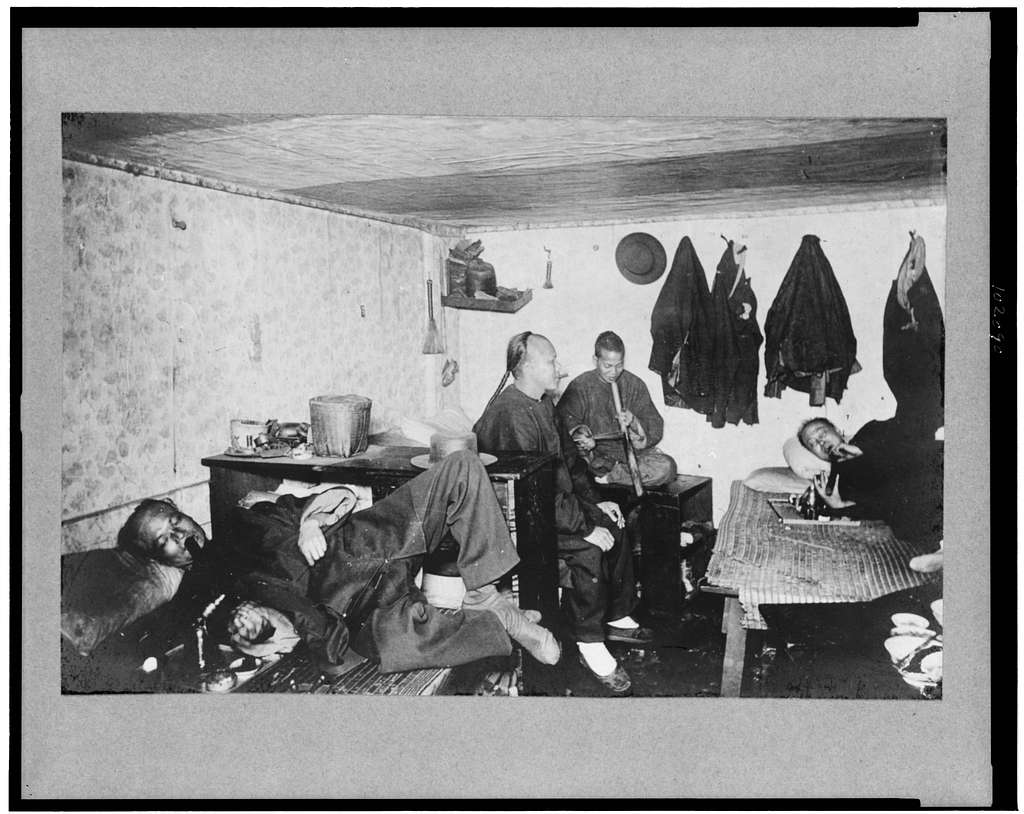
She began exploring the island and came upon the Walled City, a place of lawlessness and squalor, open sewers and rats, gangs, drug addicts, and prostitutes. Thirty-some thousand people on six acres.

No building codes enforced .

Years prior the area had been occupied by the Chinese imperial garrison. “It was omitted from the lease of 1898 in which China ceded Hong Kong to Britain. Neither government had taken responsibility for it” [1].  When the garrison disbanded the underclass moved in, unchecked by any police presence.

In spite of the filth and stench, Jackie felt happy there because in her mind’s eye she already saw the darkness lifting. She saw the kingdom of God.

No trash pick-up either.

To support herself, Jackie took a teaching position in a government school, but she also worked at a school in the Walled City, run by a missionary.

Jackie turned a few shabby rooms into a youth club where teenagers could play ping pong and darts. She began to build relationships with them, many of whom were already heroin or opium addicts.

Preaching about Jesus proved ineffective. But Jackie noticed people watching how she lived. So she focused on putting her faith in action.

Jackie shared her rice with an old woman, took a gang member to the hospital after a fight, waited in line overnight to register a young girl for school, went to court with a gang member who said he’d been framed, and more [2].

Many expressed appreciation for her kindness and generosity but no lives were changed—at first.

One night thugs ransacked the youth club. Benches, skateboards, and the games equipment were destroyed, the walls and floor smeared with sewage. But a gang leader who respected Jackie assigned guards to protect the youth club from future damage.

Another leader asked Jackie to help his gang members quit drugs. Sober members made better dealers, he explained.

“I’ll only help them to follow Jesus, reject narcotics, and not participate in organized crime,” she told him.

And yet the leader continued to support Jackie and even released from the gang those boys who became Christians [3].

One day while walking through the Walled City, Jackie spotted Christopher, a boy from her youth group. She asked him to carry her accordion.

As they walked, they talked. Christopher confessed he couldn’t become a Christian because he wasn’t good enough. Jackie made clear that wasn’t a prerequisite, and the boy became a Jesus-follower that day [4].

Others soon made the choice to become Christians, including one of the youth-club guards. But some of these new believers lived in opium dens, making their transition to sober-living especially difficult. 

One by one they came to live in Jackie’s home, where they received compassionate care and faith-filled prayer while processing through withdrawal. For many their transition was neither painful or traumatic [5].

Of course, Jackie’s apartment quickly became crowded. But through gifts from other Christians and government resources she was able to rent more apartments. It wasn’t long before dozens of such living quarters became hundreds and each quickly filled to capacity.

More workers joined in the work, including former addicts. They established additional homes for teenagers, women, and girls.

In 1981 Jackie founded the St. Stephen’s Society, to provide accountability for the growing ministry.

In 1985, the Hong Kong Government gave the society a complex of buildings divided into apartments. Hundreds more displaced persons—the poor, the elderly, and the infirm—were given places to live.

In the 1990s, the government offered another property to the St. Stephen’s Society. Buildings were erected to house two hundred men as they completed the five-phase withdrawal program, from detoxification to re-entering society as productive citizens.

The St. Stephen Society continues to function to this day, “rescuing hundreds of young people from a life of misery on the streets” [6]—not only in Hong Kong but in other countries as well.

Jackie, now eighty years old, continues to serve.


[1] https://mycharisma.com/charisma-archive/one-woman-vs-the-dragon/

[2] https://www.ststephenssociety.com/about-us

[3] https://thechurch.org.au/celebrating-jackie-pullinger-of-hong-kong/

[4] https://www.cmf.org.uk/resources/publications/content/?context=article&id=26751

[5] https://thechurch.org.au/celebrating-jackie-pullinger-of-hong-kong/

[6] https://blogs.georgefox.edu/dlgp/jackie-pullinger-loving-the-unlovely/

Photo credits: http://www.flickr.com (2); http://www.picryl.com; http://www.flickr.com; http://www.picryl.com; http://www.pickpik.com; http://www.rawpixel.com.

Read Full Post »

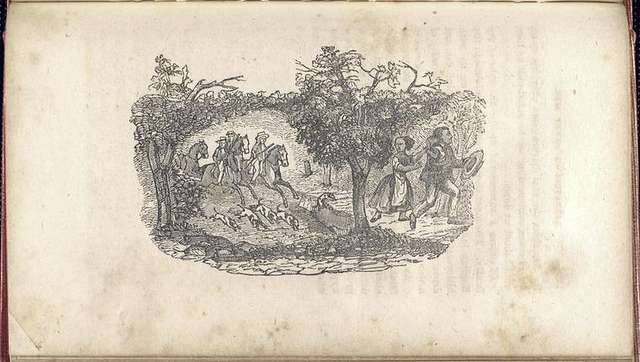
Eliza strained forward as her legs churned beneath her, the underbrush tearing at her long skirts. The small boy in her aching arms whimpered, sensing a danger he couldn’t see.

“Hush, chile,” she gasped in a whisper. “Mama’s gone keep you safe.”

Eliza dared a quick glance behind her. She could see nothing of the slave catchers who’d found her hiding place, a house near the Kentucky side of the Ohio River.  She’d slipped out the back door and into the woods as they approached the front. But they would surely guess her run for freedom, and their long legs, unencumbered by skirts, would quickly bring them close.

Runaways like Eliza Harris

Eliza dared not slow her pace toward the northern side of the river, where she and her baby had a chance to be together. Though her master had been kind, he was planning to sell her son. Eliza could not let that happen; her two older children had already died.

Finally, Eliza could see glimmering flecks through the trees as morning light danced on the water. But this was not what she’d planned. Eliza had expected to walk across the mile-wide river on ice, given the winter season. Instead she found the ice broken up into mammoth chunks, drifting slowly on the current.

With a prayer on her lips, Eliza made the choice to cross anyway, jumping from ice cake to ice cake. Sometimes the cake on which she stood sunk beneath the surface of the water. Then Eliza would slide her baby onto the next cake and pull herself on with her hands. Soon her skirts were soaked and her hands numb with cold. But Eliza felt God upholding her; she was confident he’d keep them safe.

On the northern bank stood William Lacey, one of those who watched the river for escaping slaves in order to help them. Time and again he thought the river would take the woman and child, but she miraculously reached the bank, heaving for breath and weak from cold and exhaustion.

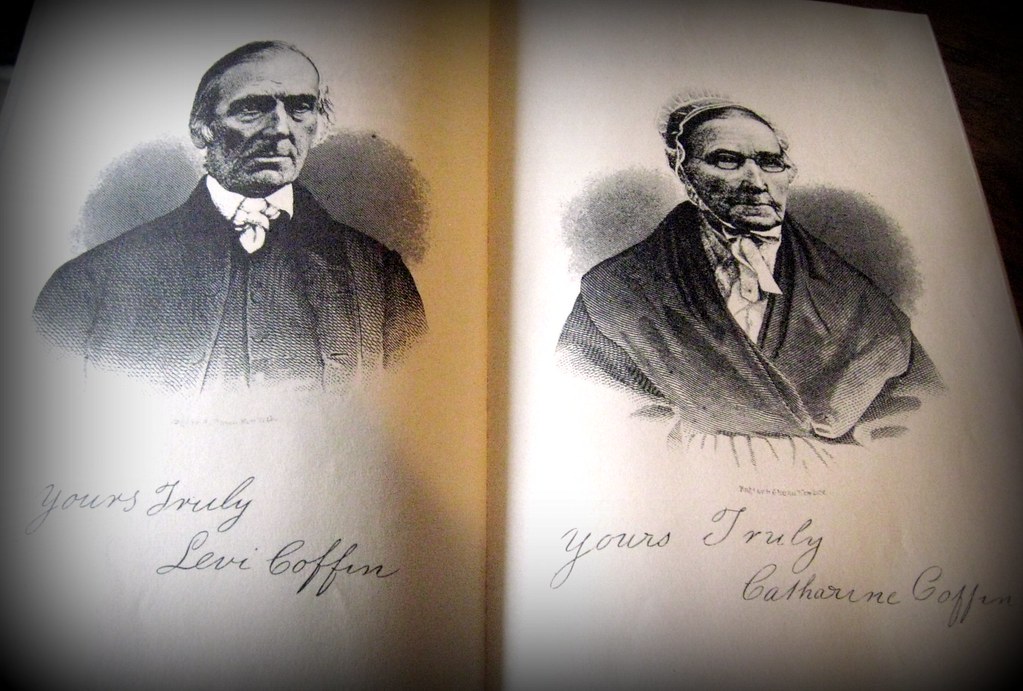
When she’d rested for a few moments, the man helped her to a house on the edge of town. There she received food and dry clothing before being taken to another home and then another, along the Underground Railroad. Finally she reached the home of Quakers, Levi and Catherine Coffin, in Newport, Indiana.[1]

Note the mention of Levi Coffin

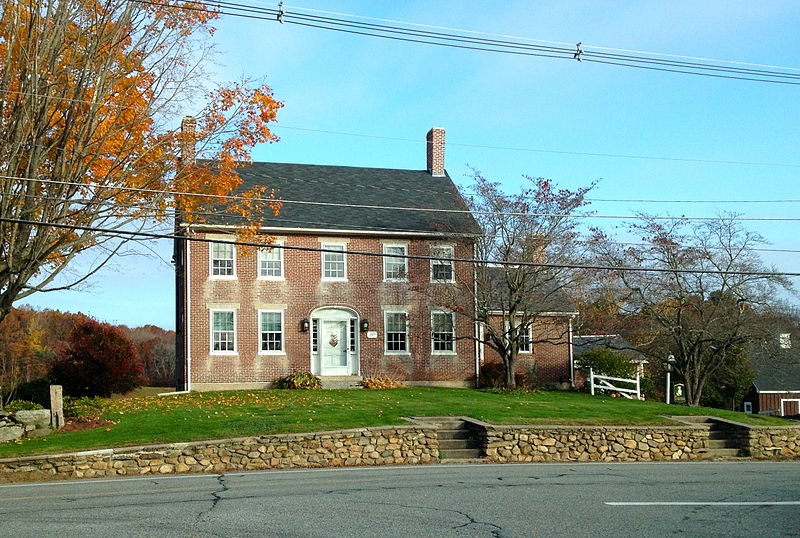
By the time Eliza arrived on their doorstep in 1838, the Coffins had been helping escaped slaves for more than a decade. In fact, the following year they would build a house specifically designed for their work as station masters on the Underground Railroad.

A Federalist-style house, similar to the Coffins’ home

In the basement they constructed a spring-fed well, to conceal the enormous amount of water needed for their many guests. On the second floor, they built a secret room between bedroom walls, just four feet wide. Up to fourteen people could hide in the long, narrow room.

Eliza Harris was only one of more than a thousand slaves (some say 3,000) that stayed in the Coffin home on their way to Canada. Had the Coffins (or others) been caught helping runaway slaves, they would have owed a $1000 fine (which few could afford) and would have spent six months in jail (which meant no income for the family during that time). Slave hunters were known to issue death threats as well.

But the Coffins held strong convictions concerning slavery. In the 1870s Levi wrote in his memoirs, “I . . .  risked everything in the work—life, property, and reputation—and did not feel bound to respect human laws that came in direct contact with the law of God.”[2]

For the introduction of Coffin’s book, William Brisbane[3] wrote the following about Levi and two other abolitionists:

“In Christian love they bowed themselves before their Heavenly Father and prayed together for the oppressed race; with a faith that knew no wavering they worked in fraternal union for the enfranchisement of their despised colored brethren, and shared together the odium attached to the name of abolitionist, and finally they rejoiced together and gave thanks to God for the glorious results of those years of persevering effort.”[4]

Should we face such hatred and endangerment in our day, may we stand in the midst of it like Levi and Catherine Coffin—steadfast and unmovable in the power of God.

Addendum:

In 1854 the Coffins visited Canada and happened to encounter a number of former slaves they’d helped. Eliza Harris was one of them–settled in her own home, comfortable and contented.

Her story may sound familiar because Harriet Beecher Stowe, a friend of the Coffins, included the slave’s harrowing escape in her book, Uncle Tom’s Cabin.


[1] Now called Fountain City

[2] https://www.indianamuseum.org/historic-sites/levi-catharine-coffin-house/

[3] a doctor, minister, author, and South Carolina slaveholder who turned abolitionist and moved north where he freed his slaves

[4]https://docsouth.unc.edu/nc/coffin/coffin.html

Other sources:

http://www.womenhistoryblog.com

http://www.rialto.k12.ca.us/rhs/planetwhited/AP%20PDF%20Docs/Unit%206/COFFIN1.PDF

https://mrlinfo.org/famous-visitors/Eliza-Harris.htm

Art & photo credits: http://www.nypl.getarchive.net; http://www.wikimedia.org; http://www.flickr.com; http://www.wikimedia.org; http://www.flickr.com (2); http://www.slr-a.org.uk; http://www.wikimedia.org.

Read Full Post »

The emergence of Mildred Jefferson’s life purpose can be traced all the way back to her childhood, in the small town of Pittsburg, Texas during the 1930s. 

Pittsburg, TX 1925

That’s when her fascination of medicine began, under the wing of the local physician who allowed her to tag along on house calls in his horse-drawn carriage.

One day Mildred announced to him, “When I grow up, I’m going to be a doctor too.”

He could have suggested, “A career in nursing might be another good choice, Millie. It’s not a bit fair, but most medical schools will likely turn you down because you’re a girl, and even in these modern times, most doctors are men.”  He might also have mentioned the barriers Mildred would face because she was black.

But the doctor encouraged her to work hard toward her dream. So did her mother and father, a teacher and Methodist minister respectively. 

Mildred followed their advice and graduated from high school at age 15 and then college at 18, summa cum laude no less. Too young to enter medical school, Mildred earned her master’s degree in biology while she waited.

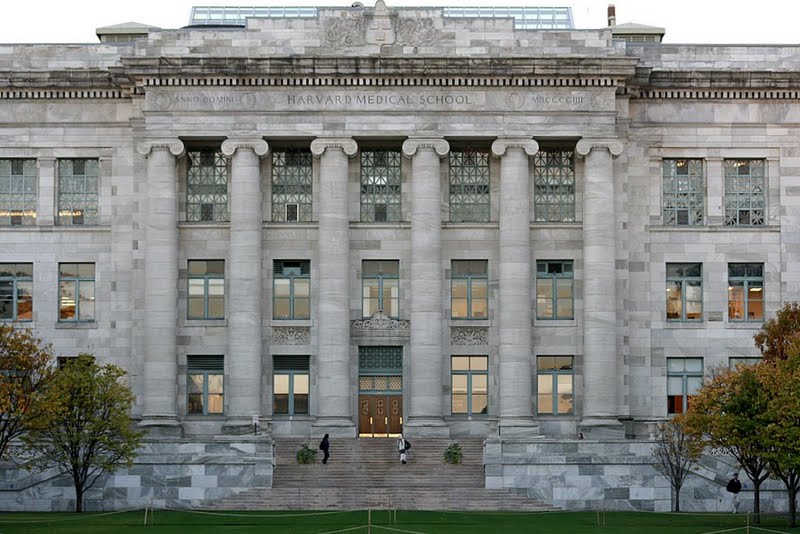
Against great odds, Mildred was accepted into medical school–at Harvard–and in 1951 became the first African American woman to graduate from the esteemed institution.

This image has an empty alt attribute; its file name is harvard_medical_school_boston.jpeg

Then she became the first woman to intern at Boston City Hospital and the first female surgeon at Boston University Medical Center, where Mildred eventually served as professor of surgery.

By 1970 the abortion debate had begun to garner much attention.  At the time, the American Medical Association was preparing a resolution in favor of abortion rights. Mildred strongly opposed such action, citing the Hippocratic oath and Judeo-Christian values as her defense.

Driven by her strong faith in God and heartfelt patriotism, Mildred began her fight against abortion. She helped found the Massachusetts chapter of Citizens for Life and later co-founded the National Right to Life Committee.  Mildred served as president of the latter from 1975-1978.

After forty years of coping with sexism and racism Mildred had developed great strength of character and courage.  She did not mince words concerning her conviction that abortion was wrong.

“I became a physician in order to save lives, not to destroy them,” Jefferson said in a 1978 interview. “I will not accept the proposition that the doctor should relinquish the role of healer to become the new social executioner.” [1]

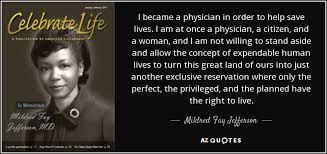
In another interview, Mildred stated:  I am at once a physician, a citizen, and a woman, and I am not willing to stand aside and allow the concept of expendable human lives to turn this great land of ours into just another exclusive reservation where only the perfect, the privileged, and the planned have the right to live” (2003, American Feminist Magazine). [2]

This image has an empty alt attribute; its file name is download-2-2.jpeg
azquotes.com/author/29722-Mildred_Fay_Jefferson

Mildred abhorred the fact that women of color aborted at higher rates than white women.  Were there racist motives behind the push to publicly fund abortions? Was a purposeful genocide being committed against blacks?  It certainly appeared so.[3]

Mildred asserted: “I would guess that the abortionists have done more to get rid of generations and cripple others than all the years of slavery and lynchings.”[4]

The articulate doctor received invitations to speak all over the country.  Her logical arguments and impassioned delivery convinced many people that abortion was immoral.

After a television appearance in 1972, Mildred received the following letter:

“Several years ago I was faced with the issue of whether to sign a California abortion bill. . . . I must confess to never having given the matter of abortion any serious thought until that time.  No other issue since I have been in office has caused me to do so much study and soul-searching . . . I wish I could have heard your views before our legislation was passed.  You made it irrefutably clear that an abortion is the taking of a human life.  I’m grateful to you.”

The letter was signed, Governor Ronald Reagan.[5]

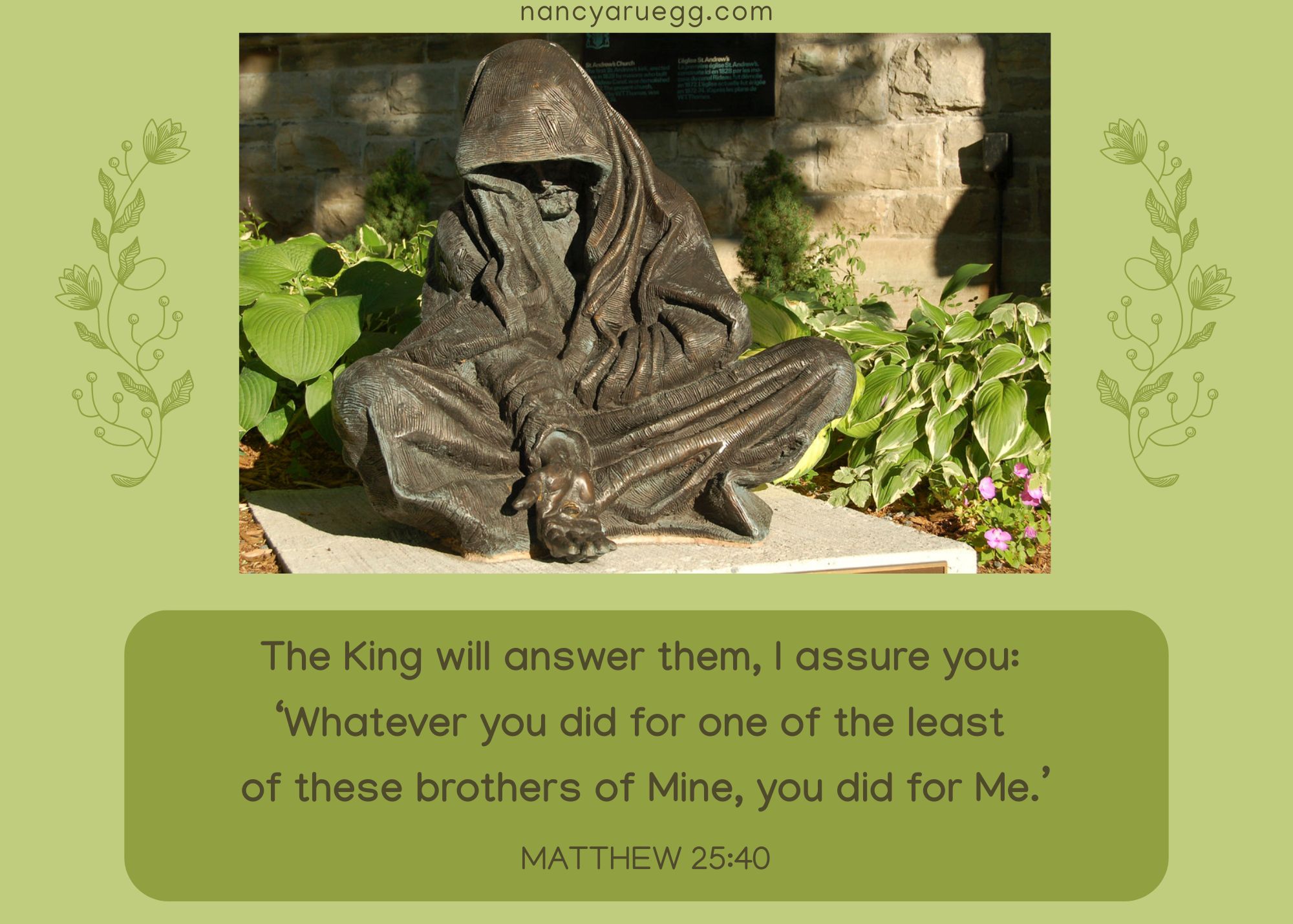
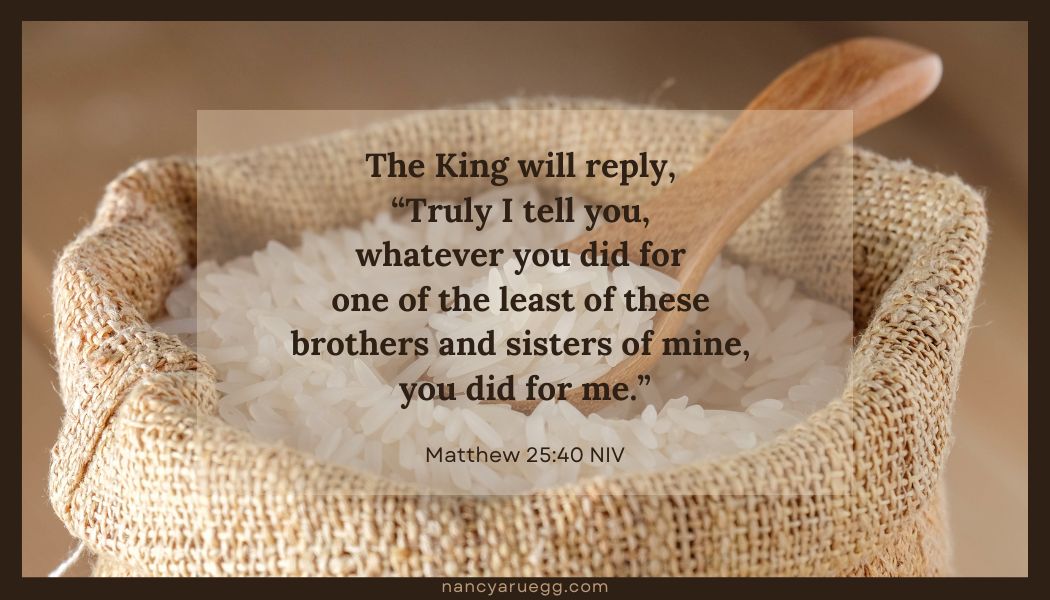
For nearly 40 years Mildred continued to fight for the rights of the unborn as she lived up to Jesus’ statement in Matthew 25:40, that whatever we do for the least of those among us, we do it for him.

Sources:

  1. https://christiannewsjournal.com/one-doctors-prescription-for-life-mildred-fay-jefferson/
  2. https://www.classicalhistorian.com/johns-blog/mildred-fay-jefferson 
  3. https://cultureoflifestudies.com/newsletter/dr-mildred-fay-jefferson/
  4. https://kofc.org/en/news-room/columbia/2020/january/passionate-pioneer-remembered.html)
  5. https://marchforlife.org/dr-mildred-jefferson/

Notes


[1] https://kofc.org;en/news-room/columbia/202/january/passionate-pioneer-rememberd.html

[2] https://marchforlife.org/dr-mildred-jefferson/

[3] op. cit. https://kofc

[4]  https://www.classicalhistorian.com/johns-blog/mildred-fay-jefferson 

[5] op. cit. https://kofc

Photo credits: http://www.picryl,com; http://www.wikimedia.com; http://www.heartlight.org, Ben Steed; http://www.azquotes.com; http://www.wikimedia.org; http://www.all.org.

Read Full Post »


It happened again.

Steve and I had just finished our meal in a local restaurant when the waitress stopped by to check on us. We’ll call her Sarah.

“How was your dinner?” she asked.

“My chicken was delicious” I enthused. And then she looked to Steve.

“Well, this could have been better,” and he indicated his plate where a third of his steak remained. “It was left on the grill a little too long,” he explained. The dark, dry cast of the meat provided the undeniable evidence.

Sarah’s smile morphed into furrowed concern. “Oh, I am so sorry,” she exclaimed. “We have a new guy training on the grill tonight. He clearly let that steak overcook. Shall I have the chef fix you another?”


“No,” Steve replied. “That’s okay; I had enough.”

“Well, if you’re sure…Thank you for being so nice about it. I just took back five steaks from one table. They were not happy.”

“As a pastor for forty years, I know how people can be sometimes, forgetting their manners when they feel wronged. But this isn’t your fault,” Steve asserted.

Sarah nodded. “I’ll get your check,” she announced and dashed off.

Upon her return, Steve handed Sarah her tip in cash.

Now those of you who know Steve may guess her reaction to what she received, because he’s always been a very generous tipper. It’s part of his mission to be God’s agent, blessing other people in the name of Jesus (Matthew 25:40).


But Sarah’s response was a surprise. She began to cry. We could tell Sarah wanted to say something but she couldn’t speak for a moment.

“You don’t know what this means to me,” she choked. “I know God brought you in here tonight. It’s my fifth anniversary today for being sober, but it’s been a difficult day—not much of a celebration.

“When you said you’d been a pastor, I felt like God was saying he knows what I’ve been through. He sees the progress I’ve made. And now this.” Sarah indicated the bills in her hand as the tears continued to flow.

Now my eyes started to fill. To think: God had used us at just the right time to honor this young woman for her faith and perseverance.

“Well, you have to know,” Steve continued, “as a pastor, and Nancy here, a teacher, we didn’t make a fortune during our working years. But God has blessed us over and over and we just want to bless others—like you.”

“Thank you so much,” Sarah enthused. “I will never forget this.”

Steve and I won’t forget that encounter either. Surely as we left the restaurant our faces glowed as much as Sarah’s with the supreme joy of affirming her.

And Jesus’ beatitude that Paul quoted was proved yet again: It is more blessed to give than to receive (Acts 20:35).


In the last few years, scientific research has confirmed those words of Jesus. Now we know that generosity:

  • Lowers blood pressure
  • Increases self-esteem
  • Lessens depression
  • Lowers stress levels
  • Contributes to longer life
  • Increases happiness, as the “feel-good” chemicals of serotonin, dopamine, and oxytocin are released.*

But that’s not all. When we give what we have, it may prove to be a treasure.

Our gift to Sarah returned a treasure to us of sublime satisfaction and euphoria—results far beyond what we expected. But Sarah’s gift of honesty and appreciation certainly blessed us beyond what she expected also.


https://www.azquotes.com/quote/539952


“Give what you have.

To someone, it may be better

than you dare to think.”

–Henry Wadsworth Longfellow


* https://health.clevelandclinic.org/why-giving-is-good-for-your-health/


Art & photo credits:  http://www.unsplash.com; http://www.pixfuel.com; http://www.canva.com (2); http://www.azquotes.com.


Read Full Post »

Still Traveling

Impressions Becoming Expressions

Living Our Days

Gaining a heart of wisdom

He Said What?!

I'm Patty, and my husband and I are living with our adult son who has autism and epilepsy. I love sharing lessons learned from life around me, especially life with Aaron.

Meditations of my Heart

Impressions Becoming Expressions

Linda Stoll

Impressions Becoming Expressions

Debby Thompson

Impressions Becoming Expressions

Signora Sheila

Notes on Life, Faith & Italy

Colleen Scheid

Writing, Acting, Living in God's Love

Mitch Teemley

The Power of Story

Heidi Viars

Finding the Image of God