Feeds:
Posts
Comments

Posts Tagged ‘missions’


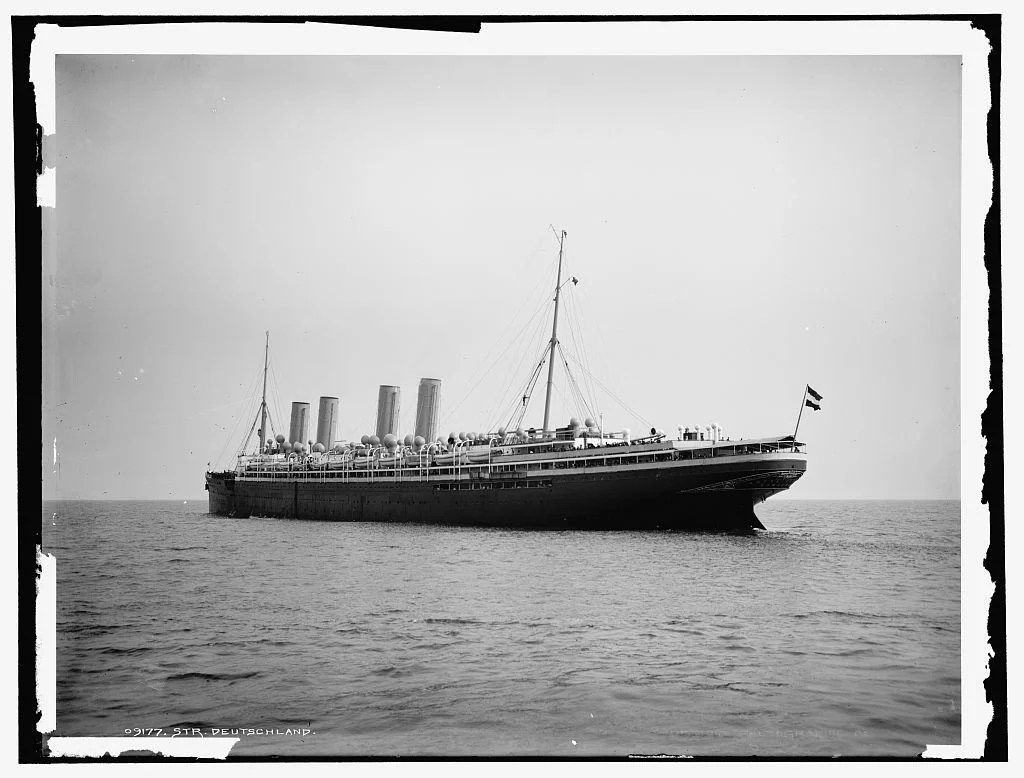
Maria (pronounced Ma-RYE-ah) Fearing and three friends stood at the ship’s rail, eager to see the coastline of their destination: Africa. For twelve days since leaving New York they’d waited not-so-patiently for this moment. Now it was almost upon them.

Maria remembered when missionary work in Africa first caught her interest. She’d been a teenage house slave and nanny for the youngest six children of the Winston family, on their plantation near Gainesville, Alabama. 

At bedtime, Mrs. Winston read Bible stories to her children as well as tales of missionaries like David Livingstone. How wonderful, thought Maria, to share about Jesus with people who’ve never heard of him before.

Slavery ended in 1865; Maria was twenty-seven. Becoming a missionary was still out of the question; she had no education. But Maria found employment in Gainesville as a live-in maid, grateful to God for the skills she’d learned in the Winston household. 

Five years later, Maria heard about a school founded by two former slaves and for former slaves, Talladega College, which included grades 1-12 as well as college courses.
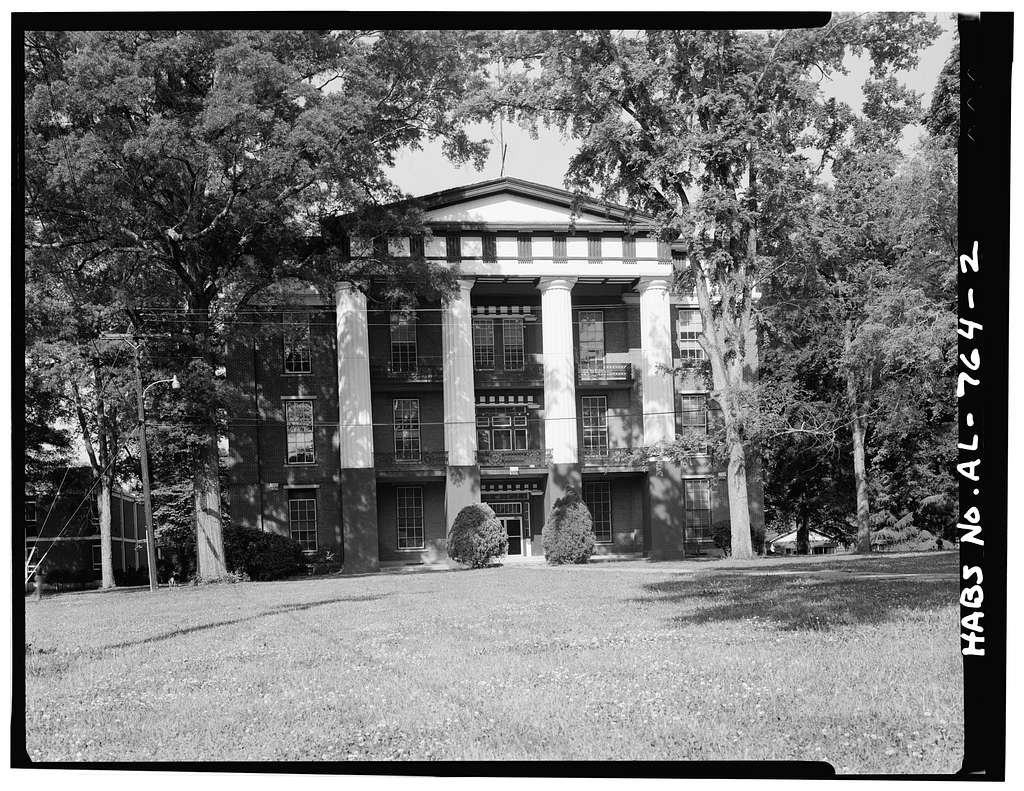
Talledega College

Students could work on campus and pay their way. Maria traveled the 150 miles to Talladega by walking and catching rides.

She began her schooling with the youngest children. They teased at first—a grown woman with six-year-olds! But Maria played with them at recess and earned their affection. 

While at Talladega, Maria met Lucy Gantt and Lilian Thomas. Though much younger than Maria, the three women became close friends.

Setting her mind toward success, Maria made quick progress toward completing ninth grade. That qualified her to teach in a rural school for the children of former slaves.
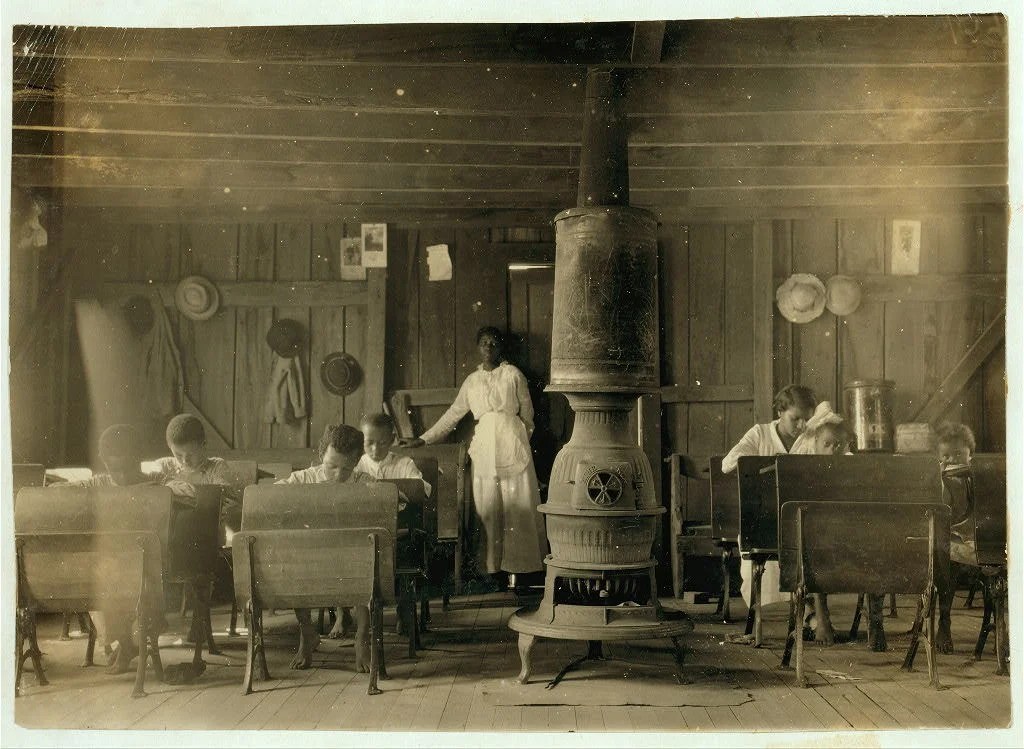
Perhaps her classroom looked similar to this one.

She soon achieved another goal, purchasing a small home. Sometime later Talladega invited Maria to return and serve as assistant matron. She accepted.

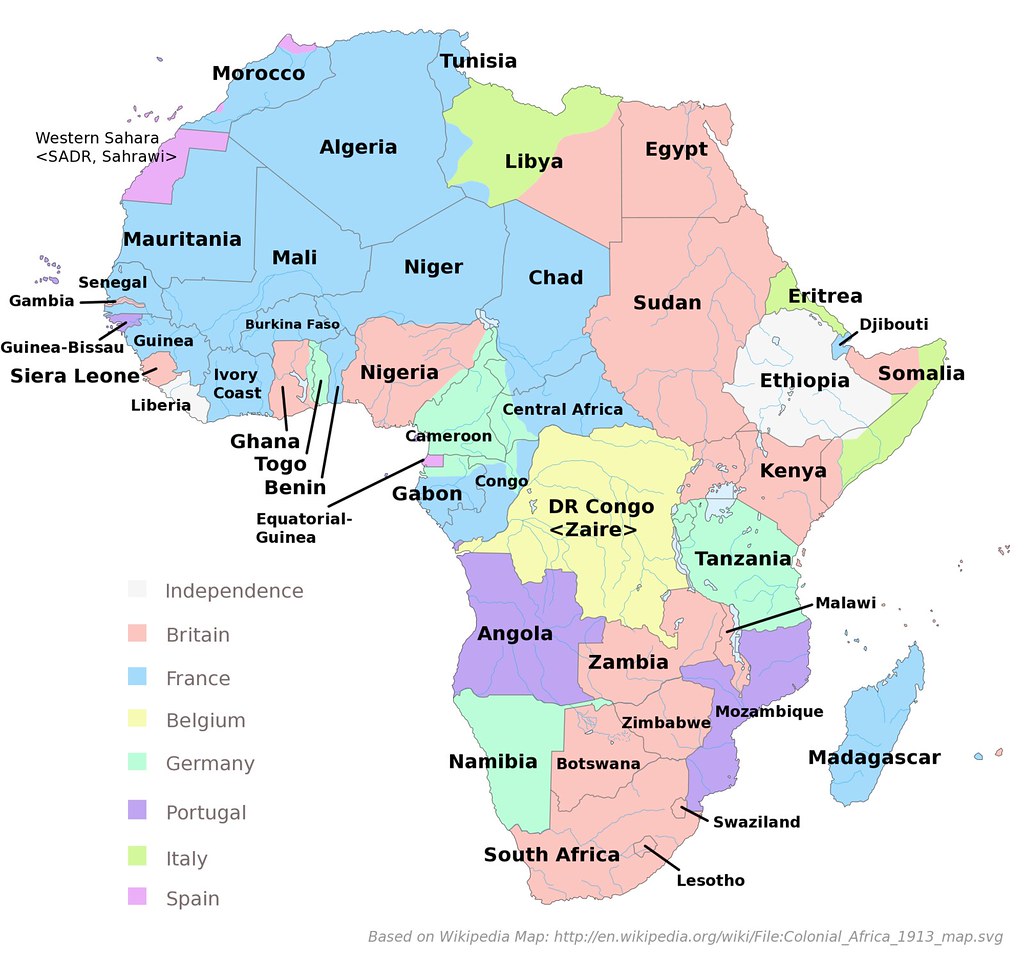
In 1894 William Shepherd came to the school to tell about his missionary work in the Congo (now Zaire).
Maria remembered Mrs. Winston’s stories and how she’d dreamed of becoming a missionary. When William invited others to join him, Maria volunteered.

However, her interview with the Presbyterian mission board did not go well. She was fifty-six years old, and though perfectly healthy, Maria appeared frail at just five feet tall and ninety pounds. 

“We’re very sorry, Miss Fearing, but we cannot support you,” they declared.

Maria didn’t acquiesce. She met with a church leader, asking him to vouch for her; friends also interceded on her behalf. With their recommendations, the board relented, if she’d pay her own way. 

Maria thanked God he’d inspired her to buy a home, which she happily sold, and with a $100 donation from Telladega women, arranged for the journey. 

Now it was June 1894, and she found herself standing next to her two friends from Talledega, Lucy and Lilian, who’d also volunteered. Lucy had since married the missionary William Shepherd, and together the foursome watched the coastline of Africa come into view. 

However, their journey was not over. They still faced the arduous trek to the mission station, over land and down rivers for 600 miles or so, and taking another six weeks. 

Finally they arrived at the Luebo Mission. Maria began to help the couple in charge however she could, while focused on learning the language. She became quite proficient in just one year’s time.

Also at the one-year mark, the mission board decided to pay her at half rate, then full salary after two years. 

Maria and Lilian cared for forty-four children who’d been orphaned or rescued from the slave trade. They called Maria Mama Wa Mputu, Mother from Far Away.
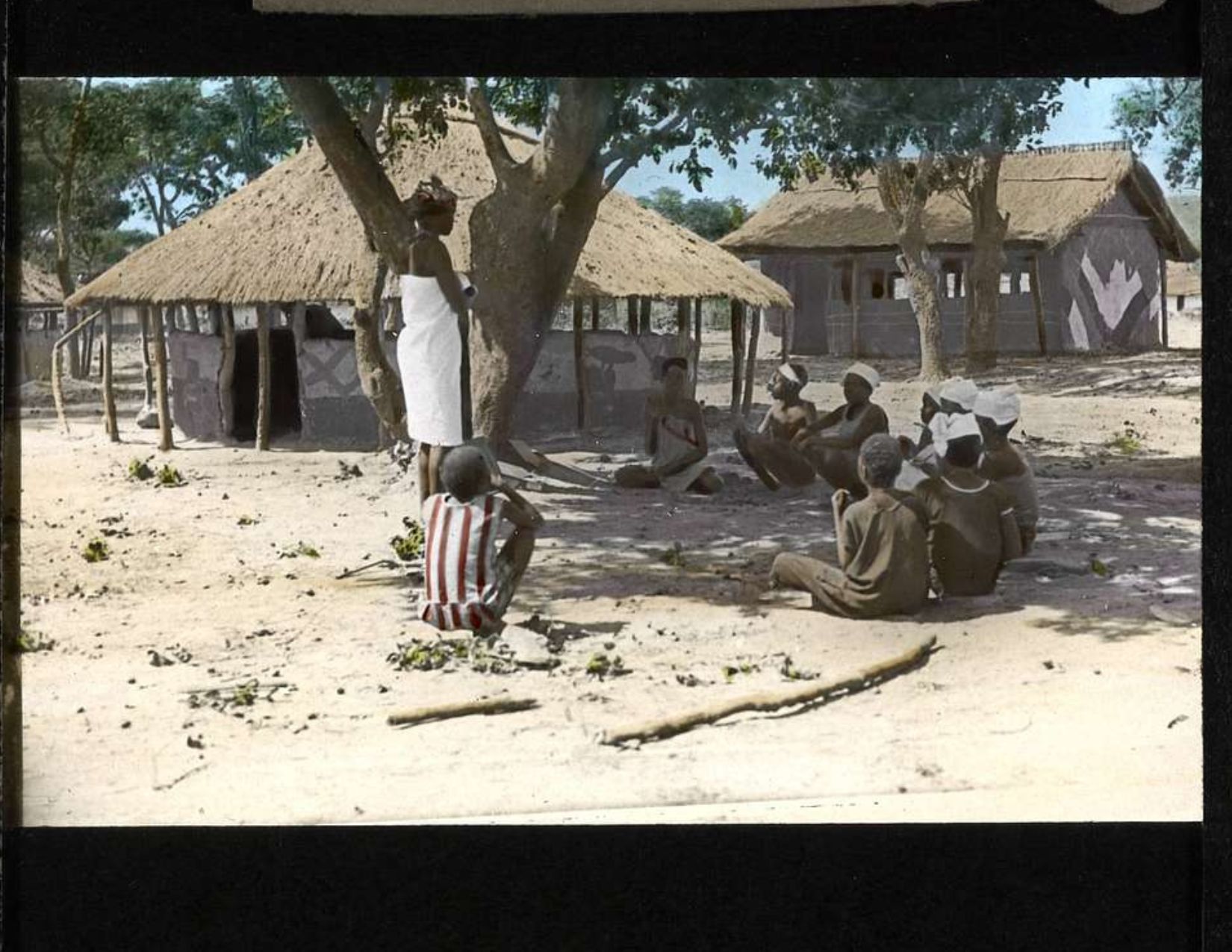
Perhaps the Luebo school looked similar to this one in Malawi, Africa, 1905.

She and Lillian taught the children household skills, preparing them for domestic employment when they left the mission. But they also taught reading, writing, arithmetic, and Bible knowledge.

All her life God had been preparing Maria for this position, beginning with training in the Winston home, her time as a nanny, and then a teacher. 

The school grew. Some of the new students were those Maria herself purchased out of the slave trade from her meager salary and with funds sent by friends from Talladega. By 1903, 203 students lived under their care—with the help of more teachers. 

Maria also contributed to the translation of the Bible, the catechism, and a number of hymns into the local dialect.

In 1915, at age 77, Maria traveled to America for minor surgery, but when she prepared to return to Africa, the mission board said no, she was too old. 

Maria must have been heartbroken, yet she continued to serve, establishing a Congolese art exhibit, sending the proceeds to the mission at Luebo, and teaching Sunday School until age 93.

After touching countless lives with the grace of Jesus, Maria Fearing died at age 99. 

In the year 2000, she was posthumously inducted into the Alabama Women’s Hall of Fame.

SOURCES:

Diana Lynn Severance, Her-Story, 342. 

https://ca.thegospelcoalition.org/columns/femmes-scriptura/meet-maria-fearing-african-american-missionary-to-congo/

https://encyclopediaofalabama.org/article/maria-fearing/

https://faithfullymagazine.com/maria-fearing-remember/https://placefortruth.org/maria-fearing-and-the-mission-to-the-congo/

Lorelei Siemens, “Maria Fearing: From Slavery to Missionary in Africa,” http://www.youtube.com, 2-26-25.

https://placefortruth.org/maria-fearing-and-the-mission-to-the-congo/

IMAGE CREDITS: http://www.picryl.com (3); http://www.flickr.com; http://www.picryl.com.

Processing…
Success! You're on the list.

Read Full Post »

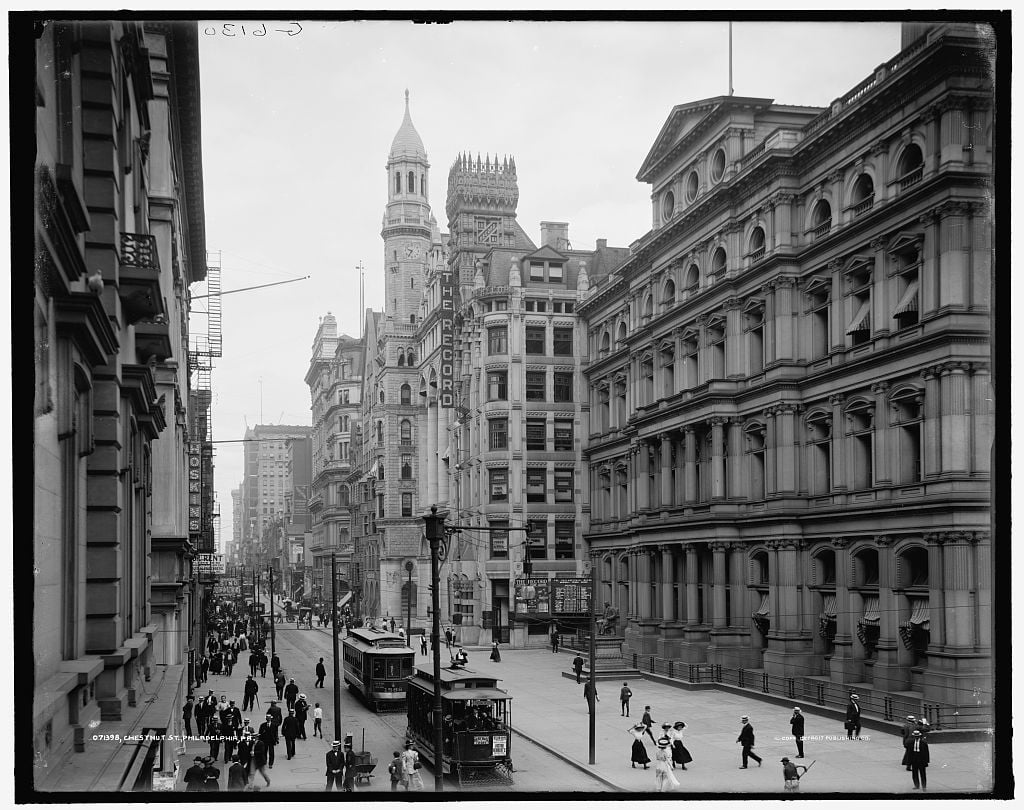
Twenty-one-year-old James Gribble, a streetcar conductor, scanned the avenue ahead, but his mind swirled with visions of the future. Life was treating him well in Philadelphia with its many amenities in 1904, compared to his hometown of Mechanicsburg, PA. What opportunities might lie ahead?

Then it happened. A woman stepped off the still-moving trolley, caught her skirt under a wheel, and was pulled under. She died at the scene.

James agonized over the terrible accident. “Oh God, deliver me, and I’ll serve you!” he wrote in his journal.

That Sunday James attended church and accepted Jesus into his life. That evening he was baptized.

On Monday while reading his Bible, James came to Matthew 28:19a:

He told his pastor, “I think God wants me to become a missionary.”

For several years James received mentoring and instruction, then joined the African Inland Mission. To his delight, the team included a pretty young doctor, Florence Newberry. In 1908 they established a mission station in West Central Africa and started ministering to the nearby tribes.

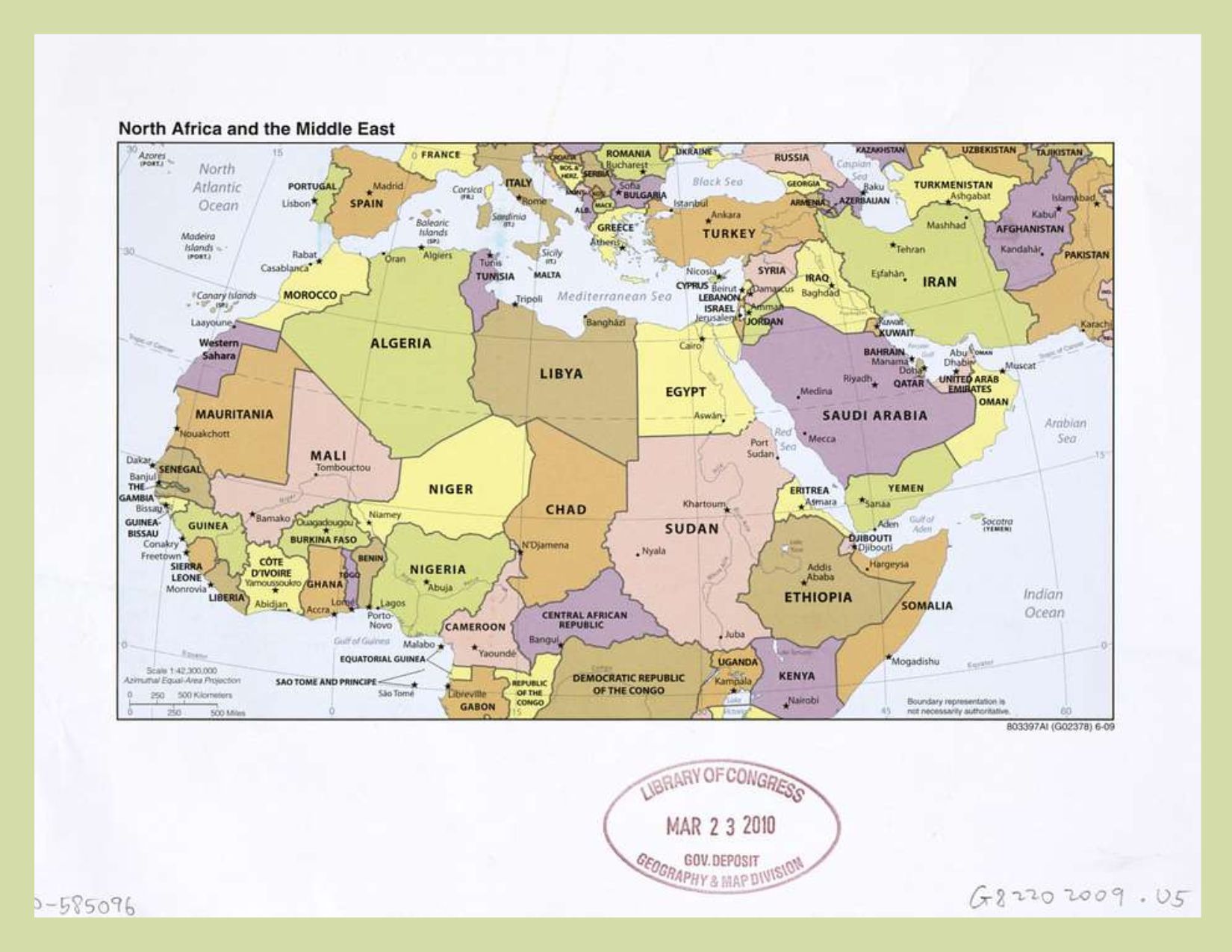
The station was located in what is now the Central African Republic, south of Chad.

James wanted to become better-acquainted with Florence, but patients kept her busy from morning till night. Suddenly genius struck. James could pretend he was sick!

During the appointment he suggested courtship. Florence preferred they remain friends, still devastated over a previous beau uninterested in foreign mission work.

Twice more over the next four years James would approach her about courtship; twice more she declined.

James and another missionary traveled inland to establish a new station.

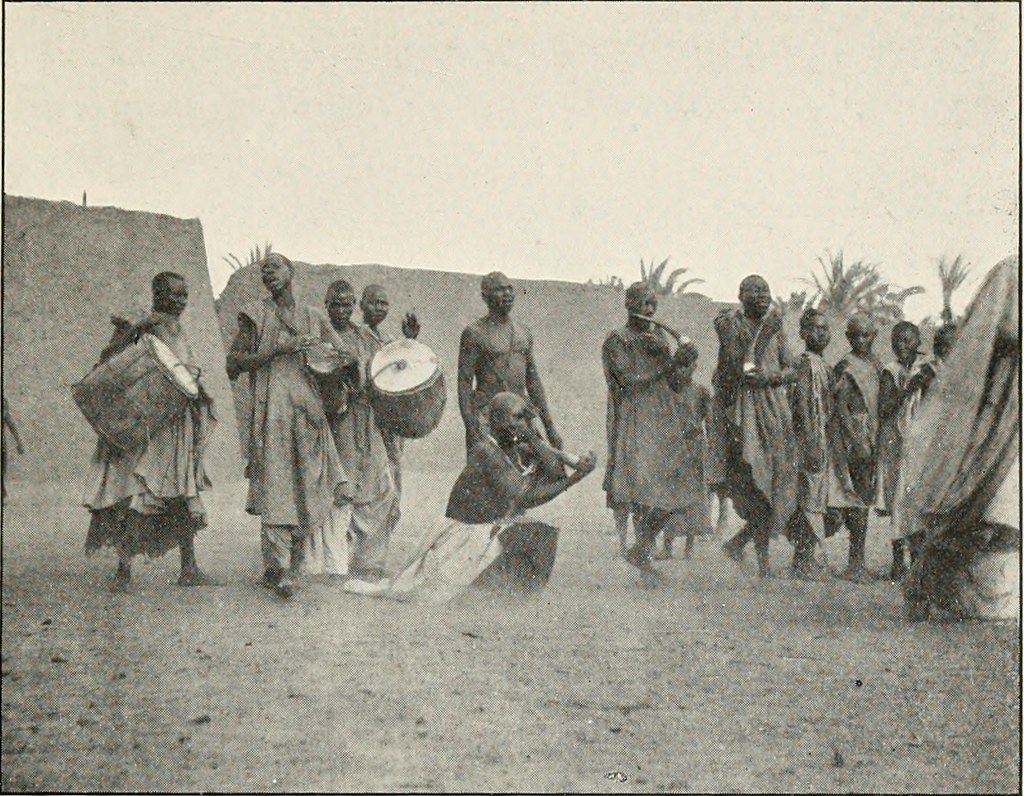
West African tribesmen, 1912

Soon his partner became ill and had to return to base camp, then James succumbed to black water fever. He expected to die.

Afterward James wrote about the vision God gave him on his sickbed—a panoramic view of the tribes of West Central Africa. God said, “Thou shalt be instrumental in carrying the gospel to these.” James knew then he’d survive.

During a prayer vigil in 1912, Florence’s thoughts turned to James. Her heart had warmed toward the trustworthy and kind missionary, so passionate about sharing Christ with the African people. Florence sensed the Spirit whispering to her, “Why not?”  

The two were married within a few months.

Sometime later Florence developed appendicitis and required hospitalization. For thirty days they traveled the three hundred miles to the nearest hospital.

As she slowly recovered, the doctor told James, “You must take her back to America. She cannot live in the tropics.”

Florence did return home and six months later James followed. They lived in Chicago for several years while Florence regained strength. Their only child Marguerite was born there in 1915.

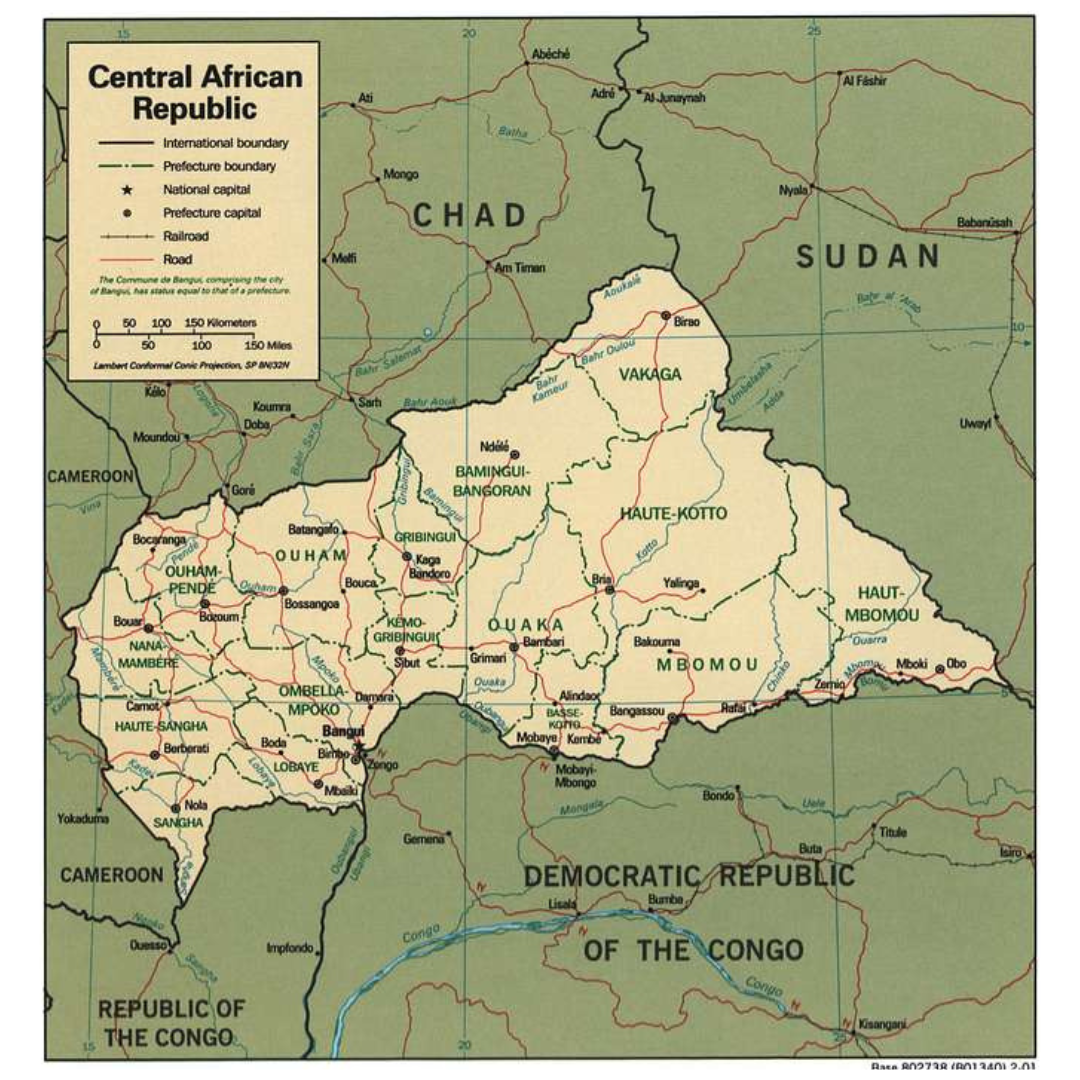
Daily James would pray over a map of Africa. He found his attention drawn to a town named Bozoum, in Ubangi-Shari (now the Central African Republic). He wondered why.

Bozoum is located in the northwestern province of Ouham-Pende.

The couple shared their hope with area churches: to establish base camps across central Africa as a barrier against encroaching Islam. When they returned in 1918, two nurses and another family joined them.

The group desired to enter a French-controlled area, but it took eighteen months to receive permission. They named their base, Camp-Wait-Some-More.

Finally able to move on, they arrived in Carnot. While waiting there another eighteen months, they spent their time learning the language and praying.

A new official arrived, and James made an appointment with him.

He asked James, “Where do you intend to set up camp, now that you’ve received permission?”

Permission?! James was stunned. “Where would you recommend?”

Then came Surprise #2. “I think Bozoum would be a good place.”

Now James knew why God had inspired him to pray particularly for this town.

Not long after their arrival in February, 1921, Florence and James became ill again. She had to return to the States, taking their daughter with her. Eighteen months later Florence traveled back to Africa, but without Marguerite. Though an anguishing decision, the couple determined she should remain in America to attend school.

In 1923 a young recruit was due to arrive, but he died within miles of reaching their mission station, causing more heartache.

James wrote:

Not long after, James succumbed to black water fever again; this time the forty-year-old did not survive.

He’d previously written to Florence, “I shall be content with the lowest seat in heaven if only there I may sit and see the redeemed of the Lord come in from those fields where I have a been a pioneer missionary.”

Except James had not witnessed one person becoming a Christ-follower during his years in Africa.

Some might say those years of pain and hardship had accomplished nothing. And what about God’s promise: ““Thou shalt be instrumental in carrying the gospel to these?”

James had been instrumental, by bringing others to join in their work. Even his own daughter returned to Africa, ministering with her husband for thirty-one years.

James had served as a foundation builder—constructing base camps, encouraging others, and giving himself to prayer. He followed in the footsteps of the Apostle Paul:

Today, 70% of the population of the Central African Republic are Christians.

In my mind’s eye I see James in heaven, greeting saint after saint from West Central Africa, just as he imagined. But instead of sitting, I think James is standing and celebrating with all his heart.

Sources:

Photo credits: http://www.flickr.com; http://www.rawpixel.com; http://www.picryl.com; http://www.flickr.com; http://www.commons.wikimedia.org; http://www.nara.getarchive.net; http://www.commons.wikimedia.org.

Processing…
Success! You're on the list.

Read Full Post »

When the House is Quiet

Impressions Becoming Expressions

Mitch Teemley

The Power of Story

Still Traveling

Impressions Becoming Expressions

Living Our Days

Gaining a heart of wisdom

He Said What?!

I'm Patty, and my husband and I are living with our adult son who has autism and epilepsy. I love sharing lessons learned from life around me, especially life with Aaron.

Meditations of my Heart

Impressions Becoming Expressions

Linda Stoll

Impressions Becoming Expressions

Signora Sheila

Where faith meets la dolce vita

Heidi Viars

Finding the Image of God