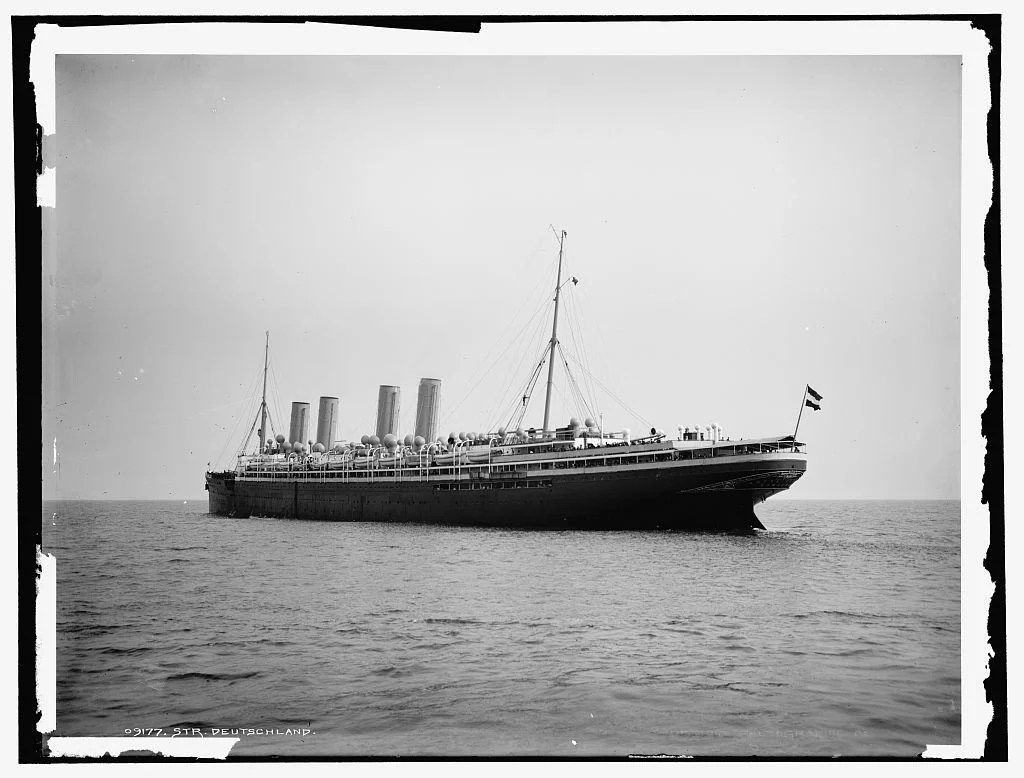
Maria (pronounced Ma-RYE-ah) Fearing and three friends stood at the ship’s rail, eager to see the coastline of their destination: Africa. For twelve days since leaving New York they’d waited not-so-patiently for this moment. Now it was almost upon them.
Maria remembered when missionary work in Africa first caught her interest. She’d been a teenage house slave and nanny for the youngest six children of the Winston family, on their plantation near Gainesville, Alabama.
At bedtime, Mrs. Winston read Bible stories to her children as well as tales of missionaries like David Livingstone. How wonderful, thought Maria, to share about Jesus with people who’ve never heard of him before.
Slavery ended in 1865; Maria was twenty-seven. Becoming a missionary was still out of the question; she had no education. But Maria found employment in Gainesville as a live-in maid, grateful to God for the skills she’d learned in the Winston household.
Five years later, Maria heard about a school founded by two former slaves and for former slaves, Talladega College, which included grades 1-12 as well as college courses.
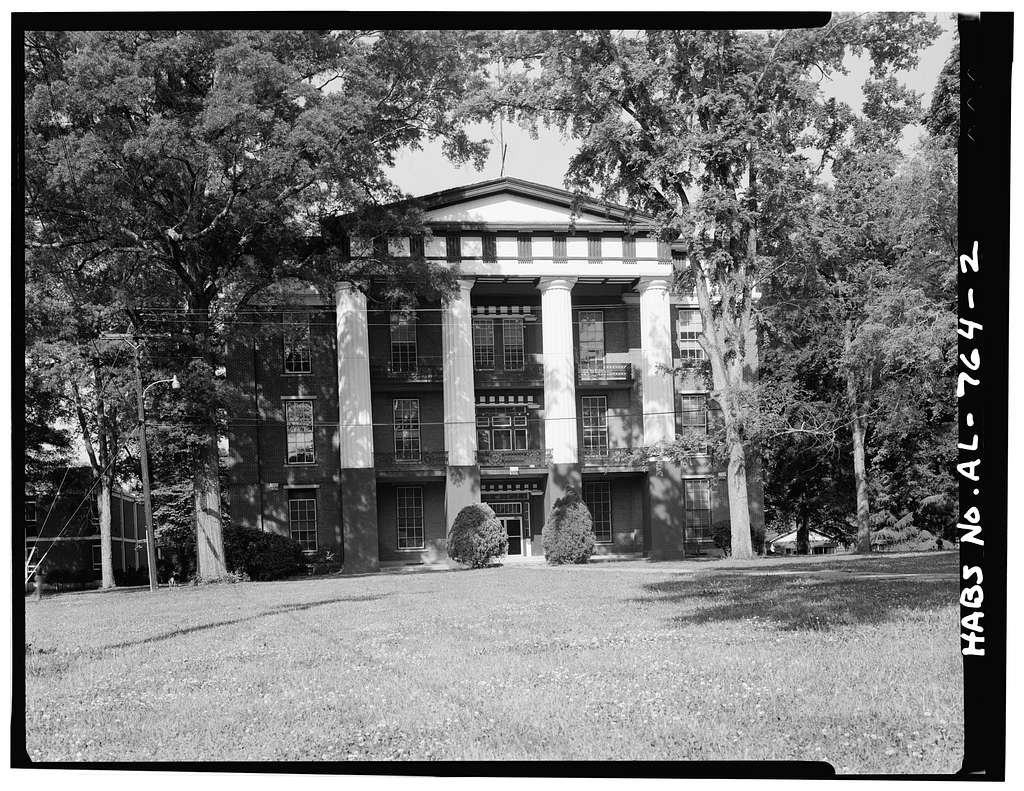
Talledega College
Students could work on campus and pay their way. Maria traveled the 150 miles to Talladega by walking and catching rides.
She began her schooling with the youngest children. They teased at first—a grown woman with six-year-olds! But Maria played with them at recess and earned their affection.
While at Talladega, Maria met Lucy Gantt and Lilian Thomas. Though much younger than Maria, the three women became close friends.
Setting her mind toward success, Maria made quick progress toward completing ninth grade. That qualified her to teach in a rural school for the children of former slaves.
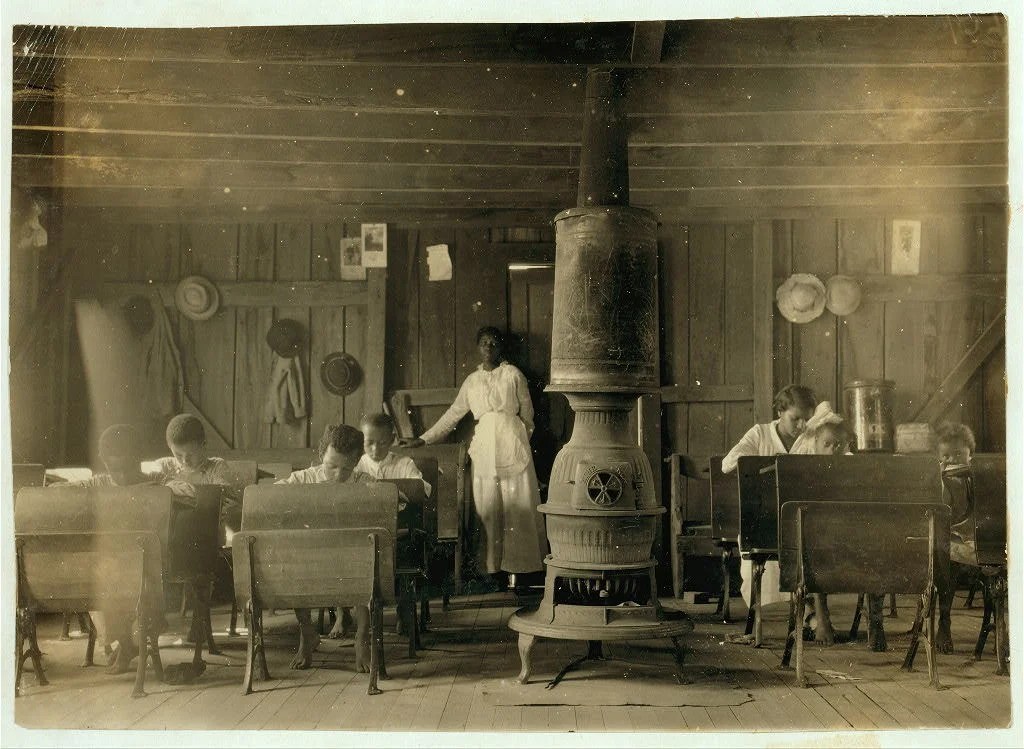
Perhaps her classroom looked similar to this one.
She soon achieved another goal, purchasing a small home. Sometime later Talladega invited Maria to return and serve as assistant matron. She accepted.
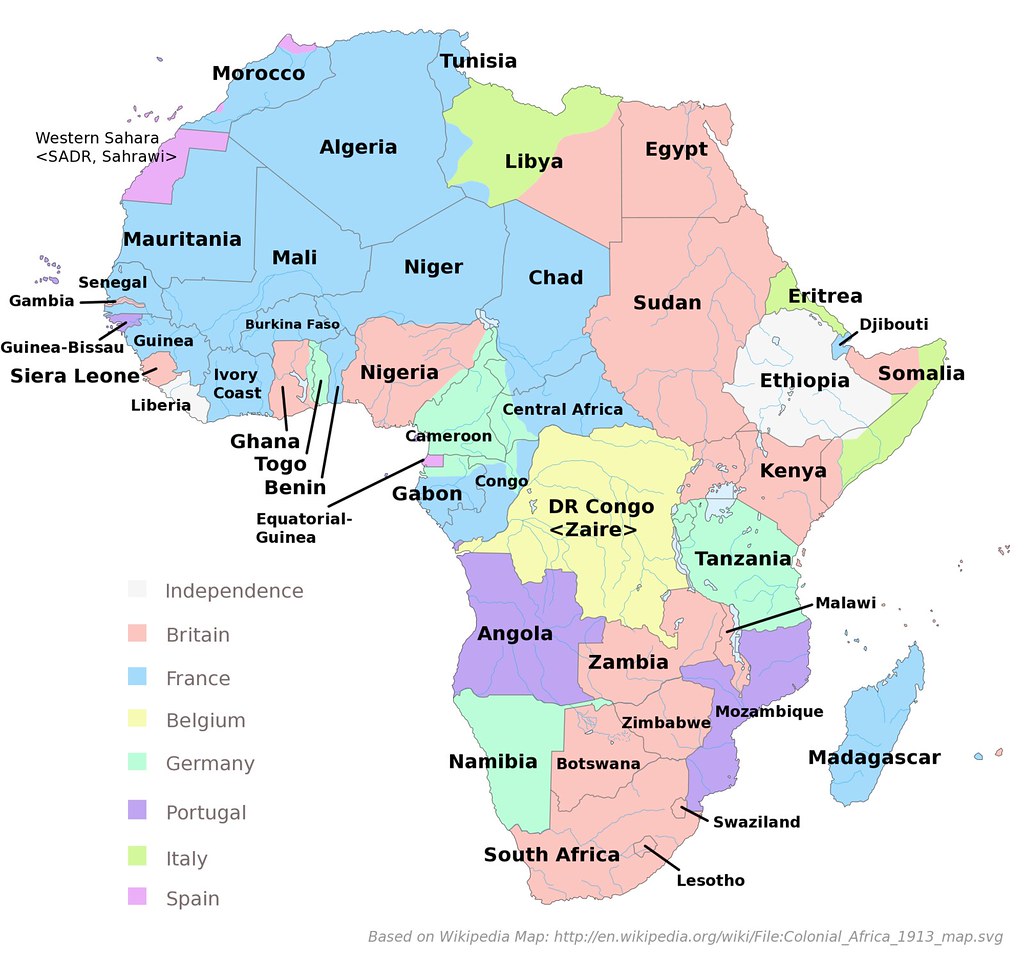
In 1894 William Shepherd came to the school to tell about his missionary work in the Congo (now Zaire).
Maria remembered Mrs. Winston’s stories and how she’d dreamed of becoming a missionary. When William invited others to join him, Maria volunteered.
However, her interview with the Presbyterian mission board did not go well. She was fifty-six years old, and though perfectly healthy, Maria appeared frail at just five feet tall and ninety pounds.
“We’re very sorry, Miss Fearing, but we cannot support you,” they declared.
Maria didn’t acquiesce. She met with a church leader, asking him to vouch for her; friends also interceded on her behalf. With their recommendations, the board relented, if she’d pay her own way.
Maria thanked God he’d inspired her to buy a home, which she happily sold, and with a $100 donation from Telladega women, arranged for the journey.
Now it was June 1894, and she found herself standing next to her two friends from Talledega, Lucy and Lilian, who’d also volunteered. Lucy had since married the missionary William Shepherd, and together the foursome watched the coastline of Africa come into view.
However, their journey was not over. They still faced the arduous trek to the mission station, over land and down rivers for 600 miles or so, and taking another six weeks.
Finally they arrived at the Luebo Mission. Maria began to help the couple in charge however she could, while focused on learning the language. She became quite proficient in just one year’s time.
Also at the one-year mark, the mission board decided to pay her at half rate, then full salary after two years.
Maria and Lilian cared for forty-four children who’d been orphaned or rescued from the slave trade. They called Maria Mama Wa Mputu, Mother from Far Away.
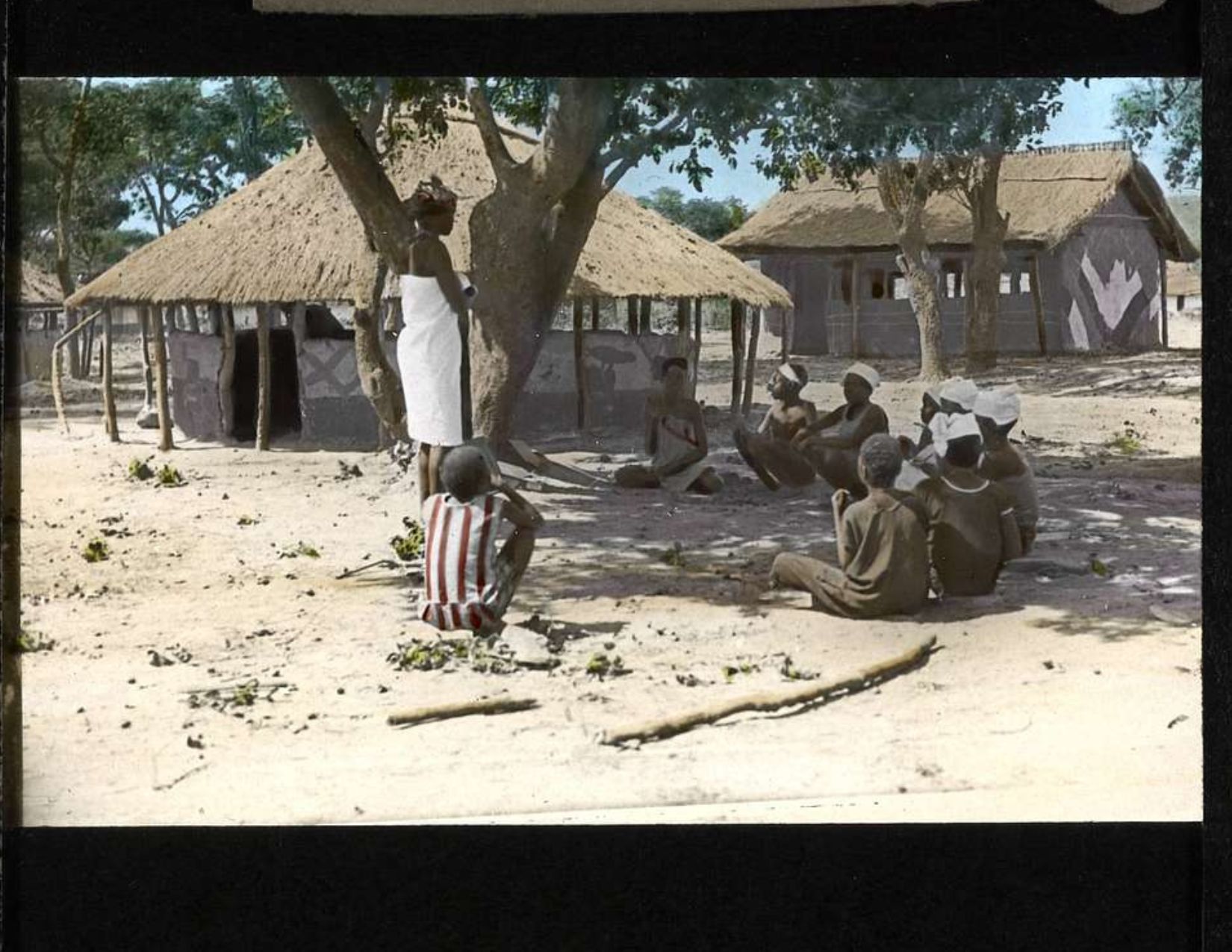
Perhaps the Luebo school looked similar to this one in Malawi, Africa, 1905.
She and Lillian taught the children household skills, preparing them for domestic employment when they left the mission. But they also taught reading, writing, arithmetic, and Bible knowledge.
All her life God had been preparing Maria for this position, beginning with training in the Winston home, her time as a nanny, and then a teacher.
The school grew. Some of the new students were those Maria herself purchased out of the slave trade from her meager salary and with funds sent by friends from Talladega. By 1903, 203 students lived under their care—with the help of more teachers.
Maria also contributed to the translation of the Bible, the catechism, and a number of hymns into the local dialect.
In 1915, at age 77, Maria traveled to America for minor surgery, but when she prepared to return to Africa, the mission board said no, she was too old.
Maria must have been heartbroken, yet she continued to serve, establishing a Congolese art exhibit, sending the proceeds to the mission at Luebo, and teaching Sunday School until age 93.
After touching countless lives with the grace of Jesus, Maria Fearing died at age 99.
In the year 2000, she was posthumously inducted into the Alabama Women’s Hall of Fame.
SOURCES:
Diana Lynn Severance, Her-Story, 342.
https://encyclopediaofalabama.org/article/maria-fearing/
Lorelei Siemens, “Maria Fearing: From Slavery to Missionary in Africa,” http://www.youtube.com, 2-26-25.
https://placefortruth.org/maria-fearing-and-the-mission-to-the-congo/
IMAGE CREDITS: http://www.picryl.com (3); http://www.flickr.com; http://www.picryl.com.
Do sign up below for the monthly newsletter–and thank you in advance for becoming a subscriber!
Discover more from From the Inside Out
Subscribe to get the latest posts sent to your email.

 From the Inside Out
I found Maria’s story to be so inspiring, Nancy. She refused to let her skin color or lack of education stop her in her pursuit to eventually serve God as a missionary in the Congo. Her determination and perseverance show just how miraculously God can use all of us for His purposes. Thanks for sharing this with us. Blessings!
I’m so glad you found Maria’s story to be inspiring, Martha. I did too! It also demonstrated to me (again) that God doesn’t always smooth out the path of his will and make it easy. More often than not, determination and perseverance ARE required. There’s much to learn in the process, isn’t there!
There certainly is so much to learn through the process of sacrifice and suffering. If God wills it, it is always best for us to obey just as Maria did,
Absolutely true, Martha, though it can be difficult. May God grant us strength and resolve to let God work his purpose through any sacrifice and suffering that comes our way.
Maria’s story is filled with perseverance, determination and faith. This was a tough time in history for her along with having to start from scratch. It’s good to hear stories like hers. It restores my faith in humanity.
I think that’s why I love writing these hero/heroine stories. As I complete the research, I find my spirit bolstered with those qualities you mentioned: perseverance, determination, and faith. I’m glad you enjoy these stories too, Kathy!
An extraordinary woman. Thank you for sharing her story.
You’re welcome, Ruth. I agree–Maria was indeed extraordinary. She did NOT give up!
It’s impressive how Maria used her life experiences as stepping stones to become a missionary. Despite the challenges (and her age!), this amazing woman pursued her dreams to serve the Lord and others. What a wonderful story! Thanks, Nancy. 🙂
You’re welcome, Nancy. I too experienced wonder as I researched Maria’s life.
What a great story, Nancy. Amazing what purpose does in a person’s life to motivate them to serve the Lord!
Amen to that, Dwight! And what greater purpose than to share Jesus with those who don’t know him!
Wonderful! Thank you for sharing this, Nancy.
You’re welcome, Dana. I too experienced wonder while learning about Maria Fearing.
It’s a remarkable story of a purpose-filled, God-driven life, Nancy – thank you for sharing it. I appreciate how you included the map of Africa, because I can never place those countries in my mind. And “catechism” – I’ve never thought to wonder what the word actually means, so I read up on it. Kind of a pocketbook approach to the principles of faith. A Catholic would laugh at my naivety but it’s just not something I’m familiar with as a Methodist!
Growing up Baptist, I wasn’t familiar with catechism either. But for the most part, Lutherans, Presbyterians, and Episcopalians as well as Catholics include catechism in teaching the core beliefs of the Christian faith. / Isn’t it astonishing that God used a former slave, a woman with only a ninth grade education, to work on such translations? I love how he uses people of EVERY walk of life!
wow what a life and witness. Hearing God’s call and being obedient opened doors. I am amazed at her determination too. Great story, Nancy
I agree, Jean. I was wowed by this strong-spirited and tireless woman also. Maria was filled with resolve, no doubt planted there by God!
What a story! Thank you for sharing it. There are so many inspiring takeaways, but the one that meant most to me is that age doesn’t matter in God’s calculations. He can use all of us even when probably well-meaning people say “you are too old.”
Amen, Linda! We senior citizens still have contributions to make. And though they may seem small, God can expand the ripple effect to astounding results. Part of the joy of heaven, I think, will be to learn about what God accomplished behind the scenes and beyond our knowledge here!
What an inspiring story! I admire her perseverance in seeking ways to serve even when told “no.”
I admire her perseverance too, Barbara. That’s one of the benefits of knowing the stories of such heroes as Maria Fearing. When we’re tempted to quit or give in, God brings to mind the perseverance, faith, and courage of such people, encouraging us to press on.
Incredible story and service. Beautiful, Nancy!
Thank you, Wynne. Her story inspired me too!
Wow. Awesome, inspiring. What a life, what a legacy, Nancy. Thank you for sharing the stories of others.
Happiest Monday to you, friend.
And thank you for reading, Linda! It’s a joy for me to research and write about these heroes; I’m always greatly inspired also.
This was a very inspiring story! It is a beautiful thing that this woman simply persevered no matter what came her way. Nothing could stop her from using her gifts to serve God. She served with a heart full of joy despite very difficult circumstances.
So glad you found inspiration here, Linda! Maria’s life WAS a beautiful and fragrant offering to God (Philippians 4:18).
what an amazing woman! thank you for sharing her story!
You’re welcome, Linda. I found Maria Fearing to be quite amazing also!
🤩
This amazing woman shows us how an open heart, a willing spirit, and resilient mindset that views obstacles as opportunities for growth rather than permanent setbacks. Instead of being dissuaded and discouraged she looked for solutions. The impact she made was far-reaching. Another wonderful true story.
What an insightful summary you’ve written, Cheri! I can almost hear it in my imagination as the trailer for a movie about Maria! 😁