Feeds:
Posts
Comments

Archive for the ‘Blessings’ Category


07dc15999a0da94f13bff356c829f3e3


Three times in the New Testament, Jesus is referred to as Author. Peter called him the Author of life (Acts 3:15), and the writer of Hebrews referred to him as the Author of salvation (2:10) as well as the Author and Finisher of our faith (12:2).

As someone who enjoys writing, I’m intrigued by this title for Jesus. How is he like an author? And how should his role as Author impact my life?

Research and ponderings took me down these pathways:

 

colossians-116_5541_1024x768


Writers are creators.  Where a character, place, or idea did not exist before, an author brings them to life.  Without C.S. Lewis, for example, we would not know Aslan, the great and noble lion, the land of Narnia, or the concept of a New Narnia with its astounding dimensions: ” The further up and the further in you go, the bigger everything gets.  The inside is larger than the outside” (The Last Battle, Book #7 of the Narnia series, p. 180).

Jesus, the Author of life, participated in the creation of the world, including us.  “By him all things were created in heaven and earth…all things were created by him and for him.”  (See also Note #1.)

Writers animate settings, characters, and ideas with the choicest words they can find. The sentence, “A bird sat on the gate looking over the snowy field,” becomes “A black and white magpie, sitting on the rail of a gate, reigned benevolently over the tranquility of a snowy field” (from Lisette’s List by Susan Vreeland, p. 322). Jesus animates our lives with his choicest blessings: purpose, hope, contentment, and joy.
 

c55bcecf2b75dbddc64093d554ffd077


Writers cajole their ideas on the page, striving to form nebulous concepts into clear, solidly built statements. They organize their thoughts, structure sentences, and decide upon word selection. Jesus lovingly coaxes us along, slowly over time sharpening the fuzzy understandings of our faith into solidly built knowledge, wisdom, and conduct.

Writers peel away redundancies, wordiness, and boring details. Jesus peels away our sins, spiritually unhealthy habits, and weighty emotions like discouragement, anxiety, and fear—any excesses that keep us from being our best selves.

According to author, Joan Lowery, writing is “a complicated mixture of art, craft, structure, free-flowing ideas, unleashed imagination, soaring hopes, wondrous insights, giddy joy, deep satisfaction, strong persistence and solid determination” (from The Making of a Writer, pp. 1-2).


15195-ephesians-2-10


As we allow the Author of Life (2) to write upon our souls, he applies these same processes. Persistently and determinedly he:

  • crafts our spirits into works of poetry (Ephesians 2:10) (3),
  • offers us safe structure in which to function (Proverbs 2:6-8),
  • exposes us to ideas of freedom we never knew existed (John 8:31),
  • surprises us with more blessings than we could ever imagine (Ephesians 3:20),
  • fills us to overflowing with hope (Romans 15:13),
  • imparts wondrous insights, especially through his Word (Psalm 119:130),
  • bestows his complete joy upon us (John 15:11), and
  • fills our hearts with deep satisfaction (Luke 6:21, John 10:10).

 

4f432dd9f0d297c6db04e6342ac30d58


Joan Lowery’s long list of writing components (above) appears daunting. It’s a wonder anyone puts pen to paper or fingers to keyboard.

Yet there are many of us who actually enjoy the process—the discovery of new information and ideas as we research, the development of clearer understanding while wrestling with a concept; the puzzle-assembling of thoughts into organized paragraphs and words into precise sentences; the delight of creating a musical rhythm among the syllables.

In fact, Truman Capote asserted:


723b897eebef7b17d26576f4073d0477

(“The greatest pleasure of writing is not what it’s about,

but the inner music the words make”

–Truman Capote)

Surely Jesus feels the same. His purpose as Author is not to produce best sellers of our life stories. He’s interested in relationship. In collaboration with each of us, Jesus wants to write upon our souls and create inner music together: symphonies of joy, madrigals of peace, and songs of love.

Praise God, he takes great pleasure in the process (Psalm 149:4, Philippians 2:13).

*     *     *     *     *     *     *     *     *     *

NOTES:

  1. For the record, Genesis 1:2 and Psalm 104:30 give us glimpses of the Holy Spirit’s role as well.
  2. God the Father and the Holy Spirit are also involved in the process, of course, as three-in-one.
  3. Paul said, “We are God’s workmanship, created in Christ Jesus” (Ephesians 2:10). That word, workmanship, is translated from the Greek word, poema, from which we derive our English word, poem. Our triune God is making us into heavenly pieces of poetry—“the highest, finest, most beautiful expressions of his thought and purpose!” (Herbert Lockyer, Seasons of the Lord, 330).

(Art & photo credits:  www.pinterest.com; http://www.wallpaper4god.com; http://www.pinterest.com; http://www.crosscards.com; http://www.pinterest.com (2).


Read Full Post »


ce609cc703524583a5612651768d1b6a

“Let all that I am praise the LORD;

with my whole heart, I will praise his holy name…

may I never forget the good things he does for me.”

–Psalm 103:1-2 NLT


So begins Psalm 103 (one of my favorites), written by David the Shepherd-King.

I imagine him–seated at a large table, a blank parchment spread before him, and a sharpened reed in his hand. Close by sits a small pot half-filled with a mixture of soot, gum, and water–his ink.

David’s gaze drifts to the view of Jerusalem outside the palace window. His thoughts carry him back in time to the hillsides of Bethlehem, just a few miles away. There he had tended his father’s sheep as a boy. But oh, the wonders God had performed during the years since. The humble shepherd boy became a giant killer, then a fugitive from jealous King Saul, a courageous warrior against Israel’s enemies, and finally after many years, the crowned king of Israel.

I can sense his heart filling with gratitude and praise, his eyes filling with tears as he considers all the “benefits” God has bestowed.

And David begins to write, extolling the Lord for his forgiveness, redemption, love, goodness, and more (vs. 3-6).


e4899256565153444bad6e6b57b5e9c2


His pen needs more ink. As he dips the reed, David’s gaze is once again drawn to the window. He begins to contemplate God’s goodness expressed to his countrymen long ago:


“He revealed His ways to Moses,

His deeds to the people of Israel” — v. 7, HCSB.


Through the laws outlining his ways, God had revealed his holy character. Through his miraculous deeds God revealed his power, faithfulness and…

…David’s mind shifts to the days when the Hebrews were brought out of slavery in Egypt and led back to the land of their father, Abraham. How compassionate God was.

David marvels at the provisions God engineered, so his people could escape: the gold, silver, and clothing Egyptians gave them as they prepared to flee (Exodus 12:35-36); the food and water necessary for survival (chapters 16 & 17).


hand-manna-daily-bread_1300033_inl


David recollects God’s patience with the Israelites—grumbly and rebellious as they were (Numbers 14:18).

And David contemplates God’s love (Deuteronomy 7:7-8)—caring and protective—in spite of the Israelites’ ingratitude and disobedience.

David picks up his reed once more and continues to write:


f2444db203802ba507f32fe9a95cdd56

(“The Lord is compassionate and gracious,

Slow to anger and rich in faithful love — v. 8, HCSB.)


Those words beg the question: When have I experienced God’s benefits of compassion and grace, patience and faithful love?

A few examples follow:


  • The Lord is compassionate.

Time and again God has tended our family through the loving kindness of friends—friends who have prayed with us in the midst of trauma and who have provided for our needs (like a place to stay, furniture, a contribution to our children’s college funds—the list is very long!).  God has benefited us with numerous blessings—even a car one time.


  • The Lord is gracious.

He cares about all our concerns, big and small. 

This past winter I lost a scarf at the local bookstore. It wasn’t an expensive one, just soft and warm, the perfect size. A thorough check through the aisles and an inquiry at the information booth proved futile.

A couple of weeks later I returned to the same shop. Although I doubted the scarf would turn up (After all, my search two weeks prior had been very thorough.), I decided to ask again. Sure enough, the girl behind the counter produced my scarf.


s_56de28c59818291dc00090cf


  • The Lord is slow to anger.

I’ve been incredibly blessed to know Jesus my entire life. But I still suffer from bouts of sin—sins like fretting, negativity, lack of faith, low self-esteem, pride, selfishness…must I go on?!

Yet he patiently forgives me and removes my offenses as far as the east is from the west (Psalm 103:12). He even understands my frailties (v. 14). How gloriously comforting is that?


0aa0797ca313789431143703a9dea838


  • The Lord is rich in faithful love.

Every day, with his provision, protection, and presence, guidance, goodness, and gifts, God expresses his unwavering love for us.

And with David, my heart overflows.

You, too?


604b8f7e850fb168c3cb274090981150

(“Praise the LORD, my soul; all my inmost being,

praise his holy name” — v. 1, NIV).


How has God demonstrated his compassion, grace, patience and love in your life?  Please share your story in the comment section below!


(Art & photo credits:  www.pinterest (2), http://www.lds.org; http://www.pinterest.com;  www.poshmark.com; http://www.pinterest (2).


Read Full Post »

71776


No doubt many of you know the name, Jan Karon. She’s the author of the Mitford series, named after the fictional village tucked into the Blue Ridge Mountains where most of her compelling stories take place. Within the pages of these thirteen books live Father Tim, an Episcopal priest, and a delightful cast of eccentric, endearing characters.

One of Mitford’s residents is Dooley, a foster child who is eventually adopted and the recipient of God’s generous, providential care.

In volume #11 of the series, In the Company of Others, Ms. Karon writes of Dooley: “While most people understandably took family for granted, he took it for grace.”

Isn’t that a wonderful quote? I copied it down with the thought, I want to be like Dooley and take all gifts for grace—never for granted.

Gifts such as:

  • A praise song that causes my heart to overflow in joyful, reverential tears.
  • A word of instruction or encouragement that speaks to a need in my life with uncanny accuracy.


IMG_0743

  • Participation with God in his creation–even if it’s just in the yard.  Gardening offers great pleasure and a sense of his presence in the beauty of leaf and flower; the concert of bird song as I putter; the aroma of soil, grass, and blooms; the delicate softness of petals–all gracious gifts of my Heavenly Father.
  • Holy beauty in a writer’s words (even in a secular work)–words like: “Lingering as long as it could, sunset’s sad joy filmed over the day with a delicate blush…” (Susan Vreeland, Lisette’s List, 355).

To “take all gifts for grace” can produce ethereal joy.  For a moment we experience the transcendent, as if the veil between heaven and earth is parted ever so slightly, and a single beam of God’s shimmering glory pierces through the dullness. Suddenly we’re basking in the warm euphoria of his presence.

We never want the moment to end. But inevitably the splendor begins to fade and we’re left reeling like Jacob—as though we’d been transported to the gate of heaven (Genesis 28:17).


3886825d61642e9e40513cc3b0f5aed8


And we’re anxious to repeat the experience.

Is it wrong to desire frequent glimpses of God’s glory?

I don’t think so. Yes, on the one hand we’d be misguided to try and evoke such moments (“Come on, tears! FLOW!”). On the other hand, surely God wants us to live aware, alert to receive those gifts of grace when he sees fit to grant them.

Like Micah, the prophet, we can affirm:


aeb840bdb7c75d8b80d14fc6043675eb

(“As for me, I watch in hope for the Lord,

I wait for God my Savior.”

–Micah 7:7, NIV)


Surely watchfulness is part of seeking—seeking to know him more intimately, to experience him more profoundly (Jeremiah 29:13).


2958f422983b6512856e42b6b07d56eb


And as we grow in our awareness of these glory-infused moments, we begin to realize how often they really do occur.

Just in creation alone we:

  • See him in the towering mountains and trees, the powerful oceans and rivers. There is glory in the grandeur.
  • Hear him in a pounding waterfall and crashing thunderstorm. There is glory in the power.
  • Feel him in a soft breeze and gentle rain. There is glory in the whisper.
  • Take in his aroma from the pungent pine tree and sweet honeysuckle vine. There is glory in the refreshing.


162769


In fact, his glorious gifts of grace are all around us.


*     *     *     *     *     *     *     *     *     *


Thank you, oh God, for the gracious display of your splendor throughout each day. You fill my heart with wonder and joy every time I catch a glimpse of your glory—from an early morning bird chorus to a liturgical dance performed by children, from the encouraging word of a friend to the warm welcome of strangers. I praise you that your gifts of grace are bestowed with such delightful creativity! May I never take them for granted.


What gift of grace has filled your heart with euphoric gratitude lately?  Tell us about it in the Comment section below!


(Art & photo credits:  www.goodreads.com; Nancy Ruegg; http://www.pinterest.com (2); http://www.doityourself.com.)


Read Full Post »


Destroyed_Warsaw,_capital_of_Poland,_January_1945

(Warsaw, Poland, January 1945)


World War II reduced much of Western Europe to rubble. Homes, businesses, factories, and much of the infrastructure were damaged or destroyed. How could the region rehabilitate itself? It couldn’t. Even two years after the war ended, very little rebuilding had been accomplished. Many people were living in poverty. Government agencies, in chaos themselves, could offer little if any support.

America came to the rescue, helping to rehabilitate post-war Europe at the cost of $22 billion dollars.   That’s about $182 billion in today’s economy, to assist sixteen nations, including Germany, for six years (1946 to 1952) (1).

Granted, the investment provided a boon to our economy when those nations began to thrive and became strong trade partners with us. National security was undoubtedly enhanced as well.

But a nation such as ours, rich with resources and populated by creative, entrepreneurial people, could surely have survived quite well without their participation. Besides, think what America could have done with $22 billion.

No, greater than economic gain or national security was the importance of doing the right thing and providing humanitarian aid – even to our enemies.


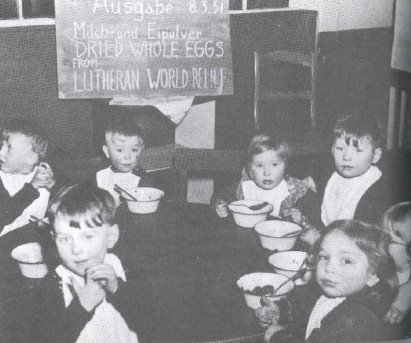
Picture of German Children receiving aid from LWR in 1951, taken from Together in Hope book by John Bachman.

German Children receiving aid in 1951, taken from Together in Hope book by John Bachman.


“Our policy is directed not against any country or doctrine but against hunger, poverty, desperation, and chaos,” said then-Secretary of State, George C. Marshall.

No other nation in history has offered such post-war assistance—and so generously. Now, nearly seventy years later, the foreign aid continues—still totaling billions of dollars every year. And not only does this aid go to our allies or other republics, but to nations of differing political doctrines, all over the globe.

Such generosity is one of our core values in America, contributing to our nation’s greatness. But it is not the only thing.

No other nation on earth offers so much humanitarian aid—much of it by volunteers. Think of the doctors and nurses, teachers and engineers, plus a multitude of non-profit organizations whose sole objective is to relieve suffering around the world and help others lead more productive, satisfying lives.

In 2013 just one agency, the American Red Cross, accomplished the following (among many other achievements).

They:

m6040129_514x260-our-supporters

  • Assisted millions of people in 24 countries, impacted by disaster.
  • Continued to aid 4.3 million earthquake victims in Haiti to rebuild their lives.
  • Helped vaccinate over 98 million children against measles.
  • Continued to develop disaster preparedness in 32 countries, so communities are not so vulnerable.
  • Helped to reconnect nearly 900 families separated by war or disaster (2).

Is it safe to say that, without America, the world would be a very different place? Our generosity and humanitarianism alone have produced significant results around the globe. But there is still more that sets us apart.

No other nation on earth provides such freedom, opportunity, and protection for its citizens.

In addition, recent immigrants often speak of the wonder and delight they experience upon coming to America. They marvel that: roads are regularly repaired, highway signs are clear and accurate, business practices are generally fair. They’re astonished by the volume and variety of goods available–things that most American take for granted, like shampoo, disposable diapers, and deodorant (3).

And what’s the foundation of all this goodness that has contributed to America’s greatness? It’s the values and principles most Americans still embrace–those laid out in the Bible.

For example:

Our generosity can be traced back to Deuteronomy 15:7-8, Proverbs 21:26, and Matthew 25:34-40.


10f6940bb1a13a747e3a6c6c0928fed3


Our humanitarianism—even to our enemies—is rooted in the teachings of Jesus (Matthew 5:44) and Paul (Romans 12:20).

And our way of life, based on freedom, fairness, and adherence to law brings to mind the Golden Rule (Matthew 7:12), Romans 12:9-10, and many other scriptures upholding respectful treatment of all.

Granted, we’re not perfect. Selfishness, greed, and power-grabbing fester among us.  But the world is still a better place for the biblical principles named above which provide America’s foundation–whether folks acknowledge that truth or not.

Praise God for his influence through our founding fathers (many of whom were Christians) and self-sacrificing believers in Jesus throughout our 240-year history. It is on their shoulders we stand to do our part. to advance those attributes that make America great–like no other nation.


quote-america-is-great-because-she-is-good-if-america-ceases-to-be-good-america-will-cease-alexis-de-tocqueville-36-20-68


What do you think has contributed to America’s greatness?  Celebrate your appreciation for our nation in the comment section below!


Notes:

  1. usnews.com
  2. redcross.org
  3. heritage.org


(Art & photo credits:  www.wikipedia.org; http://www.lwr.org; http://www.redcross.org; http://www.pinterest.com; http://www.azquotes.com.)


Read Full Post »


Over-the-Rhine-12th-and-Vine

(Over-the-Rhine, Cincinnati, Ohio)


One benefit of living in an older city is the interesting architecture to enjoy. Our hometown for two years now, Cincinnati, includes an impressive collection of historic buildings, in a large variety of styles. Below are six examples.

  • Federal:

dsc1401-4-1

(Taft Museum of Art, built 1820)

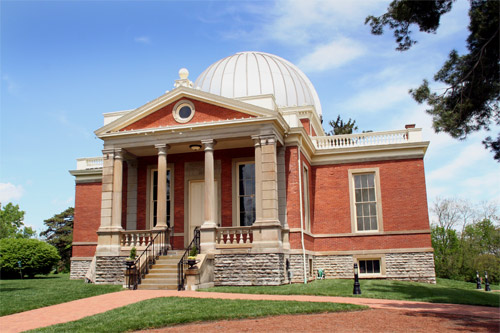
  • Greek Revival: 


cincinnati

(Cincinnati Observatory Center, built 1873)

  • Venetian Gothic: 


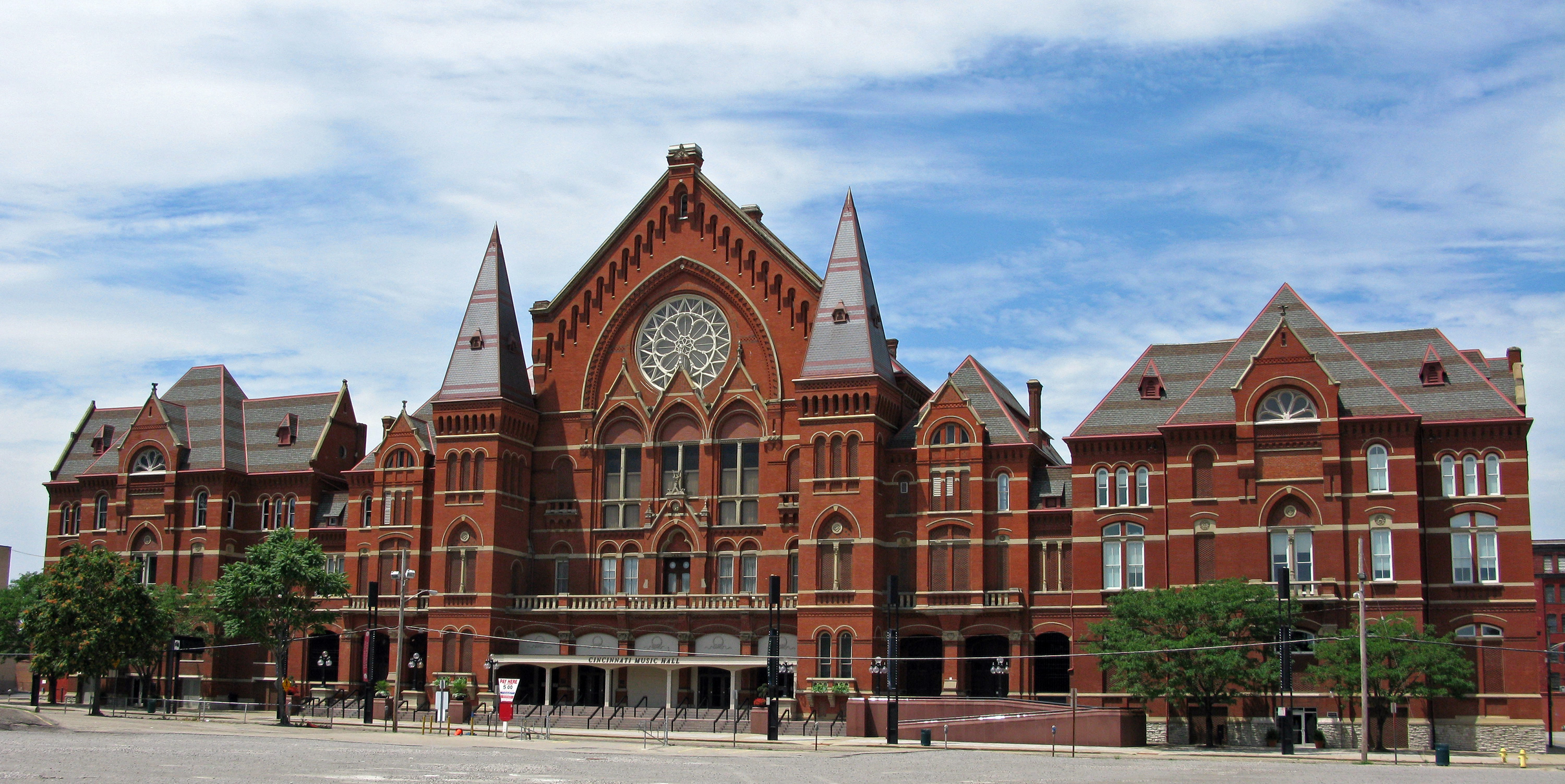
Cincinnati-Music-Hall

(Cincinnati Music Hall, built 1878)


  • Romanesque: 


CincinnatiCityHall

(City Hall, built 1893)


  • Beaux Arts Classical: 


74_big

(Lincoln National Bank Building, built 1903)

  • Art Deco: 


union-terminal 700x254

(Union Terminal, now Cincinnati Museum Center, built 1933)

I, for one, am grateful to enjoy such artistic workmanship and beauty, created by architects and craftsmen long ago.

That’s one of the tenets author and artist, John Ruskin (1819-1900), promoted in his work The Seven Lamps of Architecture (1):


Buildings should be beautiful.


Ruskin’s seven “lamps,” intended as guidelines for architects, included:

  •  Sacrifice.  Buildings should reflect careful thought and strong effort.  No doubt he would agree:  “Whatever is worth doing at all, is worth doing well” (2).
  • Truth.  Ruskin disapproved of faux finishes and trompe l’oiel. Worse yet was shoddy workmanship hidden behind fancy facades. “A building should be honest,” he said.


0cfc41df3dd9d3179b1b42e957db5faa

(Ruskin probably wouldn’t approve of this trompe l’oeil

on a flat building in Cincinnati, at Central Parkway and Vine.)


  • Power.  Public buildings should exude strength and permanence. One surprising element to manifest strength: shadow— achieved with towering walls and deep recesses.  Smooth surfaces bathed in light do not achieve the same effect.
  • Beauty.  Ornamentation was important to Ruskin, distinguishing architecture from a simple building. No “voiceless buildings” devoid of expressiveness, he wrote.
  • Life.  Ruskin also said, “The life of the builder must be in the building.” He was “against mass production and any innovation that decreased the skill content” (3).
  • Memory.  Buildings ought to reflect the culture, its history and heritage. They should be built to last. As an architect sets about his work, he must take into consideration not only its current use but its use by future descendants.
  • Obedience.  Ruskin believed each nation should have a distinct style. And in much of the historical architecture of Europe, that’s exactly what we see. English Gothic, French Provincial, and Italianate are examples.


90da1a91af695c2ac2edb8d081e20639

(Italianate, above, as well as other European styles also seen in Cincinnati.

This is the John Hauck House built 1870).

Perhaps you’re noticing that the categories of Ruskin’s lamps illumine more than architecture. They enlighten our Christian experience as well. I wonder if you made similar connections to mine as you read about these seven components:

  • Sacrifice.  “Whatever you do, work heartily, as for the Lord and not for men” (Colossians 3:23). Such sacrifice is a joy, though, as we “serve the Lord with gladness” out of gratitude for all he has done for us.
  • Truth.  Just as Ruskin believed in honest buildings, so we desire to be people of integrity that reflect Jesus.
  • Power.  We also have available to us God’s strength, especially important in the valley of the shadow of death.


85b69ed50e50db3a1e98b9367bcd3553


  • Beauty.  Ruskin thought buildings should reflect creation, because the most beautiful shapes came from nature.  For example, columns resemble plant stems; pointed arches resemble leaves. Our inner “beauty” of spirit should reflect our Creator.
  • Life. “The life of the builder must be in the building,” Ruskin asserted. Doesn’t that perfectly mirror Paul’s words, “I no longer live, but Christ lives in me” (Galatians 2:20)? 
  • Memory.  Buildings should be constructed to last, useful now and for future generations. Likewise, we should strive to leave a worthy legacy to our descendants.
  • Obedience.  Just as Ruskin wanted each nationality to have its own set of architectural guidelines, we Christians have a set of guidelines from our Heavenly Father—to avail ourselves of a strong foundation (his powerful, attentive presence), and strong walls of scriptural truth for keeping out the elements–like fear, depression, and stress.

Praise the Architect of Heaven!

*     *     *     *     *     *     *     *     *     *

Thank you, Architect of Heaven, for exercising your creative and miraculous genius in my life. Sometimes, though, I resemble a big box store or factory—not reflecting your beauty at all. I do not rely fully on you–my Builder, nor follow your guidelines. But, oh how I praise you for never giving up on me! Day by day you are building me into a better version of myself, and you will bring your artistry to a flourishing finish when Jesus returns (Philippians 1:6, MSG). Glory!


maxresdefault


  1. Written in 1849. Another author, Ralph W. Sockman, mentioned this work in his book, The Higher Happiness (Abingdon Press, 1950), which I read recently. My curiosity sent me to the internet to learn about these seven lamps!
  2. Philip Stanhope, British statesman, b. 1694, d. 1773.
  3. Joffre Essley @ house-design-coffee.com
  4. However, here in America, with so many nationalities and climate zones , such strict adherence doesn’t seem as important. The wonderful variety in Cincinnati is a case in point.


(Art & photo credits:  www.wikipedia.org; http://www.taftmuseum.org; http://www.observatoriesofohio.org; http://www.wikipedia.org (2); http://www.wikimapia.org; http://www.cincymuseum.org; http://www.pinterest.com (3); http://www.youtube.com.)


Read Full Post »


psalms-145-17


Nine times in Psalm 145, David used the word, “all” to describe the totality of God’s attributes and their far-reaching impact. These attributes fall into two sets, as follows.

The Lord is:

  1. Good to all (v. 9a),
  2. Compassionate on all he has made (v. 9b),
  3. Faithful to all his promises (v. 13c), and
  4. Loving toward all he has made (v. 13d).

In addition he:

  1. Upholds all those who fall and lifts up all who are bowed down (v. 14),
  2. Is righteous in all his ways (v. 17a),
  3. Is near to all who call upon him in truth (v. 18a), and
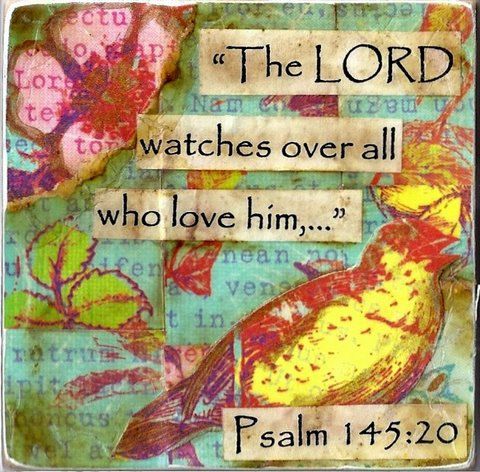
  4. Watches over all who love him (v. 20a).


e180aa434ecb48099d3b581d3fdcd943


How glorious to consider that all these general statements apply individually also—to you and me.

With a bit of effort, these truths can be turned into personal praise:


My heart sings for joy, Father.

You are so good to me (v. 9a)—blessings abound.

Even at this moment I revel in your gently falling rain,

The sound of Steve puttering in the kitchen

(Thank you for a husband who likes to cook!),

And three year-old Elena* on the floor,

Writing a story about making pancakes with Mommy.

Your goodness is on display, even in small moments.

IMG_0730


I praise you for your compassion (v. 9b),

Expressed through a doctor who, just last Saturday,

Offered consult on a weekend,

And even checked in on Monday morning.

Your compassion is evident in the kindness of strangers as well.

Just today a driver graciously gave me

the right-of-way on a narrow street,

Bestowing respect, favor, and a smile.

1464630280235

How thankful I am for your many promises in scripture (v. 13c)–

Over 2,300 statements of hope and encouragement–

Promises sometimes fulfilled in amazing and creative ways–

Classic promises like Romans 8:28 and 1 Peter 5:7,

Realized as Steve and I moved to different communities

And embarked upon new chapters of our lives.

Personal promises, like Ruth 2:11-12 and John 13:7—

Surprisingly well-suited to the moment.

b3e39ee809ae0e119a52171b6506ca2b


I praise you for your loving nature (v. 13d),

Your attentiveness and favor expressed through

The cheer of bird song in the morning,

The grace and friendliness of people at church,

The inspiration of your Word,

The redemption from hurtful experiences of the past,

The peace of mind and joy of the Spirit

You infuse into each day.

e1ac576275a077a299fe3423e01a9c93


And thank you for the sweet comfort of your presence (v. 18a)

That fills me with delight.

How precious are those times when

I sense your nearness,

When praise songs and scripture

Bring tears that clear my eyes

For the sight of you in your grace

And make the vision of your favor more precious (1).

c497a3ccd0c1e18b744233df5f307b43


Every day I want to praise you (v. 2).

You are pure goodness,

Manifested in infinite power,

Giving the light of truth, wisdom, and discernment.

Your glorious majesty reigns supreme over all creation.

And most amazing of all:

Everything you are, you offer to your children.

You are always seeking to manifest yourself to us.

4d9b2ec605f560e6c0c6c8622aea0651

Words fail to praise you adequately.

But, oh, how I yearn to do so!


*Our granddaughter

(1) based on a Charles Spurgeon quote


(Art & photo credits:  www.dailyverses.net; http://www.pinterest.com; Nancy Ruegg; http://www.strongtowns.org; http://www.pinterest.com (4).


Read Full Post »


closeup-on-womans-hand-writing-in-planner460x300 


Angie Perez sat on one side of her boss’s massive desk, he on the other. She began a lengthy list of reminders for the day…

“Now at ten o’clock this morning, George, you’re meeting with Sam about the Collins account. All the files you’ll need are in that portfolio. I put them in order from most important to least.” Angie pointed front-and-center with her pen.

“Great. ‘Appreciate you getting them organized.” George smiled. “I’ll need to review this paperwork beforehand—can you hold calls for me till I finish, probably around nine?”

Angie dashed herself a quick note. “Of course. And speaking of calls. Darcy Roberts already phoned, wanting to see you late this afternoon. I postponed her until tomorrow. I figured with your aunt’s seventy-fifth birthday dinner tonight, you’ll want to leave here on time today—maybe even early. You deserve to take a break after last week. Oh, and Aunt Lily’s gift is wrapped and ready to go in that black bag on the credenza.”


e488ba7f8c5cb4942cea7c5191331ce5


“Oh, terrific. Thanks again for picking up the necklace.” George turned to glance behind him at the lovely gift bag Angie had prepared. “You’re probably right about taking off a little early today. I’m exhausted. And good thinking about postponing Darcy. That woman can stretch five minutes of business into a half hour of stories I don’t need to hear.”

…And so, one right-hand administrative assistant sets into motion the day’s activity for one corporate executive.

Wouldn’t it be nice to have a right-hand assistant who took care of life’s unending details?

In reality, we have something far better: a right-hand God.


da0219437649492919bfe84d3eb1f3b8


“I have set the Lord always before me.

Because he is at my right hand,

I will not be shaken”

-Psalm 16:8 (italics added)


With God at my right hand, I have the strongest Protector—able to shield me from trouble much worse than George’s talkative clients:


“The Lord is my strength and my shield;

my heart trusts in him and I am helped.”

Psalm 28:7


God is the wisest Counselor—able to advise on matters much more important than business accounts:


7b5ef7c8ae21186dc92a04b1354c2cf1

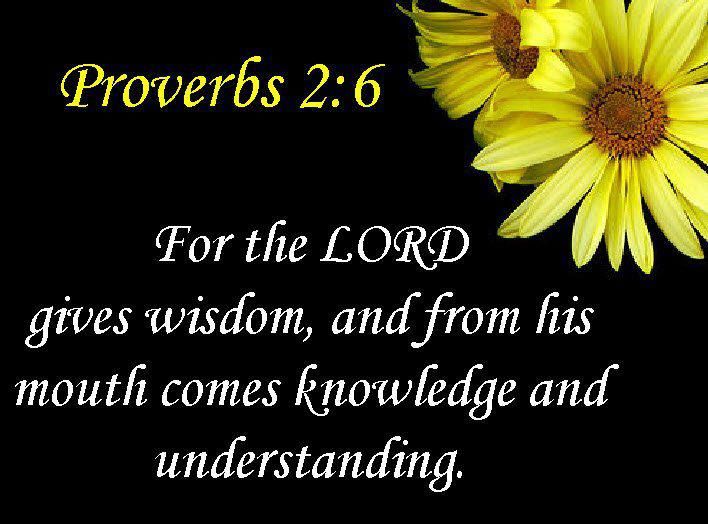
“The Lord gives wisdom,

And from his mouth come knowledge and understanding.”

–Proverbs 2:6


God is the sweetest Comforter, offering empathy and support:


“As a father has compassion on his children,

so the Lord has compassion on those who fear him.”

–Psalm 103:13


And our God is the most loyal Advocate:


rs-wonder-advocate

“We have one who speaks to the Father in our defense—

Jesus Christ, the Righteous One.”

–1 John 2:1


God breathes strength into me by the touch of his hand. Granted, I can’t sense physical contact. But when I hear a hymn or worship song and tears well up, when I read a scripture or passage from a book that speaks directly to a current situation, it’s every bit as expressive of support as a clasp on the shoulder.

Our God is always close at hand, as if standing by, ready to assist however needed. He is always present, holding me by my right hand (Psalm 73:23).

And like a shade tree offering respite from the sweltering summer sun, God offers restful moments from the cares of this world.


221

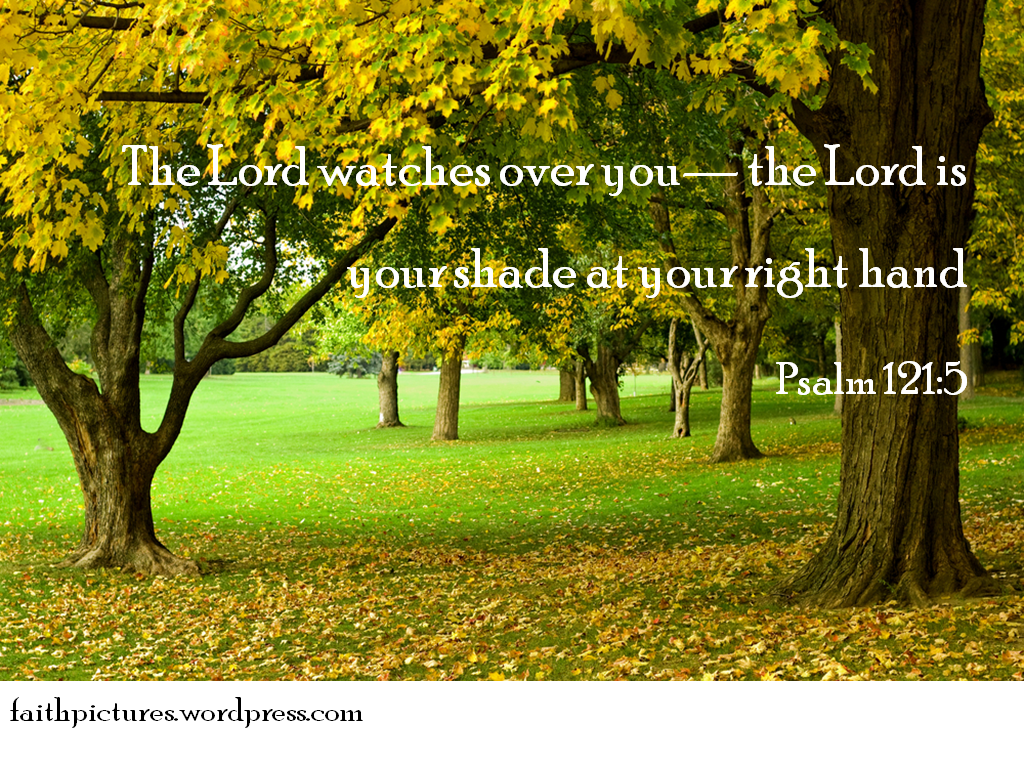
“The Lord watches over you—

the Lord is your shade at your right hand.”

–Psalm 121:5


He renews our strength as we rely upon him (Isaiah 40:28-31), and offers the rejuvenation of constant hope because we know our heavenly home is waiting for us (2 Corinthians 4:16-18).


*     *     *     *     *     *     *     *     *     *


I praise you, O God, for your presence. You are near as my Friend, ready as my Helper, dependable as my Guide. How breathtaking to consider I am never alone, left to struggle on my own. You are always at my right hand.


(Art & photo credits:  www.hercampus.com; http://www.pinterest.com (2); http://www.reviveourhearts.com; http://www.faithpictures.wordpress.com.)


Read Full Post »

Say the word, “blessing,” and what immediately comes to mind?

For me, it’s happy events and lovely gifts, engineered or bestowed by God out of his loving kindness.

But James, the brother of Jesus, saw a different side of blessing: “Consider it a sheer gift, friends, when tests and challenges come at you from all sides” (James 1:2, MSG, italics added).

Tests and challenges as gifts?! Sounds a bit daft—until we consider:

What-Seems-To-Us-As-Bitter-Trials-Are-Often-Blessings-In-Disguise

Take, for example…

THE CRAZY BLESSING OF WANT

Do you wish you had a bigger house? A newer car? Better furniture? Consider yourself blessed, that you’re not like King Solomon–the wealthiest person who ever lived. For all his striving to achieve and accumulate, Solomon discovered that when every desire is gratified, the end result was nothing but meaningless smoke (Ecclesiastes 1:2, MSG).

The blessing of want protects us from the pit of depression caused by self-indulgence.

The blessing of want fosters contentment, as we learn to enjoy and be grateful for what we already have.

THE CRAZY BLESSING OF DIFFICULTY

Difficulties provide a surprising number of positive opportunities. Here are ten:

  • To press in closer to God and trust him more completely.
  • To experience the adventure of God’s sufficiency (Philippians 4:13) as he enables us to endure—in ways we never thought possible.

Philippians4_13

  • To see how God will bring beauty out of ashes (Isaiah 61:3).
  • To discover more of who God is.
  • To witness the fulfillment of his never-failing promises.
  • To present a sacrifice of praise to God, beginning with the affirmation that he has our best interests at heart—in spite of what we see.
  • To be prepared for greater usefulness for God (John 15:2), which fosters greater fulfillment and satisfaction in our spirits.

46dd131cacc19b855d589b3358b83851

  • To have a compelling story to share, as encouragement for others. Years ago I heard a speaker say, “With no test there is no testimony.” In the final analysis, I’d rather have the latter. You, too?
  • To become mature, complete, not lacking anything (James 1:4). That doesn’t happen without trials.  As Thomas Carlyle wrote:

quote-no-pressure-no-diamonds-thomas-carlyle-31833

  • To love our Savior more passionately. Josif Trif, a pastor from Romania during the days of Communism, said, “If it weren’t for Communism, I would not have loved our Lord as much. I kissed the cross the Communists gave me” (1).

THE CRAZY BLESSING OF FAILURE

If failure served no purpose in our lives, God would not allow it to happen. But since he does, we can know that failure is either for our benefit or for God’s glory—often both.

Failure is the soil from which great success can grow, beginning with a crop of positive character traits, such as perseverance, humility, and greater reliance upon God.

Green-Bean-Sprouts1

Out of failure comes experience; from experience comes greater wisdom; and wisdom leads to a godly life.

“How blessed are those who are hungry and thirsty for righteousness, because it is they who will be satisfied (Matthew 5:6, ISV)!

*    *     *     *     *     *     *     *     *     *

Crazy as it sounds, I want to praise you, Father, for the blessings of challenges and tough times. Thank you for your loving attention that carries me through, transforming me and makes me a better version of myself.  I also praise you for the glorious promise that through trouble, hardship, disappointment, or pain–“overwhelming victory is ours through Christ” (Romans 8:37, NLT)!

What crazy blessing have you experienced in the crucible of trouble, hardship, disappointment, or pain?  Please join the conversation below!

(1) His Imprint, My Expression, Kay Arthur, Harvest House, 1993, p. 135.

(Art & photo credits:  www.imagesbuddy,com; http://www.wallpaper4god.com; http://www.pinterest.com; http://www.izquotes.com; http://www.pinterest.com; http://www.harvesttotable.com.)

Read Full Post »

every-day-we-should-hear-at-least-one-little-song-read-one-good-poem-see-one-e-403x403-nk4ndt


(“Every day we should hear at least one little song,

read one good poem, see one exquisite picture,

and, if possible, speak a few sensible words.”

–Johann Wolfgang von Goethe, 1749-1838)

Author and lawyer, von Goethe, was much too easily satisfied.

Yes, a day without music would be dreary.

Poetry does feed the soul and intellect in ways that prose does not.

An exquisite picture does lift the spirit.

It’s also true that sharing a few words of wisdom can be satisfying.

Yet, is that enough for one day?  What about:

  • Offering the music of “thank you” or “you go first” or “I love your smile?”
  • Reading and pondering several verses of scripture?  That will feed the soul and intellect even more than poetry.
  • Creating an exquisite picture of kindness by finding ways to be helpful and engaging?  Such artful living often impacts people more than we realize.
  • Speaking a few sensible words of encouragement, and feeling uplifted ourselves?

But beyond von Goethe’s suggestions of music, poetry, art, and wisdom are many more possibilities for a day full of delight.  We can:


scooter-girl


  • Savor a pleasurable moment or memory–better yet, when the two happen back-to-back.  Just today a neighbor girl whooshed by on her scooter, and I was reminded of happy, long ago days doing some whooshing of my own on bicycles or skates.  I smiled.
  • Make a discovery or learn something new.  Read.   Listen.  Think.  Recently in C. S. Lewis’s The Weight of Glory (Eerdman’s Publishing, 1949), I came across this statement:  “Obedience is the road to freedom, humility the road to pleasure, unity the road to personality” (p. 36).  Well deserving of some careful pondering, I think.
  • Celebrate at least one small miracle of nature:  a magnificent cloud formation, bright green growth on the tips of evergreen boughs, a cardinal’s song echoing through the woods.
  • Engage the creative side:  draw (even if it’s doodling), paint (even if it’s adding color to someone else’s art), or write (even if it’s in a journal that no one else will see).
  • Offer a smile–wherever we are.  “Every time you smile at someone, it is an action of love, a gift to that person, a beautiful thing.  Peace begins with a smile” (Mother Teresa).  Better yet, add words–a cheerful greeting, a compliment, a bit of gratitude.


1d01b85e5982b13020291f2742000bdc


  • End the day by counting blessings.  Drift off to sleep in an attitude of prayer–a prayer such as this:

*     *     *     *    *     *     *     *    *     *

Thank you, Father, for your gifts that offer daily delight–gifts like the warm pleasure of childhood memories bubbling to the surface unexpectedly, discoveries that challenge the mind and inspire the soul, and miracles of nature that amaze.

Thank you, oh God, for creating us in your image, including the ability to imagine, design, and produce.  Thank you for the deep satisfaction of the creative process.

And thank you for the astounding privilege to be a positive influence in this world, an ambassador for your Son.


50702841368e60c6ee2fb6cc62167f23

(Art & photo credits:  www.doublequotes.net; http://www.beactive.com; http://www.pinterest.com (2).

Read Full Post »

(a personalized psalm)

“Trust in the Lord and do good;

dwell in the land and enjoy safe pasture.

–Psalm 37:3 NIV

I praise you, oh God, that you are trustworthy. Your motives are always pure, your guidance always wise, your actions always righteous. Everything you do in my life is for my good.

Now, Father, I want to do good for you. May I dedicate myself each day to fulfill the to-do list you’ve designed. Remind me that interruptions may be divine appointments, ordained by you to accomplish a specific purpose.

I praise you that I can “dwell in the land and live securely” (v. 3, HCSB). How comforting to know my dwelling place is in you (John 15:5), where I find:

  • Refuge (Psalm 46:1)
  • Good things (Psalm 65:4)
  • Rest (Psalm 91:1)
  • Enjoyment of all your glorious attributes (Ephesians 3:17-19)

Delight yourself in the Lord

And he will give you the desires of your heart.

–Psalm 37:4 NIV

At first glance it would appear this verse teaches that as long as I’m worshiping you, you’ll grant what I want. But that would discount your wisdom, compelling you to do only what’s good for me.

No, undergirding this verse is an important truth: the more I delight in you, the more I’ll want what you want. Your desires become my desires, as I’m influenced by your infinite wisdom.

I praise you, Father, that steadily over time you have molded my spirit to be more accepting of your delights. Jeremiah’s words are more readily becoming my prayer: “As for me, I am in your hands, do with me whatever you think is good and right” (26:14*).

I praise you, too, that when a particular delight of my heart does not come to pass, you ultimately cause it to melt away!

Commit your way to the Lord;

Trust in him and he will do this.”

Psalm 37:5 NIV

I praise you, oh God, that you provide guidance in what I should do, wisdom for how to accomplish that plan, and strength to see it to completion. I can depend upon your enablement for success in the endeavors you have ordained.

How comforting to know:

  • This is your world (Psalm 24:1). That includes the little corner where I live and work and love. I can relax, knowing that Someone much wiser and stronger is in charge.
  • You’ve already planned out the events of my life in advance (Psalm 139:16). You don’t make decisions as you go along, nor do you leave everything to chance.
  • Your plan is good (Jeremiah 29:11). No matter what happens, good will come out of it.

With your goodness that desires my highest welfare, your wisdom to plan it, and your power to achieve, I. Lack. No. Good. Thing!**

All praise to you, my loving Heavenly Father!

___________________________________________

* These words of Jeremiah were not a prayer to God, but a response to the officials of Judah who wanted the prophet sentenced to death. However, when addressed to God, they do communicate heartfelt trust and submission to Him.

** Based on a quote from A. W. Tozer: “With the goodness of God to desire our highest welfare, the wisdom of God to plan it, and the power of God to achieve it, what do we lack?”

(Art credit:  www.pinterest.com; http://www.holy-bible.org; http://www.indulgy.com.)

Read Full Post »

« Newer Posts - Older Posts »

When the House is Quiet

Impressions Becoming Expressions

Mitch Teemley

The Power of Story

Still Traveling

Impressions Becoming Expressions

Living Our Days

Gaining a heart of wisdom

He Said What?!

I'm Patty, and my husband and I are living with our adult son who has autism and epilepsy. I love sharing lessons learned from life around me, especially life with Aaron.

Meditations of my Heart

Impressions Becoming Expressions

Linda Stoll

Impressions Becoming Expressions

Signora Sheila

Where faith meets la dolce vita

Heidi Viars

Finding the Image of God