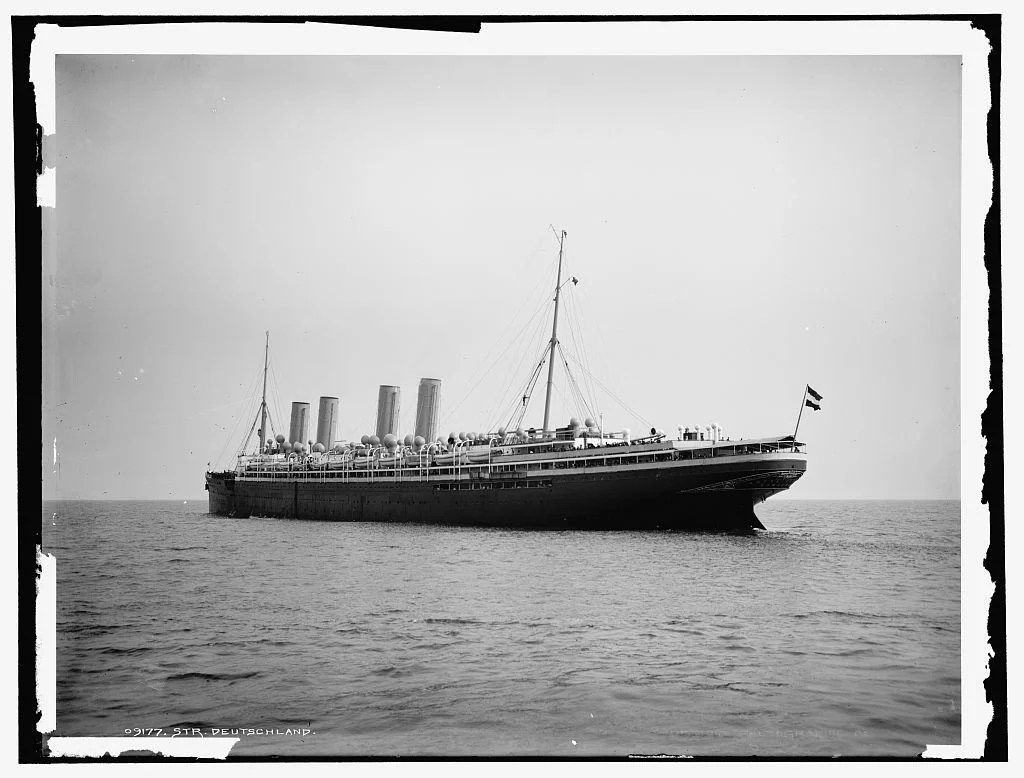
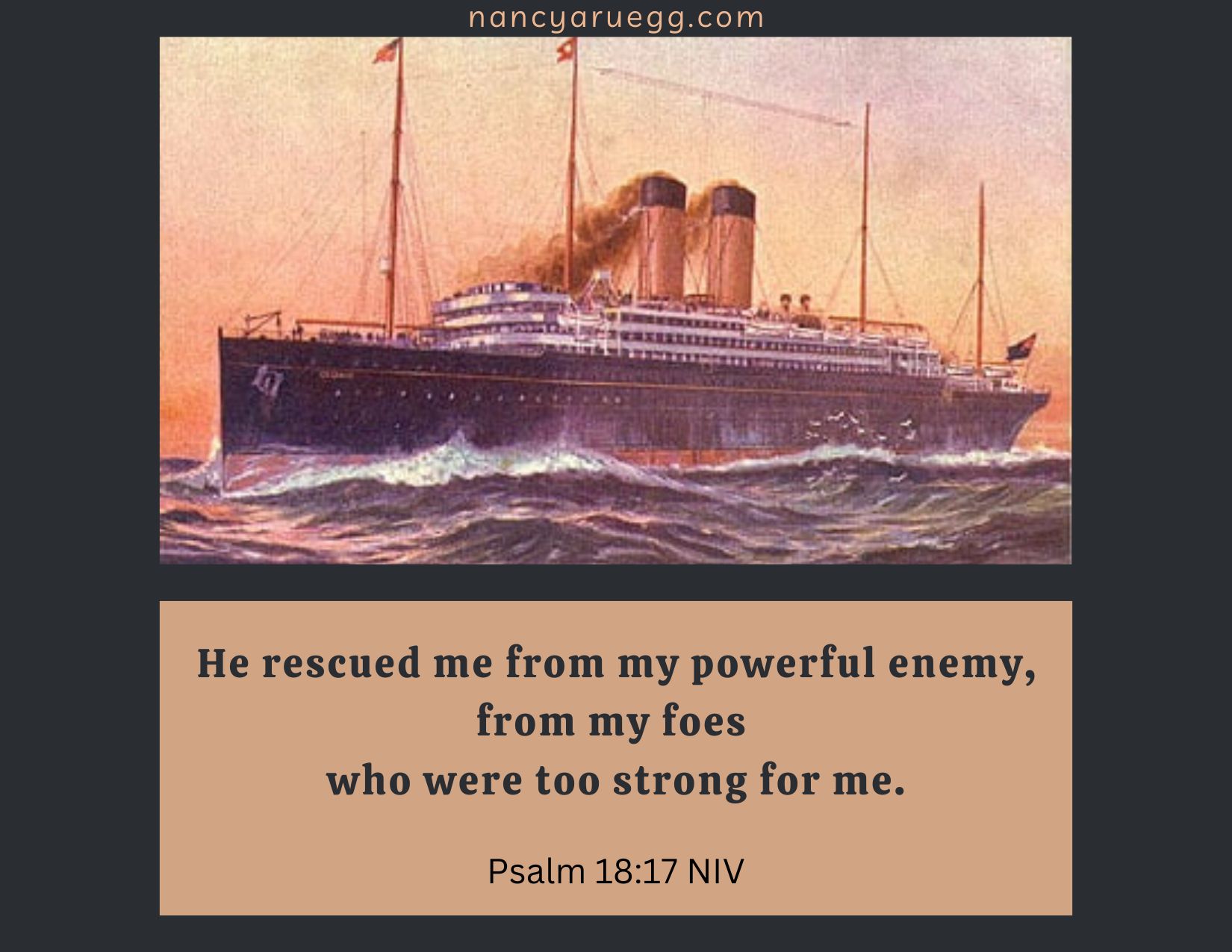
Maria (pronounced Ma-RYE-ah) Fearing and three friends stood at the ship’s rail, eager to see the coastline of their destination: Africa. For twelve days since leaving New York they’d waited not-so-patiently for this moment. Now it was almost upon them.
Maria remembered when missionary work in Africa first caught her interest. She’d been a teenage house slave and nanny for the youngest six children of the Winston family, on their plantation near Gainesville, Alabama.
At bedtime, Mrs. Winston read Bible stories to her children as well as tales of missionaries like David Livingstone. How wonderful, thought Maria, to share about Jesus with people who’ve never heard of him before.
Slavery ended in 1865; Maria was twenty-seven. Becoming a missionary was still out of the question; she had no education. But Maria found employment in Gainesville as a live-in maid, grateful to God for the skills she’d learned in the Winston household.
Five years later, Maria heard about a school founded by two former slaves and for former slaves, Talladega College, which included grades 1-12 as well as college courses.
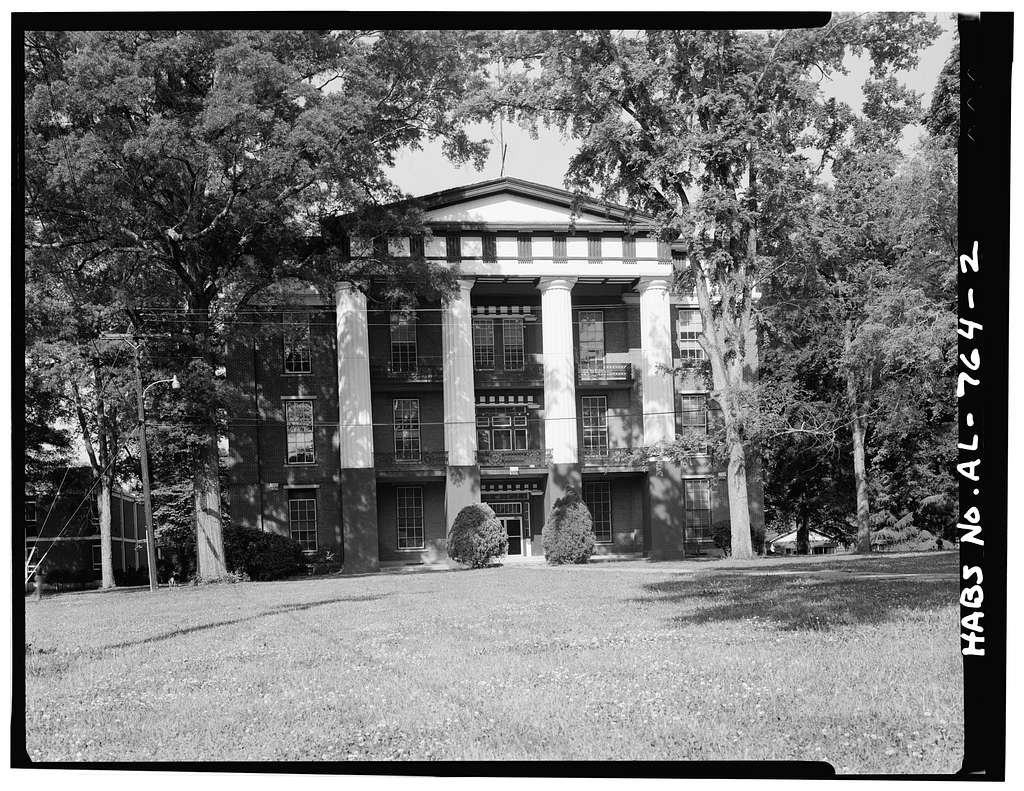
Talledega College
Students could work on campus and pay their way. Maria traveled the 150 miles to Talladega by walking and catching rides.
She began her schooling with the youngest children. They teased at first—a grown woman with six-year-olds! But Maria played with them at recess and earned their affection.
While at Talladega, Maria met Lucy Gantt and Lilian Thomas. Though much younger than Maria, the three women became close friends.
Setting her mind toward success, Maria made quick progress toward completing ninth grade. That qualified her to teach in a rural school for the children of former slaves.
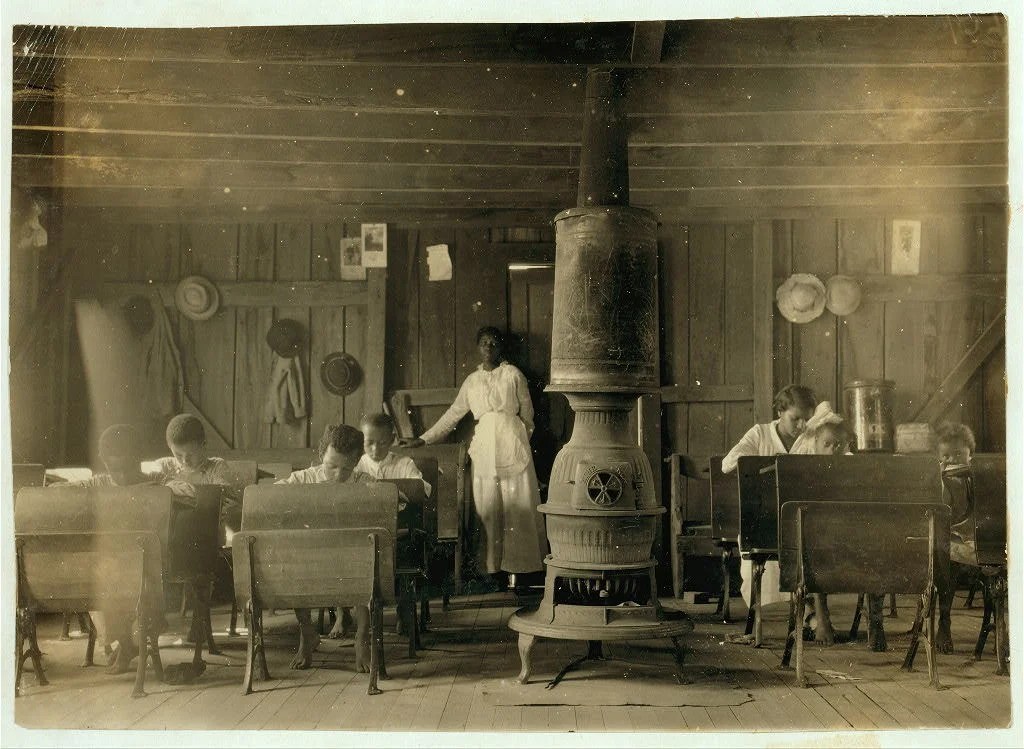
Perhaps her classroom looked similar to this one.
She soon achieved another goal, purchasing a small home. Sometime later Talladega invited Maria to return and serve as assistant matron. She accepted.
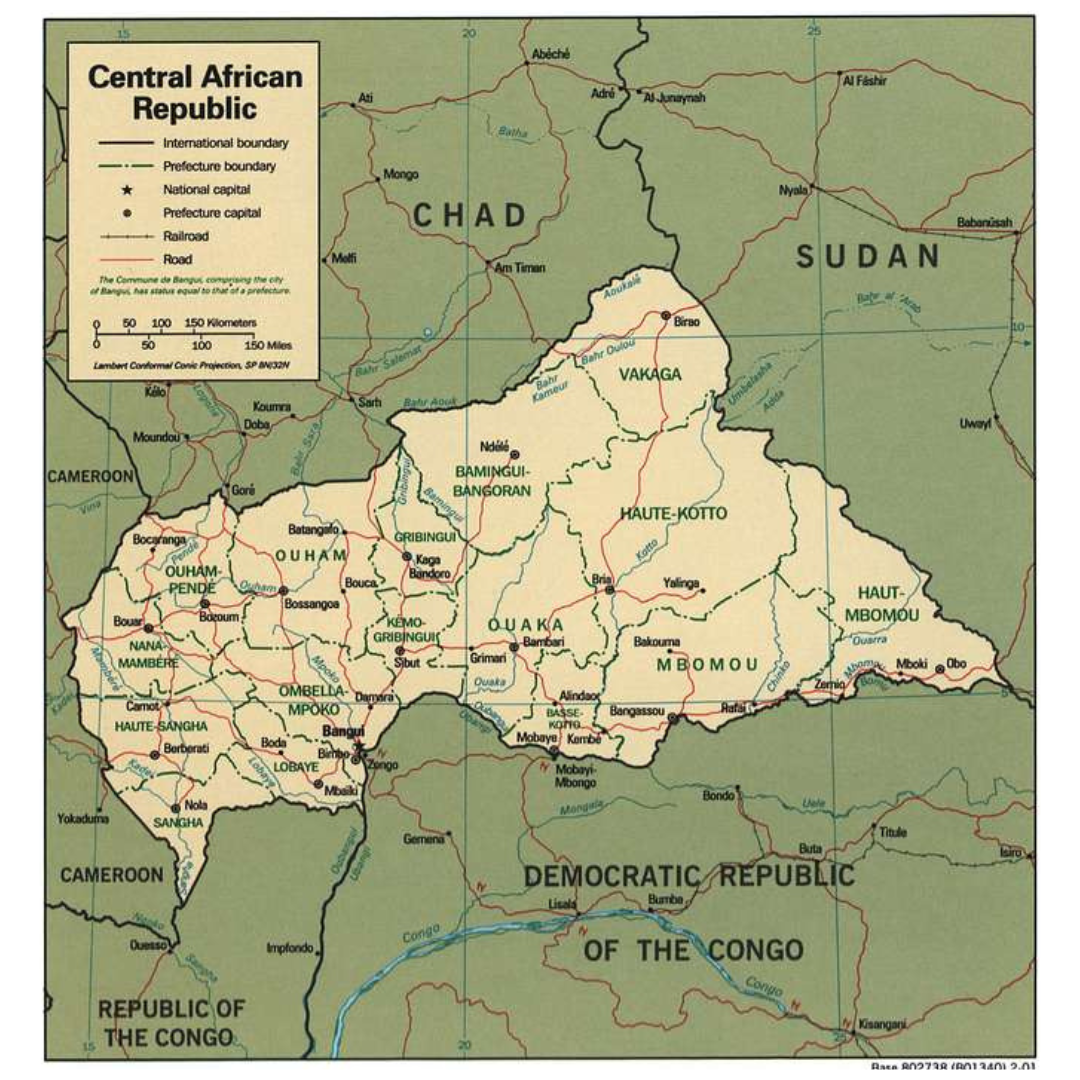
In 1894 William Shepherd came to the school to tell about his missionary work in the Congo (now Zaire).
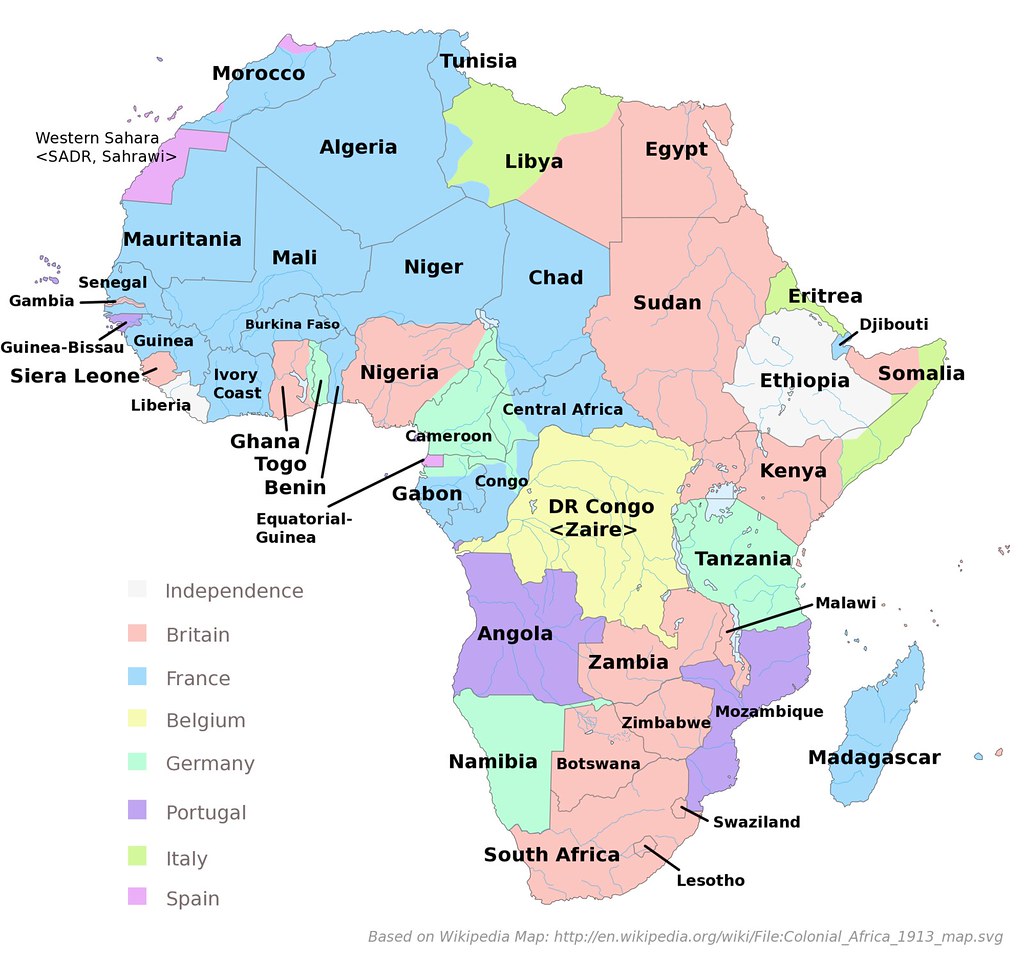
Maria remembered Mrs. Winston’s stories and how she’d dreamed of becoming a missionary. When William invited others to join him, Maria volunteered.
However, her interview with the Presbyterian mission board did not go well. She was fifty-six years old, and though perfectly healthy, Maria appeared frail at just five feet tall and ninety pounds.
“We’re very sorry, Miss Fearing, but we cannot support you,” they declared.
Maria didn’t acquiesce. She met with a church leader, asking him to vouch for her; friends also interceded on her behalf. With their recommendations, the board relented, if she’d pay her own way.
Maria thanked God he’d inspired her to buy a home, which she happily sold, and with a $100 donation from Telladega women, arranged for the journey.
Now it was June 1894, and she found herself standing next to her two friends from Talledega, Lucy and Lilian, who’d also volunteered. Lucy had since married the missionary William Shepherd, and together the foursome watched the coastline of Africa come into view.
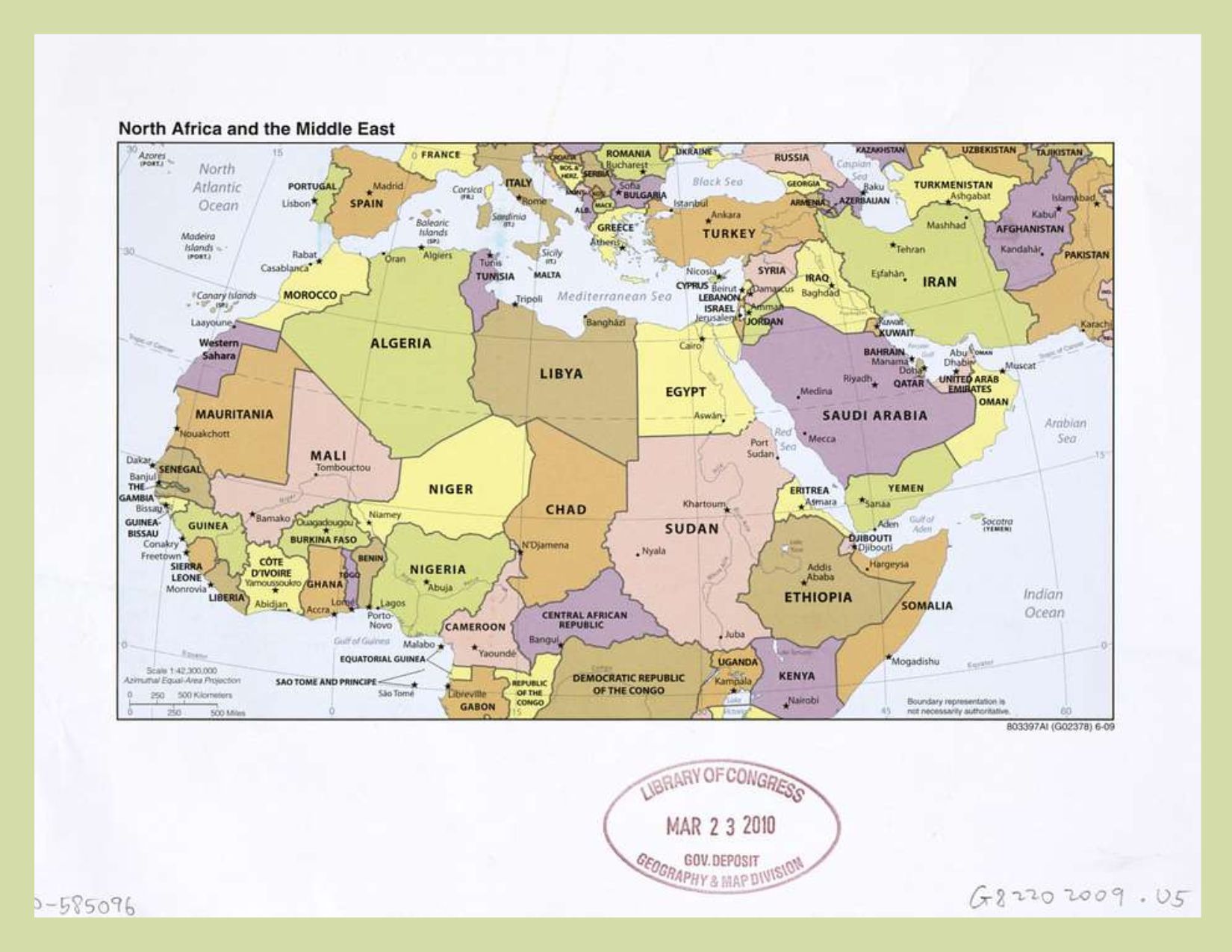
However, their journey was not over. They still faced the arduous trek to the mission station, over land and down rivers for 600 miles or so, and taking another six weeks.
Finally they arrived at the Luebo Mission. Maria began to help the couple in charge however she could, while focused on learning the language. She became quite proficient in just one year’s time.
Also at the one-year mark, the mission board decided to pay her at half rate, then full salary after two years.
Maria and Lilian cared for forty-four children who’d been orphaned or rescued from the slave trade. They called Maria Mama Wa Mputu, Mother from Far Away.
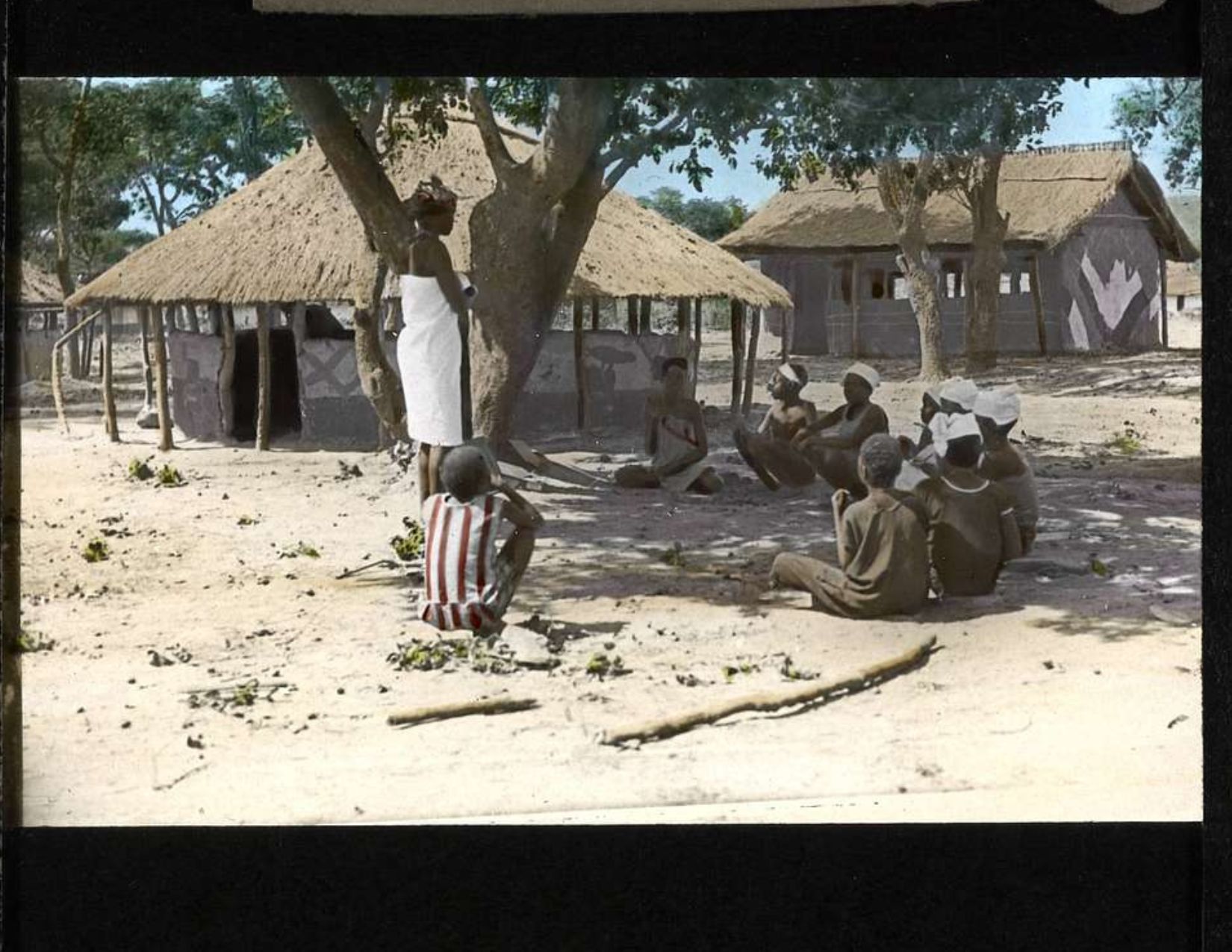
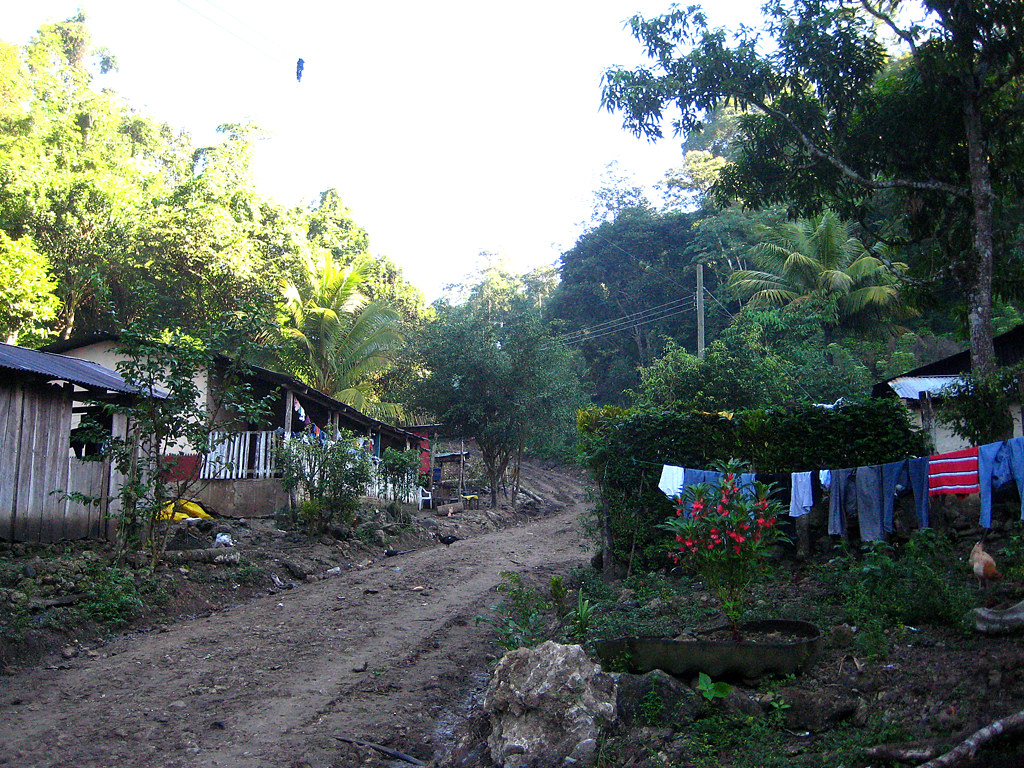
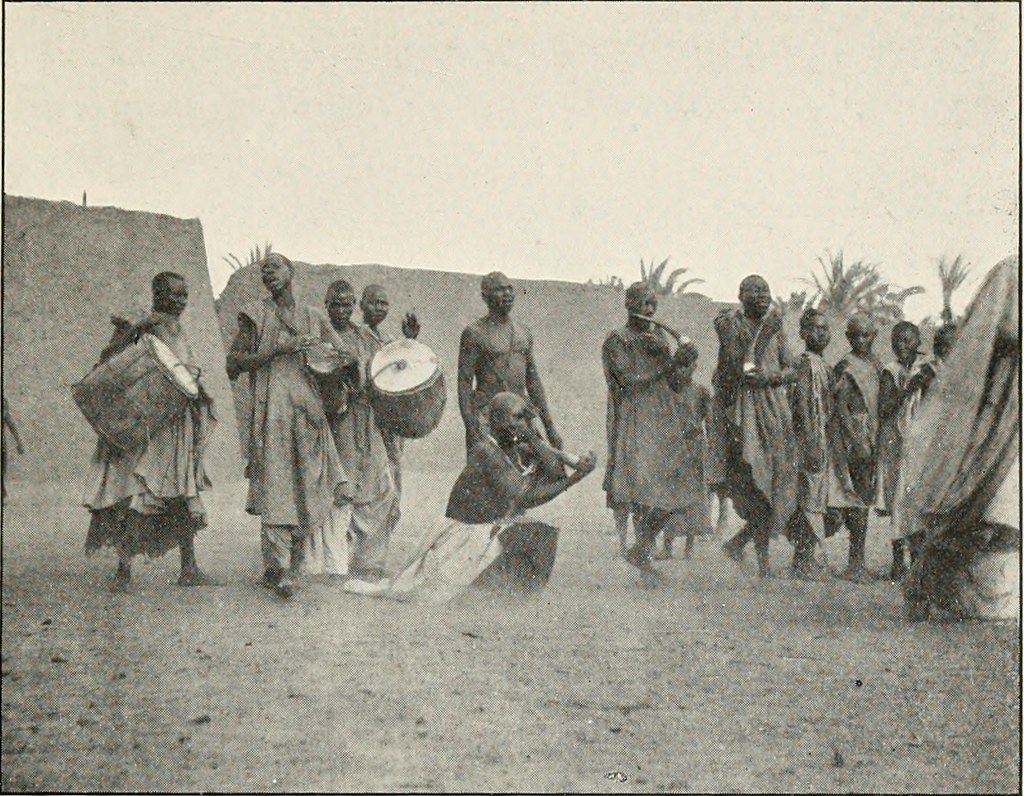
Perhaps the Luebo school looked similar to this one in Malawi, Africa, 1905.
She and Lillian taught the children household skills, preparing them for domestic employment when they left the mission. But they also taught reading, writing, arithmetic, and Bible knowledge.
All her life God had been preparing Maria for this position, beginning with training in the Winston home, her time as a nanny, and then a teacher.
The school grew. Some of the new students were those Maria herself purchased out of the slave trade from her meager salary and with funds sent by friends from Talladega. By 1903, 203 students lived under their care—with the help of more teachers.
Maria also contributed to the translation of the Bible, the catechism, and a number of hymns into the local dialect.
In 1915, at age 77, Maria traveled to America for minor surgery, but when she prepared to return to Africa, the mission board said no, she was too old.
Maria must have been heartbroken, yet she continued to serve, establishing a Congolese art exhibit, sending the proceeds to the mission at Luebo, and teaching Sunday School until age 93.
After touching countless lives with the grace of Jesus, Maria Fearing died at age 99.
In the year 2000, she was posthumously inducted into the Alabama Women’s Hall of Fame.
SOURCES:
Diana Lynn Severance, Her-Story, 342.
https://encyclopediaofalabama.org/article/maria-fearing/
Lorelei Siemens, “Maria Fearing: From Slavery to Missionary in Africa,” http://www.youtube.com, 2-26-25.
https://placefortruth.org/maria-fearing-and-the-mission-to-the-congo/
IMAGE CREDITS: http://www.picryl.com (3); http://www.flickr.com; http://www.picryl.com.
Do sign up below for the monthly newsletter–and thank you in advance for becoming a subscriber!


























 From the Inside Out