Feeds:
Posts
Comments

Archive for the ‘Encouragement’ Category

Given that everything in the universe has its origin in God [1], it stands to reason music originated with God. 

Granted, he could have bestowed the gift without participating himself, but scripture indicates otherwise.

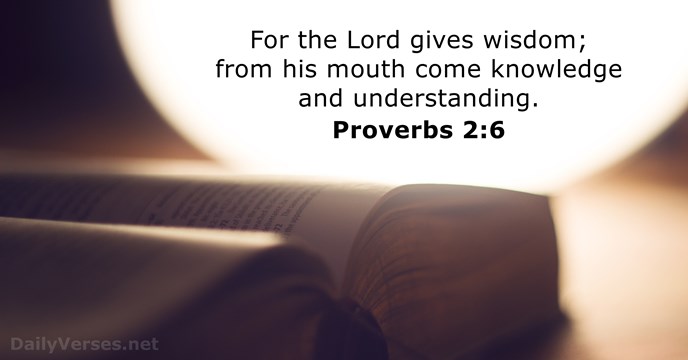
In Psalm 42:8b we’re comforted with this assurance: “by night his song is with me.”  Our part is to pay attention to the lyrics that proclaim his perfections and good works—lyrics he sings over us straight from his Word. When we memorize verses of God’s Song, they can comfort our hearts even in the darkest of times [2].

In Psalm 32:7 we read of God’s “songs of deliverance” that encourage and inspire.  Where might we hear these songs?

In the calming sounds of nature.  Creation is full of God-Song—beyond the musical offerings of birds.  Think of burbling streams, the wind humming through evergreens, frogs ha-rumphing, crickets chirping, and the soulful underwater cries of humpback whales. 

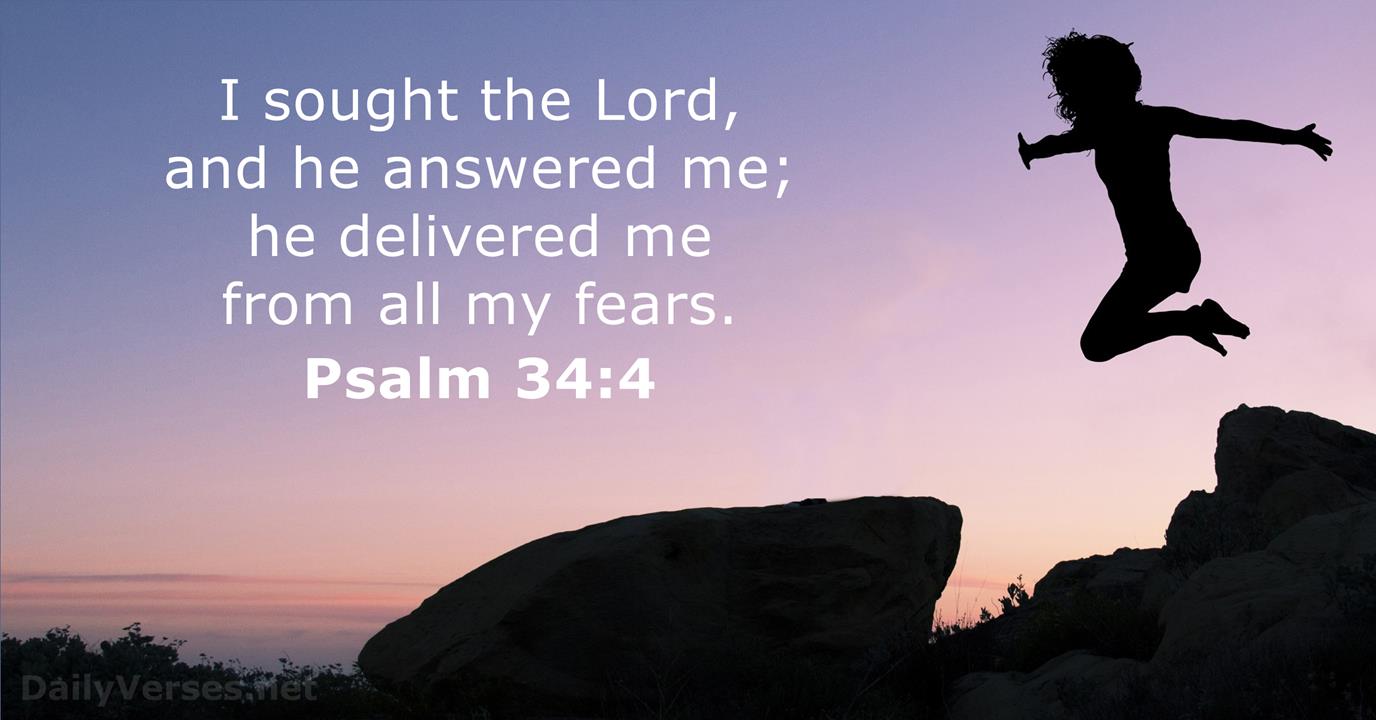
Indeed, God-Song surrounds us in the air, on land, and in the sea, reminding us we’re enveloped in his love.  And because of that love, he provides deliverance from fear, trouble, distress, and the evil one [3].
Second, we hear songs affirming his goodness, dependability, and compassion in his Word [4].

Third, we hear God’s Song through the uplift of hymns and other Christian music. Men or women may be listed as the composers and lyricists, but surely all would give God the credit for his inspiration and empowering.

In Zephaniah 3:17 the prophet depicts God delighting in his people with song. 

“He rejoices with joy and joys with his singing,

which shows how delighted he is with his people . . .

his own righteousness upon them,

his own grace in them.”

— John Gill

Of course, God wants us to make music also, and not just with our voices and instruments.  God longs to come alongside, and within the sphere of his influence, make sublime music with our lives—much more beautiful and satisfying than anything we could accomplish on our own.

Perhaps you saw the video—based on an actual event (and available on YouTube):

A young father settles into his concert hall seat next to his wife, just as a performance is about to begin.

“Where’s Tommy?” he asks.

“I thought he was with you,” she exclaims, worry lines already criss-crossing her forehead.

At that moment the curtain goes up to reveal a little boy, oblivious to the audience, sitting at a grand piano, legs dangling above the pedals.  Tommy.

 One single note at a time—and rather haltingly at that—he begins to play “Twinkle, Twinkle, Little Star.”

“Go get him!” Mom cries in a stage whisper.

Too late.  A tuxedoed man is already approaching the piano from behind Tommy.

Will he reprimand the boy for touching the concert grand? Will he demand that the parents of the delinquent come to collect him?

No, he quietly leans over the boy and tells him to keep playing.  Then he envelopes Tommy with his arms, and begins to add Mozart’s intricacies to the simple melody.  Together they make sublime music, and both smile with pleasure.  So does the audience.

That’s a picture of how the Virtuoso of the universe delights to make music with us, to raise our paltry human effort into transcendent God-Song.  With his righteousness over us, and his grace in us, we can make beautiful music. 

And those around us will hear and smile with pleasure, including the Maestro himself [5].

If you’d like to watch the video:

Art & photos credits: http://www.heartlight.org; http://www.dailyverses.net; http://www.heartlight.org; http://www.dailyverses.net; http://www.publicdomainpictures.net; http://www.heartlight.org; http://www.flickr.com; http://www.pixabay.com.


[1] Colossians 1:16

[2] Psalm 23:4

[3] Psalm 34:4, 17; 107:6; Matthew 6:13

[4] Psalm 31:19; 145:17; 103:13-14

[5] Ephesians 3:20

Read Full Post »

As you probably know, Dove chocolates come wrapped in foil with uplifting statements written inside. Not long ago I found this one:

“The more you praise and celebrate your life,

the more there is in life to celebrate.”

A positive attitude of praise and celebration, even for the little blessings, does contribute to a sense of well-being. But there’s an important omission in this quote—the cause of all those blessings.  Perhaps the sentiment should read:

“The more you praise and celebrate God in your life,

the more there is in life to celebrate.”

Now a pleasing sentiment has become solid truth, because with God in our lives, joy is our constant companion.

It requires such a small effort, really—to note the supreme pleasures in ordinary events or to choose a positive perspective.

Sometimes joy involves making a magnificent moment . . .

I’d been mall shopping for several hours, scouring the sales racks to no avail. Suddenly I noticed my sweater—one of my favorites–was no longer tied to my purse. 

Not only had I not purchased an addition for my wardrobe that afternoon, I’d subtracted a piece of clothing already owned.

Retracing my steps seemed daunting; I had browsed in so many stores.  Besides, it was time to meet Steve for dinner at one of the mall restaurants.  

After we ordered our meals, I told him what happened. “I’ll check the lost-and-found after we eat,” I said. “By then maybe someone will have found my sweater and turned it in.”

So that’s what we did.  No sweater.

Steve suggested we stop at the stores where I’d shopped as we made our way back to the car.

At the very first store the eyes of the young sales girl lit up when I asked about a lost sweater. “What color was it?” she asked.

“Cranberry red.”

“We did find it! It’s right back here!” she replied while heading to the rear of the store. Sure enough, the young woman returned with my sweater. Someone had even put it on a hanger.

Well! I thanked her and the manager behind the counter, not knowing which had found it and been so thoughtful.

One of them jokingly said something about doing good deeds for chocolate.

As it happened, just two doors down was the Godiva Chocolate Shop. Before leaving the mall, Steve and I popped in, bought two little boxes, and went back to the clothing store.

When those two girls saw the Godiva bag they whooped in surprise and started to laugh. We did too.

“God blessed me through you by returning my sweater; we wanted to bless you,” I told them.

“Oh! That remark about chocolate was just a joke!” the salesgirl cried. “But you have no idea how much I needed this. Today has been especially rough.” She started around the counter with her arms outstretched. “Come here! I need to give you a hug!”  Then she added, “Look!  I’m crying!”

I had tears in my eyes as well.

The level of endorphins in that shop soared so high the lights shone brighter and the atmosphere crackled with joy.  And all because Steve and I magnified the significance of a small moment and celebrated a God-orchestrated event.

Truly, “The more you praise and celebrate God in your life, the more there is in life to celebrate.”

*     *     *     *     *     *     *     *     *     *

What are you celebrating in life today?  Magnify the moment by sharing your joy in the comments below!

Art & photo credits: http://www.flickr.com; http://www.publicdomainpictures.net; http://www.pixabay.com; http://www.flickr.com; http://www.canva.com.

(Revised and reblogged from April 23, 2015.)

Read Full Post »

The internet offers plenty of advice for maximizing time and effort in order to achieve success. The suggestions include:

  • Prioritize and protect your agenda.  Identify the crucial tasks for each day and focus on those items first.  Limit interruptions; shut down distractions.
  • Build an efficient routine into your schedule to streamline how time is allocated.
  • Pursue your own goals; don’t let others set them for you.
  • Network—especially with influential people who can expedite your success.

Jesus failed to follow any of that advice.

Instead:

His agenda shifted often, and he allowed frequent interruptions.

People interrupted his teaching and traveling all the time with requests for miracles.  Jewish leaders interjected questions while he was speaking.  When he tried to take the disciples to a quiet place for rest, the crowds followed, eager to hear him preach. 

And out of compassion, Jesus complied. [1]

Sometimes even his interruptions were interrupted.

While answering a question of John the Baptist’s disciples one day, a ruler intruded upon the conversation, begging him to come and raise his daughter from the dead.  En route to the ruler’s house, another interruption occurred when a woman touched his robe in hope of healing.[2]

It’s a wonder he ever arrived at his intended destinations.

Jesus had no routine.

Scripture seems to indicate Jesus lived in the moment—teaching, building relationships, healing, and performing miracles as opportunities presented themselves.

However, Christ did make time for important habits, including seclusion, prayer, and worship.[3]

Jesus’ overarching goal in life was to accomplish his Father’s goal.

“For I have come down from heaven

not to do my will but to do

the will of him who sent me.”

–John 6:38

Jesus set his sights on the joy awaiting him, when all earthly pain, frustration, and humiliation would be over and he’d be seated at the right side of his Father’s throne.[4]

Jesus built relationships, not a network.

At the end of three years, he’d assembled 120 followers.[5]  That’s an average of 40 per year; less than one per week.  Not very impressive.

Yet Jesus was the most successful Person who ever lived because:

True success is excellent living—

when a person’s thoughts, decisions,

and actions honor God.

–Chrystal Evans Hurst[6]

And Christ accomplished that perfectly.  

Now, thousands of angels encircle his throne, giving Jesus praise, honor, and glory because of his triumph over sin and death.[7]

What about us?  Are we focused on the culture’s view of success or God’s? 

Do we accept—even celebrate—what he chooses to do through us and then leave the results to him?

*     *     *     *     *     *     *     *     *     *     *     *

Lord God, help me to be a failure like Jesus! I confess that worldly standards of success cloud my vision of what true excellence entails:  obedience to you. Remind me you know what you’re doing and you do all things well; circumstances are not reliable indicators.  I reaffirm my trust in you whose works are always perfect.

(Jeremiah 7:23; Proverbs 19:21; Deuteronomy 32:4)


[1] Matthew 9:18-19; 21:23-24; 20:29-34; Mark 6:30-34

[2] Matthew 9:14-26

[3] Mark 1:35; Luke 4:16

[4] Hebrews 12:2

[5] Acts 1:15

[6] Kingdom Woman Devotional, Tyndale House Publishers (2013), p. 49.

[7] Revelation 5

Art & photo credits: http://www.pixabay.com (2); http://www.freebibleimages.org (2); http://www.canva.com; http://www.dailyverses.net; http://www.pxhere.com; http://www.canva.com.

Read Full Post »

On January 25, 1905, diamond mine superintendent Frederick Wells inspected the walls of the Premier Diamond Mine in South Africa—as usual.  Suddenly his practiced eye caught a telltale glimmer in the rock.  

Workmen cut free the luminous stone that very day, then took it to be weighed in the office of mine owner Thomas Cullinan.

The miners knew the fist-sized gem was a stellar find, but no one expected what the scale revealed.  Before them lay the largest diamond ever found—3,106 carats worth, and a perfectly clear specimen except for one black spot in the middle.

Frederick Wells with the Cullinan Diamond

Named for the mine owner, the Cullinan Diamond was sold to the Transvaal provincial government and eventually presented as a birthday present to England’s King Edward VII in 1907. 

King Edward hired master-lapidary I. J. Asscher of Amsterdam to divide the stone.  Asscher studied the Cullinan for six months before making the first cut, and subsequently created nine major stones along with ninety-six smaller ones.

Opened in 1854; still in business.

The largest diamond is called the “Star of Africa I” or “Cullinan I” and sits atop the British royal scepter; Star of Africa II is part of the Imperial State Crown.[1]

Star of Africa I is the pear-shaped embellishment atop the scepter.
Star of Africa II, front and center of the crown, just above the band of ermine.

Why did God create diamonds?  For the same reason he created everything in the universe:  to display his glory.[2]

Diamonds offer a magnificent example of God’s creative power, as he applied heat and pressure to simple black carbon and created mesmerizing stones.

Of course, it takes tremendous pressure (50,000 times more than that at the earth’s surface) and severe heat (2000 degrees Farenheit) for the transformation to take place.  Such extreme conditions only occur deep in the ground—at least 90 miles below the surface.

Humans have only been able to drill a little over seven miles into the earth.  So how were diamonds even discovered?  Because of another spectacular display of God’s power:  volcanoes, which spew them up to the surface.

And though raw diamonds do glimmer, their full magnificence is not released until the lapidary cuts the stones on all sides, to maximize the refraction and reflection of light. Today’s popular brilliant cut requires 58 facets. The process takes up to two weeks.

The ancient Greeks believed that a diamond was a chip of star that had fallen to earth.  We smile at their naiveté until we learn astronomers discovered a star in 2009 that has cooled and compressed into a massive diamond—10 billion trillion trillion carats worth!

Imagine the smile on God’s face as the scientists proved lyricist Jane Taylor closer to truth than she knew: “Twinkle, twinkle, little star . . . like a diamond in the sky” (1806).

With Job, we can affirm:

In addition to displaying God’s glory, diamonds also provide valuable lessons—much as he’s used trees, sheep, and ants to teach us.[3]  At least two lessons have been encapsulated in memorable quotes. 

Lesson #1: 

You know what else makes God smile?  Transforming black-carbon lives into radiant diamond-people.  Think of those like Kirk Cameron, George W. Bush, and Franklin Graham, all of whom once lived in dark rebellion and now reflect the light of Christ.

Such transformations require a lengthy process, and most often the heat and pressure of difficult circumstances, but the results are quite spectacular.[4]

Lesson #2:


A lapidary reminds us of our Heavenly Father.  He chips away at our self-centeredness and pride until we’re Stars of Heaven, fit for his crown and radiating his glory in brilliant perfection.[5]

So, my fellow stars-in-process, “let faith and patience have their perfect work, for in the day when the crown will be set on the head of the King Eternal, Immortal, Invisible, one ray of glory will stream from you”—Charles Spurgeon.


Notes

[1] https://www.history.com/this-day-in-history/worlds-largest-diamond-found# and https://www.capetowndiamondmuseum.org/blog/2017/01/worlds-largest-diamond-the-cullinan/

[2] Psalm 19:1

[3] Jeremiah 17:7-8; Psalm 23; Proverbs 6:6-8

[4] Hebrews 12:5-11

[5] Zechariah 9:16; 2 Corinthians 3:18

Photo images: http://www.wikimedia.org; http://www.flickr.com (2); http://www.wikipedia.org; http://www.canva.com (2); http://www.wikimedia.org.

Read Full Post »

Most of us have asked at one time or another, “Why does God allow so much suffering?  Why doesn’t he intervene?” 

Surprisingly, people of the Third World where suffering is common don’t ask these questions.  They accept the fact that no one leaves this life without enduring times of trial and distress [1].

Even God’s own Son endured suffering. Unimaginable suffering.  And it didn’t begin with the physical torture inflicted by Roman soldiers or the horrific crucifixion sanctioned by Pilate.

It began the night before, in the garden of Gethsemane, as he experienced overwhelming desperation and sorrow, and his sweat fell like drops of blood [2].

BUT!  God Almighty takes the worst deeds of man that cause the greatest pain and turns them into glorious victory with eternal benefits.

As we wait for that day, God uses our suffering to fulfill higher purpose beyond our comfort and prosperity—purposes such as these:

God doesn’t intervene so we can learn to surrender and obey.

Even Jesus “learned obedience from what he suffered” [3]—poverty, hunger, temptation, pain, exhaustion, derision, and stress.  Anything we face, he faced.

God knows if we don’t learn to surrender to his ways and purposes, we end up living to please ourselves—and not liking the selves we’ve pleased.

On the other hand, obedience does lead to confidence in God, prosperity of soul, and the ability to face life with resilience and poise.

God doesn’t intervene so we can develop character.

Suffering works for the believer, not against, producing perseverance which leads to character; and character to hope [ 4].

So we strive to act wisely and in the process learn self-control.  We withstand discomfort and learn fortitude.  We endure self-sacrifice and learn how to love.

God doesn’t pour the rains of affliction upon our souls for nothing.  “Springing up beneath the pounding rain are spiritual flowers.  And they are more beautiful and fragrant than those that ever grew before in your stormless and suffering-free life” [5].

God doesn’t intervene so we can inspire others.

Some of you may know the name Bill Sweeney, a popular blogger diagnosed with Lou Gehrig’s disease in 1996.  He graduated to heaven just after Christmas 2021. 

Bill outlived many others with the same diagnosis, but he suffered much.  For years his entire body was immobile.  Eventually Bill was composing his posts on a computer that tracked eye movements—posts that reflected deep faith, great strength of spirit, and delightful humor.

Commenters affirmed again and again Bill’s impact in their lives as he provided stellar encouragement and inspiration, all the more impactful because of his deteriorated health.

God doesn’t intervene so we can exhibit faith.

Bill Sweeney exhibited great faith even though he was incapable of anything beyond typing with eye movements.  But it wasn’t the suffering itself that produced spiritual strength.  It was his response.  Without self-pity he lived his life and shared his heart—humbly and honestly. And thousands of people found hope.

It’s important to understand: Christ did not suffer to exclude us from suffering; he suffered to exclude us from the consequences of our sins.  However, we can be confident of this:

That means Bill Sweeney’s sacrifice of suffering counts for all eternity.

And God will make your sacrifices of suffering count for all eternity too [6].


[1] Philip Yancey, Grace Notes, p. 69.

[2] Luke 22:44; Mark 14:34-36

[3] Hebrews 5:8

[4] Romans 5:3-4

[5] L. B. Cowman, Jim Reimann, ed., Streams in the Desert, June 15.

[6] F. Elaine Olsen, Beyond the Scars, p. 163.

Photo credits: http://www.wikimedia.com; http://www.hippopx.com; http://www.canva.com; http://www.heartlight.org; http://www.flickr.com; http://www.canva.com; http://www.dailyverses.net.

Read Full Post »


O God, numerous concerns vie for my attention: the state of our country, family needs, friends going through difficult circumstances, my own personal struggles.

Redirect my focus, Father, from what I’m yearning for to what you’ve already given, including:

  • your Spirit of wisdom and revelation
  • your enlightenment to experience hope
  • the riches of your glorious inheritance
  • your incomparably great power*

Each of these gifts is a priceless treasure and more than worthy of meditation and praise.  And so . . .


. . . I praise you for your spirit of wisdom to guide my thoughts, to equip me for perceiving reality accurately and applying truth correctly.

Help me to trust your all-wise ways and not play the fool, ignoring the treasure of your wisdom that’s always just a prayer away.


I praise you that year by year, you reveal more and more of yourself to me so our relationship can become increasingly intimate. Never will I tire of learning about you and experiencing you more fully.


I praise you for your gift of enlightenment to experience hope—complete and calm assurance that you will be victorious in the end, and we’ll live with you forever in the paradise of heaven.

That enlightenment also includes perspective for today. As I focus my thoughts on all you’ve done in the past, my confidence and expectation is affirmed for what you will do in the future.


I praise you for the riches of your glorious inheritance that we enjoy as your children: your mercy and grace, love and goodness, power and strength–all these and more provided to those who choose to do life with you.

And then there’s the staggering truth we are your inheritance. You look upon your children—even me—not as a liability but as part of your glorious wealth.


I praise you, O God, that with your incomparably great power, you can take every negative and turn it into a positive. In addition, your dynamic, eternal energy is within me and always available.

No circumstance intimidates you—not the problems of our country, the needs of our family, the difficulties faced by friends, or my own personal struggles. The tougher my day, the stronger your power will flow through me—as long as I stay close by your side.


I pray for the resolve, holy Father, to avail myself of all this you’ve already given, and may I do so with godly wisdom and constant diligence.

In the name of your Son Jesus who makes such wealth accessible, amen.


*from Ephesians 1:17-19a.


Photo credits:  http://www.piqsels.com (2); http://www.heartlight.org; http://www.piqsels.com; http://www.dailyverses.net; http://www.pixabay.com; http://www.heartlight.org; http://www.piqsels.com.


Read Full Post »


My nephew is training for an Iron Man competition taking place in April.

Every day Preston follows a carefully prescribed regimen of exercise, riding his bike, running, and/or swimming. He eats a specified diet, and strives for proper rest. Recently he purchased a new bike based on current research for achieving top speed.

Much of this is according to his trainer’s recommendations, from his acquired knowledge and experience as a competitor. The trainer knows what it takes to finish the race.

Over the last forty-plus years of Iron Man Triathlons, participants have learned strategies for success. For example, they use their arms almost exclusively for the swim portion, saving leg strength for the bike ride and run.


Months ago Preston had to choose: should he embark on this test of endurance or opt for an easier goal? And if he did tackle an Iron Man race, would he seek guidance or train on his own? You already know his choices.

Now Preston is within weeks of the race. He’s in the best shape of his life and pushing his body to accomplish far more than ever before. But any current contentment will be multiplied many times over when he crosses that finish line and celebrates the completion of this extreme challenge.

What Preston is experiencing in the physical realm, God would have us understand in a spiritual sense, as laid out in Jeremiah 6:16:


Like Preston, we face a choice, but of much greater consequence than a competition.  Will we follow the ancient paths of God’s good ways or not? And like Preston, we can experience contentment now—not just when the race is complete. God offers us peaceful rest within our spirits (Philippians 4:6-7).

Meanwhile, many around us suffer from discontent and restlessness–the result of sin and following one’s own path. Jeremiah proposes a better plan: follow the good ways of God and contentment of soul will result.

But there’s a broader meaning to this verse. Jeremiah was addressing the entire nation of Judah. As he spoke the words quoted above, a national calamity loomed. Within a few years the people of Judah would be taken captive to Babylon, because the people had not listened to God’s words and they rejected God’s law (Jeremiah 6:19).


Our nation also stands at a crossroads, but few Americans seem to be looking to God for how to proceed. Instead they’re engrossed in self-interests. They don’t ask for the ancient paths that led us to security, prosperity, and blessing in the past.[1] They reject biblical values as out-of-date and stifling.

As a result, many Americans experience dissatisfaction in life, relying on drugs or alcohol to numb the emptiness and soul-strife.[2]

And what of us who believe in Christ and do seek the ancient paths? We stand at the crossroads of these choices:


  • Will we defend our faith even though ridiculed?
  • Will we remain on the ancient path of righteousness, or bend to blend in?
  • Will we stand for absolute truth or succumb to the relative truth of the culture that says it all depends on perspective?


Uncomfortable repercussions may result when we stand for our faith and absolute truth. But our souls will rest in the peace and contentment of a clear conscience.

When Preston finishes his race, family and friends will be ready to congratulate him.


When we finish our life race, God will be ready to congratulate us with, “Well done, good and faithful servant!”

IF we remain steadfast.


“Blessed is the man who remains steadfast under trial,

for when he has stood the test

he will receive the crown of life,

which God has promised to those who love him.”

James 1:12 (ESV)


*     *     *     *     *     *     *     *     *     *

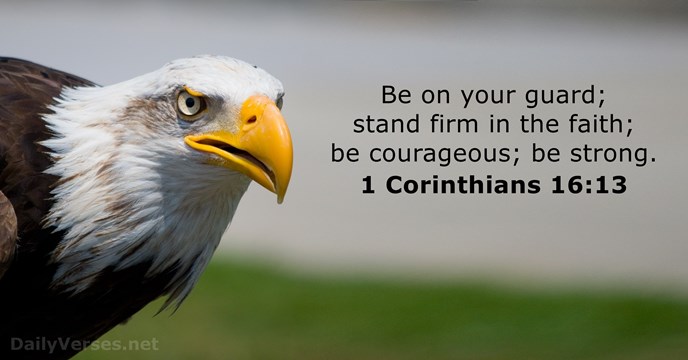
Help us all, O God, to be on guard against the lies of the enemy, to stand firm in our faith, to remain courageous and strong in all circumstances. Our heart’s desire above all is to honor you—by finishing strong. 

(1 Corinthians 16:13)


Notes

[1] The security of settled minds (Psalm 112:7-8), the prosperity as God’s people (Jeremiah 29:11), and the blessing of his provision (2 Corinthians 9:8).

[2]   a. In 2017, 12.7% of Americans were taking antidepressants, up 64% since 2014 (https://www.apa.org/monitor/2017/11/numbers).

b. About 38% of adults in 2017 battled an illicit drug use disorder (https://americanaddictioncenters.org/rehab-guide/addiction-statistics ).

c. 14.5 million people, or 5.3% of the population had AUD, alcohol use disorder, in 2019 (https://www.niaaa.nih.gov/publications/brochures-and-fact-sheets/alcohol-facts-and-statistics).

Read Full Post »


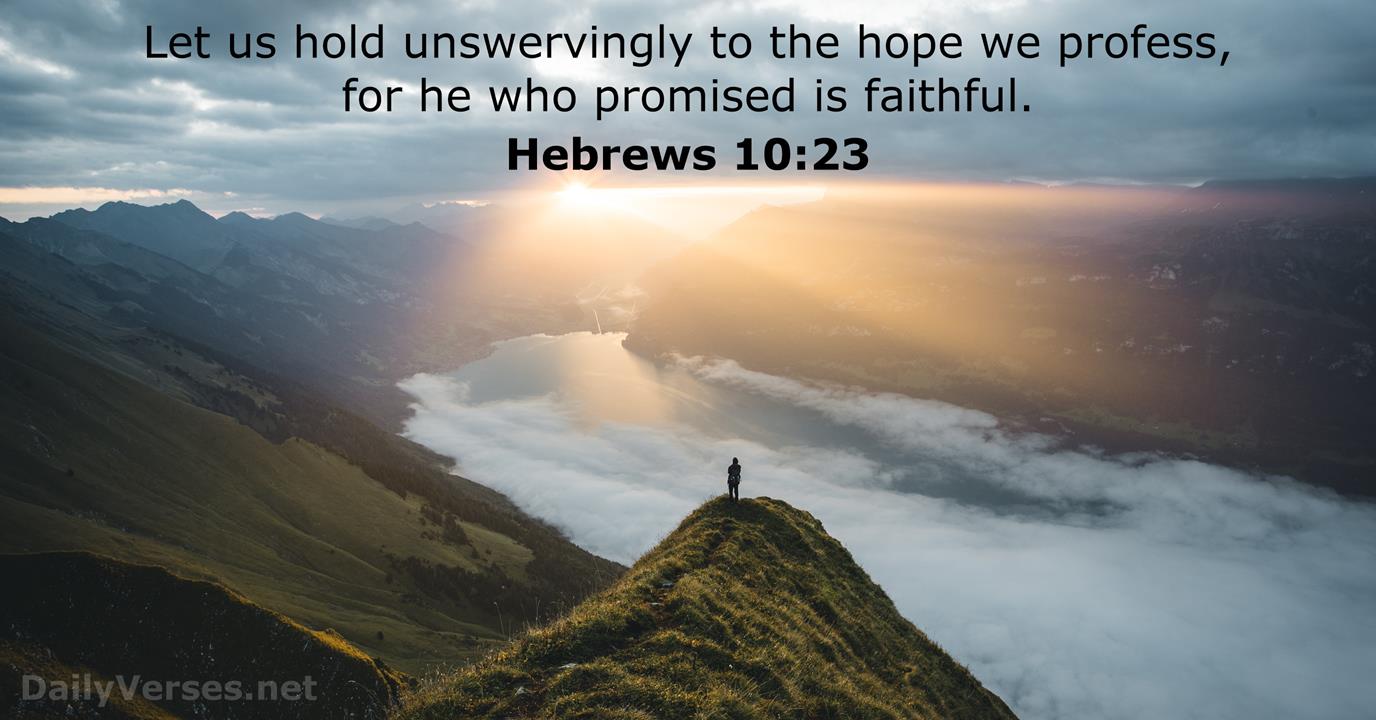
In his Sermon on the Mount, Jesus included eight statements called beatitudes (Matthew 5:3-10). Each one highlighted a virtue that results in the highest kind of happiness: sweet contentment not based on circumstances but on joyful faith in God and his provision for all we need.

In addition to the beatitudes of Matthew 5, the Bible offers dozens of blessing-statements—each one an encouraging slice of truth about God and his ways for us. They just aren’t constructed in typical beatitude style.

For example, consider Psalm 37:4:


Written as a beatitude:


Blessed are those who delight in God

for they shall receive the desires of their hearts.


Of course, the desires of our hearts often reflect child-sized plans, while God may have designed a “hugely dimensional destiny” that will surprise everyone.[1]

Kara’s* story illustrates. She fully expected to attend university and then enter the world of business. But even with a straight-A average, no scholarship materialized, and her parents earned too much money to qualify for sufficient financial aid.

Unless she took out a large student loan, Kara’s only option was community college. Highly disappointed—embarrassed even—she applied. Meanwhile a letter happened to arrive from that local college, describing a new course of study in TV production.


Kara had just completed a high school course in multimedia programming and loved it, so she applied for this new program and was accepted. Better yet, God provided full tuition as she earned that degree. And best of all, he molded Kara’s desire to coincide with the delightful and satisfying plan he’d designed for her.

Now years later, Kara and her husband make their living in the entertainment industry. No doubt the two of them marvel how God brought them together to work in a medium they love.

Kara is a miracle.

Romans 5:3-4 offers another beatitude truth:


As a beatitude it might read like this:


Blessed are those who embrace their challenges,

for they shall be changed for the better.


Anne wanted to support her husband’s dream of a free counseling service in their community and began making pretzels to sell at the local farmer’s market.

Through long effort and a number of failures, Anne was able to grow the business into hundreds of franchises across the country. You’ve probably eaten one of Auntie Anne’s Soft Pretzels at a mall or airport.


Anne’s personal life also included struggles, failures, and even the death of one of her children. Yet she says, “I am now thrilled to live this life, feeling that each day is one to be enjoyed. God’s grace and forgiveness are what got me through it all.”[2]

Anne is a miracle.

Our third new beatitude is based on Mark 10:27b:


Beatitude style?


Blessed are those who care less about their limitations

and care more how limitless God is.


The bio on the backs of Jennifer Rothschild’s books informs the reader she is a wife, mother, and recording artist. Jennifer also travels the country as a speaker, and cofounded WomensMinistry.NET.

What the bio does not reveal is that Jennifer has been blind since age fifteen. In her book, Lessons I Learned in the Dark, she wrote: “God often wraps difficult gifts with His grace—and then uses them to display His glory.”[3] Jennifer’s productive and joyful life perfectly illustrates that statement.

Jennifer is a miracle.

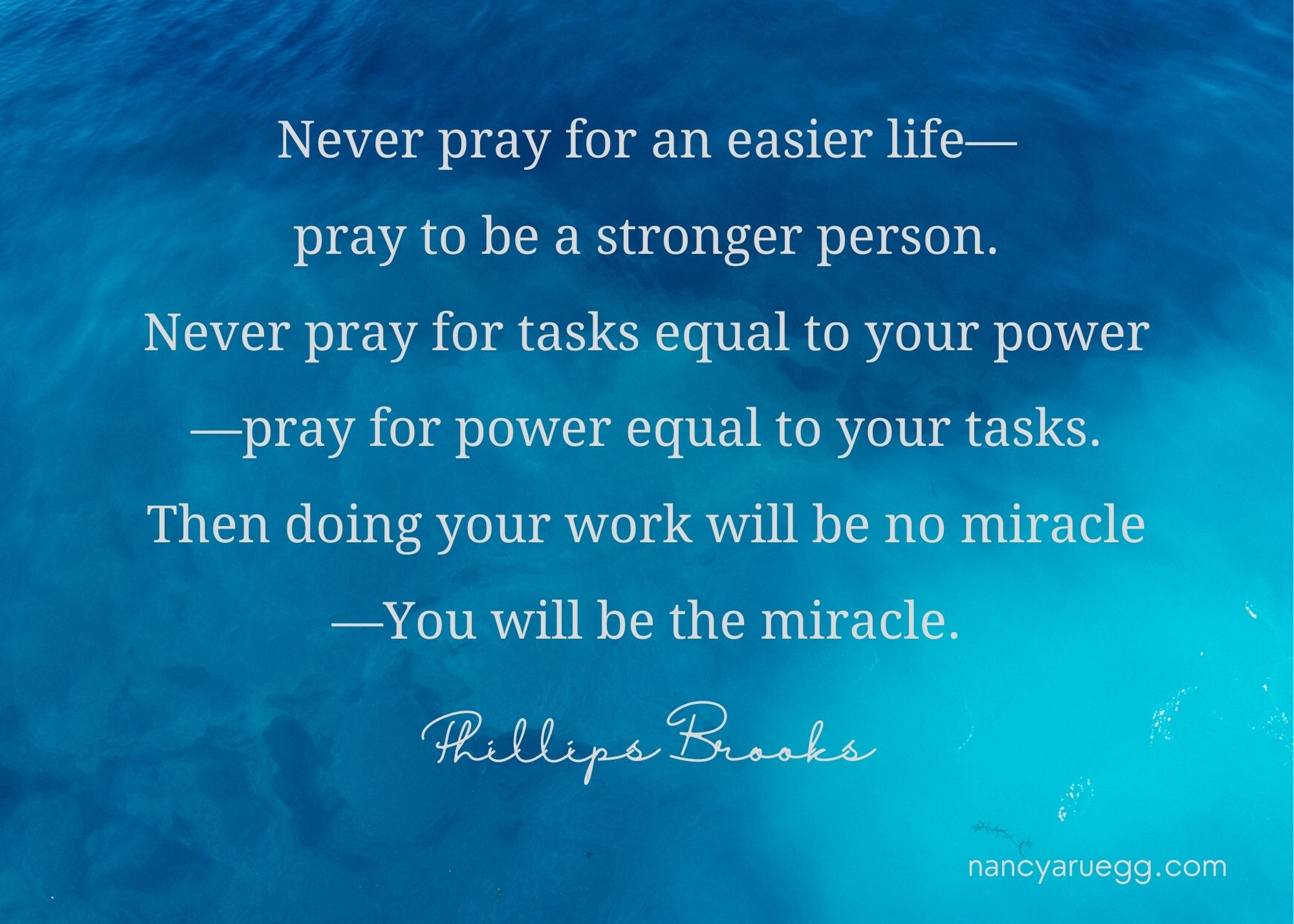
All three women exemplify what Rev. Phillips Brooks (1835-1893) wrote long ago:


Kara, Ann, Jennifer, and countless other believers demonstrate: When we embrace God’s be-attitudes, we not only experience the highest kind of happiness; we become miracles.


*Name changed.


Notes:

[1] Eugene Peterson, Under the Unpredictable Plant, pp. 160-161.

[2] Karol Ladd, Thrive, Don’t Simply Survive, pp. 147-148.

[3]  Jennifer Rothschild, Lessons I Learned in the Dark, p. 84.


Art & photo credits:  http://www.freebibleimages.org; http://www.heartlight.org; http://www.flickr.com; http://www.stocksnap.io; http://www.flickr.com; http://www.canva.com (2).


Read Full Post »


Attend a graduation ceremony, participate in a work-related seminar, or just join in a break room conversation, and you might hear one of these statements:

  1. God helps those who help themselves.
  2. If you can dream it, you can achieve it.
  3. Success = living life on your own terms.
  4. Believe in yourself.
  5. Follow your heart.
  6. You’ve got this.


Such statements are meant to encourage. But are they based on truth, or should a few be tossed in the trash?

Let’s consider:


Does God help those who help themselves?

Many people believe this idea comes from scripture. But the Bible teaches God helps those who recognize they can’t help themselves. The wisest course of action is to present each troubling situation to him in prayer before attempting any solution (1).


If I can dream it, is it a given I’ll able to achieve it?

Nowhere in the Bible are we told to pursue our dreams. Instead, God tells us to pursue righteousness, faith, love, and peace.

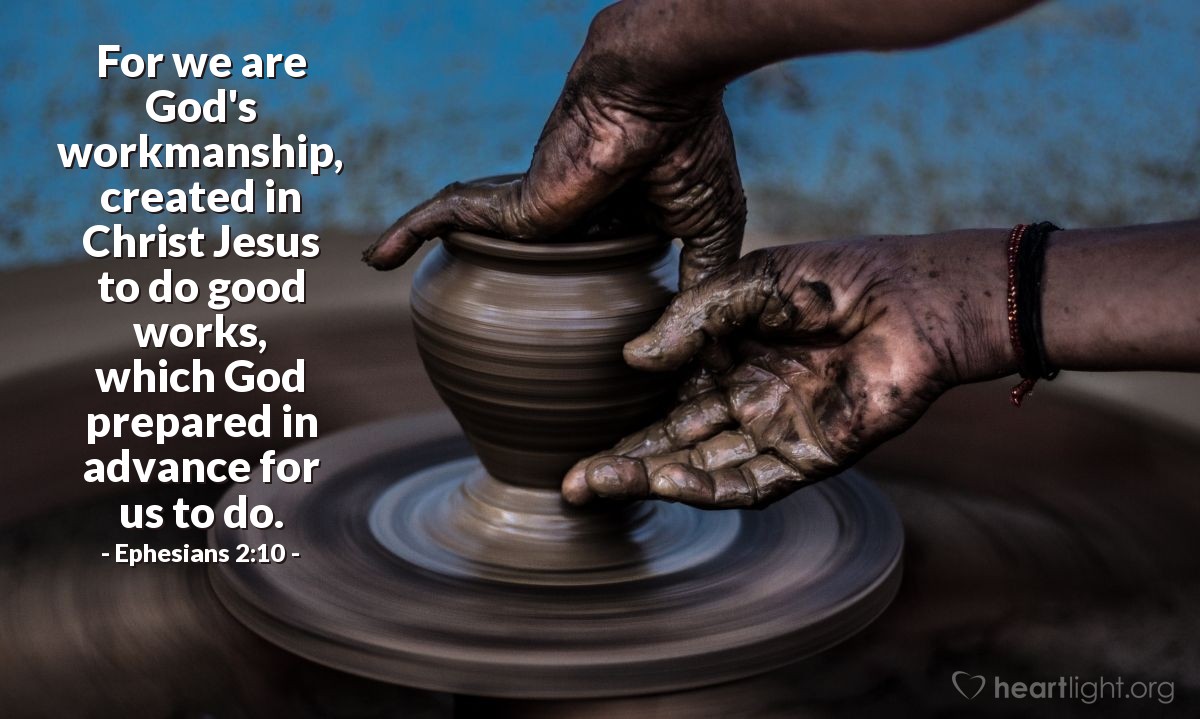
Not that God doesn’t place desires for the future on our hearts. He gladly helps us achieve all the good works He’s prepared in advance for us to do.

This is what we need to remember: “A God-given dream is never about position . . . it’s always about contribution.” And it’s through God-ordained contribution that we find satisfaction and fulfillment (2).


Is success a matter of living life on our own terms?

That kind of living most often leads to disappointment and dissatisfaction. Instead, God invites us to live the abundant life on his terms.

Some would say, “But God’s ways are so constrictive!” Actually, his truth provides freedom—freedom from the misery of sin and misguided choices. On the other hand, when we live the way he’s expertly designed for us, we enjoy a myriad of blessings (3).


Should we believe in ourselves?

That puts us in charge, which sounds appealing until you factor in our limited knowledge, imperfect judgment, and inadequate abilities. Due to these restrictions, stress and anxiety become constant companions while we try to keep control over our lives.

How much wiser to trust God who knows all things and can accomplish all things—including the best way to proceed through all our tomorrows.


Does it make good sense to follow our hearts?

No, our hearts are guided by feelings, desires, and emotions, which cannot always be trusted. Just ask Jennifer—Wife #2 of Jack. She believed his stories about self-centered, temperamental Wife #1. Jennifer told herself, Our marriage will be different. But she is now facing divorce herself as Jack’s eyes have wandered toward someone else.

No, we can’t just follow our hearts. We need the guidance of God’s perfect wisdom (4).


Have we got this?

Not really. Life can be turned upside down in a moment—bosses terminate employment, sure investments for retirement turn to ashes, doctors reveal devastating diagnoses. What then? I can’t imagine facing such hardships without God.

How much more encouraging to remember: he’s got this. Numerous experiences of others as well as my own have proven: God always sees us through with his perfect wisdom and almighty strength—whatever we face (5).


Notice how each of these statements in bold print revolves around usour effort, our planning, our confidence—even though we’re prone to make mistakes and foolish choices. God is the only One with the wherewithal to achieve what’s best for us—100% of the time.

As it happens, all these common statements can be tossed in the trash.

So when someone says, “Believe in yourself ,”or “You’ve got this,” perhaps we could respond with a gentle nudge toward truth:

Actually, I’m eternally grateful that Someone much stronger and wiser than I am is in charge. Experience has taught me, I am much better off trusting in God than in myself.


Notes:

  1. Isaiah 41:10; Psalm 56:3; 2 Chronicles 14:11; https://www.christianity.com/wiki/christian-life/why-god-helps-those-who-help-themselves-is-presumed-to-be-biblical.html
  2. 1 Timothy 2:22; Ephesians 2:10; https://www.crosswalk.com/faith/women/why-god-doesn-t-necessarily-want-you-to-pursue-your-dreams.html
  3. Proverbs 12:15; John 8:32; see Alphabet of Joy for examples of such blessings
  4. Romans 11:33
  5. Philippians 4:19


Art & photo credits:  http://www.pxhere.com; http://www.canva.com; http://www.dailyverses.net; http://www.heartlight.org; http://www.pixabay.com; http://www.geograph.org.uk; http://www.dailyveres.net; http://www.canva.com.


Read Full Post »

Nicole blinked twice as she stared at the number on the doctor’s scale. She knew a few more pounds had glommed on her midsection, but seven?


During the ensuing consult with Dr. Ames, Nicole mentioned her knees had started to hurt, she felt tired much of the time, and seemed susceptible to every virus that came along. Dr. Ames then shared Nicole’s blood work, revealing several more concerns. His treatment solution surprised her. “I’m going to send you to a nutritionist,” he said.

Three months later, Nicole already felt much stronger and healthier—energized even. Her knees no longer hurt, and her blood pressure and cholesterol had dropped dramatically. Nicole had learned her diet included too many simple carbs and high-fat proteins, depleting her body of strength, energy, and good health.

It’s a fact: we can’t function well without proper nutrition.


The same principle applies in the spiritual realm. We can’t function well when our souls are improperly nourished. We need to ingest spiritual vitamins.

For example, consider Vitamin A. As a physical nutrient in our food, it improves our eyesight—specifically night vision. In the spiritual realm, Vitamin A might represent Adoration of God, which improves our “vision” through dark circumstances.


“When we choose to practice adoration anyway

in the midst of whatever we are feeling,

our words lift us over that barrier

and into a deeper connectedness with God.”

—Sarah Hagerty[1]


That deeper connectedness with God results in strength and perseverance for what we face.


The benefits of the Vitamin B complex include converting food into energy. In our spirits, the Bible energizes us as we convert the food of truth into the energy of faith.


“I am sorry for men who do not read the Bible every day.

I wonder why they deprive themselves

of the strength and the pleasure.”

—Woodrow Wilson[2]


Vitamin C enhances the growth of bone, skin, and muscle. Companionship with God causes us to grow in faith, character, and contentment—no matter our circumstances.


“The greater your knowledge of the goodness and grace of God on your life,

the more likely you are to praise Him in the storm.”

–Matt Chandler[3]


Vitamin D plays a role in fighting germs. Delight in God’s blessings fights off the germs of melancholy and discouragement in our souls.


“Thankfulness restores a healthy perspective about our lives.”

—Valerie Bell[4]


Vitamin E is an antioxidant that protects against cell damage. Empowerment from God protects against soul damage—from such hurtful emotions as fear, anxiety, and hopelessness.


“When God is recognized as the One who undertakes for us,

then difficulties are opportunities to trust Him . . .

contentment sings in the heart,

and all things are possible.”

—F. E. Marsh[5]


Vitamin K promotes healthy bones which support the body; knowledge of God supports the soul as we affirm his goodness and perfections.


“To fall in love with God is the greatest of all romances;

to seek Him, the greatest adventure;

to find Him the greatest human achievement.”

—St. Augustine


*     *     *     *     *     *     *     *     *     *


I praise you, O God, that as we absorb these soul-vitamins into our spirits, our trust in you will grow. We’ll find our strength renewed, and be able to run the race of life without lapsing into despair. May we be mindful each day to be enriched in your presence, in your Word, and in your power.

(Isaiah 41:31; Hebrews 4:16; Psalm 119:28; Ephesians 6:1)


Notes:

[1] Unseen, Zondervan, 2017, p. 151

[2] Soul Retreats for Busy People, compiled by Lila Epson, Inspirio, 2002, p. 40

[3] https://www.christianity.com/wiki/christian-life/inspirational-christian-quotes-about-love.html

[4] A Well-Tended Soul, Zondervan, 1996, p. 102

[5] Quote/Unquote, compiled by Lloyd C. Cory, Victor Books, 1977, p. 136


Art & photo credits: http://www.picpedia.org; http://www.pixy.org; http://www.heartlight.org; http://www.dailyverses.net; http://www.pixabay.com; http://www.pixy.com; http://www.hearlight.org; http://www.canva.com.


Read Full Post »

« Newer Posts - Older Posts »

When the House is Quiet

Impressions Becoming Expressions

Mitch Teemley

The Power of Story

Still Traveling

Impressions Becoming Expressions

Living Our Days

Gaining a heart of wisdom

He Said What?!

I'm Patty, and my husband and I are living with our adult son who has autism and epilepsy. I love sharing lessons learned from life around me, especially life with Aaron.

Meditations of my Heart

Impressions Becoming Expressions

Linda Stoll

Impressions Becoming Expressions

Signora Sheila

Where faith meets la dolce vita

Heidi Viars

Finding the Image of God