Feeds:
Posts
Comments

Archive for the ‘Encouragement’ Category

Christian trudged to the church he pastored as rain drummed on his umbrella. His pant cuffs grew increasingly damp from his splashing boots.

Is this really worth the effort, he wondered. Only a handful of people attended the Monday night prayer meetings, which he’d established several years prior at Church of St. Nicholas.

And yet the faithful few who came demonstrated such hope, Christian always felt uplifted by the end of each gathering.

Encouragement of any kind was in short supply. Times were difficult; everyone was suffering except the government elite and their cronies.

In the third year of the weekly prayer sessions, Christian felt compelled to invite fifty people to his church to discuss the oppressive circumstances of their country. More than six hundred came, and subsequently, attendance at the Monday prayer meetings also grew.

Such a large crowd didn’t slip by the attention of authorities. They discouraged religious gatherings, but assumed that prayer meetings were harmless.

Attendees began bringing family and friends. Over the next few years the church started to fill to overflowing. Eventually eight thousand people gathered every Monday night, praying for peace in their land and throughout the world.

Other churches around the country organized their own prayer meetings. Some attendees would walk the streets afterward, carrying candles and praying or singing as they went.

The authorities finally ran out of patience with the demonstrations. They barricaded the streets around the Church of St. Nicholas to discourage attendees. Instead, the congregation grew.

The next step included peaceful protests. Thousands of people participated. And even though hundreds of demonstrators were beaten and arrested, they weren’t deterred.

Numerous threats were made; some lost their jobs. One woman reported that government officials took custody of her children for a while, due to her participation in what they called an extremist group.  

Worse yet, the protesters were threatened with death. And though many admitted to fearing for their lives, they did not back down.

“Our fear was not as big as our faith,” Christian explained later [1].

One night, after an hour-long service at St. Nicholas Church, Christian led the people outside to join a crowd of approximately 70,000, all gathering from various churches. Each one carried a candle and marched through the city chanting “we are the people” and “no violence” [2].

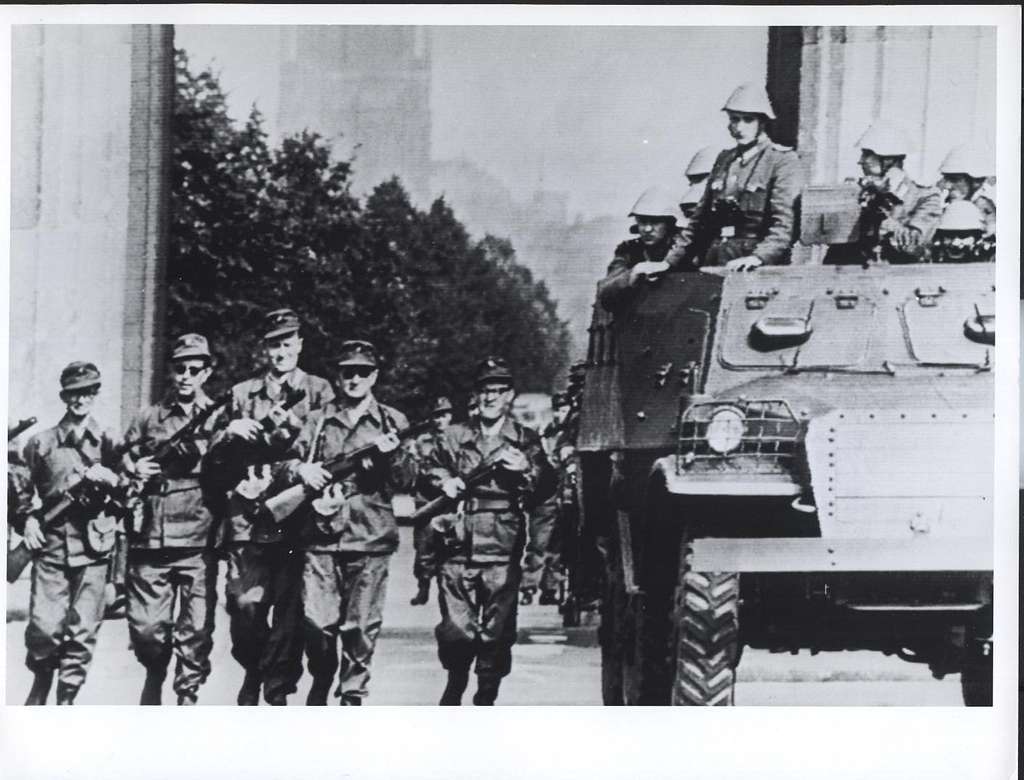
All along the way, long rows of armed police watched their every move.  More soldiers manned tanks, waiting for the order to disperse the crowd with murderous force.

But the order never came. Afterward it was revealed that government officials persuaded their leader to leave the protesters alone.

One of the demonstrators gave a soldier a lighted candle. He put down his weapon and accepted it. Others followed suit. “Soon all the soldiers had lowered their weapons and joined with the protestors” [3].

In the following weeks, the prayerful, candle-carrying crowd grew to 120,000, then 300,000, and finally 700,000.

A crowd such as this must have gathered.

The country’s leader resigned, knowing that without the army to back him, he had become powerless. Soon the whole regime resigned, unable to fight against the power of prayer and Light.

One month after the tide-changing protest, a government spokesperson mistakenly announced in a public broadcast that a monumental change was about to take place. Citizens would be allowed to travel freely, effective immediately [4].

News spread rapidly, reported across the world. Thousands of people soon gathered at the symbol of their thirty-year oppression, a barrier that had divided them into east and west: the Berlin Wall.

Harald Jager, commanding officer of the border guards that night, called his superiors to find out how to deal with the gathering crowd. He received no orders.

“People could have been injured or killed . . . if there had been panic among the thousands gathered at the border crossing,” he declared afterward. “That’s why I gave the order: Open the barrier” [5].

And so, on November 9,1989, thousands flowed through, celebrating and crying. Others climbed over the barrier, chipping away at the wall with hammers and pickaxes. Bulldozers and cranes soon made quick work of dismantling the entire structure [6].

Thirty-four years ago today, that menacing wall became rubble, and a tyrannical regime miraculously toppled with it.

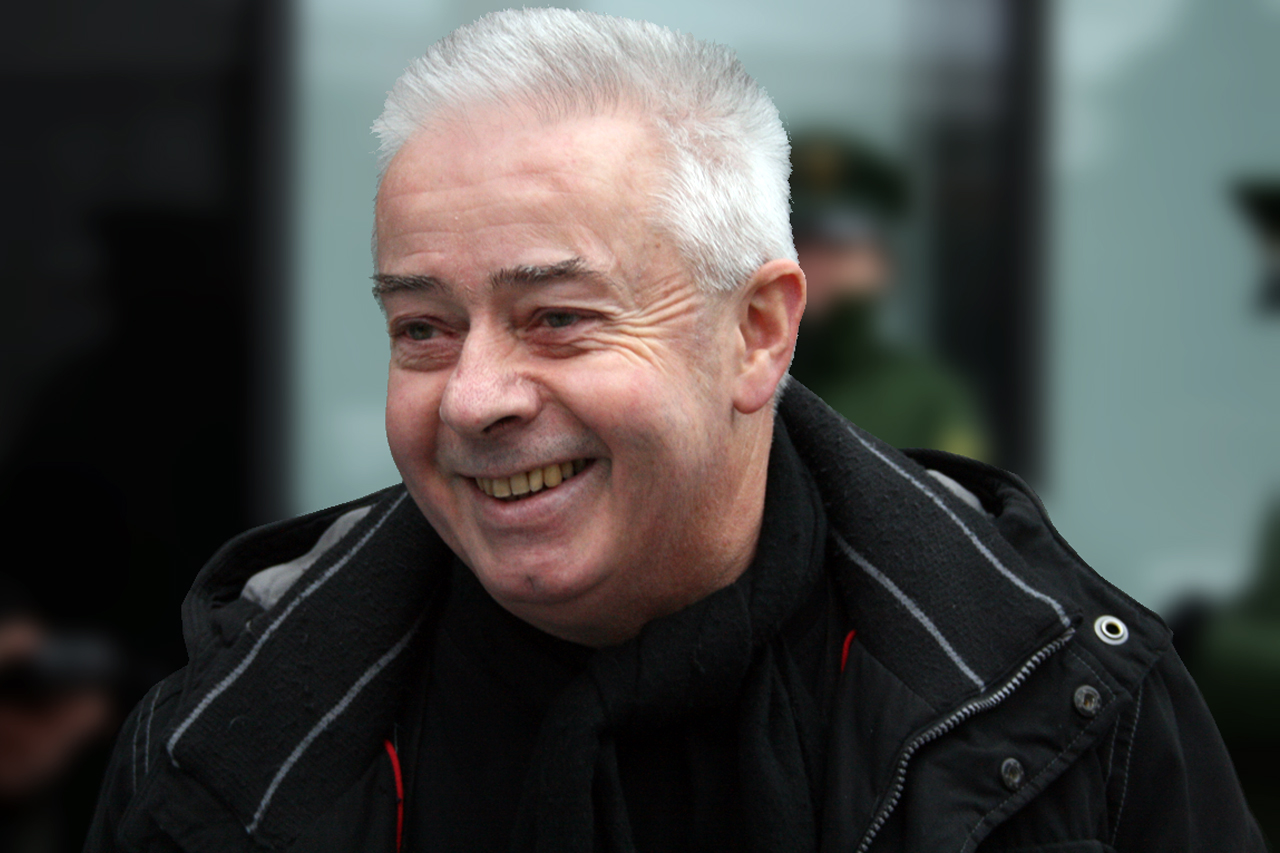
And it all began with Pastor Christian Furher and a handful of praying saints.

Christian Furher (1943-2014)


[1] https://contemporarychurchhistory.org/2014/09/reflection-on-pastor-christian-fuhrer-of-the-nikolai-church-in-leipzig/

[2] https://embracingbrokenness.org/2020/10/prayer-and-the-berlin-wall-by-charles-buttigieg/

[3] http://storage.cloversites.com/worldhistoryinstitute/documents/WHI_03Mar014_Journal_4.pdf

[4] https://www.foxnews.com/lifestyle/this-day-history-nov-9-1989-berlin-wall-falls-cold-war-victory-us-allies

[5] https://www.bbc.com/news/world-europe-50013048

[6] https://www.history.com/topics/cold-war/berlin-wall

Additional Source: http://www.godgossip.org/article/did-a-prayer-meeting-really-bring-down-the-berlin-wall

Photo credits: http://www.commons.wikimedia.org; http://www.pxhere.com; http://www.rawpixel.net; http://www.picryl.com; http://www.commons.wikimedia.org; http://www.pexels.com; http://www.nara.getarchive.net; http://www.picryl.com; http://www.commons.wikimedia.org.

Read Full Post »

Looking ahead at the calendar for 2024, I found more than a few wild-and-crazy celebrations in store for those who care to participate. Just in January alone, we can look forward to:

  • National Cream Puff Day—January 2 (Who thought this was a good idea right after the holidays when so many will be embarking on diets?)
  • World Logic Day—January 14 (If only we could fix in one day the irrational and absurd thinking that seems to be increasing these days.)
  • National Popcorn Day—January 19 (This one I can get behind!)
  • National Blonde Brownie Day—January 22 (If you prefer cream cheese brownies, your day is coming February 10.)
  • National Backwards Day—January 31 (Seems like we’d benefit more from honoring evidence of going forward—toward integrity, responsibility, and maturity.)

Didn’t I tell you they were wild-and-crazy observances?

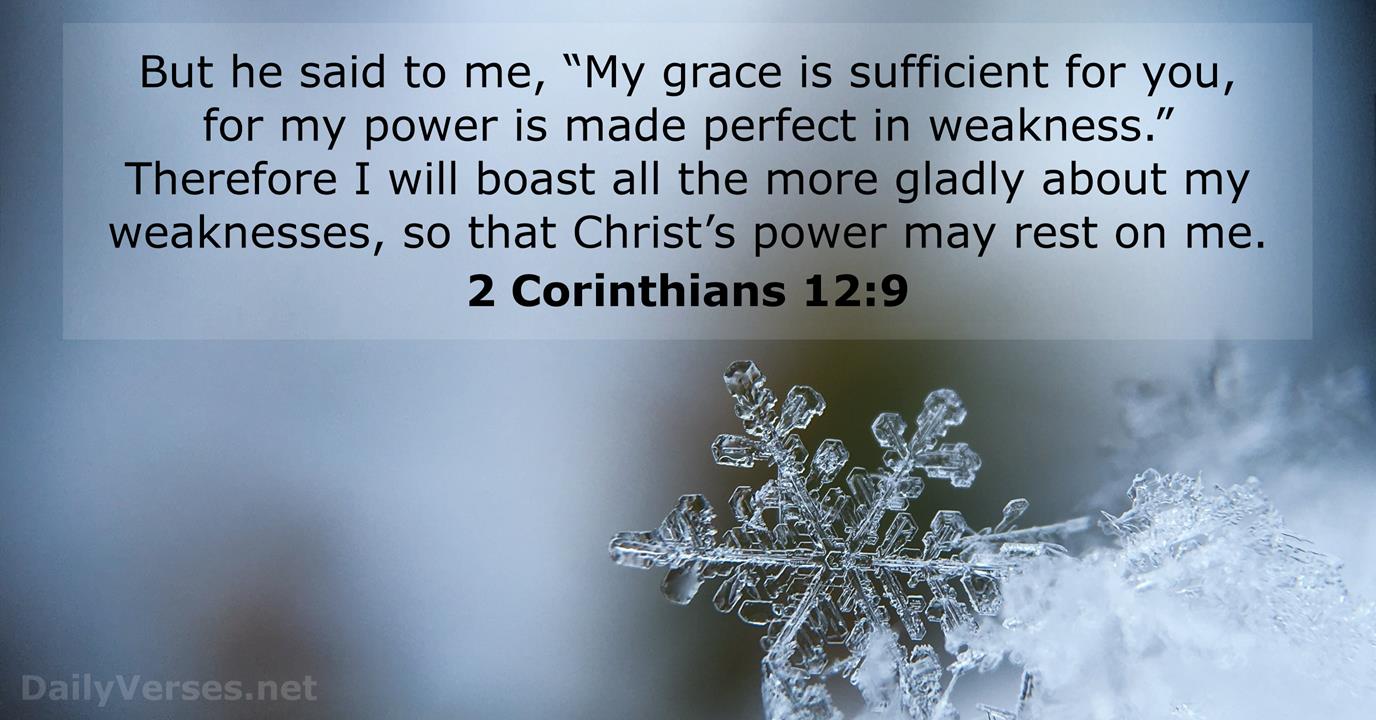
To be honest, we Christians are encouraged to celebrate some wild-and-crazy things—things that make no sense at first glance, like:

Weakness

Too many of us assume we have to be supremely talented and gifted in order to be used by God. But the opposite is true.

God most often chooses ordinary people who’ve emptied themselves of prideful ambition and self-centered motives. They are the ones whom God can fill with himself, who become the ideal showcases for his greatness and glory [1].

Turns out, when we recognize just how weak we are—with our inadequacies, missteps, and fears—we’re actually in the best position to manifest the power of God.

Now that’s worth celebrating!

Meekness

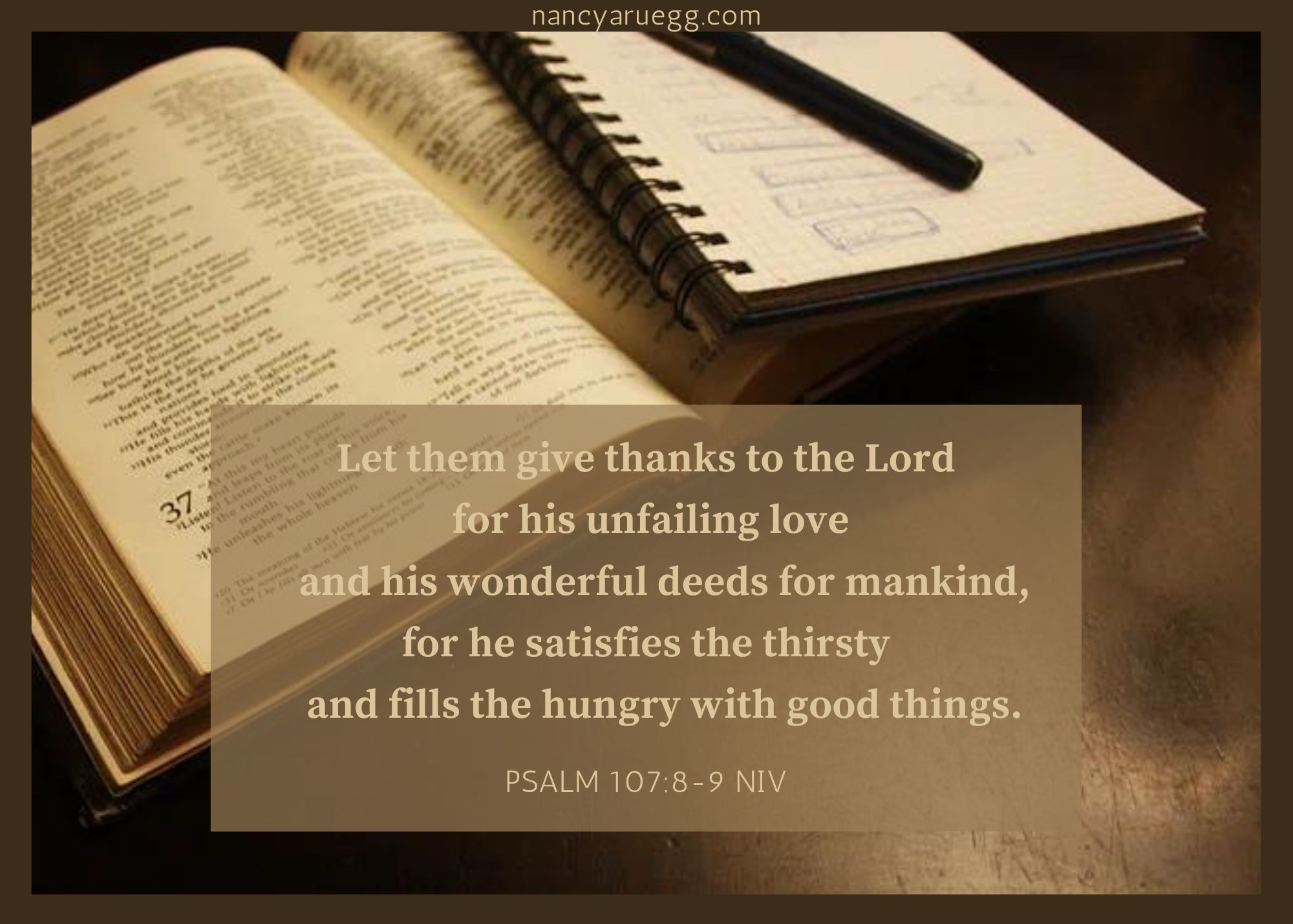
The Hebrew word for meekness suggests “being molded.” The meek are God-molded; they’ve submitted to him and are patterning their lives after him [2]. The meek delight in leaving everything in God’s capable hands.

That may sound unappealing to some, but little do they know: the meek get the most out of life.

For example:

  • They view life with joyful gratitude, not disgruntled entitlement
  • They appreciate their resources—not for the prestige they offer but for their usefulness
  • They don’t harbor envy or jealousy, but genuinely enter into the joys of others

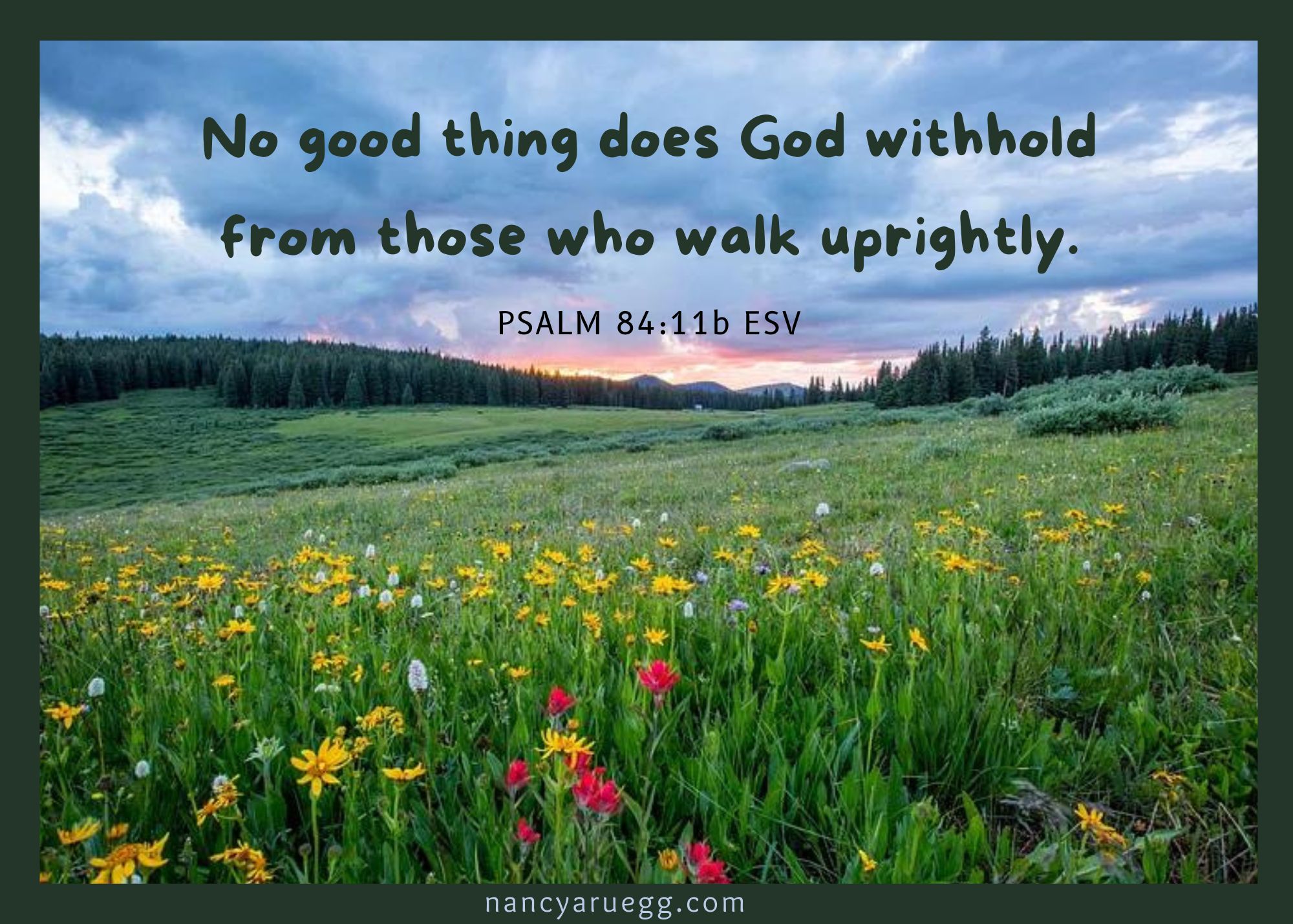
And note what God promises to the meek in Psalm 37:11 (above): an abundance of peace. Isn’t that a happy reality to celebrate?

Servanthood

Not many of this world are interested in the role of servant. But God’s kingdom works very differently:

Every day is a new opportunity to discover what eternal business might be lurking in the ordinary business of being human [3].

Bruce Wilkerson

Yes, there is eternal business in serving others as we:

  • prepare meal after meal that keeps the family fed, but also nourishes their hearts with comfort and delight
  • perform small deeds of kindness—because they’re woven into the larger expanse of God’s far-reaching grace
  • work for the benefit of others and the glory to God—whether anyone notices or not

There is honor in such serving.

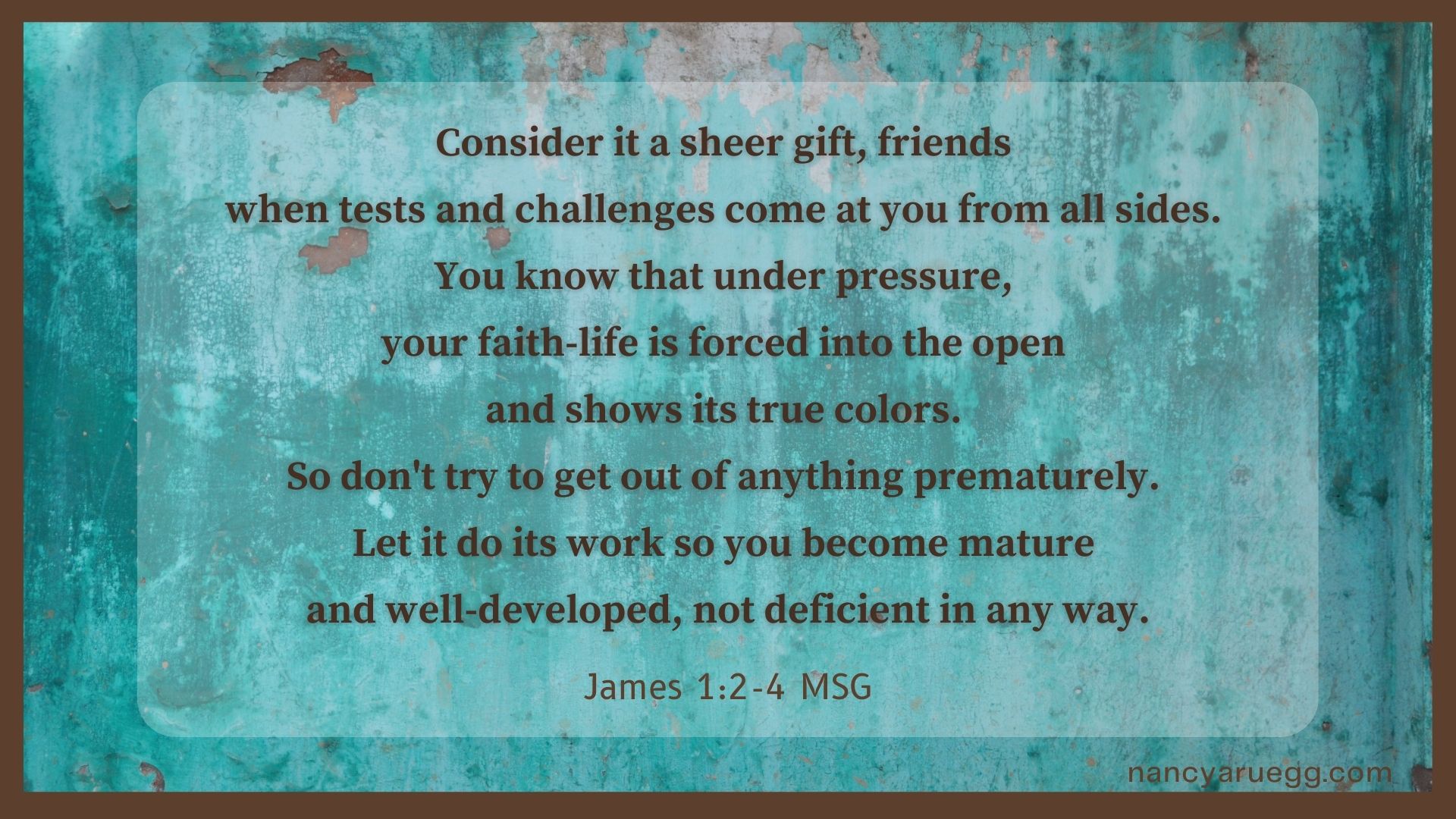
Trouble

Now I’ve gone too far, some will say. Celebrating difficulty seems downright sadistic. But consider:

We can take delight in what God will do through the trial.

First, God delights in transforming the black-carbon pressures of our lives into diamonds of radiant beauty, as he chips away at the rough places of our character and the distractions in our lives, allowing the Light of Christ to shine with greater clarity.  Such an undertaking rarely happens overnight; it’s a process that takes time [4].

Second, think of those you’ve known or learned about who did shine with the radiant Light of Christ. They undoubtedly faced trouble, yet persevered and triumphed in the end. We too can experience fulfillment as the Light of Christ shines through us to impact others.

Third, while we’re in the midst of the trial, God often brings the sweetest discoveries of himself [5].

These realities also warrant celebration.

The question remains, how will we celebrate?  Perhaps with an ancient song:


[1] Nancy Leigh DeMoss Wolgemuth, Biblical Womanhood in the Home, 67.

[2] Ralph Sockman, The Higher Happiness, 65.

[3] A Life God Rewards, 114, emphasis added.

[4] Joanna Weaver, Having a Mary Heart in a Martha World, 199.

[5] L. B. Cowman, Jim Reimann (ed.), Streams in the Desert, 143.

Art & photo credits: http://www.pixexid.com; http://www.dailyverses.net; http://www.pixexid.com; http://www.depositphotos.com; http://www.canva.com; http://www.commons.wikimedia.org.

Read Full Post »

David Bussau sat with three of his teenage friends in the dining hall of Sedgley Boys’ Home, an orphanage in New Zealand.

“How’d you guys like to work for me?” he asked.

David had lived in the orphanage himself until recently. Now he was out on his own, living at a boardinghouse. But David had prepared for this eventuality, saving money from odd jobs while living at Sedgley.

Currently he was running his own hot dog stand, and now he was ready to expand. With the help of his friends, David became proprietor of three hot dog stands, then two other food stands, followed by a bakery, and a pancake company. David improved each business and sold them for a substantial profit.

In 1965 at age 25, David married Carol Crowder, a girl from his church. Not long after they moved to Sydney, Australia.

Sydney, Australia 1960s

David found work as a construction foreman, and quickly learned the business. Before long he was part-owner of the company.

Over the next ten years, the Bussaus became parents to two daughters. His boss retired and David purchased his shares of the company. Soon he owned three construction companies, and reached the status of millionaire—before his thirty-fifth birthday.

David knew money wouldn’t satisfy. He wanted to live on enough and use his God-given wealth and talent as an entrepreneur to serve others. But how?

In 1974 a cyclone devastated Darwin, Australia. David and twenty volunteers traveled two thousand miles to help with reconstruction.

Of course, several weeks of work made little difference. So David made arrangements for his businesses in Sydney to carry on without him and moved his family to Darwin. In addition to supervising construction crews, David raised funds throughout Australia for the flattened city.

By 1976 Darwin was nearly rebuilt, and the Bussaus’ pastor in Sydney presented them a new opportunity in Bali, to rebuild a church destroyed by earthquake. Their answer: yes.

“This was my first real exercise in faith,” David said later. “Even when I’m out of my depth I like to take on a challenge. I jumped into it trusting and believing that God would redeem if I screwed up.” [1]

In the remote village of Blimbingsari, the Bussaus lived in a thatch-roofed home with no electricity, running water, or phone. But the community of one thousand Christians were willing to work hard to have a church again.

Water was the top priority, in order to make concrete for a sturdy structure. But bringing water to the village meant bypassing two Hindu villages. David and his crew built a dam and laid pipe, providing water to them first.

That project yielded another blessing. Now the villagers could irrigate their rice fields and harvest twice a year, not just once. 

While working toward church construction, David learned of the systemic debt plaguing the rice farmers. Landowners required sixty percent of the crop as rent; the remaining proceeds didn’t cover most families’ expenses. 

They often mortgaged their children to manage mounting debts, but it was rarely enough.

David created a solution: micro-financing. He began with his interpreter, Ketut, whose wife knew how to use a sewing machine.  

David lent them fifty dollars to purchase an old one. They sold the crafted items in surrounding villages, and as the business grew Ketut paid back the loan.

Even better, they made enough to buy a second machine and hire another worker. Before long Ketut and his family were ready to diversify. They opened an import/export business as well as a taxi service, employing more community members.

And so began the villagers’ escape from chronic debt into sustainable, successful businesses.

When the church was complete, village leaders asked the Bussaus to stay and help build a hotel. People could then be trained to work in the growing tourist industry.

David and Carol agreed. (Their two daughters loved living in Bali, making the decision even easier.)

To further develop his ability to provide micro-loans, David founded a non-profit organization called “Maha Bhoga Marga”— “The Way of Prosperity.” Over the decades he’s founded seventeen international ministries.

David also joined forces with a colleague to form Opportunity International (O.I.). As of 2021, it has served over 18 million clients in thirty countries. [2]

An O. I. savings and loans ready to open in Ghana, 2011

“O. I. creates a job in the developing world every thirty seconds, and they estimate that every permanent job created directly lifts six people out of poverty.” [3]

David explains their success: “Our original intent wasn’t to set up an international organization, it just grew. That’s the way God works. [When you] do what He puts in front of you, the more doors He opens up. The result is that God is glorified through it.” [4]

Now in his eighties, David still travels internationally, furthering the work God gave him to do: bringing people out of poverty one micro-loan at a time and glorifying God through it.


[1]  https://www.issuu.com/opportunity/docs/oia_agency_issue08

[2] https://opportunity.org/content/News/Publications/Annual%20Report/annual-report-2021/annual-report-2021.pdf

[3] https://www.hopechannel.com/read/david-bussau-creates-opportunity

[4]  https://www.issuu.com/opportunity/docs/oia_agency_issue08

Other sources:

https://christiantoday.com.au/news/cma-courageous-leadership-conference-melbourne-and-interview-with-micro-finance-pioneer-david-bussau.html

https://www.discoverwalks.com/blog/australia/top-10-sensational-facts-about-david-bussau/

https://opportunity.org/news/blog/2021/december/back-to-the-beginning-david-bussau

Photo credits: http://www.commons.wikimedia.org; http://www.rawpixel.com; http://www.flickr.com; http://www.commonswikimedia.org; http://www.rawpixel.com; http://www.commonswikimedia.org (2).; http://www.piqsels.com.

Read Full Post »

Some of you may know of the long-running PBS program with the same title as this post. Begun in 1987, it continues to provide seniors and those with physical limitations a way to exercise while seated in a chair.

Research has proven that participants experience better heart and vascular health, core and back strength, joint health, flexibility, posture, and balance. They also benefit from boosted energy, thinking skills, memory, and overall mental health [1].

Surprising, isn’t it, the number of benefits from chair exercises?

There’s another list of benefits we can enjoy–if we choose to sit in God’s presence.

A psalmist offers this lovely invitation:

Can you picture yourself seated at God’s feet, much as Mary sat at Jesus’ feet in Bethany [2]?

Imagine the love in his eyes as he gazes at each of us, the tenderness in his voice as he speaks, the gentle pressure of his hand on our shoulders as he expresses his affection.

And as we sit, he’d undoubtedly encourage us to participate in exercises for our spirits that will make us fit—trained and equipped to thrive [3].

What might such exercises include? These four offer a good place to start:

Bible Study and Meditation to Foster Strength

Soul strength doesn’t develop overnight any more than physical strength. Time spent in God’s Word is essential.

[Scripture] will not yield its astonishing riches except through diligence and sustained reflection [4].

Timothy Keller

But given our busy schedules, how do we pause long enough for sustained reflection? It may mean going to bed earlier and getting up earlier, reducing screen-time or limiting time spent reading for pleasure, but the results are supremely worth the small sacrifice.

We soon experience the soul strength to be gained from sitting with God and contemplating his Word–soul strength that equips us to better handle the everyday strains of life.

Worship (with Gratitude and Praise) for Improved Spiritual Health

Developing our gratitude-muscles fortifies our faith, refreshes our spirits, and adds vitality to life as we become attuned to God’s blessings all around us.

Praising God for who he is and what he’s done lifts our spirits and improves our mood. We soon find this exercise fostering encouragement, peace, and even pleasure within our hearts as we focus on him. (Praise music can be especially uplifting.)

Scripture Memorization to Enhance Endurance

The Bible creates endurance. Its promises lift the heart and its panoramic insights strengthen the will [5].

Timothy Keller

That endurance-factor increases when we commit meaningful passages to memory.

We can begin with just a phrase or single statement such as: “With God all things are possible” [6].

Speak it aloud in the shower or as you pull out of the driveway for work. While in the carpool line or running errands, quiet the noise around you with the sound of your voice saying His Word [7].

Sara Hagerty

Engaging the Imagination to Increase Heart Health

For example, imagine God as:

  • Your all-powerful King seated on his glorious throne, yet ready and willing to help you at any moment
  • Your constant Companion, accompanying you throughout the day
  • Your loving Shepherd, caring for your every need
  • Your heavenly Father, holding your right hand, protecting and guiding you [8]

Such visualizations will surely help us keep our balance as the day unfolds—even with its stresses, interruptions, and difficulties.

*     *     *     *     *     *     *     *     *     *

You don’t need me to tell you: if a person chooses not to exercise, he can’t expect to be physically fit.

The same is true in the spiritual realm. If we forego such exercises as suggested above, we can’t expect to be spiritually fit.

On the other hand, great benefits await those who do choose to sit in God’s presence.

They will become strong.

And that’s a promise:

What exercise helps you sit and be fit in the spiritual realm? Please share in the comment section below!


[1] https://sunshinecentres.com/7-benefits-of-daily-seated-exercise/

[2] Luke 10:38-42

[3] Psalm 92:12-15 HCSB

[4] Timothy Keller and Cathy Keller, The Songs of Jesus, 320.

[5] Keller, The Songs of Jesus, 310.

[6] Matthew 19:26b

[7] Sara Hagerty, Unseen, 149.

[8] Revelation 4:1-11; Psalm 46:1-3; Psalm 145:18; Isaiah 40:11, 41:13.

Photo credits: http://www.pexels.com; http://www.canva.com; http://www.pxhere.com; http://www.pixexid.com (Ralph, AI Artist); http://www.canva.com; http://www.rawpixel.com; http://www.dir.es.

Read Full Post »

Ida Scudder, a senior at Northfield Seminary in Massachusetts, envisioned a future for herself in a small American town that included a charming home with a loving husband, fun times with good friends, adventure, and eventually several children.

Such a dream was the antithesis of her upbringing in Vallore, India—with its crowds, poverty, famine, and disease. Having lived in the States now for several years, Ida had no desire to return.

Her parents served as medical missionaries in Vallore, and her paternal grandparents before them. Ida wanted no part of that kind of life.

But when Mrs. Scudder became seriously ill in 1894, Ida felt compelled to return home to care for her mother and help run the clinic. Following graduation that year, she set sail, praying she’d arrive before the unthinkable occurred. Ida’s prayers were answered [1].

One evening during her visit, a Hindu man knocked at the door, desperate for Ida to come help his wife.

“She’s been struggling for hours to deliver our baby,” he cried. “Now she is growing weak. I’m afraid for her!”

“Let me get my father,” Ida suggested. “He’s the doctor.”

“Oh no,” the man replied. “It is against our beliefs for another man to see my wife. You must attend to her.”

Ida explained she could not help; she knew nothing about childbirth. And the grief-stricken man turned away.

Later that same night a Moslem came to the door with the same request. He too refused help for the same reason. And not long after, the scenario repeated itself a third time with another Hindu.

When Ida finally went to bed, no visions of idyllic living in America filled her mind. Instead she prayed, and a new dream began to form. God meant for her to become a doctor and help the suffering women of India. Even more startling: Ida found herself eager to follow his plan.   

In the morning, she learned that all three mothers and their infants had died. It broke her heart and solidified her resolve.

When Ida returned to the States, she was one of the first women to attend Cornell Medical College. And no sooner had she graduated in 1899, than Ida was on her way back to India, bolstered by a $10,000 grant from a Manhattan banker, in honor of his wife, Mary Taber Schell.

At first Ida treated women in a small medical office set up in her parents’ home. But patients often waited too long to see her, so she decided to go to them.

An ox-pulled cart full of medical supplies became her clinic. And as she tended the sick and injured, Ida spoke of Jesus and asked patients if they’d like to know more about the Great Physician.

In 1902, Ida was able to open the Mary Taber Schell Hospital in Vellore. But with only forty beds, the medical needs in the region far exceeded what Ida could provide.

She set about establishing a school for young women to train as nurses. Critics warned no one would come since the education of girls wasn’t part of Indian culture. But come they did—151 students that first year—and they performed well.

Funding from various denominations in the U.S. and Britain allowed for expansion of the hospital. By 1906, 40,000 patients were being treated annually.

Ida’s next venture, in 1918, was to establish a medical school to train women doctors. Naysayers claimed women would not be able to pass the final exams, but all fourteen of the first class succeeded.

More qualified staff meant more space needed for them to work. A second hospital was built in Vallore in 1923.

Expansion continued in 1928 with an endeavor even Ida could not have envisioned:  the construction of the Vellore Christian Medical College and Hospital, spread over 200 acres. Gandhi himself came to see Ida and the monumental project underway.

Ida seated on left.

Also during this time, Ida traveled back and forth to America to raise funds. Her passion for the work inspired people to give, and she raised millions of dollars.

Back in India, Ida spent less time with patients and more time preparing for the opening of the new college, “negotiating between various missionary agencies, and dealing with a turbulent Indian political scene as fierce demands for independence were growing”[2].

Today the Vallore Medical College and Hospital treat over 8,000 patients a day and are well known for excellence in the fields of research, patient care, and disease prevention. Chaplains pray with the patients, and Bible classes are offered in nine different languages [3].

The main building of Vallore Medical College and Hospital

Dr. Scudder and students

Ida Scudder (1870-1960) was once asked how she was able to accomplish so much. Her answer explains how to fulfill God’s individualized plan for each of us:

“I took only one step at a time; the step God showed me” [4].


[1] Mrs. Sophia Scudder passed to heaven in 1925.

[2] https://canonjjohn.com/2022/11/12/heroes-of-the-faith-ida-scudder/

[3]  https://scudder.org/family-history/ ; https://www.christianity.com/church/church-history/church-history-for-kids/ida-scudder-reluctant-missionary-11635053.html  

[4] https://www.youtube.com/watch?v=tJIHIJpmVTs

Other Sources:

  1. https://scudder.org/about/history/india-medical-missions/ida-scudder-story/

3. “A Life of Consecrated Purpose: The Ministry of Dr. Ida Scudder” by Dr. Rebekah Naylor at http://www.imb.org.

Photo credits: All photos of Dr. Ida Scudder courtesy of The Scudder Association Foundation at http://www.scudder.org. The Indian city street scene, http://www.picryl.com.

Read Full Post »

Perhaps you too watched the episode of Antiques Roadshow when an appraiser analyzed a Kintsugi bowl.

This ancient Japanese art form involves mending broken pieces of pottery with gold or silver. The glimmering veins resurrect the ruins to create a beautiful work of art.

Such a transformation offers imagery for what happens when we allow the golden work of Christ to mend our brokenness from failures, sins, and shortcomings. As a result, each of us becomes a masterpiece [1].

But what about Jesus’ instruction, “Be perfect as my Heavenly Father perfect”[2] and all the itemized directives for Christian conduct in the New Testament—all 1,500 of them, give or take?

I can’t possibly measure up to such a standard, so what’s a cracked pot like me supposed to do? Is the pure gold of Christ’s work (on my behalf at his crucifixion, and in my life now) enough to make me acceptable to God, considering my faults and failures?

We’d do well to remind ourselves often: just as family members love one another in spite of shortcomings and wrongdoing, our Heavenly Father does the same.

Note the above verse doesn’t say the Lord has compassion only on those nearing perfection.

Then what did Jesus mean when he instructed us to be perfect?

The Amplified Version offers clarity for that key word:

“You, therefore, will be perfect [growing into spiritual maturity both in mind and character, actively integrating godly values into your daily life], as your heavenly Father is perfect.”

Matthew 5:48 AMP

‘You see? Jesus isn’t requiring angelic perfection; he’s directing us toward full spiritual maturity.

Jesus would also direct us away from unrealistic expectations.

Some think that unless we’re . . .

  • spending long hours in Bible study and prayer
  • attending every pertinent service and event at church
  • serving those around us
  • extending hospitality in our homes
  • discipling and mentoring others
  • sharing with everyone in need . . .

. . . we’re not doing enough for God.

So when is enough enough?

I’m reminded of the time I sat in the pediatrician’s office with one of our children when a young mom from our church, Nicole*, walked in with her infant son. Sagging shoulders and dark eye-circles gave evidence to the truth about parenting a newborn: it’s exhausting.

But this Mama was dealing with even more: another son, age three (whom Daddy was babysitting at that moment), and a full-time job. She worked nights as a nurse, and her husband worked days so they could avoid childcare costs.

Somehow Nicole was surviving on naps here and there, and a few hours of sleep before her shift, once her husband got home.

During our conversation, Nicole confessed it had become nearly impossible to spend quiet time with God in Bible study and prayer, and she felt terribly guilty.

In that moment God brought to mind an image of my loving, earthly father. If I were in Nicole’s situation and said to him, “Dad, I’d come see you in a minute, but with things the way they are right now . . .”

I knew what he’d do. Dad would interrupt and say, “Don’t worry–I understand! I know you love me, and you know I love you. When your schedule lightens up, then we’ll get together for an extended visit. For now, I’m delighted in these quick phone calls.”

I told Nicole, I think our heavenly Father would respond in the same way. (Remember Psalm 103:13 above?) Her heart was in the right place; she longed to spend quiet hours with God.

But in her current situation, it was perfectly fine to postpone such a plan until that debilitating season ended. Our God of grace understood; there was no cause for guilt.

Our God of grace would have us let go of perfectionism and unrealistic expectations.

He’d have us delight in the golden work Christ has done and continues to perform in our lives [3].

And though we do press on to live by God’s wise ways, he would have us embrace the beauty of imperfect perfection [4].

Like a Kintsugi masterpiece.  

*Not her real name


[1] 2 Corinthians 3:5; Ephesians 2:10 ISV

[2] Matthew 5:48

[3] 1 Peter 1:3-5; Philippians 1:6

[4] Philippians 3:12-14; Lamentations 3:22-23

Photo credits: http://www.commons.wikimedia.org; http://www.heartlight.org; http://www.pexels.com/Tima Miroshnichenko; www. rawpixel.com; http://www.pexels.com/Alexander Dummer; http://www.pxhere.com/Forrest Cavale; http://www.commons.wikimedia.org./Ruthann Hurwitz.

Read Full Post »

Cincinnati Museum Center

When our daughter Heather and her family from Washington State come to visit us here (including her two brothers and their families), we take the two granddaughters to the Cincinnati Museum Center.

This last time, Sophie (age eight) particularly enjoyed the simulated rock quarry, where children can learn about simple machines. Tools like shovels and wheelbarrows are part of the equipment provided.  (That was three year-old Elena’s speed.)

NOT Elena, but another little quarry worker

Some of the equipment is more complicated, including, a rope-and-pulley scoop for picking up foam rocks then lifting them off the ground, and a crane to move the scoop over to a dump truck.

By trial-and-error Sophie figured out how to adjust the ropes for maneuvering the scoop into the pile of rocks, then tilt it upright. A tall, brawny, football-player-in-the making came along to join in the play. He was probably about ten years old. I watched to see if he would use his size to take over the operation.

Instead, he and Sophie began to work together. He would pile foam rocks for her to scoop, then jump up to the heavy crane that would transfer the scoop over to the truck. He never bossed, but spoke respectfully. They had a grand time experimenting and problem-solving.

Or you can play Frustrate-Your-Sister!

Once or twice the boy spoke to his mom. She was very busy keeping track of a younger son and toddler daughter who liked to go in opposite directions. My thoughts returned to the exhausting days when our three children were young.

On our way out of the quarry-area, Heather, the girls, and I passed by that busy mom.

“Your son is a fine gentleman,” I said, then shared with her my observations.

A beautiful smile transformed her face. “Oh, thank you!” she enthused. “You never know if they’ll remember their manners.”

“Well, he sure is minding them this morning. You’re doing a great job!” And with a light squeeze on the young mother’s arm, I hurried to catch up with my girls.

That’s when I noticed the atmosphere had changed; the air seemed purer.   Those positive words meant to bless a busy mom had blessed me too, and an afterglow of refreshing joy filled my heart–just for trying to make someone else’s day a bit brighter.

Those wise words of Solomon proved true again:

Of course, more important is the affirmation-afterglow in the life of that young mother. My prayer is our little conversation provided her with encouragement and confidence to press on in her conscientious child-rearing.

I’m very hopeful of a such a result, based on my own experience at that stage of life. At least a couple of times when our children were small, a stranger stopped at our table in a restaurant and commended them for their calm behavior.

Now, more than thirty years later, I still remember those spirit-lifting, confidence-building comments. (Although I must confess: at home they were anything but calm!)

I, for one, want to grow as an encourager—to strengthen the hearts of others as they face life’s challenges. Maybe you do too.

Just how might we achieve that goal? Possibilities include:

  • Share positive words based on our observations—even with strangers like that mom at the museum, or with diners at a restaurant.
  • Be specific and give examples about the positive traits we see.   Folks are often blind to their own commendable behaviors.
  • Express appreciation for anything and everything. (We’ve mentioned this behavior before, but need the reminder.) We can also increase the power of a thank-you by adding a smile, eye contact, and maybe even a touch on the arm if appropriate.
  • Show interest in the thoughts and activities of others. Validation is even more powerful than praise.
  • Encourage the encouragers! We can tell others how their words have blessed us, to keep determination and confidence flowing among us.
Quotefancy-167343-3840x2160

Encouragement is indeed a powerful force, fostering perseverance, strength, and hope.

Best of all, it brings glory to God as we affirm his character in those around us.

*     *     *     *     *     *     *     *     *     *

Thank you, Father, for the privilege of ministering encouragement, for the delight you engineer in the heart of the one who receives and the one who gives. May I breathe strength, hope, and confidence into others wherever I go.

Art & photo credits:  www.commonswikimedia.org; http://www.visitflyovercountry.com; http://www.inventorsoftomorrow.com; http://www.stocksnap.io; http://www.wallpaperflare.com; http://www.pxfuel.com;  http://www.quotefancy.com.

(Revised and reblogged from August 1, 2016 while we enjoy family house-guests.)

Read Full Post »

Imagine hosting an ultra-special guest in your home, someone well-loved and well-known. One evening you pass the open door of his room and see him kneeling by the bed in prayer.

His words are barely audible but in that moment, you happen to hear your name.

Would you stop and listen, to see what this respected man considered important for you? I’m thinking you would.

Long ago, someone well-loved and well-known did pray for you and for me—Jesus—and at a most unexpected time, the night before his crucifixion.

Painting by Marcilio Soares

Think of it.  Jesus–the most significant Person in all of history–prayed for you and me.

If I knew that tomorrow would be a day of horrific pain and then death, I’d be praying for strength and courage. But Jesus’ prayer centered on his disciples and then he said:

That’s us—the people down through the centuries who’ve heard the story of Jesus and believe in him as the Son of God.

Are you curious about what Jesus considered important? I’m thinking we should be.

What follows is a selection of those requests, the holy whispers Jesus presented to our Heavenly Father that night:

First, “keep them in your name” (John 17:11).

This is a prayer of protection, that we’d be preserved in the name of God, through his attributes at work for our benefit: his compassion to care for us, power to sustain, goodness to bless, wisdom to guide, and more.

Not that we won’t experience difficulty, but Jesus prayed we won’t be overcome by it.

Second, “possess the full measure of my joy within” (v. 13).

This is not the joy we experience in human relationships or happy events. This is the joy we experience in Christ alone, based on who he is and what he’s done as our Savior, Shepherd, Immanuel (God with us), and Light of life—to name a few of his titles.

These glorious realities can cause joy to well up in our hearts, even while troubles seethe around us. This is what Jesus desires for us.

 Third,protect them from the evil one” (v. 15).

Satan wants to take us out. He tirelessly works to increase our desire for harmful things. He’ll tell us it’s no big deal, offer excuses for the behavior, and minimize our ability to think through the consequences of sinful choices. 

BUT! Jesus has prayed for our protection. We can fight against temptation with God’s Word, just as Jesus did, as well as exercise his power to fight.  We also have the assurance God won’t allow any temptation that we can’t withstand [1].

Fourth, “sanctify them by the truth” (v. 17).

Jesus would have us consecrated to God, growing into his likeness through obedience, and becoming more intimate with him.

How? We begin by spending time in His Word. That’s how we come to know him.

To truly know him is to love him, and to truly love him is to want to please him by obedience.

Many believe following God’s ways will lead to dissatisfaction in life, but in reality obedience leads to peace, joy, and contentment [2].

These are the qualities of life Jesus desires for us.   

Fifth, “be with me and see my glory” (v. 24).

I’m reminded of Christmastime, when empty-nesters such as Steve and me look forward to the full gathering of family, to share in the glories of the season together.

Similarly, Jesus looks forward to the day when we’ll all be together with our Heavenly Father, to share in his celestial glory!

Study further this prayer of Jesus and discover more concerns that he addressed, and then understand: this was not a single prayer offered once for all time.

He is still praying for us continually [3]—holy whispers of love and compassion, with a desire that we experience his best.

Soak in the wonder of such a reality.

P.S. Another quality Jesus prayed we’d experience? Unity. See Jesus’ Prayer for You for a meditation on that topic.


[1] Luke 4:1-13; 2 Peter 1:3 NASB; 1 Corinthians 10:13

[2] Job 22:21; John 15:10-11; Psalm 119:35

[3] Romans 8:34; Hebrews 7:25; 1 John 2:1

Art & photo credits: http://www.rawpixel.com; http://www.commons.wikimedia.org (Marcilio Soares); http://www.commons wikimedia.org; http://www.dailyversers.net (2); http://www.canva.com; http://www.publicdomainpictures.net (George Hodan).

Read Full Post »

Gunfire blasts and booming cannons surrounded Union Army Private, William Carney. His regiment’s objective: to capture Fort Wagner near Charleston, South, Carolina.

The 54th Regiment of Massachusetts at the Civil War battle for Ft. Wagner, July 18, 1863.

Jerking movement nearby caught Carney’s eye. The color guard had been shot. As the dying man fell, the U.S. flag he carried began billowing toward the ground. Carney scrambled to rescue the flag from desecration and took a bullet himself.

Carney continued to crawl toward the fort, holding the flag high and calling encouragement for his fellow soldiers to follow. He was hit at least three more times, but made it to the walls of Fort Wagner, planting the flag into the sandy soil and holding it upright “until his near-lifeless body was rescued” [1] .

Even then Carney refused to let go of the flag until he was returned to his regiment’s camp. His heroism that day inspired a vital victory for the Union Army.

W. H. Carney with the flag he carried that day.

Years later Carney explained his motivation for joining the Union cause: “I had a strong inclination to prepare myself for the ministry; but when the country called for all persons, I could best serve my God by serving my country and my oppressed brothers. The sequel is short – I enlisted for the war” [2] .

Yes, Carney had been an oppressed brother himself, born into slavery in 1840. But during the 1850s he arrived in Massachusetts, either through the Underground Railroad, or perhaps his father—already a freed slave—was able to purchase his son.

Either way, Carney began to enjoy the freedoms that Blacks of the South were denied—freedoms like traveling, assembling, learning to read and write, and receiving pay for work. He passionately desired other slaves to experience the same.

That God-given passion for his fellow man surely inspired Carney that day at Fort Wagner, to give the fight his all no matter what duty fell to him. And for his tenacity and courage, William Carney received the Medal of Honor in 1900. He was the first Black soldier to do so.

Someone might ask, how was William Carney able to stay so strong?

Undoubtedly his firm stance was the result of:

  • Strong attention toward his God
  • Strong determination to live by God’s ways
  • Strong faith in God’s promises, confident that whether he lived or died, all would be well

We too can stand firm in what we face by applying the same.

Strong attention toward God includes not allowing our emotions to control us. For example, sorrow, fear, and exhaustion will insist we can’t go on, but God tells us he gives strength to the weary and increases power for the weak [3] .

Strong attention toward God includes being in relationship with him, through prayer, Bible reading, worship, and more. We can’t expect to sense his peace and strengthening presence if we never spend time with him.

Security is not the absence of danger

but the presence of God

no matter what the danger.

Unknown

Strong determination to follow God means choosing to live by his truth. Scripture is full of examples of men and women shaped by their faith and obedience in God, becoming as strong as steel: Huldah, Jeremiah, Daniel, Mary (Mother of Jesus), Peter, and Paul are among them.

We see such Bible heroes as extraordinary, but I’m sure they’d tell us they were just ordinary people who trusted in their extra-ordinary God.

Strong faith in God’s promises means we can hold on to hope with confidence and courage.

I wonder if scripture-promises echoed in William Carney’s mind as he held that flag high and emboldened his comrades–promises such as these?


  • “The Lord gives strength to his people; the Lord blesses his people with peace” (Psalm 29:11).
  • “With your help I can advance against a troop; with my God I can scale a wall. It is God who arms me with strength and makes my way perfect” (2 Samuel 22:30, 33).
  • “If I live, it will be for Christ, and if I die, I will gain even more.” (Philippians 1:21 CEV).

You and I may never fight in battle, but these same promises can echo in our minds as we confront such enemies of our souls as discouragement, anxiety, stress, guilt, and temptation.

Like William Carney WE can stand steadfast and strong [4] .

What helps you to stand strong? Please share your experience in the comment section!


[1]https://www.army.mil/article/181896/meet_sgt_william_carney_the_first_african_american_medal_of_honor_recipient

[2] https://www.nps.gov/articles/william-h-carney.htm

[3] Isaiah 40:29

[4] 1 Corinthians 15:58

Photo credits: http://www.picryl.com (2); http://www.nypl.getarchive.net; http://www.dir.es/album/hiking-in-wales-2019; http://www.wallpaperflare.com.

Read Full Post »

No matter how many sunrises a person might witness over a lifetime, who could tire of the majestic spectacle, with its mesmerizing shades of lavender, scarlet, apricot, and golden yellow—all aglow with the backlight of the sun, and each dawn different than all those before.

I’m filled with wonder as the morning sky begins to fill with light and “the heavens proclaim the glory of God. The skies display his craftsmanship”[1].  He is the supreme Artist.

My favorite sunrise-displays are those when clouds are positioned just right to create magnificent gleaming rays reaching into infinity.

Perhaps God inspired the prophet Malachi with just such a sunrise as he wrote: “The Sun of Righteousness [our Messiah] will rise with healing in his wings for you people who fear my name”[2].

Wings refers to sunbeams, bringing to mind the unending healing of God’s forgiveness, available to all who put their trust in Jesus. He provides for us the dawning of a new day as we choose to move out of darkness and into his marvelous light [3].

Sunrise is also God’s daily reminder that his faithfulness is great and his mercies begin anew each morning . Perhaps he wanted us to understand that his faithfulness to us is as certain and consistent as the sunrise, yet full of surprise and creativity as well [4].

The dawn brings hope, reminding us that:

  • Just as the sun is bigger than any planet in our solar system, so God is bigger than any challenge we might face.
  • Just as the sun always shines whether in full view or behind clouds, God is always with us whether we sense his presence or not.
  • Just as the sun never fails to rise, so the Son will never fail to rise, bringing the light of his salvation, truth, and wisdom.
  • Yesterday’s disappointments and failures are past; a new day with fresh blessings and possibilities has dawned [5]!

In addition to hope, fresh joy comes with the morning light.

But to see the dawn and experience its pleasure, a person must look at the sunrise. If we’re going to see joy and experience its pleasure, we must look to the Son, the source of joy [6]. Then, each day becomes an opportunity to live in wild, blissful amazement of God.

When you do witness a glorious sunrise doesn’t it make you smile—if not on your face, then in your spirit? We can augment that joy with gratitude—not just for a breath-taking dawn, of course, but for all the beautiful, remarkable, and pleasurable things God generously bestows.

Author Roman Payne wrote in celebration of the sun: “O, Sunlight! The most precious gold to be found on Earth!” And surely we’d agree, a golden sunrise especially proves his point.

But just such a sunrise might better serve as a reminder to celebrate the Son:

O SonLight, more precious than all the gold to be found on Earth!

*     *     *     *     *     *     *     *     *     *

I praise you, God the Father, Son, and Holy Spirit, for your light that is brighter than the brilliance of a sunrise! You are the source of all blessing, the brightness of our days, and our guiding Light to show the way. Without you, life is like twilight with dark night ahead. But with you, it is the dawn of morning with the light and warmth of a full day ahead.

(Psalm 84:11 PTP; James 1:19; 2 Samuel 22:29; Psalm 119:105;

last sentence based on Philip Schaff quote.)


[1] Psalm 19:1 NLT

[2] Malachi 4:2a

[3] 1 Peter 2:9

[4] Lamentations 3:23, and an idea inspired by Eugene Peterson, Run with the Horses, pp. 115-116.

[5] Philippians 4:13; Psalm 23:4; 27:1; 119:105, 130; Ecclesiastes 2:13

[6] John 15:11

Photo credits: http://www.pixabay.com; http://www.peakpix.com; http://www.canva.com (2); http://www.rawpixel.com.; http://www.peakpix.com.

Read Full Post »

« Newer Posts - Older Posts »

When the House is Quiet

Impressions Becoming Expressions

Mitch Teemley

The Power of Story

Still Traveling

Impressions Becoming Expressions

Living Our Days

Gaining a heart of wisdom

He Said What?!

I'm Patty, and my husband and I are living with our adult son who has autism and epilepsy. I love sharing lessons learned from life around me, especially life with Aaron.

Meditations of my Heart

Impressions Becoming Expressions

Linda Stoll

Impressions Becoming Expressions

Signora Sheila

Notes on Life, Faith & Italy

Heidi Viars

Finding the Image of God