Feeds:
Posts
Comments

Archive for the ‘God’s Strength’ Category

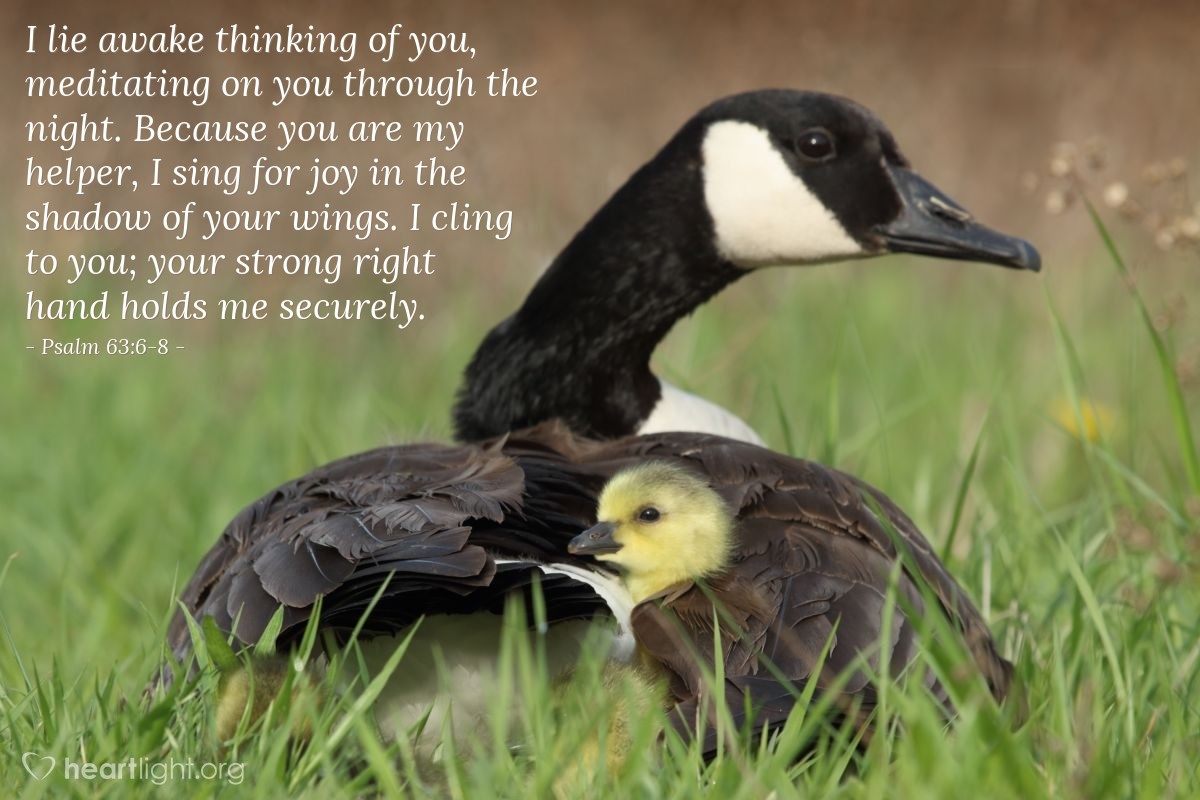
The Apostle Paul included a curious instruction for us in Romans 12:12:

Does it pique your curiosity too? I can see rejoicing in the hope of salvation from death, the hope of blessings yet to come, and the hope of intervention in our lives. But HOPE in and of itself?

In addition, there are occasions when our hope is desperate, accompanied by impatience, fear, and anxiety—certainly not rejoicing.

So what did Paul mean?

Later in this letter Paul gives a clue in Romans 15:13. There Paul calls God the “God of hope.”

To rejoice in the God of hope, no matter our circumstances, increases our confidence in him to bring us through what we face. Such hope is like an anchor for the soul (Hebrews 6:19), offering stability for our lives. Now that’s something to rejoice in!

I pray the following truths about God will cause more joyful hope to overflow in your heart:

We can depend on his TRUSTWORTHINESS–even in the midst of trouble (Psalm 9:9-10).

He can wield his REDEEMING POWER over any situation (Matthew 19:26).

In his Word we find his soul-strengthening AFFIRMATION and calming ASSURANCE (Psalm 19:7-8).

His NATURE includes numerous, magnificent attributes, which he employs on our behalf (Psalm 145).

Take note of these examples:

And those descriptors just touch the surface!

God’s SOVEREIGNTY over all things (Jeremiah 32:17) includes the timing of his interventions.

Out of his FAITHFULNESS, God bestows hope. We don’t have to search for it; we don’t have to muster it ourselves (1 Peter 1:3).

Christ proved to be the victorious OVERCOMER, no matter what the world hurled at him (John 16:33): every temptation, every discouragement, every setback, and more. And though we could never measure up to his perfections, he makes us victorious overcomers too (Romans 8:37).

His RESTORATION upon our spirits fortifies hope (Isaiah 41:10).

God’s MINDFULNESS of us never wavers (Psalm 40:5 ESV).

His EXCELLENCIES defy our ability comprehend (Psalm 145:1-3).

God’s loving DETERMINATION keeps him from ever giving up on us (1 Corinthians 1:7 MSG).

And when we consider all these attributes of our God of hope—his . . .

Trustworthiness

Redeeming power

Affirmations and Assurances

Nature above reproach

Sovereignty

Faithfulness

Overcoming victory

Restoration

Mindfulness

Excellencies

Determination . . .

. . . we find ourselves rejoicing in confident hope because such truths have TRANSFORMED our spirits.

I pray that’s your experience today!

Art & photo credits: http://www.pexels.com; http://www.heartlight.org; http://www.flickr.com; http://www.pexels.com; http://www.canva.com.

Processing…
Success! You're on the list.

Read Full Post »

One way to get better acquainted with God is to read through the psalms, watch for statements pertaining to him, and write them down.

That last step is important, as research has proven: writing (not typing) helps us learn and retain what we’ve written [1]. In this case it will also increase our appreciation of God’s glorious attributes and gracious acts on our behalf.

I chose to participate in this exercise during Advent, and became astonished by the number of statements about God, totaling over three hundred by the time I reached Psalm 150. I even skipped over those that I remembered listing previously.

Some psalms offer a number of statements about God, one after another. Psalm 23 includes nine, Psalm 103, sixteen, and Psalm 145, twenty.

Perhaps that explains why these psalms are among the favorites of many people. Subconsciously we crave reassurance of God’s power, wisdom, and goodness working on our behalf.

A lesser-known psalm perhaps, #71, offers seven encouraging descriptors of God:

He is our sovereign Lord (v. 5) over all things, even our blunders and regrets.

No matter my poor choices, God can redeem them. “Our mistakes can never thwart the sovereign will of God” [2].

How thankful I am for that!

He is the One who’s been my hope and confidence since my youth (v. 5).

I’ve been a Jesus-follower since age four. Never have I toyed with the idea of abandoning my faith in him, because I learned early on from the saints around me:

  • God is a good and loving Father
  • There is purpose in everything God does
  • He will bring me through whatever I might face
  • He is accomplishing a good and eternal work in my life [3]

I’d be foolish to turn my back on Someone so invested in my welfare.

God is splendorous (v. 8).

We could surely add more attributes to Brooks’ list. God provides so many wonderful, spiritual blessings in Christ (Ephesians 1:3)!

He is the One who performs marvelous, mighty, and righteous deeds (vs. 16-18).

In truth, “The whole world is a series of miracles, but we’re so used to them we call them ordinary things” [4].

May we rediscover the wonder of God’s deeds in evidence all around us, and respond with gratitude and praise.

He is the One who’s taught me since my youth (v. 17).

Over time I’ve come to cherish God’ Word. And even though I’ve spent many happy hours in study, its inspiration never grows old.

That is very good news.

God is the One whose righteousness reaches up to the heavens (v. 19).

That’s good news too, because “there is no perfect life, no perfect job, no perfect childhood, no perfect marriage, and no set of people who always do what we expect them to do.

“What we do have is a perfect God who is able to lead us through this imperfect life with unfailing strength, infallible wisdom, and infinite love”—Unknown.

Praise God for his attentive participation in our lives!

He is the One who’s done great things. Who is like You, God (v. 19)?

All of these descriptors, among the dozens of others proclaimed in the psalms, do make clear:

P.S. My list of God-descriptors has become the basis for personal worship. Each morning I slowly read and pray back to him one page of the collected statements. The practice renews wonder and gratitude for my marvelous Heavenly Father.

Perhaps you’d like to try it too?


[1] Denise Hughes, Deeper Waters, 89.

[2] Bev Rihtarchik, contributor to A Moment to Breathe, 151.

[3] Dr. Charles Stanley, Advancing through Adversity, 101.

[4] Hans Christian Andersen

Photo credits: http://www.pxhere.com; Nancy Ruegg; http://www.flickr.com; http://www.pickpik.com; http://www.canva.com (2).

Processing…
Success! You're on the list.

Read Full Post »

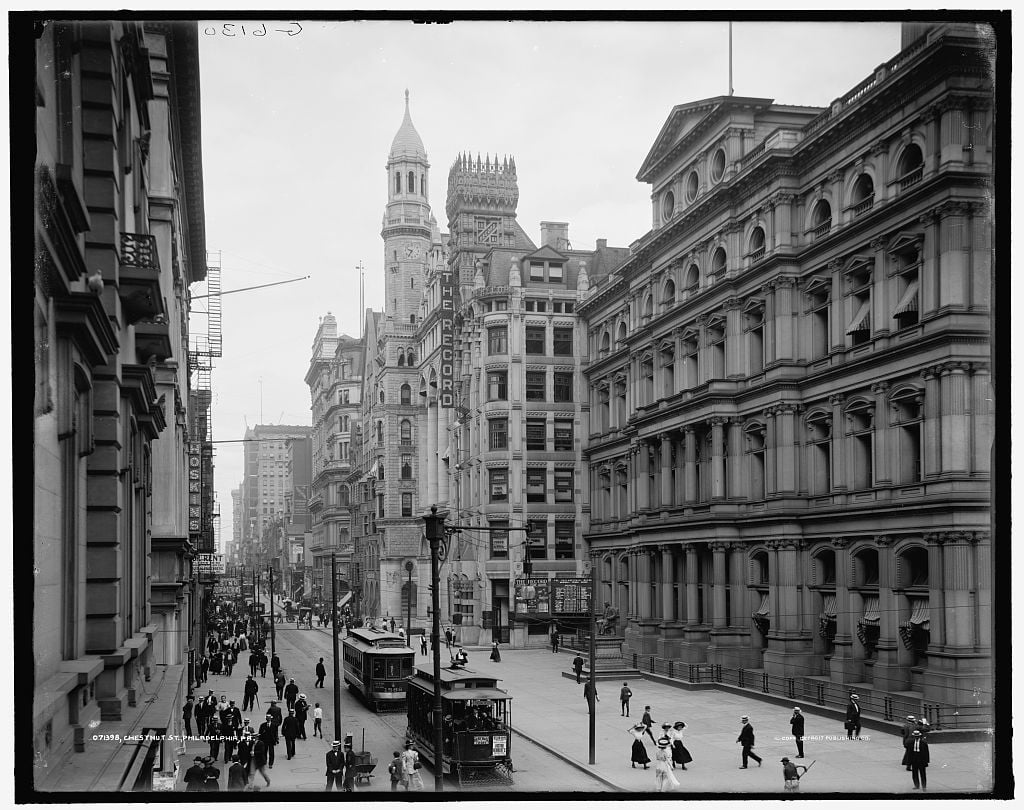
Twenty-one-year-old James Gribble, a streetcar conductor, scanned the avenue ahead, but his mind swirled with visions of the future. Life was treating him well in Philadelphia with its many amenities in 1904, compared to his hometown of Mechanicsburg, PA. What opportunities might lie ahead?

Then it happened. A woman stepped off the still-moving trolley, caught her skirt under a wheel, and was pulled under. She died at the scene.

James agonized over the terrible accident. “Oh God, deliver me, and I’ll serve you!” he wrote in his journal.

That Sunday James attended church and accepted Jesus into his life. That evening he was baptized.

On Monday while reading his Bible, James came to Matthew 28:19a:

He told his pastor, “I think God wants me to become a missionary.”

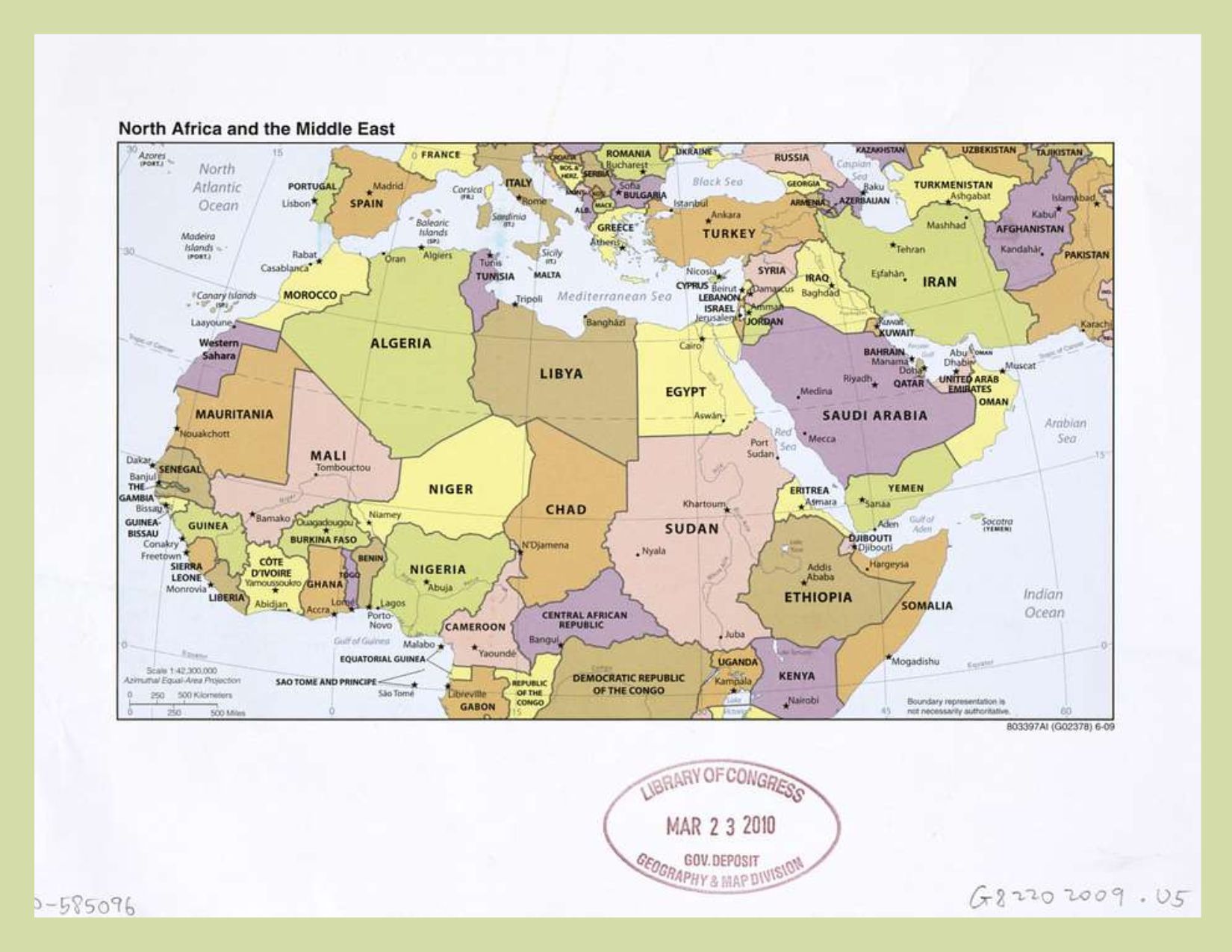
For several years James received mentoring and instruction, then joined the African Inland Mission. To his delight, the team included a pretty young doctor, Florence Newberry. In 1908 they established a mission station in West Central Africa and started ministering to the nearby tribes.

The station was located in what is now the Central African Republic, south of Chad.

James wanted to become better-acquainted with Florence, but patients kept her busy from morning till night. Suddenly genius struck. James could pretend he was sick!

During the appointment he suggested courtship. Florence preferred they remain friends, still devastated over a previous beau uninterested in foreign mission work.

Twice more over the next four years James would approach her about courtship; twice more she declined.

James and another missionary traveled inland to establish a new station.

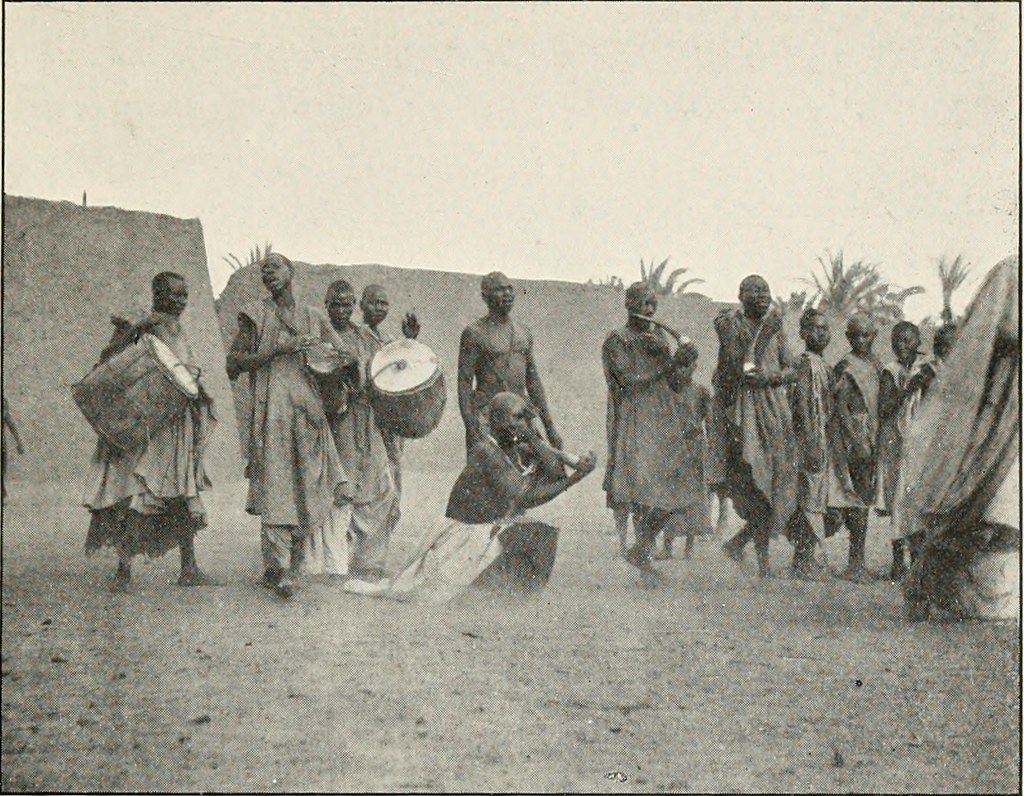
West African tribesmen, 1912

Soon his partner became ill and had to return to base camp, then James succumbed to black water fever. He expected to die.

Afterward James wrote about the vision God gave him on his sickbed—a panoramic view of the tribes of West Central Africa. God said, “Thou shalt be instrumental in carrying the gospel to these.” James knew then he’d survive.

During a prayer vigil in 1912, Florence’s thoughts turned to James. Her heart had warmed toward the trustworthy and kind missionary, so passionate about sharing Christ with the African people. Florence sensed the Spirit whispering to her, “Why not?”  

The two were married within a few months.

Sometime later Florence developed appendicitis and required hospitalization. For thirty days they traveled the three hundred miles to the nearest hospital.

As she slowly recovered, the doctor told James, “You must take her back to America. She cannot live in the tropics.”

Florence did return home and six months later James followed. They lived in Chicago for several years while Florence regained strength. Their only child Marguerite was born there in 1915.

Daily James would pray over a map of Africa. He found his attention drawn to a town named Bozoum, in Ubangi-Shari (now the Central African Republic). He wondered why.

Bozoum is located in the northwestern province of Ouham-Pende.

The couple shared their hope with area churches: to establish base camps across central Africa as a barrier against encroaching Islam. When they returned in 1918, two nurses and another family joined them.

The group desired to enter a French-controlled area, but it took eighteen months to receive permission. They named their base, Camp-Wait-Some-More.

Finally able to move on, they arrived in Carnot. While waiting there another eighteen months, they spent their time learning the language and praying.

A new official arrived, and James made an appointment with him.

He asked James, “Where do you intend to set up camp, now that you’ve received permission?”

Permission?! James was stunned. “Where would you recommend?”

Then came Surprise #2. “I think Bozoum would be a good place.”

Now James knew why God had inspired him to pray particularly for this town.

In 1921, Florence and James became ill again. She had to return to the States, taking their daughter with her. Eighteen months later Florence traveled back to Africa, but without Marguerite. Though an anguishing decision, the couple determined she should remain in America to attend school.

In 1923 a young recruit was due to arrive, but he died within miles of reaching their mission station, causing more heartache.

James wrote:

Not long after, James succumbed to black water fever again; this time the forty-year-old did not survive.

He’d previously written to Florence, “I shall be content with the lowest seat in heaven if only there I may sit and see the redeemed of the Lord come in from those fields where I have a been a pioneer missionary.”

Except James had not witnessed one person becoming a Christ-follower during his years in Africa.

Some might say those years of pain and hardship had accomplished nothing. And what about God’s promise: ““Thou shalt be instrumental in carrying the gospel to these?”

James had been instrumental, by bringing others to join in their work. Even his own daughter returned to Africa, ministering with her husband for thirty-one years.

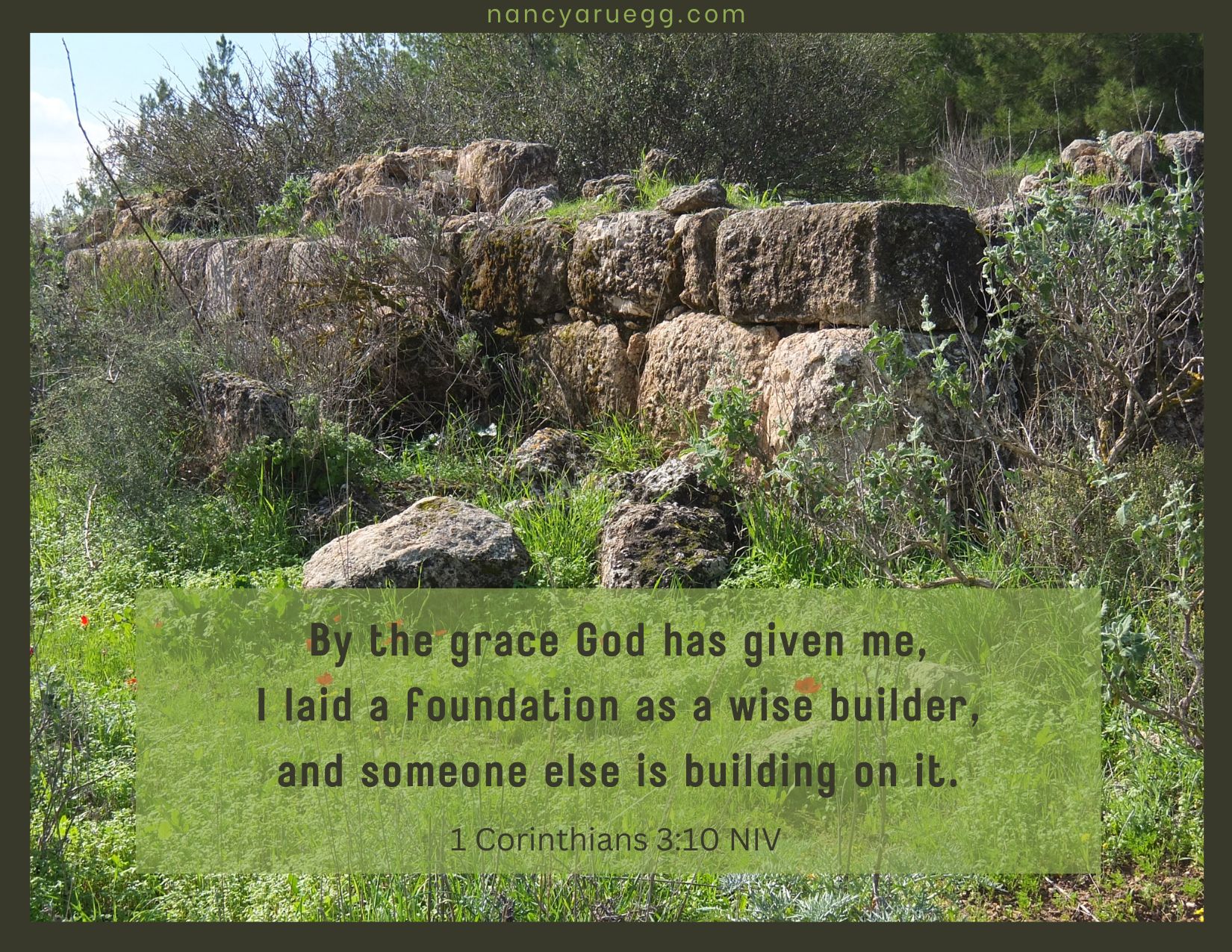
James had served as a foundation builder—constructing base camps, encouraging others, and giving himself to prayer. He followed in the footsteps of the Apostle Paul:

Today, 70% of the population of the Central African Republic are Christians.

In my mind’s eye I see James in heaven, greeting saint after saint from West Central Africa, just as he imagined. But instead of sitting, I think James is standing and celebrating with all his heart.

Sources:

Photo credits: http://www.flickr.com; http://www.rawpixel.com; http://www.picryl.com; http://www.flickr.com; http://www.commons.wikimedia.org; http://www.nara.getarchive.net; http://www.commons.wikimedia.org.

Processing…
Success! You're on the list.

Read Full Post »

No Christmas season would be complete without the reading of the second chapter of Luke—the account of Mary and Joseph traveling to Bethlehem, presiding over the birth of Jesus in a stable or cave, and receiving shepherd-guests.

Toward the end of the account, as those shepherds were spreading the word of Jesus’ birth, Luke wrote, “Mary treasured up all these things and pondered them in her heart” (v. 19).

Indeed. She had much to process:

  • Her baby was the Messiah, the Promised One, who would save his people from their sin. I wonder if she studied him, looking for signs that he was different from other infants.
  • This was the Prince of Peace cradled in her arms. Yet he had been born to a common village girl in very primitive conditions.  Did that seem strange to her?
  • The shepherds had learned of his birth when angels visited them, just as the angel, Gabriel, had visited Mary and then Joseph.  Gabriel had also visited Zechariah, the father of John the Baptist. Four angel visitations in a matter of months. Never had that happened before.

I find myself pondering, too—pondering Mary herself–this dear, young girl who carried a tremendous burden for a long time.

Dear means beloved and valued. Mary is certainly that for numerous reasons.

  • She embraced Gabriel’s announcement with great faith. “May it be to me as you have said,” (Luke 1:38). She put herself in the care of God in spite of incomprehensible circumstances.
  • Her prayer, the Magnificat (Luke 1:46-55), gives indication of a heart fully committed to God.
  • She endured much: shame for her pregnancy, a long, uncomfortable journey to Bethlehem, and crude circumstances for the birth of her Son.

Mary was young—perhaps between thirteen and fifteen years of age. That was the typical age for a girl to be married in Bible times.

Yet, young as Mary was, Gabriel praised her for being “endued with grace” (v. 28, AMP). In addition, Mary demonstrated stamina, maturity, and gentleness beyond her years.

No doubt God graced her with these traits. But I have to believe Mary also had freedom of choice, as we all do, to embrace God’s way for her.

What I ponder most, however, is the fact Mary carried a tremendous burden, given to her by an elderly man, Simeon, eight days after Jesus was born.

You undoubtedly remember the story. Joseph and Mary took Jesus to the temple at Jerusalem to be circumcised.

There they met the righteous and devout Simeon who had been waiting decades for the Messiah. The Holy Spirit had revealed to him he would not die until he had seen the Lord Christ.

Immediately upon seeing the Child, Simeon knew this was the One.

He praised God for keeping his promise, blessed Mary and Joseph, and then spoke particularly to Mary, saying Jesus would cause some to rise and some to fall, he would be spoken against, the thoughts of many hearts would be revealed, and a sword will pierce your own soul too (Luke 2:21-35).

Those last words must have caused Mary’s eyes to grow wide and her heart to skip a beat. Wasn’t the worst behind her? Surely Mary wanted to ask Simeon, “What do you mean?” Scripture gives us no indication that she did so.

For thirty-three years those last words of Simeon must have echoed in Mary’s mind again and again. How does a person live with such long-term foreboding? Perhaps her mind turned back to the night of Gabriel’s visitation.

Perhaps, for thirty-three years, Mary repeated what she had told the archangel: “I am the Lord’s servant. May it be to me as you have said” (1:38).

Mary may very well have developed the calm assurance that even when God’s ways are baffling, we can rest assured he is orchestrating events to accomplish far more than we could ever imagine (Ephesians 3:20). She’d been witness to such orchestration in Bethlehem.

Mary knew that even our personal hardships can fulfill purposes that extend far beyond ourselves.

That’s a lesson for all of us to embrace with calm assurance.

(Revised and reblogged from December 15, 2014, while we enjoy a blessed week with family!)

Photo credit: http://www.stocksnap.io.

Processing…
Success! You're on the list.

Read Full Post »

(An imaginary conversation between God and me.)

ME:

You know me, Lord. If I’m not careful my mind can slide into fear and worry, especially about the needs and struggles of loved ones. Or I can slip backward into hurts or regrets of the past. Release from such thoughts is not always easy.

But I’ve heard it said, “What is IM-possible is HIM-possible” (Unknown).

So when negativity seeks to pull me down, I want to be quick to remember who YOU are, your promises, and what you can do that make all things HIM-possible.

GOD:

Indeed, nothing is IM-possible with me (Luke 1:37).

Here are four important truths to keep in mind that make for HIM-possible-living:

I am greater than your fears.

Think on My sovereignty and might.

I am in control of all things. I have established My throne in heaven and My kingdom rules over all. Therefore, the one who fears Me need not fear anything else [1].

I am all-wise and all-powerful, always with you and ready to offer counsel.

I am your all-sufficient Father, able to provide everything and anything you’ll ever need.

ME:

I praise You, Lord, for equipping me to contend with whatever circumstances unfold. You are the Mighty Warrior who saves!

(Psalm 103:19; 1 John 4:18a; Romans 11:33; Psalm 15:3, 46:1; Ephesians 3:20; Zephaniah 3:17)

GOD:

I am greater than your troubles.

Remember My power and strength.

Out of My omnipotence, I promise to supply you with strength sufficient for the day. Each morning I provide a fresh supply of all my mercies.

No matter what the future may hold, you can keep on bearing all things through My Son, Jesus Christ, who constantly infuses you with His strength.

Every trouble produces benefit–strong, honorable character in you, and blessing for others as they see My peace and joy reflected in you.

ME:

I praise you, Lord, for being a present-and-active help in times of trouble.

(2 Chronicles 20:6; Psalm 18:32; Lamentations 3:22-23; Philippians 4:13;

Romans 8:28; James 1:2-4; Matthew 5:16; Psalm 46:1)

GOD:

I am greater than your hurts.

Remember my love and tenderness, my grace and kindness.

I provide a solid foundation on which to rest, even when wave after wave of challenge sweeps through your life [2].

I am your Great Physician. Cling to Me by immersing yourself in My Word and find the cure for your heartache.

I am patiently transfiguring all the notes of your life into the song of My Son, Jesus . . . All is grace, as your hurts and heartaches become tools in My hands, to transform you into the image of Christ [3].

ME:

I praise you, Lord, for your devoted, attentive care.

(Isaiah 66:13a; Psalm 86:15; Psalm 147:3; Psalm 119:49-50; 2 Corinthians 3:18)

GOD:

I am greater than your regrets.

Remember my compassion and forgiveness.

Dwell on regrets and you’ll stir up a whirlpool of excruciating details. It’s an easy place to drown [4].

Leave the irreparable past in My hands, and step into the irresistible future with Me [5]. You’ll find joy replacing remorse and peace replacing agitation.

When thoughts of your failures do push their way into your consciousness, allow my total forgiveness to relieve your pangs of guilt. Then offer Me praise for accepting you just as you are, thanking Me for growing you into more than you were yesterday [6].

ME:

I praise you, Lord, for your mercy to forgive and your grace that meets me where I am but does not leave me where it found me [7].

I praise you that victory over fears, troubles, hurts, and regrets is more than HIM-possible with you!

(Psalm 103:8, 13; Romans 8:37)


[1] The fear of God in the original language doesn’t mean to be afraid. It means sustaining a joyful, astonished, awe and wonder before Him—Timothy Keller.

[2] Jane Fryar, Be Blessed, 34-35.

[3] Ann Voskamp, One Thousand Gifts, 100; Kay Arthur, His Imprint, My Expression, 180.

[4] Based on a David Powlison quote, https://www.sgclouisville.org/blog/2024/01/16/sermon-quotes-what-do-we-do-with-regret.

[5] Oswald Chambers, My Utmost for His Highest, Dec. 31.

[6] Ruth Bell Graham, Blessings for a Mother’s Day, 101.

[7] Anne Lamott, GRACE Eventually.

Art & photo credits: http://www.canva.com; http://www.heartlight.org; http://www.pxhere.com; http://www.canva.com; http://www.heartlight.org; http://www.dailyverses.net; http://www.rawpixels.com.

Read Full Post »

For me, the best way to begin a day is to head outdoors with a journal, pen, and mug of coffee, to watch God make a morning—especially this time of year with its temperate breezes, lush foliage, and dazzling flowers—all enjoyed to the accompaniment of birdsong.

And while soaking in the glory of late springtime, I reaffirm: nature illuminates many glorious truths about our Heavenly Father.

The following impressions come from my journals, as I’ve tried to listen to God while observing various features in my little corner of creation:

LIGHT

Let the golden light of morning remind you of My presence surrounding you, the Light of My Word to counsel, the Light of My joy to give delight, and the Light of My hope to dispel discouragement (1).

SKY

See the cloudless sky soaring into infinity?  My love for you is as high as the heavens.  And just as the sky is always over you wherever you go, I am always, tenderly watching over you (2).

FOLIAGE

Look closely at the bushes and trees. Note how their thickly-leafed branches create a cathedral of calm amidst urban-frenzy. Within the cool environs, numerous birds and animals find peace and protection.

You can find absolute rest and refuge in Me. Not that trials do not come. But they “cannot penetrate the sanctuary of your soul” when you dwell in My shelter (3).

TREES

As the sun rises, your eyes are drawn to the back-lit leaves of the trees, transformed into glowing, emerald-like jewels. But the trees themselves live unaware of their luminous splendor.

I’ve created My children to also glow with the Light of My Son . Often they’re unaware of the Sonlight radiating through them, but know this: there are those who see and find themselves drawn to My Light as a result (4).

(Please forgive the mixed metaphor—this quote was too good to pass up!)

BIRDS

Let the variety of birds remind you that I value uniqueness. Celebrate who I’ve made you to be: the colors of your personality, the pattern of your life, the song of gifts and talents I’ve given you to share with the world, the habits of goodness I’ve formed in you to impact others.

Join the birds in singing My praise, and keep your heart filled with joy (5).

FLOWERS

Sunbeams now illuminate each flower, so they glow with vibrancy of color. Let the various hues, shapes, and scents remind you of My creativity and care producing beauty in your life—beauty of character.

Like the flowers that keep their faces toward the sun, you also keep yours toward the Son throughout the day (6).

SQUIRRELS

Here come the squirrels, jumping from limb to limb with confidence. You too can live in confidence, because I’ve equipped you to accomplish what I desire for you.

Even when the squirrels walk upside down on a branch, they do not fall. Similarly, I make firm your steps and keep you from falling.

When it’s time to rest, a squirrel can nap on the end of a branch and never concern himself that he might fall or the branch might break—an example of perfect trust. I am your unfailing security; you can trust Me implicitly (7).

Do you see? Right here in your backyard you can: find examples of My wonders, experience Me in the sanctuary of My creation, and behold My power and glory (8).

Let the tranquility and delight of these moments carry you through this day with peace and joy!

Notes

1.Psalm 119:105, 130; 16:11; 62:5-8

2. Psalm 103:11; 121:8; 1 John 4:18

3. Psalm 4:8; 5:11b; 91:1-4, quoted clause from Hannah Whitehall Smith

4. Psalm 34:5

5. Isaiah 43:7; Ephesians 2:10; Titus 2:11-14; Psalm 148:8-13

6. Isaiah 26:3; Hebrews 12:2a; Romans 8:5-6

7. Ephesians 4:12; Hebrews 13:20-21; Psalm 37:24; Jude 1:24

8. Psalm 31:21a; 104:24, 33-34; 63:2

Art & photo credits: http://www.pxhere.com; Nancy Ruegg (2); http://www.wikimedia.com (Toby Webster); http://www.pexels.com (Patricia Luquet); http://www.canva.com.

Read Full Post »

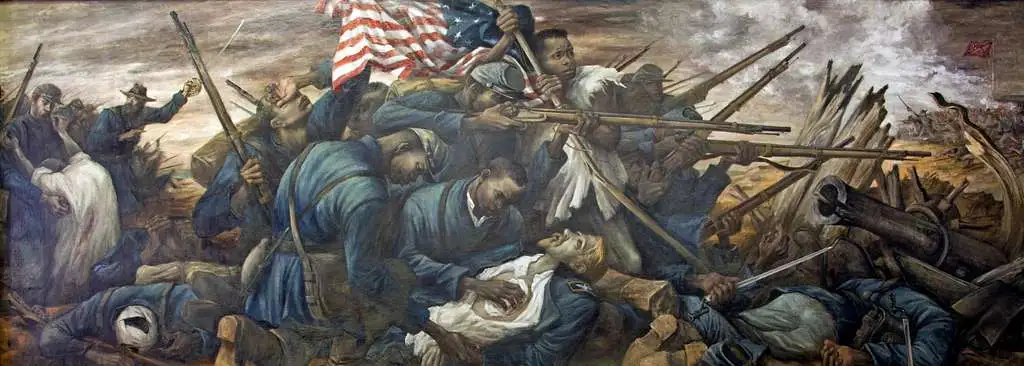
Gunfire blasts and booming cannons surrounded Union Army Private, William Carney. His regiment’s objective: to capture Fort Wagner near Charleston, South, Carolina.

The 54th Regiment of Massachusetts at the Civil War battle for Ft. Wagner, July 18, 1863.

Jerking movement nearby caught Carney’s eye. The color guard had been shot. As the dying man fell, the U.S. flag he carried began billowing toward the ground. Carney scrambled to rescue the flag from desecration and took a bullet himself.

Carney continued to crawl toward the fort, holding the flag high and calling encouragement for his fellow soldiers to follow. He was hit at least three more times, but made it to the walls of Fort Wagner, planting the flag into the sandy soil and holding it upright “until his near-lifeless body was rescued” [1] .

Even then Carney refused to let go of the flag until he was returned to his regiment’s camp. His heroism that day inspired a vital victory for the Union Army.

W. H. Carney with the flag he carried that day.

Years later Carney explained his motivation for joining the Union cause: “I had a strong inclination to prepare myself for the ministry; but when the country called for all persons, I could best serve my God by serving my country and my oppressed brothers. The sequel is short – I enlisted for the war” [2] .

Yes, Carney had been an oppressed brother himself, born into slavery in 1840. But during the 1850s he arrived in Massachusetts, either through the Underground Railroad, or perhaps his father—already a freed slave—was able to purchase his son.

Either way, Carney began to enjoy the freedoms that Blacks of the South were denied—freedoms like traveling, assembling, learning to read and write, and receiving pay for work. He passionately desired other slaves to experience the same.

That God-given passion for his fellow man surely inspired Carney that day at Fort Wagner, to give the fight his all no matter what duty fell to him. And for his tenacity and courage, William Carney received the Medal of Honor in 1900. He was the first Black soldier to do so.

Someone might ask, how was William Carney able to stay so strong?

Undoubtedly his firm stance was the result of:

  • Strong attention toward his God
  • Strong determination to live by God’s ways
  • Strong faith in God’s promises, confident that whether he lived or died, all would be well

We too can stand firm in what we face by applying the same.

Strong attention toward God includes not allowing our emotions to control us. For example, sorrow, fear, and exhaustion will insist we can’t go on, but God tells us he gives strength to the weary and increases power for the weak [3] .

Strong attention toward God includes being in relationship with him, through prayer, Bible reading, worship, and more. We can’t expect to sense his peace and strengthening presence if we never spend time with him.

Security is not the absence of danger

but the presence of God

no matter what the danger.

Unknown

Strong determination to follow God means choosing to live by his truth. Scripture is full of examples of men and women shaped by their faith and obedience in God, becoming as strong as steel: Huldah, Jeremiah, Daniel, Mary (Mother of Jesus), Peter, and Paul are among them.

We see such Bible heroes as extraordinary, but I’m sure they’d tell us they were just ordinary people who trusted in their extra-ordinary God.

Strong faith in God’s promises means we can hold on to hope with confidence and courage.

I wonder if scripture-promises echoed in William Carney’s mind as he held that flag high and emboldened his comrades–promises such as these?


  • “The Lord gives strength to his people; the Lord blesses his people with peace” (Psalm 29:11).
  • “With your help I can advance against a troop; with my God I can scale a wall. It is God who arms me with strength and makes my way perfect” (2 Samuel 22:30, 33).
  • “If I live, it will be for Christ, and if I die, I will gain even more.” (Philippians 1:21 CEV).

You and I may never fight in battle, but these same promises can echo in our minds as we confront such enemies of our souls as discouragement, anxiety, stress, guilt, and temptation.

Like William Carney WE can stand steadfast and strong [4] .

What helps you to stand strong? Please share your experience in the comment section!


[1]https://www.army.mil/article/181896/meet_sgt_william_carney_the_first_african_american_medal_of_honor_recipient

[2] https://www.nps.gov/articles/william-h-carney.htm

[3] Isaiah 40:29

[4] 1 Corinthians 15:58

Photo credits: http://www.picryl.com (2); http://www.nypl.getarchive.net; http://www.dir.es/album/hiking-in-wales-2019; http://www.wallpaperflare.com.

Read Full Post »

I know—that’s not a title you expect to see on a blog for Jesus-followers or those curious about him. But please, hear (read) me out!

You see, the word fast has a number of meanings. The definition of “wild, reckless, and self-indulgent” is only one of them. Fast can also denote:

  • fixed, secure, and immovable as in “The rope held the boat fast to the dock.”
  • firmly loyal, as in “They became fast friends.”
  • completely and deeply, as in “She fell fast asleep.”

These definitions can give new meaning to” life in the fast lane,” when considered in the context of faith in Jesus:

  • Our future destinies are fast; they are fixed and secure
  • He is our fast, firmly loyal Friend now and forever
  • His love for us is fast—it’s complete and runs deep[1]

The Bible also includes other references to fast[2], instructing us to hold on to certain entities as we walk this lane/path of life. For example, we’re told to:

  • Hold fast to instruction and never let it go (Proverbs 4:13 NAB).
  • Stand firm in the faith (1 Corinthians 16:13 NIV)
  • Stand fast in the Lord (Philippians 4:1 ERV); that is, keep our relationship with the Lord firm (same verse, GWT).
  • Hold fast to that which is good (1 Thessalonians 5:21 NIV)
  • Hold firmly to our confidence and the hope in which we glory (Hebrews 3:6, NIV).
  • Hold fast to Christ’s name (Revelation 2:13 MSB)

And what are the results when life is lived in this fast lane with God?

The Bible tells us:

In other words, when we seek to follow the above directives and live in God’s fast lane, we’ll enjoy some high living!

What does that include?

  • The wise instruction of God’s Word, providing guidance, peace, comfort, and encouragement (Psalm 119:24, 28, 103; 111, 165)
  • Strong faith, protecting us from fear and anxiety (Philippians 4:6-7)
  • An intimate relationship with God, enjoying his unfailing kindness (Jeremiah 31:3)
  • Good thoughts that result in a continual feast of delight; good actions that result in blessing and fulfillment (Proverbs 15:15b, Psalm 107:9, Acts 20:35)
  • Confidence in the promise of heaven that fosters spiritual strength (2 Corinthians 4:16-17)
  • Reliance upon all that Christ is (indicated by his many names), contributing to our well-being, and the added joy of reflecting his radiance to others (Colossians 3:17; 2 Corinthians 2:15a)

In a nutshell, the benefits of life in this fast lane include: guidance, peace, comfort, encouragement, serenity, joy, contentment, delight, blessing, fulfillment, spiritual strength, a sense of well-being, purpose, and more. Whew!

That sounds like high living to me—of the heavenly sort!

The question is, will we choose to live in this fast lane?

*     *     *     *     *     *     *     *     *     *

Lord God, thank you for making possible this thrilling journey—accompanied by you, led by you, loved by you, empowered by you, blessed by you.  Keep me in your fast lane where I can live life to the fullest as you intended. And may others choose to join us.


[1] 1 Peter 1:3-5; John 15:12-15; Ephesians 3:17-19

[2] Some translations use synonyms such as firm and firmly

Art & photo credits: http://www.publicdomainpictures.net; http://www.canva.com (3); http://www.rawpixel.com.

Read Full Post »

Whitney sought a foothold and pulled herself up, then changed her hand grips and found another foothold above the previous one. Slowly she inched her way up the 40-foot climbing wall. Though only her first attempt, the four-year-old showed no fear.

Dad recorded the feat, and the video is available on YouTube.

We marvel that such a young child could climb with such confidence. But Whitney knew she was tethered to a rope held secure by the belayer, who also gave wise advice as she climbed. And Dad offered encouragement the whole way up and down.

When she touched ground again, Whitney’s broad smile indicated her delight in conquering the wall.

And the preschooler’s experience proves:

Security, wisdom, and encouragement

contribute to confidence. 

What held true during that preschooler’s rock-climb holds true for us in life. We need a strong Belayer to keep us secure, wise instruction to help us succeed, and inspiring encouragement to help us persevere.

Security

First, our Belayer is God himself. He holds us fast and will never let us go.[1]

And just as Whitney’s security did not depend on her gripping the rope, our security of help, strength, and heaven-to-come doesn’t originate with our grip on God, but his forever grip on us.[2] What we cannot do for ourselves, he has accomplished.[3]

Just as Whitney put her trust in the belayer, we must actively trust God to be our lifeline.

Wisdom

A short distance up the wall, Whitney glanced toward the floor. The belayer wisely advised, “Don’t look down, Whitney! Keep looking up!”

She didn’t look down until the belayer gave her instructions for the descent.

God also offers wise advice through his Word. He wants us to know:

  • True wisdom comes from him.
  • It begins with reverence and humility before God, to be in awe of his holiness, his power over all things–including life and death.
  • He gladly provides this gift to all who ask.
  • Whoever heeds his wisdom will dwell secure.[4]

Encouragement

Last, we have a Father who encourages us, just as Whitney’s dad encouraged her. Again, what we need is found in scripture—passages such as these that inspire hope:

  • “I keep my eyes always on the LORD. With him at my right hand, I shall not be shaken” (Psalm 16:8).
  • “The Lord Almighty is with us; the God of Jacob is our fortress” (Psalm 46:11).
  • “I remain confident of this: I will see the goodness of the Lord in the land of the living. Wait for the Lord; be strong and take heart” (Psalm 27:13-14).

Of course there are hundreds more, assuring us that:

When I allow fearful thoughts to whirl in my mind, I’m really asking, Is God going to see me through this?

How much better to affirm that God will hold me fast until he’s ready to take me home to heaven. He will provide the wisdom and guidance I need for what lies ahead, just as he has in the past. And His Word will continue to offer encouragement, to inspire and strengthen.

Truth leads to confidence.

What contributes to your confidence when facing challenging situations? Please share in the comment section below!


[1] Psalm 37:23-24

[2] https://www.seeyouinheaven.life/secure-forever-in-christ/

[3] Romans 8:3-4

[4] Proverbs 2:7; 1:7, James 1:5; Proverbs 1:33

Photo credits: http://www.youtube.com; http://www.heartlight.org; http://www.flickr.com (Noah Berger); http://www.heartlight.org; http://www.canva.com; http://www.commons.wikimedia.org.

Read Full Post »

A nail is driven out by another nail;

habit is overcome by habit.

So said Desiderius Erasmus, Dutch philosopher and theologian of the 1500s.

Desiderius Erasmus

Research in recent times has proven his statement true.  One of the best ways to break a bad habit is to replace it with a good one.

That’s why President Reagan replaced his cigarettes with jelly beans, dieters replace chips with popcorn, and late-night TV addicts forego talk shows to read calming books.

Some of the most stubborn bad habits are those that occur in the mind. It’s no easy task to shut down anxious, negative, or covetous thoughts—even when we know they contribute nothing to our well-being.

But if we apply Desiderius’ advice, we can retrain our brains toward healthy, even delightful thinking. For example, we can:

Replace anxiety with trust.

Worry spirals us downward into fear; trust-statements provide the way out–trust-statements such as these:

  • I can trust the One who died for me. He will thwart every plan that should be stopped and complete each one that results in his greatest glory and my highest good.[1]
  • God is with me and for me. His strength enables me, and his light guides my way.
  • Time and again I’ve witnessed God’s provision and protection, his miracles and blessings. “All that I have seen has taught me to trust him for all that I have not seen.”[2]

As other trust statements come to our attention, we can record them in our journals or in Notes on our phones. Then we’ll be prepared when the slide into worry begins.

Replace negativity with positivity and praise.

Continual praise is what changes the emotions,

lifts the darkness, offers hope, frees the mood

and blesses God so that evil is driven out.

Praise changes everything.

–Arnold Prater[3]

Throughout the day take a praise-pause now and then. Praise God for his power to keep this world on its axis, tilted just right to support life. Praise him for the proofs of his creativity in nature, for his goodness and loving mercy that prompted him to make a way to heaven for us.

Of course, the demands of the day often distract us from such thoughts. But if we post reminders here and there—around the house, on the visor of the car, at our places of work—we can jump-start this habit.

Replace covetousness with gratitude.

Gratitude doesn’t change the scenery;

it merely washes clean the glass you look through

so you can clearly see the colors.

–Richelle E. Goodrich

Too often our attention gravitates toward wants instead of haves, fostering discontentment and envy–emotions we’d do well to eliminate.

One helpful strategy is keeping a gratitude journal. Even brief entries can be effective. I only record one or two things each day, but discovered there’s benefit in the process of reviewing the day to glean the highlights. An added delight: rereading old entries and feeling grateful all over again.

Of course, developing good habits is not as easy as driving out a nail. What about those days when we fail? That’s the time to remember: even in failure there is progress.

Failure points to the inadequacy of striving on our own, and turns us toward greater dependence on God.

We learn, on the one hand,

that we cannot trust ourselves

even in our best moments,

and, on the other,

that we need not despair even in our worst,

for our failures are forgiven.

–C. S. Lewis[4]

We can begin our habits of trust-statements, praise, and gratitude right there!


[1] Based on a quote from J.H.M., Streams in the Desert (Zondervan, 1997) 295.

[2] Ralph Waldo Emerson

[3] Bonding with God (Marno Books, 2000) 78.

[4] Mere Christianity (MacMillan, 1952) 78.

Photo credits: http://www.flickr.com (2); http://www.heartlight.org (2); Nancy Ruegg; http://www.wikipedia.org; http://www.heartlight.org.

Read Full Post »

« Newer Posts - Older Posts »

Still Traveling

Impressions Becoming Expressions

Living Our Days

Gaining a heart of wisdom

He Said What?!

I'm Patty, and my husband and I are living with our adult son who has autism and epilepsy. I love sharing lessons learned from life around me, especially life with Aaron.

Meditations of my Heart

Impressions Becoming Expressions

Linda Stoll

Impressions Becoming Expressions

Debby Thompson

Impressions Becoming Expressions

Signora Sheila

Notes on Life, Faith & Italy

Colleen Scheid

Writing, Acting, Living in God's Love

Mitch Teemley

The Power of Story

Heidi Viars

Finding the Image of God