Feeds:
Posts
Comments

Archive for the ‘God’ Category

Micki and I first met at church, and within moments it became clear: this woman would make a great friend. Not only did she exude warmth and smile easily, she asked questions.   Good questions.  And then she listened intently to my answers.

Fast forward a few years from that initial encounter. God did bring Micki and me together, and we’ve been friends ever since—over ten years now.

To know Micki is to experience loving acceptance from her heart, hear godly wisdom from her spirit, and receive splashes of joy from her effervescent personality.

You would not know that this well-balanced and vibrant person has suffered much pain and loss.

With Micki’s permission I am sharing with you her story:

At one time or another during her youth, Micki lived in the same house with an alcoholic, a drug abuser, and a person suffering from mental illness.

In addition, she is an incest survivor and rape survivor.

“When you are abused by a person who should represent safety and security, and no one comes to rescue you, your entire world shifts,” Micki explains. “All the foundational undergirding and security a healthy child experiences is taken away. The world becomes terribly unsafe, with no one to trust or run to. And even though it is the abuser who is wrong, it is the child who feels dirty and bad.”

Those dreadful circumstances, however, were not the only tragedies to enter Micki’s life. She endured the trauma of teenage pregnancy and a doomed marriage as well.

“My first husband was a good and honorable man, but he was so wounded by his own childhood, he could not express love. For five years I was married to a man to whom I would say, ‘I love you’, and from whom would come silence. A man I hugged who couldn’t hug back. A man who regularly moved away from my touch.

“He never abused me, never fought with me, always provided for me, but his rejection was like a cancer, slowly eating away at my self-esteem. At that time I didn’t know he’d been wounded. I only knew he couldn’t stand to touch me, and the conclusion I drew was he must have discovered the truth—that I was dirty, unlovable and ugly.”

Micki recognized the damage in her life from living with an alcoholic, so she began attending Al-Anon, the sister organization of Alcoholics Anonymous.

Through that program, Micki was drawn to people with this light inside them—people who seemed happy despite their desperate circumstances—people who appeared to have a handle on that “Higher Power” the Al-Anon leaders taught about.

Of course, those people who radiated that Light were Christians, and in due time one of them led her to Jesus. She didn’t know it, but that was Micki’s first step toward wholeness.

Not long after she became a Christian, someone asked her, “Do you know how special you are to God?” She remembers sobbing because, how could ANYONE, much less GOD, think she was special?

Micki was so blinded by her past she could not fully grasp God’s personal love. But gently and tenderly over a number of years, he led her toward emotional and spiritual healing, that moment in time when she could finally accept God’s warm and gracious love.

Micki participated in her healing through enthusiastic Bible study. Where once she found scripture rather meaningless, the new Micki reveled in the instruction, inspiration, and encouragement she found within its pages.

Prayer became a lifeline as she navigated the rough waters of challenging family relationships and a stressful job.

Later, ministries at church became a source of great fulfillment. God has put her on a healing team and the planning team for women’s retreats, given her Bible study groups to lead and young women to mentor, as well as put her at the podium occasionally to speak. She has impacted hundreds of lives throughout the three decades since she said “yes” to Jesus.

As he so often does, God took the great brokenness of Micki’s life and created beautiful wholeness.

Then God took her wholeness, broke it open and poured it out, to multiply the beauty in others.

It’s what our God loves to do.


Micki and me, April 2018


Read Full Post »


Expect to find trouble in this day.

At the same time, trust that [God’s] way is perfect,

even in the midst of such messy imperfection.

—Sarah Young (1)


Wait a minute. Trouble and perfection sound like opposites to me. Trouble is pain; perfection is bliss. How can those two concepts possibly coexist in our experience?

Sarah didn’t answer my question, so I headed to scripture to find out how God’s way could possibly be perfect for us in the midst of trouble.

My first stop occurred in Deuteronomy 32:4. “He is the Rock, his works are perfect, and all his ways are just. A faithful God who does no wrong, upright and just is he.”


And if I virtually click on a few words of that verse, the following truths reveal themselves:

  • God my Rock is utterly reliable and unshakably trustworthy
  • All of his works perfectly execute all of his plans
  • His ways reflect right judgments and highest wisdom
  • God is devoted to his children and faithful to his Word
  • All his actions are founded on absolute justice and supreme equity

But when trouble enters our lives, our Rock foundation can feel unreliable and untrustworthy. We might question the perfection of his plans, the wisdom of his ways, and the trustworthiness of his promises.


Then more than ever we must affirm: “Our inability to discern why bad things sometimes happen to us does not disprove God’s benevolence, it merely exposes our ignorance” (2).

Our finite minds cannot understand the all-wise, far-reaching, untraceable workings of a perfectly blameless and righteous God (3).


So the choice becomes ours. Will we: A) give in to worry, defeatism, and frustration, or B) seek to displace those emotions with scriptural truth and perhaps discover a better way to live?

I prefer Plan B!  I’m guessing you do too.  And a profitable place to begin is in the book of Psalms. We can collect numerous statements of God’s perfections at work on our behalf, even as we navigate through trouble.

For example, our Heavenly Father:


  • Watches over us (1:6). He knows what’s happening.
  • Gives us refuge (2:12)—not from trouble, but in the trouble.
  • Sustains us (3:5) with hope.
  • Hears us when we call to him (4:3), and is already working to bring beauty out of the ashes of adversity.


  • Fills our hearts with great joy (4:7)—despite the circumstances.
  • Encourages us (10:17) with his Word.
  • Turns our darkness into light (18:28), as he brings bright blessings out of dismal situations.
  • Arms us with strength (18:32) to endure.


  • Makes our ways perfect (18:32) as he gives us everything we need.
  • Guides us along right paths (23:3) toward maturity, serenity, and fulfillment.
  • Infuses us with peace (29:11) as we remember all things are possible with God.
  • Shows his wonderful love to us (31:21). And as we celebrate each day the manifestations of that love, our trust and contentment grow (4).


There you have it—a perfect dozen promises for troublesome times, gleaned from the first thirty-one chapters of just one biblical book. Many more are tucked within the pages of our Bibles, waiting to be discovered and embraced.

But worry, confusion, and discouragement don’t easily give up front-and-center attention in our minds. We must continually replace such thoughts with statements of faith, reminding ourselves: “The God who made us can equip us for the road ahead, even if it is an unpleasant road” (5).


After all, he’s in the driver’s seat, he has an impeccable driving record, and he deeply desires to accompany us toward our destination in heaven—to perfectly protect us, counsel us, and guide us safely all the way home–even through trouble.


P.S.  An update on my husband, Steve:  Many of you know he is fighting liver cancer right now.  Next week he will undergo another chemo treatment and radiation.  Our prayer is these procedures will eradicate the last tumor and no more will develop before he receives a transplant, perhaps early winter.  Thank you again for your love, support, encouragement, and prayer.  We are cocooned in God’s peace!


Notes:

(1) Jesus Calling, Thomas Nelson, 2004 p. 160.

(2) Ravi Zacharias and Norman Geisler, Who Made God? and Answers to Over 100 Other Tough Questions of Faith, Zondervan, 2003, p. 46.

(3) Romans 11:33-36.

(4) The following twelve scriptures provide further support: Psalm 139:1-6; 2 Thessalonians 3:16; Romans 15:13; Isaiah 61:3; Psalm 94:19; Psalm 119:50; Romans 8:28; Philippians 4:13; 2 Peter 1:3-4; James 1:2-4; Luke 1:37; Philippians 4:4, 12.

(5) Karol Ladd, Thrive, Don’t Simply Survive, Howard Books, 2009, p. 47.


Photo credits:  http://www.ymi.today; http://www.pexels.com; http://www.dailyverses.net’ http://www.canva.com; http://www.pixabay.com; http://www.flickr (Chris Bartnik); http://www.geograph.org.uk.


Read Full Post »

Late summer abounds with color. Produce bins overflow with jewel-toned peppers, butter yellow corn, curly green lettuce, and deep purple eggplant.


Flowerpots and planters proffer cascades of royal plum petunias, lemon drop begonias, hot coral geraniums, and more.


Even our clothing this time of year can dazzle the eyes with such hues as sunflower yellow, Caribbean blue, and Calypso orange.


We are surrounded by color in the physical realm.

In the spiritual realm, we are also surrounded—by the shades of God’s grace. Every moment, his love for us inclines him to bestow a plethora of benefits, even though we’re completely undeserving.

Those shades of grace include the following:


Red for Jesus’ Blood


In the alchemy of God’s grace, our sin-blackened hearts become as white as snow (1).

And from the day we each invite Jesus to perform that transformation, we become the sons and daughters of the Ruler of the universe, with all the privileges of his kingdom, including his comfort, security, and peace.


Orange for God’s Countless Blessings

Every day begins with the sun’s fiery appearance and ends with its glowing departure. All day long everything on earth benefits from its light.


Similarly, all day long we benefit from God’s countless blessings—especially if we’re attentive and grateful.


“Let the thankful heart sweep through the day and,

as the magnet finds the iron,

so it will find, in every hour,

some heavenly blessings.”

–Henry Ward Beecher


On Monday I worked in our foliage/flower beds and tried to be a magnet, finding heavenly blessings while on my hands and knees in the dirt.

I collected the following gifts:

  • cooler temps and less humidity
  • only a few weeds to dig up
  • a cute little worm doing aerobic wiggles
  • refreshing sips of ice water
  • the undulating, soft strum of cicadas (Is there a more quintessential sound of summer?)
  • a few birds in a serenading mood


Even working in the dirt offers transcendent moments of awe.


Gold for God’s Word


What other book offers such a treasure trove of instruction and inspiration, encouragement and comfort, strength and hope—as well as a place to become acquainted with God himself?


“The Holy Scriptures are our letters from home.”

–Saint Augustine


Green for Growth


 “God loves us just the way we are,

but he refuses to leave us that way.

He wants us to be just like Jesus.”

–Max Lucado (2)


Growth happens slowly, however. We sometimes wonder if progress is happening at all. Perhaps the four stages of spiritual growth described long ago by Bernard of Clairvaux (1090-1153) will provide a useful measuring tool:

  1. Loving ourselves for our own sakes
  2. Loving God for our own sake, for what God does for us
  3. Loving God for God’s sake, unselfishly, and
  4. Loving ourselves for God’s sake, in awareness of God’s great love for us

Phillip Yancey added a fifth state: Loving others for God’s sake (3).


Wherever we find ourselves on the continuum, our God who started this great work in us will “keep at it and bring it to a flourishing finish on the very day Christ Jesus appears” (4).

(And just in that one verse alone, we have an example of the inspiration, encouragement, comfort, and hope we find in scripture!)


Blue for God’s Character and Heaven


The color blue symbolizes loyalty, wisdom, intelligence, truth, and heaven (5).

Interesting that the first four qualities describe God. Out of his grace, he is: loyal to us, wise in his dealings with us, intelligent in his governance over the universe, and the source of absolute truth for us.

As for heaven:


“If heaven were a beautiful place only,

it would not be enough.

But heaven is also a blessed place—

a place that receives the fullness of God’s favor.”

Anne Graham Lotz (6)


Think about that: the fullness of all God is, all the glorious shades of God’s grace, exist in heaven and will one day surround us there—forever.


Notes:

(1) Psalm 51:7; Hebrews 10:22

(2) Just Like Jesus, Thomas Nelson, 2012.

(3) Reaching for the Invisible God, Zondervan, 2001.

(4) Philippians 1:6 MSG, emphasis added

(5) http://www.color-wheel-pro.com/color-meaninig.html

(6) The Vision of His Glory, Word Publishing, 1996.


(Photo credits:  http://www.wikimedia.com (2); http://www.wikipedia.org; http://www.canva.com; http://www.pixnio.com; http://www.flickr.com (Kenneth Konica); http://www.flickr.com (Jim Killock); http://www.wikimedia.com’ http://www.flickr.com (Jose Luis Pelaez);  http://www.pixabay.com.)


Read Full Post »

That’s what we can expect when we choose to live God’s way: supreme blessedness.  Jesus made that clear in his Sermon on the Mount (Matthew 5-7).  You’ll remember he began with eight statements of blessing called beatitudes.

One example:


In other words, profound joy comes to those who humbly depend on God, as they avail themselves of his heavenly kingdom-benefits.

Of course, there are many other attitudes and actions he rewards, in addition to those eight Jesus named.

Below are listed several means to blessedness that have come to my attention over the years. Perhaps you’ve experienced them too:


Blessed are the risk-takers, for they shall sail on winds of faith.


“A ship in port is safe, but that’s not what ships are built for” (Grace Murray Hopper).


Think of Abraham.


“By faith Abraham…obeyed and went,

even though he did not know where he was going.”

–Hebrews 11:8


We too have to be willing to travel blind toward undisclosed destinations. Otherwise we’ll never experience the thrill of God’s power taking us to ports we’ve never dreamed of.

The way ahead is always hidden, sometimes causing uncertainty.  But!  We know the One who’s leading. Uncertainty does not have to cancel out confidence.


Blessed are those who seek God’s desires, for they shall know delight and fulfillment.

Somehow we think the pursuit of our own desires will bring satisfaction.  But haven’t we seen enough of the rich and powerful crash and burn in despair?  “Everything [is] meaningless; a chasing after the wind” (Ecclesiastes 2:11).

How much better off we are to pray along with the psalmist:


It is in the practice of obedience we learn its precious worth.


Blessed are the encouragers for they shall be encouraged.

Such an interesting phenomenon: make the effort to lift someone else’s spirit, and you find your own spirit uplifted.  Actually, wise King Solomon recorded this be-attitude long ago:


Guaranteed double pleasure.  How’s that for supreme blessing?


Blessed are the sifters of thoughts, for they enjoy golden contemplations.

If we’re not careful, our minds can easily gravitate toward dross thoughts–the negative, unwholesome, and ugly.  It takes effort to seek out the gold: the honorable, lovely, and commendable. But true contentment awaits those who do.


Blessed are the focused for they shall not spread themselves too thin.

Our bodies were made for a rhythm of rest—7 to 8 hours out of every 24. Short-changing sleep actually lowers our productivity and endangers our health (1).

That’s why:


We just can’t do it all, much as we’d like to. Priorities and parameters must be set. That means, saying no to some good things may be the best choice.  We must give others permission to do the same also.


Blessed are those who pay attention to the ordinary, for they discover the extraordinary.

For example:

  • Icicle sentries in winter, clinging to the seat of a deck chair


  • Wildflowers in springtime, cupping tiny pink and yellow stars


  • Sunbeams on a summer morning, filtering into the glen


  • God’s artistry (and penchant for color!) splashed on autumn leaves


Each eye-catching display is a precious love-gift from our Heavenly Father. And around us are countless more, waiting to be discovered, savored, and praised.


“Great is the Lord and most worthy of praise;

his greatness no one can fathom.”

–Psalm 145:3


And there you have six more beatitudes–examples of God’s supreme blessedness lavished upon us–when we choose to live by his wise and loving ways.


What be-attitude would you add?  Share your thoughts in the comment section below!


Note:

1) https://www.webmd.com/sleep-disorders/features/tired-at-work#1 and https://www.webmd.com/sleep-disorders/news/20170209/skimp-on-sleep-and-you-just-may-wind-up-sick#1


(Art & photo credits:  http://www.canva.com; http://www.wikimedia.org; http://www.canva.com; http://www.flickr.com; http://www.canva.com; http://www.libreshot.com; Nancy Ruegg (3); http://www.pixabay.com; http://www.canva.com.)


Read Full Post »

We’re all familiar with the extraordinary accomplishments of:


  • Beethoven—composing masterful concertos, symphonies and more while deaf
  • Michelangelo—creating over-sized artworks with awe-inspiring realism
  • Shakespeare—writing dozens of plays and hundreds of sonnets with words that flowed “like a miraculous Celestial Light-ship, woven all of sheet-lightning and sunbeams” (Thomas Carlisle)

Geniuses indeed. But even more important than brilliance was their willingness to exert great effort.


Beethoven rewrote nearly every bar of his compositions at least a dozen times.

Michelangelo produced more than 2,000 preparatory sketches for “Last Judgment” alone, a painting considered by many as one of the best artworks of all time. It took eight years to complete.

Even Shakespeare must have revised again and again before his words approached the sublime eloquence he is known for.


The more we know of such masters, the more we realize: their works required enduring patience, tenacious persistence, and sharp focus.

It just so happens that God values those three attributes also. And since he’s working in us to foster all positive traits, we each have the potential to create masterpieces.

Of course, works of genius include much more than symphonies, paintings, and plays.  Are you part of a ministry, community project, or volunteer organization? Are you a parent, grandparent, mentor, or friend? These are just a few ways you and I contribute to the most valuable masterpieces of all—the people around us.


But there is effort involved. God chooses not to do it alone; he invites us to join with him in the work.  So what might be our part in developing those important qualities of patience, persistence, and focus, necessary for developing our genius?

The following steps may provide a good start.


Step #1: Practice waiting.


It is a fact: most worthwhile endeavors take time. Usually lots of it.

In addition, patience requires stamina to endure delay.

Consider Dr. Albert Sabin, who researched polio and developed the oral vaccine.  His mission required thirty-one years of painstaking effort.


Step #2: Expect to be stretched by struggle.

Oswald Chambers, in My Utmost for His Highest, likens the believer in the hands of God to the bow in the hands of an archer. God stretches us beyond what we think we can bear. And when his purpose is in sight, then he lets fly.

Consider Dr. Jason Fader, son of medical missionaries who now serves as a medical missionary himself in Berundi, Africa–after grueling medical training, intense language school, and challenging fund-raising.  But in 2017 he was chosen as the first recipient of the Gerson L’Chaim Prize for Outstanding Christian Medical Missionary Service ( Jason’s story).


Step #3: Persist—with the application of faith, prayer, and hope.

We must be willing to tolerate discomfort, perhaps for an extended period of time.

However, the genius-in-the-making under God’s tutelage does not plod along as he perseveres; he plots. He sets his coordinates for the course ahead by faith, prayer, and hopetrusting in God’s promises, asking for God’s guidance, and embracing the possibilities of tomorrow as well as the challenges of today—because in all of it there is good.

Consider George Muller of Bristol, England, whose five orphanages housed over 2,000 children at any one time.  Muller not only wanted to care for these children but demonstrate that God would meet “all their needs as a result of prayer and faith, without any one being asked or approached” (www.mullers.org).  His story includes miracle after miracle.


Step #4: Remain focused on the task at hand.

A genius does not allow distraction or discouragement to sidetrack him. He takes delight in the present moment while: composing one bar of sublime, symphonic fusion, getting the light just right in one small area of the canvas, or choosing specific, rhythmic words for one line of imagery.

But even more important for the believer, she is inspired and directed by God himself. His plan may include an exceptional piece of music, art, or writing. Or, perhaps even more importantly, it may include exceptional input into the lives of others–through kindness, encouragement, and integrity.


It is God who is the Supreme Genius, masterfully weaving a tapestry of circumstances and relationships among his people. The full beauty of this masterpiece will not be revealed until we all arrive in heaven.

Then we’ll see the results of the God-given genius in each of us, our patience, perseverance, and focus, woven into God’s perfect design.

And what a celebration will ensue.


(Art & photo credits:  http://www.wikimedia.com; http://www.wikipedia.com (2); http://www.ramstein.af.mil; http://www.flickr.com; http://www.vi.wikipedia.com; http://www.georgemuller.org; http://www.flickr.com.)


Read Full Post »


Recently I read about a woman named Rachel, persevering through very difficult circumstances. She knew that praising God was a smart strategy to implement.  Praise invites his presence, and it is in God’s presence we can experience absolute joy (Psalm 16:11)—even in the midst of trouble.

But putting praise into practice proved challenging. Her situation wanted front and center attention; her mind kept returning to the worry and what-ifs.

Rachel decided to make her morning swim a time of praise. For each letter of the alphabet, she tried to name a descriptor of God’s goodness while she lapped the pool.

Her tactic worked. Focusing on praise first thing in the morning helped to establish a positive frame of mind, easing stress and worry for the rest of the day (1).


The author did not include Rachel’s list. I had to wonder: Could I name twenty-six facets of God’s goodness, each beginning with a different letter and affirmed by scripture?

The effort turned out to be a delightful, uplifting exercise.  Below is my alphabet of praise.

Our God is:

A – Attentive to every need of every person in his realm (Matthew 6:25-33)

B – Benevolent beyond our dreams (Ephesians 3:20-21)

C – Compassionate toward those who are hurting (Psalm 86:15)

D – Dependable to support, sustain, and keep us secure (Psalm 55:22)


E – Eager for all to know and understand truth, to receive his gift of eternal life (1 Timothy 2:3-4)

F – Faithful through all generations, as enduring as the earth he created (Psalm 119:90)

G – Gentle in his guidance and care for his children (Isaiah 40:11)

H – Honoring us (!) with all needful favor in this life and admittance to glory in the world to come (Psalm 84:11 and Barnes Commentary)

I – Impartial to all who come to him, no matter our circumstance or appearance (Romans 2:11; Psalm 145:8-9)


J – Just in all his ways, choosing what is exactly right (Isaiah 5:16)

K – Kind, considerate, and helpful as he continually demonstrates his caring nature (Jeremiah 9:24)

L – Loving to the extreme; sending his Son to the cross as the supreme sacrifice for our sins (1 John 4:10)

M – Merciful beyond belief, exchanging our shame for his glory when we turn to him (Ephesians 2:4-7)

N – Never-failing to accomplish his purposes (Isaiah 46:10)


O – Omnipotent over every event, every circumstance (Psalm 103:19)

P – Patient to refine us, day by day, into the best version of ourselves (Philippians 1:6)

Q – Qualified to rectify or redeem any situation (Matthew 19:26)

R – Righteous and perfect in all his ways (Psalm 145:17)


S – Sheltering us under his powerful, protective wings (Psalm 57:1)

T – Tender yet practical in his continual thoughts of each of us (Psalm 139:17-18, 32:8)

U – Understanding of our foibles and weaknesses (Psalm 103:14)

V – Victorious over all sorrow, crying, pain—even death—when Jesus returns (Revelation 21:4)


W – Wise beyond human understanding (Romans 11:33-36)

X – X-pert at all he does (Deuteronomy 32:4)

Y – Yearning for all his children to come home to him (2 Peter 3:9)

Z – Zealous to fill us with hope, joy, and peace (Romans 15:13)


And this is just a sampling of who our God is!

Think of it: ALL that we need is found in ALL that he is.


“With the goodness of God

to desire our highest welfare,

the wisdom of God to plan it,

and the power of God to achieve it,

what do we lack?”

—A. W. Tozer


*     *     *     *     *     *     *     *     *     *

Help me, O God, to soar on wings of praise, even in the storms of life. May I keep my eyes on you, my sovereign and powerful Heavenly Father, in whom I can wholly trust. Hallelujah!


(1) ______, God’s Little Lessons on Life, Honor Books, 2001.


What facets of God’s goodness would you add to the list?  Share your thoughts in the comment section below!


(Art & photo credits:  http://www.peterson.af.mil; http://www.maxpixel.net; http://www.dailyverses.net; http://www.canva.com (2); http://www.dailyverses.net; http://www.publicdomainpictures.net; http://www.dailyverses.net.)


Read Full Post »

(A new parable)


In the high-ceilinged reception hall of the palatial residence of Elohim (1) stands an uncertain woman, Encie (2). Her new friend Jesus has just ushered her in, but what might happen next, Encie has no idea.

A tall, winged being of shimmering light glides into the hall through a massive door on the left. “Welcome, Encie! Welcome to your first day in the eternal kingdom of God! I am Avodah (3), honored assistant to Elohim. It is my great pleasure to introduce you to kingdom living.  But first, please direct your attention upward.”

With a graceful sweep of his arm, the angel (for what else could he be?) draws attention to a great choir of angels hovering high above.  They begin to sing a joyful, undulant melody accompanied by fast-rolling harmonies. Such a beautiful weaving of sound Encie has never heard, but all too soon the music crescendos in a heart-stopping finish.


And then silence.

The angel whispers, “That was for you, Encie.”

She turns, wide-eyed, to stare at Avodah.  “Me?  I don’t understand.”

“We can’t help getting excited every time another person invites Jesus into his or her life!” he explains.  “And now, Encie, we have gifts for you!”

He grandly gestures once more, this time toward a long line of angels entering the hall from a door on the left. Each bears a different gift.

The first angel approaches with a thick packet balanced on both hands.

“These are your adoption papers, Encie. They indicate you are now a full heir to your Heavenly Father’s estate, which is the whole universe. As an adoptee, you’ll enjoy other privileges also. For example, your Friend and Brother, Jesus, will be with you wherever you go, to provide strength and comfort.”


With trembling hands, Encie takes the adoption papers from the angel, barely able to whisper “thank you.” Can it be?  She is now a child of the King of all!

Angel #1 quietly slips away toward another doorway to the right and a second angel moves forward with a thick book.

“Ah!” says Avodah. “This gift will become more precious to you than thousands of pieces of silver and gold. It is Elohim’s Supreme Instruction Manual, filled with wisdom, guidance, and encouragement.”


Angel #2 places the manual on top of the adoption papers in Encie’s arms and exits in the same manner as Angel #1.

Angel #3 approaches carrying an identification badge on a lavaliere.

“Allow me!” cries Avodah. Taking the badge, he drapes it over Encie’s head and positions it gently around her neck. “You now have direct access into the throne room of Elohim Himself. You may ask Him anything; you may tell Him anything.”


“Oh, I couldn’t do that.” Encie blurts. “Nothing I have to say could possibly be important enough for Him.”

Avodah lays a lightbeam finger on God’s Word in her arms. “You’ll read here that He actually wants you to bring everything to Him. You can drop off all your worries and concerns in His throne room. In their place He’ll offer you another precious gift: His peace of mind that no human can explain. You will never again have to experience stress or sleepless nights—unless you choose to.”

Avodah pauses for a moment, allowing Encie to absorb the glorious possibility of exchanging life’s pressures for Elohim’s perfect peace.


And then Angel #4 glides forward. In his cupped hands he holds what appears to be a sparkler, but there is no stem. The ball of shooting sparks hovers over his hands, apparently causing no harm or hurt.

“Oh, Encie.” says Avodah, with reverence in his voice. “This is the gift of the Holy Spirit. It is because He’s already been working in your life that you are even here today. But now He will bring wisdom, understanding, and strong counsel to your mind. He will enable you to serve Elohim in far greater ways than you ever could on your own. And that’s just the beginning! You’ll learn more about the Spirit in God’s Word there.” And Avodah lightly taps Encie’s new instruction manual.


Suddenly the sparkler-orb arises out of the angel’s hands and moves toward Encie. She experiences no fear, and there is no pain as the light passes through her being into her soul. Upon entrance, a warm, euphoric joy spreads through Encie until she is filled with the presence of Spirit Light.

Yet there is more.

Avodah asks, “Encie, do you see all these other angels waiting in line? They, too, carry gifts for you including:


  • A padlock for your heart, because God’s love is locked into you in unending commitment
  • A can of sunshine yellow joy-paint, to splash on all life’s circumstances
  • A spool of never-ending blessings
  • An anchor of hope to hold you firm and secure
  • A level for smoothing the paths of life
  • And a packet of fruit seeds the Holy Spirit will help you grow into mature, delicious character traits over time


“Oh—and don’t worry. We’ll make sure all of these gifts make it home with you.”

“I-I don’t know what to say, “ Encie stammers and lowers her head. “The words ‘thank you’ seem…worthless.”

Avodah lifts her chin with his glowing hand and speaks with tenderness in his voice.

“The best way to show your gratitude, Encie, would be to demonstrate heartfelt reverence for all Elohim has done for you. Take Him at his Word, follow His all-wise ways, and trust Him. He loves you so very much, Encie.”


Encie nods.

“Why don’t you go into the throne room right now?” asks Avodah, indicating a golden door in the center of the back wall. Tell Elohim your thoughts. Remember, He’s not listening for impressive words; it’ll be your heart He hears.”


*     *     *     *     *     *     *     *     *     *


Thank you, Lord Almighty! Everything within me cries, “Thank you!” I try to sing my gratitude; I kneel in worship in an effort to express my gratitude. Thank you for Your love and faithfulness expressed in countless ways. You are the One and only, great and glorious Elohim, my Heavenly Father! 

(Psalm 138:1-5)


Notes:

(1) Elohim: infinite, all-powerful God

(2) Encie: New Christian (N.C.)

(3) Avodah: a Hebrew word meaning work, worship, and service


Scriptural basis for elements of this parable: Luke 15:10, Romans 8:14-17, 29; Matthew 28:20; Philippians 4:13; Matthew 11:28; Psalm 119:72; Romans 5:1-2; Philippians 4:6-7; Acts 2:38; Ephesians 3:16, 20; Acts 2:3-4; 1 Corinthians 3:16; Romans 8:38-39; Philippians 4:4-8, 11-13; Psalm 40:5; Hebrews 6:19; Proverbs 4:26; Galatians 5:22-23; 1 Peter 3:12; Psalm 147:11; Hebrews 11:6; Titus 2:11-14.


Art & photo credits:  http://www.dailyverses.net; http://www.flickr.com; http://www.pxhere.com; http://www.canva.com; http://www.flickr.com (2); http://www.pxhere.com; http://www.flickr.com by Tyler Neyens; http://www.canva.com.


Read Full Post »

(A personal psalm)


When thoughts are allowed free rein…


…I worry about the future, forgetting who’s in charge–You!–The all-powerful, all-wise God of the universe, Master Controller of all things (1 Chronicles 29:11-12). The truth is, if I’m worrying, I’m not trusting.


…I become overwhelmed by the tasks ahead, overlooking your reliability in all situations (Philippians 4:13). Key word: in. You provide strength in the midst of the journey, not before it has begun.


…I question the reason for difficult circumstances, failing to remember all the benefits you bring out of trials, including maturity, strong faith, and deficiency in nothing (James 1:2-4).


…I feel inadequate to handle new responsibilities, forgetting you will not leave me to muddle through on my own. I can confidently depend on your help and put my hope in your promises (Psalm 46:1; Numbers 23:19).


…I allow disbelief to fester in my mind, neglecting to “dismantle doubts with declarations” (1)—declarations of stabilizing truth from your Word (Psalm 119:93, 160).


…I become discouraged in prayer, not considering that You grant what we would have asked for, if we knew everything you know (2) (Isaiah 55:9).


…I feel like a failure, losing sight of how you can turn weakness into strength and redeem any situation (1 Corinthians 1:26-31). How miraculous that even “worthless dross [you] transform into pure gold”(3).


…I make poor choices, ignoring the wisdom of your ways and what it cost you to pay for my sin (Psalm 119:137-138; Galatians 2:20).


…I experience despair, giving no thought to your over-all objective:  to accomplish what is good and right–always. That good purpose may not be fulfilled today or to my preference, but it is certain nonetheless (Psalm 42:5 and 145:17; Jeremiah 29:11).


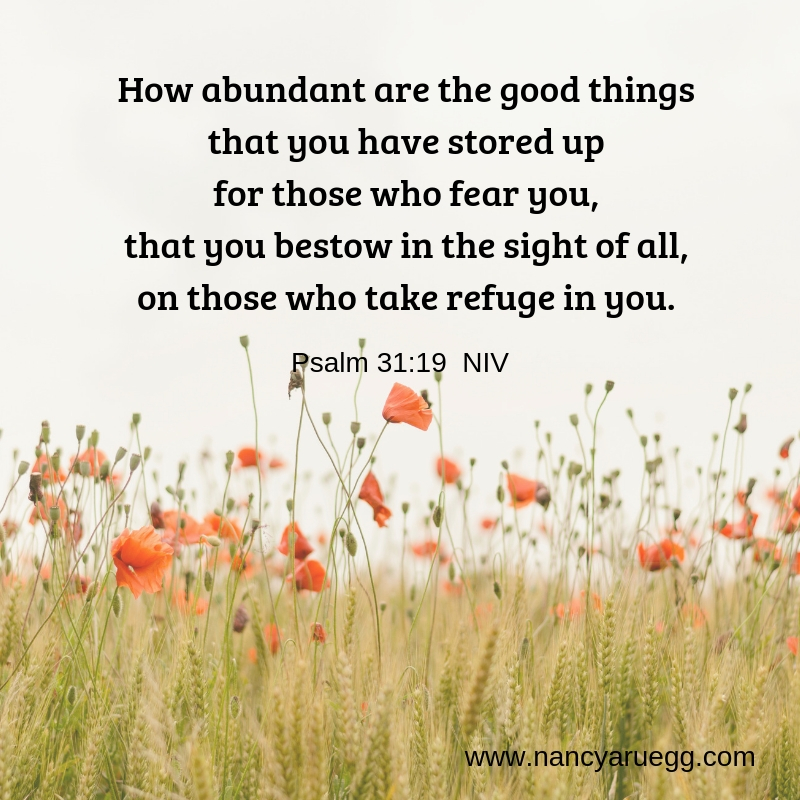
…I am discontented,  forgetting to clarify my perspective with praise–for who you are and what you’ve already done (Psalm 31:19; Psalm 145).


…I become jealous of others, neglecting to celebrate your uniquely designed plans and specially chosen blessings for me (Ephesians 2:10).


…I feel weak, overlooking “the inner dynamic of grateful joy that empowers the greatest efforts” (4) (Colossians 3:15-17; Nehemiah 8:10).


For every troublesome emotion, every problem, every insufficiency that plays in my mind:  you, O God, are El Shaddai–the All-Sufficient One.


You are the answer for everything I face.


I will praise you, O Lord, with all my heart;

I will tell of all your wonders. 

I will be glad and rejoice in you;

I will sing praise to your name, O Most High. 

–Psalm 9:1-2  NIV


Notes:

(1)  Jody Collins, author of Living the Season Well and blogger at https://jodyleecollins.com/blog/

(2)  Timothy Keller with Kathy Keller, The Songs of Jesus, Viking Press, 2015, p. 52.

(3)  Charles Spurgeon, Morning by Morning, December 8.

(4)  Timothy Keller with Kathy Keller, The Songs of Jesus, Viking Press, 2015, p. 31.


Art & photo credits:  http://www.flickr.com, by Giogio Montersino; http://www.pixabay.com; http://www.heartlight.org (2); http://www.canva.com; http://www.dailyverses.net; http://www.canva.com (2).


Read Full Post »
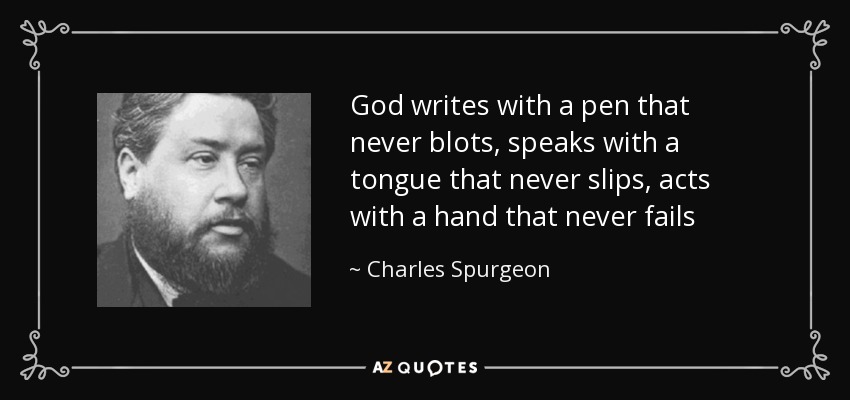
(Cincinnati Music Hall)


Recently my daughter-in-love and granddaughter invited me to accompany them to “Sing Hallelujah, Cincinnati!”–an event at our city music hall.

Vocal groups and instrumentalists from the metropolitan area participated, presenting music around the theme, “Hallelujah.” The experience turned out to be much more than I expected.

First, a brass band came marching in from the back, playing a jazz rendition of Handel’s “Hallelujah Chorus”–New Orleans style. By the time they exited out a side door at the front, we weren’t just applauding, we were smiling.

The genial atmosphere created by Cincy Brass was further enhanced by the relaxed and friendly master of ceremonies, Mr. Dilworth. In his opening remarks, he explained the meaning of hallelujah: to express joy and to praise God. And that’s exactly what we did for the next hour or so.


First, Mr. Dilworth taught the audience a hallelujah song, one segment at a time. Then he challenged us with a descant part. The final effort combining tune and harmony turned out quite pleasing. We applauded again, for Mr. Dilworth’s talented direction and our surprisingly good performance. Now we were smiling even more broadly.

Perhaps Mr. Dilworth knows the research: “Singing corporately produces a chemical change in our bodies that contributes to a sense of bonding” (1).

For the rest of the evening, one choir and ensemble after another wowed us with a broad range of music, including classical, traditional, ethnic (Ukrainian and African), gospel, spiritual, bluegrass, and jazz.


What made the occasion distinctive, however, was the racial mix among performers and audience members. And as the evening unfolded, the music became a catalyst for unity among us—in spite of various ethnic groups and a wide variety of musical genre.

Even though all of the pieces sung and played could not possibly be everyone’s favored styles, the entire audience clapped (Some even gave a shout now and then!) in enthusiastic appreciation for all participants.

We were bonded together in a unity of gratitude.

Also among us flourished the unity of contentment. For one hour we sat companionably immersed in the mutual pleasure of music.  Any rough edges of tension that might cause strain in other circumstances were smoothed over on this occasion–by the hallelujahs of praise.

Finally, there was the unity of joy—evident in the continuous smiles and occasional laughter.

And where there is joy there is the presence of God (Psalm 16:11).


It’s probable not all participants and attendees were Christians. Most of the groups who performed would be categorized as secular.

But for this one evening, whether folks knew it or not, we drew close to God through grateful, contented, and joyful praise.   And as a glorious byproduct, found ourselves drawn closer to one another.


Note:

(1) Bob Kauflin (member of GLAD vocal band for thirty years), https://www.desiringgod.org/messages/words-of-wonder-what-happens-when-we-sing


Art & photo credits:  http://www.wikimedia.com; http://www.canva.com; http://www.jba.af.mil (Jordyn Fetter); http://www.quotefancy.com; http://www.dailyverses.net; http://www.pixabay.com.


Read Full Post »
It’s been said, St. Francis of Assisi contemplated the love of Christ until he caught the glow of His Spirit, which he went about radiating (1).

The operative word for me is contemplated, which means to look at pensively, to ponder or consider thoughtfully, to meditate on.

In St. Francis’ case, he chose to thoughtfully consider a simple subject: the love of Christ.

And the result was quite astounding. Francis glowed with the Spirit—so profoundly that others took note of his radiance.

By contrast, it stands to reason that worry and unrest are the direct result of misdirected or insufficient contemplation. In addition, no one can glow with the Spirit if thoughts of discontentment predominate.

For some, the love of Christ might seem too simple a subject and difficult to contemplate for very long. But if we challenge ourselves to scan the New Testament, we’ll discover many worthy thoughts to ponder about Jesus’ love.  Thoughts such as these:

First, his love for humanity compelled him to leave the perfection of heaven for a life of poverty on earth. Ultimately, he laid down his life so that we might become children of God and heirs of his immeasurable, heavenly riches (2).

While here on earth, Jesus made it clear he loves everyone, including:

  • Those whom others ignore, like blind beggars and penniless widows (3)
  • Those considered unimportant, like children (4)
  • Those whose sin tends to be concealed beneath the surface, like the rich young ruler (5)
  • Those no one else will go near, like lepers with ulcerated and decaying flesh (6)
  • Those who make mistakes, misunderstand truth, and bicker among themselves—like Jesus’ disciples (7)
  • Those who commit crimes, like the thief crucified with Jesus (8)
  • Even those who would try to kill him (9)

His love compels him to:

  • Seek after those who stray, never giving up until each one is safely home  (10)
  • Knock gently but persistently at the doors of our hearts, because he dearly wants us to enjoy fellowship with him (11)
  • Offer God-enhanced, blessing-abundant living now, with eternity in heaven to come (12)

Because he love us, Jesus wants to:

  • Draw us into his protective care, like a hen gathers her chicks (13)
  • Enjoy our company forever (14)
  • Reveal himself to us (15)—not in physical form (just yet!), but in the evidence of his loving kindness, righteousness, power and glory
  • Protect us from fear by teaching us how to let peace stand guard over our hearts (16)
  • Fill us with all the fullness of God–his perfect attributes, generous blessings, and hope-saturated promises (17)

Nothing we say, nothing we do, nothing that happens to us can separate us from the love of Christ (18).

And “we are never nearer Christ than when we find ourselves lost in a holy amazement of his unspeakable love” (19).

No wonder St. Francis glowed.

*     *     *    *     *     *     *     *     *   *

We do stand in awe, Lord Jesus, of the sweeping landscape of your love as revealed in scripture. And just as St. Francis of Assisi practiced careful contemplation centuries ago, may we continually ponder the expanse of your love—its breadth, length, height and depth.

Notes:

  1. Ralph W. Sockman, The Higher Happiness
  2. 2 Corinthians 8:9; John 15:13; 1 John 3:1; Ephesians 2:7
  3. Mark 10:46-52; Matthew 8:16
  4. Mark 10:13-16
  5. Mark 10:21
  6. Matthew 8:3
  7. Acts 1:6; Mark 8:14-21; Luke 9:46
  8. Luke 23:39-43
  9. Luke 23:34
  10. Matthew 18:11-13
  11. Revelation 3:20
  12. John 10:10; 3:16
  13. Matthew 23:37
  14. John 14:3
  15. John 14:21
  16. 1 John 4:18; Philippians 4:6-7
  17. Ephesians 3:19
  18. Romans 8:35-38
  19. John Owen (1616-1683), English theologian

(Art & photo credits:  http://www.wikipedia.org; http://www.heartlight.org; http://www.pexels.net; http://www.pixabay.com; http://www.canva.com (2).

What contemplation of Jesus’ love makes your heart glow?  Share your thoughts in the Comment section below!

Read Full Post »

« Newer Posts - Older Posts »

When the House is Quiet

Impressions Becoming Expressions

Mitch Teemley

The Power of Story

Still Traveling

Impressions Becoming Expressions

Living Our Days

Gaining a heart of wisdom

He Said What?!

I'm Patty, and my husband and I are living with our adult son who has autism and epilepsy. I love sharing lessons learned from life around me, especially life with Aaron.

Meditations of my Heart

Impressions Becoming Expressions

Linda Stoll

Impressions Becoming Expressions

Signora Sheila

Where faith meets la dolce vita

Heidi Viars

Finding the Image of God