Feeds:
Posts
Comments

Archive for the ‘Godly Character’ Category

Between the internet, TV, and our mailboxes we’ve been inundated with political ads for months. Not only do Republican and Democrat candidates oppose one another on numerous issues, each side also loudly complains about the errors and character flaws of the other.

No doubt we can all agree: it’s been another contentious election season.

We might also agree that the whole process is worthy of prayer. In fact, through the inspired writings of the Apostle Paul, God urges us to pray for our leaders:
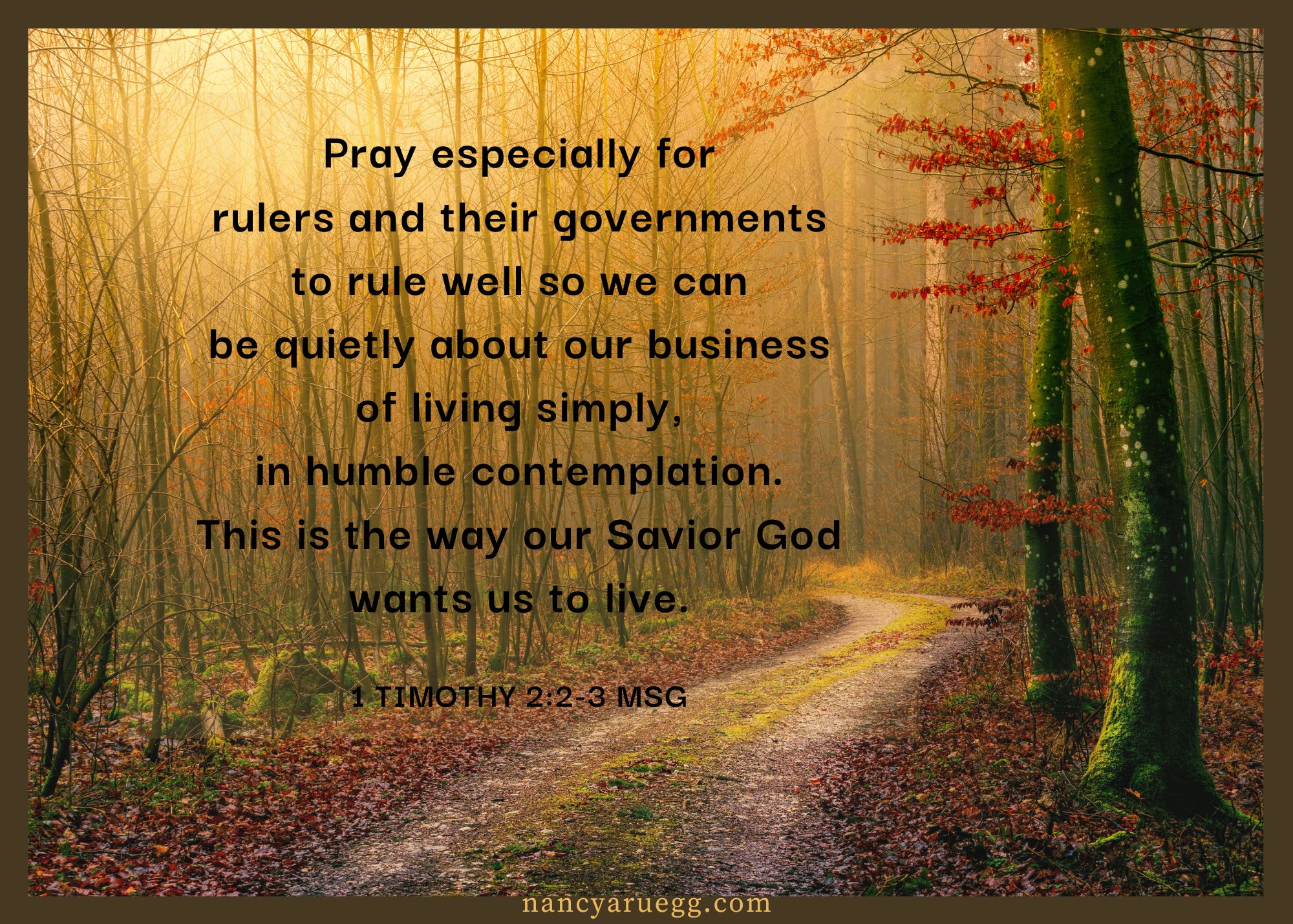
Perhaps we might pray like this:

We praise you, O God:

  • That you are willing to use our earnest prayers to change the course of our nation, to stay your hand of judgment, and make us into the kind of people you long for us to be in the process [1].
  • That you are all-wise and all-powerful. There is no problem that can’t be alleviated, there is no argument that can’t be settled, when people seek your wise insight and revelation. May all of us turn to you with sincere hearts, eager to follow your ways, to live together in peace and unity [2].
  • For leaders already serving in city, state, and federal governments: may they strive to apply your wisdom, justice, and the Golden Rule on behalf of those they serve. Keep them strong in mind and spirit for the work ahead.

Be our guide, O God:

  • That we might understand clearly the issues at hand, the problems we face, and the consequences of each policy implemented.
  • To elect those whose lives and leadership are based on truth and integrity.
  • To elect individuals who will not suppress those who profess faith in you. May they support, not detract from, opportunities that introduce people to Christ and the enhanced life he offers.
  • To elect those who will honestly consider the best practices (many of them Christ-centered), already implemented and working in some areas—best practices with high success rates in reducing poverty, substance abuse, homelessness, crime, and more. Conversely, may our public servants terminate those government programs that aren’t working and waste financial resources.
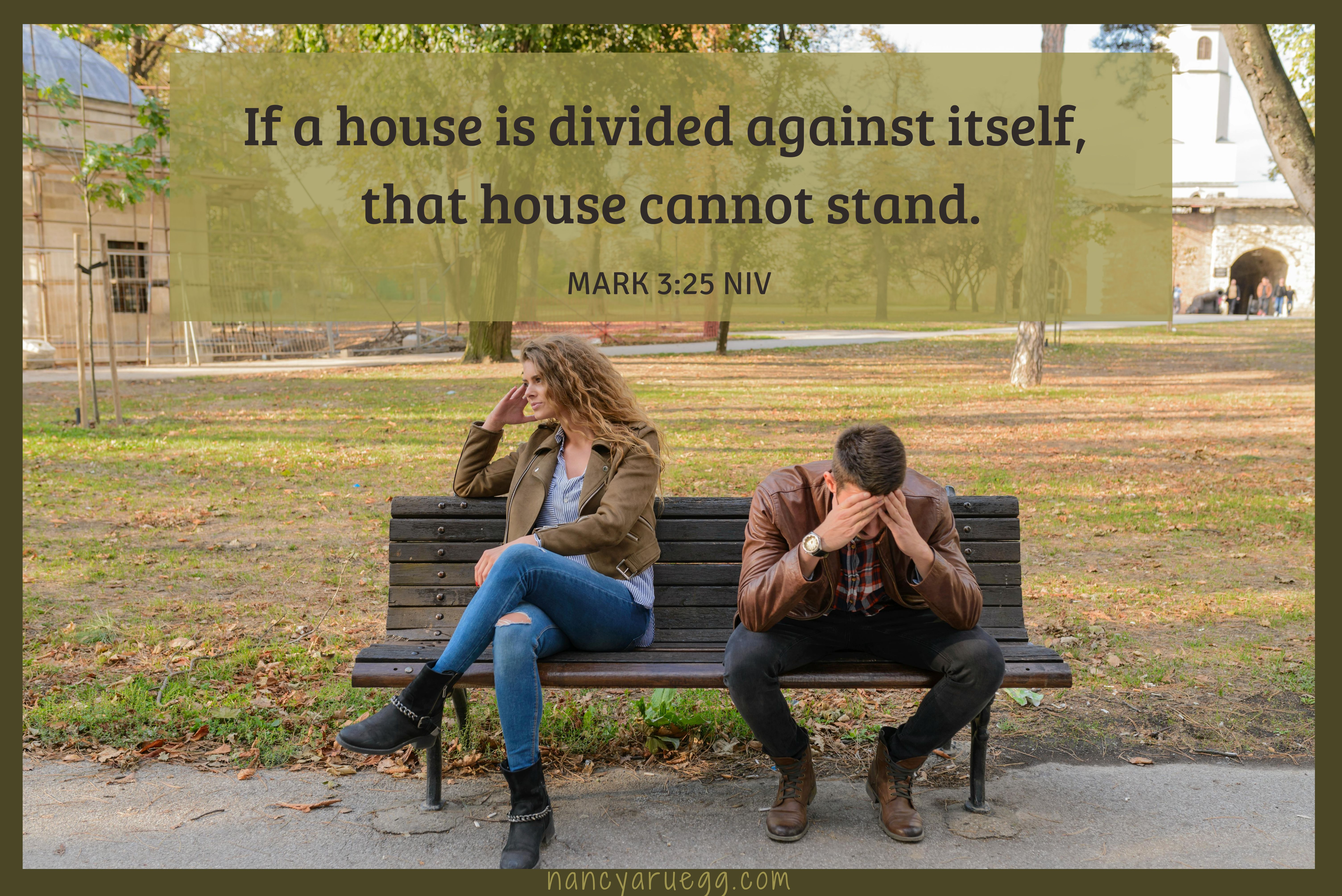
  • To elect people who value unity and are willing to seek creative compromises and solutions with those of different political affiliations. In the process, may such leaders contribute to healing the divide among us and strengthen our country [3].
We pray for:

  • Lies to be exposed and truth to shine with clarity.
  • A sense of serious responsibility in the heart of ALL Americans, that each might cast an informed, thoughtful, and prayerful vote. May we remember that men and women have died in order that we might exercise this precious freedom.
  • An honest election, untainted by fraud and interference. May those involved in such activities be exposed and held accountable.

And finally:

  • May the injustices perpetrated by dishonorable leaders be rectified.
  • May elected officials serve with integrity, stand against evil, and work toward the prosperity of all. May they be mindful they are accountable to you first, and then their constituents [4].
  • May YOUR power and greatness, justice and mercy, righteousness and goodness, wisdom and more reign supreme as elected officials take office.

In the powerful name of Jesus, we pray,

AMEN.


[1] Kay Arthur, His Imprint, My Expression, p. 157.

[2] Hebrews 10:22; Psalm 119:30-32; Ephesians 4:3

[3] Mark 3:25

[4] Hebrews 13:17

Art & photo credits: http://www.canva.com; http://www.en.wikipedia.org; http://www.rawpixel.com; http://www.pexels.com (Vera Arsic); http://www.publicdomainpictures.net; http://www.heartlight.org.

Processing…
Success! You're on the list.

Read Full Post »

Years ago when our middle granddaughter was a preschooler, we took her to an arcade. In the back corner stood a few free games and among them, two old Tetris side by side.

Some of you will remember this game. Shapes drift down from the screen-top; the player must manipulate them, fitting them together in a solid wall as they reach the bottom—without leaving holes.

After a quick explanation of how to play, E. happily started pushing buttons. I decided to play the neighboring game. Bad mistake.

Video games never were my forte, and the passing years had not contributed to my skills. Frustration began to build as hole after hole appeared in my wall.

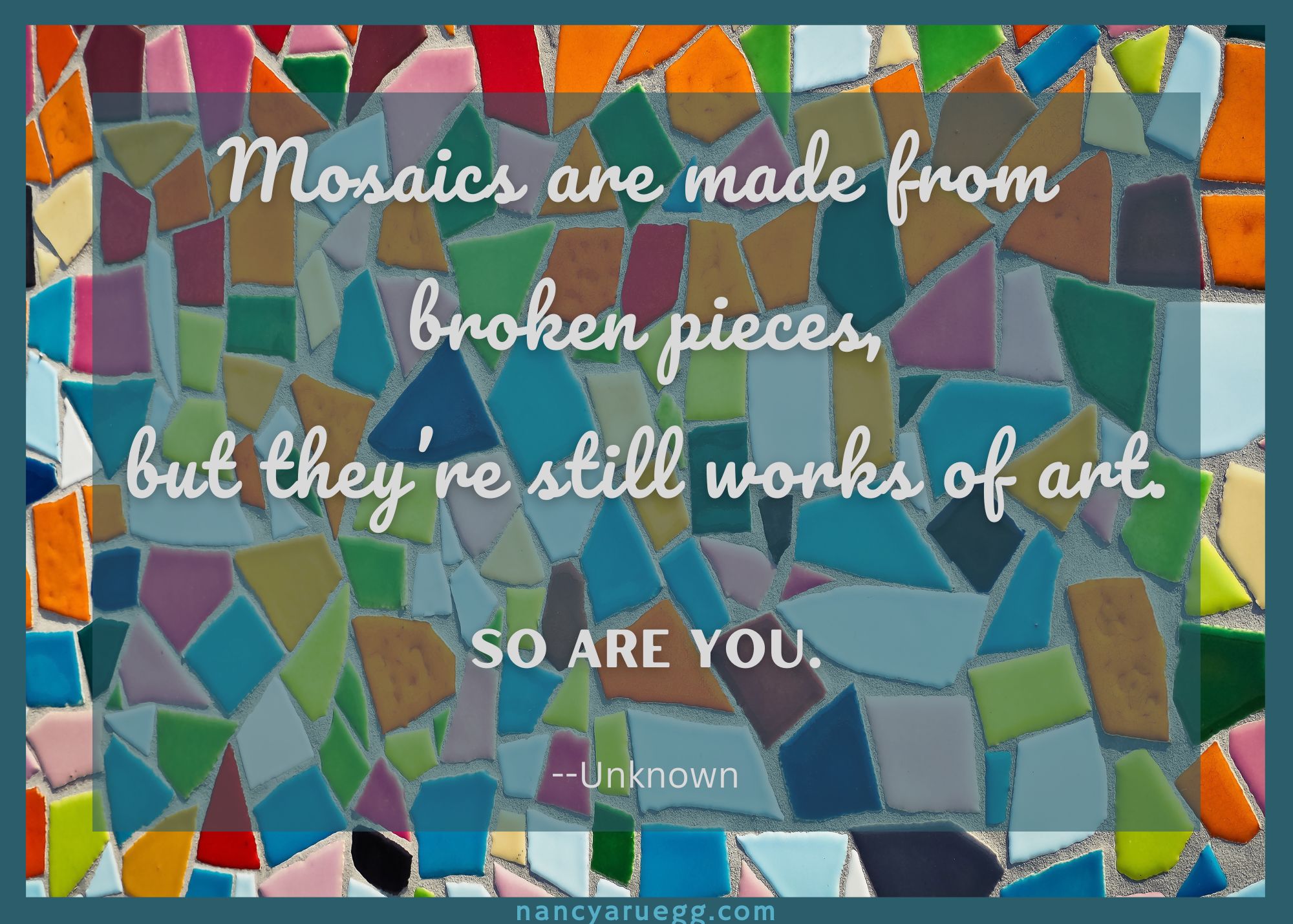
At game’s end, E. cried with joyful triumph, “Look Nana! Look at the pretty design I made!”

Though her screen displayed many colorful shapes, there were numerous holes. But that didn’t matter to E. In her view she’d created an eye-catching piece of art.

E. taught me a lesson that day. My attitude could often be improved if I just focused on the positive of what IS and not on the negative of what ISN’T.

All too frequently I’ve strived for unattainable goals, wasted time on unimportant details, or sacrificed rest while slaving through a lengthy to-do-list. I’ve also cared too much what other people thought.

All of these traits are symptoms of perfectionism.

Why are we perfectionists so strict on ourselves? Perhaps it’s because we don’t want to be:

  • ashamed of our performance or handiwork
  • blamed when our efforts aren’t up to par
  • judged inferior or lacking in some way

To move away from such fears and toward the freedom Christ offers (John 8:36), we need to CHILL by affirming these attitudes and actions.

I am:

  • C elebrating more often what’s right, criticizing less often what’s wrong
  • H appy with “good enough” when appropriate
  • I nspiring others with my imperfections!
  • L istening to the truth
  • L oved by God as I am

To jump-start such declarations, consider the following.

CELEBRATE

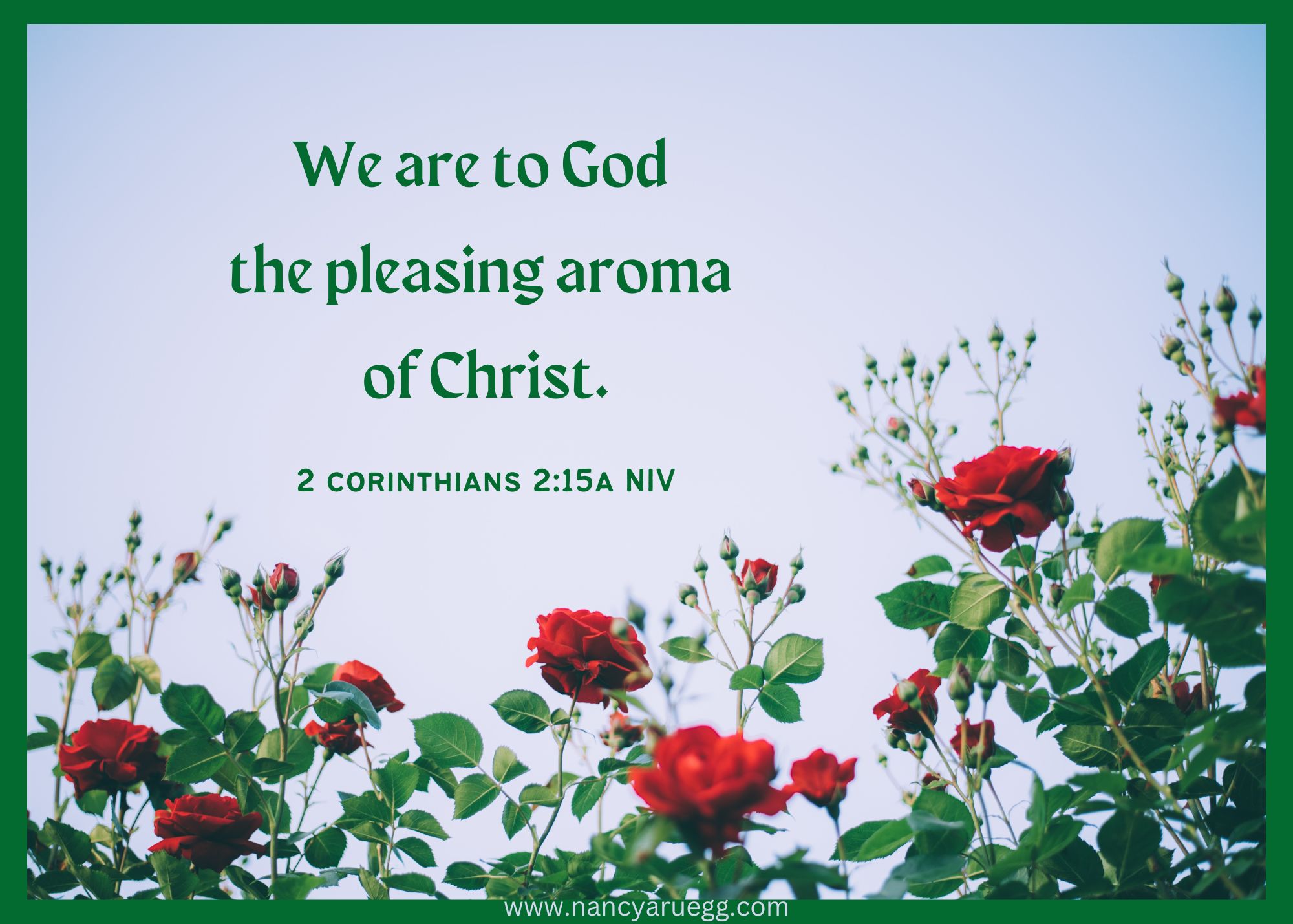
When faulty efforts occur, we can CELEBRATE this: “A flawed rose still smells sweet” (Unknown). I can still carry the fragrance of Christ as I rely upon him through the mistakes and failures.

(Be) HAPPY

“We don’t have to be perfect to be wonderful” (Unknown).

Lots of fantastic people in this world display admirable qualities, but not one of them is perfect.

You’re wonderful too! Give yourself the same grace you give others.

INSPIRE

“There’s no need to be perfect in order to inspire others. Let people get inspired by how you deal with your imperfections”—Ziad K. Abdelnour.

Also true:

LISTEN

Listen to such truths as these to silence the voice of perfectionism:

  • Jesus did live a perfect life yet was criticized incessantly. However, all he cared about was his Father’s approval, which God bestowed (Matthew 3:17). You know who else is approved? Everyone who believes in Jesus!

Everyone who believes has God’s approval

through faith in Jesus Christ.

Romans 3:22a GW

  • The godly Apostle Paul admitted—after thirty-years as a Jesus-follower— he hadn’t achieved perfection. Even so, he found satisfaction in pressing on toward spiritual maturity (Philippians 3:12-13).
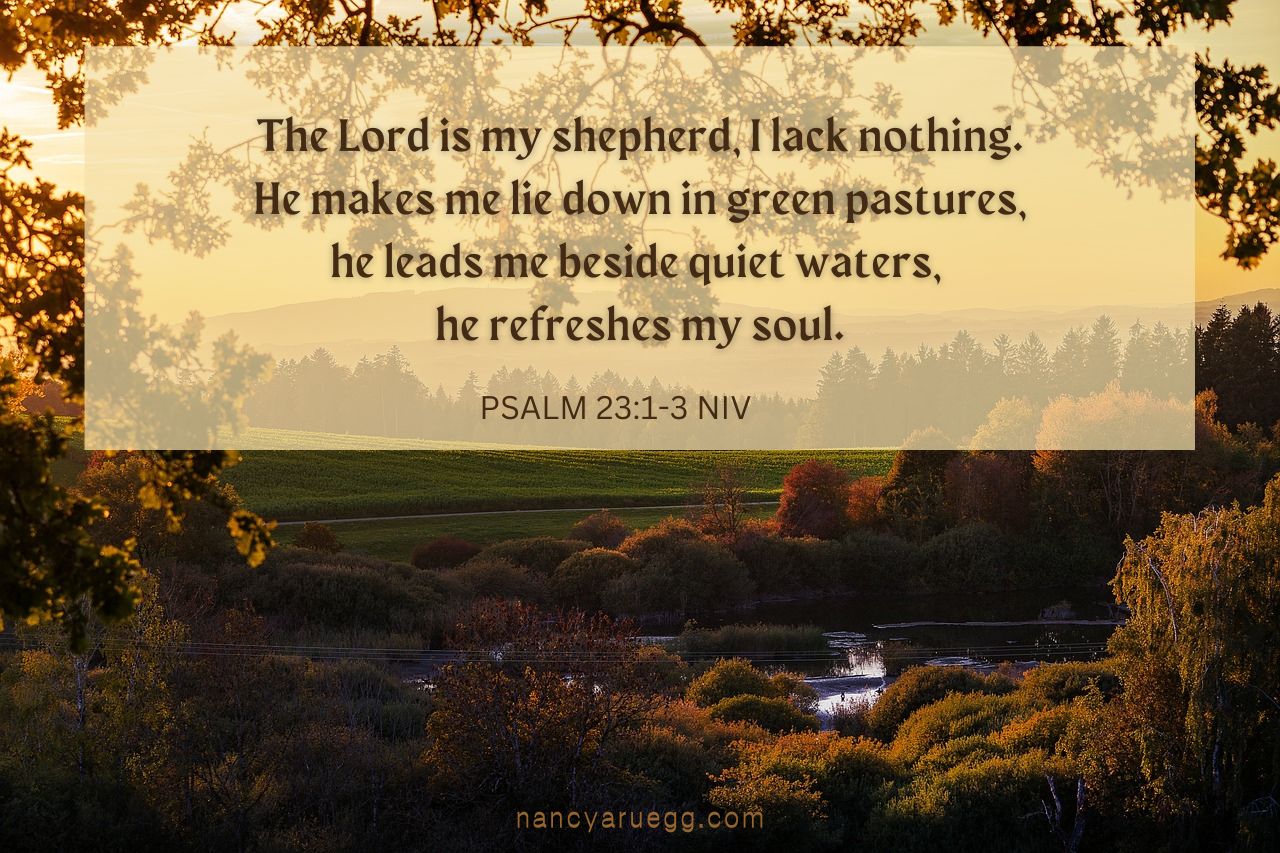
  • We can combat the striving as we embrace God’s desires for us—to lie down in his green pastures now and then, and not fill every minute with activity—to lead us beside quiet waters, and not struggle in a churning ocean of busyness (Psalm 23:1-3).

(Receive) LOVE

God has made it clear: “[He] loves us because of who he is, not because of who we are” (Unknown, 1 John 4:10).

His love for us is:

  • Sacrificial (Romans 5:8)
  • Lavish (1 John 3:1)
  • Patient, kind, unfailing, and more (1 Corinthians 13:4-8)
  • Forgiving (Ephesians 4:32)
  • Everlasting (Jeremiah 31:3)

So! When perfectionism insists we aim even beyond excellence, let’s remember:

There are no perfect daughters, wives or mothers; no perfect sons, husbands, or fathers; no perfect employees, no perfect homes. No one has it 100% together.

“What we do have is a perfect God who is able to lead us through this imperfect life with unfailing strength, incomparable wisdom, and infinite love” (Unknown).

Like our granddaughter E., we can celebrate with joyful triumph the cumulating designs of our lives—imperfect though they may be.

Let’s CHILL!

Art & photo credits: http://www.flickr.com; http://www.canva.com (4); http://www.pixabay.com; http://www.canva.com.

TAKE NOTE! A newsletter launches this month that will include additional topics to what’s on the blog. Please sign up below and check out the first installment. Thank you!


Processing…
Success! You're on the list.
Read Full Post »

Remember Peter Piper who picked a peck of pickled peppers? I wonder what he’d choose if he picked a peck of puzzling proverbs? And how many puzzling proverbs would Peter Piper pick?

Perhaps you’ve encountered some biblical proverbs that raised questions rather than supplied insight—at least at first reading. I certainly have.

Below are five examples. (Perhaps Peter Piper would pick these too!)

PUZZLING PROVERB #1

But how is instruction like a garland or jewelry?

When we receive the wise teaching of godly parents (and our Heavenly Father), our lives are crowned with the blessing and honor of maturity, integrity, and wisdom. We also radiate to others the beauty of godliness, like a chain of distinction around our necks [1].

I wonder too if this garland on the head alludes to the peace of mind that comes from living wisely, and the chain over the chest intimates joy of heart for those who follow biblical instruction.

PUZZLING PROVERB #2

But rest is necessary. So what’s the meaning here?

It’s a warning against apathy and a lack of responsibility, because it’s so easy to:

  • put off to tomorrow what we don’t feel like doing today
  • avoid certain tasks because they’re challenging
  • over-indulge in leisure and accomplish little

We’d do well to remember:

The enjoyment of leisure would be nothing if we only had leisure. It is the joy of work well done that enables us to [truly] enjoy rest.

— Elizabeth Elliot

PUZZLING PROVERB #3

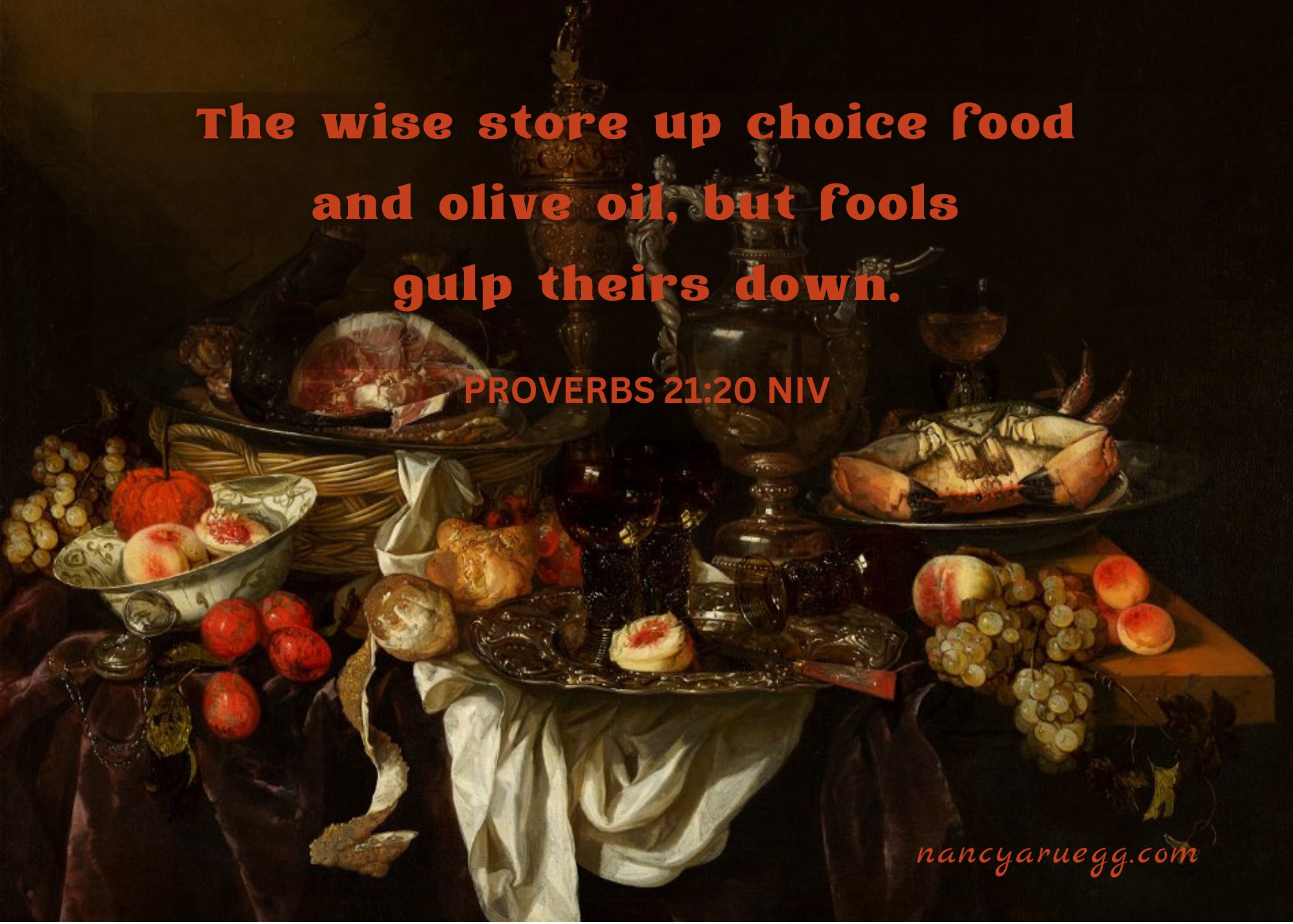
“Banquet Still Life” by Abrahan van Beyeren (1620-1690)

Is this a summary of Aesop’s fable, “The Grasshopper and the Ants,” or might there be a spiritual lesson here?

Actually, it’s both. Yes, God would have us live responsibly and save for the future, but he’d also have us share from our resources and enjoy the blessing of generosity.

The wise also store up within their spirits the choice nourishment of God’s Word and the oil of divine influence, to be ready for the work God calls them to do [2].

PUZZLING PROVERB #4

How can it be part of God’s glory (his splendorous attributes) to conceal a matter, and why is it the glory of a king to seek answers?

One reason God doesn’t reveal everything to us is this: knowledge of all things would overwhelm and frustrate our finite minds.

Second, if God answered all our why questions (like “Why did So-and-So have to die? She was so young!”), it’s likely we still wouldn’t be satisfied. We’d want to suggest he accomplish his plans some other less painful way.  

But. Living with uncertainty does teach us endurance and trust as we wait for the day when all will be made clear.

On the other hand, we do well to prayerfully seek guidance for our decisions. This is especially true for those in authority. It’s to their credit to learn the facts of a matter, consider probable solutions in light of outcomes and impact on others, and apply wisdom [3].

PUZZLING PROVERB #5

But what about those saints who’ve exhibited great wisdom, yet have suffered adversity, ill health, and/or untimely, undeserved death?

Obviously, King Solomon is not suggesting that wisdom results in complete protection from difficulty. His point is, by following the wise ways of scripture, we can avoid many of the troubles and heartaches that fools bring upon themselves.

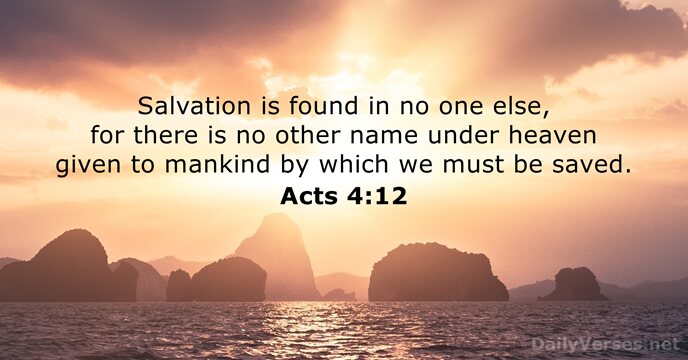
In addition, true wisdom leads us to seek truth. Truth leads to Christ, and he leads us to the way of salvation and eternal safety in heaven [4].

I wonder, do you suppose Peter Piper is wise enough to be guided by these once-puzzling, now-clarified proverbs?

Are we?


[1] John 15:10-11; 1 Samuel 2:30; https://biblestudycourses.org/proverbs-bible-study-courses-sect-1/proverbs-1-8-19-exploring-the-passage/ ; Proverbs 1:8-9 NLT

[2] Acts 20:35; Barnes Notes on the Bible for Proverbs 6:1-11; Matthew 25:1-13; Deuteronomy 8:3b

[3] John 13:7; Psalm 119:130; https://www.bibleref.com/Proverbs/25/Proverbs-25-2.

[4] Proverbs 2:3-5, 9-11; John 1:17b; John 14:6; Acts 4:12

Art & photo credits: http://www.rawpixel.com; http://www.pexels.com; http://www.henikirbyhistory.getarchive.net; commons.wikimedia.org; http://www.pickpic.com; http://www.pexels.com; http://www.dailyverses.net.

Read Full Post »

https://www.azquotes.com/author/28916-Charles_Carroll_of_Carrollton

Except for the formal language, the above quote sounds like something preached from an American pulpit last Sunday. But as you can guess from his portrait, Charles Carroll lived long ago; he was a signer of the Declaration of Independence.

He’s certainly not been alone in warning of trouble, should our citizens ignore God and his wise instruction for conduct. Throughout the decades since the founding of America, there have been patriots proclaiming a similar message.

For example:

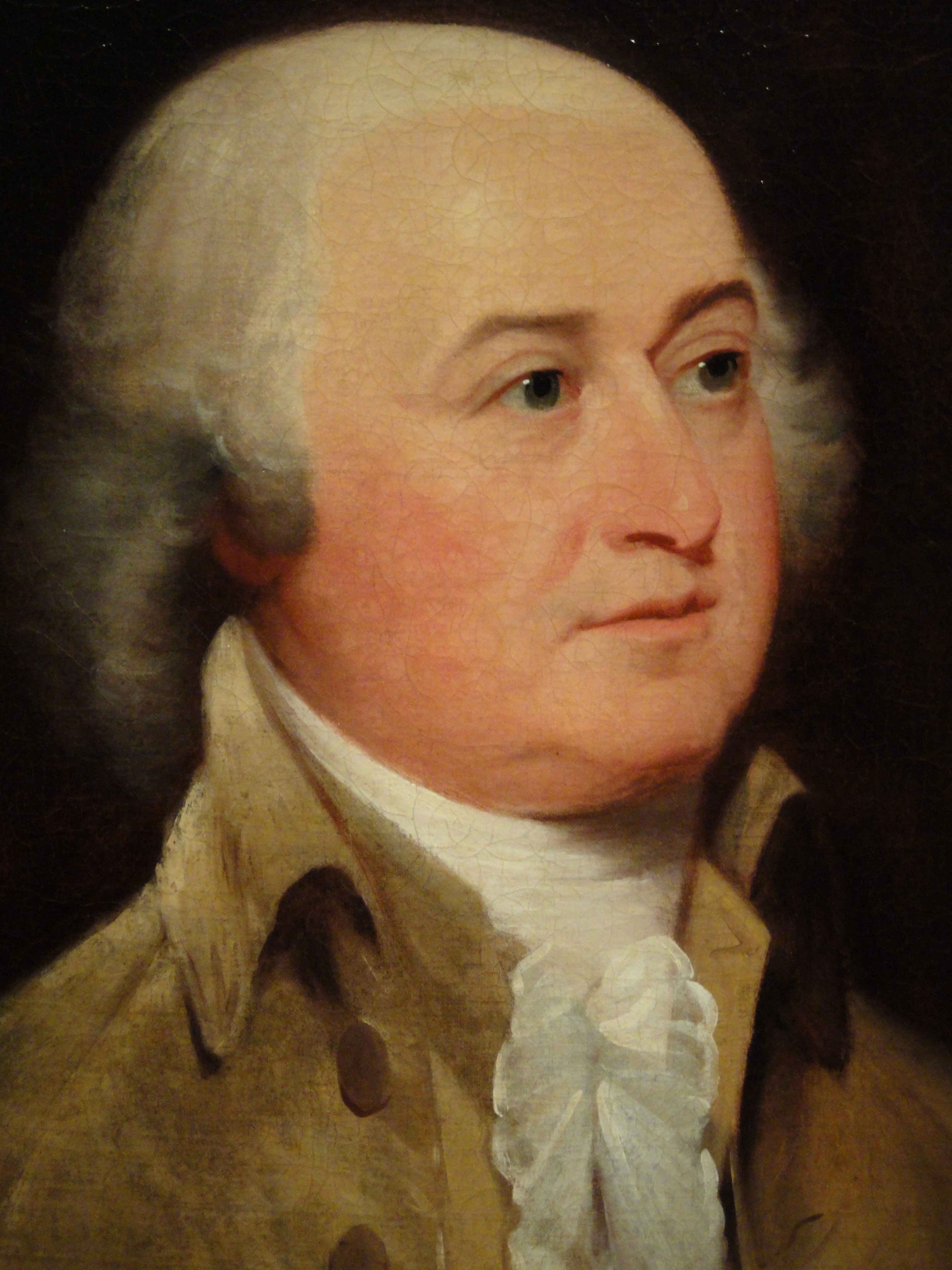
John Adams

“Our Constitution was made only for a moral and religious people. It is wholly inadequate to the government of any other” [1].

—John Adams, second U.S. president

“All the . . . evils from which men suffer from vice, crime, ambition, injustice, oppression, slavery, and war, proceed from their despising or neglecting the precepts contained in the Bible [2].”

—Noah Webster, author of Webster’s Dictionary and numerous textbooks.

Noah Webster

“If the power of the Gospel is not felt throughout the length and breadth of the land – anarchy and misrule, degradation and misery, corruption and darkness, will reign without mitigation or end [3].”

—Daniel Webster, Secretary of State under Harrison, Tyler, and Fillmore. 

“Without God there is no virtue because there is no prompting of the conscience . . . without God there is a coarsening of the society; without God democracy will not and cannot long endure. . . . If we ever forget that we are One Nation Under God, then we will be a Nation gone under [4].”

— Ronald Reagan, fortieth president of the United States.

Ronald Reagan

 And here we are in 2024, witnessing the results when such warnings against misrule, corruption, and vice are ignored.

  • “The rise in violent crime has become a national trend in the past few years as cities reach homicide rates not seen in decades [5].”
  • “The United States has done little to improve its battle against public-sector corruption in recent years, according to Transparency International, which measures experts’ perception of corruption around the world. In 2023, for the second year in a row, the U.S. ranks 24th out of 180 countries and territories” (tying with Barbados, and just ahead of Bhutan) [6].
  • Over 1 in 6 Americans, adults and teens alike, suffered a substance use disorder in 2022. . . . About 30 million had an alcohol use disorder, while 27 million had a drug use disorder — including about 6 million with an opioid use disorder [7].”

Spice addicts passed out on the pavement

And how is America to rectify such circumstances? Our sixteenth president, Abraham Lincoln shared wisdom still relevant for today:

“Intelligence, patriotism, Christianity, and a firm reliance on Him, who has never yet forsaken this favored land, are still competent to adjust in the best way, all our present difficulty [8].”

–Abraham Lincoln

Imagine if:

  •  The intelligence of best-practices was implemented against crime, drugs, homelessness and more—on a grand scale
  • Patriotic (instead of self-serving) leaders enacted the best policies to benefit the most people
  • Christian principles, proven to achieve the most profitable results (Psalm 18:30), were embraced and followed by a large majority
  • Our nation relied firmly upon God for guidance

Such outcomes are within our grasp if we take to heart the advice of these discerning leaders: 

“It is necessary for the welfare of the nation that men’s lives be based on the principles of the Bible. No man, educated or uneducated, can afford to be ignorant of the Bible [9].”

Theodore Roosevelt, twenty-sixth U.S. president

“All must admit that the reception of the teachings of Christ results in the purest patriotism, in the most scrupulous fidelity to public trust, and in the best type of citizenship [10].”

—Grover Cleveland, twenty-second and twenty-fourth U.S. president

“The only means of establishing and perpetuating our republican form of government is the universal education of our youth in the principles of Christianity by means of the Bible [11].”

— Benjamin Rush, signer of the Declaration of Independence

*     *     *     *     *     *    *     *     *     *

I pray, Heavenly Father, we might experience a fifth Great Awakening in America! Pour out your refreshing, purifying Spirit, bringing the hope of Jesus to the millions who don’t know you and are living unaware of your loving care, peace, joy, help, and more.

For those of us who do know you, I pray we may become the purest patriots of YOUR kingdom, eager to serve you in a hurting world.


[1] https://www.azquotes.com/quote/1936?ref=christian-patriotic

[2] https://christianheritagefellowship.com/christian-quotes-from-the-founding-fathers-2/

[3] https://gracequotes.org/author-quote/daniel-webster/

[4]  https://lajuett.com/patriotic-religious-quotes.html#:~:text=%22I%20tremble%20for%20my%20country,His%20justice%20cannot%20sleep%20forever.%22&text=%22I%20have%20sworn%20upon%20the,over%20the%20mind%20of%20man.%22

[5] https://www.heritage.org/crime-and-justice/commentary/8-cities-help-explain-national-crime-wave

[6] https://thefulcrum.us/corruption/corruption-perception-index-2023-2667125422

[7]  https://www.usnews.com/news/health-news/articles/2023-11-14/more-than-1-in-6-u-s-adults-teens-have-substance-use-disorder

[8]  https://lajuett.com/patriotic-religious-quotes.html#:~:text=%22I%20tremble%20for%20my%20country,His%20justice%20cannot%20sleep%20forever.%22&text=%22I%20have%20sworn%20upon%20the,over%20the%20mind%20of%20man.%22

[9] Ibid.

[10] Ibid.

[11] Ibid.

Art & photo credits: http://www.azquotes.com; http://www.commons.wikimedia.org; http://www.picryl.com; http://www.flickr.com (2), photo of drug addicts by Tim Dennell; http://www.pxhere.com; http://www.flickr.com; http://www.rawpixel.com.

Read Full Post »

Twelve-year-old Henry bolted into the kitchen crying, “Look Ma!” and proudly held out his empty basket. An hour before it had been full of fresh produce, grown himself on the family farm in Sharpsburg, PA (near Pittsburgh).

Now his pocket was full—of change. Just as he’d hoped, townswomen had purchased every vegetable.

“Well done, Henry!” exclaimed his mother, ruffling his hair. “Your hard work paid off!”

It wasn’t long after that first sales excursion in 1856 that Henry required a wheelbarrow for his deliveries. By age fifteen, Henry was caring for three-plus acres of produce and required a wagon for transport. Not only did he sell to those nearby, but also to grocers in town.

The teenager became known for his quality produce, positive attitude, and honest business dealings, making his mother proud as he lived up to the Christian principles taught at home and church.

One day he approached his mother with a new possibility. “Could I use your recipe for horseradish and try to sell it along with my vegetables?”

She agreed the area’s German immigrants just might buy the popular sauce, saving them time and nuisance during the busy canning season.

Horseradish had to be grated, which often resulted in nicked knuckles. It also caused the eyes to sting and water—just like onions. As a result, many women of Sharpsburg were glad to forego the chore and buy Henry’s horseradish.

His entrepreneurial instincts led him to additional ways for growing his business. Henry chose white vinegar instead of brown and clear glass bottles instead of the traditional green, even though both were more expensive. The former resulted in a more appetizing product, the latter allowed his customers to see his top quality horseradish–with no fillers like some companies used.

Over the next few years Henry added pickles, sauerkraut, and vinegar to his product-line. He also expanded deliveries to Pittsburgh’s grocers, restaurants, and hotels.

Meanwhile Henry experimented with different seeds, taking careful notes to track results. He arranged for the design of attractive jars and labels to entice even more customers.

At age 24, Henry took on two partners and moved the company to Pittsburgh. They added fruit preserves, mustard, and catsup to the product-line, while expanding their market east and west via the new railroads.

Another important event that year: Henry married Sarah Young. They would have five children; one would die in infancy.

19th Century Pittsburgh

By 1872 the partners employed 150 people during harvesttime, producing 500 barrels of sauerkraut, 15,000 of pickles, and 50,000 of vinegar.

But when the economic Panic of 1873 occurred, Henry and his partners were forced to claim bankruptcy. Deep disappointment sunk him into depression.

Henry soon recovered, however, and determined to rebuild his company by doing what he’d always done—work hard and trust God [1].

With financing from two of his seven siblings and his mother, Henry set about reestablishing himself. Five years later he’d not only achieved success again, he’d repaid all his debts—even though that wasn’t required.

Henry continued adding new products, including apple butter, baked beans, and tomato soup. Always he sought new ways to market his wares, like free pickle pins with the company name, distributed at the Columbian Exposition in Chicago, 1893.

Columbian Exposition 1893

But out of reverence for God, he never allowed his newspaper advertisements to run on Sunday [2].

Henry applied Christian integrity to his treatment of employees, providing many more benefits than other factories including: free dental and health care onsite, lunchtime concerts and lectures, English lessons and assistance to obtain citizenship, and advancement of women to managerial positions.

Henry also “worked hard to encourage his employees to live the ‘righteous life’” [3].

During these years of company-development, Henry taught Sunday School and became a promoter of Sunday Schools not only in Pittsburgh but around the world.

He faithfully tithed his income his entire life beginning with 10%, but increasing over the years until Henry was giving away almost 100% of his income [4].

By 1896, Henry’s company produced over one hundred products. He put a new slogan on each bottle and jar: “57 Varieties,” thinking the number fifty-seven (based on Sarah’s and his favorite numbers) [5], was more memorable than one hundred.

Once again, Henry John Heinz had created a winning marketing strategy as “Heinz 57” became a familiar phrase all over the country.

Throughout his career, Henry kept experimenting to improve his products and production, provide eye-catching packaging, upgrade working conditions for his employees, and expand distribution and marketing.

Before his death in 1919, Heinz products were being produced and sold in Europe as well as all over America.

In his will, Heinz wrote:

“I desire to set forth at the very beginning of this will, as the most important item in it, a confession of my faith in Jesus Christ as my Savior.

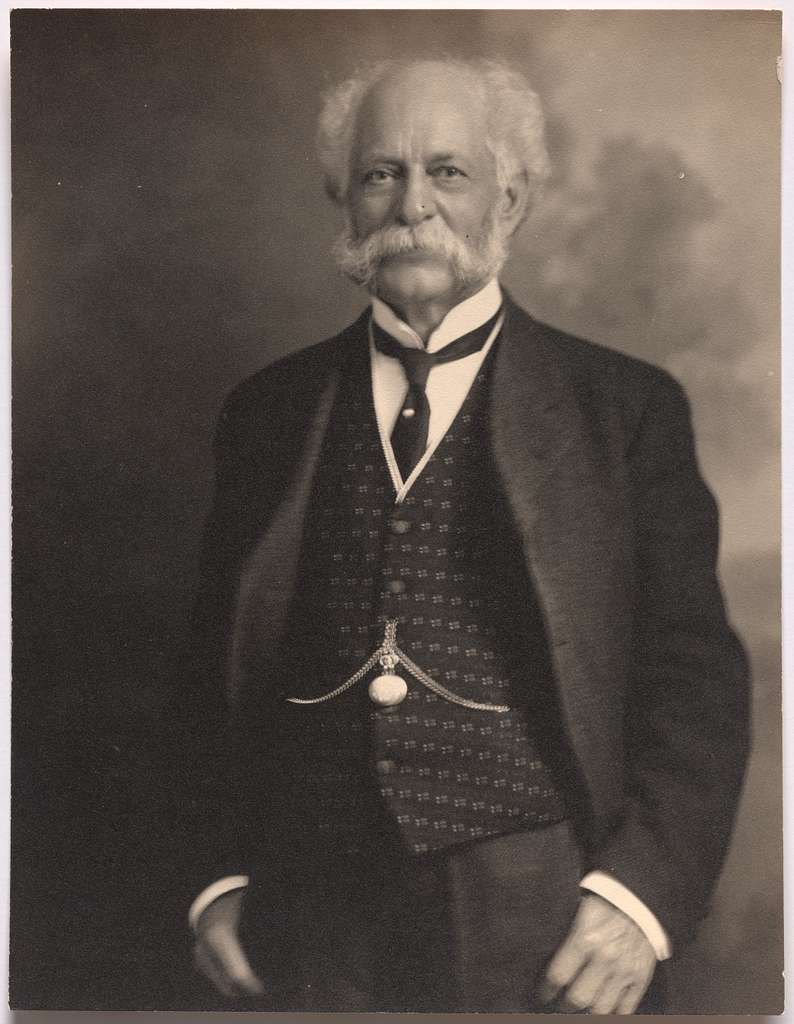
John Henry Heinz


[1] (https://www.365christianmen.com/podcast/1146-henry-j-heinz-us-entrepreneur/

[2] https://positivelypittsburgh.com/heinz-legacy/#:~:text=Religious%20Roots&text=Heinz%20devoted%20time%20and%20energy,devoted%20that%20day%20to%20God

[3] https://profectusmag.com/american-original-hj-heinz/

[4] https://stories4homilies.blogspot.com/2016/12/tithing-colgate-kraft-and-heinz.html

[5] https://www.ai-bees.io/post/henry-john-heinz-founder-of-the-condiment-empire

[6] https://bibletruthpublishers.com/the-heinz-will/christian-treasury-volume-5/la155191

Other sources:

https://explorepahistory.com/hmarker.php?markerId=1-A-37

https://welcomechurch.co.uk/the-story-of-heinz-57-varieties

Photo credits: http://www.pickpik.com; http://www.picryl.com; http://www.flickr.com; http://www.rawpixel.com; jenikirbyhistory.getarchive.net; timelessmoon.getarchive.net; http://www.pickryl.com.

Read Full Post »

Years ago I served as a short-term missionary in Ecuador. One of my first meals there included a fruit I’d eaten many times back home in Illinois, although more often from a can than the produce section.

But that day the golden wedges provided an uber-delightful surprise: more flavor, more sweetness, and less acidity than any I’d enjoyed in the States. It was as if I was eating a different fruit.

That’s because Ecuador grows some of the world’s best pineapple. Their location on the equator and the volcanic soil of the Andes Mountains provides perfect growing conditions. I gained new appreciation for what pineapple could be.

There’s another kind of fruit that many of us are familiar with, but it’s not the kind we eat. It’s the fruit of the Spirit, listed in Galatians 5:22-23. Many of you can probably recite its nine aspects:

What follows are brief thoughts on each. I pray we gain new appreciation for what this fruit can be—perhaps even uncover a surprise or two.

LOVE

If you were asked, what’s a powerful, practical way to express love for others, what would you say? Theologian John Calvin suggested intercession [1]. To pray for a person is to love that person.

Who might you love with a prayer today?

JOY

Scripture tells us to “rejoice always” [2], but that’s hard to do when problems and pain come our way.

Selwyn Hughes offers this perspective: Even though our difficulties may have begun with the devil, by the time they get to us and through us, they will have a divine purpose running through them [3].

Now that we can joyfully celebrate.

PEACE

“The truly thankful person is a truly peaceful person,” asserts Lysa TerKuerst [4]. And Isaiah 26:3 suggests why:

What better way to fix our thoughts than with thanksgiving? And as we affirm God’s blessings, peace will warm our hearts.

PATIENCE

Patience blossoms best in the soil of God’s promises, as we wait for him to intervene. His promises cover every circumstance; our part is to know them and believe, then patiently anticipate their fulfillment.

Are you clinging to a scripture-promise today? Turn it into a prayer of faith, hope, and patience [5].

KINDNESS

We can grow this attribute with one action: meditate on God’s kindness to us [6]. Meditation fosters appreciation; appreciation fosters emulation, and soon we find God’s kindness becoming more a part of who we are.

GOODNESS

This trait often seems out of reach. But instead of trying harder to be good, author Philip Yancey recommends: simply love God. “A person who truly loves God will be inclined to please God” [7].

Also worth remembering, the inclination to always please self results in dissatisfaction and restlessness [8].

FAITHFULNESS

Every year thousands gather to see Old Faithful, even though it’s not the tallest geyser in the world. Why is it so popular? Dependability. You can count on Old Faithful.

What might dependability look like for you today?

GENTLENESS

A list of traits of successful people rarely includes gentleness. Yet this attribute contributes much to prosperity in life. That’s because: “[Gentleness] creates in us a capacity for the closest possible intimacy with God” [9].

It’s the gentle-spirited souls who lean in toward God with yielding hearts to rest in his sovereignty. And then, think of it: God, with all his glorious attributes, comes close (James 4:8).

SELF-CONTROL

“A person without self-control is like a city with broken-down walls”[10]–vulnerable to all sorts of problems.

Better to take the wise course, prayerfully availing ourselves of the Holy Spirit’s help, to develop those habits we know will bring benefit and usefulness.

*     *     *     *     *     *     *     *     *     *

And now, our fruit bowl is full! Did you find any surprises?

I pray this week, you enjoy one or more aspects of this familiar fruit–with fresh appreciation!


[1] https://gracequotes.org/topic/love-others_for/

[2] 1 Thessalonians 5:16

[3] Every Day Light, 124.

[4] Embraced, 256.

[5] A few favorite scripture-promises include: Psalm 32:8; Isaiah 41:10, 31; Romans 8:28; James 1:5.  

[6] From a sermon our pastor preached last spring.

[7] Grace Notes, 325.

[8] Ecclesiastes 2:10-26

[9] Albert M. Wells, Jr., Inspiring Quotations Contemporary & Classical, 91.

[10] Proverbs 25:28 NLT

Art & photo credits: http://www.needpix.com; http://www.heartlight.org; http://www.pickpic.com; http://www.flickr.com; http://www.negativespace.com; http://www.deviantart.com (vulcanknight).

Read Full Post »

Looking ahead at the calendar for 2024, I found more than a few wild-and-crazy celebrations in store for those who care to participate. Just in January alone, we can look forward to:

  • National Cream Puff Day—January 2 (Who thought this was a good idea right after the holidays when so many will be embarking on diets?)
  • World Logic Day—January 14 (If only we could fix in one day the irrational and absurd thinking that seems to be increasing these days.)
  • National Popcorn Day—January 19 (This one I can get behind!)
  • National Blonde Brownie Day—January 22 (If you prefer cream cheese brownies, your day is coming February 10.)
  • National Backwards Day—January 31 (Seems like we’d benefit more from honoring evidence of going forward—toward integrity, responsibility, and maturity.)

Didn’t I tell you they were wild-and-crazy observances?

To be honest, we Christians are encouraged to celebrate some wild-and-crazy things—things that make no sense at first glance, like:

Weakness

Too many of us assume we have to be supremely talented and gifted in order to be used by God. But the opposite is true.

God most often chooses ordinary people who’ve emptied themselves of prideful ambition and self-centered motives. They are the ones whom God can fill with himself, who become the ideal showcases for his greatness and glory [1].

Turns out, when we recognize just how weak we are—with our inadequacies, missteps, and fears—we’re actually in the best position to manifest the power of God.

Now that’s worth celebrating!

Meekness

The Hebrew word for meekness suggests “being molded.” The meek are God-molded; they’ve submitted to him and are patterning their lives after him [2]. The meek delight in leaving everything in God’s capable hands.

That may sound unappealing to some, but little do they know: the meek get the most out of life.

For example:

  • They view life with joyful gratitude, not disgruntled entitlement
  • They appreciate their resources—not for the prestige they offer but for their usefulness
  • They don’t harbor envy or jealousy, but genuinely enter into the joys of others

And note what God promises to the meek in Psalm 37:11 (above): an abundance of peace. Isn’t that a happy reality to celebrate?

Servanthood

Not many of this world are interested in the role of servant. But God’s kingdom works very differently:

Every day is a new opportunity to discover what eternal business might be lurking in the ordinary business of being human [3].

Bruce Wilkerson

Yes, there is eternal business in serving others as we:

  • prepare meal after meal that keeps the family fed, but also nourishes their hearts with comfort and delight
  • perform small deeds of kindness—because they’re woven into the larger expanse of God’s far-reaching grace
  • work for the benefit of others and the glory to God—whether anyone notices or not

There is honor in such serving.

Trouble

Now I’ve gone too far, some will say. Celebrating difficulty seems downright sadistic. But consider:

We can take delight in what God will do through the trial.

First, God delights in transforming the black-carbon pressures of our lives into diamonds of radiant beauty, as he chips away at the rough places of our character and the distractions in our lives, allowing the Light of Christ to shine with greater clarity.  Such an undertaking rarely happens overnight; it’s a process that takes time [4].

Second, think of those you’ve known or learned about who did shine with the radiant Light of Christ. They undoubtedly faced trouble, yet persevered and triumphed in the end. We too can experience fulfillment as the Light of Christ shines through us to impact others.

Third, while we’re in the midst of the trial, God often brings the sweetest discoveries of himself [5].

These realities also warrant celebration.

The question remains, how will we celebrate?  Perhaps with an ancient song:


[1] Nancy Leigh DeMoss Wolgemuth, Biblical Womanhood in the Home, 67.

[2] Ralph Sockman, The Higher Happiness, 65.

[3] A Life God Rewards, 114, emphasis added.

[4] Joanna Weaver, Having a Mary Heart in a Martha World, 199.

[5] L. B. Cowman, Jim Reimann (ed.), Streams in the Desert, 143.

Art & photo credits: http://www.pixexid.com; http://www.dailyverses.net; http://www.pixexid.com; http://www.depositphotos.com; http://www.canva.com; http://www.commons.wikimedia.org.

Read Full Post »

According to American theologian R. C. Sproul (1939-2017): “Prayer does change things, all kinds of things. But the most important thing it changes is __________ [1].”

What would you put it the blank? A few possibilities include:

  1. The lives of those we pray for
  2. The way events unfold
  3. The attitudes and perspective of those prayed for
  4. Us—the people doing the praying

Sproul wrote, the most important thing prayer changes is us.

Author and Bible teacher Kay Arthur (1939- ) wrote similarly: “You cannot spend time in prayer, even intercessory prayer [for others], and not have it impact you personally [2].”

Such statements as these beg the question how. How could our prayers for others affect us?

One possibility comes readily to mind. Praying for others and watching miraculous answers unfold strengthens our faith, which contributes to peace of mind and heart.

On the other hand, in those situations when God chooses to postpone his response and yet we continue to pray, the waiting teaches us patience and persistence.

But might there be more ways intercessory prayer impacts us? A bit of research turned up the following. You may be surprised as I was by how many there are.

Intercessory prayer fosters unity in our hearts with those we pray for. We can even find ourselves growing in compassion and affinity for them.

I’ve prayed for Kiana for a number of years now. We’ve never met; I know very little about this young woman in India and yet love for her has bloomed in my heart just the same. I’m looking forward to meeting Kiana in heaven and hearing her story [3].

Intercessory prayer teaches us selflessness as our thoughts are directed away from ourselves and toward others.

Intercessory prayer changes our perspective as we see our desires for a person or situation shift to what God wants to do. We remember: his expansive plan always includes more benefit than we can perceive [4].

We also acknowledge that even times of pain and trouble produce worthwhile results.

Esther Ahn Kim was a Korean Christian who spent six years in a Japanese prison during Word World II as a result of her faith. No doubt many prayed for her release, and yet freedom wasn’t granted. However, at least two guards and many of Esther’s fellow prisoners became believers in Jesus—because of her [5].

Intercessory prayer shifts our attitudes from fear and anger to peace and calm as we affirm the truth of scripture, including:  

  • Whatever transpires has been allowed by God
  • We will never understand all the workings of God this side of heaven
  • Even suffering achieves purpose [6]

Intercessory prayer develops humility as we acknowledge our limited ability to impact people or circumstances and affirm only God can affect any change he chooses.

Intercessory prayer augments our usefulness and causes spiritual growth.

When Pastor Hendricks learned that Matt T. had been asked to teach the Sunday School class for junior high boys, his eyebrows went up. Matt was just out of college and still had some growing up to do himself.

But before long, Pastor Hendricks began hearing reports of the once-rowdy boys eagerly participating in the class. He invited Matt to lunch and asked about his secret of success.

Matt showed him a little black book with one page for each boy. On each page were comments like, “Having trouble in math,” “comes to church against his parents’ wishes,” and “wants to be a missionary but doesn’t feel capable.” Matt was praying over the pages every day.

Pastor Hendricks observed: When we pray for others, we become more like Jesus. And as we grow, God shows us more, and uses us more [7].

Isn’t that just like our Heavenly Father? Even as we seek to bless others with our prayers, God is also blessing us.

P.S. Please join me in prayer for the suffering people of Israel and the innocents of Gaza. Let’s pray that the perpetrators of evil are thwarted at every turn [8].


[1] The Prayer of the Lord

[2] His Imprint, My Expression, 157.

[3] You can read how I learned about Kiana at https://nancyaruegg.com/2019/12/12/advent-ure/  

[4] Ephesians 2:20

[5] https://www.thegospelcoalition.org/article/esther-ahn-kim-steadfast-in-persecution/

[6] Romans 11:33-36; James 1:2-4

[7] https://www.lifeway.com/en/articles/sermon-prayer-life-of-a-christian-colossians-4

[8] Psalm 125:4-5

Photo credits: http://www.freerange.com; http://www.canva.com; http://www.pickpik.com; http://www.dailyverses.net; http://www.canva.com.

Read Full Post »

Some paintings appear so realistic, we can mistake them for photographs:

Painting by Simon Luttichuys, 1650

And while studying the fine brush strokes, the accuracy of color, proportion, and shading, we wonder, How can someone paint like that?

Architecture can stir up the same awe in our hearts. Gloucester Cathedral in England offers a fine example:

The foundation was laid in 1089, and forty-one years later the builders completed the main structure. Its fan-vaulting is a marvel of architecture; its Great East Window is the size of a tennis court.

Other forms of artistic genius can bring us to tears, like a soul-stirring song or a writer’s words that surprise us by their beauty or wisdom.

Some of you have devoted yourselves to training and practiced for hours in order to achieve expertise in one or more of these fields. Others of us have to make do with amateur efforts.

But there’s one dimension where we can all participate with glorious results—as artists of the soul. Scripture provides a few guidelines for us, as we consider the strengths of the masters in each of the above pursuits. For example:

The perceptive artist sees differently.

Just as an artist sees more than most of us—the subtleties of detail, color, light, and contour—the enlightened heart sees all the nuances of hope that God supplies–for positive change, answers to prayer, better tomorrows, and eternal life.

In addition, hope splashes the colors of joy into our souls and casts light into every corner.

The skilled architect builds solidly.

The requirements for a stable structure include a firm foundation on rock, sturdy walls, and a reliable roof.

A soul that is stable and secure for eternity must include the same entities: a firm foundation of faith on our Rock, Jesus Christ, sturdy walls of certainty in God’s truth, and reliable protection over us in the storms of life [1].

The effective writer communicates plainly.

All writers seek to tell their story or share their message with clarity; all of us who follow Jesus should desire to communicate clearly our love and trustworthiness.

But how we express these traits may vary–especially when it comes to love–just as authors’ writing-styles can differ.

For example, you may know a person who exhibits warmheartedness toward others with his cheerfulness and infectious laugh, someone else by listening and empathizing, and still another by lending a hand wherever needed.

But no matter our style, love (and integrity) are what we’re called to communicate [2].

The proficient vocalist and instrumentalist express passion.   

Those who really know how to express music bring more to their performance than perfected technique. They sing or play from their hearts and artfully communicate the emotion of the piece.

In Psalm 147:7 above, we’re told our music before God should communicate grateful praise. And genuine gratitude sparks passion. We’d do well to remember our audience also:

“Sing [or play] as if performing for a King.

You are.”

Unknown

Even as we strive to honor God, a small miracle unfolds within us: the music washes away from our souls the dust of everyday life [3].

So, as an artist of the soul, what form will your worship take today? Will you:

  • Determine to splash the colors of joy in your spirit with the nuances of hope?
  • Add more bricks of faith from God’s Word, to increase your stability?
  • Communicate love and faithfulness to those around you?
  • Sing or play your grateful praise to God your King—with passion? (Remember, he won’t mind a bit if it’s not perfect.)

Let’s make today a work of art for him!


[1] 1 Corinthians 3:11; Psalm 91:2; Psalm 5:11.

[2] John 13:35; Proverbs 4:26 NIV

[3] Based on a Berthold Auerbach quote

Art & photo credits: http://www.commons.wikimedia.org; http://www.pxhere.com; http://www.commons.wikimedia.org (2); http://www.wallpaperflare.com; http://www.pxfuel.com; http://www.canva.com; http://www.peakpx.com; http://www.commonswikimedia.org.

Read Full Post »

“I’m sorry, but we cannot treat those who cannot pay,” the doctor explained.

Katie Davis blinked in shock. How could a physician turn away an injured child, even if she was an orphan? Then again, this was Uganda, not Brentwood, Tennessee where she grew up. Fifty percent of the population here lived in poverty, and the under-resourced hospital couldn’t handle all the overwhelming needs.

People waiting in Ugandan hospital

But Katie, a kindergarten teacher, couldn’t accept the doctor’s pronouncement. This child was a student in her school, living in a shack down the street. She was the oldest of three and caretaker of the younger two; their parents had died of AIDS.

The orphanage was already full to capacity; Katie feared for the girls’ future. That very day she managed to secure custody papers, and single Katie became a mother of three—at age nineteen.[1]

What will Mom and Dad say about THIS? she must have thought.

They’d already been hesitant about Katie’s first three-week trip to Uganda, to work at a Christian orphanage her senior year of high school, 2006. Almost as soon as she arrived, Katie fell in love with the staff and students.

Upon returning to the States, Katie couldn’t wait to get back to Uganda after graduation, to take the kindergarten position offered her. The Davises had agreed, with the understanding she’d begin college the following year.

Katie returned home as promised, but her heart remained in Uganda. After one semester, her parents acquiesced and Katie flew back to the people and country she loved.

Uganda–a small land-locked country of East Africa

It was January 2008 when Katie’s adopted daughters moved into her small living quarters, but God soon provided a house to rent.

Over the next eighteen months, more orphans were brought to Katie—girls who’d been abandoned, abused, or whose parents had died of AIDS. One baby was given to Katie by an HIV-positive mother, just twelve years old herself. Child-by-child, Katie’s family grew to thirteen.

Of course, her teacher-salary couldn’t cover all the expenses. But Katie had already researched how to start a nonprofit organization, to aid Uganda’s children. Amazima International Ministries was established in 2008, based in Katie’s hometown of Brentwood.[2]

Soon 150 children were receiving assistance that included school supplies, basic medical care, and two hot meals a day—things their families couldn’t afford.

Two years passed. Katie’s life brimmed with all the responsibilities that thirteen children entail. In addition, numerous houseguests came and went—people in dire circumstances needing temporary lodging.

As with any household, disagreements and frustrations flared. But the word Katie chose to describe the atmosphere was elation—for the laughter, singing, happy noise and gratitude that filled her home.[3]

Then tragedy unfolded. A dear friend and mother of five, died. And the biological mother of one of Katie’s adoptees returned to claim her daughter—a mother unfit for parenting—but Katie had to let the child go. Grief beyond words gripped her heart as she turned to her Heavenly Father for solace. 

Early in 2014, twenty-something Benji Majors arrived in Uganda on a mission trip. He soon recognized the need for young men to be mentored. So Benji decided to stay and come alongside those wanting to become God’s men of integrity.

When Benji asked Katie out–twice, she said no both times, not sure if marriage was part of God’s plan. Besides, what man would commit himself to a woman with thirteen children? Better not to get involved, she thought. 

But Katie found herself attracted to Benji’s passionate heart for God and for people. She finally invited him for coffee—the first of many dates.

The following year Benji proposed over a picnic. When Katie said yes, her thirteen daughters jumped out of the bushes and tossed flowers at the couple. Benji had included them as part of the plan. He and Katie were married in late 2015.

The couple still lives in Uganda, running Amazima Ministries. They provide education for hundreds of children in their own Amazima School, food and health services for thousands of families, as well as job opportunities.

Who could have imagined such a far-reaching outcome when young Katie left for Uganda?

GOD could.

P.S. Ben and Katie no longer parent 13 children; the number has grown to 15 with their two biological sons.


[1] Though Ugandan law specifies an adoptive parent must be at least twenty-one, a judge can override the law in the best interest of the child(ren).

[2] Amazima means “truth” in Lugandan.

[3] https://youngadults.lifeway.com/2012/01/no-ordinary-life-katie-davis-story-of-serving-children-in-uganda/ 

Sources:

https://amazima.org/about/ . Visit here for numerous photos and information about Amazima Ministries.

https://www.christianpost.com/news/katie-davis-majors-young-adoptive-mother-of-13-ugandans-where-is-god-in-suffering-interview.html

https://justbetweenus.org/magazine/exclusive-interviews/extraordinary-love/

https://myhero.com/katie-davis-a-serving-heart-2

https://toptwentyfiveinterviews.transistor.fm/episodes/7-daring-to-hope-part-1-katie-davis-majors

Photo credits: http://www.commons.wikimedia.org (Toshihiro Horii); http://www.wikimedia.org; http://www.flickr.com; sni.no/Skole_og_utdanning_i_Uganda (Richard Lord); http://www.publicdomainpictures.com (Michael Spisak).

Read Full Post »

« Newer Posts - Older Posts »

Still Traveling

Impressions Becoming Expressions

Living Our Days

Gaining a heart of wisdom

He Said What?!

I'm Patty, and my husband and I are living with our adult son who has autism and epilepsy. I love sharing lessons learned from life around me, especially life with Aaron.

Meditations of my Heart

Impressions Becoming Expressions

Linda Stoll

Impressions Becoming Expressions

Debby Thompson

Impressions Becoming Expressions

Signora Sheila

Notes on Life, Faith & Italy

Colleen Scheid

Writing, Acting, Living in God's Love

Mitch Teemley

The Power of Story

Heidi Viars

Finding the Image of God