Feeds:
Posts
Comments

Archive for the ‘Heroes of the Faith’ Category

“Hey James–I like your hat,” declared Henry Clifford as he sauntered up to the smaller boy on the playground.

James’ heart began to pound.

I need a hat,” Henry continued, and the bully reached for it.

James dodged and began to run. Unfortunately, the direction away from Henry took him toward the street. James didn’t see the bread truck coming; parked cars blocked his vision. Neither did the driver see the boy.

James crashed into the vehicle with his head, denting his forehead like an eggshell hit with a spoon.

The surgeon warned James’ parents before attempting to remove bone fragments. “Prepare yourselves; there’s a strong possibility of brain damage.”  

But the boy surprised everyone, sustaining no loss of function.

James endured three weeks in the hospital, followed by six months of recuperation at home.

He was fitted with an aluminum plate to wear over the wound, held in place with an elastic band. The doctor told him his head would remain dented, and he’d need to wear the protective head-gear for the rest of his life.

Of course, sports were out of the question, and as James grew up in the village of Twyning, England, he became increasingly withdrawn. He spent his leisure hours reading and writing stories.

James had always loved books; his mother taught him how to read before he started school. He especially enjoyed Agatha Christie. The year of the accident, 1933, James read all nine mysteries she’d written thus far. He was seven years old.

At age eleven, James balked at his parents’ continued protectiveness. Granted, he couldn’t play sports, but couldn’t he at least ride a bicycle? All the other boys his age had them. And why wear the protective plate (which generated plenty of teasing) if he couldn’t do anything anyway?

James was sure his arguments would win his parents over. The morning of his birthday he expected to come downstairs to shiny chrome spokes and gleaming Whizzer Maroon fenders.

Instead, sitting atop the dining room table was a second-hand typewriter. James’ mother stood in the kitchen doorway, a pained expression on her face.

“Please understand, son. If you injured yourself again, it could be  even more serious. We just can’t take that chance.”

James’ father helped him heft the machine to his room where curiosity soon got the better of him. He began to type one of his stories[1]. And . . .

“It proved to be his best present and the most treasured possession of his boyhood”[2].

At age fifteen James refused to wear the protective head-gear any longer. If he was injured again, so be it.

James excelled in school and won a scholarship to Oxford University.

One evening he attended a church service nearby. Though James had read C. S. Lewis’ Mere Christianity and The Screwtape Letters, James realized he didn’t know Jesus. At the speaker’s invitation, he went forward to ask Christ into his life.

After graduation James taught at a college in London, but after two years, felt the need of further education and returned to Oxford.

James earned his master’s degree and was ordained deacon in the Church of England. He also wrote his first published article for the Evangelical Quarterly.

In 1954 James earned his doctorate from Oxford and married Kit Mullett, a nurse he’d met two years before. They would subsequently adopt three children.

Over the next twenty-five years James served in academic positions at three colleges, including Oxford, and as superintendent of an evangelical research center.

Always he was writing–publishing essays, articles, pamphlets, and dozens of books.

In the 1960s an editor asked James to write articles for Evangelical Magazine. He wrote 720 of them over the next five years. Some of those articles became his most popular book, published in 1973, with more than a million and half copies sold.

James and Kit relocated to Vancouver, Canada in 1979, for James to teach at Regent College. The next year James became senior editor of the magazine, Christianity Today while still maintaining his position at Regent.

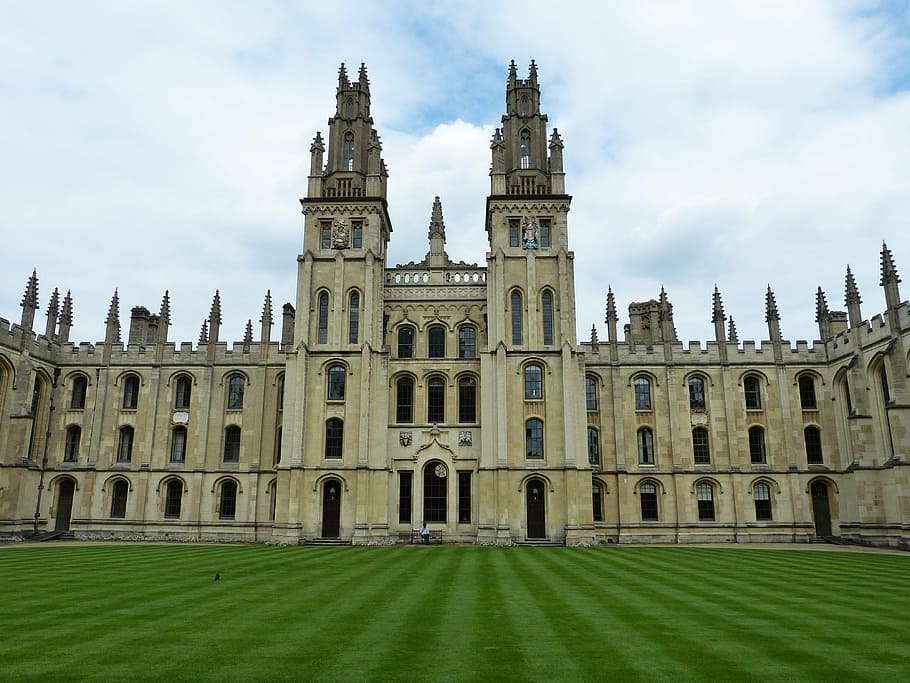
Regent College today. Photo by Ken McAllister

Regent College today. Photo by Ken McAllister.

In 1997, Crossway Books invited James to serve as general editor of The English Standard Bible, published in 2001. He felt this was the most important work of his life.

Upon James’ death in 2020, “readers of Christianity Today identified him as second only to C. S. Lewis among the most influential theological writers of the twentieth century”[3]. No doubt many of them had read that best seller, Knowing God.

And the influence they spoke of surely began to take root with that typewriter James hadn’t wanted.

But look what God did for J. I. (James Innell) Packer. Look what God did through him.

https://www.azquotes.com/author/17128-J_I_Packer


[1] This story based on fact. Our pastor shared a brief version last Sunday; curiosity led me to learn more. See https://www.thegospelcoalition.org/blogs/justin-taylor/j-i-packers-11th-birthday-the-tale-of-the-bicycle-and-the-typewriter/

[2] Alister McGrath, J. I. Packer: A Biography, 6.

[3] https://www.samstorms.org/enjoying-god-blog/post/the-life-of-j-i-packer–1926-2020-

Additional source: https://www.thegospelcoalition.org/blogs/justin-taylor/j-i-packer-1926-2020/

Image credits: http://www.wallpaperflare.com; http://www.flickr.com (3); http://www.wallpaper.com; http://www.commons.wikimedia.org; http://www.azquotes.com.

Processing…
Success! You're on the list.

Read Full Post »

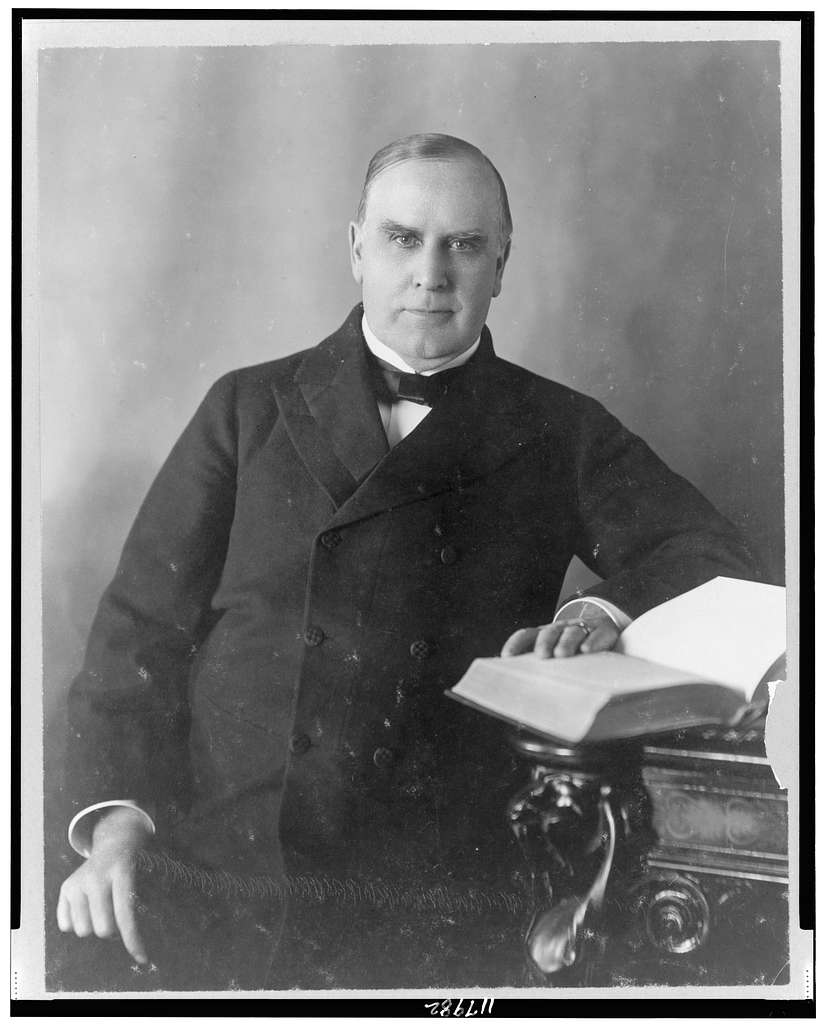
Nineteen-year-old William hunkered low in the mule-drawn wagon he drove, to avoid the bullets whizzing over his head.

Once he reached the front lines of his Ohio regiment, William and a few others began serving up tin plates of warm food and cups of hot coffee to the hundreds of soldiers—using the wagon as a shield.

The mission required numerous trips, but William did not stop until everyone had been fed.

No one had told the young commissary sergeant to attempt the undertaking. William took it upon himself, knowing that after three days of heavy fighting and not much breakfast, the men would be exhausted and famished.

His action during this crucial battle at Antietam, Maryland, may have helped turn the tide against the Confederates, who soon retreated back to Virginia.

William continued to distinguish himself as the Civil War wore on, living out his Christian faith with courage, compassion, integrity, and more. He earned the rank of major before General Lee surrendered in April, 1865.

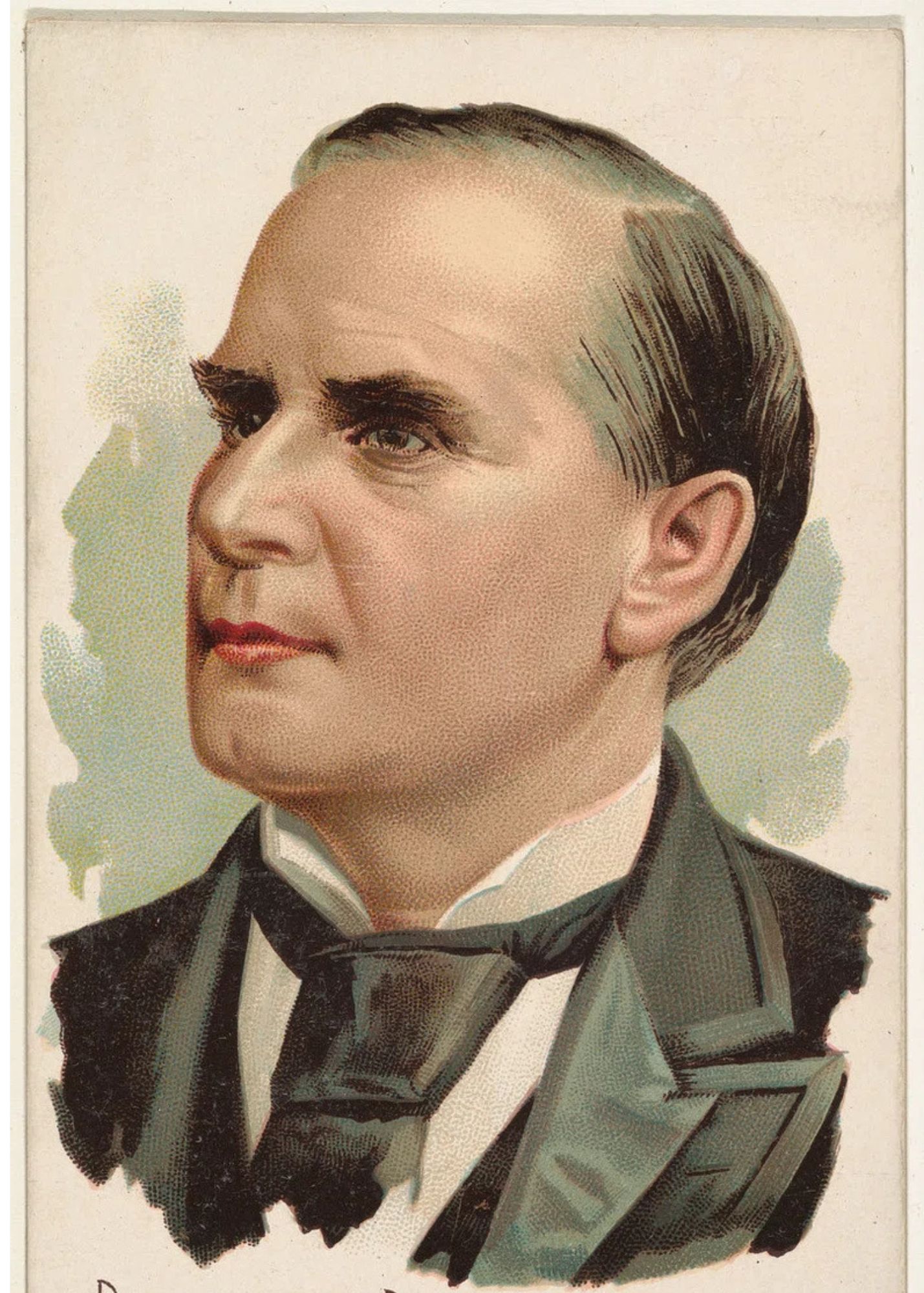
William, 1865

Several years before William had proclaimed at his baptism, “Here I take my stand for life” [1].

Stand he did.

William read the Bible daily, testified to his faith, and lived a moral life. He also sought God’s guidance when making decisions [2].

After the war William returned to Ohio, becoming a lawyer in 1867. He garnered respect as an outstanding prosecuting attorney.  

Leaders in the Republican Party noted his intelligence, winning personality, and integrity. They drafted him to run for the U.S. Congress in 1876, and William won. He served fourteen years, distinguishing himself on the Ways and Means Committee [3].

In 1890, however, William’s re-election bid failed due to gerrymandering. His district suddenly included three thousand more Democratic voters. Still, he lost by only three hundred votes.

Some may have thought they’d stymied William’s political career. Instead, he received a promotion, elected as Ohio’s governor in 1891. His success in that position led to an easily-won second term.

In June of 1896, the Republic Convention named William McKinley, Jr. as their presidential candidate. He won the popular vote and the electoral college.

In his first inaugural address, William repeated the oath administered to him. Then he added:

“This is the obligation I have reverently taken before the Lord this day. To keep it will be my single purpose and prayer . . .

“ . . . faith teaches that there is no safer reliance than upon the God of our fathers . . . who will not forsake us so long as we obey His commandments and walk humbly in His footsteps” [4].

One of McKinley’s most difficult decisions occurred in 1898: what to do about the Philippines after the Spanish-American War. Should he:

  • Affirm their independence, which would lead to chaos and misrule due to dire instability?
  • Allow a European power to take control?
  • Or make the Philippines a U. S. Territory to prevent exploitation?

The last option would require financial investment from America, and some Filipinos would certainly resist American-annexation [5].

To a group of church leaders at the White House, McKinley later shared:

“The truth is, I didn’t want the Philippines. I did not know what to do.  . . . I sought counsel from all sides—Democrats as well as Republicans—but got little help.  . . .

“. . . I walked the floor of the White House night after night . . . and am not ashamed to tell you I went down on my knees and prayed Almighty God for light and guidance more than one night. And one night late it came to me this way.”

William explained the Philippines clearly needed help and the United States should “by God’s grace do the very best we could by them as our fellow-men for whom Christ died.

“And then,” William concluded, “I went to bed, and went to sleep and slept soundly [6].

In 1900, McKinley easily won a second term, the first president to do so since Grant in 1872.

But on September 6, 1901, an anarchist, Leon Czolgosz, shot the president in the abdomen. Immediately, men nearby wrestled the assailant to the ground.

William instructed, “Don’t let them hurt him.” And then to his secretary, “My wife—be careful how you tell her—oh, be careful” [7].

Even in extreme crisis, William displayed honorable Christian character.

For eight days he lingered; the nation hoped and prayed for recovery. But as William grew increasingly weak, he told his doctors, “It is useless, gentlemen. I think we ought to have a prayer.”

Later the president recited from his favorite hymn, “Nearer My God to Thee.”

And finally William spoke his last words: “Good-bye, good-bye all. It is God’s way. His will, not ours be done” [8].

President McKinley did indeed stand tall on his Christian faith, from the day he first proclaimed it until his dying breath.


[1] https://www.tribtoday.com/news/local-news/2018/11/methodist-faith-affected-mckinleys-life/

[2] www.tribtoday.com

[3] https://www.whitehousehistory.org/the-life-and-presidency-of-william-mckinley

[4] https://courierheraldtoday.com/william-mckinley-american-patriot-and-man-of-faith/

[5] https://shec.ashp.cuny.edu/items/show/878

[6] www.preachingtoday.com

[7] https://gentlereformation.com/2024/02/19/the-last-words-of-william-mckinley/

[8] www.gentlereformation.com

Additional source:

https://www.britannica.com/biography/William-McKinley

Image credits: http://www.picryl.com; http://www.commons.wikimedia.org; http://www.canva.com; http://www.rawpixel.com (2); http://www.picryl.com (2).

Processing…
Success! You're on the list.

Read Full Post »

Joy Ridderhof pulled the blankets around her head to warm her shivering body, knowing she’d soon be throwing them off as sweat soaked her nightgown.

Joy had succumbed to malaria before, but this episode wouldn’t subside. As a result, she’d had to leave the people she’d grown to love in Honduras and return home to Los Angeles. The year: 1937.

Her doctors weren’t sure why she didn’t improve. Added to her discomfort was their discouragement: “You mustn’t go back to Honduras, Joy.”

A mountain village of Honduras , 2008

The thirty-four-year-old had served as a missionary in a remote, mountain village for five years. In spite of hardship, illness, and even threats on her life, she’d loved her time there, and many Hondurans had come to know Christ.

Now it appeared that challenging yet satisfying life-chapter was over. Joy faced the possibility of being an invalid the rest of her life—or at least a semi-invalid.

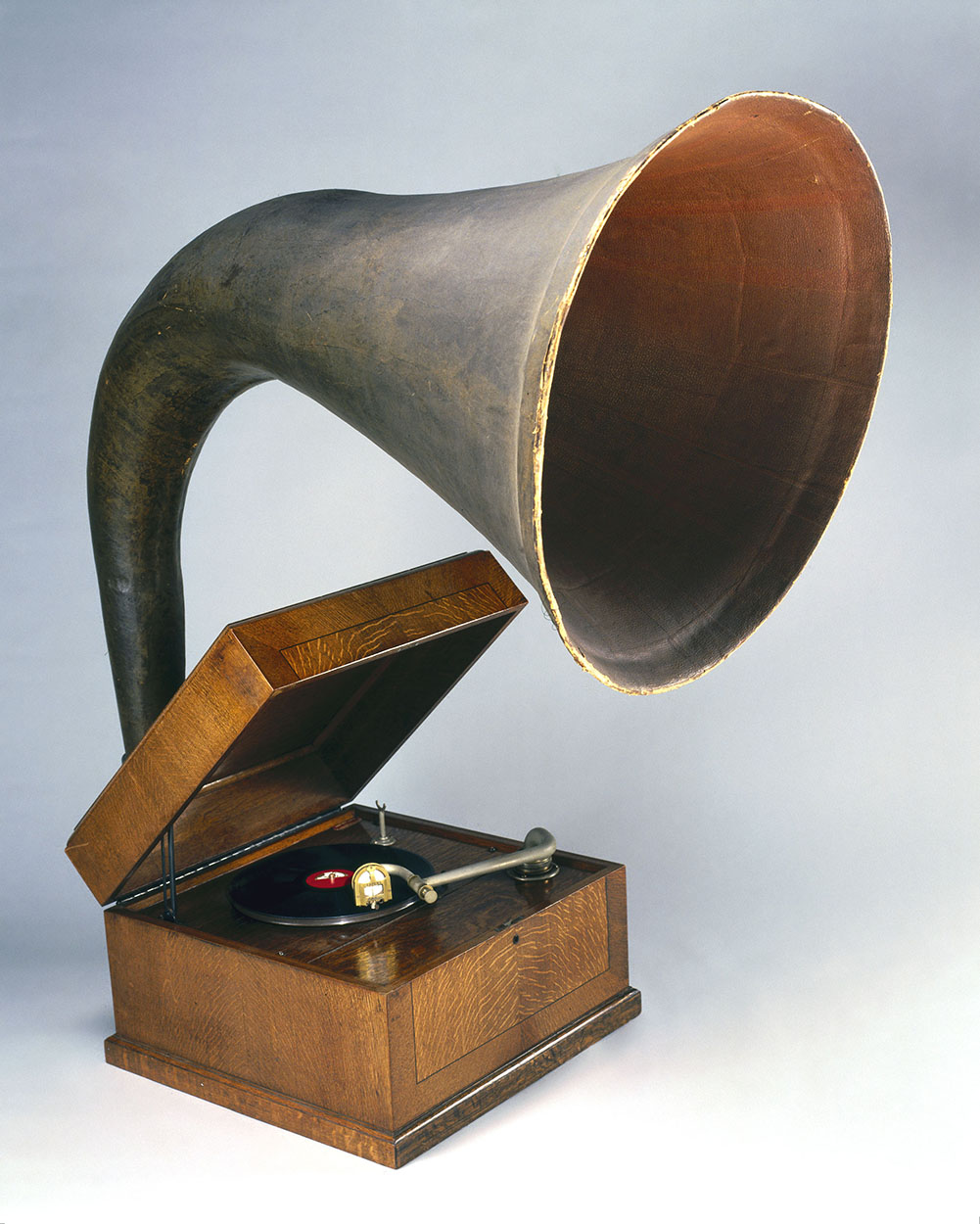
One day as Joy lay in bed, a wonderful idea occurred to her. The gramophones many villages owned could be put to good use if she made records of stories and songs about Jesus. As far as she knew, no such records existed in Spanish.

But how could she implement such a plan? Joy began to pray and asked others to join her.

Slowly, her health improved. And then, she happened to be introduced to a missionary returned from Central America who’d built a recording studio in his home. She shared her idea, and he became enthused about such a project.

Joy wrote the scripts and arranged for singers and their accompaniment. She herself read the stories.

The first record was produced on December 31, 1938. Joy sent them to various locations in Central America. Now people who couldn’t read would hear about Christ in their own language.

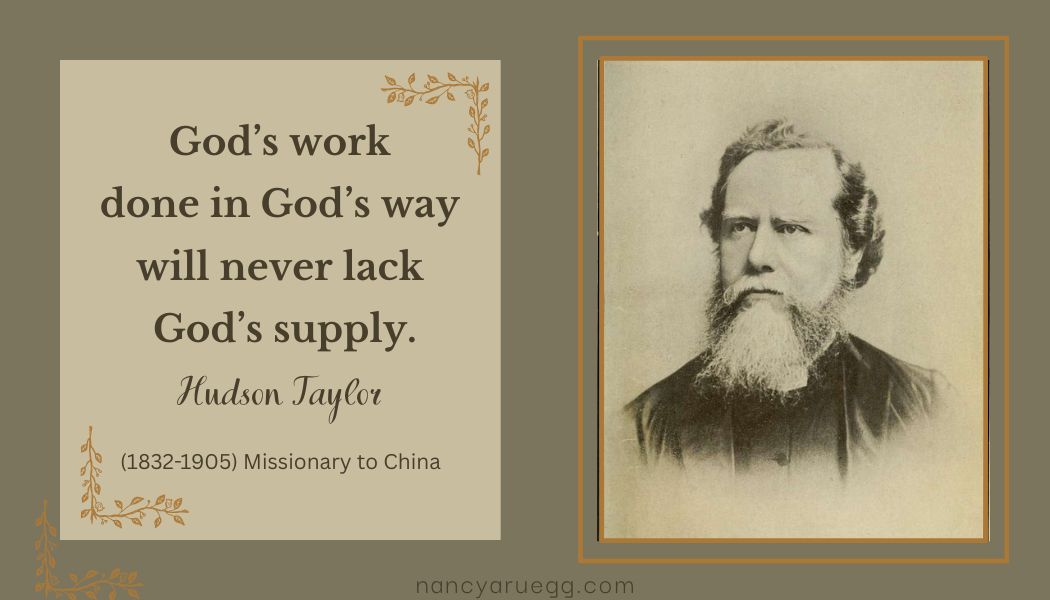
But each record cost fifty cents to produce and Joy had no income. The Great Depression meant resources were tight everywhere. Joy prayed for God’s provision. She believed what the great missionary Hudson Taylor had said [1]:

And supply God did.

In May 1939, Joy established Spanish Gospel Recordings.

Missionaries in Mexico heard about Joy’s work and asked for records in another language. Of course, finding native speakers in L. A. for an indigenous Mexican-Indian language would be nearly impossible.

So Joy and her college friend Ann Sherwood left for Mexico and Central America in 1944, a trip made possible by a doctor who loaned them a car and provided gas ration coupons.

Once they arrived in Mexico, a man invited them to use his new recording studio. The women spent ten months producing records in thirty-five languages, then returned to the States, satisfied their task was complete.

But God had more in store.

Missionaries to the Navajo Indians in Arizona asked for recordings; Joy found native speakers to translate and record scripts for them [2].

Next came a call from Alaska. The two women drove from L.A. to Alaska, equipped with one of the first tape recorders produced in America. While there, someone mentioned that such records would be helpful in the Philippines.

“Oh no!” Joy laughed. “Now we’ve got to go to there!”

Joy and Ann spent one year in the Philippine Islands, producing records in ninety-two languages [3].

By 1955, the two women and others had travelled around the world. Records were being sent to more than one hundred countries [4], prepared on top-of-the-line recorders that God supplied.

He also provided workers who lived in various countries. By 1980 about 3,500 languages had been recorded [5]. Millions of records had been produced.

Of course, not all remote villages owned a record player. So Joy’s organization developed and supplied a number of different players over the decades.

The simplest was a cardboard sleeve that also housed the record for shipping. When opened up, a needle fastened to one edge played the record when placed on the stubby spindle attached to one side. The record could be turned by a pencil or stick stuck into a hole on the edge of the label.   

Hand-wound box-players were later issued, then cassette players, followed by hand-wound mp3 players. Today, the internet and apps allow people all over the world to hear about Jesus and his gift of salvation.

In an interview recorded in 1974 [6], Joy Ridderhof (1903-1984) passionately affirmed:

“We have a God that’s alive, who answers prayer, takes care of us, gives us joy in the work, and provides great results from our work.

“Many thousands have heard about Jesus; little churches have sprung up in different places. He has met our needs and proven himself faithful [7]!”

Today, the Global Recordings Network includes forty offices worldwide, and has produced recordings in more than 6,500 languages [8].  

Joy Ridderhof


[1] https://www.globalrecordingsusa.org/wp-content/uploads/2024/03/Magazine-viewing-version-1.pdf

[2] https://fromthevault.wheaton.edu/2024/03/04/too-impractical-to-be-a-missionary-remembering-missions-pioneer-joy-ridderhof/

[3]  https://www.youtube.com/watch?v=TsLfY9bOkxo

[4] https://fromthevault.wheaton.edu.

[5] www.globalrecordings.org

[6] (and [7])  https://www.youtube.com/watch?v=TsLfY9bOkxo

[8] https://www.globalrecordingsusa.org/about/overview/

Image credits: http://www.canva.com; http://www.flickr.com; commons.wikimedia.org; http://www.picryl.com; http://www.canva.com; http://www.commons.wikimedia.org (2).

Processing…
Success! You're on the list.

Read Full Post »

Frank Laubach (1884-1970): missionary to the Philippines, college dean, author, and developer of a highly-successful literacy program.

These are a few of the accomplishments of the devout Christian hero we met in last week’s post, “Toward Undiscovered Continents.”

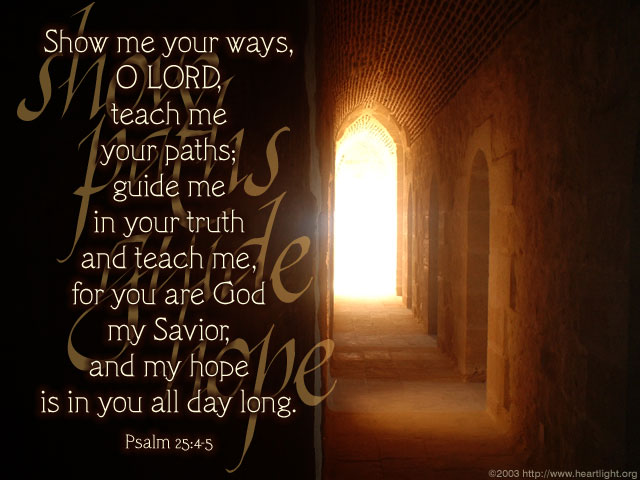
His fifty-six books included those about the Philippines and teaching literacy, but also about growing into an intimate relationship with God, something he’d greatly desired, like King David centuries before:

In a letter dated March 23, 1930, Frank wrote, “Can I bring God back in my mind-flow every few seconds so that God shall always be in my mind [1]?”

He decided to make the rest of his life an experiment, and for the next forty years Frank disciplined himself to become more aware and more submissive to his heavenly Father—moment by moment.

As the habit grew, Frank wrote it was “the most amazing thing I ever ran across.” In another letter he tried to describe the sheer joy he experienced one afternoon:

“God was so close and so amazingly lovely that I felt like melting all over with a strange and blissful contentment [2].”

Surely all of us desire such loveliness and contentment in God’s presence.

But how did Frank manage to accomplish such a goal? And how might we hope to achieve that kind of intimacy with God?

First, we have to be patient with ourselves. Seeking to experience God throughout the day takes time and practice. About seven weeks into his experiment, Frank admitted:

“When for a half hour or so He slips out of mind—as He does many times a day, I feel as though I had deserted Him, as though I had lost something very precious in my life [3].”

So how did Frank become more consistent in his focus?   

 Here are a few of his practical suggestions (The comments in brackets are my own):

  • In the chinks of time between things, pray: “Lord, think your thoughts in my mind. What is on Your mind for me to do now?”
  • Instead of talking to your “inner self,” talk to Jesus. Imagine Him with you.
  • Pursue a two-way conversation in prayer. Ask, “God, what are You saying to me?” Let your imagination consider what you suppose He might answer. [It’s worthwhile to record these responses in a journal. Do keep in mind, God will never contradict what he’s already said in scripture.]

Can you imagine him saying, “I have been waiting for this moment all your life, waiting until you opened the channel so that I could speak. I have wonderful plans for you which cannot be realized until you listen as you are listening now [4].”

  • Make a daily habit to prayerfully read about the life of Jesus, from the Bible-books of Matthew, Mark, Luke, and John. Try different translations to keep the experience fresh.

[Or, listen to scripture being read to you. Here’s an APP to try: https://www.bible.com/audio-bible/111/MAT.1.NIV .]  

Frank urges, “Walk with Jesus through Galilee by walking with Him through the pages of His earthly history [5].”

  • Hum a favorite prayer-hymn or chorus to yourself. [One possibility: “Take My Life and Let It Be,” with its upbeat tune.]
  • We invite Christ to share—all day long–in everything we do, say, or think. We don’t need to stop our work, but “we try to call Him to mind at least one second of each minute [6].” [How’s that for a lofty but highly worthy goal?]

The websites listed below offer more of Frank’s suggestions.

With him we can attest: “Now that I have discovered Him I find that it is a continuous discovery. Every day is rich with new aspects of Him and His working [7].”

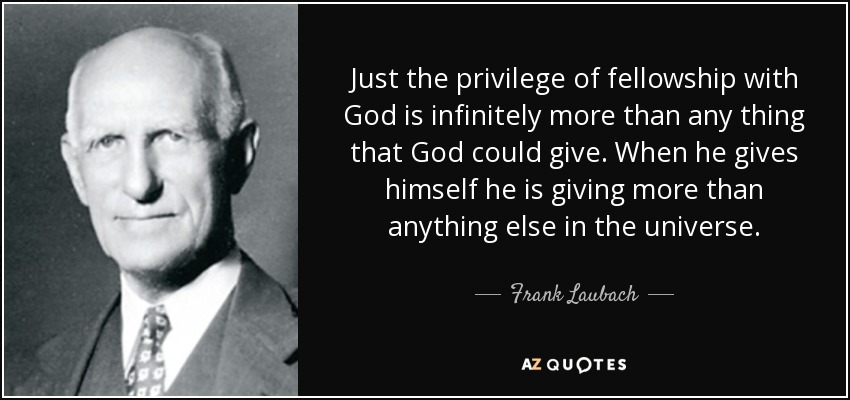
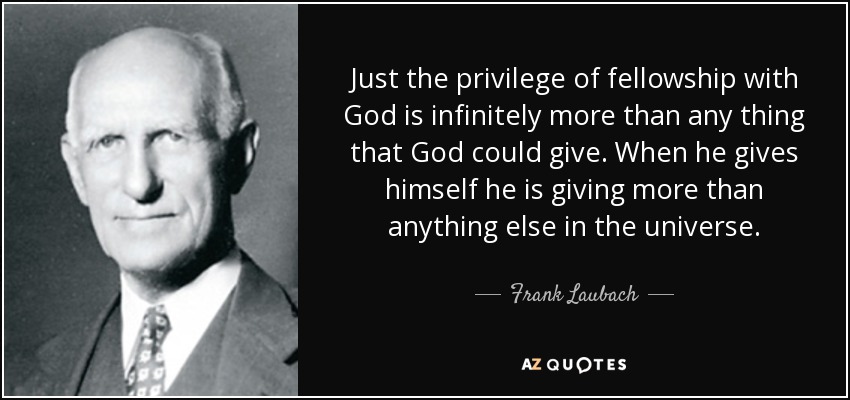
Doesn’t that sound delightful? Let’s make the most of our minutes, availing ourselves of that “melt-all-over, blissful contentment” in the presence of God that Frank Laubach wrote about.

https://www.azquotes.com/quote/803882


[1] https://renovare.org/articles/living-each-moment-with-a-sense-of-gods-presence-frank-laubach.

[2] Quoted by Nayswami Nakin at https://www.ananda.org/blog/laubach-christian-literacy-god/ .

[3] Letters of a Modern Mystic, quoted by Richard J. Foster and James Bryan Smith, www.renovare.org.   

[4] These first three suggestions come from Laubach’s book, Prayer: The Mightiest Force in All the World, highlighted by Bill Gaultiere, at https://www.soulshepherding.org/christ-answer-inspiration-frank-laubach/.

[5] From The Game with Minutes, by Frank Laubach, quoted by Dr. Tom Sweeney at  https://the-magpie.org/2017/02/28/laubach-on-experiencing-god-every-minute/.

Image credits: http://www.dailyverses.net; http://www.pexels.com (Mk7Bober); http://www.heartlight.org; Nancy Ruegg; http://www.pickpik.com; http://www.azquotes.com.

Processing…
Success! You're on the list.

Read Full Post »

A view from Signal Hill

Frank Laubach trudged up Signal Hill again, despair shrouding his heart. After patient waiting and great effort he’d reached an impasse, with no path forward toward success.

Frank had spent seven years earning college and seminary degrees, married Effa Seely in 1912, and together they’d sought to follow God’s plan and become missionaries.

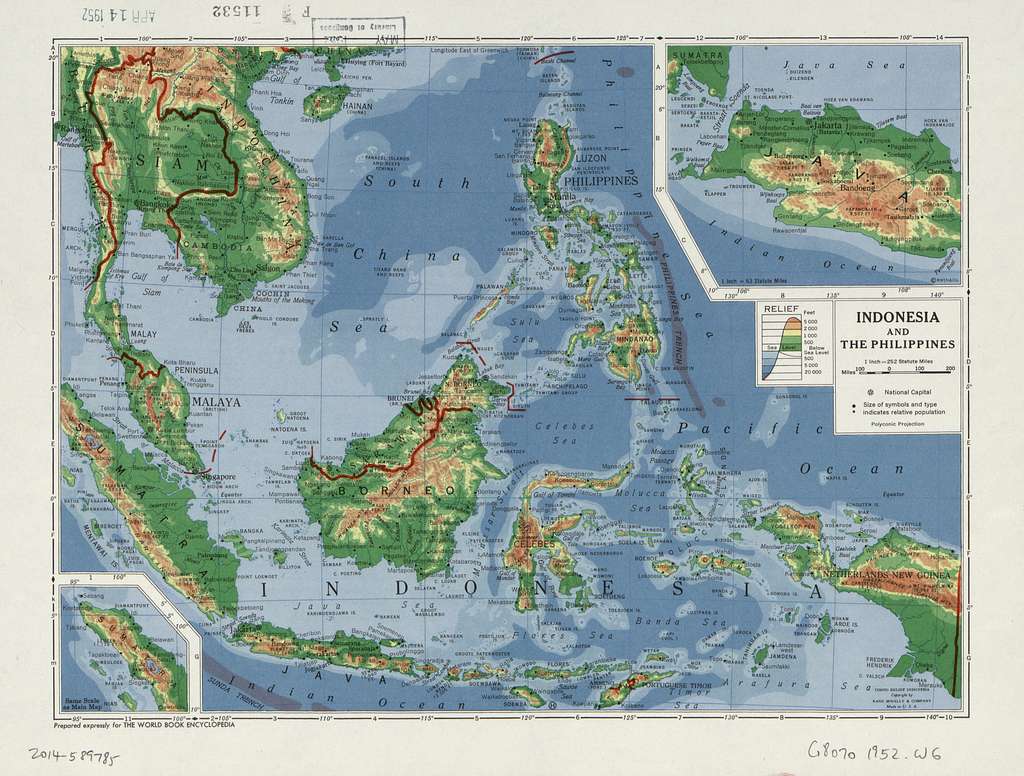
In 1915 the couple traveled to the Philippines, eager to work with the Muslim Moro people on Mindanao.

Mindanao is the large island to the south among the Philippines.

But just a few weeks after their arrival, the U.S. Army post commander stationed there required them to leave, insisting the area was too dangerous for Christians.

First they moved to north Mindanao, and ministered among the people there. In 1922, Frank and Effa moved their growing family to Manila where Frank became dean of Union College and established churches.

Surely he could take satisfaction in these accomplishments. But his heart’s desire was still set on working among the Moros.

Nearly eight years later, the trouble in southern Mindanao finally subsided. Frank left his family in Manila and returned, only to be rejected wherever he went. No one would listen to Frank, and after a month he had to admit defeat.

Moro people of Mindanao

One evening atop Signal Hill, Frank poured out his heart to God again and asked, “Why have my efforts failed?”

And this time God answered, identifying the problem. Frank saw the Moro people only as potential converts to Christianity, not as people to love.

“You feel superior to them because you are white,” God said. “If you can forget you are an American and think only how I love them, they will respond.”

The truth compelled Frank to pray, “Drive me out of myself, Lord. Come and take possession of me and think your thoughts in my mind.”

God then revealed his course of action for Frank. “If you want the Moros to be fair to your faith, be fair to theirs. Study the Koran with them.”*

The next day Frank told the Moro priests he wanted to study the Koran. Eagerly they talked with him, and Frank began to build relationships with these men, sharing the good news about the great prophet they already knew: Jesus.

Most of the Moro people couldn’t read. Frank knew that literacy would be important for teaching about Christ, so he worked to provide a dictionary of their language, Maranaw, and established a school. The Moros expressed enthusiastic gratitude.

Frank procured a printing press and devised an adult literacy program that proved highly successful. But as the Great Depression reached the Philippines, the program seemed destined to collapse. How would they pay for materials?

Frank’s solution: “Each One Teach One.” Everyone who learned to read was urged to teach someone else, using the materials they had. And as Frank taught, he shared about Christ.

Over the ensuing years, Frank wrote books about his teaching methods which were adopted around the world. An estimated sixty million people have learned to read, thanks to Frank’s techniques.

But more important are the thousands of people he brought into a rich experience with God——through his other writings.

For Frank, that night on Signal Hill was the beginning of growing intimacy with God, revealed in his subsequent journal entries, articles, and books.

One habit in particular transformed his life. Like Brother Lawrence three centuries before, Frank sought to live moment by moment in relationship with God.

Frank’s Letters by a Modern Mystic trace the beginning of this journey toward intimacy.

“I resolved that I would succeed better this year with my experiment of filling every minute full of the thought of God than I succeeded last year” (1-3-1930).

“This year I have started out trying to live all my waking moments in conscious listening to the inner voice, asking without ceasing, ​’What, Father, do you desire said? What, Father, do you desire done this minute’” (1-20-1930)?

“It is exactly that ​‘moment by moment,’ every waking moment, surrender, responsiveness, obedience, sensitiveness, pliability, ​’lost in His love,’ that I now have the mind-bent to explore with all my might” (1-26-1930).

So began his life-long practice of constant, blessed connection with his heavenly Father, which he eagerly desired for others.

https://www.azquotes.com/quote/803882

“Why do I harp on this inner experience? Because I feel convinced that for me and for you who read there lie ahead undiscovered continents of spiritual living compared with which we are infants in arms” (Frank Laubach, 1884-1970).

And what will result from such a pursuit? No doubt we’ll experience a level of shalom in the presence of God that for now we can only imagine.

Let’s explore! Next week we’ll consider Frank’s suggestions that will take us to those “continents of spiritual living!”

*https://www.ananda.org/blog/laubach-christian-literacy-god/

Additional Sources:

https://www.jcsvillage.org/blog/2017/3/23/frank-laubachs-great-experiment

https://renovare.org/articles/living-each-moment-with-a-sense-of-gods-presence-frank-laubach

Image credits: http://www.flickr.com; http://www.picryl.com; http://www.flickr.com; http://www.azquotes.com.

Processing…
Success! You're on the list.

Read Full Post »

Seven-year-old Paul mashed a bit more water into his pail of mud, looking for that just-right consistency to build walls. His sister Connie collected sticks to help support them.

Soon they’d have two miniature mud houses with roofs made from the large leaves of a peepal tree. This is where their stick-people would live, using the structures as a base for their glorious adventures.

The fact they had few toys never bothered Paul and Connie. Their creative play with what nature provided kept them happy for hours.

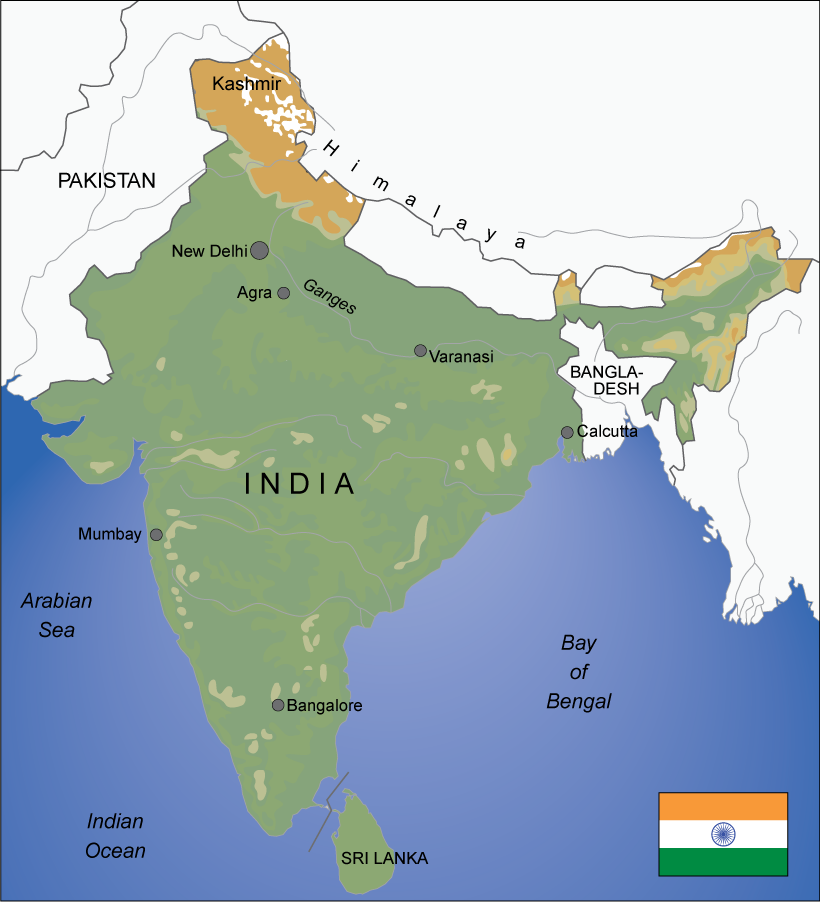
Across the yard, their father, a missionary doctor in southwest India, met with patients in a shelter outside their home. Paul stayed clear. The sight of some injuries and diseases turned his stomach.

As the children played, three men limped toward the house, their hands and feet bandaged in rags. Curious about what happened to them, Paul allowed himself to watch.

His father donned surgical gloves and unwrapped the cloths. As they fell away, Paul startled to see open sores, missing fingers and mere stumps for feet. He quickly looked away. But in his peripheral vision he could see his father wash and apply salve to their wounds.

When the men left, Paul’s mother immediately bathed Paul and Connie, even though they’d had no contact with the men. Later his father told him the men suffered from leprosy, a flesh-eating disease.

That’s when Paul decided: I will NOT become a doctor.

At age nine in 1923, Paul’s parents escorted his sister and him back to England to begin their formal education.

Paul took special interest in construction and trained as an engineer and carpenter. He planned to return to India and follow in his parents’ footsteps as a missionary—just not in the medical field.

However, he did study tropical medicine for one year, learning to care for injuries and common illnesses like malaria.

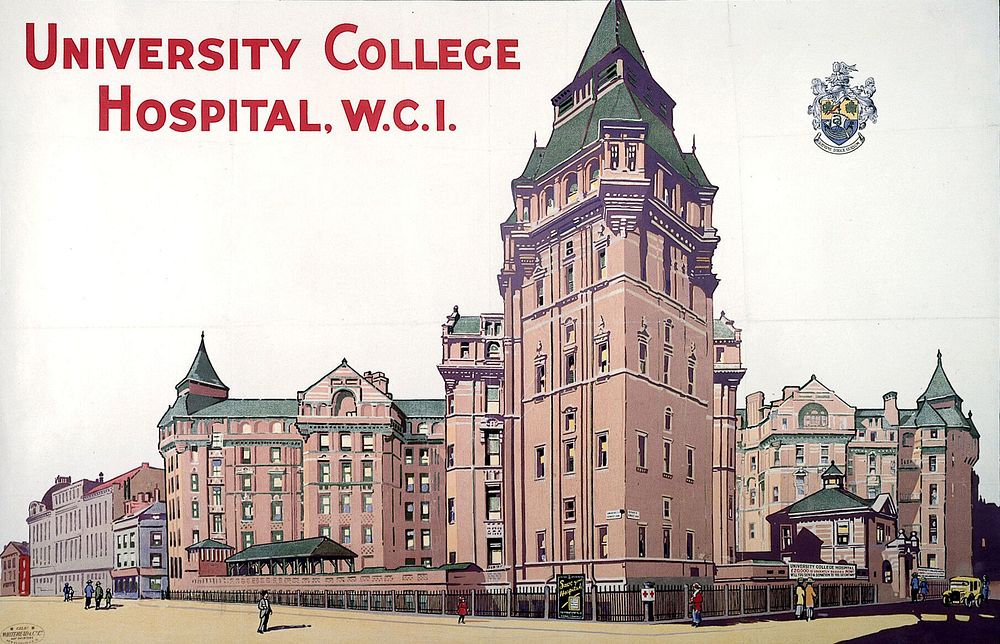
During that year Paul witnessed the miraculous healing of a woman near death when a blood transfusion saved her life. God used that thrilling incident to change Paul ‘s trajectory, and at age 23 he enrolled at the University College Hospital in London.

Over the next ten years Paul became an orthopedic surgeon, married another medical student, Margaret Berry, and treated bomb victims during World War II.

In 1946, the couple traveled to India where Paul would teach at the Christian Medical School and Hospital in Vellore, India [1].

He and Margaret, an ophthalmologist, encountered many leprosy patients.  It pained them to witness their terrible suffering.

A senior colleague suggested Paul study leprosy. Perhaps he could determine the cause of the deformities as well as an effective treatment. After years of extensive research, Paul was convinced: leprosy was not a flesh-eating disease, it was a nerve disease.

Damaged nerves meant patients lost the ability to sense pain, leaving a person vulnerable to injury—third-degree burns, deep cuts, and other serious wounds. When improperly treated, infection flared, which in turn caused the loss of fingers, toes, and more.

Even as research ensued, Paul put his surgery skills to work, successfully repairing hands and feet by moving healthy muscles and tendons where they could do the most good.

Restorative hand surgery, pioneered by Dr. Paul.

As some lepers regained use of their hands and feet, a new problem presented itself. They could no longer beg for a living and needed vocational training.

Paul founded the New Life Center in Vallore to provide those opportunities. He remained a surgeon by day but also became a teacher of carpentry at night.

How astounding, Paul thought, that God made sure I was schooled in both.

Through the 1950s and early 1960s, Paul served in several leadership positions for mission organizations focused on leprosy research and rehabilitation.

One day he and Margaret received an invitation to work at the U.S. Public Health Service Hospital in Carville, Louisiana, the only leprosy research facility in America. They and their six children moved to Louisiana in 1966.

For twenty years Paul served as chief of rehabilitation in the Carville hospital, and then the couple moved to Seattle where Paul taught at the University of Washington. He also continued to serve as consultant to the Leprosy Mission and the World Health Organization.

Paul received many awards, and invitations to lecture sent him all over the world until age 88, when travel became difficult.  Just nine months later, Paul died.

Well-known author and friend of Paul, Philip Yancey, wrote about the doctor’s affinity for that ostracized class of people, lepers:

“To him these, among the most neglected people on earth, were not nobodies, but people made in the image of God, and he devoted his life to try to honor that image”[2].

Surely all could agree: Dr. Paul Brand succeeded.


[1] A previous post One Step At a Time/ tells the amazing story of Ida Scudder and the founding of the Christian hospital in Vallore.

[2] Grace Notes, p. 48.

Other Sources:

https://biologos.org/articles/members-of-the-body-reflections-of-dr-paul-brand

https://leprosyhistory.org/database/person31

https://www.teddingtonbaptist.org.uk/tbcgc02.htm

Image credits: http://www.picryl.com; http://www.commons.wikimedia.org; http://www.rawpixel.com; http://www.flickr.com; http://www.flickr.com & http://www.canva.com.

Processing…
Success! You're on the list.

Read Full Post »

“God preserved me so I might tell the story of my life and of God’s goodness to me,” wrote Jeanette Li in her autobiography. And readers might expect her to share stories indicating a life of continual blessing.

They would be wrong.

Jeanette Li (known first as Li Mao Ya, or “Jasmine Bud”), was born in 1899 and grew up in Southeast China with a large extended family of forty-plus people. They lived in hardship and poverty along with most everyone else in the village.

At age six, Jeanette suffered her first trauma—her beloved father died.

Many more ordeals followed, including:

At age 9: Jeanette contracted malaria and received treatment at a mission hospital. One blessing: while there, she and her mother, Taai-So, became Christians.

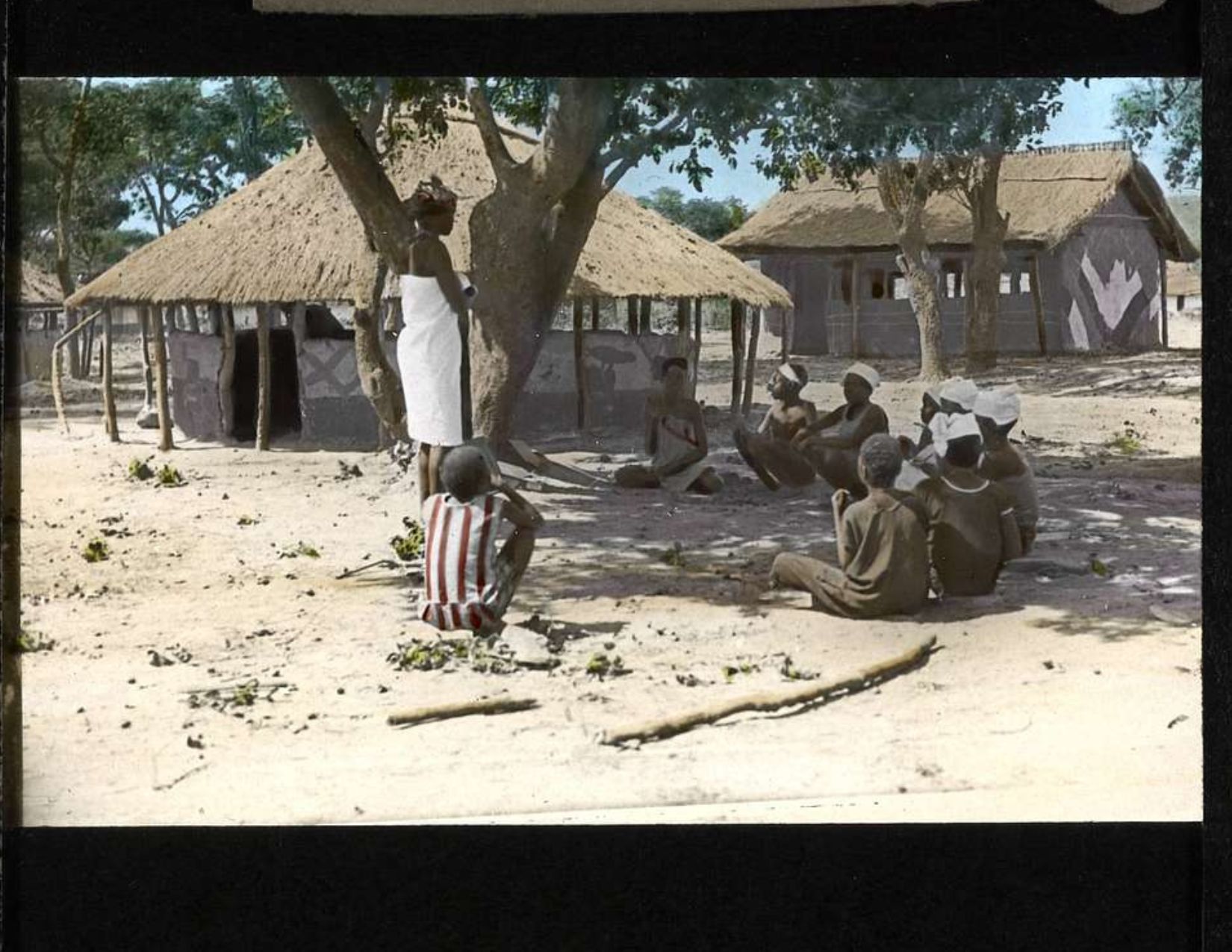
Perhaps a mission such as this one in central China

When Jeanette was released, they returned home, only to be turned away by their Buddhist family because they’d become Christians.  Taai-So and Jeanette returned to the mission and lived there.

Age 10: The mission was closed due to political strife; all their missionary-friends had to leave.

Age 16: Against Jeanette’s will, Taai-So arranged a marriage for Jeanette, in order to provide for her daughter’s future. Jeanette went to live with her husband’s family under the thumb of a domineering mother-in-law.

Age 20: Jeanette bore a son. But her husband was rarely home, first because he was in school, and then because he was hired as a teacher some distance away. Eventually he married someone else.

Age 32: Jeanette left all she knew to live and serve in bitter-cold Manchuria, requiring her to learn a new language and culture. For thirteen years she traveled by cart on unpaved roads, telling people about Jesus.

Age 38: War broke out between China and Japan in 1937, lasting eight years. Millions died in combat or the result of starvation or disease.

Age 47: The Communists warred against the Nationalists in a three-year civil war, resulting in more suffering and the death of another million-plus people.

Jeanette returned to South China, to the mission where she and her mother had lived. Jeanette was questioned many times by Communist Army officials.

Age 50: All foreign missionaries were constrained to leave China as the Communist Party took power. Jeanette assumed responsibility for the mission-orphanage.

Age 51: She suffered imprisonment for seventeen months, accused of being a counter-revolutionary. Jeanette had to sleep on the floor “in a damp cell infested by mosquitoes, with hardly any food”[1].

They forced her to perform hard labor, and interrogated her day and night. she became ill with fever and developed hemorrhaging dysentery. Her captors offered no medical treatment [2].

Some would ask, “Where was God in all this? The poor woman endured such hardship, pain, and unfair treatment!”

Jeanette would have us know that God graciously involved himself throughout her life, blessing her, and bringing her joy:

He was there during the siege of malaria that took Jeanette and her mother to the regional mission. God spared Jeanette’s life and introduced them to Jesus.

When they returned home, God used the family upheaval to lead the two back to the mission. Taai-So obtained employment and they grew in their Christian faith.

God brought good out of the abandonment of Jeanette’s husband, providing the opportunity for her to obtain a teaching certificate. She was able to support her son as a teacher and then as school administrator.

God fulfilled Jeanette’s desire to tell others about Jesus and made it possible for her to serve in Manchuria, teaching in village after village.

God led her to return to South China where he used her to assume leadership of the mission-orphanage, putting to use her skills as educator and administrator.

God sustained Jeanette during her imprisonment as she suffered acute misery with grace, courage, and stamina—a witness to all in the prison of God’s power at work in her life.

God also spared her life as illness and weakness nearly overcame her.

After her release, God provided for her recovery and subsequent missionary-work in Canton.

God bestowed a miraculous escape from Communist China, first to Hong Kong where she ministered to children and refugees, and finally, in 1962, to Los Angeles, California where her son already lived.

Throughout her life, Jeanette was one of those “true saints who [could] wear the mismatched pairing of suffering and joy” [3]. And as a result,  she drew attention to Christ.

May we do the same.

Addendum: For six years prior to a fatal stroke, Jeanette ministered in the Chinese community of Los Angeles, told her story at every opportunity, and wrote her autobiography.


[1] https://www.placefortruth.org/blog/jeanette-li-and-her-faith-in-gods-promises

[2] Ibid.

[3] https://jenniferdukeslee.com/on-suffering-and-joy-a-lesson-from-the-garden-tomato/ 

Other Sources:

https://www.bdcconline.net

https://rpwitness.org

Image credits: http://www.commons.wikimedia.org; http://www.getarchive.net (2); http://www.canva.com (2); http://www.freebibleimages.org; http://www.getarchives.net.

Processing…
Success! You're on the list.

Read Full Post »

Lott Carey ran his hands over the polished wood of his new desk. He shook his head in wonder while contemplating the most recent turn-of-events in his life.

Lord, I can scarce believe where you’ve brought me, he prayed.

Surely no one but a prophet could have predicted this day for Lott, a former slave from Virginia, born about 1780. 

Thank you, Father, for placing me in a God-fearing family, and for our kind master who kept us together—my grandmother, parents, and me. Thank you for their faithfulness to raise me up knowing you.

Lott rested his elbows on the desk and covered his eyes at the next memory, when his master sent him to work in a tobacco warehouse in Richmond.

He was twenty-four, joined with a group of carousing men, and began drinking heavily.

Months later, he returned to church and reestablished his faith in Christ.

Thank you, Lord, for never giving up on me, even when I turned my back on you.

Lott smiled to think how God engineered the ensuing events. First came the desire to read, and Lott signed up for night school at First Baptist Church. He also studied writing, math, the Bible, and other subjects.

Then God provided a promotion to supervisor at the tobacco warehouse, providing a better salary. Lott saved every extra penny and purchased his freedom [1].

Looking back, God, I can see how you’ve cared for me all along the way. You’ve gone before me, you’ve been with me, and have never forsaken me [2].

Next came the realization that God had given him a gift for preaching, and his church licensed him to do so. Lott ministered to a small black congregation for a time, and under his leadership, it grew to over eight hundred members. Lott began receiving invitations to preach all over Virginia.

That turned out to be a short stretch of road, didn’t it Father! You used my teacher, Mr. Crane, and others to turn my heart toward Africa, which I found exciting but also overwhelming.

The fact that my church family provided strong affirmation encouraged me that this was your plan.

For six years the idea of becoming a missionary in Africa had grown increasingly urgent in Lott’s heart. Finally, in 1821, the dream became a reality when he, his second wife, three children and two more co-workers with their families set sail for Sierra Leone.

They were the first black Americans to serve as missionaries in Africa.

West Africa

Lott shook his head. Never would I have expected my life journery to take me across the ocean!” he mused.

Not long after disembarking, the group discovered that the American Colonization Society, responsible for purchasing land for them, had not done so. The team had to work as laborers for nearly a year until support arrived from the States.

An even more grievous event that year: Lott’s wife became ill and died.

Such agonizing setbacks might have done me in, Lord, but you upheld me. Thank you for your sustaining presence.

One uplifting circumstance: God used Lott to establish a mission among the nearby Mandingo tribe.

In 1822 the neighboring state of Liberia was founded by the America Colonization Society as a place for freed slaves to resettle and govern themselves.

Lott became Liberia’s health officer and government inspector in the capital city of Monrovia, while also serving as pastor for several churches.

These have been exciting times, Lord. You’ve also helped me found the Monrovia Mission Society, to help us spread the good news of Christ all over Africa.

He suddenly chuckled. AND you made me physician of the colony!

Lott marveled how much he’d learned just through observation and experience while ministering to the sick. He’d also absorbed knowledge from scientific practitioners who visited the colony [3].

But most surprising of all, Lord, is where I currently sit, at this desk—the GOVERNOR’S desk!

Who would ever guess that an illiterate, former slave like me would be chosen provisional governor of Liberia while the elected governor returns home because of illness?

Lott surveyed the desktop with its books and papers–his domain now.

God, you’ve taken me on an extraordinary journey. As I assume these responsibilities, thank you in advance for your continued enablement to do what you require. May I serve you well, AMEN.

Little did Lott know that he’d shortly be organizing a defense force against hostile tribes, that he and seven co-workers would die in a gun powder explosion while preparing to rescue negotiators from the enemy. He was just forty-nine years old.

And yet during his short life, Lott set for us a stellar example of hard work, strong faith, and prayerful compliance with whatever God set before him to do.

His legacy lives on in the Lott Carey Global Christian Missional Community, established in 1897 and “dedicated to broadening the reach of the Christian faith across the globe” [4].


[1] He also purchased freedom for his first wife who later died, and their two children. The cost: $850. (https://landmarkevents.org/lott-carey-sails-for-africa-1821/; https://docsouth.unc.edu/neh/taylor/taylor.html).

[2] Deuteronomy 31:18 NIV

[3] https://docsouth.unc.edu/neh/taylor/taylor.html , 44.

Additional Sources:

http://www.imb.org, “Missionaries You Should Know: Lott Carey.”

https://www.thetravelingteam.org/articles/lott-carey

Image credits: http://www.stockcake.com; http://www.picryl.com; http://www.canva.com; http://www.flickr.com (Juan Freire); http://www.heartlight.org; http://www.canva.com.

Processing…
Success! You're on the list.

Read Full Post »

Twenty-one-year-old James Gribble, a streetcar conductor, scanned the avenue ahead, but his mind swirled with visions of the future. Life was treating him well in Philadelphia with its many amenities in 1904, compared to his hometown of Mechanicsburg, PA. What opportunities might lie ahead?

Then it happened. A woman stepped off the still-moving trolley, caught her skirt under a wheel, and was pulled under. She died at the scene.

James agonized over the terrible accident. “Oh God, deliver me, and I’ll serve you!” he wrote in his journal.

That Sunday James attended church and accepted Jesus into his life. That evening he was baptized.

On Monday while reading his Bible, James came to Matthew 28:19a:

He told his pastor, “I think God wants me to become a missionary.”

For several years James received mentoring and instruction, then joined the African Inland Mission. To his delight, the team included a pretty young doctor, Florence Newberry. In 1908 they established a mission station in West Central Africa and started ministering to the nearby tribes.

The station was located in what is now the Central African Republic, south of Chad.

James wanted to become better-acquainted with Florence, but patients kept her busy from morning till night. Suddenly genius struck. James could pretend he was sick!

During the appointment he suggested courtship. Florence preferred they remain friends, still devastated over a previous beau uninterested in foreign mission work.

Twice more over the next four years James would approach her about courtship; twice more she declined.

James and another missionary traveled inland to establish a new station.

West African tribesmen, 1912

Soon his partner became ill and had to return to base camp, then James succumbed to black water fever. He expected to die.

Afterward James wrote about the vision God gave him on his sickbed—a panoramic view of the tribes of West Central Africa. God said, “Thou shalt be instrumental in carrying the gospel to these.” James knew then he’d survive.

During a prayer vigil in 1912, Florence’s thoughts turned to James. Her heart had warmed toward the trustworthy and kind missionary, so passionate about sharing Christ with the African people. Florence sensed the Spirit whispering to her, “Why not?”  

The two were married within a few months.

Sometime later Florence developed appendicitis and required hospitalization. For thirty days they traveled the three hundred miles to the nearest hospital.

As she slowly recovered, the doctor told James, “You must take her back to America. She cannot live in the tropics.”

Florence did return home and six months later James followed. They lived in Chicago for several years while Florence regained strength. Their only child Marguerite was born there in 1915.

Daily James would pray over a map of Africa. He found his attention drawn to a town named Bozoum, in Ubangi-Shari (now the Central African Republic). He wondered why.

Bozoum is located in the northwestern province of Ouham-Pende.

The couple shared their hope with area churches: to establish base camps across central Africa as a barrier against encroaching Islam. When they returned in 1918, two nurses and another family joined them.

The group desired to enter a French-controlled area, but it took eighteen months to receive permission. They named their base, Camp-Wait-Some-More.

Finally able to move on, they arrived in Carnot. While waiting there another eighteen months, they spent their time learning the language and praying.

A new official arrived, and James made an appointment with him.

He asked James, “Where do you intend to set up camp, now that you’ve received permission?”

Permission?! James was stunned. “Where would you recommend?”

Then came Surprise #2. “I think Bozoum would be a good place.”

Now James knew why God had inspired him to pray particularly for this town.

In 1921, Florence and James became ill again. She had to return to the States, taking their daughter with her. Eighteen months later Florence traveled back to Africa, but without Marguerite. Though an anguishing decision, the couple determined she should remain in America to attend school.

In 1923 a young recruit was due to arrive, but he died within miles of reaching their mission station, causing more heartache.

James wrote:

Not long after, James succumbed to black water fever again; this time the forty-year-old did not survive.

He’d previously written to Florence, “I shall be content with the lowest seat in heaven if only there I may sit and see the redeemed of the Lord come in from those fields where I have a been a pioneer missionary.”

Except James had not witnessed one person becoming a Christ-follower during his years in Africa.

Some might say those years of pain and hardship had accomplished nothing. And what about God’s promise: ““Thou shalt be instrumental in carrying the gospel to these?”

James had been instrumental, by bringing others to join in their work. Even his own daughter returned to Africa, ministering with her husband for thirty-one years.

James had served as a foundation builder—constructing base camps, encouraging others, and giving himself to prayer. He followed in the footsteps of the Apostle Paul:

Today, 70% of the population of the Central African Republic are Christians.

In my mind’s eye I see James in heaven, greeting saint after saint from West Central Africa, just as he imagined. But instead of sitting, I think James is standing and celebrating with all his heart.

Sources:

Photo credits: http://www.flickr.com; http://www.rawpixel.com; http://www.picryl.com; http://www.flickr.com; http://www.commons.wikimedia.org; http://www.nara.getarchive.net; http://www.commons.wikimedia.org.

Processing…
Success! You're on the list.

Read Full Post »

Although the family gathered ’round him wept openly, Pastor Martin Rinkhart held back his own tears as men lowered another townswoman into her grave. It was his forty-second burial that day; and a few more would require his administration before sundown.

The next day promised more of the same as the plague ravaged the city of Eilenburg, Germany, Rinkhart’s hometown. But this wasn’t their only tragic circumstance. Long before in 1618 the Thirty Years’ War had begun, devastating much of Europe—especially Germany.

Now it was the mid-1630s, and numerous refugees had crowded into the walled city of Eilenburg to escape death and destruction at the hands of the Swedish army. The plague had soon followed.

Eight thousand people died, including many children, two clergymen from nearby neighborhoods, and Rinkhart’s wife. He would bury nearly 4,500—forty to fifty per day– before mass graves were instituted.

Martin Rinkhart could never have imagined such heartbreak when he earned his degree in theology in 1602.  He no doubt looked forward to shepherding a little flock of believers, leading them to grow in faith and ministering to their needs.

And for fifteen years or so, Rinkhart did serve as music minister or pastor in several locations. Then in 1617, at age thirty-one, he was invited back to his native Eilenburg.

Eilenberg, Germany today

Shortly after his relocation, the Thirty Years’ War began—one of the longest, most destructive conflicts in European history, taking eight million lives [1].

The Swedish army caused much suffering. Soldiers plundered livestock, food stores, and household goods.  They demanded to be billeted in citizens’ homes. Even as Rinkhart endured these same hardships, he continued to faithfully care for his hurting parishioners.

No sooner did the plague subside than famine gripped the land. Rinkhart did his best to help others, reducing rations for his own household until he found himself mortgaging his future income in order to purchase food and other necessities for them.

During this time, the Swedish army returned, besieging Eilenberg for several months. They finally demanded an exorbitant ransom to leave the city. Rinkhart met with the general to plead the city’s case, but he wouldn’t back down.

One account explains that Rinkhart called together his parishioners and others to pray. “Come my children,” he invited. “We can find no hearing, no mercy with men; let us take refuge with God” [2].

Evidently the general was present as Rinkhart prayed fervently for God’s deliverance. The Swede acquiesced, and lowered the ransom considerably.

During these decades of suffering, in 1636, Rinkhart wrote a mealtime prayer-song for his two children. They sang it at bedtime too.  

Most of us would expect a prayer pleading for relief and rescue by God’s power and mercy. Instead, Rinkhart focused on gratitude:

His prayer became the basis for a beloved hymn, chosen to be sung at the national thanksgiving service when the Thirty Years’ War ended. It’s still sung today:

https://youtu.be/ItfKjxkXhMk?si=TXR0eN0Tj9rP0Of4

I marvel how someone could write such lyrics—about the wondrous things God has done, his blessings along the way, and countless gifts of love—all while suffering terrible hardship and grief.

But I’m thankful for Martin Rinkhart’s example, demonstrating what it means to trust in the Lord with all your heart, in all circumstances [3].

Still, the question remains: WHY. Why Lord?” we plead toward heaven. “Why must good people suffer?”

Herbert Lockyer would have us understand:

No doubt Rinkhart embraced those truths. He also understood: Gratitude to God nurtures hope in him, the One who brings good out of all circumstances [5].


[1] https://enjoyingthejourney.org/hymn-history-now-thank-we-all-our-god/

[2] https://www.thedestinlog.com/story/lifestyle/faith/2018/11/20/story-behind-song-pastor-gives-praise-thanks-during-darkest-of-times/8320618007/

[3] Proverbs 3:5; 1 Thessalonians 5:18

[4] Seasons of the Lord, 371.

[5] Romans 8:28

Additional Source: http://www.baptistnews.com/article/now-thank-we-all-our-god/

Art & photo credits: http://www.picryl.com (Artist: Jozef Szermentowski); http://www.wikimedia.org; http://www.rawpixels.com.

Processing…
Success! You're on the list.

Read Full Post »

Older Posts »

Still Traveling

Impressions Becoming Expressions

Living Our Days

Gaining a heart of wisdom

He Said What?!

I'm Patty, and my husband and I are living with our adult son who has autism and epilepsy. I love sharing lessons learned from life around me, especially life with Aaron.

Meditations of my Heart

Impressions Becoming Expressions

Linda Stoll

Impressions Becoming Expressions

Debby Thompson

Impressions Becoming Expressions

Signora Sheila

Notes on Life, Faith & Italy

Colleen Scheid

Writing, Acting, Living in God's Love

Mitch Teemley

The Power of Story

Heidi Viars

Finding the Image of God