Feeds:
Posts
Comments

Archive for the ‘Jesus’ Category

The Miracle of the Loaves and Fishes

James Tissot, Brooklyn Museum


It’s a familiar story:

Crowds of people teemed the hillside—thousands of them. They had gathered hours before so Jesus could heal the sick and infirm. But soon the sun would set, and hunger gnawed at everyone’s belly.

One young boy offered his meager lunch, and with its contents Jesus provided an ample supper for the entire throng.

I can only imagine, Jesus breaking the pickled fish and barley rolls into pieces over and over, his hands hiding the actual multiplication. He must have worked fast too.

Let’s see…if 5,000 men were in attendance, and perhaps an additional 5,000 women and children, the total count may have approached 10,000 people.

And if each bread-and-fish meal required one second of Jesus’ time to create, he would have been producing food for two hours and forty-six minutes. (Math whizzes: please check my figuring.) In actuality, the process must have been much more rapid.

But even when everyone had eaten all they wanted, Jesus wasn’t finished yet.

“Gather all the leftovers,” he told his disciples. And they filled twelve baskets with broken pieces (Matthew 14:13-21; Mark 6:32-44; Luke 9:10-17; John 6:1-13).


Now why would Jesus create an overabundance? Such excessiveness seems without purpose. And why did he instruct the disciples to collect all those leftovers? The birds would have swooped in and quickly devoured the remains.

But Jesus had his reason. Like all the other miracles he performed, his objective was to make plain certain truths about himself and his Father.

Consider:

  • The sheer number of wonders proved he was the Messiah. No one before or since has achieved such a record number of miracles.
  • Jesus’ supernatural deeds for people of all walks of life demonstrated his love and compassion for everyone; a person’s nationality or social status didn’t matter.
  • The breadth of his power became clear as he turned water into wine, healed numerous kinds of diseases and infirmities, quieted the wind, caused nets to fill with fish, walked on water, and even raised the dead.

 

The Raising of Lazarus by Rembrandt


The miracle of multiplied bread and fish highlights God’s benevolence. And the leftovers in particular provide a memorable picture of God’s inexhaustible resources and overflowing grace, available to us through Jesus.

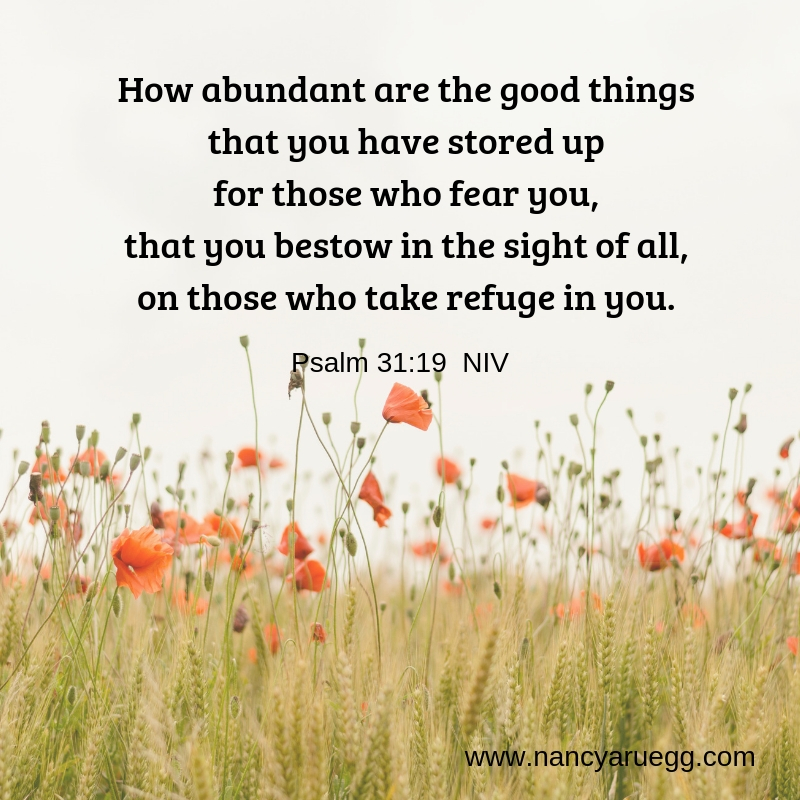
I wonder if the disciples were reminded of Psalm 31:19 as their baskets began to fill with roll fragments:


Such abundance none of them had ever seen before.  The fact that it was an abundance of bread is significant too, because the very next day Jesus called himself the Bread of Life (John 6:35).


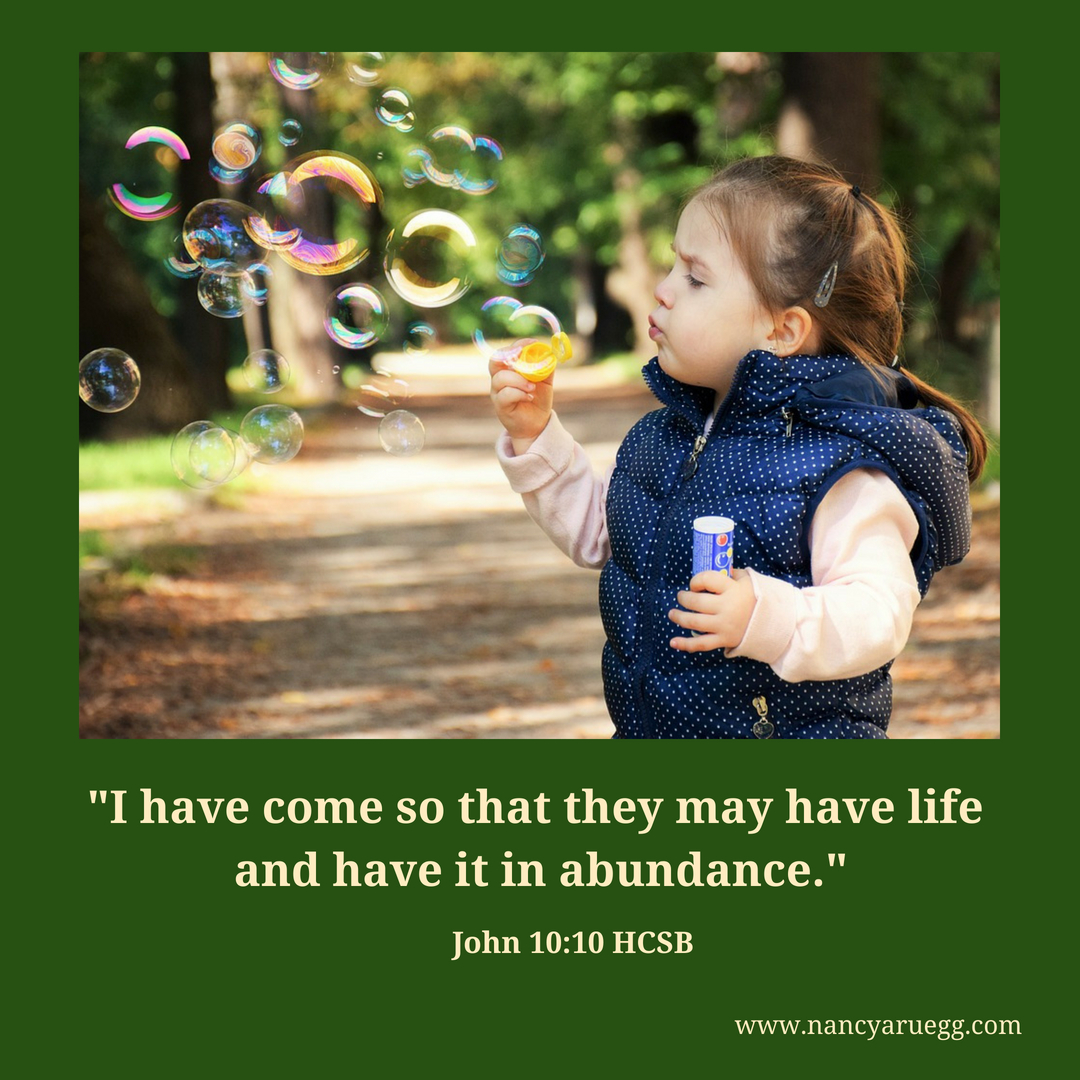
Just as he had supernaturally provided an abundance of bread for a huge crowd, so he would supernaturally provide an abundance of life (John 10:10)a God-enhanced, satisfying, joy-filled life—to those who believe in him (John 11:25-26).

And what about those twelve baskets? Where might a band of wandering disciples find a dozen baskets on a Galilean hillside?

Historians can explain. Each man would have been carrying his own kophinos—a knapsack-type basket. It would have held food and necessary items for a journey, and also provided a place for acquired objects or supplies along the way.

The baskets might symbolize our hearts where the Bread of Life dwells. But unlike the disciples’ grapevine backpacks, our hearts are elastic, capable of stretching to hold more and more of the fullness of God.

And there is a wondrous and glorious abundance to be gathered.


*     *     *     *     *     *     *     *     *     *


I praise you, Father,

“We need not fear that we shall ever come to the end of your goodness or any experience for which you will have no blessing ready” (J. R. Miller).

You are our Almighty God, able to do above and beyond all that we ask or think. With you, amazing things are always ahead.  Hallelujah!  

(Luke 12:29-31; 2 Corinthians 9:8; Ephesians 3:20)


Art & photo credits:  http://www.wikimedia.org ( U.S. work public domain in the U.S. for unspecified reason but presumably because it was published in the U.S. before 1924.); http://www.pxhere.com; http://www.wikipedia.org; http://www.canva.com; http://www.dailyverses.net; http://www.heartlight.org.


Read Full Post »


This weekend, my daughter-in-love, five year-old granddaughter, and I will attend The Nutcracker. It will be little Elena’s first performance, and I’m looking forward to watching her reactions, even as the overture begins.

Maestro Tchaikovsky chose only the strings and woodwinds of the higher registers for the opening, bringing to mind a music box. And by so doing, he created a fanciful foreshadowing of what’s to come: the Nutcracker’s kingdom called the Land of Sweets.

Another overture, much more sublime even than Tchaikovsky’s, is actually found in scripture. It’s not an overture of violins and flutes; it’s an overture of words—words that entice us for what’s to come: the glorious truth about God’s kingdom and its Lord of lords, Jesus Christ.

That overture opens the New Testament gospel-book of John.


“In the beginning was the Word,

And the Word was with God,

And the Word was God.”

–John 1:1


If set to music, this powerful introduction would surely require heralding trumpets, French horns, and kettledrums. Listen as the majestic music unfolds.

“Jesus is the Word—God’s means of communication to humankind—the very expression of God’s thought” (William Barclay).


As a follower and intimate friend of Jesus, John was in position to see and hear those numerous expressions of God’s thought over a period of three years. Later, the Holy Spirit inspired him to record those expressions, so we would understand:

Jesus’ life did not begin with his human birth. He always was and always will be (John 1:1).

John recognized that even though his Master was fully human (he ate, he slept, and even cried), he was also the eternal God. John and others caught a glimpse of his eternal glory when Jesus glowed as bright as the sun. I wonder if the disciples had to shade their eyes?

On the same occasion, Moses and Elijah—men who had died many centuries before–appeared with Jesus.  They, too, glowed with the same dazzling light (Matthew 17).

Only Jesus:  fully man, fully God.


(The Transfiguration by Giovanni Ricca, 1641)


Jesus brought light to everyone (v. 4)—and still does.

The One who created light became the Light of the world.

And just as natural light contains the full spectrum of color, so the light of Jesus contains a full spectrum of attributes: love, grace, wisdom, peace, joy, comfort, and more. All of which he radiates upon those desirous of his Light.


And, as if that wasn’t enough,

Jesus longs to bring every person into his family, to make us his children (v. 9).

His sons and daughters enjoy incredible benefits:

  • No one can snatch us out of God’s protective hands (John 10:28).
  • He is our perfect Abba, our tender and attentive Daddy (Romans 8:15).
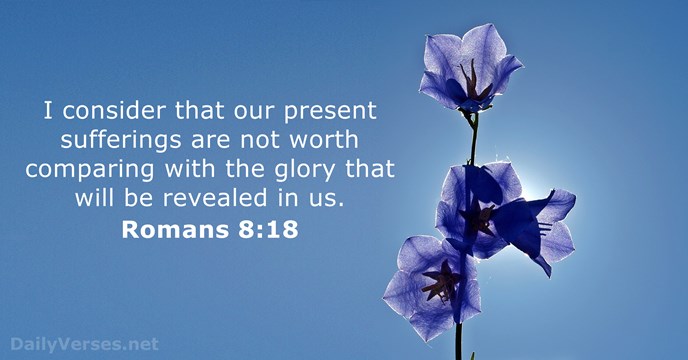
  • We are heirs of God’s promise (Galatians 3:29) for a future so grand and glorious, we cannot begin to imagine its splendor (Romans 8:18).


John’s introduction to his gospel-book does not conjure up visions of angel-messengers or a guiding star in the East. He left that to Matthew and Luke. Instead he has given us an overture of cosmic proportions, presenting the radiant glory, grace, and truth of Jesus (v. 14).

With lyrical, transcendent words, John entices us to consider what has already come to us—to those who have received the Savior of the world (v. 12).

As December 25 draws near, may all these Christmas overture themes gloriously resound in your heart!


(Art & photo credits:  http://www.wikimedia.com; http://www.flickr.com; http://www.picryl.com; http://www.www.flickr.com; http://www.maxpixel.net; http://www.dailyverses.net.)


Read Full Post »


Years ago Steve’s Aunt Louise gave us a little ceramic church music box.  With its drab gray walls, greenish-gray roof, and standard steeple, the church did not grab attention. But the arched windows on each side were filled with tiny chips of colored glass, and when lit from within the little church sparkled with glorious light.

Sometime when our three children were young, the church was broken by “Not Me.” Fortunately, the pieces were large and Steve was able to glue them back together.   When the light was turned on, the cracks didn’t even show.

But as the years passed, the glue began to discolor and turn dark. The poor little music box became a sad sight, and I was about to throw it away when our youngest son–probably in high school by this time–said, “Oh, Mom! You can’t get rid of the church! That’s been my favorite Christmas decoration since I was a little kid!”

So Jeremy saved the music box from destruction.


He finished college, married a sweet girl from our church, and moved twice more while attending seminary. Somewhere along the way the music box disappeared.

Each year as he and his wife Nancy decorated for Christmas, he’d remember fondly that little ceramic church and wonder what happened to it.

Seminary graduation came and went, four years at his first church appointment also passed. While settling into their second parsonage, Jeremy finally unpacked a carton labeled “Memorabilia” that had been sealed up since he left our home.

Buried at the bottom was a sealed shoebox. Jeremy sliced through the tape with his pocketknife, lifted the lid, and brought into the light a lumpy, tissue-wrapped object.


Within moments Jeremy held in his hands that precious, long-missing ceramic church. And joyful tears stung his eyes.

He quickly found a new bulb and plugged the cord into a nearby socket. The windows instantly filled with glorious rainbow light. Jeremy didn’t even notice the fissures or dark, crusty glue.

Isn’t it amazing to consider that, just as Jeremy loves that damaged music box, God loves us—scarred, and imperfect as we are? We too were just as lost as that little church—sealed up in a box of our own prideful independence.


But Jesus came looking for us. He brought us into his glorious Light, and filled us with the Light of his inviting, benevolent grace.*

Now, we have the privilege to shine with gleaming Light just like that little church—in spite of our scars.


*     *     *     *     *     *     *     *     *     *


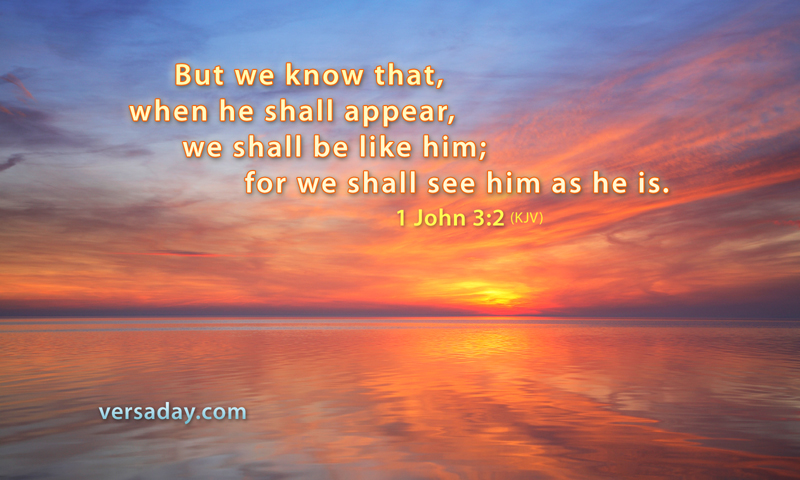
God of all grace, I thank you for rescuing me from mere existence in my self-made box, and bringing me into a rich, full life with you. Even though cracks and blemishes remain in my being, what you see is not what I have been but what I am becoming—holy and blameless and filled with Light—for that day when I see you as you are!


(John 10:10; Ephesians 1:4; John 8:12; 1 John 3:2)


*Often defined by using an acronym: God’s Riches At Christ’s Expense


Scripture references: Luke 15:8-10; John 8:12; Colossians 1:27; 2 Corinthians 9:8; 2 Corinthians 3:18; Romans 3:24; Matthew 5:14.


(Photo credits:  Jeremy Ruegg (2); http://www.flickr.com; http://www.heartlight.org (Ben Steed); http://www.verseaday.com.)


Read Full Post »


Christmas is indeed a season of light.

Candles glow and twinkling lights glimmer from houses, buildings, and trees.

People love all the flickering and shimmering!  Some spend weeks decorating their yards and rooftops in spectacles of illumination.  If you asked them why, they might be hard-pressed to express more than, “They’re beautiful!”


But perhaps it’s more than just aesthetics.  Perhaps it’s a heart-response.

Light is symbolic for:

  • Beauty.  Light grabs our attention, whether it’s sparkling and dazzling or soft and luminous.


  • Safety.  Where there is light, we can navigate through our surroundings.
  • Comfort.  A nightlight offers just that for many a child who is afraid of the dark.
  • Hope.  Light gleams triumphantly in the darkness at the end of a tunnel.
  • Guidance.  Light illuminates the way.


Might it be that people respond to light, especially when associated with Christmas, because the human spirit is made to respond to the Light?

Jesus came from the Father who is Light (1 John 1:5), and proclaimed, “I am the Light of the world” (John 8:12).

But that statement is more than symbolic.

God the Son is our safety, because he offers eternal life.


“My sheep listen to my voice; I know them and they follow me.

I give them eternal life, and they shall never perish;

no one can snatch them out of my hand.”

John 10:28-29


God the Father is our comfort, because he is loving and compassionate.


“Praise be to the God and Father of our Lord Jesus Christ,

the Father of compassion and the God of all comfort,

who comforts us in all our troubles.”

2 Corinthians 1:3-4a


God the Son is our hope, because of his resurrectionWe will be raised from the dead because he was. 


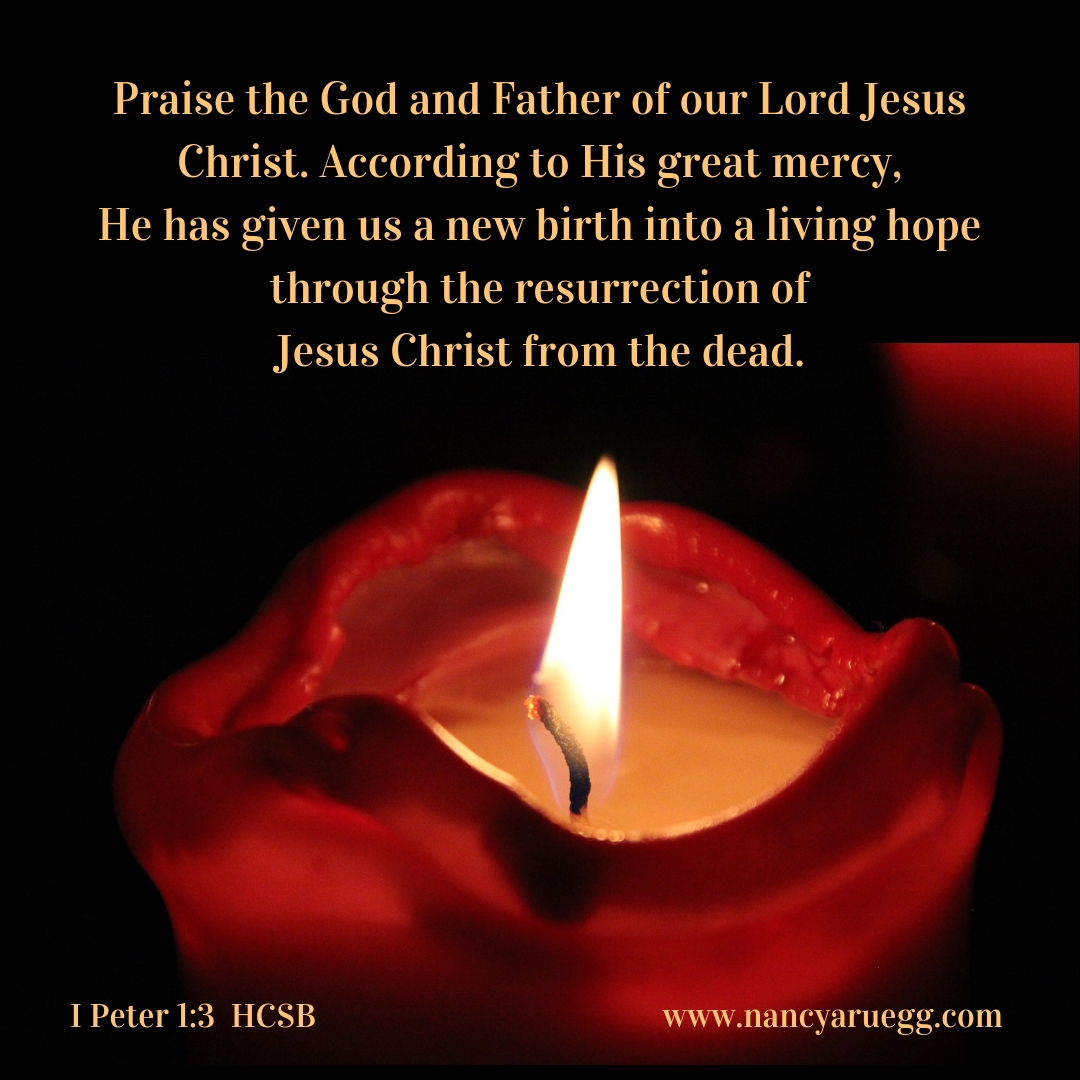
“In his great mercy [God] has given us new birth

into a living hope through the resurrection of Jesus Christ from the dead,

and into an inheritance that can never perish, spoil, or fade—

kept in heaven for you.”

1 Peter 1:3b-4


God the Father is beauty, because of all his exquisite attributes.  And we have the opportunity to bask in that beauty.


“I’m asking God for one thing…

To live with him in his house my whole life long.

I’ll contemplate his beauty; I’ll study at his feet.”

Psalm 27:4  MSG


God the Father is guidance, characterized by wisdom, compassion, and readiness.


The Light of the world offers us all this and more.

I can’t imagine life without him, can you?

Let’s make time to linger in his Light during this Advent season.


Let’s be watchful for “Glory-moments, awash in his dazzling Light” (Sarah Young).


*     *     *     *     *     *     *     *     *    *


How else might we expand our heart-response to Jesus?  Please share your thoughts in the comment section below!


Photo credits: http://www.pxhere.com; http://www.wikimedia.com; http://www.tOrangebiz; http://www.flickr.com; http://www.dailyverses.net; http://www.canva.com (3).


(Revised and reblogged from December 2, 2013.)

Read Full Post »

English poet, William Blake (1757-1827) penned those words of the title.

We don’t have to look far to see that he was right:

  • Children pick up mannerisms, inflections, even body language from their parents.
  • Couples who have been married a long time often begin to look alike (1).
  • Transplants to another part of the country frequently pick up the accent of that region.

In addition, modern neurological research has proven Mr. Blake’s statement in ways even he never imagined.

Here’s what scientists have discovered: Thoughts travel along specific pathways to various destinations in our brains. As we consider the same thought frequently, the pathway for that thought becomes more deeply entrenched. The final result? The more often we contemplate something, the more it will affect our thought patterns, how we feel, and how we behave (2).

No wonder God inspired Paul to write:

According to that research mentioned above, to behold (observe and take in) such things as Paul lists will lead us to become honorable, pure, admirable, etc. In fact, we’ll gradually begin to resemble Jesus.

But how do we contemplate the Lord’s glory on a day-to-day basis? How do we train our thoughts to etch worthwhile pathways in our brains, so we’re thinking, feeling, and behaving in Jesus-like ways?

To begin, we might check the stimuli for our thoughts:

  • the book(s), magazines, and websites we read
  • the programs and movies we watch
  • the music and podcasts we listen to
  • the kind of entertainment we choose
  • the conversations we participate in—in person and on social media

Can we describe these activities with the adjectives Paul used in Philippians 4:8? Is our reading material pure? Our entertainment admirable? Our conversations worthy of praise?

O God,

Second, we set aside a quiet time with God each day.

It’s surely one of the loveliest and most excellent activities for beholding him, as we immerse ourselves in truth for life from his Word, revel in his glorious attributes, and talk to him about the concerns on our hearts.

“Look up into his lovely face and as you behold him,

he will transform you into his likeness.

You do the beholding—he does the transforming.”

—Alan Redpath

Third, we infuse the hours of each day with praise.

All those descriptors in Philippians 4:8 apply to Jesus. Day in and day out we can enjoy the uplift of praise, celebrating that he is:

  • the epitome of truth (John 14:6).
  • honorable and worthy of all tribute, because he lived a sinless life and sacrificed himself on the cross for us (Revelation 5:12).
  • right in all he does (Jeremiah 23:5).
  • pure in all he is (1 Peter 2:22).
  • lovely, as the radiance of God’s glory (Hebrews 1:3).
  • admirable, as the only man tempted in every way and yet never sinned (Hebrews 4:15).
  • excellent in all ways, including his servitude, humility, and obedience (Philippians 2:6-8).
  • praiseworthy, as ruler of all things (Matthew 28:18).

In addition, Jesus was a man of peace, joy, wisdom, kindness, courage and more (3).

And God wants us to be the same, to become like his Son (Philippians 1:6).

Can you think of any greater aspiration?

_______________________________________________

Notes:

  1. One theory to explain this phenomenon: We unconsciously mimic the facial expressions of our spouses, as we empathize with their experiences and emotions. Over time, repeated expressions shape our faces in similar ways.
  2. https://www.maxanders.com/we-become-what-we-behold.
  3. John 14:27; John 15:11; Luke 2:40; Matthew 9:36; Philippians 2:8.

Art & photo credits:  http://www.pxhere.com; http://www.heartlight.org; http://www.dailyverses.net; http://www.pxhere.com; http://www.canva.com; http://www.pxhere.com; http://www.canva.com.

Read Full Post »

It’s been said, St. Francis of Assisi contemplated the love of Christ until he caught the glow of His Spirit, which he went about radiating (1).

The operative word for me is contemplated, which means to look at pensively, to ponder or consider thoughtfully, to meditate on.

In St. Francis’ case, he chose to thoughtfully consider a simple subject: the love of Christ.

And the result was quite astounding. Francis glowed with the Spirit—so profoundly that others took note of his radiance.

By contrast, it stands to reason that worry and unrest are the direct result of misdirected or insufficient contemplation. In addition, no one can glow with the Spirit if thoughts of discontentment predominate.

For some, the love of Christ might seem too simple a subject and difficult to contemplate for very long. But if we challenge ourselves to scan the New Testament, we’ll discover many worthy thoughts to ponder about Jesus’ love.  Thoughts such as these:

First, his love for humanity compelled him to leave the perfection of heaven for a life of poverty on earth. Ultimately, he laid down his life so that we might become children of God and heirs of his immeasurable, heavenly riches (2).

While here on earth, Jesus made it clear he loves everyone, including:

  • Those whom others ignore, like blind beggars and penniless widows (3)
  • Those considered unimportant, like children (4)
  • Those whose sin tends to be concealed beneath the surface, like the rich young ruler (5)
  • Those no one else will go near, like lepers with ulcerated and decaying flesh (6)
  • Those who make mistakes, misunderstand truth, and bicker among themselves—like Jesus’ disciples (7)
  • Those who commit crimes, like the thief crucified with Jesus (8)
  • Even those who would try to kill him (9)

His love compels him to:

  • Seek after those who stray, never giving up until each one is safely home  (10)
  • Knock gently but persistently at the doors of our hearts, because he dearly wants us to enjoy fellowship with him (11)
  • Offer God-enhanced, blessing-abundant living now, with eternity in heaven to come (12)

Because he love us, Jesus wants to:

  • Draw us into his protective care, like a hen gathers her chicks (13)
  • Enjoy our company forever (14)
  • Reveal himself to us (15)—not in physical form (just yet!), but in the evidence of his loving kindness, righteousness, power and glory
  • Protect us from fear by teaching us how to let peace stand guard over our hearts (16)
  • Fill us with all the fullness of God–his perfect attributes, generous blessings, and hope-saturated promises (17)

Nothing we say, nothing we do, nothing that happens to us can separate us from the love of Christ (18).

And “we are never nearer Christ than when we find ourselves lost in a holy amazement of his unspeakable love” (19).

No wonder St. Francis glowed.

*     *     *    *     *     *     *     *     *   *

We do stand in awe, Lord Jesus, of the sweeping landscape of your love as revealed in scripture. And just as St. Francis of Assisi practiced careful contemplation centuries ago, may we continually ponder the expanse of your love—its breadth, length, height and depth.

Notes:

  1. Ralph W. Sockman, The Higher Happiness
  2. 2 Corinthians 8:9; John 15:13; 1 John 3:1; Ephesians 2:7
  3. Mark 10:46-52; Matthew 8:16
  4. Mark 10:13-16
  5. Mark 10:21
  6. Matthew 8:3
  7. Acts 1:6; Mark 8:14-21; Luke 9:46
  8. Luke 23:39-43
  9. Luke 23:34
  10. Matthew 18:11-13
  11. Revelation 3:20
  12. John 10:10; 3:16
  13. Matthew 23:37
  14. John 14:3
  15. John 14:21
  16. 1 John 4:18; Philippians 4:6-7
  17. Ephesians 3:19
  18. Romans 8:35-38
  19. John Owen (1616-1683), English theologian

(Art & photo credits:  http://www.wikipedia.org; http://www.heartlight.org; http://www.pexels.net; http://www.pixabay.com; http://www.canva.com (2).

What contemplation of Jesus’ love makes your heart glow?  Share your thoughts in the Comment section below!

Read Full Post »

Saturday afternoon provided the perfect circumstances for a cozy sit by the fire.   The calendar was clear for the day and we could burrow into the quiet. Snow showers added to the tranquility as they gently outlined backyard trees in white.


The serenity of our sitting area is enhanced by the beloved hand-me-down decor: the clock, oil lamp and child-size rocker from my grandmother, lanterns that belonged to Steve’s Dad and grandfather, books of our parents’ youth, and a painting that once hung in the home of Steve’s parents.


Altogether, the golden firelight, familiar furnishings, and cozy comfort engender peace and contentment.

But as delightful as these moments are, this kind of tranquility is fleeting. At any moment the phone might ring and the caller share distressing news. Then we’ll hardly notice our snug surroundings as concerns and questions begin to demand our attention.

When that phone call comes, circumstantial peace will not be enough. But that’s the only kind this world can offer. What we really need at such times is a stillness of spirit that originates outside this world from the Master of Peace.

My peace I give you,” Jesus told his disciples. “I do not give you as the world gives.”


Remember when he spoke those words? The night before he died.  He well knew what was to come (1). The next day would be a maelstrom of suffering, climaxed by tortuous pain on a cross.

How could he speak of peace on the eve of such horror?

Because his heart was always directed Godward, resulting in radiant peace. Jesus faced rejection, false accusations, hateful treatment (from religious leaders no less), and even attempted stoning. And yet he remained unruffled.

“Christ’s life outwardly was one of the most troubled lives that was ever lived…But the inner life was a sea of glass. The great calm was always there” (2).


And this is the peace he offers us—a peace that includes tranquility, security, and prosperity of spirit in spite of circumstances. It is “a rare treasure, dazzling in delicate beauty yet strong enough to withstand all onslaughts” (3).

How do we avail ourselves of this treasure?

By reviewing the attributes and promises of our Prince of Peace–all day long.

“Great thoughts of Christ will pilot you into the haven of peace,” said Charles Spurgeon.


Perhaps we could word our great thoughts of Christ as a prayer:

You, Lord Jesus, are our Good Shepherd, always leading in the way we should go. You tenderly watch over us, meeting every need and protecting us from evil—including wild, fearful thoughts and emotions (4).  

You are full of love for us. Out of your kindness and compassion you see us through every dark valley of life. Though we may not always be aware, you are ever-present, ready to offer strength and support (5).


You have said, “Everything is possible for those who believe” (6). And we know that’s true because we’ve seen your miracles. You’ve healed incurable diseases; you’ve protected and provided in hopeless situations. You’ve enabled others to transition to heaven with impossible grace and joy.

For these reasons and many others, we place ourselves in your attentive, all-wise, all-powerful care.

You are our Mighty One, our Rock, our Haven of Peace.


______________________________


P.S. I started rough drafting this post last Saturday afternoon, while sitting by that fire. Uncertainty had already moved into our hearts after Steve’s blood work last week turned up questionable results. The doctor immediately called for a cat scan that took place on Friday. Monday he shared the results with us: liver cancer.

Steve is now on an obstacle-ridden road toward a liver transplant, and the future holds much greater uncertainty than we faced last week.

Do you suppose it’s just coincidence that I’ve been reading, thinking, and writing about peace for the last six days?

I don’t think so either.


Notes:

(1) Luke 22:15-16

(2) Henry Drummond

(3) Sarah Young

(4) John 10:3-4; 2 Thessalonians 3:3; John 10:11

(5) Ephesians 5:1-2; Luke 6:35; Matthew 28:20

(6) Mark 9:23


Photo credits:  http://www.publicdomainpictures.net; Nancy Ruegg; http://www.canva.com; http://www.flickr.com; http://www.wikimedia.com; http://www.canva.com; http://www.wikimedia.org.


Read Full Post »

(A personal psalm in honor of our Lord Jesus)


We praise you, Author and Perfecter of our Faith.

BY your death on the cross we are saved from eternal separation from you and all that is good.  Your sacrifice made possible our adoption as children of the God of the universe. Your forgiveness covers every failure, and as your character permeates our own, your grace transforms us into works of art.


We praise you, Righteous One.

IN you there is no condemnation hanging over us like a black cloud. No longer must each of us wear the label sinner; we become saints when clothed in your righteousness.   Who dares point the finger and cry “Guilty?” Because of you, Lord Jesus, God has already forgiven us and granted right standing with himself.


We praise you, Emmanuel (God with us).

WITH you we may live a new life of confidence that Someone stronger and wiser is in charge, Someone available day or night for whatever we need, Someone perfectly capable to take on our troubles, Someone dedicated to increasing our joy, and Someone to infuse our lives with purpose and fulfillment.


We praise you, Ruler of Creation.

TO you all things are brought into existence. Everything in creation is for your glory—from the innumerable stars spilling across the sky to the diverse creatures inhabiting every corner of our planet.   As for humanity, we too are diverse—each endowed with unique gifts and talents to live for the praise of your glory.


We praise you, Great Shepherd.

FROM you we receive grace, mercy, and peace. Because of your grace, you listen to the broken heart, the guilt-ridden soul, the desperate plea. Lovingly you reply, “Come, and I will give you rest.” Out of your mercy you keep no record of wrongs. Your peace accompanies us through every storm of life.


We praise you, Lord of All.

THROUGH you we can do all things. Your perfect strength equips us for all life’s challenges, as we avail ourselves through continual, affirmative prayer. How reassuring to know “your power flows most freely into those who acknowledge their need for you” (Unknown).


We praise you, Christ Jesus our Hope.

LIKE you we will be raised from death to eternal life. That’s not just wishful thinking; it’s reliable truth. A whole body of proof corroborates the scripture record of your resurrection.* And because you came back to life, we can know beyond a shadow of doubt that eternity in heaven is guaranteed to us who put our trust in you.


Such astounding truths—too glorious for full comprehension.

But may I never cease to try.

_________________________


*The Case for Christ by Lee Strobel (Zondervan, updated 2016) offers proof after proof of the resurrection from scholars in the fields of science, history, and philosophy.  The book became the basis for a movie by the same title in 2017.


Scriptures used for this post:

Author and Protector–Hebrews 12:2; Acts 4:12; Romans 8:14-15; 1 John 1:9; Ephesians 2:10.

Righteous One–1 John 2:1; Romans 8:1 MSG; Hebrews 10:14-18; Romans 8:33-34.

Emmanuel–Matthew 1:23; Romans 6:4; Daniel 2:20; Psalm 46:1; Matthew 19:26; John 15:11; Philippians 2:13.

Ruler of Creation–Colossians 1:15; Romans 11:36; Colossians 1:16; Ephesians 1:12.

Great Shepherd–Hebrews 13:2; 2 John 3; Matthew 11:28-30; 1 Corinthians 13:5; John 4:27.

Lord of All–Acts 10:36; Philippians 4:13; 2 Corinthians:9.

Christ Jesus Our Hope–1 Peter 1:3; John 5:24; 1 John 5:12.


Art & photo credits: Ephesians 2:10–www.dailyverses.net; John 14:27–dailyverses.net; 2 Corinthians 12:9–www.heartlight.org.   


Read Full Post »


Consider.  Jesus, our Savior, is:

 

  • Incomparable– without equal or rival (Psalm 86:8)


  • Incomprehensible– beyond understanding or knowing; unfathomable (Romans 11:33)


  • Indescribable– exceeding words to characterize (Jeremiah 10:6-7)


  • Indisputable— incontestable (Isaiah 40:13-14)


  • Inestimable– of incalculable value (Psalm 145:3)


  • Inexhaustible– incapable of being used up or consumed or becoming tired (Revelation 1:8; Psalm 121:3)


  • Infallible– cannot fail or even make a mistake (Psalm 145:17)


  • Invariable– never-changing (Hebrews 13:8)


  • Invisible (John 1:18)


And those nine descriptors only begin to define Jesus. No matter how many fancy, multi-syllable words we might collect, the attributes of God’s Son are beyond full comprehension.

And he is God’s gift to us.

*     *     *     *     *     *     *     *     *     *

Oh, Jesus, how we thank you for giving up the splendor of heaven and the glory of your deity, to take on human form and become our Savior.  How incomprehensible that you could love such pitiful creatures as mankind.

Nevertheless you came so that we, too, could become God’s sons and daughters. Even more incredible, many of the descriptors above will be true of us—on that day when you appear again, and we shall be like you. 

(Philippians 2:6-7; John 3:16; Romans 8:29; 1 John 2:2)


(Photo credit:  http://www.heartlight.org.)


Reblogged from December 7, 2015


Read Full Post »


Just twelve days to Christmas 2017. Are you too immersed in preparation? In all honesty, I’m scrambling a bit in order to accomplish the remaining items on the must-do list: finish the Christmas cards, wrap the gifts, clean the house before the first guests arrive on Saturday, etc.

And for me, with the scrambling comes that uncomfortable feeling I’ll never get everything done.

It’s so silly, I tell myself. In the final analysis will our friends and family care if their cards arrive after Christmas? Is it necessary the packages be just so? Will our guests mind if every surface of the house isn’t gleaming?

Of course not. But my OCD tendencies still want to press me toward those expectations.

So what can I do to calm my spirit? I’m thinking the answer is worship.  I can express to God my gratitude, praise, and adoration–even while writing cards, wrapping gifts, and cleaning the house.


Scripture assures me that, as I worship in God’s presence, I will experience:


  1. Peace.


  1. Joy.

You, [O God], will fill me with joy in your presence.”

Psalm 16:11b

  1. Rest.

“He who dwells in the shelter of the Most High

Will rest in the shadow of the Almighty.”

Psalm 91:1


What a glorious gift worship is! Isn’t it just like our loving Father to bless us as we seek to bless him?

And so, while writing the Christmas cards, I am praising God for friends and extended family spread all over the country, and praying for them, too.


Heavenly Father, I praise you for (insert name).

Thank you for their influence in our lives,

Their support and affection.

Thank you for treasured memories of time spent together.

We may have lived apart for many years,

Yet the bonds of love hold firm because of you.

Bless them, I pray, with joy in each day,

Provision and protection too.


While wrapping the family’s gifts I can offer praise on behalf of the recipients.


Your goodness, O Lord, has impacted our family again and again.

Every member has his/her stories to tell of

Your wonders, interventions, and miracles.

I praise you for each loved one—

His/her gifts and personality traits,

The delight You give us in each other.

I praise you we are able to gather once more

In celebration of you, our indescribable gift.

.

While cleaning, I can focus on gratitude. What am I thankful for in each room?


I praise you, Father for our cozy home,

for the perfectly sized dining set you provided

And the hutch we found rather miraculously.

I praise you for the large windows

Across the back of the house,

giving us a grand view of the backyard trees.

And I praise you that with gratitude

Even housekeeping can be turned into joyful worship.


Throughout the day, whatever the task, I can meditate on the wonder of what Jesus our Savior has accomplished.

And marvel again that it all began with his humble birth in a stable-cave:


(Gerard von Honthorst, 1622)


“O Sovereign God!

You have humbled yourself in order to exalt us.

You became poor so that we might become rich.

You came to us so that we can come to you.

You took upon yourself our humanity

In order to raise us up into eternal life.

All this comes through your grace,

Free and unmerited;

All this through your beloved Son,

Our Lord and Savior, Jesus Christ.”

–Karl Barth


Come! Let us adore him—even as we work!


(Art & photo credits:  http://www.pixabay.com; http://www.wikimedia.commons.org; http://www.flickr.com; publicdomainpictures.net; Nancy Ruegg; http://www.flickr.com; Nancy Ruegg; http://www.wikipedia.org.)


Read Full Post »

« Newer Posts - Older Posts »

When the House is Quiet

Impressions Becoming Expressions

Mitch Teemley

The Power of Story

Still Traveling

Impressions Becoming Expressions

Living Our Days

Gaining a heart of wisdom

He Said What?!

I'm Patty, and my husband and I are living with our adult son who has autism and epilepsy. I love sharing lessons learned from life around me, especially life with Aaron.

Meditations of my Heart

Impressions Becoming Expressions

Linda Stoll

Impressions Becoming Expressions

Signora Sheila

Notes on Life, Faith & Italy

Heidi Viars

Finding the Image of God