Feeds:
Posts
Comments

Archive for the ‘Worship’ Category

(Following is a personalized version of Psalm 103:1-5. Scripture quotes are in bold type, personal worship-thoughts* are in regular type. Perhaps you’ll pray along?)


aPsalm103_1-3


1 Praise the Lord, O my soul; all my inmost being, praise his holy name.

2 Praise the Lord, O my soul, and forget not all his benefits–

Oh, Lord, my heart overflows with love and gratitude for all you are to me and all you do for me. If I recorded these benefits, the volumes produced would surely fill a library.

But just as parents and grandparents are pleased when children say, “thank you,” I want to “praise your holy Name,” to extol you for the sum of all your attributes. In my life you have expressed your:

  • Power, by supplying my needs–sometimes in miraculous ways
  • Love and Goodness, with blessings beyond measure
  • Wisdom, as you’ve guided me day by day in the ways that are best for me
  • Patience, when I’ve been slow to learn and reluctant to obey
  • Mercy, by forgiving me of my sins, especially when I knew better
  • Faithfulness, with your constant presence and attention

May I always be mindful of your benefits, and vocal about them to others.

 

daily-bible-verse-1024x512


3 who forgives all your sins and heals all your diseases, 

May I never take for granted the horrific price you paid at Calvary with the life of your Son. May I never tire of praising you for making me a new creation, one who can be in relationship with you, the all-powerful God of the universe.

I praise you for being the Healer of all diseases, whether of body, soul, or spirit. You heal broken hearts, broken lives, broken relationships, broken minds—either instantaneously, over time, or when we’re transported to heaven.


a5651813e095c28655b6c63d958164c3


4 who redeems your life from the pit and crowns you with love and compassion 

I praise you that not only have you saved me from the pit of hell, but from the depths of depression, discouragement, and disappointment. You are “a redeeming God who is able to bring freshness to places that seem rotten and decayed” (Carole Ladd)—places like hurt, unfair circumstances, and unfulfilled dreams.

I praise you for encircling me with your love and compassion, symbolized by a gleaming crown, and reminding me: those who know Jesus are royalty (1 Peter 2:9)! I bow in humble wonder at the incredible privilege you bestow, to be a daughter of the King of kings.
 

Psalms103.5


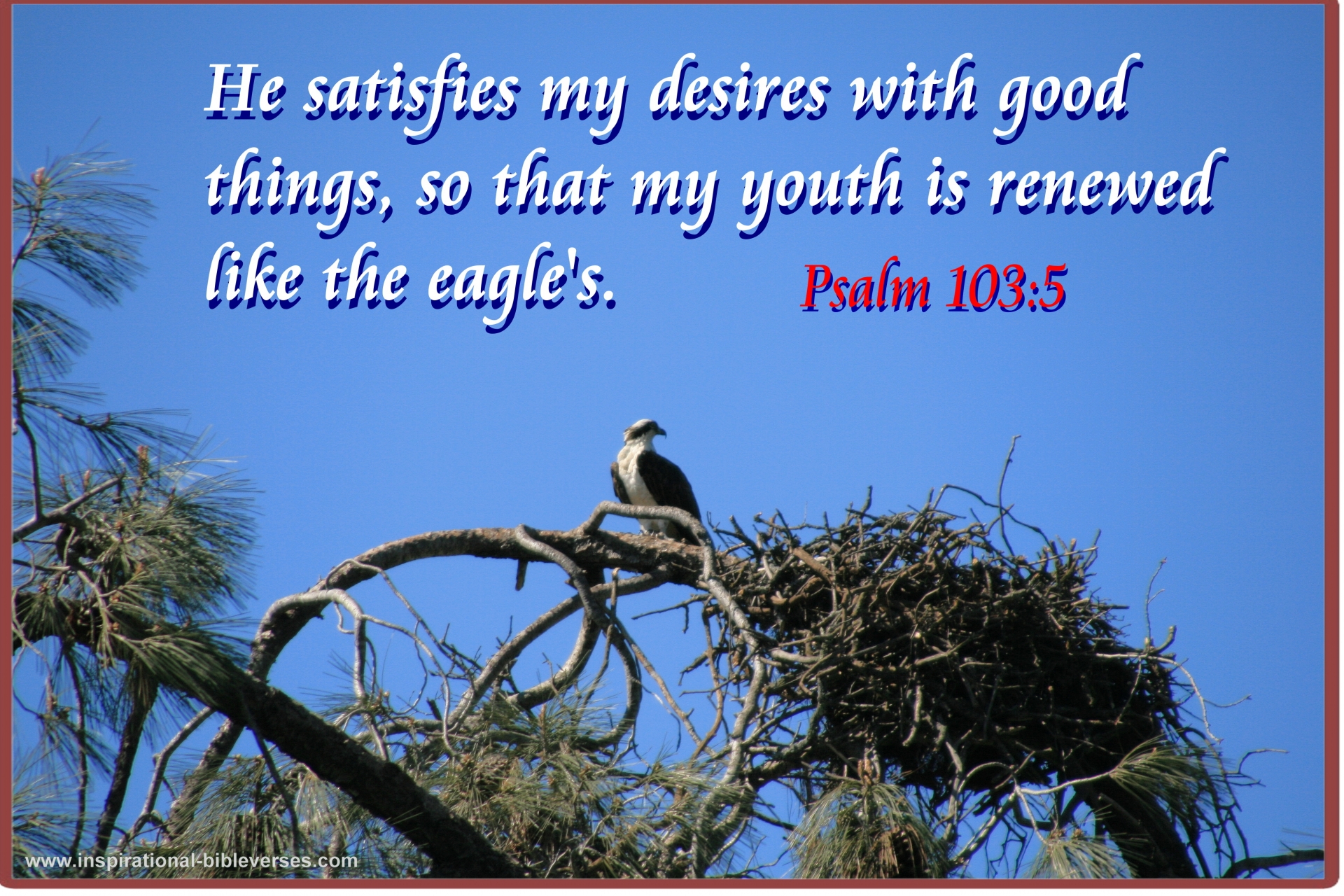
5 who satisfies your desires with good things so that your youth is renewed like the eagle’s.

 I praise You, O God, for knowing exactly which good things to grant me—those things that will produce a good outcome. (I know that catering to my every pleasure would ultimately be to my detriment.)

I praise you that even into old age you will strengthen my spirit so I can remain vibrant, optimistic, and full of hope. On the wings of your wisdom I’ll be able to soar (Proverbs 24:5).

Finally, may your praise always be on my lips; may my soul always boast in you, because you are a good and gracious God—always and forever (Psalm 34:1, 145:7-8)!


*Prior to composing this worship-prayer, I researched some of the terminology in these verses, to expand my understanding of the passage. Sources included: Be Exultant by Warren Wiersbe; www.bible.org; Jesus Calling by Sarah Young; Thrive, Don’t Simply Survive by Carole Ladd; and The Daily Study Bible Series, Psalms, by George A. F. Knight.


(Photo credits:  www.suggestkeyword.com; http://www.studentdevos.com; http://www.pinterest.com; http://www.suggestkeyword.com.)


Read Full Post »

1437425671836

Most Sunday mornings I have no trouble engaging in worship. Between the lyrics of the songs, scripture-readings, and the leader’s comments, I’m quickly transported into God’s presence and worshiping with gladness (Psalm 100:2). Sometimes my heart soars to the very gates of heaven and the joy overflows as tears.

But not always. There are other times when my heart seems numb, for no apparent reason. Why is that, and should I be concerned?

Perhaps. If I’ve allowed unconfessed sin to fester, then my connection to God will be negatively impacted.

But what if I have addressed my shortcomings with God, and still feel disconnected? What then?

I need to remember the following:

  • Worship is sometimes an act of the will. “Put your hope in God,” the psalmist said, “for I will yet praise him” (Psalm 42:5). Worship wasn’t meant to be reserved only for moments of elation; it’s a choice. Job is a perfect example. After he was stripped of everything—cattle, flocks, servants, even his children—Job worshiped (Job 1:20). That astounds me.

Job_113-1180

  • God isn’t as concerned about our feelings during worship as he is about our sincerity (John 4:24). We can earnestly worship even if spiritual bliss eludes us.
  • God hasn’t promised we’ll always feel his presence. Sometimes he intentionally hides his face (Isaiah 45:15). It’s part of our maturation process that he occasionally allows a bit of distance between him and us.

I remember the first day of kindergarten. My mother dropped me off in front of the school, and told me to go inside to the classroom we had visited.

I would have much preferred if she had walked with me and made sure all was well before leaving me to fend for myself. What if I couldn’t find the right classroom, or the teacher wasn’t there?

But allowing me this bit of separation was part of my maturing process. I needed to learn I could trust Mom’s instructions—even when she wasn’t in sight. (Lest you think my parents were negligent, kindergarten was just inside the school door, to the left!)

In review:

  1. Sometimes worship is an act of the will.
  2. Sincerity is more important than feelings.
  3. Sometimes God distances himself a bit to grow our trust.

But would we be wrong to do what we can to forge a stronger connection to God, and, as a result, engage our emotions more fully?

I don’t think so.

David offers several examples in the psalms, when he expressed his honest feelings of abandonment, depression, dejection and more. He did not end his honest proclamations on a negative note, but concluded with expressions of praise and assurance, which surely impacted his emotions. (See Psalm 77:1-15 for one example).*

David-Praying-170x300

We can foster a stronger connection to God, and augment our worship with:

  • Gratitude – Even on our way to church, we can thank him for creation and his many blessings. Gratitude turns our gaze toward heaven.
  • Meditative Prayer – Before the service begins, praise God for his attributes, demonstrated day by day the previous week. Meditation ushers us into the presence of God.
  • Focus – Stay attentive to the words of the music, the scripture, the prayer. Fight against wandering thoughts. “If worship is mindless, it is meaningless” (Rick Warren).
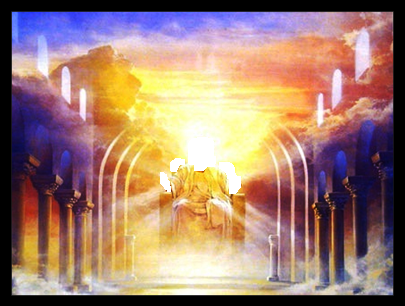
  • Visualization – Imagine God on his throne, radiant with light, majestic and glorious, raised up in the sanctuary. See our resplendent God who is highly worthy of our full attention!

jesus-on-throne-no-face1

As our spirits become engaged in these ways, the emotions of awestruck wonder, unspeakable joy, and overwhelming love will undoubtedly follow!

*     *     *     *     *     *     *     *     *     *

What do you do that helps to connect you with God during worship? Share with us in the Comment section below!

*(No doubt these psalms were not written during Sabbath worship. Surely David worshiped God every day, to his benefit and for God’s pleasure. But that’s a topic for another post!)

(Art & photo credits:  www.ohbejoyfulchurch.org; http://www.bibleencyclopedia.com; http://www.banah.org; http://www.godthetruth.ws.)

Read Full Post »

???????????????????????????


Music.

It has the power to thrill our hearts, calm our fears, and strengthen our resolve.

Music energizes, encourages, and inspires. It even augments our connection to God.

So it’s no wonder that, in the Bible:

  • There are more than 400 references to singing.
  • There are fifty direct commands to sing.
  • The longest book is a collection of songs.

It would seem that music is important to God.  In fact, God himself sings.


GOD SINGS

David proclaimed,

psalm32_7-paul

(“You are my hiding place; you will protect me from trouble

and surround me with songs of deliverance — Psalm 32:7”)

 Granted, we may not hear an actual melody, but the power of his Word sings comfort, hope, and strength into our spirits., much as we can “sing high praises” of someone, without a tune.

The sons of Korah, who were temple musicians, composed Psalm 42. In verse eight they state, “At night his song is with me.” Job also spoke of God “who gives songs in the night” (Job 35:10).  In other words, even when we face dark circumstances, God gives his song of help, salvation, and deliverance.

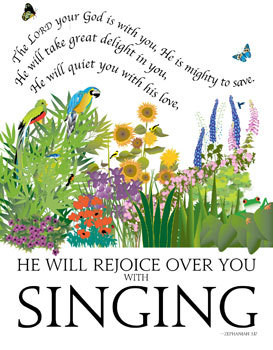
One more affirmation that God sings is found in this uplifting verse from Zephaniah:

zephaniahweb_large

(“The Lord your God is with you, he is mighty to save.

He will take great delight in you, he will quiet you with his love,

he will rejoice over you with singing”–3:17.)

His songs can inspire courage, like a rousing march.  His songs can be like sweet lullabies, expressing peace and love.  And they can be joyful and upbeat, expressing delight in who we are becoming.

The power of God’s songs is in his attributes expressed.


NATURE SINGS

An anonymous psalmist wrote:

il_570xN.403823930_lgif


“All the earth bows down to you, [God]; they sing praise to you,

they sing praise to your name–Psalm 66:4.”)

Other scriptures offer more specificity:

  • Trees of the forest sing for joy before the Lord (1 Chronicles 16:33).
  • Meadows, flocks, valleys, and grain shout for joy and sing (Psalm 66:13).
  • Birds of the air sing among the branches (Psalm 104:12).
  • The heavens sing for joy (Isaiah 44:23).
  • Mountains burst into song (Isaiah 49:13).

Did you notice a theme? All creation sings for joy to their Maker.

Perhaps the biblical poets were speaking metaphorically, giving musical voices to creation where none really exist (except for the birds, of course). However, is it not possible that a choral symphony is wafting on the wind–it’s just that our human ears cannot hear that particular range of decibels? (Just like we can’t hear a dog whistle.)

Imagine:

  • Trees providing sweeping arias
  • Meadows and valleys echoing the refrain
  • Birds creating the grace notes
  • The heavens resounding in a mighty chorus of melody and harmonies
  • The mountains booming deep, rich bass notes

The power of nature’s song may very well be ringing around us this very moment.


WE SING


Planetshakers-BandCrowd-Melbourne-Planetshakers-Awakening-1

Praise God he has given us the ability to sing also. What a precious gift to fuse melody, harmonies, and rhythm that augment the meaning of our words—sometimes even supersede the necessity of words—as we express our praise, gratitude, devotion and love to God.

But what if we can’t sing or play an instrument? What then?

Meet Antonio, a lover of music who lived long ago. Imagine his bitter disappointment as he grew from boyhood to youth and realized he would never sing or play an instrument well.

But a wise friend told him, “There are many ways to make music. What matters is the song in the heart.” That friend happened to be a violin-maker. And because of his influence, Antonio was encouraged to become a violin-maker himself. Perhaps you’ve heard of him. Antonio Stradivarius?

We would all do well to remember his friend’s wise words:

What matters is the song in our hearts.

Ephesians-5-19

“Sing and make music in your heart to the Lord,

always giving thanks to God the Father for everything,

in the name of our Lord Jesus Christ.”

(Ephesians 5:19-20)

The power of our songs is to touch God’s heart.

(Art & photo credits:  www.dreamstime.com; http://www.heartlight.org; http://www.cards.ccojubilee.org; http://www.etsy.com; http://www.christianitymalaysia.com; www,denisehighes.com.)
Read Full Post »

7615789806_fecc12133d


One evening last week, before a sweltering heat wave arrived, I parked on the back deck to read. The sun had dropped behind the old oak tree to the west. Shadows danced and flickered on leaf, grass and flower; a few birds added soft background chatter.

All of a sudden I had company. A butterfly joined me, landing gracefully on my knee. I don’t remember ever being visited up-close-and-personal by a butterfly. I studied him in wonder.

Orange stripes and white splotches stood out against black and chocolate-brown wings. Along the feathery perimeter, white scallops created a fluted edge.

But what astounded me most were his antennae. Tiny black and white stripes encircled each one. And the tips appeared dipped in fluorescent yellow paint.

I didn’t dare move, anxious to prolong the magical moment as long as possible, to enjoy his presence and inspect him further.

His markings were remarkably symmetrical, and I wondered if, while in the cocoon, butterfly wings grow folded in such a way to produce the effect—much like folded-paper ink blots. (I did check online, but found no answer to this specific question. Do you happen to know?)

I  even studied the vein lines—dozens and dozens of them—some large and pronounced, others barely visible. They, too, appeared symmetrical.

For the duration of his visit, the butterfly remained quite still. I found myself stilled, too, enveloped in a sweet interlude of peace.

Twice my new friend winked his wings at me. “Good evening,” I imagined him saying. “Isn’t our Creator God amazing? ‘In wisdom he made us all. We are both marvelously made!’”*

Oh, yes. This butterfly was marvelously made alright. Stunning, actually. And I felt the beauty of the Lord upon me (Psalm 90:17)—his favor and splendor–as one of his loveliest, most graceful creatures honored me with his presence.

I was also reminded:

  • A butterfly visitation is a God-visitation, as his eternal power and divine nature are magnificently displayed (Romans 1:20).
  • God is a Master Artist. How awe-inspiring to discover such minute details as tiny, even stripes on an insect’s antennae.
  • Just as I delighted in the butterfly’s presence, God offers supreme delight to those who bask in his presence (Psalm 16:11).
  • God’s presence also offers calm and peace, not only for a moment but forever (Isaiah 26:3).
  • God’s blessings sometimes come in surprising, unexpected ways. He even provides unnecessary blessings—like butterfly landings–just because he loves us.

All too soon my delicate visitor departed. But the delight lingers, because a God-visitation is not quickly forgotten.

Psalm.......

He has caused his wonders to be remembered;

the LORD is gracious and compassionate.

–Psalm 111:4

Later, on the internet I found this picture, a member of the same family as my winged friend. His kind are known as Red Admirals.  Can you see those tiny stripes?


Red Admiral Butterfly


What experience in nature lingers in your mind as a God-visitation? Tell us about it in the comment section below!


*Psalm 104:24b; 139:14


(Photo credits:  www.flickr.com; http://www.allaboutgod.net; http://www.goodpixgallery.com.)
 

Read Full Post »

Morning-mist

O God of Creation, who

Drapes morning mist across the hillsides,

Paints the dawn with ever-changing hues, and

Scatters sparkling crystals of dew on grass and flower,

I worship you with incredulous wonder.

JesusOnCross_013

O God of Salvation, who

Gave your precious Son, the King of kings,

To die a cruel, criminal’s death for my sin, and

Provide the way of eternal life,

I worship you with overflowing gratitude.

5248

O God of Restoration, who

Now considers me righteous,

Making possible an intimate relationship with you, and

Granting perfect peace and effervescent joy,

I worship you with a humbled spirit.

prodigalSonReturns

O God of Affection, who

Mercifully withholds the punishment I deserve,

Graciously bestows blessings I have not earned, and

Carries me close to your heart,

I worship you with overwhelming love.

godbreathed


O God of Revelation, who

Gave us your timeless, trustworthy Word, that

Offers infallible wisdom, inspired instruction, and

Encouraging promises to lead us and lift us,

I want to worship you with my obedience.

9a43220b3ec83b9281fbe735d4b7139a

O God of Transformation, who

Actively pursues my best interest,

To mold me into the image of Jesus

With ever-increasing splendor,

I want to worship you with my submission.

This VLT image of the Thor’s Helmet Nebula was taken on the occasion of ESO’s 50th Anniversary, 5 October 2012, with the help of Brigitte Bailleul — winner of the Tweet Your Way to the VLT! competition. The observations were broadcast live over the internet from the Paranal Observatory in Chile. This object, also known as NGC 2359, lies in the constellation of Canis Major (The Great Dog). The helmet-shaped nebula is around 15 000 light-years away from Earth and is over 30 light-years across. The helmet is a cosmic bubble, blown as the wind from the bright, massive star near the bubble's centre sweeps through the surrounding molecular cloud.

O God of Distinction,

There is no one like you.

Your greatness is beyond human comprehension.

I stand in awe of your splendor and majesty, and

I worship you with all that is within me.

(Revelation 17:14; Philippians 2:8; Romans 5:17; 2 Corinthians 5:21; Revelation 3:20; Romans 14:17; Micah 7:18; John 1:16; Isaiah 40:11; Psalm 119:160, 130, 50; Romans 8:26-29; 2 Corinthians 3:18; Psalm 145:1-5.)

Photo and art credits:  www.macgardens.org; http://www.renewaldynamics.com; http://www.crossmap.com; http://www.waysoflife.info; http://www.stokethefire.org; http://www.pinterest.com; http://www.stream.org.

Read Full Post »

SunsRays

The exhibition of God’s glory

and the deepest joy of human souls

are one thing.

–Jonathan Edwards

(1703-1758, preacher, theologian, author)


Wooh—that’s a mouthful! I have to break that down into smaller bites.

God’s glory includes his splendor and majesty, infinite power and wisdom, creative genius and perfect engineering, absolute holiness and righteousness, and much more. God’s glory is, in part, the sum of his glorious attributes.

The exhibition of God’s glory is all around us in creation, and visible to all people (Isaiah 6:3, Psalm 97:6).

36e8e624124bc4606ae3499824a2dded

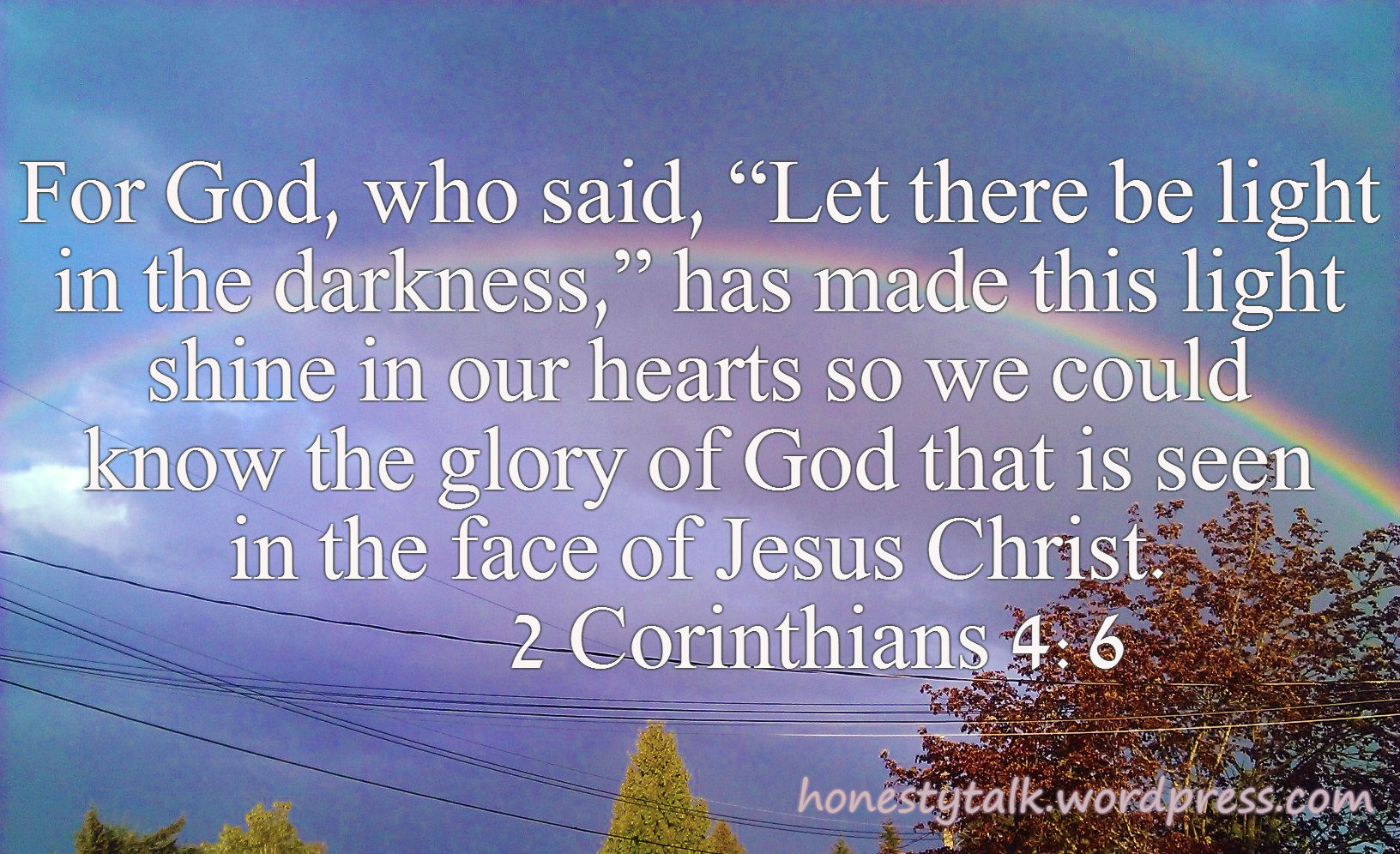
But more profound:  God’s glory is made known to us in our hearts—to those who have asked Jesus to save us from the ultimate consequence of our sin, and to become Master of our destinies (2 Corinthians 4:6).

2-corinthians-4-6

How incredible that we can experience God’s glory here and now, although in a limited way. And how wonderful that the deepest joy of humans souls is a result of knowing him now—not just when we get to heaven.

Someday, though, we will witness the full revelation of his splendor, and that of his Son, Jesus. It’s beyond our wildest imaginings (1 Corinthians 2:9).

1-Corinthians-2-9

Scripture does include a few glimpses, however. We see his:

  • Golden splendor and awesome majesty (Job 37:22)
  • Garment of light, wrapped around himself (Psalm 104:2a)
  • Clouds surrounding the throne (Daniel 7:13)
  • Belt of gold and gleaming, flaming eyes (Daniel 10:5-6)
  • Long robe with a golden sash across his chest, white hair, and blazing eyes (Revelation 1:13-16)

Charles Spurgeon eloquently expressed the glory of Jesus in a sermon, over 150 years ago. He proclaimed Christ…

 “…Radiant with splendor,

effulgent with light,

clothed with rainbows,

girded with clouds,

wrapped in lightning,

crowned with stars,

the sun beneath his feet.”


Doesn’t that give you holy goosebumps?

Yet there is more.

When he appears, we shall be like him (2 Thessalonians 2:14; 1 John 3:2).

1029-2TH003005ENGKJV08000480ISP05531394000

Can you imagine? We will share in the radiant splendor of our Savior. As if that wasn’t enough, we’ll finally be transformed into the holy and perfect beings we have always wanted to be.

And as we share in the glory of Jesus, we will enjoy incredible blessings that God has prepared. The following scriptures offer us tantalizing samples—to whet our appetites for what is to come:

  • There will be no need for sunlight; God will be our everlasting light. There will also be no more sorrow (Isaiah 60:19-20).
  • We will see Jesus face to face and finally have full understanding of all things (1 Corinthians 13:12-13).
  • We will bear the likeness of Jesus (1 Corinthians 15:49).
  • We will reign with Jesus forever (Revelation 3:21; 22:5).
  • There will be no night and no impurity (Revelation 21:23-27).

Now, there are those who worry that heaven will involve a lot of cloud-sitting and harp-playing. Well, yes, there are clouds and harps.  (I, for one, am very glad for the harps–it’s my favorite instrument. And, I have to admit, there are some days when a bit of cloud-sitting and harp-playing sounds rather appealing!)

However, I agree with theologian, Albert Barnes. “To reign with Jesus” means we will share in Christ’s dominion of the universe, administering the affairs of all the worlds.” That sounds exciting and fulfilling (but mind-boggling) to me!

Such glimpses of our glorious future really are too much for my mind to absorb. But, oh how thankful I am that God has tucked them into his Word, to fill our hearts with expectation and hope.

Also worth contemplating is the eternal expanse of time we’ll enjoy God’s majesty and splendor. According to John Piper, heaven’s joys will actually increase as we discover more and more of God’s glory. “The end of increased pleasure in God will never come” (God’s Passion for His Glory, p. 37).

Then “the exhibition of God’s glory and the deepest joy of human souls” will indeed be one perfect, sublime, eternal thing.

*     *     *     *     *     *     *     *     *     *

Lord God of heaven and earth, my heart shouts praise in honor of your glory! I praise you for being a holy God, completely separate from all else in the universe. No one is your equal in power, wisdom, creativity, splendor, or love. No one else is perfect in all he does. Thank you for your Word, where we can glimpse your glory and your plans–for our glorious and joyous future with you.

(Photo & art credits:  www.beforethebeginning.net; http://www.pinterest.com; http://www.honestytalk.wordpress.com; http://www.verseaday.com.)


Read Full Post »

Girl-praying

Long ago in Sunday School, our teachers taught us proper respect for God. The rules of reverence included:

  1. Be quiet and solemn in worship.
  2. Bow your head, close your eyes, and fold your hands to pray.
  3. Always treat God’s house with utmost respect. Never run.
  4. Never place your Bible on the floor.

The first rule was the most difficult to keep. I failed many a Sunday. My legs wanted to swing, my hands wished for crayons and paper, my eyes longed for a book. Sitting still in church was tortuous.

Years later as an adult, I came across the Westminster Shorter Catechism, a list of 107 questions and answers that explain the Christian faith.

The first question asks, “What is the chief end of man?” The answer shocked me.

“Man’s chief end is to glorify God, and to enjoy him for ever.”

The beginning of the statement made perfect sense. Paul clearly stated: “Whatever you do, do it all for the glory of God” (1 Corinthians 10:31).

But I was caught off guard by the second part.

Enjoy God?”

That was a startling, new idea for me, even though the Shorter Catechism has been in use since 1647. (Yes, that was well before my days in Sunday School.)

That new idea warranted further consideration. Did I enjoy God?

His blessings and benefits certainly brought me joy. But God himself? How could I enjoy Someone who’s invisible and rarely speaks audibly?

As the years have passed, I’ve discovered that, although God deserves the utmost reverence and respect, we need not always be solemn. We can laugh and sing for joy in his presence (Psalm 68:3 MSG).

In fact, enthusiastic praise of God, especially in the company of others, is an invigorating way to enjoy him. We can revel in who he is—our God of goodness, grace, and love. We can celebrate what he has done—supplying our needs, guiding the way, and surprising us with gifts we didn’t even ask for.

While we’re worshiping, we can lift our hands toward God (Psalm 63:4). That simple act alone, symbolizing our openness,  augments our connection to him.

hands raised in prayer

Even hands placed palms up on the lap can add to our enjoyment of God. Steve and I learned this posture from one of his professors, when he attended seminary. After a teaching session on prayer, Dr. Stanger instructed us to place our hands in our laps, palms up. We sat in silence for a few moments, and suddenly I felt a tingling in my hands! Was the Spirit of God actually holding my hands as we prepared to pray?

Dr. Stanger explained that the pressure on the backs of our hands was causing the phenomenon.   But wasn’t it wonderful to imagine God gracing each of us with his personal touch? Yes, supremely delightful.

We can also take the celebration outside and enjoy God as the Creator and King of the universe. Look to the sky and contemplate the galaxies of stars in infinite space. Smile at him in wonder because each one of those infinite celestial bodies is under his control.

110822102057-large

Another way to enjoy God is to take delight in his scripture. We can express appreciation to him for the strength, comfort, and peace his Word provides, as well as those passages that are the joy of our hearts (Psalm 119:111).

Those of us who like to write find great joy in composing journal entries, poetry, personal psalms, and more, addressed to God, as a way of expressing our pleasure in him. Sarah Young, author of Jesus Calling, has inspired some of us to follow her example and go a step further: record thoughts or impressions we receive from God as we wait in his presence.

In these ways and more God has made it possible for us to enjoy him now and forever.

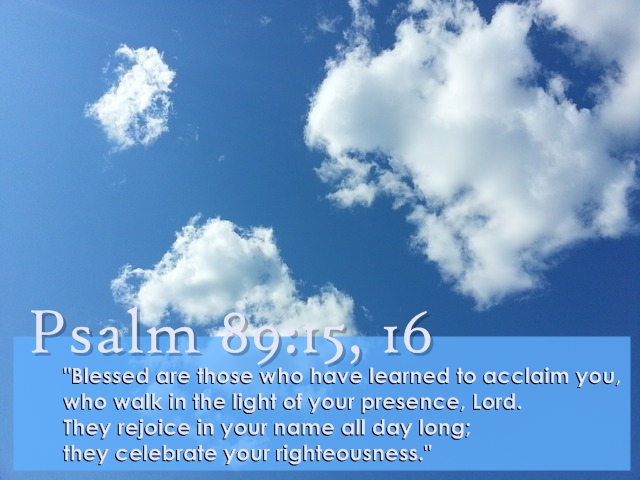
Psalm 89 15, 16(1)

 “Blessed are those who have learned to acclaim you,

Who walk in the light of your presence, O Lord.

They rejoice in your name all day long;

They exult in your righteousness.

For you are their glory and strength”

(Psalm 89:15-16).

*     *     *     *     *     *     *     *     *     *

Dare I say it?  Is it too irreverent? You are FUN, God! I love spending time with you, rejoicing in you, celebrating your works, reveling in your presence, taking delight in our communication back and forth. What a glorious privilege you have granted us, Father, to nestle close to you and experience fullness of joy and pleasures for evermore.  Thank you for being our ultimate delight!

(Psalm 100:1-2; John 10:27; Psalm 65:2; Isaiah 40:11; Psalm 16:11)


What are some ways YOU enjoy God?  Please share in the comment section below!


(Photo credits:  www.imgarcade.com; http://www.pam-intheshadowof his wings.blogspot.com; http://www.sciencedaily.com; www. specificfeeds.com.)

 

Read Full Post »

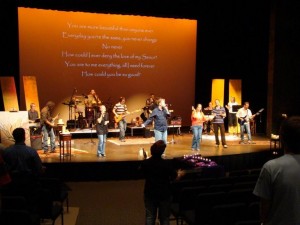
praise-band-300x225


The drummer begins a snappy, energizing beat.

The guitarists add moving chords.

The keyboard player joins with a compelling melody and attention-grabbing harmony.

Then the leader of the band enthusiastically proclaims, “This is the day the Lord has made; let us rejoice and be glad in it! Please stand and join me as we praise and worship our awesome God!”

It’s a familiar scene for those who attend a contemporary or blended worship service.

Have you ever wondered why we are invited to praise and worship? Aren’t the two words just synonyms for each other?

That’s what I thought for a long time.   Then a worship leader explained that the upbeat praise songs we sing first are designed to help us focus on God instead of the many mind-distractions vying for attention.

After a time of praise, he said, we are more receptive to the quieter, more reverent songs of worship. He likened our musical journey to the movement of Bible time worshipers, from the outer courts of the temple to the inner court.

Since then, I’ve learned more insights into the difference between praise and worship. For example:

Praise is an expression of approval and admiration, exalting God for who he is. We praise him for his wonderful attributes, like love, wisdom, power, and holiness. He is certainly worthy of every word of praise we can offer (Psalm 18:3).

But we can also praise people for their attributes. Even the family dog earns praise for being a good boy or girl! Praise is relatively easy to give. It costs us nothing except a little thoughtfulness and a little time.

A close relative of praise is thanksgiving. Just as we praise God for who he is, we express gratitude for what he does.

Worship, on the other hand, is exclusive. God is the only One worthy of our worship (Luke 4:8).

The word, worship, comes to us from Old English: weorth (worth) and scipe (ship). When we express our awe, love, and respect to God, we are proclaiming his worth to us.

True worship also includes humility, honesty, and surrender (John 4:24; Psalm 119:7):

  • Humility as we recognize God’s supremacy,
  • Honesty as we confess our inadequacy and sin,
  • Surrender as we relinquish our wills to his all-wise control.

Worship also draws us closer to God (Psalm 145:18), which is not just for Sunday mornings. Worship (as well as praise and thanksgiving) is designed by God to permeate our every day lives.

It’s as if praise, worship, and thanksgiving are tributaries, streaming together to form one great river. Three becoming one. Not like a braid, with three plaits woven side-by-side but still separate entities. No–a blending together into a whole, the parts no longer distinguishable.

Praise from a worshipful heart—one that is characterized by humility, honesty, and surrender—is the most sincere.

Thanksgiving that celebrates God’s goodness in his actions and praises God’s greatness of character, is the most complete.

Worship that includes sincere praise and complete gratitude is the most beautiful.


*     *     *     *     *     *     *     *     *     *


Every day, Lord, you manifest your greatness to me. May I be quick to offer you praise, thanksgiving, and worship, because you are worthy of no less. And thank you for the gift of worship, for the overwhelming privilege of basking in your glorious and holy Light.


(Photo credit:  www.blog.nextlevelworship.com.)


Read Full Post »

 d30200c131346a4ffed9f197bbee764d

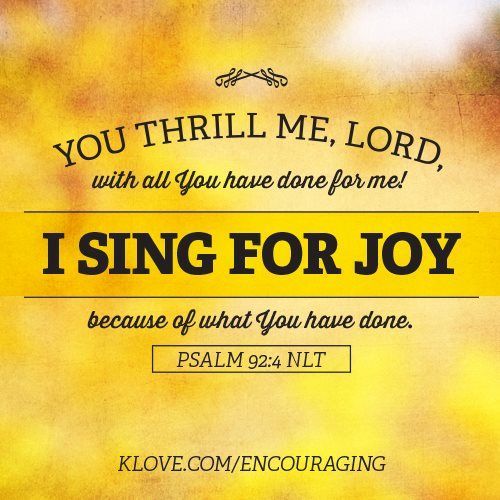
(“You thrill me, Lord, with all you have done for me!  I sing for joy because of what you have done” — Psalm 92:4 NLT.)

God lavishes his gracious kindness upon us in countless ways, doesn’t he?

In appreciation for all he’s done, I have a suggestion. Let’s each write him a personal psalm for Valentine’s Day.  A love gift, on a love-focused holiday, for our loving God.  (You have more than a week to prepare your gift!)

Is that an overly sentimental idea?

Perhaps the timing is, but the matter of creating personal psalms has nothing to do with sentimental poetry.

I can hear some of you already. “Me—compose a psalm? I struggle to put a personal message on a birthday card!”

If that sounds like you, “Be strong and courageous. Do not be terrified; do not be discouraged, for the Lord your God will be with you” (Joshua 1:9)!

God waits with eager anticipation for you to enjoy an intimate Father/child relationship with him (2 Corinthians 6:18).

f2c43794cde3dc013fef692a6c7eabf1

 And what parent is not overjoyed when a son or daughter shares his/her innermost thoughts and feelings?

Remember, a psalm is simply a heartfelt prayer or song.  Key word: heartfelt.  Our psalms do not have to rhyme. We don’t have to use fancy literary devices like metaphors, imagery, or parallelism unless we want to.

These psalms are for our Heavenly Father.  He takes great pleasure in the sincere, unpretentious efforts of his children, just as all parents do.  We can even ask for his help to string the words together that will express our hearts.

Sometimes the hardest part is getting started—that first thought. An easy solution is to use a biblical psalm as a model.

?????????????????????????

To begin, you might choose a favorite verse. Read it slowly, several times. Rewrite it in your own words.  These questions might help to push your thinking further:

  • Is there a phrase or word that stands out?   Explain to God why it is important to you.
  • Do you feel a connection with this particular verse?  Add a personal experience when God’s activity in your life made this verse especially meaningful for you.

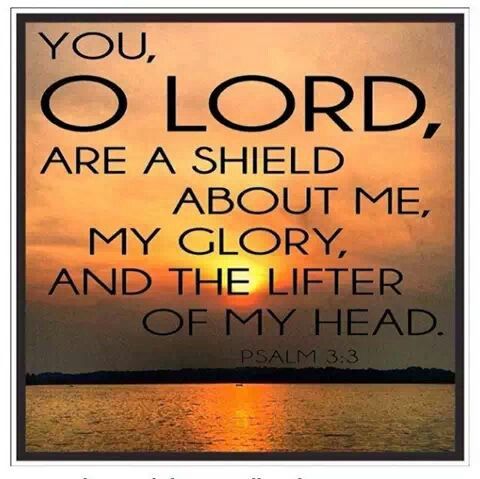
Following is one way to create a personal psalm, based on Psalm 3:3a: “You are a shield around me, O Lord.”

f74d4bae680c7ed0bb80f31d68a4bd72

1.  Choose a key word.  “Shield” is an obvious choice.

2.  Use the question-words who, what, where, when, why, and how to jump-start your thought processes.  Not all of them will spark an idea, but several will.  For example:  How is God a shield for me? What is he shielding me from? Why is it important for me to remember that he is my shield?

3.  Prayerfully and thoughtfully answer your questions. Meditate for a moment, then begin to write. One word can become the basis for the first sentence. A word or idea from that sentence can be expanded upon and become another sentence.

Before you know it, a psalm is born!


I praise you, oh God, for being like a shield

when disturbing thoughts are hurled my way.

You deflect those poisoned-arrows

with your shield of scriptural truth

and tender compassion.

Help me remember

you are all-powerful and all-wise.

There is no circumstance or emotional battle

that you cannot handle.

Your strong shield protects me

from the assault of Satan and his cohorts—

those negative, discouraging thoughts

that try to attack the peace and joy you’ve given me.

You are my almighty Warrior-God,

unsurpassed in power.

Satan cowers in your presence!

Help me avail myself of your protection

at every onslaught.


Once your psalm is complete, it’s time for presentation.  Read your psalm out loud to God. You will sense his presence as he comes to listen! How do I know?

OLYMPUS DIGITAL CAMERA

(“Come near to God and he will come near to you” — James 4:8.)

Keep your journal or notebook handy. Further thoughts may occur to you as you read, or afterward as you reflect. One more question to consider: In what ways has your relationship to God been impacted through this composing process?  You may wish to write about that, too.

I must confess, I’ve written a number of personal psalms. But recent reading on the subject has inspired me to pursue new avenues of this form of worship.

In future psalms I want to increase my reflection time, be more specific, add more detail, and actually read my psalms out loud.  I’m looking forward to expressing the depths of my heart more openly and discovering new depths of my Heavenly Father.

If you already write personal psalms, or should decide to write one, I’d love to hear about your experience!


(Art and photo credits:  www.pinterest.com; http://www.healthcentral.com; http://www.dwellingintheword.wordpress.com.)

Read Full Post »


finding_contentment_wide_t_nv


According to research, guess what percentage of our happiness is based on circumstances.

A. 10%?

B. 25%?

C. 50%?

D. 80%?

 The answer? Just 10%.

Now why would that be? My guess is, our perspective matters more than our circumstances.


Contentment-723x1024


 (“Contentment is not the fulfillment of what you want,

but the realization of how much you already have.”)


Ah, yes. Gratitude. Definitely an important attitude, contributing to the sweet, even-keel life of contentment. But it doesn’t come naturally to most of us.

Our thoughts, if left untended, can easily fall into a dark hole of:

  • Self-centeredness. “Yeah, the budget’s tight, but I really need a new car. It’s downright embarrassing to drive around in our old clunker.”
  • Self-pity. “It’s not fair that I’m not paid what I’m worth. I work so hard.
  • Self-justification.  “I deserve that new car.”

Note the focus on self. And half the time (or more) we don’t even realize how much of our thought life spins around in that dark hole.

How can we possibly climb out?   Time and attention are required to develop a mind that frequently contemplates thanks-giving and praise instead of complaint-making and dissatisfaction.

Even the apostle Paul said he had to learn how to be content whatever the circumstances (Philippians 4:12).  And like any new skill, developing contentment requires a bit of knowledge and a lot of practice.


dad1ef5d3113528298849bf74da82f41


The best place for knowledge on such a topic is scripture. Several passages can inform our understanding of contentment.

  1. King Solomon said, “The fear of the Lord leads to life; then one rests content, untouched by trouble” (Proverbs 19:23).

Not that reverencing God protects us from trouble and every day is glorious. Bad things still happen to good people. But those who reverence God and worship him see life from a different perspective. They can be content even when catastrophe strikes, knowing that God will see them through.

 Think about Daniel in the lions’ den, or Peter and Paul in prison.

  1. Paul said he didn’t really care if he was living in plenty or in want (Philippians 4:12).  How is that possible? He answers in the next verse, and it’s a familiar one: “I can do everything through him who gives me strength.”

Living in plenty–with God–taught Paul how to keep his priorities straight.   Living in want–with God–taught Paul to detach himself from “things.”

  1. Paul told Timothy, “Godliness with contentment is great gain” (1 Timothy 6:6).

 When we think of a man with “great gain,” we imagine a person with a large, beautifully decorated home, designer suits, two or three cars (for his own use—family members have their own cars), and the capability to go on expensive vacations.

But what about the young Christian father who thanks God every day for his loving wife and two precious kids? Who enjoys a circle of fun, supportive friends at church that also help him keep his priorities straight? This guy lives in a two-bedroom ranch, drives a ten-year old car, and spends vacations taking day trips from home.

Yet he’s rich, too–maybe even more so. It’s just that his riches fall into a different category. He’s rich in relationships, especially with God. “True godliness with contentment is itself great wealth” (I Timothy 6:6, NLT).


contentment


Now that we’ve absorbed a bit of scriptural understanding, it’s time to practice what we’ve learned. How can we foster contentment in our spirits?

  1. Cultivate a positive, faith-filled perspective by turning “I wish” statements into “I praise” statements.

Paul was under house arrest in Rome when he wrote to the Christians at Philippi. His days as an adventuring missionary were most likely over; the future looked bleak. Once his trial took place before Nero, Paul knew he could be facing execution.

He might well have said, “I wish I could be back on the road again preaching the gospel. It makes no sense why God has let this happen. I wish he’d get me out of here!“

But Paul’s response was far removed from wishful thinking. He actually praised God that his circumstances were advancing the gospel (Philippians 1:12-18).

  1. Feed our confidence in God, not our comparisons to others. Contentment wells up in our spirits when our thoughts are grounded in scripture, praise, worship, and gratitude.
  1. Focus on the present—look for the blessings of right now. “We will become content as we enjoy each day for what it is rather than moan about what we imagine it could have been” – Bruce Goettsche.


833b4774bad851af93b88d4b5f8824e3_new_medium


An airline pilot was flying over a lake when he turned to his copilot and remarked, “See that little lake? I used to fish there a lot when I was a kid. Every time a plane would fly overhead I’d think, “Boy, I sure wish I was flying that plane. It must be so wonderful to soar through the sky and see for miles and miles. Now do you know what I’m thinking? How I wish I was down on that lake fishing!”

I don’t want to be like that pilot. I want to be like Paul.


(Art credits:  www.covgrace.org; www,janellenichol.com; http://www.quoteimage.com; http://www.ponderingtheheartofjesus.com;  www.i.mobypicture.com.)


Read Full Post »

« Newer Posts - Older Posts »

When the House is Quiet

Impressions Becoming Expressions

Mitch Teemley

The Power of Story

Still Traveling

Impressions Becoming Expressions

Living Our Days

Gaining a heart of wisdom

He Said What?!

I'm Patty, and my husband and I are living with our adult son who has autism and epilepsy. I love sharing lessons learned from life around me, especially life with Aaron.

Meditations of my Heart

Impressions Becoming Expressions

Linda Stoll

Impressions Becoming Expressions

Signora Sheila

Where Faith Meets La Dolce Vita

Heidi Viars

Finding the Image of God