Feeds:
Posts
Comments

After the Fact

“This is our daughter, Diane,” explained Betty, a church member where my husband had just become pastor. “Diane actually attends another church in town, but sometimes she visits with us.” Betty smiled up at her daughter and wrapped an arm around her waist. “She’s a teacher too.”

That was all Betty needed to say to launch Diane and me into a conversation about all things school. We quickly discovered both of us had taught third grade the previous year.

“Listen,” Diane interjected. “It’s summer; I don’t have anything important going on. Let me help you unpack or wipe down cupboards—whatever you need done.”

And so the following week, Diane and I spent a pleasurable morning emptying boxes, organizing the contents, and getting better acquainted.

“Tell me about where you teach,” I prompted, while we released china from its bubble wrap at the dining room table.

Diane began to describe her private school—just two classes at each grade level with only twenty-two or so children per room, highly involved parents, strong discipline, and just five minutes from our house. The more she talked, the more delightful her situation sounded.

“Now,” she invited, “tell me about your experience.”

I explained that the week before Moving Day, I’d completed my first year back in the classroom after a long hiatus as stay-at-home mom with our three children. It was no exaggeration to say my learning curve had been steeper than the students’.

Diane commiserated with my circumstances. She was well-acquainted with the process ahead of me, having moved from another state herself just a few years before: the prospect of substitute teaching in order to become known in the district, applying for positions, and interviewing.

If a position was offered, the next challenges would include absorbing the way another school system worked and mastering its different curricula—likely at a different grade level. No doubt, another steep learning curve loomed ahead.

But my frustration ran deeper than what I confided in Diane that day. The transition to this new community made no sense. We’d been perfectly happy where we were, and the previous church hadn’t wanted my husband to move either.

Such a change seemed counter-productive to us, but the state-level leadership of our denomination considered it necessary. We grieved and prayed; the kids and I cried.  We also wondered: what was God up to?

Before Diane left that day, she offered to submit my name for the substitute list at her school and gave me the address. Sometime later I checked out the location, heeding her warning that the campus was hidden among trees, the entrance on a one-block street. Who knows how long we would have lived there before discovering this school on our own?

The first call to substitute came one morning just as I began my work out. “Can you be here within the hour?” asked the secretary. In record time I was showered, dressed, out the door and down the road, playing “Farmer in the Dell” with preschoolers.

For lunch I expected to purchase something in the cafeteria. Silly me—still in public school mode. Here the kids and staff brought their lunches from home. When one of the other teachers learned I had no lunch, she scrounged up an instant cup-of-soup, crackers, a box of raisins, and a tea bag.

“I’m sorry that’s all I can offer you,” she apologized. But I was greatly impressed by her effort to take care of a woman she didn’t know. And first impressions count.

The school called often, offering me experience at various grade levels, familiarizing me with their curriculum, and allowing me to become acquainted with the friendly faculty and staff. I began to pray God would open up a position for me at this school. But as the months passed, full-time employment seemed unlikely. No one was close to retirement; no one was leaving.

In April, however, the headmaster offered me a position. One of the fourth grade teachers had just been elected mayor of her community. Trying to fulfill those responsibilities and teach was more than she wanted to tackle. I would start that August, which gave me the summer to prepare. An added bonus: my classroom would be right next door to Diane’s.

When that job opportunity opened up, it was as if God turned a spotlight on His plan. After the fact I could see how he’d miraculously arranged the whole sequence of events—from the moment Betty introduced me to Diane, to the headmaster’s offer of employment.

The disappointment over leaving my previous position had turned into a God-ordained appointment at my new school, a much better situation, and one that lasted twenty-two years.
Have you experienced a spotlight moment?  Tell us about it in the comment section below!

Photo credits:  http://www.asan.af.mil; http://www.flickr.com (2); http://www.pxhere; http://www.flickr; http://www.dailyverses.net; http://www.canva.com.


Fountains of Life

Some of our excursions through town take my husband and me past a fountain called The Muse. In summer, water gently spills from the lovely maiden’s hands while a ring of water-arches play at her feet. But even in winter her graceful form draws attention.

Downtown a much grander, three-level fountain, Genius of Water, doesn’t just draw attention—the size demands it. In place of the mild flow of The Muse, streams of water plummet from the outstretched hands of a nine-foot woman. Below her, fountains shoot plumes of water upward, and lower yet streams cascade into a pool.

I love fountains, don’t you? Perhaps it’s the “calming call of splashing water reminding us to relax and breathe amidst our busy days’ distractions” (1).

Perhaps it’s their appeal to four out of five of our senses, beginning with their sound of peaceful, liquid-music. But fountains are usually lovely to behold as well:

(Buckingham Fountain in Chicago,

often listed among the most beautiful in the world.)

And who can resist wading in a fountain’s pool—if allowed—which includes the sense of touch?

(The Pineapple Fountain, Charleston, SC)

Sometimes on hikes through state and national parks we’ve discovered cold, natural-spring fountains. Nothing tastes sweeter after a long trek.

And because of their delights, it’s not surprising that a psalmist turned to fountains for a lovely metaphor:

Perhaps he chose plural form because we enjoy a constant flow of so many wonders :

  • God’s attributes into our lives—his love, grace, mercy, and goodness
  • Countless gifts—like peace, joy, comfort, and blessings
  • Empowerment from God, including strength to persevere, patience to endure, and the Holy Spirit to guide

All that refreshes is from God.

And then he offers us a gratifying privilege. We get to be revitalizing fountains in the lives of others.

What might that look like—or in this case, sound like? No doubt, encouragement, comfort, and wisdom should be included.

Words of Encouragement


“Correction does much,

but encouragement does more.”

–Johann Wolfang von Goethe

One day after school, the father of one of our previous students stopped in the classrooms of my fourth grade colleagues and me.  His purpose?  To tell us we were the dream team. His fifth grade son was flourishing and this dad wanted to thank us for the sound preparation the boy had received.

We hung onto his statement from that moment forward. Every time we became overwhelmed, distraught, or discouraged, we’d remind each other: “Wait a minute–we’re the dream team!”

Just four words, but flowing with life.

Words of Comfort


What an honor God’s given us to speak his comfort and contribute to that overcoming Helen Keller spoke of—words such as these:

  • “I am so sorry.”
  • “I wish I knew the perfect words to ease your pain, but please know I hate that you are facing these circumstances.”
  • “You are constantly in my thoughts.”
  • “This is my prayer for you…”

It doesn’t have to be profound; just heartfelt.


Words of Wisdom

One time when I hit a rough patch, God brought to mind a friend who’d endured cancer—twice. The words, “Why me?” had never left her lips. Instead she asked, “Why not me?” and trusted God to bring good out of the suffering.

My circumstances didn’t begin to compare with her cancer diagnosis. If M. could trust God through her trial, I could certainly do the same.

There’s another phenomenon that occurs as we become fountains of life to others:

As God pours himself into us, we pour ourselves into others, and he receives honor and praise.

In the end, that’s the greatest satisfaction of fountain-living: to be for the praise of his glory (Ephesians 1:12).

Notes:

  1. Matthew Williams, https://ndsmcobserver.com/2017/08/why-are-we-fascinated-by-fountains/
  2. Longfellow quote taken from “Evangeline: A Tale of Acadie.”

Photo credits:  http://www.flickr.com (3); http://www.maxpixel.net; wwwlflickr.com; http://www.needpix.com (2); http://www.canva.com (2).


If you’ve ever weeded an early spring garden, you know how tricky it can be to sort seedlings from weedlings.

In the garden of the mind mentioned in the above poem, the weeds of lies can be particularly difficult to recognize—such lies as these:


1. God can’t possibly love me because I mess up all the time.

The problem is we think God sees us the same way critical people do—like the spinster great-aunt who looked down her nose at energetic children, like the teacher who frequently criticized, or the boss who was never satisfied.

That’s not God.

He knows we’re incapable of perfection and looks upon us with the compassion of a loving father.  No matter the sin, God is always ready to forgive (1)–and forget–as we repent:


Take this to heart: “Our God has a big eraser!”–Bill Zeoli (2).

And we can use that big eraser of love, compassion, and forgiveness to erase Lie #1.


2. I am insignificant.

God would have us know:  “There is no such thing as an insignificant person or an insignificant place or an insignificant position” (3).

Take a refresher course on your status:

  • The Prince of Peace died for you.
  • The King of glory is always thinking about you.
  • You have been adopted into his royal family.
  • You can enter his throne room whenever you like.
  • Your work has been specifically commissioned by the Sovereign Lord of the universe (4).


We run into trouble when we start comparing ourselves to others. Here’s what we need to affirm: “My significance is not based on what I do; it is based on Whose I am.”


3. It’s obvious my prayers don’t matter…

A.  …because there’s been no answer. 

Here’s a thought:


But there are a number of possibilities why prayers seem to go unanswered, including:

  • Unbeknownst to us, the answer has already come. A young man praying for a wife may already have met his future bride; he just doesn’t know it.
  • Sometimes God gives us what we need, not simply what we ask for. A young teen might pray that her family not have to move across state, but five years later, ends up earning a much-needed college scholarship from their new church.
  • We benefit from the spiritual discipline of asking, growing in faith, and persevering as we wait.

If our God is 100% good—and he is—then it follows:


B. …Almighty God doesn’t need me to accomplish his plans.

 You’re right; God can do anything he pleases—without us.

But he instituted prayer as a way for us to come alongside him and participate in the good purposes he’s ordained. He allows us to share in the release of his power as we intercede for one another.

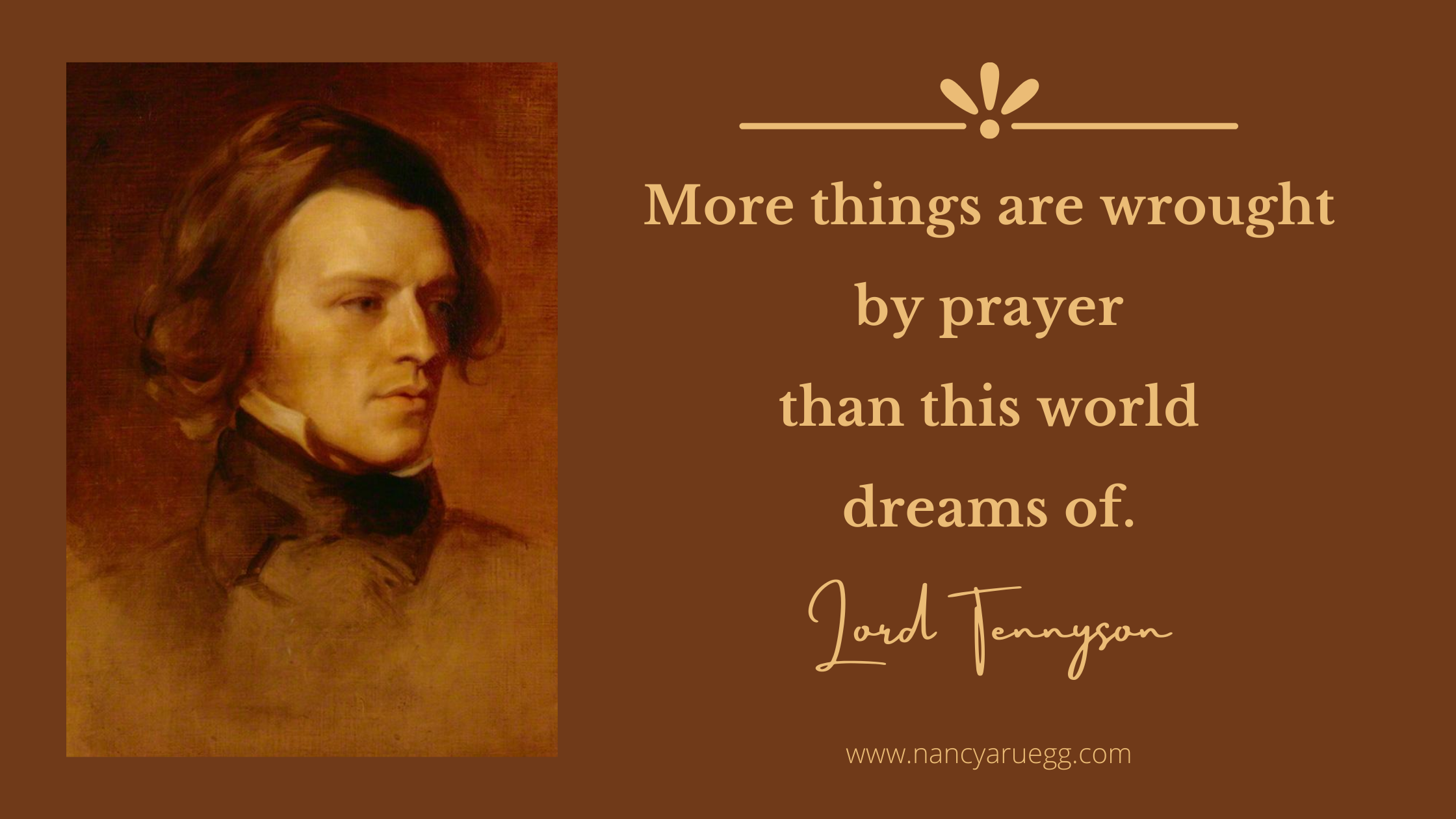
Lord Tennyson spoke of the power of prayer in his poem, Idylls of the King:


One day we’ll know the magnitude of the exact number. And won’t it be satisfying to have participated in God’s monumental work?


_______________________________________


Now that we’ve removed these three weed-lies from the gardens of our minds, we can enjoy to the fullest these flowers of God’s truth:

He remembers our sins no more.

We are precious in his eyes.

He always responds to our prayers (5).


Notes:

  1. Psalm 103:13-14, 3, 10.
  2. Quoted in Quote/Unquote, compiled by Lloyd Cory, Victor Press, 1977, 121.
  3. Anne Graham Lotz, The Vision, of His Glory, Word Publishing, 1996, 77.
  4. Isaiah 9:6; 1 John 4:9-10; Psalm 139:17; Ephesians 1:5; 1 Peter 3:12; Ephesians 2:10.
  5. Isaiah 43:25; 43:4; Psalm 102:17.


Photo credits:  http://www.canva.com (2); http://www.heartlight.org; http://www.canva.com (2); http://www.wikimedia.com.


“Want to take a ride?” a friend asked from astride his motorcycle.

Nineteen-year old me was hoping he’d ask. So off we went—but not before L. shared an important instruction: “When we come to corners and curves, just lean into them. Follow my lead.”

The physics of a two-wheel bike require such a response. Otherwise riders will end up at the curb or in a ditch.  But leaning into the curve feels counter-intuitive to many first-time riders.

The journey of life also presents curves to navigate: physical setbacks, emotional trauma, and problematic circumstances. At such times, some of us default to responses that do more harm than good—reactions such as self-pity, anger, despair, and fear. If not corrected, these emotions will throw us into a ditch of distress.

But just as motorcyclists learn to navigate curves in a road, we can learn to navigate curves in life.

How?

1. Stay aligned 

 Wheels out of alignment cause instability—especially dangerous on a tight curve.

On the road of life, we travel best when our spirits are aligned—with regular times of Bible study and prayer. To the uninitiated, that may sound boring. But as the habit is established, participants begin to crave that quiet time when God speaks encouragement and instruction, and we share gratitude and concerns.

To start, you might choose an earlier bedtime and rising time. But it’s worth it. Awaiting you are wonderful things (1)!*

2. Lean in with positivity

Leaning into the curves with his body weight allows a cyclist to maintain balance. Leaning into the curves of life with faith and optimism keeps our spirits balanced, and out of the ditch of worry and complaint.

David of Old Testament times certainly earned the right to grumble and fret. Throughout his life he faced obstacles, enemies, and even death. But he learned to lean into such curves—with God.

One time after David was seized by his enemies, the Philistines, he wrote the following: “When I am afraid, I put my trust in you. In God, whose word I praise…What can mere mortals do to me”(2)?

How could David be so confident in the Lord? He knew God well, as protective, righteous, loyal, loving, and good (3)—among other attributes. David focused on his gracious God, not his troubling circumstances.

A steadfast, positive attitude begins with faith in God.

3. Remember the curves of the past

Once a novice cyclist has maneuvered a tight curve, the next one is a bit easier, and the next easier yet. Soon she sails around those bends with confidence, based on her experience.

The psalmists allowed experience to provide confidence on the twisting road of life. They remembered the Lord’s wonderful deeds and miracles, his acts of power and surpassing greatness (4).

And though God certainly deserves every breath of praise we offer, there is benefit for us in the remembering also. Meditation on all his kind deeds of the past sets a tone of confidence for the curves ahead—confidence in God (5).

____________________________________

Every day we travel the road of life into the unknown. But with our spirits aligned with God’s Spirit, a positive attitude grounded on faith, and confidence in God based on his flawless record, the unknown does not have to be a source of fear.

It can be an open road of sublime adventure.

*However! If you are parenting a newborn and/or little folks, caring for an elderly family member, etc.—if exhaustion is your constant companion and time to just breathe is in short supply—be kind to yourself. Listen to a Bible-centered podcast while folding laundry; pray while loading the dishwasher. God will smile with pleasure at any effort to connect with him. And in-depth Bible study can become a priority for the next stage of life.

Notes:

  1. Psalm 119:18
  2. 1 Samuel 21:10-15; Psalm 56:3-4
  3. Psalm 5:11; 7:17; 9:10; 12:5; 25:8
  4. Psalm 9:1; 105:5a; 150:2
  5. Isaiah 63:7; Psalm 103:2 BSB

Photo credits:  http://www.wallpaperflare.com; http://www.wikimedia.org; http://www.canva.com; http://www.dailyverses.net; http://www.uihere.com; http://www.wallpaperflare.com.


Soon-to-be-king David faced big trouble. Some of his own men, who had fought with him for years against enemy tribes and King Saul, were now talking of stoning him.

He and his troops had just returned from Gath to their base in Ziklag, and found their homes burned as well as their wives and children kidnapped by the Amalekites.

David and his men exhausted themselves with weeping (1 Samuel 30:1-5). But note the leader’s response to his anguish: “David strengthened himself in the Lord his God” (v. 6). The King James Version says: “David encouraged himself.”

I can imagine him meditating on the worship songs he had written. Lines such as these may have played in his mind:


  • “Keep me safe, my God, for in you I take refuge” (16:1).
  • “The Lord is my rock, my fortress and my deliverer” (18:2a).
  • “The Lord preserves those who are true to him” (31:23b).


We too can encourage ourselves when life’s pathways deteriorate into rough terrain. And the psalms are the perfect place to begin.

In addition, God has gifted writers through the ages since biblical times who supply wisdom and inspiration for his people. We’d do well to take note of their words also.

Following are a few encouragement-gems I’ve collected over the years. I pray they lift your spirit too.


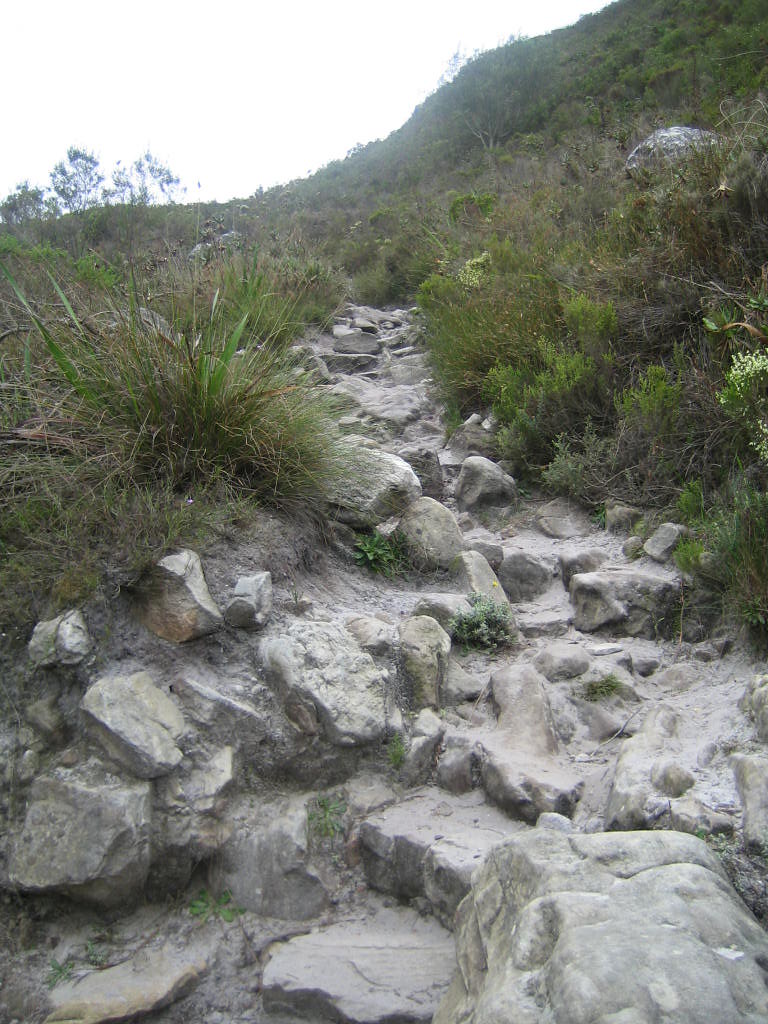
1. Has your life-path become strewn with rocks?


“With God’s help the rocks can become stepping stones” (1).

Surely you’ve experienced the phenomenon: difficulties turned into perseverance, frustrations into patience, and temptations into self-control as we learned to rely upon God more consistently (2). And now when we look back on those rocks-become-stepping-stones, it’s with gratitude.


2.  Do your days feel dull, repetitious, and ordinary?

God is the Manager on the stage of life, “in control of all the players. In the midst of what seems terribly ordinary, he is doing something extraordinary” (3).

Count on it. Our extraordinary God can do nothing less (4).


3.  Are you discouraged because you haven’t already become the person you want to be?


A radio DJ recently said: God isn’t so much interested in who we are today; he’s looking at what we’re becoming.

And praise God, he doesn’t leave that becoming solely to us. He’s our loving, participatory Father always guiding us along (5).


4.  Do the world’s problems seem insurmountable and your prayers insignificant?

On the contrary, our prayers matter very much. “Herbert Butterfield, the Oxford historian of modern history, is convinced that what Christians do in prayer is the most significant factor in the shaping of history—more significant than war and diplomacy, more significant than technology and art” (6).

Such an observation from a distinguished scholar inspires me to be more faithful in praying for our beleaguered country and other nations, to follow more intently Paul’s appeal to “pray without ceasing” (7).


5.  Are you uncertain about your future and your ability to handle what’s ahead?


Remember: God does not equip us in advance. That would cancel the need for faith—a very important commodity to him. Instead God chooses to give us what we need when we need it (8).


*     *     *     *     *     *     *     *     *     *


I praise you, O God! Your watchful eye is upon each of us, your listening ear bent to our prayers, your strong hand ready to support and guide, your unlimited intellect disposed to teach us truth. I praise you for your acts of power and your surpassing greatness!

 (1 Peter 3:12; Isaiah 41:10; Proverbs 2:1-4; Psalm 150:2)


What encouraging word have you heard or read recently? Please share in the comment section below!


Notes:

  1. Barbara Johnson, Pack up Your Gloomies in a Great Big Box, Word Publishing (1993), 83.
  2. James 1:2-4; Psalm 37:7-9; 1 Corinthians 10:13
  3. Alice Mathews, A Woman God Can Use, Discovery House (1990), 77.
  4. 2 Corinthians 12:9
  5. Philippians 2:13; Psalm 139:24b
  6. Eugene Peterson, Under the Predictable Plant, William B. Eerdmans (1992), 98.
  7. 1 Thessalonians 5:13
  8. Sarah Young, Jesus Calling, Integrity Publishers (2004) 123, and Hebrews 11:6; Matthew 6:34; Luke 12:31; Philippians 4:19.


Photo credits:  http://www.pxhere.com; http://www.pikist.com; http://www.flickr.com; http://www.pxhere.com; http://www.needpix.com; http://www.canva.com.


Younging


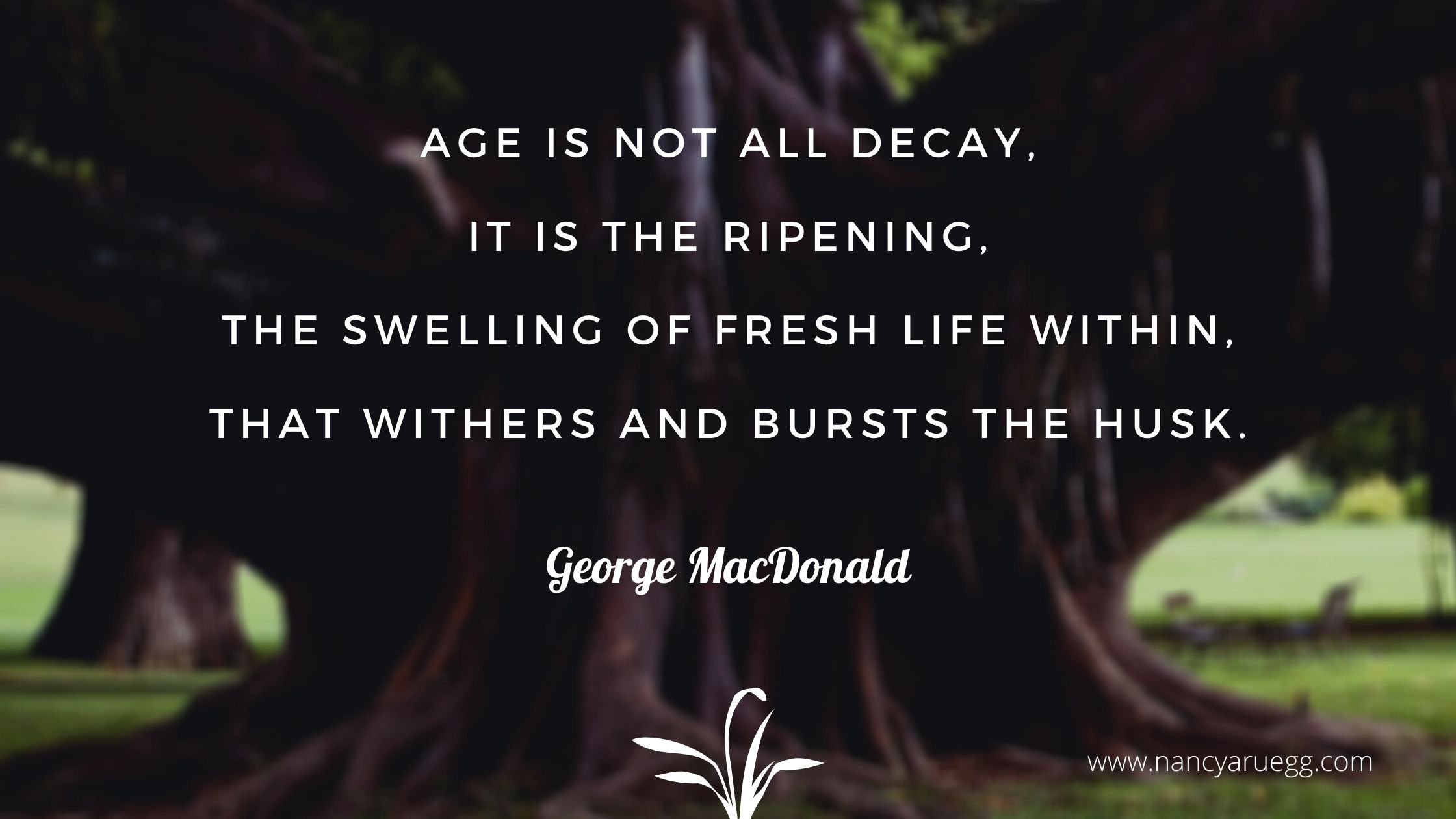
Younging. That’s a word coined by author Valerie Burton Bell in her book A Well-Tended Soul.* She says, even as our bodies become less reliable, we can continue younging on the inside, growing more lively in our spirits.

Author and minister, George MacDonald (1824-1905), would have agreed:


I like the sound of that—younging and ripening with fresh life within. Maybe you do too. (Even if you’re under fifty, you can still determine to choose younging when the time comes.)

The question is: How do we achieve it?

Perhaps the best answers come from those who’ve gone before us who demonstrated lively, spirited living into their eighties and nineties. How did they swell with fresh life within?


1. By serving others

My parents modeled this strategy. Even when arthritis caused painful challenge for Dad, he served at the church food pantry, assisted in the kindergarten Sunday School, and read to students every week at my nephew’s school.

Mom also assisted in the Sunday School, lavishing her love on children and parents alike. She sang in the choir, participated in women’s ministries, and volunteered at the church office.


Mom and Dad with their first great-granddaughter, 2010


“Experts in aging make a distinction between passive aging and purposeful aging. Successful, purposeful aging calls for continued involvement, relationships, discipline, and an attitude of faith” (George Sweeting).

I’m sure Mom and Dad never researched what successful aging entailed. It just came naturally to them, as an outgrowth of their love for Jesus and a desire to serve him.


2. By maintaining a positive attitude

Not only do joints get a bit rusty as we age, our attitudes can start to corrode. It’s so easy to let negative thoughts grate in our minds, or respond to “How are you?” with creaking complaints.

But a positive attitude contributes to joy, and joy works like oil, lubricating our spirits. In addition, the oil of gladness tends to overflow, providing positive impact on those around us.

My father-in-law was just such a person. To those who asked him, “How are you,” his stock response was: “If I felt any better, I couldn’t stand it!”


Mom & Dad Ruegg, 1983


That’s the kind of attitude I want to foster—not for the purpose of reaching my nineties as he did, but to avail myself of the abundant, overflowing joy Jesus provides (John 15:11) and then share it with others.


3. By keeping a sense of humor


A cheerful heart is good medicine (Proverbs 17:22a), perhaps all the more so as we age.

And no one had a more cheerful heart than Hazel, a merry senior in the fourth church my husband pastored. She was the one with a bicycle horn on her cane.

One day, in a phone conversation with her adult son, she informed him of her date that evening.

“A date?” Andrew inquired, more than a bit surprised that his widowed mother, now in her late eighties, would be venturing out on a date. “With whom?”

“His name is Michael.”

“And where did you meet Michael?”

“At church.”

“Where are you going?”

“Out to dinner.”

“Well, tell me about this Michael.” Andrew prodded.

“Oh, he’s the nicest young man—you’d like him.”

“Young? Just how old is he?”

“In his early thirties, I suspect. He…

“Mom!”   Andrew interrupted. “What are you doing, going out with a man nearly a third your age?!”

Hazel finally admitted to Andrew he had nothing to worry about. Michael was on staff at our church, his wife (a nurse) was on duty that night, and Michael had offered to pick up Hazel and be her “date” for the Senior Sunday School Class banquet.


Younging—by serving others, fostering a positive attitude, and keeping a sense of humor– certainly contributes to those pleasures.


Thank you, Father, for the opportunity of younging as we age,

providing numerous delights as we do so.

__________________________


What younging strategies have you adopted in your own life or observed in others?  Please share your thoughts in the comment section below!


*Zondervan, 1996.


Art & photo credits:  http://www.wikimedia.org; http://www.canva.com; Nancy Ruegg (2); http://www.canva.com; http://www.pikist.com.


(Brown Caterthun, Scotland)


As you know, paleontologists dig up dinosaur bones; archaeologists dig up ancient ruins. I aspire to be a chesedologist. That’s a word I made up, splicing together chesed*, the word for loving kindness in ancient Hebrew, and –ologist, a suffix referring to someone who deals with a certain topic or subject.

As a chesedologist, I aspire to specialize in the subject of God’s loving kindness, searching for his gifts–especially in hidden places. And though the gifts themselves are precious treasure, their value is increased because his glorious attributes are represented in each gift.

Last week we meditated on a list of God-given delights that stretch from A to Z, creating an alphabet of joy. This week, let’s add a few more, but focus on those blessings that may be hidden from view at first glance. For example:


The blessing of surprise


No doubt you’ve experienced astonishing incidents like this one that only God could have engineered:

As the coronavirus swooped down upon us, I received a call from my brother John. He just happened to have a whole box of N95 construction masks that a friend just happened to leave behind when he moved out of state.

John sent us a carton of thirty, knowing that my husband would need such protection, given his compromised immune system. We shared the bounty with our daughter-in-law, a physician, when even hospitals were in short supply of the specialized masks. She shared with vulnerable colleagues.

Some would say, “What a coincidence!” That’s a misnomer. Such occurrences as these are God-incidents, proving his propensity to bless us beyond what we ask or imagine (Ephesians 3:20).


The blessing of wings


No, not wings for us. Maybe God will issue those when we get to heaven. For now we are blessed to take refuge under his protective wings (Psalm 91:4) as he tucks us next to his heart—especially during times of hurt, discouragement, or fear.

When my husband underwent a liver transplant in December 2018, I waited mostly alone more than eight hours for word of his prognosis. But I felt those protective wings around me the entire time, providing inexplicable calm and peace.


The blessing of uncertainty


In February I received a summons for jury duty. Just getting to the courthouse presented challenge: 1) navigating a traffic-jammed, downtown district with one-way streets, 2) finding a parking garage with an open spot, 3) finding my way out of the garage and to the courthouse, and 4) finding the jury room.

In the afternoon, the challenges were reversed: 1) find my way out of the courthouse, 2) find the garage again, and 3) find the car.

That first day I had to pray myself through every step. And God turned every apprehension into blessing. The first garage I pulled into had open spaces starting on Floor 7.  The courthouse was not far away, and a kind woman on the street gave me directions. In the afternoon, no mishaps or mis-turns occurred. All went well.

It’s foolish of me to fret about the unknown. Nothing is certain—except our God. And he does not fail (Job 42:2).


Uncertainty becomes blessing when viewed through the lens of adventure.  It builds our trust muscles, and sets the stage for miracles.


Perhaps you too are an aspiring chesedologist and have found blessings hidden in unusual places. Please share in the comment section one of your discoveries.  Reach out with your story and offer the chesed of encouragement to others!


*chesed is pronounced with a guttural “ch” and two short “e’s.”  The accent is on the first syllable.


Photo credits:  http://www.wikimedia.org; http://www.pickpik.com (2); http://www.wikimedia.com; http://www.canva.com.


In the midst of a pandemic and political turmoil, such a scripture as quoted above offers much needed hope. God’s lavish blessings do extend from A to Z for those who put their trust in him. And if we focus our attention on counting those blessings, we’ll have little time to count anything else (1).

So which of the following are you enjoying currently? Count them on your fingers while scrolling through the list.

  • Assurance of purpose (Ephesians 2:10)
  • Beauty for ashes (Isaiah 61:3)—including peace, joy, and comfort in the midst of pain and sorrow
  • Contentment (1 Timothy 6:6-8)
  • Direction (Psalm 23:3b)
  • Empowerment (Isaiah 40:29-31)
  • Favor (Psalm 5:12)


  • God’s Goodness (Psalm 145:9)
  • Help (Psalm 46:1)
  • Inheritance (1 Peter 1:3-4)
  • Joy (Nehemiah 8:10)—in God and his attributes
  • Knowledge for a satisfying life (Proverbs 2:6)
  • Love (Jeremiah 31:3)


  • Mercy (Ephesians 2:4-5)
  • Needs Met (Philippians 4:19)
  • Optimism (Romans 8:28)
  • Presence of God (Psalm 145:18)
  • Quietness of soul (Zephaniah 3:17)
  • Refreshment of spirit (Psalm 23:3)
  • Spiritual Strength (Isaiah 41:10)


  • Treasure of Scripture (Psalm 119:159-162)
  • Usefulness—even into old age (Psalm 92:12-15)
  • Value in God’s sight (Ephesians 2:4-7)
  • Wisdom (Proverbs 3:13)


  • X-pectation (Mark 9:23)
  • Yes, because “all of God’s promises have been fulfilled in Christ with a resounding ‘Yes’” (1 Corinthians 1:20 NLT)
  • Zion—the eternal city of new Jerusalem waiting for us (Hebrews 12:22-24, Revelation 21 and 22)


I’m guessing you tallied twenty or more, because many blessings are ongoing no matter our circumstances. Sometimes we just need to avail ourselves of the joys God has already provided.

Of course, this is not an exhaustive list. We could undoubtedly name many more blessings as a result of trusting in God.

Take “P” for example. God offers such additional pleasures as: peace that defies explanation (Philippians 4:6-7), pardon from guilt and shame (Isaiah 55:7b), participation with God in his work (Philippians 2:13), and pleasures at God’s right hand (Psalm 16:11).


So there you have it, a mere sampling of the joys continually provided by God as we trust in him. Just how many might there be in total? DailyVerses.net lists eighty scriptures that speak of blessing.

Our joys that extend from A to Z do outweigh our sorrows.


*     *     *     *     *     *     *     *     *     *


We praise you, O God, for your abundant love, kindness, faithfulness, and compassion, expressed every day by your overflowing generosity. How great is the goodness you have stored up for those who trust in you. We will sing your praise for as long as we live!


Psalm 86:15; 116:5; 31:19; 146:2


Now it’s your turn to make an alphabet of joy. (“Z” might be a challenge; you can borrow the word “Zion” from this list!) I promise, you’ll find the exercise a delightful blessing.

Meanwhile, which joy is especially meaningful to you in this moment? Please share in the comment section below!


 Notes:

  1. Woodrow Kroll
  2. https://dailyverses.net/blessing/esv


Photo credits:  http://www.canva.com; http://www.wallpaperflare.com; http://www.canva.com; Unknown; http://www.pixfuel.com.



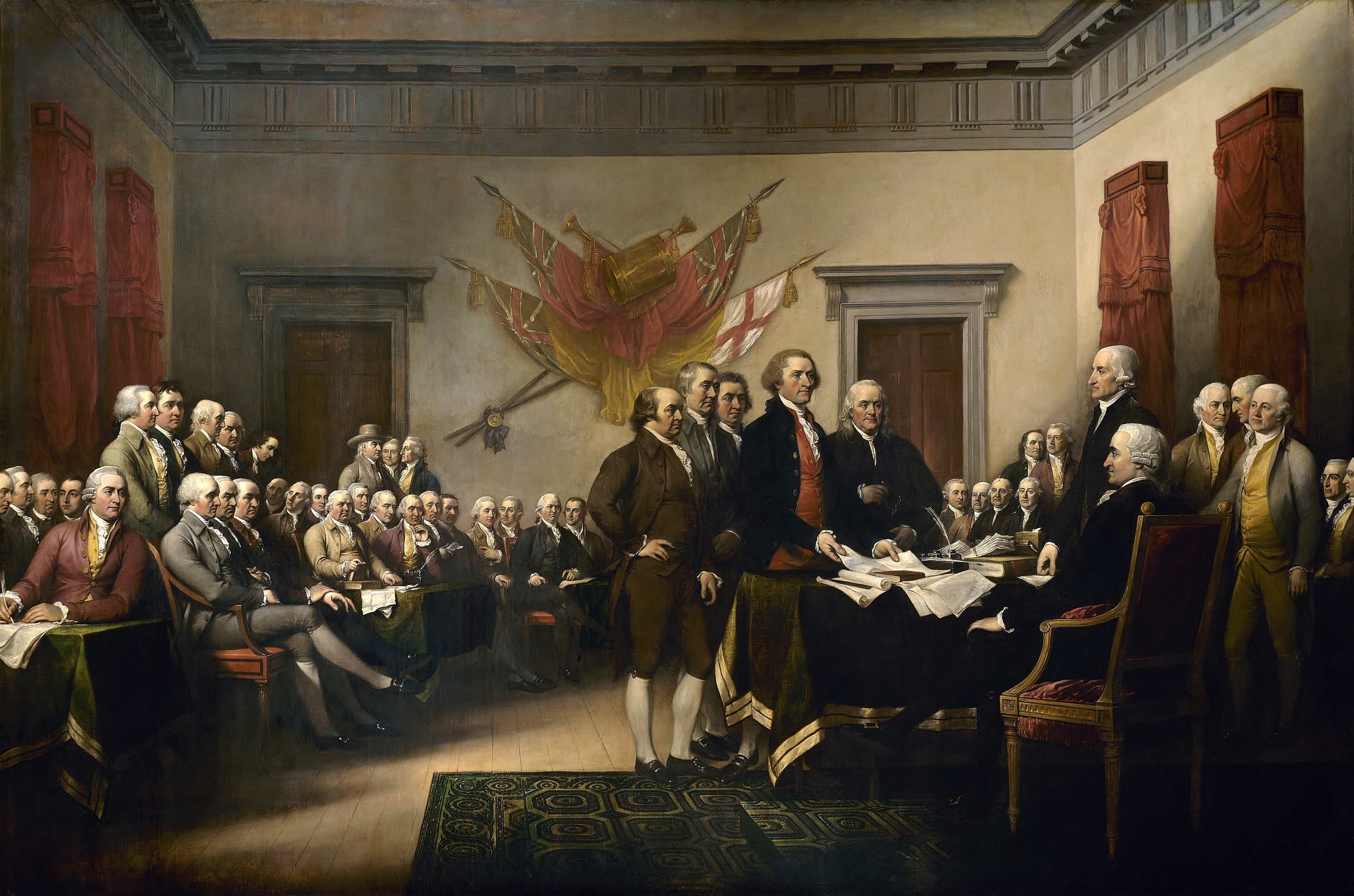
We hear it again and again, especially this time of year: few of our founding fathers were Christians, many were Deists. That is, they believed God created the universe and set everything in motion, but he does not participate in the affairs of humanity.

Those who perpetuate such statements are ignoring a great deal of evidence to the contrary.

Last Independence Day we noted thirteen signers of the Declaration of Independence who clearly put their faith in Jesus. Their quotes from documents, letters, and last testaments offer the proof. You can access that post at Faith in a Participatory God.

This post provides proof-of-faith for ten more men who signed the Declaration.

Some of the quotes are lengthy; feel free to skim read!


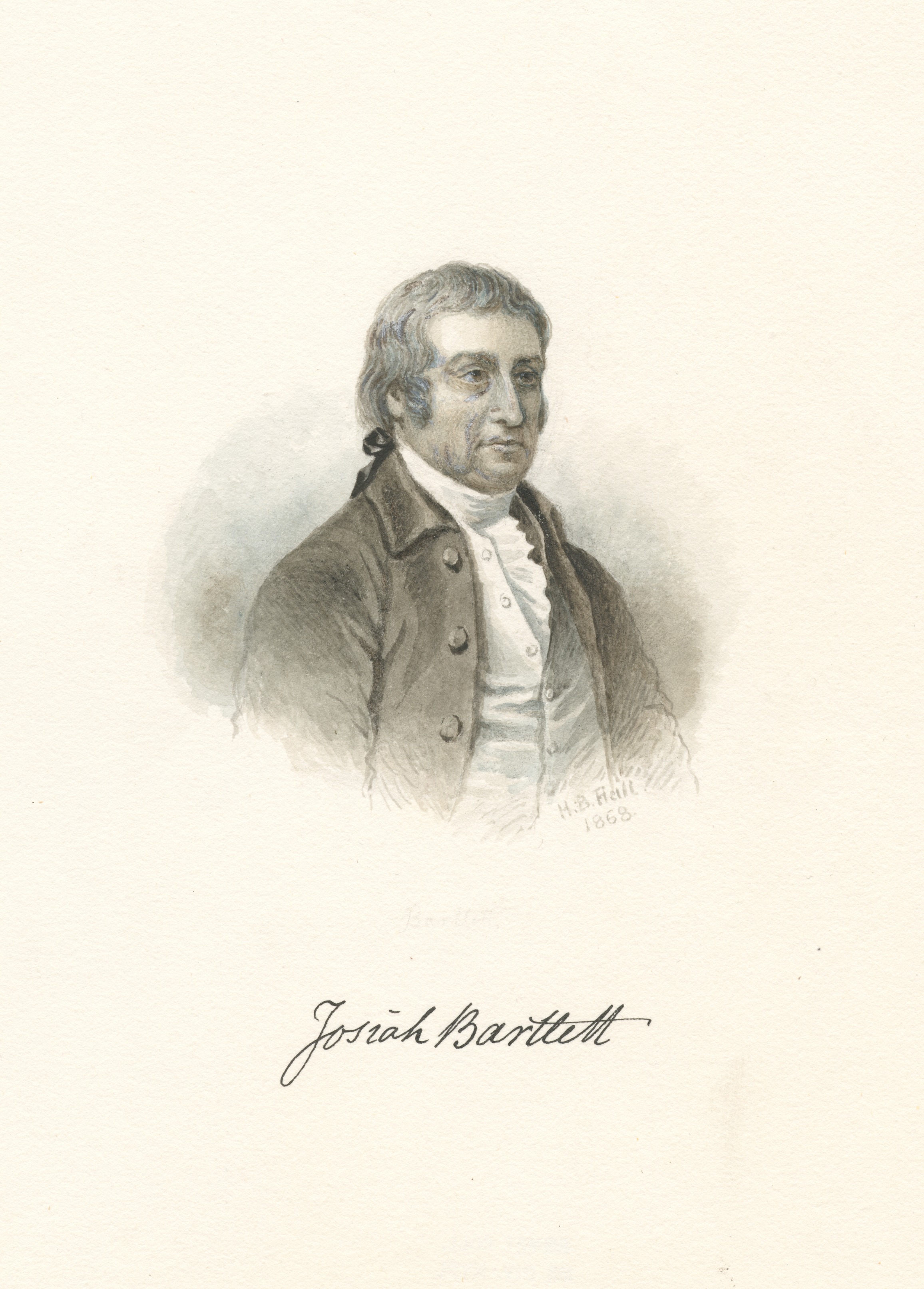
Josiah Bartlett, while serving as governor of New Hampshire, issued a Proclamation for a Day of Fasting and Prayer, March 17, 1792, calling for the people to:

“confess before God their aggravated transgressions and to implore His pardon and forgiveness through the merits and mediation of Jesus Christ . . . [t]hat the knowledge of the Gospel of Jesus Christ may be made known to all nations, pure and undefiled religion universally prevail, and the earth be fill with the glory of the Lord” (1).


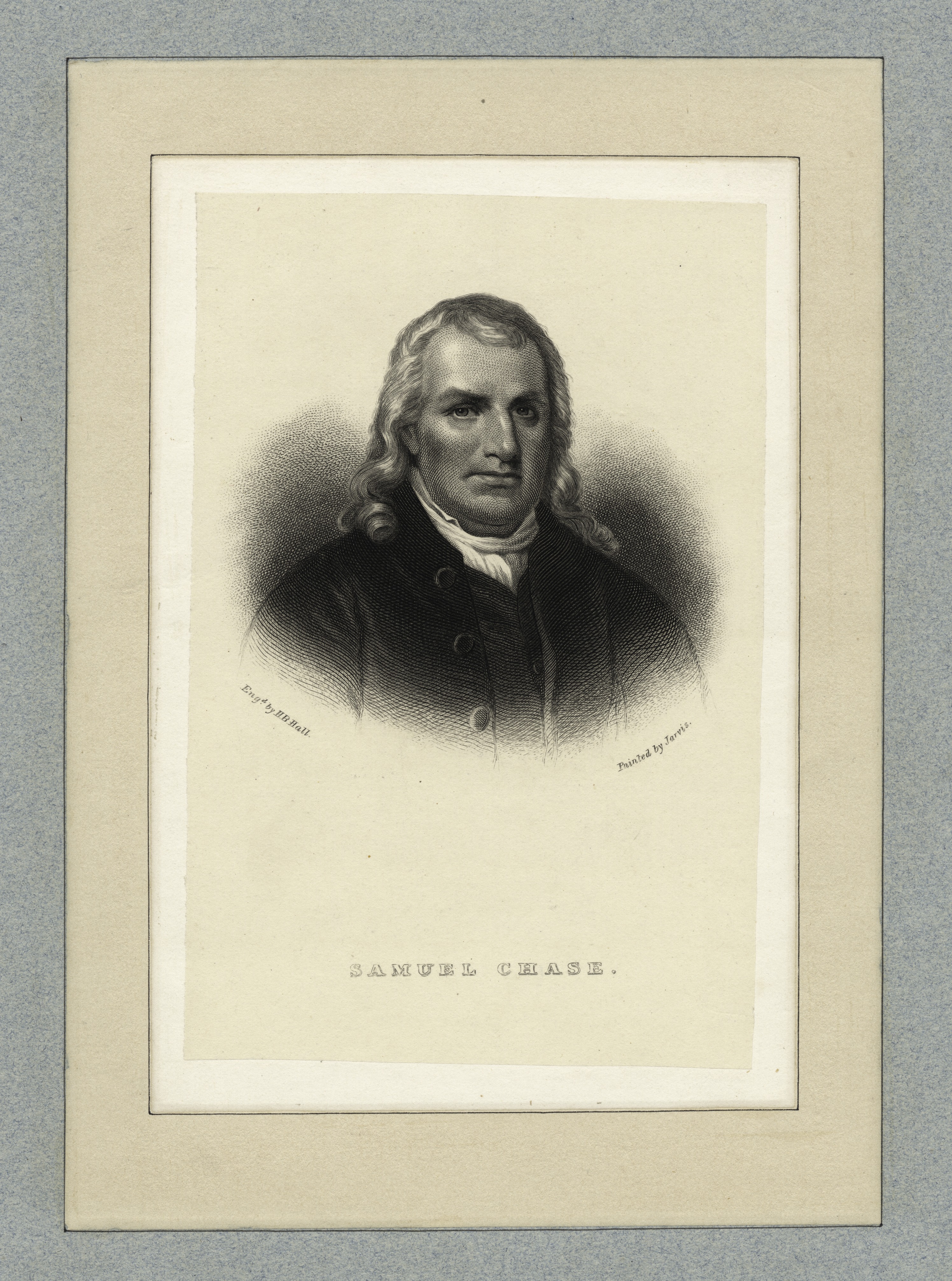
Samuel Chase, while serving as a circuit court judge in Pennsylvania, spoke to the defendant, John Fries, during his trial for treason, 1799-1800:

“I expect that you are a Christian; and as such I address you. Be assured my guilty and unhappy fellow-citizen, that without serious repentance of all your sins, you cannot expect happiness in the world to come; and to your repentance you must add faith and hope in the merits and mediation of Jesus Christ. These are the only terms on which pardon and forgiveness are promised” (2).


Samuel Huntington, while serving as governor of Connecticut, issued a Proclamation for a Day of Fasting, Prayer and Humiliation, March 9, 1791, including these remarks:

It becomes a people publicly to acknowledge the over-ruling hand of Divine Providence and their dependence upon the Supreme Being as their Creator and Merciful Preserver . . . and with becoming humility and sincere repentance to supplicate the pardon that we may obtain forgiveness through the merits and mediation of our Lord and Savior Jesus Christ” (3).


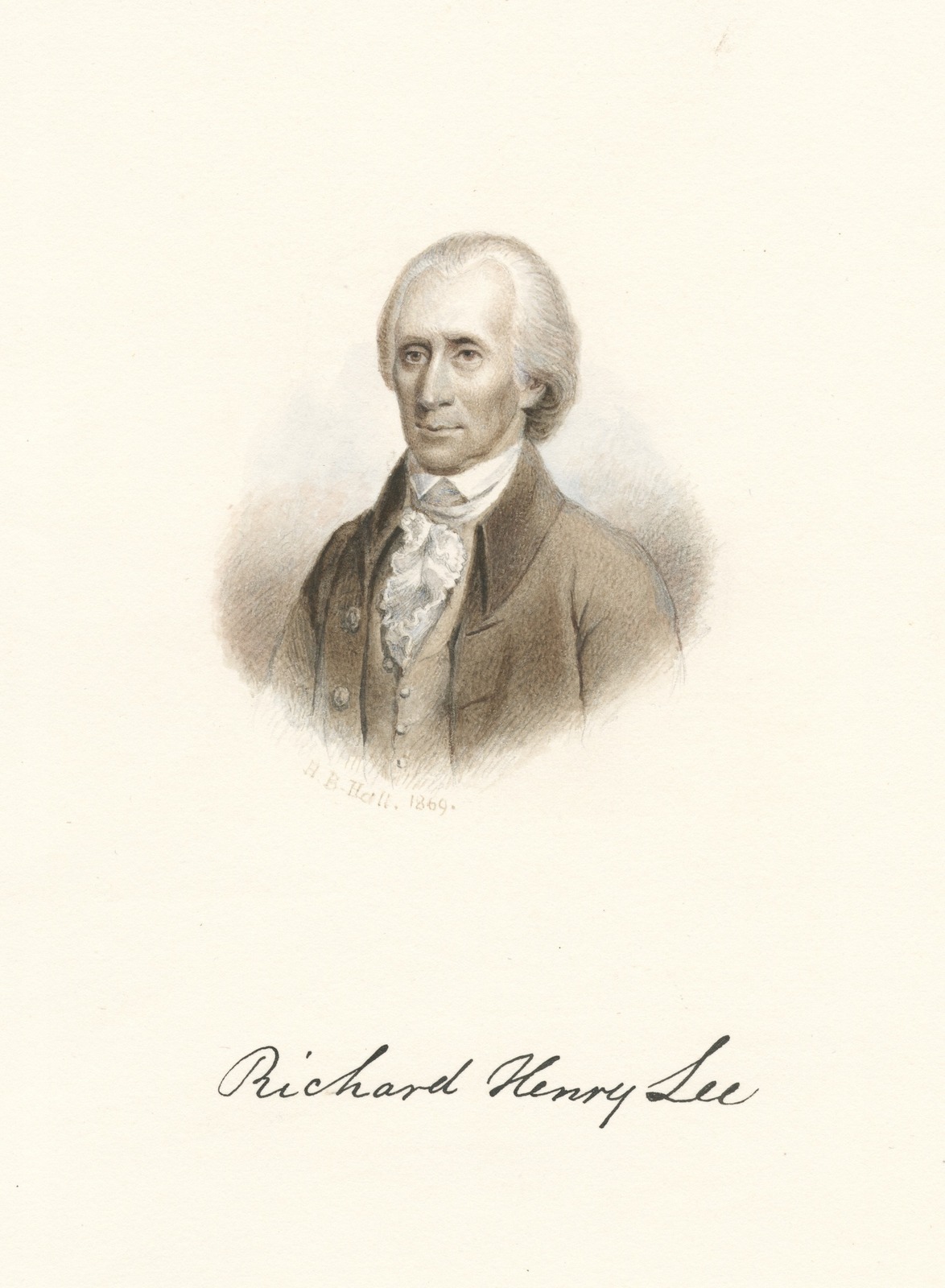
Richard Henry Lee, while serving as a delegate to the First Continental Congress in 1774, joined Samuel Adams and Daniel Roberdeau to recommend:

“Thursday, the 18th of December next, for solemn thanksgiving and praise, that with one heart and one voice the good people may express the grateful feelings of their hearts, and consecrate themselves to the service of their Divine Benefactor; and that, together with their sincere acknowledgments and offerings, they may join the penitent confession of their manifold sins, whereby they had forfeited every favor, and their humble and earnest supplication that it may please God, through the merits of Jesus Christ, mercifully to forgive and blot them out of remembrance” (4).


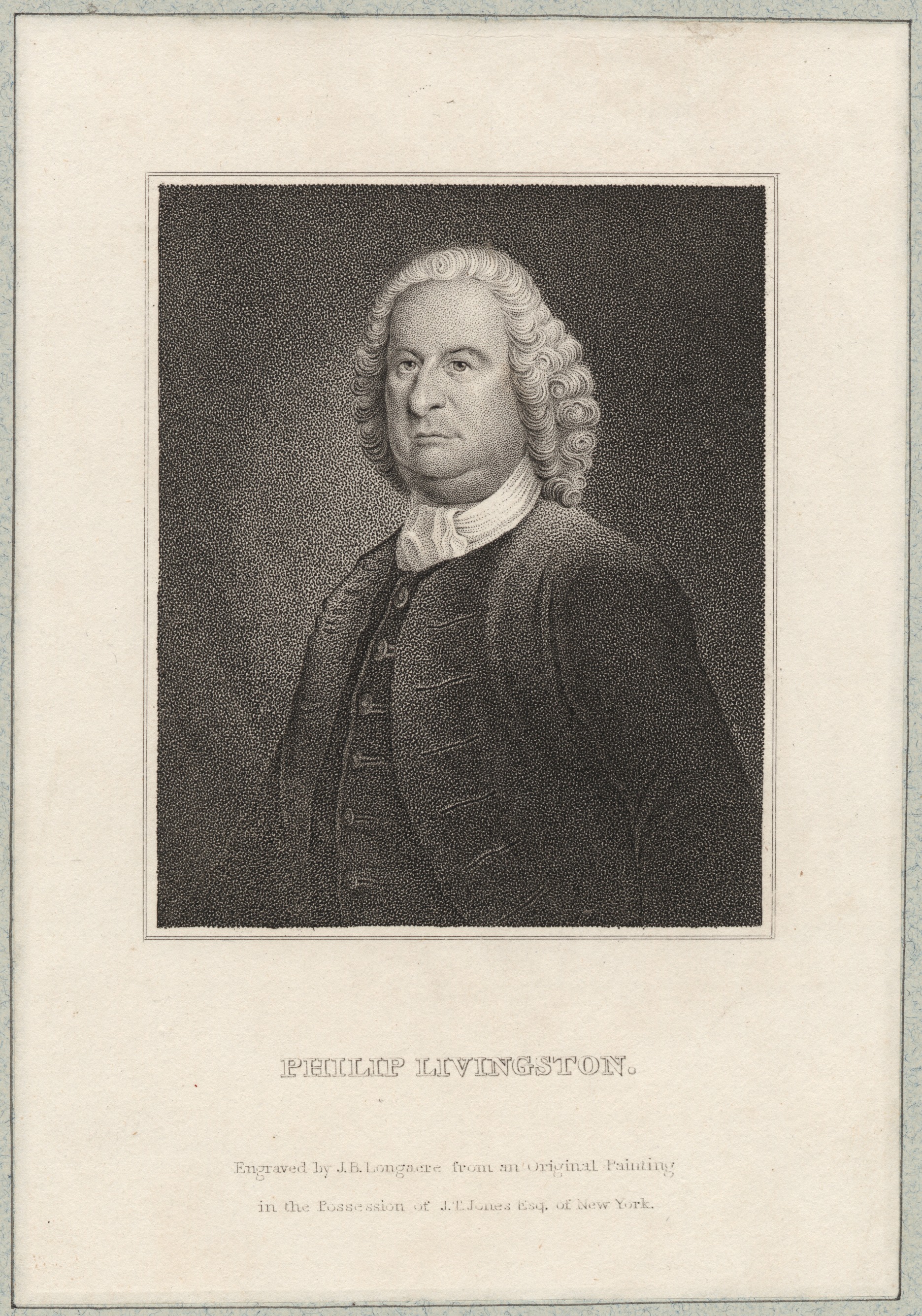
Philip Livingston, in his last will and testament, wrote:

“First, I do resign my soul to the great most mighty and most merciful God Who gave it, in hopes, through mercy alone by the merits of Jesus Christ, to have a joyful resurrection to life eternal, and my body I commit to the earth to be buried decently and without ostentation” (5). (Dated May 18, 1778, and on file at the Family History Center in Texas.)


Thomas McKean, while serving as a judge, presented the following in a public address given to the defendant who had just been sentenced to death:

“It behooves you most seriously to reflect upon your past conduct; to repent of your evil deeds [Acts 8:22]; to be incessant in prayers to the great and merciful God to forgive your manifold transgressions and sins [1 Kings 8:50]; to teach you to rely upon the merit and passion of a dear Redeemer and thereby to avoid those regions of sorrow—those doleful shades where peace and rest can never dwell, where even hope cannot enter [Ephesians 2:12]” (6).


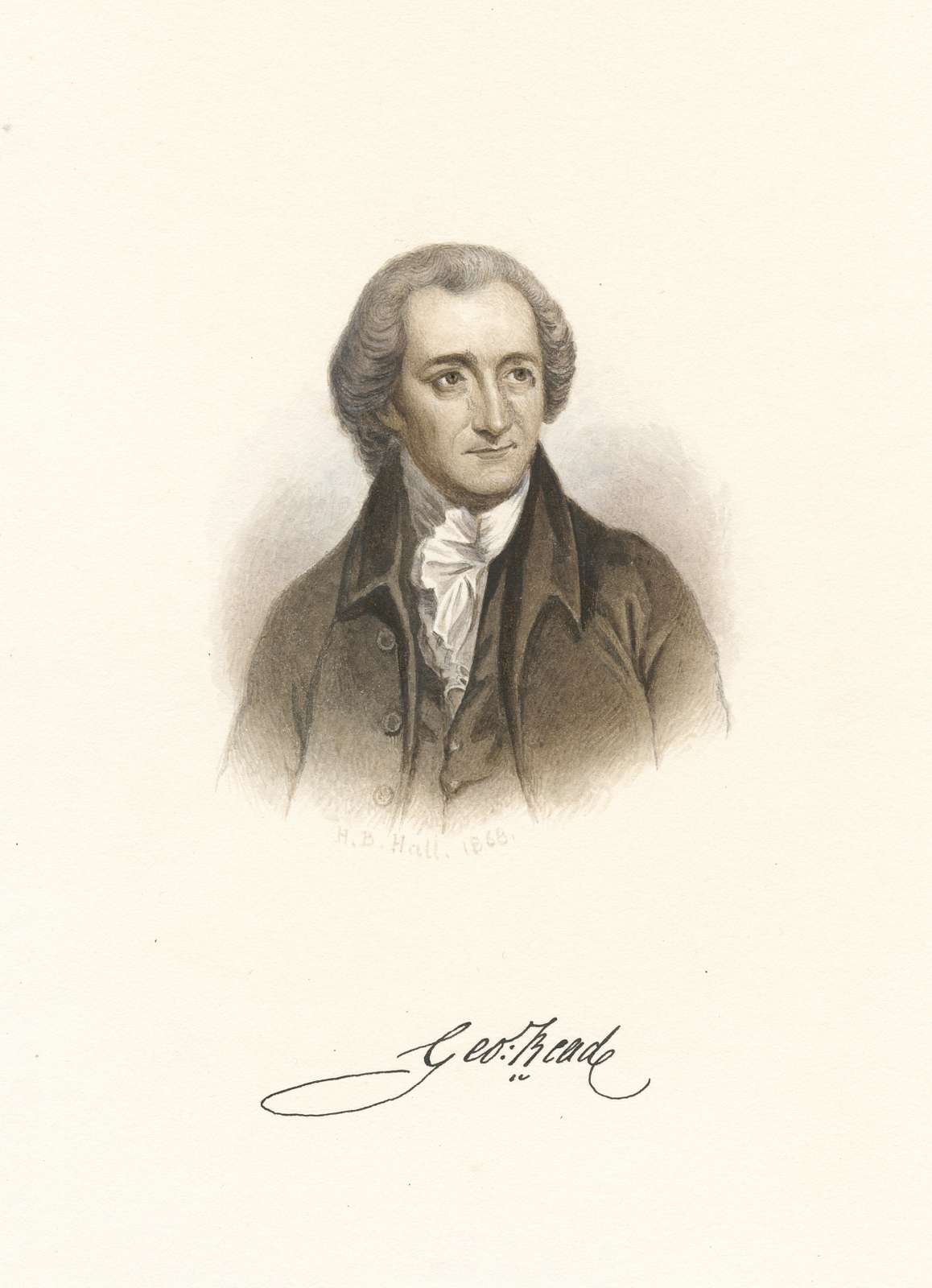
George Read, known as “the Father of Delaware,” wrote “the first edition of her laws,” and the Constitution of the State. The requirements, stated in the Delaware Constitution, for holding office include:

“DELAWARE 1776. Article XXII. Every person who shall be chosen a member of either house, or appointed to any office or place of trust…shall…make and subscribe the following declaration, to wit: “I, ________, do profess faith in God the Father, and in Jesus Christ His only Son, and in the Holy Ghost, one God, blessed for evermore; and I do acknowledge the holy scriptures of the Old and New Testament to be given by divine inspiration” (7).


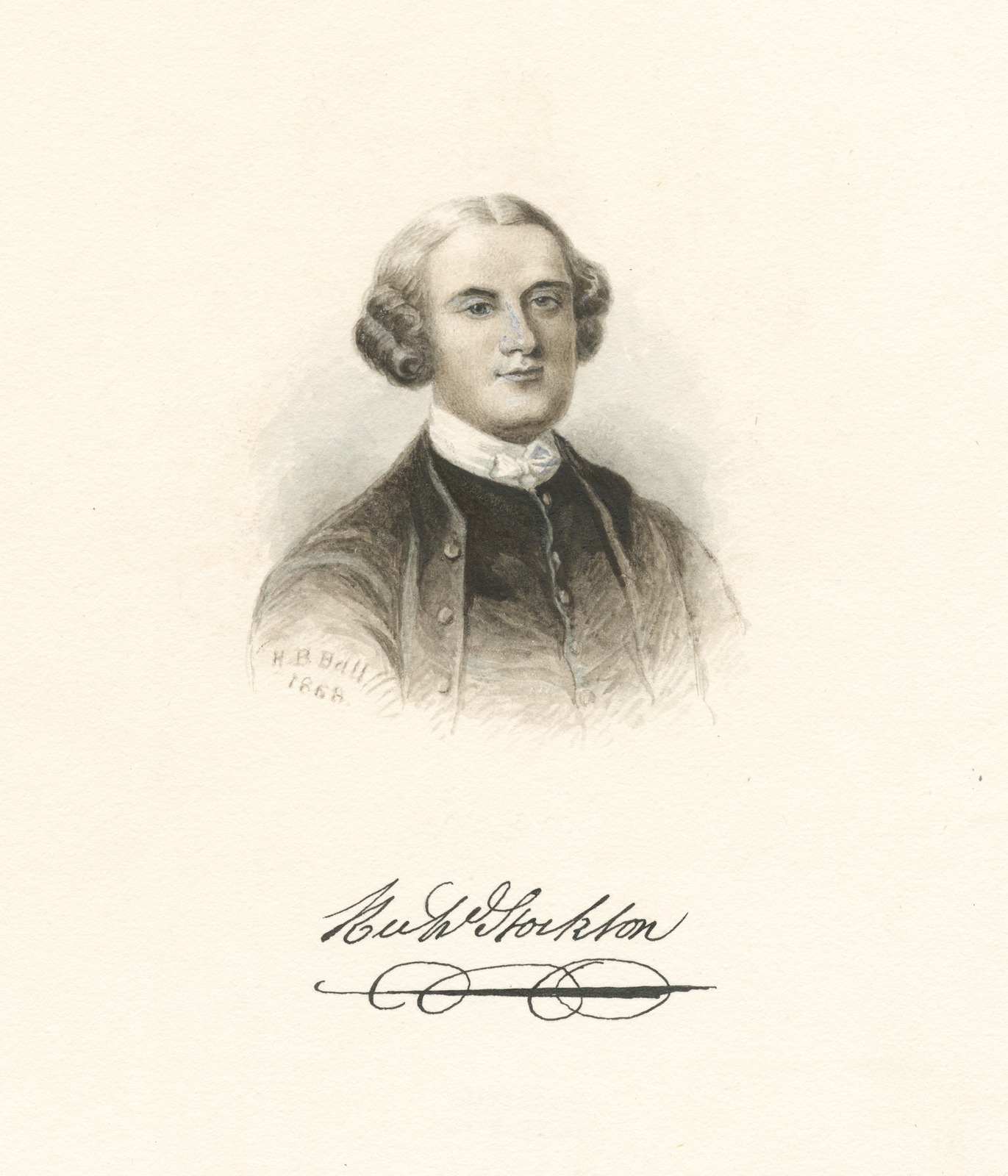
Richard Stockton, from his last will and testament:

“I think it proper here not only to subscribe to the entire belief of the great and leading doctrines of the Christian religion, such as the Being of God, the universal defection and depravity of human nature, the divinity of the Person and the completeness of the redemption purchased by the blessed Savior, the necessity of the operations of the Divine Spirit, of Divine Faith, accompanied with an habitual virtuous life, and the universality of the divine Providence, but also . . . that the fear of God is the beginning of wisdom; that the way of life held up in the Christian system is calculated for the most complete happiness that can be enjoyed in this mortal state; that all occasions of vice and immorality is injurious either immediately or consequentially, even in this life; that as Almighty God hath not been pleased in the Holy Scriptures to prescribe any precise mode in which He is to be publicly worshiped, all contention about it generally arises from want of knowledge or want of virtue” (8).


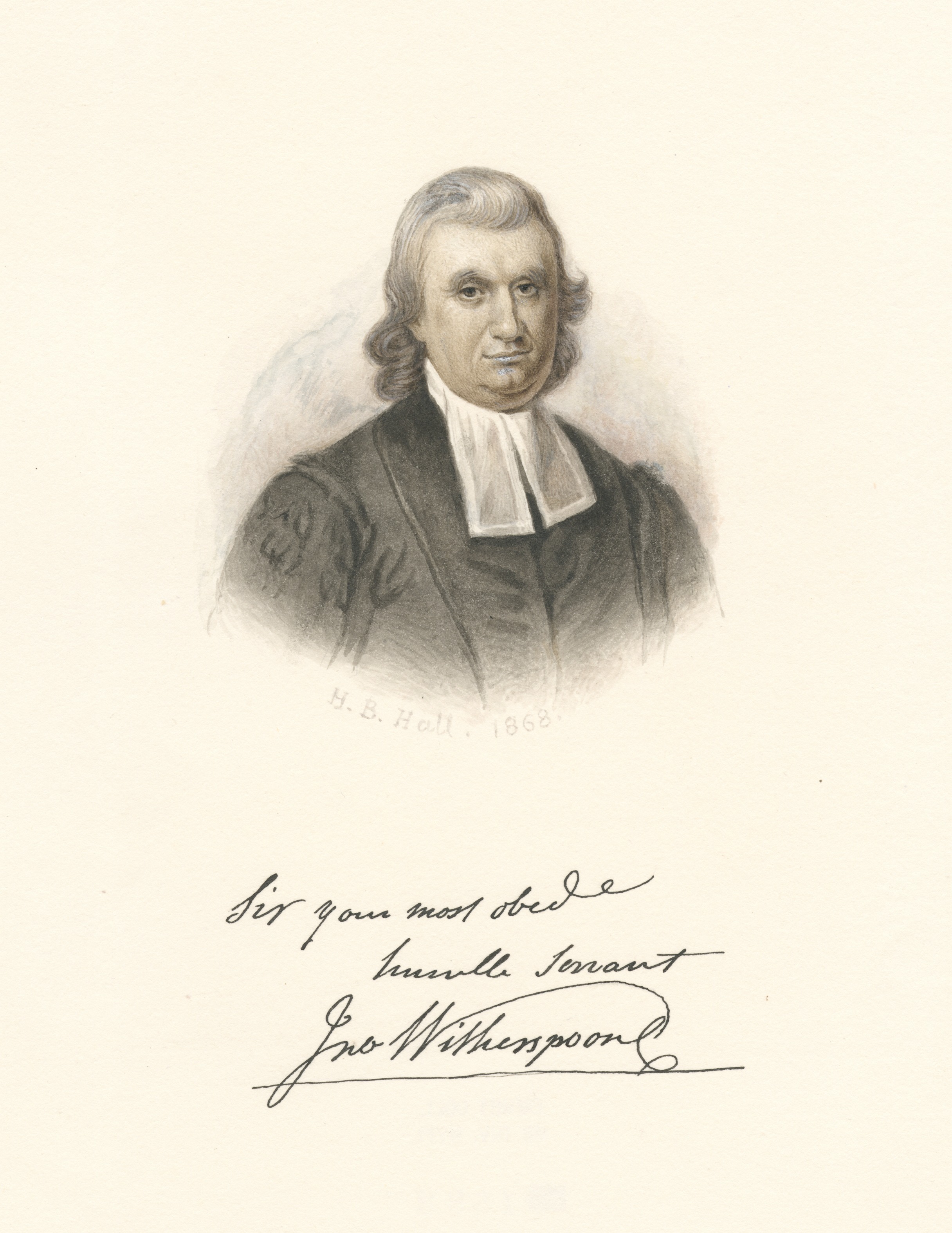
John Witherspoon, the only clergy among the signers, spoke the following in a sermon, “The Absolute Necessity of Salvation through Christ, January 2, 1758:

“It is very evident that both the prophets in the Old Testament and the apostles in the New are at great pains to give us a view of the glory and dignity of the person of Christ. With what magnificent titles is he adorned! What glorious attributes are ascribed to him! All these conspire to teach us that he is truly and properly God – God over all, blessed forever” (9)!


Oliver Wolcott, in a letter to his daughter, Laura, April 10, 1776:

“Through various scenes of life, God has sustained me. May He ever be my unfailing friend; may His love cherish my soul; may my heart with gratitude acknowledge His goodness; and may my desires be to Him and to the remembrance of His name….May we then turn our eyes to the bright objects above, and may God give us strength to travel the upward road. May the Divine Redeemer conduct us to that seat of bliss which He himself has prepared for His friends; at the approach of which every sorrow shall vanish from the human heart and endless scenes of glory open upon the enraptured eye” (10).


Of course, not all founding fathers drafted and signed the Declaration of Independence.

The website, www.biography.com, lists eighteen men among the most influential of our founders (11):

  • John Hancock**
  • James Madison
  • John Adams*
  • Ben Franklin
  • George Washington**
  • Patrick Henry**
  • Thomas Jefferson
  • Alexander Hamilton*
  • Thomas Paine
  • Samuel Adams**
  • Richard Henry Lee*
  • John Dickenson*
  • James Monroe
  • Roger Sherman*
  • Benjamin Rush*
  • George Mason*
  • John Marshall
  • John Jay*


The asterisks indicates those who included statements of faith in Jesus Christ in their writings. Two asterisks by a name indicates other posts on this blog that share their stories.

Count up the names with no asterisks: six.  Six who may have been Deists rather than Christians. That does not constitute “many.”

And why does it matter whether our founders were Christian and strived to live by Christian principles?

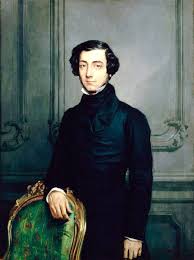
Perhaps Alexis de Tocqueville explained it best in his book, Democracy in America (1835):


(Alexis de Tocqueville)


Not until I went into the churches of America

and heard her pulpits aflame with righteousness

did I understand the secret of her genius and power.

America is great because she is good,

and if America ever ceases to be good,

she will cease to be great.”


Therefore, we must beware of those who distort the facts of our Christian heritage and downplay the importance of Christian values.

We must be informed voices of Truth.


Notes:

  1. https://wallbuilders.com/founding-fathers-jesus-christianity-bible/
  2. https://quod.lib.umich.edu/e/evans/N27848.0001.001/1:7?rgn=div1;view=fulltext , p. 203.
  3. https://wallbuilders.com/founding-fathers-jesus-christianity-bible/
  4. http://reclaimamericaforchrist.org/2010/11/24/faith-of-our-founding-fathers/
  5. Brad Cummings and Lance Wubbels, ed., The Founders’ Bible, Shiloh Road Publishers, 2012, p. 1612.
  6. William B. Reed, Life and Correspondence of Joseph Reed (Philadelphia: Lindsay and Blakiston, 1847), Vol. II, p. 53. Quoted in The Founders’ Bible, 1733.
  7. http://reclaimamericaforchrist.org/2010/11/24/faith-of-our-founding-fathers/
  8. http://www.wallbuilders.com/LIBissuesArticles.asp?id=78
  9. https://quotepark.com/authors/john-witherspoon/
  10. (from Letters of Delegates to Congress: January 1, 1776-May 15, 1776, Paul H. Smith, editor (Washington DC: Library of Congress, 1978), Vol. 3, pp. 502-503. https://wallbuilders.com/founding-fathers-jesus-christianity-bible/
  11. https://www.biography.com/people/groups/founding-fathers


Art credits:  http://www.en.wikipedia.org; http://www.wikimedia.org; http://www.wikimedia.com; http://www.nyplgetarchive.net (2); http://www.wikimedia.org; http://www.picryl.com; http://www.nyplgetarchive.net (2); http://www.wikimedia.org; http://www.nypl.getarchive.net.; http://www.wikimedia.org.


In a matter of minutes, our next-to-last exam of junior year would begin.  The room of high schoolers included a few serious students with heads in notebooks, but most of us chatted with one another, just anxious to be done.

“Hey!” cried one friend to a group of us girls sitting together.  “Let’s switch one shoe with somebody else for good luck!”  Giggles ensued as we tried different looks and different sizes, until each of us sported mismatched footwear.


After the exam, imagine our surprise when we were summoned to the office.

Someone thought the shoe-exchange was a means of cheating.  Thankfully our principal dismissed us immediately when we explained our silly scheme for good luck. 

Of course, certain shoes—or any other particular piece of clothing–have nothing to do with success.  Even those who’ve experienced a triumph or two while wearing a certain hat, jacket, or tie eventually find Lady Luck has left the building. 

One high school basketball coach in Indiana wore the same patchwork pants for every game, and his team won twenty-seven times in a row.* 

But then came Game #28.

Much more important than a basketball game or even a high school exam, God has prepared us clothing for life.  Granted, the apparel he provides is metaphorical and made for the spiritual realm.  But it creates much greater impact on our lives than mismatched shoes or patchwork pants.

Perhaps you’re thinking of the armor that Paul described in his letter to the Ephesians, including the belt of truth, the shield of faith, and more.


But our Designer God is ready to provide another article of clothing, mentioned in Isaiah 61:3—a garment of praise.

Now some might wonder, Isn’t that self-serving of God—to offer us a garment of praise so we’ll applaud, admire, and honor him?

Not at all.   Just as we enjoy giving pleasure to others through accolades of their character or actions, we find joy in acclaiming God for all he is and does. 

Praise takes our focus off problematic people and circumstances, and draws our attention to the One who has brought us through every dark valley in the past, and will continue to do so until our life-journeys are complete. 

So what might this garment of praise look like—if it were visible?  I’m imagining a velvety-soft, lightweight cloak stretching all the way to our shoe tops and including a hood—for total coverage.


But in order to enjoy the supreme comfort of this robe, we have to get rid of the irritating clothing we sometimes wear:

  • The scratchy scarf of negativity
  • The constrictive shirt of fear
  • The hot collar of anger
  • The heavyweight coat of worry

We can’t savor life to its fullest in such uncomfortable clothes as these.  In contrast—as research on positivity and gratitude has proven–the garment of praise produces feel-good endorphins, uplifts our mood, and offers hope.

Of course, we have to put it on.  Too often we leave home without our praise-cloaks or it slips off our shoulders somewhere along the way.

Perhaps we could tie it on each morning with prayer and check the knot with prayer throughout the day. 

Perhaps something like this:


Lord, I thank you for my garment of praise—to keep me aware of your presence, happily occupied with thoughts of your attributes and blessings. Help me to always keep my praise-cloak in place.

Thank you that when I’m wrapped in my garment of praise I can experience your highest joy May I never leave home without it.

(Isaiah 26:3; Psalm 112:7, 43:4 GWT)


*Kathlyn Gay, They Don’t Wash Their Socks, Walker and Company, 2013.


Photo credits: http://www.wikimedia.org; http://www.flicr.com; http://www.pxfuel.com; http://www.pikrepo.com; http://www.pilist.com.

When the House is Quiet

Impressions Becoming Expressions

Mitch Teemley

The Power of Story

Still Traveling

Impressions Becoming Expressions

Living Our Days

Gaining a heart of wisdom

He Said What?!

I'm Patty, and my husband and I are living with our adult son who has autism and epilepsy. I love sharing lessons learned from life around me, especially life with Aaron.

Meditations of my Heart

Impressions Becoming Expressions

Linda Stoll

Impressions Becoming Expressions

Signora Sheila

Where faith meets la dolce vita

Heidi Viars

Finding the Image of God