Feeds:
Posts
Comments

Archive for the ‘Excellence’ Category

No Christmas season would be complete without the reading of the second chapter of Luke—the account of Mary and Joseph traveling to Bethlehem, presiding over the birth of Jesus in a stable or cave, and receiving shepherd-guests.

Toward the end of the account, as those shepherds were spreading the word of Jesus’ birth, Luke wrote, “Mary treasured up all these things and pondered them in her heart” (v. 19).

Indeed. She had much to process:

  • Her baby was the Messiah, the Promised One, who would save his people from their sin. I wonder if she studied him, looking for signs that he was different from other infants.
  • This was the Prince of Peace cradled in her arms. Yet he had been born to a common village girl in very primitive conditions.  Did that seem strange to her?
  • The shepherds had learned of his birth when angels visited them, just as the angel, Gabriel, had visited Mary and then Joseph.  Gabriel had also visited Zechariah, the father of John the Baptist. Four angel visitations in a matter of months. Never had that happened before.

I find myself pondering, too—pondering Mary herself–this dear, young girl who carried a tremendous burden for a long time.

Dear means beloved and valued. Mary is certainly that for numerous reasons.

  • She embraced Gabriel’s announcement with great faith. “May it be to me as you have said,” (Luke 1:38). She put herself in the care of God in spite of incomprehensible circumstances.
  • Her prayer, the Magnificat (Luke 1:46-55), gives indication of a heart fully committed to God.
  • She endured much: shame for her pregnancy, a long, uncomfortable journey to Bethlehem, and crude circumstances for the birth of her Son.

Mary was young—perhaps between thirteen and fifteen years of age. That was the typical age for a girl to be married in Bible times.

Yet, young as Mary was, Gabriel praised her for being “endued with grace” (v. 28, AMP). In addition, Mary demonstrated stamina, maturity, and gentleness beyond her years.

No doubt God graced her with these traits. But I have to believe Mary also had freedom of choice, as we all do, to embrace God’s way for her.

What I ponder most, however, is the fact Mary carried a tremendous burden, given to her by an elderly man, Simeon, eight days after Jesus was born.

You undoubtedly remember the story. Joseph and Mary took Jesus to the temple at Jerusalem to be circumcised.

There they met the righteous and devout Simeon who had been waiting decades for the Messiah. The Holy Spirit had revealed to him he would not die until he had seen the Lord Christ.

Immediately upon seeing the Child, Simeon knew this was the One.

He praised God for keeping his promise, blessed Mary and Joseph, and then spoke particularly to Mary, saying Jesus would cause some to rise and some to fall, he would be spoken against, the thoughts of many hearts would be revealed, and a sword will pierce your own soul too (Luke 2:21-35).

Those last words must have caused Mary’s eyes to grow wide and her heart to skip a beat. Wasn’t the worst behind her? Surely Mary wanted to ask Simeon, “What do you mean?” Scripture gives us no indication that she did so.

For thirty-three years those last words of Simeon must have echoed in Mary’s mind again and again. How does a person live with such long-term foreboding? Perhaps her mind turned back to the night of Gabriel’s visitation.

Perhaps, for thirty-three years, Mary repeated what she had told the archangel: “I am the Lord’s servant. May it be to me as you have said” (1:38).

Mary may very well have developed the calm assurance that even when God’s ways are baffling, we can rest assured he is orchestrating events to accomplish far more than we could ever imagine (Ephesians 3:20). She’d been witness to such orchestration in Bethlehem.

Mary knew that even our personal hardships can fulfill purposes that extend far beyond ourselves.

That’s a lesson for all of us to embrace with calm assurance.

(Revised and reblogged from December 15, 2014, while we enjoy a blessed week with family!)

Photo credit: http://www.stocksnap.io.

Processing…
Success! You're on the list.

Read Full Post »

Years ago when our middle granddaughter was a preschooler, we took her to an arcade. In the back corner stood a few free games and among them, two old Tetris side by side.

Some of you will remember this game. Shapes drift down from the screen-top; the player must manipulate them, fitting them together in a solid wall as they reach the bottom—without leaving holes.

After a quick explanation of how to play, E. happily started pushing buttons. I decided to play the neighboring game. Bad mistake.

Video games never were my forte, and the passing years had not contributed to my skills. Frustration began to build as hole after hole appeared in my wall.

At game’s end, E. cried with joyful triumph, “Look Nana! Look at the pretty design I made!”

Though her screen displayed many colorful shapes, there were numerous holes. But that didn’t matter to E. In her view she’d created an eye-catching piece of art.

E. taught me a lesson that day. My attitude could often be improved if I just focused on the positive of what IS and not on the negative of what ISN’T.

All too frequently I’ve strived for unattainable goals, wasted time on unimportant details, or sacrificed rest while slaving through a lengthy to-do-list. I’ve also cared too much what other people thought.

All of these traits are symptoms of perfectionism.

Why are we perfectionists so strict on ourselves? Perhaps it’s because we don’t want to be:

  • ashamed of our performance or handiwork
  • blamed when our efforts aren’t up to par
  • judged inferior or lacking in some way

To move away from such fears and toward the freedom Christ offers (John 8:36), we need to CHILL by affirming these attitudes and actions.

I am:

  • C elebrating more often what’s right, criticizing less often what’s wrong
  • H appy with “good enough” when appropriate
  • I nspiring others with my imperfections!
  • L istening to the truth
  • L oved by God as I am

To jump-start such declarations, consider the following.

CELEBRATE

When faulty efforts occur, we can CELEBRATE this: “A flawed rose still smells sweet” (Unknown). I can still carry the fragrance of Christ as I rely upon him through the mistakes and failures.

(Be) HAPPY

“We don’t have to be perfect to be wonderful” (Unknown).

Lots of fantastic people in this world display admirable qualities, but not one of them is perfect.

You’re wonderful too! Give yourself the same grace you give others.

INSPIRE

“There’s no need to be perfect in order to inspire others. Let people get inspired by how you deal with your imperfections”—Ziad K. Abdelnour.

Also true:

LISTEN

Listen to such truths as these to silence the voice of perfectionism:

  • Jesus did live a perfect life yet was criticized incessantly. However, all he cared about was his Father’s approval, which God bestowed (Matthew 3:17). You know who else is approved? Everyone who believes in Jesus!

Everyone who believes has God’s approval

through faith in Jesus Christ.

Romans 3:22a GW

  • The godly Apostle Paul admitted—after thirty-years as a Jesus-follower— he hadn’t achieved perfection. Even so, he found satisfaction in pressing on toward spiritual maturity (Philippians 3:12-13).
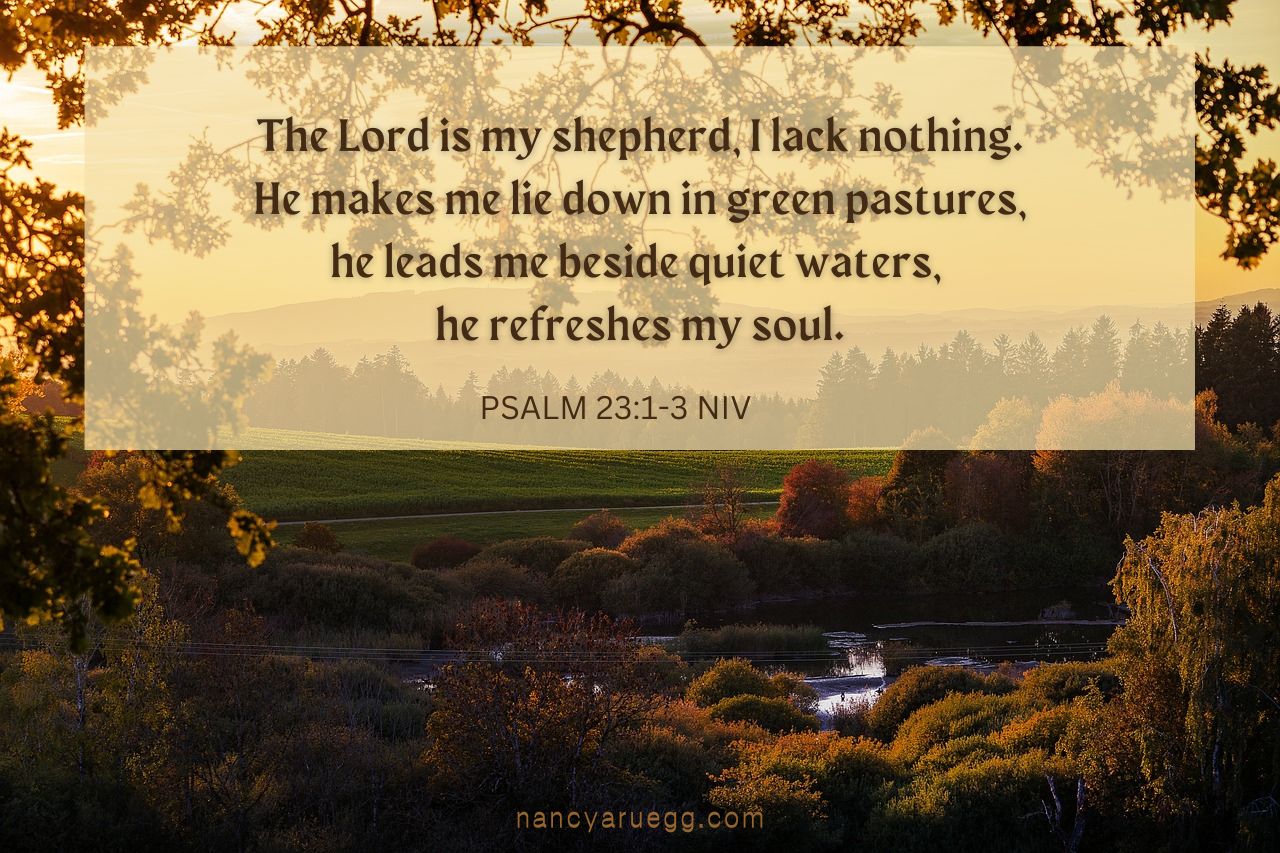
  • We can combat the striving as we embrace God’s desires for us—to lie down in his green pastures now and then, and not fill every minute with activity—to lead us beside quiet waters, and not struggle in a churning ocean of busyness (Psalm 23:1-3).

(Receive) LOVE

God has made it clear: “[He] loves us because of who he is, not because of who we are” (Unknown, 1 John 4:10).

His love for us is:

  • Sacrificial (Romans 5:8)
  • Lavish (1 John 3:1)
  • Patient, kind, unfailing, and more (1 Corinthians 13:4-8)
  • Forgiving (Ephesians 4:32)
  • Everlasting (Jeremiah 31:3)

So! When perfectionism insists we aim even beyond excellence, let’s remember:

There are no perfect daughters, wives or mothers; no perfect sons, husbands, or fathers; no perfect employees, no perfect homes. No one has it 100% together.

“What we do have is a perfect God who is able to lead us through this imperfect life with unfailing strength, incomparable wisdom, and infinite love” (Unknown).

Like our granddaughter E., we can celebrate with joyful triumph the cumulating designs of our lives—imperfect though they may be.

Let’s CHILL!

Art & photo credits: http://www.flickr.com; http://www.canva.com (4); http://www.pixabay.com; http://www.canva.com.

TAKE NOTE! A newsletter launches this month that will include additional topics to what’s on the blog. Please sign up below and check out the first installment. Thank you!

Processing…
Success! You're on the list.

Read Full Post »

Remember Peter Piper who picked a peck of pickled peppers? I wonder what he’d choose if he picked a peck of puzzling proverbs? And how many puzzling proverbs would Peter Piper pick?

Perhaps you’ve encountered some biblical proverbs that raised questions rather than supplied insight—at least at first reading. I certainly have.

Below are five examples. (Perhaps Peter Piper would pick these too!)

PUZZLING PROVERB #1

But how is instruction like a garland or jewelry?

When we receive the wise teaching of godly parents (and our Heavenly Father), our lives are crowned with the blessing and honor of maturity, integrity, and wisdom. We also radiate to others the beauty of godliness, like a chain of distinction around our necks [1].

I wonder too if this garland on the head alludes to the peace of mind that comes from living wisely, and the chain over the chest intimates joy of heart for those who follow biblical instruction.

PUZZLING PROVERB #2

But rest is necessary. So what’s the meaning here?

It’s a warning against apathy and a lack of responsibility, because it’s so easy to:

  • put off to tomorrow what we don’t feel like doing today
  • avoid certain tasks because they’re challenging
  • over-indulge in leisure and accomplish little

We’d do well to remember:

The enjoyment of leisure would be nothing if we only had leisure. It is the joy of work well done that enables us to [truly] enjoy rest.

— Elizabeth Elliot

PUZZLING PROVERB #3

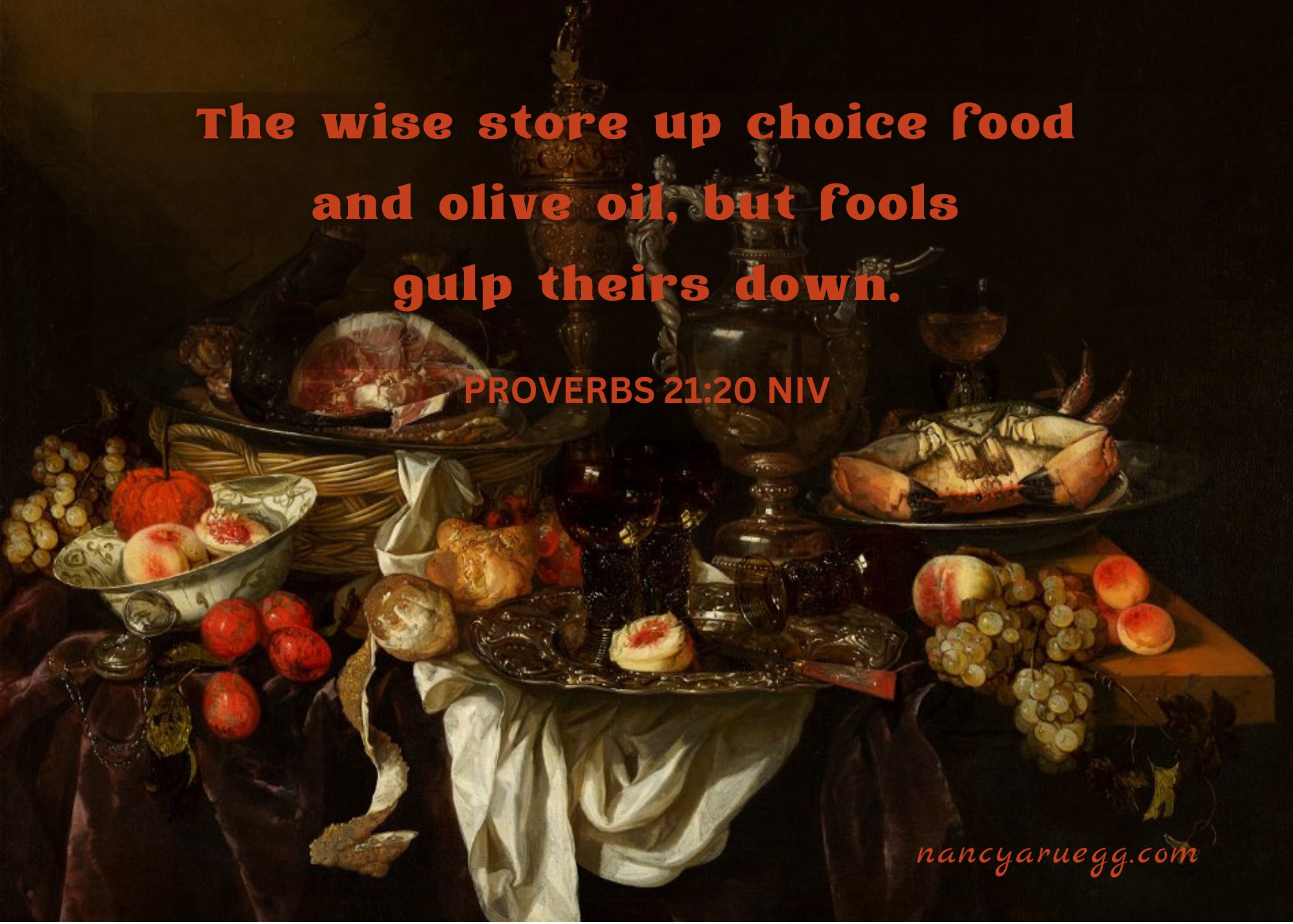
“Banquet Still Life” by Abrahan van Beyeren (1620-1690)

Is this a summary of Aesop’s fable, “The Grasshopper and the Ants,” or might there be a spiritual lesson here?

Actually, it’s both. Yes, God would have us live responsibly and save for the future, but he’d also have us share from our resources and enjoy the blessing of generosity.

The wise also store up within their spirits the choice nourishment of God’s Word and the oil of divine influence, to be ready for the work God calls them to do [2].

PUZZLING PROVERB #4

How can it be part of God’s glory (his splendorous attributes) to conceal a matter, and why is it the glory of a king to seek answers?

One reason God doesn’t reveal everything to us is this: knowledge of all things would overwhelm and frustrate our finite minds.

Second, if God answered all our why questions (like “Why did So-and-So have to die? She was so young!”), it’s likely we still wouldn’t be satisfied. We’d want to suggest he accomplish his plans some other less painful way.  

But. Living with uncertainty does teach us endurance and trust as we wait for the day when all will be made clear.

On the other hand, we do well to prayerfully seek guidance for our decisions. This is especially true for those in authority. It’s to their credit to learn the facts of a matter, consider probable solutions in light of outcomes and impact on others, and apply wisdom [3].

PUZZLING PROVERB #5

But what about those saints who’ve exhibited great wisdom, yet have suffered adversity, ill health, and/or untimely, undeserved death?

Obviously, King Solomon is not suggesting that wisdom results in complete protection from difficulty. His point is, by following the wise ways of scripture, we can avoid many of the troubles and heartaches that fools bring upon themselves.

In addition, true wisdom leads us to seek truth. Truth leads to Christ, and he leads us to the way of salvation and eternal safety in heaven [4].

I wonder, do you suppose Peter Piper is wise enough to be guided by these once-puzzling, now-clarified proverbs?

Are we?


[1] John 15:10-11; 1 Samuel 2:30; https://biblestudycourses.org/proverbs-bible-study-courses-sect-1/proverbs-1-8-19-exploring-the-passage/ ; Proverbs 1:8-9 NLT

[2] Acts 20:35; Barnes Notes on the Bible for Proverbs 6:1-11; Matthew 25:1-13; Deuteronomy 8:3b

[3] John 13:7; Psalm 119:130; https://www.bibleref.com/Proverbs/25/Proverbs-25-2.

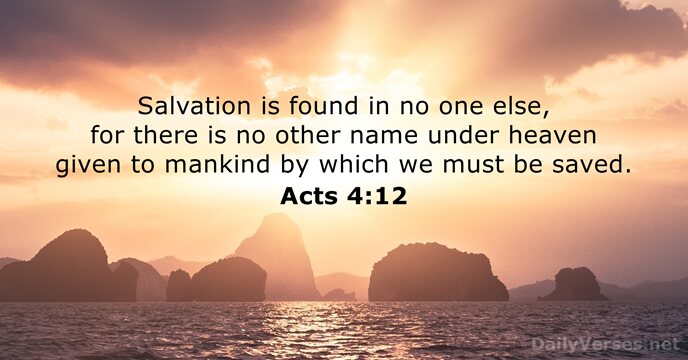
[4] Proverbs 2:3-5, 9-11; John 1:17b; John 14:6; Acts 4:12

Art & photo credits: http://www.rawpixel.com; http://www.pexels.com; http://www.henikirbyhistory.getarchive.net; commons.wikimedia.org; http://www.pickpic.com; http://www.pexels.com; http://www.dailyverses.net.

Read Full Post »

Twelve-year-old Henry bolted into the kitchen crying, “Look Ma!” and proudly held out his empty basket. An hour before it had been full of fresh produce, grown himself on the family farm in Sharpsburg, PA (near Pittsburgh).

Now his pocket was full—of change. Just as he’d hoped, townswomen had purchased every vegetable.

“Well done, Henry!” exclaimed his mother, ruffling his hair. “Your hard work paid off!”

It wasn’t long after that first sales excursion in 1856 that Henry required a wheelbarrow for his deliveries. By age fifteen, Henry was caring for three-plus acres of produce and required a wagon for transport. Not only did he sell to those nearby, but also to grocers in town.

The teenager became known for his quality produce, positive attitude, and honest business dealings, making his mother proud as he lived up to the Christian principles taught at home and church.

One day he approached his mother with a new possibility. “Could I use your recipe for horseradish and try to sell it along with my vegetables?”

She agreed the area’s German immigrants just might buy the popular sauce, saving them time and nuisance during the busy canning season.

Horseradish had to be grated, which often resulted in nicked knuckles. It also caused the eyes to sting and water—just like onions. As a result, many women of Sharpsburg were glad to forego the chore and buy Henry’s horseradish.

His entrepreneurial instincts led him to additional ways for growing his business. Henry chose white vinegar instead of brown and clear glass bottles instead of the traditional green, even though both were more expensive. The former resulted in a more appetizing product, the latter allowed his customers to see his top quality horseradish–with no fillers like some companies used.

Over the next few years Henry added pickles, sauerkraut, and vinegar to his product-line. He also expanded deliveries to Pittsburgh’s grocers, restaurants, and hotels.

Meanwhile Henry experimented with different seeds, taking careful notes to track results. He arranged for the design of attractive jars and labels to entice even more customers.

At age 24, Henry took on two partners and moved the company to Pittsburgh. They added fruit preserves, mustard, and catsup to the product-line, while expanding their market east and west via the new railroads.

Another important event that year: Henry married Sarah Young. They would have five children; one would die in infancy.

19th Century Pittsburgh

By 1872 the partners employed 150 people during harvesttime, producing 500 barrels of sauerkraut, 15,000 of pickles, and 50,000 of vinegar.

But when the economic Panic of 1873 occurred, Henry and his partners were forced to claim bankruptcy. Deep disappointment sunk him into depression.

Henry soon recovered, however, and determined to rebuild his company by doing what he’d always done—work hard and trust God [1].

With financing from two of his seven siblings and his mother, Henry set about reestablishing himself. Five years later he’d not only achieved success again, he’d repaid all his debts—even though that wasn’t required.

Henry continued adding new products, including apple butter, baked beans, and tomato soup. Always he sought new ways to market his wares, like free pickle pins with the company name, distributed at the Columbian Exposition in Chicago, 1893.

Columbian Exposition 1893

But out of reverence for God, he never allowed his newspaper advertisements to run on Sunday [2].

Henry applied Christian integrity to his treatment of employees, providing many more benefits than other factories including: free dental and health care onsite, lunchtime concerts and lectures, English lessons and assistance to obtain citizenship, and advancement of women to managerial positions.

Henry also “worked hard to encourage his employees to live the ‘righteous life’” [3].

During these years of company-development, Henry taught Sunday School and became a promoter of Sunday Schools not only in Pittsburgh but around the world.

He faithfully tithed his income his entire life beginning with 10%, but increasing over the years until Henry was giving away almost 100% of his income [4].

By 1896, Henry’s company produced over one hundred products. He put a new slogan on each bottle and jar: “57 Varieties,” thinking the number fifty-seven (based on Sarah’s and his favorite numbers) [5], was more memorable than one hundred.

Once again, Henry John Heinz had created a winning marketing strategy as “Heinz 57” became a familiar phrase all over the country.

Throughout his career, Henry kept experimenting to improve his products and production, provide eye-catching packaging, upgrade working conditions for his employees, and expand distribution and marketing.

Before his death in 1919, Heinz products were being produced and sold in Europe as well as all over America.

In his will, Heinz wrote:

“I desire to set forth at the very beginning of this will, as the most important item in it, a confession of my faith in Jesus Christ as my Savior.

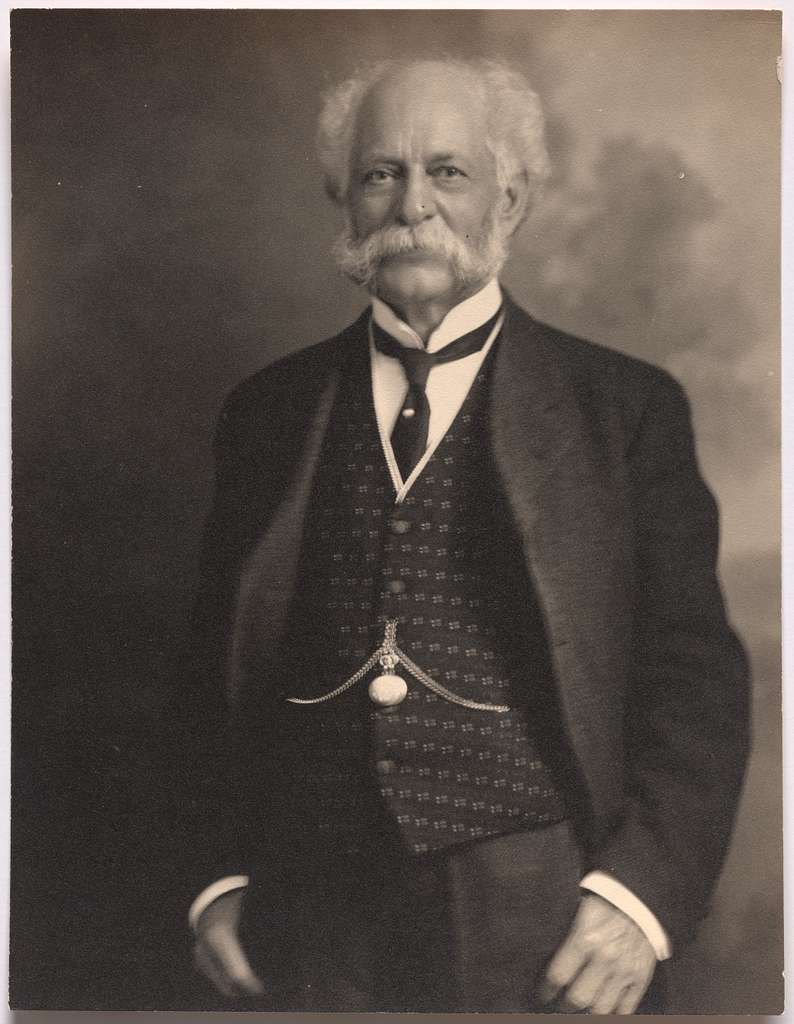
John Henry Heinz


[1] (https://www.365christianmen.com/podcast/1146-henry-j-heinz-us-entrepreneur/

[2] https://positivelypittsburgh.com/heinz-legacy/#:~:text=Religious%20Roots&text=Heinz%20devoted%20time%20and%20energy,devoted%20that%20day%20to%20God

[3] https://profectusmag.com/american-original-hj-heinz/

[4] https://stories4homilies.blogspot.com/2016/12/tithing-colgate-kraft-and-heinz.html

[5] https://www.ai-bees.io/post/henry-john-heinz-founder-of-the-condiment-empire

[6] https://bibletruthpublishers.com/the-heinz-will/christian-treasury-volume-5/la155191

Other sources:

https://explorepahistory.com/hmarker.php?markerId=1-A-37

https://welcomechurch.co.uk/the-story-of-heinz-57-varieties

Photo credits: http://www.pickpik.com; http://www.picryl.com; http://www.flickr.com; http://www.rawpixel.com; jenikirbyhistory.getarchive.net; timelessmoon.getarchive.net; http://www.pickryl.com.

Read Full Post »

After the cold starkness of winter, spring gleefully reawakens our senses with her: 

  • Effusion of colorful flowers
  • Scents of hyacinth, lilacs, and freshly-mowed grass
  • Symphony of bird song
  • Flavors of tender asparagus, luscious strawberries, and tart rhubarb
  • Textures of furry pussy willows, fuzzy moss, and silken magnolia petals

Praise God for our abilities to see, smell, hear, taste, and touch, allowing us to enjoy Spring in so many ways!

Even better, those abilities allow us to meet God in at least five ways.

Our five senses help us understand God more clearly.

Consider how the far-flung stars and planets speak of his power; the clever camouflage of lizard, fawn, and frog display his wisdom; the endless variety of colors, shapes, and textures prove his creativity; the instinctive parenting skills of adult animals demonstrate his goodness.

Our five senses help us experience God’s glory more profoundly.

  • We can see his power at work in the transformation of lives [1].
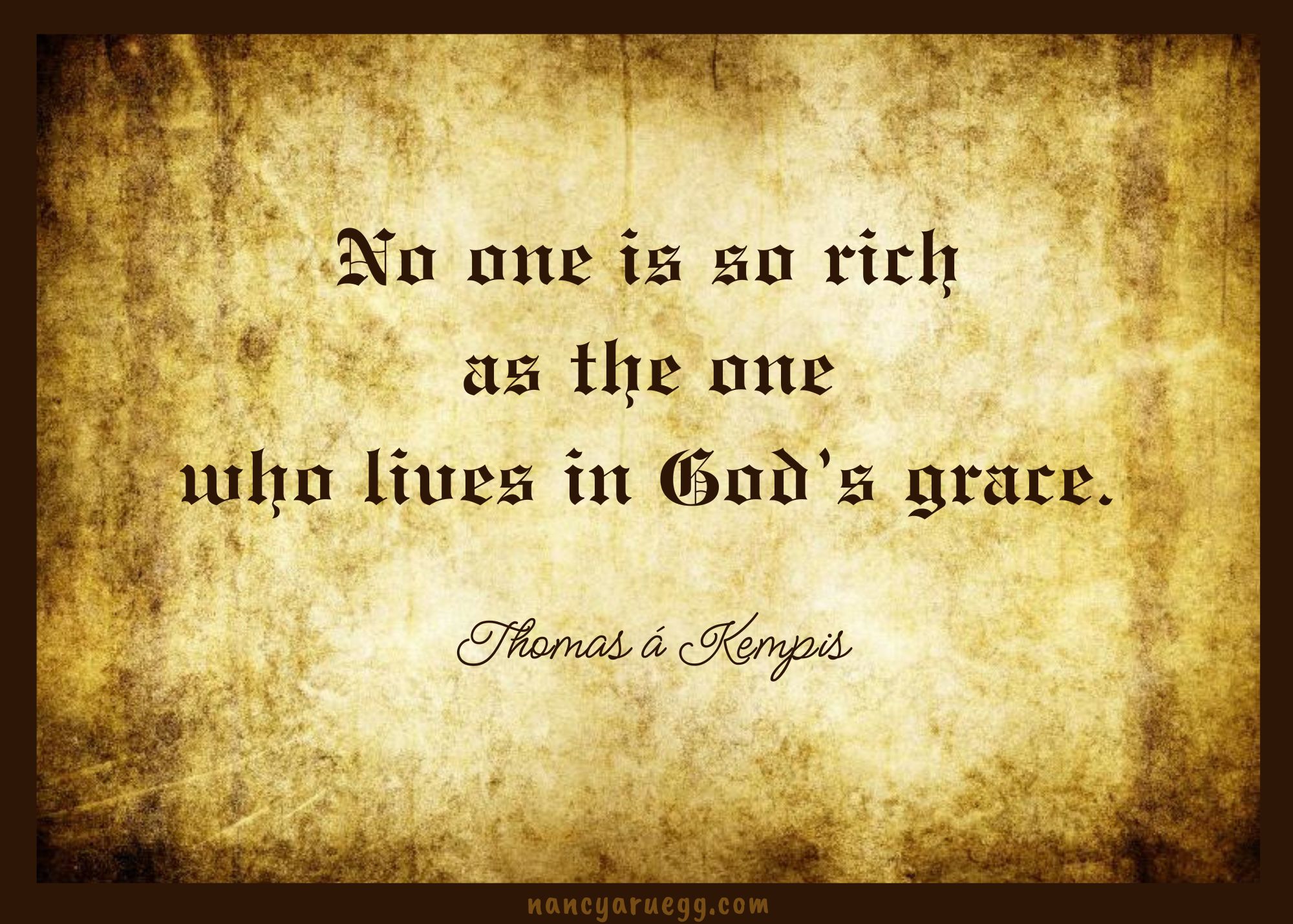
  • We can hear his wisdom in godly men and women, such as Thomas á Kempis or Corrie ten Boom (just two among millions!):
  • We can feel God’s loving touch through a hug that conveys compassion, a worship song that quickens the heart, or a landscape vista that gives us glory-goosebumps.
  • We can taste his goodness in all the variety of blessings we enjoy (Psalm 34:8).
  • We can smell the fragrance of his sweet presence (Psalm 45:6-8)—if we pay attention.

Our five senses help us connect with God more intimately in solitude.

Many people call it Quiet Time—moments they spend with God in scripture reading/study, prayer, perhaps journaling, and/or listening to peaceful worship music.

It’s in the quiet we begin to see important realities of the spiritual realm, hear God’s voice within our spirits providing wisdom and encouragement, feel his presence more palpably as we touch our knees to the floor in prayer, and again, smell the fragrance of his sweet presence as he meets us in our place of solitude.

   Our five senses help us worship God more intently in community.

Jerry Kerns [2]

Kerns would have us fully engaged–first to bless God’s heart and then to elevate the experience for us also.

How?

  • See the majesty and splendor of God on his throne–in your imagination. This is who you are worshiping [3]!
  • Hear the music and join in with grateful, enthusiastic praise [4].
  • Feel the presence of God as you pray. Try placing your hands on your lap, palms up—open and empty, symbolic of humility and receptivity [5].
  • Taste the bread and wine/juice with prayerful gratitude. Jesus is our Bread of Life who satisfies our spiritual hunger, who shed his blood for us so we might one day enjoy heaven with him. May we never become desensitized to the magnitude of his sacrifice.
  • Smell the fragrance of God’s saints as they leave the perfume of kindness, uplift, and joy in their wake.

Our five senses help us live out our faith more joyfully.

When our heart’s desire is to serve God by serving others, we’ll aspire to live so people:

  • See the Light of Jesus in our choices, behavior, and attitudes (Matthew 5:14-15)
  • Hear us speak truth, wisdom, and encouragement (Proverbs 10:20-21)
  • Feel the love of God in our interactions with them (John 13:35)
  • Taste the flavorful salt of God’s divine grace within us (Matthew 5:13)
  • Smell the fragrance of Christ in our lives (2 Corinthians 2:15-16)

 And as we engage all five senses in these five ways, what will happen?

We’ll bring more glory to God and enjoy more fully the satisfying, abundant life his Son provides.

That sounds mighty good to me. You too?


[1] Stunning examples include Jake DeShazer (https://nancyaruegg.com/2016/08/18/a-miracle-of-forgiveness/), Johnny Hart (https://nancyaruegg.com/2018/08/09/johnny-and-jesus/), and Isobel Kuhn (https://nancyaruegg.com/2024/04/11/goodness-and-mercy-followed/).

[2] https://www.experiencingworship.com/articles/general/2001-7-great-quotes-on-worship.html

[3] See: https://nancyaruegg.com/2023/07/06/in-awe-of-gods-magnificence/

[4] See: https://nancyaruegg.com/2015/09/07/when-worship-loses-the-wonder/

[5] See: https://nancyaruegg.com/2015/03/23/the-ultimate-delight/

Art & photo credits: http://www.pixabay.com; http://www.pexels.com; http://www.goodfon.com; http://www.stockvault.net; http://www.canva.com; http://www.pickpik.com (2); http://www.heartlight.org.

Read Full Post »

Years ago I served as a short-term missionary in Ecuador. One of my first meals there included a fruit I’d eaten many times back home in Illinois, although more often from a can than the produce section.

But that day the golden wedges provided an uber-delightful surprise: more flavor, more sweetness, and less acidity than any I’d enjoyed in the States. It was as if I was eating a different fruit.

That’s because Ecuador grows some of the world’s best pineapple. Their location on the equator and the volcanic soil of the Andes Mountains provides perfect growing conditions. I gained new appreciation for what pineapple could be.

There’s another kind of fruit that many of us are familiar with, but it’s not the kind we eat. It’s the fruit of the Spirit, listed in Galatians 5:22-23. Many of you can probably recite its nine aspects:

What follows are brief thoughts on each. I pray we gain new appreciation for what this fruit can be—perhaps even uncover a surprise or two.

LOVE

If you were asked, what’s a powerful, practical way to express love for others, what would you say? Theologian John Calvin suggested intercession [1]. To pray for a person is to love that person.

Who might you love with a prayer today?

JOY

Scripture tells us to “rejoice always” [2], but that’s hard to do when problems and pain come our way.

Selwyn Hughes offers this perspective: Even though our difficulties may have begun with the devil, by the time they get to us and through us, they will have a divine purpose running through them [3].

Now that we can joyfully celebrate.

PEACE

“The truly thankful person is a truly peaceful person,” asserts Lysa TerKuerst [4]. And Isaiah 26:3 suggests why:

What better way to fix our thoughts than with thanksgiving? And as we affirm God’s blessings, peace will warm our hearts.

PATIENCE

Patience blossoms best in the soil of God’s promises, as we wait for him to intervene. His promises cover every circumstance; our part is to know them and believe, then patiently anticipate their fulfillment.

Are you clinging to a scripture-promise today? Turn it into a prayer of faith, hope, and patience [5].

KINDNESS

We can grow this attribute with one action: meditate on God’s kindness to us [6]. Meditation fosters appreciation; appreciation fosters emulation, and soon we find God’s kindness becoming more a part of who we are.

GOODNESS

This trait often seems out of reach. But instead of trying harder to be good, author Philip Yancey recommends: simply love God. “A person who truly loves God will be inclined to please God” [7].

Also worth remembering, the inclination to always please self results in dissatisfaction and restlessness [8].

FAITHFULNESS

Every year thousands gather to see Old Faithful, even though it’s not the tallest geyser in the world. Why is it so popular? Dependability. You can count on Old Faithful.

What might dependability look like for you today?

GENTLENESS

A list of traits of successful people rarely includes gentleness. Yet this attribute contributes much to prosperity in life. That’s because: “[Gentleness] creates in us a capacity for the closest possible intimacy with God” [9].

It’s the gentle-spirited souls who lean in toward God with yielding hearts to rest in his sovereignty. And then, think of it: God, with all his glorious attributes, comes close (James 4:8).

SELF-CONTROL

“A person without self-control is like a city with broken-down walls”[10]–vulnerable to all sorts of problems.

Better to take the wise course, prayerfully availing ourselves of the Holy Spirit’s help, to develop those habits we know will bring benefit and usefulness.

*     *     *     *     *     *     *     *     *     *

And now, our fruit bowl is full! Did you find any surprises?

I pray this week, you enjoy one or more aspects of this familiar fruit–with fresh appreciation!


[1] https://gracequotes.org/topic/love-others_for/

[2] 1 Thessalonians 5:16

[3] Every Day Light, 124.

[4] Embraced, 256.

[5] A few favorite scripture-promises include: Psalm 32:8; Isaiah 41:10, 31; Romans 8:28; James 1:5.  

[6] From a sermon our pastor preached last spring.

[7] Grace Notes, 325.

[8] Ecclesiastes 2:10-26

[9] Albert M. Wells, Jr., Inspiring Quotations Contemporary & Classical, 91.

[10] Proverbs 25:28 NLT

Art & photo credits: http://www.needpix.com; http://www.heartlight.org; http://www.pickpic.com; http://www.flickr.com; http://www.negativespace.com; http://www.deviantart.com (vulcanknight).

Read Full Post »

David Steward leaned against the family cow as he milked her, his hands automatically squeezing left, right, left, right. This was his final chore of the day; he’d already cleaned out the barn and fed the pigs and cow.

The twelve-year-old tried not to think about morning chores awaiting him in just twelve hours: emptying the chamber pots, milking the cow again, then collecting the ashes from the potbelly stove and spreading them on the driveway to create traction.

His only consolation was, his seven siblings had their chores too.

David trudged back to the house. He could smell collard greens frying in bacon grease, the pork and beans simmering in the Dutch oven, and cornbread browning in the skillet.

It wasn’t a fancy supper-spread, but all ten of them got enough to eat, thanks to Daddy’s hard work and the whole family pitching in on the farm.

Daddy should have made enough money to support them. He’d been trained as a master mechanic while living in Chicago in the 1930s and ‘40s. But now it was 1963 and the family resided in Mama’s hometown of Clinton, Missouri—a segregated town—and the Stewards were Black. Many businesses didn’t hire people of color.

So Daddy took whatever work he could find as a personal mechanic, nightwatchman, and part-time policeman. He managed a janitorial service, transported coal or trash, even tended bar at parties.

Daddy and Mama could have been bitter; but David and his siblings saw them demonstrate Christian love and kindness, grace and forgiveness, strength and resolve.

Times were changing however; segregation was finally outlawed in 1964. David was among the first Blacks allowed to swim in the community pool.

The next year David started high school and made the basketball team. Four years later he was playing for Central Missouri State University, and after proving himself, earned a sport scholarship. In 1973 he graduated with a degree in business administration.

Over the next eight years, David worked for several companies, including the Missouri Pacific Railroad and Federal Express. In each position David learned skills related to manufacturing, marketing, accounting, sales, and more.

While senior account executive at Federal Express he earned the Salesman of the Year Award and received a trophy—a silver ice bucket engraved with his initials. David looked inside and was struck by its emptiness. Is this all I want out of life? he thought.

The answer was no. He’d long dreamed of owning his own company and managing it with biblical principles.  He and his wife Thelma had faith that now was the time—even with their family of four to support.

In 1984, David launched Transportation Business Specialists, putting to use the lessons he’d learned at Missouri Pacific Railroad. His new company audited bills and overcharges for the rail industry.

Another company was launched in 1987, Transport Administrative Service, and finally, in 1990, World Wide Technology, Inc., to help companies use technology for solving business-related problems.

Success did not come quickly. And though David always made sure his employees received their paychecks, sometimes his family went without.

But he didn’t give up. David wrote: “What we were doing for our employees and customers was meaningful. I had faith that our company was capable of providing exceptional value” [1].

A unique opportunity presented itself in 1995. U.S. troops in Bosnia needed specialized computer software, so David’s company developed a program customized to their needs. They provided the hardware also.

That success led to the development of more applications for additional functions, useful to other government entities. A company that began with a $2000 investment and a handful of employees is now a Fortune 500 company (#71), bringing in twenty billion dollars in annual revenue and employing 10,000 people [2].

In the early 2000s, the Stewards’ pastor asked them to lead a Bible study about doing business God’s way. That led to a book, Doing Business by the Good Book: Timeless Principles for Making an Eternal Impact (2004).

The overall theme: strong leadership is love, expressed by serving others—employees and their families, customers and associates, as well as your own family.

David considers his company his ministry as he applies biblical principles in the workplace.

Eighty-six percent of his employees say World Wide Technology is a great place to work [3].

David also sees himself as an ambassador for Christ in the business world. He keeps one scripture-based goal in mind.

Every day David asks the question:

“Am I living my life worthy of the sacrifice that was made on my behalf”[4]?

That’s a profitable question for each of us. May we all—no matter our place in life—answer with a joy-filled YES!

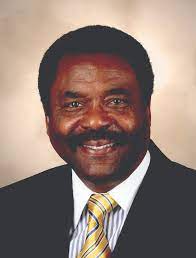
David L. Steward (1951 – )


[1] Doing Business by the Good Book, 2004, quoted by https://www.referenceforbusiness.com/biography/ S-Z/Steward-David-L-1951.html

[2] https://www.wwt.com/corporate/why-wwt/overview

[3] https://www.greatplacetowork.com/certified-company/1100933

[4] https://www.youtube.com/watch?v=OCtItBwZEEU (Steward, 3:36-3:46)

Other sources:

1. https://www2.cbn.com/article/not-selected/david-steward-building-business  

2. https://horatioalger.org/members/detail/david-l-steward/

3. https://www.referenceforbusiness.com/biography/S-Z/Steward-David-L-1951.html#google_vignette

4. https://coinnounce.com/the-success-story-of-david-steward-second-richest-black-man-in-the-us/

Photo credits: http://www.rawpixel.com; http://www.picryl.com; http://www.pexels.com; http://www.daiyverses.net; http://www.en.wikipedia.org; http://www.amazon.com; http://www.heartlight.org; http://www.flickr.com.

Read Full Post »

When our daughter Heather was a child, she would sometimes entertain herself and her little brother Jeremy with stories she’d create.

These weren’t ordinary stories, however. Each part of the story was to be followed by a response, such as HOORAY or OH DEAR. Jeremy would supply those. Heather told her story so the responses alternated.

For example:

One day Mrs. Brown said to her children, “Let’s go on a picnic!” (HOORAY!)

But while they were getting ready it started to rain. (OH DEAR!)

Mrs. Brown said, “Don’t worry, we’ll have a picnic in the family room!” (HOORAY!)

Billy Brown counted out apples for everyone. “Uh-oh!” he said. “We don’t have enough apples!” (OH DEAR!)

You get the idea.

Some of us have read Bible promises with the same HOORAY/OH DEAR responses. (Although we’d probably exchange HOORAY for HALLELUJAH!)

Take Deuteronomy 7:9, for example. We read, “Know therefore that the Lord your God is God; he is the faithful God, keeping his covenant of love to a thousand generations . . .” And our response might be HALLELUJAH!

Then we read the second part: “. . . of those who love him and keep his commandments” (emphasis added). (OH DEAR.)

Here are two more examples:

“You will eat the good things of the land . . .” (HALLELUJAH!) “. . . if you are willing and obedient”–Isaiah 1:19. (OH DEAR.)

Or this assurance from Jesus: “You are my friends . . . ,” (HALLELUJAH!) “. . . if you do what I command”–John 15:14. (OH DEAR).

I can’t speak for you but often I’m glad to claim God’s promises, then struggle to comply with the prerequisite: God’s directives—even though I know that sinful, self-centered behaviors can get me into trouble and won’t produce long-term contentment.     

I so easily forget:

What blessing might Jesus have had in mind when he made that promise? Actually, the Bible lists a number of blessings tied to obedience. Here’s a starter-list of ten:

1. God’s watchful care. “The eyes of the Lord are on those who fear him” (Psalm 33:18).

2. Prosperity of soul. “Whoever gives heed to instruction prospers, and blessed is the one who trusts in the Lord” (Proverbs 16:20).

3. Joy of heart. “The precepts of the Lord are right, giving joy to the heart” (Psalm 19:8).

4. Freedom from shame. “Oh, that my ways were steadfast in obeying your decrees! Then I would not be put to shame when I consider all your commands” (Psalm 119:5-6).

5. Freedom from fear. “Surely the righteous will never be shaken . . . They will have no fear of bad news; their hearts are steadfast, trusting in the Lord” (Psalm 112:6a, 8a).

6. Peace of mind. “Great peace have those who love your law, and nothing can make them stumble” (Psalm 119:165).

7. Blessing upon our grandchildren. “The Lord’s love is with those who fear him, and his righteousness with their children’s children—with those who keep his covenant and remember to obey his precepts” (Psalm 103:17-18).

8. Wisdom. “The statutes of the Lord are trustworthy, making wise the simple” (Psalm 19:7b).

 9. Joy of knowing Jesus intimately. “The one who has My commands and keeps them is the one who loves Me. . . I also will love him and will reveal Myself to him” (John 14:21 HCSB).

10. Everything we need and then some. “Those who obey him have all they need . . . Those who obey the Lord lack nothing good” (Psalm 34:9 GNT).

We know it’s true: disobedience can lead to disaster. (OH DEAR!)

But even the short list of blessings listed above proves:

Obedience leads to abundance.

(HALLELUJAH–and thank you, Lord!)

*     *     *     *     *     *     *     *     *     *

O God, I praise you for your promises that assure me: when I follow your ways, all will be well. Give me understanding so I may keep your law and obey it with all my heart–moment by moment. May I wholeheartedly follow your decrees, so I won’t be put to shame!

Jeremiah 7:23; Psalm 119:34, 80

Photo credits: Steve Ruegg; http://www.pxhere.com; http://www.freerangestock.com (Chad Madden); http://www.canva.com (2).

Read Full Post »

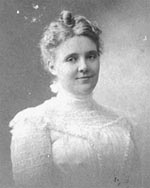
Ida Scudder, a senior at Northfield Seminary in Massachusetts, envisioned a future for herself in a small American town that included a charming home with a loving husband, fun times with good friends, adventure, and eventually several children.

Such a dream was the antithesis of her upbringing in Vallore, India—with its crowds, poverty, famine, and disease. Having lived in the States now for several years, Ida had no desire to return.

Her parents served as medical missionaries in Vallore, and her paternal grandparents before them. Ida wanted no part of that kind of life.

But when Mrs. Scudder became seriously ill in 1894, Ida felt compelled to return home to care for her mother and help run the clinic. Following graduation that year, she set sail, praying she’d arrive before the unthinkable occurred. Ida’s prayers were answered [1].

One evening during her visit, a Hindu man knocked at the door, desperate for Ida to come help his wife.

“She’s been struggling for hours to deliver our baby,” he cried. “Now she is growing weak. I’m afraid for her!”

“Let me get my father,” Ida suggested. “He’s the doctor.”

“Oh no,” the man replied. “It is against our beliefs for another man to see my wife. You must attend to her.”

Ida explained she could not help; she knew nothing about childbirth. And the grief-stricken man turned away.

Later that same night a Moslem came to the door with the same request. He too refused help for the same reason. And not long after, the scenario repeated itself a third time with another Hindu.

When Ida finally went to bed, no visions of idyllic living in America filled her mind. Instead she prayed, and a new dream began to form. God meant for her to become a doctor and help the suffering women of India. Even more startling: Ida found herself eager to follow his plan.   

In the morning, she learned that all three mothers and their infants had died. It broke her heart and solidified her resolve.

When Ida returned to the States, she was one of the first women to attend Cornell Medical College. And no sooner had she graduated in 1899, than Ida was on her way back to India, bolstered by a $10,000 grant from a Manhattan banker, in honor of his wife, Mary Taber Schell.

At first Ida treated women in a small medical office set up in her parents’ home. But patients often waited too long to see her, so she decided to go to them.

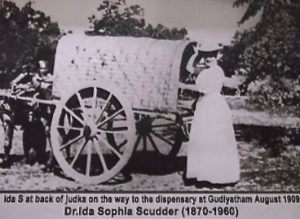
An ox-pulled cart full of medical supplies became her clinic. And as she tended the sick and injured, Ida spoke of Jesus and asked patients if they’d like to know more about the Great Physician.

In 1902, Ida was able to open the Mary Taber Schell Hospital in Vellore. But with only forty beds, the medical needs in the region far exceeded what Ida could provide.

She set about establishing a school for young women to train as nurses. Critics warned no one would come since the education of girls wasn’t part of Indian culture. But come they did—151 students that first year—and they performed well.

Funding from various denominations in the U.S. and Britain allowed for expansion of the hospital. By 1906, 40,000 patients were being treated annually.

Ida’s next venture, in 1918, was to establish a medical school to train women doctors. Naysayers claimed women would not be able to pass the final exams, but all fourteen of the first class succeeded.

More qualified staff meant more space needed for them to work. A second hospital was built in Vallore in 1923.

Expansion continued in 1928 with an endeavor even Ida could not have envisioned:  the construction of the Vellore Christian Medical College and Hospital, spread over 200 acres. Gandhi himself came to see Ida and the monumental project underway.

Ida seated on left.

Also during this time, Ida traveled back and forth to America to raise funds. Her passion for the work inspired people to give, and she raised millions of dollars.

Back in India, Ida spent less time with patients and more time preparing for the opening of the new college, “negotiating between various missionary agencies, and dealing with a turbulent Indian political scene as fierce demands for independence were growing”[2].

Today the Vallore Medical College and Hospital treat over 8,000 patients a day and are well known for excellence in the fields of research, patient care, and disease prevention. Chaplains pray with the patients, and Bible classes are offered in nine different languages [3].

The main building of Vallore Medical College and Hospital

Dr. Scudder and students

Ida Scudder (1870-1960) was once asked how she was able to accomplish so much. Her answer explains how to fulfill God’s individualized plan for each of us:

“I took only one step at a time; the step God showed me” [4].


[1] Mrs. Sophia Scudder passed to heaven in 1925.

[2] https://canonjjohn.com/2022/11/12/heroes-of-the-faith-ida-scudder/

[3]  https://scudder.org/family-history/ ; https://www.christianity.com/church/church-history/church-history-for-kids/ida-scudder-reluctant-missionary-11635053.html  

[4] https://www.youtube.com/watch?v=tJIHIJpmVTs

Other Sources:

  1. https://scudder.org/about/history/india-medical-missions/ida-scudder-story/

3. “A Life of Consecrated Purpose: The Ministry of Dr. Ida Scudder” by Dr. Rebekah Naylor at http://www.imb.org.

Photo credits: All photos of Dr. Ida Scudder courtesy of The Scudder Association Foundation at http://www.scudder.org. The Indian city street scene, http://www.picryl.com.

Read Full Post »

“I’m sorry, but we cannot treat those who cannot pay,” the doctor explained.

Katie Davis blinked in shock. How could a physician turn away an injured child, even if she was an orphan? Then again, this was Uganda, not Brentwood, Tennessee where she grew up. Fifty percent of the population here lived in poverty, and the under-resourced hospital couldn’t handle all the overwhelming needs.

People waiting in Ugandan hospital

But Katie, a kindergarten teacher, couldn’t accept the doctor’s pronouncement. This child was a student in her school, living in a shack down the street. She was the oldest of three and caretaker of the younger two; their parents had died of AIDS.

The orphanage was already full to capacity; Katie feared for the girls’ future. That very day she managed to secure custody papers, and single Katie became a mother of three—at age nineteen.[1]

What will Mom and Dad say about THIS? she must have thought.

They’d already been hesitant about Katie’s first three-week trip to Uganda, to work at a Christian orphanage her senior year of high school, 2006. Almost as soon as she arrived, Katie fell in love with the staff and students.

Upon returning to the States, Katie couldn’t wait to get back to Uganda after graduation, to take the kindergarten position offered her. The Davises had agreed, with the understanding she’d begin college the following year.

Katie returned home as promised, but her heart remained in Uganda. After one semester, her parents acquiesced and Katie flew back to the people and country she loved.

Uganda–a small land-locked country of East Africa

It was January 2008 when Katie’s adopted daughters moved into her small living quarters, but God soon provided a house to rent.

Over the next eighteen months, more orphans were brought to Katie—girls who’d been abandoned, abused, or whose parents had died of AIDS. One baby was given to Katie by an HIV-positive mother, just twelve years old herself. Child-by-child, Katie’s family grew to thirteen.

Of course, her teacher-salary couldn’t cover all the expenses. But Katie had already researched how to start a nonprofit organization, to aid Uganda’s children. Amazima International Ministries was established in 2008, based in Katie’s hometown of Brentwood.[2]

Soon 150 children were receiving assistance that included school supplies, basic medical care, and two hot meals a day—things their families couldn’t afford.

Two years passed. Katie’s life brimmed with all the responsibilities that thirteen children entail. In addition, numerous houseguests came and went—people in dire circumstances needing temporary lodging.

As with any household, disagreements and frustrations flared. But the word Katie chose to describe the atmosphere was elation—for the laughter, singing, happy noise and gratitude that filled her home.[3]

Then tragedy unfolded. A dear friend and mother of five, died. And the biological mother of one of Katie’s adoptees returned to claim her daughter—a mother unfit for parenting—but Katie had to let the child go. Grief beyond words gripped her heart as she turned to her Heavenly Father for solace. 

Early in 2014, twenty-something Benji Majors arrived in Uganda on a mission trip. He soon recognized the need for young men to be mentored. So Benji decided to stay and come alongside those wanting to become God’s men of integrity.

When Benji asked Katie out–twice, she said no both times, not sure if marriage was part of God’s plan. Besides, what man would commit himself to a woman with thirteen children? Better not to get involved, she thought. 

But Katie found herself attracted to Benji’s passionate heart for God and for people. She finally invited him for coffee—the first of many dates.

The following year Benji proposed over a picnic. When Katie said yes, her thirteen daughters jumped out of the bushes and tossed flowers at the couple. Benji had included them as part of the plan. He and Katie were married in late 2015.

The couple still lives in Uganda, running Amazima Ministries. They provide education for hundreds of children in their own Amazima School, food and health services for thousands of families, as well as job opportunities.

Who could have imagined such a far-reaching outcome when young Katie left for Uganda?

GOD could.

P.S. Ben and Katie no longer parent 13 children; the number has grown to 15 with their two biological sons.


[1] Though Ugandan law specifies an adoptive parent must be at least twenty-one, a judge can override the law in the best interest of the child(ren).

[2] Amazima means “truth” in Lugandan.

[3] https://youngadults.lifeway.com/2012/01/no-ordinary-life-katie-davis-story-of-serving-children-in-uganda/ 

Sources:

https://amazima.org/about/ . Visit here for numerous photos and information about Amazima Ministries.

https://www.christianpost.com/news/katie-davis-majors-young-adoptive-mother-of-13-ugandans-where-is-god-in-suffering-interview.html

https://justbetweenus.org/magazine/exclusive-interviews/extraordinary-love/

https://myhero.com/katie-davis-a-serving-heart-2

https://toptwentyfiveinterviews.transistor.fm/episodes/7-daring-to-hope-part-1-katie-davis-majors

Photo credits: http://www.commons.wikimedia.org (Toshihiro Horii); http://www.wikimedia.org; http://www.flickr.com; sni.no/Skole_og_utdanning_i_Uganda (Richard Lord); http://www.publicdomainpictures.com (Michael Spisak).

Read Full Post »

« Newer Posts - Older Posts »

When the House is Quiet

Impressions Becoming Expressions

Mitch Teemley

The Power of Story

Still Traveling

Impressions Becoming Expressions

Living Our Days

Gaining a heart of wisdom

He Said What?!

I'm Patty, and my husband and I are living with our adult son who has autism and epilepsy. I love sharing lessons learned from life around me, especially life with Aaron.

Meditations of my Heart

Impressions Becoming Expressions

Linda Stoll

Impressions Becoming Expressions

Signora Sheila

Notes on Life, Faith & Italy

Heidi Viars

Finding the Image of God