Feeds:
Posts
Comments

Archive for the ‘Faith’ Category


“Stand with me and sing!” invites the enthusiastic worship leader on the church platform, while guitars begin an upbeat tune and drums rap out a foot-tapping rhythm.

Around me people sway a bit to the music, some raise their hands, others worship with eyes closed.

And though I, too, sway and raise my hands, I have to admit my heart’s not in it. For some reason, lyrics that have brought me to joyful tears on other occasions are not penetrating today.

My spirit seems paralyzed—no feeling whatsoever. Efforts to engage—focusing on the words and imagining my Heavenly Father on his throne, listening with parental pleasure—don’t seem to help.

What’s wrong with me? I wonder.

Perhaps you’ve experienced the same numbness in corporate worship, maybe during personal quiet time or at prayer. And like me, you’ve felt certain that something must be wrong.


Granted, we worship God to honor him. Our end goal is not to rustle up feel-good endorphins for us.

But, according to the Westminster Shorter Catechism, we were created to glorify God and enjoy him forever. How is that even possible when we come down with a case of the spiritual blahs?

Actually, days and even seasons of spiritual dryness are a normal part of our faith-walk, experienced by almost every Christian at one time or another. And there is comfort in that, knowing we’re not alone.

Theologian Sam Storms offers us further encouragement:


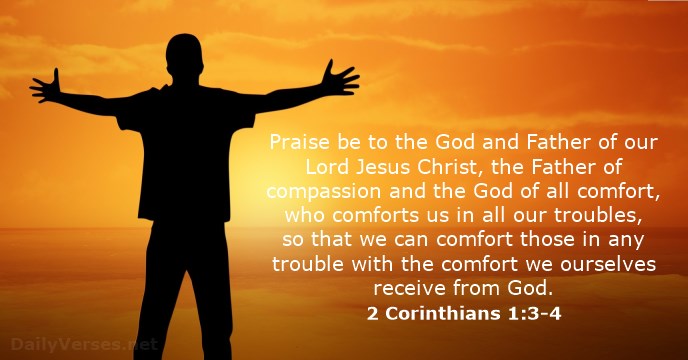
“God is glorified by your longing for the joy to be found in him,

even if you are not yet experiencing it” (1).


But are there strategies we can implement to jump-start our hearts into exuberant responsiveness?

As a matter of fact, yes.


We can: 

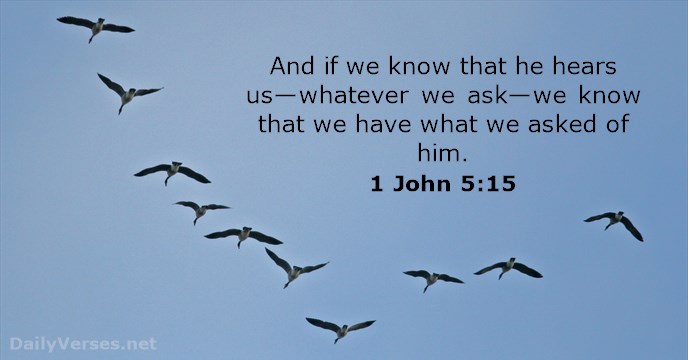
1. Be honest with God.

King David certainly was. “I spread out my hands to you;” he cried. “My soul thirsts for you like a parched land” (143:6).

Yet in spite of his emotional tailspin, David writes, “I have put my trust in you. Show me the way I should go, for to you I lift up my soul (v. 8).


David provides a worthy example to follow: acknowledge the truth; affirm our trust, and seek God’s guidance.


2. Rehearse what we know about God’s character, his promises. 

Our minds are renewable resources (Romans 12:2). We can turn our thoughts away from the numbness we’re experiencing at the moment, and focus on what is lovely and true, excellent and praiseworthy about our God.

Sometimes such thought processes are all that’s necessary to bring us out of the doldrums (Psalm 92:4).


3. Persevere in spite of our emotions.

Keep showing up in God’s presence whether we feel like it or not.

Our emotions must not be allowed to control actions. In fact, God especially appreciates a sacrifice of praise (Hebrews 13:15), which surely includes offering him our worship when the fervency just isn’t there.


4. Anticipate.

Worship with an outlook on the future (Psalm 42:1-2). We can look forward to the day when our hearts will overflow again with ecstatic praise—even to the point of joyful tears.


5. Pray. 

Perhaps something like this: 

“Father in heaven, flood the dry places of my soul with your presence; lift the gray clouds that conceal you. Within my spirit I want to feel the warmth of your radiant Light, be wrapped in your unfailing love, and fly with you on the wings of the dawn!

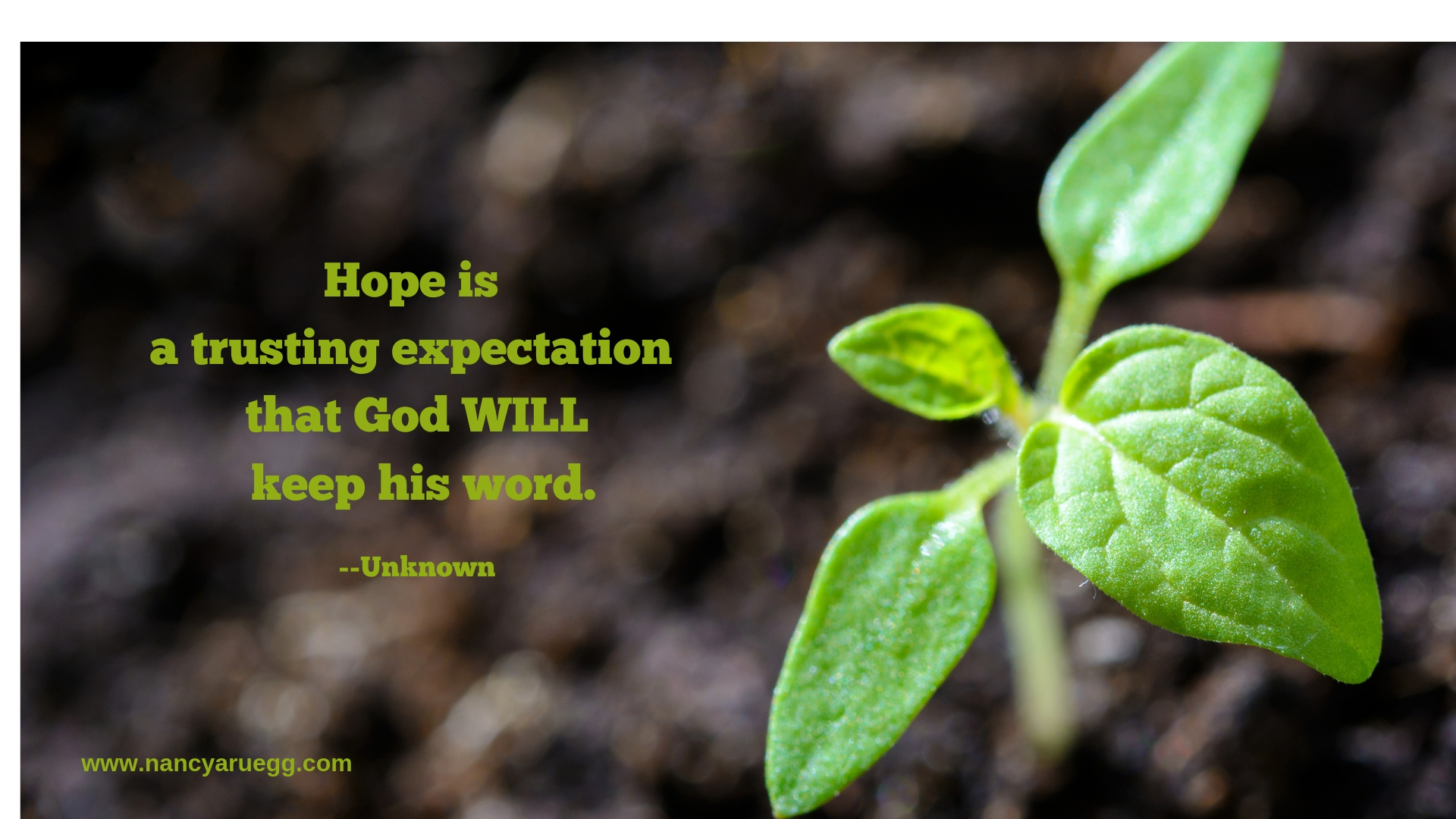
In trusting expectancy I wait for you, O Lord. I know you will answer.”


(Isaiah 44:3; Psalm 4:6, 32:10, 139:9, 38:15)


What helps you beat the spiritual blahs?  Please share your thoughts in the comment section below!


Note:

(1) https://www.crosswalk.com/church/worship/how-can-i-worship-when-i-feel-nothing.html


Photo credits:  http://www.wikimedia.com; http://www.pixabay.com; http://www.pxhere.com; http://www.dailyverses.net; http://www.heartlight.org; http://www.canva.com (2).


Read Full Post »

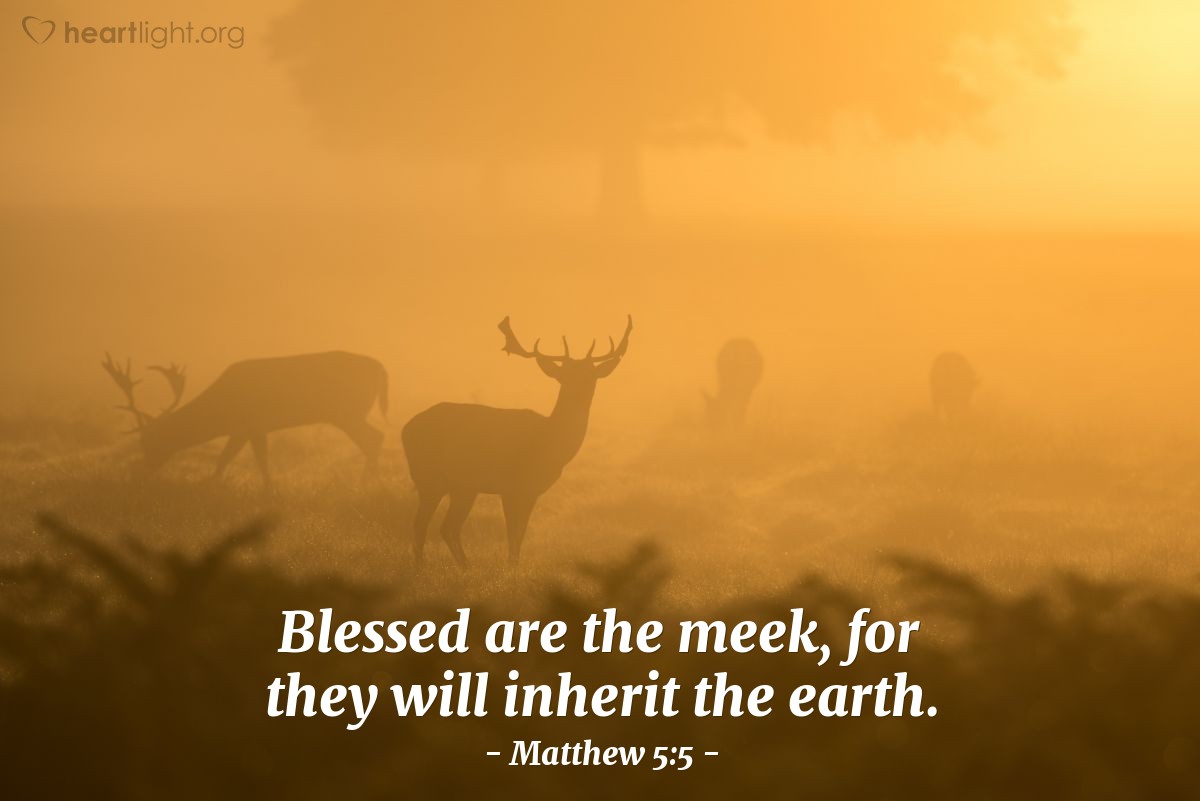
That’s what we can expect when we choose to live God’s way: supreme blessedness.  Jesus made that clear in his Sermon on the Mount (Matthew 5-7).  You’ll remember he began with eight statements of blessing called beatitudes.

One example:


In other words, profound joy comes to those who humbly depend on God, as they avail themselves of his heavenly kingdom-benefits.

Of course, there are many other attitudes and actions he rewards, in addition to those eight Jesus named.

Below are listed several means to blessedness that have come to my attention over the years. Perhaps you’ve experienced them too:


Blessed are the risk-takers, for they shall sail on winds of faith.


“A ship in port is safe, but that’s not what ships are built for” (Grace Murray Hopper).


Think of Abraham.


“By faith Abraham…obeyed and went,

even though he did not know where he was going.”

–Hebrews 11:8


We too have to be willing to travel blind toward undisclosed destinations. Otherwise we’ll never experience the thrill of God’s power taking us to ports we’ve never dreamed of.

The way ahead is always hidden, sometimes causing uncertainty.  But!  We know the One who’s leading. Uncertainty does not have to cancel out confidence.


Blessed are those who seek God’s desires, for they shall know delight and fulfillment.

Somehow we think the pursuit of our own desires will bring satisfaction.  But haven’t we seen enough of the rich and powerful crash and burn in despair?  “Everything [is] meaningless; a chasing after the wind” (Ecclesiastes 2:11).

How much better off we are to pray along with the psalmist:


It is in the practice of obedience we learn its precious worth.


Blessed are the encouragers for they shall be encouraged.

Such an interesting phenomenon: make the effort to lift someone else’s spirit, and you find your own spirit uplifted.  Actually, wise King Solomon recorded this be-attitude long ago:


Guaranteed double pleasure.  How’s that for supreme blessing?


Blessed are the sifters of thoughts, for they enjoy golden contemplations.

If we’re not careful, our minds can easily gravitate toward dross thoughts–the negative, unwholesome, and ugly.  It takes effort to seek out the gold: the honorable, lovely, and commendable. But true contentment awaits those who do.


Blessed are the focused for they shall not spread themselves too thin.

Our bodies were made for a rhythm of rest—7 to 8 hours out of every 24. Short-changing sleep actually lowers our productivity and endangers our health (1).

That’s why:


We just can’t do it all, much as we’d like to. Priorities and parameters must be set. That means, saying no to some good things may be the best choice.  We must give others permission to do the same also.


Blessed are those who pay attention to the ordinary, for they discover the extraordinary.

For example:

  • Icicle sentries in winter, clinging to the seat of a deck chair


  • Wildflowers in springtime, cupping tiny pink and yellow stars


  • Sunbeams on a summer morning, filtering into the glen


  • God’s artistry (and penchant for color!) splashed on autumn leaves


Each eye-catching display is a precious love-gift from our Heavenly Father. And around us are countless more, waiting to be discovered, savored, and praised.


“Great is the Lord and most worthy of praise;

his greatness no one can fathom.”

–Psalm 145:3


And there you have six more beatitudes–examples of God’s supreme blessedness lavished upon us–when we choose to live by his wise and loving ways.


What be-attitude would you add?  Share your thoughts in the comment section below!


Note:

1) https://www.webmd.com/sleep-disorders/features/tired-at-work#1 and https://www.webmd.com/sleep-disorders/news/20170209/skimp-on-sleep-and-you-just-may-wind-up-sick#1


(Art & photo credits:  http://www.canva.com; http://www.wikimedia.org; http://www.canva.com; http://www.flickr.com; http://www.canva.com; http://www.libreshot.com; Nancy Ruegg (3); http://www.pixabay.com; http://www.canva.com.)


Read Full Post »

We’re all familiar with the extraordinary accomplishments of:


  • Beethoven—composing masterful concertos, symphonies and more while deaf
  • Michelangelo—creating over-sized artworks with awe-inspiring realism
  • Shakespeare—writing dozens of plays and hundreds of sonnets with words that flowed “like a miraculous Celestial Light-ship, woven all of sheet-lightning and sunbeams” (Thomas Carlisle)

Geniuses indeed. But even more important than brilliance was their willingness to exert great effort.


Beethoven rewrote nearly every bar of his compositions at least a dozen times.

Michelangelo produced more than 2,000 preparatory sketches for “Last Judgment” alone, a painting considered by many as one of the best artworks of all time. It took eight years to complete.

Even Shakespeare must have revised again and again before his words approached the sublime eloquence he is known for.


The more we know of such masters, the more we realize: their works required enduring patience, tenacious persistence, and sharp focus.

It just so happens that God values those three attributes also. And since he’s working in us to foster all positive traits, we each have the potential to create masterpieces.

Of course, works of genius include much more than symphonies, paintings, and plays.  Are you part of a ministry, community project, or volunteer organization? Are you a parent, grandparent, mentor, or friend? These are just a few ways you and I contribute to the most valuable masterpieces of all—the people around us.


But there is effort involved. God chooses not to do it alone; he invites us to join with him in the work.  So what might be our part in developing those important qualities of patience, persistence, and focus, necessary for developing our genius?

The following steps may provide a good start.


Step #1: Practice waiting.


It is a fact: most worthwhile endeavors take time. Usually lots of it.

In addition, patience requires stamina to endure delay.

Consider Dr. Albert Sabin, who researched polio and developed the oral vaccine.  His mission required thirty-one years of painstaking effort.


Step #2: Expect to be stretched by struggle.

Oswald Chambers, in My Utmost for His Highest, likens the believer in the hands of God to the bow in the hands of an archer. God stretches us beyond what we think we can bear. And when his purpose is in sight, then he lets fly.

Consider Dr. Jason Fader, son of medical missionaries who now serves as a medical missionary himself in Berundi, Africa–after grueling medical training, intense language school, and challenging fund-raising.  But in 2017 he was chosen as the first recipient of the Gerson L’Chaim Prize for Outstanding Christian Medical Missionary Service ( Jason’s story).


Step #3: Persist—with the application of faith, prayer, and hope.

We must be willing to tolerate discomfort, perhaps for an extended period of time.

However, the genius-in-the-making under God’s tutelage does not plod along as he perseveres; he plots. He sets his coordinates for the course ahead by faith, prayer, and hopetrusting in God’s promises, asking for God’s guidance, and embracing the possibilities of tomorrow as well as the challenges of today—because in all of it there is good.

Consider George Muller of Bristol, England, whose five orphanages housed over 2,000 children at any one time.  Muller not only wanted to care for these children but demonstrate that God would meet “all their needs as a result of prayer and faith, without any one being asked or approached” (www.mullers.org).  His story includes miracle after miracle.


Step #4: Remain focused on the task at hand.

A genius does not allow distraction or discouragement to sidetrack him. He takes delight in the present moment while: composing one bar of sublime, symphonic fusion, getting the light just right in one small area of the canvas, or choosing specific, rhythmic words for one line of imagery.

But even more important for the believer, she is inspired and directed by God himself. His plan may include an exceptional piece of music, art, or writing. Or, perhaps even more importantly, it may include exceptional input into the lives of others–through kindness, encouragement, and integrity.


It is God who is the Supreme Genius, masterfully weaving a tapestry of circumstances and relationships among his people. The full beauty of this masterpiece will not be revealed until we all arrive in heaven.

Then we’ll see the results of the God-given genius in each of us, our patience, perseverance, and focus, woven into God’s perfect design.

And what a celebration will ensue.


(Art & photo credits:  http://www.wikimedia.com; http://www.wikipedia.com (2); http://www.ramstein.af.mil; http://www.flickr.com; http://www.vi.wikipedia.com; http://www.georgemuller.org; http://www.flickr.com.)


Read Full Post »


Recently I read about a woman named Rachel, persevering through very difficult circumstances. She knew that praising God was a smart strategy to implement.  Praise invites his presence, and it is in God’s presence we can experience absolute joy (Psalm 16:11)—even in the midst of trouble.

But putting praise into practice proved challenging. Her situation wanted front and center attention; her mind kept returning to the worry and what-ifs.

Rachel decided to make her morning swim a time of praise. For each letter of the alphabet, she tried to name a descriptor of God’s goodness while she lapped the pool.

Her tactic worked. Focusing on praise first thing in the morning helped to establish a positive frame of mind, easing stress and worry for the rest of the day (1).


The author did not include Rachel’s list. I had to wonder: Could I name twenty-six facets of God’s goodness, each beginning with a different letter and affirmed by scripture?

The effort turned out to be a delightful, uplifting exercise.  Below is my alphabet of praise.

Our God is:

A – Attentive to every need of every person in his realm (Matthew 6:25-33)

B – Benevolent beyond our dreams (Ephesians 3:20-21)

C – Compassionate toward those who are hurting (Psalm 86:15)

D – Dependable to support, sustain, and keep us secure (Psalm 55:22)


E – Eager for all to know and understand truth, to receive his gift of eternal life (1 Timothy 2:3-4)

F – Faithful through all generations, as enduring as the earth he created (Psalm 119:90)

G – Gentle in his guidance and care for his children (Isaiah 40:11)

H – Honoring us (!) with all needful favor in this life and admittance to glory in the world to come (Psalm 84:11 and Barnes Commentary)

I – Impartial to all who come to him, no matter our circumstance or appearance (Romans 2:11; Psalm 145:8-9)


J – Just in all his ways, choosing what is exactly right (Isaiah 5:16)

K – Kind, considerate, and helpful as he continually demonstrates his caring nature (Jeremiah 9:24)

L – Loving to the extreme; sending his Son to the cross as the supreme sacrifice for our sins (1 John 4:10)

M – Merciful beyond belief, exchanging our shame for his glory when we turn to him (Ephesians 2:4-7)

N – Never-failing to accomplish his purposes (Isaiah 46:10)


O – Omnipotent over every event, every circumstance (Psalm 103:19)

P – Patient to refine us, day by day, into the best version of ourselves (Philippians 1:6)

Q – Qualified to rectify or redeem any situation (Matthew 19:26)

R – Righteous and perfect in all his ways (Psalm 145:17)


S – Sheltering us under his powerful, protective wings (Psalm 57:1)

T – Tender yet practical in his continual thoughts of each of us (Psalm 139:17-18, 32:8)

U – Understanding of our foibles and weaknesses (Psalm 103:14)

V – Victorious over all sorrow, crying, pain—even death—when Jesus returns (Revelation 21:4)


W – Wise beyond human understanding (Romans 11:33-36)

X – X-pert at all he does (Deuteronomy 32:4)

Y – Yearning for all his children to come home to him (2 Peter 3:9)

Z – Zealous to fill us with hope, joy, and peace (Romans 15:13)


And this is just a sampling of who our God is!

Think of it: ALL that we need is found in ALL that he is.


“With the goodness of God

to desire our highest welfare,

the wisdom of God to plan it,

and the power of God to achieve it,

what do we lack?”

—A. W. Tozer


*     *     *     *     *     *     *     *     *     *

Help me, O God, to soar on wings of praise, even in the storms of life. May I keep my eyes on you, my sovereign and powerful Heavenly Father, in whom I can wholly trust. Hallelujah!


(1) ______, God’s Little Lessons on Life, Honor Books, 2001.


What facets of God’s goodness would you add to the list?  Share your thoughts in the comment section below!


(Art & photo credits:  http://www.peterson.af.mil; http://www.maxpixel.net; http://www.dailyverses.net; http://www.canva.com (2); http://www.dailyverses.net; http://www.publicdomainpictures.net; http://www.dailyverses.net.)


Read Full Post »

(A personal psalm)


When thoughts are allowed free rein…


…I worry about the future, forgetting who’s in charge–You!–The all-powerful, all-wise God of the universe, Master Controller of all things (1 Chronicles 29:11-12). The truth is, if I’m worrying, I’m not trusting.


…I become overwhelmed by the tasks ahead, overlooking your reliability in all situations (Philippians 4:13). Key word: in. You provide strength in the midst of the journey, not before it has begun.


…I question the reason for difficult circumstances, failing to remember all the benefits you bring out of trials, including maturity, strong faith, and deficiency in nothing (James 1:2-4).


…I feel inadequate to handle new responsibilities, forgetting you will not leave me to muddle through on my own. I can confidently depend on your help and put my hope in your promises (Psalm 46:1; Numbers 23:19).


…I allow disbelief to fester in my mind, neglecting to “dismantle doubts with declarations” (1)—declarations of stabilizing truth from your Word (Psalm 119:93, 160).


…I become discouraged in prayer, not considering that You grant what we would have asked for, if we knew everything you know (2) (Isaiah 55:9).


…I feel like a failure, losing sight of how you can turn weakness into strength and redeem any situation (1 Corinthians 1:26-31). How miraculous that even “worthless dross [you] transform into pure gold”(3).


…I make poor choices, ignoring the wisdom of your ways and what it cost you to pay for my sin (Psalm 119:137-138; Galatians 2:20).


…I experience despair, giving no thought to your over-all objective:  to accomplish what is good and right–always. That good purpose may not be fulfilled today or to my preference, but it is certain nonetheless (Psalm 42:5 and 145:17; Jeremiah 29:11).


…I am discontented,  forgetting to clarify my perspective with praise–for who you are and what you’ve already done (Psalm 31:19; Psalm 145).


…I become jealous of others, neglecting to celebrate your uniquely designed plans and specially chosen blessings for me (Ephesians 2:10).


…I feel weak, overlooking “the inner dynamic of grateful joy that empowers the greatest efforts” (4) (Colossians 3:15-17; Nehemiah 8:10).


For every troublesome emotion, every problem, every insufficiency that plays in my mind:  you, O God, are El Shaddai–the All-Sufficient One.


You are the answer for everything I face.


I will praise you, O Lord, with all my heart;

I will tell of all your wonders. 

I will be glad and rejoice in you;

I will sing praise to your name, O Most High. 

–Psalm 9:1-2  NIV


Notes:

(1)  Jody Collins, author of Living the Season Well and blogger at https://jodyleecollins.com/blog/

(2)  Timothy Keller with Kathy Keller, The Songs of Jesus, Viking Press, 2015, p. 52.

(3)  Charles Spurgeon, Morning by Morning, December 8.

(4)  Timothy Keller with Kathy Keller, The Songs of Jesus, Viking Press, 2015, p. 31.


Art & photo credits:  http://www.flickr.com, by Giogio Montersino; http://www.pixabay.com; http://www.heartlight.org (2); http://www.canva.com; http://www.dailyverses.net; http://www.canva.com (2).


Read Full Post »


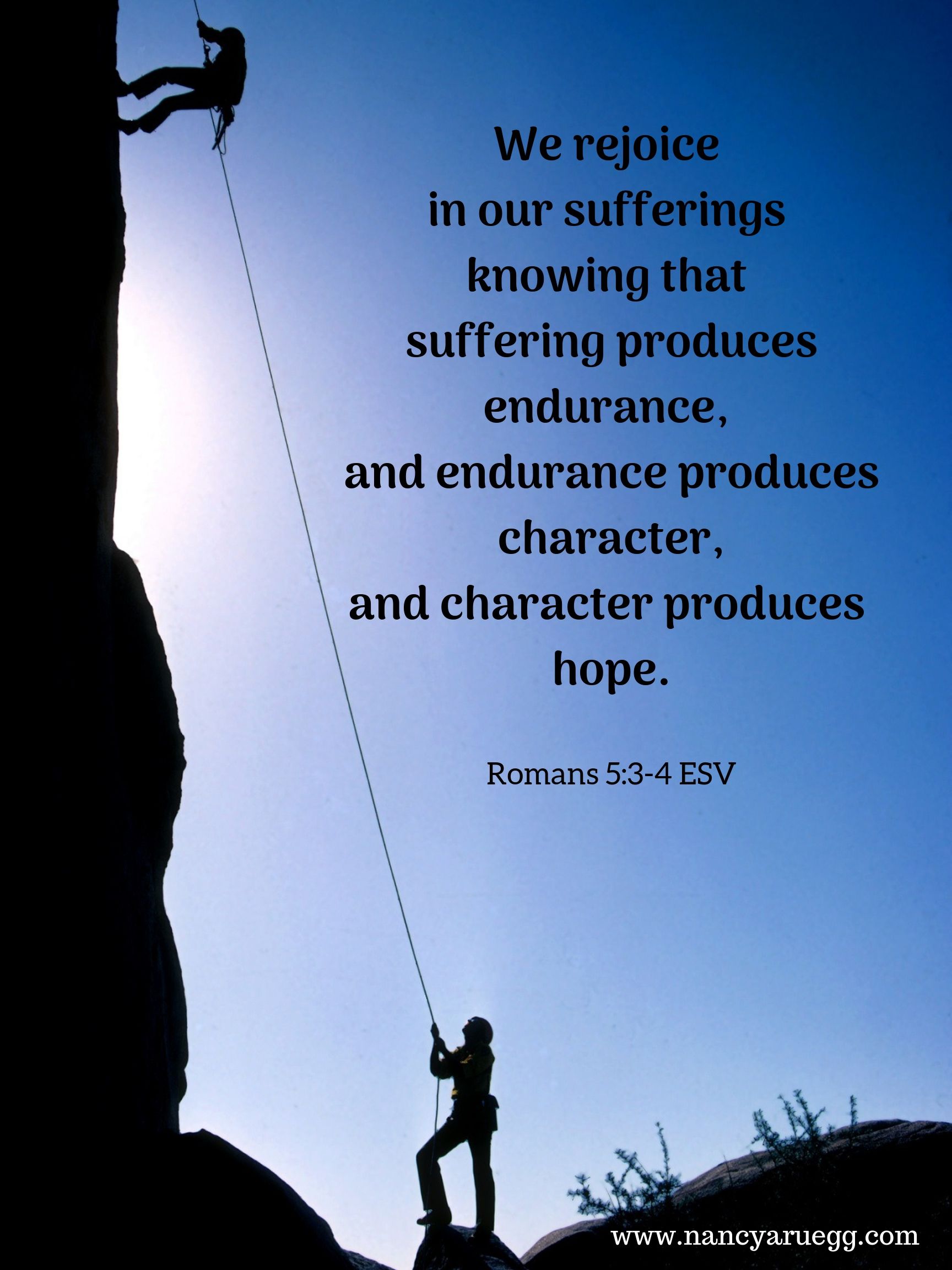
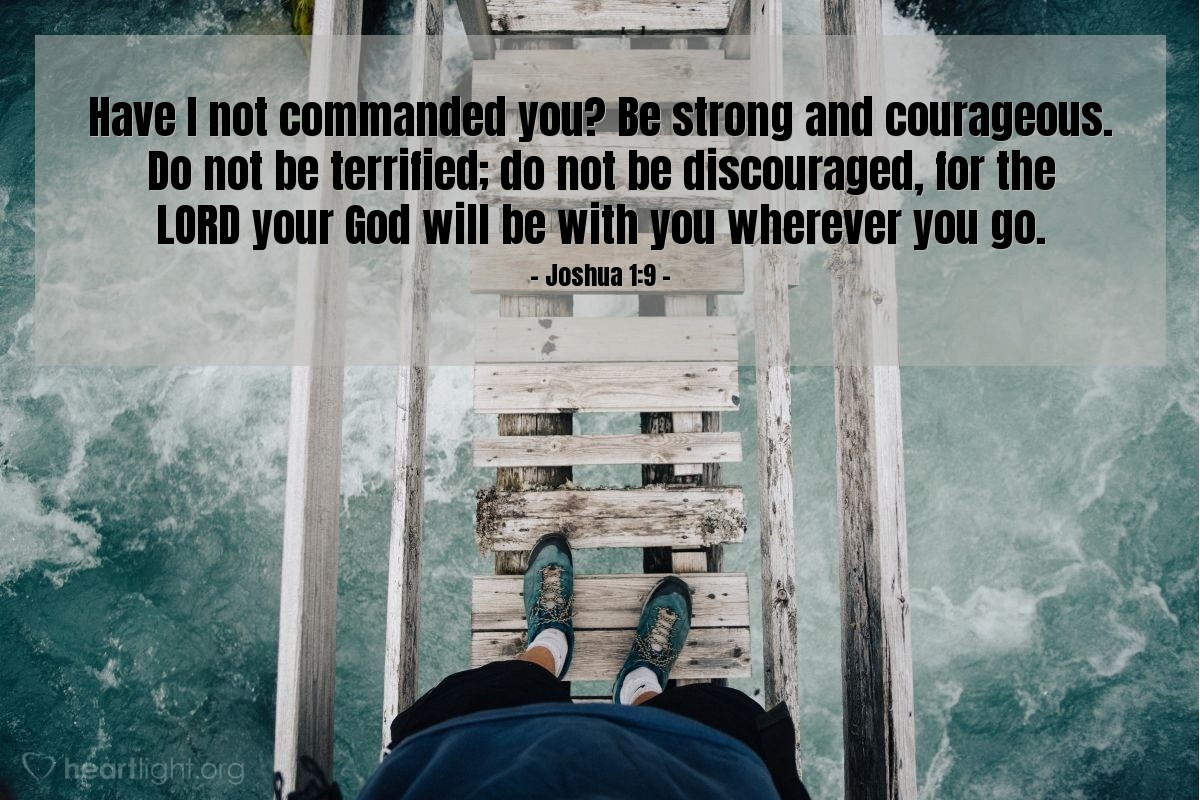
Numerous times in the Bible we’re reminded that the Lord is our strength. We’re promised that out of his infinite power he will supply the wherewithal to withstand any strain, force, or stress.


The question becomes, how do we avail ourselves of God’s glorious might?

The answer may lie in just three strategies: affirm, trust, and thank.


1) AFFIRM such scriptural realities as God’s sovereignty over all things, his power at work on our behalf, and his constant, loving presence to sustain us (1).


We can direct our thoughts toward the promises he’s made to help, guide, and protect (2). In fact, scripture contains dozens of promises that offer hope and encouragement for any situation, because:  “He who promised is faithful” (Hebrews 10:23 NIV).


Asserting biblical truth hour by hour, even moment by moment, results in spiritual strength, much as repetitive moves with weights build physical strength.

Also beneficial to affirm: what we’ve seen God do in the past. Has a surprise check arrived in the mail—almost to the penny of what was needed? Have you escaped a car collision by that much? Has the answer to a prayer far exceeded the request? God has granted such miracles in our family, too.


And that brings us to the second strategy, trust.


2) TRUST that the God of perfection will be true to his Word and keep his promises.

But when fretful thoughts do threaten, we can bring them before God with total honesty, just as King David did in the psalms (3). Next, we can return to the Affirm Strategy (above)—which David also embraced. Third, we simply do the next thing, refusing to worry about tomorrow.


And a trusting heart is a thankful heart.


3) THANK God at every opportunity. Even in the midst of trials, we can find joy:

  • In Him and all his glorious attributes
  • In his Word, where we find comfort and encouragement
  • In creation, with all his meticulous handiwork and grand displays
  • In the people around us, with their expressions of loving concern and help
  • Through the five senses, providing unlimited delight

And the joy of the Lord will be our strength (Nehemiah 8:10).


These three strategies–affirming, trusting, and thanking—will enable us to move through each day with grace and a light spirit, just as a deer gracefully and lightly clears obstacles and scales rocky peaks, because:


*     *     *     *     *     *     *     *     *     *

Oh, Lord, keep me mindful that no one is exempt from trouble in this sin-wracked world, but you rule supreme and will engineer good even from the worst of circumstances. Help me to be ever-conscious of the ways I can avail myself of your strength. And may I learn not just to withstand stressful times, but actually flourish in the midst of them.


Notes:

(1) 1 Chronicles 29:11-12; Isaiah 64:4; Deuteronomy 31:6

(2) Isaiah 41:10; Psalm 32:8 & 12:5b

(3) Psalm 10, 13, 31, and 102 offer examples of psalms that begin with lament and end with praise.


P.S. A personal update: Steve received his first chemo treatment this week to keep the cancer from growing and spreading to other organs as we wait for a liver transplant. The anti-cancer drug was applied directly to the tumors. We were warned he might experience pain, nausea, fever, and/or other side effects. But except for some discomfort and fatigue he has been fine. We continue to praise God for his faithfulness!


(Art & photo credits:  http://www.canva.com (2); http://www.christianqotes.info; http://www.dailyverses.net; http://www.brainyquote.com; http://www.quotefancy.com; http://www.canva.com; http://www.dailyverses.net; http://www.brainquotes.org.)


Read Full Post »


From the time Darlene McIntosh was ten years old, she knew God wanted her serve him on the mission field.

By age twenty-two, Darlene was newly married to pioneer missionary Russell Deibler, and settled in the jungle of New Guinea where he had built a two-room home for her out of woven bamboo mats.


Russell and Darlene proceeded to build relationships with members of a nearby primitive tribe, the Kapauku, who had never heard of Jesus. She fell in love with the people, the work, and her surroundings.

On her twenty-third birthday in May of 1940, the couple heard that the Nazis had invaded Holland. It didn’t take long for the war to find them, even in their remote location. The Deiblers and other missionaries could have escaped to safety but chose to stay at their mission compound.

In January of 1942 the Japanese came and took the men captive. Russell’s last words to Darlene were: “Remember one thing, dear: God said that He would never leave us nor forsake us.” That was the last time she saw Russell; he would die in the prison camp.


For a short while, the women and one older man continued to live at the mission.

One night Darlene heard scuffling noises in the house. She got up from her bed and encountered a bandit armed with a knife.

Darlene surprised herself by rushing at him. Even more surprising, the bandit turned and fled; Darlene chased him out of the house. Suddenly a gang of bandits ran out of the jungle to join the first. She expected them to attack her. Instead the first bandit yelled to the others, and they all turned and ran.

From then on, the missionaries kept clubs at the feet of their beds, but they never had to use them.

Darlene always suspected the compound gardener had been the bandit, because he was familiar with the house. After the war, Darlene asked him why he had never tried to steal from the missionaries again.

“It was because of all those people you had there–” he replied.  “Those people in white who stood about the house!”


In May of 1943, Darlene and the other remaining missionaries were taken to a prison camp in Kampili. Commander Yamaji, a man with a mercurial temper, required strenuous work quotas of the six hundred women living there, including killing flies.

The flies bothered the pigs, raised at the camp to feed Japanese soldiers. Each prisoner was required to bring Commander Yamaji 100 dead flies every day (That’s 60,000 flies!)—even while completing numerous other tasks.

Darlene prayed for Commander Yamaji and was able to tell him about Jesus. “He died for you,” she told him. “Maybe that’s why God brought me here, to tell you he loves you.” The commander suddenly left his office with tears on his cheeks.


In May of 1944, the Japanese secret police came to escort Darlene to another prison. She was put in solitary confinement, falsely accused of espionage.

Darlene endured nightly mosquito swarms, near-starvation, malaria and other serious illnesses, inhumane conditions, brutal interrogations, and torture.

But only her Heavenly Father saw her tears, never the captors. She sustained herself by singing hymns, quoting scripture, and reciting Russell’s last words: God will never leave you nor forsake you.


One day Darlene pulled herself up to look out the small window of her cell. She saw a woman make her way to the fence, reach through the underbrush, and come away with a bunch of bananas, which she quickly concealed in the folds of her skirt.

Oh, to eat just one banana, Darlene thought. Lord, how I would love a banana! Darlene could not get the coveted fruit out of her mind. She talked to God about her craving, knowing that such a fantastical desire could not be fulfilled.

The next morning, Darlene had a surprise visitor, Commander Yamaji. Tears filled her eyes. “It’s like seeing an old friend,” she exclaimed.

“You are very ill, aren’t you,” he remarked.

“Yes, Mr. Yamaji, I am.”

When the commander left, Darlene watched him speak to the guards for a long time. Later she heard the familiar stomp of boots outside her cell. The door was unlocked and one of the guards threw a stalk of bananas onto the floor.

“From Mr. Yamaji,” he said.

With tears of praise to God, Darlene counted ninety-two bananas. God had provided—far above what she imagined. She savored them, one per day for three months.


Darlene would surely have been beheaded as a spy, but she was inexplicably returned to Kampili, the POW camp under Commander Yamaji’s leadership.

Soon nightly bombings began. The women hid as best they could in ditches. Every morning they would have to bury those who had not survived.

One night during the siege, Darlene felt compelled by God to leave her shelter in the dirt, go back to the barracks, and retrieve a Bible. By the time she returned to her ditch the bombing had subsided.

But during Darlene’s brief absence, her refuge had been hit directly and destroyed.


Finally, in the fall of 1945 the horrific ordeal ended. Darlene returned to her family in America to be nursed back to health. She weighed 80 pounds.

Four years later, Darlene was back in New Guinea. God had brought Gerald Rose into her life, another missionary who also carried a passion for indigenous people. They were married and together raised two sons. For forty years they served God, not only in New Guinea but also in the Outback of Australia.

In 1976, a friend told Darlene she had heard Mr. Yamaji sharing his story on Japanese radio. The angry and cruel prison camp commander had become a changed man because of Jesus.


No doubt God had used Darlene as an important influence in his life—and in the lives of countless others as well.


*     *     *     *     *     *     *     *     *


Almighty God, we exult in your sustaining power that carries us through even the most excruciating circumstances. You supply impossible strength, courage, and perseverance to endure. And just as Russell told Darlene, you never leave us nor forsake us. Hallelujah!

(Psalm 28:7; Philippians 4:13; Deuteronomy 31:6; James 1:2-4, Deuteronomy 31:8)


Sources:

1) http://reneeannsmith.com/a/tag/darlene-deibler-rose/

2) http://pursuedandconquered.blogspot.com/2012/08/bananas-in-prison.html

3) http://www.danielakin.com/wp-content/uploads/2016/08/Psalm-27-The-Lord-Is-My-Light-and-My-Salvation…Darlene-Diebler-Rose-Convocation-Fall-2016-kh.pdf

4) http://www.scripturaltruths.org/Articles/Real%20Life%20Experiences/REAL%20LIFE%20STORIES%20-%20Darlene%20Deibler%20Rose%20-%20Prisoner%20of%20War%20-%20May%202017%20-%20PDF.pdf


Art & photo credits:  http://www.darlenerose.org; http://www.wikimedia.com; http://www.dailyverses.net; http://www.heartlight.org;www.canva.com (2); http://www.heartlight.org (2); http://www.canva.com.

Read Full Post »


“Are you all set for your move to Chicago?” I heard Jessica* ask. She’s one of the hair stylists at the salon I go to. Her station is just on the other side of a partition from where my stylist Anna* works.

As I settled into Anna’s chair last Wednesday morning, I readily heard the conversation between Jessica and her client.

“Yes, we found the perfect house,” the woman was saying. “There are just two bedrooms, but…”

I knew that voice.

In late December my hair appointment had overlapped with the same client. That day she had expressed concern because none of the properties shown on realtor websites were fitting her and her husband’s criteria. She feared there would be no suitable homes to tour during their house hunt set for mid-February.

“I don’t know what we’re going to do,” she confided. “I hate to think of moving into a rental and then moving again later.”

It seemed fitting to share our house-search experience.

“Excuse me,” I interrupted while peeking around the partition. “I couldn’t help overhearing your conversation and just wanted to tell you the same thing happened to us before we moved here three and a half years ago.  We discovered that if the perfect house becomes available too soon, it’s likely to be sold by the time you’re able to visit the area and view homes.

“Our perfect house came on the market just two weeks before we flew up here from Florida to house-hunt. The same will happen for you, I’m sure of it!”

She thanked me warmly, appreciative of the voice-of experience offering reassurance.

And now, at the end of March, I was quite certain that same woman (whom I had not seen since December) was in Jessica’s chair again, sharing the next chapter of her story.

I peeked around the partition just as I had before.  Instantly we recognized each other.

“You found the perfect house! Awesome!” I cried.

“Just like you said, “ she replied. “It came on the market a couple of weeks before our trip to Chicago.”

It wasn’t long before the two of us sported our coloring-chemicals and sat together so I could hear about her house. We chatted away like old friends.

A couple of times Diane* mentioned her husband’s illness but gave no specifics; I didn’t press for details. Later in the conversation it seemed appropriate to share Steve’s recent diagnosis of liver cancer. (You can read a short explanation at the end of last week’s post, “Haven of Peace.”)

“I don’t always talk about the details of my Ken’s* illness,” Diane confided, “but you need to know.” She paused. “Ken was diagnosed with brain cancer two years ago. The doctors only gave him twelve to fifteen months to live after the surgery, but it’s been two years and he’s still here!”

And together we praised God for his goodness.

I left the salon last Wednesday with my heart greatly uplifted. Ordinarily I would have sat at Anna’s station and read magazines or the book I always bring along.

But God is El Roi, the God Who Sees (Genesis 16:13). He saw my need for companionship that day.

He is Jehovah Jireh, the Lord Will Provide (Genesis 22:14). He provided Diane to be his voice of encouragement, hope, and joy.

He is El Shaddai, God Almighty (Psalm 91:1). He rules over all—every situation, every difficulty, every illness—even cancer.  Sometimes he ordains miracles.   Diane’s husband and countless others are living proof.


He is Yahweh Nissi, The Lord Our Banner (Exodus 17:15-16).  He goes into the battle before us, leading the way toward victory in all circumstances—a victory of faith in the face of trouble (1 John 5:4).

He is Yahweh Rapha, The Lord Who Heals (Psalm 103:2-3). And if the healing is not realized on earth, it is guaranteed in heaven (Revelation 21:4).


*     *    *     *     *     *     *     *     *     *


We praise you, O God,

for your knowledge that comforts,

your provision that reassures,

your power that enables,

your leadership that guides,

your healing that perfects.

You alone are the wellspring

of all that we need.

May we trust in you

with unwavering confidence

and rest in your transcendent peace.  


*Names changed.


(Photo credits:  http://www.minot.af.mil (Cassandra Jones, photographer); http://www.dailyverses.net.


Read Full Post »

Saturday afternoon provided the perfect circumstances for a cozy sit by the fire.   The calendar was clear for the day and we could burrow into the quiet. Snow showers added to the tranquility as they gently outlined backyard trees in white.


The serenity of our sitting area is enhanced by the beloved hand-me-down decor: the clock, oil lamp and child-size rocker from my grandmother, lanterns that belonged to Steve’s Dad and grandfather, books of our parents’ youth, and a painting that once hung in the home of Steve’s parents.


Altogether, the golden firelight, familiar furnishings, and cozy comfort engender peace and contentment.

But as delightful as these moments are, this kind of tranquility is fleeting. At any moment the phone might ring and the caller share distressing news. Then we’ll hardly notice our snug surroundings as concerns and questions begin to demand our attention.

When that phone call comes, circumstantial peace will not be enough. But that’s the only kind this world can offer. What we really need at such times is a stillness of spirit that originates outside this world from the Master of Peace.

My peace I give you,” Jesus told his disciples. “I do not give you as the world gives.”


Remember when he spoke those words? The night before he died.  He well knew what was to come (1). The next day would be a maelstrom of suffering, climaxed by tortuous pain on a cross.

How could he speak of peace on the eve of such horror?

Because his heart was always directed Godward, resulting in radiant peace. Jesus faced rejection, false accusations, hateful treatment (from religious leaders no less), and even attempted stoning. And yet he remained unruffled.

“Christ’s life outwardly was one of the most troubled lives that was ever lived…But the inner life was a sea of glass. The great calm was always there” (2).


And this is the peace he offers us—a peace that includes tranquility, security, and prosperity of spirit in spite of circumstances. It is “a rare treasure, dazzling in delicate beauty yet strong enough to withstand all onslaughts” (3).

How do we avail ourselves of this treasure?

By reviewing the attributes and promises of our Prince of Peace–all day long.

“Great thoughts of Christ will pilot you into the haven of peace,” said Charles Spurgeon.


Perhaps we could word our great thoughts of Christ as a prayer:

You, Lord Jesus, are our Good Shepherd, always leading in the way we should go. You tenderly watch over us, meeting every need and protecting us from evil—including wild, fearful thoughts and emotions (4).  

You are full of love for us. Out of your kindness and compassion you see us through every dark valley of life. Though we may not always be aware, you are ever-present, ready to offer strength and support (5).


You have said, “Everything is possible for those who believe” (6). And we know that’s true because we’ve seen your miracles. You’ve healed incurable diseases; you’ve protected and provided in hopeless situations. You’ve enabled others to transition to heaven with impossible grace and joy.

For these reasons and many others, we place ourselves in your attentive, all-wise, all-powerful care.

You are our Mighty One, our Rock, our Haven of Peace.


______________________________


P.S. I started rough drafting this post last Saturday afternoon, while sitting by that fire. Uncertainty had already moved into our hearts after Steve’s blood work last week turned up questionable results. The doctor immediately called for a cat scan that took place on Friday. Monday he shared the results with us: liver cancer.

Steve is now on an obstacle-ridden road toward a liver transplant, and the future holds much greater uncertainty than we faced last week.

Do you suppose it’s just coincidence that I’ve been reading, thinking, and writing about peace for the last six days?

I don’t think so either.


Notes:

(1) Luke 22:15-16

(2) Henry Drummond

(3) Sarah Young

(4) John 10:3-4; 2 Thessalonians 3:3; John 10:11

(5) Ephesians 5:1-2; Luke 6:35; Matthew 28:20

(6) Mark 9:23


Photo credits:  http://www.publicdomainpictures.net; Nancy Ruegg; http://www.canva.com; http://www.flickr.com; http://www.wikimedia.com; http://www.canva.com; http://www.wikimedia.org.


Read Full Post »


No doubt many moviegoers looked forward to last Friday when the film A Wrinkle in Time premiered.

Perhaps like me they had read the book of the same title and relished every page of the Newbery Award winner (1963), written by Madeleine L’Engle. Fans of the novel surely hoped the film would offer the same intriguing juxtaposition of science and fantasy, as well as the thought-provoking allegory of the divine versus demonic.

Some Wrinkle-in-Time fans may not know that L’Engle was a Christian, and wrote the book as a way to express her reflections about God.

“If I’ve ever written a book that says what I feel about God and the universe, this is it,” L’Engle journaled. “This is my psalm of praise to life, my stand for life against death” (1).


L’Engle grew up with a church background, but in her 30s wrestled with such essential questions as: Does God exist? Why are we here? Do we exist after death? Her strong faith in God developed over time, her granddaughter has explained, a slow “acceptance of what she had always known to be true” (2).

As L’Engle’s faith grew, she established the daily habits of Bible reading and prayer. Her writings began to reflect her devotion to God and deep love of scripture.  A Wrinkle in Time is no exception. Several characters frequently quote from the Bible.

L’Engle discovered: “Faith is what makes life bearable, with all its tragedies and ambiguities and sudden, startling joys” (3).

L’Engle’s faith did indeed carry her through several tragedies. Her father died when she was eighteen, the result of lung damage during World War I.   Close friends died, survived by their young daughter, Maria. L’Engle and her husband Hugh adopted the child, only to struggle through Maria’s emotional turmoil as time passed. Then, after forty years of marriage, her beloved Hugh died of cancer.

L’Engle eventually wrote: “We trust as [Medieval mystic] Lady Julian of Norwich trusted, knowing that despite all the pain and horror of the world, ultimately God’s loving purpose will be fulfilled and ‘all things shall be well…and all manner of things shall be well.’ And this all-wellness…does not come to us because we are clever or virtuous but comes as a gift of grace” (4).


(www.quotefancy.com)


She saw Christianity as a paradox. On the one hand is the infinite, unfathomable God beyond comprehension, but who was at the same time a finite human being–Jesus–who died for us on a cross.

“To believe the universe was created by a purposeful being is one thing,” she wrote. “To believe this Creator took on human vesture, accepted death and mortality, was tempted, betrayed, broken, and all for love of us, defies reason” (5).


L’Engle often wove Christian themes into her stories. Sadly, filmmakers chose to downplay the faith elements of A Wrinkle in Time, and focus on the fantasy and special effects. What’s left is a confusing storyline and muddled message. Many critics admit to disappointment and confusion (6).

In an interview the film’s screenwriter explained the decision for removing all traces of Christian reference:

“I think there are a lot of elements of what [L’Engle] wrote that we have progressed on as a society, and we can move on to the other elements” (7).

Oh? We can move on from the element of truth?

Like Madeleine L’Engle, we must wrestle with the essential matters of truth and faith; we must be certain of the reasons and evidence for our beliefs, because…


Notes:

(1) https://www.washingtonpost.com/new/acts.of.faith/wp/2018/03/08/the-deep-faith-of-a-wrinkle-in-time

(2) Same source as above.

(3) From Walking on Water (Crosswicks, 2001), by Madeleine L’Engle

(4) Same source as above.

(5) From Penguins and Calves (Shaw Books, 2003), by Madeleine L’Engle

(6) http://www.businessinsider.com/wrinkle-in-time-movie-changes-book-religion-christianity-ending-2018-3

(7) https://uproxx.com/movies/jennifer-lee-wrinkle-in-time-frozen-2/2/


Additional sources:

  1. www.christianitytoday.com/ct/2018/march-web-only/hollywood-spiritual-themes-wrinkle-time-madeleine-lengle.html
  2. http://exhumator.com/00-139-00_esoteric-religious-spiritual-engle-madeleine.html
  3. https://www.franciscanmedia.org/madeleine-lengle-an-epic-in-time/


Photo credits:  http://www.flickr.com (2); http://www.quotefancy.com; http://www.wikipedia.org; http://www.canva.com.


Read Full Post »

« Newer Posts - Older Posts »

When the House is Quiet

Impressions Becoming Expressions

Mitch Teemley

The Power of Story

Still Traveling

Impressions Becoming Expressions

Living Our Days

Gaining a heart of wisdom

He Said What?!

I'm Patty, and my husband and I are living with our adult son who has autism and epilepsy. I love sharing lessons learned from life around me, especially life with Aaron.

Meditations of my Heart

Impressions Becoming Expressions

Linda Stoll

Impressions Becoming Expressions

Signora Sheila

Where faith meets la dolce vita

Heidi Viars

Finding the Image of God