Feeds:
Posts
Comments

Archive for the ‘Faith’ Category

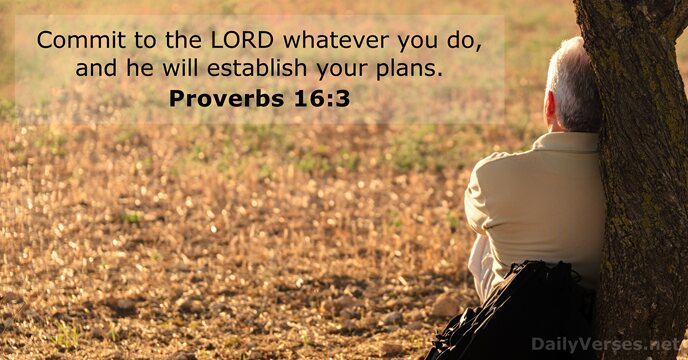
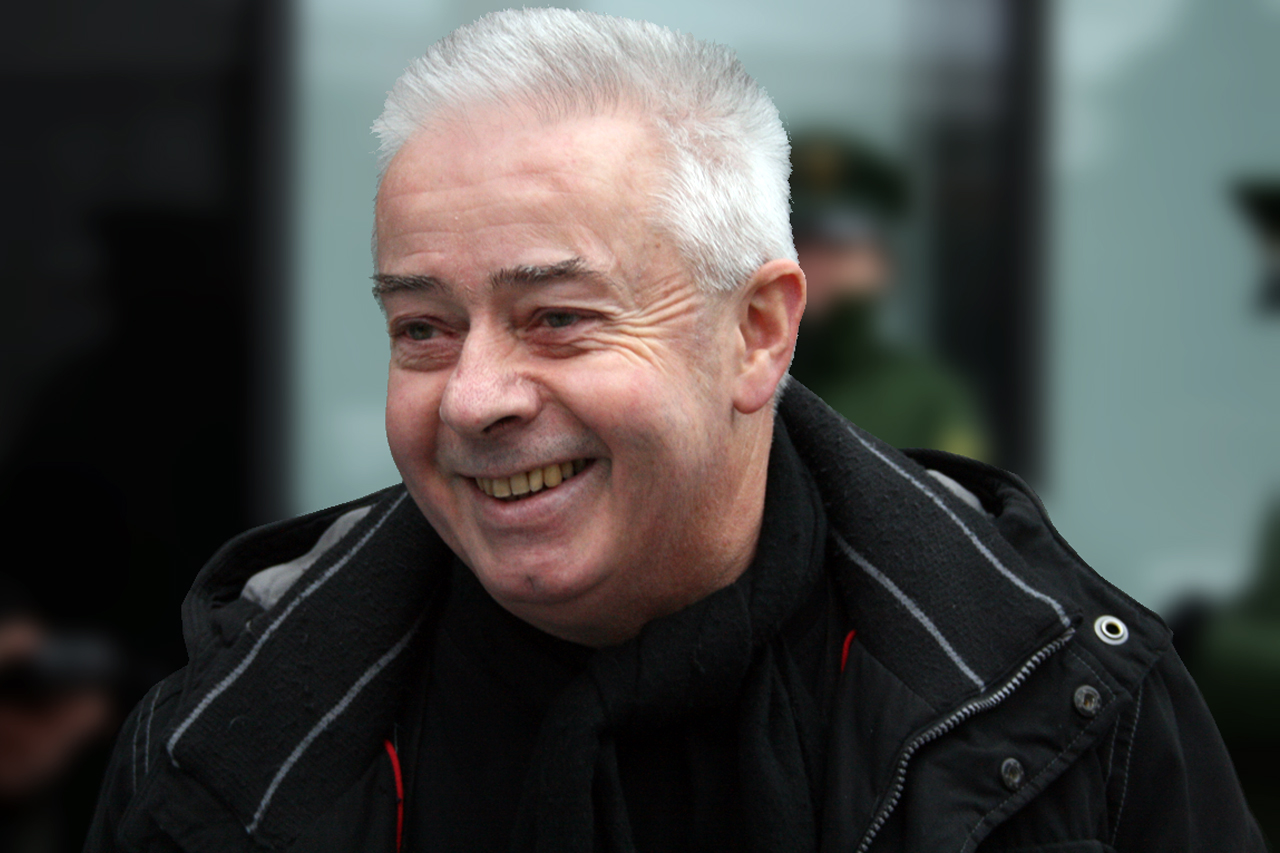
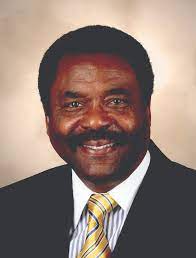
David Steward leaned against the family cow as he milked her, his hands automatically squeezing left, right, left, right. This was his final chore of the day; he’d already cleaned out the barn and fed the pigs and cow.

The twelve-year-old tried not to think about morning chores awaiting him in just twelve hours: emptying the chamber pots, milking the cow again, then collecting the ashes from the potbelly stove and spreading them on the driveway to create traction.

His only consolation was, his seven siblings had their chores too.

David trudged back to the house. He could smell collard greens frying in bacon grease, the pork and beans simmering in the Dutch oven, and cornbread browning in the skillet.

It wasn’t a fancy supper-spread, but all ten of them got enough to eat, thanks to Daddy’s hard work and the whole family pitching in on the farm.

Daddy should have made enough money to support them. He’d been trained as a master mechanic while living in Chicago in the 1930s and ‘40s. But now it was 1963 and the family resided in Mama’s hometown of Clinton, Missouri—a segregated town—and the Stewards were Black. Many businesses didn’t hire people of color.

So Daddy took whatever work he could find as a personal mechanic, nightwatchman, and part-time policeman. He managed a janitorial service, transported coal or trash, even tended bar at parties.

Daddy and Mama could have been bitter; but David and his siblings saw them demonstrate Christian love and kindness, grace and forgiveness, strength and resolve.

Times were changing however; segregation was finally outlawed in 1964. David was among the first Blacks allowed to swim in the community pool.

The next year David started high school and made the basketball team. Four years later he was playing for Central Missouri State University, and after proving himself, earned a sport scholarship. In 1973 he graduated with a degree in business administration.

Over the next eight years, David worked for several companies, including the Missouri Pacific Railroad and Federal Express. In each position David learned skills related to manufacturing, marketing, accounting, sales, and more.

While senior account executive at Federal Express he earned the Salesman of the Year Award and received a trophy—a silver ice bucket engraved with his initials. David looked inside and was struck by its emptiness. Is this all I want out of life? he thought.

The answer was no. He’d long dreamed of owning his own company and managing it with biblical principles.  He and his wife Thelma had faith that now was the time—even with their family of four to support.

In 1984, David launched Transportation Business Specialists, putting to use the lessons he’d learned at Missouri Pacific Railroad. His new company audited bills and overcharges for the rail industry.

Another company was launched in 1987, Transport Administrative Service, and finally, in 1990, World Wide Technology, Inc., to help companies use technology for solving business-related problems.

Success did not come quickly. And though David always made sure his employees received their paychecks, sometimes his family went without.

But he didn’t give up. David wrote: “What we were doing for our employees and customers was meaningful. I had faith that our company was capable of providing exceptional value” [1].

A unique opportunity presented itself in 1995. U.S. troops in Bosnia needed specialized computer software, so David’s company developed a program customized to their needs. They provided the hardware also.

That success led to the development of more applications for additional functions, useful to other government entities. A company that began with a $2000 investment and a handful of employees is now a Fortune 500 company (#71), bringing in twenty billion dollars in annual revenue and employing 10,000 people [2].

In the early 2000s, the Stewards’ pastor asked them to lead a Bible study about doing business God’s way. That led to a book, Doing Business by the Good Book: Timeless Principles for Making an Eternal Impact (2004).

The overall theme: strong leadership is love, expressed by serving others—employees and their families, customers and associates, as well as your own family.

David considers his company his ministry as he applies biblical principles in the workplace.

Eighty-six percent of his employees say World Wide Technology is a great place to work [3].

David also sees himself as an ambassador for Christ in the business world. He keeps one scripture-based goal in mind.

Every day David asks the question:

“Am I living my life worthy of the sacrifice that was made on my behalf”[4]?

That’s a profitable question for each of us. May we all—no matter our place in life—answer with a joy-filled YES!

David L. Steward (1951 – )


[1] Doing Business by the Good Book, 2004, quoted by https://www.referenceforbusiness.com/biography/ S-Z/Steward-David-L-1951.html

[2] https://www.wwt.com/corporate/why-wwt/overview

[3] https://www.greatplacetowork.com/certified-company/1100933

[4] https://www.youtube.com/watch?v=OCtItBwZEEU (Steward, 3:36-3:46)

Other sources:

1. https://www2.cbn.com/article/not-selected/david-steward-building-business  

2. https://horatioalger.org/members/detail/david-l-steward/

3. https://www.referenceforbusiness.com/biography/S-Z/Steward-David-L-1951.html#google_vignette

4. https://coinnounce.com/the-success-story-of-david-steward-second-richest-black-man-in-the-us/

Photo credits: http://www.rawpixel.com; http://www.picryl.com; http://www.pexels.com; http://www.daiyverses.net; http://www.en.wikipedia.org; http://www.amazon.com; http://www.heartlight.org; http://www.flickr.com.

Read Full Post »

As the new year makes its entrance, a fresh breeze of possibilities and dreams fills the mind:

  • Perhaps this year . . .
  • Wouldn’t it be wonderful if . . .
  • All things are possible with God, so . . .

But no sooner do I start finishing those statements with starry-eyed optimism, than some scratchy, irritating thoughts demand my attention.  Thoughts such as:

  • You’re too old, terribly unworthy, and under-qualified.
  • You’ve already waited so long. Your desires obviously aren’t God’s desires for you.
  • You’ve hopelessly veered from God’s plan; otherwise your life circumstances would surely be different.

And my heart cries out:

I need your Word, God, your Sword of the Spirit, to slay these lies. And though I am grateful for familiar sword-thrusts like Romans 8:28, Jeremiah 29:11, and Philippians 4:13 to wield against the untruths listed above, a few new moves would surely increase my resolve. “Strengthen me according to your word” (Psalm 119:28b).

And God seems to say:

“All right, Nancy, let’s look at each statement from my viewpoint.

“You are too old? Not so. Moses was eighty when he became the leader of the Hebrew nation, bringing them out of Egypt and into Canaan. Daniel served as prime minister in Babylon well past the age of eighty. John was quite elderly when he received the Revelation. Age has nothing to do with usefulness.

“You are unworthy? Also not so. You are one of My chosen people, a royal priestess, who belongs to Me, the King of the universe (1 Peter 2:9a). Like all My children, you are precious and honored in My sight because I love you (Isaiah 43:4).

“You are under-qualified? All the better for My purposes! My G.R.A.C.E. (God’s Riches at Christ’s Expense) includes wisdom, power, strength, discernment, all spiritual gifts, all fruit of the Spirit, and more. My grace is more than sufficient for you; it’s all you need. In fact,“My strength comes into its own in your weakness” (2 Corinthians 12:9 MSG).

“You’ve waited too long? Think again. Abraham waited 25 years for Isaac. Joseph waited seventeen years for his dream to come true. Caleb waited 45 years for his special parcel of the Promised Land.

“You’ve veered from My plan for you? Please refer to Ephesians 1:11. Your singular purpose is to display My glory, that is, my attributes of love, joy, goodness, and more. Wherever you are . . . “whatever you do, work at it with all your heart, as working for the Lord, not for men” (Colossians 3:23). And remember: small acts can achieve important results also.

“One closing thought to keep in mind: There is method and reason to every decree I have judiciously ordained since the beginning of time, to accomplish My will according to My sovereignty. I AM the Almighty, all-wise God, your Heavenly Father.”

*     *     *     *     *     *     *     *     *     *

O God, help me to look toward 2024, not through the eyes of discouraging doubt but through the eyes of ever-increasing faith. And when I cannot understand, help me just to stand. In Jesus’ powerful name, Amen. *

* Based on a prayer from Selwyn Hughes in Every Day Light, 105.

Image credits: http://www.pxhere.com; http://www.pickpik.com.

(Revised and reblogged from 1-3-2013 while we enjoy the last couple of days with out-of-town family.)

Read Full Post »

Christian trudged to the church he pastored as rain drummed on his umbrella. His pant cuffs grew increasingly damp from his splashing boots.

Is this really worth the effort, he wondered. Only a handful of people attended the Monday night prayer meetings, which he’d established several years prior at Church of St. Nicholas.

And yet the faithful few who came demonstrated such hope, Christian always felt uplifted by the end of each gathering.

Encouragement of any kind was in short supply. Times were difficult; everyone was suffering except the government elite and their cronies.

In the third year of the weekly prayer sessions, Christian felt compelled to invite fifty people to his church to discuss the oppressive circumstances of their country. More than six hundred came, and subsequently, attendance at the Monday prayer meetings also grew.

Such a large crowd didn’t slip by the attention of authorities. They discouraged religious gatherings, but assumed that prayer meetings were harmless.

Attendees began bringing family and friends. Over the next few years the church started to fill to overflowing. Eventually eight thousand people gathered every Monday night, praying for peace in their land and throughout the world.

Other churches around the country organized their own prayer meetings. Some attendees would walk the streets afterward, carrying candles and praying or singing as they went.

The authorities finally ran out of patience with the demonstrations. They barricaded the streets around the Church of St. Nicholas to discourage attendees. Instead, the congregation grew.

The next step included peaceful protests. Thousands of people participated. And even though hundreds of demonstrators were beaten and arrested, they weren’t deterred.

Numerous threats were made; some lost their jobs. One woman reported that government officials took custody of her children for a while, due to her participation in what they called an extremist group.  

Worse yet, the protesters were threatened with death. And though many admitted to fearing for their lives, they did not back down.

“Our fear was not as big as our faith,” Christian explained later [1].

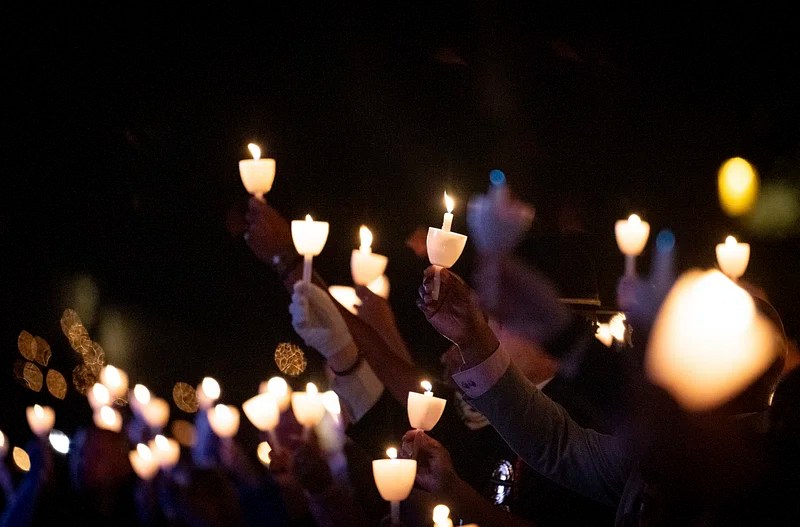
One night, after an hour-long service at St. Nicholas Church, Christian led the people outside to join a crowd of approximately 70,000, all gathering from various churches. Each one carried a candle and marched through the city chanting “we are the people” and “no violence” [2].

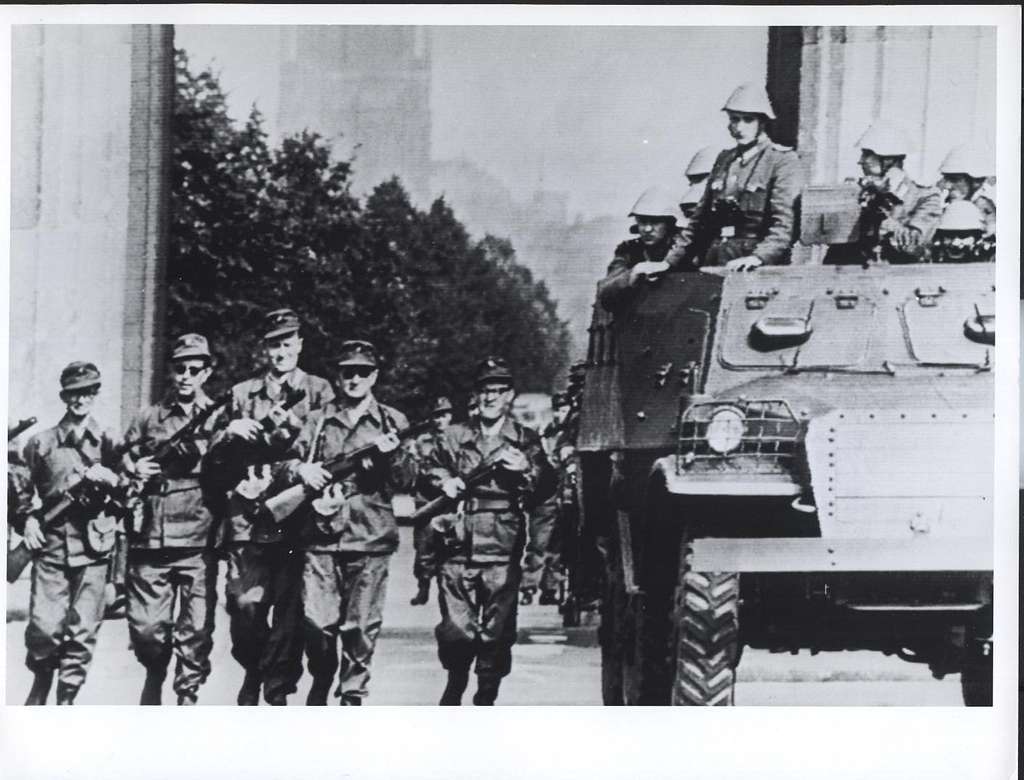
All along the way, long rows of armed police watched their every move.  More soldiers manned tanks, waiting for the order to disperse the crowd with murderous force.

But the order never came. Afterward it was revealed that government officials persuaded their leader to leave the protesters alone.

One of the demonstrators gave a soldier a lighted candle. He put down his weapon and accepted it. Others followed suit. “Soon all the soldiers had lowered their weapons and joined with the protestors” [3].

In the following weeks, the prayerful, candle-carrying crowd grew to 120,000, then 300,000, and finally 700,000.

A crowd such as this must have gathered.

The country’s leader resigned, knowing that without the army to back him, he had become powerless. Soon the whole regime resigned, unable to fight against the power of prayer and Light.

One month after the tide-changing protest, a government spokesperson mistakenly announced in a public broadcast that a monumental change was about to take place. Citizens would be allowed to travel freely, effective immediately [4].

News spread rapidly, reported across the world. Thousands of people soon gathered at the symbol of their thirty-year oppression, a barrier that had divided them into east and west: the Berlin Wall.

Harald Jager, commanding officer of the border guards that night, called his superiors to find out how to deal with the gathering crowd. He received no orders.

“People could have been injured or killed . . . if there had been panic among the thousands gathered at the border crossing,” he declared afterward. “That’s why I gave the order: Open the barrier” [5].

And so, on November 9,1989, thousands flowed through, celebrating and crying. Others climbed over the barrier, chipping away at the wall with hammers and pickaxes. Bulldozers and cranes soon made quick work of dismantling the entire structure [6].

Thirty-four years ago today, that menacing wall became rubble, and a tyrannical regime miraculously toppled with it.

And it all began with Pastor Christian Furher and a handful of praying saints.

Christian Furher (1943-2014)


[1] https://contemporarychurchhistory.org/2014/09/reflection-on-pastor-christian-fuhrer-of-the-nikolai-church-in-leipzig/

[2] https://embracingbrokenness.org/2020/10/prayer-and-the-berlin-wall-by-charles-buttigieg/

[3] http://storage.cloversites.com/worldhistoryinstitute/documents/WHI_03Mar014_Journal_4.pdf

[4] https://www.foxnews.com/lifestyle/this-day-history-nov-9-1989-berlin-wall-falls-cold-war-victory-us-allies

[5] https://www.bbc.com/news/world-europe-50013048

[6] https://www.history.com/topics/cold-war/berlin-wall

Additional Source: http://www.godgossip.org/article/did-a-prayer-meeting-really-bring-down-the-berlin-wall

Photo credits: http://www.commons.wikimedia.org; http://www.pxhere.com; http://www.rawpixel.net; http://www.picryl.com; http://www.commons.wikimedia.org; http://www.pexels.com; http://www.nara.getarchive.net; http://www.picryl.com; http://www.commons.wikimedia.org.

Read Full Post »

According to American theologian R. C. Sproul (1939-2017): “Prayer does change things, all kinds of things. But the most important thing it changes is __________ [1].”

What would you put it the blank? A few possibilities include:

  1. The lives of those we pray for
  2. The way events unfold
  3. The attitudes and perspective of those prayed for
  4. Us—the people doing the praying

Sproul wrote, the most important thing prayer changes is us.

Author and Bible teacher Kay Arthur (1939- ) wrote similarly: “You cannot spend time in prayer, even intercessory prayer [for others], and not have it impact you personally [2].”

Such statements as these beg the question how. How could our prayers for others affect us?

One possibility comes readily to mind. Praying for others and watching miraculous answers unfold strengthens our faith, which contributes to peace of mind and heart.

On the other hand, in those situations when God chooses to postpone his response and yet we continue to pray, the waiting teaches us patience and persistence.

But might there be more ways intercessory prayer impacts us? A bit of research turned up the following. You may be surprised as I was by how many there are.

Intercessory prayer fosters unity in our hearts with those we pray for. We can even find ourselves growing in compassion and affinity for them.

I’ve prayed for Kiana for a number of years now. We’ve never met; I know very little about this young woman in India and yet love for her has bloomed in my heart just the same. I’m looking forward to meeting Kiana in heaven and hearing her story [3].

Intercessory prayer teaches us selflessness as our thoughts are directed away from ourselves and toward others.

Intercessory prayer changes our perspective as we see our desires for a person or situation shift to what God wants to do. We remember: his expansive plan always includes more benefit than we can perceive [4].

We also acknowledge that even times of pain and trouble produce worthwhile results.

Esther Ahn Kim was a Korean Christian who spent six years in a Japanese prison during Word World II as a result of her faith. No doubt many prayed for her release, and yet freedom wasn’t granted. However, at least two guards and many of Esther’s fellow prisoners became believers in Jesus—because of her [5].

Intercessory prayer shifts our attitudes from fear and anger to peace and calm as we affirm the truth of scripture, including:  

  • Whatever transpires has been allowed by God
  • We will never understand all the workings of God this side of heaven
  • Even suffering achieves purpose [6]

Intercessory prayer develops humility as we acknowledge our limited ability to impact people or circumstances and affirm only God can affect any change he chooses.

Intercessory prayer augments our usefulness and causes spiritual growth.

When Pastor Hendricks learned that Matt T. had been asked to teach the Sunday School class for junior high boys, his eyebrows went up. Matt was just out of college and still had some growing up to do himself.

But before long, Pastor Hendricks began hearing reports of the once-rowdy boys eagerly participating in the class. He invited Matt to lunch and asked about his secret of success.

Matt showed him a little black book with one page for each boy. On each page were comments like, “Having trouble in math,” “comes to church against his parents’ wishes,” and “wants to be a missionary but doesn’t feel capable.” Matt was praying over the pages every day.

Pastor Hendricks observed: When we pray for others, we become more like Jesus. And as we grow, God shows us more, and uses us more [7].

Isn’t that just like our Heavenly Father? Even as we seek to bless others with our prayers, God is also blessing us.

P.S. Please join me in prayer for the suffering people of Israel and the innocents of Gaza. Let’s pray that the perpetrators of evil are thwarted at every turn [8].


[1] The Prayer of the Lord

[2] His Imprint, My Expression, 157.

[3] You can read how I learned about Kiana at https://nancyaruegg.com/2019/12/12/advent-ure/  

[4] Ephesians 2:20

[5] https://www.thegospelcoalition.org/article/esther-ahn-kim-steadfast-in-persecution/

[6] Romans 11:33-36; James 1:2-4

[7] https://www.lifeway.com/en/articles/sermon-prayer-life-of-a-christian-colossians-4

[8] Psalm 125:4-5

Photo credits: http://www.freerange.com; http://www.canva.com; http://www.pickpik.com; http://www.dailyverses.net; http://www.canva.com.

Read Full Post »

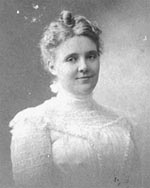
Ida Scudder, a senior at Northfield Seminary in Massachusetts, envisioned a future for herself in a small American town that included a charming home with a loving husband, fun times with good friends, adventure, and eventually several children.

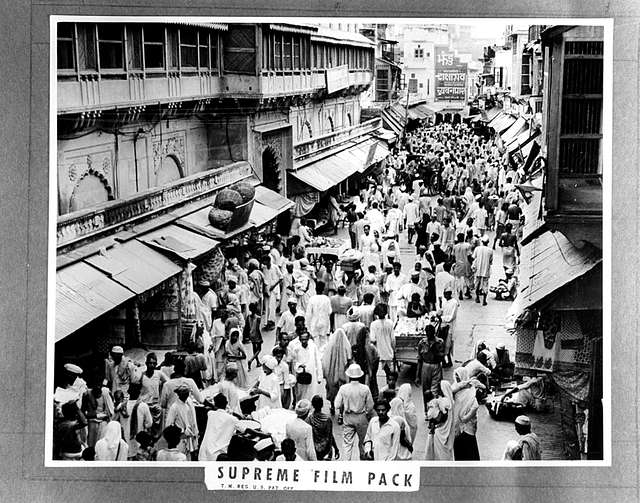
Such a dream was the antithesis of her upbringing in Vallore, India—with its crowds, poverty, famine, and disease. Having lived in the States now for several years, Ida had no desire to return.

Her parents served as medical missionaries in Vallore, and her paternal grandparents before them. Ida wanted no part of that kind of life.

But when Mrs. Scudder became seriously ill in 1894, Ida felt compelled to return home to care for her mother and help run the clinic. Following graduation that year, she set sail, praying she’d arrive before the unthinkable occurred. Ida’s prayers were answered [1].

One evening during her visit, a Hindu man knocked at the door, desperate for Ida to come help his wife.

“She’s been struggling for hours to deliver our baby,” he cried. “Now she is growing weak. I’m afraid for her!”

“Let me get my father,” Ida suggested. “He’s the doctor.”

“Oh no,” the man replied. “It is against our beliefs for another man to see my wife. You must attend to her.”

Ida explained she could not help; she knew nothing about childbirth. And the grief-stricken man turned away.

Later that same night a Moslem came to the door with the same request. He too refused help for the same reason. And not long after, the scenario repeated itself a third time with another Hindu.

When Ida finally went to bed, no visions of idyllic living in America filled her mind. Instead she prayed, and a new dream began to form. God meant for her to become a doctor and help the suffering women of India. Even more startling: Ida found herself eager to follow his plan.   

In the morning, she learned that all three mothers and their infants had died. It broke her heart and solidified her resolve.

When Ida returned to the States, she was one of the first women to attend Cornell Medical College. And no sooner had she graduated in 1899, than Ida was on her way back to India, bolstered by a $10,000 grant from a Manhattan banker, in honor of his wife, Mary Taber Schell.

At first Ida treated women in a small medical office set up in her parents’ home. But patients often waited too long to see her, so she decided to go to them.

An ox-pulled cart full of medical supplies became her clinic. And as she tended the sick and injured, Ida spoke of Jesus and asked patients if they’d like to know more about the Great Physician.

In 1902, Ida was able to open the Mary Taber Schell Hospital in Vellore. But with only forty beds, the medical needs in the region far exceeded what Ida could provide.

She set about establishing a school for young women to train as nurses. Critics warned no one would come since the education of girls wasn’t part of Indian culture. But come they did—151 students that first year—and they performed well.

Funding from various denominations in the U.S. and Britain allowed for expansion of the hospital. By 1906, 40,000 patients were being treated annually.

Ida’s next venture, in 1918, was to establish a medical school to train women doctors. Naysayers claimed women would not be able to pass the final exams, but all fourteen of the first class succeeded.

More qualified staff meant more space needed for them to work. A second hospital was built in Vallore in 1923.

Expansion continued in 1928 with an endeavor even Ida could not have envisioned:  the construction of the Vellore Christian Medical College and Hospital, spread over 200 acres. Gandhi himself came to see Ida and the monumental project underway.

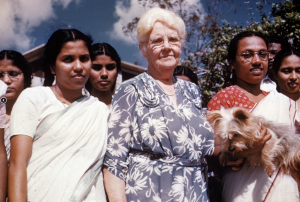
Ida seated on left.

Also during this time, Ida traveled back and forth to America to raise funds. Her passion for the work inspired people to give, and she raised millions of dollars.

Back in India, Ida spent less time with patients and more time preparing for the opening of the new college, “negotiating between various missionary agencies, and dealing with a turbulent Indian political scene as fierce demands for independence were growing”[2].

Today the Vallore Medical College and Hospital treat over 8,000 patients a day and are well known for excellence in the fields of research, patient care, and disease prevention. Chaplains pray with the patients, and Bible classes are offered in nine different languages [3].

The main building of Vallore Medical College and Hospital

Dr. Scudder and students

Ida Scudder (1870-1960) was once asked how she was able to accomplish so much. Her answer explains how to fulfill God’s individualized plan for each of us:

“I took only one step at a time; the step God showed me” [4].


[1] Mrs. Sophia Scudder passed to heaven in 1925.

[2] https://canonjjohn.com/2022/11/12/heroes-of-the-faith-ida-scudder/

[3]  https://scudder.org/family-history/ ; https://www.christianity.com/church/church-history/church-history-for-kids/ida-scudder-reluctant-missionary-11635053.html  

[4] https://www.youtube.com/watch?v=tJIHIJpmVTs

Other Sources:

  1. https://scudder.org/about/history/india-medical-missions/ida-scudder-story/

3. “A Life of Consecrated Purpose: The Ministry of Dr. Ida Scudder” by Dr. Rebekah Naylor at http://www.imb.org.

Photo credits: All photos of Dr. Ida Scudder courtesy of The Scudder Association Foundation at http://www.scudder.org. The Indian city street scene, http://www.picryl.com.
Read Full Post »

Want to know three actions guaranteed to bring delight?

These actions are recommended by the One who designed us, God himself, because of the blessings he’s built into them. He would have us:  always rejoicing, always praying, and always giving thanks [1].

You might say, “I’ve experienced the delight of rejoicing in God’s goodness, and gratitude to him does uplift my spirit, but prayer? That seems more discipline than delight. Besides, how can we pray continually and keep up with the responsibilities of life?”

We’ll address the delights of prayer near the end of this post. As for praying always, we can relax. That’s not what God desires.

Continual prayer is more about an abiding attitude rather than an all-consuming pursuit–an attitude that includes:

  • Faith, believing God exists and rewards those who seek him.
  • Humility, as we acknowledge our dependence upon him for everything.
  • Honesty, knowing that God is near to those who call to him with integrity.
  • Expectancy, because he can do all things and is generous with his gifts [2].

Continual prayer is also about an abiding awareness of God’s presence and communicating with him throughout the day. For example, we can offer sentence prayers such as these:

  • Thank you, Lord, for your strength; you will see me through today’s tight schedule.
  • Grant your wisdom for this decision, Father.
  • That woman over there reminds me of Tiffany. Bless Tiff, I pray; fill her with your joy and peace in spite of the challenges she currently faces.
  • Thank you for quieting my nerves during the presentation this afternoon.
  • What beautiful clouds you made today, Lord! I marvel at your artistry.
  • Oh God, forgive me for getting so upset with that rude driver. Calm the anger within me.
  • Such disturbing news heard just now. I pray against the forces of evil that cause such suffering. I pray that your right hand, majestic in power, will shatter the enemy at work in this situation [3]!

We’d do well to remember:

Edge your days with prayer;

they are less likely to unravel.

Unknown

Third, continual prayer is about persistence. When prayers go unanswered, Hannah of the Bible provides an example for us. “She pressed in ever closer, filling the space of her wait with prayer” [4].

I love that: “filling the space of her wait with prayer.” We too can experience delightful, calming confidence in God while persisting in prayer through the wait.

The great preacher, Charles Spurgeon (1834-1892), had this to say about continual prayer:

To pray continually takes effort; it’s easy to let distractions interfere. That in turn leads to such adverse effects as frustration, irritation, a lack of peace, confusion, a short temper, weariness, and discouragement [5].

Oh, but what delights result when we maintain an attitude of prayer —in addition to our prayers answered! What follows is just a short list.

Communicating with God:

  • Helps us focus less on trivial matters and more on glorious realities [6]
  • Fosters peace [7]
  • Increases our trust in God, our reliance upon him [8] 
  • Allows us to participate in what God is doing around the world [9]
  • Helps us build a life-enhancing relationship with God [10]

Unceasing prayer can grow to be something we do

not because of discipline but because of friendship.

Desire. It’s where we’re headed,

if we’ll let Him take us there.

Sara Hagerty, Unseen, 227

Oh, yes Lord, that’s my desire, to experience the constant delight of communion with you, through continual prayer. Keep me mindful to pray my way through every day.


[1] 1 Thessalonians 5:16-18

[2] Hebrews 11:6; John 15:5; Psalm 145:18 HCSB; Matthew 19:26; Psalm 84:11

[3] Lamentations 3:22-23; Isaiah 41:10; James 1:5; Psalm 94:19; Job 5:9; Exodus 15:6

[4] 1 Samuel 1:1-20; Lysa Terkeurst, Embraced, 174.

[5] Ray Pritchard, https://www.preceptaustin.org/1_thessalonians_516_commentary .

[6] Sarah Young, Jesus Calling, 135.

[7] Philippians 4:6-7

[8] Jeremiah 17:7-8

[9] Matthew 6:9-10; Philippians 1:19 offers an example.

[10] Luke 11:9

Photo credits: http://www.dailyverses.net; http://www.heartlight.org; http://www.commons.wikimedia.org (2); http://www.heartlight.org.

Read Full Post »

Gunfire blasts and booming cannons surrounded Union Army Private, William Carney. His regiment’s objective: to capture Fort Wagner near Charleston, South, Carolina.

The 54th Regiment of Massachusetts at the Civil War battle for Ft. Wagner, July 18, 1863.

Jerking movement nearby caught Carney’s eye. The color guard had been shot. As the dying man fell, the U.S. flag he carried began billowing toward the ground. Carney scrambled to rescue the flag from desecration and took a bullet himself.

Carney continued to crawl toward the fort, holding the flag high and calling encouragement for his fellow soldiers to follow. He was hit at least three more times, but made it to the walls of Fort Wagner, planting the flag into the sandy soil and holding it upright “until his near-lifeless body was rescued” [1] .

Even then Carney refused to let go of the flag until he was returned to his regiment’s camp. His heroism that day inspired a vital victory for the Union Army.

W. H. Carney with the flag he carried that day.

Years later Carney explained his motivation for joining the Union cause: “I had a strong inclination to prepare myself for the ministry; but when the country called for all persons, I could best serve my God by serving my country and my oppressed brothers. The sequel is short – I enlisted for the war” [2] .

Yes, Carney had been an oppressed brother himself, born into slavery in 1840. But during the 1850s he arrived in Massachusetts, either through the Underground Railroad, or perhaps his father—already a freed slave—was able to purchase his son.

Either way, Carney began to enjoy the freedoms that Blacks of the South were denied—freedoms like traveling, assembling, learning to read and write, and receiving pay for work. He passionately desired other slaves to experience the same.

That God-given passion for his fellow man surely inspired Carney that day at Fort Wagner, to give the fight his all no matter what duty fell to him. And for his tenacity and courage, William Carney received the Medal of Honor in 1900. He was the first Black soldier to do so.

Someone might ask, how was William Carney able to stay so strong?

Undoubtedly his firm stance was the result of:

  • Strong attention toward his God
  • Strong determination to live by God’s ways
  • Strong faith in God’s promises, confident that whether he lived or died, all would be well

We too can stand firm in what we face by applying the same.

Strong attention toward God includes not allowing our emotions to control us. For example, sorrow, fear, and exhaustion will insist we can’t go on, but God tells us he gives strength to the weary and increases power for the weak [3] .

Strong attention toward God includes being in relationship with him, through prayer, Bible reading, worship, and more. We can’t expect to sense his peace and strengthening presence if we never spend time with him.

Security is not the absence of danger

but the presence of God

no matter what the danger.

Unknown

Strong determination to follow God means choosing to live by his truth. Scripture is full of examples of men and women shaped by their faith and obedience in God, becoming as strong as steel: Huldah, Jeremiah, Daniel, Mary (Mother of Jesus), Peter, and Paul are among them.

We see such Bible heroes as extraordinary, but I’m sure they’d tell us they were just ordinary people who trusted in their extra-ordinary God.

Strong faith in God’s promises means we can hold on to hope with confidence and courage.

I wonder if scripture-promises echoed in William Carney’s mind as he held that flag high and emboldened his comrades–promises such as these?


  • “The Lord gives strength to his people; the Lord blesses his people with peace” (Psalm 29:11).
  • “With your help I can advance against a troop; with my God I can scale a wall. It is God who arms me with strength and makes my way perfect” (2 Samuel 22:30, 33).
  • “If I live, it will be for Christ, and if I die, I will gain even more.” (Philippians 1:21 CEV).

You and I may never fight in battle, but these same promises can echo in our minds as we confront such enemies of our souls as discouragement, anxiety, stress, guilt, and temptation.

Like William Carney WE can stand steadfast and strong [4] .

What helps you to stand strong? Please share your experience in the comment section!


[1]https://www.army.mil/article/181896/meet_sgt_william_carney_the_first_african_american_medal_of_honor_recipient

[2] https://www.nps.gov/articles/william-h-carney.htm

[3] Isaiah 40:29

[4] 1 Corinthians 15:58

Photo credits: http://www.picryl.com (2); http://www.nypl.getarchive.net; http://www.dir.es/album/hiking-in-wales-2019; http://www.wallpaperflare.com.

Read Full Post »

No matter how many sunrises a person might witness over a lifetime, who could tire of the majestic spectacle, with its mesmerizing shades of lavender, scarlet, apricot, and golden yellow—all aglow with the backlight of the sun, and each dawn different than all those before.

I’m filled with wonder as the morning sky begins to fill with light and “the heavens proclaim the glory of God. The skies display his craftsmanship”[1].  He is the supreme Artist.

My favorite sunrise-displays are those when clouds are positioned just right to create magnificent gleaming rays reaching into infinity.

Perhaps God inspired the prophet Malachi with just such a sunrise as he wrote: “The Sun of Righteousness [our Messiah] will rise with healing in his wings for you people who fear my name”[2].

Wings refers to sunbeams, bringing to mind the unending healing of God’s forgiveness, available to all who put their trust in Jesus. He provides for us the dawning of a new day as we choose to move out of darkness and into his marvelous light [3].

Sunrise is also God’s daily reminder that his faithfulness is great and his mercies begin anew each morning . Perhaps he wanted us to understand that his faithfulness to us is as certain and consistent as the sunrise, yet full of surprise and creativity as well [4].

The dawn brings hope, reminding us that:

  • Just as the sun is bigger than any planet in our solar system, so God is bigger than any challenge we might face.
  • Just as the sun always shines whether in full view or behind clouds, God is always with us whether we sense his presence or not.
  • Just as the sun never fails to rise, so the Son will never fail to rise, bringing the light of his salvation, truth, and wisdom.
  • Yesterday’s disappointments and failures are past; a new day with fresh blessings and possibilities has dawned [5]!

In addition to hope, fresh joy comes with the morning light.

But to see the dawn and experience its pleasure, a person must look at the sunrise. If we’re going to see joy and experience its pleasure, we must look to the Son, the source of joy [6]. Then, each day becomes an opportunity to live in wild, blissful amazement of God.

When you do witness a glorious sunrise doesn’t it make you smile—if not on your face, then in your spirit? We can augment that joy with gratitude—not just for a breath-taking dawn, of course, but for all the beautiful, remarkable, and pleasurable things God generously bestows.

Author Roman Payne wrote in celebration of the sun: “O, Sunlight! The most precious gold to be found on Earth!” And surely we’d agree, a golden sunrise especially proves his point.

But just such a sunrise might better serve as a reminder to celebrate the Son:

O SonLight, more precious than all the gold to be found on Earth!

*     *     *     *     *     *     *     *     *     *

I praise you, God the Father, Son, and Holy Spirit, for your light that is brighter than the brilliance of a sunrise! You are the source of all blessing, the brightness of our days, and our guiding Light to show the way. Without you, life is like twilight with dark night ahead. But with you, it is the dawn of morning with the light and warmth of a full day ahead.

(Psalm 84:11 PTP; James 1:19; 2 Samuel 22:29; Psalm 119:105;

last sentence based on Philip Schaff quote.)


[1] Psalm 19:1 NLT

[2] Malachi 4:2a

[3] 1 Peter 2:9

[4] Lamentations 3:23, and an idea inspired by Eugene Peterson, Run with the Horses, pp. 115-116.

[5] Philippians 4:13; Psalm 23:4; 27:1; 119:105, 130; Ecclesiastes 2:13

[6] John 15:11

Photo credits: http://www.pixabay.com; http://www.peakpix.com; http://www.canva.com (2); http://www.rawpixel.com.; http://www.peakpix.com.

Read Full Post »

Recently I’ve been listening to Christian comedians on YouTube while exercising. They help distract me during this most distasteful half-hour of each day.
The best part of exercise: when it’s over.

So far I can recommend the humor of Tim Hawkins, Jim Davis, Kenn Kington, and Ted Cunningham to keep one entertained.

However, be forewarned: it’s impossible to do crunches while laughing.

Here’s a sample of Kenn Kington. Start the video, start crunching, and you’ll see what I mean.

https://www.youtube.com/watch?v=3YZ8tAbI5fw

No doubt you’ve heard some of the benefits of laughter that researchers have identified, including:

  • Decreased tension
  • Lowered blood pressure
  • Improved immune system
  • Increased feel-good endorphins
  • Renewed energy [1]

Laughter is good medicine, just as God inspired King Solomon to write eons ago (Proverbs 17:22). It also produces healthy servings of joy into our spirits.

But laughter isn’t the only action that produces health benefits and joy. So do gratitude and praise.

According to the Mayo Clinic, gratitude:

  • Decreases depression
  • Lessens worry
  • Improves sleep
  • Enhances immunity
  • Reduces chronic pain [2]

The ability to express gratitude and praise is a gift from God, intended to accomplish much good for mind, body, and spirit.

So what might we give thanks and praise to God for today?

A quick perusal of my gratitude journal provides the following possibilities that anyone can embrace:

  • Watching children on a playground, running, climbing, sliding, and whooping with glee—and finding my own glee expanded
  • Tackling a challenging project and reveling in the moment when it’s finally complete
  • Partaking a delicious meal with family and/or friends, enhanced by caring conversation, shared memories, and of course, laughter!
  • Marveling at the masterpieces of nature: the wings of a butterfly, the camouflage of a deer, the leap-and-grab abilities of a squirrel
  • Delighting in a bargain purchase that God surely provided (James 1:17)

Both of these practices, laughter and gratitude, will take us only so far into health and joy without one all-important element: faith.

When Paul wrote from prison to his dear friends at Philippi, he hoped to be released and visit them soon. His heart’s desire was to contribute further to their spiritual growth and to their joy in the faith (Philippians 1:25), considering its numerous benefits.

Which come first to your mind? See if your thoughts correspond with a few of these blessings:

  • God’s unfailing grace, compassion, and love
  • His inexplicable peace, comforting presence, and absolute strength
  • The wisdom of his Word to guide us through every situation
  • God’s promises that offer hope
  • His help that sometimes manifests itself in a surprising God-incident
  • His encouragement at unexpected moments through unexpected sources
  • The undeserved gift of eternal life yet to come

Researchers have verified that faith in God also provides physical benefits, including:

  • Reduced stress
  • Lowered blood pressure
  • Enhanced mental health
  • Improved emotional health
  • Decreased depression [3]

It stands to reason, the stronger our faith in a God–who provides so much–the greater our contentment.

And when enthusiastic laughter, heartfelt gratitude, and praise-charged faith are part of every day, we’ll find ourselves overflowing with a sense of well-being and joy—an overflow that also impacts others.


[1] https://www.helpguide.org/articles/mental-health/laughter-is-the-best-medicine.htm.

[2] https://www.mayoclinichealthsystem.org/hometown-health/speaking-of-health/can-expressing-gratitude-improve-health#:~:text=Expressing%20gratitude%20is%20associated%20with,pain%20and%20risk%20of%20disease.

[3]https://www.bethesdagardensloveland.com/blog/the-health-benefits-of-faith#:~:text=The%20health%20benefits%20of%20faith%20have%20been%20a%20hot%20topic,reduced%20dependency%20on%20addictive%20substances and https://relevantmagazine.com/life5/surprising-links-between-faith-and-health/ and https://www.christiantoday.com/article/believing.in.god.is.good.for.your.health/27902.htm.

Photo credits: http://www.rawpixels.net; Nancy Ruegg; http://www.canva.com; http://www.heartlight.org; http://www.pexels.com (Sidney Lima); http://www.canva.com.

Read Full Post »

Erin has prayed for years that her estranged son would come home.

Tricia can’t seem to shake a gray cloud of despondency, ever since her fiancé broke off their engagement.

Jack worked many extra hours to qualify for a prized promotion, but the boss’s unpleasant nephew was awarded the position instead.

Stacie has faced the loss of one job and a stressful transition to another.

Kate goes through the motions at church and even continues with her quiet time. But God seems to have distanced himself. She hasn’t sensed his presence for weeks.

Such circumstances can cause a downward spiral in our spirits, as debilitating emotions like frustration, anger, worry, and depression threaten to move in and take over. If we feed these emotions with negative thoughts, our faith in God begins to falter, and the devil’s lies begin to sound like truth:

  • So much time has passed; God is never going to answer your prayer.
  • Since bad things keep happening, it’s obvious God has abandoned you.
  • God doesn’t care about your life. Otherwise, why would he allow you to fail?
  • They say God offers love, peace, and joy, but none of it’s coming your way.
  • It looks like God’s forsaken you and to make matters worse, you don’t even know why.

Is it possible to fight against such feelings and fortify our faith? Oh, yes!

Our fight begins with truth—straight from God’s Word. We have to choose facts over feelings—just like a pilot does, as he flies through miles of thick clouds. In order to stay on course, he can’t trust what he feels is proper speed, direction, and altitude; he has to rely on the facts presented by his instruments.

So what scriptural truths might help us maintain our spiritual equilibrium? There are dozens, perhaps hundreds of passages that address our various needs with pinpoint perfection.

Other scriptures provide broad-sweeping truths that cover almost any situation. One example:

If we read the Bible with the intent of finding applicable truth for our circumstances, we won’t be disappointed.

“Such things were written in the Scriptures long ago to teach us.  And the Scriptures give us hope and encouragement as we wait patiently for God’s promises to be fulfilled.”

Romans 15:4 NLT

Now the question becomes: Will we take God at his word and act upon it?

Hebrews 11 gives us a lineup of faith-stars who did just that–based their actions on faith, not feelings.

By faith Noah built an ark (v. 7).   He didn’t allow feelings of inadequacy to stop him.

By faith Abraham left home with no notion of where he was going (v. 8). He didn’t allow fear of the unknown to deter him from following God’s direction.

By faith, the parents of Baby Moses hid him from Pharaoh. They didn’t allow fear of punishment to stop them. “They were not afraid of the king’s edict” (v. 23).

By faith the people of Israel marched around Jericho, even though it must have seemed a strange tactic (v. 30).

Bottom line: Faith is the exercise of our minds, based on the stable truth of God’s Word, in spite of what we might feel. Emotions are just the unreliable, fluctuating condition of our minds. [1]

On the other hand, God doesn’t ask us to ignore our feelings. Job, David, and the prophets honestly expressed frustration, fear, disappointment, and discouragement. But! They didn’t allow their emotions to cripple them. [2]

Also worth noting:  None of these faithful people were perfect, yet God honored their faith.  He doesn’t need perfect people to accomplish his purpose, just willing and faithful ones.

*     *     *     *     *     *     *     *     *     *

Forgive me, Lord, for allowing feelings to impact my faith. Help me to fit every thought. emotion, and impulse into the structure of a Christ-shaped life.  

Thank you for listening and offering encouragement as I confess my feelings.  You even supply strength, peace, and hope.  

And finally, I praise you that you preserve the faithful. I am secure in you.  In fact, you, my all-powerful God, are security itself.

2 Corinthians 10:5, MSG; Psalm 10:17; Psalm 29:11; Psalm 31:23; Proverbs 18:10

Notes:

[1]  J. Clarke, http://www.writtentreasures.org

[2] See Psalm 13 for a worthy example.

Art & photo credits: http://www.pexels.com (Liza Summer); http://www.pexels.com (Karolina Grabowska); http://www.pxfuel.com; http://www.publicdomainpictures.net (George Hodan); http://www.publicdomainpictures.net (2); http://www.wikimedia.org; http://www.dailyverses.net.

(Revised and reblogged from February 9, 2015 while we enjoy a visit from our younger son.)

Read Full Post »

« Newer Posts - Older Posts »

When the House is Quiet

Impressions Becoming Expressions

Mitch Teemley

The Power of Story

Still Traveling

Impressions Becoming Expressions

Living Our Days

Gaining a heart of wisdom

He Said What?!

I'm Patty, and my husband and I are living with our adult son who has autism and epilepsy. I love sharing lessons learned from life around me, especially life with Aaron.

Meditations of my Heart

Impressions Becoming Expressions

Linda Stoll

Impressions Becoming Expressions

Signora Sheila

Where Faith Meets La Dolce Vita

Heidi Viars

Finding the Image of God