Feeds:
Posts
Comments

Archive for the ‘Faith’ Category

Want to know three actions guaranteed to bring delight?

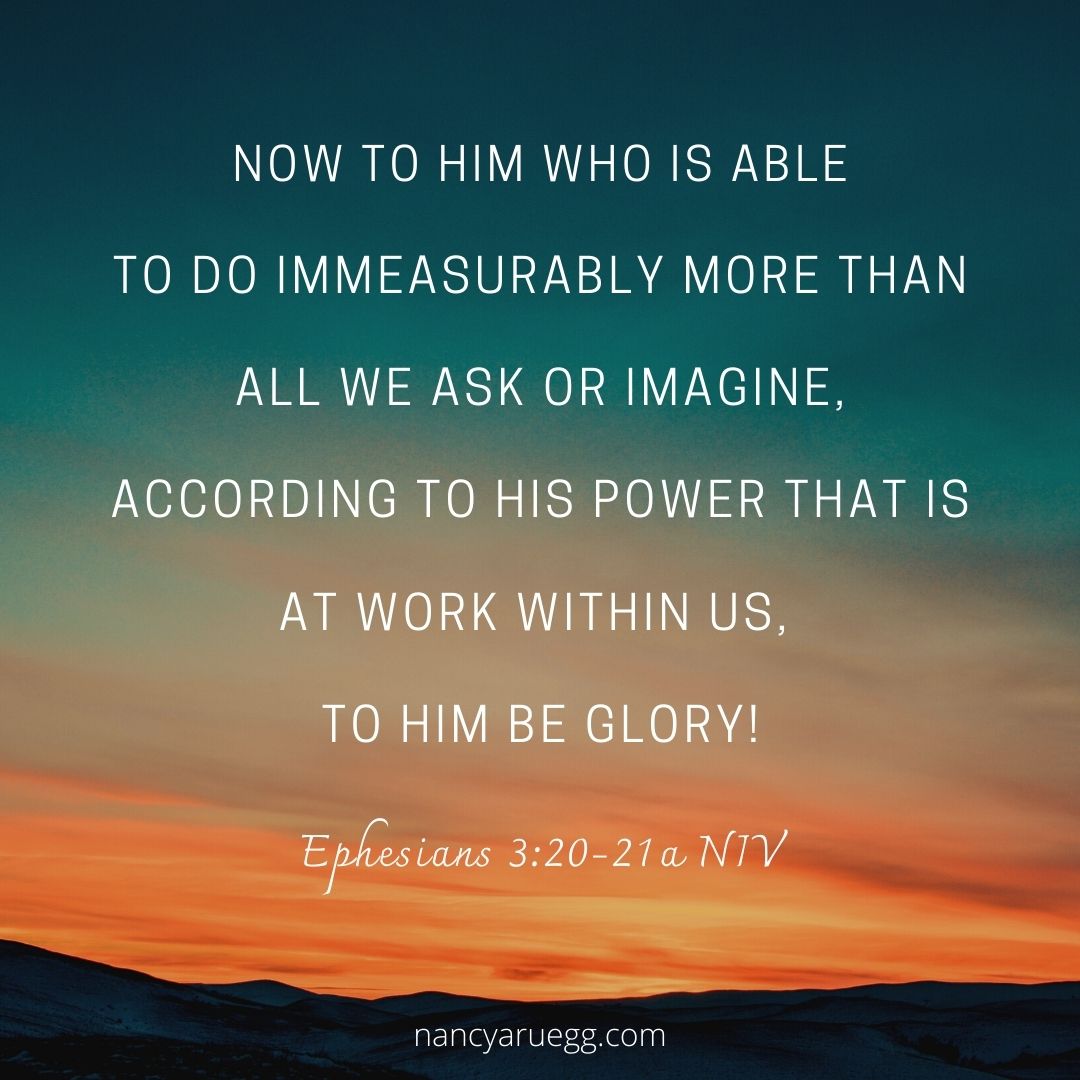
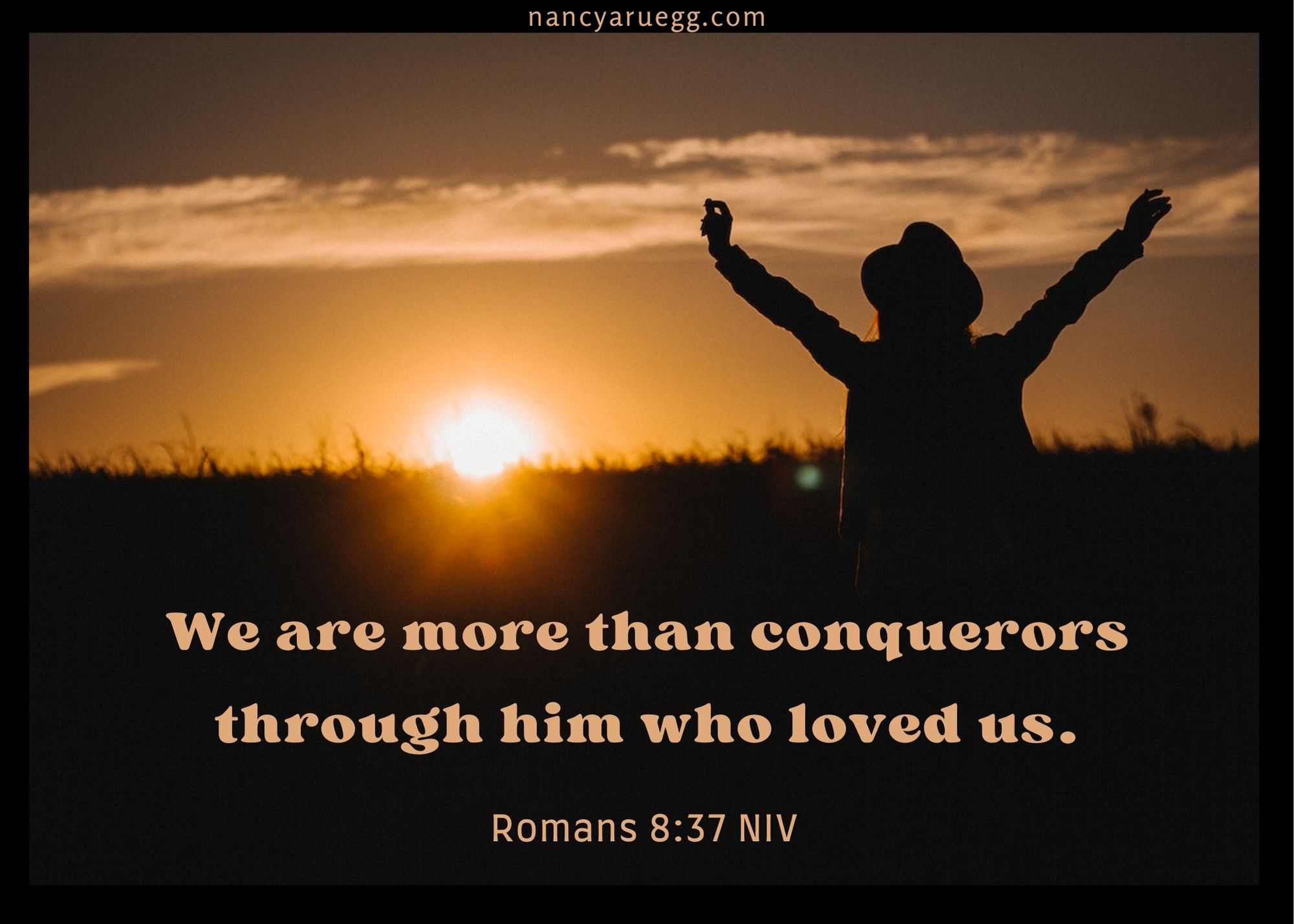
These actions are recommended by the One who designed us, God himself, because of the blessings he’s built into them. He would have us:  always rejoicing, always praying, and always giving thanks [1].

You might say, “I’ve experienced the delight of rejoicing in God’s goodness, and gratitude to him does uplift my spirit, but prayer? That seems more discipline than delight. Besides, how can we pray continually and keep up with the responsibilities of life?”

We’ll address the delights of prayer near the end of this post. As for praying always, we can relax. That’s not what God desires.

Continual prayer is more about an abiding attitude rather than an all-consuming pursuit–an attitude that includes:

  • Faith, believing God exists and rewards those who seek him.
  • Humility, as we acknowledge our dependence upon him for everything.
  • Honesty, knowing that God is near to those who call to him with integrity.
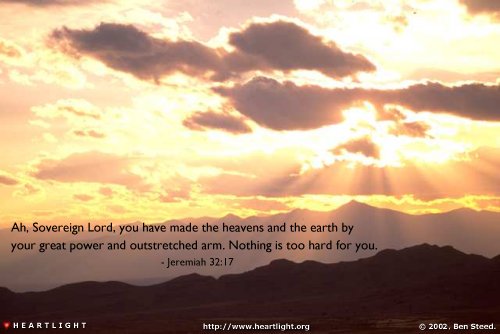
  • Expectancy, because he can do all things and is generous with his gifts [2].

Continual prayer is also about an abiding awareness of God’s presence and communicating with him throughout the day. For example, we can offer sentence prayers such as these:

  • Thank you, Lord, for your strength; you will see me through today’s tight schedule.
  • Grant your wisdom for this decision, Father.
  • That woman over there reminds me of Tiffany. Bless Tiff, I pray; fill her with your joy and peace in spite of the challenges she currently faces.
  • Thank you for quieting my nerves during the presentation this afternoon.
  • What beautiful clouds you made today, Lord! I marvel at your artistry.
  • Oh God, forgive me for getting so upset with that rude driver. Calm the anger within me.
  • Such disturbing news heard just now. I pray against the forces of evil that cause such suffering. I pray that your right hand, majestic in power, will shatter the enemy at work in this situation [3]!

We’d do well to remember:

Edge your days with prayer;

they are less likely to unravel.

Unknown

Third, continual prayer is about persistence. When prayers go unanswered, Hannah of the Bible provides an example for us. “She pressed in ever closer, filling the space of her wait with prayer” [4].

I love that: “filling the space of her wait with prayer.” We too can experience delightful, calming confidence in God while persisting in prayer through the wait.

The great preacher, Charles Spurgeon (1834-1892), had this to say about continual prayer:

To pray continually takes effort; it’s easy to let distractions interfere. That in turn leads to such adverse effects as frustration, irritation, a lack of peace, confusion, a short temper, weariness, and discouragement [5].

Oh, but what delights result when we maintain an attitude of prayer —in addition to our prayers answered! What follows is just a short list.

Communicating with God:

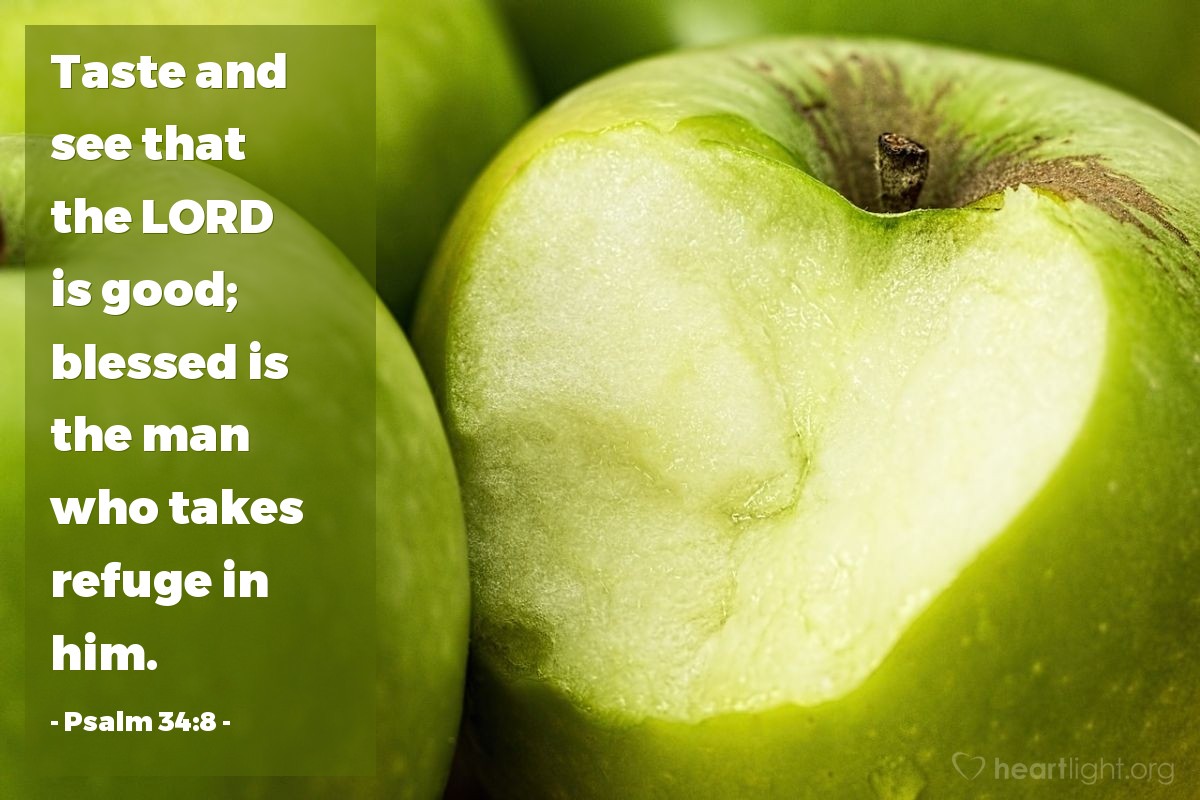
  • Helps us focus less on trivial matters and more on glorious realities [6]
  • Fosters peace [7]
  • Increases our trust in God, our reliance upon him [8] 
  • Allows us to participate in what God is doing around the world [9]
  • Helps us build a life-enhancing relationship with God [10]

Unceasing prayer can grow to be something we do

not because of discipline but because of friendship.

Desire. It’s where we’re headed,

if we’ll let Him take us there.

Sara Hagerty, Unseen, 227

Oh, yes Lord, that’s my desire, to experience the constant delight of communion with you, through continual prayer. Keep me mindful to pray my way through every day.


[1] 1 Thessalonians 5:16-18

[2] Hebrews 11:6; John 15:5; Psalm 145:18 HCSB; Matthew 19:26; Psalm 84:11

[3] Lamentations 3:22-23; Isaiah 41:10; James 1:5; Psalm 94:19; Job 5:9; Exodus 15:6

[4] 1 Samuel 1:1-20; Lysa Terkeurst, Embraced, 174.

[5] Ray Pritchard, https://www.preceptaustin.org/1_thessalonians_516_commentary .

[6] Sarah Young, Jesus Calling, 135.

[7] Philippians 4:6-7

[8] Jeremiah 17:7-8

[9] Matthew 6:9-10; Philippians 1:19 offers an example.

[10] Luke 11:9

Photo credits: http://www.dailyverses.net; http://www.heartlight.org; http://www.commons.wikimedia.org (2); http://www.heartlight.org.

Read Full Post »

Gunfire blasts and booming cannons surrounded Union Army Private, William Carney. His regiment’s objective: to capture Fort Wagner near Charleston, South, Carolina.

The 54th Regiment of Massachusetts at the Civil War battle for Ft. Wagner, July 18, 1863.

Jerking movement nearby caught Carney’s eye. The color guard had been shot. As the dying man fell, the U.S. flag he carried began billowing toward the ground. Carney scrambled to rescue the flag from desecration and took a bullet himself.

Carney continued to crawl toward the fort, holding the flag high and calling encouragement for his fellow soldiers to follow. He was hit at least three more times, but made it to the walls of Fort Wagner, planting the flag into the sandy soil and holding it upright “until his near-lifeless body was rescued” [1] .

Even then Carney refused to let go of the flag until he was returned to his regiment’s camp. His heroism that day inspired a vital victory for the Union Army.

W. H. Carney with the flag he carried that day.

Years later Carney explained his motivation for joining the Union cause: “I had a strong inclination to prepare myself for the ministry; but when the country called for all persons, I could best serve my God by serving my country and my oppressed brothers. The sequel is short – I enlisted for the war” [2] .

Yes, Carney had been an oppressed brother himself, born into slavery in 1840. But during the 1850s he arrived in Massachusetts, either through the Underground Railroad, or perhaps his father—already a freed slave—was able to purchase his son.

Either way, Carney began to enjoy the freedoms that Blacks of the South were denied—freedoms like traveling, assembling, learning to read and write, and receiving pay for work. He passionately desired other slaves to experience the same.

That God-given passion for his fellow man surely inspired Carney that day at Fort Wagner, to give the fight his all no matter what duty fell to him. And for his tenacity and courage, William Carney received the Medal of Honor in 1900. He was the first Black soldier to do so.

Someone might ask, how was William Carney able to stay so strong?

Undoubtedly his firm stance was the result of:

  • Strong attention toward his God
  • Strong determination to live by God’s ways
  • Strong faith in God’s promises, confident that whether he lived or died, all would be well

We too can stand firm in what we face by applying the same.

Strong attention toward God includes not allowing our emotions to control us. For example, sorrow, fear, and exhaustion will insist we can’t go on, but God tells us he gives strength to the weary and increases power for the weak [3] .

Strong attention toward God includes being in relationship with him, through prayer, Bible reading, worship, and more. We can’t expect to sense his peace and strengthening presence if we never spend time with him.

Security is not the absence of danger

but the presence of God

no matter what the danger.

Unknown

Strong determination to follow God means choosing to live by his truth. Scripture is full of examples of men and women shaped by their faith and obedience in God, becoming as strong as steel: Huldah, Jeremiah, Daniel, Mary (Mother of Jesus), Peter, and Paul are among them.

We see such Bible heroes as extraordinary, but I’m sure they’d tell us they were just ordinary people who trusted in their extra-ordinary God.

Strong faith in God’s promises means we can hold on to hope with confidence and courage.

I wonder if scripture-promises echoed in William Carney’s mind as he held that flag high and emboldened his comrades–promises such as these?


  • “The Lord gives strength to his people; the Lord blesses his people with peace” (Psalm 29:11).
  • “With your help I can advance against a troop; with my God I can scale a wall. It is God who arms me with strength and makes my way perfect” (2 Samuel 22:30, 33).
  • “If I live, it will be for Christ, and if I die, I will gain even more.” (Philippians 1:21 CEV).

You and I may never fight in battle, but these same promises can echo in our minds as we confront such enemies of our souls as discouragement, anxiety, stress, guilt, and temptation.

Like William Carney WE can stand steadfast and strong [4] .

What helps you to stand strong? Please share your experience in the comment section!


[1]https://www.army.mil/article/181896/meet_sgt_william_carney_the_first_african_american_medal_of_honor_recipient

[2] https://www.nps.gov/articles/william-h-carney.htm

[3] Isaiah 40:29

[4] 1 Corinthians 15:58

Photo credits: http://www.picryl.com (2); http://www.nypl.getarchive.net; http://www.dir.es/album/hiking-in-wales-2019; http://www.wallpaperflare.com.

Read Full Post »

No matter how many sunrises a person might witness over a lifetime, who could tire of the majestic spectacle, with its mesmerizing shades of lavender, scarlet, apricot, and golden yellow—all aglow with the backlight of the sun, and each dawn different than all those before.

I’m filled with wonder as the morning sky begins to fill with light and “the heavens proclaim the glory of God. The skies display his craftsmanship”[1].  He is the supreme Artist.

My favorite sunrise-displays are those when clouds are positioned just right to create magnificent gleaming rays reaching into infinity.

Perhaps God inspired the prophet Malachi with just such a sunrise as he wrote: “The Sun of Righteousness [our Messiah] will rise with healing in his wings for you people who fear my name”[2].

Wings refers to sunbeams, bringing to mind the unending healing of God’s forgiveness, available to all who put their trust in Jesus. He provides for us the dawning of a new day as we choose to move out of darkness and into his marvelous light [3].

Sunrise is also God’s daily reminder that his faithfulness is great and his mercies begin anew each morning . Perhaps he wanted us to understand that his faithfulness to us is as certain and consistent as the sunrise, yet full of surprise and creativity as well [4].

The dawn brings hope, reminding us that:

  • Just as the sun is bigger than any planet in our solar system, so God is bigger than any challenge we might face.
  • Just as the sun always shines whether in full view or behind clouds, God is always with us whether we sense his presence or not.
  • Just as the sun never fails to rise, so the Son will never fail to rise, bringing the light of his salvation, truth, and wisdom.
  • Yesterday’s disappointments and failures are past; a new day with fresh blessings and possibilities has dawned [5]!

In addition to hope, fresh joy comes with the morning light.

But to see the dawn and experience its pleasure, a person must look at the sunrise. If we’re going to see joy and experience its pleasure, we must look to the Son, the source of joy [6]. Then, each day becomes an opportunity to live in wild, blissful amazement of God.

When you do witness a glorious sunrise doesn’t it make you smile—if not on your face, then in your spirit? We can augment that joy with gratitude—not just for a breath-taking dawn, of course, but for all the beautiful, remarkable, and pleasurable things God generously bestows.

Author Roman Payne wrote in celebration of the sun: “O, Sunlight! The most precious gold to be found on Earth!” And surely we’d agree, a golden sunrise especially proves his point.

But just such a sunrise might better serve as a reminder to celebrate the Son:

O SonLight, more precious than all the gold to be found on Earth!

*     *     *     *     *     *     *     *     *     *

I praise you, God the Father, Son, and Holy Spirit, for your light that is brighter than the brilliance of a sunrise! You are the source of all blessing, the brightness of our days, and our guiding Light to show the way. Without you, life is like twilight with dark night ahead. But with you, it is the dawn of morning with the light and warmth of a full day ahead.

(Psalm 84:11 PTP; James 1:19; 2 Samuel 22:29; Psalm 119:105;

last sentence based on Philip Schaff quote.)


[1] Psalm 19:1 NLT

[2] Malachi 4:2a

[3] 1 Peter 2:9

[4] Lamentations 3:23, and an idea inspired by Eugene Peterson, Run with the Horses, pp. 115-116.

[5] Philippians 4:13; Psalm 23:4; 27:1; 119:105, 130; Ecclesiastes 2:13

[6] John 15:11

Photo credits: http://www.pixabay.com; http://www.peakpix.com; http://www.canva.com (2); http://www.rawpixel.com.; http://www.peakpix.com.

Read Full Post »

Recently I’ve been listening to Christian comedians on YouTube while exercising. They help distract me during this most distasteful half-hour of each day.

The best part of exercise: when it’s over.

So far I can recommend the humor of Tim Hawkins, Jim Davis, Kenn Kington, and Ted Cunningham to keep one entertained.

However, be forewarned: it’s impossible to do crunches while laughing.

Here’s a sample of Kenn Kington. Start the video, start crunching, and you’ll see what I mean.

https://www.youtube.com/watch?v=3YZ8tAbI5fw

No doubt you’ve heard some of the benefits of laughter that researchers have identified, including:

  • Decreased tension
  • Lowered blood pressure
  • Improved immune system
  • Increased feel-good endorphins
  • Renewed energy [1]

Laughter is good medicine, just as God inspired King Solomon to write eons ago (Proverbs 17:22). It also produces healthy servings of joy into our spirits.

But laughter isn’t the only action that produces health benefits and joy. So do gratitude and praise.

According to the Mayo Clinic, gratitude:

  • Decreases depression
  • Lessens worry
  • Improves sleep
  • Enhances immunity
  • Reduces chronic pain [2]

The ability to express gratitude and praise is a gift from God, intended to accomplish much good for mind, body, and spirit.

So what might we give thanks and praise to God for today?

A quick perusal of my gratitude journal provides the following possibilities that anyone can embrace:

  • Watching children on a playground, running, climbing, sliding, and whooping with glee—and finding my own glee expanded
  • Tackling a challenging project and reveling in the moment when it’s finally complete
  • Partaking a delicious meal with family and/or friends, enhanced by caring conversation, shared memories, and of course, laughter!
  • Marveling at the masterpieces of nature: the wings of a butterfly, the camouflage of a deer, the leap-and-grab abilities of a squirrel
  • Delighting in a bargain purchase that God surely provided (James 1:17)

Both of these practices, laughter and gratitude, will take us only so far into health and joy without one all-important element: faith.

When Paul wrote from prison to his dear friends at Philippi, he hoped to be released and visit them soon. His heart’s desire was to contribute further to their spiritual growth and to their joy in the faith (Philippians 1:25), considering its numerous benefits.

Which come first to your mind? See if your thoughts correspond with a few of these blessings:

  • God’s unfailing grace, compassion, and love
  • His inexplicable peace, comforting presence, and absolute strength
  • The wisdom of his Word to guide us through every situation
  • God’s promises that offer hope
  • His help that sometimes manifests itself in a surprising God-incident
  • His encouragement at unexpected moments through unexpected sources
  • The undeserved gift of eternal life yet to come

Researchers have verified that faith in God also provides physical benefits, including:

  • Reduced stress
  • Lowered blood pressure
  • Enhanced mental health
  • Improved emotional health
  • Decreased depression [3]

It stands to reason, the stronger our faith in a God–who provides so much–the greater our contentment.

And when enthusiastic laughter, heartfelt gratitude, and praise-charged faith are part of every day, we’ll find ourselves overflowing with a sense of well-being and joy—an overflow that also impacts others.


[1] https://www.helpguide.org/articles/mental-health/laughter-is-the-best-medicine.htm.

[2] https://www.mayoclinichealthsystem.org/hometown-health/speaking-of-health/can-expressing-gratitude-improve-health#:~:text=Expressing%20gratitude%20is%20associated%20with,pain%20and%20risk%20of%20disease.

[3]https://www.bethesdagardensloveland.com/blog/the-health-benefits-of-faith#:~:text=The%20health%20benefits%20of%20faith%20have%20been%20a%20hot%20topic,reduced%20dependency%20on%20addictive%20substances and https://relevantmagazine.com/life5/surprising-links-between-faith-and-health/ and https://www.christiantoday.com/article/believing.in.god.is.good.for.your.health/27902.htm.

Photo credits: http://www.rawpixels.net; Nancy Ruegg; http://www.canva.com; http://www.heartlight.org; http://www.pexels.com (Sidney Lima); http://www.canva.com.

Read Full Post »

Erin has prayed for years that her estranged son would come home.

Tricia can’t seem to shake a gray cloud of despondency, ever since her fiancé broke off their engagement.

Jack worked many extra hours to qualify for a prized promotion, but the boss’s unpleasant nephew was awarded the position instead.

Stacie has faced the loss of one job and a stressful transition to another.

Kate goes through the motions at church and even continues with her quiet time. But God seems to have distanced himself. She hasn’t sensed his presence for weeks.

Such circumstances can cause a downward spiral in our spirits, as debilitating emotions like frustration, anger, worry, and depression threaten to move in and take over. If we feed these emotions with negative thoughts, our faith in God begins to falter, and the devil’s lies begin to sound like truth:

  • So much time has passed; God is never going to answer your prayer.
  • Since bad things keep happening, it’s obvious God has abandoned you.
  • God doesn’t care about your life. Otherwise, why would he allow you to fail?
  • They say God offers love, peace, and joy, but none of it’s coming your way.
  • It looks like God’s forsaken you and to make matters worse, you don’t even know why.

Is it possible to fight against such feelings and fortify our faith? Oh, yes!

Our fight begins with truth—straight from God’s Word. We have to choose facts over feelings—just like a pilot does, as he flies through miles of thick clouds. In order to stay on course, he can’t trust what he feels is proper speed, direction, and altitude; he has to rely on the facts presented by his instruments.

So what scriptural truths might help us maintain our spiritual equilibrium? There are dozens, perhaps hundreds of passages that address our various needs with pinpoint perfection.

Other scriptures provide broad-sweeping truths that cover almost any situation. One example:

If we read the Bible with the intent of finding applicable truth for our circumstances, we won’t be disappointed.

“Such things were written in the Scriptures long ago to teach us.  And the Scriptures give us hope and encouragement as we wait patiently for God’s promises to be fulfilled.”

Romans 15:4 NLT

Now the question becomes: Will we take God at his word and act upon it?

Hebrews 11 gives us a lineup of faith-stars who did just that–based their actions on faith, not feelings.

By faith Noah built an ark (v. 7).   He didn’t allow feelings of inadequacy to stop him.

By faith Abraham left home with no notion of where he was going (v. 8). He didn’t allow fear of the unknown to deter him from following God’s direction.

By faith, the parents of Baby Moses hid him from Pharaoh. They didn’t allow fear of punishment to stop them. “They were not afraid of the king’s edict” (v. 23).

By faith the people of Israel marched around Jericho, even though it must have seemed a strange tactic (v. 30).

Bottom line: Faith is the exercise of our minds, based on the stable truth of God’s Word, in spite of what we might feel. Emotions are just the unreliable, fluctuating condition of our minds. [1]

On the other hand, God doesn’t ask us to ignore our feelings. Job, David, and the prophets honestly expressed frustration, fear, disappointment, and discouragement. But! They didn’t allow their emotions to cripple them. [2]

Also worth noting:  None of these faithful people were perfect, yet God honored their faith.  He doesn’t need perfect people to accomplish his purpose, just willing and faithful ones.

*     *     *     *     *     *     *     *     *     *

Forgive me, Lord, for allowing feelings to impact my faith. Help me to fit every thought. emotion, and impulse into the structure of a Christ-shaped life.  

Thank you for listening and offering encouragement as I confess my feelings.  You even supply strength, peace, and hope.  

And finally, I praise you that you preserve the faithful. I am secure in you.  In fact, you, my all-powerful God, are security itself.

2 Corinthians 10:5, MSG; Psalm 10:17; Psalm 29:11; Psalm 31:23; Proverbs 18:10

Notes:

[1]  J. Clarke, http://www.writtentreasures.org

[2] See Psalm 13 for a worthy example.

Art & photo credits: http://www.pexels.com (Liza Summer); http://www.pexels.com (Karolina Grabowska); http://www.pxfuel.com; http://www.publicdomainpictures.net (George Hodan); http://www.publicdomainpictures.net (2); http://www.wikimedia.org; http://www.dailyverses.net.

(Revised and reblogged from February 9, 2015 while we enjoy a visit from our younger son.)

Read Full Post »

Where might Jesus have spent his first afternoon after the resurrection? With his disciples or family? That would make sense.

But Jesus chose instead to take a solitary walk–on the road from Jerusalem to Emmaus–and happened upon Cleopas and an unnamed believer.

They didn’t recognize him; God chose to hide his Son’s identity from them. Almost immediately they began to talk about recent events in Jerusalem: Jesus’ death and resurrection.

The companions explained what they knew and expressed their disappointment in the outcome.

“We thought he’d rescue us from Roman rule and establish the kingdom of God he always talked about,” they confessed. “This morning some women and a few disciples went to his tomb and it was empty, but as far as we know, no one has actually seen him.”

Jesus chided them for focusing solely on the prophecies that presented a reigning Messiah who would overtake Israel’s enemies. He started expounding on other scriptures that foretold a suffering Messiah, who’d come to bear the penalty for humanity’s sins.

And as Jesus spoke, their spiritual eyes were opened to see how each prophecy had been fulfilled in Jesus Christ [1].

What scriptures did he share? The Bible doesn’t tell us. But perhaps Jesus included such examples as these:

1.“They conspire against me and plot to take my life” (Psalm 31:13b).

Fulfillment: “Then the Pharisees went out and began to plot with the Herodians how they might kill Jesus” (Mark 3:6).

2. “And the Lord said to me, ‘Throw it to the potter’—the handsome price at which they valued me! So I took the thirty pieces of silver and threw them to the potter at the house of the Lord” (Zechariah 11:13).

Fulfillment: Judas was paid thirty pieces of silver to betray Jesus. When he returned it out of remorse, the chief priests used the money to buy a potter’s field as a burial place for foreigners (Matthew 26:14-16; 27:6-10).

3.  “Dogs surround me, a pack of villains encircle me; they pierce my hands and my feet” (Psalm 22:16).

Fulfillment: Jesus was crucified, his hands and feet nailed to a cross (Matthew 27:35).

4. “They divide my clothes among them and cast lots for my garment” (Psalm 22:18).

Fulfillment: “When the soldiers crucified Jesus, they took his clothes, dividing them into four shares, one for each of them, with the undergarment remaining. This garment was seamless, woven in one piece from top to bottom.

“‘Let’s not tear it,’ they said to one another. ‘Let’s decide by lot who will get it.’” (John 19:23-24).

5. “All who see me mock me; they hurl insults, shaking their heads” (Psalm 22:7).

Fulfillment: Passersby, Romans soldiers, chief priests, teachers of the law, elders, and even those crucified with him all mocked Jesus (Matthew 27:27-31, 39-44).

6. “They . . . gave me vinegar for my thirst” (Psalm 69:21).

Fulfillment: Jesus said, “I am thirsty.” They dipped a sponge in wine vinegar, put the sponge on a stalk, and lifted it to Jesus’ lips (John 19:28-29).

Of course, the hour or two Jesus discussed prophecies with Cleopas and his companion wasn’t nearly enough time to cover them all. The Old Testament contains over 300 passages about him, revealing at least 48 details about his life, death, and resurrection [2].

But the evidence the men heard was enough to prompt this passionate response: “Didn’t our hearts burn within us as he talked with us on the road and explained the Scriptures to us” [3]?

Some have called their reaction holy heartburn!

Have you too felt your heart strangely warmed [4]?

As I’ve reviewed just these six prophecies listed above, my heart responded with the warm glow of wonder and worship. Only God could weave together so many precise circumstances into one Life—a Life that has defeated death for all who believe in him!

May such truths create a fire of devotion within us—holy heartburn that will warm and delight forever!


[1] Luke 24:13-32

[2] A recommended resource for more thorough study: The Moody Handbook of Messianic Prophecy, edited by Michael Reidelnik and Edwin Blum.

[3] Luke 24:32 NIV

[4] That was the description evangelist and theologian John Wesley gave of his spiritual encounter with Jesus (https://www.christianity.com/church/church-history/timeline/1701-1800/john-wesleys-heart-strangely-warmed-11630227.html).

Art & photo credits: “The Pilgrims of Emmaus on the Road,” by James Tissot, Brooklyn Museum; http://www.freebibleimages.org (4).

Read Full Post »

“Forgive me, Mr. Ruskin, but I cannot give myself to painting the way you desire and continue to keep God at the center of my life.” Lilias Trotter looked imploringly into her tutor’s eyes.

After three years of instruction from John Ruskin, the well-known artist, author, and art critic, twenty-five-year-old Lilias had prayerfully made the difficult choice. She would forego the opportunity to become “the greatest living painter in England” (as Ruskin predicted she would be) [1], and devote more time to her mission work.

(Self-portrait of John Ruskin)

“Ah, my dear Lilias, he sighed. “I was afraid our efforts would come to this. Goodness knows how many times I’ve complained that you needed to spend more time with your brushes and less time with the women of ill-repute around Victoria Station. However, I do admire your dedication, and regretfully wish you well.”

From this crossroads, a new path began to open before Lilias Trotter.

For a while she continued her work with women at the lowest rung of society, bringing them to the newly-established YWCA for training in various employable skills and introducing them to Jesus.

But in 1887 Lilias found her heart drawn to Algeria, after hearing a plea for more missionaries to the region. She applied to the North African Mission board but was denied because of her frail health.

(Algiers, Algeria circa 1880)

Undeterred, Lilias and two friends chose to go on their own. A generous endowment from her wealthy father (upon his death in 1865) provided the financial support necessary.

The three women settled in the French Quarter of Algiers and immediately began learning the Arabic language and Muslim culture. Because of the male-dominated society, they chose to engage women and children.

(watercolor sketches from Lilias’ journals)

Lilias put her artistic abilities to work creating leaflets. The charming illustrations drew attention to the spiritual truths she wrote. Her inspiration came from the hours she spent in Bible study, meditation, and prayer.

But inroads into Algerian society didn’t come easily. Nearly everyone was suspicious of them. They were women after all, European and Christian. Opposition came from the French authorities as well as Muslim leaders. Lilias wrote in one of her journals that she and her friends felt like they were knocking their heads against stone walls [2].

In addition, the Muslim women were difficult to reach since they were seldom allowed in public. But after several years one woman accepted Jesus into her life. Sometime later another woman and then another expressed their faith, until they could count their little band of believers on two hands.

Lilias also traveled into Morocco on the west and Tunisia on the west, into the far regions of the Sahara Desert where no European woman had been before. There too she sought out the isolated Arab women as well as the Sufi mystics who resided in the desert.

Lilias shared her pamphlets and booklets that included depictions of Arab life, always praying that her writings and drawings would help these Muslims understand who Jesus is and why he came.

Of course, persecution came to those who chose Jesus. Two of the new Arab Christians were slowly poisoned to death, others were drugged, and still more were punished in additional ways.

After twenty years of struggle, the missionaries still had little to show for their effort. And yet Lilias wrote:

I am full of hope that when God delays in fulfilling our little thoughts, it is to leave Himself room to work out His great ones. And, more and more as time goes on, I feel that the longer He waits the more we can expect, . . . and the greater will be the band of those who will come forth free from their prison walls. When one gets hold of that vision, one can throw back in the devil’s face his taunts over the seemingly wasted years that lie behind us.

Lilias Trotter

Perhaps even more productive than her conversations with people was the impact of her writings. Lilias’ appealing parables, “creatively illustrated in Eastern style” were widely circulated [3].

She felt confident that the Arabs would more seriously consider written material in the privacy of their homes, than in public conversation where opposition was likely. With her knowledge of the culture, language, and arguments of challengers, she was perfectly-suited for the task of producing these materials.

Lilias returned to Europe a number of times because of her health, each time in dire need of rest as well as relief from Africa’s oppressive heat. But Lilias often used these trips to garner interest and support for the organization she founded: the Algerian Mission Band.

A number of people responded, joining Lilias in her work. However she never asked for financial backing. “God’s wealth is boundless,” she said [4].

For forty years Lilias Trotter lived out her passion for the Algerian people. Before her death in 1928, she’d established twelve mission stations. And instead of three workers, a team of thirty had joined them, bringing the joy-filled, abundant life of Christ to the Muslims of Algeria [5].


Notes:

[1] https://ililiastrotter.wordpress.com/about/

[2] https://ishshahsstory.com/2016/08/10/celebrating-lilias-trotter-of-algeria/

[3] https://www.imb.org/2019/06/12/missionaries-you-should-know-lilias-trotter/

[4] https://thiseternalmoment.com/the-life-and-legacy-of-lilias-trotter/

[5] https://pioneers.org/2021/03/15/the-legacy-of-lilias-trotter

Other sources:

https://www.christiantoday.com/article/lilias.trotter.talented.artist.dedicated.missionary/139139.htm

https://liliastrotter.com/about/

Photos of Lilias Trotter and her paintings as well as John Ruskin’s self-portrait, courtesy of Lilias Trotter Legacy at http://www.liliastrotter.com and their Facebook page. Street scene of Algiers: http://www.commons.wikimedia.org.

Read Full Post »

“Living well [the Christian life] is both a discipline and an art,” wrote Sarah Young [1] .

The discipline-part was easy enough to affirm. From experience I know: spiritual practices do enhance the joy of relationship with my Heavenly Father—behaviors like Bible study, prayer, worship, giving, and more.

But what might the art of Christian living look like? For me that was more difficult to qualify.

I turned my thoughts to artists themselves. What actions impel them toward creating art that produces beauty and meaning, and pleases the eye?

(One of our son’s recent paintings)

That question spawned another. What might I learn about producing beauty and meaning in my life that pleases God and my soul?

The following truths presented themselves:

Artists are observant, paying attention to detail. They’re constantly learning; delighting in discovery.

Imagine studying a blade of grass. Take note of the rich green color and subtle striping, its graceful curve downward and sharp, pale-yellow point. Add crystal dew drops and the sight is indeed beautiful and pleasing.

“The moment one gives close attention to anything, even a blade of grass, it becomes a mysterious, awesome, indescribably magnificent world in itself”.

Henry Miller

But how often do we barrel through our days with no attentiveness, no reflection, no listening to God’s voice? In the middle of the bustling, niggling, babbling pother we miss God’s presence and other glorious gifts [2].

Lesson #1: The art of living well includes attentiveness to God’s beauty—in creation, in people, in words and deeds, in everything.

Artists spend time with inspiring people, including other artists.

And who is more inspiring than God?! He invites us to concentrate on staying close to him, the divine Artist [3].

Just think: God wants to spend quality time with us. He looks forward to our time together and misses us when we don’t show up. Quiet time isn’t meant to be a ritual; it’s meant to be a relationship [4].

Lesson #2: The art of living well includes the great privilege and pleasure of keeping company with God.

Artists are deep thinkers and curious about truth.

While the subject matter of the masterpiece, The Girl with a Pearl Earring is obvious enough for a child to understand, it will not yield its astonishing riches except to those who study the painting and reflect on Vermeer’s attention to light, shade, balance, color, and even the brush strokes. (Only two strokes created the pearl.)

The same is true for those of us who seek truth from God’s Word. Its basic message is clear enough for a child to understand [5]. But it will not yield its astonishing riches unless we study and reflect on its teachings (Proverbs 4:20-22).

Lesson #3: Open the treasury of the Bible and delight in its magnificent contents. 

Artists are persistent and patient.

It took Georges Seurat two years to paint A Sunday on Le Grande Jatte—with tiny dots.

Leonardo da Vinci spent about four years to get the Mona Lisa just right.

Michelangelo lay on his back the better part of five years to create the 343 figures on the ceiling of the Sistine Chapel.

Consider: “Even God does not make a glorious sunset in a moment. For several days He gathers the mist with which to build His beautiful palaces in the western sky”[6].

Lesson #4: Take joy in process and progress; stay the course and proceed steadily in the way God reveals (Psalm 119:1 MSG).

Artist, Robert Henri (1865-1929) observed:

“The object isn’t to make art, it’s to be in that wonderful state which makes art inevitable.”

Robert Henri

Such an applicable statement to the art of living well as a Christian! Our object isn’t to perform for God as much as it is to know him, love him, and desire to honor him–which makes a beautiful, God-honoring life inevitable.    


[1] Sarah Young, Jesus Calling, 193.

[2] Leslie William, Night Wrestling, quoted in Refresh My Heart, compiled by Terri Gibbs, 124.

[3] Ibid.

[4] Joanna Weaver, Having a Mary Heart in a Martha World, 73.

[5] Jesus took the punishment we deserved for our wrongful behavior. When we confess our sins, believe in Jesus as our Savior, and accept him into our lives as Lord, he bestows many blessings now, and eternal life in heaven with him to come. Millions of children have responded with simple faith to these wonderful truths. I was one of them.

[6] L. B. Cowman, Streams in the Desert, p. 206.

Art & photo credits: J. Eric Ruegg; http://www.wikimedia.commons.org; http://www.publicdomainpictures.net; http://www.hippopx.com; http://www.wikimedia.commons.org (2); http://www.canva.com.

Read Full Post »

“Can I come watch with you, Papa? There’s no school tomorrow.”

Papa nodded and motioned with his left hand for her to join him on the front porch. His right hand remained on the rifle across his lap. “Come on, Sugar. But you sit light, y’hear? Be ready. ‘Member what I told you?”

“Yessir. I’m to run inside but shut the door easy, and tell everybody to skedaddle to the creek, and run.”

“That’s my girl. No KKK Klan is going to mess with us, right? Now, recite for me Psalm 23 soft and slow. Such beautiful words and promises!”

Six-year-old Rosa settled herself in the rocker next to her grandfather, confident he would keep the family safe through the night. She began to recite the favorite psalm.

Violence never came to the McCauley home in Pine Level, Alabama, but throughout her growing up years there and then in Montgomery, Rosa endured the burden of racial injustice against blacks, including different (and deficient) schools and libraries, separate restaurants and water fountains.

One time a white boy shoved Rosa hard from behind. She was expected to endure such abuse without retaliation, but Rosa shoved back. The boy’s mother witnessed the incident and bellowed, “Who do you think you are?”

Rosa courageously replied, “I won’t be pushed around by your son or anyone else.” Then, in spite of her pounding heart, Rosa calmly turned and walked away. The mother let the matter lie.[1]

In 1932 at age nineteen, Rosa married Raymond Parks. He was an activist-member of the NAACP, the National Association for the Advancement of Colored People. A decade later, Rosa’s growing frustration with the status quo led her to join also. She eagerly learned about civil disobedience and served as secretary to the local and then state organization.

(NAACP Meeting in Montgomery, about 1947)

Along with many blacks in the South, Rosa suffered daily humiliation on the city bus, as she rode to and from work. Black passengers were required to pay their fare at the front, then get off and re-enter the bus through the back to sit in the rear. If the bus became crowded, black people had to give their seats to whites.

But on December 1, 1955, Rosa refused to relinquish her seat—not because she was physically exhausted, as some have said. No, she was tired of mistreatment because of the color of her skin.

Enough was enough.

“When that white driver waved his hand and ordered us up and out of our seats,” she later recalled, “I felt a determination cover my body like a quilt on a winter night.[2]

“God’s peace flooded my soul, and my fear melted away. All people were equal in the eyes of God, and I was going to live like the free person God created me to be. I refused to move.”[3]

Instantly Rosa felt infused with God’s strength. Police arrested her, put her in jail, and charged a $14 fine, but she remained composed through the ordeal. They released Rosa that evening.

As news of her arrest spread, more people—black and white—began to express indignation over the evil of segregation. Leaders in the NAACP decided to establish a boycott of the Montgomery bus company until the law was changed.

Supporters knew they would need God’s wisdom, strength, and perseverance. A prayer meeting was scheduled, and a young minister addressed the crowd: Martin Luther King, Jr.

“We must protest the law of the land because it violates God’s law,” he said. “But violence is not the answer. It is our duty to protest segregation, but we must do so with dignity and Christian love. Join me in praying that the radiant stars of love and brotherhood will soon shine over our great nation.”[4]

Boycott participants (which included blacks and whites) had to find alternate transportation. Many walked up to several miles to work and then home again. Churches helped to find rides for some. Others were given rides by coworkers—again, black and white.

Of course, opposition came quickly. False arrests, harassment, and even bombings occurred, yet the boycott continued. The bus company was losing thousands of dollars and began supporting integrated seating. City commissioners, however, would not back down.

Meanwhile, Rosa’s attorney, Fred D. Gray, took the case from Montgomery all the way to the Supreme Court. A year later, the regulation demanding black people to give up their bus seats to whites was declared unconstitutional.

That decision created a domino effect. If separation was wrong on buses, it was wrong in schools, restaurants, libraries, and elsewhere. Slowly and painfully, one segregation-law after another was abolished.

That pain would impact Raymond and Rosa. They had to leave Montgomery because of harassment and death threats. Rosa responded by spending long hours in prayer, after which “an intense calm swept over her.”[5]

The couple eventually settled in Detroit. From 1965-1988 Rosa worked for Michigan Congressman John Conyers. She remained active in the civil rights movement for sixty years and wrote several books.

Upon her death in 2005, then-Governor Bob Riley of Alabama said, “Rosa Parks will always be remembered as a courageous woman who quietly confronted injustice, and in so doing, changed a nation.”[6]

No doubt Rosa Parks would agree.


[1] https://www.christianity.com/church/church-history/church-history-for-kids/rosa-parks-and-the-bus-ride-that-changed-america-11635083.html

[2] https://www.journeywithjesus.net/Essays/20130401JJ.shtml

[3] https://canonjjohn.com/2021/10/23/heroes-of-the-faith-rosa-parks/

[4] https://www.christianity.com/church/church-history/church-history-for-kids/rosa-parks-and-the-bus-ride-that-changed-america-11635083.html

[5] https://www.journeywithjesus.net/Essays/20130401JJ.shtml, quoting from Jeanne Theoharis’ biography, The Rebellious Life of Mrs. Rosa Parks

[6] https://www.baptistpress.com/resource-library/news/civil-rights-pioneer-rosa-parks-dead-at-92-found-strength-in-scripture-church/

[7] Sinclair Ferguson quote from Grow in Grace, 33-34.

Other sources:

https://constitutioncenter.org/blog/rosa-parks-journey-as-a-civil-rights-icon

https://billofrightsinstitute.org/essays/rosa-parks-martin-luther-king-jr-and-the-montgomery-bus-boycott

Photo credits: http://www.flickr.com (Pat Henson); http://www.flickr.com; http://www.picryl.com; http://www.flickr.com; wwwflickr.com (Jim Forest); http://www.flickr.com; http://www.picryl.com; rawpixel.com.

Read Full Post »

Martin and Katherine Luther

In 1527, the plague approached Wittenberg, Germany, home of Martin and Katherine Luther. Some say it was this looming calamity that prompted Luther to write one of the great hymns of the church: “A Mighty Fortress Is Our God.” [1]

In fact, our congregation sang the ancient lyrics this past Sunday, although we were accompanied by keyboard, guitar, and drum—not organ. I was struck by the second line of the third verse:

“We will not fear, for God hath willed

His truth to triumph thro’ us.”

My mind wandered a bit. I wonder how many scriptural truths promise the result of triumph through us—verses like “My God will meet all your needs.”[2] There must be hundreds!

A bit of research revealed that Luther based his hymn on these scriptural truths from Psalm 46:

  • God is our refuge and strength, an ever-present help in trouble (v. 1)
  • We will not fear though the earth give way (v. 2)
  • The Lord Almighty is with us; God is our fortress (v. 7)

Even though Luther and his family stayed in Wittenberg to care for the sick and dying, he wouldn’t have expected God to spare him or family members from the plague. Luther knew God doesn’t always intervene; he never promised heaven on earth.

But Luther understood: with God as our spiritual refuge, we find the comfort, strength, and support we need through the darkest valleys (Psalm 23).

God will lead us to triumph and provide victory over fear.

Another confidence-building scripture is tucked into the book of Nahum: “The Lord is good, a refuge in times of trouble. He cares for those who trust in him” (1:7).

If we put our minds to it, every one of us can attest to the truth of those statements, because the Lord is good to all. [3]

Consider a few ways God demonstrates goodness to his people, and see if examples from your own life don’t come to mind.

  • He draws us to himself, gifting us with eternal life as we believe in his Son Jesus [4]
  • He provides mentors and experiences that grow our faith as well as blessings that increase our joy [5]
  • He attentively cares for us and spares us from grave errors in judgment as we obey him [6]
  • He bestows comfort and security during difficult times and augments the delight of happy times [7]
  • His Word guides us in perfect wisdom day by day, year after year [8]
  • He empowers us to accomplish tasks we never could have completed on our own [9]

“It’s important to rehearse the lovely, rich truths and promises that remain when other things change. Keep telling these truths, in all their many-sided glory, and one day, walls already cracked will crumble and fall.”

Jim McGuiggan [10]

Picture your fears cracking, crumbling, and falling in a heap in response to the weight of God’s truths.

That’s a picture of triumph!

“We will not fear, for God hath willed

His truth to triumph thro’ us.”

*     *     *     *     *     *     *     *    *     *

Thank you, Father, for Your gracious invitation to leave our concerns with you and free ourselves of anxiety. As I affirm your truth, you provide fortitude and peace.

One day, the father of lies who provokes all fears WILL be defeated. As Martin Luther wrote, “One little word shall fell him!”[11] We eagerly look forward to that day.

(1 Peter 5:7; Philippians 4:6-7; Romans 16:20; Philippians 3:20)

Addendum: Martin Luther and his family were all spared during the plague of 1527.


[1] No copies of this hymn have been found before this date, but a growing number after, leading various scholars to support this theory (https://www.challies.com/articles/hyms-stories-a-mighty-fortress-is-our-god/).

[2] Philippians 4:19

[3] Psalm 145:9

[4] John 6:44; 3:16

[5] Proverbs 12:15; 18:15; Psalm 4:7

[6] Psalm 27:10 HCSB; 37:23-24

[7] Isaiah 41:10; Psalm 16:11

[8] Psalm 32:8. However, I must confess to not always being receptive.

[9] Philippians 4:13

[10] Quoted by Beth Moore in Praying God’s Word, 138.

[11] From the last line of verse three, “A Mighty Fortress Is Our God”

Art & Photo Credits: http://www.worldhistory.org; http://www.pxhere.com; http://www.dailyverses.net; http://www.heartlight.org; http://www.dailyverses.net; http://www.flickr.com; http://www.canva.com.

Read Full Post »

« Newer Posts - Older Posts »

When the House is Quiet

Impressions Becoming Expressions

Mitch Teemley

The Power of Story

Still Traveling

Impressions Becoming Expressions

Living Our Days

Gaining a heart of wisdom

He Said What?!

I'm Patty, and my husband and I are living with our adult son who has autism and epilepsy. I love sharing lessons learned from life around me, especially life with Aaron.

Meditations of my Heart

Impressions Becoming Expressions

Linda Stoll

Impressions Becoming Expressions

Signora Sheila

Where faith meets la dolce vita

Heidi Viars

Finding the Image of God