Feeds:
Posts
Comments

Archive for the ‘God’s Protection’ Category

We’ve all known people who push themselves hard all day long until they fall into bed at night. Their lists and schedules make sure they use every minute to the fullest.

And though efficiency experts might be impressed by their productivity, it’s likely these ultra Type-A folks are harming themselves—physically, mentally, and spiritually.

The truth is, “Renewal and restoration are not luxuries, they are essentials. Being alone and resting for a while is not selfish; it is Christlike.” Even Jesus took time away to be with his Father [1].

Also important to understand: Rest is an attitude of the heart amidst the responsibilities of the day.  It’s not “some holy feeling that comes upon us in church. It is a state of calm rising from a heart deeply and firmly established in God” [2].

The restful life begins in trusting God, and he’s given us plenty of good reasons to do so:

 OUR GOD PERFORMS RIGHTEOUS DEEDS AND MIGHTY ACTS (Psalm 71:16-18)

OUR GOD HELPS IN NUMEROUS WAYS (Psalm 27:9)

He supplies our needs, guides our decisions, strengthens our spirits, and more.

In addition, his power is at work to help us “understand his love, live a life worthy of our calling, bear fruit in every good work, endure with patience, live a life of thanksgiving, escape the corruption caused by evil desires and overflow with hope” [3].

In other words, he helps us experience the God-enhanced life that truly satisfies our souls.

OUR GOD PROTECTS HIS PEOPLE (Psalm 3:8 CEV)
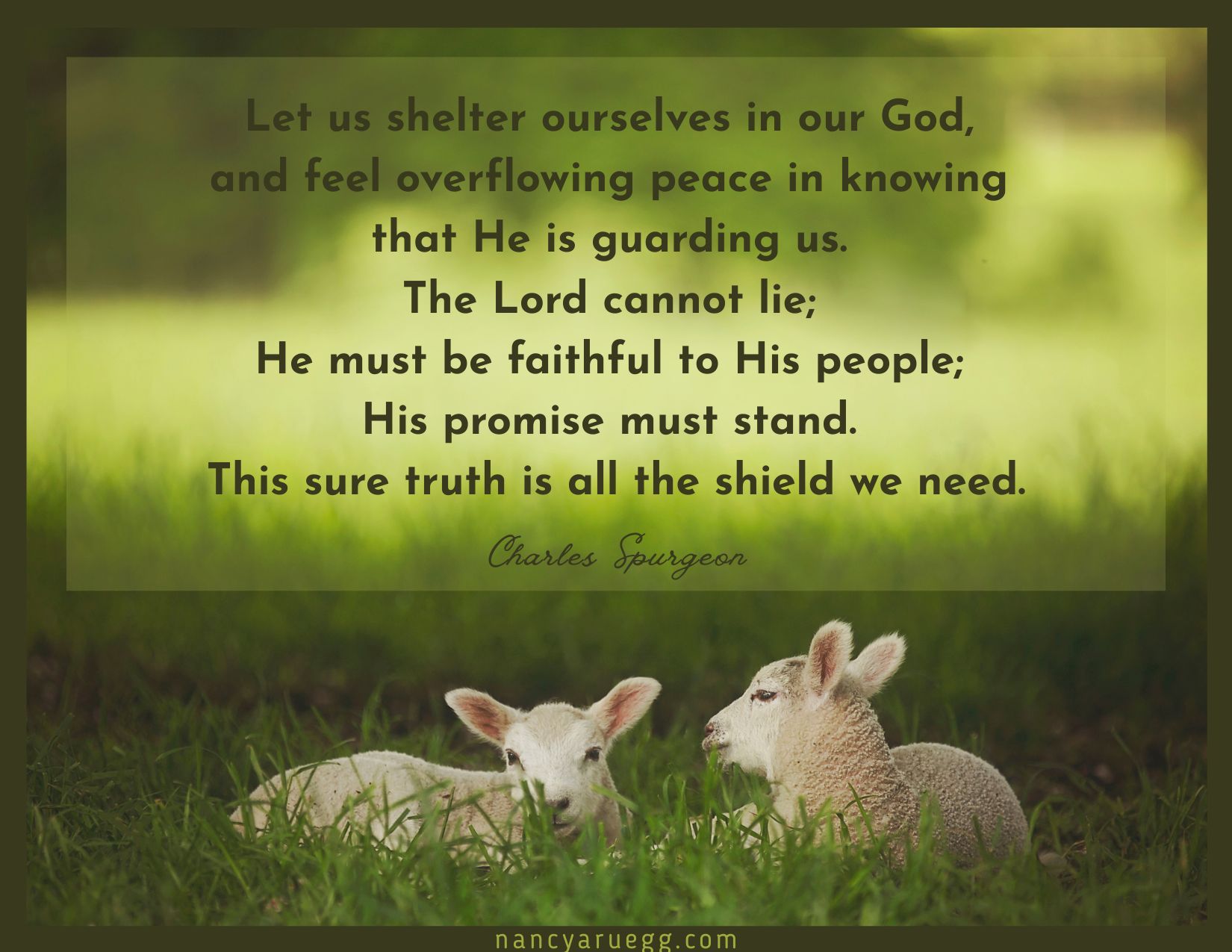
It’s not his way to protect us from all pain and trouble. Instead, he grants us stamina and strength of spirit to endure, growing us into maturity.

OUR GOD LAVISHES US WITH HIS LOVE (Psalm 86:13)

His compassionate care is expressed as “His wisdom is our direction, His knowledge, our instruction, His power, our protection, His justice, our surety, His love, our comfort, and His mercy, our solace. He holds back nothing from us” [4].

OUR GOD BESTOWS BLESSINGS, BENEFITS, AND GOODNESS (Psalm 103:1, 5)
OUR GOD FULFILLS HIS PROMISES (Psalm 145:13b)

But how can we be sure of that?

“The permanence of God’s character guarantees the fulfillment of his promises” [5].

OUR GOD ANSWERS WHEN WE CALL (Psalm 86:7)

To rest in spite of a “No” or “Wait” answer surely gives indication how well we trust.

These seven assurances of God’s influence in our lives certainly offer wonderful encouragement. But they won’t contribute to spiritual rest unless we “grasp them by faith, plead them by prayer, expect them by hope, and receive them by gratitude” [6].

*     *     *     *     *     *     *     *     *     *

O Lord, I bow before you in wonder that you, the God of the universe, with your infinite power and glory, would provide all these blessings and benefits for me.

Thank you for your gracious benevolence. Help me to REST in these truths, knowing that you have everything under control and you will see me through until I’m home with you.


[1] Chuck Swindoll, The Quest for Character, 49; Luke 6:12.

[2] Henry Drummond, quoted in Streams in the Desert, Jim Reiman, ed., 232.

[3] Melissa Krueger, The Envy of Eve, 104.

[4] Charles Spurgeon, Morning by Morning, 141.

[5] A. W. Pink, http://www.gracequotes.org.

Image credits: http://www.stackcake.com; http://www.canva.com (5).

Processing…
Success! You're on the list.

Read Full Post »

In May of 2019 archaeologists in central England discovered an ancient shield made of bark, dating back to the Iron Age. It’s the oldest shield ever found.

Some might think such a shield would offer little protection during battle. But experiments have proven the bark of such trees as alder and willow would have served well, providing an effective but lightweight shield, easy to maneuver [1]

Fast forward to today. Modern technology has made Israel’s Iron Dome possible. The system shields the country with exceptional radar protection–detecting, tracking, and destroying incoming enemy rockets, high in the sky before they can do any harm [2].

One of Israel’s missile launchers in action

Both shields impress—one for its age and unusual material; the other for its advanced technology and precision.

Scripture speaks of another shield, much older than the one found in England yet still available today, and even more impressive than Israel’s Iron Dome:

The Lord himself.

As we consider that truth, a few questions present themselves:

  • Why would God inspire that metaphor?
  • What does God want me to understand about him being my shield?
  • How might new understanding impact my life?

In researching and pondering the answers to those questions, I discovered that:

God is our shield because of his attributes.

His power shields us from ultimate ruin.

His wisdom shields us from foolishness.

His compassion shields us from emotional and spiritual wounds too deep to heal.

His righteousness shields us from the evil one.

His mercy and grace shield us from the punishment we deserve for our wrongdoing [3].

The list could go on.

God is also our shield because of his actions.

His shield offers:

  • Protection against our arch-enemy Satan and all his cohorts
  • Salvation, saving us from the condemning power of sin
  • Help in times of trouble
  • Faithfulness we can rely on, because of his covenant of love
  • Truth—like the promises of God’s Word that can protect us against discouragement and confusion
  • Favor in the form of lovingkindness, mercy, and grace [4]

God’s shield can cover every aspect of our lives, but . . .

 . . . we must each take up our shield.

God is a gentleman; he doesn’t force his protection, help, or favor upon us. We must come to him and choose to take refuge in him [5].

How? Through prayer.

We invite him to watch over us and protect us.

We affirm the promises and encouragement from his Word.

We remind ourselves of who he is, our Almighty God of Refuge, Shelter and Strength, our Rock of Stability and Safety.

Will you pray with me right now?

*     *     *     *     *     *     *     *     *     * 

I praise you, O God, for being my strength and impenetrable shield. I can put my trust in you with unwavering confidence because of who you are [6].

I praise you for not only being a shield in front of me; you are a shield that surrounds me, guarding on all sides [7].

You are above, beneath, around, and within, protecting me from ultimate ruin, irreparable damage to my spirit, and foolishness. You shield me from the full brunt of trouble, the fiery darts of the enemy, and his lies [8].

I praise you for the overflowing peace in knowing you are guarding me as a shield!


[1] https://www.theguardian.com/science/2019/may/23/2300-year-old-iron-age-bark-shield-leicestershire

[2] https://www.bbc.com/news/world-middle-east-20385306#:~:text=Iron%20Dome%20detects%20and%20tracks,to%20fall%20on%20open%20ground.

[3] Proverbs 3:23-26; 28:26; Psalm 86:12-15; 2 Thessalonians 3:3; Ephesians 2:4-5

[4] Ephesians 6:16; Psalm 18:35 ESV; Deuteronomy 33:29; Psalm 91:4 and Deuteronomy 7:9; Psalm 91:4c; Proverbs 30:5; Psalm 5:12

[5] Matthew 11:28-30

[6] Psalm 28:7 AMP

[7] Psalm 3:3 GWT

[8] Psalm 91:4a; Isaiah 28:16; Psalm 3:3; Colossians 1:27; Ephesians 6:16

Image credits: http://www.commons.wikimedia.org (2); http://www.biblepics.co & http://www.canva.com; http://www.canva.com (2); http://www.heartlight.org (3).

Processing…
Success! You're on the list.

Read Full Post »

What would happen if the keeper(s) of the house gave up their responsibilities? Can you imagine the pile-up of dishes and dust, garbage and grime, dirty clothes and clutter? The house would soon become uninhabitable.

Now think of what would happen if the Keeper of the universe gave up his responsibilities–just on Planet Earth.

His carefully-engineered habitats for plants and animals would collapse, weather patterns conducive for agriculture would become sporadic, and the regulation of Earth’s orbit and rotation would end. Our planet would soon become uninhabitable.

Our God is indeed Keeper extraordinaire of creation!

But his preservation skills impact more than the physical realm. Skim-read these scriptures and see what categories-of-keeping you notice:

  • “The Lord bless you and KEEP you [protect you, sustain you, and guard you]” (Numbers 6:24 AMP).
  • “Lord God of heaven, . . . you faithfully KEEP your promise and show mercy to those who love you and obey your commandments” (Nehemiah 1:5 NIV).
  • “You Lord, KEEP my lamp burning and turn darkness to light” (Psalm 18:28 CEV).
  • “The Lord will KEEP you from evil; he will KEEP your life” (Psalm 121:7 ESV).
  • “You will KEEP in perfect peace all who trust in you, all whose thoughts are fixed on you” (Isaiah 26:3 NIV).
  • “He will KEEP you strong to the end” (1 Corinthians 1:8 NLT).

More scriptures could be added, but even this short list makes clear: We are cared for, guarded, preserved, protected, provided for, shielded, upheld, and watched over (all synonyms for kept).

I’ve lived long enough to see much evidence of God’s keeping, including:

  • His provision when the A/C repairman “just happened” to have in his truck the part we needed, slightly used but still good, which he gave us without charge.
  • God’s protection when the IRS declared our son owed the government $5000. He engaged a tax accountant who verified he only owed $1500. But she also found additional deductions and discovered the IRS owed him $1500!
  • God’s care during sieges of too much to do and not enough time to do it, relieved by changes of plans, help from unforeseen sources, and tasks that didn’t take as long as expected.
  • God’s preservation when troubling events haven’t happened: exposure to illness and we didn’t get sick, dangerous weather projected by meteorologists turned out to be much less severe, or a meeting expected to be stressful actually went smoothly.

Such circumstances occur more frequently than we realize. In fact, “There are not five minutes in the day when [we] do not need the Almighty Keeper to keep charge of [us]” [1].

For some, however, keeping sounds constrictive, like God is repressing us under his thumb, insisting on control, spoiling our fun.

Charles Spurgeon offers a different perspective: “It is . . . a delightful thing to be kept of God . . .  They are kept indeed whom God keeps: they are preserved from evil; they are reserved unto boundless happiness” [2]. The above examples offer proof.

“No, no,” some will say. “Evil happens to good people much too often; sadness intrudes upon every life. Where is God’s keeping then?”

Surely the Apostle Paul was addressed such a question, while held under house arrest in Rome.

He might have answered, “I’ve known and served Christ for many years, and have enjoyed countless blessings along with dynamic relationships. I’ve watched God perform astounding miracles and seen people’s lives transformed by faith in Christ.

“But I’ve also experienced hardship, persecution, suffering, and sorrow, including my imprisonment now. God doesn’t necessarily remove us from difficulty; he preserves us through it.

“We’re upheld by his light in darkness, his comfort in stress, his strength in trouble, his peace in upheaval, and even his joy in spite of disappointment” [3].

And because he wanted everyone to remember that nothing can interfere with God’s compassionate keeping of our lives, Paul wrote:    

How has God demonstrated his compassionate keeping in your life? Please share in the comments below!


[1] Andrew Murray, The Spiritual Life, Whitaker House, 1996, 235.

[2] Faith’s Checkbook, August 4.

[3] Psalm 55:22; 139:12; 23:4; Isaiah 41:10; Nehemiah 8:10c.

Image credits: ww.flickr.com; stockcake.com; http://www.canva.com; stockcake.com; http://www.canva.com (2).

Processing…
Success! You're on the list.

Read Full Post »

“God preserved me so I might tell the story of my life and of God’s goodness to me,” wrote Jeanette Li in her autobiography. And readers might expect her to share stories indicating a life of continual blessing.

They would be wrong.

Jeanette Li (known first as Li Mao Ya, or “Jasmine Bud”), was born in 1899 and grew up in Southeast China with a large extended family of forty-plus people. They lived in hardship and poverty along with most everyone else in the village.

At age six, Jeanette suffered her first trauma—her beloved father died.

Many more ordeals followed, including:

At age 9: Jeanette contracted malaria and received treatment at a mission hospital. One blessing: while there, she and her mother, Taai-So, became Christians.

Perhaps a mission such as this one in central China

When Jeanette was released, they returned home, only to be turned away by their Buddhist family because they’d become Christians.  Taai-So and Jeanette returned to the mission and lived there.

Age 10: The mission was closed due to political strife; all their missionary-friends had to leave.

Age 16: Against Jeanette’s will, Taai-So arranged a marriage for Jeanette, in order to provide for her daughter’s future. Jeanette went to live with her husband’s family under the thumb of a domineering mother-in-law.

Age 20: Jeanette bore a son. But her husband was rarely home, first because he was in school, and then because he was hired as a teacher some distance away. Eventually he married someone else.

Age 32: Jeanette left all she knew to live and serve in bitter-cold Manchuria, requiring her to learn a new language and culture. For thirteen years she traveled by cart on unpaved roads, telling people about Jesus.

Age 38: War broke out between China and Japan in 1937, lasting eight years. Millions died in combat or the result of starvation or disease.

Age 47: The Communists warred against the Nationalists in a three-year civil war, resulting in more suffering and the death of another million-plus people.

Jeanette returned to South China, to the mission where she and her mother had lived. Jeanette was questioned many times by Communist Army officials.

Age 50: All foreign missionaries were constrained to leave China as the Communist Party took power. Jeanette assumed responsibility for the mission-orphanage.

Age 51: She suffered imprisonment for seventeen months, accused of being a counter-revolutionary. Jeanette had to sleep on the floor “in a damp cell infested by mosquitoes, with hardly any food”[1].

They forced her to perform hard labor, and interrogated her day and night. she became ill with fever and developed hemorrhaging dysentery. Her captors offered no medical treatment [2].

Some would ask, “Where was God in all this? The poor woman endured such hardship, pain, and unfair treatment!”

Jeanette would have us know that God graciously involved himself throughout her life, blessing her, and bringing her joy:

He was there during the siege of malaria that took Jeanette and her mother to the regional mission. God spared Jeanette’s life and introduced them to Jesus.

When they returned home, God used the family upheaval to lead the two back to the mission. Taai-So obtained employment and they grew in their Christian faith.

God brought good out of the abandonment of Jeanette’s husband, providing the opportunity for her to obtain a teaching certificate. She was able to support her son as a teacher and then as school administrator.

God fulfilled Jeanette’s desire to tell others about Jesus and made it possible for her to serve in Manchuria, teaching in village after village.

God led her to return to South China where he used her to assume leadership of the mission-orphanage, putting to use her skills as educator and administrator.

God sustained Jeanette during her imprisonment as she suffered acute misery with grace, courage, and stamina—a witness to all in the prison of God’s power at work in her life.

God also spared her life as illness and weakness nearly overcame her.

After her release, God provided for her recovery and subsequent missionary-work in Canton.

God bestowed a miraculous escape from Communist China, first to Hong Kong where she ministered to children and refugees, and finally, in 1962, to Los Angeles, California where her son already lived.

Throughout her life, Jeanette was one of those “true saints who [could] wear the mismatched pairing of suffering and joy” [3]. And as a result,  she drew attention to Christ.

May we do the same.

Addendum: For six years prior to a fatal stroke, Jeanette ministered in the Chinese community of Los Angeles, told her story at every opportunity, and wrote her autobiography.


[1] https://www.placefortruth.org/blog/jeanette-li-and-her-faith-in-gods-promises

[2] Ibid.

[3] https://jenniferdukeslee.com/on-suffering-and-joy-a-lesson-from-the-garden-tomato/ 

Other Sources:

https://www.bdcconline.net

https://rpwitness.org

Image credits: http://www.commons.wikimedia.org; http://www.getarchive.net (2); http://www.canva.com (2); http://www.freebibleimages.org; http://www.getarchives.net.

Processing…
Success! You're on the list.

Read Full Post »

The heading promised: “Expert Tips for Creating a Gratitude List.”

But nowhere did the writer suggest who we’re supposed to thank. And that omission raises an important question: Can gratitude provide any value if there’s no one to receive it?

On the other hand, giving thanks and praise to God lifts our spirits as we review his unfailing love for us, expressed in countless ways.

Imagine King David’s euphoria as he wrote:

In Psalm 31, David included these five inspiring truths: our God is faithful (5), loving (7, 16, 21), good (19), merciful (22) and protective (23).

And as I considered theses scriptures, my thoughts turned to examples in our family’s lives when we’ve seen these attributes in action. For example:

God is faithful (Psalm 31:5) and shows us the wonders of his love (21).

Our son Eric needed slides of his paintings for a college application. However, several days of overcast skies made it impossible to sufficiently light his work and show it to best advantage. 

The deadline was fast approaching, and four paintings still hadn’t been photographed.

Eric decided he’d have do his best with the light available. But as he finished setting up and adjusting the painting on his easel, the sun came out! Three more times, just as he finished positioning, the clouds parted and the sun shone!

God stores up abundant good things for those who honor and trust him (Psalm 31:19).

Our family has experienced an abundance of good things—sometimes in miraculous ways (like provision for employment through an astonishing string of God-incidences [1]), and sometimes in smaller-but-no-less-startling events, like the one described above.

I’ve recorded hundreds of such moments in a notebook-journal kept since 1983 (as many of you regular readers know). Entry after entry proves our God is abundantly good and ever faithful [2].

God hears my cries for mercy when I call to him for help, and he protects the faithful (Psalm 31:22, 23).

Years ago before GPS, I became hopelessly lost on a lonely, tree-lined road. To make matters worse, the gas tank was approaching empty, and I was going to be late for an appointment.

In near-panic mode I prayed, LORD HELP ME!, and tried to calm my racing heart by affirming that God would not fail me nor abandon me (Hebrews 13:5b NLT).

Suddenly a three-way stop appeared. I looked left to see a gas station about fifty yards down the road, almost hidden by the trees.

I turned the corner—into the 1950s. The style of the building and peeling paint indicated the age of the station; the pumps were just as old.

More alarm ensued as I studied one of the ancient pumps. What do I do with THIS?

And then an older gentleman approached (an angel, perhaps?) and kindly offered, “I’ll pump that for you.” He also directed me where I needed to be, and I arrived at my appointment just a few minutes late.

I could share SO many more examples. But it’s not just our family that’s experienced God’s goodness, faithfulness and love. All of us have stories to tell of God working wonders in our lives.

May we be quick to give him the thanks he deserves, and with King David, experience the euphoria of gratitude and praise that makes us leap for joy!

Now it’s your turn. In the comment section below, please share one of your stories that makes you leap for joy in what God accomplished!


[1] See https://nancyaruegg.com/2020/08/27/after-the-fact-2

[2] See https://nancyaruegg.com/2012/11/12/proving-gods-presence for how this journal came to be.

[3] Quoted by Herbert Lockyer, Seasons of the Lord, 199.

Art & photo credits: http://www.flicr.com (Evelyn Lim); http://www.biblepics.co; http://www.pickpik.com; http://www.freerangestock.com (Paul Morris); http://www.pickpik.com; http://www.flickr.com (Bill Badzo); http://www.canva.com.

Processing…
Success! You're on the list.

Read Full Post »

She was very popular at the University of British Columbia: effervescent, attractive, and intelligent. Yet Isobel (Belle) Miller found herself standing at the medicine cabinet in her parents’ home, ready to swallow poison.

Life had become meaningless, her spirit restless. To make matters worse, her fiancé was seeing another girl. Belle didn’t turn to God, having brushed aside her Christian upbringing when a professor insisted Christianity was for the superstitious.

She heard her father’s snuffling snore from the next room.  If he found her dead, Belle knew it would break his heart. She returned to her room.

Suddenly, a line from Dante came to mind: “In His will is our peace.”

Belle prayed, “God, if you prove to me that you are, and if you will give me peace, I will give you my whole life[1].  She began a passionate search for God, truth, and purpose.

Following graduation in 1922, Belle taught school. During this time she heard J. O. Fraser speak about his ministry in China and the need for more missionaries. Belle wondered, Is this what you want me to do, God?

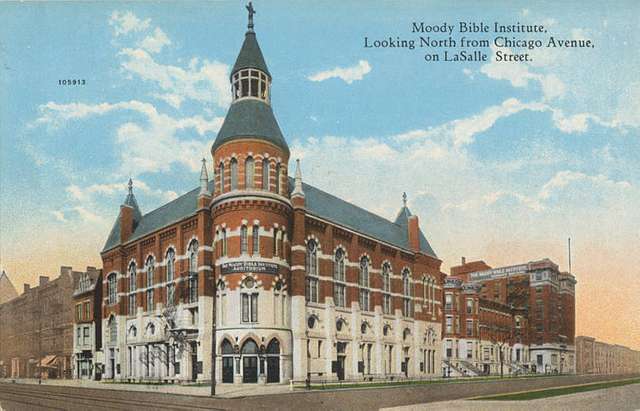
Fraser was staying with Belle’s family. She asked questions about missionary life and the China Inland Mission he represented. Belle learned they required two years of Bible school and Fraser recommended Moody Bible Institute. With funds from a friend, she enrolled.

While at Moody, Belle met John Kuhn who also felt called to serve in China. Friendship developed into romance, but Belle wasn’t sure God wanted her to marry him. John sailed for China in 1926.

After graduation, Belle attended the China Inland Mission training school in Toronto. She and John corresponded frequently. In one of his letters he proposed and Belle said yes. They prayed to be assigned in the Yunnan province, hoping to work under Fraser. God answered their prayer affirmatively.

After Belle completed a year of language study, she and John finally married in 1929. Belle moved to Cheng Chiang where he lived.

Yunnan Province in southwest corner

The first time she hosted a few women in their home, a baby soiled the Kuhn’s new rug. Worse yet, Belle found more “guests” after the humans left: bed bugs, fleas, and lice.

“Lord, make these souls more important to me than anything else,” she prayed. And soon genuine love superseded concerns about vermin or stains.

Over the next twenty years, the Kuhns served in five locations. For the most part, John preached in the villages and Belle taught women’s Bible classes. Their first child Kathryn arrived in 1931.

A terrible flood occurred in 1933, during Belle’s second pregnancy. John was away preaching, so she dragged belongings upstairs, some very heavy. Belle miscarried the baby.

There was little time to grieve as a new directive arrived from Fraser the next day: You’re needed in the Salween Valley to work with the Lisu people.

In 1936 Communist soldiers threatened the valley and missionaries were instructed to evacuate. For eight days they trekked northward, but so did the enemy.

“It seemed as if the Communists were after us,” she wrote, “but in real fact, our pursuers were those faithful watch dogs of Jehovah . . . ‘Goodness and Mercy followed us all our days ‘”[2].

In 1937, as the war with Japan escalated, they were told Kathryn needed to attend a far-distant CIM school out of harm’s way, causing a heartbreaking separation.

Belle fought her distress with a new form of ministry to train church leaders: Rainy Season Bible School, taking advantage of the free time inclement weather provided. Many men attended.

In 1938 their dear friend Fraser died. John’s ministry broadened to include travel throughout Lisu territory. At home, Belle continued to teach, but she also found time to write, completing four books during those twenty years of ministry.

Several times the Kuhns had to escape the Communists and then the Japanese. Each time the Kuhns returned when the danger had passed.

Yangtze River, Yunnan Province

Daniel Kuhn was born in 1942. When he was six, Belle and her son had to evacuate again. This time they traveled to America where Kathryn was attending college. John followed a short time later. They were never allowed to return to China.

Did the Kuhns wonder if the Lisu Christians would lose heart and give up their faith?

Author Wright Doyle wrote: “Of the 18,000 Lisu who lived in Fugong, Yunnan in 1950, 3,400 professed faith in Christ. As of 2007, it is estimated that 80-90% of the 70,000 population make the same profession. In Yunnan, it is estimated that there are between 100,00-200,000 Lisu Christians”[3].

A church in Fugong today

For three years the Kuhns worked in Thailand, but then Belle was diagnosed with cancer. She died in 1957 at age fifty-five. Yet even while battling disease, Belle completed five more books.

To this day, the legacy of Isobel Miller Kuhn lives on, among her beloved Lisu people and through her writing.


[1] https://bdcconline.net/en/stories/kuhn-isobel-miller

[2] https://fromthevault.wheaton.edu/2021/03/01/letters-from-lisuland-the-ministry-of-isobel-kuhn/

[3] https://g1.fieldpartner.org/isobelkuhn/

Other sources:  

https://www.evangelical-times.org/isobel-kuhn

https://www.thetravelingteam.org/articles/isobel-kuhn

Photo credits: http://www.dailyverses.net; http://www.picryl.com; http://www.flickr.com; http://www.dailyverses.net; http://www.flickr.com; http://www.enwikipedia.org.

Read Full Post »

Christian trudged to the church he pastored as rain drummed on his umbrella. His pant cuffs grew increasingly damp from his splashing boots.

Is this really worth the effort, he wondered. Only a handful of people attended the Monday night prayer meetings, which he’d established several years prior at Church of St. Nicholas.

And yet the faithful few who came demonstrated such hope, Christian always felt uplifted by the end of each gathering.

Encouragement of any kind was in short supply. Times were difficult; everyone was suffering except the government elite and their cronies.

In the third year of the weekly prayer sessions, Christian felt compelled to invite fifty people to his church to discuss the oppressive circumstances of their country. More than six hundred came, and subsequently, attendance at the Monday prayer meetings also grew.

Such a large crowd didn’t slip by the attention of authorities. They discouraged religious gatherings, but assumed that prayer meetings were harmless.

Attendees began bringing family and friends. Over the next few years the church started to fill to overflowing. Eventually eight thousand people gathered every Monday night, praying for peace in their land and throughout the world.

Other churches around the country organized their own prayer meetings. Some attendees would walk the streets afterward, carrying candles and praying or singing as they went.

The authorities finally ran out of patience with the demonstrations. They barricaded the streets around the Church of St. Nicholas to discourage attendees. Instead, the congregation grew.

The next step included peaceful protests. Thousands of people participated. And even though hundreds of demonstrators were beaten and arrested, they weren’t deterred.

Numerous threats were made; some lost their jobs. One woman reported that government officials took custody of her children for a while, due to her participation in what they called an extremist group.  

Worse yet, the protesters were threatened with death. And though many admitted to fearing for their lives, they did not back down.

“Our fear was not as big as our faith,” Christian explained later [1].

One night, after an hour-long service at St. Nicholas Church, Christian led the people outside to join a crowd of approximately 70,000, all gathering from various churches. Each one carried a candle and marched through the city chanting “we are the people” and “no violence” [2].

All along the way, long rows of armed police watched their every move.  More soldiers manned tanks, waiting for the order to disperse the crowd with murderous force.

But the order never came. Afterward it was revealed that government officials persuaded their leader to leave the protesters alone.

One of the demonstrators gave a soldier a lighted candle. He put down his weapon and accepted it. Others followed suit. “Soon all the soldiers had lowered their weapons and joined with the protestors” [3].

In the following weeks, the prayerful, candle-carrying crowd grew to 120,000, then 300,000, and finally 700,000.

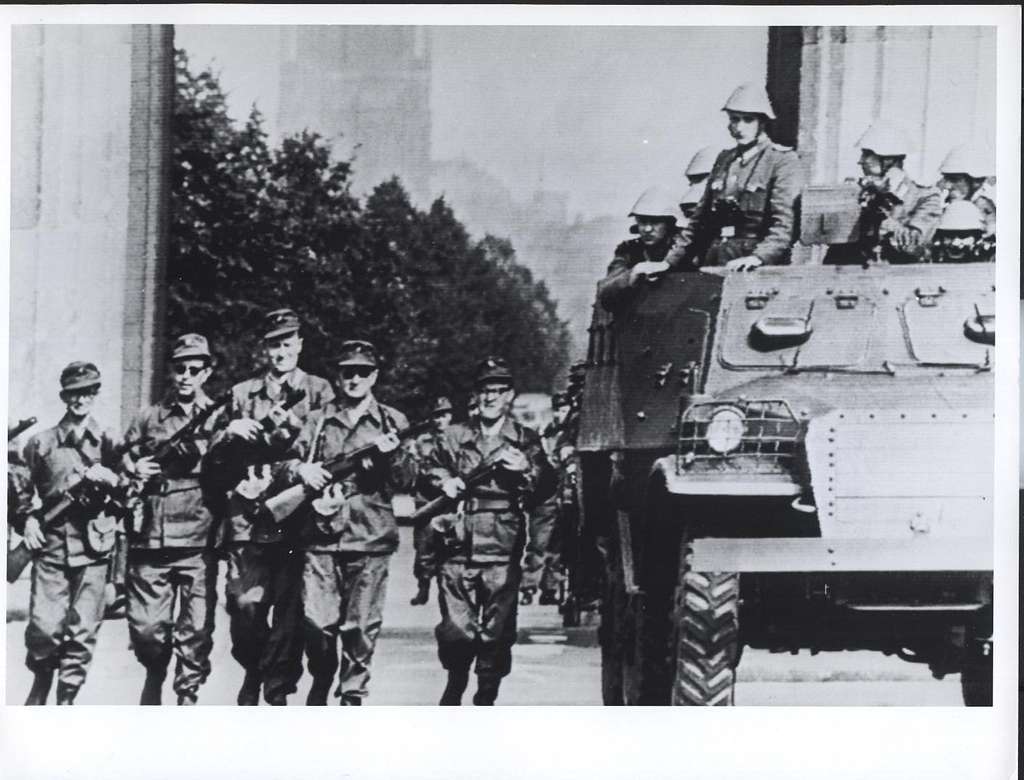
A crowd such as this must have gathered.

The country’s leader resigned, knowing that without the army to back him, he had become powerless. Soon the whole regime resigned, unable to fight against the power of prayer and Light.

One month after the tide-changing protest, a government spokesperson mistakenly announced in a public broadcast that a monumental change was about to take place. Citizens would be allowed to travel freely, effective immediately [4].

News spread rapidly, reported across the world. Thousands of people soon gathered at the symbol of their thirty-year oppression, a barrier that had divided them into east and west: the Berlin Wall.

Harald Jager, commanding officer of the border guards that night, called his superiors to find out how to deal with the gathering crowd. He received no orders.

“People could have been injured or killed . . . if there had been panic among the thousands gathered at the border crossing,” he declared afterward. “That’s why I gave the order: Open the barrier” [5].

And so, on November 9,1989, thousands flowed through, celebrating and crying. Others climbed over the barrier, chipping away at the wall with hammers and pickaxes. Bulldozers and cranes soon made quick work of dismantling the entire structure [6].

Thirty-four years ago today, that menacing wall became rubble, and a tyrannical regime miraculously toppled with it.

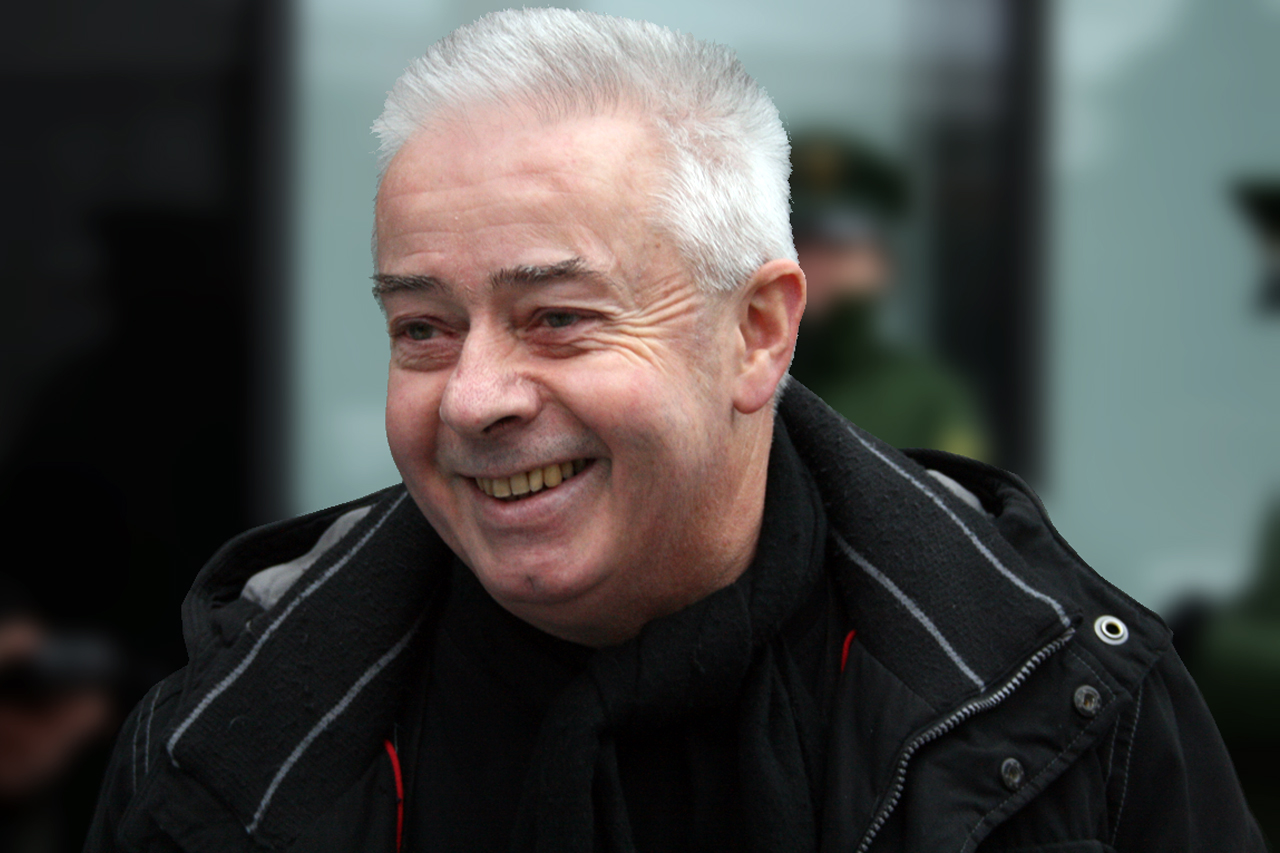
And it all began with Pastor Christian Furher and a handful of praying saints.

Christian Furher (1943-2014)


[1] https://contemporarychurchhistory.org/2014/09/reflection-on-pastor-christian-fuhrer-of-the-nikolai-church-in-leipzig/

[2] https://embracingbrokenness.org/2020/10/prayer-and-the-berlin-wall-by-charles-buttigieg/

[3] http://storage.cloversites.com/worldhistoryinstitute/documents/WHI_03Mar014_Journal_4.pdf

[4] https://www.foxnews.com/lifestyle/this-day-history-nov-9-1989-berlin-wall-falls-cold-war-victory-us-allies

[5] https://www.bbc.com/news/world-europe-50013048

[6] https://www.history.com/topics/cold-war/berlin-wall

Additional Source: http://www.godgossip.org/article/did-a-prayer-meeting-really-bring-down-the-berlin-wall

Photo credits: http://www.commons.wikimedia.org; http://www.pxhere.com; http://www.rawpixel.net; http://www.picryl.com; http://www.commons.wikimedia.org; http://www.pexels.com; http://www.nara.getarchive.net; http://www.picryl.com; http://www.commons.wikimedia.org.

Read Full Post »

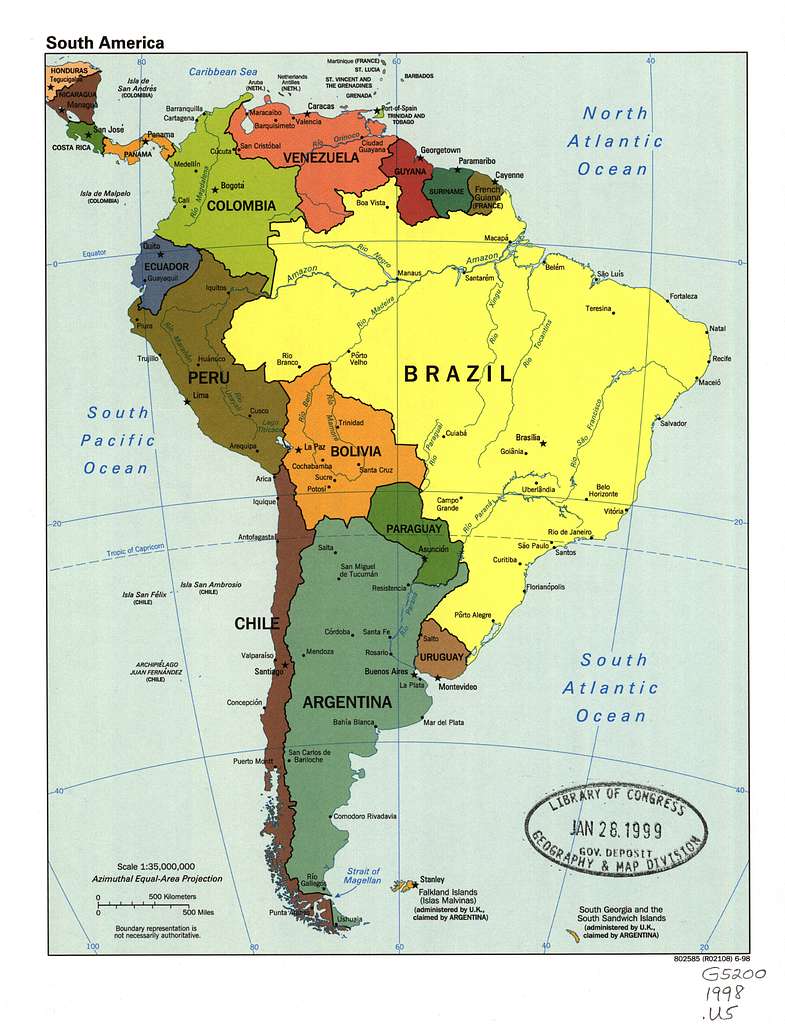
“This is your last chance!” shouted the leader of Columbian guerillas. “Join us, convince the Motilone to join us, and you will live. Otherwise, you are a dead man.”

The surrounding group of rebels aimed their guns at American missionary Bruce Olson. He fully expected to see Jesus in the next moment.

Of course, this was not the first time Bruce faced death during his twenty-seven years with the fierce Motilone tribe.

No sooner had he arrived in 1961, than Bruce was surrounded by tribal warriors who shot him in the leg with an arrow and took him captive. The guides who had led him to their village fled.

Bruce was just nineteen years old and had received no backing from any mission organization, because of his age and lack of training. But he’d seen a picture of the remote Columbian tribe and felt drawn to share with them about Jesus.

His own life had been wonderfully transformed by Christ, and Bruce desired that for others—especially for this people-group who knew nothing about Jesus.

(The Motilone live in northeastern Colombia and western Venezuela.)

Some would say, “Bruce must have misunderstood God’s plan. Otherwise, why would he experience calamity the minute he arrived?”

But look what God did.

First, the Motilone chief forbade the warriors to kill Bruce. Later he and his men would admit there was no reason to spare him; they just did.

The next day the chief’s son, Bobarishora, brought worms for Bruce to eat, which thankfully tasted like liquified bacon and eggs. In spite of the language barrier, Bruce and Bobarishora began to build a friendship.

The leg wound became infected. Bruce escaped and returned to civilization for treatment. But upon regaining strength, the young missionary went back to the tribe—only to contract dysentery and have to seek medical help again. He almost died in the effort.

For his third attempt to settle with the Motilone, Bruce brought medical supplies. The witch doctor took great interest in their healing powers and learned from Bruce how to use them. With Bobarishora and the witch doctor as allies, Bruce began to achieve acceptance in the tribe.

Over the next four years he learned the Motilone language and set about translating the New Testament into their language, putting to use his knowledge of Hebrew, Greek, and Latin.

Bobarishora, or “Bobby,” became the first to accept Jesus into his life. At a festival not long after, Bobby sang about the jungle trail of life, a metaphor familiar to the Motilone. Bobby explained he’d seen the footprints of God.

“There are many trails in the jungles,” he said. “But there is one trail that goes to the horizon.” (Bobby was referring to heaven.)  “Christ came to walk that trail so we can walk in his footsteps.”[1]

It wasn’t long before many tribespeople had become Jesus-followers. They began sending their own missionaries to neighboring tribes to tell them about Christ.

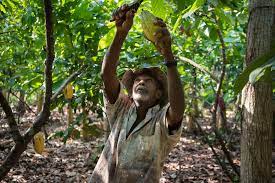
The Motilone wanted to learn how to read and write, so Bruce started a school. He also set up a medical clinic, and led the effort to grow cacao, to help support the tribe.

(Cutting a cacao pod from the tree.)

Over time the proceeds helped finance 48 schools, more than 20 health clinics, 12 farming cooperatives, and numerous scholarships for Motilone students to attend high school and university.[2]

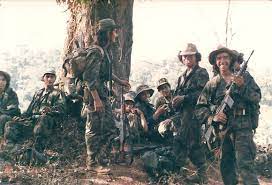
Then came the day in 1988 when 15 Communist guerillas kidnapped Bruce with the plan of forcing his cooperation, and convincing the Motilone to do so also. Bruce spent several months chained to a palm tree and became very ill. Somehow he survived.

One of the leaders asked Bruce to teach them how to read and write. They brought a book to Bruce, not knowing it was a New Testament. Bruce used it to teach the men to read, and many became Jesus followers.

Bruce’s health continued to deteriorate. The guerillas decided to give him a blood transfusion.

“I will give him some of my blood,” one rebel announced.

The next day he told Bruce that when he was a young child, the Motilone had given food to his widowed mother for three years, never asking for anything in return. “You saved my life,” he said, “Now, I save your life.”[3]

Months passed. No amount of mistreatment had convinced Bruce to help their cause.

One day a group stood him against a tree, announced his execution, and aimed their guns at him. But when they fired, Bruce remained unharmed. They’d shot blanks at him, expecting this final test to break him.

Sometime later one of the leaders told Bruce that capturing him had been a mistake. He hoped that Bruce could forgive them.

He promised the rebels would leave the Motilone alone, and Bruce could continue his work. After nine months of captivity, they released him.

As a result of Bruce’s long devotion to the tribe, more than 400 Motilone have graduated from high school, and over 30 from university, trained as physicians, accountants, translators, forest rangers, agriculturalists, and more. Still others have received technical training.

All have returned to their jungle communities to share their expertise within the tribe.

As of 2018, more than 70% of the Motilone tribe are following in Christ’s footsteps to the horizon.[4]

As for Bruce Olson, now 80, you’ll find him still working with the people of 18 different tribes and languages of the jungles.[5]


 Notes:

[1] https://missionexus.org/an-interview-with-bruce-olson/

[2] https://www.tms-global.org/story-details/bruchko

[3] Ibid

[4] Ibid

[5] https://www.godreports.com/2021/02/legendary-american-missionary-ate-maggots-wore-a-flea-collar-to-survive/ 

Additional Sources:

https://www.bruceolson.com/en/index.html

https://www.theopedia.com/bruce-olson

Photo credits: http://www.picryl.com; http://www.pxhere.com; http://www.flickr.com; http://www.commons.wikipedia.org (2).

Read Full Post »

The psalmists of old seemed to have a favorite metaphor for God: Rock. You’ll find the imagery used twenty-nine times.  Sometimes the writers included reasons why this was a meaningful comparison for them; sometimes they included synonyms:

  • “The Lord is my rock, my fortress” (18:2)
  • “My God is my rock, in whom I take refuge, my shield . . . my  stronghold” (also 18:2)
  • “Lead me to the rock that is higher than I” (61:2)
  • “God alone is the mighty rock that keeps me safe” (62:2 CEV)
  • “Be to me a rock of habitation to which I may continually come” (71:3 NASB)

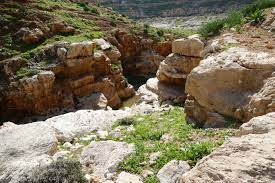
David seemed especially fond of this metaphor, perhaps because he spent months hiding from King Saul in the rocky terrain of the Judean wilderness. Psalm 57 was written specifically when he escaped into a cave. It may have been the characteristics of the rock walls surrounding him that brought to mind descriptors of God—solid, strong, protective, and unchanging.

Perhaps a cave such as this hid David and his men.
Might such a formation as this have provided the inspiration behind
“Be the rock that is higher than I” (Psalm 61:2)?

Later when he became king, David composed Psalm 18, probably after the numerous battle victories summarized in 2 Samuel 8.  Four times in that psalm he extolled God as his Rock.

In the New Testament we find Jesus’ parable about a foolish man building his house on sand, and a wise man building his house on rock. The point is clear: God is a reliable foundation-Rock on which to build our lives.  He provides:

  • solid, trustworthy wisdom for decisions 
  • strength and power for life’s challenges
  • protection from our arch enemy, Satan
  • unchanging reliability, faithfulness, and love—to name a few unfailing attributes
“Anyone who listens to my teaching and follows it is wise,
like a person who builds a house on solid rock” Matthew 7:24.
(House in Meteora, Greece.)

One of my favorite examples of Bible imagery is found in Philippians 2:15.  To understand the context though, we have to start reading at verse fourteen:

Do everything without grumbling or arguing,

so that you may become blameless and pure,

children of God without fault in a warped and crooked generation.

Then you will shine among them like stars in the sky

as you hold firmly to the word of life.

–Philippians 2:14-15 NIV

Isn’t that a glorious statement in the fourth line above?  We can shine into the darkness of the world like stars as we allow the Spirit to foster purity within us!

Ngc 3603 Nebula Cluster Of Stars

Now why would letter-writer Paul choose stars to make his point? Perhaps their beauty reminded him: with kindness, patience, joy, and more we can bring beauty to the world around us–a world darkened by selfishness, greed, and hatred.

Paul would also have known about using stars for navigation.  As far back as 3000 B.C. ancient Minoans were using constellations to navigate the Mediterranean Sea (1).  Perhaps Paul connected the starlight to God’s wisdom shining in mature believers, enabling them to provide guidance to those around them.

But now, centuries later, we know more about stars than Paul did and further comparisons can be drawn:

Stars shine by burning hydrogen into helium in their cores.  We shine as the Holy Spirit burns away the dross in our lives—those unbecoming traits like pride, negativity, and ingratitude. That’s when we can become radiant.

One prominent star in the evening sky of Fall and Winter is Deneb in the constellation Cygnus (the Swan), which is 19 quadrillion miles from earth.  The gleam we see left Deneb about 1500 light years ago in 521 A.D (2). The gleam of our lives can also achieve far-reaching effect as one life touches another which touches another, and then another . . . ad infinitum.

Stars not only create beauty but fulfill function.  They manufacture and distribute into the universe such elements as carbon, nitrogen, and oxygen (3). As we shine like stars in our circles of influence, we too fulfill function, manufacturing and distributing such elements as goodness, encouragement, and helpfulness.

From earth and sky come these two insightful examples of biblical imagery:  rock and stars.

Do you see the connection between the two? As you plant yourself on the firm Rock of Almighty God and shine for him like a star . . .

. . . YOU are a Rock star!
Notes:

  1. https://nationalgeographic.org/encyclopedia/navigation/
  2. https://earthsky.org/space/ten-things-you-may-not-know-about-stars/
  3. https://science.nasa.gov/astrophysics/focus-areas/how-do-stars-from-and-evolve

Photo credits: http://www.hippopx.com; http://www.canva.com; http://www.wikimedia.org (2); http://www.pixfuel.com; http://www.maxpixel.net; http://www.heartlight.org; http://www.maxpixel.net.

Read Full Post »


“What takes you to Costa Rica?” the young woman across the aisle asked as we settled into our flight from Tegucigalpa, Honduras to San Jose.

“Oh, it’s just a stopover for me,” I replied. “My final destination is Quito, Ecuador. I’ll be serving as a short-term missionary at HCJB, a television and radio station.”


“We’re missionaries ourselves,” the woman replied, indicating with a hand-wave her seat mate.

And so began a pleasant conversation that passed the time quickly and helped settle my nerves about traveling alone from one foreign country to another that included an overnight stay in a hotel.

For six weeks of June and July, another girl and I had lived with a missionary family in Tegucigalpa, assisting them with their correspondence school.


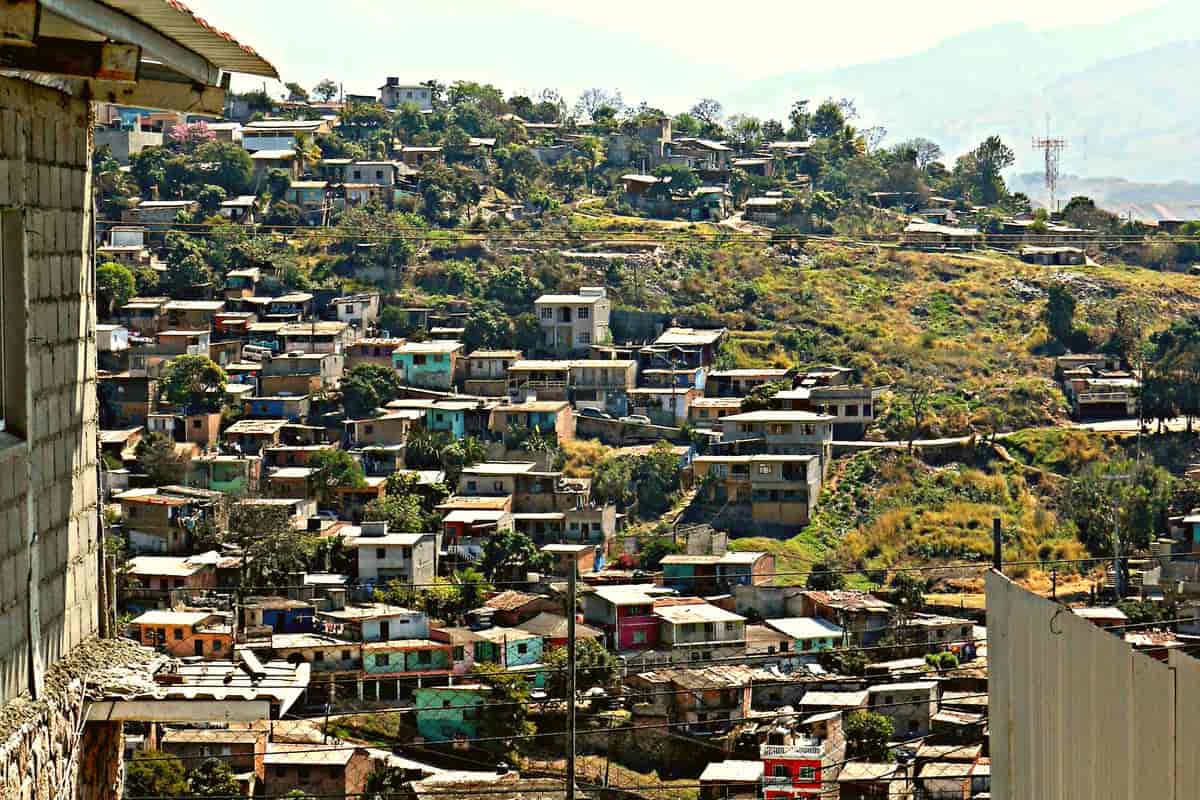
One little corner of Tegucigalpa, Honduras


Laurel would soon head back to America to start college; I was taking a semester off between high school and college to teach preschool and kindergarten for the children of staff members at HCJB.

My very first commercial flights had been with Laurel as we traveled from Chicago to Miami and then Honduras. This twenty-four hour trip was on my own.

Upon arrival in Costa Rica I said good-by to the friendly missionaries and planned to remain in my seat till the plane took off again.

But a flight attendant informed me, “You’ll have to deboard, Senorita. This plane doesn’t go to Panama City.”

Oh-oh. The original itinerary arranged for in May did not include two separate flights and my ticket offered no clues. Now what was I supposed to do? Where should I go? What about my luggage?


The two missionaries had not left the plane yet. They accompanied me to the information desk inside the airport where a kind gentleman (who spoke excellent English) offered to resolve the problem. He assured the two missionaries all would be well, and I thanked them as they left.

Mr. Info Desk took me to another desk where they arranged for my second flight and made sure my luggage would be transferred.  Then Mr. I. D. invited me to sit nearby.

“I’ll see you to the gate in plenty of time,” he promised. An hour or so later he escorted me through the terminal and even ushered me onto the plane.


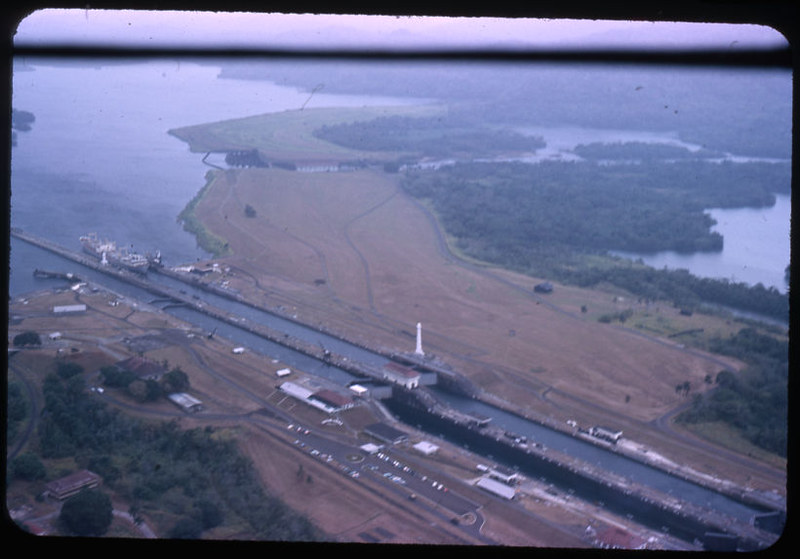
(The flight took us over the Panama Canal.)


In Panama City, while checking through customs, I met a woman from Arizona. We discovered our hotels neighbored each other and planned to share a taxi. But it took much longer for me to be processed–what with my six months-worth of belongings.  We said our good-byes and Ms. Arizona* exited customs.

Not long after I settled at the hotel, my new friend called. “Why don’t you come over and join me at the pool?” she suggested. I accepted her invitation, and we chatted away several delightful hours together.

The next morning all went well from hotel to airport, through emigration, and on to the crowded seating area. I settled next to an older priest, who also happened to be traveling to Quito.


(Tocumen International Airport, Panama City, Panama)


Our flight time passed without any announcement from the loudspeaker, and still we waited. Meanwhile a soccer team arrived, dressed in gray pants and navy blazers, all talking at once and laughing loudly. Once they left, the room grew noticeably quieter.

“I’m going to see what’s holding up our flight,” announced the Padre, getting up from his seat. “We should have been called long before now.”

He soon returned, announcing, “Grab your bags, Miss. We’re on the same flight with that soccer team. The desk agent didn’t think to announce boarding for the rest of us.”

Only a handful of passengers weren’t soccer players. If not for the travel-wise priest, I surely would have missed that plane.


(Quito sits over 9,000 feet above sea level,

nestled between mountains, higher still. )


But I arrived safe and sound with no mishaps, even though circumstances could have gone awry numerous times.

The help I received–from at least five people during my journey–seemed too coincidental for mere chance. God undoubtedly intervened.

In fact, it wouldn’t surprise me if the two missionaries, Mr. Info Desk, Ms. Arizona, and the Padre weren’t angels, put in charge of one young and very inexperienced traveler.


____________________________________________


*No, she wasn’t a beauty queen, I just don’t remember her name after all these decades!


Photo credits:  http://www.wikimedia.com; http://www.flickr.com; http://www.snl.no; http://www.wikimedia.com; http://www.flickr.com; www. wikimedia.com; http://www.flickr.com; http://www.piqsels.com.


When have you received what seemed like angelic assistance?  Tell us about it in the comment section below!


Read Full Post »

Older Posts »

Still Traveling

Impressions Becoming Expressions

Living Our Days

Gaining a heart of wisdom

He Said What?!

I'm Patty, and my husband and I are living with our adult son who has autism and epilepsy. I love sharing lessons learned from life around me, especially life with Aaron.

Meditations of my Heart

Impressions Becoming Expressions

Linda Stoll

Impressions Becoming Expressions

Debby Thompson

Impressions Becoming Expressions

Signora Sheila

Notes on Life, Faith & Italy

Colleen Scheid

Writing, Acting, Living in God's Love

Mitch Teemley

The Power of Story

Heidi Viars

Finding the Image of God