Feeds:
Posts
Comments

Archive for the ‘God’s Refuge’ Category

(Fair as in true and good)


baptism_image


Yesterday, our church worship service ended with three baptisms. (Seven more took place at two other services.) What a heart-warming delight to celebrate the symbolism of new life with each participant!

One of those baptized was the pastor’s son.  As he rose up from the water, he smiled broadly and hugged his dad. Tears filled my eyes to witness a young boy committing himself to life with Jesus.

Just as physical life requires shelter, food, water, and clothing for survival, our new life in Jesus requires those same needs be met in our spirits:


Shelter


76285657c5177b81648227437dd17725

(“The one who lives in the shelter of the Most High,

who rests in the shadow of the Almighty,

will say to the LORD, “You are my refuge, my fortress,

and my God in whom I trust!”–Psalm 91:1-2 ISV)


But how do we access a shelter that is invisible? By centering our thoughts on God.

Even amidst the business of each day, we can pause now and then and imagine a personal refuge with him (on a quiet beach, under a sturdy tree in the forest, by a lake in view of mountains–those are a few possibilities).

First, we breathe in the peace of his presence. Yes, just the simple act of taking a deep breath while whispering such words as, “Prince of Peace, I welcome you,” can create a shift from tension to tranquility.

Then, like the psalmist, we reaffirm our trust in the Most High God, the Almighty–the One whose kingdom rules over all (Psalm 103:19b), yet he knows the number of hairs on each of our heads.


Food
 

d4e85afb1da4a6231fb2fb00a3c7ca35

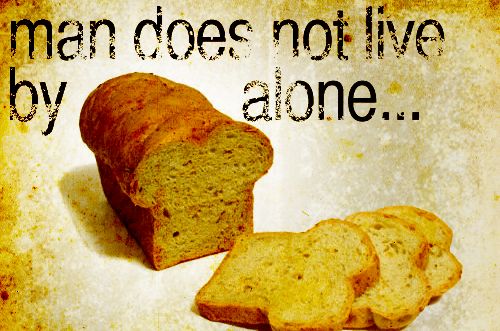
 (“Man does not live on bread alone

but on every word that comes from the mouth of the Lord.”

–Deuteronomy 8:3)


A pantry full of groceries is useless unless the food is consumed. Similarly, the great storehouse of inspiration and counsel in the Bible is of no use unless we read it, believe it, and live it out. The abundant, God-enhanced life of contentment and joy comes to those who taste of God’s character, promises, and wisdom—all found within the pages of scripture, ready to put into practice.


Water


waterfalls-rocks-landscape


“Whoever believes in me, as the Scripture has said,

streams of living water will flow from within him.”

By this he meant the Spirit.”

–John 7:38-39


With the refreshing of the Holy Spirit we become like trees planted by a stream (Psalm 1:3):

  • Strong—though not all at once, any more than a tree reaches maturity overnight. Growth occurs day by day, bit by bit, as we cooperate with the Spirit.
  • Green-leafed—radiant with health, reflecting the Lord’s glory, his goodness and character (2 Corinthians 3:18).
  • Full of fruit—a natural by-product of the Spirit’s presence. “Every good tree bears good fruit,” Jesus said (Matthew 7:17). Examples include humility, purity, and selflessness.


Clothing

 

breaking-news-last-2


Familiar to many of us is the spiritual “armor” that Paul described (Ephesians 6:11-17). A worthy addition would be a garment of praise (Isaiah 61:3). Like a favorite sweater worn at every opportunity, praise of our Father should accompany us everywhere.


_______________


This is certain:  God is more than able to provide for our every need—physical, emotional, mental, and spiritual.

All possibilities for our lives exist within this one truth:

The almighty God rules from his throne in heaven, a throne he established before the beginning of time (Psalm 103:19a).

He’s got this–and everything else.


(Art & photo credits:  www.cornerstonelife.com; http://www.pinterest.com (2); http://www.commons.wikimedia.org; http://www.projectinspired.com.)


Read Full Post »


From the backseat of my grandparents’ car, I strained to catch my first glimpse of the Smokey Mountains. The day before the three of us had left home in Aurora, Illinois and were on our way to Conyers, Georgia to visit friends of theirs.


hqdefault

(We traveled in style, in Grandpa’s 1950-something turquoise Studebaker.)


What an adventure for a six-year old.  Up until that time, I’d only visited one other state, neighboring Indiana.

Grandma had told me that mountains were like hills, only much, much taller. And instead of being a single mound (like the rise we sledded on in the wintertime), they were lined up one after another.

My imagination could hardly conjure a picture of such a phenomenon.

That second day of our trip, as we rounded the top of yet another hill in Tennessee, my straining paid off. Far in the distance we caught sight of mountain tops. Each rise thereafter afforded another spectacular view, always a bit closer to the peaks, and even more mesmerizing than the last. My breaths came in startled gasps. Never had I seen such magnificence…


smoky-mountains-in-the


Smokies-cades-cove


…until, at age fifteen, when I traveled to Colorado for a week at Young Life’s Frontier Ranch. The soaring, steep cliffs of the Rockies dwarfed the more rounded Smokies.


nevers12


Ah, but then came the semester-long, short-term missionary adventure in Quito, Ecuador, a city nestled in the Andes Mountains at 10,000 feet. Thirty miles to the south, Cotopaxi towers over the city, at 19,000 feet above sea level.  Again, my breath was taken away.


Quito volcanico141121g


“Mountains are earth’s undying monuments,” said Nathaniel Hawthorne.

Indeed, they do stand tribute to their Maker, ancient testimonials to God’s awe-inspiring, creative power.

They also provide a meaningful metaphor, because certain adjectives we use to describe mountains, also describe Him:


  • High

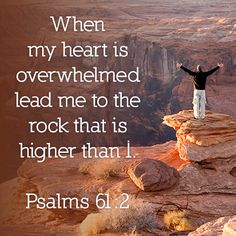
d10a87c019aedde4d2cd45602f98714f

(“Lead me to the rock that is higher than I.” — Psalm 61:2)

  • Firm

“God’s solid foundation

stands firm.”

–2 Timothy 2:19a

  • Strong


edee1af2af37a19a86f447ab0f87af17

(“O LORD God of Heaven’s Armies!

Where is there anyone as mighty as you, O LORD?

You are entirely faithful.” –Psalm 89:8, NLT)

  • Immoveable

“I the Lord do not change.”

–Malachi 3:6a

  • Eternal


43e033b5445c40029b82903ba9f3031d

(“The eternal God is your refuge.” — Deuteronomy 33:27a)


One of the psalmists, perhaps King Hezekiah, wrote:

“As the mountains surround Jerusalem,

so the Lord surrounds his people

both now and forevermore.”

–Psalm 125:2

(Emphasis added)


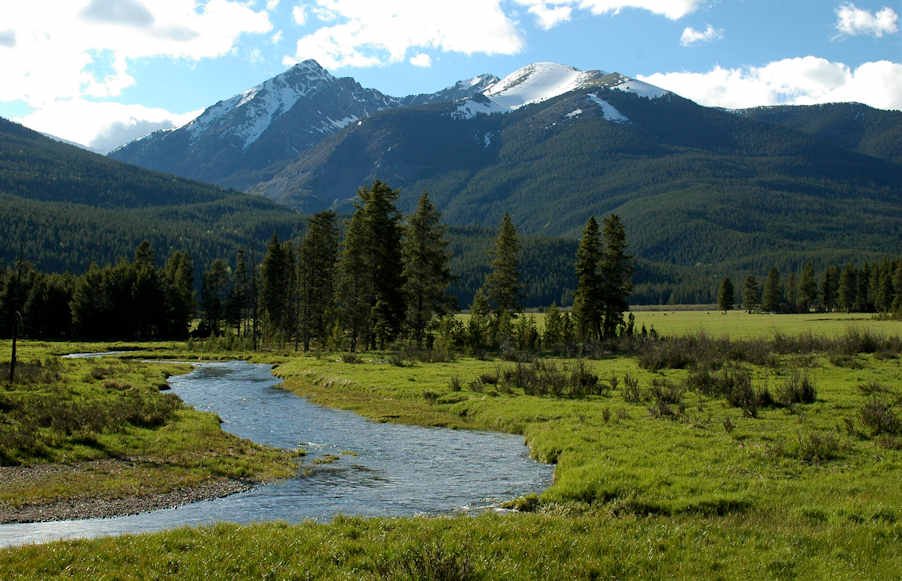
Imagine yourself surrounded by high, strong and secure mountains.

Are they likely to crumble? No. Neither will your Almighty God fall to pieces, succumbing to the pressure of insurmountable problems.  It can’t happen!

Do mountains change with every passing breeze? No.  Neither can your Lord be shaken.

Are you easily accessible when surrounded by mountains? No. You are protected. Mountains can even act as barriers against stormy weather. Similarly God shelters you from the full brunt of the storms of life.

And what is your view from this protected valley? Your eyes are drawn upward toward peaks and sky, indicative of the appropriate response when we’re facing difficulty:


Glacier_park1


Look up to the Maker of mountains

and Provider of refuge.

His righteousness is like the mighty mountains.

He surrounds us with his favor and loving kindness,

encircles us in his everlasting arms of love,

and guards us by his providence on all sides.

Hallelujah!

(Psalm 36:6; Psalm 32:10; Deuteronomy 33:27; Psalm 32:7).

(Art & photo credits:  www.youtube.com; http://www.tripadvisor.com; http://www.gatlinburg.com; http://www.mountainlake.com; http://www.cotopaxinoticias.com; http://www.pinterest.com (3), http://www.wikipedia.org.)

Read Full Post »

Woman with piggy bank at rainy window


“Save for a rainy day,” financial experts advise.  And they’re right.  It is smart to have funds set aside in case of emergency.

But we would also be wise to save up for another kind of rainy day:

  • The day great disappointment shatters our joy
  • The day the doctor begins a consult by saying, “I’m terribly sorry, but…”
  • The day a loved one calls with disturbing news

What could we possibly save up that would help in such circumstances?

Consider: monetary deposits in a bank account insulate us against financial emergencies.

Similarly, we can make faith-statement deposits into our soul-accounts, to insulate us against life’s emergencies.  A healthy soul-account offers peace of mind, confidence, and a sense of well-being.

The most valuable faith statements are those straight from scripture, since the Bible is our source of truth.

Statements such as these are worthy starting points:

  • God is with me, even in the midst of trial.

“Those who know Your name will trust in You, for You, Lord, have never forsaken those who seek You” (Psalm 9:10).

  • God is my stronghold in time of trouble, offering help and deliverance.

“The salvation of the righteous comes from the Lord; he is their stronghold in time of trouble.  The Lord helps them and delivers them” (Psalm 37:39-40).

  • He will supply all my needs.

“My God will meet all your needs according to his glorious riches in Christ Jesus” (Philippians 4:19).


Sometimes God makes deposits in our soul-accounts through other reading.  Here are a few examples I’ve collected:

  • “God makes good things out of the hard times.” – Erica Hale
  • “Difficulties are sent to make us grow. Move from complaining to proclaiming what God is doing through the problem. Remind yourself, for every Calvary, there is an Easter.” – Barbara Johnson
  • “When we understand that life is not about us, we learn to overlook the trivial and fix our gaze on the eternal. What is an offense compared to His love? What is a rejection compared to His unconditional acceptance? What is a momentary trial compared to an eternity with Him?” – Emmanuelle Gomez


Faith statement deposits also come through experiences, such as:

  • The spontaneous hug of a good friend who knows of our struggles. That’s God’s way of assuring us…

…We are not alone.

  • An answered prayer—and the answer is far beyond what we asked for. That’s God’s way of showing us…

…His love and blessing never fail, even in the midst of difficulty.

  • A transformed spirit through worship.  Worry becomes faith. Fear becomes courage. Depression becomes gladness. That proves…

…The joy of the Lord is our strength (Nehemiah 4:8).


Faith-statements, deposited in our souls even before we have need of them, provide a deep, sweet sense of security.

When difficulties arise, and the time comes to make withdrawals, we can praise God for each truth. Praise will fill our hearts with song and drown out the voices of worry and fear.

*     *     *     *     *     *     *     *     *     *

Your faithfulness, O God, is unwavering and unfailing.   Oh, how I want to be faithful to you, especially during difficult circumstances.  You have provided the tools.  I praise you for the deposits your Spirit makes into my soul account, offering solace, perspective, strength, and wisdom.   Help me to avail myself of your gracious provision.  


(Photo credit:  www.dailyfinance.com.)


Read Full Post »

article-step-by-step_ds-photo_getty_article_178_67_200377237-001_XS

Back in the 1970s somebody came up with the idea of worry stones—small, smooth pebbles that people could rub between their fingers to release their worries. (What a great money-maker, huh?  Collect some free pebbles, clean ’em up and sell for 100% profit.  Genius.)

According to enthusiasts, the constant rubbing activates the nerves at the base of the thumb, releasing endorphins. As a result, a sense of calmness purportedly settles in the user’s mind.

Even if that’s true, what happens when the person stops rubbing? Since the worry has not been resolved; isn’t it likely to return? I can’t see myself rubbing a stone until I fall asleep at night, can you?

Here’s a better idea.  Instead of going to a small pebble for worry-relief, go to the Rock.

What Rock, you ask?

“There is no one holy like the Lord; there is no one besides you; there is no Rock like our God” (1 Samuel 2:2).

Next question:  Why go to the Rock?

1.  God our Rock is more stable and reliable than Gibraltar.

igibrat001p4

The Rock of Gibraltar has become a symbol for stability, having stood sentry on the southern coast of Spain for centuries. Some say it dates back to the Jurassic Period.

But our God is older still, isn’t he.

“Trust in the Lord forever, for the Lord is the Rock eternal” (Isaiah 26:4).

And he is the same yesterday, today, and forever (Hebrews 13:8).  Now that’s reliable.

2.  God our Rock is more sheltering than a deep cave.

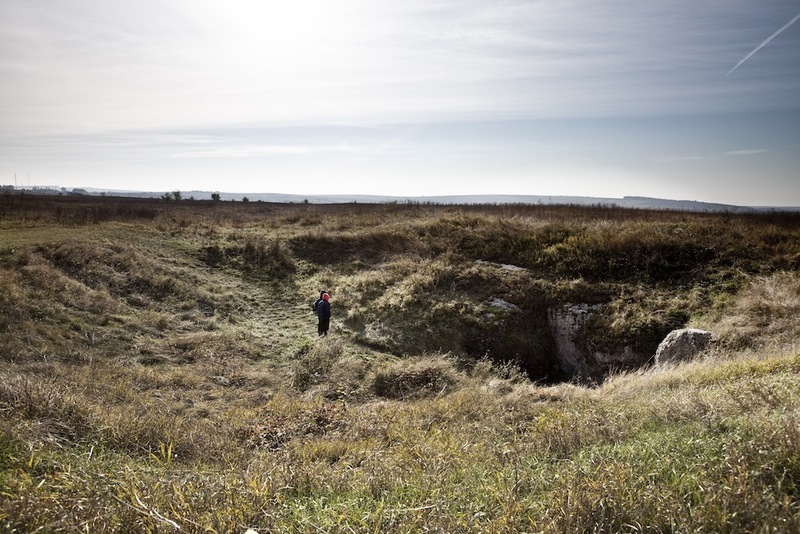
Verteba_Cave

(Verteba Cave, Ukraine)

During World War II, a small group of Ukrainian Jews found a way to escape the Nazis. They lived underground in caves for a year and a half.

At night they foraged for food. They even built showers and latrines deep inside.

But imagine living every day in pitch blackness and in fear of being discovered.

One day it happened. Nazi soldiers stumbled upon their hiding place. A courageous woman spoke for the group, as German guns pointed straight at her.

“What are you afraid of here?” she said. “Is the Furhrer going to lose the war because we live here?” Miraculously the soldiers left without doing anyone harm.

The band of Jewish villagers found relative safety in those caves,  and in April, 1944, the cave dwellers were liberated, able to return to the light.

But God our Rock offers guaranteed eternal safety for our souls. His Son, Jesus “became the source of eternal salvation for all who obey Him” (Hebrews 5:9)

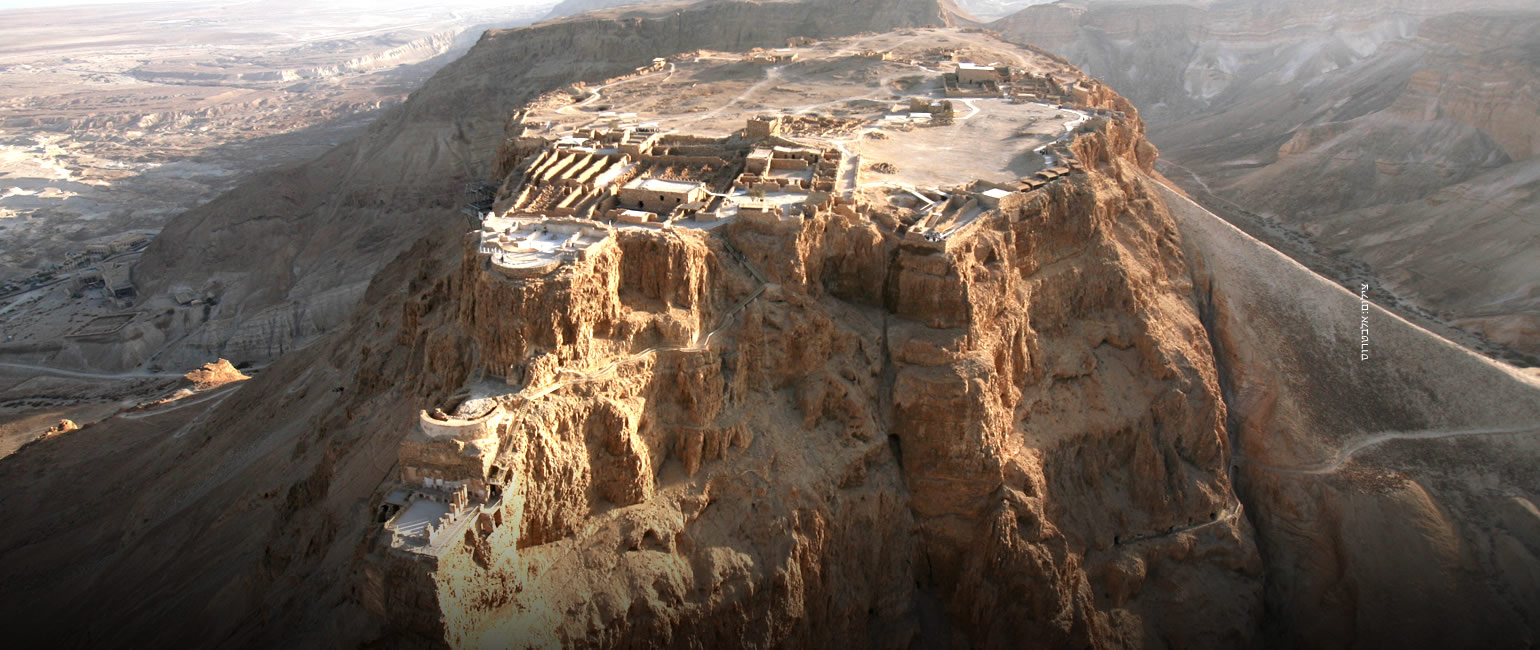
3.  God our Rock is more protective than Masada.

slide-static

Perhaps you’re familiar with the mountaintop fortress, towering 1500 ft. above the Dead Sea.   The refuge was built by Herod the Great, from 37 to 31 B.C., to showcase his power.

Infamous for his brutality, Herod had good cause to be paranoid. He spared no expense to make sure this desert fortress could withstand attack and provide long-term refuge. His plan included protective casement walls, an ingenious water-collection system and cisterns for storage, storehouses, barracks, palaces, an armory and more.

Impregnable? Almost.

When Herod died, Jewish rebels were able to overtake the Roman guard remaining at the fortress. A thousand Jewish zealots lived atop Masada for three years.

Yet nothing or no one on earth can compare to God our Rock.

“Lead me to the Rock that is higher than I,” cried David. “For you have been my refuge, a strong tower against the foe” (Psalm 61:2-3).

And how do we avail ourselves of God’s refuge?  Through gratitude, praise, and prayer.  We can:

  • Thank him for his promises, for the times he has protected and provided in the past.  We must feed our confidence in God rather than our fear.
  • Praise him for his glorious attributes that he is bringing to bear upon our situations–attributes such as power, wisdom, trustworthiness, and love.
  • Affirm our faith. If we occupy our minds with expressions of trust, there won’t be room for thoughts of worry.

“My soul finds rest in God alone;

my salvation comes from him.  

He alone is my rock and my salvation;

he is my fortress, I will never be shaken…

Find rest, O my soul, in God alone;

my hope comes from him”

(Psalm 62:1-2, 5).

(Photo credits:  www.ehow.com; http://www.kids.brittanica.com; http://www.noplaceonearthfilm.com; http://www.masada.org.il.)

Read Full Post »

(As most of you know, Steve will soon be retiring from the pastorate, after serving forty years in Florida. Mid-June we move to the Midwest, to be close to our sons and their families. Now if our daughter and her family would just move east from Washington State, life would be near-perfect!

No doubt you’re also aware that packing and unpacking are time-consuming tasks, so I’m putting the blog on hold for a few weeks.  But please continue to visit! I’ll re-blog some previous posts, and hopefully you’ll find them meaningful again, or perhaps for the first time.

The following post was first published 12-3-12.)


When I was a little girl, my parents kept a large garden in the backyard. They grew corn, beans, tomatoes, strawberries, lettuce, and more.

Among all that produce grew something else: garter snakes. I was petrified of those snakes, in spite of assurances from Mom and Dad that they could do me no harm.


Garter_Snake


So what was my reaction if, while playing in the yard, I noticed the slightest bit of slithering? I RAN while emitting eardrum-splitting shrieks. No doubt those snakes took off just as rapidly in the opposite direction, but I never looked back to find out.

Those experiences make a good word-picture of what my response should be when snakes of negativity, worry, or hurt feelings invade my mind. RUN!

James recommended exactly that: “Resist the devil, and he will flee from you” (4:7b).

But where should I run to? As a child, when seeking escape from the garter snakes, I often ran into the house, a safe and secure refuge. (Although I did have the occasional nightmare about smart snakes, who knew how to slither under doors and up stairs, so even the house wasn’t safe!)

As an adult, facing “snakes” of a different nature, where should I run?

“God is our refuge and strength, an ever-present help in trouble (Psalm 46:1).

That means, when my thoughts begin to turn to the negative, I need to run to God, my refuge of hope and help (Psalm 119:114).

When people speak or act unkindly and my emotions are bruised, I need to run to God, my refuge of comfort (Psalm 31:19-20).

When worry overtakes me, I need to run to God, my refuge of peace (Psalm 9:9).

Once my attention is focused on him, I must:

  • Look into his eyes and see the great everlasting love he has for me (Jeremiah 31:3).
  • Sense his strong arms around me, holding me close to his heart (Isaiah 40:11).
  • Hear him reminding me of all his promises and all the times he has blessed me in the past (Psalm 77:11-12).
  • Taste his goodness (Psalm 34:8) in all the flavors of his attributes: power, wisdom, holiness, loving-kindness, grace, and more.

And what will be the end result? “Let all who take refuge in you be glad; let them ever sing for joy” (Psalm 5:11a). That sure beats cowering, fretting, and flustering, doesn’t it?

*     *     *     *     *     *     *     *     *     *

Thank you, Father, for availing yourself to us as a refuge, a person-place we can run to for help, protection, and peace. We love you, O Lord, our strength, because you are our rock, our fortress, and our deliverer (Psalm 18:1).

Thank you for caring for us, those who seek to trust in you (Nahum 1:7). May we avail ourselves of your gladness and joy rather than let the snakes of negativity, worry, or emotional hurt get the best of us!

(Photo credit:  www.wikimedia.org.)

Read Full Post »

Group of sparrows.

Group of sparrows. (Photo credit: Wikipedia)

“Are not two sparrows sold for a penny?  Yet not one of them will fall to the ground apart from the will of your Father…So don’t be afraid; you are worth more than many sparrows” (Matthew 10:29, 31).

Why did Jesus choose sparrows for this illustration?

They’re so small and common.  (Have you ever felt unimportant and ordinary?)

Sparrows were of such little value in Jesus’ day, they were sold two for a penny.  The poor would buy them to eat—a cheap source of protein.

Nobody much cared about sparrows in Bible times; most folks still don’t care today.  They’re just drab little birds we see every day—hardly worth our attention.

But the smallest, drabbest sparrow doesn’t slip by God’s attention.  Not one can fall to the ground without God knowing.  And if he knows and cares about the sparrows, he certainly knows and cares about each of us.  Verse thirty-one makes it clear:  “You are worth more than many sparrows.”

There’s a modicum of comfort in the knowledge that God sees our situations.  To be honest, though, the fact that he just knows isn’t all that helpful.

Better yet is the news that not one sparrow can fall without God’s consent.

Nothing happens to us that hasn’t first received the stamp of approval from God Almighty.

“Wait a minute,” you might say.  “If a sparrow falls, he’s likely to die.  Not much comfort in that either– knowing that God gave his OK!

Here’s what I want to embrace:  we have the mind of Christ (1 Corinthians 2:16b), right?  When it’s my turn to fall off the branch, I want to be able to affirm, “Yes, Lord.  Whatever you think is best is A-OK with me.  I know I can trust you because you love me.  And I rejoice in the promise that whatever happens, you will bring good from it.”   (Remind me of that truth when I start to wobble, will you?)

But here’s the best news:  Notice that Jesus didn’t speak of God as some detached, omnipotent being.

He said, Father.

It is our gracious and kind Heavenly Father who tenderly watches over his little sparrows.

Red Bike

Red Bike (Photo credit: swanksalot)

Think of a loving mother who witnesses her small son falling off his bike.  When he gets up with a scraped knee, she won’t just say, “Oh, I saw that happen, Johnny.  I’m so sorry you’re hurting.”  Small comfort in that.

No, that mother will run to her son, hold him in her arms, talk to him reassuringly, take him to the house, and patch him up.  That’s just what a loving parent does.

When trouble comes, our loving Heavenly Father is right there with us, just like that mother.

He holds us.  Isaiah wrote, “He gathers the lambs in his arms and carries them close to his heart” (40:11).

He talks reassuringly to us, especially through His Word.  With the psalmist, we can pray, “Strengthen me according to your word” (Psalm 119:28b).

God is our refuge and sanctuary; he is our home, our dwelling place. (Psalm 91:1-2).

And God patches us up; he restores our souls (Psalm 23:3).  He renews our energy, purpose, and hope.

So, “Don’t be afraid,” he says. “If I take care of the sparrows, I will most certainly take care of you, because you are worth more than many sparrows.”

See? You’re not small, unimportant, and ordinary–not at all!

*     *     *     *     *     *     *     *     *     *

Thank you, Lord, for not playing favorites.  What glorious news that each of us is precious to you!  Thank you also for being an attentive God who tenderly watches over us.  And especially thank you for being an involved God, always acting on our behalf, and always for our good.  We are in awe of you, our loving, gracious Heavenly Father!    

Read Full Post »

ooooooh it's a snake

ooooooh it’s a snake (Photo credit: joshgray)

When I was a little girl, my parents kept a large garden in the backyard.  They grew corn, beans, tomatoes, strawberries, lettuce, and more. 

Among all that produce grew something else:  garter snakes.  I was petrified of those snakes, in spite of assurances from Mom and Dad that they could do me no harm

So what was my reaction if, while playing in the yard, I noticed the slightest bit of slithering?  I RAN while emitting eardrum-splitting shrieks.  No doubt those snakes took off just as rapidly in the opposite direction, but I never looked back to find out.

Those experiences make a good word-picture of my response when snakes of negativity, worry, or hurt feelings invade my mind.  RUN! 

James recommended exactly that:  “Resist the devil, and he will flee from you” (4:7b).

 But where should I run to?  As a child, when seeking escape from the garter snakes, I often ran into the house, a safe and secure refuge.  (Although I did have the occasional nightmare about smart snakes, who knew how to slither under doors and up stairs, so even the house wasn’t safe!)

As an adult, facing “snakes” of a different nature, where should I run?    

“God is our refuge and strength, an ever-present help in trouble (Psalm 46:1).

That means, when my thoughts begin to turn to the negative, I need to run to God, my refuge of hope and help (Psalm 119:114).

When people speak or act unkindly and my emotions are bruised, I need to run to God, my refuge of comfort (Psalm 31:19-20).

When worry overtakes me, I need to run to God, my refuge of peace (Psalm 9:9).

Once my attention is focused on him, I must:

  • Look into his eyes and see the great everlasting love he has for me (Jeremiah 31:3).   
  • Sense his strong arms around me, holding me close to his heart (Isaiah 40:11).
  • Hear him reminding me of all his promises and all the times he has blessed me in the past. 
  • Taste his goodness  (Psalm 34:8) in all the flavors of his attributes:  power, wisdom, holiness, loving-kindness, grace, and more.

 And what will be the end result?  “Let all who take refuge in you be glad; let them ever sing for joy” (Psalm 5:11a).  That sure beats cowering, fretting, and  flustering, doesn’t it?   

Thank you, Father, for availing yourself to us as a refuge, a person-place we can run to for help, protection, and peace.  We love you, O Lord, our strength, because you are our rock, our fortress, and our deliverer (Psalm 18:1).  Thank you for caring for us, those who seek to trust in you (Nahum 1:7).  May we avail ourselves of your gladness and joy rather than let the snakes of negativity, worry, or emotional hurt get the best of us!

Read Full Post »

« Newer Posts

When the House is Quiet

Impressions Becoming Expressions

Mitch Teemley

The Power of Story

Still Traveling

Impressions Becoming Expressions

Living Our Days

Gaining a heart of wisdom

He Said What?!

I'm Patty, and my husband and I are living with our adult son who has autism and epilepsy. I love sharing lessons learned from life around me, especially life with Aaron.

Meditations of my Heart

Impressions Becoming Expressions

Linda Stoll

Impressions Becoming Expressions

Signora Sheila

Notes on Life, Faith & Italy

Heidi Viars

Finding the Image of God