Feeds:
Posts
Comments

Archive for the ‘God’ Category


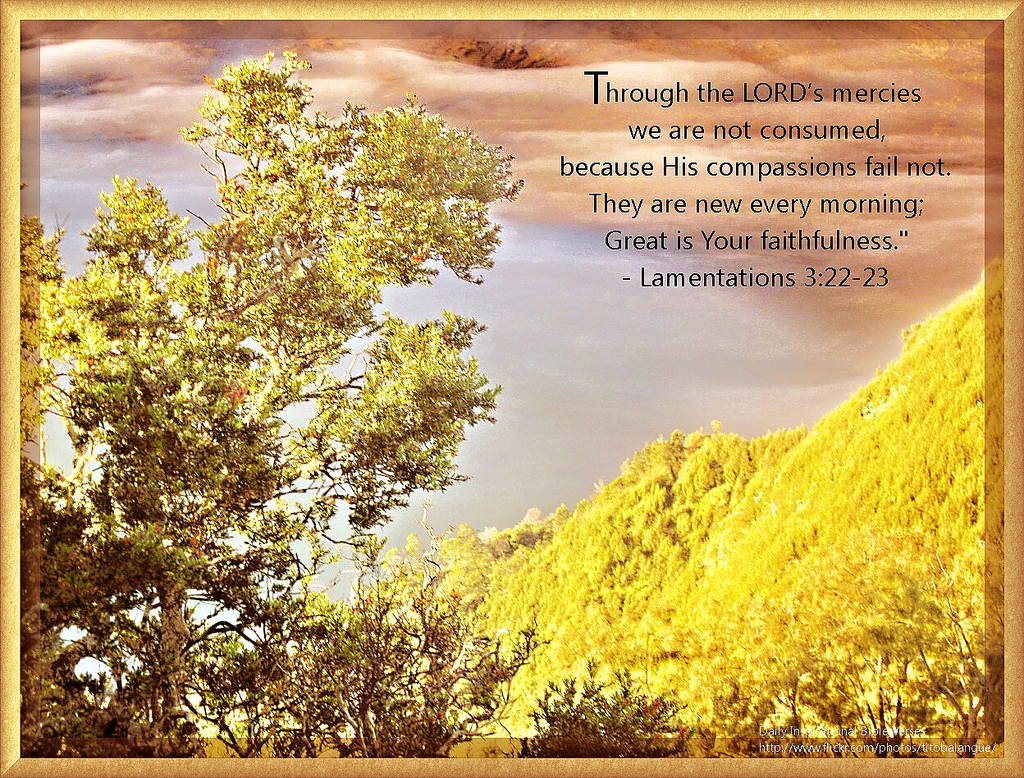
“His compassions fail not.

They are new every morning:

Great is thy faithfulness.”

–Lamentations 3:22-23 KJV


Thomas read the familiar words from his worn Bible.

Oh Father, he prayed. You have been generously compassionate to me all fifty-seven years of my life– through trial and disappointment, joys and sorrows.

Thomas allowed his thoughts to take him back in time, first to his boyhood home, a log cabin on a small farm in Franklin, Kentucky, where he and his older brother helped their father in the fields and attended a small country school. Neither boy received an education beyond the elementary level.


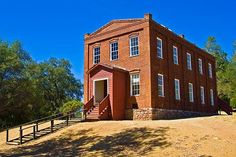
(Typical log cabin school,

this one in the Hensley Settlement of Kentucky)


Yet, in 1882 when Thomas was only sixteen, the school board hired him as the new teacher.

Imagine me—just a kid myself—a school teacher, thought Thomas.

He smiled, remembering his favorite part of the school day: reading stories and poems to his students, enriching all of their lives, his included. Thomas puttered at writing poetry himself—an avocation he would enjoy the rest of his life.

Six years later, Thomas’ proficiency with language led to the position of associate editor of his hometown newspaper.


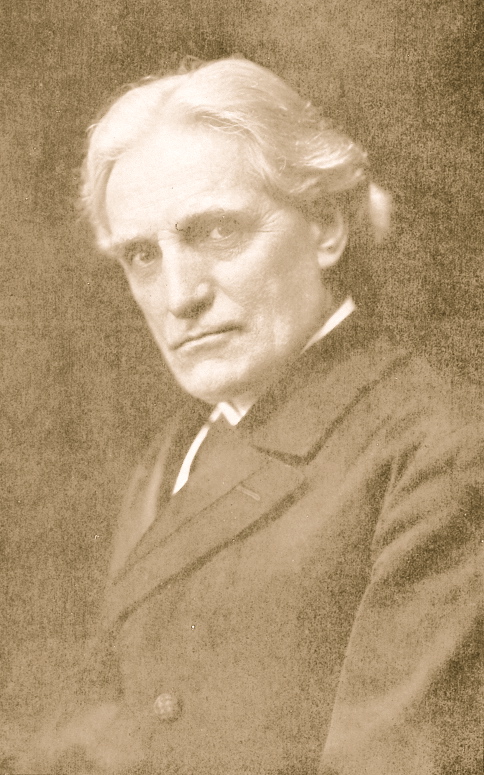
(Thomas Obadiah Chisholm)


I enjoyed that work and being a contributing member of the community. But you and I both know, Lord, 1893 was when I really began living.

That was the year, at age twenty-seven, Thomas accepted Jesus into his life, through the ministry of Henry Clay Morrison, the founder of Asbury College and Seminary in Wilmore, Kentucky.


(Henry Clay Morrison)


Again, Thomas smiled, remembering the day when Dr. Morrison came to him with a surprising proposition: become the editor for his publication, The Pentecostal Herald. Thomas’ mind reeled at the idea of leaving his country community and living in the noise and crowds of Louisville, but in his heart Thomas felt led by God to accept Morrison’s offer.

I thought for sure I would spend the rest of my life in Louisville, but you, Lord, had other plans.


(Louisville, KY, ca 1900)


As Thomas worked at The Pentecostal Herald, he felt drawn to the pastorate. In 1903, at age thirty-seven, he was appointed to a small church in Scottsville, Kentucky. Thomas not only transitioned into parish life but married life as well, taking Catherine Vandervere as his wife.


I remember thinking, Well, God, you’ve finally planted me in the work you’ve prepared me to do.

But one year later ill-health demanded Thomas give up the ministry.

Catherine and I were heartbroken, weren’t we, Lord. No sooner had we settled into the Scottsville ministry, than it was over. But you, O God, provided that little farm in Winona Lake, Indiana, and employment with an insurance agency. And just as the scripture says here in Lamentations, your compassions failed not. The Christian community of Winona Lake warmly welcomed us, and you blessed us with the births of our girls, Ruth and Dorothy.


Then, twelve years later in 1916, God once again led the family to move—this time to New Jersey, where another position with an insurance agency awaited. Very quickly seven more years passed, and now Thomas was fifty-seven years old.

From Kentucky to Indiana to New Jersey you have cared for us, Lord.

Thank you for your great faithfulness, O God, my Father. Never have you forsaken or failed us. Day after day by your hand, everything we have needed you have provided.

And Thomas began to write:


Great is thy faithfulness, O God, my Father!

There is no shadow of turning with Thee;

Thou changest not, Thy compassions, they fail not:

As Thou hast been Thou forever wilt be.


Great is Thy faithfulness, Great is Thy faithfulness,

Morning by morning new mercies I see;

All I have needed Thy hand hath provided—

Great is Thy faithfulness, Lord, unto me!


________________________________


In his later years, Thomas sometimes described himself as an old shoe. But look what God did:

Shortly after Thomas wrote “Great Is Thy Faithfulness” (in October, 1922), he sent a collection of his poems to his good friend, William Runyan, who worked for a Christian music publisher. William was also associated with Moody Bible Institute in Chicago. This poem in particular caught his attention and William prayerfully sought to compose a worthy melody.


(William H. Runyan)


The resulting hymn became a favorite of Dr. Houghton, president of Moody Bible Institute. When he asked a young soloist, George Beverly Shea, to sing a selection of hymns on the Moody radio station. George included Dr. Houghton’s favorite, “Great Is Thy Faithfulness.”

Some years later, the great evangelist, Billy Graham, invited George to join his ministry. In city after city, Billy preached and George Beverly Shea sang, frequently choosing Thomas Chisholm’s hymn.

It quickly grew in popularity. To this day, “Great Is Thy Faithfulness” is a favorite hymn of many.  (Hear Chris Rice sing it by clicking here.)


All told, Thomas wrote over 1200 poems over his lifetime, 800 of which were published—poems written by a man with only an elementary education. Among them were more beloved hymns such as “I Want to Be Like Jesus,” “O to Be like Thee!” and “Living for Jesus.”


(Thomas Obadiah Chisholm, 1866-1960)


His story proves: God can do immeasurably more than all we ask or imagine (Ephesians 3:20)—even with an old shoe.


(Sources: www.sharefaith.com; www.umcdiscipleship.org; www.lifeway.com; www.sermonwriter.com; www.worshipmatters.com; www.zianet.com.)


(Art & photo credits:  www.flickr.com; http://www.wikipedia.org; http://www.hymnary.org; http://www.hymtime.com; http://www.oldlouisville.com; http://www.digging-history.com; http://www.hippostcard.com; http://www.cyberhymnal.org; Nancy Ruegg; hymntime.com.)


Read Full Post »


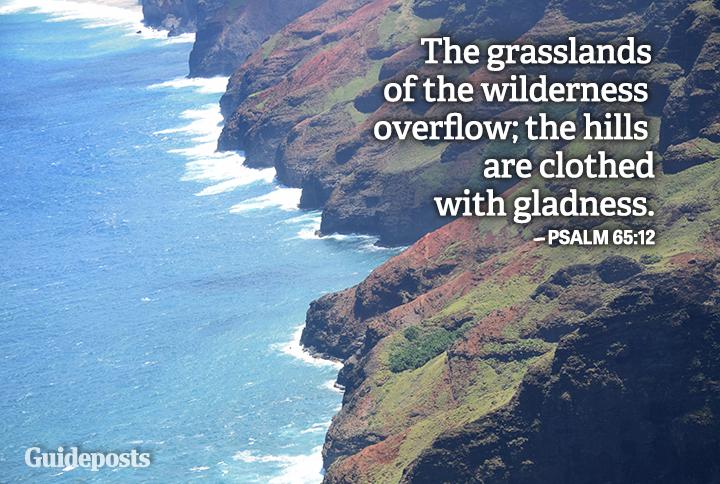
“The hills are clothed with gladness,” King David proclaimed (Psalm 65:12b).


I couldn’t agree more. Even on the little hillside of our backyard viewed from my perch on the deck, I see much gladness. And observations of the gladness lead to worship.


Sun glints through the trees creating a spotlight effect on some branches and turning backlit leaves into glowing emeralds. Down by the creek bed foliage is draped in deep, green-black shadow, beckoning wildlife into its cool environs.


Thank you, Father, for the comfort and cheer of dappled light.


Air currents waft through the trees causing branches to bob and sway. The long, compound leaves of the black walnut tree swing back and forth like bells joyfully ringing on the breeze. And flowers appear to wave jauntily to their Maker.


Thank you, Father, for the restoration and delight of a cool breeze.


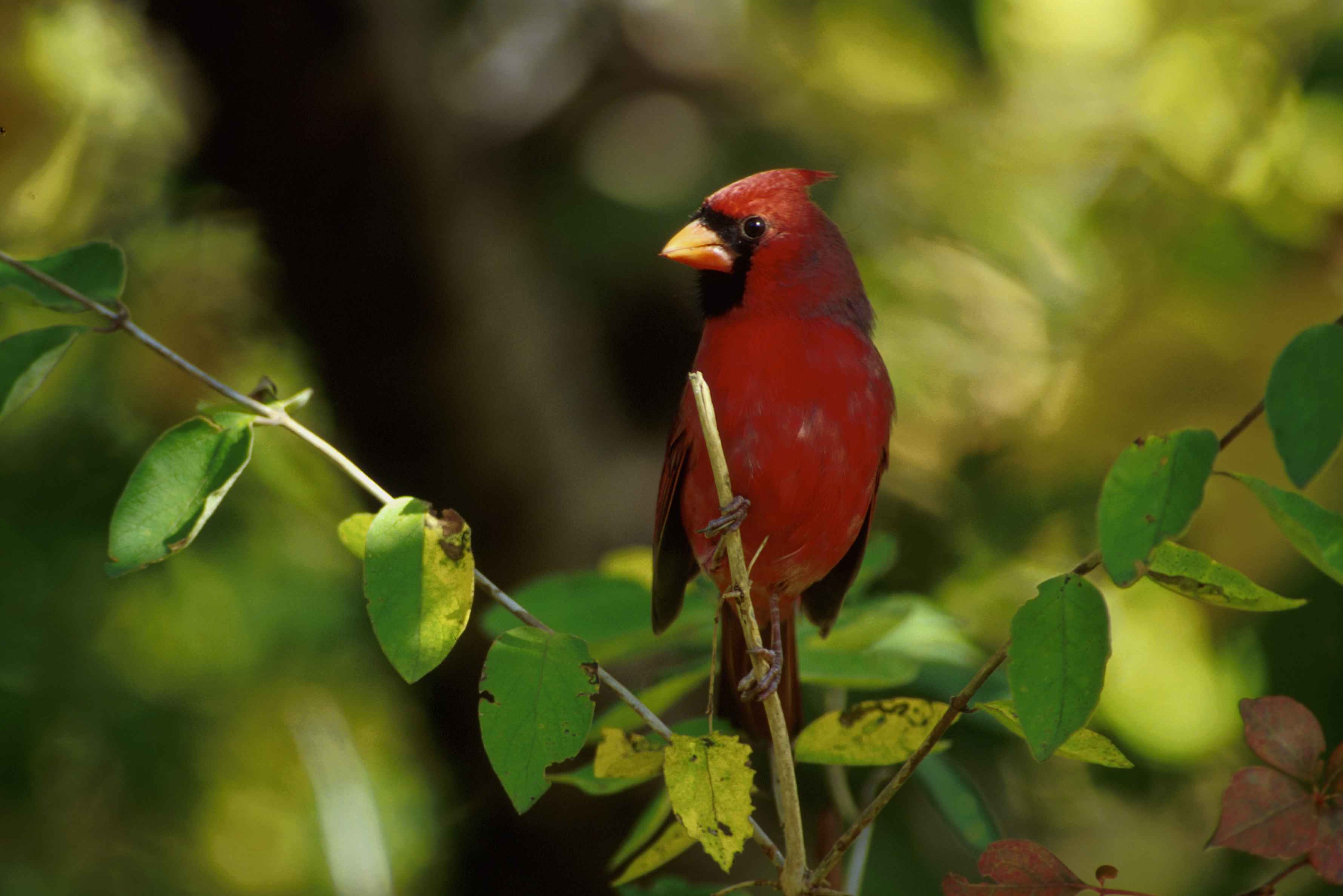
Two cardinals take turns serenading amidst the lacy greenery overhead. Robins, house wrens, chickadees, and more add accompaniment; the cicadas provide percussion.


The hills have certainly burst into song this day (Isaiah 55:12)!


Thank you, Father, for the pleasure and solace of bird song.


Two small squirrels play tag, spiraling rapidly around a tree five times. When they stop, I wonder, Are they tired or dizzy? And how do they run so fast, even clambering upside down without losing their grip?


(Woosh!)


Sometimes they jump impossible distances from tree to tree and I catch my breath. Their safety seems in jeopardy, yet the little fellows never fall. God has specially equipped them to handle such feats—just one of a million examples of how he has engineered every plant and animal for survival.


(“In his hand is the life of every creature.–Job 12:10a)


Thank you, Father, for the evidence of your wisdom, power, and influence—even among our backyard squirrels.


I’m remembering other animals that have visited less frequently. In the fall, a chubby woodchuck lumbers in the underbrush, fueling up for hibernation. Every now and then we spot a chipmunk or rabbit; sometimes even deer emerge out of the thicket, regal and quiet, to feed and rest in the yard. Our resident raccoon occasionally perches in his hole high up in the hawthorn tree, checking on the weather.


On summer nights we enjoy a festival of fireflies. Our trees appear decorated for Christmas with hundreds of twinkling lights. Frogs in the creek bed offer the sound track.


Thank you, Father, for the fascinating variety of creatures with which you’ve populated the world. “How many are your works, O Lord! In wisdom you made them all; the earth is full of your creatures” (Psalm 104:24).


The sky is full of God’s creatures, too. A small gaggle of Canada geese announce their coming with raucous honking. They’re heading for the pond behind duplexes down the street. Long necks stretch forward; large wings gracefully ply the air.


Also skyward, among great banks of cumulus clouds glides a puffy hippo!


And sometimes a red-tailed hawk glides in circles above the trees. Landing requires several battings of wings with feathers fanned out and talons extended forward–a lesson in aerodynamics and precision.


“The heavens declare your glory; the skies proclaim your works” (Psalm 19:1), O God, night and day.


Thank you, Father, that all things speak of you—flora and fauna, rock and water, earth and sky.


This deck has become a holy, hallowed place where the glory of your creation excites wonder.


And woven throughout your works is the mystical and supernatural—to inspire, expand, and enrich our souls for more of you.


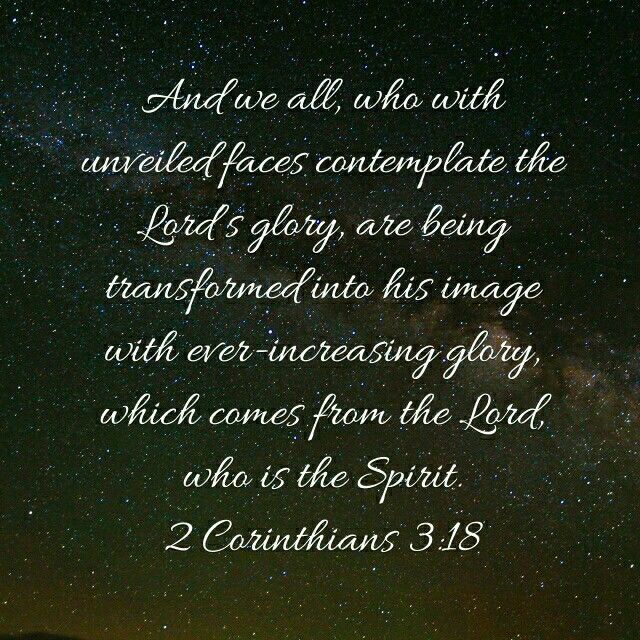
To that end I seek for my own life the same wisdom, power, and influence I see in your creation. Then I too may reflect your glory (2 Corinthians 3:18).


________________________________________


What has compelled you to worship from your deck, porch, or beach towel? Please share your thoughts in the comment section below!


(Photo credits:  www.guideposts.org; Nancy Ruegg; http://www.flickr.com; Nancy Ruegg; http://www.pixnio.com; http://www.wikimedia.com; http://www.pinterest.com (2); http://www.flickr.com; http://www.slideshare.net; http://www.pinterest.com (2).


Read Full Post »

4294b8e0861224468e7e42b56456b714

My first teaching job was in a small community southwest of Lexington, Kentucky. Although the school included first through sixth grades, there were only five teachers. Second grade was divided, some students included in first, the rest with third. I was assigned the first/second split.

The first morning of school went by quickly as we read stories, played a few learning games, and completed a class chart of favorite summer activities. Soon it was time to march to the cafeteria for lunch.

The children lined up to receive their plates of food, and then were instructed to pick up napkins, utensils, cartons of milk, and straws – all without benefit of trays. Little hands struggled to hold so many items–much less carry them all without accident.

lunch

So began my habit of standing at the end of the counter, wrapping utensils and a straw in a napkin, then perching a milk carton on an empty corner of the plate as the students passed by.

One second grader, Ricky, was much too manly to use a straw. Each day he would proclaim, “I don’t need no straw.”

Each day I would patiently correct him: “I don’t need a straw.” Ricky would repeat it again after me.  It almost became a joke between us, as the exchange occurred day after day, month after month.

One noontime in March, while focused on wrapping the next set of flatware, I heard Ricky’s voice proudly proclaim, “I DON’T NEED A STRAW!”

My eyes popped, Ricky’s twinkled, and his broad smile indicated his pleasure in remembering–all by himself–how to correctly form his request.

A quick hug, a few pats on the back, and an “I-am-so-PROUD-of-you!” let him know how I felt.

It never occurred to me to say, “Well, it’s about time, Bud! You DO realize we’ve repeated this little ceremony over one hundred times, don’t you?”

No. This was a moment to celebrate! Our perseverance had paid off. And perhaps this one little grammatical victory would prompt Ricky to conquer the next. I was thrilled.

Do you suppose that’s how God feels when our “practice makes perfect?”

When:

1313

  • Our quiet time with him finally becomes a near-daily habit?
  • We remember to express gratitude and praise to him throughout the day?
  • We’re able to think before we speak more consistently?
  • We forgo some purchase for pleasure in order to supply someone else with necessities?
  • We put aside our agenda to do a favor for someone else?

Yes, I believe God is thrilled with our steps of progress, just as I was with Ricky’s effort. If God withheld his pleasure until we reached perfection, we’d never experience even one good thing (Psalm 84:11). He’d always be in discipline-mode.

But Isaiah tells us: “The Lord longs to be gracious to you; he rises to show you compassion” (30:18).

David reminds us that out of his grace and compassion he guides our steps and takes delight when we follow his way (Psalm 37:23 AMP).

Another psalmist proclaimed that the Lord delights in those who fear him, who put their hope in his unfailing love (147:11).   No mention of delight reserved only for those who are perfect.

Ah, but what about Jesus’ statement in Matthew 5:48:   “Be perfect as your Heavenly Father is perfect?”

Yes, that is the standard, but God does not disapprove of us because we haven’t achieved that goal.   He knows perfection this side of heaven is impossible. What he does approve of is effort—to press on like Paul to “receive the heavenly prize for which God through Christ Jesus, is calling us” (Philippians 3:12-14).

When we stumble, we keep going. When we fall, we get up and try again.

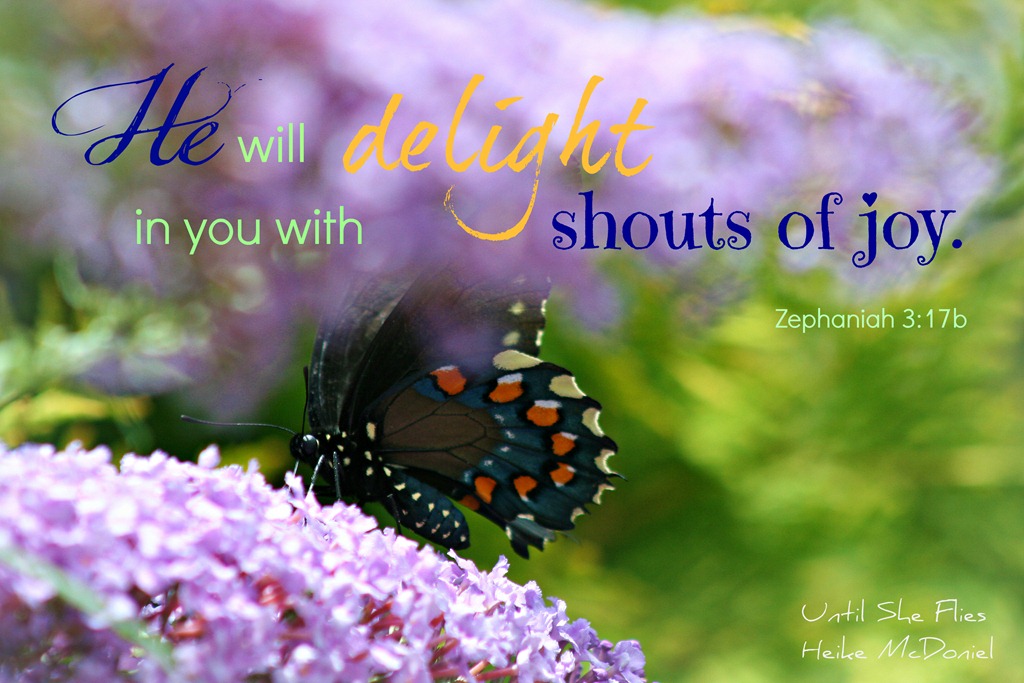
But listen closely.  You’ll hear God celebrating our progress (Zephaniah 3:17).

Zephaniah-317-

*    *     *     *     *   *     *     *     *     *

We praise you, Heavenly Father, for being a gracious, compassionate God,

who is slow to become angry and always abounding in loving-kindness.

Even as we strive to be more like you,

we can rest in the knowledge that you will not condemn us

when we stumble and fall.

Thank you for your readiness to forgive and your everlasting love.  

Thank you for continually drawing us closer to you and your perfection. 

(Psalm 103:1-2, Romans 8:1; 1 John 1:9; Jeremiah 31:3).

Photo credits:  www.pinterest.com; http://www.grist.org; http://www.neabscobaptist.org; http://www.untilsheflies.com.)

Reblogged from June 15, 2015.

Read Full Post »


No doubt it’s happened to you too: a shift of life-circumstances occurs in an instant and suddenly your world is shattered. Maybe it’s a job transfer or termination. Maybe it’s the break-up of a long-term relationship or marriage. Maybe it’s an accident or life-altering medical diagnosis.  Your thoughts wrap around the event and its consequences with such ferocity, you can think of nothing else.

We know focusing on “what ifs” and “if only-s” is counter-productive. And as people of faith we know God has our best interests at heart. But we hurt, and we wonder what God is up to.

The next time cataclysmic circumstances overtake me, I want to be better prepared, starting with a new perspective.  I want to view obstacles as opportunities:


“What is the difference between an obstacle and an opportunity?

Our attitude toward it.

Every opportunity has a difficulty,

And every difficulty has an opportunity.”

–J. Sidlow Baxter

(pastor, theologian, author, 1903-1999)


The trouble is, attitudes are not easily adjusted. How do we change our perspective? Perhaps such strategies as these will prove helpful:


  1. Be intentional about word choices.

We can call our situations opportunities as Reverend Baxter suggests. Challenges are adventures as we live out God’s plan for this circumstance. And we can change the D of Disappointment to an H for His appointment*—an appointment to learn, grow, and mature (James 1:2-4).


  1. Consider the circumstances from God’s point of view.

According to Charles Spurgeon, what seems a crushing burden to us is a matter of small dust to God. I need to focus on how great he is compared to the smallness of my problem.


(“Great is our Lord and mighty in power,”

His understanding has no limit.”

–Psalm 147:5)


Such scriptures need to be front and center, posted in attention-grabbing places like inside the refrigerator, on the steering wheel, or in the sock drawer.


  1. Let purpose impact perspective.

When our daughter was in high school, she joined the track team one spring. Heather never won a single race.  But she didn’t consider herself a loser, because instead of running against the competition, she ran against the clock. Every tenth of a second she shaved off her time, she considered herself a winner.  Her purpose for running was not to become a track star; it was simply to be with friends and get a good work out.  Her purpose impacted her perspective.


God has purpose in our circumstances—to produce tremendous benefit in our lives and in the lives of those around us. We can choose to embrace his purpose (even though we may not know what it is) and allow it to impact our perspective.


  1. Look for the blessings.


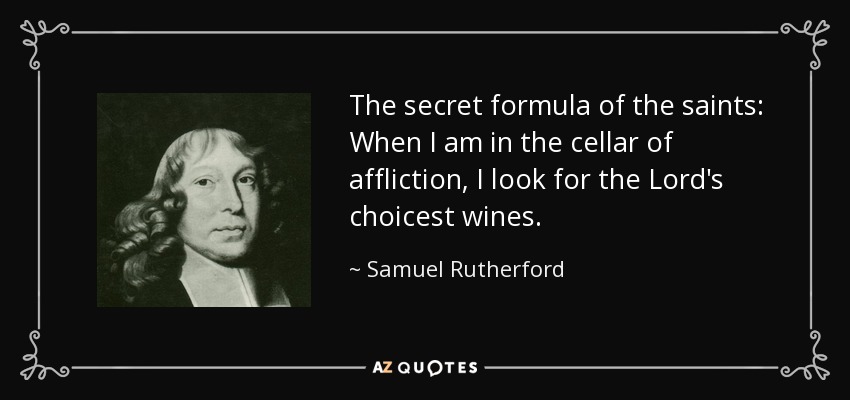
(“When I am in the cellar of affliction

I always look about for the Lord’s choicest wine.”

–Samuel Rutherford–

pastor, theologian, author, 1600-1661)


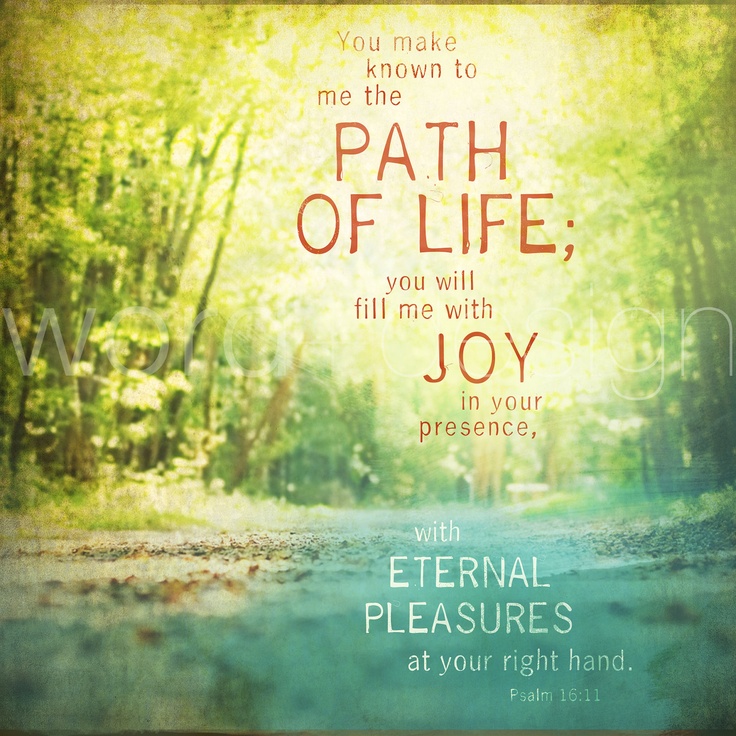
Rutherford wasn’t referring to material blessings, although God certainly bestows those, even in the midst of pain or trouble. The Lord’s “choicest wines” include his peace (Isaiah 26:3) and joy (Psalm 16:11) that defy explanation as difficulties assault.

But, we must look about. Will the blessing arrive through a special scripture or other reading? Perhaps through a song or the comment of a friend? The possibilities are endless because our God is infinitely creative. Our part is to be attentive.


  1. Focus on God himself (Isaiah 41:10).


By his power the whole universe functions as a cohesive whole. Out of his infinite wisdom, every creature is provided for. And because of his loving compassion, every person may enjoy eternal life through his Son, Jesus. God is able to do all things! He will not fail to see us through all our troubles (2 Corinthians 4:16-18).


One of the first explorers to sail around the southern tip of Africa experienced whipping winds and driving rain during that portion of the voyage. He named the area Cape of Storms.

When Vasco de Gama traversed the same promontory in 1497, he renamed it Cape of Good Hope. His focus was not on the turbulent waters under and around his ship but the treasures of India ahead.


Vasco de Gama


In life, we can focus on the storms of difficulty and pain.   Or, we can center our hearts and minds on the life of good hope Jesus provides here and now, as well as look ahead to the glorious eternity of heaven.

The choice of perspective is ours. Will we choose to view our challenges as obstacles or opportunities?

_____________________________


What helps you achieve or maintain a positive perspective when adversity strikes? Please join the conversation in the comment section below!


* His Imprint, My Expression, Harvest House Publishers, 1993.


(Art & photo credits:  www.wikimedia.com; http://www.pinterest.com (2); http://www.pixabay.com; http://www.azquotes.com; http://www.youtube.com; http://www.wikimedia.com (2).


Read Full Post »


“Ask the animals, and they will teach you,

or the birds of the air, and they will tell you;

or speak to the earth, and it will teach you,

or let the fish of the sea inform you.

Which of all these does not know that

the hand of the Lord has done this?”

–Job 12:7-9


It’s true. Just a bit of knowledge in the fields of zoology, botany, or geology does inform us of the precision with which our God created all things:

  • Every living thing is provided just the right kind of nourishment it needs.
  • The Amazon rain forest supplies the entire planet with half its oxygen.
  • Rivers respond to God’s laws of physics, causing them to meander instead of run straight. As a result, calm estuaries form so young aquatic animals are protected while they grow.


Countless facts such as these make it difficult to disregard the evidence: A Supreme Being had to mastermind all this.

Even mathematical explorations lead us to the same conclusion.

Take for example Fibonacci* numbers—a sequence where each succeeding number is the sum of the two preceding numbers. 0+1=1; 1+1=2; 1+2=3, 2+3=5, and so on, produces this sequence: 1, 2, 3, 5, 8, 13, 21, 34, 55, 89, 144, 233, etc.

So what’s the big deal? someone may ask. There are more than a few big deals.

First, the number of petals on a flower very often comes from the Fibonacci sequence. The calla lily has one petal; Euphorbia, two; trillium, three; violets, five; bloodroot, eight; and black-eyed Susan, thirteen. The list could continue.


Or, imagine each Fibonacci number as the sides of a square arranged like this:


Now add an arc from opposite corners in each square, to form a spiral. Someone designated it the Golden Spiral.


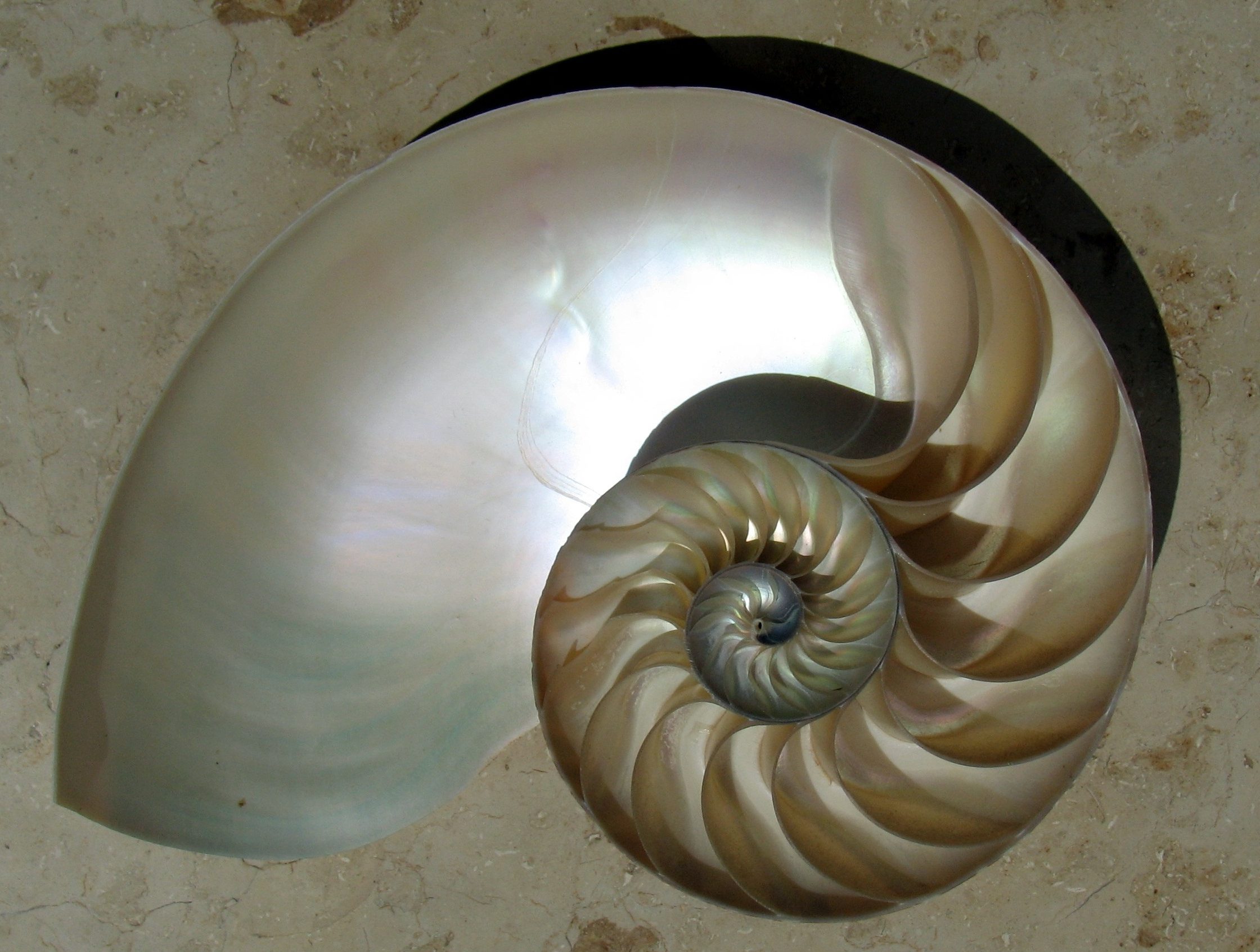
Look familiar?  You’ve seen it in the interior view of a nautilus shell,


the pattern of sunflower seeds,


the tail of a seahorse,


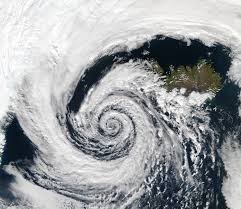
the rotation of a hurricane,


and the expansive reach of some galaxies.


Other spirals are also in evidence:

Imagine holding a stem of leaves. Look carefully at how each leaf is attached to the stem and you’ll see a spiral pattern. Now put your (imaginary) finger on one leaf and turn the stem to find another leaf in the same position on the stem. The number of turns will be a Fibonacci number.

Count the leaves in between those two leaves you’ve just identified, and again, the total will be a Fibonacci number. For example, the ratio of turns to leaves is 1:2 for elms, 1:3 for beech, 2:5 for oak.


Trees are not the only vegetation to display spirals in a consistent ratio of side-by-side Fibonacci numbers. The scales of pinecones grow in opposing spirals in a 5:8 ratio, the bumps on a pineapple are 8:13.

Even the DNA molecule measures 34 angstroms long by 21 angstroms wide for each full turn of its double helix spiral—again, neighboring numbers in the Fibonacci sequence.


Similar ratios are found on sunflowers. The number of seed-spirals going in one direction will add up to a Fibonacci number; those going in the other direction will be a neighboring Fibonacci number.


Evidence of these number sequences is so vast in creation, The Fibonacci Quarterly was established in 1963, published by The Fibonacci Association. Their purpose is to document the occurrence of the phenomenon in nature.

I wonder if they would agree with Galileo (1564-1642) who proclaimed:


“Mathematics is the language

in which God has written the universe.”


Just the Fibonacci sequence alone gives much proof.


*     *     *     *     *     *     *     *     *     *


Glorious God, you are the Artist who fashioned mountains and sunsets of breath-taking beauty. You are the Scientist who designed flora and fauna to thrive and regenerate. You are the Mathematician who shaped the world with symmetry, organization, and pattern.   The whole earth is filled with your glory (Isaiah 6:3)—down to the last molecule! How can we express the overwhelming wonder that fills our hearts?        


* Leonard da Pisano, also known as Fibonacci (son of Bonaccio), discovered the sequence pattern around 1200 A.D.


(Art & photo credits:  http://www.pexels.com; http://www.pixhere.com; http://www.wikimedia.org (3); http://www.wikipedia.org; http://www.peakpx.com; http://www.flickr.com; http://www.wikipedia.org (2); http://www.wikimedia.org (2); http://www.pxhere.com.

Read Full Post »


Years ago I created a memory booklet to celebrate my dad on his birthday. Good thing I did. Over the intervening decades, some of those recollections would surely have been forgotten. And now the memories are more precious than ever.


(Dad and me 1964)


Their meaning, however, goes deeper than mere sentiment. Throughout my life, Dad has modeled the loving ways of my Heavenly Father.

For example:

Dad often took my brother and me to the community pool or on bike rides through the back streets near our home.  We also accompanied Dad to the hardware store, the lumberyard—even the dump! When he asked us to tag along, we always said yes. It meant quality time with our hero.

How incredible to realize God Almighty desires our intimate company, too (2 Corinthians 6:16).


    *     *     *


John and I had our own personal shoe fitter—Dad. He’d gently press on toes, instep, and heel, to ensure proper fit. Such attention to detail was his modus operandi. As a result, we could trust him. He always had our best interests at heart.

God also carefully attends to the details of our lives (Isaiah 40:11).   For a number of months in 2013 we searched realty websites for a new house. Two weeks before the actual walk-throughs, a perfect brick ranch just happened to become available. Though we looked at other homes, this became his obvious choice for us—a true gift.


 *     *     *


Dad started taking me to the library as a toddler. It was on his lap and my mother’s I learned to appreciate books.

My Heavenly Father guided me to appreciate his Book.  Nowhere else have I found such wisdom, consolation, inspiration, and direction. David was right: The scriptures are more valuable than gold (Psalm 19:10).


 *     *     *


One time I ran out of reading material while sick with a virus. Dad went to the library to remedy the situation. Because he knew me well, Dad could choose books he was reasonably confident I’d like. And sure enough, I read all four.


My Heavenly Father knows me more intimately yet and cares about my interests (Psalm 139:1-3). After I had taken up writing again, a woman at church just happened to invite me to her writers’ group. Not only did the members offer encouragement and challenge, they became delightful friends as well.


  *     *     *


Dad and I were on an errand at Sears when we passed the bicycle display. Suddenly he asked, “If you’re willing to pay half out of your savings, what do you say we get you a new bike today?”   My heart pounded so loudly at such a glorious surprise, I found it difficult to focus on the decision of red or blue. (Blue won.)

God in heaven blesses us in delightful, surprising ways as well (Matthew 7:7-11). One afternoon a member of our church (where my husband, Steve, was pastor) called to seek a recommendation on a car. Why me? he wondered.  Steve thought perhaps she planned to purchase one for her grandson’s graduation. But no, it was for us.


    *     *     *


When I was seven or eight, Dad taught me the card game, “21,” so I could practice addition and subtraction. (Math never was my friend.) Not only did he sacrifice his time to help me, he aimed to make the exercise pleasurable too.

My Heavenly Father has gently taught me life skills too (2 Timothy 3:16-17). Recently I came across Ephesians 5:4 about what should be coming out of my mouth instead of foolish talk. Paul encourages thanksgiving, because it is life changing.   Positive thoughts become positive words that foster positive action. In addition, God knows a grateful heart is a joy-filled heart (Psalm 92:1-2, 4).


  *     *     *


My father is ninety-three, and still a remarkable man of strength, wisdom, and faith. His godly influence greatly helped shape my life.

I wonder how different the world would be if all fathers followed the model of our Heavenly Father (1 Corinthians 13:4-8)?  He lavishes such attentive, everlasting love on his children.  My heart fills with awe and adoration at the wonder that I am his and he is mine.


(Art & photo credits:  Nancy Ruegg (2), http://www.pinterest.com; Nancy Ruegg; http://www.slideshare.net; http://www.pinterest (2).


Read Full Post »


“If God is for us,

who can be against us?”

–Romans 8:31 NIV


As I write…

…two friends are fighting cancer, one of them for the second time.

…Another deals with debilitating illness every day while a fourth deteriorates as the result of Alzheimer’s. 

…A married couple among our acquaintances is separated. He is filing for a divorce that she doesn’t want or deserve.

…Families and friends of those who died in the recent terrorist attacks suffer through the aftermath, as well as those injured, their families and friends. My heart aches for the first responders as well.


Though I wish it weren’t so, even devout believers in Jesus endure physical pain, emotional hurt, and horrific circumstances. How can God be for us when so many endure anguish?

Here’s what I’ve come to understand:

#1. My interpretation of a particular verse must be measured against the whole of scripture and the experience of countless saints through the ages.

Evidence from the Bible and church history would indicate that “God for us” does not mean he will engineer a problem-free life—even for one of his beloved. Perfection is reserved for heaven.

What God has promised here and now is to:

  • be with us,
  • provide strength,
  • help us through the situation, and
  • uphold us with encouragement and comfort (Isaiah 41:10).


But when shocking news sends me spinning toward fear, when trouble threatens to destroy my peace and joy, when pain exhausts my strength, those familiar promises seem—dare I say it?—inadequate.

God may have promised:

  • His presence with me, but I want him to show me the way out.
  • His strength, but I don’t feel it Instead, I feel terribly weak.
  • His help through the situation, but I want his help around it.
  • His encouragement and comfort, but I am discouraged and uncomfortable.

Such statements bring immediate clarity to the inadequacy. Look how I am the focus of those statements, how I assert my desires for relief and ease.

The problem is me.


#2. God’s desire for me during my time on earth is not endless comfort and pleasure.

His goals include:

  • maturity (James 1:4)—fully developed character of faith, discipline, and integrity.
  • Heightened awareness of him so that “in the darkness of adversity, [I am] able to see more clearly the radiance of his face”* (2 Corinthians 4:6).
  • Lessened awareness of the inconsequential things on earth (Colossians 2:1-2).


And why are these goals important to him? Because the result is an indescribably glorious prize:


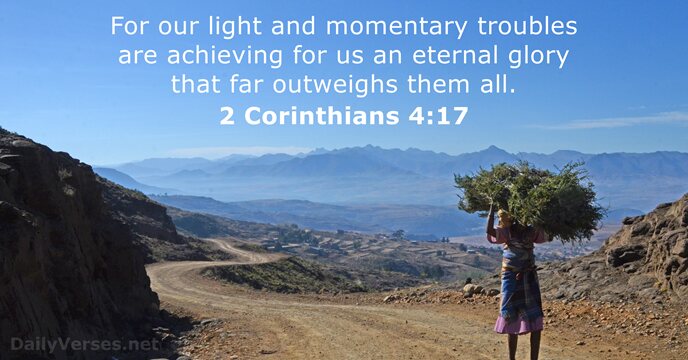
“Our momentary light affliction is producing for us

an absolutely incomparable eternal weight of glory.”

–2 Corinthians 4:17 HCSB


Paul wrote that—a man who suffered much. He was beaten, imprisoned, and even stoned because of his faith in Jesus (2 Corinthians 6:4-5).  

Yet he was able to assert that anything he had suffered was nothing compared to the glorious joys of heaven awaiting him. That’s a critical truth to remember.


Also helpful to keep in mind:

#3. Evidence abounds that God is for us no matter the circumstances.

Just for fun, I counted up God’s attributes in the index of one of my resources—attributes such as God’s Attentiveness, God’s Blessings, and God’s Care. The list includes twenty-eight different categories.  No doubt there are even more.

How can I doubt the motives of such a loving, generous God?

My own experience provides bountiful evidence.

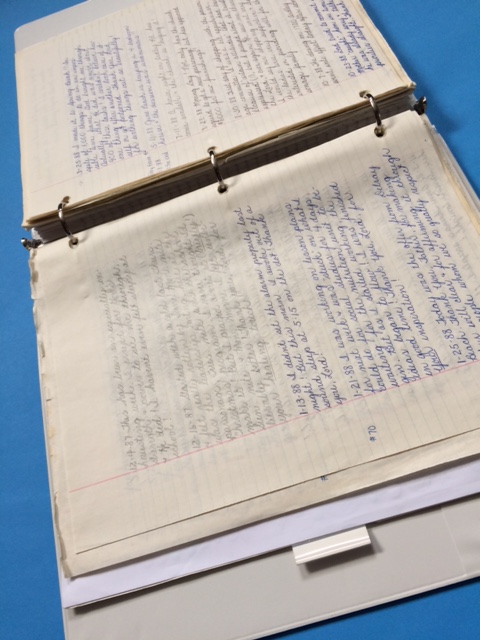
As some of you will remember, I’ve kept a journal since 1983 of God’s faithfulness to our family. Each year I total up the blessings, and praise God for his help, kindness, and miracles during the previous twelve months. To date there are more than 1,200 entries in all.


(Can you see how yellowed and tattered the edges of this first page are?!)


At the end of one particularly difficult year my jaw dropped to discover more entries than any year previously. God had indeed been for me—through it all.

The great missionary to China, Hudson Taylor (1832-91905), was right:


(“All our difficulties are only platforms for the manifestations of his grace, power, and love.”)


Every day, every moment, the Almighty God of grace, power, and love is at work for our benefit.

Who could possibly win against such supremacy?


* Sarah Young, Jesus Calling, Thomas Nelson, p. 361.


*     *     *     *     *     *     *     *     *     *


How have you experienced God’s grace, power, and love during a time of difficulty?  Please share in the comment section below!


(Art & photo credits: http://www.pinterest.com; http://www.wikimedia.com; http://www.pinterest.com; http://www.picturequotes.com; http://www.pinterest.com; http://www.biblesociety.ca; Nancy Ruegg; http://www.quotefancy.com.)

Read Full Post »


Wouldn’t that be nice—a deep sea of joy—for the days when the washer breaks down in the middle of a load, a tire goes flat on the way to an important meeting, and a jar of spaghetti sauce slips out of hand, splattering bright red ooze and shards of glass over much of the kitchen.

Yup. That’s what we need: a deep sea of joy. We could jump right in and be swallowed up in delightful mirth while everything else conspires to dump us into despair.

But according to that wise preacher of long ago, Charles Spurgeon, that’s exactly what we do have:


“Our God is a deep sea of joy.

My soul will dive therein

And be swallowed up

In the delights of his companionship.” *


Sounds wonderful, doesn’t it? Such sweet relief. But how do we do that? How do we delight in the companionship of an invisible God?

Actually, the relationships we enjoy with our (visible) loved ones give us many cues.


For example, just last weekend we enjoyed three days at Red River Gorge, Kentucky, with our older son and his family. You might recall Eric and Hilja (Hill-ya) have two little girls, ages four and four months. Needless to say our activities at the gorge were limited. No zip-lining, horseback riding, or long treks through the forest. Not this trip.

But we still took great pleasure in interesting conversations on the deck (especially in the evening after the girls were asleep), a short, scenic woodland hike, superb dinners prepared by Eric, reminiscings through some family history, frequent laughter**, and simply basking in the joy of being together.

God offers us similar joys as we delight in him:


  • Conversation—in the form of “simple, short prayers flowing out of the present moment” (Sarah Young, Jesus Calling, 55).


  • Common interests, such as impacting the lives of others–opportunities to participate side by side with God in his work (John 15:5).


  • The splendor of creation–all the more magnificent as we revel in his artistry and genius (Psalm 33:6-9).


  • Celebration of who our God is and what he does (Psalm 145:7, 92:4).


  • Humorous moments–created by God just like everything else, so that with Sarah each of us can say, “God has brought me laughter” (Genesis 21:6).


  • His ever-present, ever-attentive companionship–itself a source of lavish joy (Psalm 16:11).


Oh, but there are still more ways to delight in God as we…

Trust.

Consistent contentment is possible as we affirm, “He is faithful in all he does” (Psalm 33:4).

Thank.

Honoring God with our gratitude is uplifting to us and pleasing to him (Philippians 4:6-7; Psalm 69:30-31).

Praise and sing.

If God delights in us with singing (Zephaniah 3:17), how much more should we delight in him with an expressive, lyrical heart?


Charles Spurgeon was right:


Our God offers a deep sea of joy–

if only we dive into his delights

frequently,

all day long.


*from Morning by Morning by Charles Spurgeon, updated by Whitaker House, 1984.


**Maybe it was only funny to us, but I have to share what four-year old Elena said after her first fishing excursion. She’d been warned to stay out of the greenery along the side of the road in case of poison ivy. Upon returning to the cabin she announced, “I stayed out of the weeds so I won’t get poisonitis.”


(Art & photo credits: http://www.maxpixel.freegreatpictures.com; http://www.azquotes.com; http://www.wikimedia.com; http://www.dailyverses.net; http://www.uk.pinterest.com (2); http://www.pixabay.com.)


Read Full Post »


Many of us have endured lots of rain this spring, but the payoff has been worth it. On our little hillside, tightly compacted foliage now covers trees and shrubs. Hearty blades of grass press thickly together like subway travelers at rush hour. The whole landscape is so green, you’d think we lived on the Emerald Isle.


(Trees and shrubs behind our house.  ‘Wish the light was better,

but it’s another day of clouds and  rain.)


Close inspection reveals, however, that spring foliage comes in many more shades of green than emerald.


Isn’t green a glorious color? No matter the shade, there’s something about green that breathes restoration and life into our beings.

Researchers have studied the response of the body when a person is surrounded by a particular color. Green causes muscles to relax and blood vessels to dilate. Therefore, it has a calming effect and lowers stress.

The positive effects of green are even more pronounced when we get outdoors. Studies have shown that such capacities as short-term memory, mental energy, creativity and concentration all improve after time spent in nature. Even five minutes can produce positive effects.


Researchers are even discovering restorative responses in the body after a person has been outdoors. For example, inflammation decreases, nearsightedness is less pronounced, and the immune system improves.

What do you suppose accounts for all those benefits? Perhaps God intentionally designed his creation (at least in part) to provide restoration of body, soul, and spirit–for us.


The challenge is getting out there. Too often I’ve allowed indoor tasks and activities to take precedence over sitting on the deck or taking a walk.

And once situated on the deck or strolling in the neighborhood, I need to take note of my surroundings. If my mind is preoccupied with the to-do list or troubling concerns, restoration is not going to happen. I have to pay attention.

How?

Engage the senses.


  • Take note of the light dappling the foliage.
  • Listen to the breezes whisper among the evergreens.
  • Fill the lungs with pure air cleansed by flourishing, CO2-breathing trees.
  • Touch the cool, curled edges of the geranium leaves.


Experience the wonder.

  • Limbs and gentle winds join in an intermittent dance.
  • Leaves bob and sway.
  • Treetops enthusiastically participate; creek bed foliage plays the wallflower, quiet and still.
  • Sun glints through the woods, creating a spotlight effect on some branches. Others are draped in deep, green-black shadow.


And the most important step of all:


Express gratitude.


I thank you, Father, for the gift of greenery, the grandeur of stately trees, the delight of shapely leaves, the peaceful calm of an open field or forest temple.


I thank you for the lessons they teach—reminders to grow our roots deep into your love (Ephesians 3:17), to be watered by your Word (Psalm 1:2-3), and to live in the Light of your Son, Jesus (John 8:12).


It’s not just the infinite heavens that declare your glory and display your wisdom and power (Psalm 19:1). Even the minutest of plants offers evidence of your splendor and artistry.


The whole of nature is your living room, God, and I humbly thank you for the precious privilege of meeting you there.


(“Nature is God’s living room,” a Michael Hyatt creative expression.)


Photo credits:  www.pexels.com; Nancy Ruegg (3), http://www.maxpixel.freegreatpicture.com; http://www.pexels.com; Nancy Ruegg; http://www.pexels.com (2), http://www.publicdomainpictures.net; geograph.org.uk; http://www.maxpixels.freegreatpicture.com; http://www.pexels.com; http://www.maxpixel.freegreatpicture.com; http://www.pexels.com.

Read Full Post »

Though another cold spell (down to 33 degrees!) just moved through our area, spring is still evident everywhere. Small leaves on tree and bush have quickly grown into verdant foliage. Flowers bloom in dazzling colors, and birds happily twitter nonstop. I’m captivated again by the beauty and grandeur of nature, especially as the earth reawakens from winter.


Just being outdoors surrounded by God’s splendor can increase our awareness of him. His attributes are on grand display every day, in every corner of our planet. For example, we see confirmation of:

His glory – God’s magnificence is personified in the splendor of sweeping prairie vistas, the majesty of mountains, and the vastness of oceans.


(Cook’s Inlet, Alaska)


His power – Who else could create innumerable galaxies of stars, planets, and moons, then place them over light years of endless space?


His holiness – God is perfect; his works are perfect.   Evidence abounds in the exact count of petals on a buttercup (It’s always five), the ever-changing hues of a sunset sky, and on the rainbow wings of a Fire Clipper butterfly.


His grace – God keeps Planet Earth in a state of perpetual renewal as the sun provides energy, rain supplies hydration, flora and fauna exchange carbon dioxide and oxygen.


His wisdom – Unlike most substances, water expands when frozen, increasing its volume. As a result, ice floats. Imagine what would happen if glaciers sunk to the ocean floor. Sea water would have chilled dramatically a long time ago and cooled the planet. Life would have been unsustainable.


His ability to work wonders – God made creatures that morph in astounding ways: caterpillars become butterflies, tadpoles turn into frogs, and newborn kangaroos, no more than pink blobs the size of bees, transform into two hundred pound adults.


His goodness – Our world abounds with countless plants and animals in various shapes, colors, textures, and more. Such diversity is surely not necessary for our survival. Wouldn’t a world in shades of gray suffice? Wouldn’t bread and water keep us alive? But God sees fit to bless us with the delight of variety.


His orderliness — God has designed entire ecosystems so precisely that every organism is perfectly provided for in a methodic, rhythmic cycle.


His creativity – Planet Earth is home to at least 9,000 species of birds, 15,000 different kinds of mammals, 27,000 types of fish, 400,000 different sorts of flowers, and 900,000 species of insects. Each one is unique.


(Rainbow Leaf Beetle)


The scope of creation is so vast, the most detailed descriptors only skim the surface of its marvels. Everywhere we look—into the deepest recesses of space with a telescope, or into the minutia placed under a microscope, we see intricacy, precision, and complexity.


(Microbe Organism)


*     *     *     *     *     *     *     *     *


The earth is full of your riches, O God. Day and night the visible things of creation silently shout the unspoken truth that you are the all-powerful, ever faithful, and perfectly wise God. Lead me, I pray, to experience your world with the eyes of worship.

Psalm 104:24 ASV; Romans 1:20; Grace Notes by Philip Yancey, p. 165.


What additional evidence of God’s attributes do you see in creation?  Please share in the comments section below!


(Photo credits:  www.pixabay.com; http://www.maxpixel.freegreatpicture.com; http://www.wikimedia.com; http://www.pinterest.com; http://www.flickr.com; http://www.youtube.com; http://www.wikimedia.com; http://www.pinterest.com; http://www.pixabay.com; http://www.pinterest.com.)


Read Full Post »

« Newer Posts - Older Posts »

Sylvia Schroeder

Impressions Becoming Expressions

Mitch Teemley

The Power of Story

Still Traveling

Impressions Becoming Expressions

Living Our Days

Gaining a heart of wisdom

He Said What?!

I'm Patty, and my husband and I are living with our adult son who has autism and epilepsy. I love sharing lessons learned from life around me, especially life with Aaron.

Meditations of my Heart

Impressions Becoming Expressions

Linda Stoll

Impressions Becoming Expressions

Signora Sheila

Where faith meets la dolce vita

Heidi Viars

Finding the Image of God