Feeds:
Posts
Comments

Archive for the ‘Joy’ Category

This question popped into my head recently:

If we connected a scripture verse to one blessed event for each month of 2025, what might we include?

Here’s a portion of the Ruegg list:

JANUARY—

Upon leaving worship one Sunday, we were greeted by heavy snowfall. The predominately pure-white scene provided a reminder that “Great is our Lord and mighty in power . . . He spreads his snow like wool and scatters the frost like ashes” (Psalm 147:5a, 16 NIV).

MARCH—

Our twelve-year-old granddaughter and her parents faced the decision of which school she should attend for grades 7-12.

Then, they just happened to sit in church near a family whose son attends one of the schools on their list, and the subject just happened to come up during the meet-and-greet time.

The positive conversation helped make clear God’s choice, illustrating once again, he does indeed show us which path to take (Proverbs 3:6 NLT).

APRIL—

A memorable Easter feast at our son’s and D-I-L’s home. Family and friends contributed parts of the meal, served in courses. In between each we enjoyed readings, prayers, and song–dining and fellowshipping for four hours!

Perhaps we followed—in part—the example of the early church: “They devoted themselves to . . . fellowship, to the breaking of bread, and prayers” (Acts 2:42 CSB).

JUNE—

Our oldest granddaughter (17) participated in a week-long science program at the University of Cincinnati. She and our daughter stayed with us. S. loved the course; H. and I enjoyed quality mother/daughter time.

“Children are a heritage from the Lord, offspring a reward from him” (Psalm 127:3).

JULY—

What a delightful morning with the Hippos! (That’s the Toddler 2 class at church.) The best part: Elliott wanted to be held and Luca took my hand on the way back from the playground. “No doubt about it: children are a gift from the Lord” (Psalm 127:3 CEB)—even if they belong to others!

The joy on this woman’s face expresses mine

AUGUST—

The visit of old friends produced much reminiscing, laughter, and heart-to-heart conversation. “Sweet friendship refreshes the soul” (Proverbs 27:9 MSG).

SEPTEMBER—

A blog post this month lacked a good conclusion, and then the morning of posting an idea popped into my brain. I knew exactly where it came from. “Every good and perfect gift is from above” (James 1:17a), including ideas!

OCTOBER—

Times spent with our granddaughters provide some of our best blessings: sleepovers, movie nights, playing games, crafting, and more.

“Grandchildren are the pride and joy of old age” (Proverbs 17:6 ERV).

NOVEMBER—

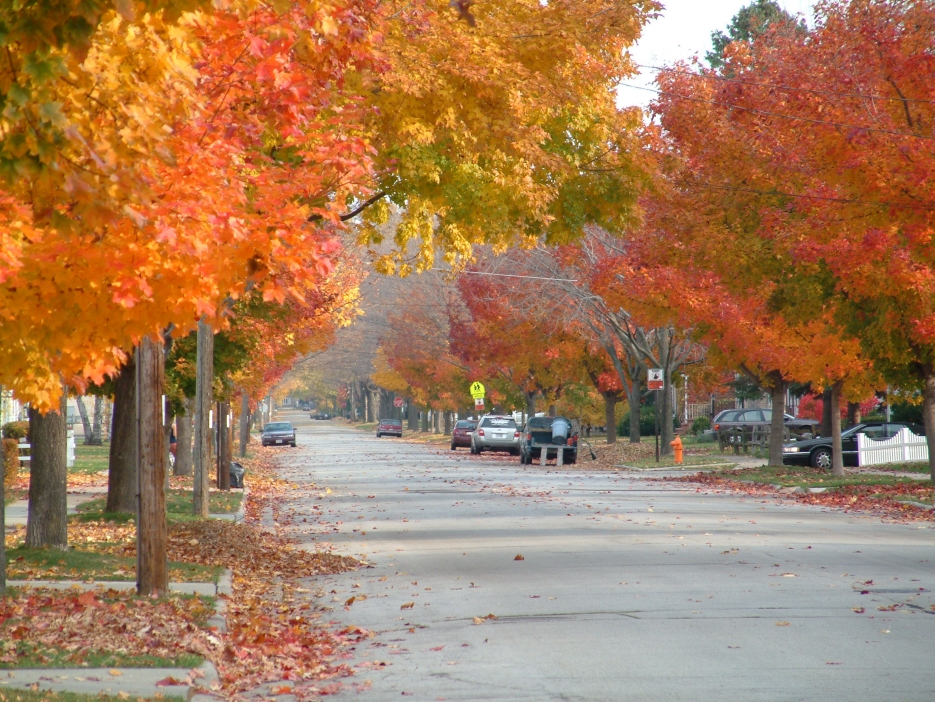
Multiple errands one week allowed me to enjoy numerous stellar vistas of the fall foliage. Surely autumn is the time when “the forest sings for joy before the Lord” (1 Chronicles 16:33) most passionately!

And to sum up the whole year:

“How abundant are the good things God has stored up for those who fear him” (Psalm 34:19)! We give thanks to him with all our hearts (Psalm 9:1a).

[No doubt some of you recognized this post—it’s the Ruegg Report for 2025, inserted in our Christmas cards. Writing once and “publishing” twice helped streamline the pre-Christmas to-do list. I knew you’d understand!]

Image credits: http://www.openclipart.org; http://www.pickpik.com; http://www.freerangestock.com; http://www.pexels.com; Nancy Ruegg; http://www.commons.wikimedia.org.

Processing…
Success! You're on the list.

Read Full Post »

Doesn’t that sound perfectly blissful—fullness of joy? According to the verse above, that kind of joy can be found in the presence of our Heavenly Father, at his right hand of favor.

That’s because, “There has never been a parent on earth who wants joy for his or her children as much as your Father in heaven wants joy for you, his child” [1].

To that end, God has provided numerous ways for us to experience his joy—all augmented as we share in each pleasure with him.

Just for fun, I took that phrase fullness of joy and challenged myself to create an acronym from its letters, to name some of the joy-makers our Heavenly Father provides. Then I dressed up each statement with the best-fitted quotes I could find:

F oster your relationship with God; F east on a world filled with his wonders (Psalm 92:4).

“When I am consciously aware of him,

life fills with wonder and wonder brings joy” [2].

U se time, gifts, and talents to bless others (Proverbs 11:25).

“In spreading my joy, God restored ME. MY JOY WAS FULL!

. . . As we pour out ourselves for others,

we ourselves are renewed” [3].

L ive in community with other believers (Psalm 133:1).

“When large numbers of people share their joys in common,

the happiness of each is greater

because each adds fuel to the others’ flame” [4].

L ift your voice in prayer (John 16:24).

“When I think upon and converse with Thee,

ten thousand delightful thoughts spring up,

then a thousand sources of pleasure are unsealed,

then a thousand refreshing joys spread over my heart,

crowding every moment with happiness . . .

I love Thee above the powers of language to express” [5].

N ourish your spirit with scripture (Psalm 19:8).

“[The Bible] is a mine of wealth, a paradise of glory,

and a river of pleasure” [6].

E xperience God’s presence (Psalm 21:6).

“The difference between tears and laughter

is found in being aware of the presence of God” [7].

S pend time outdoors, reveling in creation (Psalm 104:24-25).

“Time outdoors accomplishes a three-fold blessing:

better health, better mind, and better spirit” [8].

S ing (Psalm 100:1)!

“Nothing is more indicative of a fulfilled life,

a contented soul, and a happy heart

than the expression of song” [9].

O ffer encouragement to others (Proverbs 11:25).

“When someone does something good, applaud—

you’ll make two people happy” [10].

F ill your heart with gratitude (Psalm 9:1-2).

“Joy doesn’t cause us to be grateful;

joy is born out of our gratitude” [11].

J ump for joy–because sometimes you have to reach for it (Psalm 28:7)!

“Begin to rejoice in the Lord,

and your bones will flourish like an herb,

and your cheeks will glow

with the bloom of health and freshness.

Worry, fear, distrust, care—all are poisonous!

Joy is balm and healing,

and if you will but rejoice, God will give power” [12].

O ffer praise for who God is (Psalm 145).

“As I decreased my praise time, my joy also decreased.

I found out that when I made a habit

of intentionally giving God the praise he deserves,

I appreciated life so much better” [13].

Y ield to God’s ways, designed for our good that we may prosper (Psalm 19:7-8).

“The ultimate purpose of obedience is joy” [14].

By way of these Joy-Makers and more, we can experience the fullness of joy God wants to bring to our lives—the kind that permeates each moment as we abide in his presence.

(P.S. Continue your praise, guided by the free resource offered below as part of our newsletter!)


[1] Timothy Keller, Prayer: Experiencing Awe and Intimacy with God, p. 238.

[2] Deanna Chadwell, contributor to Soul Bare, 83.

[3] Barbara Johnson, Pack Up Your Gloomies in a Great Big Box, 197.

[4] St. Augustine, Confessions.

[5] From a Puritan prayer included in Valley of Vision by Arthur Bennett.

[6] Anonymous.

[7] Beth Moore, Believing God Bible study workbook, 44.

[8] F. Elaine Olson, Peace for the Journey, 191.

[9] John MacArthur, Ephesians, 256.

[10] Sam Goldwyn.

[11] Brother David Steindl-Rast.

[12] A. B. Simpson.

[13] Thelma Wells, contributor to Boundless Love, 231.

[14] Timothy Keller with Kathy Keller, Songs of Jesus, 199.

Image credits: http://www.canva.com; http://www.stockvault.net (Mohamad Hassan); http://www.pexels.com (Mattheus Bertelli); http://www.publicdomainpictures.net; http://www.freerangestock.com; http://www.commonswikimedia.org (Jason Clendenen); http://www.stockcake.com.

Processing…
Success! You're on the list.

Read Full Post »

Remember the Sesame Street game, “One of These Things Is Not Like the Others?”

See if you can find the misfit in this list of especially nutritious superfoods. One of these things is not like the others! Berries, cruciferous vegetables, cucumber, fish, leafy greens, legumes, nuts, olive oil, tomatoes, whole grains, and yogurt [1].

Did you choose cucumber? You win! Go eat some broccoli as a special winner’s treat!

And know this: prioritizing these foods on our plates leads to beneficial outcomes, including more energy, lower blood pressure and cholesterol, plus less risk of diabetes, depression, cognitive decline and even some cancers.

It’s no secret: our souls also need to be fed well. Choose the best options and experience such outcomes as these: lower anxiety, less depression, more contentment in life, and improved ability to handle life’s challenges with confidence and hope [2].

In addition, the well-fed soul tends to be resilient, able to navigate the ups and downs of everyday life [3].

So what are the best options for feeding our souls? There are a number of them, but for today, we’ll concentrate on just five.

No doubt they’re familiar to you. But I’d encourage you to at least skim-read below for an A-HA moment or two. I found worthwhile insights among the following; perhaps you will too.

BIBLE STUDY

The Center for Bible Engagement conducted extensive research to determine what happens when people engage with scripture at least four times per week. They found that people involved in Bible study are:

  • more pro-active in their faith (improving their quality of life as a result)
  • less likely to deal with bitterness, unforgiveness, discouragement, and more
  • more likely to resist temptations such as excess drinking, lashing out in anger, gossiping, or lying [4]

There’s much joy to be experienced in Bible study as well.

Theologian Jonathan Edwards (1703-1758) wrote that the Bible communicated “such refreshing food,” that “almost every sentence seemed to be full of wonders” [5].

I couldn’t agree more and know many of you would also.

PRAYER

And what might those changes include?

  • Less anxiety and more peace (Philippians 4:6-7)
  • Improved attitude as trust replaces doubt and hope replaces despair (Isaiah 40:31)
  • More understanding of God’s will (Colossians 1:9)
  • Greater endurance (Colossians 1:9-11)
  • Fine-tuned perspective as we allow God to reorient our thinking (Romans 12:2)

PRAISE AND WORSHIP

“Praise . . . is one great means of promoting the growth of the spiritual life. It helps to remove our burdens, to excite our hope, and to increase our faith.

“It is a healthful and invigorating exercise which quickens the pulse of the believer and prepares him for fresh enterprises in his Master’s service” (Charles Spurgeon) [6].

Here’s a praise-appetizer to whet your taste for glorifying God:

GRATITUDE

Gratitude is not just for those times when blessings abound.

“What was the prayer Daniel prayed right before being thrown in the lions’ den . . . ? Thanksgiving. What was Jonah’s prayer right before he was finally delivered onto dry land? Thanksgiving. How are we instructed to pray in Philippians 4:6 when we feel anxious? With thanksgiving. And what is the outcome . . . ? Peace” [7].

And that’s just one of many glorious benefits of gratitude—even when circumstances don’t seem to call for it. You can augment the positive impact by keeping a gratitude journal [8].

COMMUNITY

If we’re going to grow spiritually, we need the encouragement, prayer, and insight of other Jesus followers. Character and wisdom do not develop in a vacuum; interaction with others is an important factor [9].

All of these things—Bible study, prayer, praise and worship, gratitude, and community—are alike, in that they lead to the exceptionally satisfying life Christ offers [10].

Bon appétit!


[1] https://www.health.harvard.edu/blog/10-superfoods-to-boost-a-healthy-diet-2018082914463

[2] https://www.focusonthefamily.com/get-help-how-practicing-spiritual-disciplines-can-positively-impact-your-mental-health/

[3] https://www.healthline.com/health/emotionalhealth

[4] https://www.centerforbibleengagement.org/post/bible-engagement-a-key-to-spiritual-growth

[5] www.gracequotes.org

[6] Morning by Morning, 306.

[7] Lysa Terkhuerst, Embraced, 257.

[8] See https://nancyaruegg.com/2020/11/19/one-single-strategy-for-an-exceptional-life/

[9] Kenneth T. Aiken, Proverbs (from the Daily Study Bible Series), 170.

[10] John 10:10; Colossians 1:9-10; 1 Thessalonians 5:17; Psalm 34:1-3; Proverbs 27:17

Image credits: http://www.freerangestock.com; http://www.stockcake.com; http://www.canva.com; http://www.rawpixel.com; http://www.pickpik.com; http://www.stockvault.net.

Processing…
Success! You're on the list.

Read Full Post »

Sometimes life can become little more than a repetitive rhythm of responsibilities and commitments. If we’re not careful, the day-to-day routine furrows a rut of monotony and dissatisfaction.

In addition, it may not be feasible to make the changes we dream of: a new job, a move across the country, pursuit of an exciting pastime like paragliding, vacations in exotic locations, or other adventuresome options.

We have kids. Others are counting on us. We don’t have the resources or time.

Does that mean we’re chained to tedium for the foreseeable future? Not at all.

Listed below are six ways (out of many) to spark excitement in our spirits: 

Make Others Smile–and Even Laugh

In fact, Jesus taught that providing benefit to others is actually a greater blessing to the giver than the receiver [1]. Surely that principle applies to smiles and laughter also.

I wonder how many smiles and chuckles we can cause today?

Celebrate the Small

Sometimes we have to be proactive and stir up a little excitement—make a big deal out of something small, such as:

  • Celebrate the achievement of a family member. Did one of the children (grandchildren, nieces or nephews) earn an award, make the honor roll, successfully complete a project, or finish his first chapter book? Commemorate the occasion with the honoree’s favorite main dish for dinner, create a song or present a speech; include plenty of applause.
  • Research an interesting historical event that happened on an upcoming date. Have the kids plan a dinner celebration in honor of the anniversary. They might create table decorations, a reenactment or presentation, a quiz to stump the parents [2].
  • Try something new—a restaurant, park, museum, or activity. Explore another neighborhood or town nearby.

Afterwards, add a prayer of thanksgiving, and you’ll find such experiences enhanced even further.

Be Curious and Pursue Discovery . . .

. . . in creation, in knowledge, in the backstory of people you know, and especially in scripture.

It’s exhilarating to discover something new, don’t you think?

Equally delightful is the realization that no matter how long we live, how much we read, how many people we get to know, how much time we spend studying scripture, there will always be more to discover.

I find that exciting!

Encourage Others

How exciting is that?

Speak Gratitude and Praise

No doubt, such a list would foster excitement in our hearts—for a God of goodness, compassion, generosity and power, who provides enumerable blessings each day.

Pray about Everything . . .

. . . and enjoy the thrill God has ordained, allowing us to be a part of his healings, provisions, guidance for decisions and more.

Now review the headings above and note:

Finding adventure . . . seeing the extraordinary in the ordinary . . . sounds like an exciting pursuit, don’t you think?

What sparks excitement for you? What strategy might you try next? Please share in the comment section below!

____________________

[1] Acts 20:35

[2] See https://www.ducksters.com/todayinhistory.php, a resource for possibilities to celebrate.

[3] https://theruggedface.com/finding-adventure-in-everyday-life/

Image credits: http://www.flickr.com; http://www.stockcake.com; http://www.canva.com; http://www.stockcake.com; http://www.canva.com.

Processing…
Success! You're on the list.

Read Full Post »

Most tourists to Rome will visit St. Peter’s Basilica and find their way to the Chapel of the Pietá. There resides the striking statue carved by Michelangelo when he was only twenty-four years old.

For the viewer, the subject matter evokes sad commiseration with the grieving mother, and yet the artistry of the statue manifests incomparable beauty in Mary’s tranquil expression, the luxurious folds of her robe, and the peaceful repose of Jesus’ face.

Perhaps Michelangelo wished to convey Mary’s relief that the anguish of her Son was over. Jesus’ expression might indicate his satisfaction in perfectly executing the Father’s mission.  

The Pietá gives evidence: beauty may be its most captivating when viewed in juxtaposition against suffering. And Michelangelo superbly represented the two entities in this one statue.

Yet there is One who surpasses even the great Renaissance sculptor in the compelling intertwining of beauty and suffering: our heavenly Father. His medium? The lives of his children.

He can make all things beautiful—even suffering.

Perhaps you’ve known people who’ve endured much—physically, mentally, and/or emotionally. And among them are those who’ve manifested the beauty of strong faith.

We’ve seen heavenly joy in their eyes, even amidst the tears.

We’ve heard the winsome affirmations of God’s palpable, sustaining presence and even of God’s blessings during their season of trouble.

We’ve witnessed their striking maturity in the way they react to their circumstances.

 These saints have embraced the truth that:

How do people find the wherewithal to radiate such loveliness of spirit even as they suffer?

Beauty-in-Suffering Begins with Trust

Of course, it begins with strong trust in God—in his sovereignty over all things, his grace to uphold, and in his power to accomplish purpose through hardship. Such people can say:

–Dr. Charles Stanley, Advancing through Adversity, 78.

Can you also see the beauty of joy on the face of such a witness? How do we grow a strong trust like that?

Beauty-in-Suffering Grows with Intimacy

The formula for growing intimacy with God is quite simple: Prayer + the Word + Time [1].

The closer we walk with God, the less room there is for any other thing to come between us, including trouble, hardship, or pain. In addition, we begin to reflect the glory of his beautiful character [2]!

Beauty-in-Suffering Impacts Others

The question is, will the impact be characterized by the ugliness of complaining, negativity, and self-pity? Or will it be the beauty of vibrant faith, contagious joy, and a settled peace?

Meet Anik, a young African father who was suffering through illness and finding it difficult to provide for his family. Nearby another household also dealt with hardship, and yet their quick smiles and frequent laughter indicated a happiness Anik craved.

He could hear them worship God and pray. They even prayed for him! Anik finally asked them about this God they praised. They told him about Christ, and the family shared their Bible with him.

Upon reading the stories about Jesus, Anik prayed to receive him into his life. So did his family, and they found their hearts transformed.

Their circumstances didn’t change immediately, but they did [3].

May the beauty-in-suffering illustrated by the Pietá and reflected in those like Anik’s neighbor, be evidenced in us also.

*     *     *     *     *     *     *     *     *     *

We praise you, O God, for gifting us with extra measures of your peace and presence—even joy—when difficulty invades our lives. Only you can bring beauty out of suffering! Help us to lean upon you in ever-deepening faith, to carry us through until the final day of triumph. 

(Psalm 34:18; Philippians 4:5-7; Romans 5:3-5;

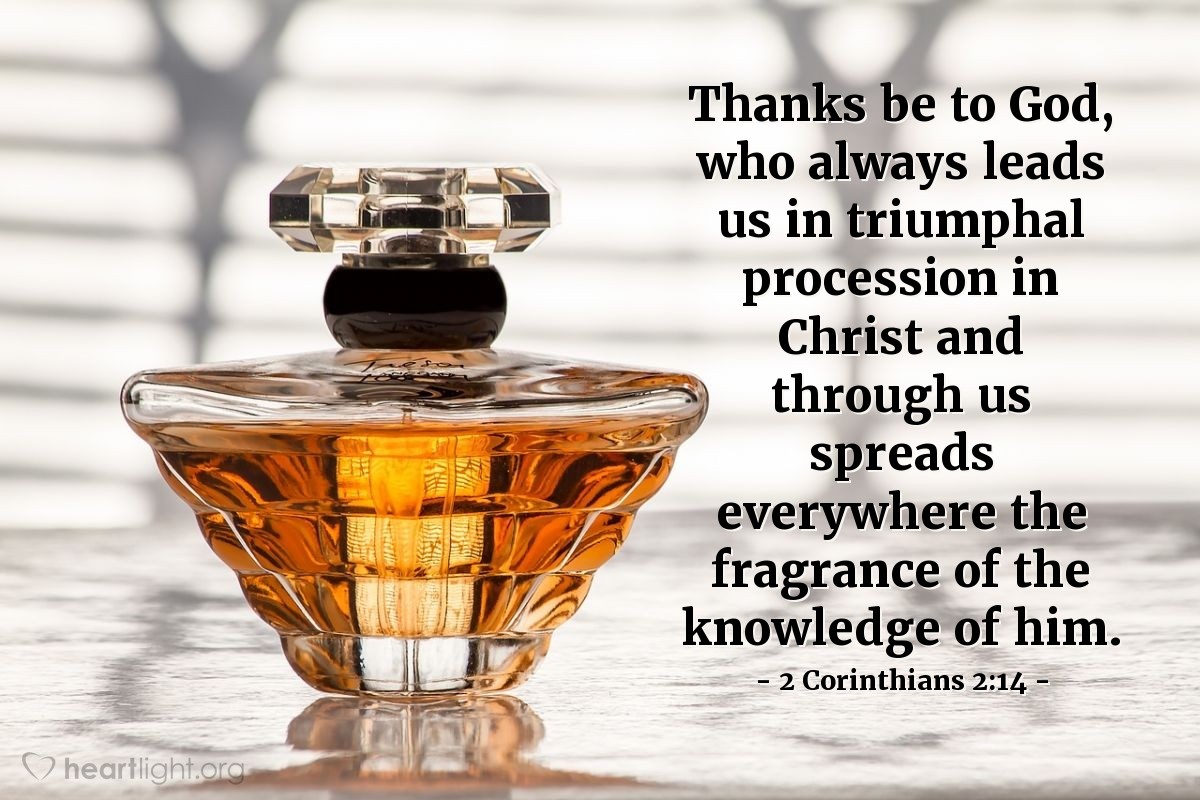
2 Corinthians 2:14)


[1] Joanna Weaver, Having a Mary Heart in a Martha World, 77.

[2] 2 Corinthians 3:18

[3] www.wycliffe.org/blog/posts/the-light-of-hope-scripture-passages-for-hard-times-.

Image credits: http://www.flickr.com; http://www.canva.com (2); http://www.en.wikipedia.org; http://www.heartlight.org.

Processing…
Success! You're on the list.

Read Full Post »

Brady Miller, a young and single first-year employee at Reed Investments, smiled as he read the email from his boss Justin. The memo reminded him of the personal day he hadn’t used yet.

Stipulations required he not add the day to vacation time or a weekend, but otherwise, any mid-week day was allowed, pending approval from Justin.

Brady immediately began planning for his Perfect Day the next Thursday: wearing sweats all day, binge-watching The Mandalorian, eating toaster-waffles for breakfast, broccoli cheddar soup and a ham on rye for lunch, nachos for snacking, and a pepperoni pizza for dinner—oh, and a big bowl of mint chocolate chip ice cream for dessert.

He’d also enjoy the solitude—no one to play host for, no one talking during the episodes, and no one to clean up after. Absolute bliss.

But late the next Thursday evening, Brady noticed he felt rather blah, maybe even a bit depressed and de-energized. Wasn’t his Perfect Day supposed to make him happy and content? What happened?

Brady wasn’t aware that researchers have actually studied what contributes to a good day. And all the indulgences he’d allowed himself did not make the list.

Here’s what did:

  • Eat nourishing food
  • Exercise 150 minutes per week
  • Include meaningful activity that also brings pleasure
  • Spend time with family and/or friends
  • Practice mindfulness
  • Limit recreational screen time
  • Show kindness toward others
  • Encourage others
  • Express gratitude

Brady incorporated none of these activities into his day off. No wonder satisfaction alluded him.

Perhaps you also noticed: all these elements contributing to a good day are included in biblical instruction. God wants us to enjoy good days!

For example, scripture directs us to:

Take proper care of our bodies which are temples of the Holy Spirit (1 Corinthians 6:19-20).

Get a good night’s sleep (Psalm 127:2).

Choose meaningful activities, especially those that benefit others. Blessing for the giver is built in (Acts 20:35c).

Spend time with family and/or friends, providing uplift, encouragement, and support (Ecclesiastes 4:9-12).

For me, “the greatest by far is the possession” of family who double as friends.

Practice mindfulness, taking note of what is excellent and praiseworthy, protecting against discouragement and anxiety (Philippians 4:8).

What better way to occupy the mind than to look for evidence of God around us?

Be compassionate, kind, and encouraging (Colossians 3:12; Ephesians 4:29).

And, I would add, that touch includes the one demonstrating kindness.

Express gratitude (1 Thessalonians 5:16-18).

It makes me smile to see secular research backing up what scripture has taught all along.

However, one important activity for a good day is not mentioned in the research:  quiet time with God— studying his Word and conversing with him in prayer (Psalm 119:15-16).

Then again, to do so does incorporate four of the elements researchers identified: meaningful activity that also brings pleasure, time with a Friend, mindfulness, and gratitude.

Is it possible to accomplish all of these activities every day? YES! Some might take only a moment: a kind deed or a word of gratitude. Some can be combined, as illustrated above.

You can start small and choose just one activity to start reducing the blahs and increasing the good. Go ahead—choose one.

Now, let’s get out there and MAKE IT A GOOD DAY!

Sources:

Image credits: http://www.frreerangestock.com (Matt Moloney); http://www.stockcake.com; http://www.freerangestock.com (FOCA Stock); http://www.canva.com (4); http://www.flickr.com.

Processing…
Success! You're on the list.

Read Full Post »

“God preserved me so I might tell the story of my life and of God’s goodness to me,” wrote Jeanette Li in her autobiography. And readers might expect her to share stories indicating a life of continual blessing.

They would be wrong.

Jeanette Li (known first as Li Mao Ya, or “Jasmine Bud”), was born in 1899 and grew up in Southeast China with a large extended family of forty-plus people. They lived in hardship and poverty along with most everyone else in the village.

At age six, Jeanette suffered her first trauma—her beloved father died.

Many more ordeals followed, including:

At age 9: Jeanette contracted malaria and received treatment at a mission hospital. One blessing: while there, she and her mother, Taai-So, became Christians.

Perhaps a mission such as this one in central China

When Jeanette was released, they returned home, only to be turned away by their Buddhist family because they’d become Christians.  Taai-So and Jeanette returned to the mission and lived there.

Age 10: The mission was closed due to political strife; all their missionary-friends had to leave.

Age 16: Against Jeanette’s will, Taai-So arranged a marriage for Jeanette, in order to provide for her daughter’s future. Jeanette went to live with her husband’s family under the thumb of a domineering mother-in-law.

Age 20: Jeanette bore a son. But her husband was rarely home, first because he was in school, and then because he was hired as a teacher some distance away. Eventually he married someone else.

Age 32: Jeanette left all she knew to live and serve in bitter-cold Manchuria, requiring her to learn a new language and culture. For thirteen years she traveled by cart on unpaved roads, telling people about Jesus.

Age 38: War broke out between China and Japan in 1937, lasting eight years. Millions died in combat or the result of starvation or disease.

Age 47: The Communists warred against the Nationalists in a three-year civil war, resulting in more suffering and the death of another million-plus people.

Jeanette returned to South China, to the mission where she and her mother had lived. Jeanette was questioned many times by Communist Army officials.

Age 50: All foreign missionaries were constrained to leave China as the Communist Party took power. Jeanette assumed responsibility for the mission-orphanage.

Age 51: She suffered imprisonment for seventeen months, accused of being a counter-revolutionary. Jeanette had to sleep on the floor “in a damp cell infested by mosquitoes, with hardly any food”[1].

They forced her to perform hard labor, and interrogated her day and night. she became ill with fever and developed hemorrhaging dysentery. Her captors offered no medical treatment [2].

Some would ask, “Where was God in all this? The poor woman endured such hardship, pain, and unfair treatment!”

Jeanette would have us know that God graciously involved himself throughout her life, blessing her, and bringing her joy:

He was there during the siege of malaria that took Jeanette and her mother to the regional mission. God spared Jeanette’s life and introduced them to Jesus.

When they returned home, God used the family upheaval to lead the two back to the mission. Taai-So obtained employment and they grew in their Christian faith.

God brought good out of the abandonment of Jeanette’s husband, providing the opportunity for her to obtain a teaching certificate. She was able to support her son as a teacher and then as school administrator.

God fulfilled Jeanette’s desire to tell others about Jesus and made it possible for her to serve in Manchuria, teaching in village after village.

God led her to return to South China where he used her to assume leadership of the mission-orphanage, putting to use her skills as educator and administrator.

God sustained Jeanette during her imprisonment as she suffered acute misery with grace, courage, and stamina—a witness to all in the prison of God’s power at work in her life.

God also spared her life as illness and weakness nearly overcame her.

After her release, God provided for her recovery and subsequent missionary-work in Canton.

God bestowed a miraculous escape from Communist China, first to Hong Kong where she ministered to children and refugees, and finally, in 1962, to Los Angeles, California where her son already lived.

Throughout her life, Jeanette was one of those “true saints who [could] wear the mismatched pairing of suffering and joy” [3]. And as a result,  she drew attention to Christ.

May we do the same.

Addendum: For six years prior to a fatal stroke, Jeanette ministered in the Chinese community of Los Angeles, told her story at every opportunity, and wrote her autobiography.


[1] https://www.placefortruth.org/blog/jeanette-li-and-her-faith-in-gods-promises

[2] Ibid.

[3] https://jenniferdukeslee.com/on-suffering-and-joy-a-lesson-from-the-garden-tomato/ 

Other Sources:

https://www.bdcconline.net

https://rpwitness.org

Image credits: http://www.commons.wikimedia.org; http://www.getarchive.net (2); http://www.canva.com (2); http://www.freebibleimages.org; http://www.getarchives.net.

Processing…
Success! You're on the list.

Read Full Post »

Some of you may remember singing this song in Sunday School:

As a child, I knew God loved me. He proved it by sending his Son to take the punishment for my sins, provide the way for me to live in heaven one day, and know him in the present.  

But I also knew my little eyes, hands, and mouth were not as careful they should have been. Surely God was disappointed in me much of the time.

The truth that I could enjoy God never entered my mind. My false impression of his disapproval stood in the way for many years.

Somehow I’d missed the message of such scriptures as:

  • The joy you have in the LORD is your strength (Nehemiah 8:10 GWT).
  • Take delight in the Lord (Psalm 37:4a NIV).
  • I will go to the altar of God, . . . my joy and my delight (Psalm 43:4 NIV).

I read such passages as directives for prayer and worship rather than invitations to take pleasure in relationship with God.

Psalm 100 provides Exhibit A for enjoying him by praising him. “Shout for joy,” the psalmist begins. “Worship the Lord with gladness; come before him with joyful songs” (vs. 1-2, emphasis added).

Then he gives one example why: God has made us his own—in spite of our frailty—and cares for us like a compassionate, attentive shepherd (v. 3).

Parable of the Lost Sheep (Luke 15:3-7)

That’s certainly cause for thanksgiving and praise (v. 4), which in turn fosters our delight in God. Then the psalmist concludes with three more reasons to enjoy him: he is good, loving, and faithful (v. 5).

This psalm hints at another important truth. Dare I use a sport analogy?

My first attempts at playing tennis sent balls whizzing every which way. However, various drills and hitting the ball thousands of times against a wall built up my skills until I could actually play the game.

That’s when I began to enjoy the sport. The better I knew how to play tennis, the more pleasure I took in the game.

‘See the parallel in the spiritual realm? The more we know God, the more we’ll enjoy him.

But that’s not all.

The more we delight in God, the easier it becomes to obey him and live by his ways.

And as we see those ways contributing satisfaction, contentment, and purpose to our lives, we enjoy him all the more.

So how do we foster our pleasure in God? Here are three ways to get us started:

LEARN ALL YOU CAN ABOUT GOD—his character and his ways.

In January we explored the exercise of slowly reading through the psalms and writing down every mention of God’s character and deeds. As the list grows so does our delight in his multi-faceted splendor [1].

LEARN ALL YOU CAN ABOUT JESUS—his life, sacrificial death, provision of eternal life for us and all its implications.

For example, while reading the gospels, note his responses to people, his choices, and his behavior. What character traits can you identify?

While reading the letters written by the Apostles Paul, Peter, and others, consider all that Christ’s sacrifice has purchased for us.

The more we learn about Jesus, the more our love for him grows. The more our love grows, the more we find our hearts filled with joy in him.

REVEL IN GOD’S BEAUTY—his magnificence, the glory of his creation, and the beautiful blessings he bestows.

“His love notes are stashed everywhere,” says Sara Hagerty [2].

And as we discover them, we’ll find ourselves smiling and even laughing in pleasure with God, in the awesome works he performs [3].

Oh—and one more thing to celebrate. There will always be more to enjoy, and we can always acquire more ability to enjoy our God because . . .

quote from Morning by Morning, 268.

How do you enjoy God? Please share in the comment section below!


[1] https://nancyaruegg.com/2025/01/16/celebrating-god-through-the-psalms/

[2] Unseen, 206.

[3] https://nancyaruegg.com/2019/06/06/love-notes/

Image credits: http://www.youtube.com; http://www.dailyverses.net; http://www.freebibleimages.org; Nancy Ruegg; http://www.canva.com; http://www.pixahive.com (Vijay Richhiya).

Processing…
Success! You're on the list.

Read Full Post »

The Apostle Paul included a curious instruction for us in Romans 12:12:

Does it pique your curiosity too? I can see rejoicing in the hope of salvation from death, the hope of blessings yet to come, and the hope of intervention in our lives. But HOPE in and of itself?

In addition, there are occasions when our hope is desperate, accompanied by impatience, fear, and anxiety—certainly not rejoicing.

So what did Paul mean?

Later in this letter Paul gives a clue in Romans 15:13. There Paul calls God the “God of hope.”

To rejoice in the God of hope, no matter our circumstances, increases our confidence in him to bring us through what we face. Such hope is like an anchor for the soul (Hebrews 6:19), offering stability for our lives. Now that’s something to rejoice in!

I pray the following truths about God will cause more joyful hope to overflow in your heart:

We can depend on his TRUSTWORTHINESS–even in the midst of trouble (Psalm 9:9-10).

He can wield his REDEEMING POWER over any situation (Matthew 19:26).

In his Word we find his soul-strengthening AFFIRMATION and calming ASSURANCE (Psalm 19:7-8).

His NATURE includes numerous, magnificent attributes, which he employs on our behalf (Psalm 145).

Take note of these examples:

And those descriptors just touch the surface!
God’s SOVEREIGNTY over all things (Jeremiah 32:17) includes the timing of his interventions.

Out of his FAITHFULNESS, God bestows hope. We don’t have to search for it; we don’t have to muster it ourselves (1 Peter 1:3).

Christ proved to be the victorious OVERCOMER, no matter what the world hurled at him (John 16:33): every temptation, every discouragement, every setback, and more. And though we could never measure up to his perfections, he makes us victorious overcomers too (Romans 8:37).

His RESTORATION upon our spirits fortifies hope (Isaiah 41:10).

God’s MINDFULNESS of us never wavers (Psalm 40:5 ESV).

His EXCELLENCIES defy our ability comprehend (Psalm 145:1-3).

God’s loving DETERMINATION keeps him from ever giving up on us (1 Corinthians 1:7 MSG).

And when we consider all these attributes of our God of hope—his . . .

Trustworthiness

Redeeming power

Affirmations and Assurances

Nature above reproach

Sovereignty

Faithfulness

Overcoming victory

Restoration

Mindfulness

Excellencies

Determination . . .

. . . we find ourselves rejoicing in confident hope because such truths have TRANSFORMED our spirits.

I pray that’s your experience today!

Art & photo credits: http://www.pexels.com; http://www.heartlight.org; http://www.flickr.com; http://www.pexels.com; http://www.canva.com.

Processing…
Success! You're on the list.

Read Full Post »

Joy is a word seen frequently during the Christmas season–on cards, ornaments and even fence gates.

But holiday-pleasure based on Santa, gifting, and parties, quickly disappears with the decorations and Christmas cookies.

Where do we find January-Joy that will carry us through the new year and even beyond?

First, we have to understand: true joy is more than feel-good endorphins.

To some that sounds ridiculous. Acquiescence sounds like distasteful servitude. And what possible delight can a person find in Someone we can’t see or hear?

Little do they know the depth of joy Jesus offers us (John 15:11).

Little do many people understand:

This deep sea of joy is made available to us as we obey God–another reality that makes some bristle. They don’t realize when Christ tells us to follow God’s ways, he’s not trying to make our lives miserable. He’s showing us the way to enjoy abundance of life (John 15:9-11; John 10:10)!

Scripture presents a number of principles that contribute to our fullness of joy, including:

POSITIVITY (Philippians 4:4)

GRATITUDE (Psalm 126:3)

MINDFULNESS (Psalm 89:15-16)

(How else might we make space for joy? That’s a question worth contemplating!)

GENEROSITY OF JOY (Acts 20:35)

Also worth remembering:

Empathy (Romans 12:15a)

And what happens to those who focus on all things beautiful, good, and true—no matter how small—and thank God for them?

What happens to those who discover the joys of the here and now—no matter their circumstances–and praise God for them?

“They are the change agents who bring fullest Light [and JOY] to all the world.”*

JOY to the world! For January–beyond.

Now there’s an objective to embrace for 2025.


* Ann Voskamp, One Thousand Gifts, 58.

Art & photo credits: http://www.pickpik.com; http://www.freerangestock.com; http://www.negativespace.co; http://www.pickpik.com; http://www.pixabay.com; http://www.canva.com.

Processing…
Success! You're on the list.

Read Full Post »

Older Posts »

Still Traveling

Impressions Becoming Expressions

Living Our Days

Gaining a heart of wisdom

He Said What?!

I'm Patty, and my husband and I are living with our adult son who has autism and epilepsy. I love sharing lessons learned from life around me, especially life with Aaron.

Meditations of my Heart

Impressions Becoming Expressions

Linda Stoll

Impressions Becoming Expressions

Debby Thompson

Impressions Becoming Expressions

Signora Sheila

Notes on Life, Faith & Italy

Colleen Scheid

Writing, Acting, Living in God's Love

Mitch Teemley

The Power of Story

Heidi Viars

Finding the Image of God