Feeds:
Posts
Comments

Archive for the ‘God’s Goodness’ Category

“Look what I did!” declares the proud preschooler, pointing to a plate of chocolate chip cookies. Except she didn’t make them—not without a lot of help.

Nana read the recipe; she couldn’t read yet.

Nana gathered most of the ingredients; the child couldn’t reach up into the cabinets.

Nana picked the eggshell-pieces out of the bowl after exuberant egg-tapping on the rim.

Nana helped to accurately measure ingredients and thoroughly scrape the bowl.

Nana adjusted the dollops of dough on the cookie sheet, making them similar-sized for even baking.

Nana put the cookies in the oven and later retrieved them, then set them on cooling racks so little hands didn’t get burned.

And yet the preschooler thinks she made the cookies.

We might chuckle at her unrealistic view of the circumstances, until the realization dawns: we’ve exhibited our own unrealistic view of our circumstances with God.

Perhaps, like me, you’ve run ahead of God, assuming you can handle the challenge ahead. I’ve also been guilty of taking credit when, in reality, my efforts would be worthless without him.

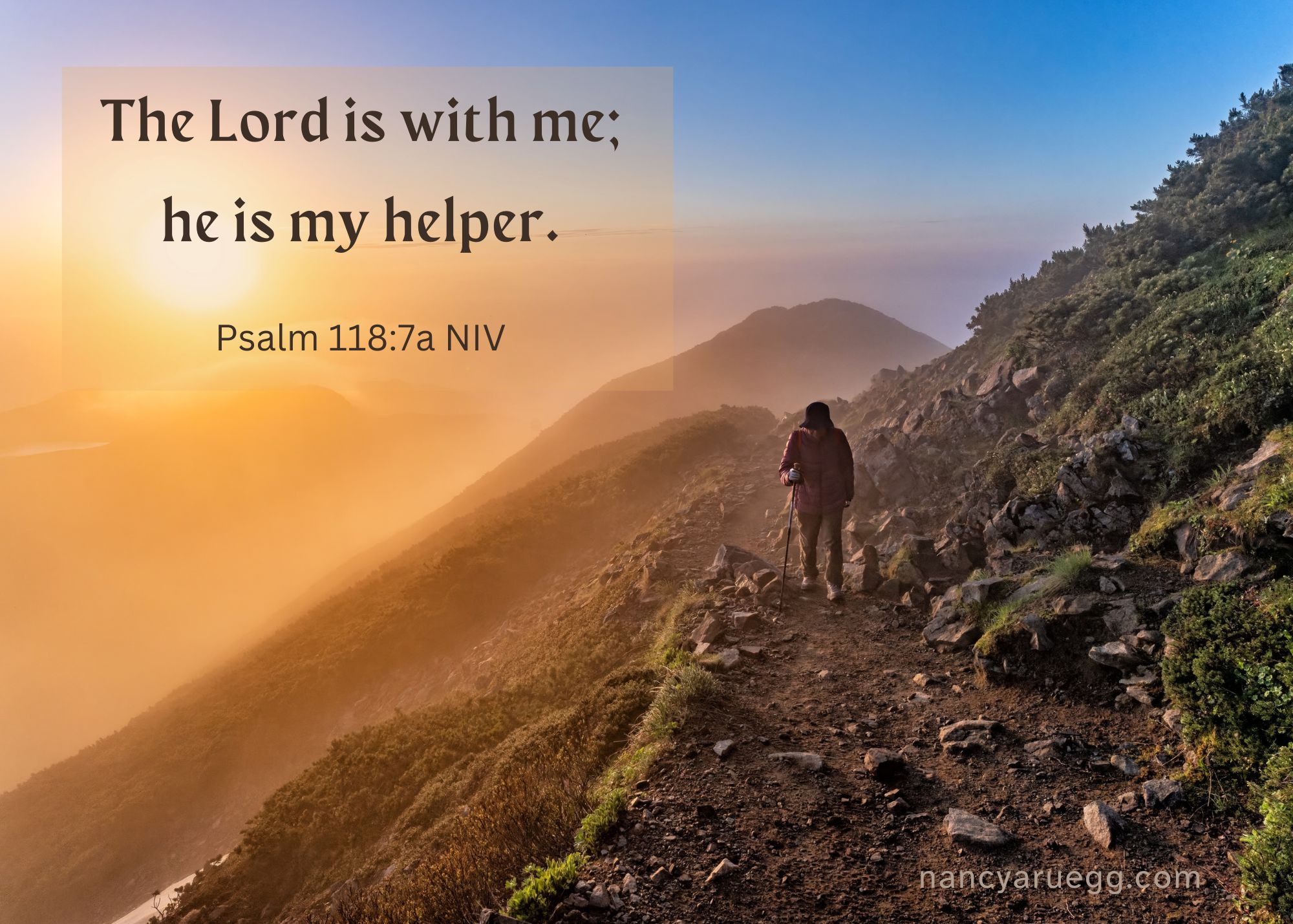
Truth be told, not a moment goes by that God is not helping us in one way or another.

Sometimes his help is demonstrated in monumental ways, as he attends to situations outside our range of capability or influence. I’ve written about such experiences in our family.*

Sometimes God comes alongside in ways that are more easily overlooked. For example:

  • One of those times when I was plagued by writer’s block, I sensed God telling me, “Wait till morning. Rest.” Immediately upon waking, an idea occurred.
  • God settled a bout of sciatica, and I was able to accomplish everything necessary before house guests arrived.
  • Joy-filled, supportive friendships have spanned the years of our lives.
  • Sometimes God brings to mind a bit of his wisdom or an anecdote to share, and the listener expresses sincere appreciation.
  • Those close calls on the roadways offer perfect examples of his intervention.
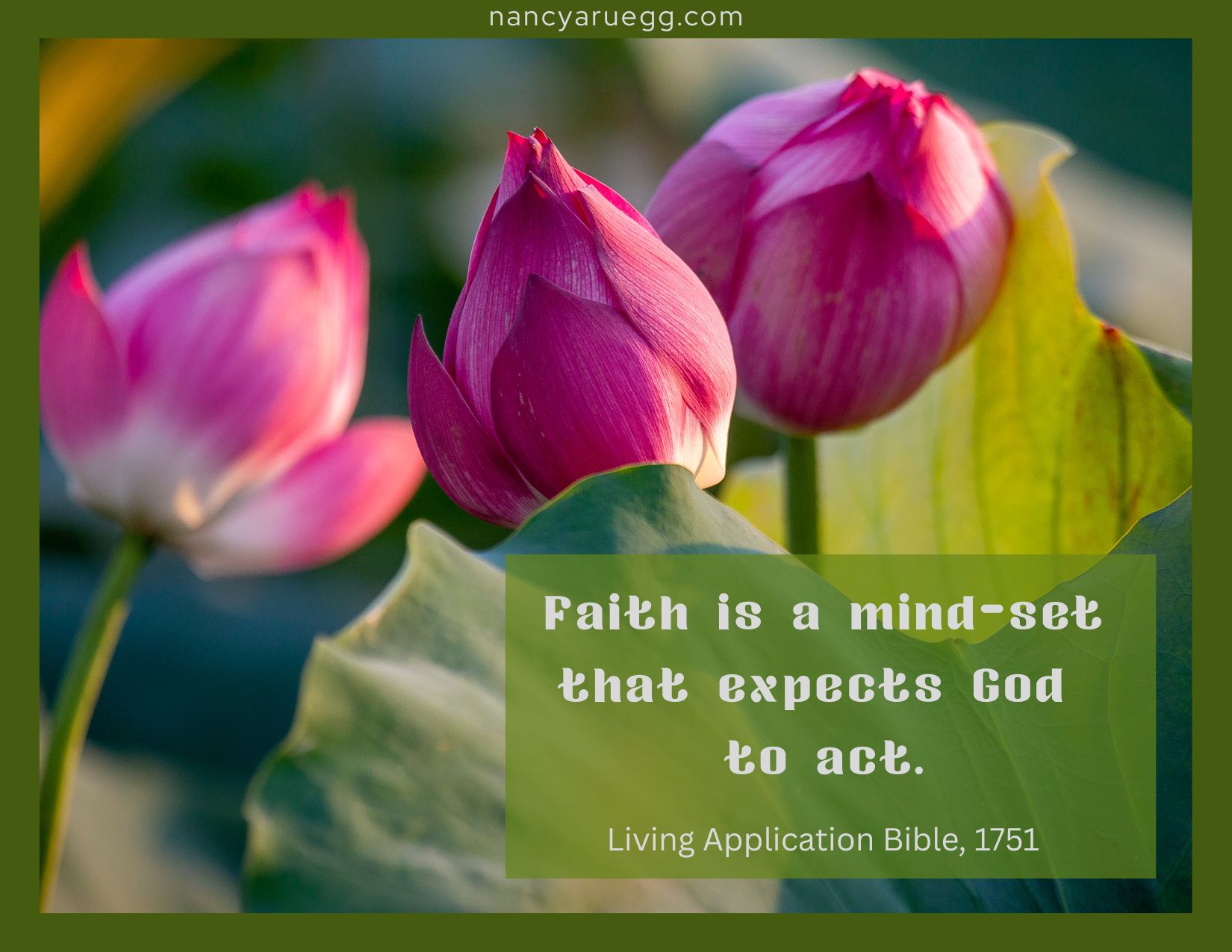
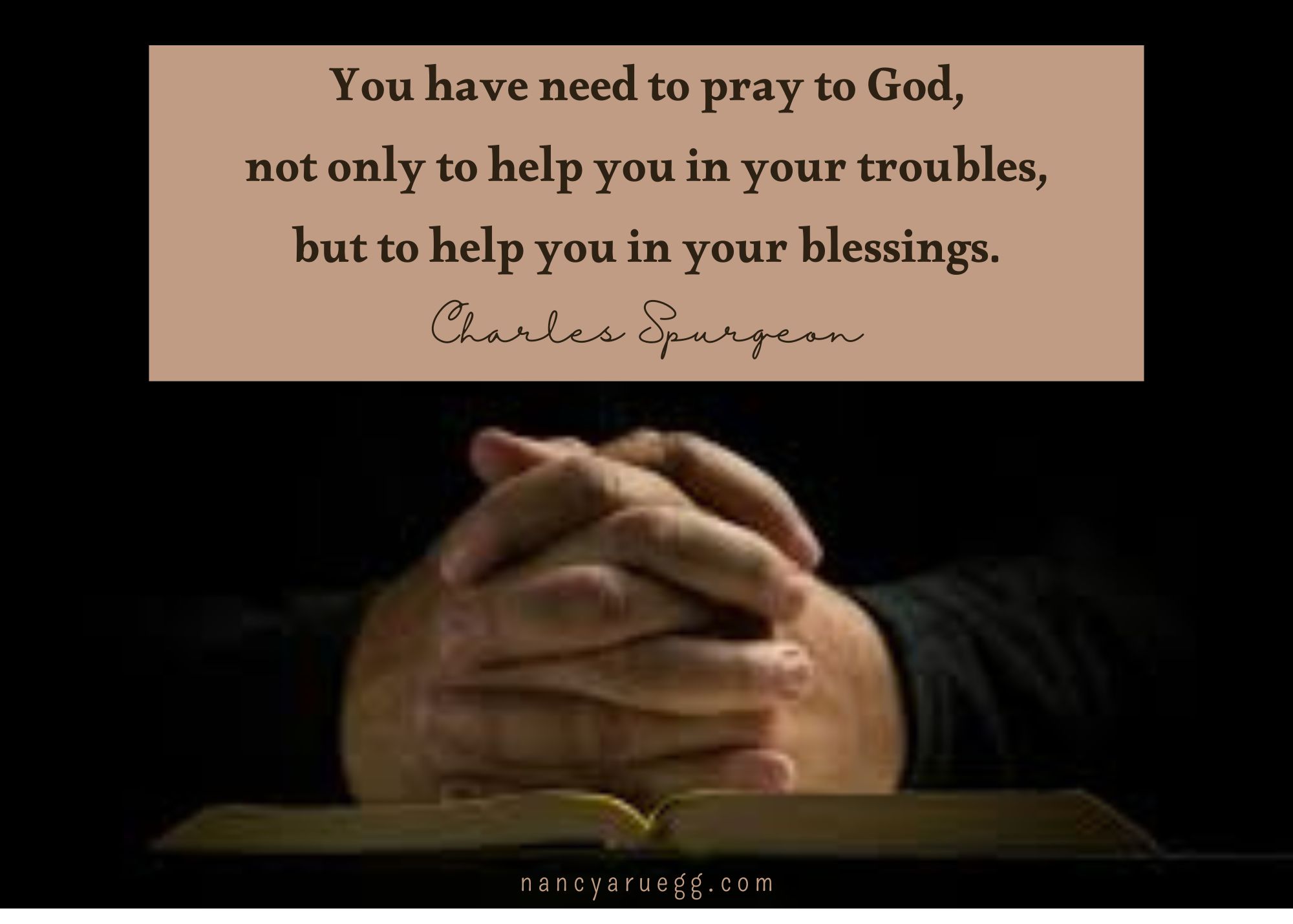
  • On occasion, sacred insight comes in the form of a quote:

Oh yes, I need God’s help not to become proud (“Look how God has blessed ME!”), greedy (“Thanks for your all blessings, Lord, but I need this too!”), or take for granted God’s benevolence and never thank him at all.

In addition, God would have us understand:

His help often comes gradually.  Think of:

  • Joseph, languishing in prison until Pharoah calls for him to interpret his dream (Exodus 39:19-41:43)
  • David, living as a fugitive until God fulfills his promise to make him king (1 Samuel 16-31; 2 Samuel 1-2)
  • The Israelite captives, waiting in Babylon for God to raise up a leader (Nehemiah 1-2)

Remember:

He often helps when we least expect it.

Think of:

  • The widow of Zarephath, expecting to die during famine—until the prophet Elijah arrives (1 Kings 17:7-16)
  • Daniel, expecting to die in the lions’ den–until God shut their mouths (Daniel 6)
  • Jonah, expecting to die within the great fish—until his release on dry ground (Jonah 2)

In addition:

God’s help always comes to those with faith.

The psalmists offer a starter-list of affirmations:

  • “Commit everything you do to the LORD. Trust him, and he will help you” (Psalm 37:5 NLT).
  • “God is our refuge and strength, an ever-present help in trouble” (Psalm 46:1 NIV).
  • “My help comes from the Lord, the Maker of heaven and earth” (Psalm 121:2).

May we live by such truths, and when help materializes, may we be quick to proclaim, “Look with GOD did!”

How has God helped you? Please share in the comments below!


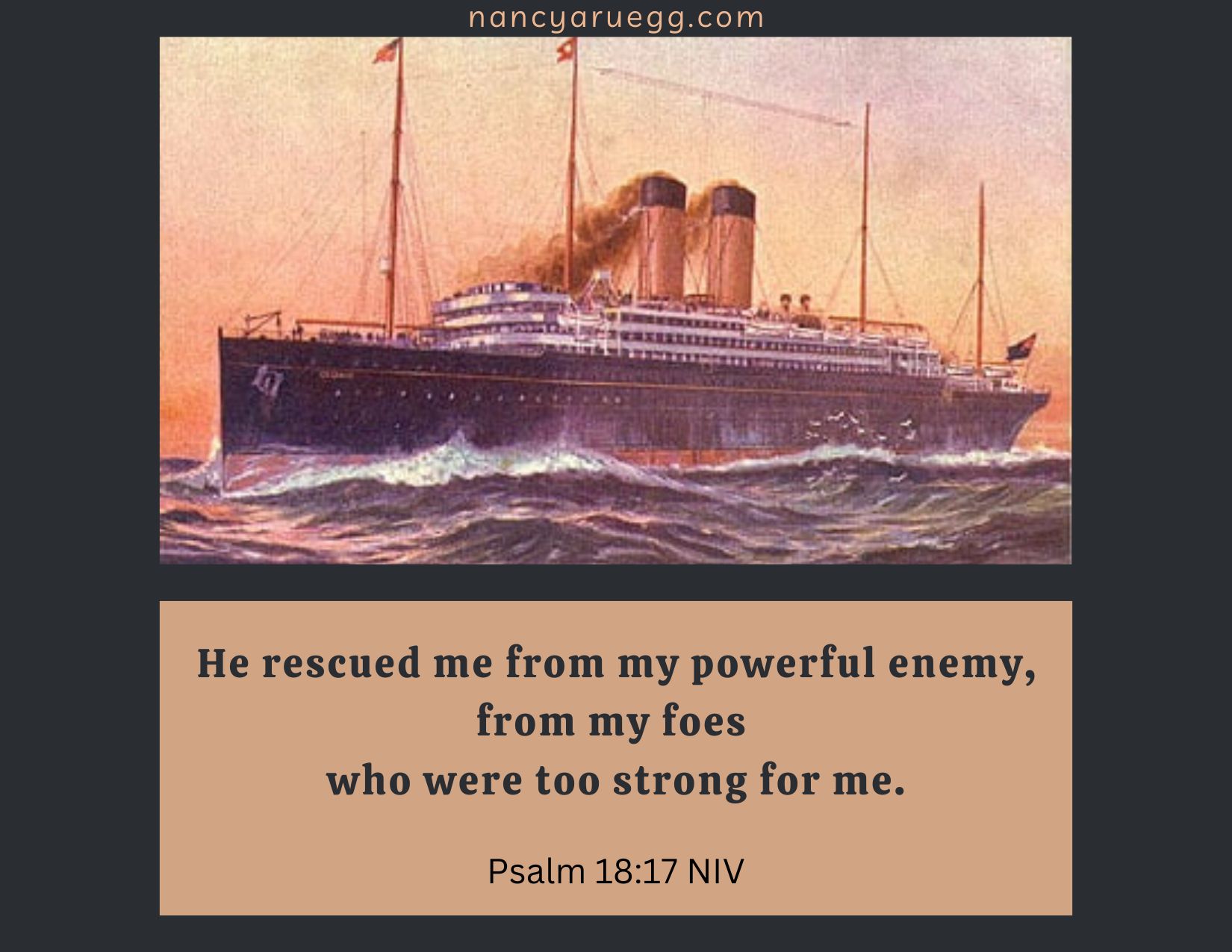
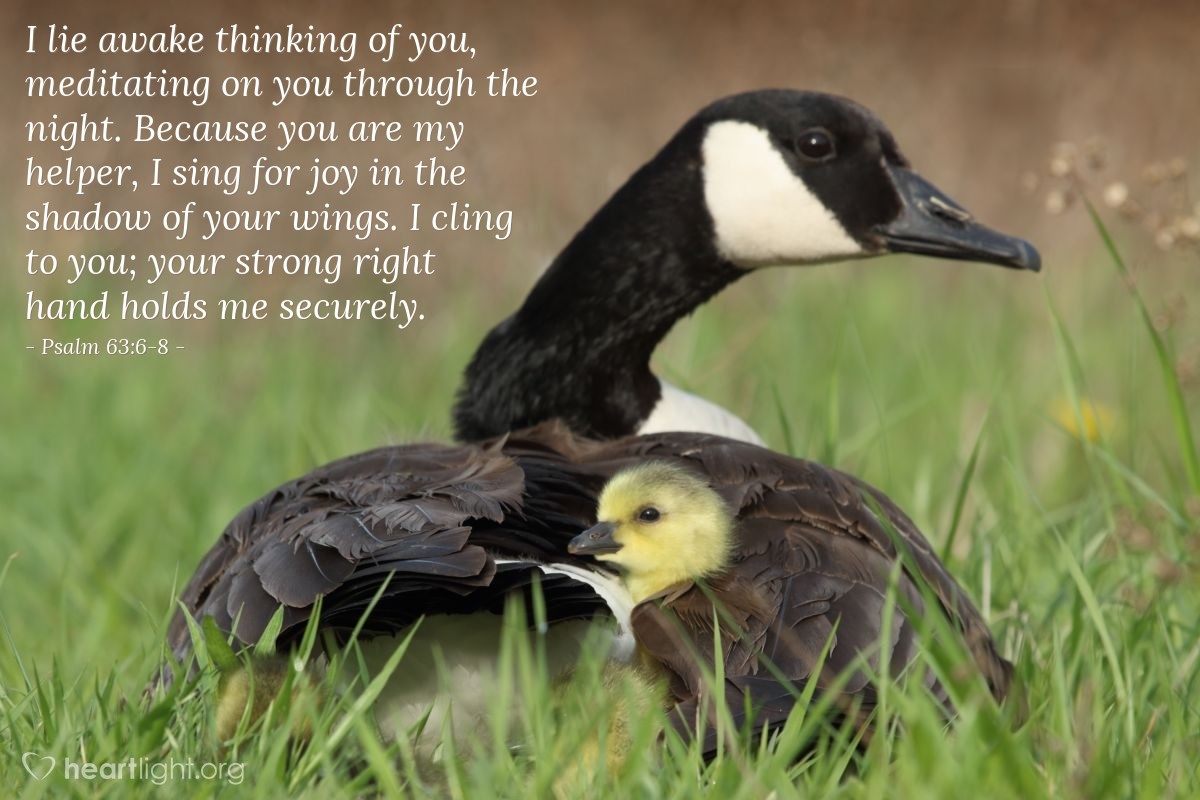
* Examples include: Come and See What God Has Done, After the Fact, and God of the Unexpected (see the illustration at the end for this last one).

Photo credits: http://www.flickr.com; http://www.dailyverses.net; http://www.pexels.com; http://www.canva.com; http://www.heartlight.org.

Processing…
Success! You're on the list.

Read Full Post »

Some of you may remember singing this song in Sunday School:

As a child, I knew God loved me. He proved it by sending his Son to take the punishment for my sins, provide the way for me to live in heaven one day, and know him in the present.  

But I also knew my little eyes, hands, and mouth were not as careful they should have been. Surely God was disappointed in me much of the time.

The truth that I could enjoy God never entered my mind. My false impression of his disapproval stood in the way for many years.

Somehow I’d missed the message of such scriptures as:

  • The joy you have in the LORD is your strength (Nehemiah 8:10 GWT).
  • Take delight in the Lord (Psalm 37:4a NIV).
  • I will go to the altar of God, . . . my joy and my delight (Psalm 43:4 NIV).

I read such passages as directives for prayer and worship rather than invitations to take pleasure in relationship with God.

Psalm 100 provides Exhibit A for enjoying him by praising him. “Shout for joy,” the psalmist begins. “Worship the Lord with gladness; come before him with joyful songs” (vs. 1-2, emphasis added).

Then he gives one example why: God has made us his own—in spite of our frailty—and cares for us like a compassionate, attentive shepherd (v. 3).

Parable of the Lost Sheep (Luke 15:3-7)

That’s certainly cause for thanksgiving and praise (v. 4), which in turn fosters our delight in God. Then the psalmist concludes with three more reasons to enjoy him: he is good, loving, and faithful (v. 5).

This psalm hints at another important truth. Dare I use a sport analogy?

My first attempts at playing tennis sent balls whizzing every which way. However, various drills and hitting the ball thousands of times against a wall built up my skills until I could actually play the game.

That’s when I began to enjoy the sport. The better I knew how to play tennis, the more pleasure I took in the game.

‘See the parallel in the spiritual realm? The more we know God, the more we’ll enjoy him.

But that’s not all.

The more we delight in God, the easier it becomes to obey him and live by his ways.

And as we see those ways contributing satisfaction, contentment, and purpose to our lives, we enjoy him all the more.

So how do we foster our pleasure in God? Here are three ways to get us started:

LEARN ALL YOU CAN ABOUT GOD—his character and his ways.

In January we explored the exercise of slowly reading through the psalms and writing down every mention of God’s character and deeds. As the list grows so does our delight in his multi-faceted splendor [1].

LEARN ALL YOU CAN ABOUT JESUS—his life, sacrificial death, provision of eternal life for us and all its implications.

For example, while reading the gospels, note his responses to people, his choices, and his behavior. What character traits can you identify?

While reading the letters written by the Apostles Paul, Peter, and others, consider all that Christ’s sacrifice has purchased for us.

The more we learn about Jesus, the more our love for him grows. The more our love grows, the more we find our hearts filled with joy in him.

REVEL IN GOD’S BEAUTY—his magnificence, the glory of his creation, and the beautiful blessings he bestows.

“His love notes are stashed everywhere,” says Sara Hagerty [2].

And as we discover them, we’ll find ourselves smiling and even laughing in pleasure with God, in the awesome works he performs [3].

Oh—and one more thing to celebrate. There will always be more to enjoy, and we can always acquire more ability to enjoy our God because . . .

quote from Morning by Morning, 268.

How do you enjoy God? Please share in the comment section below!


[1] https://nancyaruegg.com/2025/01/16/celebrating-god-through-the-psalms/

[2] Unseen, 206.

[3] https://nancyaruegg.com/2019/06/06/love-notes/

Image credits: http://www.youtube.com; http://www.dailyverses.net; http://www.freebibleimages.org; Nancy Ruegg; http://www.canva.com; http://www.pixahive.com (Vijay Richhiya).

Processing…
Success! You're on the list.

Read Full Post »

Lott Carey ran his hands over the polished wood of his new desk. He shook his head in wonder while contemplating the most recent turn-of-events in his life.

Lord, I can scarce believe where you’ve brought me, he prayed.

Surely no one but a prophet could have predicted this day for Lott, a former slave from Virginia, born about 1780. 

Thank you, Father, for placing me in a God-fearing family, and for our kind master who kept us together—my grandmother, parents, and me. Thank you for their faithfulness to raise me up knowing you.

Lott rested his elbows on the desk and covered his eyes at the next memory, when his master sent him to work in a tobacco warehouse in Richmond.

He was twenty-four, joined with a group of carousing men, and began drinking heavily.

Months later, he returned to church and reestablished his faith in Christ.

Thank you, Lord, for never giving up on me, even when I turned my back on you.

Lott smiled to think how God engineered the ensuing events. First came the desire to read, and Lott signed up for night school at First Baptist Church. He also studied writing, math, the Bible, and other subjects.

Then God provided a promotion to supervisor at the tobacco warehouse, providing a better salary. Lott saved every extra penny and purchased his freedom [1].

Looking back, God, I can see how you’ve cared for me all along the way. You’ve gone before me, you’ve been with me, and have never forsaken me [2].

Next came the realization that God had given him a gift for preaching, and his church licensed him to do so. Lott ministered to a small black congregation for a time, and under his leadership, it grew to over eight hundred members. Lott began receiving invitations to preach all over Virginia.

That turned out to be a short stretch of road, didn’t it Father! You used my teacher, Mr. Crane, and others to turn my heart toward Africa, which I found exciting but also overwhelming.

The fact that my church family provided strong affirmation encouraged me that this was your plan.

For six years the idea of becoming a missionary in Africa had grown increasingly urgent in Lott’s heart. Finally, in 1821, the dream became a reality when he, his second wife, three children and two more co-workers with their families set sail for Sierra Leone.

They were the first black Americans to serve as missionaries in Africa.

West Africa

Lott shook his head. Never would I have expected my life journery to take me across the ocean!” he mused.

Not long after disembarking, the group discovered that the American Colonization Society, responsible for purchasing land for them, had not done so. The team had to work as laborers for nearly a year until support arrived from the States.

An even more grievous event that year: Lott’s wife became ill and died.

Such agonizing setbacks might have done me in, Lord, but you upheld me. Thank you for your sustaining presence.

One uplifting circumstance: God used Lott to establish a mission among the nearby Mandingo tribe.

In 1822 the neighboring state of Liberia was founded by the America Colonization Society as a place for freed slaves to resettle and govern themselves.

Lott became Liberia’s health officer and government inspector in the capital city of Monrovia, while also serving as pastor for several churches.

These have been exciting times, Lord. You’ve also helped me found the Monrovia Mission Society, to help us spread the good news of Christ all over Africa.

He suddenly chuckled. AND you made me physician of the colony!

Lott marveled how much he’d learned just through observation and experience while ministering to the sick. He’d also absorbed knowledge from scientific practitioners who visited the colony [3].

But most surprising of all, Lord, is where I currently sit, at this desk—the GOVERNOR’S desk!

Who would ever guess that an illiterate, former slave like me would be chosen provisional governor of Liberia while the elected governor returns home because of illness?

Lott surveyed the desktop with its books and papers–his domain now.

God, you’ve taken me on an extraordinary journey. As I assume these responsibilities, thank you in advance for your continued enablement to do what you require. May I serve you well, AMEN.

Little did Lott know that he’d shortly be organizing a defense force against hostile tribes, that he and seven co-workers would die in a gun powder explosion while preparing to rescue negotiators from the enemy. He was just forty-nine years old.

And yet during his short life, Lott set for us a stellar example of hard work, strong faith, and prayerful compliance with whatever God set before him to do.

His legacy lives on in the Lott Carey Global Christian Missional Community, established in 1897 and “dedicated to broadening the reach of the Christian faith across the globe” [4].


[1] He also purchased freedom for his first wife who later died, and their two children. The cost: $850. (https://landmarkevents.org/lott-carey-sails-for-africa-1821/; https://docsouth.unc.edu/neh/taylor/taylor.html).

[2] Deuteronomy 31:18 NIV

[3] https://docsouth.unc.edu/neh/taylor/taylor.html , 44.

Additional Sources:

http://www.imb.org, “Missionaries You Should Know: Lott Carey.”

https://www.thetravelingteam.org/articles/lott-carey

Image credits: http://www.stockcake.com; http://www.picryl.com; http://www.canva.com; http://www.flickr.com (Juan Freire); http://www.heartlight.org; http://www.canva.com.

Processing…
Success! You're on the list.

Read Full Post »

“You might remember my grandmother,” J. mentioned in our conversation. “although she’s been gone a long time now.”

“Who could forget her?” I responded. “She was such a vibrant woman.”

J. nodded. “I was privileged to be with Grandma during her last hours on earth—a surreal experience for sure. She radiated peace and wore the sweetest smile. Grandma kept whispering with wonder, ‘Oh, it’s beautiful—so beautiful!’

“And she called out people’s names too, names that meant nothing to us. At the time it seemed such a strange thing to do.

“Then a few years ago when I researched our family ancestry, some of those names turned up on our family tree from a generation or two prior to Grandma’s—relatives she must have known when she was young and people of faith already in heaven. She had to have seen them from her deathbed!”

We marveled at what J. had observed as she stood on the threshold of heaven with her grandmother. And we embraced the assurance that dying need not be feared—IF we’ve accepted God’s gift of eternal life by believing in Christ.

In fact, the great preacher Charles Spurgeon declared we can welcome death with intense delight, that it is sweet to die in the Lord [1].

In my younger days though, I wondered if playing a harp all day would be sweet enough to keep me happily occupied. My next thought was, at least that beats the alternative.

Little did I understand:

Of course that’s true. God in all his glory resides there. Also, if he’s provided astounding beauty, pleasurable activity, and satisfying purpose for us on earth, he will certainly provide all that and more in heaven.

Lewis wasn’t talking about fleeting joy, but permanent, moment-by-moment, perfect joy.

He also wrote:

I also used to wonder, How will we get there? Will we have to “walk toward the light” alone? I’d like some company.

First of all, Jesus promised to be with us always [4]. His very name Emmanuel means God with us—in the here and now, as we approach and cross the threshold of heaven, and forever thereafter.

Second, in Jesus’ parable about the rich man and the poor beggar Lazaruz, the latter was carried by angels to heaven [5].

Looks like we’ll have plenty of company. 

But the journey from earth to heaven won’t be very long anyway. To be absent from the body is to be present with God [6].

Even if the threshold of heaven was far distant, and even if we had to make the journey alone, the potential discomfort would be more than worth it.

The Bible only gives us a few quick glimpses of what’s to come, but they stagger the imagination: twelve gates, each made from a single pearl, streets of gold as pure as transparent glass, and walls made of precious stones.

A river as clear as crystal runs down from God’s throne and through the middle of the main street. It’s a place where no pain, sorrow, death, or suffering can mar the perfection of God’s realm [7].

Some Bible teachers and scholars have characterized heaven in these ways:

  • Life far better, richer, fuller, purer, and more joyful than here [8]
  • Tranquility, fullness, blessedness, calm, sweetness, holiness, joy, a haven of rest [9]
  • Unsurpassed joy, unfading glory, undiminished bliss, unlimited delights, and unending pleasures [10]

We can depend upon it. That last moment, as each of us stands on the threshold of eternity, will be the best moment we have ever known!

J.’s grandmother and others provide the proof.

P.S. This post highlights what others had to say as they stood on the threshold of heaven: https://nancyaruegg.com/2018/02/01/famous-last-words/


[1] Morning by Morning, 113.

[2] Quoted in Streams in the Desert, L. B. Cowman, ed. Jim Reimann, 157.

[3] Letters to Malcolm, 92-93.

[4] Matthew 28:20

[5] Luke 16:19-31.

[6] 2 Corinthians 5:8 HCSB

[7] Revelation 21:4; 18-21; 22:1

[8] Jon Bloom, Not by Sight, 67.

[9] Jonathan Edwards (www.gracequotes.org).

[10] John MacArthur, The Glory of Heaven, 68.

Art & photo credits: http://www.freerangestock.com; http://www.heartlight.org; http://www.canva.com; http://www.stockcake.com; http://www.pexels.com; http://www.canva.com.

Processing…
Success! You're on the list.

Read Full Post »

The Apostle Paul included a curious instruction for us in Romans 12:12:

Does it pique your curiosity too? I can see rejoicing in the hope of salvation from death, the hope of blessings yet to come, and the hope of intervention in our lives. But HOPE in and of itself?

In addition, there are occasions when our hope is desperate, accompanied by impatience, fear, and anxiety—certainly not rejoicing.

So what did Paul mean?

Later in this letter Paul gives a clue in Romans 15:13. There Paul calls God the “God of hope.”

To rejoice in the God of hope, no matter our circumstances, increases our confidence in him to bring us through what we face. Such hope is like an anchor for the soul (Hebrews 6:19), offering stability for our lives. Now that’s something to rejoice in!

I pray the following truths about God will cause more joyful hope to overflow in your heart:

We can depend on his TRUSTWORTHINESS–even in the midst of trouble (Psalm 9:9-10).

He can wield his REDEEMING POWER over any situation (Matthew 19:26).

In his Word we find his soul-strengthening AFFIRMATION and calming ASSURANCE (Psalm 19:7-8).

His NATURE includes numerous, magnificent attributes, which he employs on our behalf (Psalm 145).

Take note of these examples:

And those descriptors just touch the surface!

God’s SOVEREIGNTY over all things (Jeremiah 32:17) includes the timing of his interventions.

Out of his FAITHFULNESS, God bestows hope. We don’t have to search for it; we don’t have to muster it ourselves (1 Peter 1:3).

Christ proved to be the victorious OVERCOMER, no matter what the world hurled at him (John 16:33): every temptation, every discouragement, every setback, and more. And though we could never measure up to his perfections, he makes us victorious overcomers too (Romans 8:37).

His RESTORATION upon our spirits fortifies hope (Isaiah 41:10).

God’s MINDFULNESS of us never wavers (Psalm 40:5 ESV).

His EXCELLENCIES defy our ability comprehend (Psalm 145:1-3).

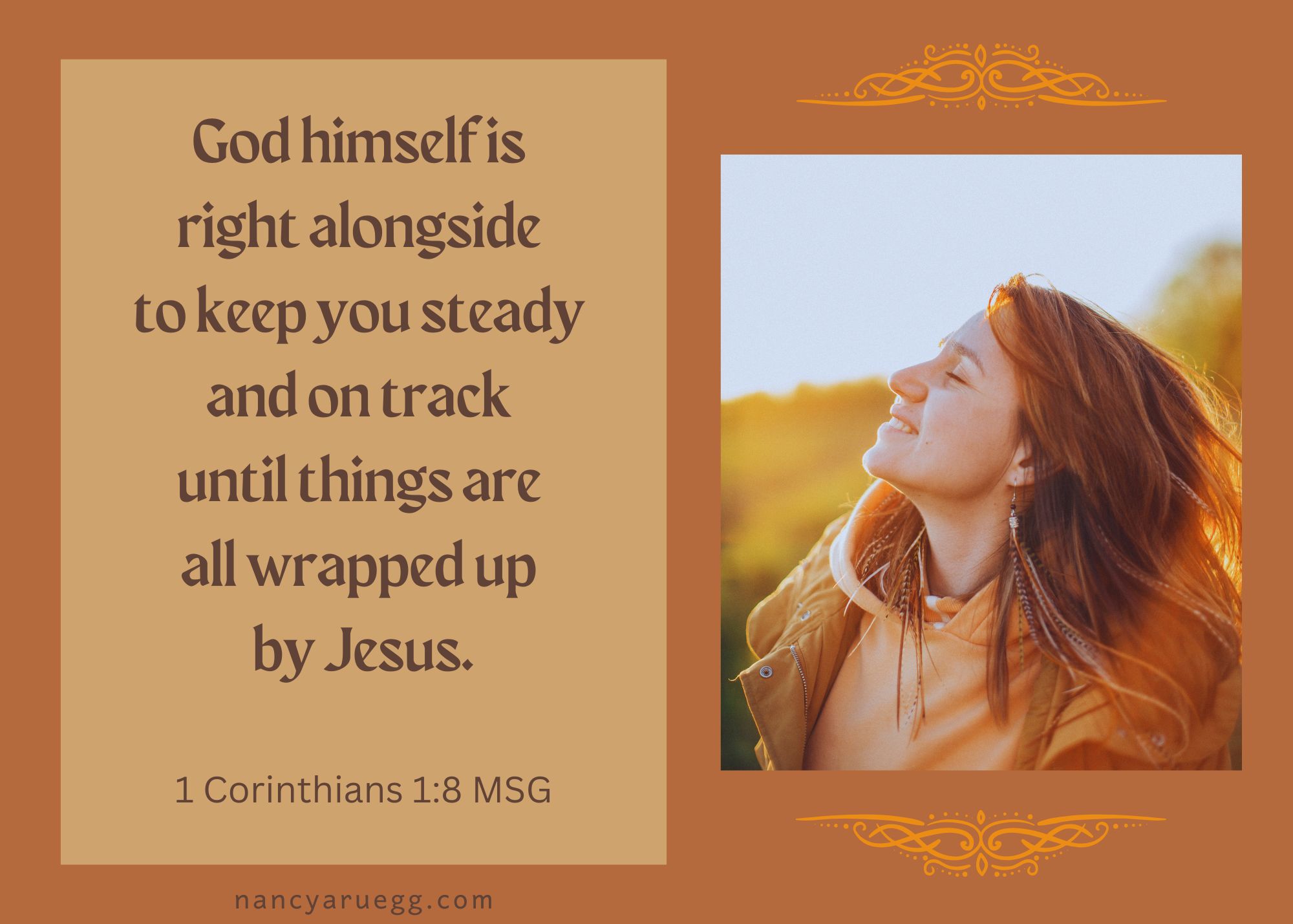
God’s loving DETERMINATION keeps him from ever giving up on us (1 Corinthians 1:7 MSG).

And when we consider all these attributes of our God of hope—his . . .

Trustworthiness

Redeeming power

Affirmations and Assurances

Nature above reproach

Sovereignty

Faithfulness

Overcoming victory

Restoration

Mindfulness

Excellencies

Determination . . .

. . . we find ourselves rejoicing in confident hope because such truths have TRANSFORMED our spirits.

I pray that’s your experience today!

Art & photo credits: http://www.pexels.com; http://www.heartlight.org; http://www.flickr.com; http://www.pexels.com; http://www.canva.com.

Processing…
Success! You're on the list.

Read Full Post »

One way to get better acquainted with God is to read through the psalms, watch for statements pertaining to him, and write them down.

That last step is important, as research has proven: writing (not typing) helps us learn and retain what we’ve written [1]. In this case it will also increase our appreciation of God’s glorious attributes and gracious acts on our behalf.

I chose to participate in this exercise during Advent, and became astonished by the number of statements about God, totaling over three hundred by the time I reached Psalm 150. I even skipped over those that I remembered listing previously.

Some psalms offer a number of statements about God, one after another. Psalm 23 includes nine, Psalm 103, sixteen, and Psalm 145, twenty.

Perhaps that explains why these psalms are among the favorites of many people. Subconsciously we crave reassurance of God’s power, wisdom, and goodness working on our behalf.

A lesser-known psalm perhaps, #71, offers seven encouraging descriptors of God:

He is our sovereign Lord (v. 5) over all things, even our blunders and regrets.

No matter my poor choices, God can redeem them. “Our mistakes can never thwart the sovereign will of God” [2].

How thankful I am for that!

He is the One who’s been my hope and confidence since my youth (v. 5).

I’ve been a Jesus-follower since age four. Never have I toyed with the idea of abandoning my faith in him, because I learned early on from the saints around me:

  • God is a good and loving Father
  • There is purpose in everything God does
  • He will bring me through whatever I might face
  • He is accomplishing a good and eternal work in my life [3]

I’d be foolish to turn my back on Someone so invested in my welfare.

God is splendorous (v. 8).

We could surely add more attributes to Brooks’ list. God provides so many wonderful, spiritual blessings in Christ (Ephesians 1:3)!

He is the One who performs marvelous, mighty, and righteous deeds (vs. 16-18).

In truth, “The whole world is a series of miracles, but we’re so used to them we call them ordinary things” [4].

May we rediscover the wonder of God’s deeds in evidence all around us, and respond with gratitude and praise.

He is the One who’s taught me since my youth (v. 17).

Over time I’ve come to cherish God’ Word. And even though I’ve spent many happy hours in study, its inspiration never grows old.

That is very good news.

God is the One whose righteousness reaches up to the heavens (v. 19).

That’s good news too, because “there is no perfect life, no perfect job, no perfect childhood, no perfect marriage, and no set of people who always do what we expect them to do.

“What we do have is a perfect God who is able to lead us through this imperfect life with unfailing strength, infallible wisdom, and infinite love”—Unknown.

Praise God for his attentive participation in our lives!

He is the One who’s done great things. Who is like You, God (v. 19)?

All of these descriptors, among the dozens of others proclaimed in the psalms, do make clear:

P.S. My list of God-descriptors has become the basis for personal worship. Each morning I slowly read and pray back to him one page of the collected statements. The practice renews wonder and gratitude for my marvelous Heavenly Father.

Perhaps you’d like to try it too?


[1] Denise Hughes, Deeper Waters, 89.

[2] Bev Rihtarchik, contributor to A Moment to Breathe, 151.

[3] Dr. Charles Stanley, Advancing through Adversity, 101.

[4] Hans Christian Andersen

Photo credits: http://www.pxhere.com; Nancy Ruegg; http://www.flickr.com; http://www.pickpik.com; http://www.canva.com (2).

Processing…
Success! You're on the list.

Read Full Post »

Joy is a word seen frequently during the Christmas season–on cards, ornaments and even fence gates.

But holiday-pleasure based on Santa, gifting, and parties, quickly disappears with the decorations and Christmas cookies.

Where do we find January-Joy that will carry us through the new year and even beyond?

First, we have to understand: true joy is more than feel-good endorphins.

To some that sounds ridiculous. Acquiescence sounds like distasteful servitude. And what possible delight can a person find in Someone we can’t see or hear?

Little do they know the depth of joy Jesus offers us (John 15:11).

Little do many people understand:

This deep sea of joy is made available to us as we obey God–another reality that makes some bristle. They don’t realize when Christ tells us to follow God’s ways, he’s not trying to make our lives miserable. He’s showing us the way to enjoy abundance of life (John 15:9-11; John 10:10)!

Scripture presents a number of principles that contribute to our fullness of joy, including:

POSITIVITY (Philippians 4:4)

GRATITUDE (Psalm 126:3)

MINDFULNESS (Psalm 89:15-16)

(How else might we make space for joy? That’s a question worth contemplating!)

GENEROSITY OF JOY (Acts 20:35)

Also worth remembering:

Empathy (Romans 12:15a)

And what happens to those who focus on all things beautiful, good, and true—no matter how small—and thank God for them?

What happens to those who discover the joys of the here and now—no matter their circumstances–and praise God for them?

“They are the change agents who bring fullest Light [and JOY] to all the world.”*

JOY to the world! For January–beyond.

Now there’s an objective to embrace for 2025.


* Ann Voskamp, One Thousand Gifts, 58.

Art & photo credits: http://www.pickpik.com; http://www.freerangestock.com; http://www.negativespace.co; http://www.pickpik.com; http://www.pixabay.com; http://www.canva.com.

Processing…
Success! You're on the list.

Read Full Post »

We know that gratitude provides benefits–mentally, spiritually, and even physically.

We desire to become more thankful, to weave the attitude through the hours of each day.

But how?

Author Lysa Terkeurst provides this model:

Note the particular benefits she highlights: heightened awareness of God’s presence, and experiencing his powerful peace–each one well worth the effort of developing the habit of gratitude, yes?

So look around you in this moment. What can you be grateful for?

Let it be a reminder that God is with you, lavishing you with his love, faithfulness, and compassion.

Think on that knowledge, note the peace enveloping your heart, and enjoy a very happy day of Thanksgiving–today and always!

Read Full Post »

Although the family gathered ’round him wept openly, Pastor Martin Rinkhart held back his own tears as men lowered another townswoman into her grave. It was his forty-second burial that day; and a few more would require his administration before sundown.

The next day promised more of the same as the plague ravaged the city of Eilenburg, Germany, Rinkhart’s hometown. But this wasn’t their only tragic circumstance. Long before in 1618 the Thirty Years’ War had begun, devastating much of Europe—especially Germany.

Now it was the mid-1630s, and numerous refugees had crowded into the walled city of Eilenburg to escape death and destruction at the hands of the Swedish army. The plague had soon followed.

Eight thousand people died, including many children, two clergymen from nearby neighborhoods, and Rinkhart’s wife. He would bury nearly 4,500—forty to fifty per day– before mass graves were instituted.

Martin Rinkhart could never have imagined such heartbreak when he earned his degree in theology in 1602.  He no doubt looked forward to shepherding a little flock of believers, leading them to grow in faith and ministering to their needs.

And for fifteen years or so, Rinkhart did serve as music minister or pastor in several locations. Then in 1617, at age thirty-one, he was invited back to his native Eilenburg.

Eilenberg, Germany today

Shortly after his relocation, the Thirty Years’ War began—one of the longest, most destructive conflicts in European history, taking eight million lives [1].

The Swedish army caused much suffering. Soldiers plundered livestock, food stores, and household goods.  They demanded to be billeted in citizens’ homes. Even as Rinkhart endured these same hardships, he continued to faithfully care for his hurting parishioners.

No sooner did the plague subside than famine gripped the land. Rinkhart did his best to help others, reducing rations for his own household until he found himself mortgaging his future income in order to purchase food and other necessities for them.

During this time, the Swedish army returned, besieging Eilenberg for several months. They finally demanded an exorbitant ransom to leave the city. Rinkhart met with the general to plead the city’s case, but he wouldn’t back down.

One account explains that Rinkhart called together his parishioners and others to pray. “Come my children,” he invited. “We can find no hearing, no mercy with men; let us take refuge with God” [2].

Evidently the general was present as Rinkhart prayed fervently for God’s deliverance. The Swede acquiesced, and lowered the ransom considerably.

During these decades of suffering, in 1636, Rinkhart wrote a mealtime prayer-song for his two children. They sang it at bedtime too.  

Most of us would expect a prayer pleading for relief and rescue by God’s power and mercy. Instead, Rinkhart focused on gratitude:

His prayer became the basis for a beloved hymn, chosen to be sung at the national thanksgiving service when the Thirty Years’ War ended. It’s still sung today:

https://youtu.be/ItfKjxkXhMk?si=TXR0eN0Tj9rP0Of4

I marvel how someone could write such lyrics—about the wondrous things God has done, his blessings along the way, and countless gifts of love—all while suffering terrible hardship and grief.

But I’m thankful for Martin Rinkhart’s example, demonstrating what it means to trust in the Lord with all your heart, in all circumstances [3].

Still, the question remains: WHY. Why Lord?” we plead toward heaven. “Why must good people suffer?”

Herbert Lockyer would have us understand:

No doubt Rinkhart embraced those truths. He also understood: Gratitude to God nurtures hope in him, the One who brings good out of all circumstances [5].


[1] https://enjoyingthejourney.org/hymn-history-now-thank-we-all-our-god/

[2] https://www.thedestinlog.com/story/lifestyle/faith/2018/11/20/story-behind-song-pastor-gives-praise-thanks-during-darkest-of-times/8320618007/

[3] Proverbs 3:5; 1 Thessalonians 5:18

[4] Seasons of the Lord, 371.

[5] Romans 8:28

Additional Source: http://www.baptistnews.com/article/now-thank-we-all-our-god/

Art & photo credits: http://www.picryl.com (Artist: Jozef Szermentowski); http://www.wikimedia.org; http://www.rawpixels.com.

Processing…
Success! You're on the list.

Read Full Post »

The heading promised: “Expert Tips for Creating a Gratitude List.”

But nowhere did the writer suggest who we’re supposed to thank. And that omission raises an important question: Can gratitude provide any value if there’s no one to receive it?

On the other hand, giving thanks and praise to God lifts our spirits as we review his unfailing love for us, expressed in countless ways.

Imagine King David’s euphoria as he wrote:

In Psalm 31, David included these five inspiring truths: our God is faithful (5), loving (7, 16, 21), good (19), merciful (22) and protective (23).

And as I considered theses scriptures, my thoughts turned to examples in our family’s lives when we’ve seen these attributes in action. For example:

God is faithful (Psalm 31:5) and shows us the wonders of his love (21).

Our son Eric needed slides of his paintings for a college application. However, several days of overcast skies made it impossible to sufficiently light his work and show it to best advantage. 

The deadline was fast approaching, and four paintings still hadn’t been photographed.

Eric decided he’d have do his best with the light available. But as he finished setting up and adjusting the painting on his easel, the sun came out! Three more times, just as he finished positioning, the clouds parted and the sun shone!

God stores up abundant good things for those who honor and trust him (Psalm 31:19).

Our family has experienced an abundance of good things—sometimes in miraculous ways (like provision for employment through an astonishing string of God-incidences [1]), and sometimes in smaller-but-no-less-startling events, like the one described above.

I’ve recorded hundreds of such moments in a notebook-journal kept since 1983 (as many of you regular readers know). Entry after entry proves our God is abundantly good and ever faithful [2].

God hears my cries for mercy when I call to him for help, and he protects the faithful (Psalm 31:22, 23).

Years ago before GPS, I became hopelessly lost on a lonely, tree-lined road. To make matters worse, the gas tank was approaching empty, and I was going to be late for an appointment.

In near-panic mode I prayed, LORD HELP ME!, and tried to calm my racing heart by affirming that God would not fail me nor abandon me (Hebrews 13:5b NLT).

Suddenly a three-way stop appeared. I looked left to see a gas station about fifty yards down the road, almost hidden by the trees.

I turned the corner—into the 1950s. The style of the building and peeling paint indicated the age of the station; the pumps were just as old.

More alarm ensued as I studied one of the ancient pumps. What do I do with THIS?

And then an older gentleman approached (an angel, perhaps?) and kindly offered, “I’ll pump that for you.” He also directed me where I needed to be, and I arrived at my appointment just a few minutes late.

I could share SO many more examples. But it’s not just our family that’s experienced God’s goodness, faithfulness and love. All of us have stories to tell of God working wonders in our lives.

May we be quick to give him the thanks he deserves, and with King David, experience the euphoria of gratitude and praise that makes us leap for joy!

Now it’s your turn. In the comment section below, please share one of your stories that makes you leap for joy in what God accomplished!


[1] See https://nancyaruegg.com/2020/08/27/after-the-fact-2

[2] See https://nancyaruegg.com/2012/11/12/proving-gods-presence for how this journal came to be.

[3] Quoted by Herbert Lockyer, Seasons of the Lord, 199.

Art & photo credits: http://www.flicr.com (Evelyn Lim); http://www.biblepics.co; http://www.pickpik.com; http://www.freerangestock.com (Paul Morris); http://www.pickpik.com; http://www.flickr.com (Bill Badzo); http://www.canva.com.

Processing…
Success! You're on the list.

Read Full Post »

« Newer Posts - Older Posts »

When the House is Quiet

Impressions Becoming Expressions

Mitch Teemley

The Power of Story

Still Traveling

Impressions Becoming Expressions

Living Our Days

Gaining a heart of wisdom

He Said What?!

I'm Patty, and my husband and I are living with our adult son who has autism and epilepsy. I love sharing lessons learned from life around me, especially life with Aaron.

Meditations of my Heart

Impressions Becoming Expressions

Linda Stoll

Impressions Becoming Expressions

Signora Sheila

Where Faith Meets La Dolce Vita

Heidi Viars

Finding the Image of God