Feeds:
Posts
Comments

Archive for the ‘God’s Refuge’ Category

Most tourists to Rome will visit St. Peter’s Basilica and find their way to the Chapel of the Pietá. There resides the striking statue carved by Michelangelo when he was only twenty-four years old.

For the viewer, the subject matter evokes sad commiseration with the grieving mother, and yet the artistry of the statue manifests incomparable beauty in Mary’s tranquil expression, the luxurious folds of her robe, and the peaceful repose of Jesus’ face.

Perhaps Michelangelo wished to convey Mary’s relief that the anguish of her Son was over. Jesus’ expression might indicate his satisfaction in perfectly executing the Father’s mission.  

The Pietá gives evidence: beauty may be its most captivating when viewed in juxtaposition against suffering. And Michelangelo superbly represented the two entities in this one statue.

Yet there is One who surpasses even the great Renaissance sculptor in the compelling intertwining of beauty and suffering: our heavenly Father. His medium? The lives of his children.

He can make all things beautiful—even suffering.

Perhaps you’ve known people who’ve endured much—physically, mentally, and/or emotionally. And among them are those who’ve manifested the beauty of strong faith.

We’ve seen heavenly joy in their eyes, even amidst the tears.

We’ve heard the winsome affirmations of God’s palpable, sustaining presence and even of God’s blessings during their season of trouble.

We’ve witnessed their striking maturity in the way they react to their circumstances.

 These saints have embraced the truth that:

How do people find the wherewithal to radiate such loveliness of spirit even as they suffer?

Beauty-in-Suffering Begins with Trust

Of course, it begins with strong trust in God—in his sovereignty over all things, his grace to uphold, and in his power to accomplish purpose through hardship. Such people can say:

–Dr. Charles Stanley, Advancing through Adversity, 78.

Can you also see the beauty of joy on the face of such a witness? How do we grow a strong trust like that?

Beauty-in-Suffering Grows with Intimacy

The formula for growing intimacy with God is quite simple: Prayer + the Word + Time [1].

The closer we walk with God, the less room there is for any other thing to come between us, including trouble, hardship, or pain. In addition, we begin to reflect the glory of his beautiful character [2]!

Beauty-in-Suffering Impacts Others

The question is, will the impact be characterized by the ugliness of complaining, negativity, and self-pity? Or will it be the beauty of vibrant faith, contagious joy, and a settled peace?

Meet Anik, a young African father who was suffering through illness and finding it difficult to provide for his family. Nearby another household also dealt with hardship, and yet their quick smiles and frequent laughter indicated a happiness Anik craved.

He could hear them worship God and pray. They even prayed for him! Anik finally asked them about this God they praised. They told him about Christ, and the family shared their Bible with him.

Upon reading the stories about Jesus, Anik prayed to receive him into his life. So did his family, and they found their hearts transformed.

Their circumstances didn’t change immediately, but they did [3].

May the beauty-in-suffering illustrated by the Pietá and reflected in those like Anik’s neighbor, be evidenced in us also.

*     *     *     *     *     *     *     *     *     *

We praise you, O God, for gifting us with extra measures of your peace and presence—even joy—when difficulty invades our lives. Only you can bring beauty out of suffering! Help us to lean upon you in ever-deepening faith, to carry us through until the final day of triumph. 

(Psalm 34:18; Philippians 4:5-7; Romans 5:3-5;

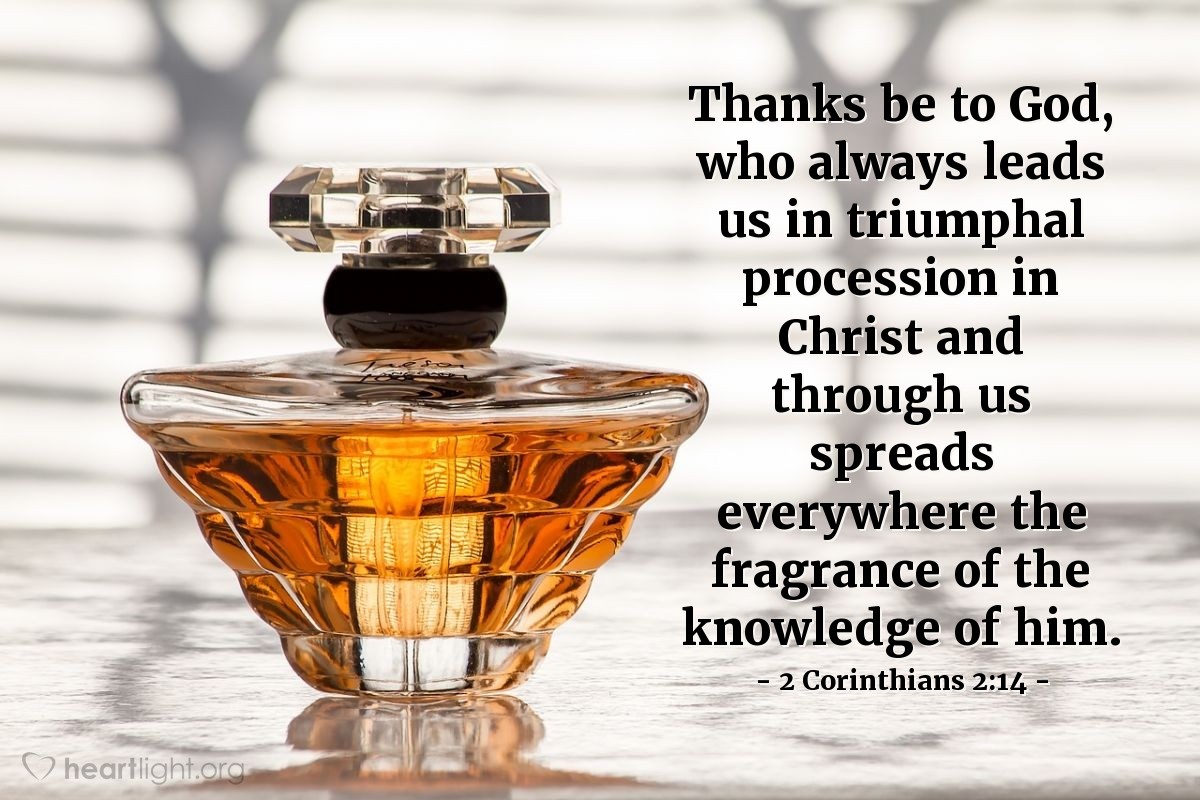
2 Corinthians 2:14)

[1] Joanna Weaver, Having a Mary Heart in a Martha World, 77.

[2] 2 Corinthians 3:18

[3] www.wycliffe.org/blog/posts/the-light-of-hope-scripture-passages-for-hard-times-.

Image credits: http://www.flickr.com; http://www.canva.com (2); http://www.en.wikipedia.org; http://www.heartlight.org.

Processing…
Success! You're on the list.

Read Full Post »

In May of 2019 archaeologists in central England discovered an ancient shield made of bark, dating back to the Iron Age. It’s the oldest shield ever found.

Some might think such a shield would offer little protection during battle. But experiments have proven the bark of such trees as alder and willow would have served well, providing an effective but lightweight shield, easy to maneuver [1]

Fast forward to today. Modern technology has made Israel’s Iron Dome possible. The system shields the country with exceptional radar protection–detecting, tracking, and destroying incoming enemy rockets, high in the sky before they can do any harm [2].

One of Israel’s missile launchers in action

Both shields impress—one for its age and unusual material; the other for its advanced technology and precision.

Scripture speaks of another shield, much older than the one found in England yet still available today, and even more impressive than Israel’s Iron Dome:

The Lord himself.

As we consider that truth, a few questions present themselves:

  • Why would God inspire that metaphor?
  • What does God want me to understand about him being my shield?
  • How might new understanding impact my life?

In researching and pondering the answers to those questions, I discovered that:

God is our shield because of his attributes.

His power shields us from ultimate ruin.

His wisdom shields us from foolishness.

His compassion shields us from emotional and spiritual wounds too deep to heal.

His righteousness shields us from the evil one.

His mercy and grace shield us from the punishment we deserve for our wrongdoing [3].

The list could go on.

God is also our shield because of his actions.

His shield offers:

  • Protection against our arch-enemy Satan and all his cohorts
  • Salvation, saving us from the condemning power of sin
  • Help in times of trouble
  • Faithfulness we can rely on, because of his covenant of love
  • Truth—like the promises of God’s Word that can protect us against discouragement and confusion
  • Favor in the form of lovingkindness, mercy, and grace [4]

God’s shield can cover every aspect of our lives, but . . .

 . . . we must each take up our shield.

God is a gentleman; he doesn’t force his protection, help, or favor upon us. We must come to him and choose to take refuge in him [5].

How? Through prayer.

We invite him to watch over us and protect us.

We affirm the promises and encouragement from his Word.

We remind ourselves of who he is, our Almighty God of Refuge, Shelter and Strength, our Rock of Stability and Safety.

Will you pray with me right now?

*     *     *     *     *     *     *     *     *     * 

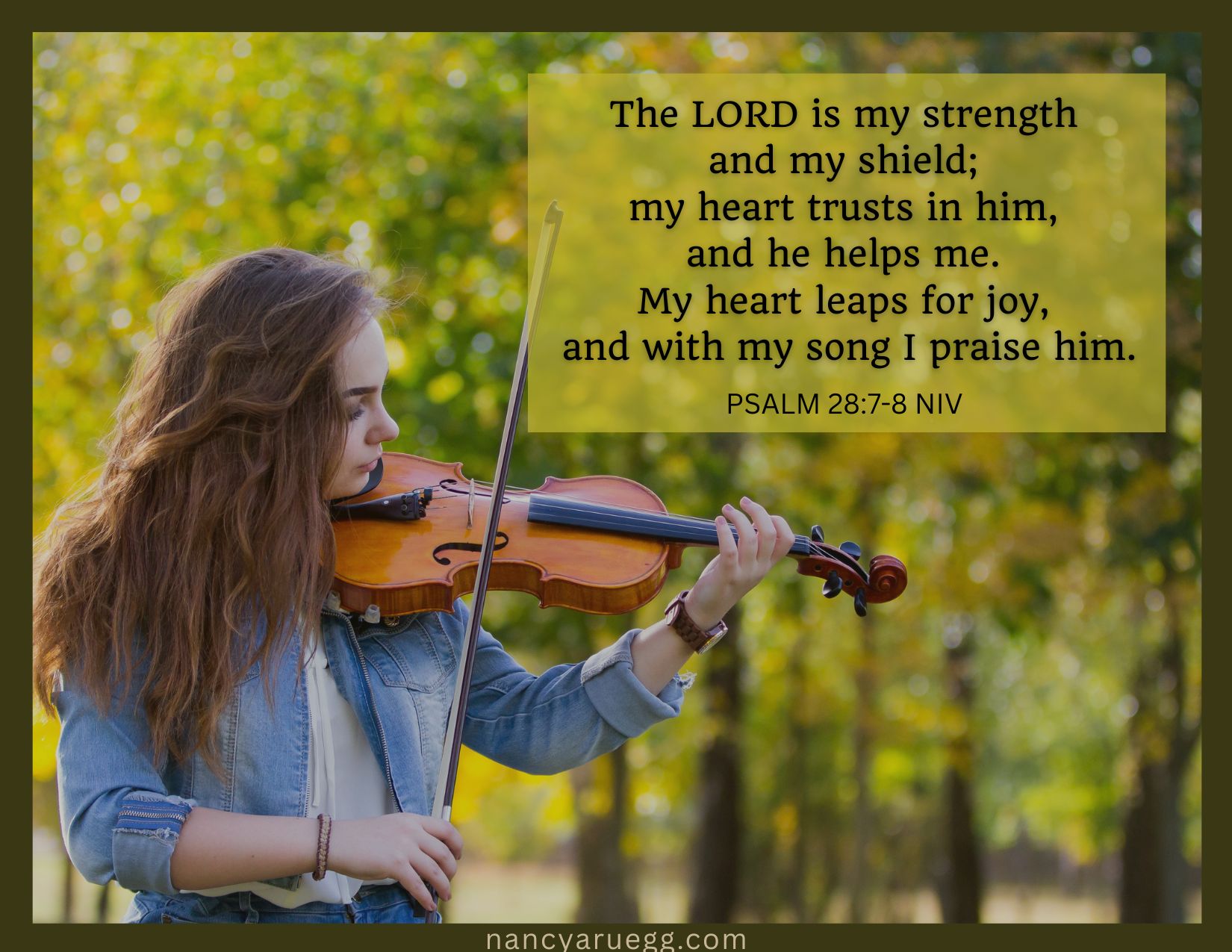
I praise you, O God, for being my strength and impenetrable shield. I can put my trust in you with unwavering confidence because of who you are [6].

I praise you for not only being a shield in front of me; you are a shield that surrounds me, guarding on all sides [7].

You are above, beneath, around, and within, protecting me from ultimate ruin, irreparable damage to my spirit, and foolishness. You shield me from the full brunt of trouble, the fiery darts of the enemy, and his lies [8].

I praise you for the overflowing peace in knowing you are guarding me as a shield!


[1] https://www.theguardian.com/science/2019/may/23/2300-year-old-iron-age-bark-shield-leicestershire

[2] https://www.bbc.com/news/world-middle-east-20385306#:~:text=Iron%20Dome%20detects%20and%20tracks,to%20fall%20on%20open%20ground.

[3] Proverbs 3:23-26; 28:26; Psalm 86:12-15; 2 Thessalonians 3:3; Ephesians 2:4-5

[4] Ephesians 6:16; Psalm 18:35 ESV; Deuteronomy 33:29; Psalm 91:4 and Deuteronomy 7:9; Psalm 91:4c; Proverbs 30:5; Psalm 5:12

[5] Matthew 11:28-30

[6] Psalm 28:7 AMP

[7] Psalm 3:3 GWT

[8] Psalm 91:4a; Isaiah 28:16; Psalm 3:3; Colossians 1:27; Ephesians 6:16

Image credits: http://www.commons.wikimedia.org (2); http://www.biblepics.co & http://www.canva.com; http://www.canva.com (2); http://www.heartlight.org (3).

Processing…
Success! You're on the list.

Read Full Post »

What would happen if the keeper(s) of the house gave up their responsibilities? Can you imagine the pile-up of dishes and dust, garbage and grime, dirty clothes and clutter? The house would soon become uninhabitable.

Now think of what would happen if the Keeper of the universe gave up his responsibilities–just on Planet Earth.

His carefully-engineered habitats for plants and animals would collapse, weather patterns conducive for agriculture would become sporadic, and the regulation of Earth’s orbit and rotation would end. Our planet would soon become uninhabitable.

Our God is indeed Keeper extraordinaire of creation!

But his preservation skills impact more than the physical realm. Skim-read these scriptures and see what categories-of-keeping you notice:

  • “The Lord bless you and KEEP you [protect you, sustain you, and guard you]” (Numbers 6:24 AMP).
  • “Lord God of heaven, . . . you faithfully KEEP your promise and show mercy to those who love you and obey your commandments” (Nehemiah 1:5 NIV).
  • “You Lord, KEEP my lamp burning and turn darkness to light” (Psalm 18:28 CEV).
  • “The Lord will KEEP you from evil; he will KEEP your life” (Psalm 121:7 ESV).
  • “You will KEEP in perfect peace all who trust in you, all whose thoughts are fixed on you” (Isaiah 26:3 NIV).
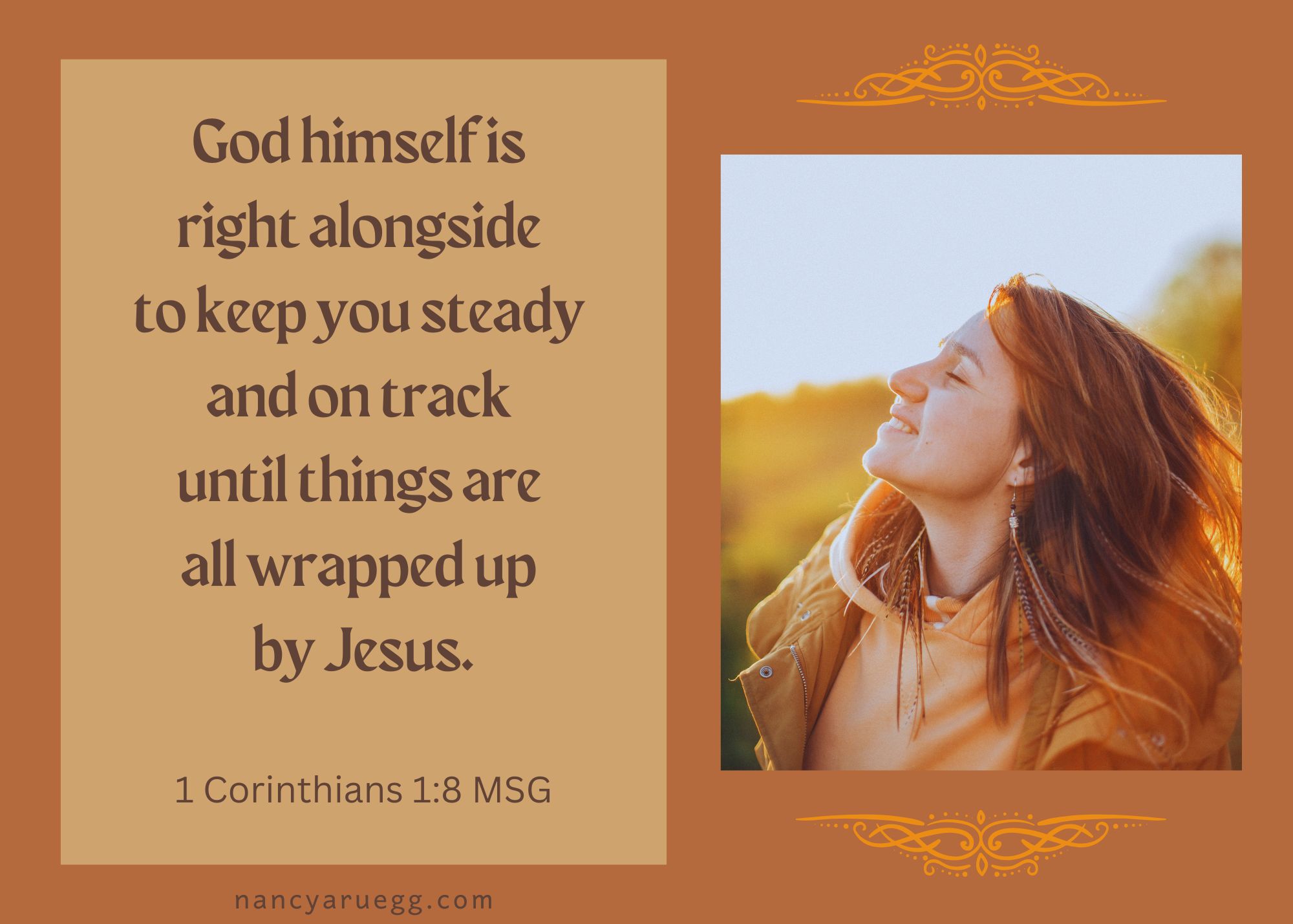
  • “He will KEEP you strong to the end” (1 Corinthians 1:8 NLT).

More scriptures could be added, but even this short list makes clear: We are cared for, guarded, preserved, protected, provided for, shielded, upheld, and watched over (all synonyms for kept).

I’ve lived long enough to see much evidence of God’s keeping, including:

  • His provision when the A/C repairman “just happened” to have in his truck the part we needed, slightly used but still good, which he gave us without charge.
  • God’s protection when the IRS declared our son owed the government $5000. He engaged a tax accountant who verified he only owed $1500. But she also found additional deductions and discovered the IRS owed him $1500!
  • God’s care during sieges of too much to do and not enough time to do it, relieved by changes of plans, help from unforeseen sources, and tasks that didn’t take as long as expected.
  • God’s preservation when troubling events haven’t happened: exposure to illness and we didn’t get sick, dangerous weather projected by meteorologists turned out to be much less severe, or a meeting expected to be stressful actually went smoothly.

Such circumstances occur more frequently than we realize. In fact, “There are not five minutes in the day when [we] do not need the Almighty Keeper to keep charge of [us]” [1].

For some, however, keeping sounds constrictive, like God is repressing us under his thumb, insisting on control, spoiling our fun.

Charles Spurgeon offers a different perspective: “It is . . . a delightful thing to be kept of God . . .  They are kept indeed whom God keeps: they are preserved from evil; they are reserved unto boundless happiness” [2]. The above examples offer proof.

“No, no,” some will say. “Evil happens to good people much too often; sadness intrudes upon every life. Where is God’s keeping then?”

Surely the Apostle Paul was addressed such a question, while held under house arrest in Rome.

He might have answered, “I’ve known and served Christ for many years, and have enjoyed countless blessings along with dynamic relationships. I’ve watched God perform astounding miracles and seen people’s lives transformed by faith in Christ.

“But I’ve also experienced hardship, persecution, suffering, and sorrow, including my imprisonment now. God doesn’t necessarily remove us from difficulty; he preserves us through it.

“We’re upheld by his light in darkness, his comfort in stress, his strength in trouble, his peace in upheaval, and even his joy in spite of disappointment” [3].

And because he wanted everyone to remember that nothing can interfere with God’s compassionate keeping of our lives, Paul wrote:    

How has God demonstrated his compassionate keeping in your life? Please share in the comments below!


[1] Andrew Murray, The Spiritual Life, Whitaker House, 1996, 235.

[2] Faith’s Checkbook, August 4.

[3] Psalm 55:22; 139:12; 23:4; Isaiah 41:10; Nehemiah 8:10c.

Image credits: ww.flickr.com; stockcake.com; http://www.canva.com; stockcake.com; http://www.canva.com (2).

Processing…
Success! You're on the list.

Read Full Post »

“God preserved me so I might tell the story of my life and of God’s goodness to me,” wrote Jeanette Li in her autobiography. And readers might expect her to share stories indicating a life of continual blessing.

They would be wrong.

Jeanette Li (known first as Li Mao Ya, or “Jasmine Bud”), was born in 1899 and grew up in Southeast China with a large extended family of forty-plus people. They lived in hardship and poverty along with most everyone else in the village.

At age six, Jeanette suffered her first trauma—her beloved father died.

Many more ordeals followed, including:

At age 9: Jeanette contracted malaria and received treatment at a mission hospital. One blessing: while there, she and her mother, Taai-So, became Christians.

Perhaps a mission such as this one in central China

When Jeanette was released, they returned home, only to be turned away by their Buddhist family because they’d become Christians.  Taai-So and Jeanette returned to the mission and lived there.

Age 10: The mission was closed due to political strife; all their missionary-friends had to leave.

Age 16: Against Jeanette’s will, Taai-So arranged a marriage for Jeanette, in order to provide for her daughter’s future. Jeanette went to live with her husband’s family under the thumb of a domineering mother-in-law.

Age 20: Jeanette bore a son. But her husband was rarely home, first because he was in school, and then because he was hired as a teacher some distance away. Eventually he married someone else.

Age 32: Jeanette left all she knew to live and serve in bitter-cold Manchuria, requiring her to learn a new language and culture. For thirteen years she traveled by cart on unpaved roads, telling people about Jesus.

Age 38: War broke out between China and Japan in 1937, lasting eight years. Millions died in combat or the result of starvation or disease.

Age 47: The Communists warred against the Nationalists in a three-year civil war, resulting in more suffering and the death of another million-plus people.

Jeanette returned to South China, to the mission where she and her mother had lived. Jeanette was questioned many times by Communist Army officials.

Age 50: All foreign missionaries were constrained to leave China as the Communist Party took power. Jeanette assumed responsibility for the mission-orphanage.

Age 51: She suffered imprisonment for seventeen months, accused of being a counter-revolutionary. Jeanette had to sleep on the floor “in a damp cell infested by mosquitoes, with hardly any food”[1].

They forced her to perform hard labor, and interrogated her day and night. she became ill with fever and developed hemorrhaging dysentery. Her captors offered no medical treatment [2].

Some would ask, “Where was God in all this? The poor woman endured such hardship, pain, and unfair treatment!”

Jeanette would have us know that God graciously involved himself throughout her life, blessing her, and bringing her joy:

He was there during the siege of malaria that took Jeanette and her mother to the regional mission. God spared Jeanette’s life and introduced them to Jesus.

When they returned home, God used the family upheaval to lead the two back to the mission. Taai-So obtained employment and they grew in their Christian faith.

God brought good out of the abandonment of Jeanette’s husband, providing the opportunity for her to obtain a teaching certificate. She was able to support her son as a teacher and then as school administrator.

God fulfilled Jeanette’s desire to tell others about Jesus and made it possible for her to serve in Manchuria, teaching in village after village.

God led her to return to South China where he used her to assume leadership of the mission-orphanage, putting to use her skills as educator and administrator.

God sustained Jeanette during her imprisonment as she suffered acute misery with grace, courage, and stamina—a witness to all in the prison of God’s power at work in her life.

God also spared her life as illness and weakness nearly overcame her.

After her release, God provided for her recovery and subsequent missionary-work in Canton.

God bestowed a miraculous escape from Communist China, first to Hong Kong where she ministered to children and refugees, and finally, in 1962, to Los Angeles, California where her son already lived.

Throughout her life, Jeanette was one of those “true saints who [could] wear the mismatched pairing of suffering and joy” [3]. And as a result,  she drew attention to Christ.

May we do the same.

Addendum: For six years prior to a fatal stroke, Jeanette ministered in the Chinese community of Los Angeles, told her story at every opportunity, and wrote her autobiography.


[1] https://www.placefortruth.org/blog/jeanette-li-and-her-faith-in-gods-promises

[2] Ibid.

[3] https://jenniferdukeslee.com/on-suffering-and-joy-a-lesson-from-the-garden-tomato/ 

Other Sources:

https://www.bdcconline.net

https://rpwitness.org

Image credits: http://www.commons.wikimedia.org; http://www.getarchive.net (2); http://www.canva.com (2); http://www.freebibleimages.org; http://www.getarchives.net.

Processing…
Success! You're on the list.

Read Full Post »

“It isn’t necessary that we stay in church in order to remain in God’s presence,” wrote Brother Lawrence. “We can make our hearts personal chapels where we can enter anytime to talk to God privately” [1].

Isn’t that a glorious realization?

After all, “God could have . . . made his sanctuary in the farthest galaxies, in the majestic mountains, in the deep oceans, or in the vast Grand Canyon. But he chose to live in you and me” [2].

Being a visual learner causes me to wonder, What might an imaginary, personal chapel look like?

I see intricately-carved marble bathed in golden light, stained glass windows creating rainbows on the walls, and a soaring ceiling that fosters awe and wonder.

I also see a long, winding staircase within the castle of my heart. It leads upward to this turret-chapel, far away from the concerns and distractions of the day.

Along that staircase, images line the walls—reminders of God’s attentive care through the years. By the time I reach the chapel-door, my spirit is filled with gratitude and praise.

But the door is closed.

And the only action that will open it is repentance.

Sin is no small matter; it is cosmic treason—it is overthrowing the rule of the One to whom I owe everything [3].

But what do I say? King David’s prayer of repentance (Psalm 51) gives me words:

Lord God, I feel dirty with self-centeredness and pride as I approach your presence. I ask you to wash me, cleanse me, and purge me. Blot out my iniquities, I pray.

I praise you for your mercy and steadfast love that prompt you to abound with forgiveness. “Create in me a clean heart, O God, and renew a right spirit within me. Amen.” [4].

And the door swings open.

There my Heavenly Father sits in an ornate chair, befitting the Almighty King. He beckons me to join him and perch on his footstool [5].

“I’m so glad you’ve come . Just sit and rest awhile. Allow my calming presence to envelop you.” And his arm gently rests on my shoulders.

“Now, what brings you here today?” he asks, while leaning back comfortably in his chair.

“Feelings of frustration,” I blurt. “Circumstances are not unfolding as I expected.”

“I know Child. Remember, I am over all and through all and in all [6]—even in these circumstances. Refresh your spirit with such affirmations of trust as:

“I also feel overwhelmed, Lord. The to-do list is long and time is short.” I turn my body to face him more squarely.  “Please help me prioritize and use my time wisely.”

“Of course!” he responds, with a pat on my back. “When you need wisdom, just ask. I am always ready to oblige” [7].

“Thank you, Father, for your reassurance to see me through [8]!

“And then, one more thing. I ask that you help me honor you in the tasks and encounters of this day.”

He smiles. “Now that is the kind of prayer I love to answer. Never forget that I am always with you; I am your reliable and perfect helper” [9].

I bask in his presence as God provides encouragement from his Word. The golden light that emanates from his presence, permeates my being [10].

I receive the inflowing of the Holy Spirit; he strengthens my will, thinking, and perceptions [11]. He grants me shalom—wholeness, contentment, and peace.

Now I’m ready to face the day, but very glad that anytime I can swoop up that staircase to my personal chapel and be ministered to by the Lord himself.

Praise God for his open invitation to come and his gracious benefits when we do!


[1] The Practice of the Presence of God, “Fourth Letter,” edited by Whitaker House, 1982.

[2] Beth Moore, A Woman’s Heart: God’s Dwelling Place, 215.

[3] Timothy Keller with Kathy Keller, The Songs of Jesus, 108.

[4] Based on Psalm 51:1-3, 7, 9-10, and a devotional by Dane C. Ortlund, In the Lord I Take Refuge, 144.

[5] Psalm 99:5

[6] Ephesians 4:6

[7] Based on James 1:5 NLT

[8] Proverbs 3:5-6

[9] Psalm 118:7a

[10] 2 Corinthians 4:6

[11] Based on The Spiritual Life by Andrew Murray, Whitaker House, 1996, pp. 148, 155.

Image credits: http://www.picryl.com; http://www.flickr.com (Chris Smith); http://www.canva.com; http://www.dailyverses.net; http://www.pickpik.com; http://www.canva.com.

Processing…
Success! You're on the list.

Read Full Post »

(An imaginary conversation between God and me.)

ME:

You know me, Lord. If I’m not careful my mind can slide into fear and worry, especially about the needs and struggles of loved ones. Or I can slip backward into hurts or regrets of the past. Release from such thoughts is not always easy.

But I’ve heard it said, “What is IM-possible is HIM-possible” (Unknown).

So when negativity seeks to pull me down, I want to be quick to remember who YOU are, your promises, and what you can do that make all things HIM-possible.

GOD:

Indeed, nothing is IM-possible with me (Luke 1:37).

Here are four important truths to keep in mind that make for HIM-possible-living:

I am greater than your fears.

Think on My sovereignty and might.

I am in control of all things. I have established My throne in heaven and My kingdom rules over all. Therefore, the one who fears Me need not fear anything else [1].

I am all-wise and all-powerful, always with you and ready to offer counsel.

I am your all-sufficient Father, able to provide everything and anything you’ll ever need.

ME:

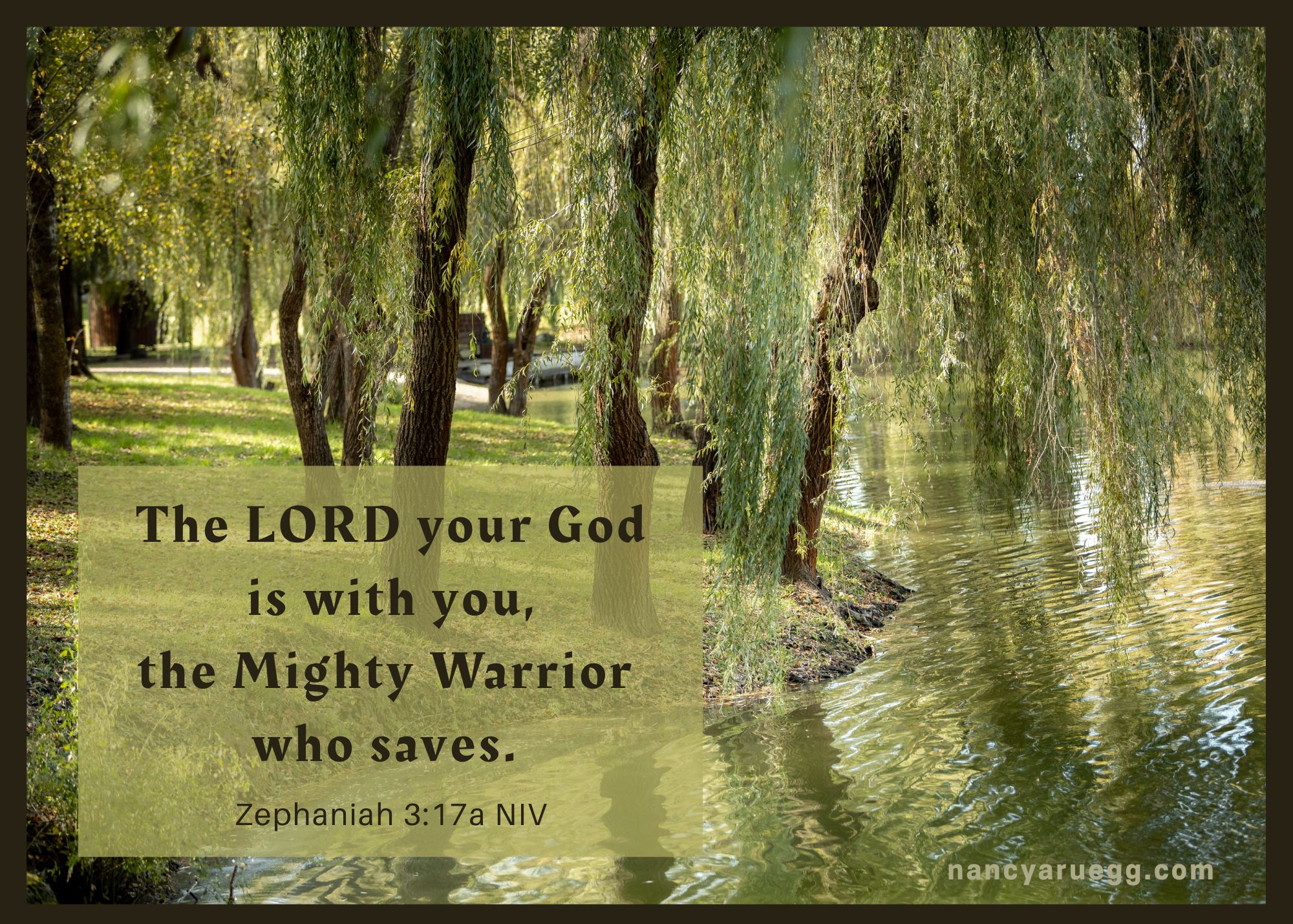
I praise You, Lord, for equipping me to contend with whatever circumstances unfold. You are the Mighty Warrior who saves!

(Psalm 103:19; 1 John 4:18a; Romans 11:33; Psalm 15:3, 46:1; Ephesians 3:20; Zephaniah 3:17)

GOD:

I am greater than your troubles.

Remember My power and strength.

Out of My omnipotence, I promise to supply you with strength sufficient for the day. Each morning I provide a fresh supply of all my mercies.

No matter what the future may hold, you can keep on bearing all things through My Son, Jesus Christ, who constantly infuses you with His strength.

Every trouble produces benefit–strong, honorable character in you, and blessing for others as they see My peace and joy reflected in you.

ME:

I praise you, Lord, for being a present-and-active help in times of trouble.

(2 Chronicles 20:6; Psalm 18:32; Lamentations 3:22-23; Philippians 4:13;

Romans 8:28; James 1:2-4; Matthew 5:16; Psalm 46:1)

GOD:

I am greater than your hurts.

Remember my love and tenderness, my grace and kindness.

I provide a solid foundation on which to rest, even when wave after wave of challenge sweeps through your life [2].

I am your Great Physician. Cling to Me by immersing yourself in My Word and find the cure for your heartache.

I am patiently transfiguring all the notes of your life into the song of My Son, Jesus . . . All is grace, as your hurts and heartaches become tools in My hands, to transform you into the image of Christ [3].

ME:

I praise you, Lord, for your devoted, attentive care.

(Isaiah 66:13a; Psalm 86:15; Psalm 147:3; Psalm 119:49-50; 2 Corinthians 3:18)

GOD:

I am greater than your regrets.

Remember my compassion and forgiveness.

Dwell on regrets and you’ll stir up a whirlpool of excruciating details. It’s an easy place to drown [4].

Leave the irreparable past in My hands, and step into the irresistible future with Me [5]. You’ll find joy replacing remorse and peace replacing agitation.

When thoughts of your failures do push their way into your consciousness, allow my total forgiveness to relieve your pangs of guilt. Then offer Me praise for accepting you just as you are, thanking Me for growing you into more than you were yesterday [6].

ME:

I praise you, Lord, for your mercy to forgive and your grace that meets me where I am but does not leave me where it found me [7].

I praise you that victory over fears, troubles, hurts, and regrets is more than HIM-possible with you!

(Psalm 103:8, 13; Romans 8:37)


[1] The fear of God in the original language doesn’t mean to be afraid. It means sustaining a joyful, astonished, awe and wonder before Him—Timothy Keller.

[2] Jane Fryar, Be Blessed, 34-35.

[3] Ann Voskamp, One Thousand Gifts, 100; Kay Arthur, His Imprint, My Expression, 180.

[4] Based on a David Powlison quote, https://www.sgclouisville.org/blog/2024/01/16/sermon-quotes-what-do-we-do-with-regret.

[5] Oswald Chambers, My Utmost for His Highest, Dec. 31.

[6] Ruth Bell Graham, Blessings for a Mother’s Day, 101.

[7] Anne Lamott, GRACE Eventually.

Art & photo credits: http://www.canva.com; http://www.heartlight.org; http://www.pxhere.com; http://www.canva.com; http://www.heartlight.org; http://www.dailyverses.net; http://www.rawpixels.com.

Read Full Post »

For me, the best way to begin a day is to head outdoors with a journal, pen, and mug of coffee, to watch God make a morning—especially this time of year with its temperate breezes, lush foliage, and dazzling flowers—all enjoyed to the accompaniment of birdsong.

And while soaking in the glory of late springtime, I reaffirm: nature illuminates many glorious truths about our Heavenly Father.

The following impressions come from my journals, as I’ve tried to listen to God while observing various features in my little corner of creation:

LIGHT

Let the golden light of morning remind you of My presence surrounding you, the Light of My Word to counsel, the Light of My joy to give delight, and the Light of My hope to dispel discouragement (1).

SKY

See the cloudless sky soaring into infinity?  My love for you is as high as the heavens.  And just as the sky is always over you wherever you go, I am always, tenderly watching over you (2).

FOLIAGE

Look closely at the bushes and trees. Note how their thickly-leafed branches create a cathedral of calm amidst urban-frenzy. Within the cool environs, numerous birds and animals find peace and protection.

You can find absolute rest and refuge in Me. Not that trials do not come. But they “cannot penetrate the sanctuary of your soul” when you dwell in My shelter (3).

TREES

As the sun rises, your eyes are drawn to the back-lit leaves of the trees, transformed into glowing, emerald-like jewels. But the trees themselves live unaware of their luminous splendor.

I’ve created My children to also glow with the Light of My Son . Often they’re unaware of the Sonlight radiating through them, but know this: there are those who see and find themselves drawn to My Light as a result (4).

(Please forgive the mixed metaphor—this quote was too good to pass up!)

BIRDS

Let the variety of birds remind you that I value uniqueness. Celebrate who I’ve made you to be: the colors of your personality, the pattern of your life, the song of gifts and talents I’ve given you to share with the world, the habits of goodness I’ve formed in you to impact others.

Join the birds in singing My praise, and keep your heart filled with joy (5).

FLOWERS

Sunbeams now illuminate each flower, so they glow with vibrancy of color. Let the various hues, shapes, and scents remind you of My creativity and care producing beauty in your life—beauty of character.

Like the flowers that keep their faces toward the sun, you also keep yours toward the Son throughout the day (6).

SQUIRRELS

Here come the squirrels, jumping from limb to limb with confidence. You too can live in confidence, because I’ve equipped you to accomplish what I desire for you.

Even when the squirrels walk upside down on a branch, they do not fall. Similarly, I make firm your steps and keep you from falling.

When it’s time to rest, a squirrel can nap on the end of a branch and never concern himself that he might fall or the branch might break—an example of perfect trust. I am your unfailing security; you can trust Me implicitly (7).

Do you see? Right here in your backyard you can: find examples of My wonders, experience Me in the sanctuary of My creation, and behold My power and glory (8).

Let the tranquility and delight of these moments carry you through this day with peace and joy!

Notes

1.Psalm 119:105, 130; 16:11; 62:5-8

2. Psalm 103:11; 121:8; 1 John 4:18

3. Psalm 4:8; 5:11b; 91:1-4, quoted clause from Hannah Whitehall Smith

4. Psalm 34:5

5. Isaiah 43:7; Ephesians 2:10; Titus 2:11-14; Psalm 148:8-13

6. Isaiah 26:3; Hebrews 12:2a; Romans 8:5-6

7. Ephesians 4:12; Hebrews 13:20-21; Psalm 37:24; Jude 1:24

8. Psalm 31:21a; 104:24, 33-34; 63:2

Art & photo credits: http://www.pxhere.com; Nancy Ruegg (2); http://www.wikimedia.com (Toby Webster); http://www.pexels.com (Patricia Luquet); http://www.canva.com.

Read Full Post »

Erin has prayed for years that her estranged son would come home.

Tricia can’t seem to shake a gray cloud of despondency, ever since her fiancé broke off their engagement.

Jack worked many extra hours to qualify for a prized promotion, but the boss’s unpleasant nephew was awarded the position instead.

Stacie has faced the loss of one job and a stressful transition to another.

Kate goes through the motions at church and even continues with her quiet time. But God seems to have distanced himself. She hasn’t sensed his presence for weeks.

Such circumstances can cause a downward spiral in our spirits, as debilitating emotions like frustration, anger, worry, and depression threaten to move in and take over. If we feed these emotions with negative thoughts, our faith in God begins to falter, and the devil’s lies begin to sound like truth:

  • So much time has passed; God is never going to answer your prayer.
  • Since bad things keep happening, it’s obvious God has abandoned you.
  • God doesn’t care about your life. Otherwise, why would he allow you to fail?
  • They say God offers love, peace, and joy, but none of it’s coming your way.
  • It looks like God’s forsaken you and to make matters worse, you don’t even know why.

Is it possible to fight against such feelings and fortify our faith? Oh, yes!

Our fight begins with truth—straight from God’s Word. We have to choose facts over feelings—just like a pilot does, as he flies through miles of thick clouds. In order to stay on course, he can’t trust what he feels is proper speed, direction, and altitude; he has to rely on the facts presented by his instruments.

So what scriptural truths might help us maintain our spiritual equilibrium? There are dozens, perhaps hundreds of passages that address our various needs with pinpoint perfection.

Other scriptures provide broad-sweeping truths that cover almost any situation. One example:

If we read the Bible with the intent of finding applicable truth for our circumstances, we won’t be disappointed.

“Such things were written in the Scriptures long ago to teach us.  And the Scriptures give us hope and encouragement as we wait patiently for God’s promises to be fulfilled.”

Romans 15:4 NLT

Now the question becomes: Will we take God at his word and act upon it?

Hebrews 11 gives us a lineup of faith-stars who did just that–based their actions on faith, not feelings.

By faith Noah built an ark (v. 7).   He didn’t allow feelings of inadequacy to stop him.

By faith Abraham left home with no notion of where he was going (v. 8). He didn’t allow fear of the unknown to deter him from following God’s direction.

By faith, the parents of Baby Moses hid him from Pharaoh. They didn’t allow fear of punishment to stop them. “They were not afraid of the king’s edict” (v. 23).

By faith the people of Israel marched around Jericho, even though it must have seemed a strange tactic (v. 30).

Bottom line: Faith is the exercise of our minds, based on the stable truth of God’s Word, in spite of what we might feel. Emotions are just the unreliable, fluctuating condition of our minds. [1]

On the other hand, God doesn’t ask us to ignore our feelings. Job, David, and the prophets honestly expressed frustration, fear, disappointment, and discouragement. But! They didn’t allow their emotions to cripple them. [2]

Also worth noting:  None of these faithful people were perfect, yet God honored their faith.  He doesn’t need perfect people to accomplish his purpose, just willing and faithful ones.

*     *     *     *     *     *     *     *     *     *

Forgive me, Lord, for allowing feelings to impact my faith. Help me to fit every thought. emotion, and impulse into the structure of a Christ-shaped life.  

Thank you for listening and offering encouragement as I confess my feelings.  You even supply strength, peace, and hope.  

And finally, I praise you that you preserve the faithful. I am secure in you.  In fact, you, my all-powerful God, are security itself.

2 Corinthians 10:5, MSG; Psalm 10:17; Psalm 29:11; Psalm 31:23; Proverbs 18:10

Notes:

[1]  J. Clarke, http://www.writtentreasures.org

[2] See Psalm 13 for a worthy example.

Art & photo credits: http://www.pexels.com (Liza Summer); http://www.pexels.com (Karolina Grabowska); http://www.pxfuel.com; http://www.publicdomainpictures.net (George Hodan); http://www.publicdomainpictures.net (2); http://www.wikimedia.org; http://www.dailyverses.net.

(Revised and reblogged from February 9, 2015 while we enjoy a visit from our younger son.)

Read Full Post »

Martin and Katherine Luther

In 1527, the plague approached Wittenberg, Germany, home of Martin and Katherine Luther. Some say it was this looming calamity that prompted Luther to write one of the great hymns of the church: “A Mighty Fortress Is Our God.” [1]

In fact, our congregation sang the ancient lyrics this past Sunday, although we were accompanied by keyboard, guitar, and drum—not organ. I was struck by the second line of the third verse:

“We will not fear, for God hath willed

His truth to triumph thro’ us.”

My mind wandered a bit. I wonder how many scriptural truths promise the result of triumph through us—verses like “My God will meet all your needs.”[2] There must be hundreds!

A bit of research revealed that Luther based his hymn on these scriptural truths from Psalm 46:

  • God is our refuge and strength, an ever-present help in trouble (v. 1)
  • We will not fear though the earth give way (v. 2)
  • The Lord Almighty is with us; God is our fortress (v. 7)

Even though Luther and his family stayed in Wittenberg to care for the sick and dying, he wouldn’t have expected God to spare him or family members from the plague. Luther knew God doesn’t always intervene; he never promised heaven on earth.

But Luther understood: with God as our spiritual refuge, we find the comfort, strength, and support we need through the darkest valleys (Psalm 23).

God will lead us to triumph and provide victory over fear.

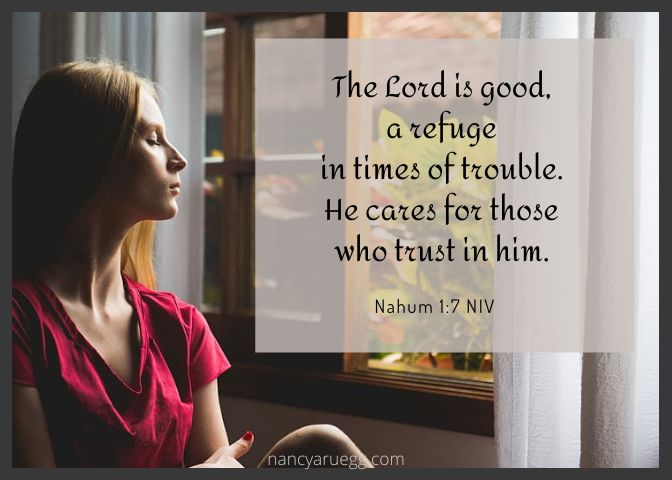
Another confidence-building scripture is tucked into the book of Nahum: “The Lord is good, a refuge in times of trouble. He cares for those who trust in him” (1:7).

If we put our minds to it, every one of us can attest to the truth of those statements, because the Lord is good to all. [3]

Consider a few ways God demonstrates goodness to his people, and see if examples from your own life don’t come to mind.

  • He draws us to himself, gifting us with eternal life as we believe in his Son Jesus [4]
  • He provides mentors and experiences that grow our faith as well as blessings that increase our joy [5]
  • He attentively cares for us and spares us from grave errors in judgment as we obey him [6]
  • He bestows comfort and security during difficult times and augments the delight of happy times [7]
  • His Word guides us in perfect wisdom day by day, year after year [8]
  • He empowers us to accomplish tasks we never could have completed on our own [9]

“It’s important to rehearse the lovely, rich truths and promises that remain when other things change. Keep telling these truths, in all their many-sided glory, and one day, walls already cracked will crumble and fall.”

Jim McGuiggan [10]

Picture your fears cracking, crumbling, and falling in a heap in response to the weight of God’s truths.

That’s a picture of triumph!

“We will not fear, for God hath willed

His truth to triumph thro’ us.”

*     *     *     *     *     *     *     *    *     *

Thank you, Father, for Your gracious invitation to leave our concerns with you and free ourselves of anxiety. As I affirm your truth, you provide fortitude and peace.

One day, the father of lies who provokes all fears WILL be defeated. As Martin Luther wrote, “One little word shall fell him!”[11] We eagerly look forward to that day.

(1 Peter 5:7; Philippians 4:6-7; Romans 16:20; Philippians 3:20)

Addendum: Martin Luther and his family were all spared during the plague of 1527.


[1] No copies of this hymn have been found before this date, but a growing number after, leading various scholars to support this theory (https://www.challies.com/articles/hyms-stories-a-mighty-fortress-is-our-god/).

[2] Philippians 4:19

[3] Psalm 145:9

[4] John 6:44; 3:16

[5] Proverbs 12:15; 18:15; Psalm 4:7

[6] Psalm 27:10 HCSB; 37:23-24

[7] Isaiah 41:10; Psalm 16:11

[8] Psalm 32:8. However, I must confess to not always being receptive.

[9] Philippians 4:13

[10] Quoted by Beth Moore in Praying God’s Word, 138.

[11] From the last line of verse three, “A Mighty Fortress Is Our God”

Art & Photo Credits: http://www.worldhistory.org; http://www.pxhere.com; http://www.dailyverses.net; http://www.heartlight.org; http://www.dailyverses.net; http://www.flickr.com; http://www.canva.com.

Read Full Post »

If you brought together six people with diverse traits and backgrounds, their answers to the title question would likely include six different types of spaces.

Some of us prefer cozy decor, surrounded with precious keepsakes.

Others prefer sleek, white spaces with lots of light.

Some like a rustic, log cabin aesthetic; others prefer the industrial look.

And more than a few gravitate toward the quirky.

But no matter our style preferences, research has confirmed that certain environmental factors impact our mood:

  • A warm, cozy home creates a sense of well-being for most people
  • Clutter can cause a person to feel overwhelmed and anxious; tidy, organized spaces tend to calm
  • Beauty in the form of pleasing colors, sounds, and smells as well as meaningful objects can elevate a person’s mood
  • A dark room can make a person feel lethargic; light energizes and exhilarates
  • Bringing nature indoors with plants and flowers contributes to serenity

But we can’t always control our physical environments. Home isn’t warm and cozy in the midst of ongoing conflict. Children (and maybe a few spouses or roommates out there!) make messes they’re loathe to clean up. And days on end of gray weather can sap energy and joy. What then?

We can shift our focus from what’s around us to what’s within–the spiritual surroundings of our souls. But how do we impact that invisible space, in order to experience equilibrium and calm?

Let’s begin by imagining the soul like a room, and consider the bullet points above.

First, it is God who creates a warm and cozy environment in the depths of our being—a sense of peace and contentment that no one or nothing else can accomplish. To access His peace we only need to ask. And as the atmosphere of our spirits change, we discover: “The very act of breathing in his presence is balm.”[1]

Second, clutter in the soul includes such unsightly messes as sin, negativity, and worry. God knows we can’t remove the muck on our own. But out of his love and mercy, he gladly helps get rid of the filth as we turn to him for forgiveness, help, and strength.[2]

We can enhance our soul-spaces with beauty—thoughts that center on all things lovely, excellent and praiseworthy. Imagine hanging on the walls of your spirit pictures of God’s faithfulness—remembrances of his provisions, guidance, and blessings. View with delightful awe his magnificent deeds.[3]   

A few well-placed lights of scripture[4] will certainly energize and elevate our mood—passages such as these:

  • “Blessed are those who have learned to acclaim you, who walk in the light of your presence, O Lord. They rejoice in your name all day long, they celebrate your righteousness for you are their glory and strength”.
  • “You will keep in perfect peace those whose minds are steadfast, because they trust in you.”
  • “The Lord is good, a refuge in times of trouble. He cares for those who trust in him.”[5]

Last, at least for this post, we can bring the delight of nature into our spirits, much as we enjoy bringing plants and flowers into our homes.

Have you noticed that when we take the time to marvel at the intricacies of a leaf or petal, our pleasure is expanded further?

Similarly, we can take time to marvel in God’s attributes and abilities gloriously displayed in creation:

  • his inventiveness and engineering—from insects designed to walk on water to whales that communicate underwater.
  • His attention to detail as he created a planet that sustains life.
  • His mind-boggling power to fill the universe with stars, planets, moons, galaxies, nebula, comets, and more—all governed by the scientific laws he established.

And as a result of such contemplations, our pleasure in him is expanded.

When all these elements are combined within our spirits—warmth and coziness with God, cleanliness, beauty and light from God, as well as delight in God, we discover true sanctuary, a place where we can enjoy intimate relationship with him and rest for our souls–a place of refuge and calm.[6]

Isn’t that a place where youd like to live?


[1] Philippians 4:6-7 and Jan Karon, A Common Life, 116.

[2] Psalm 51:7, Psalm 94:18-19, Philippians 4:13

[3] Philippians 4:8; Psalm 105:5a; Habakkuk 3:2b

[4] Psalm 119:105

[5] Psalm 89:15-17a; Isaiah 26:3; Nahum 1:7

[6] Matthew 11:28-29; Psalm 55:6; Isaiah 25:4; Psalm 16:11

Photo credits: http://www.rawpixels.com; http://www.pexels.com; http://www.flickr.com (Nicolas Huk); http://www.commonswikimedia.org; http://www.pexels.com; http://www.rawpixel.com; http://www.canva.com; http://www.piqsels.com; http://www.publickdomainpictures.net; http://www.commons wikimedia.org.

Read Full Post »

Older Posts »

Still Traveling

Impressions Becoming Expressions

Living Our Days

Gaining a heart of wisdom

He Said What?!

I'm Patty, and my husband and I are living with our adult son who has autism and epilepsy. I love sharing lessons learned from life around me, especially life with Aaron.

Meditations of my Heart

Impressions Becoming Expressions

Linda Stoll

Impressions Becoming Expressions

Debby Thompson

Impressions Becoming Expressions

Signora Sheila

Notes on Life, Faith & Italy

Colleen Scheid

Writing, Acting, Living in God's Love

Mitch Teemley

The Power of Story

Heidi Viars

Finding the Image of God