Feeds:
Posts
Comments

Archive for the ‘Hope’ Category

(www.thecove.org)


Have you visited the Billy Graham Training Center outside Asheville, North Carolina? You’d be hard-pressed to find a better place for retreat, relaxation, and renewal.

Ruth and Billy chose the location well, tucked as it is onto a peaceful Appalachian mountainside.

My husband and I visited years ago and reveled in five days of morning-and-evening teaching sessions under Warren Wiersbe. The afternoons were unscheduled—for the relaxation part.

One day we decided to tackle a long trail-hike and walk off some of the scrumptious food (and nightly, all-you-can-eat soft-serve ice cream!) we’d been consuming.

A staff member promised the mountain view from the lookout point at the end would be well worth the effort.

But in no time the hike became rough going. The miles we were accustomed to walking back home in the flatland of Florida hadn’t prepared us for the unrelenting incline of this trail.



I started to grunt and groan. My leg muscles begged for mercy until we had to stop and rest—several times.

For the entire distance trees surrounded us—lovely to be sure, but not once did we catch even a glimpse of the vista to come.

Finally we approached the rail of the platform lookout, and my grunts and groans turned to oohing and wowing.



Row upon row of gentle peaks stood sentry before us, stretching immeasurable miles to the horizon. Cumulous clouds above produced large patches of shade below—a jigsaw of light and shadow.

The staffer had been right. To see such a grand panorama of God’s handiwork was indeed worth the struggle.


“God has made everything beautiful in his time,” King Solomon wrote (Ecclesiastes 3:11).

“Everything beautiful” certainly includes the splendorous moments on that platform, especially in contrast to the arduous process to get there.

But equally wondrous, God knows how to create beauty out of difficult life-circumstances—circumstances like:

  • A disturbing diagnosis
  • Ongoing frustration at work
  • A hurtful relationship
  • Financial struggles

How can that be? Because those are the times that push us toward maturity (James 1:2-4)—and maturity is indeed a beautiful thing.


Our problem is, we crave a smooth pathway through life—level, broad, and full of pleasure. But God knows what spoiled, useless creatures we’d become on such a course.

So he allows uphill climbs as the training ground for developing patience, perseverance, persistence, and self-discipline—important facets of maturity.

All the while we can rest assured the day will come when we finally understand how our ugly struggles fit into God’s great and beautiful plan—“a plan so overwhelming, magnificent, and joyful, we will laugh with wonder and delight”—Arthur Christopher Bacon (1).

And how do we know that’s true?

Consider God’s attributes, including his

  • Love and faithfulness (Psalm 117:2)
  • Wisdom (Romans 11:33)
  • Rghteousness (Psalm 145:17)
  • Justice and fairness (Deuteronomy 32:4)



Such a God does not allow useless distress; there is always purpose.

And note the verse says, “He has made everything beautiful in its time.”


Every detail of your life

is fitting together to create

a tapestry of praise.

–Jane L. Fryar (2)


Sometimes we do see the details of our lives fitting together in beautiful, praise-evoking ways.

Our stories of struggle-turned-into-beauty can:

  • Inspire someone to start their own journey with Jesus
  • Offer comfort to another who’s struggling on the same stretch of pathway
  • Provide guidance for a wanderer
  • Encourage a hiker-believer to keep climbing to the heights



But I have a feeling God is saving the best and most beautiful revelations until we’ve reached the lookout of heaven.

For now we can cling to this:

All things are from him—for a purpose (Romans 11:33-36), and we will behold the beauty—when the time is right.


Notes:

  1. From Streams in the Desert, edited by Jim Reimann, Zondervan, 1997, p. 72.
  2. Be Blessed, CTA, Inc., 2009, p. 60.


Photo credits:  http://www.thecove.org; http://www.flickr.com; http://www.wikipedia.org; http://www.bible.com; http://www.canva.com;  http://www.heartlight.org; http://www.maxpixel.net.


Read Full Post »

“Be careful what you think,

because your thoughts run your life.”

–Proverbs 4:23, NCV


“Your thoughts run your life.” That would explain why worrisome thoughts can turn into paralyzing fear, pessimism into debilitating discouragement, and sadness into utter hopelessness.

No one wants to dwell in such misery.

But if a person is facing difficult circumstances, and she allows her thoughts to run amok on auto-pilot, she’s likely to slide downward into hyper negativity.  Climbing out is difficult.

“Snap out of it!” someone will say. Not very helpful.

“Look for the silver lining,” advises another. Easier said than done when tragedy strikes–and lingers.

“Spend some time in reflection.” That’s what one web site recommends, offering sixteen questions for a person to consider. Most of us don’t have time for that much introspection–nor the inclination–when we’re hurting.

So, how can we climb out of a miserable pit of despair?

By replacing negative thoughts with positive thoughts, especially scripture.

You see, our brains cannot focus on two things at once. Prove it to yourself by counting to twenty and reciting the ABCs at the same time. You’ll find you’re either counting or reciting, not both simultaneously.

We can apply the same strategy to negative thinking. At the first moment we realize our thoughts are headed in the wrong direction, we can confess it and ask God to help us renew our minds:

“Lord, I don’t want to think about this anymore; it’s accomplishing nothing. Help me to refocus on what is noble and right, pure and lovely (Philippians 4:8).”


Then we start singing a favorite praise song, or quoting an uplifting scripture, or listing all the reasons we can trust God in this situation.

For a start, the bold-print quotes below highlight some common threads of negative thinking.  Following each is a positive scripture as rebuttal:

“There is no way this situation is going to work out.”

Oh? “In all things God works for the good of those who love him, who have been called according to his purpose” (Romans 8:28, italics added).

“I can’t stand another day of this.”

Oh, yes, I can stand. I can put on the full armor of God, so that in this day of trouble, I may be able to stand my ground” (Ephesians 6:13).  Restoration will come.

“I am never going to succeed.”

 Not true.  God says [he] will accomplish all [his] purposes (Isaiah 46:10b, italics added).  What greater success could there be than to accomplish the purpose of Almighty God?

“I have no idea how to proceed; maybe I should just quit. This is just too hard.”

I can pray as the author of Hebrews did: “May the God of peace…equip me with everything good for doing his will, and may he work in me what is pleasing to him” (Hebrews 13:20-21).

“Sometimes I can’t seem to do anything right. How can God use me?”

It is God who made me the way I am, with specific plans and purpose in mind:  to do good works according to the gifts and talents he’s given.

_________________________

If the comments in bold print are our focus, our lives will surely head in a downward direction toward discouragement and hopelessness.

If, on the other hand, we focus on the promises and positive affirmations of scripture, we head in an upward direction toward wholeness, productivity, and joy.

“He enables [us] to go on the heights” (Habakkuk 3:19)–above the doubts and uncertainties.

“Outlook determines outcome” (Warren Wiersbe, Be Mature, p. 22).

(https://quotefancy.com/quote/931807/Warren-W-Wiersbe-Outlook-determines-outcome)

*     *     *     *     *     *      *     *     *     *

What scripture promise or affirmation lifts you up when circumstances try to pull you down?  Add your favorites in the comments section below!

Photo credits:  http://www.flickr.com; http://www.needpix.com; http://www.heartlight.org; Nancy Ruegg; http://www.dailyverses.net; http://www.quotefancy.com.


(Revised and reblogged from April 16, 2015, “Focus Determines Direction.”)

Read Full Post »


Jurgen Moltmann’s eyes searched the German forest for a glimpse of his fellow soldiers’ Nazi gray uniforms. Somehow he’d gotten separated from his unit and was now alone near the front lines.

Not far ahead he detected movement in the trees, then spotted a brown army jacket and the unmistakable shape of the other soldier’s helmet: British.

Moltmann made a split-second decision. He put his hands on top of his head, and walked toward the enemy. After a year and half of war, after enduring nightly bombing raids in Hamburg and witnessing the horrific deaths of friends, Moltmann decided he’d endured enough.

It wasn’t a war he believed in anyway. Hitler had cut short his education in 1943 when Moltmann’s whole class was assigned to the anti-aircraft batteries in Hamburg. He’d been just sixteen years old.

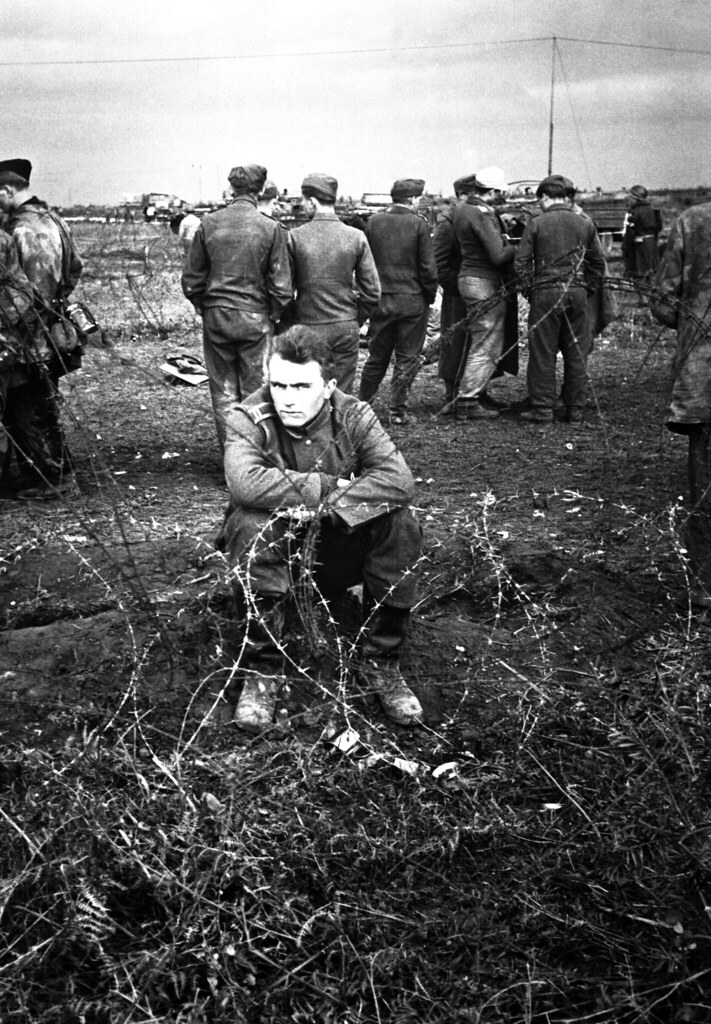
As he approached the British soldier, Moltmann thought, Being a POW can’t be worse than the war itself. But behind the barbed wire of the camp in Belgium he suffered horrific nightmares, felt unrelenting guilt for what his country had done, and collapsed into deep depression and hopelessness.


German prisoners, February 1944


Later Moltmann was transferred to Kilmarmock, Scotland, assigned to a POW road crew. Relentless rain drummed on their backs day after day. To and from the work site he and fellow prisoners rode in trucks—silent, with heads down near their knees. “It was a picture of real forsakenness,” Moltmann later recounted (1).

While in Scotland, a U.S. Army chaplain gave Moltmann a Bible, and out of boredom he started to read. In the book of Mark he encountered another Man who also knew forsakenness, and soon the young soldier came to believe in Christ.

The war ended in April of 1945 but at least 400,000 German prisoners were kept in the British camps, to be repatriated to their homeland one boatload at a time. Germany had been decimated; there weren’t enough places to live nor enough food to eat if all the prisoners were returned en masse.


In 1946, Moltmann was transferred to Norton Camp in Nottinghamshire, England, which the YMCA helped to run. Though still prisoners, the men were allowed to study education or theology.

Moltmann chose the latter, anxious to understand more of his newfound Christian faith. He took advantage of the large library and proffered lectures. He learned Hebrew and Greek.

Frank and Nellie Baker, a young pastor and his wife, served several small churches in the area. God gave them the desire to minister to the POWs of Norton Camp. With the commander’s permission, the couple took a prisoner home for dinner each Sunday after worship.

Moltmann was one of them. “The seed of hope was planted in my heart around Frank and Nellie Baker’s Sunday dinner table,” he said (2).

In 1947, he attended a Student Christian Movement conference. There he experienced reconciliation with young men and women who had fought for the Allies.

As a result of the forgiveness and increasing hope in his spirit, Moltmann decided to continue his study of theology once he returned to Germany, to better understand “the power of hope that had saved his life” (3).


Since Moltmann had been one of the last Germans captured, he was one of the last to be sent home, in 1948. By 1952, he had earned a doctorate degree and become pastor of the Evangelical Church of Bremen-Wasserhorst.

In subsequent years he taught theology at an academy (1958-1963), then Bonn University (1963-1967), and finally the University of Tubingen (1967-1994).

Moltmann also wrote forty-three books. The first, published in 1964, carried a highly appropriate title: The Theology of Hope. And today he is regarded as “one of the most significant theologians of the age” (4).


Jurgen Moltmann, March, 2016


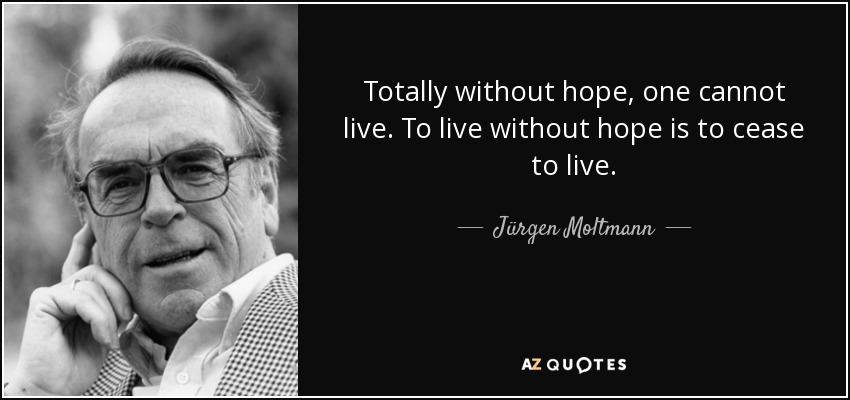
But if it weren’t for hope, we’d surely not know of Jurgen Moltmann because “without hope one cannot live,” he wrote. “To live without hope is to cease to live. Hell is hopelessness. It is no accident that above the entrance to Dante’s hell is the inscription: ‘Leave behind all hope, you who enter here’” (Theology Of Hope).


https://www.azquotes.com/quote/843177


Moltmann’s transcending hope prospered in the war’s aftermath, even amidst the decimation, grief, and uncertainty, because he embraced what Christ offered him: resurrection hope.

“Hope finds in Christ not only a consolation in suffering, but also the protest of the divine promise against suffering. If Paul calls death the ‘last enemy’ (1 Cor. 15:26), then the opposite is also true: that the risen Christ, and with him the resurrection hope, must be declared to be the enemy of death” (Theology of Hope) (5).

That gleam of resurrection hope has now been shining through Jurgen Moltmann for over seventy years, impacting for eternity countless others.

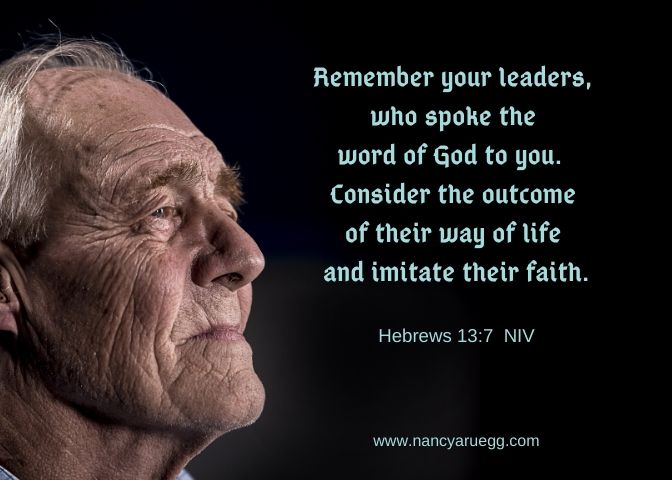
We would do well to remember him, consider his way of life, and imitate his faith (Hebrews 13:7).


Notes:

  1. https://highprofiles.info/interview/jurgen-moltman/
  2. http://www.jacoblupfer.com/blog/2015/2/28/where-jurgen-moltmann-found-hope
  3. https://scienceandbelief.org/tag/norton-camp/
  4. https://www.christiantoday.com/article/liberation-and-hope-10-of-the-best-jurgen-moltmann-quotes/83599.htm
  5. https://ryandueck.com/2007/06/19/moltmann-on-hope/


Sources:

https://highprofiles.info/interview/jurgen-moltman/

www.jacoblupfer.com/blog

https://scienceandbelief.org/tag/Norton-camp/

https://spu.edu/depts/uc/response/spring2k8/features/wartime-blessings.asp

Grace Notes by Phillip Yancey, Zondervan, 2009, p. 116.

Volume 10, Tome 1, Kierkegaard’s Influence on Theology: German Protestant Theology, edited by Jon Stewart.


Photo credits:  http://www.needpix.com; http://www.flickr.com (2); http://www.dailyverses.net; http://www.simple.m.wikimedia.org; http://www.az quotes.com; http://www.canva.com.


Read Full Post »

It happened again. I was reading a familiar Bible passage when a new question presented itself.

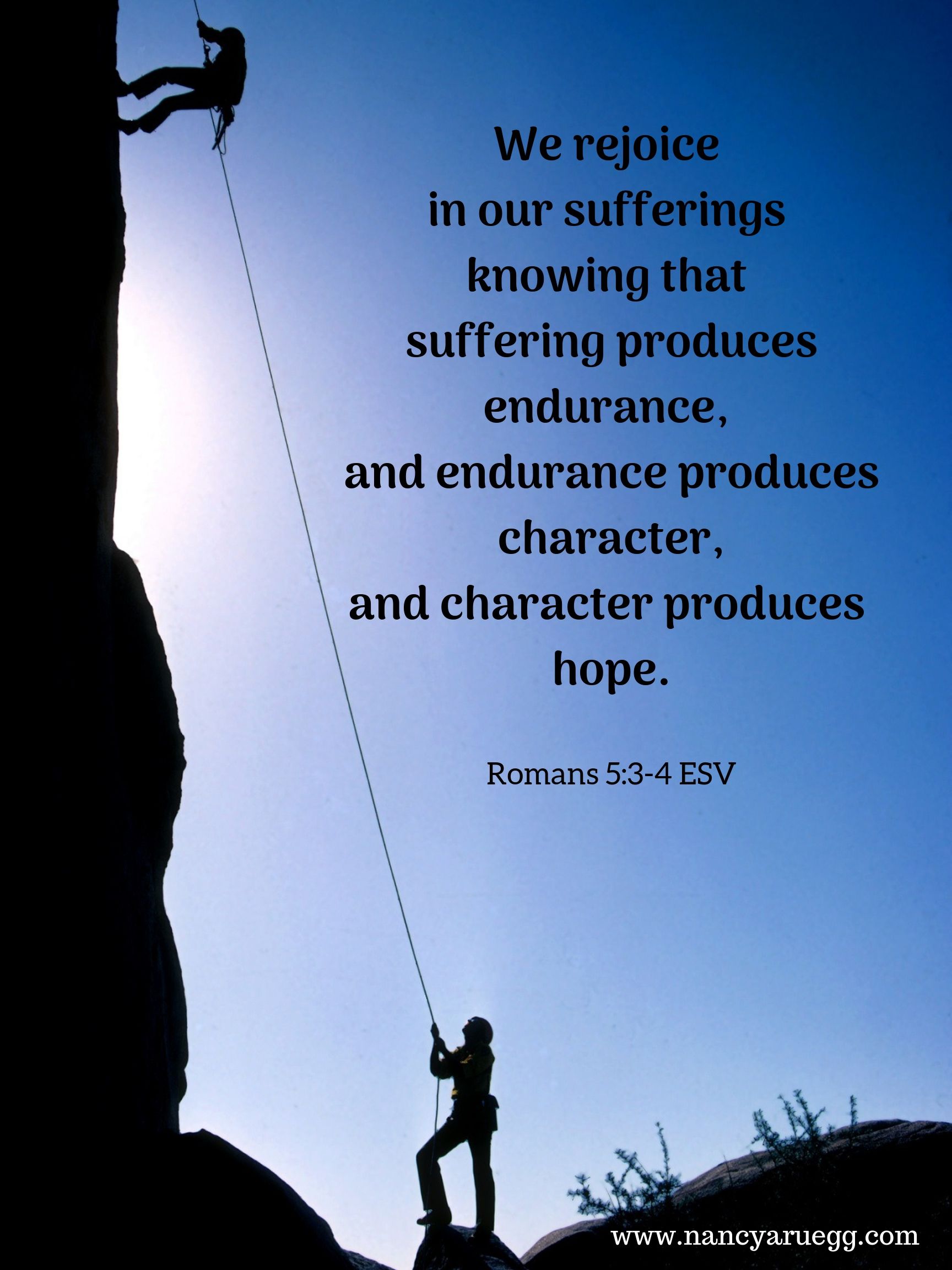
Here’s the scripture:


The first two reasons made perfect sense. Pushing through difficulty does produce endurance, and endurance results in the formation of character–traits like responsibility, self-discipline, and patience.

If Paul had concluded by saying character produced maturity, I’d have heartily agreed and read on. But he says character fosters hope, which led to my question: Why hope?

To begin, we need a clear understanding of what hope means. Which of these definitions do you find most insightful?

Hope is: a) looking forward with confidence and expectation (Beth Moore), b) the reality that is being constructed but is not yet visible (Eugene Peterson), or c) happy certainty (J. B. Phillips).


Actually, instead of choosing, let’s weave them together: Hope is the attitude of looking forward with confidence, expectation, and happy certainty to the reality being constructed though not yet visible.

Author Katherine Paterson would also have us understand: “Hope… is not a feeling. Hope is something we do”–such as:

  • Affirming God’s omnipotent power—power that can accomplish anything (Matthew 19:26).


When we are facing the impossible,

we can count upon the God of the impossible.

–Amy Carmichael


  • Remembering God’s promises of the Bible—promises that never fail (Psalm 145:13b).


Quit studying the problems

and start studying the promises.

–Ruth Graham


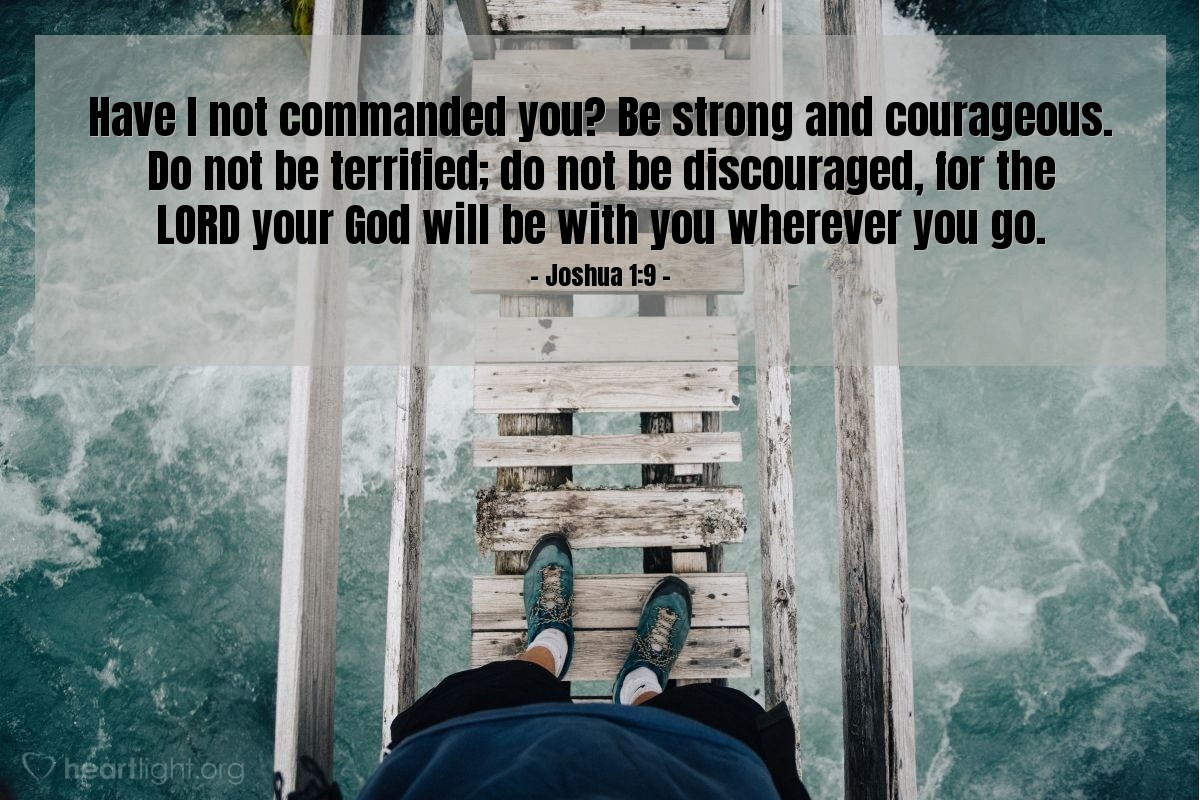
  • Practicing God’s presence—presence that instills comfort, encouragement, and strength (Psalm 94:19; Isaiah 41:10; Joshua 1:9).


Few delights can equal the mere presence

of one whom we trust utterly.

–George MacDonald


In the 1980s, retired millionaire Eugene Lang was asked to speak to the graduating six graders of his East Harlem alma mater. He planned to share his story and encourage them that effort and perseverance do produce success.

But when he took the podium, Lang changed his mind.

“Stay in school,” he charged them. “In fact, it is so important, I’m going to make you a promise. You stay in school, and I’ll help pay the college tuition for every one of you.”


No doubt some of the students thought, “Yeah, right.”

Most of these kids had already experienced a lifetime-worth of disappointment. Why should they believe this old guy?

Yet even the most cynical among them had to admit: Mr. Lang did have the financial power to keep such a promise—a promise announced in front of numerous witnesses.

Soon Mr. Lang founded the I Have a Dream Foundation and convinced others to add their support. He exercised his own financial power to hire a project coordinator, finance field trips, and provide mentors and tutors for each student.


Mr. Lang made his presence known by taking students to restaurants and museums. He personally counseled them through crises, and intervened with school officials on their behalf.

The kids responded. They began to work toward the goal of a college education, learning self-discipline, perseverance, and responsibility along the way. As those character traits and more developed within them, their hope grew that Mr. Lang’s promise would manifest itself in reality.

Six years after that impromptu offer, nearly ninety percent of the students graduated from high school, and close to half were enrolled for college in the fall. Character did indeed lead to hope—hope that looked forward with confidence, expectation, and happy certainty to a reality under construction.*


Mr. Lang typified what God does for us, developing our character so we might grow in hope—a hope for every tomorrow based on his power, promises, and presence, and a hope that can see heaven through the thickest clouds (Thomas Brooks).


Addendum: As of 2017, approximately two hundred I Have a Dream programs were in operation in the United States and in New Zealand, assisting more than 16,000 students.*


* https://www.nytimes.com/2017/04/08/nyregion/eugene-lang-dead-harlem-college.html


Photo credits:  http://www.canva.com; http://www.jbsa.mil; http://www.pixabay.com; Nancy Ruegg; http://www.heartlight.org; http://www.flickr.com; http://www.nps.gov; http://www.vaguard.dodlive.mil.


Read Full Post »


A homeless woman slumped against the familiar brick wall of the warehouse, then grouped her plastic shopping bags snugly around her. Next she looped several bag-handles on her legs, and stretched her arms over the rest. The worry of losing to theft any of her treasured possessions kept her vigilant. Once settled, she succumbed to a fitful doze.

A man approached. “Excuse me, ma’am,” he called gently. “Are you Genevieve Bartlett?”

The woman startled awake, instinctively clutching her belongings more tightly. “What if I am?” she grumbled.

“Well, if you can answer a few questions for me, I may have some excellent news for you,” he replied calmly, recognizing that defensiveness in her position was only to be expected.

Genevieve returned his gaze with a scowl, but sat up straighter, readying herself to listen. The questions were easy: what were the names of her deceased parents and grandparents, when and where had she been born, and where had she attended school.

The man handed her his card and began to explain. “My name is Henry Lewis. I’m a lawyer, here to inform you you’re the last surviving Bartlett of your family, and you’ve just inherited fifty million dollars. If you’ll come with me, we can take care of the details at my office, and start the process of…finding a more comfortable situation for you. Would that be to your liking?”


Genevieve didn’t move for several moments. “Fifty million dollars,” she repeated slowly, and studied the lawyer’s face. Could he possibly be telling the truth? But why else would he seek her out at the warehouse?

Genevieve suddenly slipped the bag-handles off her legs, stood up, and announced, “I’m ready, let’s go!” Without even looking back, Genevieve left her shopping bags and their worthless contents on the pavement.

Out of several interpretations for this story, consider the shopping bags as representative of our fears. Don’t we sometimes hold on to them—worthless as they are—as tightly as Genevieve held on to her belongings?

But as God’s children, we possess tremendous wealth, worth much more than fifty million dollars, because “the kingdom of heaven is like treasure” (Matthew 13:44). And unlike Genevieve during her homeless days, we have access to a good part of that treasure now, if we let go of our worries and lay hold of our wealth.


So what might that treasure include?  Consider the following:

1. God’s Glorious Provision. Unlike Genevieve, we know a glorious inheritance is waiting for us.  Ours is in heaven—an inheritance so magnificent, when we arrive there, we’ll look back on our earthly lives “as an insubstantial dream from which we have happily awoken” (Austin Farrer).

2. God’s Involvement. He is always at work. Take note of his wisdom in creation, his engineering of life-circumstances, and his generosity in the blessings he bestows. God even makes joy available in the midst of trouble. 

3. God’s Sovereignty.  No doubt Mr. Lewis designed a plan for Genevieve to provide for her well-being. God too has designed a perfect and purposeful plan to accomplish much good, in the world at large and for each of us individually.  Whatever we entrust to him, he will take care of much better than we can.


4. God’s Unfailing Love.  We can leave our worries behind, as Genevieve did her shopping bags, when we dwell on the lovingkindness of God. In fact, peace of heart is guaranteed–if we keep our focus upon him. 

5. God’s Constant Presence. He is always with us—even as we wait for him to act. The attentive person recognizes his presence in the aria of a songbird, the sunbeams of a morning, the spontaneous hug of a friend.


6. God’s Kindness and Care.  Surely Genevieve marveled for the rest of her days how Mr. Lewis had changed her life.  We can draw strength and great delight from remembering God’s gracious provisions of our past.

7. God’s Powerful Word. Scripture offers indispensable comfort and encouragement, reminding us that God is our protective Shield and dependable Rock, our caring Shepherd and devoted Helper, our loving Provider and strong Confidence.


In these seven ways and more, God generously shares his inheritance with us now, giving us the opportunity to overcome anxiety with joy.   After all, every fear about our future, safety, health, suffering, death, financial woes, inadequacy, and events beyond our control are good-for-nothing baggage.

The question becomes: Will I let go of my worthless bags of worries and lay hold of my glorious inheritance?


Scripture Notes for:

  1. 1 Peter 1:3-4
  2. Deuteronomy 32:4; 1 Chronicles 29:11; Psalm 94:19
  3. 2 Chronicles 20:6; Romans 8:28
  4. Psalm 94:17-18; Isaiah 26:3
  5. Psalm 23:4
  6. Psalm 92:4
  7. Psalm 3:3; 18:2; 23:1; 46:1; 78:23-29; Proverbs 14:26


(Genevieve’s story is based on an illustration from Charles Spurgeon’s sermon, “To Give You the Kingdom.”)


Photo credits:  http://www.flickr.com; http://www.maxpixel.net; http://www.publicdomainpictures.net; http://www.dailyverses.net; http://www.pexels.com; wwww.canva.com; http://www.dailyverses.net.

 

Read Full Post »


Every now and then, even positive people are bothered by a niggling, accusatory voice in their heads, offering such (Please note the sarcasm.) helpful comments as:

  • “Look at that guy—one successful venture after another. What have you accomplished lately, Ms./Mr. Nobody?”
  • “Everybody in that group was so articulate compared to you. Why are you such an idiot?”
  • “This assignment is way beyond your abilities. You’re gonna make a fool of yourself.”

Such self-talk is destructive; you know it. But how do you turn it off?  With affirmative battle cries. Positive rebuttal will send those self-critical thoughts into retreat—back to the darkness where they came from.

A proper battle cry can stir up encouragement, inspire perseverance, and be a reminder of who you really are, as well as what you can actually do.

And the very best battle cries are based on scripture.  These examples may provide a good place to start:

  1. You are a cherished daughter/son of God!

You may be focused on your inadequacies and failures, but God is not. His attention is riveted on what you will be—completely perfect and whole.

And as he works within you toward that goal, he rejoices in your progress. Follow his example, and celebrate your steps on the right path.


  1. You are a masterpiece–not a mess!

Consider what constitutes a masterpiece: artistic genius, extraordinary design, superlative craftsmanship, and originality—among other glorious qualities.  That’s YOU!

Never forget: the greatest Artistic Genius of the universe created you. He fashioned a one-of-a-kind mold for your personality, your particular traits and talents, your specific purpose.  Embrace who he made you to be.


  1. You have been created in the image of God himself!

And he’s given you the privilege to brightly reflect his magnificent image to those around you.

Consider yourself a stained glass window, with God’s light (all his magnificent attributes) gleaming through the shapes and colors of your individuality, your abilities, in order to bless those around you.


  1. You are a true Superman/Superwoman!

More than a conqueror,” Paul said.  That makes you a super-conqueror (!), through the one who loves you–Jesus.

And because of him, you are guaranteed victory in the end.  Now each day can be viewed as an adventure with God, not an affliction.


  1. You are capable to accomplish anything God prepares for you to do!

That’s because nothing is impossible for him. He goes ahead of you to prepare the way, and supplies the abilities necessary to complete your mission.

In addition, “[He] will help you deal with whatever hard things come up–when the time comes” (Matthew 6:34, MSG).


  1. You are equipped to thrive!

In the soil of God’s unfailing love, and with the nourishment of his encouraging Word, you can grow seeds of contentment, and they will produce the fruit of joy and peace.


So!  Are you feeling inadequate for the day or frustrated by what you face?

Perhaps a few of these battle cries speak to your situation. State them firmly out loud, and for greater impact, speak in front of a mirror.

Affirm to yourself who you are really.

___________________________________


Scriptural support for each battle cry:

  1. 1 John 3:1-2; Hebrews 10:14; Philippians 1:6; Psalm 147:11; Psalm 119:35.
  2. Ephesians 2:10 NLT; Psalm 139:16; Proverbs 19:21.
  3. Genesis 1:27; 2 Corinthians 3:18.
  4. Romans 8:37; 1 Corinthians 15:57.
  5. Philippians 4:13; Matthew 19:26; Ephesians 2:10; Psalm 37:23 CSB; 1 Peter 4:11; Matthew 6:34 MSG, emphasis added.
  6. John 10:10; Jeremiah 29:11; 2 Timothy 3:17; Ephesians 3:17-19; Psalm 119:24; Philippians 4:12-13; 1 Peter 1:8-9; Isaiah 26:3.


What battle cry against the negative self-talk helps you?  Please add your suggestion in the Comment section below!


(Photo credits:  http://www.pxhere.com; http://www.wikimedia.com; http://www.pxhere.com; http://www.wikimedia.com; http://www.pixabay.com; http://www.dailyverses.net; http://www.pixabay.com.)

Read Full Post »

Contrasts have a way of attracting notice.  Consider:

  • A sparkling diamond against black velvet
  • One lone light shining against the night
  • The first bright flower of spring against pale snow

The stories of Good Friday and Easter are also full of contrasts. Consider:

  • The false witnesses who twisted Jesus’ words—against his sinless life “full of grace and truth” (Matthew 26:59; John 1:14).

  • The frenzied clamor of the crowd—against the self-controlled silence of Jesus (Matthew 27:22-24; 27:14)
  • The mournful wails of women on their way to Golgotha— against the overflowing joy of women on their way to tell the disciples, “Jesus has risen from the dead!” (Luke 23:27; Matthew 28:8)

  • The horrific ugliness of the scourging and crucifixion—against the poignant beauty of Jesus caring for his mother (John 19:23, 26-27)
  • The disbelief of the centurion, guards, and one of the thieves crucified with Jesus—against the newfound faith they all experienced, born out of watching Jesus die (Luke 22:63-65 and 23:36, Matthew 27:48 and 27:54, Luke 23:40-43)

  • The darkness that covered the land during those last hours of Jesus’ crucifixion—against the lightning-brilliance of the angel who announced his resurrection (Matthew 27:45, 28:2-3)
  • The curtain-barrier to the Most Holy Place in the temple—against the free and open entrance to God’s presence, made available to all when he tore that curtain in two from top to bottom (Matthew 27:51; Hebrews 10:19-22)
  • The most grievous and repugnant deed of history—against the most glorious and life-changing reality: Jesus was raised from the dead to eternal life and now offers the same incredible prospect for us (1 Corinthians 15:3-4, 55, 57).

These and other contrasts of the Easter story attract undeniable notice to the perfections of our Savior, the unfathomable love that prompted his sacrifice, and the power of his incomparable resurrection—if we have eyes to see.

And eyes that truly see inspire hearts that fervently respond–in faithful love and grateful obedience.

*     *     *     *     *     *     *     *     *     *

Precious Jesus, how we long for words to fully express our praise to you! Against all the forces of evil, you arose victorious. Now, in place of our guilt you provide healing forgiveness and eternal salvation. Now we needn’t fear the day when our eyes close on earth for the last time, because in the next moment, they will open in heaven. Hallelujah!      

(Zechariah 9:9; Revelation 19:16; Philippians 2:9-11;

Charles Spurgeon, Morning by Morning, p. 113)

Art & photo credits: http://www.pexels.com; http://www.flickr.com;  www.wallpaper4god.com.; http://www.heartlight.com (2); http://www.dailyverses.net.

Read Full Post »


“Oh, what a beautiful tree!” my mother-in-law exclaimed with enthusiasm. Her comment referred to a tall bush, planted near the house and visible outside our kitchen window. “What’s the name of it?” she asked.  Being from Ohio, Mom wasn’t familiar with some of the unique foliage of South Florida.

“That’s a sea grape,” I told her. “It’s actually a shrub, but they can grow quite tall.”

“Well, it’s lovely. Such big leaves!”

Now clearly there’s nothing remarkable about this conversation, until you know that Mom had asked the very same question with the very same enthusiasm every morning of her visit. And each morning I supplied the same answer.  Mom was in her late 80s, and her dementia was becoming more and more noticeable.
Mom’s fresh outlook each morning reminded me of Lamentations 3:22-23:


The faithful love of the LORD never ends!

His mercies never cease.

Great is his faithfulness;

his mercies begin afresh each morning (NLT).


Just as Mom brought new enthusiasm to each morning, so God brings new mercies for each day. Yes, the challenges we faced yesterday required wisdom, strength, and perseverance. But today we’ll need a fresh supply.   Praise God he never runs out of such gifts; he is always able to provide.

In the same way, God’s new mercies for today are not meant to be sufficient for tomorrow. In other words, we shouldn’t expect to feel ready this morning for the potential challenges of the future—much as we’d like to. (Who hasn’t wished to know now exactly how the next day or week will unfold, and how best to respond?)

Instead, our wise and loving Heavenly Father has chosen to lead us one day at a time, to protect us from being overwhelmed, easy prey to depression and paralyzed by fear.

No, our best course of action is to avail ourselves of God’s mercies for this one day. As for tomorrow, we can trust God to supply new mercies, more than sufficient for whatever we might face when the time comes.


I’m remembering Corrie ten Boom. (Maybe this post brought her to your mind, too.)


Corrie and her family suffered cruel hardships in the concentration camps of Nazi Germany, as a result of helping Jews escape the Holocaust.

After the war, people would often say to Corrie, “I wish I had such great faith as yours. I could never live through the experiences you survived.”

Corrie would tell a story to explain.

When she was a child, Corrie happened to see a dead baby. A terrible fear gripped her that one of her family might also die. When Papa ten Boom came to tuck her in that night, she burst into tears.

“I need you!” she sobbed. “You can’t die!”

Her sister, Betsy, explained why Corrie was so afraid.

Papa asked, “When you and I go to Amsterdam, when do I give you your ticket?”

“Just before we get on the train,” she responded.

“Exactly,” Papa replied. “And God knows when you’re going to need things, too. Don’t run out ahead of him, Corrie. When the time comes that some of us have to die, you will look into your heart and find the strength you need—just in time.”

Papa ten Boom was proven right. When Corrie needed supernatural strength, God did provide. We can rest assured that his mercies will be new and fresh each morning for each of us–just in time.


*     *     *     *     *     *     *     *     *     *


I praise you, Lord God, that we can face each day with fresh enthusiasm, because for every trial, you have prepared great mercies of endurance, strength, and wisdom.

I thank you that in the midst of trouble, you also provide blessings: a more acute awareness of your presence, peace that defies explanation, family and friends to come alongside, miraculous provision, and delightful surprises to make us smile.

You are more than a sufficient God; you are an abundantly gracious God!


(Revised and reblogged from 5-28-15.  Photo credits:  http://www.flickr.com; http://www.heartlight.org; http://www.canva.com; http://www.wikimedia.com.)


Read Full Post »

Jesus made it perfectly clear: “Surely I am with you always, to the very end of the age” (Matthew 28:20b, emphasis added).

And in our minds we affirm that truth. Yes, he’s invisible, but we know God is involved in our lives. We look back over our personal histories and see evidence of his work, as he engineered circumstances for our good.

But sometimes our emotions long to feel his bodily presence.   Wouldn’t it be wonderful, we daydream, if he literally took us by the hand, put his arm around our shoulders, or pulled us toward him in a close embrace?

Sometimes our ears long to hear his voice, telling us loud and clear exactly what step to take next, encouraging us we’re headed in the right direction, or offering perfect words of comfort that assuage our pain.

And sometimes our spirits long for assurance of his love in spite of our frailty, that progress in maturity is occurring, and the trials we face today will have meaning tomorrow.

There have been close encounters. Every now and then we’ve come within an angel hair of his touch—he felt that close. We’ve received impressions so strong they’ve almost been audible. And we’ve sensed his affirmation in our spirits that immediately settled our uncertainty for the moment.

But in between those intermittent occasions, our Heavenly Father would have us exercise a bit of faith (1) and take to heart what he’s already told us—truths such as these:

God isn’t even the width of an angel hair away from us. Remember the passage where Jesus declares he is the vine and we are the branches (John 15:5)? Just how far is the branch from the vine?

Exactly.

And because he’s right there, we can face uncertainty. God is no cheerleader, standing on the sidelines and shouting encouragement. He’s promised to be deeply involved, to strengthen, help, and support (Isaiah 41:10).

God hasn’t lost his voice. He most often chooses to communicate with us through his written Word. But sometimes he speaks to us through other Christians—their writings or spoken words. And he still implants impressions into the quietness of our souls—if we sit still long enough to listen.

Writer and theologian, Mike Yaconelli was probably right:  “The problem isn’t that God has stopped speaking; it’s that our lives have become louder.”

God wastes nothing.  Every event, every relationship, every circumstance has potential for meaning and  benefit somewhere down the road—including mistakes, disappointments, our own poor choices and those of others.

They become transformational moments to develop our maturity and prepare us for opportunities to come.

Consider:

  • Moses, once prince of Egypt, reduced to tending sheep for forty years. Yet God chose him to lead his people out of slavery.
  • Young Daniel, taken captive to live faraway in a strange culture. Yet God’s plan included his rise to provincial ruler in that land.
  • The man born blind, in order to one day display the work of God in his life (John 9, especially v. 3).

God doesn’t require hoop-jumping. We don’t have to conjure up articulate prayers to access his presence or follow a prescribed set of steps to avail ourselves of his guidance, comfort, and power.

Even the simple act of speaking Jesus’ name invokes all that he is and all that he can do (John 16:24). How reassuring to know: “When there are no words, when there is no strength, there is always his Name” (2). God intends for us to use it.

Finally, and most encouraging:

God is on our side.  We.  Cannot.  Lose (Romans 8:31-37).

Now the question becomes: Will we move forward on what we know, or stagnate because we cannot see, hear or touch?

Notes:

(1) Faith is a quality God greatly values. “Without faith it is impossible to please God” (Hebrews 11:6). But all it takes is the equivalent of a mustard seed (Matthew 17:20), and our God can move mountains of insurmountable difficulty!

(2) Marilyn Meberg, Boundless Love

Art & photo credits:  http://www.flickr.com (Salvatore Gerace Tuscan); http://www.pixabay.com; http://www.photolib.noaa.gov; http://www.wikimedia.com; http://www.canva.com.

Read Full Post »


Expect to find trouble in this day.

At the same time, trust that [God’s] way is perfect,

even in the midst of such messy imperfection.

—Sarah Young (1)


Wait a minute. Trouble and perfection sound like opposites to me. Trouble is pain; perfection is bliss. How can those two concepts possibly coexist in our experience?

Sarah didn’t answer my question, so I headed to scripture to find out how God’s way could possibly be perfect for us in the midst of trouble.

My first stop occurred in Deuteronomy 32:4. “He is the Rock, his works are perfect, and all his ways are just. A faithful God who does no wrong, upright and just is he.”


And if I virtually click on a few words of that verse, the following truths reveal themselves:

  • God my Rock is utterly reliable and unshakably trustworthy
  • All of his works perfectly execute all of his plans
  • His ways reflect right judgments and highest wisdom
  • God is devoted to his children and faithful to his Word
  • All his actions are founded on absolute justice and supreme equity

But when trouble enters our lives, our Rock foundation can feel unreliable and untrustworthy. We might question the perfection of his plans, the wisdom of his ways, and the trustworthiness of his promises.


Then more than ever we must affirm: “Our inability to discern why bad things sometimes happen to us does not disprove God’s benevolence, it merely exposes our ignorance” (2).

Our finite minds cannot understand the all-wise, far-reaching, untraceable workings of a perfectly blameless and righteous God (3).


So the choice becomes ours. Will we: A) give in to worry, defeatism, and frustration, or B) seek to displace those emotions with scriptural truth and perhaps discover a better way to live?

I prefer Plan B!  I’m guessing you do too.  And a profitable place to begin is in the book of Psalms. We can collect numerous statements of God’s perfections at work on our behalf, even as we navigate through trouble.

For example, our Heavenly Father:


  • Watches over us (1:6). He knows what’s happening.
  • Gives us refuge (2:12)—not from trouble, but in the trouble.
  • Sustains us (3:5) with hope.
  • Hears us when we call to him (4:3), and is already working to bring beauty out of the ashes of adversity.


  • Fills our hearts with great joy (4:7)—despite the circumstances.
  • Encourages us (10:17) with his Word.
  • Turns our darkness into light (18:28), as he brings bright blessings out of dismal situations.
  • Arms us with strength (18:32) to endure.


  • Makes our ways perfect (18:32) as he gives us everything we need.
  • Guides us along right paths (23:3) toward maturity, serenity, and fulfillment.
  • Infuses us with peace (29:11) as we remember all things are possible with God.
  • Shows his wonderful love to us (31:21). And as we celebrate each day the manifestations of that love, our trust and contentment grow (4).


There you have it—a perfect dozen promises for troublesome times, gleaned from the first thirty-one chapters of just one biblical book. Many more are tucked within the pages of our Bibles, waiting to be discovered and embraced.

But worry, confusion, and discouragement don’t easily give up front-and-center attention in our minds. We must continually replace such thoughts with statements of faith, reminding ourselves: “The God who made us can equip us for the road ahead, even if it is an unpleasant road” (5).


After all, he’s in the driver’s seat, he has an impeccable driving record, and he deeply desires to accompany us toward our destination in heaven—to perfectly protect us, counsel us, and guide us safely all the way home–even through trouble.


P.S.  An update on my husband, Steve:  Many of you know he is fighting liver cancer right now.  Next week he will undergo another chemo treatment and radiation.  Our prayer is these procedures will eradicate the last tumor and no more will develop before he receives a transplant, perhaps early winter.  Thank you again for your love, support, encouragement, and prayer.  We are cocooned in God’s peace!


Notes:

(1) Jesus Calling, Thomas Nelson, 2004 p. 160.

(2) Ravi Zacharias and Norman Geisler, Who Made God? and Answers to Over 100 Other Tough Questions of Faith, Zondervan, 2003, p. 46.

(3) Romans 11:33-36.

(4) The following twelve scriptures provide further support: Psalm 139:1-6; 2 Thessalonians 3:16; Romans 15:13; Isaiah 61:3; Psalm 94:19; Psalm 119:50; Romans 8:28; Philippians 4:13; 2 Peter 1:3-4; James 1:2-4; Luke 1:37; Philippians 4:4, 12.

(5) Karol Ladd, Thrive, Don’t Simply Survive, Howard Books, 2009, p. 47.


Photo credits:  http://www.ymi.today; http://www.pexels.com; http://www.dailyverses.net’ http://www.canva.com; http://www.pixabay.com; http://www.flickr (Chris Bartnik); http://www.geograph.org.uk.


Read Full Post »

« Newer Posts - Older Posts »

Still Traveling

Impressions Becoming Expressions

Living Our Days

Gaining a heart of wisdom

He Said What?!

I'm Patty, and my husband and I are living with our adult son who has autism and epilepsy. I love sharing lessons learned from life around me, especially life with Aaron.

Meditations of my Heart

Impressions Becoming Expressions

Linda Stoll

Impressions Becoming Expressions

Debby Thompson

Impressions Becoming Expressions

Signora Sheila

Notes on Life, Faith & Italy

Colleen Scheid

Writing, Acting, Living in God's Love

Mitch Teemley

The Power of Story

Heidi Viars

Finding the Image of God