Feeds:
Posts
Comments

Archive for the ‘Worship’ Category

For ten years of my twenty-six year teaching career, I commuted almost fifty miles each day. Those of you who endure the same or worse understand that it is: 1) boring, 2) a waste of time, and 3) FRUSTRATING!

The roadways are filled with thoughtless, rude drivers who can raise your blood pressure to dangerous levels if you’re not careful.

One day, after yet another encounter with a dreadful driver, I started to sing, “To God Be the Glory”—an old hymn that is still a favorite of many.

But somehow my mind took a wild turn and I veered into new lyrics that fit my situation–and my mood:

“To God be the glory in spite of the jerks who travel the turnpike and drive me berserk!”

It made me chuckle. The tension in my shoulders began to relax.

M-m-m, I thought. I may be on to something.

For the next several weeks I spent my commuting time working thoughts into rhymes and rhymes into the rhythm of the old hymn.

Here are the results:

The South Florida Commuter Song

Verse 1

To God be the glory in spite of the jerks
Who travel the Turnpike and drive me berserk!
I’ll focus on Jesus and all of His works,
Improving my attitude and calming my nerves.

Praise the Lord for the trees, and the birds on the wing!
Praise the Lord for the clouds, and this song I can sing!
I’ll thank Him for His promises and victories won,
And for taking frustration and making it fun!

Verse 2

I’ll pray for the poor bloke who speeds out of sight.
He’s clueless I’ll see him at an upcoming light.
I’ll pray for his safety, since he’s unconcerned,
And hope in the process some patience I learn!

Praise the Lord for the sun as it spangles the sky.
Praise the Lord for the ponds, and the mist on the rise.
I’ll thank Him for creation, its beauty sublime.
Renouncing frustration, His peace I shall find.

Verse 3

And when drivers speed by then squeeze in ahead,
Replace my frustration with your grace instead.
Remind me they don’t know you, they’re striving alone.
I pray they may seek You, and make You their own.

Praise you, Lord! I am Yours, and You’re always with me.
Help me lean, and be serene, even when folks are mean.
I pray for Your Spirit to take full control
As over the highways and byways I roll.

Verse 4

There’s one more group of drivers that I must address.
They pull out in front of me, then drive like Aunt Bess!
They poke along slowly, yet still make the light,
But then the light turns red—I’M stuck! What a fright . . .

. . . How upset I can get when others drive thoughtlessly!
But I have heard from Your Word how You want me to be:
As loving and forgiving as You are to me.
So when others drive like Aunt Bess, I’ll say, “God bless!”

© Nancy Ruegg 2008

Are you smiling? I hope so! And perhaps you’ll be inspired to turn a frustration in your life into an attitude-changing song. If you do (or already have), please share it with us in the Comment section below!

(Revised and reblogged from 1/7/2013 while we prepare for houseguests.)

Photo credits: http://www.commons.wikimedia.org (Ildar Sagdejev); http://www.flickr.com; http://www.pxhere.com; http://www.flickr.com (Pam Link).

Read Full Post »

‘Tis Poetry Month once again, a time to celebrate this art form that can stretch, inspire, and amaze us in ways unique from prose. Award-winning poet Pattiann Rogers identified at least one element of that uniqueness: the music of poetic language.

But is the composing of such music reserved only for experts? That question brings to mind another quote:

Such encouragement for us amateur-poets to give it a try and be stretched, inspired, and amazed when we create our own music of poetic language—unsophisticated as it may be.

This year I’ve experimented with three forms: Shadorma, diamante, and quadrille.

The Shadorma is of Spanish origin. It contains six lines, each with a specific syllable count that follows this pattern: 3/5/3/3/7/5.

Early morning on our deck offered inspiration for this Shadorma:

Dawn Rising

Sunbeams climb

Dusky shadows fade

Breezes kiss

Robins trill

Nasturtiums spangle with dew

Morning masterpiece

The diamante (diamond) form derives its name from its shape. It was created by American poet Iris McClellan Tiedt in 1969.

The pattern for diamante is more complex than Shadorma. The first half of the poem relates to the one word of the first line; the second half to the one word of the last line. These two lines often present opposites. The middle line provides a bridge between the two. 

Each of the seven lines requires a certain number of words of a certain part of speech:

  • Line 1: 1 word (subject/noun)
  • Line 2: 2 adjectives that describe line 1
  • Line 3: 3 -ing words that relate to line 1
  • Line 4: 4 nouns (first 2 relate to line 1, last 2 relate to line 7–if you’re writing about opposite topics)
  • Line 5: 3 -ing words that relate to line 7
  • Line 6: 2 adjectives that describe line 7
  • Line 7: 1 word (subject/noun)

This diamante began to take shape as I considered the transformation Christ can make in a person’s life. A list of R-words began to grow—repentance, redeemed, restored, so I pursued the pattern.

A Transformed Life

Ruin

Repugnant, reprehensible

Rebelling, ravaging, retaliating

Rashness, recalcitrance, remorse, repentance

Returning, Releasing, Receiving

Redeemed, restored

Renewal

The Quadrille form first appeared at www.dversepoets.com in 2016. The only requirement is to include 44 words (excluding the title). They believe that “limitation can happily breed extreme creativity.” Each Monday they provide a word-prompt, and participants must use that word in their poems.*

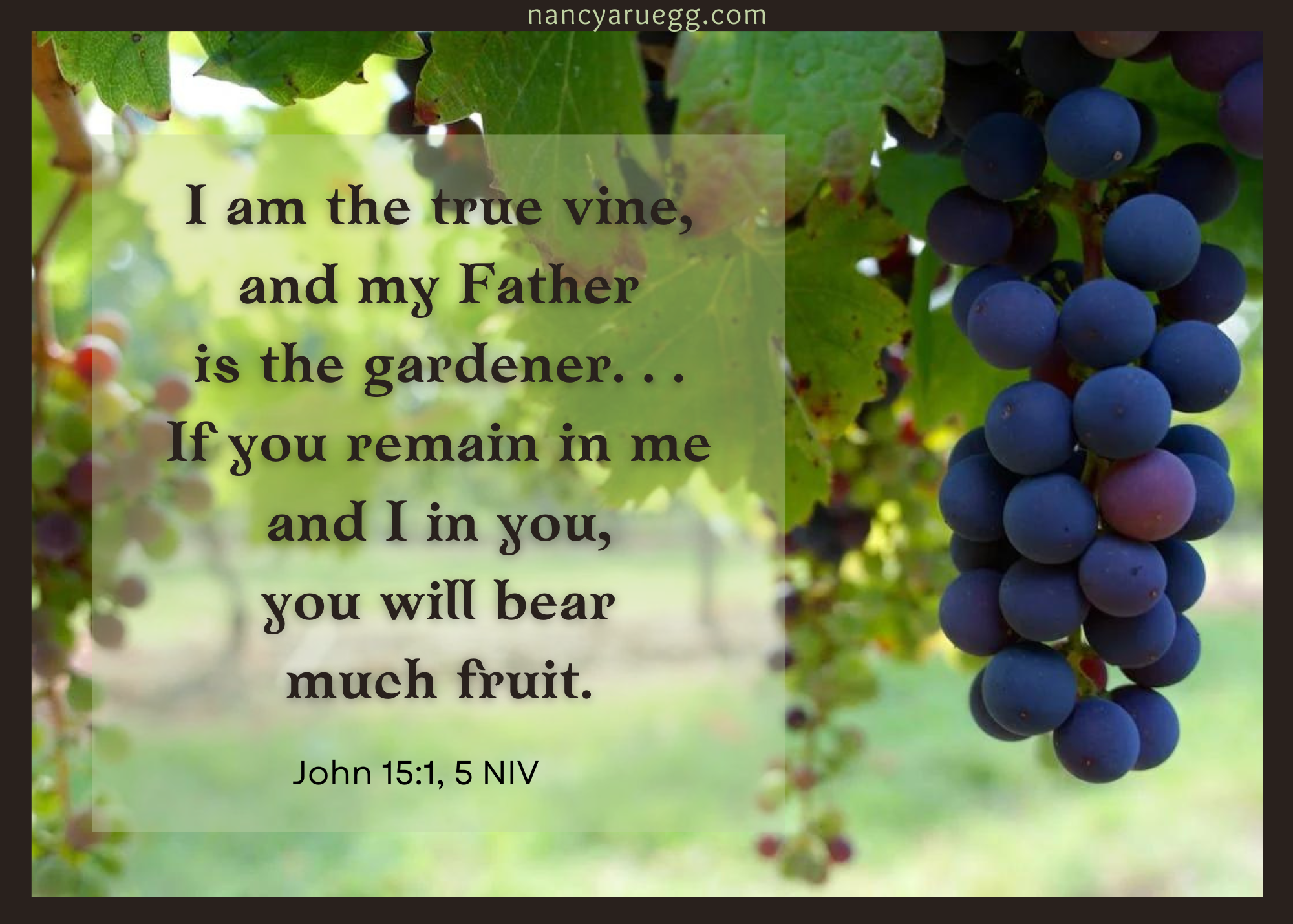
I chose my own word from John 15:1, 5—vine. And while I played with possibilities, my poem began to fit a pattern. Every line contains seven words except the last, which contains nine.
First, the scripture, as a point of reference:

And now, the poem.

Bonded to the Vine

Praise to the Gardener of our souls!

Once we’re grafted to his Vine, he

Prunes away withered branches of worthless folly,

Waters us with his life-giving, spirit-strengthening Word,

And produces pleasing fruit with boundless sufficiency.

Such beauty results when we’re bonded to the Vine!

Remember the quote of Christopher Fry at the beginning of this post–“Poetry is the language in which man explores his own amazement?”

I wonder if he knew that the pleasure in exploring our amazement—whether as poets or not—is greatly enhanced when we include the Genius behind all things amazing.


* https://dversepoets.com/2017/09/11/quadrille-40/

Photo credits: http://www.canva.com; http://www.pxhere.com; http://www.pickpik.com; http://www.pexels.com (3); http://www.commons.wikimedia.org.

Read Full Post »

After the cold starkness of winter, spring gleefully reawakens our senses with her: 

  • Effusion of colorful flowers
  • Scents of hyacinth, lilacs, and freshly-mowed grass
  • Symphony of bird song
  • Flavors of tender asparagus, luscious strawberries, and tart rhubarb
  • Textures of furry pussy willows, fuzzy moss, and silken magnolia petals

Praise God for our abilities to see, smell, hear, taste, and touch, allowing us to enjoy Spring in so many ways!

Even better, those abilities allow us to meet God in at least five ways.

Our five senses help us understand God more clearly.

Consider how the far-flung stars and planets speak of his power; the clever camouflage of lizard, fawn, and frog display his wisdom; the endless variety of colors, shapes, and textures prove his creativity; the instinctive parenting skills of adult animals demonstrate his goodness.

Our five senses help us experience God’s glory more profoundly.

  • We can see his power at work in the transformation of lives [1].
  • We can hear his wisdom in godly men and women, such as Thomas á Kempis or Corrie ten Boom (just two among millions!):
  • We can feel God’s loving touch through a hug that conveys compassion, a worship song that quickens the heart, or a landscape vista that gives us glory-goosebumps.
  • We can taste his goodness in all the variety of blessings we enjoy (Psalm 34:8).
  • We can smell the fragrance of his sweet presence (Psalm 45:6-8)—if we pay attention.

Our five senses help us connect with God more intimately in solitude.

Many people call it Quiet Time—moments they spend with God in scripture reading/study, prayer, perhaps journaling, and/or listening to peaceful worship music.

It’s in the quiet we begin to see important realities of the spiritual realm, hear God’s voice within our spirits providing wisdom and encouragement, feel his presence more palpably as we touch our knees to the floor in prayer, and again, smell the fragrance of his sweet presence as he meets us in our place of solitude.

   Our five senses help us worship God more intently in community.

Jerry Kerns [2]

Kerns would have us fully engaged–first to bless God’s heart and then to elevate the experience for us also.

How?

  • See the majesty and splendor of God on his throne–in your imagination. This is who you are worshiping [3]!
  • Hear the music and join in with grateful, enthusiastic praise [4].
  • Feel the presence of God as you pray. Try placing your hands on your lap, palms up—open and empty, symbolic of humility and receptivity [5].
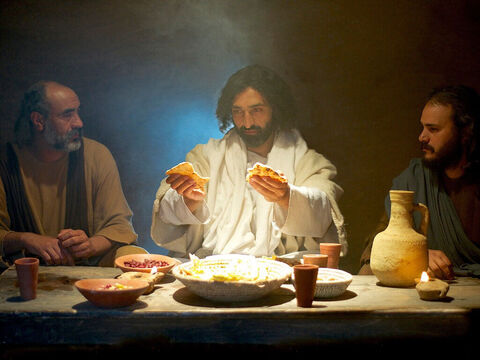
  • Taste the bread and wine/juice with prayerful gratitude. Jesus is our Bread of Life who satisfies our spiritual hunger, who shed his blood for us so we might one day enjoy heaven with him. May we never become desensitized to the magnitude of his sacrifice.
  • Smell the fragrance of God’s saints as they leave the perfume of kindness, uplift, and joy in their wake.

Our five senses help us live out our faith more joyfully.

When our heart’s desire is to serve God by serving others, we’ll aspire to live so people:

  • See the Light of Jesus in our choices, behavior, and attitudes (Matthew 5:14-15)
  • Hear us speak truth, wisdom, and encouragement (Proverbs 10:20-21)
  • Feel the love of God in our interactions with them (John 13:35)
  • Taste the flavorful salt of God’s divine grace within us (Matthew 5:13)
  • Smell the fragrance of Christ in our lives (2 Corinthians 2:15-16)

 And as we engage all five senses in these five ways, what will happen?

We’ll bring more glory to God and enjoy more fully the satisfying, abundant life his Son provides.

That sounds mighty good to me. You too?


[1] Stunning examples include Jake DeShazer (https://nancyaruegg.com/2016/08/18/a-miracle-of-forgiveness/), Johnny Hart (https://nancyaruegg.com/2018/08/09/johnny-and-jesus/), and Isobel Kuhn (https://nancyaruegg.com/2024/04/11/goodness-and-mercy-followed/).

[2] https://www.experiencingworship.com/articles/general/2001-7-great-quotes-on-worship.html

[3] See: https://nancyaruegg.com/2023/07/06/in-awe-of-gods-magnificence/

[4] See: https://nancyaruegg.com/2015/09/07/when-worship-loses-the-wonder/

[5] See: https://nancyaruegg.com/2015/03/23/the-ultimate-delight/

Art & photo credits: http://www.pixabay.com; http://www.pexels.com; http://www.goodfon.com; http://www.stockvault.net; http://www.canva.com; http://www.pickpik.com (2); http://www.heartlight.org.

Read Full Post »

Most visitors to an art museum spend fifteen to thirty seconds looking at a painting, but art enthusiasts insist that’s not near long enough to fully enjoy each work.

Take for example da Vinci’s world-famous Mona Lisa. You’ve seen photographs; some of you may have viewed the original at the Louvre. Besides the model’s haunting expression, what makes this painting stand out from others?

First, note da Vinci’s use of shadow to give contour to the face and clothing. As a result, daVinci achieved more realism than other painters of his time.

Second, enlarge the image above and study da Vinci’s masterful attention to detail—the intricate gathers of the bodice, the graceful tendrils of her hair, the next-to-nothing veil.

Third, focus on the background. Mona Lisa appears to be sitting in front of a window with a lovely view of mountains, trees, and a lake. Da Vinci used a technique called foreshortening to condense the wide scene onto his narrow canvas.

Fourth, note the hazy atmosphere, created as da Vinci blurred the edges of his almost undetectable brushstrokes.

Of course, additional features also contribute to Mona Lisa’s magnificence. Yet even this short list makes clear: there’s more to the Mona Lisa than most of us realize.

And to know more makes us appreciate more and enjoy more. But such results require close observation through slow looking.

The same principle applies to God. To know God more will allow us to enjoy and appreciate him more.

But how do we observe closely Someone who’s invisible?

We begin with evidence of the Unseen. One example, his presence and character traits revealed in the events of our lives:

  • Caring protection from harm on numerous occasions
  • Generous provision of countless necessities, gifts, and blessings
  • Perfect wisdom, as certain desires of our hearts haven’t come true, recognized in hindsight
  • Unfailing faithfulness to see us through disappointment, difficulty, and uncertainty
  • Gracious goodness in every joyful moment, every delightful surprise. They all come from him.

Every day provides much evidence of his benevolent presence in the lives of each of his children. The more we look, the more we’ll find. And as each discovery is turned into praise our spirits fill with joy.

Another way to practice slow looking is to spend time in God’s presence, learning more about him through his Word.

It makes sense: “Delight in God cannot occur in an intellectual vacuum” [1].

“But I don’t know where to start!” someone might say.

The internet offers a variety of reading plans, and once a plan is in place, we apply the practice of slow looking as we read.

Writing the answers to such questions as these hones our observation skills:

  • What does this passage say about God and his character?
  • What truths does he teach?
  • What does God promise here that offers hope and encouragement?
  • Is there a prayer that applies to my life? (Write it out, perhaps in your own words, and personalize it.)
  • Has God included an example to follow or not follow [2]?

Slow looking through the act of writing also helps deepen our understanding and appreciation, expanding our capacity to enjoy God.

Another benefit? Taking joy in God and all his excellencies increases our strength to endure.

What moment of slow looking has led you to a recent discovery about God? Please share in the comment section below!


[1] Sam Storms, http://www.gracequotes.org

[2] Denise J. Hughes, Deeper Waters, 76.

Photo credits: http://www.pxhere.com; http://www.wikipedia.org; http://www.rawpixel.com; http://www.pexels.com; http://www.heartlight.org; unknown.

Read Full Post »

Three weeks ago we embarked upon a reflection of one of the most important songs in the history of the Christian faith: “O Come, O Come, Emmanuel.”

The lyrics beautifully weave together the Old and New Testaments, telling the story of our Messiah, “the chosen One”—who would come to deliver his people from the consequences of their sins and establish his kingdom forever [1].

Each verse helps us place our eyes on Jesus’ return by remembering his first coming and then expressing hope and yearning for his second coming [2].

As noted before, the unknown lyricist (from the eighth or ninth century) carefully based each stanza on scripture. You’ll find references for further reflection listed at the end of this post.

One fact not mentioned thus far: the poet constructed the Latin lyrics in the form of a seven-sentence acrostic. When the first letter of the second word of each sentence (the names of Jesus) are put together, they spell SARCORE.

Read that word backwards, and the letters form two words of sublime hope: Ero cras, which means, “I will be present tomorrow.”

Whatever the future may hold, our Emmanuel will see us through. What a faith-stirring surprise the lyricist created for us [3]!

Now let’s turn our attention to the last two verses [4].

VERSE SIX

I praise you, Lord Jesus, that just as the morning star shines brightly against the darkness of night, you are the glorious Light of the world, shining brightly against the darkness of evil [5].

Just as the morning star glows steadily without a flicker, you shine in our lives with unwavering faithfulness and love [6].

Just as the morning star is a promise of coming day, your light provides hope and assurance that you will come again, to usher in The Day of the Lord, when a new heaven and a new earth will be established and righteousness will dwell [7].

Finally, just as the morning star can guide those at sea, your light guides our way through life. “In your light we see light”—the light of wisdom and discernment [8].

Such truths do bring us comfort, dispelling shadowy thoughts and flooding our spirits with the light of your perfection.

I praise you, Lord Jesus, for turning the darkness of sin, anxiety, discouragement, and more, into the light of your forgiveness, peace, hope, and joy [9]!

VERSE SEVEN  

I praise you, Lord Jesus, our King! How comforting to know that Someone all-wise and supremely gracious is the Ruler of all nations, all things [10].

Yet you are also a respecter of persons. You’ve bestowed upon us the gift of choice, the ability to determine our own way. And what have we accomplished? Our world is tainted by selfishness, pride, and contention [11].

How we need you, Lord Jesus! You are our only hope for our selfishness to be transformed into selflessness, pride into humility, and contention into unity.

So we boldly pray that every person on earth would come to faith in you [12].

Is that an unattainable dream? No, because you also are unwilling that anyone should perish. And all things are possible with you, our sovereign God and Savior [13].

After all, you:

  • Created all things everywhere
  • Maintain order in the entire universe
  • Control the course of human history
  • Depose kings and raise up others
  • Exist in all places at the same time [14]

I praise you, Lord Jesus, that nothing can prevent you from accomplishing your purpose [15].

And I praise you, Lord Jesus, that you’ve given us the wherewithal to experience harmony with one another, as we demonstrate love and compassion with humility [16].

May we be examples to the world, whetting their appetite for what we experience: the joy of living in the presence of the King of Peace [17]!


[1] Ace Collins, Stories Behind the Best-Loved Songs of Christmas,127; Isaiah 59:20; John 1:40-49; Romans 6:23; Revelation 11:15.

[2] https://www.danielim.com/2017/12/19/the-hidden-theology-and-history-of-o-come-o-come-emmanuel/

[3] https://www.ligonier.org/learn/articles/o-come-o-come-emmanuel

[4] From www.hymnary.org. (Lyrics vary depending on source.)

[5] Revelation 22:16

[6] Psalm 100:5; John 8:12

[7] 2 Peter 3:12-13

[8] Psalm 36:9b; Ecclesiastes 2:13-14

[9] Psalm 18:28

[10] Revelation 19:16

[11] Proverbs 5:23

[12] 1 Timothy 2:1-4

[13] 2 Peter 3:9; Mark 10:27b

[14] Colossians 1:16-17; Daniel 2:21; Jeremiah 23:23-24 GNT

[15] Psalm 115:3

[16] 1 Peter 3:8

[17] Psalm 16:11

Photo credits: http://www.flickr.com; http://www.heartlight.org; http://www.stockvault.net; http://www.rawpixel.com; http://www.stockvault.net; http://www.canva.com; http://www.pickpik.com.

Read Full Post »

Some paintings appear so realistic, we can mistake them for photographs:

Painting by Simon Luttichuys, 1650

And while studying the fine brush strokes, the accuracy of color, proportion, and shading, we wonder, How can someone paint like that?

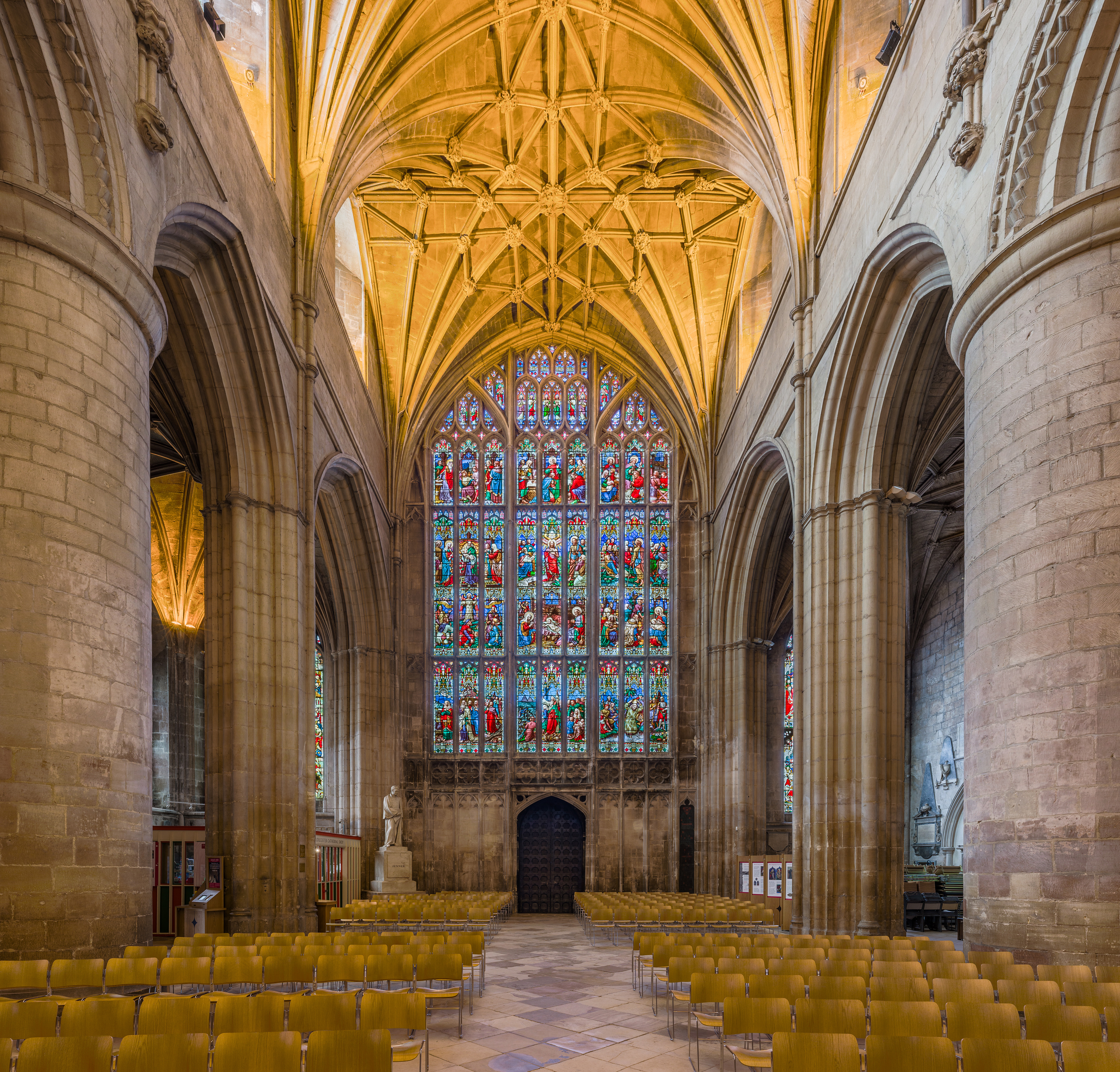
Architecture can stir up the same awe in our hearts. Gloucester Cathedral in England offers a fine example:

The foundation was laid in 1089, and forty-one years later the builders completed the main structure. Its fan-vaulting is a marvel of architecture; its Great East Window is the size of a tennis court.

Other forms of artistic genius can bring us to tears, like a soul-stirring song or a writer’s words that surprise us by their beauty or wisdom.

Some of you have devoted yourselves to training and practiced for hours in order to achieve expertise in one or more of these fields. Others of us have to make do with amateur efforts.

But there’s one dimension where we can all participate with glorious results—as artists of the soul. Scripture provides a few guidelines for us, as we consider the strengths of the masters in each of the above pursuits. For example:

The perceptive artist sees differently.

Just as an artist sees more than most of us—the subtleties of detail, color, light, and contour—the enlightened heart sees all the nuances of hope that God supplies–for positive change, answers to prayer, better tomorrows, and eternal life.

In addition, hope splashes the colors of joy into our souls and casts light into every corner.

The skilled architect builds solidly.

The requirements for a stable structure include a firm foundation on rock, sturdy walls, and a reliable roof.

A soul that is stable and secure for eternity must include the same entities: a firm foundation of faith on our Rock, Jesus Christ, sturdy walls of certainty in God’s truth, and reliable protection over us in the storms of life [1].

The effective writer communicates plainly.

All writers seek to tell their story or share their message with clarity; all of us who follow Jesus should desire to communicate clearly our love and trustworthiness.

But how we express these traits may vary–especially when it comes to love–just as authors’ writing-styles can differ.

For example, you may know a person who exhibits warmheartedness toward others with his cheerfulness and infectious laugh, someone else by listening and empathizing, and still another by lending a hand wherever needed.

But no matter our style, love (and integrity) are what we’re called to communicate [2].

The proficient vocalist and instrumentalist express passion.   

Those who really know how to express music bring more to their performance than perfected technique. They sing or play from their hearts and artfully communicate the emotion of the piece.

In Psalm 147:7 above, we’re told our music before God should communicate grateful praise. And genuine gratitude sparks passion. We’d do well to remember our audience also:

“Sing [or play] as if performing for a King.

You are.”

Unknown

Even as we strive to honor God, a small miracle unfolds within us: the music washes away from our souls the dust of everyday life [3].

So, as an artist of the soul, what form will your worship take today? Will you:

  • Determine to splash the colors of joy in your spirit with the nuances of hope?
  • Add more bricks of faith from God’s Word, to increase your stability?
  • Communicate love and faithfulness to those around you?
  • Sing or play your grateful praise to God your King—with passion? (Remember, he won’t mind a bit if it’s not perfect.)

Let’s make today a work of art for him!


[1] 1 Corinthians 3:11; Psalm 91:2; Psalm 5:11.

[2] John 13:35; Proverbs 4:26 NIV

[3] Based on a Berthold Auerbach quote

Art & photo credits: http://www.commons.wikimedia.org; http://www.pxhere.com; http://www.commons.wikimedia.org (2); http://www.wallpaperflare.com; http://www.pxfuel.com; http://www.canva.com; http://www.peakpx.com; http://www.commonswikimedia.org.

Read Full Post »

John and me–1964 (?)

The third and last home of my childhood, the one we moved to when I was ten, is of course the one I remember best. With no effort at all I can conjure up the kitchen and imagine Mom at the sink, peeling potatoes for dinner, while I cut up veggies or fruit for a salad.

I can see Dad in the basement, working on his current carpentry project, and my younger brother John puttering with the wood scraps.

Surrounding us all–thanks to the speakers Dad had installed in every room–was the sweet and serene instrumental music of a nightly radio program called “Candlelight and Silver”.

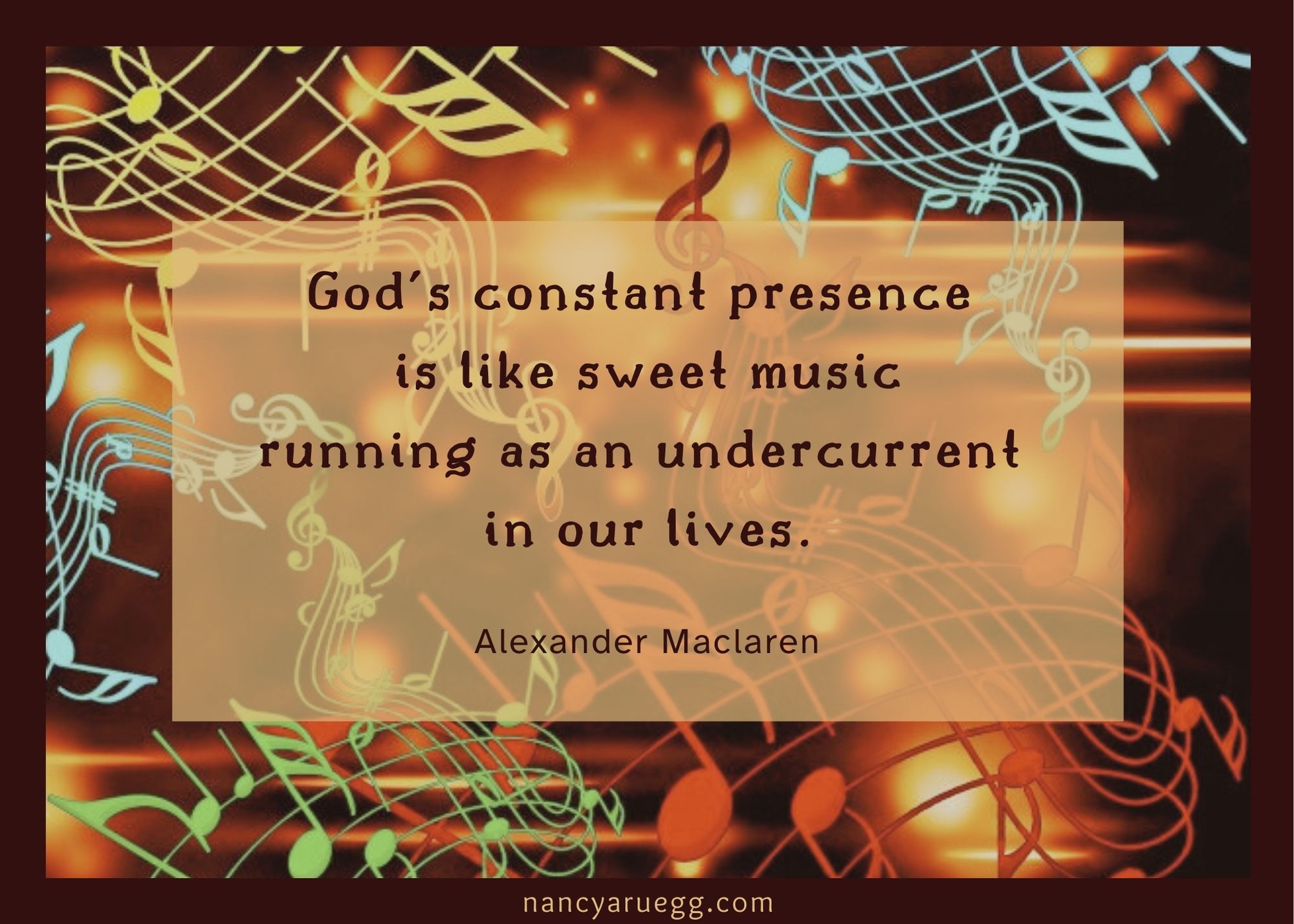
Such memories provide clarity for a statement made by author and pastor Alexander Maclaren:

The memories of those evenings at home (as seen through rose-tinted glasses, I admit) help me understand: dwelling in God’s presence doesn’t mean constant awareness of him, any more than my family was constantly aware of the radio music.

We were occupied with other things and conversing with one another, yet influenced nonetheless by the beautiful and soothing melodies in the background.

But it wasn’t just the music that contributed to those peaceful times. It was the atmosphere of love. Mom and Dad were clearly devoted to one another.

And though disagreements certainly occurred, I don’t remember a single quarrel.

Between them they created a stable, supportive environment in which my brother and I could flourish.

(Had the opposite been true, and their relationship contentious, not even sweet melodies coming from the radio could have dispelled the resulting atmosphere of anger and tension.)

Similarly, our Heavenly Father’s presence is like sweet music because of the atmosphere of love he continually provides. After all:

Think of it: the Most High God of the universe is not just near; he is here. In this moment. With you. With me.

And we have the privilege of knowing him.

But wait! There’s more, and it’s even more incredible: This King of kings actually wants to dwell with us. “I have loved you with an everlasting love,” he declares with compassion. “I have drawn you with unfailing kindness”. [1]

So how do we train ourselves to hear that undercurrent of sweet Song?

We can start with daily scripture-reading and prayer, as well as weaving moments of worship and praise into our routines, so there’s never a day we aren’t in contact with God [2].

And what will be the result? Troubles will be made bearable, joys will be brightened, and a peaceful calm will permeate the atmosphere—even in the midst of busyness.

It’s true: “Dwelling [in the sweet music of God’s constant presence] is a little piece of heaven on earth”—Stephanie Bryant [3].

*     *     *     *     *     *     *     *     *     *

O Sovereign God! Thank you for singing over us your song of love, compassion, and faithfulness and gifting us with a little piece of heaven on earth.

Even when nothing else around us is good, the sweet music of your presence in the midst of deep pain is a good gift indeed [4].

And as we live in the undercurrent of your Song, may we learn to tune our hearts, our minds, our lives, to voice your melodies [5].

In the power of your name we pray, AMEN.


[1] Jeremiah 31:3

[2] See the previous blog post, Ten Ways to Keep Mindful of God.

[3] p. 367, A Moment to Breathe, Denise J. Hughes, ed.

[4] Aliza Lotta, Take Heart, p. 162, Grace P. Cho and Anna E. Rendell, ed.

[5] Douglas Kaine McKelvey, Every Moment Holy, p. 250.

Art & photo credits: Nancy Ruegg; wwwpublicdomainpictures.com (Sabine Sauermaul); http://www.canva.com; http://www.heartlight.org; http://www.flickr (Faye Mozingo); http://www.pxhere.com.

Read Full Post »

Sovereign Lord of Creation, who

Drapes morning mist across the hillsides,

Paints the dawn with ever-changing hues, and

Scatters sparkling crystals of dew on grass and flower,

I worship you with incredulous wonder.

Sovereign Lord of Salvation, who

Gave your precious Son, the King of kings,

To die a cruel, criminal’s death for my sin, and

Provide the way of eternal life,

I worship you with overflowing gratitude.

Sovereign Lord, who

Now considers me righteous,

Making possible an intimate relationship with you, and

Granting perfect peace and effervescent joy,

I worship you with a humbled spirit.

(Detail from The Return of the Prodigal Son

by Rembrandt)

Sovereign Lord of Affection, who

Mercifully withholds the punishment I deserve,

Graciously bestows blessings I have not earned, and

Carries me close to your heart,

I worship you with overwhelming love.

Sovereign Lord of Revelation, who

Gave us your timeless, trustworthy Word, that

Offers infallible wisdom, inspired instruction, and

Encouraging promises to lead us and lift us,

I want to worship you with my obedience.

Sovereign Lord of Transformation, who

Actively pursues my best interest,

To mold me into the image of Jesus

With ever-increasing splendor,

I want to worship you with my submission.

Sovereign Lord of Distinction,

There is no one like you.

Your greatness is beyond human comprehension.

I stand in awe of your splendor and majesty, and

I worship you with all that is within me.

(Revelation 17:14; Philippians 2:8; Romans 5:17; 2 Corinthians 5:21; Revelation 3:20; Romans 14:17; Micah 7:18; John 1:16; Isaiah 40:11; Psalm 119:160, 130, 50; Romans 8:26-29; 2 Corinthians 3:18; Psalm 145:1-5.)

Photo and art credits: http://www.pixabay.com; http://www.pxfuel.com; http://www.wikimedia.org; http://www.creazilla.com; http://www.flickr.com; http://www.pxfuel.com; http://www.wallpaperflare.com.  

(Reblogged from June 18, 2015 while we enjoy another visit from our younger son and daughter-in-love.)

Read Full Post »

Where might Jesus have spent his first afternoon after the resurrection? With his disciples or family? That would make sense.

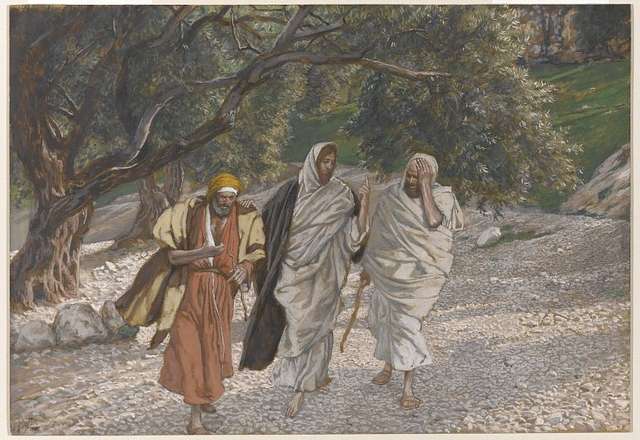
But Jesus chose instead to take a solitary walk–on the road from Jerusalem to Emmaus–and happened upon Cleopas and an unnamed believer.

They didn’t recognize him; God chose to hide his Son’s identity from them. Almost immediately they began to talk about recent events in Jerusalem: Jesus’ death and resurrection.

The companions explained what they knew and expressed their disappointment in the outcome.

“We thought he’d rescue us from Roman rule and establish the kingdom of God he always talked about,” they confessed. “This morning some women and a few disciples went to his tomb and it was empty, but as far as we know, no one has actually seen him.”

Jesus chided them for focusing solely on the prophecies that presented a reigning Messiah who would overtake Israel’s enemies. He started expounding on other scriptures that foretold a suffering Messiah, who’d come to bear the penalty for humanity’s sins.

And as Jesus spoke, their spiritual eyes were opened to see how each prophecy had been fulfilled in Jesus Christ [1].

What scriptures did he share? The Bible doesn’t tell us. But perhaps Jesus included such examples as these:

1.“They conspire against me and plot to take my life” (Psalm 31:13b).

Fulfillment: “Then the Pharisees went out and began to plot with the Herodians how they might kill Jesus” (Mark 3:6).

2. “And the Lord said to me, ‘Throw it to the potter’—the handsome price at which they valued me! So I took the thirty pieces of silver and threw them to the potter at the house of the Lord” (Zechariah 11:13).

Fulfillment: Judas was paid thirty pieces of silver to betray Jesus. When he returned it out of remorse, the chief priests used the money to buy a potter’s field as a burial place for foreigners (Matthew 26:14-16; 27:6-10).

3.  “Dogs surround me, a pack of villains encircle me; they pierce my hands and my feet” (Psalm 22:16).

Fulfillment: Jesus was crucified, his hands and feet nailed to a cross (Matthew 27:35).

4. “They divide my clothes among them and cast lots for my garment” (Psalm 22:18).

Fulfillment: “When the soldiers crucified Jesus, they took his clothes, dividing them into four shares, one for each of them, with the undergarment remaining. This garment was seamless, woven in one piece from top to bottom.

“‘Let’s not tear it,’ they said to one another. ‘Let’s decide by lot who will get it.’” (John 19:23-24).

5. “All who see me mock me; they hurl insults, shaking their heads” (Psalm 22:7).

Fulfillment: Passersby, Romans soldiers, chief priests, teachers of the law, elders, and even those crucified with him all mocked Jesus (Matthew 27:27-31, 39-44).

6. “They . . . gave me vinegar for my thirst” (Psalm 69:21).

Fulfillment: Jesus said, “I am thirsty.” They dipped a sponge in wine vinegar, put the sponge on a stalk, and lifted it to Jesus’ lips (John 19:28-29).

Of course, the hour or two Jesus discussed prophecies with Cleopas and his companion wasn’t nearly enough time to cover them all. The Old Testament contains over 300 passages about him, revealing at least 48 details about his life, death, and resurrection [2].

But the evidence the men heard was enough to prompt this passionate response: “Didn’t our hearts burn within us as he talked with us on the road and explained the Scriptures to us” [3]?

Some have called their reaction holy heartburn!

Have you too felt your heart strangely warmed [4]?

As I’ve reviewed just these six prophecies listed above, my heart responded with the warm glow of wonder and worship. Only God could weave together so many precise circumstances into one Life—a Life that has defeated death for all who believe in him!

May such truths create a fire of devotion within us—holy heartburn that will warm and delight forever!


[1] Luke 24:13-32

[2] A recommended resource for more thorough study: The Moody Handbook of Messianic Prophecy, edited by Michael Reidelnik and Edwin Blum.

[3] Luke 24:32 NIV

[4] That was the description evangelist and theologian John Wesley gave of his spiritual encounter with Jesus (https://www.christianity.com/church/church-history/timeline/1701-1800/john-wesleys-heart-strangely-warmed-11630227.html).

Art & photo credits: “The Pilgrims of Emmaus on the Road,” by James Tissot, Brooklyn Museum; http://www.freebibleimages.org (4).

Read Full Post »

Near the end of 2021 I began journaling through some of the old hymns. Such an exercise allows me to slow down my thinking and discover more meaning in the lyrics than when I quickly sing or read through them.

Today I invite you to contemplate with me the hymn, “To God Be the Glory,” rich with encouragement for our spirits. The inclusion of all three verses would make a lengthy post, so I chose just the last:

“Great things He hath taught us.”

I praise you, Lord God, for the wisdom of your Word. We can:

  • Depend on you for strength and help
  • Trust you for guidance and care
  • Pray about everything and receive your peace
  • Ask you for wisdom and know you will give it [1]

I praise you also for the godly examples you’ve provided throughout my life, people who lived out their faith before me and mentored me—Mom and Dad, my grandparents, Sunday School teachers and youth sponsors, professors, older and wiser friends, contemporaries who loved you and lived for you.

How gracious you’ve been, Father, to always provide numerous, grace-filled saints to encourage and bolster me.

And then there are the lessons you’ve taught me through experience—lessons in:

  • exercising patience while raising our children
  • keeping my mouth shut in various situations (!)
  • developing a calm and gentle spirit
  • fostering an attitude of gratitude

You inspired me in 1983 to begin my “God Is Faithful” journal, teaching me about your attributes at work. Now I have a personal record of your loving kindness, goodness, power and more, blessing us in amazing and delightful ways.

And that brings me to the next phrase of this hymn:

“Great things He hath done.”

In my life you’ve:

  • provided for my needs
  • protected me from harm
  • given guidance for decisions
  • developed the fruit of the Spirit within me (a work still in progress!)
  • bestowed numerous gifts over the years beyond expectation

“Great our rejoicing through Jesus the Son.”

Oh, yes! I praise you Lord Jesus for the benefits you’ve made possible:

  • saving me from the clutches of Satan
  • creating me in you (spiritually transforming me, renewing me, making me ready to be used for good works)
  • interceding for me before God
  • inviting me to abide in you, to keep in close and pleasurable communion with you
  • providing peace with God so I can experience his grace
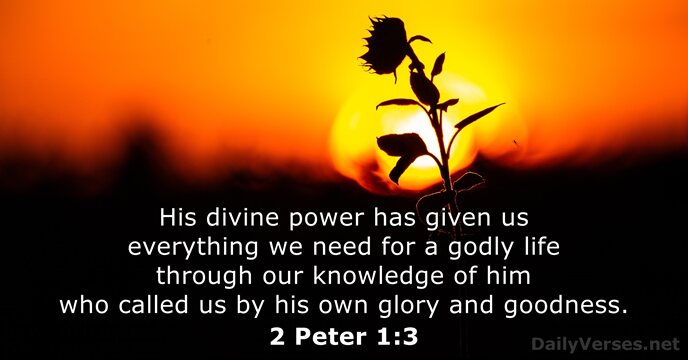
  • giving me all things pertaining to life and godliness (that is, everything necessary for a dynamic spiritual life) [2]

In addition, you reside in me, bestowing peace, joy, and hope [3].

My spirt soars as I contemplate these glorious benefits!

“But purer and higher and greater will be

Our wonder, our transport, when Jesus we see.

Yet there is still more to come even more glorious. One day you’ll make each of us pure and perfect, enabling us to live in your pure and perfect heaven.

I can only imagine the wonder and delight when we arrive there and experience all its wonders in the fullness of your presence! Thank you Heavenly Father for providing the way; thank you Lord Jesus for being that way, and thank you Holy Spirit for leading me to the way.


[1] Isaiah 41:10; 58:11; Philippians 4:6-7; James 1:5

[2] 2 Timothy 4:18; Ephesians 2:10 AMP; Romans 8:34; John 15:5; Romans 5:2; 2 Peter 1:3 AMP

[3] Colossians 1:27; John 14:27; Colossians 3:15; John 15:11; 1 Peter 1:3-5

Art & photo credits: http://www.wallpaper.com; http://www.pexels.com; Nancy Ruegg; http://www.canva.com; http://www.dailyverses.net (2).

Read Full Post »

« Newer Posts - Older Posts »

When the House is Quiet

Impressions Becoming Expressions

Mitch Teemley

The Power of Story

Still Traveling

Impressions Becoming Expressions

Living Our Days

Gaining a heart of wisdom

He Said What?!

I'm Patty, and my husband and I are living with our adult son who has autism and epilepsy. I love sharing lessons learned from life around me, especially life with Aaron.

Meditations of my Heart

Impressions Becoming Expressions

Linda Stoll

Impressions Becoming Expressions

Signora Sheila

Notes on Life, Faith & Italy

Heidi Viars

Finding the Image of God