Feeds:
Posts
Comments

Archive for the ‘God’s Salvation’ Category

Elohim [1], Lord of heaven, summoned the angel Gabriel to his craft studio. The latter winged his way down the hallways of paradise and soon entered the Master’s presence.

He found Elohim hunched over his work table, pouring over design sheets, but he looked up as the grand angel entered.

“Gabriel!” boomed Elohim. “Thank you for coming so quickly. I need to discuss with you my plans for the human race before creating Adam and Eve.

“It’s important you know these plans since you’ll play an important role in the coming world.”

Gabriel stood erect and folded his wings in precise pleats. “I am your servant, Lord, ready to do your bidding [2].”

Elohim smiled. “Thank you, Gabriel. Now—here’s what I’m thinking. First, you’ll remember we’ve already decided to give humans the freedom of choice, since puppet-children would be pointless.

“I can’t enjoy the blessing of relationship with puppets! No, my children must have free will [3].”

Elohim began to pace around his mammoth work table. “Second, much as I’d love to lavish each of my future children with perpetual happiness, I know such circumstances in their human state would only spoil them.

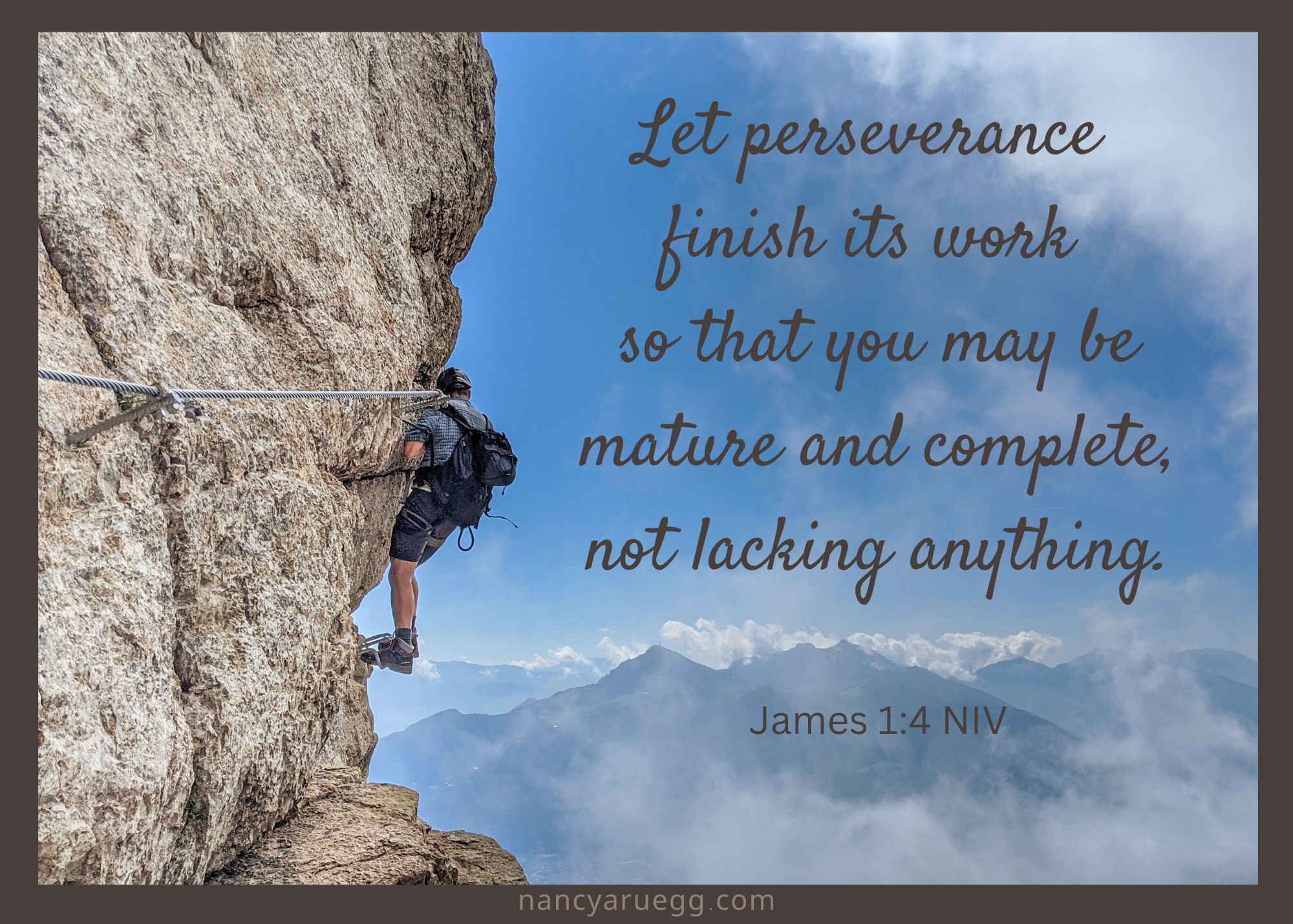
“There must be a balancing of the scales between blessing and challenge in order to do them good—to demonstrate my love and grace, yet bring them to a place of maturity and strength [4].”
“Yes, my Lord. I can see the wisdom of such a plan. How will you execute it?”

Elohim swished his flowing train around a corner of the table and continued to pace. “I’ll have to allow bitter along with the sweet, since too much pleasure will intoxicate them and too much sorrow will crush them.

“Too much success will lead to conceit, and too much failure will cause debilitation. Too much praise will contribute to pride, and too much criticism will bring on despair [5].”

Gabriel nodded thoughtfully. “I see what you mean, Elohim.”

“Even so, I want humans to grow in their understanding that happiness will not only be within them, nor will it solely be without. Happiness will be most dependent on their relationship with me.”

“Well said, my Lord!”

Elohim stopped pacing, a twinkle dancing in his eyes. “Thank you, Gabriel. Eons from now I’ll inspire one of my children, Blaise Pascal, to write similar words.”

With his star-studded pen Elohim pointed to a shelf holding one large scroll and tied with a scarlet cord.

That is my plan for initiating relationship with humans: faith in my Son, Jesus—either looking forward to his coming, or trusting in him for eternal life after his death and resurrection [6].”

Elohim then indicated the design sheets strewn on his work table. “Currently in the planning stages, these individually-designed blessings to lift the spirits of my children when faced with difficulty.

“For example, I’ll bring a loving friend alongside a person who’s grieving, or paint a glowing sunrise to remind them of My presence, or lead them to a scripture that perfectly addresses their need—that sort of thing.”

With a flourish of his white-robed arm, Elohim pointed to countless rolls of such design sheets tucked into cubby-holes along the wall. “As you can see, I’ve planned out a number of good things already [7]!”
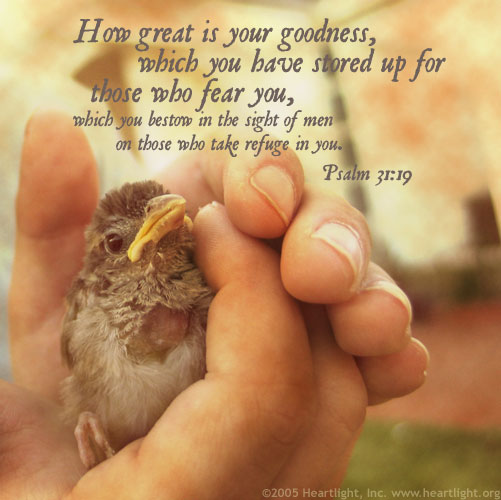
Now it was Gabriel’s turn to smile. “And no doubt you’ve enjoyed all the creating and designing.”

Elohim affirmed Gabriel’s assumption with a satisfied grin. “I shall have blessings ready for every circumstance my dear children face, though they will have to keep watch so they don’t miss them!”

Elohim paused. In softer tones, yet with passion and resolve he declared, “Gabriel, even before this epic of humanity begins, I already love them.

“Yes, they’ll choose to behave foolishly, but I will still bestow kindness with generosity, mercy with understanding, and goodness with wisdom [8].
“My greatest desire is that all humankind turn to me. And for those who do, a multitude of tender mercies await [9].” Elohim indicated the overflowing cubbies on the wall.

Gabriel bowed in reverence. “May all the peoples-of-the-earth-to-come stand in awe of your gracious provisions [10]!”


[1] The name “Elohim” indicates God is the Creator and ruler in the circumstances of humankind

[2] Psalm 103:20

[3] Galatians 5:13

[4] Psalm 86:15; James 1:4

[5] Based on a Don Fortner quote, www.gracequotes.org

[6] John 3:16; 1 John 4:9-10; John 6:29

[7] Psalm 31:19

[8] Jeremiah 31:3; Isaiah 53:6; Psalm 69:16 AMP; Lamentations 3:22-23; Psalm 145:9

[9] 1 Timothy 2:4; Psalm 69:16

[10] Psalm 33:8

Photo credits: http://www.pexels.com; http://www.canva.com (2); http://www.heartlight.org (2); http://www.pickpik.com.

Processing…
Success! You're on the list.

Read Full Post »

(An imaginary conversation between God and me.)

ME:

You know me, Lord. If I’m not careful my mind can slide into fear and worry, especially about the needs and struggles of loved ones. Or I can slip backward into hurts or regrets of the past. Release from such thoughts is not always easy.

But I’ve heard it said, “What is IM-possible is HIM-possible” (Unknown).

So when negativity seeks to pull me down, I want to be quick to remember who YOU are, your promises, and what you can do that make all things HIM-possible.

GOD:

Indeed, nothing is IM-possible with me (Luke 1:37).

Here are four important truths to keep in mind that make for HIM-possible-living:

I am greater than your fears.

Think on My sovereignty and might.

I am in control of all things. I have established My throne in heaven and My kingdom rules over all. Therefore, the one who fears Me need not fear anything else [1].

I am all-wise and all-powerful, always with you and ready to offer counsel.

I am your all-sufficient Father, able to provide everything and anything you’ll ever need.

ME:

I praise You, Lord, for equipping me to contend with whatever circumstances unfold. You are the Mighty Warrior who saves!

(Psalm 103:19; 1 John 4:18a; Romans 11:33; Psalm 15:3, 46:1; Ephesians 3:20; Zephaniah 3:17)

GOD:

I am greater than your troubles.

Remember My power and strength.

Out of My omnipotence, I promise to supply you with strength sufficient for the day. Each morning I provide a fresh supply of all my mercies.

No matter what the future may hold, you can keep on bearing all things through My Son, Jesus Christ, who constantly infuses you with His strength.

Every trouble produces benefit–strong, honorable character in you, and blessing for others as they see My peace and joy reflected in you.

ME:

I praise you, Lord, for being a present-and-active help in times of trouble.

(2 Chronicles 20:6; Psalm 18:32; Lamentations 3:22-23; Philippians 4:13;

Romans 8:28; James 1:2-4; Matthew 5:16; Psalm 46:1)

GOD:

I am greater than your hurts.

Remember my love and tenderness, my grace and kindness.

I provide a solid foundation on which to rest, even when wave after wave of challenge sweeps through your life [2].

I am your Great Physician. Cling to Me by immersing yourself in My Word and find the cure for your heartache.

I am patiently transfiguring all the notes of your life into the song of My Son, Jesus . . . All is grace, as your hurts and heartaches become tools in My hands, to transform you into the image of Christ [3].

ME:

I praise you, Lord, for your devoted, attentive care.

(Isaiah 66:13a; Psalm 86:15; Psalm 147:3; Psalm 119:49-50; 2 Corinthians 3:18)

GOD:

I am greater than your regrets.

Remember my compassion and forgiveness.

Dwell on regrets and you’ll stir up a whirlpool of excruciating details. It’s an easy place to drown [4].

Leave the irreparable past in My hands, and step into the irresistible future with Me [5]. You’ll find joy replacing remorse and peace replacing agitation.

When thoughts of your failures do push their way into your consciousness, allow my total forgiveness to relieve your pangs of guilt. Then offer Me praise for accepting you just as you are, thanking Me for growing you into more than you were yesterday [6].

ME:

I praise you, Lord, for your mercy to forgive and your grace that meets me where I am but does not leave me where it found me [7].

I praise you that victory over fears, troubles, hurts, and regrets is more than HIM-possible with you!

(Psalm 103:8, 13; Romans 8:37)


[1] The fear of God in the original language doesn’t mean to be afraid. It means sustaining a joyful, astonished, awe and wonder before Him—Timothy Keller.

[2] Jane Fryar, Be Blessed, 34-35.

[3] Ann Voskamp, One Thousand Gifts, 100; Kay Arthur, His Imprint, My Expression, 180.

[4] Based on a David Powlison quote, https://www.sgclouisville.org/blog/2024/01/16/sermon-quotes-what-do-we-do-with-regret.

[5] Oswald Chambers, My Utmost for His Highest, Dec. 31.

[6] Ruth Bell Graham, Blessings for a Mother’s Day, 101.

[7] Anne Lamott, GRACE Eventually.

Art & photo credits: http://www.canva.com; http://www.heartlight.org; http://www.pxhere.com; http://www.canva.com; http://www.heartlight.org; http://www.dailyverses.net; http://www.rawpixels.com.

Read Full Post »

What if you opened your mailbox one day to see a thick, cream-colored envelope among the ads and bills. Your name and address have been hand-calligraphed in gold ink, and an intricate seal is embossed upon the flap.

Inside you find an elegant invitation, announcing a grand celebration at the palace of a highly-respected and beloved king.

“Come!” proclaims his request. “Come and enjoy an unlimited feast with me; come drink the finest wine. There is no cost to you.”

Would you attend? Surely you’d quickly return your R.S.V.P. with “YES” clearly marked!

Such a scenario is fiction, of course, except for one fact: God Almighty, the King of the universe, is a monarch to be highly-respected and beloved–above all others.

And he has issued an invitation to everyone–not just to a single banquet–but to a continual feast in his divine, spiritual kingdom. He bids us to come and enjoy a new, God-enhanced life.

Come, everyone who is thirsty, come to the waters;

and you without money, come, buy, and eat!

Come, buy wine and milk without money and without cost!

–Isaiah 55:1 HCSB

This invitation, proclaimed by the prophet Isaiah on behalf of our King, does include some puzzling statements. For example, why would he invite us “to the waters?” And what will we find there?

Just as water brings life and abundance in the realm of plants and trees, Christ’s living water provides soul-satisfying life and joyful abundance for us—the abundance of innumerable blessings [1].

And what about the wine that God says we can “buy without money?” Does it represent more than a celebratory drink? Oh yes! Wine is a metaphor here for spiritual joy, “a joy unspeakable and full of glory”[2] as we taste the goodness of God’s love.

And what about milk?

God would have us understand: his invitation to kingdom-living includes those entities that sustain our spirits, including encouragement, strength, instruction, and help. We find all that and more in the nourishment of His Word, the Bible [3].

Puritan author and preacher, Thomas Brooks (1608-1680) wrote:

The Word of the Lord is a light to guide you, a counselor to counsel you, a comforter to comfort you, a staff to support you, a sword to defend you, and a physician to cure you. The Word is a mine to enrich you, a robe to clothe you, and a crown to crown you.–Thomas Brooks

Countless Jesus-followers who read the Bible, study it, and meditate on its truths can affirm that Brooks is right; they’ve experienced time and again the life-changing power of God’s Word. That includes many of you reading this post.

In addition to his perpetual-banquet invitation, God includes these instructions:

Listen carefully to Me, and eat what is good.

Let your soul delight in abundance.

Incline your ear [to listen] and come to Me;

hear, so that your soul may live.

–Isaiah 55:2b-3a AMP

To listen carefully includes the action of follow-through. And what would God have us do? “Eat what is good”—that is, experience the fullness of his goodness as we follow his ways, and take delight in the abundance of his blessings.  

Then our souls can really live in the security and satisfaction he desires for us, in every moment of the present–and into eternity. And in the final analysis, isn’t that what we desire also?

All we need do is come.

*     *     *     *     *     *     *     *     *     *

I praise you, my King, for your open invitation to come and feast upon all the good things you offer. You prepare a table before me of forgiveness, salvation, peace, joy, strength, comfort, contentment, purpose, and more.

No amount of money on earth could purchase such priceless, heavenly gifts that you so freely give to those who simply COME. I will praise your name for ever and ever!

(Luke 13:29; Psalm 107:9; Psalm 23:5; Ephesians 3:20; Psalm 145:1b)

Have you accepted God’s invitation? If not, will you do so today [4]?

If you have, what goodness and delights have you tasted at his table? Please share in the Comments section below!


[1] David Gusik, https://enduringword.com/bible-commentary/isaiah-55/. See a starter-list of twenty-six examples: God’s Goodness from A to Z.

[2] Selwyn Hughes, Seasons of the Lord, 42.

[3] 1 Peter 2:2.

[4] See https://billygraham.org/answer/how-do-you-become-a-real-christian/ for a simple explanation and a prayer to guide you. Do it today—you’ll be so glad you did!

Photo credits: http://www.rawpixel.com; http://www.picryl.com; http://www.heartlight.org; http://www.canva.com.

Read Full Post »

‘Tis Poetry Month once again, a time to celebrate this art form that can stretch, inspire, and amaze us in ways unique from prose. Award-winning poet Pattiann Rogers identified at least one element of that uniqueness: the music of poetic language.

But is the composing of such music reserved only for experts? That question brings to mind another quote:

Such encouragement for us amateur-poets to give it a try and be stretched, inspired, and amazed when we create our own music of poetic language—unsophisticated as it may be.

This year I’ve experimented with three forms: Shadorma, diamante, and quadrille.

The Shadorma is of Spanish origin. It contains six lines, each with a specific syllable count that follows this pattern: 3/5/3/3/7/5.

Early morning on our deck offered inspiration for this Shadorma:

Dawn Rising

Sunbeams climb

Dusky shadows fade

Breezes kiss

Robins trill

Nasturtiums spangle with dew

Morning masterpiece

The diamante (diamond) form derives its name from its shape. It was created by American poet Iris McClellan Tiedt in 1969.

The pattern for diamante is more complex than Shadorma. The first half of the poem relates to the one word of the first line; the second half to the one word of the last line. These two lines often present opposites. The middle line provides a bridge between the two. 

Each of the seven lines requires a certain number of words of a certain part of speech:

  • Line 1: 1 word (subject/noun)
  • Line 2: 2 adjectives that describe line 1
  • Line 3: 3 -ing words that relate to line 1
  • Line 4: 4 nouns (first 2 relate to line 1, last 2 relate to line 7–if you’re writing about opposite topics)
  • Line 5: 3 -ing words that relate to line 7
  • Line 6: 2 adjectives that describe line 7
  • Line 7: 1 word (subject/noun)

This diamante began to take shape as I considered the transformation Christ can make in a person’s life. A list of R-words began to grow—repentance, redeemed, restored, so I pursued the pattern.

A Transformed Life

Ruin

Repugnant, reprehensible

Rebelling, ravaging, retaliating

Rashness, recalcitrance, remorse, repentance

Returning, Releasing, Receiving

Redeemed, restored

Renewal

The Quadrille form first appeared at www.dversepoets.com in 2016. The only requirement is to include 44 words (excluding the title). They believe that “limitation can happily breed extreme creativity.” Each Monday they provide a word-prompt, and participants must use that word in their poems.*

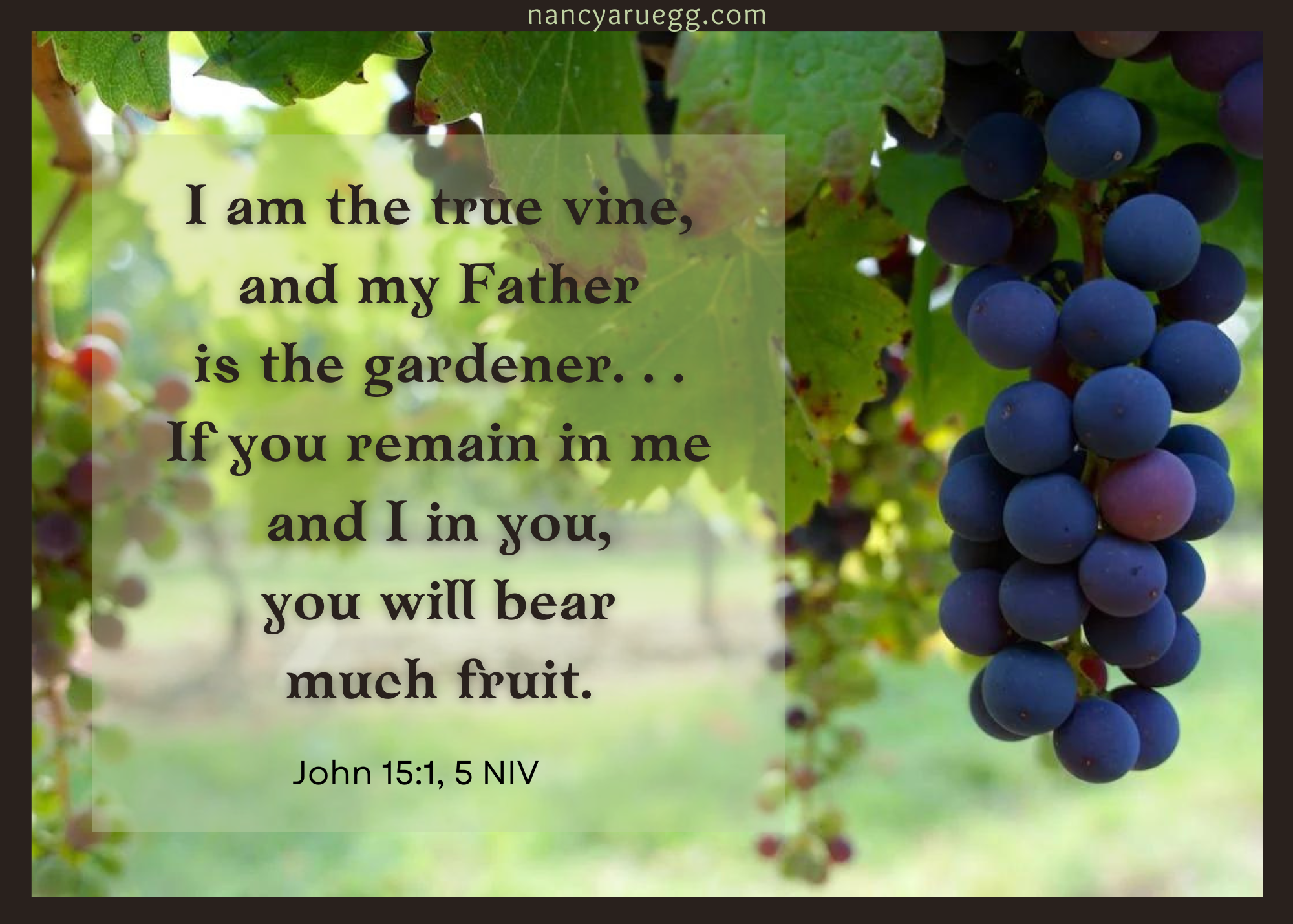
I chose my own word from John 15:1, 5—vine. And while I played with possibilities, my poem began to fit a pattern. Every line contains seven words except the last, which contains nine.

First, the scripture, as a point of reference:

And now, the poem.

Bonded to the Vine

Praise to the Gardener of our souls!

Once we’re grafted to his Vine, he

Prunes away withered branches of worthless folly,

Waters us with his life-giving, spirit-strengthening Word,

And produces pleasing fruit with boundless sufficiency.

Such beauty results when we’re bonded to the Vine!

Remember the quote of Christopher Fry at the beginning of this post–“Poetry is the language in which man explores his own amazement?”

I wonder if he knew that the pleasure in exploring our amazement—whether as poets or not—is greatly enhanced when we include the Genius behind all things amazing.


* https://dversepoets.com/2017/09/11/quadrille-40/

Photo credits: http://www.canva.com; http://www.pxhere.com; http://www.pickpik.com; http://www.pexels.com (3); http://www.commons.wikimedia.org.

Read Full Post »

After the cold starkness of winter, spring gleefully reawakens our senses with her: 

  • Effusion of colorful flowers
  • Scents of hyacinth, lilacs, and freshly-mowed grass
  • Symphony of bird song
  • Flavors of tender asparagus, luscious strawberries, and tart rhubarb
  • Textures of furry pussy willows, fuzzy moss, and silken magnolia petals

Praise God for our abilities to see, smell, hear, taste, and touch, allowing us to enjoy Spring in so many ways!

Even better, those abilities allow us to meet God in at least five ways.

Our five senses help us understand God more clearly.

Consider how the far-flung stars and planets speak of his power; the clever camouflage of lizard, fawn, and frog display his wisdom; the endless variety of colors, shapes, and textures prove his creativity; the instinctive parenting skills of adult animals demonstrate his goodness.

Our five senses help us experience God’s glory more profoundly.

  • We can see his power at work in the transformation of lives [1].
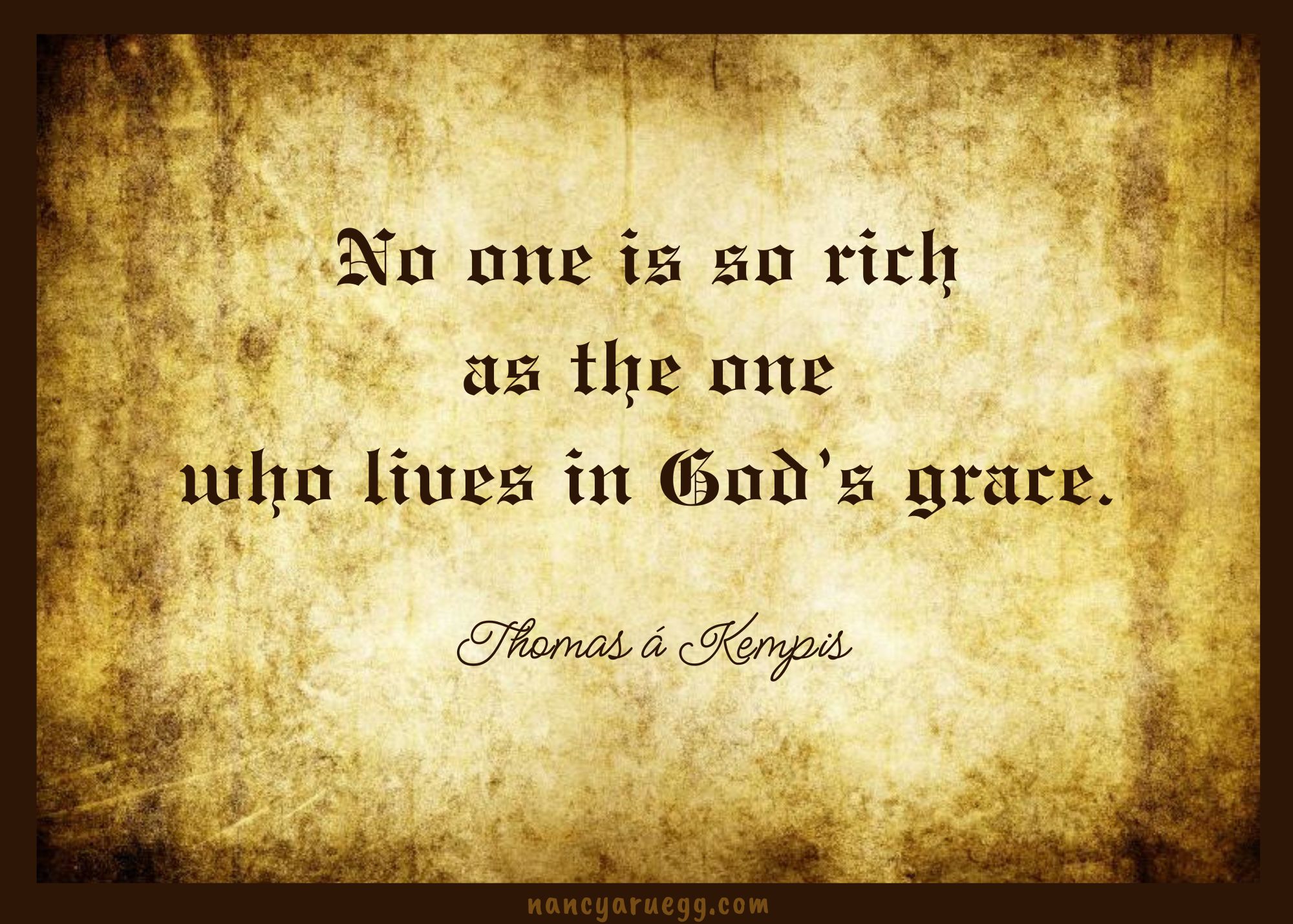
  • We can hear his wisdom in godly men and women, such as Thomas á Kempis or Corrie ten Boom (just two among millions!):
  • We can feel God’s loving touch through a hug that conveys compassion, a worship song that quickens the heart, or a landscape vista that gives us glory-goosebumps.
  • We can taste his goodness in all the variety of blessings we enjoy (Psalm 34:8).
  • We can smell the fragrance of his sweet presence (Psalm 45:6-8)—if we pay attention.

Our five senses help us connect with God more intimately in solitude.

Many people call it Quiet Time—moments they spend with God in scripture reading/study, prayer, perhaps journaling, and/or listening to peaceful worship music.

It’s in the quiet we begin to see important realities of the spiritual realm, hear God’s voice within our spirits providing wisdom and encouragement, feel his presence more palpably as we touch our knees to the floor in prayer, and again, smell the fragrance of his sweet presence as he meets us in our place of solitude.

   Our five senses help us worship God more intently in community.

Jerry Kerns [2]

Kerns would have us fully engaged–first to bless God’s heart and then to elevate the experience for us also.

How?

  • See the majesty and splendor of God on his throne–in your imagination. This is who you are worshiping [3]!
  • Hear the music and join in with grateful, enthusiastic praise [4].
  • Feel the presence of God as you pray. Try placing your hands on your lap, palms up—open and empty, symbolic of humility and receptivity [5].
  • Taste the bread and wine/juice with prayerful gratitude. Jesus is our Bread of Life who satisfies our spiritual hunger, who shed his blood for us so we might one day enjoy heaven with him. May we never become desensitized to the magnitude of his sacrifice.
  • Smell the fragrance of God’s saints as they leave the perfume of kindness, uplift, and joy in their wake.

Our five senses help us live out our faith more joyfully.

When our heart’s desire is to serve God by serving others, we’ll aspire to live so people:

  • See the Light of Jesus in our choices, behavior, and attitudes (Matthew 5:14-15)
  • Hear us speak truth, wisdom, and encouragement (Proverbs 10:20-21)
  • Feel the love of God in our interactions with them (John 13:35)
  • Taste the flavorful salt of God’s divine grace within us (Matthew 5:13)
  • Smell the fragrance of Christ in our lives (2 Corinthians 2:15-16)

 And as we engage all five senses in these five ways, what will happen?

We’ll bring more glory to God and enjoy more fully the satisfying, abundant life his Son provides.

That sounds mighty good to me. You too?


[1] Stunning examples include Jake DeShazer (https://nancyaruegg.com/2016/08/18/a-miracle-of-forgiveness/), Johnny Hart (https://nancyaruegg.com/2018/08/09/johnny-and-jesus/), and Isobel Kuhn (https://nancyaruegg.com/2024/04/11/goodness-and-mercy-followed/).

[2] https://www.experiencingworship.com/articles/general/2001-7-great-quotes-on-worship.html

[3] See: https://nancyaruegg.com/2023/07/06/in-awe-of-gods-magnificence/

[4] See: https://nancyaruegg.com/2015/09/07/when-worship-loses-the-wonder/

[5] See: https://nancyaruegg.com/2015/03/23/the-ultimate-delight/

Art & photo credits: http://www.pixabay.com; http://www.pexels.com; http://www.goodfon.com; http://www.stockvault.net; http://www.canva.com; http://www.pickpik.com (2); http://www.heartlight.org.

Read Full Post »

Many of those who haven’t asked Christ into their lives yet will still admit: historical evidence proves Jesus once lived on earth. They’ll agree he was a good man who taught wise principles to live by.

But even they might wonder: Why would God allow his Son to suffer such a cruel death at the hands of hateful men?

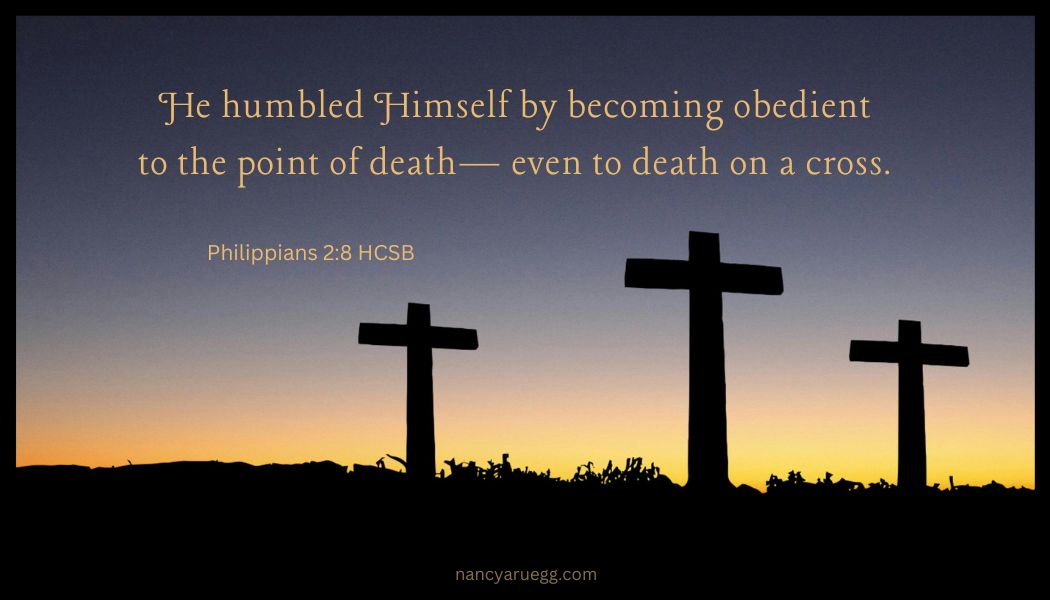
Welsh pastor and author Selwyn Hughes provided this insightful answer: what seemed to be the worst thing that could happen to Jesus—crucifixion—turned out to be the best thing for him [1].

That sounds ludicrous at first reading until we consider what Christ has enjoyed since returning to heaven, and what he’s looking forward to in the future–all because he fulfilled his mission at the cross.

As he suffered for us, Jesus kept in mind the joys set before him (Hebrews 12:2):

  • Sitting in the ultimate place of honor in the universe, at the right hand of the Majesty on high (Hebrews 1:3b).
  • Angels acclaiming him, saying, “Worthy is the Lamb who was slain, to receive power and wealth, wisdom and strength, honor, glory and praise” (Revelation 5:12).
  • God appointing him to be head over everything for the good of the church (Ephesians 1:22 GNT).
  • Being given authority and sovereign power that will last into eternity (Daniel 7:14).
  • All kings bowing before him one day, and all nations serving him (Psalm 72:11 NLT).
  • All nations and people of every language worshiping him (Daniel 7:14).
  • Being given the name above every name (Philippians 2:9).

And why is that last fact significant?  Jesus is the One and only Son of God, the only Redeemer and Savior, the only Christ and Anointed One of God. “His rank, his titles, his dignity, are above all others” [2].

Perhaps no one has explained the significance of Jesus’ name(s) more eloquently than theologian Charles Spurgeon:

Jesus’ name is “the sum total of all delights. It is the music with which the bells of heaven ring; a song in a word; an ocean for comprehension; although a drop for brevity, a matchless oratorio in two syllables; a gathering up of the hallelujahs of eternity in five letters” [3].

Charles Spurgeon

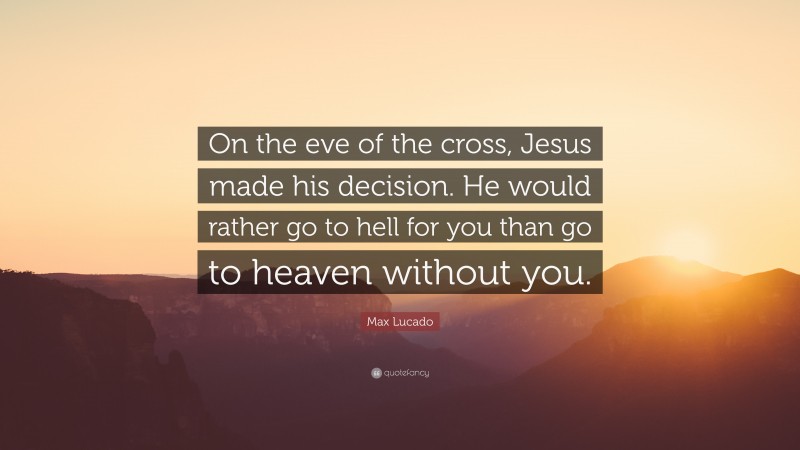
But Jesus doesn’t want to enjoy these accolades and privileges alone. Max Lucado wrote:

Jesus desires for us to be one with him, continually availing ourselves of all he has to offer.

Even more astonishing? Because of what Christ accomplished on the cross, we who’ve accepted Jesus into our lives get to share in his power and wealth, wisdom and strength, honor and glory!

For example:

  • The immeasurable and surpassing greatness of God’s spiritual POWER is in us who believe (Ephesians 1:19 AMP).
  • He supplies spiritual RICHES and blessings that cannot be fully understood or measured (Ephesians 3:8-9).
  • Christ’s word with all its WISDOM lives within us so we can experience his joy (Colossians 3:16; John 15:10-11).
  • We’re equipped for anything and equal to anything, through Christ who infuses us with inner STRENGTH (Philippians 4:13 AMP).
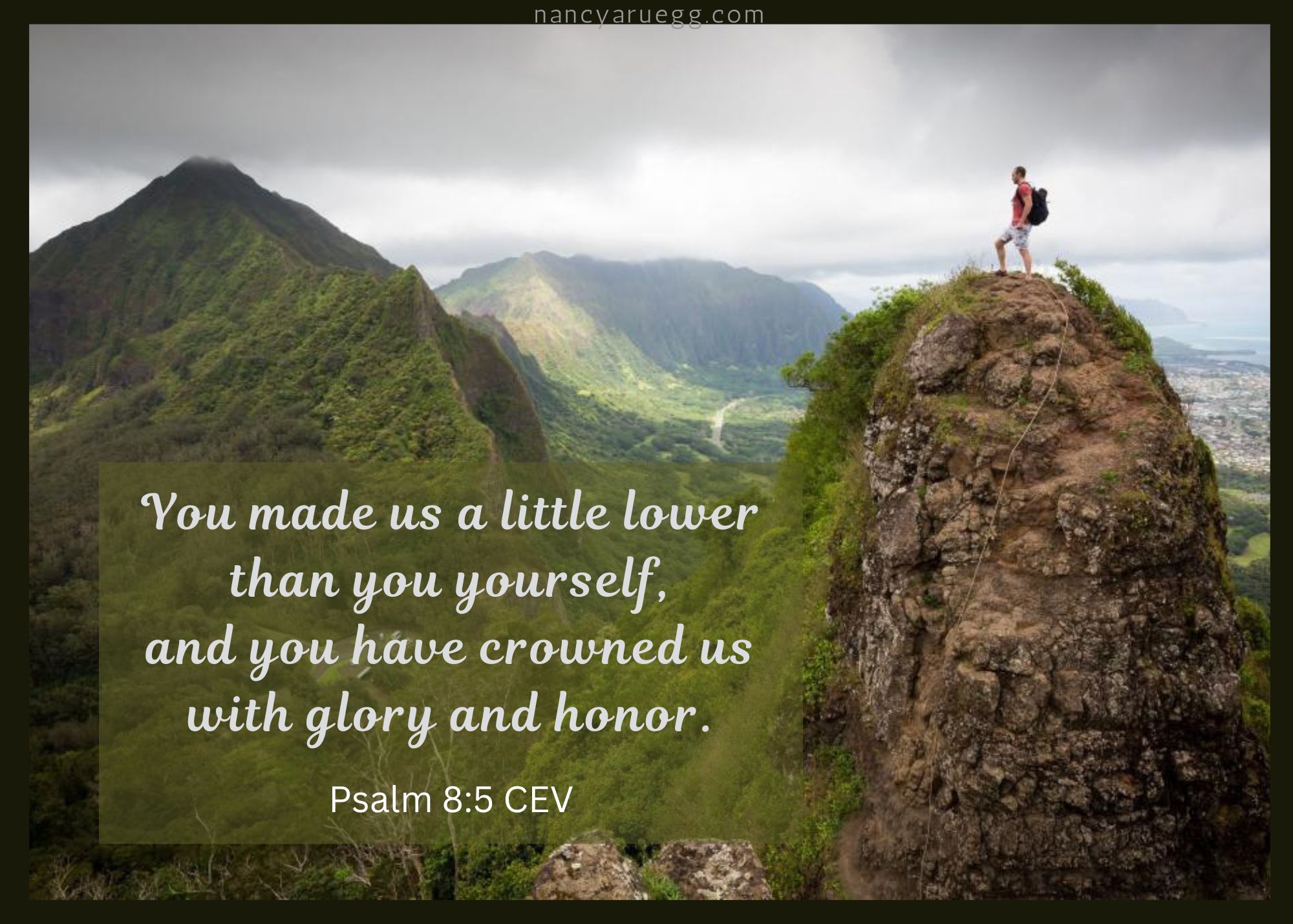
  • As beloved children adopted into God’s family through Christ, we are precious in his sight (Isaiah 43:4). He’s crowned us with HONOR and GLORY (Psalm 8:5; Romans 2:10), including the honor of representing Jesus in this world, and the glory of his character at work within us [4].

On this eve of Good Friday, we’d do well to remember:

We can pick up our own cross, inspired by Jesus’ example, empowered by God’s Spirit within us, and encouraged by the glorious outcome yet to be [5].

The worst circumstances we might face will become God’s best in our lives too.


[1] Every Day Light, 285.

[2] Barnes’ Notes on the Bible at www.biblehub.org

[3] Morning by Morning, 41.

[4] See also 2 Corinthians 5:17, 20

[5] To “pick up our cross” means trusting in God even when suffering comes our way, putting aside our self-will and embracing God’s will instead.

Photo credits: http://www.freebibleimages.com; http://www.canva.com (2); http://www.quotefancy.com; http://www.canva.com; http://www.pexels.com.

Read Full Post »

Three weeks ago we embarked upon a reflection of one of the most important songs in the history of the Christian faith: “O Come, O Come, Emmanuel.”

The lyrics beautifully weave together the Old and New Testaments, telling the story of our Messiah, “the chosen One”—who would come to deliver his people from the consequences of their sins and establish his kingdom forever [1].

Each verse helps us place our eyes on Jesus’ return by remembering his first coming and then expressing hope and yearning for his second coming [2].

As noted before, the unknown lyricist (from the eighth or ninth century) carefully based each stanza on scripture. You’ll find references for further reflection listed at the end of this post.

One fact not mentioned thus far: the poet constructed the Latin lyrics in the form of a seven-sentence acrostic. When the first letter of the second word of each sentence (the names of Jesus) are put together, they spell SARCORE.

Read that word backwards, and the letters form two words of sublime hope: Ero cras, which means, “I will be present tomorrow.”

Whatever the future may hold, our Emmanuel will see us through. What a faith-stirring surprise the lyricist created for us [3]!

Now let’s turn our attention to the last two verses [4].

VERSE SIX

I praise you, Lord Jesus, that just as the morning star shines brightly against the darkness of night, you are the glorious Light of the world, shining brightly against the darkness of evil [5].

Just as the morning star glows steadily without a flicker, you shine in our lives with unwavering faithfulness and love [6].

Just as the morning star is a promise of coming day, your light provides hope and assurance that you will come again, to usher in The Day of the Lord, when a new heaven and a new earth will be established and righteousness will dwell [7].

Finally, just as the morning star can guide those at sea, your light guides our way through life. “In your light we see light”—the light of wisdom and discernment [8].

Such truths do bring us comfort, dispelling shadowy thoughts and flooding our spirits with the light of your perfection.

I praise you, Lord Jesus, for turning the darkness of sin, anxiety, discouragement, and more, into the light of your forgiveness, peace, hope, and joy [9]!

VERSE SEVEN  

I praise you, Lord Jesus, our King! How comforting to know that Someone all-wise and supremely gracious is the Ruler of all nations, all things [10].

Yet you are also a respecter of persons. You’ve bestowed upon us the gift of choice, the ability to determine our own way. And what have we accomplished? Our world is tainted by selfishness, pride, and contention [11].

How we need you, Lord Jesus! You are our only hope for our selfishness to be transformed into selflessness, pride into humility, and contention into unity.

So we boldly pray that every person on earth would come to faith in you [12].

Is that an unattainable dream? No, because you also are unwilling that anyone should perish. And all things are possible with you, our sovereign God and Savior [13].

After all, you:

  • Created all things everywhere
  • Maintain order in the entire universe
  • Control the course of human history
  • Depose kings and raise up others
  • Exist in all places at the same time [14]

I praise you, Lord Jesus, that nothing can prevent you from accomplishing your purpose [15].

And I praise you, Lord Jesus, that you’ve given us the wherewithal to experience harmony with one another, as we demonstrate love and compassion with humility [16].

May we be examples to the world, whetting their appetite for what we experience: the joy of living in the presence of the King of Peace [17]!


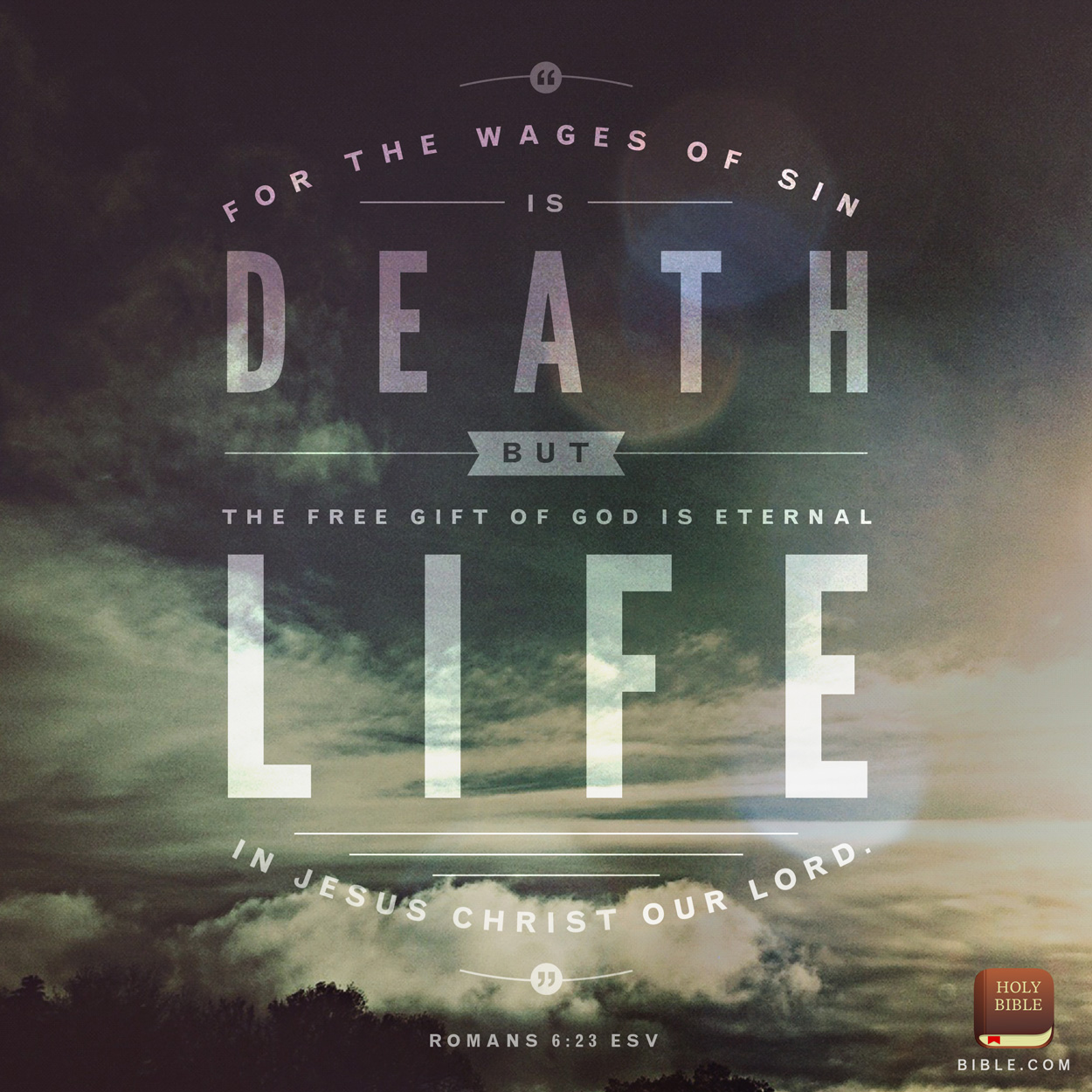
[1] Ace Collins, Stories Behind the Best-Loved Songs of Christmas,127; Isaiah 59:20; John 1:40-49; Romans 6:23; Revelation 11:15.

[2] https://www.danielim.com/2017/12/19/the-hidden-theology-and-history-of-o-come-o-come-emmanuel/

[3] https://www.ligonier.org/learn/articles/o-come-o-come-emmanuel

[4] From www.hymnary.org. (Lyrics vary depending on source.)

[5] Revelation 22:16

[6] Psalm 100:5; John 8:12

[7] 2 Peter 3:12-13

[8] Psalm 36:9b; Ecclesiastes 2:13-14

[9] Psalm 18:28

[10] Revelation 19:16

[11] Proverbs 5:23

[12] 1 Timothy 2:1-4

[13] 2 Peter 3:9; Mark 10:27b

[14] Colossians 1:16-17; Daniel 2:21; Jeremiah 23:23-24 GNT

[15] Psalm 115:3

[16] 1 Peter 3:8

[17] Psalm 16:11

Photo credits: http://www.flickr.com; http://www.heartlight.org; http://www.stockvault.net; http://www.rawpixel.com; http://www.stockvault.net; http://www.canva.com; http://www.pickpik.com.

Read Full Post »

Two weeks ago we embarked upon a reflection of one of the most important songs in the history of the Christian faith: “O Come, O Come, Emmanuel.”

The lyrics beautifully weave together the Old and New Testaments, telling the story of our Messiah, “the chosen One”—who would come to deliver his people from the consequences of their sins and establish his kingdom forever [1].

As noted before, the unknown lyricist carefully based each stanza on scripture. You’ll find references for further reflection listed at the end of this post.

Today we turn our attention to verses four and five [2]:

VERSE 4

I praise you, Lord Jesus, for fulfilling all the Messianic prophecies in the Old Testament—at least 300 of them (!), proclaimed long before your birth. The one referenced here offers such glorious hope, as I’m reminded that:

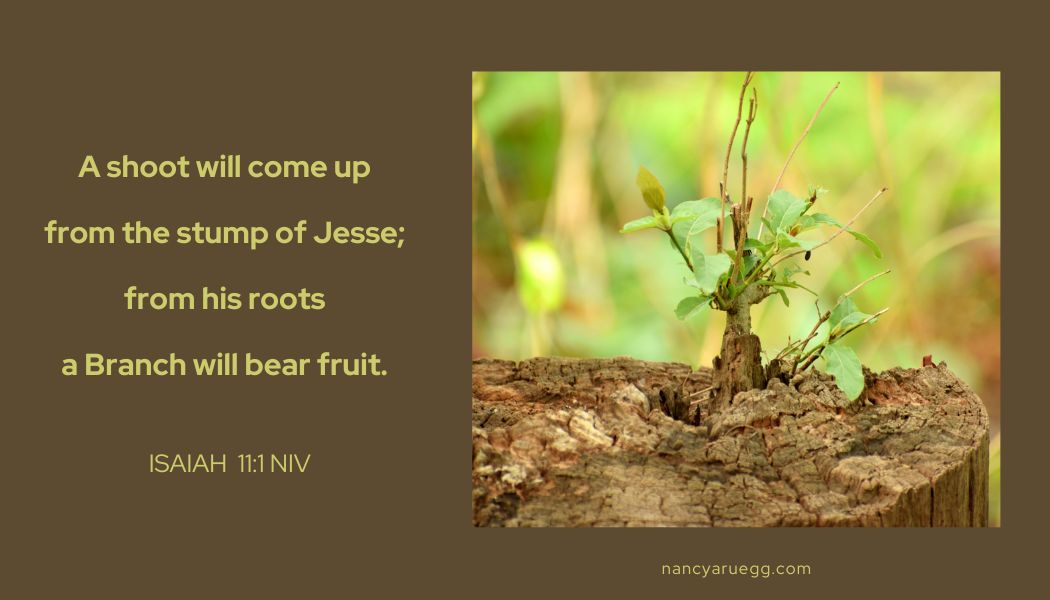
Jesse was the father of King David, and the prophet Jeremiah foretold you’d be a descendant of this king, a man loyal to the Lord. But as the centuries passed, the nation of Judah turned their backs on God. Again and again he urged them to return to him [3].

Isaiah (another prophet) painted a word picture of the events that would occur. He compared the kingdom of Judah and the throne of David’s descendants to a tree that would be cut down. All that would remain would be a stump–a remnant of the people [4].

Eleven years later, events unfolded just as Isaiah and four others prophets had foretold. Jehoiachin, the last legitimate king of Judah, was removed from his throne by the Babylonian king, Nebuchadnezzar.

Thousands of Judeans were taken captive so they’d see the error of their ways, seek forgiveness, and follow God once again [5].

But I praise you, Lord Jesus, that Isaiah’s word picture didn’t end there. He proclaimed that out of that hopeless, rotting stump would come a strong sapling.

Six centuries later, you came to earth, the only Righteous One of God, fulfilling that prophecy [6].

Not only were you from the lineage of David on your earthly father Joseph’s side, but also on your mother Mary’s side. This fulfilled the prophecies proclaiming you are the descendant of David that the Jewish people longed for: their Messiah [7].

I praise you, Lord Jesus, for coming to save your people–Jews and Gentiles alike. Because of your great mercy, you rescued me from the specter of hell, taking the punishment I deserved.

And now, the grave has no power over anyone who acknowledges you as their Rescuer [8]!

VERSE 5  

I praise you, Lord Jesus, for possessing the Key of David. That’s significant because a key indicates authority over a domain.  

King David was given authority to rule over all Israel; you rule over all mankind. In fact, God has seated you at his right hand in the heavenly realms, far above all rule and authority, all power and dominion [9].

Out of your magnificence and perfection, you’ve prepared heaven for your people—a place of utter tranquility, blissful and continual joy, eternal and lavish love—beyond what we can imagine.

I praise you, Lord Jesus! You’ve opened wide the gates of heaven; you hold open the door of opportunity for all to enter [10].

As you’ve promised, one day you’ll return and take your children home along “the heavenward road.” Then you will shut the door upon death once and for all [11].

REFRAIN

In all of this and more I REJOICE! You are my Rescuer, saving me from the greatest enemy of all: death.

I praise You, Lord Jesus, for graciously providing the way heavenward. I REJOICE in you, my Savior, my Lord, my King!


[1] Ace Collins, Stories Behind the Best-Loved Songs of Christmas,127; Isaiah 59:20; John 1:40-49; Romans 6:23; Revelation 11:15.

[2] From www.hymnary.org. (Lyrics vary depending on the source.)

[3] Jeremiah 23:5; 1 Samuel 13:14; Isaiah 3:8-9; 55:7

[4] Isaiah 11:1, 10

[5] 2 Kings 24:8-17; 25:21; Isaiah 55:7; Joel 2:12-13

[6] Acts 22:14; 3:18

[7] Matthew 1; Luke 3; Jeremiah 23:5-6

[8] Psalm 86:13 GW; 56:13; Ephesians 1:17; Romans 8:11

[9] Revelation 3:17; Matthew 28:18; Ephesians 1:20—22

[10] Isaiah 22:22; Revelation 3:7

[11] John 14:1-3; Hebrews 2:14; Revelation 21:4

Art and photo credits: http://www.pixexid.com; http://www.stockvault.net; http://www.pexels.com; http://www.pixahive.com; http://www.stockvault.net; http://www.pixexid.com; http://www.stockvault.net.

Read Full Post »

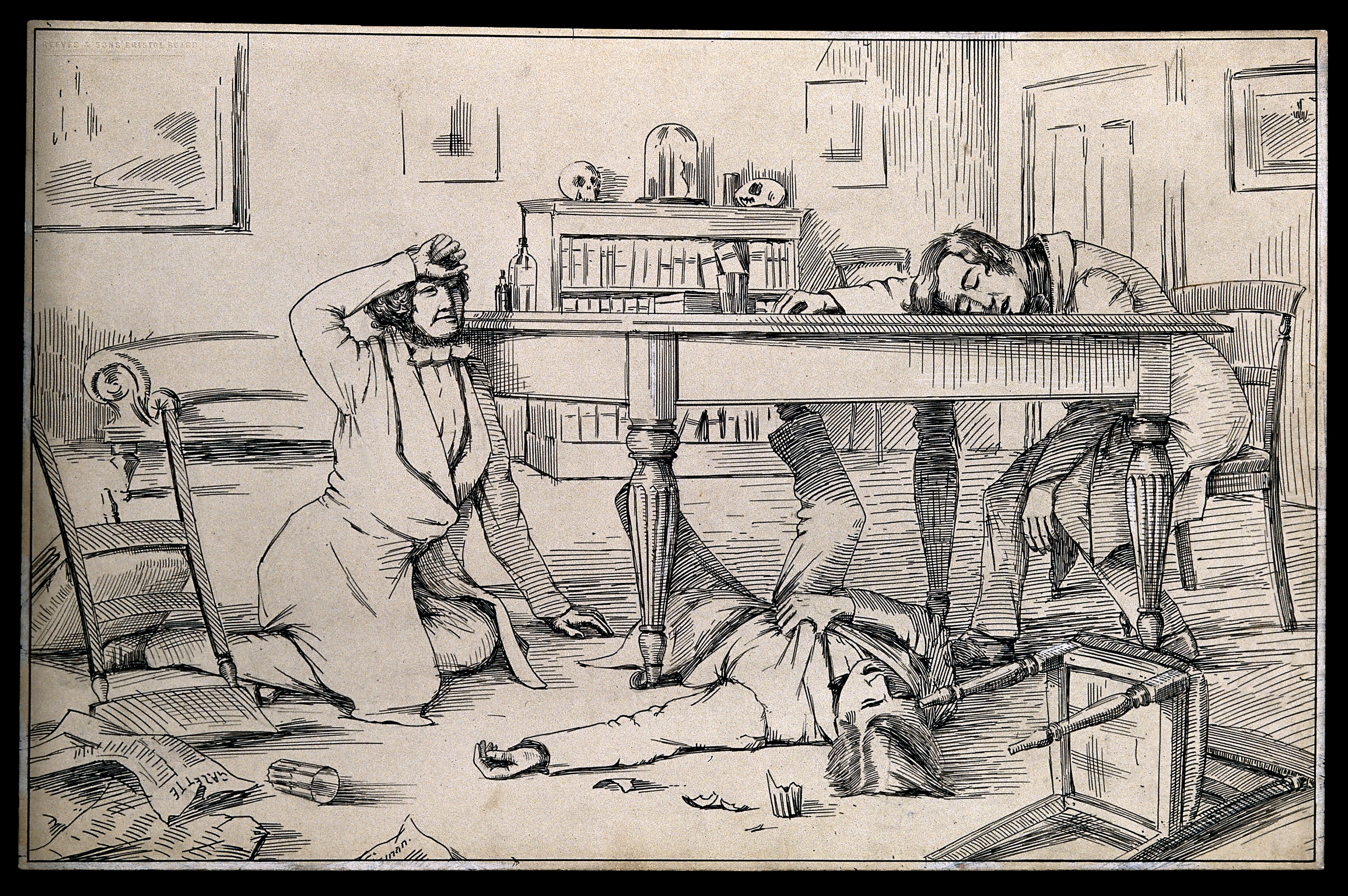
Dr. Matthew Keith lifted the tumbler to his nose and sniffed its contents.

“Oh—that smells quite good,” Keith announced, placing the glass of chloroform back on the dining table. “How long before it takes effect?”

“Just a minute or two, I expect,” replied his friend, Dr. James Simpson.

Sure enough, Keith soon slumped to the floor, dead asleep.

“I’m next!” exclaimed Simpson to another friend, Dr. George Duncan, while grabbing the tumbler and taking a whiff of the chloroform.

Duncan followed suit and soon all three were fast asleep.

Such experiments were common in the Simpson home. Currently he and his friends were looking for a drug that could safely ease the pain of surgery, medical procedures, and childbirth.

At the time (1847), Simpson not only practiced obstetrics (called midwifery in those days), he was also Professor of Midwifery at the University of Edinburgh, Scotland.

No one would have expected such a respectable position for the seventh son of a baker. But the family somehow found the resources to send the whip-smart, fourteen-year-old James to university. By age 21, he’d graduated with honors and become a member of the Royal College of Surgeons at Edinburgh.

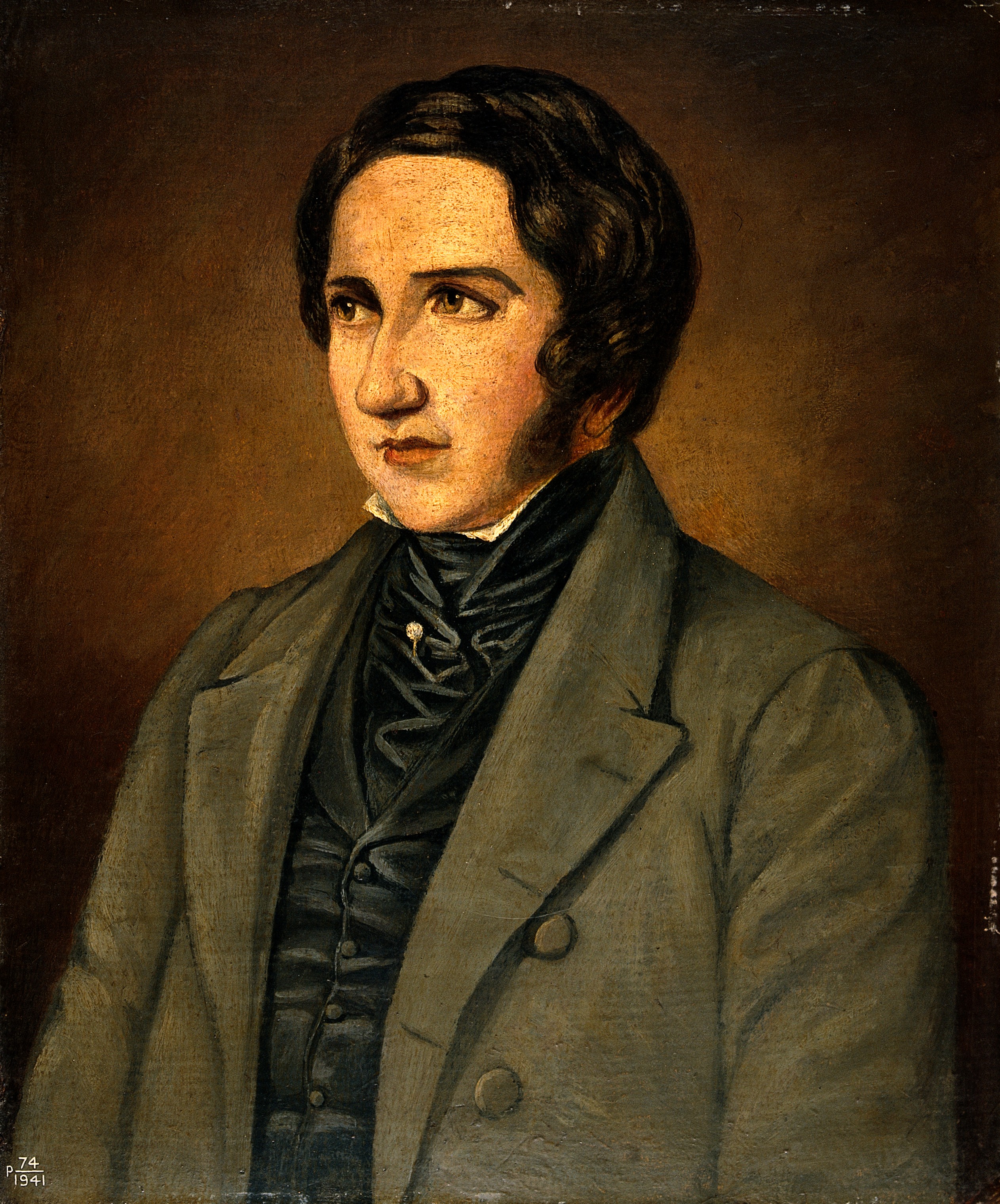
James Young Simpson, 1848

Success as an obstetrician came quickly, and Simpson married his sweetheart. He should have been happy and fulfilled; he was not. Simpson later explained: “I was living without God in the world.” He well knew about God and Jesus, because his mother had been a devout Christian.

One night he saw himself “standing on the brink of ruin, deserving nothing but hell’s destruction” because of his many sins. But he also saw Jesus his Substitute, dying on a cross for him. Simpson wept and claimed Jesus as his Savior [1].

The night of the chloroform experiment, Simpson had been practicing obstetrics for fifteen years. He desperately desired to find a drug capable of reducing his patients’ pain.

This new compound had come from the famous chemist, Lyon Playfair. His assistant had been conducting experiments with acetone and chlorine that showed great promise as a superior anesthetic to ether. Chloroform took effect more quickly, was affordable, easy to store and transport. It wasn’t noxious or flammable.

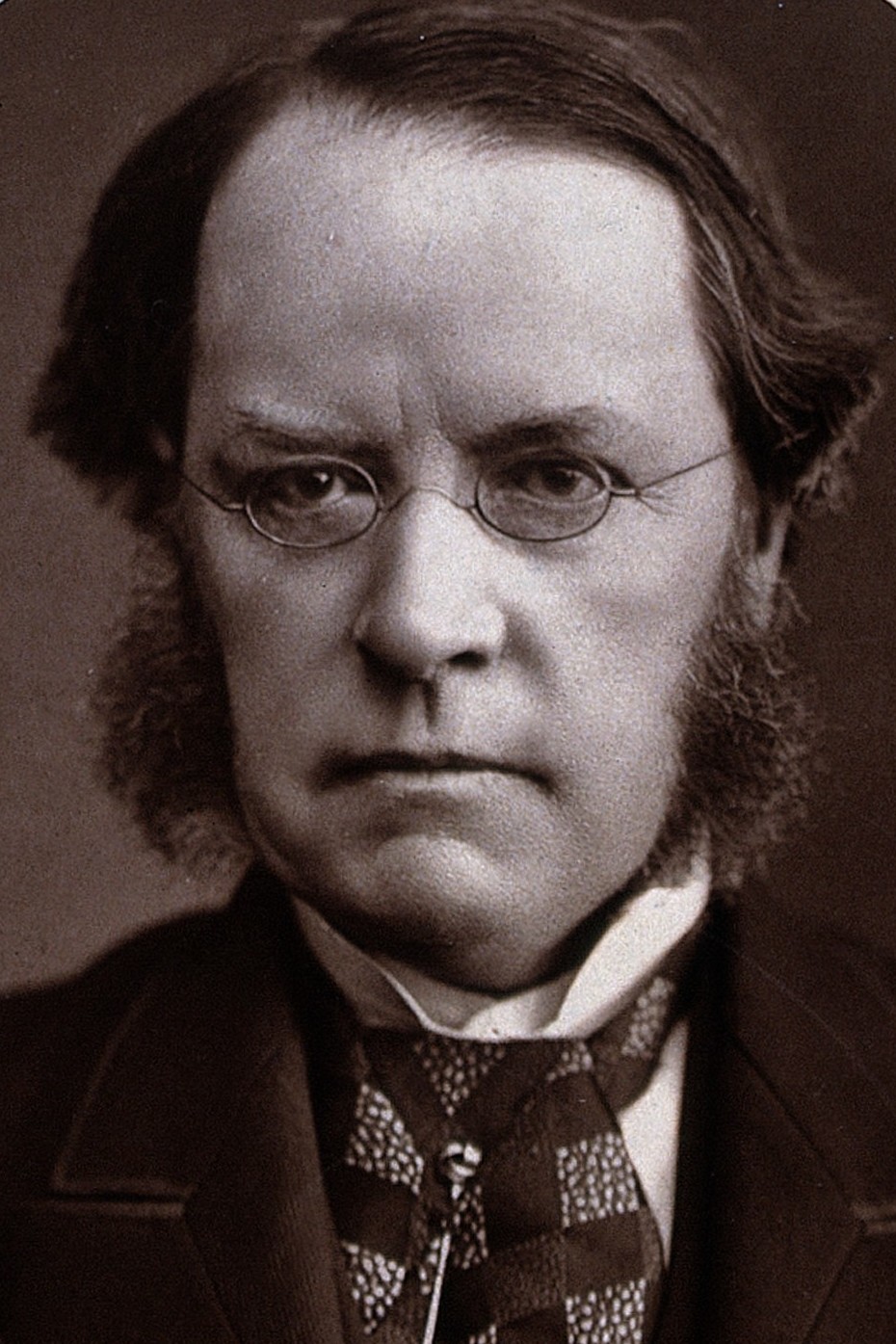
Lyon Playfair

Simpson wanted to try the new compound right there in Playfair’s shop. But the chemist insisted they administer doses to two rabbits first. The animals quickly fell asleep and awoke a while later, seemingly unharmed.  The next morning, however, they were dead.

Undeterred, Simpson purchased the compound so he and his colleagues, Keith and Duncan, could try the chloroform for themselves—just small doses that surely couldn’t cause harm to a grown man. At least that must be what they told themselves.

Thankfully the experiment succeeded. In addition, none of them experienced nausea or a headache—common side-effects of ether. They knew then that chloroform would transform the care that doctors could provide. 

Simpson was soon using it as a general anesthetic for his obstetric patients. That same year, 1847, he published a paper, “Account of a New Anesthetic Agent.”

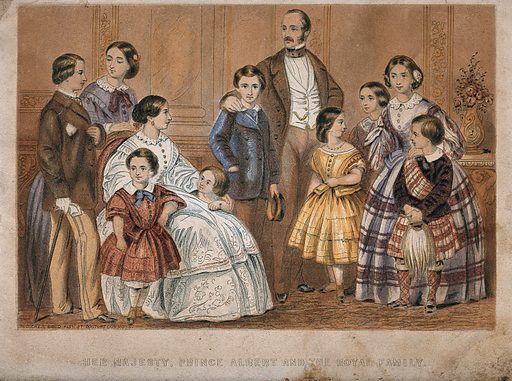
Doctors all over Europe began alleviating their patients’ pain with chloroform, especially after Dr. John Snow gave controlled doses to Queen Victoria for the birth of Leopold in 1853. She described its effect as “soothing, quieting, and delightful beyond measure [2] .”

Queen Victoria, Prince Albert, and children, ca. 1855

Dr. Simpson’s research procured him a place in medical history. He was knighted and his coat of arms read, Victo dolore, “Pain conquered.”

But he had more conquests to pursue. Simpson turned his attention to the problem of infection, rampant in hospitals. He argued that if medical personnel washed their hands in chlorine before every examination, and instruments were sterilized, the spread of infection could be reduced [3].

Simpson also conducted research on the impacts of overcrowding and other practices in hospitals which raised mortality rates. He proposed improved hospital design, increased ventilation, and better management strategies. His suggestions met with opposition, but over time many of Simpson’s ideas were adopted. [4]

Victoria Hospital, 1899

Throughout the decades of his career, Simpson’s faith in Christ remained a life-changing influence.

In 1866, he wrote to his dear friend, Dr. Joseph Robertson: “Jesus has suffered all for us and done all, if we only trust Him in all . . . I know that you and I place all hopes and certainties indeed upon the same immutable foundation [5].

Simpson was once asked, “What do you consider your greatest discovery?”

His reply undoubtedly surprised many:

“My greatest discovery, which I made one Christmas Day, is that Christ is able to save to the uttermost any man who implicitly trusts Him [6].”

__________________________

[1] https://gospelhallaudio.org/wp-content/uploads/2017/06/Sir-James-Simpson.pdf

[2] https://montrealgazette.com/opinion/columnists/the-right-chemistry-the-history-of-chloroform

[3] https://www.rcpe.ac.uk/heritage/college-history/james-young-simpson

[4] Ibid.

[5] Ibid.

[6] Ibid.

Other sources:

https://fn.bmj.com/content/86/3/F207

https://electricscotland.com/history/other/simpson_james.htm

https://www.mcgill.ca/oss/article/health-history-science-science-everywhere/joe-schwarcz-james-simpson-chloroform-pioneer-took-pain-away

James Simpson

https://www.discover.hubpages/com/education/Famous-Doctors-in-History-Sir-James-Young-Simpson

Photo credits: 1. http://www.commons.wikimedia.org. 2. James Young Simpson, 1848 (http:11//creative commons.org/licenses/by/4.0/). 3. Lyon Playfair (V0027024 Lyon Playfair. Photograph by Lock & Whitfield, Credit: Wellcome Library, London. Wellcome Images images@http://wellcomeimages.org. 4 & 5. http://www.lookandlearn.com. 6. http://www.picryl.com. 7. rawpixel.com

Read Full Post »

For the last two posts I’ve shared journal-contemplations from the first two stanzas of “Hark! The Herald Angels Sing.” As with most hymns and praise songs, it’s easy to sing through the lyrics and miss their full significance.

But when we put pen to paper and delve into word meanings, explore implications of the lyrics, and ponder the impressions God brings to our spirits, wonderful blessings emerge: increased understanding of God and his Word, renewal of the mind, and augmented intimacy with God.

Contemplations become worship.

With those thoughts in mind, let’s savor the third stanza:

Hail, the heav’n-born Prince of Peace!

I praise You, Lord Jesus, the only One who can mediate reconciliation between the sin-prone people we are and the righteous God of heaven. Without You, we’d have no hope of eternal life.

I praise You also for the peace of mind you provide as we affirm Your attributes. By Your omnipotent strength you will uphold, and by Your omniscient wisdom You will guide, until our days on earth are complete. We are safe in Your hands (1).

Hail, the Sun of Righteousness! Light and Life to all He brings

I praise You, Lord Jesus, that Your radiant presence brings comfort, joy, and prosperity of soul.

Your Light of truth obliterates the lies of our enemy and brings us closer to You.

From Your Light shine beams of blessing such as these:

  • The variety of wholesome pleasures in this world, benefiting us in mind, body, and spirit
  • The love of family and friends, increasing our joy
  • The ability to read and learn, providing knowledge and wisdom
  • The delight of hands, allowing us to pursue a myriad of satisfying activities (2)

Risen with healing in His wings

I praise You, Lord God, for raising Jesus from the dead. Because He’s alive, we who believe in Him can be confident of eternal life also.  

One day Your Son will come on swift wings, ready to bestow perfect healing upon all who’ve come to Him. Our healing from the sickness of sin that causes so much woe will finally be complete. There will be no more pain and suffering, no more harm and brokenness, no more sorrow or death!
But even now, Lord Jesus, just as beams from the sun bring health to every living thing, You bring health to our spirits—a deep-down contentment only You can provide (3).

Mild he lays his glory by, born that man no more may die

I praise You, Lord Jesus, for laying aside Your glory as the Son of God. You left Your celestial throne, the unceasing adoration of angels, and all the splendors of paradise to be born a helpless baby.

During your earthly life, few praised You as You deserved; many found fault with Your glorious perfections.

Nevertheless, You see worth in every human being; you desire that everyone accept God’s gift of eternal life, that “man no more may die.”

I praise You for saving us from the death-sentence of our sin (4).


Born to raise the sons of earth, born to give them second birth.

I praise You, Lord Jesus, for the transformed life You offer, raising each believer out of his plight of eternal death and into the pleasure of eternal life with You–pleasures that begin the moment we say yes to You.

Those gifts include:

  • Security, because our final destiny is secure, and in the meantime You’re always with us, working toward our best good
  • Provision of guidance, strength, help and more
  • Rest for our souls, as Your Spirit of counsel and power takes up residence in our spirits
  • Gladness, as we celebrate Your work around us and in us

One day, Lord God, You will raise all Your children into the magnificence of Your heaven! With joyful expectation we anticipate the wonders You’ve planned for us.

Thank You for making possible this second birth into Your family. All the amazing blessings highlighted in this carol come to us when we choose adoption into Your family (5).

I praise You, Lord Jesus, for providing reconciliation with God, ultimate victory over death, over-arching peace and joy, healing for the wounds of our spirits, and more.

Glory to You, my magnificent, sovereign King!

Notes:

  1. Acts 4:12; 2 Timothy 4:18
  2. Psalm 23:4; John 15:11; Philippians 4:11-13; Hebrews 4:12
  3. John 6:40; Revelation 21:4; Psalm 23:1-3
  4. Philippians 2:6-7; Revelation 5:11-12; 2 Peter 3:8; Romans 6:23
  5. John 11:26; Matthew 28:20; Romans 8:28; Isaiah 11:2; 1 Corinthians 6:19; Psalm 92:4; John 14:3; 2 Corinthians 4:14; John 14:3

Photo credits: Nancy Ruegg; http://www.openclipart.com; http://www.dailyverses.net; http://www.flickr.com; http://www.heartlight.org; http://www.open.life.church/resources; http://www.dailyverses.net; http://www.heartlight.org.

Read Full Post »

« Newer Posts - Older Posts »

Sylvia Schroeder

Impressions Becoming Expressions

Mitch Teemley

The Power of Story

Still Traveling

Impressions Becoming Expressions

Living Our Days

Gaining a heart of wisdom

He Said What?!

I'm Patty, and my husband and I are living with our adult son who has autism and epilepsy. I love sharing lessons learned from life around me, especially life with Aaron.

Meditations of my Heart

Impressions Becoming Expressions

Linda Stoll

Impressions Becoming Expressions

Signora Sheila

Where faith meets la dolce vita

Heidi Viars

Finding the Image of God