Feeds:
Posts
Comments

Archive for the ‘God’ Category

One Sunday morning years ago our Bible study teacher, Andy, gave each of us a pencil and a piece of paper with a large grid—4 squares across, 4 squares down. One square at a time but out of order, he guided us to draw various sized curves in various positions.



Sometimes he instructed us to revisit a square and add more detail.



The bits and pieces made no sense—just haphazard strokes accomplishing nothing–until the last few curves remained, and Andy told us to rotate our papers bottom side up.



Each of us was constructing a very recognizable Mickey Mouse.

And you can probably guess Andy’s objective:

God does indeed know what he’s doing, even when events seem random to us. Sometimes he reveals the reasons for nonsensical curves in our lives, as purposeful outcomes finally sharpen into focus.

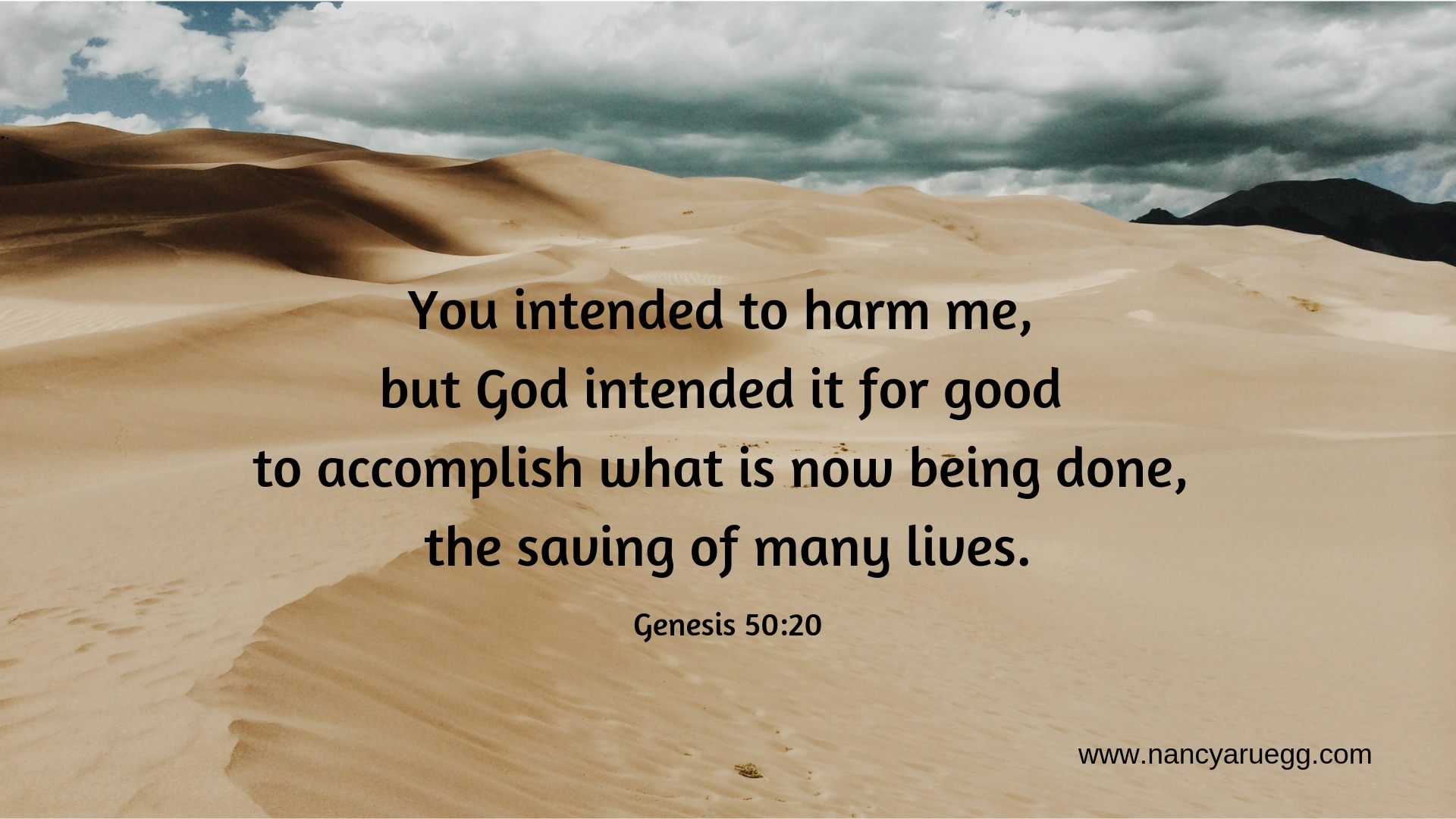
Such was the case with Joseph in the Bible. The violent curves of his life story finally made sense when he became prime minister of Egypt.

To his brothers who had terribly mistreated him he said,


Quite often, however, God chooses to withhold explanation.

I have to wonder if he’s waiting until all his children are gathered together in heaven and then he’ll reveal the complete, awe-inspiring panorama of intricately wrought events, involving billions of lives over eons of time.

Andy Andrews, in his delightful children’s book, The Boy Who Changed the World, offers a glimpse of this panorama, as he tells the story of a farm manager named Moses and his wife Susan who raised an orphaned boy. Together they shared their love of plants with the child. That boy was George Washington Carver.


In addition to his many scientific achievements, George provided an important influence for a young boy named Henry, teaching him all about plants. Henry Wallace grew up to become the U.S. secretary of agriculture and then vice president of the United States.
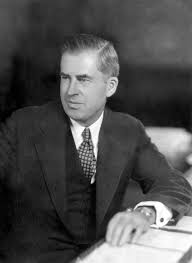


Henry hired a young biochemist named Norman and instructed him to develop a high-yielding, disease-resisting wheat. Norman spent twenty years in laboratory and field research to achieve the objective. He also developed superior corn and rice.


More than two billion lives have been saved because of Norman Borlaug–and Henry Wallace who impacted Norman, and George Washington Carver who influenced Henry, and Moses Carver who inspired George.



Who else but God could have directed such events, connecting one life with another to create such epic results?

We, too, have the exciting privilege to participate with God.  There are grand possibilities in every encounter–to impact our corners of the world as Jesus’ agents, speaking on his behalf, acting in his name, and drawing people to him.

And at those times when the effort doesn’t seem to accomplish much, we can remember:

  1. 1. “God does some of his best work when we don’t think he’s doing a thing” (Priscilla Shirer, The Kingdom Woman Devotional, emphasis added), and
  2. 2.  God’s work in us and through us isn’t over until we’ve completed the last curve.

*     *     *     *     *     *     *     *     *     *

Father, I want to be a person who seizes the day under your instruction, who chooses to honor you in word and action. I want to be a participant in what you’re accomplishing, not just an observer. May I be faithful to follow your lead, knowing that in the end the results will be gloriously worth it.


(Art & photo credits:  Nancy Ruegg (4); http://www.canva.com; http://www.flickr.com; http://www.wikimedia.com (2); http://www.sunraybook.com)


Read Full Post »

The Miracle of the Loaves and Fishes

James Tissot, Brooklyn Museum


It’s a familiar story:

Crowds of people teemed the hillside—thousands of them. They had gathered hours before so Jesus could heal the sick and infirm. But soon the sun would set, and hunger gnawed at everyone’s belly.

One young boy offered his meager lunch, and with its contents Jesus provided an ample supper for the entire throng.

I can only imagine, Jesus breaking the pickled fish and barley rolls into pieces over and over, his hands hiding the actual multiplication. He must have worked fast too.

Let’s see…if 5,000 men were in attendance, and perhaps an additional 5,000 women and children, the total count may have approached 10,000 people.

And if each bread-and-fish meal required one second of Jesus’ time to create, he would have been producing food for two hours and forty-six minutes. (Math whizzes: please check my figuring.) In actuality, the process must have been much more rapid.

But even when everyone had eaten all they wanted, Jesus wasn’t finished yet.

“Gather all the leftovers,” he told his disciples. And they filled twelve baskets with broken pieces (Matthew 14:13-21; Mark 6:32-44; Luke 9:10-17; John 6:1-13).


Now why would Jesus create an overabundance? Such excessiveness seems without purpose. And why did he instruct the disciples to collect all those leftovers? The birds would have swooped in and quickly devoured the remains.

But Jesus had his reason. Like all the other miracles he performed, his objective was to make plain certain truths about himself and his Father.

Consider:

  • The sheer number of wonders proved he was the Messiah. No one before or since has achieved such a record number of miracles.
  • Jesus’ supernatural deeds for people of all walks of life demonstrated his love and compassion for everyone; a person’s nationality or social status didn’t matter.
  • The breadth of his power became clear as he turned water into wine, healed numerous kinds of diseases and infirmities, quieted the wind, caused nets to fill with fish, walked on water, and even raised the dead.


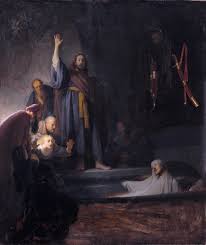
The Raising of Lazarus by Rembrandt


The miracle of multiplied bread and fish highlights God’s benevolence. And the leftovers in particular provide a memorable picture of God’s inexhaustible resources and overflowing grace, available to us through Jesus.

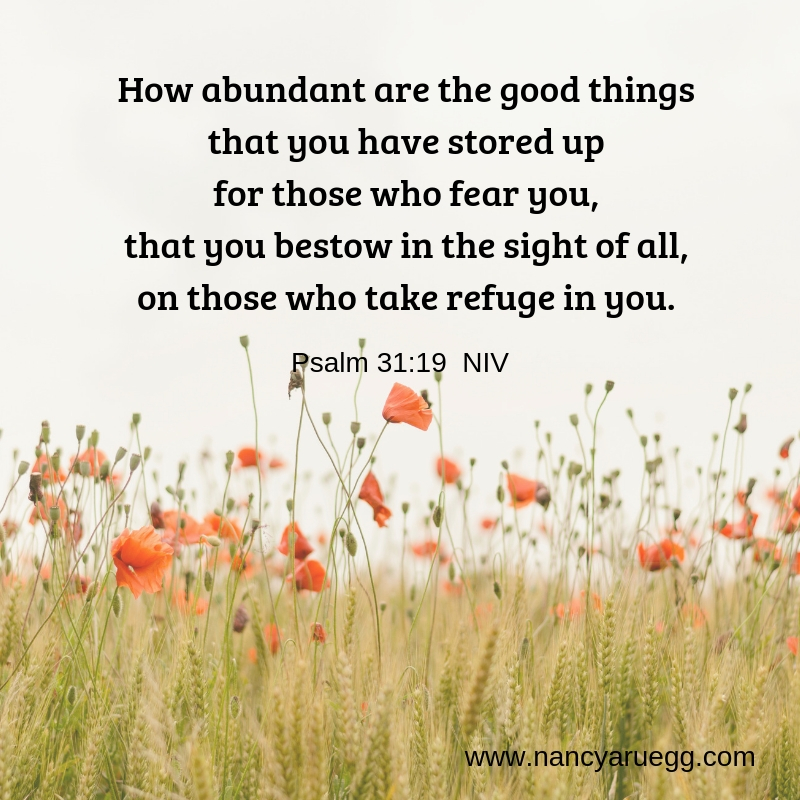
I wonder if the disciples were reminded of Psalm 31:19 as their baskets began to fill with roll fragments:


Such abundance none of them had ever seen before.  The fact that it was an abundance of bread is significant too, because the very next day Jesus called himself the Bread of Life (John 6:35).


Just as he had supernaturally provided an abundance of bread for a huge crowd, so he would supernaturally provide an abundance of life (John 10:10)a God-enhanced, satisfying, joy-filled life—to those who believe in him (John 11:25-26).

And what about those twelve baskets? Where might a band of wandering disciples find a dozen baskets on a Galilean hillside?

Historians can explain. Each man would have been carrying his own kophinos—a knapsack-type basket. It would have held food and necessary items for a journey, and also provided a place for acquired objects or supplies along the way.

The baskets might symbolize our hearts where the Bread of Life dwells. But unlike the disciples’ grapevine backpacks, our hearts are elastic, capable of stretching to hold more and more of the fullness of God.

And there is a wondrous and glorious abundance to be gathered.


*     *     *     *     *     *     *     *     *     *


I praise you, Father,

“We need not fear that we shall ever come to the end of your goodness or any experience for which you will have no blessing ready” (J. R. Miller).

You are our Almighty God, able to do above and beyond all that we ask or think. With you, amazing things are always ahead.  Hallelujah!  

(Luke 12:29-31; 2 Corinthians 9:8; Ephesians 3:20)


Art & photo credits:  http://www.wikimedia.org ( U.S. work public domain in the U.S. for unspecified reason but presumably because it was published in the U.S. before 1924.); http://www.pxhere.com; http://www.wikipedia.org; http://www.canva.com; http://www.dailyverses.net; http://www.heartlight.org.


Read Full Post »

God, Our Promise Maker


Tucked here and there throughout scripture are more than 2,300 promises that God has made to his people. And he is committed to keeping them all (Psalm 145:13b)—how and when he deems best.

To be honest, sometimes his methods and timing don’t make sense to me. I have to remind myself that finite minds can’t expect to understand the all-knowing, far-reaching work of a righteous God (Romans 11:33-36, 2 Samuel 22:31). He also works outside the limitations of time, in the realm of eternity.  That means some of God’s promises may not be realized in my lifetime.

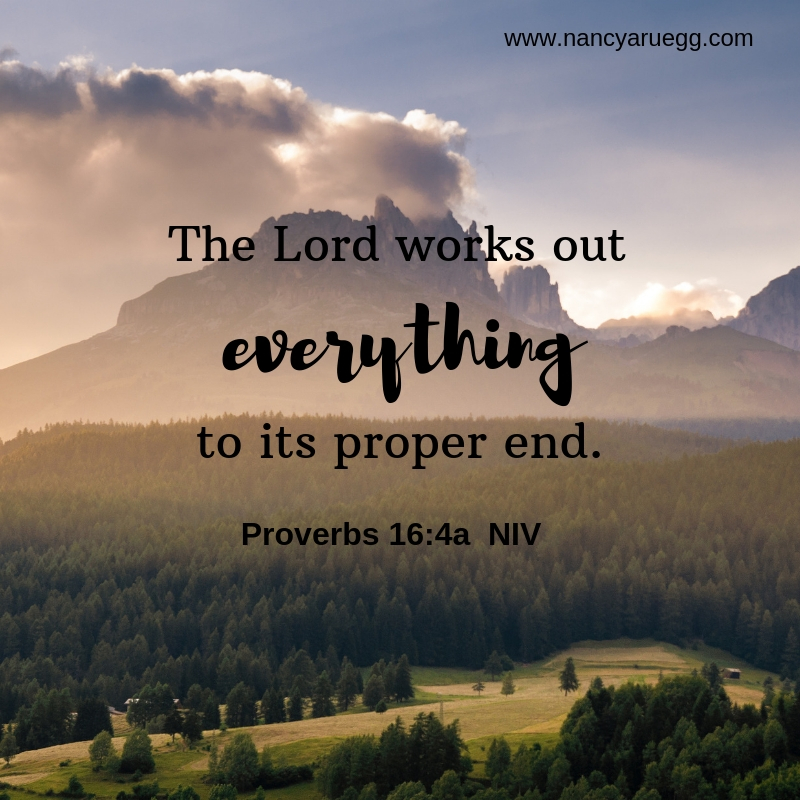
However, I can be confident of this: He has the future perfectly planned out, to accomplish the highest good (Proverbs 16:4a). There is no stopping the perfectly wise, precisely timed will of God. And his promises are the guarantee of those flawless plans.


Consider:

  • God never lies or even changes his mind (Numbers 23:19). Every scripture promise is founded on truth.
  • He is all-powerful (Jeremiah 32:17). No promise is beyond his capability to keep.
  • God is all-wise (Romans 11:33). He does not make foolish promises for things that would be to our detriment.
  • God is gracious and compassionate, loving and good to his people (Psalm 103:8, 86:5). Out of such benevolence, he will keep his word.

Just by reviewing such attributes of our Heavenly Father, we can fuel of our faith. And the more we know him, the more we will trust him and his promises.


We, the Promise-Takers

Our part is to take God’s promises to heart.


“The sacred promises, though in themselves most sure and precious,

are of no avail for the comfort and sustenance of the soul

unless you grasp them by faith, plead them by prayer,

expect them by hope, and receive them by gratitude.”

—Charles Spurgeon


In light of Dr. Spurgeon’s wise advice, Promise-Takers take these specific steps, as they wait for the promises of God to be fulfilled:

  • “Fight uncertainty with certainty” (Selwyn Hughes)—frequently.


I know you have this situation well in hand, O God.

You WILL provide what I need;

Nothing is impossible for you.

(2 Corinthians 9:8, Matthew 19:26)


  • Express gratitude for the answer that will come in God’s good time.


My hope is in you—

because of who you are

and what I’ve seen you do in the past.

I will praise you now for the God-glorifying outcome

that is to come!

(Psalm 42:5, Hebrews 13:15)


  • Quote appropriate promises often; include them in your prayers.  For example:


I know you WILL instruct me and teach me

in the way I should go.

You WILL counsel me and watch over me.

(Psalm 32:8)


  • Be mindful of any instruction that accompanies the promise.


I will turn away from worry

And focus my attention on you.

Then your unfailing love will surround me

Because I am trusting in you.

(Psalm 32:10b)


Promise-Takers stand on the flawless word of their Promise-Maker (Psalm 12:6a), even when they see no sign of fulfillment–yet.

With King David they aim to stay confident:


And they wait—patiently and expectantly—knowing that:


Is there a particular promise that you are taking to heart for 2019?  Please share in the comments below!


(Photo credits:  http://www.pxhere.com; http://www.canva.com (3); http://www.pexels.com; http://www.dailyverses.net; http://www.flickr.com.)


Read Full Post »


The eagle that soars in the upper air

does not worry itself how it is to cross rivers.

—Gladys Aylward


That’s a worthy quote to keep on file, don’t you think? I love the imagery of flying high through life close to God, the One who empowers us to traverse challenge.

But I wonder, who is this Gladys Aylward? Author? Teacher? Did she soar in the upper air? What rivers of challenge did she have to navigate?

A bit of research revealed that Gladys’ life began in the challenging river of the working class in London, 1902. By age fourteen she had to leave school and become a maid, to help support the family.

Two events changed her course, however. One, Gladys met Jesus at a revival meeting, and two, she became impassioned about China, after hearing a pastor speak of several missionaries who worked there.


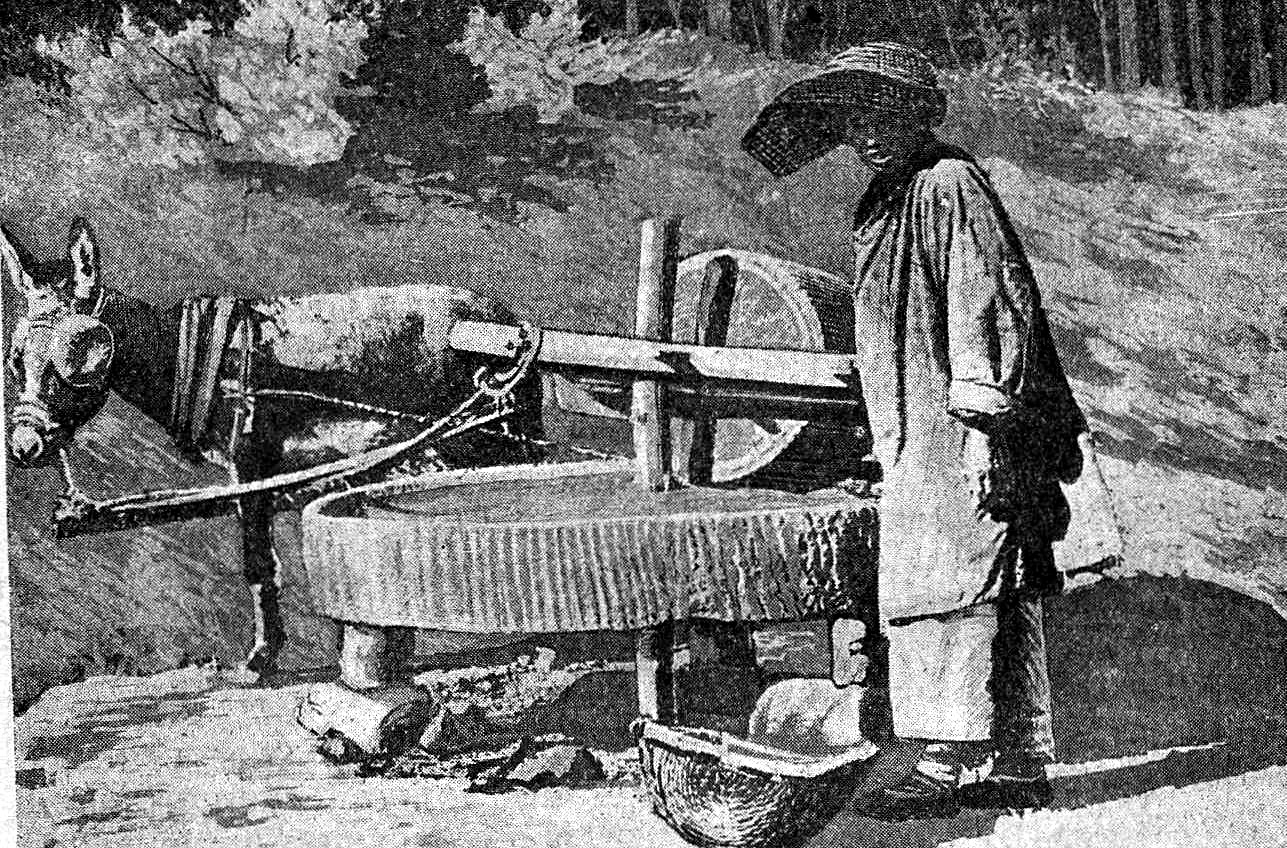
(Millworker in Henan, China, 1930)


Gladys’ thoughts turned toward China frequently and to the millions of people who had never heard about Jesus. She longed to be one of those to tell them, so she applied to the China Inland Mission.

Gladys was turned down. They said she didn’t have the aptitude or education necessary to learn such a difficult language as Chinese.

The rejection was a deep disappointment, but it did not stop her. She spent four years working extra hours, scrimping and saving every possible pence from her meager wages, in order to pay her own passage.

During that fourth year, word reached Gladys that an elderly widow missionary, Jennie Lawson in Yancheng, China, was in need of a helper.

Several months later, in October of 1932, she set out on the dangerous, weeks-long journey through Europe and Russia, mostly by train. (Passage aboard a ship would have provided a shorter, safer trip, but train travel was cheaper.)


When Gladys finally arrived, she found Jennie—not directing an established mission, but living alone in a ramshackle inn. Within a year, however, Jennie, Gladys, and their Chinese cook and friend, Yang, had completed the needed repairs.

The two missionaries were finally able to host the mule drivers who caravanned through Yancheng, transporting their various wares.  In the evenings, Jennie told Bible stories to the guests.

It wasn’t long before Gladys was also telling the stories. She learned Chinese quite readily while conversing with Yang and the muleteers—a feat she later called one of God’s miracles.


(Gladys Aylward)


No sooner did their situation become secure than Jennie fell, and died several days later. Gladys couldn’t sustain the inn on her own. But God made provision for her to stay. The Mandarin of the area offered Gladys a job, inspecting women’s feet!


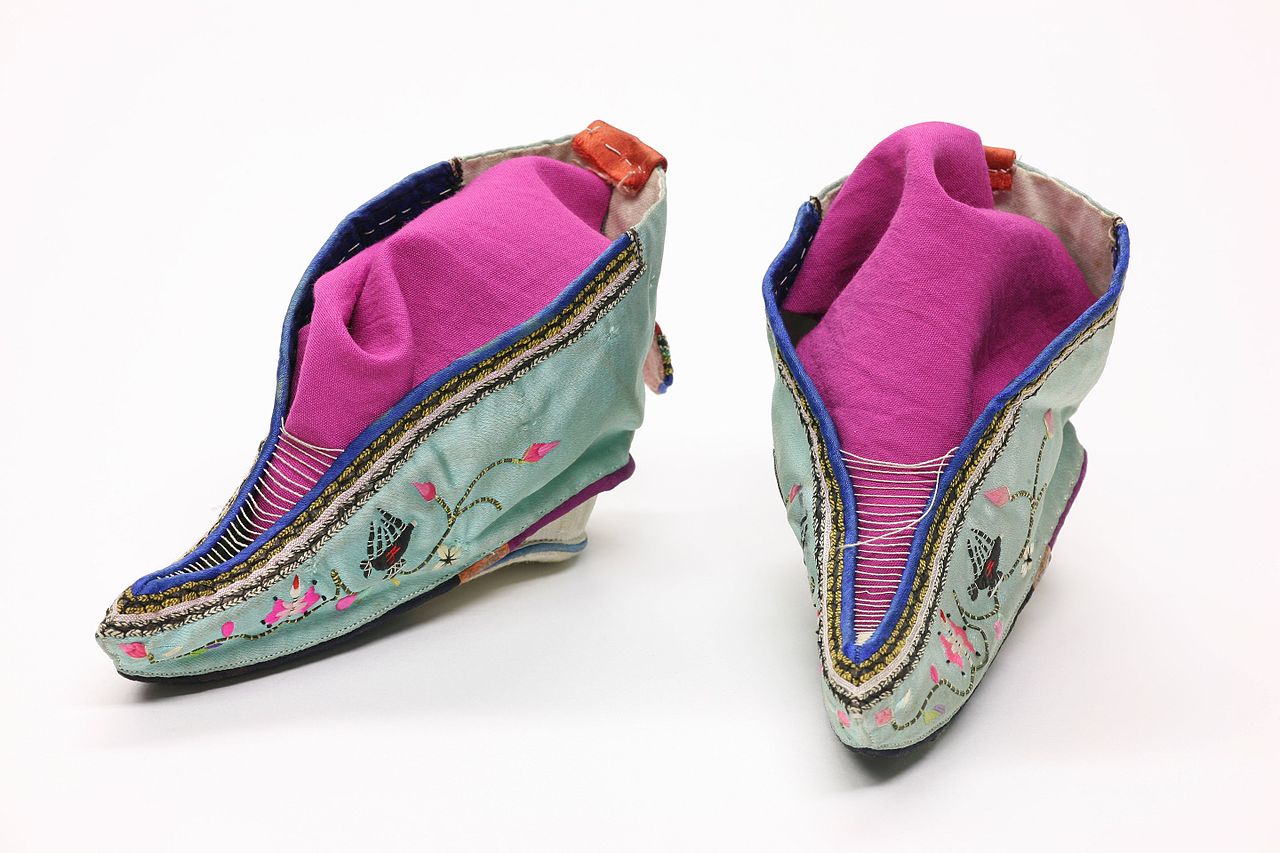
(foot-binding shoes)


A law had been passed in China forbidding the ancient custom of binding girls’ feet in order to keep them dainty and small. The practice also caused lameness and pain. Gladys accepted the position, eager for the opportunities it would offer to tell people about Jesus.

But life still did not settle down into a comfortable, peaceful routine, as Gladys faced a number of seemingly impossible situations. And she soared over them all with God.

When a prison riot occurred, the Mandarin sent for Gladys—all 4’ 10” of her—to settle the inmates. God gave her the wherewithal (in spite of her fear) to command attention, ask a representative of the prisoners to explain the reasons for the riot, and then act as liaison with the prison guards to improve conditions.


In 1937, the war between Japan and China grew into a full-scale conflict. Gladys became a spy for her Chinese countrymen. Her foreign status gave Gladys the ability to cross into Japanese-controlled areas. When they became aware of Gladys’ espionage activities, a bounty was posted for her capture—dead or alive.

One time, Gladys narrowly escaped the bullets of her Japanese pursuers. As she hid in some bushes, Gladys used her padded coat as protection, wadding it up like a shield.

But the day came, she had to seek sanctuary elsewhere.  It was not just her life that was in danger; Gladys was concerned for the orphans who now lived with her at the inn.

She chose to flee to a government orphanage at Sian. When word spread through the community of her plan, other orphans were brought to her, so they too could escape the war zone. Soon 100 children had gathered for the trek—mostly four to eight years of age.


They walked through the mountains for twelve days—on rough, little-used trails where they could remain hidden. Some nights they spent with welcoming hosts; other nights they slept on the mountainsides. Most of their cloth shoes wore out before they reached Sian.

Miraculously, all of them arrived safe and sound, except Gladys, who was suffering from typhus and pneumonia and collapsed into a coma. She almost died, but did finally recover.

And as soon as she could, Gladys returned to what she loved: helping others in need and telling everyone about Jesus.

Gladys Aylward certainly proved she knew how to soar in the upper air, with God as her strength. And he did indeed carry her across many rivers.

Postscript:  Among the many that accepted Jesus into their lives as the result of Gladys’ efforts, was the Mandarin of Yancheng.


*     *     *     *     *     *     *     *     *     *


May I also soar, O God, resting in the confidence that you will never leave me or forsake me. You have promised to be my Helper. May I focus on you, my loving and powerful God, and not my circumstances, because you are the Lord of every situation. 

(Isaiah 40:31; Hebrews 13:5-6; Ephesians 1:11)


(Some of you may recognize Gladys’ story. It became the basis for a movie in 1958, The Inn of the Sixth Happiness, starring Ingrid Bergman.)


Sources:

  1. https://www.christianity.com/church/church-history/timeline/1901-2000/gladys-aylwards-impossible-mission-to-china-11630754.html
  2. http://justus.anglican.org/resources/bio/73.html
  3. http://www.thetravelingteam.org/articles/gladys-aylward
  4. https://urbana.org/blog/gladys-aylward


Photo credits:  http://www.pexels.com; http://www.wikimedia.org;  http://www.flickr.com; http://www.wikimedia.com; http://www.wikipedia.org; http://www.heartlight.org; http://www.maxpixel.net; http://www.dailyverses.net.


Read Full Post »

The call came at 5:34 a.m., waking Steve and me from sound sleep. Immediately he thought, This is it. My brain hardly registered a phone ringing.

Within moments, however, my body was in high gear, preparing to leave for the hospital. This day—December 19, 2018—Steve would receive a new liver, the only long-term solution for his liver cancer, caused by non-alcoholic cirrhosis. He had been on the transplant wait list for six months.

That predawn phone call became Miracle #1 out of at least twelve over the next two weeks. Steve’s name had only been moved to the top-tier twelve days prior.  (Some patients must wait a year or more.)

Upon arriving at the hospital, Steve underwent two hours of surgery prep. And then we waited, and waited some more, until the orderlies finally came and wheeled him away.

Miracle #2: Much of the day I waited alone, although H., our daughter-in-law, and a physician at the same hospital, sat with me as she could, especially in the evening. But God’s peace that transcends all understanding absolutely guarded my heart and mind the entire time.  I knew all would be well.

Miracle #3: The first hours in ICU are critical for any patient. God chose a special nurse to care for Steve, one that a colleague had highly praised to our daughter-in-law. In addition, Steve was her only patient for about six hours.

Miracle #4:  H. insisted on spending the night in ICU. As Steve’s blood pressure and some bleeding became an issue, she was there as an extra set of eyes and ears, ready to advocate on his behalf. (Her expertise and support have been invaluable for the entire nine months since Steve’s diagnosis. She’s even attended some appointments with us.)

Miracle #5: The next day, the breathing tube was removed, and Steve was able to sit up in bed. His voice sounded raspy, but he wasn’t groggy, and soon Steve was joking with the nurses, Scot and Mac (What delightful, attentive young men!). By afternoon, they had Steve walking around the nurse’s station. His progress toward healing amazed us all.

On Day 3, Steve was transferred to the step-down unit where Laura and Katie took over his care. Again, such kind, helpful nurses. In fact, we’ve been highly impressed by the expertise and compassion of the hospital staff.

Steve continued to make rapid progress, sitting up in a chair for longer stretches of time, circling more laps around the unit each time he walked.

An added blessing those first few days: a young mom from our church babysat for our granddaughters so our son Eric could run errands and visit Steve.

Pastor Michael came to see Steve that day, stopping short upon entering the room. “This is not what I was expecting!” he cried. Although Steve was in bed, he was sitting up, looking perfectly healthy and alert.


On Saturday, H., our five-year old granddaughter, and I were supposed to attend The Nutcracker. I expected to miss the performance, with Steve only three days post-op.

But because he was recuperating so well, because Laura and Katie were taking such good care of him, and because our son could keep Steve company for part of the time, I felt confident all would be well in my absence.

Eric was even allowed to bring our almost two-year old granddaughter, with the understanding that hugging, kissing, and sitting on Papa’s lap would be forbidden. That was okay by her. Papa’s walker provided great fun.

Meanwhile, we three girls enjoyed the ballet performance—glorious moments of respite.  (God knew I’d be ready to lose myself in the Land of Sweets!)

Miracle #6: Steve was released the afternoon of the 24th, just five days after surgery.   Christmas Day we reveled in the granddaughters’ gift-opening at our home—not at the hospital.

Miracle #7: Our younger son and his wife arrived the 26th, our daughter and older granddaughter flew in on the 27th. They had all planned to visit anyway, but what perfect timing God supplied! For ten days they provided gracious help.

Miracle #8: Insurance is covering a visiting nurse on Thursday, so we only have to go to the hospital for post-op check-ups once a week.

Miracle #9: Steve has experienced very little pain. Within twelve days he was taking only Tylenol at bedtime. Now he’s not even taking that.

Miracle #10: The discomfort of acute swelling caused the most trouble after returning home. The doctor told us the edema could take up to three weeks to resolve, but within one week it was much improved.

Miracle #11: Transplant patients almost always require insulin until the medications that raise blood sugar can be reduced. Steve’s insulin dosage has already been lowered, and only several times has he needed extra insulin beyond the once-daily dose.

Miracle#12: The huge outpouring of love, support, and prayer throughout this entire process have contributed greatly to Steve’s healing.  Many of you reading this post are part of this miracle.

At Tuesday’s post-op check-up we were told his platelet and white blood cell counts are continuing to rise. “Your new liver is happy!” exclaimed the physician’s assistant.

Needless to say, so are we.

*     *     *     *     *     *     *     *     *     * 

Just these past three weeks, O God, You have done such great things for us! “Our hearts brim with joy.” Now may your unfailing love rest upon us, even as we put our hope for the future in you.

 (Psalm 126:3; 33:21a MSG; 33:22)

(Nutcracker image from http://www.flickr.com.)

Read Full Post »


Years ago Steve’s Aunt Louise gave us a little ceramic church music box.  With its drab gray walls, greenish-gray roof, and standard steeple, the church did not grab attention. But the arched windows on each side were filled with tiny chips of colored glass, and when lit from within the little church sparkled with glorious light.

Sometime when our three children were young, the church was broken by “Not Me.” Fortunately, the pieces were large and Steve was able to glue them back together.   When the light was turned on, the cracks didn’t even show.

But as the years passed, the glue began to discolor and turn dark. The poor little music box became a sad sight, and I was about to throw it away when our youngest son–probably in high school by this time–said, “Oh, Mom! You can’t get rid of the church! That’s been my favorite Christmas decoration since I was a little kid!”

So Jeremy saved the music box from destruction.


He finished college, married a sweet girl from our church, and moved twice more while attending seminary. Somewhere along the way the music box disappeared.

Each year as he and his wife Nancy decorated for Christmas, he’d remember fondly that little ceramic church and wonder what happened to it.

Seminary graduation came and went, four years at his first church appointment also passed. While settling into their second parsonage, Jeremy finally unpacked a carton labeled “Memorabilia” that had been sealed up since he left our home.

Buried at the bottom was a sealed shoebox. Jeremy sliced through the tape with his pocketknife, lifted the lid, and brought into the light a lumpy, tissue-wrapped object.


Within moments Jeremy held in his hands that precious, long-missing ceramic church. And joyful tears stung his eyes.

He quickly found a new bulb and plugged the cord into a nearby socket. The windows instantly filled with glorious rainbow light. Jeremy didn’t even notice the fissures or dark, crusty glue.

Isn’t it amazing to consider that, just as Jeremy loves that damaged music box, God loves us—scarred, and imperfect as we are? We too were just as lost as that little church—sealed up in a box of our own prideful independence.


But Jesus came looking for us. He brought us into his glorious Light, and filled us with the Light of his inviting, benevolent grace.*

Now, we have the privilege to shine with gleaming Light just like that little church—in spite of our scars.


*     *     *     *     *     *     *     *     *     *


God of all grace, I thank you for rescuing me from mere existence in my self-made box, and bringing me into a rich, full life with you. Even though cracks and blemishes remain in my being, what you see is not what I have been but what I am becoming—holy and blameless and filled with Light—for that day when I see you as you are!


(John 10:10; Ephesians 1:4; John 8:12; 1 John 3:2)


*Often defined by using an acronym: God’s Riches At Christ’s Expense


Scripture references: Luke 15:8-10; John 8:12; Colossians 1:27; 2 Corinthians 9:8; 2 Corinthians 3:18; Romans 3:24; Matthew 5:14.


(Photo credits:  Jeremy Ruegg (2); http://www.flickr.com; http://www.heartlight.org (Ben Steed); http://www.verseaday.com.)


Read Full Post »


Christmas is indeed a season of light.

Candles glow and twinkling lights glimmer from houses, buildings, and trees.

People love all the flickering and shimmering!  Some spend weeks decorating their yards and rooftops in spectacles of illumination.  If you asked them why, they might be hard-pressed to express more than, “They’re beautiful!”


But perhaps it’s more than just aesthetics.  Perhaps it’s a heart-response.

Light is symbolic for:

  • Beauty.  Light grabs our attention, whether it’s sparkling and dazzling or soft and luminous.


  • Safety.  Where there is light, we can navigate through our surroundings.
  • Comfort.  A nightlight offers just that for many a child who is afraid of the dark.
  • Hope.  Light gleams triumphantly in the darkness at the end of a tunnel.
  • Guidance.  Light illuminates the way.


Might it be that people respond to light, especially when associated with Christmas, because the human spirit is made to respond to the Light?

Jesus came from the Father who is Light (1 John 1:5), and proclaimed, “I am the Light of the world” (John 8:12).

But that statement is more than symbolic.

God the Son is our safety, because he offers eternal life.


“My sheep listen to my voice; I know them and they follow me.

I give them eternal life, and they shall never perish;

no one can snatch them out of my hand.”

John 10:28-29


God the Father is our comfort, because he is loving and compassionate.


“Praise be to the God and Father of our Lord Jesus Christ,

the Father of compassion and the God of all comfort,

who comforts us in all our troubles.”

2 Corinthians 1:3-4a


God the Son is our hope, because of his resurrectionWe will be raised from the dead because he was. 


“In his great mercy [God] has given us new birth

into a living hope through the resurrection of Jesus Christ from the dead,

and into an inheritance that can never perish, spoil, or fade—

kept in heaven for you.”

1 Peter 1:3b-4


God the Father is beauty, because of all his exquisite attributes.  And we have the opportunity to bask in that beauty.


“I’m asking God for one thing…

To live with him in his house my whole life long.

I’ll contemplate his beauty; I’ll study at his feet.”

Psalm 27:4  MSG


God the Father is guidance, characterized by wisdom, compassion, and readiness.


The Light of the world offers us all this and more.

I can’t imagine life without him, can you?

Let’s make time to linger in his Light during this Advent season.


Let’s be watchful for “Glory-moments, awash in his dazzling Light” (Sarah Young).


*     *     *     *     *     *     *     *     *    *


How else might we expand our heart-response to Jesus?  Please share your thoughts in the comment section below!


Photo credits: http://www.pxhere.com; http://www.wikimedia.com; http://www.tOrangebiz; http://www.flickr.com; http://www.dailyverses.net; http://www.canva.com (3).


(Revised and reblogged from December 2, 2013.)

Read Full Post »


In the town where I lived till age ten, great elm trees bordered a number of the residential streets. Their wide-reaching branches stretched across the pavement and met in the middle, creating a thick, verdant archway in the summertime.

As we walked or drove underneath, the view was dominated by tree trunks—sentries of the streets in two straight rows.

One stand-alone tree, tall and far spread, is an inspiration, as Joyce Kilmer’s famous poem attests. But a double row stretching to the horizon? That’s a wondrous sight you don’t forget—even after six decades.

Not long ago I came across an observation of Charles Spurgeon, based on just such a view. And immediately I thought of those stately elms of my hometown:


“We delight to look down a long avenue of trees.

It is pleasing to gaze from end to end of the long vista.

Even so look down the long aisles of your years,

at the green boughs of mercy overhead

and the strong pillars of loving-kindness

and faithfulness which bear up your joys.”

(Morning by Morning, p. 366).


What better time to look down those aisles of our years than this week of Thanksgiving?

Down my own personal road…

…I do see the green boughs of mercy—times when God treated me with grace and compassion that I did not deserve—even in small matters.

One example out of many:  the time I forgot to order new books for the women’s Bible study at church. (This was long before amazon.com and priority shipping.) An emergency run to the Christian bookstore was necessary.

While driving there, I prayed to find sufficient copies of a worthwhile study that we could complete in the necessary time frame: eight weeks.

I know, I know. Such specific requirements. But sure enough, God supplied exactly what was needed, in spite of my foolish forgetfulness.


(Women too!)


…I see the strong pillars of loving-kindness—times when God demonstrated his tender and compassionate affection.

Again, one example out of many: I spilled a bit of coffee on my computer and the mouse died. Steve tried the hair dryer trick, and miraculously, my mouse came back to life.

But Steve would be the first to tell you God gets the credit, first for bringing to his mind that solution, and because “every good and perfect gift comes from above”—even problem-solving power.


…I see the strong pillars of faithfulness—times when God demonstrated his firm and devoted support.

Just a list of categories is quite long. God offers protection and provision, equipping and encouragement, instruction and guidance, comfort and strength, forgiveness and restoration, support and deliverance, healing and blessing. Surely there are even more.

Often, God expresses his strong and loving support through his Word.

One morning while settling in for a quiet time, I opened my Bible first instead of the study guide. “Wake up,” I chided myself. “You don’t even know what scripture you’ll be studying today.”

I turned to the morning’s lesson and discovered my Bible was already open to the proper page, and the prescribed verse was right at the top. Before even reading the verse I felt a strong impression from God: “Nancy, this scripture is for you today.”

Now before I reveal the verse, let me explain that just a few days prior I’d received disturbing news. Hurt and discouragement were fighting against faith and hope in my spirit.

So imagine my astonishment when I read, “You do not realize now what I am doing, but later you will understand” (John 13:7).  An overflow of joy in my heart became tears in my eyes. He saw my distress and came alongside with encouragement and support.


No doubt you have stories of your own green boughs of mercy and strong pillars of loving-kindness and faithfulness, as you gaze down the long aisle of your years.

I’d love to hear one of your examples; I’m sure other readers would too.

Please share in the comment section below, and together we can praise our God for the wonders he has performed (Psalm 105:5a)!


(Photo credits:  http://www.strongtowns.org (Daniel Jeffries); http://www.pixabay.com; http://www.heartlight.org; http://www.canva.com (2).


Read Full Post »

Years ago my mother worked as secretary to a publishing company vice-president.  One spring she was invited to attend a goal-setting retreat with those in leadership. Her job was to take notes.


During the first session, the facilitator (We’ll call him Jim.) included some clarifying questions about the mission of the company.   Mom didn’t expect to participate, so she was caught off guard when Jim invited her to share. She confessed to feeling out of place and unqualified to contribute. After all, she was only a secretary.

But editor-in-chief, Bernice, exclaimed, “Why, Geri! You shouldn’t feel that way!”

Jim suggested that Bernice tell Mom why her input was important, why she was a valuable part of the team.


(A-Z Quotes)


Perhaps Bernice mentioned a few of the gifts I noticed in Mom: her creative problem-solving ability, astute interpersonal skills, and proficiency at organization.

Whatever Bernice said, the compliments embarrassed Mom but validated her deeply. Bernice had never before shared what she saw in Mom.

Jim explained that citing specific reasons, rather than simply telling someone not to feel a certain way, can more effectively foster a change of mindset.

So in light of that facilitator’s advice, I won’t tell you that God thinks you’re pretty terrific.

Let me show you from his Word what he sees in you.

For example:

God sees you as precious and honored because he loves you.


That love is not just collective for all humankind, but individual and unique—just for you.

God sees and loves you—the one who handles a myriad of details so someone else can be in the spotlight.

He sees and loves you—the one who swipes up messes hither and yon, parades laundry baskets to and fro, and traipses dishes from washer to shelf, day in and day out.

He sees and loves you—making those calls, writing those notes, pausing to listen to sales clerks and restaurant servers.

But on any given day, you may not feel particularly precious or honored—when frustration boils over into unkind words, impatience leads to anger, or unfair treatment curdles into self-pity. How can God see anything precious and honored in that?  Perhaps it’s because he’s focused on his vision for you, his work in you.

Remember,

God sees you as his child.


And like any loving parent, he delights in every step of growth, every benchmark of progress. With pleasure and pride he is cheering you on.

Also,

God sees your heart.


Perhaps that statement evokes guilt, as it did in me for many years. I contemplated the ways I disappointed God, even failed him. But there’s a positive side to that statement. Our Heavenly Father sees our good intentions, our desire to obey him, our attempts to practice his presence with praise and gratitude.

And just as we would never reject a misspelled, wobbly-lettered love note from a child, God never rejects our sincere efforts.

Furthermore,

God sees you as his masterpiece, a stunning, one-of-a-kind design (Ephesians 2:10).


He chose the colors of your personality, the form of your life-chapters, the line of movement from child to maturity, and the spaces both negative and positive that contribute to soul growth.

God also chose a particular place for you in his world-size gallery where you could best display his artistry. And like all beautiful handiwork, you evoke joy in the heart of your Maker.


Indeed, it is holy, precious perfection that God sees in you.


(Photo credits:  http://www.hanscom.af.mil (Todd Maki); http://www.azquotes.com; Nancy Ruegg; http://www.dailyverses.net; http://www.heartlight.org; http://www.flickr.com.)

Read Full Post »


Some believe that indulging in memories is a waste of time, that past events have no meaning for the present. But nothing could be further from the truth— especially if we acknowledge God’s part in those events.

When we include God in our remembering:

  1. We gain a sense of perspective.

Even difficult times are part of God’s plan. Sometimes, with the gift of hindsight, we catch a glimpse of his purpose later.

For example, how many students have struggled through school, yet in adulthood flourished in careers well matched to their gifts? Most of them are actually thankful for the early challenges, because they learned perseverance and developed strength of character. Those late-bloomers are often compassionate and understanding toward other strugglers, because they remember the difficulties of those formative years.


  1. We acquire wisdom for today.

“Reflective thinking turns experience into insight.”

–John Maxwell

In my younger days I used to be a champion talker. But somewhere along the way I began to notice the listeners—caring folks who often demonstrated the gentle and quiet spirit Peter spoke of (1 Peter 3:3). They reminded me of my sweet grandmother.

I valued that demeanor and began to turn insight into a new experience of focused listening. (Please understand: practice hasn’t achieved perfection yet. But improvement? Yes.)


  1. We build a foundation of stability for today as we remember God’s grace and faithfulness in the past.

But memories easily fade. So some believers keep a book of remembrance or a praise journal, as a way to savor God’s faithfulness.

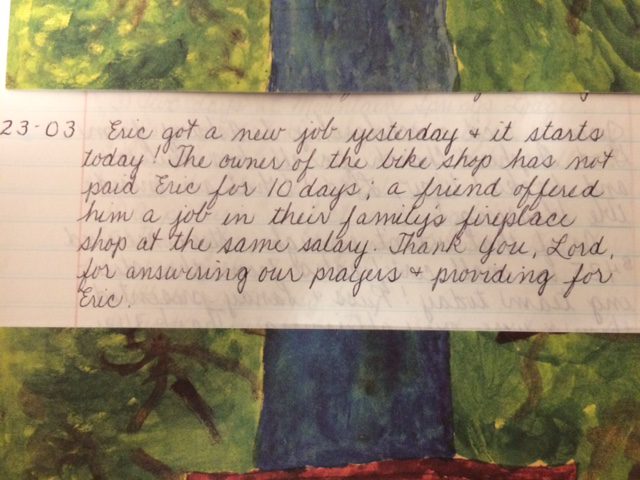
Just for fun, I randomly opened my loose leaf praise journal in search of an entry to share with you. Here’s what I wrote, December 23, 2003, about our older son, who was in college at the time:


(“Eric got a new job yesterday and it starts today! The owner of the bike shop has not paid Eric for ten days, but a friend offered him a job in their family’s fireplace shop at the same salary.”)

Entry after entry highlight God’s provision, protection, and guidance through the years. And each memory contributes to my foundation of stability.


  1. We foster gratitude in our hearts.

As you can see, the entry recorded above ends with: “Thank you, Lord, for answering our prayers and providing for Eric.”  Joy just naturally overflowed into appreciation.

On the opposing page I wrote, “I am overwhelmed, Lord, by this continuing string of blessings. You are SO good to us, always demonstrating your faithfulness and grace. May your praise continually be on my lips!”

Research has now proven a number of benefits of gratitude.*  But surely one of the best: it nurtures a contented soul.


  1. We can turn remembering into a beautiful act of worship. 

That’s exactly what scripture invites us to do: 

“Rejoice in all the good which the Lord your God has given to you and your house” (Deuteronomy 26:11).

Praise the name of the Lord your God, who has done wondrously with you” (Joel 2:26b).

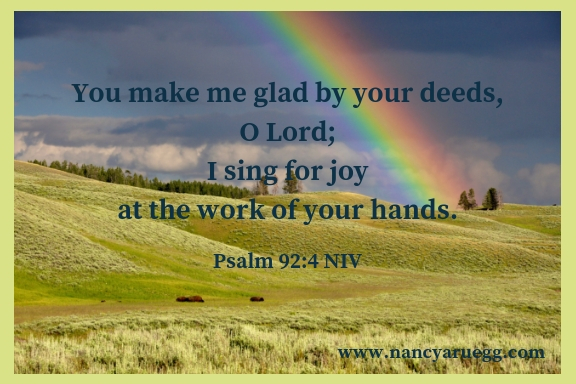
“You make me glad by your deeds, O Lord; I sing for joy at the works of your hands” (Psalm 92:4).


Such glorious cause and effect! Remembering God’s wonderful deeds of the past turns our hearts to worship, which causes a powerful, positive impact on the present.


  1. We can tell our stories of God’s miracles and mercies, to encourage the faith of others and refresh our own.

Scripture invites us to do that too: 

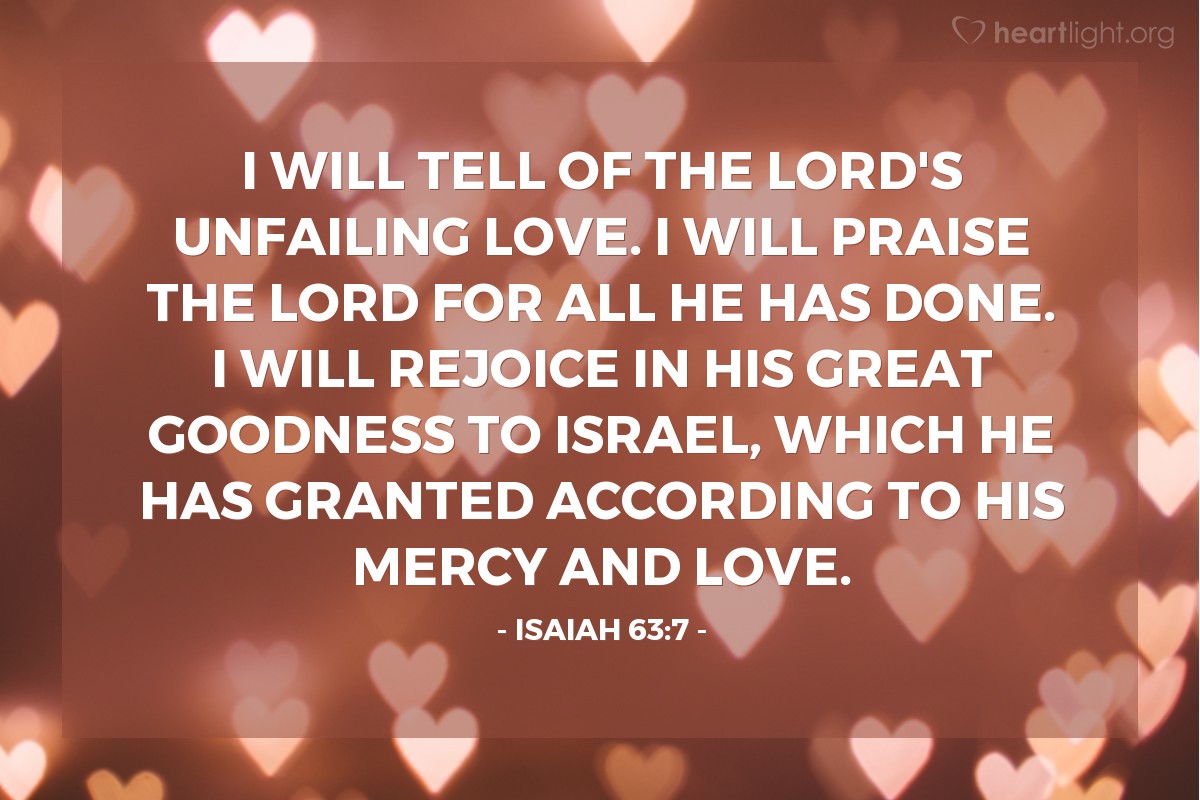
“I will tell of the kindness of the Lord, the deeds for which he is to be praised, according to all he has done for us” (Isaiah 63:7).

.


So let’s begin here! Please share in the comment section below about a kindness, miracle, or mercy of God from your memory. And together we can praise the name of the Lord who has worked wonders for us!


* Another post details some of those benefits, “Happiness.”


Art & photo credits:  http://www.flickr.com; http://www.nellis.af.mil; Nancy Ruegg (3); http://www.heartlight.org.


Read Full Post »

« Newer Posts - Older Posts »

When the House is Quiet

Impressions Becoming Expressions

Mitch Teemley

The Power of Story

Still Traveling

Impressions Becoming Expressions

Living Our Days

Gaining a heart of wisdom

He Said What?!

I'm Patty, and my husband and I are living with our adult son who has autism and epilepsy. I love sharing lessons learned from life around me, especially life with Aaron.

Meditations of my Heart

Impressions Becoming Expressions

Linda Stoll

Impressions Becoming Expressions

Signora Sheila

Where faith meets la dolce vita

Heidi Viars

Finding the Image of God