Feeds:
Posts
Comments

Archive for the ‘Salvation’ Category

She stands before the judge, tears filling her eyes, as one misdeed after another plays out on a Jumbotron for all to see.

He waves his arm toward the mammoth screen. “The evidence is clear,” he thunders. “You’ve committed numerous indiscretions. What do you have to say for yourself?”

Her response is barely audible. “I am guilty as charged, your Honor.”

“Highly disappointing,” he asserts.  “However, my Book of Life does indicate you accepted the gift of eternal life made possible by my Son, so you will be allowed to enter heaven, but of course, your place will be far to the rear.

“You can also expect far fewer blessings in my celestial kingdom, compared to those who have lived truly saintly lives. You understand, of course.”

She nods and bows her head in shameful misery.  

Such a scene is imaginary, of course, but reflects the fear and foreboding I used to feel toward the Judgment Day to come, when it’s my turn to face the Judge of all the earth.

After all, he is holy and I am a wretched sinner—even as a Jesus-follower. And though God has provided the way for me to escape hell when I die, he’ll have every right to reprimand me, even banish me to some far corner of heaven.

Perhaps you’ve been plagued by such thoughts as well. If so, have I got good news for YOU!

First, consider this passage from a praise-psalm of King David:
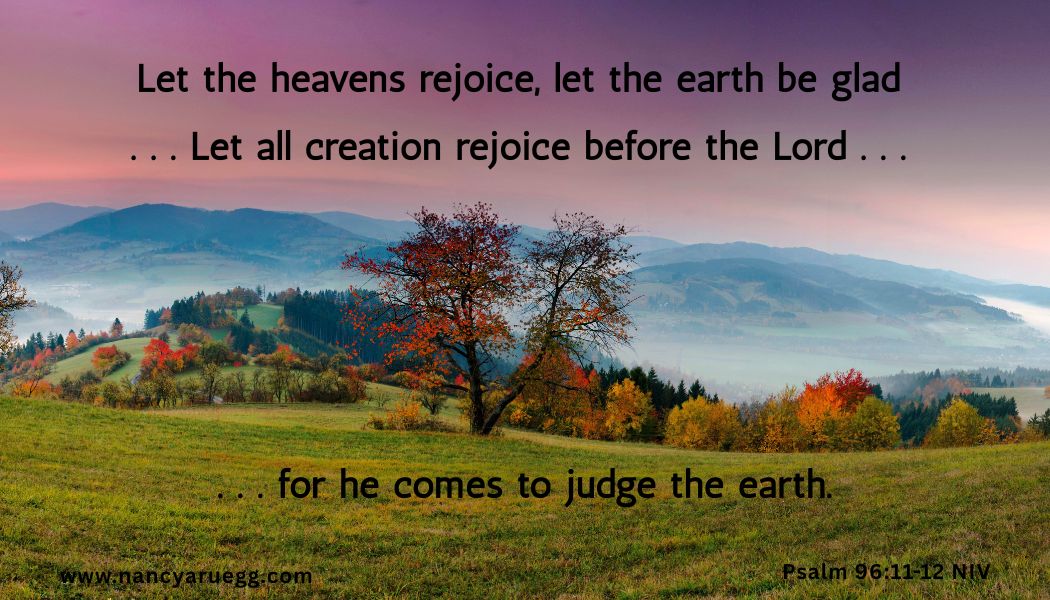
A rather surprising reason to rejoice, agreed?

David goes on to explain: “He will judge the world in righteousness and the peoples in his faithfulness” (v. 13).

Could God judge any other way? No. He is holy and perfect in all that he does and says.

That means all his righteous and faithful perfections will come into play as he fulfills this role: his compassion and grace, wisdom and discernment, goodness, patience, and more.

We can rest assured: on Judgment Day God will not divorce himself from these attributes and become a stern, vindictive, and unforgiving judge.

He is for us, not against us [1].

In addition we mustn’t forget that God is rich in mercy [2]–mercy “so great that you may sooner drain the sea of its water, or deprive the sun of its light, or make space too narrow, than diminish the great mercy of God”–Charles Spurgeon [3].

Another factor to keep in mind: the affirming promise the Apostle Paul included in his letter to the Romans. For clarity’s sake, here’s the Amplified Version:

“There is now no condemnation [no guilty verdict, no punishment] for those who are in Christ Jesus [who believe in Him as personal Lord and Savior]” [4].

Elsewhere Paul makes clear: the charge of our legal indebtedness has been cancelled.

I repeat, cancelled.

In fact, our sins are removed as far as the east is from the west [5].

So how might that opening scenario proceed differently for that Christ-following woman, standing before the Judge of all the earth?

He may open his Book of Life, find her name, and announce, “Ah! Here you are! Your debt has been fully paid by my Son.”

Then perhaps he’d lean forward on his forearms and smile warmly upon her. “Proceed through those doors to your right, my child, and enjoy forever my complete peace, joy, and blessing!”

 *     *     *     *     *     *     *     *     *     *

I praise you, O God, for your gift of salvation, not granted grudgingly because you feel sorry for us wretched creatures, but because you love us. That love is manifested by your kindness and compassion in spite of our sinful tendencies.

And now we can stand in a place of confidence and peace as we anticipate our homegoing to heaven—with no fear of retribution. Thank you, Lord God, our Father!

(Romans 5:8; Psalm 103:8-14; John 5:24)

P.S. Though all those who believe in Christ will receive all the benefits of eternal life in heaven, the rewards we receive for godly behavior will differ [6].

What might those rewards include and how do we earn them? Topics for another day!


[1] Romans 8:31b

[2] Ephesians 2:4-5

[3] Charles Spurgeon (1834-1892), British preacher and author

[4] Romans 8:1 AMP

[5] Psalm 103:12

[6] John 3:16; 1 Corinthians 2:9; 3:8

Image credits: http://www.itoldya420.getarchive.net; http://www.stockvault.net; http://www.canva.com (3); http://www.stockcake.com.

Processing…
Success! You're on the list.

Read Full Post »

In May of 2019 archaeologists in central England discovered an ancient shield made of bark, dating back to the Iron Age. It’s the oldest shield ever found.

Some might think such a shield would offer little protection during battle. But experiments have proven the bark of such trees as alder and willow would have served well, providing an effective but lightweight shield, easy to maneuver [1]

Fast forward to today. Modern technology has made Israel’s Iron Dome possible. The system shields the country with exceptional radar protection–detecting, tracking, and destroying incoming enemy rockets, high in the sky before they can do any harm [2].

One of Israel’s missile launchers in action

Both shields impress—one for its age and unusual material; the other for its advanced technology and precision.

Scripture speaks of another shield, much older than the one found in England yet still available today, and even more impressive than Israel’s Iron Dome:

The Lord himself.

As we consider that truth, a few questions present themselves:

  • Why would God inspire that metaphor?
  • What does God want me to understand about him being my shield?
  • How might new understanding impact my life?

In researching and pondering the answers to those questions, I discovered that:

God is our shield because of his attributes.

His power shields us from ultimate ruin.

His wisdom shields us from foolishness.

His compassion shields us from emotional and spiritual wounds too deep to heal.

His righteousness shields us from the evil one.

His mercy and grace shield us from the punishment we deserve for our wrongdoing [3].

The list could go on.

God is also our shield because of his actions.

His shield offers:

  • Protection against our arch-enemy Satan and all his cohorts
  • Salvation, saving us from the condemning power of sin
  • Help in times of trouble
  • Faithfulness we can rely on, because of his covenant of love
  • Truth—like the promises of God’s Word that can protect us against discouragement and confusion
  • Favor in the form of lovingkindness, mercy, and grace [4]

God’s shield can cover every aspect of our lives, but . . .

 . . . we must each take up our shield.

God is a gentleman; he doesn’t force his protection, help, or favor upon us. We must come to him and choose to take refuge in him [5].

How? Through prayer.

We invite him to watch over us and protect us.

We affirm the promises and encouragement from his Word.

We remind ourselves of who he is, our Almighty God of Refuge, Shelter and Strength, our Rock of Stability and Safety.

Will you pray with me right now?

*     *     *     *     *     *     *     *     *     * 

I praise you, O God, for being my strength and impenetrable shield. I can put my trust in you with unwavering confidence because of who you are [6].

I praise you for not only being a shield in front of me; you are a shield that surrounds me, guarding on all sides [7].

You are above, beneath, around, and within, protecting me from ultimate ruin, irreparable damage to my spirit, and foolishness. You shield me from the full brunt of trouble, the fiery darts of the enemy, and his lies [8].

I praise you for the overflowing peace in knowing you are guarding me as a shield!


[1] https://www.theguardian.com/science/2019/may/23/2300-year-old-iron-age-bark-shield-leicestershire

[2] https://www.bbc.com/news/world-middle-east-20385306#:~:text=Iron%20Dome%20detects%20and%20tracks,to%20fall%20on%20open%20ground.

[3] Proverbs 3:23-26; 28:26; Psalm 86:12-15; 2 Thessalonians 3:3; Ephesians 2:4-5

[4] Ephesians 6:16; Psalm 18:35 ESV; Deuteronomy 33:29; Psalm 91:4 and Deuteronomy 7:9; Psalm 91:4c; Proverbs 30:5; Psalm 5:12

[5] Matthew 11:28-30

[6] Psalm 28:7 AMP

[7] Psalm 3:3 GWT

[8] Psalm 91:4a; Isaiah 28:16; Psalm 3:3; Colossians 1:27; Ephesians 6:16

Image credits: http://www.commons.wikimedia.org (2); http://www.biblepics.co & http://www.canva.com; http://www.canva.com (2); http://www.heartlight.org (3).

Processing…
Success! You're on the list.

Read Full Post »

Another time, another meal

Easter afternoon we’ll join our son, daughter-in-law, and two granddaughters for dinner in their home—with six other guests.

E. and H. have planned a Georgian feast, based on traditional dishes from the Eastern European country of Georgia. (Did you know that 85% of that nation’s population are Christian? I certainly didn’t.)  

Each family or single person attending this celebration has been given a recipe, so we’ll be able to sample eight different dishes of this new cuisine. And because of the many delicious meals we’ve enjoyed with E. and H., we know:

Within the warm ambiance of their home and the congenial atmosphere as we converse and laugh together, each of our individual concerns will recede to the background. In their place, joy, contentedness, and peace (shalom) will settle upon our spirits.

By contrast, the Passover feast that Jesus celebrated with his disciples, the night before his crucifixion, held little joy or peace for him. In fact, the Apostle John wrote, “Jesus was troubled in spirit” [1].

He knew what would happen that night and into the next day: the pain of betrayal, scourging [2], a crown of thorns thrust on his head, mockery, the crucifixion, and separation from his Father.

The plan had already been set in motion, when Judas approached the chief priests and officers of the temple guard to discuss how—for a price—he might hand Jesus over to them when no crowd was present [3].

Under these stressful circumstances Jesus stated to his disciples, “Peace I leave with you; my peace I give you. I do not give to you as the world gives. Do not let your hearts be troubled and do not be afraid” [4].

The Amplified Version adds: “Let My perfect peace calm you in every circumstance and give you courage and strength for every challenge.”

But if Jesus was troubled in his own spirit, how could he promise his peace to the disciples? How could he tell them not to be troubled?

The answer lies in his confidence in his Father. Though fully aware of the suffering to come, Jesus displayed confidence in the purpose and power of his Father and moved forward unhesitatingly to meet the pending crisis [5].

Consider his demeanor over the next eighteen hours or so. Jesus conducted himself with calm quietude from the moment of his arrest to his last breath on the cross. God did indeed supply courage and strength for every torment.

This is the nature of the peace Christ gives to all of us who trust in him [6].

But how do we avail ourselves of this precious gift? (And for those of us who are familiar with these ways to peace, how well are we implementing them?)

Get to know God in his Word.

We considered one way in the post, “Celebrating God in the Psalms.” So many of his attributes and gracious actions are highlighted in these ancient songs.

Practice his presence.

Possibilities include expressing gratitude, speaking simple prayers throughout the day, and singing worship songs.

Be quick to praise God.

You’ll find your cares reduced and your anxieties lessened. The result: expanded peace.

Come Sunday, our son and daughter-in-law’s home will provide a splendid place of refuge and peace—for a few hours.

How glorious to contemplate that Christ’s refuge and peace is much more splendorous, much more impactful, and for all time!

* * * * * * * * * *

Thank you, Lord Jesus Christ, for enduring unimaginable suffering in order to restore our relationship with God and provide the gift of eternal life. Now you are our Lord of peace, ready to give us peace at all times and in every way. You ARE indeed worthy to receive honor and glory and praise!

1 Peter 3:18; 2 Thessalonians 3:16; Revelation 5:12


[1] John 13:21

[2] A flogging, inflicted with a whip of leather straps imbedded with pieces of metal and glass, meant to rip into the flesh. Such a brutal beating often led to death.

[3] Luke 22:1-6

[4] John 14:27

[5] Merrill Tenney, www.preceptaustin.org

[6] Colossians 3:15

Image credits: Nancy Ruegg; http://www.canva.com (3); http://www.pxhere.com; http://www.flickr.com.

Read Full Post »

Some of you may remember singing this song in Sunday School:

As a child, I knew God loved me. He proved it by sending his Son to take the punishment for my sins, provide the way for me to live in heaven one day, and know him in the present.  

But I also knew my little eyes, hands, and mouth were not as careful they should have been. Surely God was disappointed in me much of the time.

The truth that I could enjoy God never entered my mind. My false impression of his disapproval stood in the way for many years.

Somehow I’d missed the message of such scriptures as:

  • The joy you have in the LORD is your strength (Nehemiah 8:10 GWT).
  • Take delight in the Lord (Psalm 37:4a NIV).
  • I will go to the altar of God, . . . my joy and my delight (Psalm 43:4 NIV).

I read such passages as directives for prayer and worship rather than invitations to take pleasure in relationship with God.

Psalm 100 provides Exhibit A for enjoying him by praising him. “Shout for joy,” the psalmist begins. “Worship the Lord with gladness; come before him with joyful songs” (vs. 1-2, emphasis added).

Then he gives one example why: God has made us his own—in spite of our frailty—and cares for us like a compassionate, attentive shepherd (v. 3).

Parable of the Lost Sheep (Luke 15:3-7)

That’s certainly cause for thanksgiving and praise (v. 4), which in turn fosters our delight in God. Then the psalmist concludes with three more reasons to enjoy him: he is good, loving, and faithful (v. 5).

This psalm hints at another important truth. Dare I use a sport analogy?

My first attempts at playing tennis sent balls whizzing every which way. However, various drills and hitting the ball thousands of times against a wall built up my skills until I could actually play the game.

That’s when I began to enjoy the sport. The better I knew how to play tennis, the more pleasure I took in the game.

‘See the parallel in the spiritual realm? The more we know God, the more we’ll enjoy him.

But that’s not all.

The more we delight in God, the easier it becomes to obey him and live by his ways.

And as we see those ways contributing satisfaction, contentment, and purpose to our lives, we enjoy him all the more.

So how do we foster our pleasure in God? Here are three ways to get us started:

LEARN ALL YOU CAN ABOUT GOD—his character and his ways.

In January we explored the exercise of slowly reading through the psalms and writing down every mention of God’s character and deeds. As the list grows so does our delight in his multi-faceted splendor [1].

LEARN ALL YOU CAN ABOUT JESUS—his life, sacrificial death, provision of eternal life for us and all its implications.

For example, while reading the gospels, note his responses to people, his choices, and his behavior. What character traits can you identify?

While reading the letters written by the Apostles Paul, Peter, and others, consider all that Christ’s sacrifice has purchased for us.

The more we learn about Jesus, the more our love for him grows. The more our love grows, the more we find our hearts filled with joy in him.

REVEL IN GOD’S BEAUTY—his magnificence, the glory of his creation, and the beautiful blessings he bestows.

“His love notes are stashed everywhere,” says Sara Hagerty [2].

And as we discover them, we’ll find ourselves smiling and even laughing in pleasure with God, in the awesome works he performs [3].

Oh—and one more thing to celebrate. There will always be more to enjoy, and we can always acquire more ability to enjoy our God because . . .

quote from Morning by Morning, 268.

How do you enjoy God? Please share in the comment section below!


[1] https://nancyaruegg.com/2025/01/16/celebrating-god-through-the-psalms/

[2] Unseen, 206.

[3] https://nancyaruegg.com/2019/06/06/love-notes/

Image credits: http://www.youtube.com; http://www.dailyverses.net; http://www.freebibleimages.org; Nancy Ruegg; http://www.canva.com; http://www.pixahive.com (Vijay Richhiya).

Processing…
Success! You're on the list.

Read Full Post »

I praise you, Lord Jesus, for surrendering all the glorious perfections of heaven, to live among us with all our un-glorious imperfections [1].

Also astounding is your arrival as an infant, born to peasants, in a stable-cave. How ignoble for the King of kings, the Alpha and Omega who always was and always will be.

As Mary and Joseph tried to rest on scratchy straw, did they wonder, “How could this be part of your plan, Lord Jehovah? How could the Messiah fulfill his grand destiny from such lowly beginnings?”

Little did the couple know:

  • their helpless baby who could not stand “would one day walk on water” [2]
  • his little hands that could not grasp would one day break five rolls and two fish into pieces and feed five thousand people
  • their Child who could not speak would one day make the hearts of men burn within them as he spoke words of supernatural wisdom and insight
  • his flailing arms would one day spread wide on a cross, to save his people from their sins [3]

The depth of your humility and the magnitude of your sacrifice, Lord Jesus, overwhelm me.

I praise you for all the ways you demonstrated God’s character to us during your earthly ministry—his love, compassion, goodness, and more.

I praise you, Lord Jesus, for your power on display in the miracles you performed and those you continue to perform to this day, confirming who you are—not just a wise teacher or mystic but the Son of God.

I praise you for the glimpses of heaven we experience from time to time of what it will be like when all creation is “brought into the freedom and glory of the children of God,”–because of what you accomplished [4].

Such glimpses include:

  • The exquisite beauty of nature, causing us to gasp in wonder
  • The profound heart-to-heart connections we experience with other believers
  • The songs that move our spirits and cause tears of blissful joy
  • The sense of your presence—your encompassing and perfect shalom [5]

–C. S. Lewis (The Problem of Pain, 150-151)

I praise you, Lord God, that before time began, you’d already established the plan for your Son’s birth, ministry, death, and resurrection [6].

I praise you, Lord Jesus, for withstanding horrific suffering in our place, paying the penalty for our sins [7].

I praise you Heavenly Father, for your power over death, proven by the resurrection of your Son. He received a grand welcome back to heaven and now sits on his throne, receiving the honor, glory, and power he deserves [8].

I praise you for the promise—repeated many times through scripture—that upon our physical deaths, those of us who believe in Christ will live forever with you, surrounded by the wonders of heaven [9].

I praise you, Lord Jesus, we’ll even sit with you on your throne [10]!

Such an honor seems downright absurd, and yet there it is—promised and guaranteed in your infallible Word—promises we can trust, a guarantee we can believe in.

I pray that many will see:

And may many embrace you, O Christ, as their Prince of Peace and King of kings, to experience your shalom and joy. May they accept your gift of gifts: eternal life!


[1] Philippians 2:5-7

[2] From Mark Lowry’s carol, “Mary Did You Know”; see also Matthew 14:22-33 for one example

[3] Matthew 14:13-33; Luke 24:13-24; Luke 23:33; Matthew 1:21

[4] Romans 8:21

[5] Shalom includes not only peace, but complete well-being and wholeness

[6] Titus 1:2

[7] Romans 5:8

[8] Revelation 3:21

[9] John 3:16

[10] Revelation 3:21

[11] From a sermon, “The Great Birthday of Our Coming Age,” December 21, 1884.

Photo credits: http://www.freebibleimages.com; http://www.canva.com; http://www.heartlight.org; http://www.dailyverses.net; canva.com.

Processing…
Success! You're on the list.

Read Full Post »

What if you opened your mailbox one day to see a thick, cream-colored envelope among the ads and bills. Your name and address have been hand-calligraphed in gold ink, and an intricate seal is embossed upon the flap.

Inside you find an elegant invitation, announcing a grand celebration at the palace of a highly-respected and beloved king.

“Come!” proclaims his request. “Come and enjoy an unlimited feast with me; come drink the finest wine. There is no cost to you.”

Would you attend? Surely you’d quickly return your R.S.V.P. with “YES” clearly marked!

Such a scenario is fiction, of course, except for one fact: God Almighty, the King of the universe, is a monarch to be highly-respected and beloved–above all others.

And he has issued an invitation to everyone–not just to a single banquet–but to a continual feast in his divine, spiritual kingdom. He bids us to come and enjoy a new, God-enhanced life.

Come, everyone who is thirsty, come to the waters;

and you without money, come, buy, and eat!

Come, buy wine and milk without money and without cost!

–Isaiah 55:1 HCSB

This invitation, proclaimed by the prophet Isaiah on behalf of our King, does include some puzzling statements. For example, why would he invite us “to the waters?” And what will we find there?

Just as water brings life and abundance in the realm of plants and trees, Christ’s living water provides soul-satisfying life and joyful abundance for us—the abundance of innumerable blessings [1].

And what about the wine that God says we can “buy without money?” Does it represent more than a celebratory drink? Oh yes! Wine is a metaphor here for spiritual joy, “a joy unspeakable and full of glory”[2] as we taste the goodness of God’s love.

And what about milk?

God would have us understand: his invitation to kingdom-living includes those entities that sustain our spirits, including encouragement, strength, instruction, and help. We find all that and more in the nourishment of His Word, the Bible [3].

Puritan author and preacher, Thomas Brooks (1608-1680) wrote:

The Word of the Lord is a light to guide you, a counselor to counsel you, a comforter to comfort you, a staff to support you, a sword to defend you, and a physician to cure you. The Word is a mine to enrich you, a robe to clothe you, and a crown to crown you.–Thomas Brooks

Countless Jesus-followers who read the Bible, study it, and meditate on its truths can affirm that Brooks is right; they’ve experienced time and again the life-changing power of God’s Word. That includes many of you reading this post.

In addition to his perpetual-banquet invitation, God includes these instructions:

Listen carefully to Me, and eat what is good.

Let your soul delight in abundance.

Incline your ear [to listen] and come to Me;

hear, so that your soul may live.

–Isaiah 55:2b-3a AMP

To listen carefully includes the action of follow-through. And what would God have us do? “Eat what is good”—that is, experience the fullness of his goodness as we follow his ways, and take delight in the abundance of his blessings.  

Then our souls can really live in the security and satisfaction he desires for us, in every moment of the present–and into eternity. And in the final analysis, isn’t that what we desire also?

All we need do is come.

*     *     *     *     *     *     *     *     *     *

I praise you, my King, for your open invitation to come and feast upon all the good things you offer. You prepare a table before me of forgiveness, salvation, peace, joy, strength, comfort, contentment, purpose, and more.

No amount of money on earth could purchase such priceless, heavenly gifts that you so freely give to those who simply COME. I will praise your name for ever and ever!

(Luke 13:29; Psalm 107:9; Psalm 23:5; Ephesians 3:20; Psalm 145:1b)

Have you accepted God’s invitation? If not, will you do so today [4]?

If you have, what goodness and delights have you tasted at his table? Please share in the Comments section below!


[1] David Gusik, https://enduringword.com/bible-commentary/isaiah-55/. See a starter-list of twenty-six examples: God’s Goodness from A to Z.

[2] Selwyn Hughes, Seasons of the Lord, 42.

[3] 1 Peter 2:2.

[4] See https://billygraham.org/answer/how-do-you-become-a-real-christian/ for a simple explanation and a prayer to guide you. Do it today—you’ll be so glad you did!

Photo credits: http://www.rawpixel.com; http://www.picryl.com; http://www.heartlight.org; http://www.canva.com.

Read Full Post »

‘Tis Poetry Month once again, a time to celebrate this art form that can stretch, inspire, and amaze us in ways unique from prose. Award-winning poet Pattiann Rogers identified at least one element of that uniqueness: the music of poetic language.

But is the composing of such music reserved only for experts? That question brings to mind another quote:

Such encouragement for us amateur-poets to give it a try and be stretched, inspired, and amazed when we create our own music of poetic language—unsophisticated as it may be.

This year I’ve experimented with three forms: Shadorma, diamante, and quadrille.

The Shadorma is of Spanish origin. It contains six lines, each with a specific syllable count that follows this pattern: 3/5/3/3/7/5.

Early morning on our deck offered inspiration for this Shadorma:

Dawn Rising

Sunbeams climb

Dusky shadows fade

Breezes kiss

Robins trill

Nasturtiums spangle with dew

Morning masterpiece

The diamante (diamond) form derives its name from its shape. It was created by American poet Iris McClellan Tiedt in 1969.

The pattern for diamante is more complex than Shadorma. The first half of the poem relates to the one word of the first line; the second half to the one word of the last line. These two lines often present opposites. The middle line provides a bridge between the two. 

Each of the seven lines requires a certain number of words of a certain part of speech:

  • Line 1: 1 word (subject/noun)
  • Line 2: 2 adjectives that describe line 1
  • Line 3: 3 -ing words that relate to line 1
  • Line 4: 4 nouns (first 2 relate to line 1, last 2 relate to line 7–if you’re writing about opposite topics)
  • Line 5: 3 -ing words that relate to line 7
  • Line 6: 2 adjectives that describe line 7
  • Line 7: 1 word (subject/noun)

This diamante began to take shape as I considered the transformation Christ can make in a person’s life. A list of R-words began to grow—repentance, redeemed, restored, so I pursued the pattern.

A Transformed Life

Ruin

Repugnant, reprehensible

Rebelling, ravaging, retaliating

Rashness, recalcitrance, remorse, repentance

Returning, Releasing, Receiving

Redeemed, restored

Renewal

The Quadrille form first appeared at www.dversepoets.com in 2016. The only requirement is to include 44 words (excluding the title). They believe that “limitation can happily breed extreme creativity.” Each Monday they provide a word-prompt, and participants must use that word in their poems.*

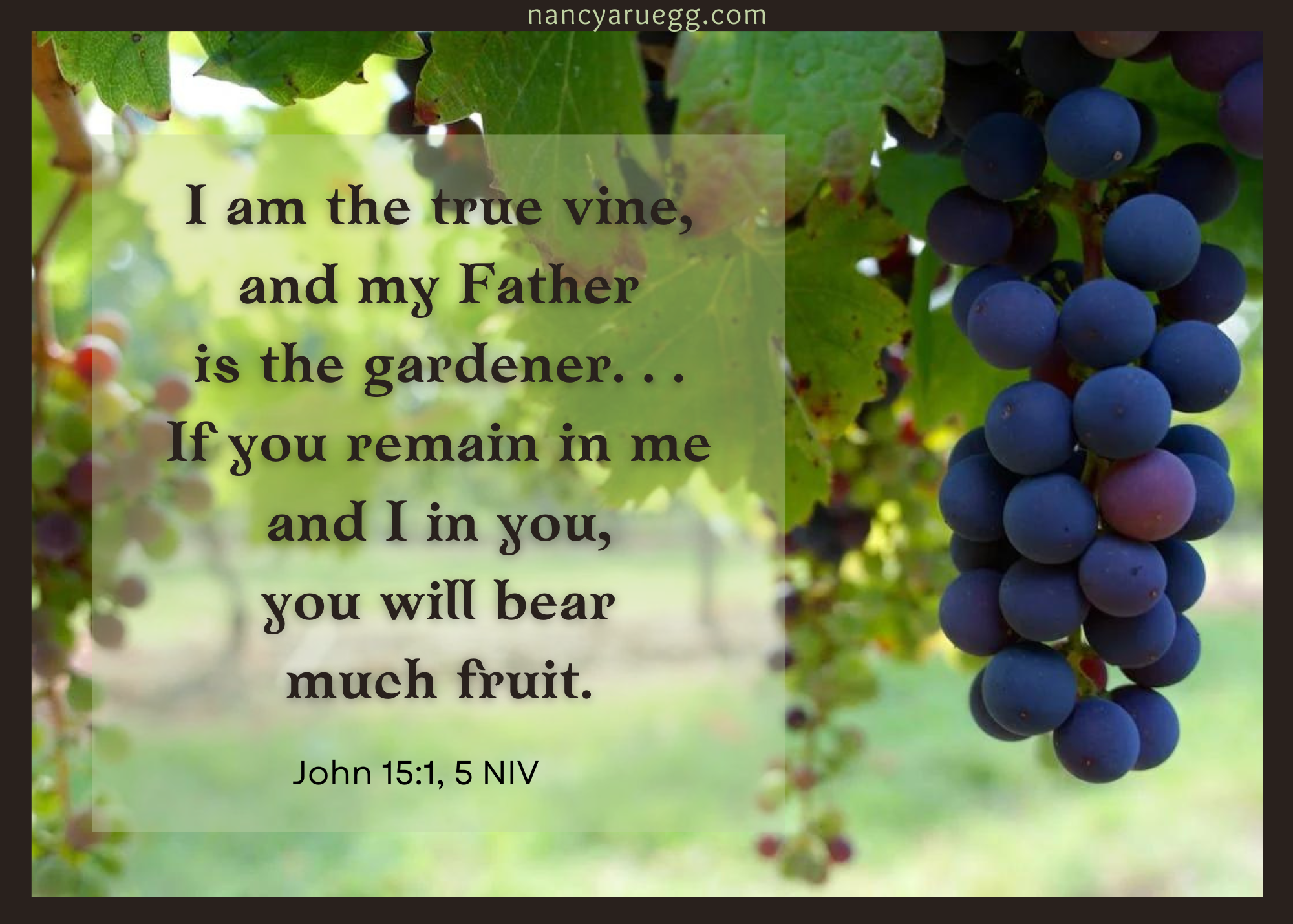
I chose my own word from John 15:1, 5—vine. And while I played with possibilities, my poem began to fit a pattern. Every line contains seven words except the last, which contains nine.

First, the scripture, as a point of reference:

And now, the poem.

Bonded to the Vine

Praise to the Gardener of our souls!

Once we’re grafted to his Vine, he

Prunes away withered branches of worthless folly,

Waters us with his life-giving, spirit-strengthening Word,

And produces pleasing fruit with boundless sufficiency.

Such beauty results when we’re bonded to the Vine!

Remember the quote of Christopher Fry at the beginning of this post–“Poetry is the language in which man explores his own amazement?”

I wonder if he knew that the pleasure in exploring our amazement—whether as poets or not—is greatly enhanced when we include the Genius behind all things amazing.


* https://dversepoets.com/2017/09/11/quadrille-40/

Photo credits: http://www.canva.com; http://www.pxhere.com; http://www.pickpik.com; http://www.pexels.com (3); http://www.commons.wikimedia.org.

Read Full Post »

Three weeks ago we embarked upon a reflection of one of the most important songs in the history of the Christian faith: “O Come, O Come, Emmanuel.”

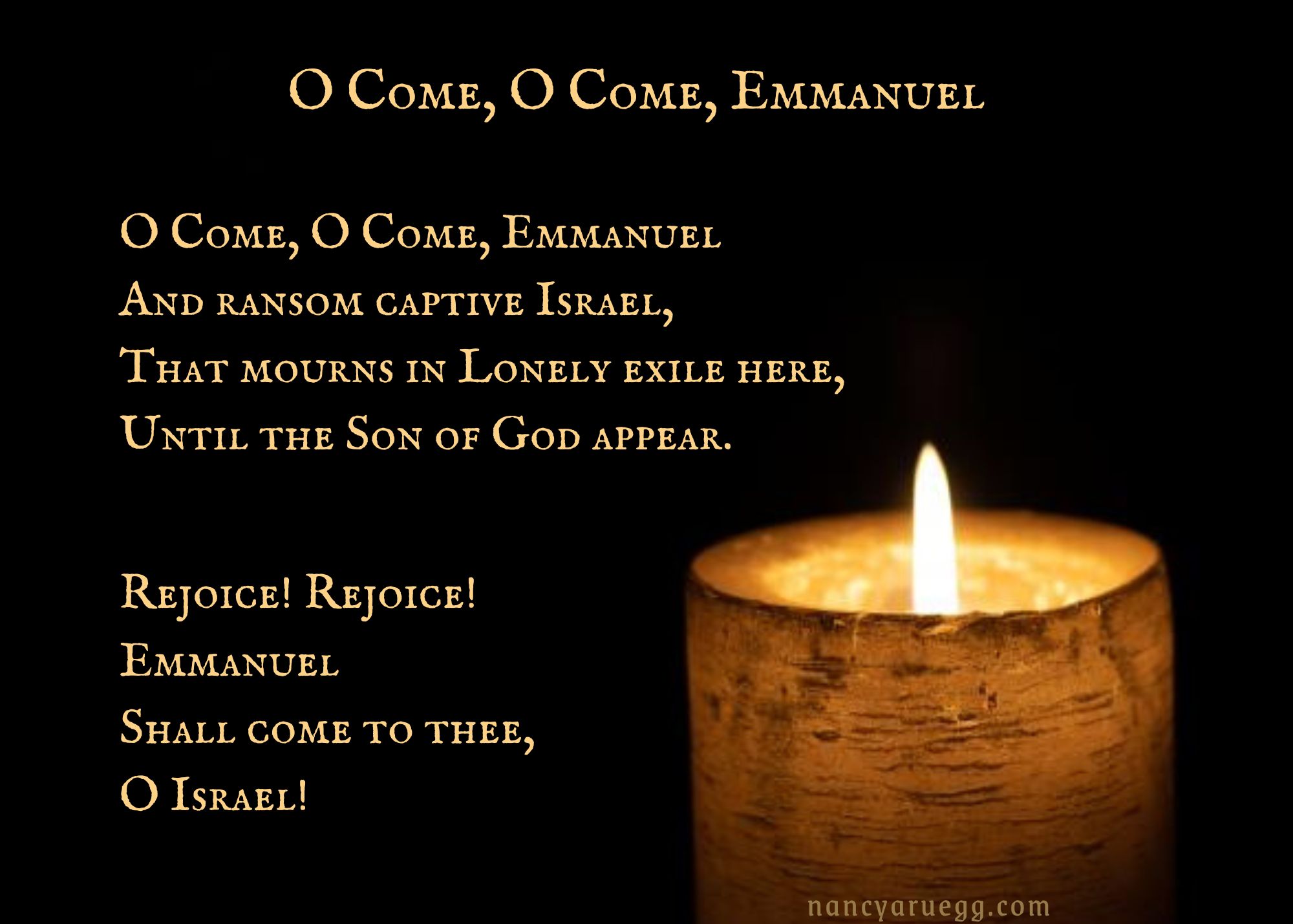
The lyrics beautifully weave together the Old and New Testaments, telling the story of our Messiah, “the chosen One”—who would come to deliver his people from the consequences of their sins and establish his kingdom forever [1].

Each verse helps us place our eyes on Jesus’ return by remembering his first coming and then expressing hope and yearning for his second coming [2].

As noted before, the unknown lyricist (from the eighth or ninth century) carefully based each stanza on scripture. You’ll find references for further reflection listed at the end of this post.

One fact not mentioned thus far: the poet constructed the Latin lyrics in the form of a seven-sentence acrostic. When the first letter of the second word of each sentence (the names of Jesus) are put together, they spell SARCORE.

Read that word backwards, and the letters form two words of sublime hope: Ero cras, which means, “I will be present tomorrow.”

Whatever the future may hold, our Emmanuel will see us through. What a faith-stirring surprise the lyricist created for us [3]!

Now let’s turn our attention to the last two verses [4].

VERSE SIX

I praise you, Lord Jesus, that just as the morning star shines brightly against the darkness of night, you are the glorious Light of the world, shining brightly against the darkness of evil [5].

Just as the morning star glows steadily without a flicker, you shine in our lives with unwavering faithfulness and love [6].

Just as the morning star is a promise of coming day, your light provides hope and assurance that you will come again, to usher in The Day of the Lord, when a new heaven and a new earth will be established and righteousness will dwell [7].

Finally, just as the morning star can guide those at sea, your light guides our way through life. “In your light we see light”—the light of wisdom and discernment [8].

Such truths do bring us comfort, dispelling shadowy thoughts and flooding our spirits with the light of your perfection.

I praise you, Lord Jesus, for turning the darkness of sin, anxiety, discouragement, and more, into the light of your forgiveness, peace, hope, and joy [9]!

VERSE SEVEN  

I praise you, Lord Jesus, our King! How comforting to know that Someone all-wise and supremely gracious is the Ruler of all nations, all things [10].

Yet you are also a respecter of persons. You’ve bestowed upon us the gift of choice, the ability to determine our own way. And what have we accomplished? Our world is tainted by selfishness, pride, and contention [11].

How we need you, Lord Jesus! You are our only hope for our selfishness to be transformed into selflessness, pride into humility, and contention into unity.

So we boldly pray that every person on earth would come to faith in you [12].

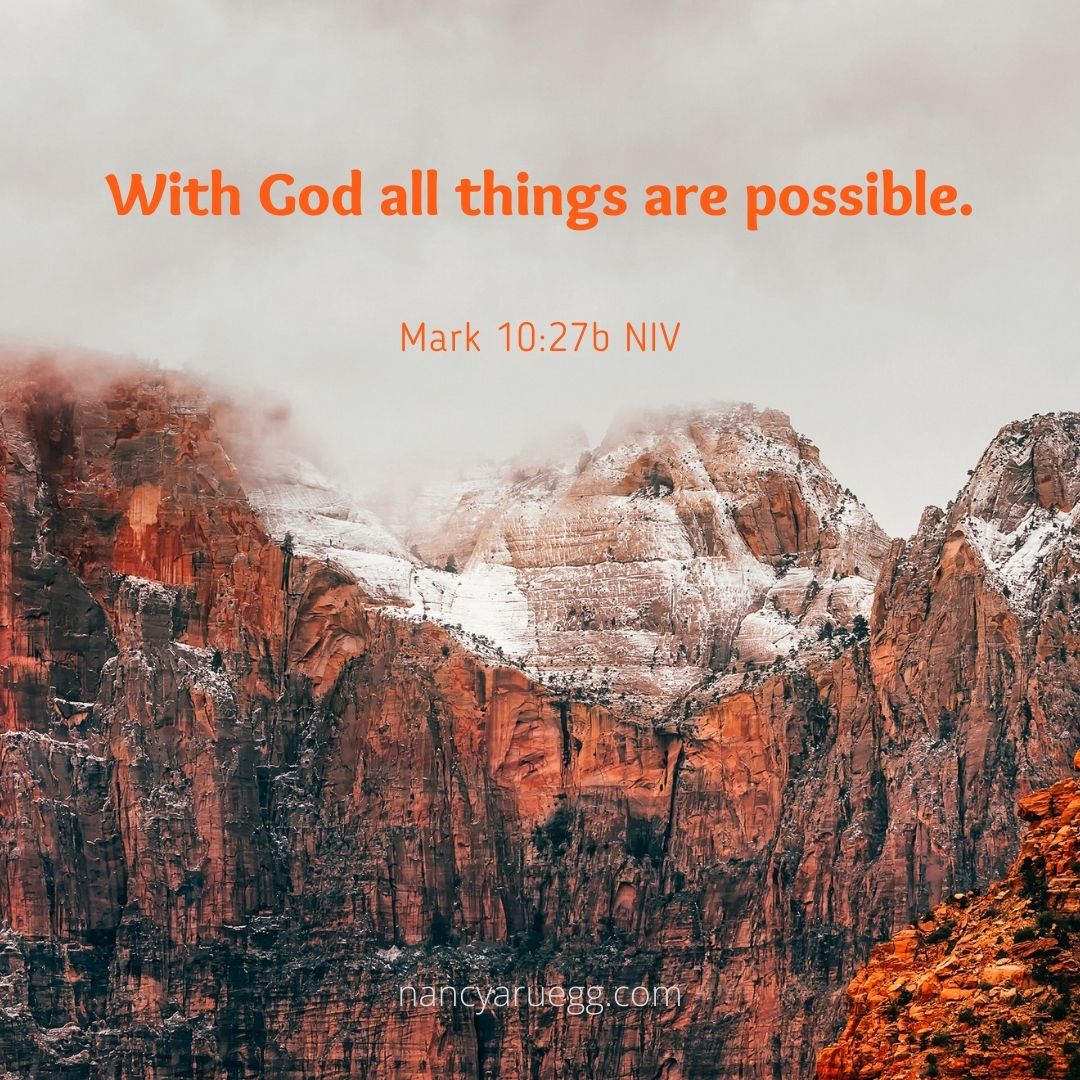
Is that an unattainable dream? No, because you also are unwilling that anyone should perish. And all things are possible with you, our sovereign God and Savior [13].

After all, you:

  • Created all things everywhere
  • Maintain order in the entire universe
  • Control the course of human history
  • Depose kings and raise up others
  • Exist in all places at the same time [14]

I praise you, Lord Jesus, that nothing can prevent you from accomplishing your purpose [15].

And I praise you, Lord Jesus, that you’ve given us the wherewithal to experience harmony with one another, as we demonstrate love and compassion with humility [16].

May we be examples to the world, whetting their appetite for what we experience: the joy of living in the presence of the King of Peace [17]!


[1] Ace Collins, Stories Behind the Best-Loved Songs of Christmas,127; Isaiah 59:20; John 1:40-49; Romans 6:23; Revelation 11:15.

[2] https://www.danielim.com/2017/12/19/the-hidden-theology-and-history-of-o-come-o-come-emmanuel/

[3] https://www.ligonier.org/learn/articles/o-come-o-come-emmanuel

[4] From www.hymnary.org. (Lyrics vary depending on source.)

[5] Revelation 22:16

[6] Psalm 100:5; John 8:12

[7] 2 Peter 3:12-13

[8] Psalm 36:9b; Ecclesiastes 2:13-14

[9] Psalm 18:28

[10] Revelation 19:16

[11] Proverbs 5:23

[12] 1 Timothy 2:1-4

[13] 2 Peter 3:9; Mark 10:27b

[14] Colossians 1:16-17; Daniel 2:21; Jeremiah 23:23-24 GNT

[15] Psalm 115:3

[16] 1 Peter 3:8

[17] Psalm 16:11

Photo credits: http://www.flickr.com; http://www.heartlight.org; http://www.stockvault.net; http://www.rawpixel.com; http://www.stockvault.net; http://www.canva.com; http://www.pickpik.com.

Read Full Post »

Two weeks ago we embarked upon a reflection of one of the most important songs in the history of the Christian faith: “O Come, O Come, Emmanuel.”

The lyrics beautifully weave together the Old and New Testaments, telling the story of our Messiah, “the chosen One”—who would come to deliver his people from the consequences of their sins and establish his kingdom forever [1].

As noted before, the unknown lyricist carefully based each stanza on scripture. You’ll find references for further reflection listed at the end of this post.

Today we turn our attention to verses four and five [2]:

VERSE 4

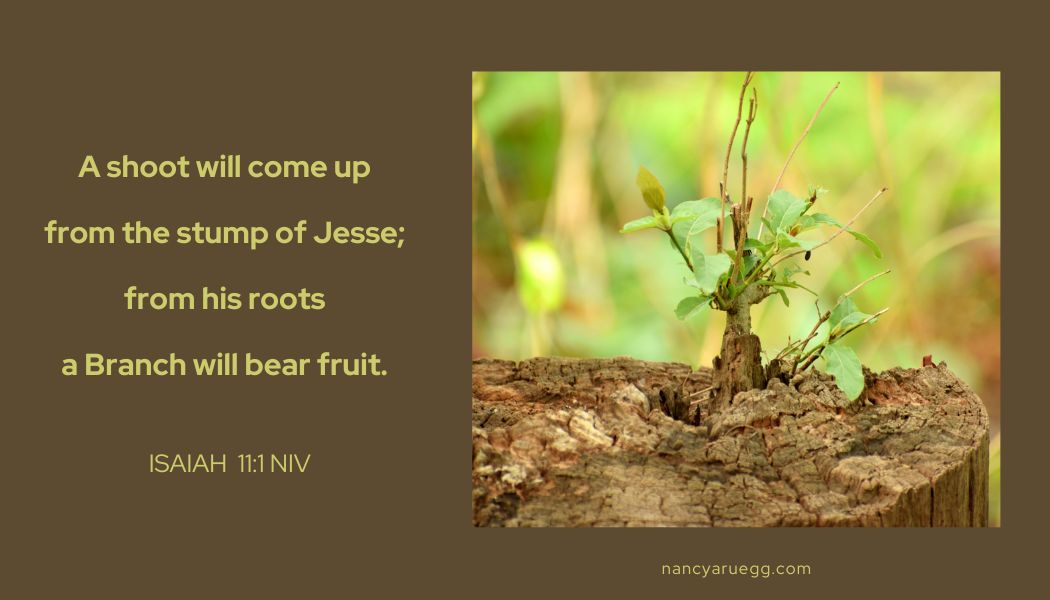
I praise you, Lord Jesus, for fulfilling all the Messianic prophecies in the Old Testament—at least 300 of them (!), proclaimed long before your birth. The one referenced here offers such glorious hope, as I’m reminded that:

Jesse was the father of King David, and the prophet Jeremiah foretold you’d be a descendant of this king, a man loyal to the Lord. But as the centuries passed, the nation of Judah turned their backs on God. Again and again he urged them to return to him [3].

Isaiah (another prophet) painted a word picture of the events that would occur. He compared the kingdom of Judah and the throne of David’s descendants to a tree that would be cut down. All that would remain would be a stump–a remnant of the people [4].

Eleven years later, events unfolded just as Isaiah and four others prophets had foretold. Jehoiachin, the last legitimate king of Judah, was removed from his throne by the Babylonian king, Nebuchadnezzar.

Thousands of Judeans were taken captive so they’d see the error of their ways, seek forgiveness, and follow God once again [5].

But I praise you, Lord Jesus, that Isaiah’s word picture didn’t end there. He proclaimed that out of that hopeless, rotting stump would come a strong sapling.

Six centuries later, you came to earth, the only Righteous One of God, fulfilling that prophecy [6].

Not only were you from the lineage of David on your earthly father Joseph’s side, but also on your mother Mary’s side. This fulfilled the prophecies proclaiming you are the descendant of David that the Jewish people longed for: their Messiah [7].

I praise you, Lord Jesus, for coming to save your people–Jews and Gentiles alike. Because of your great mercy, you rescued me from the specter of hell, taking the punishment I deserved.

And now, the grave has no power over anyone who acknowledges you as their Rescuer [8]!

VERSE 5  

I praise you, Lord Jesus, for possessing the Key of David. That’s significant because a key indicates authority over a domain.  

King David was given authority to rule over all Israel; you rule over all mankind. In fact, God has seated you at his right hand in the heavenly realms, far above all rule and authority, all power and dominion [9].

Out of your magnificence and perfection, you’ve prepared heaven for your people—a place of utter tranquility, blissful and continual joy, eternal and lavish love—beyond what we can imagine.

I praise you, Lord Jesus! You’ve opened wide the gates of heaven; you hold open the door of opportunity for all to enter [10].

As you’ve promised, one day you’ll return and take your children home along “the heavenward road.” Then you will shut the door upon death once and for all [11].

REFRAIN

In all of this and more I REJOICE! You are my Rescuer, saving me from the greatest enemy of all: death.

I praise You, Lord Jesus, for graciously providing the way heavenward. I REJOICE in you, my Savior, my Lord, my King!


[1] Ace Collins, Stories Behind the Best-Loved Songs of Christmas,127; Isaiah 59:20; John 1:40-49; Romans 6:23; Revelation 11:15.

[2] From www.hymnary.org. (Lyrics vary depending on the source.)

[3] Jeremiah 23:5; 1 Samuel 13:14; Isaiah 3:8-9; 55:7

[4] Isaiah 11:1, 10

[5] 2 Kings 24:8-17; 25:21; Isaiah 55:7; Joel 2:12-13

[6] Acts 22:14; 3:18

[7] Matthew 1; Luke 3; Jeremiah 23:5-6

[8] Psalm 86:13 GW; 56:13; Ephesians 1:17; Romans 8:11

[9] Revelation 3:17; Matthew 28:18; Ephesians 1:20—22

[10] Isaiah 22:22; Revelation 3:7

[11] John 14:1-3; Hebrews 2:14; Revelation 21:4

Art and photo credits: http://www.pixexid.com; http://www.stockvault.net; http://www.pexels.com; http://www.pixahive.com; http://www.stockvault.net; http://www.pixexid.com; http://www.stockvault.net.

Read Full Post »

Earlier this week I greeted a store clerk with “Merry Christmas” and in return received a beaming smile.

“You’re the first person to say that to me this year!” she enthused. “Merry Christmas to you too!”

Technically, this woman and I were rushing the season by several weeks. According to the centuries-old church calendar, the Christmas celebration only extends from December 25 to January 6.

In these three to four weeks (depending on the year) leading up to Christmas, we ought to be offering one another a different greeting: “Happy Advent.”

And what exactly is Advent? The word comes to us from Latin, adventus, which means coming. It’s a season not just of waiting for Christmas, but also a time to anticipate the second coming of Christ.

For that reason, many churches will sing the ancient Advent hymn, “O Come, O Come, Emmanuel,” perhaps this Sunday. Dating from the eighth century, it’s probably the oldest song of the season that we still sing today.

It’s also considered one of the most important songs in the history of the Christian faith [1]. The lyrics beautifully weave together the Old and New Testaments, telling the story of our Messiah, “the chosen one,” who would come to deliver his people from the consequences of their sins and establish his kingdom forever [2].

Each verse of “O Come, O Come, Emmanuel” directs our spiritual eyes toward Christ’s return by remembering his first coming, then hoping, anticipating, and yearning for his second coming [3], expressed in the soulful tune of the verses.

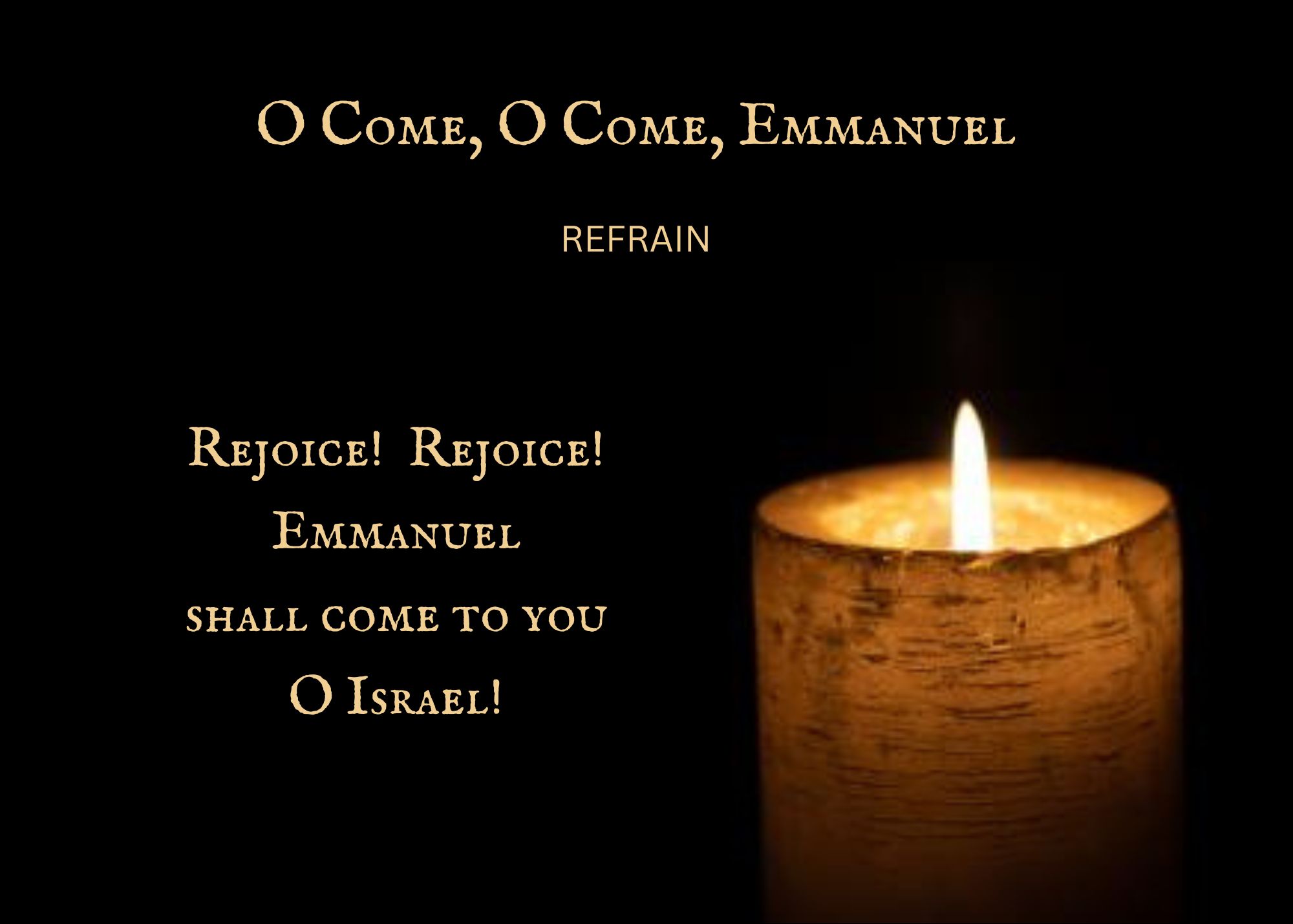
In contrast, the assertive “Rejoice! Rejoice!” of the refrain conveys the joy of assurance: Our Emmanuel has come, he is with us now in spirit, and he will come again “in the same resurrected, glorified body in which He ascended to heaven” [4].

The unknown lyricist carefully based each stanza on scripture. You’ll find a number of references listed at the end of this post for further reflection.

Please join me over the next few weeks as we delve into the meaning of this grand hymn.

Today we’ll consider verse one and the refrain that put us in the first century with those who ached for the Messiah to come. And yet the lyrics also speak to us today as we long for him to return.

I praise you, Lord Jesus, for being my Emmanuel (“God with us”) [5].

You are with me when:

  • Frustrations build
  • Fear begins to rise
  • Circumstances overwhelm
  • Disappointments deflate my spirit
  • My heart aches

You are with me to:

  • Help in every situation
  • Supply guidance, strength, comfort, provision, and more
  • Fill my heart with your fullness of joy as I focus on who you are and what you’ve done
  • Grant me peace of mind as I trust in you
  • Give me hope based on your fail-proof promises

I praise you, Lord Jesus, for these facets (and many more) of the abundant life you offer, when I avail myself of your enduring influence.

Even so, like the captive Jews in Babylon centuries ago, many mourn in exile here [6]. This world is a painful place as self-centeredness, greed, injustice, rage, war, lust and more create havoc. We long for your kingdom of righteousness, justice, peace, love, joy, and prosperity.

Yet I still praise you, Lord Jesus! When the time was right, you came to pay the ransom for our souls and release us all—Jew and Gentile alike–from the bondage of sin and Satan [7].

Then you invite us to dwell in your spiritual kingdom with you. And those of us who accept your invitation will one day dwell in your wondrous heaven.

Even now as we grieve the suffering caused by sin and imperfection, we rejoice that when the time is right, you will return to earth, Lord Jesus, to end all suffering and receive us into your flawless and glorious kingdom.

Thank you, dear Christ, for making it possible.   


[1] Ace Collins, Stories Behind the Best-Loved Songs of Christmas, 127.

[2] Isaiah 59:20; John 1:40-49; Romans 6:23; Revelation 11:15

[3] https://www.danielim.com/2017/12/19/the-hidden-theology-and-history-of-o-come-o-come-emmanuel/  

[4]  https://carm.org/about-jesus/will-the-second-coming-of-jesus-be-a-literal-bodily-return/

[5] Isaiah 7:14; Matthew 1:23

[6] Psalm 137:1-4; Psalm 119:136-138

[7] Luke 4:18; Romans 2:11-21

Photo credits: http://www.picryl.com; http://www.pixexid.com; http://www.canva.com; http://www.stockvault.net (Mirko Fabian); http://www.dailyverses.net; http://www.publicdomainpictures.net (George Hodan).

Read Full Post »

Older Posts »

Still Traveling

Impressions Becoming Expressions

Living Our Days

Gaining a heart of wisdom

He Said What?!

I'm Patty, and my husband and I are living with our adult son who has autism and epilepsy. I love sharing lessons learned from life around me, especially life with Aaron.

Meditations of my Heart

Impressions Becoming Expressions

Linda Stoll

Impressions Becoming Expressions

Debby Thompson

Impressions Becoming Expressions

Signora Sheila

Notes on Life, Faith & Italy

Colleen Scheid

Writing, Acting, Living in God's Love

Mitch Teemley

The Power of Story

Heidi Viars

Finding the Image of God