Feeds:
Posts
Comments

The Beauty of Becoming


Our older son and his family enjoy a large magnolia tree in their backyard. Every spring it explodes into a breath-taking mass of pink and white blossoms, each one at least six inches across.

Unfortunately the dazzling display doesn’t last long. The petals soon fall to the ground, and thick, dark leaves begin to take their place. But when summertime heat arrives the family is grateful for the cool shade of that dense foliage.
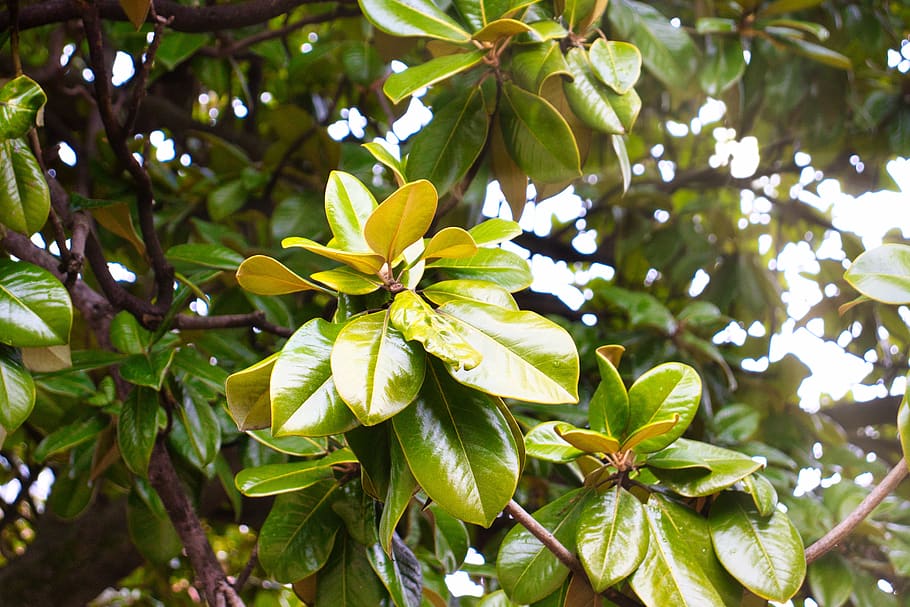


In autumn, as the leaves take their turn to fall, the flower buds for the next spring become more visible. Compared to those on other flowering trees or plants, these are already about two inches tall—even in October. To form them, magnolias take full advantage of the sun’s energy during the summer months (1).


All winter long, those buds proclaim silent promise of the divine flowers to come. And then in March or April, as the days have lengthened and warmed, the furry buds begin to split open, offering a glimpse of their tightly-spiraled petals—a precursor of the stunning transformation just days away.



Were we to celebrate the magnolia tree for those few days she’s dressed in her chiffon-pink finery, we’d miss out on the joy of her shady embrace in summer and those hope-filled buds through fall and winter.

There is beauty in the becoming—whether it’s magnolia trees or people.


If those magnificent buds were capable of emotion, they would no doubt look forward to the glorious reveal in spring. Thankfully, we humans can anticipate our desires being fulfilled. And as God’s children, one of those desires is spiritual maturity–the day when we’ll be wise and self-sacrificing, calm and patient, peaceful and contented–to name a few traits we aspire to.


But if we’re always focused on the future, we’ll miss the wonder of what God is doing now. The question becomes, what can we celebrate as God carries out his beautification process within us? Here are two categories of possibilities to get us started.

1. Celebrate the moments when the fruit of the Spirit are on display.

For example, over the last few days can you think of occasions when you:

  • Spoke kind words or affirmation to others?
  • Shared the gift of smiles and perhaps laughter?
  • Held your tongue when tempted to argue?

Then you brought a bit of love, joy, and peace to others. Hurray for you!


2. Take note of the times when biblical truths guide your actions.

Again, review the last few days for such examples as these:

  • You found your mind wandering into negativity, then made an about-face when you remembered your goal to focus on everything excellent (Philippians 4:8).
  • You apologized for speaking harshly to someone, instead of pretending the offensive tone didn’t matter (Ephesians 4:2).



  • A stunning feature of creation grabbed your attention, and your first thought was to worship God for his incredible handiwork (Psalm 92:4).
  • The moment you recognized God’s protection, provision, or blessing, gratitude welled up in your spirit (Psalm 126:3).


Celebrate the growth of a renewed mind, humility, praise, and gratitude. You’ll be reinforcing the behaviors that contribute to your beautiful becoming.


“Growth, though silent as light

is one of the practical proofs of health.”

–Charles Swindoll (2)


Note Swindoll says growth is a proof of health—not perfection.

And when we honor God as the impetus behind the progress, we enliven our faith for the next steps of beautification he has in mind.



“Little by little

as God’s sanctifying grace works in us,

more territory of our lives becomes his.”

–Herbert Lockyer (3)


Right now we’re enduring the long winter of our development, but spring will come.


“He who began a good work in you

will carry it on to completion

until the day of Christ Jesus.”

–Philippians 1:6 NIV

(emphasis added)


*     *     *     *     *     *     *     *     *     *


I praise You, Almighty God, that as we grow in trust and surrender to you, we will become more like your Son, Jesus Christ. Day by day you are engineering experiences to that end. Thank you also we can enjoy the anticipation of that glorious day, when the beauty of becoming will finally be complete.


Notes:

  1. https://www.chicagotribune.com/lifestyles/home-and-garden/ct-sun-0226-garden-morton-20170221-story.html
  2. The Quest for Character, Multnomah Press,  1987, p. 172.
  3. Seasons of the Lord, Harper & Row, 1990, p. 351.


Photo credits:  http://www.pxfuel.com (2); http://www.pickpik.com; http://www.pikrepo.com; http://www.pixfuel.com; http://www.dailyverses.net; http://www.pixy.org; http://www.heartlight.org; http://www.wikimedia.org; http://www.pikist.com.


 

Get Ferocious!


If you happen to visit the Cincinnati Zoo tiger exhibit at just the right time, you’ll get to watch the enormous cats walk right past the observation glass. Then you’ll realize how massive they are, with heads the size of beach balls and paws the size of saucers. Our zoo’s Malayan species aren’t even the largest.


The Siberian tiger wins that distinction, growing to eleven feet from head to tail, and weighing as much as 660 pounds. Their canine teeth are longer than any other predator—up to three inches in length.


Experts say if a Siberian tiger and grizzly bear ever battled one another, the tiger would win. They are stronger, more muscular and agile, more active and aggressive than any other mammal. Tigers epitomize fierceness, intensity, strength, and power.

You may be wondering, why all the tiger talk? Because they can teach us a thing or two about getting ferocious ourselves. And what do we need to get ferocious about? Our fears. These days we have plenty to worry about:

  • The COVID death rate, perhaps to rise again during the winter months
  • The financial future of family and friends who’ve lost jobs or businesses
  • The future of those American cities plagued by violence
  • The upcoming election—likely contested—and its serious implications for the future of our nation
  • Troubling situations on the world scene

But how do we get ferocious against such fears? Here’s a strategy that might not readily come to mind: GRATITUDE.


To some that might seem silly. Gratitude sounds like a pretty weak strategy against fear. And who would choose the adjective ferocious to describe gratitude?

But Ann Voskamp firmly states from her own experience:  “It is impossible to give thanks and simultaneously feel fear” (1). Why? Because thanksgiving teaches us to trust.

So how do we get ferocious with our gratitude? By fierce attentiveness throughout the day, pouncing enthusiastically on every small blessing that presents itself:

  • Sunbeams turning floorboards into burnished gold
  • Raindrops-become-rubies on a backyard bush


  • A close encounter with one of God’s creatures—a soul-delight if ever there was one
  • Discovering family members among the contacts of the day—members of the family of God, that is—and sharing a word of blessing

Those are examples of what we could call grizzly-bear-gratitude—fiercely seeking out moments of joy even in the midst of trouble or pain. I suppose we could compare such a search to a bear’s quest for honey, even amidst bee stings!


And then there’s ferocious-as-a-tiger gratitude—the toughest, most intense kind of gratitude there is, but the most impactful over fear. Are you ready to get really ferocious? Thank God for those troubling and painful situations.


“When we thank God for sorrowful intruders,

frustrating circumstances, or maddening relationships,

we are indicating to God that we trust him

to work out in our lives that which is best for us.”

–Valerie Bell (2)


When we exercise that kind of fierceness, fear will slink away.


*     *     *     *     *     *     *     *     *     *


Thank you, O God, for giving us the wherewithal to battle fear. May we become ferocious fighters knowing that, even while traversing the darkest valley, you are working out your perfect purpose through it, and the other side is radiant with your glory.

(Isaiah 41:10; Psalm 23:4; Romans 8:28; L. B. Cowman (3)


Notes:

  1. One Thousand Gifts, Zondervan, 2010, p. 203.
  2. A Well-Tended Soul, Zondervan, 1996, p. 105.
  3. Streams in the Desert, edited by Jim Reiman, Zondervan, 1997, March 14.


Photo credits:  http://www.wikimedia.com (Paul Everett); http://www.wikimedia.org (Greg Hume); http://www.wikimedia.com (Rolph Dietrich Brecher);  Nancy Ruegg; http://www.pxhere; http://www.wikimedia.org; http://www.pixaby.com.
 

Incontrovertible Truth

(azquotes.com/quote/56292)


Churchill would have us understand:  truth is not determined by what we believe to be true.

Consider:  I can strongly believe that a coin tossed in a fountain will cause my wish to come true, or that a kind, friendly salesperson has my best interest at heart, or a sad, desperate plea for financial help is legitimate.

But such beliefs can result in misplaced trust and even trouble.  As we all know, there is no factual basis for believing in superstitions, or trusting every winsome person or assuming every heart-breaking story is true.

No, beliefs worth holding must be based on fact and reality.

On November 3, what we believe to be true will guide us to make critical choices— choices that will greatly impact the future of America.


Each of us needs to honestly assess:  Are my beliefs about each candidate based on verifiable fact and not just hearsay? 

We must also consider the essential matters facing our nation: bringing the country back to the pre-Covid prosperity of 2016-2019 (once the vaccination becomes available), ending the domestic terrorism in our cities, providing better alternatives for healthcare coverage, and lowering the national debt—to name a few.

Valid information about each of these concerns is paramount.  We must be alert to broad statements that include no facts, promises that include no plan, and accusations that include no proof.   

But gathering accurate evidence has become more difficult in recent years.  Some media outlets cannot be trusted to present facts.  Their long-term dissemination of misinformation has been exposed in recent months and most have offered no apology.  

Perhaps the answers to the following questions will lead to the wisest choices:

  • What kind of leader does our country/state/county need for this position?
  • What does each party’s platform uphold?  How do their beliefs and plans coincide with what scripture teaches?
  • What are the most pressing concerns? Which candidate addresses those concerns with realism, clarity, and insightful solutions?
  • Which party aligns with the truths I consider most important?
  • Which candidate has a proven, verifiable track record for addressing local, state, or national needs?


If you’re not sure how to answer those questions, may I recommend you ask for advice from people you highly respect, people who are knowledgeable about current events and have demonstrated wisdom in the life-choices they’ve made. Who are they voting for and why? What sources of news and information do they trust and why?

In addition:

  • Be responsible, cooperative, and supportive citizens, as the Apostle Paul laid out in Romans 13:1-7.


  • Be realistic about the outcome of this election. Our pastor pointed out in 2016 during that election season:  much as it may disappoint us, we don’t have to live in a Christian nation in order to thrive as Christians.   Throughout the centuries, the church has actually strengthened and grown under persecution.
  • Be prayerful–not only for which candidates to choose in the various races but for the welfare of our nation after the election.


Again, Paul offers wise advice:


 “I urge then, first of all,

that requests, prayers, intercession and

thanksgiving be made for everyone—

for kings and all those in authority

that we may live peaceful and quiet lives

in all godliness and holiness.

This is good and pleases God our Savior

who wants all men to be saved

and to come to knowledge of the truth.”

–1 Timothy 2:1-3 (NIV)


Art & photo credits:  http://www.flickr.com; http://www.wikimedia.org; http://www.wikimedia.com; http://www.heartlight.org; http://www.pickpic.com.


(This post is a revision of the post for October 27, 2016.)


Kemmons and Wallace


“So what do you think?”  Kemmons Wilson asked his friend and fellow home-builder, Wallace Johnson.  After talking nonstop for the first twenty minutes of their business lunch, Kemmons finally took the first bite of his ham on rye.   It had taken that long to share his idea for a new business venture, and he wanted Wallace to be a partner.

Wallace set his napkin down beside an empty chili bowl.  He was already catching his friend’s passion for the idea that definitely held promise.

The revelation had occurred while Kemmons, his wife, and five children had recently been on vacation to Washington, D. C. that summer of 1951.  Every night of their trip they experienced frustration because of the poor accommodations available.


Most motels of the day offered small, uncomfortable rooms with nothing for children to do.  To add insult to injury, they charged extra for each child, nearly tripling the price of a room for the Wilson family. 

What Kemmons proposed to Wallace was a revolutionary kind of motel.  First, kids under twelve would stay free in their parents’ rooms.  He and Wallace would provide spacious 12 x 26 accommodations, including the bathroom. 
There’d be free TV, a telephone in each room, and a motel pool—at no extra charge.  Oh—and they’d provide babysitting service too.  They’d even build an onsite restaurant with good, reasonably-priced food.  No one was providing so many amenities at the time.

But Kemmons’ entrepreneurial genius did not stop there. 

“I’m not talking about just one motel here in Memphis,” he enthused between bites.  “We’ll start here, but think about this, Wallace.”  And a big grin spread over his face.  “What if we built them all across the country, within a day’s drive of each other?”

Now it was Wallace’s turn to grin.  “Nobody can say you don’t dream big, Kemmons.  That sounds fantastic.  But where do we get the capital for such a venture?”

“I thought about that too.  That’s where you come in, my friend, as my gifted finance man and officer in the National Homebuilders Association.  All we have to do is get one homebuilder in each major city to build one of our motels.”

Wallace made no promise that day except to pray about the possibility.  Kemmons fully supported his friend’s decision, being a man of strong faith in Jesus Christ himself.

But it wasn’t long before the two men immersed themselves in executing Kemmons’ plan.

The name for the would-be chain came from a movie the draftsman had seen during the time he worked on the plans.  He’d jokingly written the title at the top of the document:  Holiday Inn.


The first motel opened for business in August 1952.  On each nightstand was a Bible, a tradition the two partners maintained over the ensuing decades of growth.

Wallace once explained, “The one reason why we’ve always had an open Bible in every room in the Holiday Inn motels is to help people find Jesus and the solution to their problems, no matter who they are” (1).   

By 1962, two Holiday Inns were opening each week. And today, they still remain an iconic sight along American highways and across the world.

Surely Kemmons and Wallace went to bed many a night, marveling at what God had done in their lives.  Both had grown up in dire circumstances, but escaped poverty with hard work and determination. 

Both experienced setbacks, but overcame them with faith and perseverance.  Wallace had once been fired from a good, stable job at a lumberyard and wondered what God was doing. 

But “later I saw it was God’s unerring and wondrous plan to get me into the ways of his choosing,” he explained (2).

Part of God’s plan included the 35-year partnership between Kemmons and Wallace, a partnership founded on their relationships with God and each other.  Together they gave liberally of their wealth to support numerous Christian ministries.


(Wallace Johnson (left) and Kemmons Wilson (right)


Some men and women who find great success in life are lulled into false security because of their financial standing and position.  Not Wallace Johnson.

“I am totally dependent on God for help in everything I do,” he emphasized.  “Otherwise I honestly believe I would start to fall apart in months” (3).

Such a statement reveals the foundation on which Kemmons and Wallace based their lives. Their decisions and actions grew out of a desire to honor God.


*     *     *     *     *     *     *     *     *     *

I thank you, Father, for such men as Kemmons Wilson and Wallace Johnson, who exemplified undying commitment to you in the midst of great success in the secular world.  In grateful response to your blessing upon them, they became conduits of blessing to others. May we do the same.        


Notes:

  1. Peter Kennedy, Copyright 2002, Devotional E-Mail DEVOTIONS IN ACTS, found @ www.sermonillustrator.com
  2. https://www.facebook.com/SMDP1/posts/bounce-back-abilityobstacles-don’t-have-to-stop-if-you-run-into-a-wall-don’t-t/701780540019915/
  3. Kennedy, DEVOTIONS IN ACTS, www.sermonillustrator.com

Other sources:

A Place of Sanctuary

Sad Reba


Jeremy and Nancy decided to keep the name given her by the society staff:  Reba.  No use adding confusion to the poor dog’s problems.

When they first brought her home, Reba wouldn’t  eat.  She also suffered from anxiety, shaking uncontrollably when faced with uncertainty.  (She still does, sometimes.)

Reba’s symptoms aren’t much different from those of humans when we experience extreme stress.  Depression and anxiety can quickly take over.

Jeremy and Nancy adopted Reba the summer of 2010. That December when we saw Reba again, it was as if they had adopted a new dog.  Now her head was up and her tail wagged merrily.  She could run and jump to catch a tossed tennis ball in mid-air.


Happy Reba


If Reba could talk, she would undoubtedly have abhorrent stories to tell of her past.  But I have a feeling Reba would finish by saying, “My new life with Jeremy and Nancy is completely different.  I love it here!”

Reba has found a sanctuary—a place of refuge and protection where she feels safe.  Her life has been transformed.

We, too, have a sanctuary available to us (Psalm 9:9).


When David composed that psalm, the tabernacle tent-church was the sanctuary for the Israelites.  God had told Moses centuries before, “Have them make a sanctuary for me, and I will dwell among them” (Exodus 25:8).

For over fifteen hundred years, the tabernacle, and then the temple in Jerusalem, represented God’s presence among his people.


But that was only temporary.  God provided an even better way to be with his people, through his son, Jesus.

Those of us who know him now experience his sanctuary within. 

“Do you not know that your body is a temple of the Holy Spirit, who is in you, whom you have received from God?  You are not your own; you were bought at a price” (1 Corinthians 6:19).

At the cost of his Son’s life, God bought us as his dwelling place.

We don’t have to go to Jerusalem.  We don’t even have to be in a church building to experience the sanctuary of our God.  His love, peace, and comfort are available wherever we are, whatever we’re facing.

Now that is life-transforming news. 

But I must avail myself of its truth.


*     *     *     *     *     *     *     *     *     *


Thank you, Heavenly Father, for being a sanctuary within me.  At any moment I can turn to you, and you are attentive to my cry.  As I focus on you—your wisdom, power, and benevolent care, my concerns deflate. 

I know you have a plan for my life, for those of my loved ones, for my country and the world. You are in control.  I imagine you taking hold of my hand, giving it a pat or two and reassuring me, “Don’t be afraid.  I will help you”.

You are incredibly good to me, O God, my refuge.  I reaffirm my trust in you.


(Psalm 34:15; Jeremiah 29:11; Psalm 9:7-8;

Isaiah 41:13; Nahum 1:7; Psalm 91:2.)


Photo & art credits:  Jeremy Ruegg, http://www.en.wikipedia.org; needpix.com.


Reblogged from 1-16-14.  I’m recovering from a reaction to a shingles vaccine, but on the mend.


Life-Altering Choices

 
Five samples of red wine sat before the young man, each labeled with a price tag ranging from $5 to $45 a bottle. He tasted one, cleansed his palette with plain water, then tasted the next.

“Which one tastes better to you?” the researcher asked.

“Oh, definitely the $45 bottle,” responded the participant.

Most everyone who tried the wines agreed. The more expensive vintage was clearly superior. What they didn’t know: the wines labeled $5 and $45 came from the same bottle (1).

The preconceived idea that more expensive wines taste better had greatly influenced the participants. And it makes one wonder, what other preconceived ideas influence what we value?


Do we choose our clothing based on the logo? Are we more likely to accept certain invitations based on the importance of the host? Do we take great interest in the rich and famous?

In today’s world, people value:

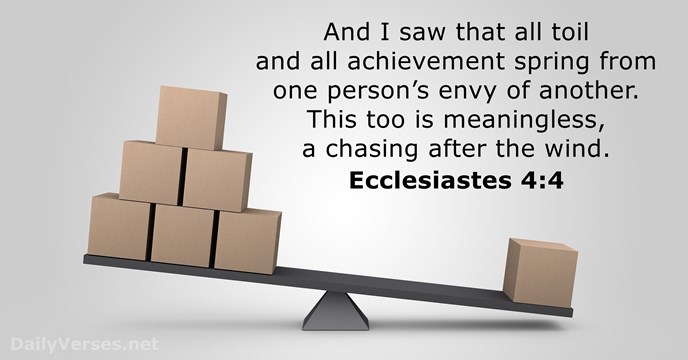
  • Influence, power and authority, little realizing its downward pull. “Power intoxicates men,” asserted James F. Byrnes. “When a man is intoxicated by alcohol, he can recover, but when intoxicated by power he seldom recovers.”
  • Self-reliance, assertiveness and drive. Charles W. Eliot isn’t the only one who’s believed “the efficient man is the man who thinks for himself.” But that discounts the value of knowledge, wisdom, and creativity of others–including God’s.


  • Wealth and material possessions. By contrast, St. Augustine would have us “soar above our worldly possessions. The bee does not need its wings less when it has gathered an abundant store; for if it sinks in the honey it dies.”
  • Fame and privilege. But “what is Fortune, what is Fame? Futile gold and phantom name—Riches buried in a cave, Glory written on a grave” (Henry Van Dyke, “The Talisman”).
  • Physical attractiveness. “The most highly respected and valued attribute in our culture is physical attractiveness, “ wrote Dr. James Dobson (2). But of course beauty fades over time. What then?


It’s all chasing after the wind.
 

“Life’s but a walking shadow, a poor player,

that struts and frets his hour upon the stage,

and then is heard no more;

it is a tale told by an idiot, full of sound and fury,

signifying nothing.”

–William Shakespeare, Macbeth

 
And yet, if you exhibit at least several of the elements listed in bold print above, you are deemed successful in this world—even though those who reach the pinnacle of such success often experience loneliness, boredom, and dissatisfaction.  What kind of prosperity is that?

Still, men and women through the ages have been fooled into believing that pursuit of these values will bring happiness–in spite of overwhelming evidence to the contrary.


Praise God he offers a better, truly fulfilling way to live. And since he made us, he knows exactly what will satisfy.

To an outside observer, the values of his kingdom must appear upside down. Note how opposite they are from the world’s values listed above:

  • reliance upon him (Proverbs 3:5-6)


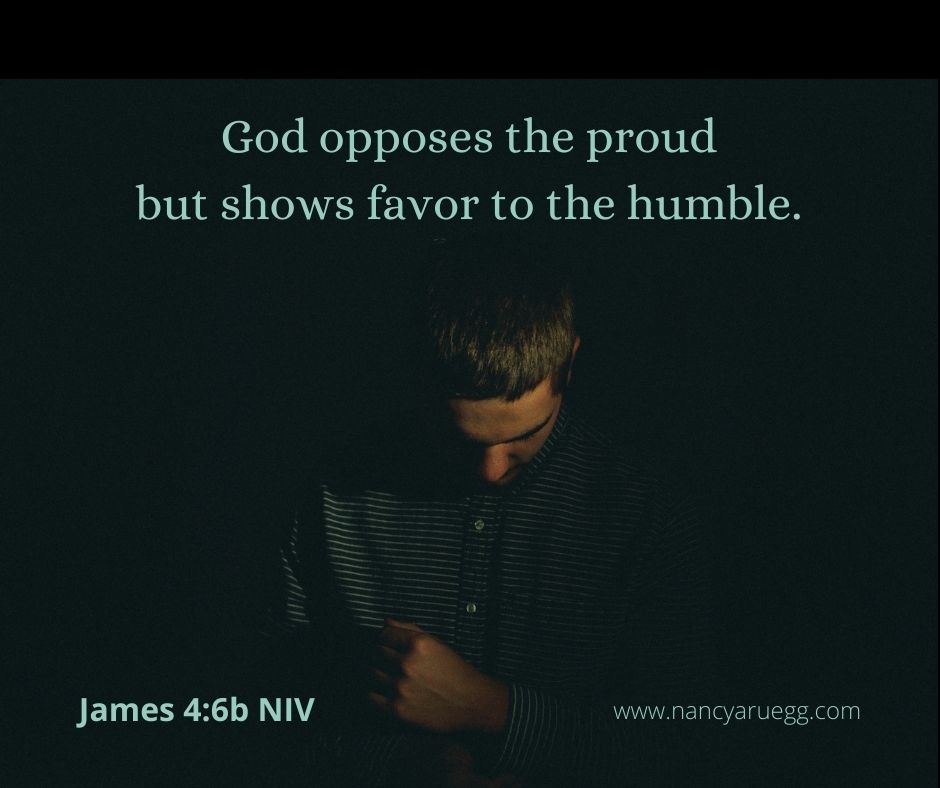
  • humility (James 4:6)


  • generosity (2 Corinthians 9:7)


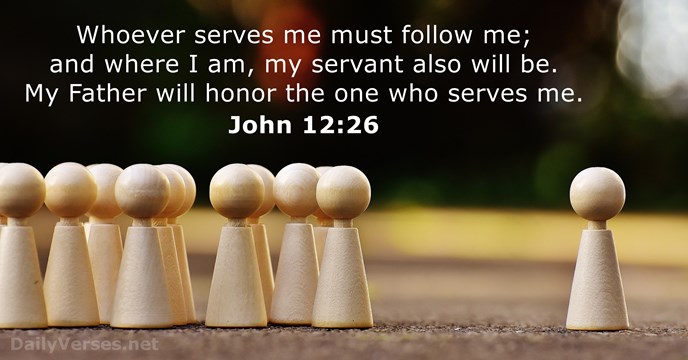
  • a servant’s heart (John 12:26)


  • inner beauty based on character (1 Peter 3:3-4)


These are the qualities that provide a solid foundation for wise choices.  And it’s wise choices that contribute to peace, contentment, and fulfillment.

*     *     *     *     *     *     *     *     *     * 

Lord God, I know the world’s ways lead to futility, yet I can still be drawn in by the lies. Give me strength to choose your way and make wise choices based on your Word. May I be mindful how blessed are those who are hungry and thirsty for righteousness, because it is they who will be satisfied. I praise and thank you for the full satisfaction you freely give!

Ephesians 4:17-24; James 1:5; Matthew 5:6 ISV


Notes:

  1. https://www.sciencedaily.com/releases/2008/01/080126101053.htm
  2. https://www.drjamesdobson.org/blogs/dr-dobson-blog/dr-dobson-blog/2018/10/15/sources-of-self-esteem-in-children-part-1-society’s-infatuation-with-beauty

Photo credits:  http://www.pixabay.com’ http://www.pxhere.com (2); http://www.pixnic.com; http://www.dailyverses.net; http://www.heartlight.org; http://www.wikimedia.com; http://www.heartlight.org; http://www.dailyverses.net (2).

Quiet Restoration


(A journal dialogue between God and me)


ME:

I love temperate mornings like this, Father, when I can spend moments on the deck with you, reveling in your creation. Thank you for this little island of quiet amidst urban commotion.

Dark clouds of yesterday have given way to those that artists love to paint: cotton puffs of white, some breeze-pulled into wisps.

The black walnut tree already wears many golden leaves. Occasional leaf showers create a dazzling parade of drifting sunflakes. Summer has acquiesced to fall.


Our squirrel friends have picked up another game of tag. They dash at alarming speed from tree to tree, and sometimes spiral up and down the trunks. Familiarity may contribute to their surefootedness, but such dare-devil antics still amaze.

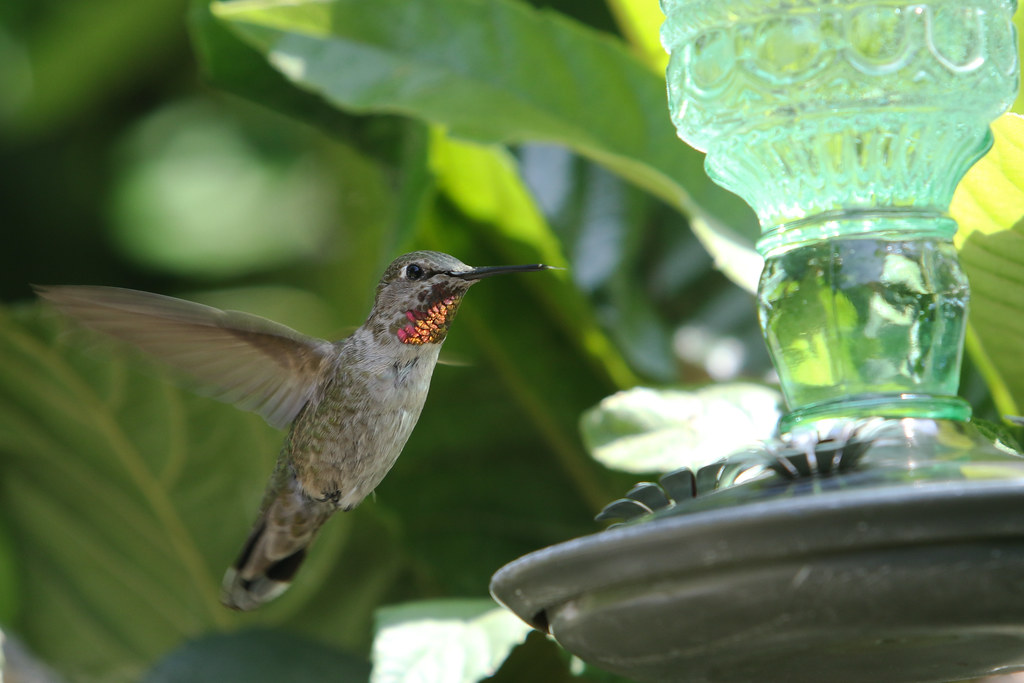
At least several hummingbirds have visited the feeder since I settled in my chair. No doubt they’re fueling up for migration.

Some hover as they drink, wings and tails a blur of motion. Others rest briefly on the bar, take a quick sip, then fly up and back to warily scan their surroundings. A few partake from one opening and then another. Perhaps they’re hoping for different flavors?


Still others rest on the bar and take long gulps. When this latter group pauses, they remain still. Their glances about appear relaxed, as if they’re simply enjoying the view.


GOD:

Let the habits of the hummingbirds inform yours.

You are one of my little hummingbirds—small and practically defenseless. But you can fly! In your spirit you can fly at hummer-speed to me, your Provider and Protector.

In me you find all you need, just as the nectar in flowers or feeders provides for the hummingbirds all that they need.


Let the hummers who rest be a reminder to you. There is no reason to be in constant flight, hovering over this task and then on to the next in a flurry of hurry.

Take note of the birds who rest on the bar and enjoy their surroundings between sips. How can you do the same?

The occasional worship-pause at the kitchen window is a good start.


And your daily gratitude journal offers more moments of reverent respite.


ME:

You just gave me another idea, Father (1).

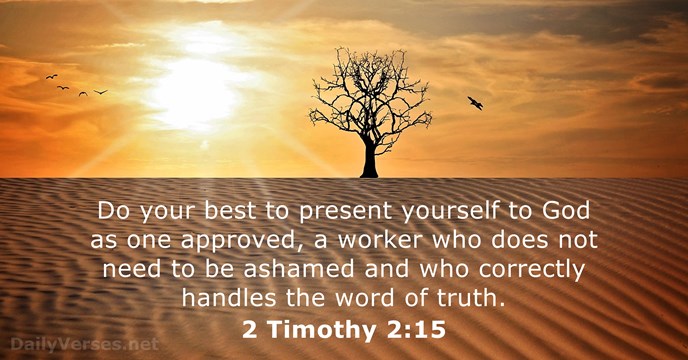
As you lead me to scriptures or quotes that inspire praise, I can copy them to tuck here and there as reminders.


GOD:

And when you come across one of those cards, quietly rest a moment in its truth. Look around and within for reasons to thank and praise me, as prompted by that scripture or quote.

And what will be the result? Refreshing restoration.  Renewed energy.  Augmented joy.  Deeper peace (2)—in spite of the troubling political and social climate and concerns surrounding Covid.


Fly with confidence into the days ahead, little bird—strengthened and refreshed in me.


Notes:

  1. James 1:17. All good gifts come from God—even good ideas.
  2. Psalm 23:1-2; Psalm 19:7-8; Psalm 119:111; Psalm 119:165.


Photo credits:  Nancy Ruegg; http://www.wikimedia.com; http://www.flickr.com; http://www.wikimedia.com; http://www.dailyverses.net; Nancy Ruegg (3); http://www.needpix.com.


Mirth in the Mud


Our youngest granddaughter owns the book Pignic by Matt Phelan. Across the pages a family of pigs enjoys a day of outdoor activities until a storm threatens to spoil their fun.

But lots of rain makes lots of mud and the pigs make the messiest best of it.


Mirth in the mud.

For six months we’ve endured the nasty mud created by a virus-storm. It has washed out travel plans, beaten down get-togethers with family and friends, and lashed against such simple pleasures as shaking hands and hugging.

We need some mirth in this mud.


Our wise Heavenly Father, the Author of joy, gave us the ability to create laughter—with humor.

And with the pleasure of laughter comes great benefits for body, mind and spirit.*

So in celebration that the worst of Covid-19 is behind us, and the good news that vaccines hover on the horizon, let’s follow the example of the Pignic pigs and enjoy some mirth in the mud.

Take a few moments to wallow in some silliness:


“Eggs are fantastic for a fitness diet. If you don’t like the taste, just add cocoa, flour, sugar, butter, baking powder and cook at 350 for 30 minutes” (Anonymous).


“Tweet others as you want to be tweeted” (Unknown).


“To those of you who received honors, awards, and distinctions, I say well done. And to the C students, I say you, too, can be president of the United States” (George W. Bush).


“Never doubt the courage of the French. They were the ones who discovered that snails are edible” (Doug Larson).


“All right everyone, line up alphabetically according to your height” (Casey Stengel).


“The Bible contains much that is relevant today, like Noah taking 40 days to find a place to park” (Curtis McDougall).


“If you’re too open-minded, your brains will fall out” (Lawrence Ferlinghetti).


“A stockbroker urged me to buy a stock that would triple its value every year. I told him, ‘At my age, I don’t even buy green bananas.’” (Claude Pepper).


“If you come to a fork in the road, take it” (Yogi Berra).


“And remember, laughing is like changing a baby’s diaper. It doesn’t solve any problems permanently, but it makes things more acceptable for a while” (Barbara Johnson).


No doubt you remember King Solomon’s wise observation too: “The cheerful heart has a continual feast” (Proverbs 15:15b). And what compounds the pleasure of a feast? Sharing it with someone.


So choose your favorites from the bits of mirth above and read them aloud to someone else.  Make a joyful noise of chortles and chuckles together to multiply the pleasure and benefits of laughter.


Oh–and please leave one of your favorite one- or two-liners below for more mirth in the mud!


*You can read about some of those benefits in this post:  The Most Beneficial Therapy


Art & photo credits:  http://www.travelchatter.dailymail.co.uk; http://www.pxhere.com; http://www.pxfuel.com; http://www.needpix.com; http://www.wikimedia.org (2); http://www.pixabay.com; http://www.pxfuel.com.


In the Waiting Room


I read the poster, then checked my watch—again. It was time to notify.

“Excuse me, but my appointment with Dr. D. was at 10:30 and it is now 11:15.” I spoke in even tones that belied my frustration.

The receptionist referred to the schedule on her computer. “Thank you,” she responded pleasantly. “I’ll check to see what the problem is.”

Returning to my seat, I expected to be called shortly, but it still took ten to fifteen minutes. Another annoyance: no one ever explained the delay or apologized.


No doubt you’ve endured similar experiences. Waiting nearly always creates nuisance no matter how many magazines they provide. Who hasn’t been stuck in the waiting areas of car repair shops, office buildings, and airports—when we’ve places to go and things to do?

But those aren’t the only forced pauses we face. At one time or another all of us spend time in the waiting room of life—as we anticipate achieving a long-term goal, receiving that long-awaited email or phone call, or seeing an ongoing prayer finally answered.

How are we supposed to handle the interminable pauses in life?

The following truths promise to ease our frustration and offer hope.


In God’s view, to wait is not to waste.

There is always purpose in God’s delays. King David wrote, “A person’s steps are directed by the Lord” (Psalm 37:23 GNT). Next to this verse in the margin of his Bible, George Mueller wrote: “And the stops too” (1).

Just what might God be doing during the stops? He often uses wait time to work on our character, transforming pride into humility, doubt into faith, weakness into strength, and impatience into serenity.


A time of waiting provides a time for discovery.

As we turn attentive hearts toward gratitude for what is, praise for who God is, and satisfaction in serving him now wherever he has placed us, we’ll discover contentement.  With Paul we’ll be able to say:


“The heart is rich when it is content, and it is content when its desires are set upon God,” wrote Miguel of Ecuador (2).

On the other hand, a heart cannot be content if set primarily upon an attainment in the future.


Waiting is part of the wonder to come.

It’s a basic principle of investment: the longer we wait, the greater our return. Delay enhances delight.

And one day we’ll finally receive the explanation for the pauses in our lives. No doubt our eyes will widen in wonder to see all that God accomplished when in our view, progress stood still.


*     *     *     *     *     *     *     *     *     *


I thank you, Heavenly Father, that we can trust you during wait times.

You know the perfect sequence and timetable for events to unfold; we do not. You see the whole picture—the lives of others who will be impacted during this wait time; we cannot.

So may we rest on what we do know: You are a God of goodness, faithfulness, and wisdom. The one who trusts in you, whose confidence is in you, is blessed.


(Psalm 130:5; Psalm 139:16; 1 Thessalonians 5:24;

Psalm 100:5; Romans 11:33; Jeremiah 17:7)


Notes:

  1. George Müller (1805-1898) founded schools and orphanages in Bristol, England, in the early 1800s, providing care for thousands of children.  His testimony of great faith included numerous miracles of provision for the orphans under his care.
  2. Miguel of Ecuador (1854-1910)–teacher and author


Photo credits:  http://www.pxhere.com; http://www.canva.com (3).


Hezekiah’s Tunnel

How it might have been:

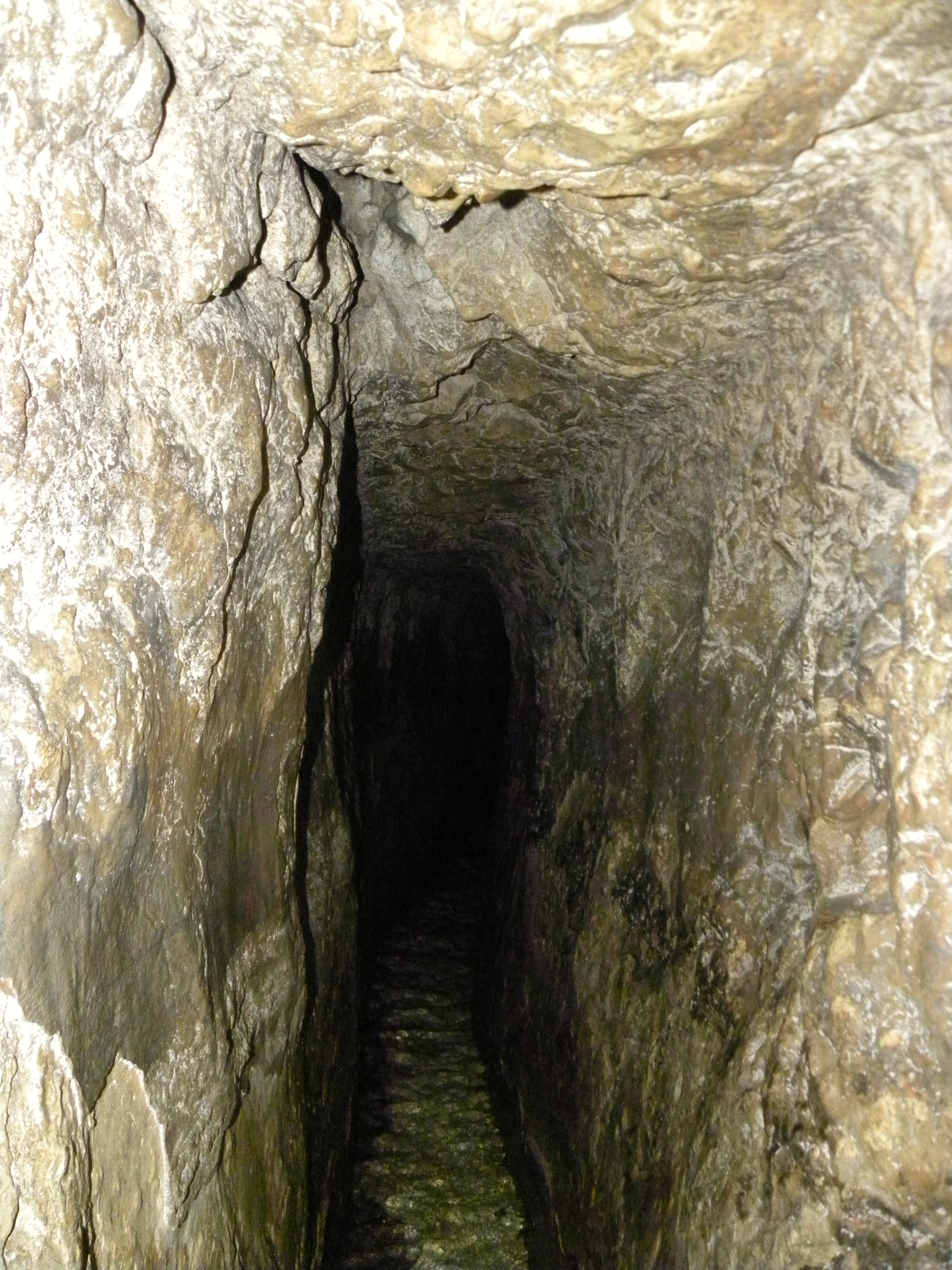
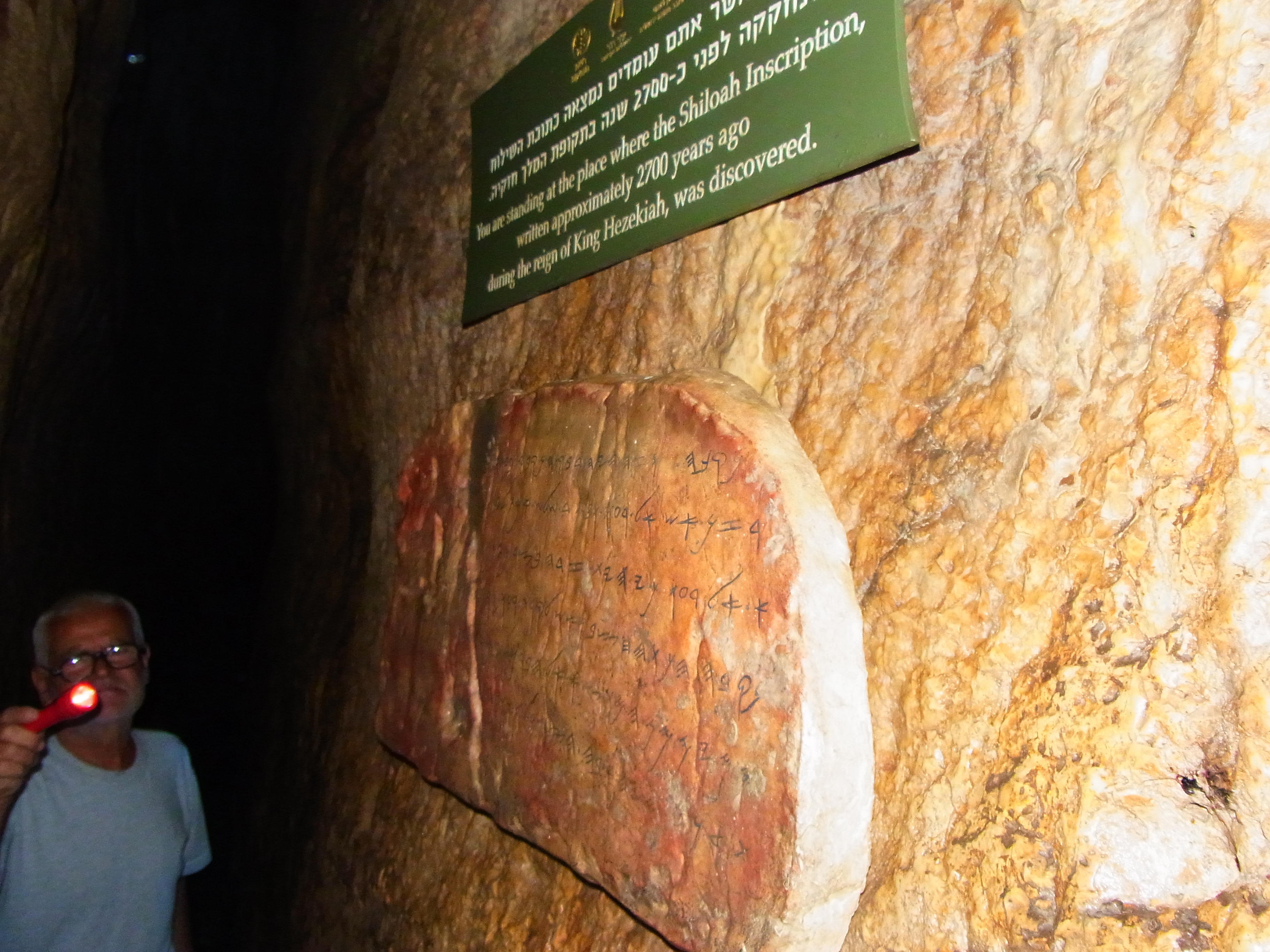
Edward’s fingers followed the pick-ax marks carved in a left-to-right direction.  He marveled at the skill and perseverance of long-ago workmen to create a tunnel of such length–a tunnel Edward thought might be the one ordered by King Hezekiah 2,500 years previously.

Suddenly Edward drew in a sharp breath. The markings abruptly changed direction. Instead of left-to-right blows, they became right-to-left, and an astonishing thought occurred to him.

“Eli,” he called. “Look at this. What do you make of it?”

His explorer-companion came alongside and fingered the wall as Edward had done. “How strange. All of a sudden the pick-ax marks change direction.”

“I’m thinking there must have been two teams of workmen, Eli—each working toward the middle from opposite ends. That would cut in half the time necessary to create such a tunnel.”

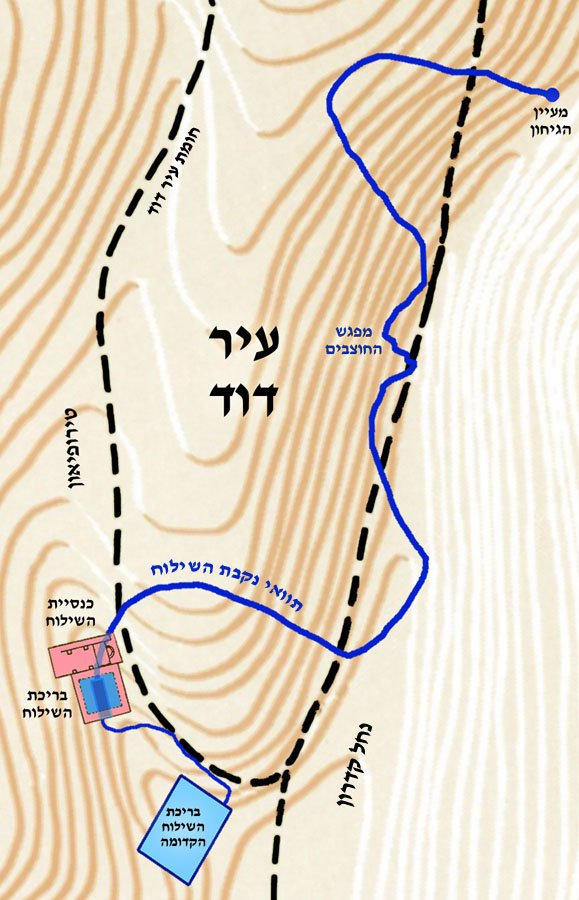
Time would have been of the essence to King Hezekiah as the Assyrians threatened to attack Jerusalem. No water source existed within the city walls. So the king ordered the tunnel be constructed in order to redirect the Gihon Spring into the city, and deprive the enemy of water at the same time.

Edward Robinson and Eli Smith continued sloshing through shallow water along the twisting, two-feet wide tunnel. Could it be that, behind the silt that had built up for centuries, they had indeed rediscovered Hezekiah’s tunnel, referred to in 2 Kings, 2 Chronicles, and Isaiah? Curiosity kept them going.

In fact it was curiosity that had brought Edward to Palestine in the first place. His Puritan upbringing in the early 1800s had instilled in him a love for scripture, which he studied with a passion, along with Hebrew, Greek, and Latin.

Now age 44, he was finally exploring the beloved land of the Bible, for the purpose of creating the first systematic survey of biblical geography (1). God had provided Edward with a knowledgeable guide and translator, Eli Smith, a missionary of the region.

After a thirty-minute trek through the underground stream, Edward and Eli found the tunnel did lead to the Gihon Spring outside Jerusalem’s walls.

But the Bible says nothing of two teams working from either end. How could such a feat have been achieved, 140 feet below ground at some points, long before the compass had been invented?

In addition, the tunnel twists and turns for 1,738 feet. A straight line from pool to spring would have shortened the distance considerably, to slightly more than 1,000 feet. Why did the foreman of the crew choose a winding route when an Assyrian invasion loomed at any time?

Edward Robinson’s idea of two teams working toward the middle remained a theory until a hot day in June, 1880, when several boys playing in the Siloam Pool (as it came to be known) decided to explore the tunnel for themselves.

About 20 feet from the entrance, one boy spotted an inscription in the wall. The find was reported to authorities, and Professor A. H. Sayce, a resident in the area at the time, was sent to study the ancient writing. He reportedly sat for hours in mud and water, transcribing the inscription by candlelight (2).

This is a replica; the original resides

in the Istanbul Archaeological Museum.

The inscription included the following information:

    1. While stone-cutters worked toward each other, and while three cubits of rock remained to tunnel through, a workman’s voice was heard, because of a fissure in the rock.
    2. On the final day of tunneling, each stonecutter struck the stone forcefully in order to meet his co-worker. And then the water began to flow toward the pool.
    3. The full distance of the tunnel: 1200 cubits. The height of the rock above the stone-cutters’ heads: 100 cubits. (3).

After more than forty years, Edward Robinson’s theory was proven correct.

But Hezekiah’s name is not mentioned.  How can we be sure the tunnel dates to the time of the ancient king?

In 2003, archaeologists implemented modern radiometric dating, based on the decay of radioactive elements. They determined the excavation of Hezekiah’s tunnel did occur about 700 years before Christ, the era of the Judean king’s reign (4).

As for the winding route, some speculate that workers followed natural fissures in the rock as well as cracks that already seeped water, making the process easier and faster.

Last, how did workmen meet in the middle so far underground? That is still a mystery and source of wonder. It would seem God himself brought the two teams together.

Notes:

  1. Robinson completed a three-volume work, Biblical Researches in Palestine, Mount Sinai, and Arabia Petraea that laid the groundwork for a new realm of study: biblical archaeology. https://www.vision.org/digging-faith-370
  2. https://www.christiancourier.com/articles/101-hezekiahs-tunnel
  3. https://www.bibleodyssey.org/en/places/related-articles/siloam-inscription-and-hezekiahs-tunnel (translated by Christopher Rollston).
  4. https://www.eurekalert.org/pub_releases/2003-09/huoj-dok090903.php

Other sources:

  1. Archaeological Study Bible, Zondervan, 2005, p. 564
  2. https://www.hopechannel.com/au/read/siloam-inscription
  3. http://www.land-of-the-bible.com/Hezekiah_Tunnel
  4. http://www.land-of-the-bible.com/node/854

Art and photo credits:  http://www.wikimedia.org; http://www.pickist.com (2); http://www.wikimedia.org (2), http://www.canva.com.

When the House is Quiet

Impressions Becoming Expressions

Mitch Teemley

The Power of Story

Still Traveling

Impressions Becoming Expressions

Living Our Days

Gaining a heart of wisdom

He Said What?!

I'm Patty, and my husband and I are living with our adult son who has autism and epilepsy. I love sharing lessons learned from life around me, especially life with Aaron.

Meditations of my Heart

Impressions Becoming Expressions

Linda Stoll

Impressions Becoming Expressions

Signora Sheila

Where faith meets la dolce vita

Heidi Viars

Finding the Image of God