Feeds:
Posts
Comments

Posts Tagged ‘James 1:2-4’

Many of us memorized 1 Peter 5:7 as children:
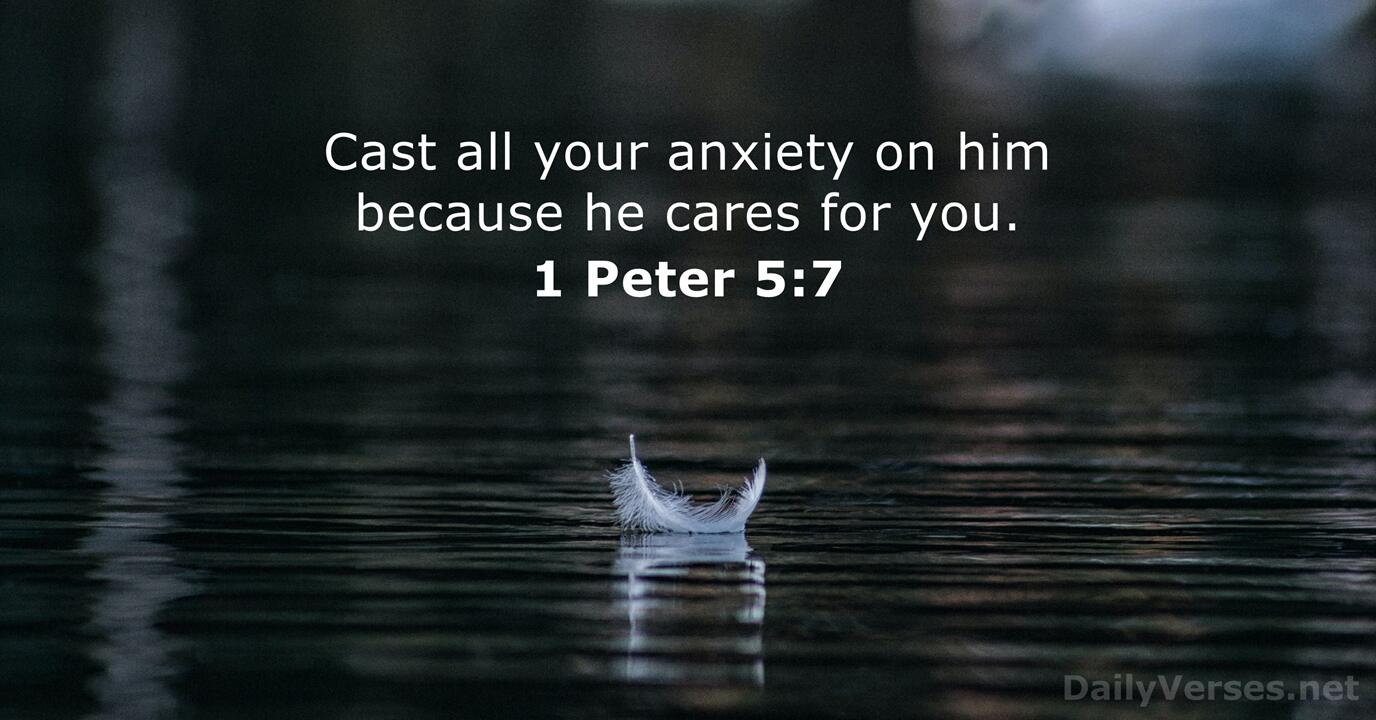
Did you ever wonder how we cast our anxiety?

After all, our concerns aren’t jammed into heavy backpacks we can physically heave onto God’s back. We’re talking in the abstract–about nagging problems, physical ailments, troubling situations.

And in spite of God’s capacity and willingness to be our Burden-Bearer (Psalm 68:19), we find anxiety and fear niggling among our thoughts just the same. It’s difficult to get rid of them.

We know gratitude and praise to God can be effective burden-lifters, but worries can linger on the periphery, waiting for the first opportunity to return. Is that a sign of failure?

Here’s what I’ve learned; maybe you have too.

First, ‘remember learning math facts in school?

Mastery required practice because that’s how God made our brains to work. We learn by making neural connections, called synapses. For most of us, it takes a good deal of repetition for synapse-connections to become hard-wired (1).

Second, it makes sense that the advanced skill of controlling our thinking is also going to require practice. It’s a sign of wisdom to keep turning our minds back to God–a hundred times a day if necessary.

Third, I also know this: God appreciates progress; he doesn’t withhold his delight in us until we’re perfect. 

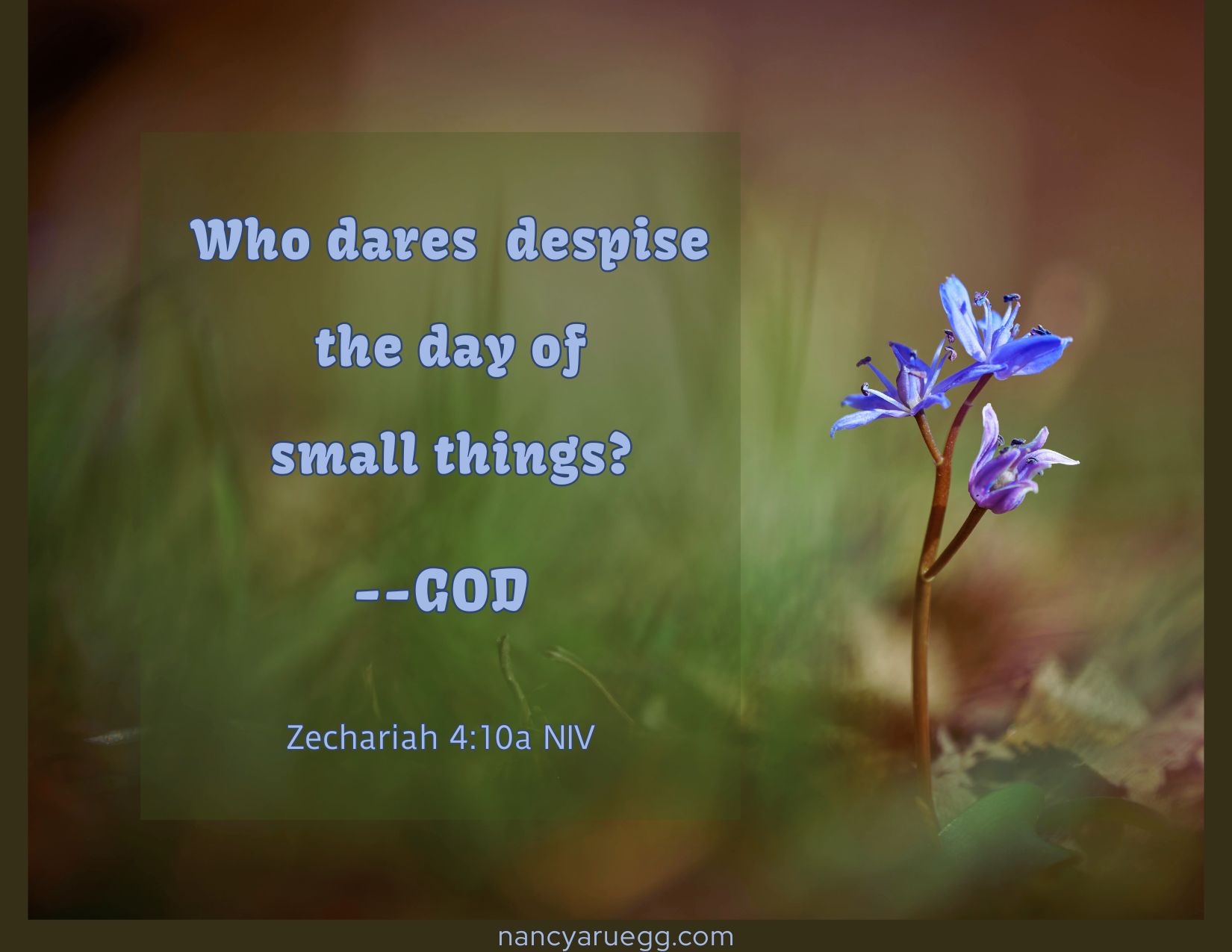
Consider God’s message through the prophet Zechariah: 
So, when a concern wants front-and-center attention in our minds, let’s implement:

Strategy #1: Keep turning the mind to gratitude and praise.

Matthew Henry, the great Bible commentator of the 1600s had his wallet stolen one day. But instead of fretting about it, he wrote this in his journal:

“I thank Thee first because I was never robbed before; second because although they took my purse they did not take my life; third, because although they took my all, it was not much; and fourth because it was I who was robbed, and not I who robbed.”

Henry’s reasons for gratitude surely helped to shift the burden of anxiety from his own shoulders to the formidable shoulders of God. Just reading his entry lifts my spirit. 

Strategy #2: Affirm that God can turn burdens into blessings.  

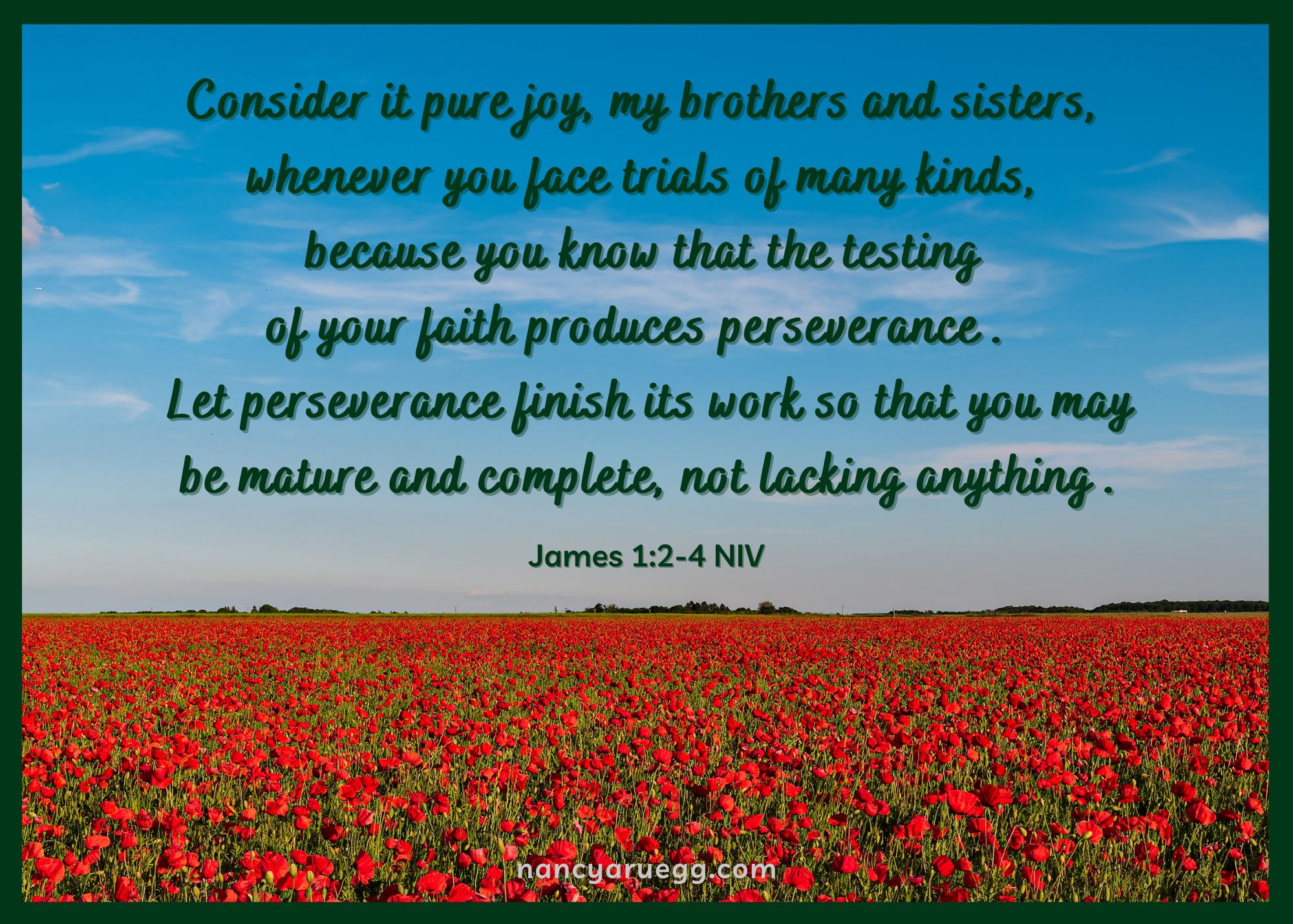
God achieves purpose, even in our suffering. One purpose: to expand the joy in our lives (James 1:2).
For twenty-six years I taught elementary school. One difficult year, the problems and resulting tension intensified. And yet, as I got in the car each morning, I strongly sensed God’s presence with me, as if he sat in the passenger seat! 

His presence gave me joy–to the point of happy tears sometimes–while also offering reassurance and strength. Without the increased stress, I would not have experienced that singular blessedness.

Strategy #3:  Remember who God is.

For God to be our Burden-Bearer, we have to trust him, and trust grows as we remember:     

He’s our Father of compassion, our ever-present help in trouble, our King of power and glory, our loving and faithful God, our strong deliverer, and more (3). He can handle any load of trouble.

In fact, what seems to us a crushing burden is as inconsequential to him as a speck of dust on a balance scale (4).

*     *     *     *     *     *     * 

Lord, help me remember: You are the one with the answer to every question, the solution to every problem, and the wisdom for every decision (5). To worry is to forget Who’s in charge. May I joyfully rest in you.   
Notes:

  1. https://earlychildhood.qld.gov.au/early-years/early-learning-at-home/read-and-count/the-power-of-repetition
  2. Karol Ladd, Thrive, Don’t Simply Survive, 54-55.
  3. Psalm 103:13; 46:1;1 Chronicles 29:11; Psalm 57:10; 18:2.
  4. Based on a Charles Spurgeon quote from Morning by Morning, 8.
  5. Kay Arthur, His Imprint, My Expression, 36.

Image credits: dailyverses.net; http://www.flickr.com (Jimmie Quick); http://www.canva.com (2); http://www.heartlight.org.

Processing…
Success! You're on the list.

Read Full Post »

Not long ago I meant to type into the search box, biblehub.com, a site I visit frequently for research. (If you’ve not visited there, it’s well worth exploring.) But this time, instead of hub I typed hug.

Bible hug.

After a slight snicker, I thought, Wait—scripture does offer hugs-of-sorts, in the form of encouragement, comfort, and assurance—providing occasions when I can almost feel God’s embrace.

Sometimes those hugs have come in preparation for what’s to come, sometimes in the midst of pain or trouble, and other times after the fact.

For example, a Bible hug in preparation for what was to come:

Steve and I were driving home after a visit to the next church (three hours away) where he’d been assigned to serve as pastor, beginning in six weeks. Melancholy enveloped me.

Three times in eleven years, the powers-that-be had chosen to move us, although neither we nor the current church had requested it. This was the hardest part of being a pastor’s family in our denomination.

Suddenly, on the Christian radio station we were listening to, the host read a scripture I’d surely heard before, but it took on fresh significance that day:

I clung to that promise over the next weeks of packing, taking care of the million-and-one details a move requires, and saying painful good-byes.

And look what God did at our new church:

He prospered us in new relationships, grew our faith (especially concerning our finances and those of the church), and blessed us as we watched him grow this community of believers—in number, spiritual maturity, and outreach—for thirteen years.

*       *       *

A Bible hug in the midst of pain: 

Spring semester my freshman year of college, I received news that a friend back home had died, the result of a car accident. She’d been in a coma for over a week.

It seemed impossible. So many people had been praying for Shelly. Why did God say “No?”

She was only eighteen, as smart as they come, and scheduled to go to Spain as a short-term missionary that coming summer. Shelly was also an accomplished pianist, and had just won second place in a talent competition.

Why didn’t God intervene for such an outstanding young woman? My faith was beginning to falter.

I shut myself in the dormitory broom closet and searched my Bible for an answer. It wasn’t long before I came across these verses:

Verse 36 in the New Living Translation says, “Everything comes from him . . . and is intended for his glory.” 

That includes the death of my young friend. My place is not to beg for answers that I likely wouldn’t understand or accept anyway. My place is to trust.

*       *       *

A Bible hug that provided closure:

Years ago Steve worked under the direction of a pastor whose words and actions could be downright unkind. We’ll call him George. 

The situation intensified when, behind the scenes and unbeknownst to us, George engineered a change of position for Steve—elsewhere in the state–while we were on vacation. I was pregnant at the time, due just one month prior to the move.

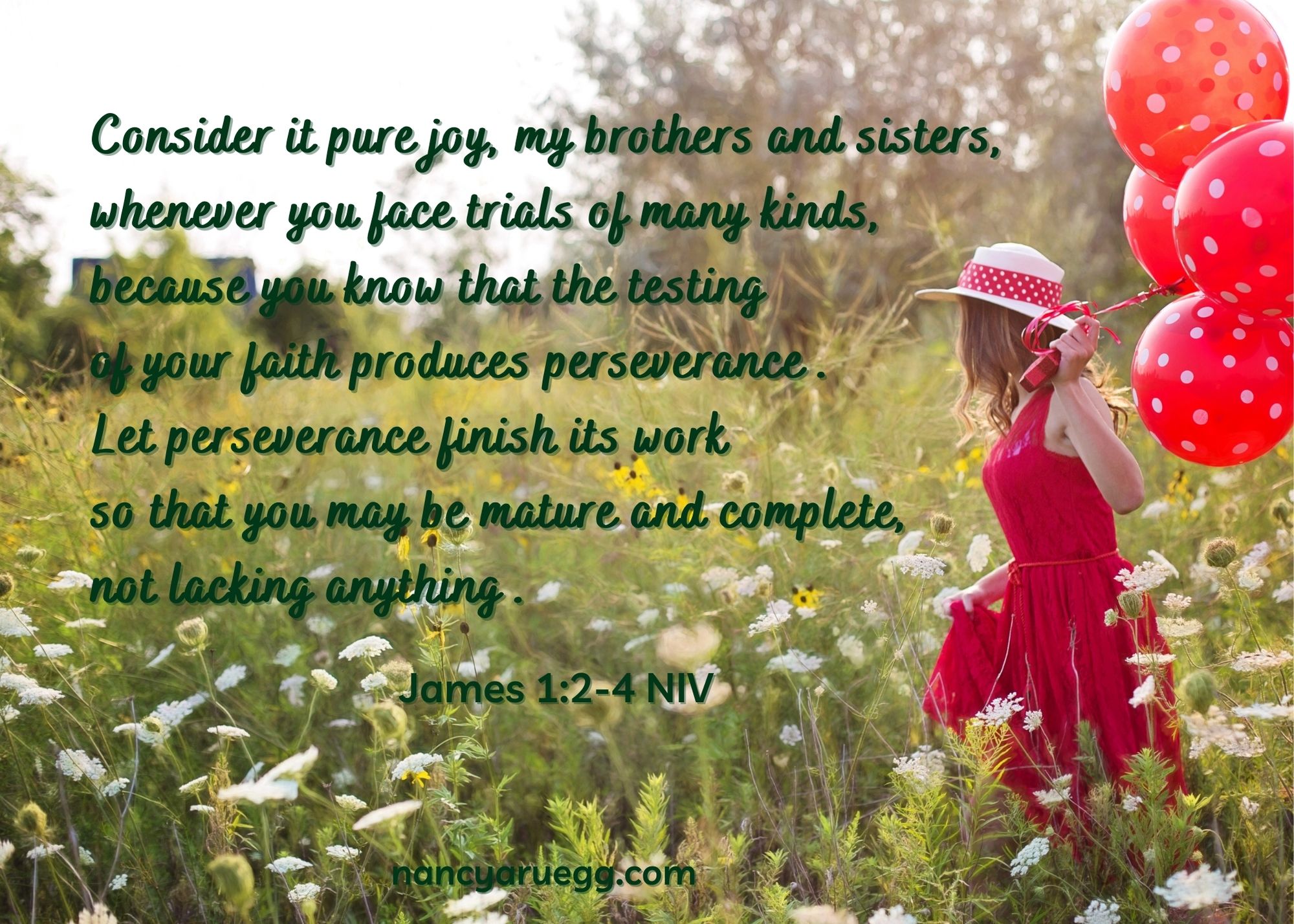
God taught me much during that time, including the wisdom of James 1:2-4:

The next few months provided many opportunities to practice perseverance as we endured continued difficulty with George.

We also developed self-control, not talking to people in the church about what he had done (except with a few mature confidantes), in order not to cause strife or division.

I learned that love is not a feeling, it’s an action. With much prayer, God gave me grace to be genial with George. He also helped me understand that much of his untoward behavior came from insecurity.

After the fact, I could count it all joy that we’d faced such trials. I’m a better person for the lessons learned in self-discipline, integrity, and perseverance.

Years later we had occasion to meet George again. God had obviously been at work in his life; he was a changed man.

*       *       *

Of course, these are just a few of the Bible hugs received from God over the years. Perhaps we’ll revisit this topic again in the future.

In the meantime, please share in the comment section below a Bible hug you’ve received. I’d love to read your stories; no doubt others would too!

Image credits: http://www.easy-peasy.ai; http://www.pexels.com (Leticia Alvares); http://www.dailyverses.net; http://www.canva.com; http://www.pickpik.com.

Processing…
Success! You're on the list.

Read Full Post »

Looking ahead at the calendar for 2024, I found more than a few wild-and-crazy celebrations in store for those who care to participate. Just in January alone, we can look forward to:

  • National Cream Puff Day—January 2 (Who thought this was a good idea right after the holidays when so many will be embarking on diets?)
  • World Logic Day—January 14 (If only we could fix in one day the irrational and absurd thinking that seems to be increasing these days.)
  • National Popcorn Day—January 19 (This one I can get behind!)
  • National Blonde Brownie Day—January 22 (If you prefer cream cheese brownies, your day is coming February 10.)
  • National Backwards Day—January 31 (Seems like we’d benefit more from honoring evidence of going forward—toward integrity, responsibility, and maturity.)

Didn’t I tell you they were wild-and-crazy observances?

To be honest, we Christians are encouraged to celebrate some wild-and-crazy things—things that make no sense at first glance, like:

Weakness

Too many of us assume we have to be supremely talented and gifted in order to be used by God. But the opposite is true.

God most often chooses ordinary people who’ve emptied themselves of prideful ambition and self-centered motives. They are the ones whom God can fill with himself, who become the ideal showcases for his greatness and glory [1].

Turns out, when we recognize just how weak we are—with our inadequacies, missteps, and fears—we’re actually in the best position to manifest the power of God.

Now that’s worth celebrating!

Meekness

The Hebrew word for meekness suggests “being molded.” The meek are God-molded; they’ve submitted to him and are patterning their lives after him [2]. The meek delight in leaving everything in God’s capable hands.

That may sound unappealing to some, but little do they know: the meek get the most out of life.

For example:

  • They view life with joyful gratitude, not disgruntled entitlement
  • They appreciate their resources—not for the prestige they offer but for their usefulness
  • They don’t harbor envy or jealousy, but genuinely enter into the joys of others

And note what God promises to the meek in Psalm 37:11 (above): an abundance of peace. Isn’t that a happy reality to celebrate?

Servanthood

Not many of this world are interested in the role of servant. But God’s kingdom works very differently:

Every day is a new opportunity to discover what eternal business might be lurking in the ordinary business of being human [3].

Bruce Wilkerson

Yes, there is eternal business in serving others as we:

  • prepare meal after meal that keeps the family fed, but also nourishes their hearts with comfort and delight
  • perform small deeds of kindness—because they’re woven into the larger expanse of God’s far-reaching grace
  • work for the benefit of others and the glory to God—whether anyone notices or not

There is honor in such serving.

Trouble

Now I’ve gone too far, some will say. Celebrating difficulty seems downright sadistic. But consider:

We can take delight in what God will do through the trial.

First, God delights in transforming the black-carbon pressures of our lives into diamonds of radiant beauty, as he chips away at the rough places of our character and the distractions in our lives, allowing the Light of Christ to shine with greater clarity.  Such an undertaking rarely happens overnight; it’s a process that takes time [4].

Second, think of those you’ve known or learned about who did shine with the radiant Light of Christ. They undoubtedly faced trouble, yet persevered and triumphed in the end. We too can experience fulfillment as the Light of Christ shines through us to impact others.

Third, while we’re in the midst of the trial, God often brings the sweetest discoveries of himself [5].

These realities also warrant celebration.

The question remains, how will we celebrate?  Perhaps with an ancient song:


[1] Nancy Leigh DeMoss Wolgemuth, Biblical Womanhood in the Home, 67.

[2] Ralph Sockman, The Higher Happiness, 65.

[3] A Life God Rewards, 114, emphasis added.

[4] Joanna Weaver, Having a Mary Heart in a Martha World, 199.

[5] L. B. Cowman, Jim Reimann (ed.), Streams in the Desert, 143.

Art & photo credits: http://www.pixexid.com; http://www.dailyverses.net; http://www.pixexid.com; http://www.depositphotos.com; http://www.canva.com; http://www.commons.wikimedia.org.

Read Full Post »

According to American theologian R. C. Sproul (1939-2017): “Prayer does change things, all kinds of things. But the most important thing it changes is __________ [1].”

What would you put it the blank? A few possibilities include:

  1. The lives of those we pray for
  2. The way events unfold
  3. The attitudes and perspective of those prayed for
  4. Us—the people doing the praying

Sproul wrote, the most important thing prayer changes is us.

Author and Bible teacher Kay Arthur (1939- ) wrote similarly: “You cannot spend time in prayer, even intercessory prayer [for others], and not have it impact you personally [2].”

Such statements as these beg the question how. How could our prayers for others affect us?

One possibility comes readily to mind. Praying for others and watching miraculous answers unfold strengthens our faith, which contributes to peace of mind and heart.

On the other hand, in those situations when God chooses to postpone his response and yet we continue to pray, the waiting teaches us patience and persistence.

But might there be more ways intercessory prayer impacts us? A bit of research turned up the following. You may be surprised as I was by how many there are.

Intercessory prayer fosters unity in our hearts with those we pray for. We can even find ourselves growing in compassion and affinity for them.

I’ve prayed for Kiana for a number of years now. We’ve never met; I know very little about this young woman in India and yet love for her has bloomed in my heart just the same. I’m looking forward to meeting Kiana in heaven and hearing her story [3].

Intercessory prayer teaches us selflessness as our thoughts are directed away from ourselves and toward others.

Intercessory prayer changes our perspective as we see our desires for a person or situation shift to what God wants to do. We remember: his expansive plan always includes more benefit than we can perceive [4].

We also acknowledge that even times of pain and trouble produce worthwhile results.

Esther Ahn Kim was a Korean Christian who spent six years in a Japanese prison during Word World II as a result of her faith. No doubt many prayed for her release, and yet freedom wasn’t granted. However, at least two guards and many of Esther’s fellow prisoners became believers in Jesus—because of her [5].

Intercessory prayer shifts our attitudes from fear and anger to peace and calm as we affirm the truth of scripture, including:  

  • Whatever transpires has been allowed by God
  • We will never understand all the workings of God this side of heaven
  • Even suffering achieves purpose [6]

Intercessory prayer develops humility as we acknowledge our limited ability to impact people or circumstances and affirm only God can affect any change he chooses.

Intercessory prayer augments our usefulness and causes spiritual growth.

When Pastor Hendricks learned that Matt T. had been asked to teach the Sunday School class for junior high boys, his eyebrows went up. Matt was just out of college and still had some growing up to do himself.

But before long, Pastor Hendricks began hearing reports of the once-rowdy boys eagerly participating in the class. He invited Matt to lunch and asked about his secret of success.

Matt showed him a little black book with one page for each boy. On each page were comments like, “Having trouble in math,” “comes to church against his parents’ wishes,” and “wants to be a missionary but doesn’t feel capable.” Matt was praying over the pages every day.

Pastor Hendricks observed: When we pray for others, we become more like Jesus. And as we grow, God shows us more, and uses us more [7].

Isn’t that just like our Heavenly Father? Even as we seek to bless others with our prayers, God is also blessing us.

P.S. Please join me in prayer for the suffering people of Israel and the innocents of Gaza. Let’s pray that the perpetrators of evil are thwarted at every turn [8].


[1] The Prayer of the Lord

[2] His Imprint, My Expression, 157.

[3] You can read how I learned about Kiana at https://nancyaruegg.com/2019/12/12/advent-ure/  

[4] Ephesians 2:20

[5] https://www.thegospelcoalition.org/article/esther-ahn-kim-steadfast-in-persecution/

[6] Romans 11:33-36; James 1:2-4

[7] https://www.lifeway.com/en/articles/sermon-prayer-life-of-a-christian-colossians-4

[8] Psalm 125:4-5

Photo credits: http://www.freerange.com; http://www.canva.com; http://www.pickpik.com; http://www.dailyverses.net; http://www.canva.com.

Read Full Post »

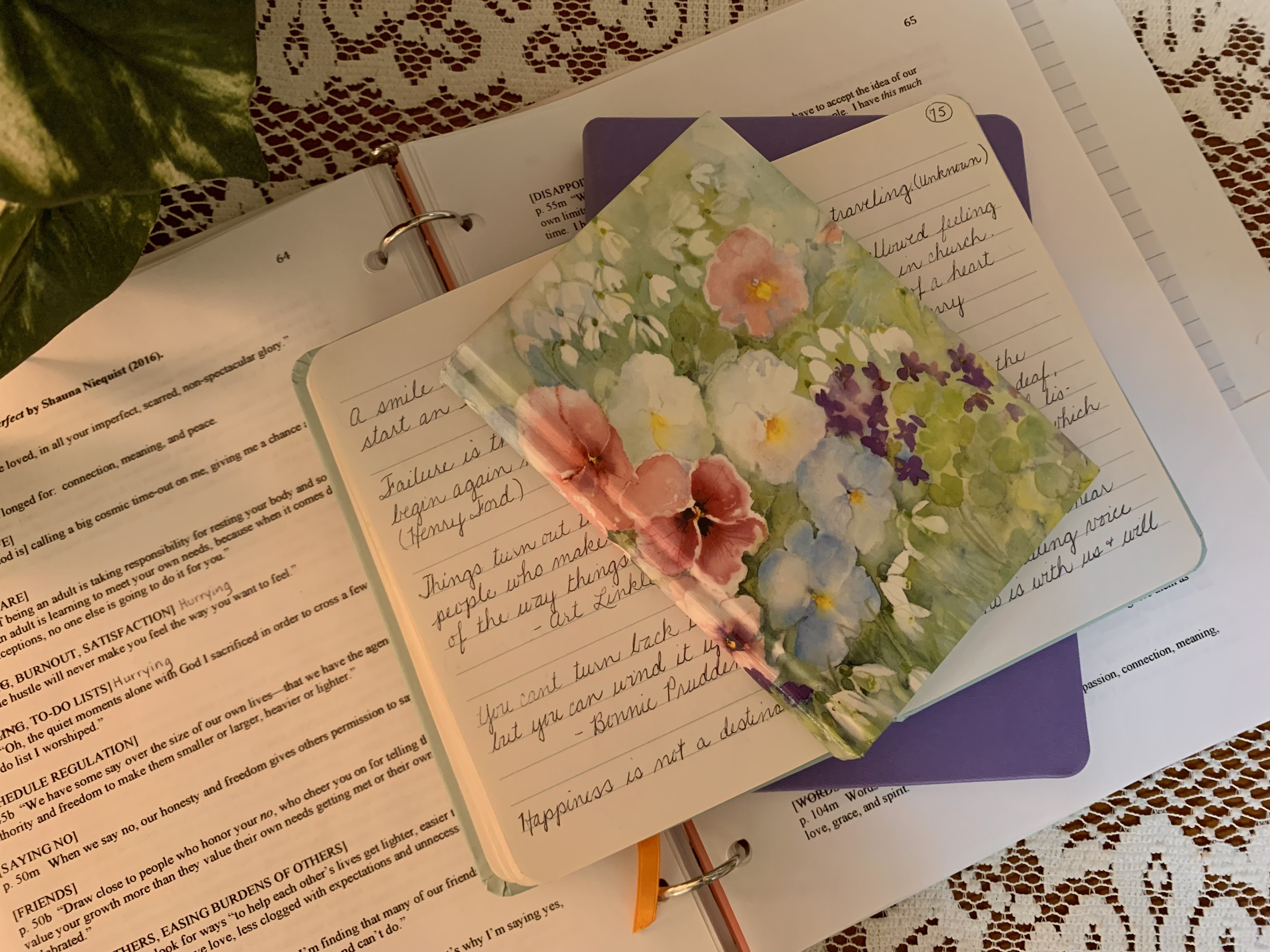
My quote-collecting hobby started with a gift over thirty years ago–a charming floral journal.

Now there are three volumes. Two binders include typed notes and quotes from many books I’ve read.*

The newest journal for quotations is an elegant shade of lavender, which, it turns out, is the perfect color for a such a collection, based on a Rudyard Kipling quote I came across recently:

He wrapped himself in quotations—

as a beggar would enfold himself in

the Purple of Emperors.

Rudyard Kipling

It’s true, many quotes do provide rich enhancement for our lives, succinctly bestowing wisdom, challenge, encouragement, or humor. Great impact can occur in a matter of moments.

For this post I’ve culled just such quotations, with the potential of changing our perspective on troublesome circumstances—quotes that might inspire us to even celebrate them.

For example:

Hurray for Difficulty! 

Because: “Great things never come from comfort zones”—Ben Francia.

And . . . “The secret is Christ in me; not me in a different set of circumstances”—Elisabeth Elliot.

Hurray for Discouragement! 

Because: “If you knock with a heavy heart, you shall yet sing with joy of spirit. Never be discouraged”—Charles Spurgeon.

And . . .  “Do not get discouraged—it may be the last key on the ring that opens the door”—Stanisfer.

Hurray for Failure!

Because: “Failure is the fertilizer that feeds success. It stinks and is unpleasant to handle but without it, success is unattainable”—Unknown.

And . . .  “When something goes wrong in your life, just yell, “Plot twist!” and move on—Author Molly Weis.

Hurray for Hiddenness!

Because: “When we know we are seen by the one who created praise itself and he is the one who gives us a word of affirmation—when he is the one who notices us pouring ourselves out in secret—we realize that this is what we craved all along . . . Being elbow deep in soapsuds and breakfast sausage grease looks and feels different when we know God sees us there”—Sara Hagerty (Unseen;51).

And . . . “How can I feel depressed by the smallness of my life when the most important Man in the universe died for me? . . . When the most important Man in the universe has always been thinking of me?”—Anne Graham Lotz (The Vision of His Glory; 13, 14).

Hurray for Inadequacy!

Because: “God is attracted to weakness. He can’t resist those who humbly and honestly admit how desperately they need him”—Jim Cymbala (quoted by Beth Moore in Praying God’s Word; 260).

And . . .  “Never mind your weakness; it is the very thing that qualifies you. Never mind your feelings of inadequacy; it is God’s work, not yours. Simply make yourself available, and let go of any need to impress others, or prove yourself worthy, or achieve ‘success.’ What matters is that God has chosen you, and that God claims you as his own”—Br. David Vryhof.

Hurray for Waiting!

Because: “If God makes you wait longer than you could wish, it is only to make the blessing doubly precious”—Andrew Murray.

And . . . “What we are waiting for is not as important as what happens to us while we are waiting. Trust the process”—Mandy Hale (quoted by Jean Wise in Christmas Crossroads; 53).

Do you see a theme here?

“The eternal substance of a thing never lies in the thing itself [like difficulty, discouragement, or failure]. It’s in the quality of our reaction to it.

“If in hard times we are kept from resentment held in silence, and filled with inner sweetness, that is what matters. The event that distressed us will pass from memory as a wind that passes and is gone. But what we were while the wind was blowing has eternal consequences”—A. Wetherell Johnson.

I pray the wisdom and encouragement shared in these quotes will give uplift to the quality of our reactions.

*A large collection has limited value without an index, so I’ve created those too—prompted by a touch of OCD, no doubt.

Art & photo credits: http://www.pixabay.com; Nancy Ruegg; http://www.dailyverses.net; http://www.pickpic.com; http://www.wallpaperflare.com; http://www.heartlight.org; http://www.dailyverses.net; http://www.heartlight.org; http://www.canva.com.

Read Full Post »

Most everyone knows her name and a bit about her work. But few know of the discouragement and self-doubt she faced, the depression during her early twenties that led to suicidal thoughts, the criticism she endured, her ruined health, and collapses from overwork.

Yet Florence Nightingale, Mother of Modern Nursing, persevered through it all.

Coloured lithograph by H. M. Bonham-Carter, 1854.

Even as she suffered, Florence wrote, “It is such a blessing to have been called, however unworthy, to be the handmaid of the Lord” [1].

We marvel at her determination and strength, yet such endurance is available to us too. God has provided numerous ways for us to endure all circumstances.

Especially in this time of turmoil and uncertainty in our world, we’d do well to build up a nest egg of intentional faith deposits—deposits that include:

STANDING firm on the Bible

Psalm 119 in particular celebrates the benefits of immersion in God’s Word. A short-list would include: delight (v. 16), counsel (v. 24), understanding (v. 32), hope (v. 49), comfort (v. 52), wisdom (v. 99), truth (v. 160), and peace (v. 165).

Who couldn’t use more of these qualities in their lives?

TIME with God

Turn your mind to worship throughout the day, and in the process of being worshiped . . . God will communicate his presence [2]. Awareness of his presence then leads to strength, and strength leads to quietness of spirit.

TRUST in God’s character

Those of us who’ve known God for awhile can attest to his unfathomable grace, unwavering faithfulness, never-ending compassion, supreme goodness, infinite wisdom, over-arching power, and perfect love.

Meditating on his attributes also replenishes our spiritual strength.

.   

APPROPRIATION of what God has provided

Think of the value of such God-given gifts as forgiveness, prayer, the presence of the Holy Spirit within us, and contentment.

Why would I ever say, “No thank you, God!” to such glorious gifts?

DETERMINATION to stay in the fight

You might remember that composer Ludwig van Beethoven became deaf, beginning in his twenties. Yet he declared, “I will take life by the throat” [3].

May we exercise such determination and embrace our life in Christ with the same tenacity, no matter the circumstances. Strain contributes to strength.

AWARENESS of the evidence

How has God provided for you? Protected you? Guided you?

Contemplate the examples and you’ll find yourself echoing the psalmist: “You make me glad by your deeds, O Lord; I sing for joy at the works of your hands” [4].

And joy in the Lord also fosters strength [5].

ENJOYMENT of God’s blessings

To keep the joy flowing, remember his magnanimous blessings—those gifts beyond necessity and surprises beyond dreams.

More joy; more strength.

FELLOWSHIP with God’s people

Praise God for family and friends whose winsome ways make our lives a little lighter, whose compassion makes our troubles easier to carry, and whose love and encouragement enable us to press on.

They infuse strength when ours begins to wane.

SINGLE-MINDEDNESS on the goal

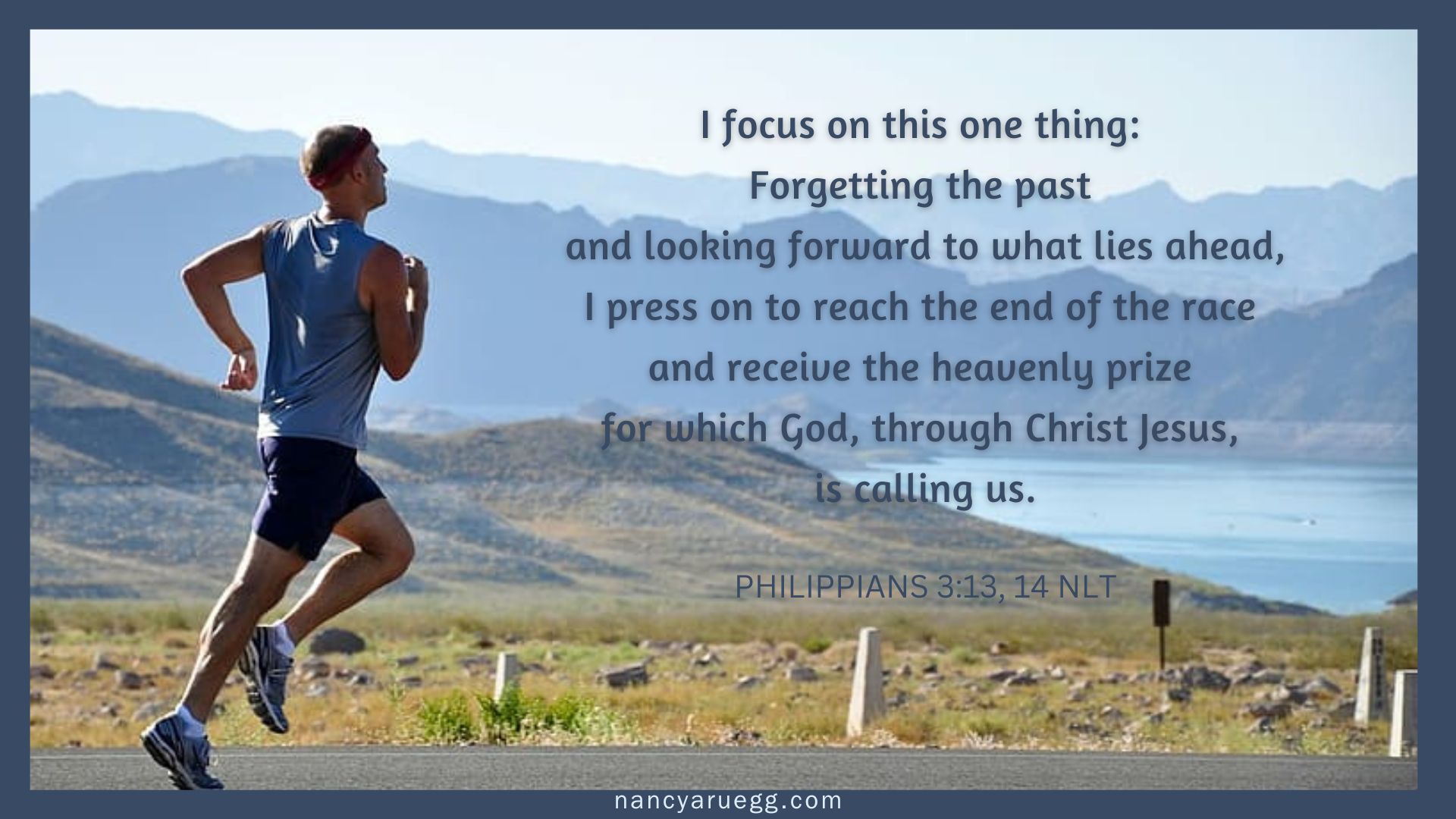
With the Apostle Paul we can focus on one thing: forget what is behind and do our best to reach toward what is ahead, “which is God’s call through Christ Jesus to the life above” [6].

All of these deposits . . .

S  tanding firm

T  ime with God

E  njoyment of God’s blessings

A  ppropriation of what God has provided

D  etermination to stay in the fight

F  ellowship with God’s people

A  wareness of the evidence

S  ingle-mindedness

T  rust in God’s character . . .

. . . will contribute to the kind of STEADFASTNESS that propelled such people of faith as Florence Nightingale and Ludwig van Beethoven through the adversities they faced.

And do you remember what happens when perseverance finishes its work in our lives?

We become mature, complete, and lacking in nothing [7].

Ready for anything.


[1] https://www.christiantoday.com/article/god-has-spoken-to-me-and-called-me-to-serve-12-inspiring-florence-nightingale-quotes-to-mark-her-birthday/108984.htm

[2] C. S. Lewis, quoted by Linda Dillow in Satisfy the Thirsty Soul, 17.

[3] https://bible.org/illustration/life-throat  

[4] Psalm 92:4

[5] Nehemiah 8:10

[6] Philippians 3:13-14 GNT

[7] James 1:4 HCSB

Art & photo credits: http://www.wikimedia.org; http://www.dailyverses.net; http://www.wkikimedia.org; http://www.canva.com; http://www.piqsels.com.

Read Full Post »

Remember Christmas morning as a child—the first glimpse of the enticing packages tucked under the tree?  Did you hop and clap with delight?

Or how about that winning touchdown for your team—in the last few moments of the game with your school’s arch rival? Did you jump up and shout in celebration?

Perhaps a family member or dear friend recently announced glorious news—a baby on the way, better employment obtained, or a clean bill of health finally received.  Did you find yourself dancing for joy?

Over-the-top pleasure and exciting events will do that to us. And although the body may no longer respond with hops, jumps, or dance, our spirits certainly soar in the moment.

The prophet Habakkuk of Old Testament times wrote about just such a response.  I love the way Eugene Peterson paraphrased the verse: “I’m turning cartwheels of joy to my Savior God” (Habakkuk 3:18 MSG). Sounds like the prophet received the answer to a heartfelt prayer or perhaps a miracle had occurred.

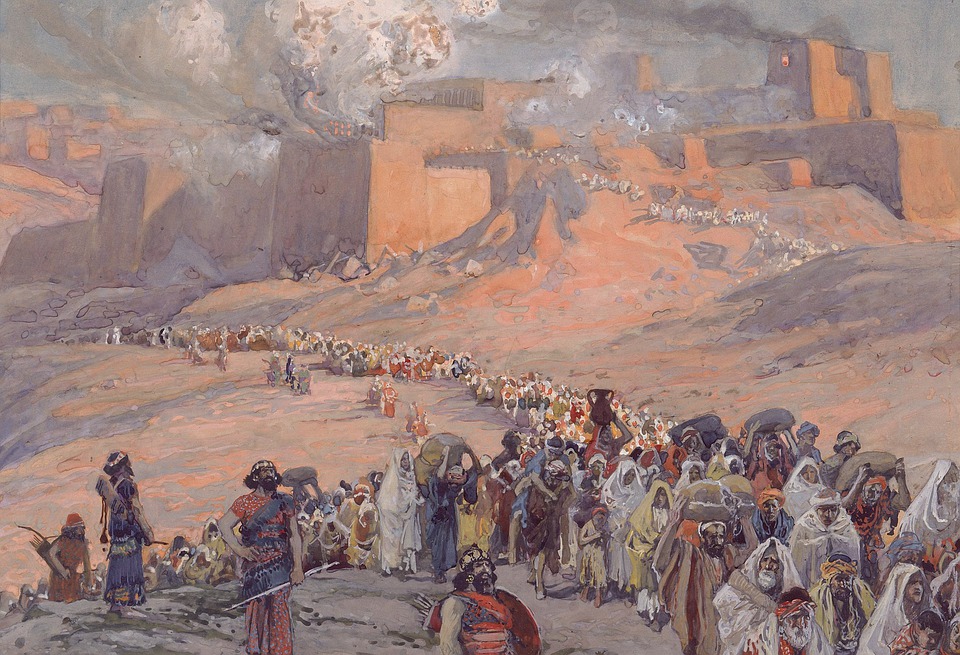
Truth is, Habakkuk’s home city of Jerusalem faced imminent invasion by the brutal Babylonians.  Recent conquests of other kingdoms left no question about the city’s fate.

God had made clear why disaster loomed.  The people of Jerusalem had continually ignored his wise ways and reveled in wickedness. Multiple warnings had been proclaimed and disregarded.

In response God was about to provide a means of saving his people—not from the ruin of their city—but from the ruin of their souls.  He would allow the invasion and a period of captivity in a foreign culture 900 miles away (Isaiah 39:5-8; Jeremiah 25:1-11).

(Isaiah foretold this scene in the latter half of the eighth century BC,
Jeremiah in 605 BC. The invasion took place in 586 BC.)

Habakkuk questioned God’s decision, wondering why he would allow the Babylonians, a people more wicked than the inhabitants of Jerusalem, to “swallow those who are more righteous than they are (Habakkuk 1:13)?”

By the end of his book, however, the prophet’s doubts had turned to faith and he declared—in the face of calamity–“Yet I will celebrate the Lord. I will rejoice in the God of my salvation” (3:18 NIV).

The word rejoice in this verse is ‘alaz’ in the original Hebrew, and means to “spin around for joy.”* Can you imagine? Disaster loomed. All Habakkuk had ever known would be destroyed.  If not killed, he would be forced into captivity in a hostile country.

Yet Habakkuk determined to dance for joy in his spirit—spin cartwheels even.

How does a person acquire such joy? Not by setting her sights on things that make her momentarily happy.  Deep-down dancing joy grows in proportion to our trust in God, and our trust grows in proportion to our knowledge of God—knowledge gained as we spend time in His Word.

We’d also do well to remember the close relationship between joy and gratitude.

As 2022 unfolds, a number of crises threaten—in our cities and states, our country, and around the world.  With Habakkuk of old we have a choice: to sink into despair over the real possibility of disaster, or to rejoice in our God who will enable us to endure whatever we may face (James 1:2-4).

It is our turn to spin for joy–in the God of our salvation!

*Linda Dillow, Satisfy My Thirsty Soul, 202.

Art & photo credits: http://www.flickr.com; http://www.hippopx.com; http://www.maxpixelnet; http://www.wikimedia.org; http://www.pxhere.com; http://www.pixabay.com.

Read Full Post »

More than 1,000 miles east of the Philippines lies the Mariana Trench, the deepest point of earth’s oceans—so deep it reaches into the earth farther than Mount Everest reaches into the sky.  That’s more than 36,000 feet, or close to seven miles.

Not even today’s sophisticated submarines can submerge to that depth without imploding from the pressure of 15,000 pounds per square inch–the equivalent of a full-grown elephant standing on your big toe.

But in 2014 oceanographers constructed a cube-shaped basket, attached it to cables, and dropped it into the depths of the trench.  The descent took four hours. 

They left the basket in place for twenty-four hours, to gather data by camera and hopefully collect samples of life—if it existed at all in such inhospitable conditions.

At the end of twenty-four hours, they used acoustic signals to release the weights that had caused the basket to fall.   With the help of flotation devices, it then rose to the surface.  Against all odds, here is what the scientists found in the trap:

The new species of fish, about eleven inches long, received the name Mariana Snailfish.

Video revealed their activity in the depths—swimming, tail-swishing, foraging—what you’d expect from healthy fish.  They appeared to be perfectly content, unfazed by the bone-crushing pressure of the water around them.

So how do they survive?

God has especially equipped them.  For example, instead of bones snailfish skeletons are made of cartilage that can withstand pressure. These fish also produce certain fatty acids that help cell membranes stay flexible. Even at the molecular level, the muscles of the Mariana Snailfish contain certain enzymes that help them flourish at the bottom of the ocean.

In addition, scientists believe the following characteristics also contribute to their survival: big stomachs,  transparent skin, thinner muscles, and incompletely closed skulls. 

Just as the Mariana Snailfish can withstand extreme physical pressure, we can endure extreme mental, emotional and spiritual pressure—with God’s special equipping.

First, he’ll gladly help us develop resiliency—the ability to handle significant sources of stress. The snailfish manifests several characteristics in the physical realm that can be applied in the spiritual.

A Big Appetite

The large stomach reminds us that those who have a big appetite for God’s truth in the Bible also tend to be survivors; they’re strengthened to withstand the pressures of life.

Abraham Lincoln was just such a person, enduring great pressure from politicians, the press, and the burden of civil war.  He had this to say about scripture:

Transparency

This quality reminds us to be transparent about our concerns–before God and a few good friends. Just telling someone else about our stresses has been proven by researchers to reduce anxiety—a truth scripture has taught all along.[1]

It’s worth noting that just as the Mariana Snailfish lives completely at peace in the midst of physical pressure, we can live completely at peace in the midst of emotional stress as God frees us from worry and trusted, grace-filled friends support and encourage.[2]

Flexibility

These fish are also examples of flexibility—deep down at the cellular level.  You’ve probably heard the maxim, “Blessed are the flexible for they shall not be bent out of shape.”  The flexible person will look to God for the adjustments needed to handle the pressures of life  and search out his guidance for how to cope.

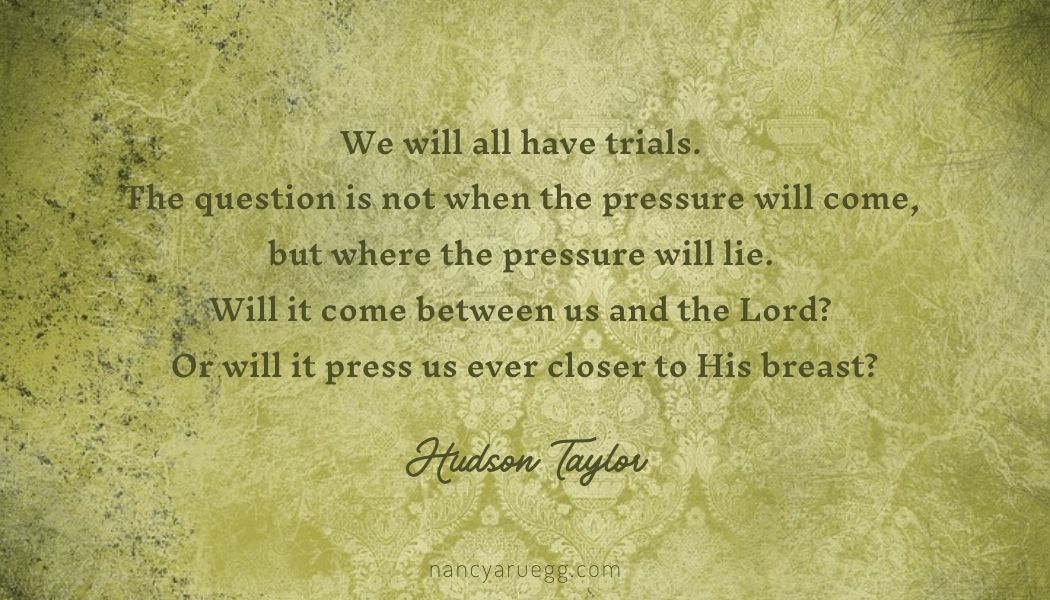
The great missionary to China, Hudson Taylor, would have us remember:

If we allow the stresses of life to accomplish the latter, they will not only be survivable, they will be accompanied by the deep contentment of nearness to God.[3]

Notes:

[1] Ecclesiastes 4:9-10

[2] James 1:2-4; Philippians 4:6-7; Proverbs 12:25

[3] Philippians 4:11-13; Psalm 23:4; Psalm 27:1

Sources:

  1. https://www.washington.edu/news/2017/11/28/theres-a-deeper-fish-in-the-sea/
  2. https://www.nature.com/articles/d41586-019-01158-x
  3. https://theconversation.com/the-deepest-dwelling-fish-in-the-sea-is-small-pink-and-delicate-88991
  4. https://www.natureasia.com/en/research/highlight/12923

Art & photo credits: http://www.wikimedia.com; http://www.flickr.com (3); http://www.rawpixel.com; http://www.pxfuel.com and http://www.maxpixel.com; http://www.piqsels.com; http://www.maxpixel.net.

Read Full Post »

A few weeks before the big trip

Years ago when our oldest son Eric had just turned three and our daughter Heather was four months old, we planned a long car trip from Columbus, Ohio to our home in St. Petersburg, Florida.

I had flown north with the children ahead of time to visit family in the Chicago suburbs. Meanwhile, a week or so later, my husband Steve drove to Columbus, and the kids and I flew in from the Windy City to meet at his parents. Steve intended to drive home straight through again, so I tried to explain to Eric what was to come.

“It’s going to take us a long time to get home—much longer than our trip on the jet.  We’ll ride in the car all morning, and then we’ll stop for lunch.  After we eat we’ll get back in the car and ride all afternoon.  Then we’ll stop again for dinner.  After we eat, we’ll get back in the car and keep riding until after the sky is dark.  You’ll probably fall asleep.  And a long time after it’s dark we’ll finally be home.”

You can guess where this is going.  We’d been on the road perhaps twenty minutes and were just entering the southern outskirts of Columbus when Eric chirped, “Are we there yet?” 

Obviously no amount of explanation could prepare him for such a long journey.

And we smile at a toddler’s lack of understanding and impatience. Yet I have to admit, I’m just a toddler in God’s family. On the occasions when the time between Point A and Point B has been protracted beyond understanding, my patience has often worn thin.

What’s a child of God to do?

First, our Heavenly Father would have us remember:

  • He may be silent for a time but he is never still; he’s always working on our behalf.
  • Even as we’re waiting on God we’re waiting with God, whose mere presence can bring peace, joy, and strength[1]–when we avail ourselves.  
  • There’s always purpose in wait-time, including the opportunity for our prayer lives to be intensified.  We also tend to cling more firmly to God’s promises during a season of waiting, and find our character refined.
  • Even delays are part of his goodness as God accomplishes his plan—a plan that may very well include others, not just ourselves.
  • “If God waits longer than you would wish, it is only to make the blessing doubly precious”—Andrew Murray.

Such affirmations provide expectation and hope for me; I pray they provide the same for you.

Second, our Heavenly Father would have us purposefully occupied as we wait.

  • Delight in him.  Contemplate his character traits and his glorious activity in the past. Grow in awareness of his presence.[2]
  • “Harvest the holy in the hollow desert times.”[3] We can use a season of waiting for growing our character, developing such traits as perseverance and spiritual strength, the ability to live above our circumstances, and more.
  • Trust God’s timing. He is never too late, and he never makes mistakes.  What happens while we’re waiting may be more important than what we’re waiting for.    
  • We can live in a receptive mode, enjoying the good he’s providing today while waiting for his perfect plan to unfold for tomorrow.[4]

With my mind and spirit renewed in these ways, I’ll be able to sit back with more contentment, less impatience, and enjoy the ride through life—even as I wait for God’s plan to unfold.  How much more pleasant than repeating, “Are we there yet?”

No doubt he’ll be delighted too, as I demonstrate my faith.

What keeps you purposefully occupied as you wait for God’s timing? Please share your thoughts in the comment section below!

Notes:     


[1] Isaiah 26:3, Psalm 16:11, Philippians 4:13

[2] To grow in awareness of God’s presence we contemplate his Word, the Bible.  We turn our thoughts to him, conversing with him, offering praise, gratitude, and worship—all day long.

[3] Jean Wise blogs at www.healthyspirituality.com , but this particular quote comes from one of her thought-provoking books, Christmas Crossroads, p. 41.

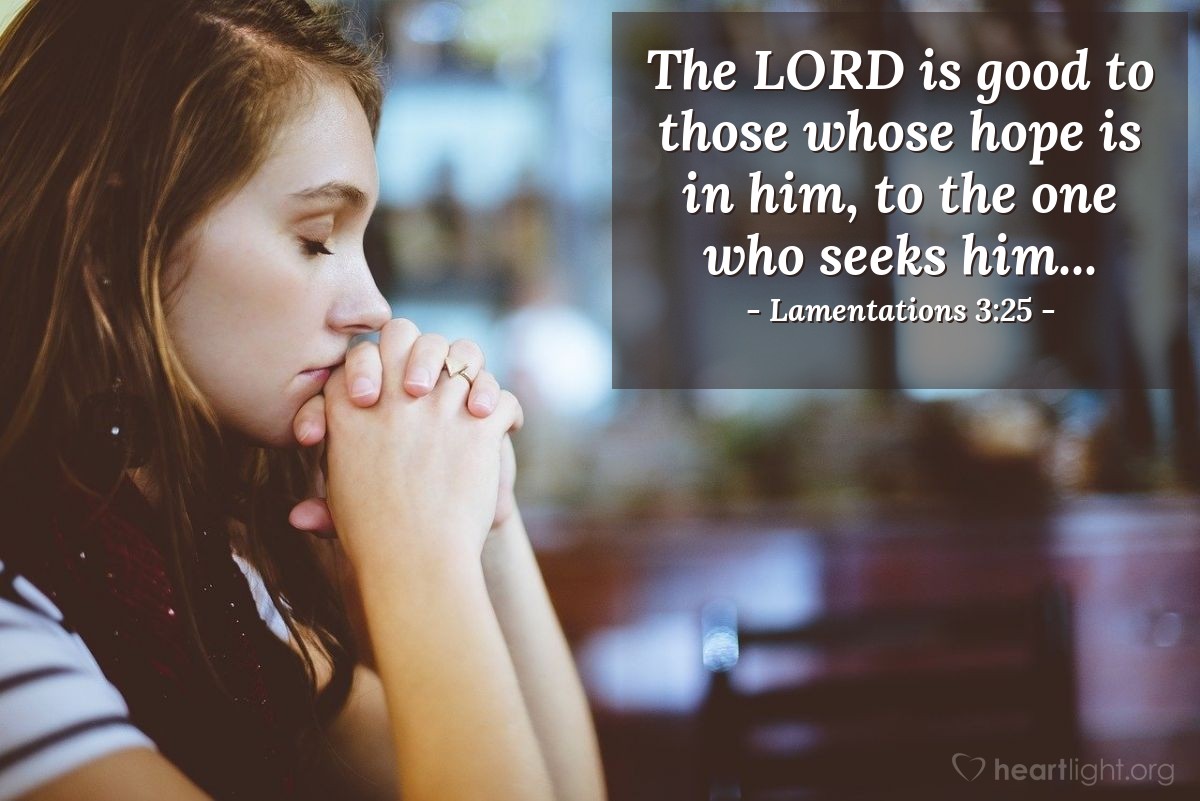
[4] Lamentations 3:25

Photo credits: Nancy Ruegg; http://www.flickr.com; http://www.pxhere.com; http://www.heartlight.org; http://www.canva.com (2); http://www.heartlight.org.

Read Full Post »

(www.thecove.org)


Have you visited the Billy Graham Training Center outside Asheville, North Carolina? You’d be hard-pressed to find a better place for retreat, relaxation, and renewal.

Ruth and Billy chose the location well, tucked as it is onto a peaceful Appalachian mountainside.

My husband and I visited years ago and reveled in five days of morning-and-evening teaching sessions under Warren Wiersbe. The afternoons were unscheduled—for the relaxation part.

One day we decided to tackle a long trail-hike and walk off some of the scrumptious food (and nightly, all-you-can-eat soft-serve ice cream!) we’d been consuming.

A staff member promised the mountain view from the lookout point at the end would be well worth the effort.

But in no time the hike became rough going. The miles we were accustomed to walking back home in the flatland of Florida hadn’t prepared us for the unrelenting incline of this trail.


I started to grunt and groan. My leg muscles begged for mercy until we had to stop and rest—several times.

For the entire distance trees surrounded us—lovely to be sure, but not once did we catch even a glimpse of the vista to come.

Finally we approached the rail of the platform lookout, and my grunts and groans turned to oohing and wowing.


Row upon row of gentle peaks stood sentry before us, stretching immeasurable miles to the horizon. Cumulous clouds above produced large patches of shade below—a jigsaw of light and shadow.

The staffer had been right. To see such a grand panorama of God’s handiwork was indeed worth the struggle.


“God has made everything beautiful in his time,” King Solomon wrote (Ecclesiastes 3:11).

“Everything beautiful” certainly includes the splendorous moments on that platform, especially in contrast to the arduous process to get there.

But equally wondrous, God knows how to create beauty out of difficult life-circumstances—circumstances like:

  • A disturbing diagnosis
  • Ongoing frustration at work
  • A hurtful relationship
  • Financial struggles

How can that be? Because those are the times that push us toward maturity (James 1:2-4)—and maturity is indeed a beautiful thing.


Our problem is, we crave a smooth pathway through life—level, broad, and full of pleasure. But God knows what spoiled, useless creatures we’d become on such a course.

So he allows uphill climbs as the training ground for developing patience, perseverance, persistence, and self-discipline—important facets of maturity.

All the while we can rest assured the day will come when we finally understand how our ugly struggles fit into God’s great and beautiful plan—“a plan so overwhelming, magnificent, and joyful, we will laugh with wonder and delight”—Arthur Christopher Bacon (1).

And how do we know that’s true?

Consider God’s attributes, including his

  • Love and faithfulness (Psalm 117:2)
  • Wisdom (Romans 11:33)
  • Rghteousness (Psalm 145:17)
  • Justice and fairness (Deuteronomy 32:4)


Such a God does not allow useless distress; there is always purpose.

And note the verse says, “He has made everything beautiful in its time.”


Every detail of your life

is fitting together to create

a tapestry of praise.

–Jane L. Fryar (2)


Sometimes we do see the details of our lives fitting together in beautiful, praise-evoking ways.

Our stories of struggle-turned-into-beauty can:

  • Inspire someone to start their own journey with Jesus
  • Offer comfort to another who’s struggling on the same stretch of pathway
  • Provide guidance for a wanderer
  • Encourage a hiker-believer to keep climbing to the heights


But I have a feeling God is saving the best and most beautiful revelations until we’ve reached the lookout of heaven.

For now we can cling to this:

All things are from him—for a purpose (Romans 11:33-36), and we will behold the beauty—when the time is right.


Notes:

  1. From Streams in the Desert, edited by Jim Reimann, Zondervan, 1997, p. 72.
  2. Be Blessed, CTA, Inc., 2009, p. 60.


Photo credits:  http://www.thecove.org; http://www.flickr.com; http://www.wikipedia.org; http://www.bible.com; http://www.canva.com;  http://www.heartlight.org; http://www.maxpixel.net.


Read Full Post »

Older Posts »

When the House is Quiet

Impressions Becoming Expressions

Mitch Teemley

The Power of Story

Still Traveling

Impressions Becoming Expressions

Living Our Days

Gaining a heart of wisdom

He Said What?!

I'm Patty, and my husband and I are living with our adult son who has autism and epilepsy. I love sharing lessons learned from life around me, especially life with Aaron.

Meditations of my Heart

Impressions Becoming Expressions

Linda Stoll

Impressions Becoming Expressions

Signora Sheila

Where faith meets la dolce vita

Heidi Viars

Finding the Image of God