At least one verse in the Bible achieves a remarkable feat. It covers the entire expanse of eternity—from before the beginning of time into the infinite future—with just eighteen words (in the NIV):
“Those [God] predestined, he also called;
those he called, he also justified,
those he justified, he also glorified.”
–Romans 8:30.
That verse also includes four heavy-duty theological concepts. Thick volumes of commentary have been written about each one: 1) predestination, 2) God’s call upon a life, 3) justification, and 4) glorification. But Eugene Peterson has explained each with brevity, wisdom, and simplicity:
“After God made the decision of what his children should be like” (predestined*),
”he followed it up by calling people by name” (called).
“After he called them by name, He set them on a solid basis with himself” (justified).
“And then, after getting them established, he stayed with them to the end,
gloriously completing what he had begun” (glorified).
–Romans 8:30, The Message
Part of that completion will occur when Jesus presents us with our new bodies and abilities, once we reach heaven (Philippians 3:20-21).

But note that those key verbs: predestined, called, justified, and glorified, are all past tense—even the last one.
Some Bible scholars make the point that our glorification in heaven** is so certain, Paul chose past tense.
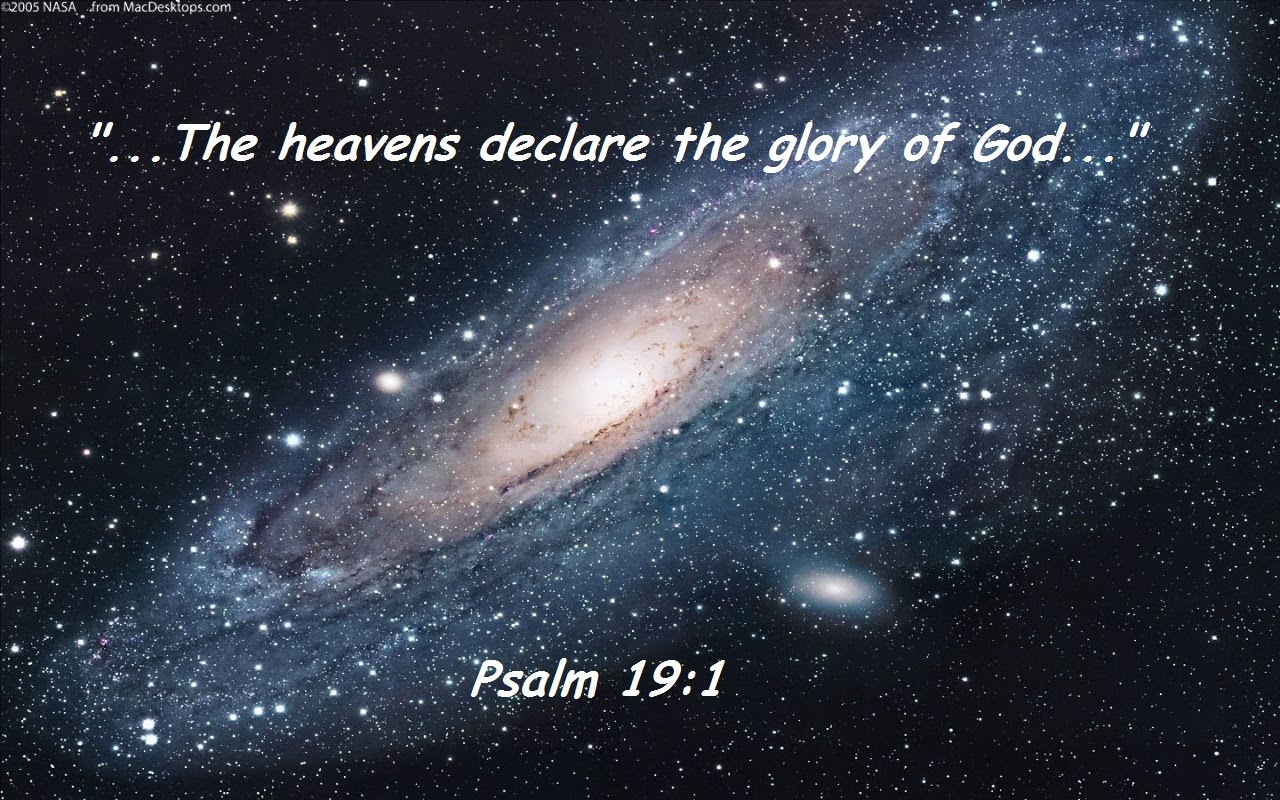
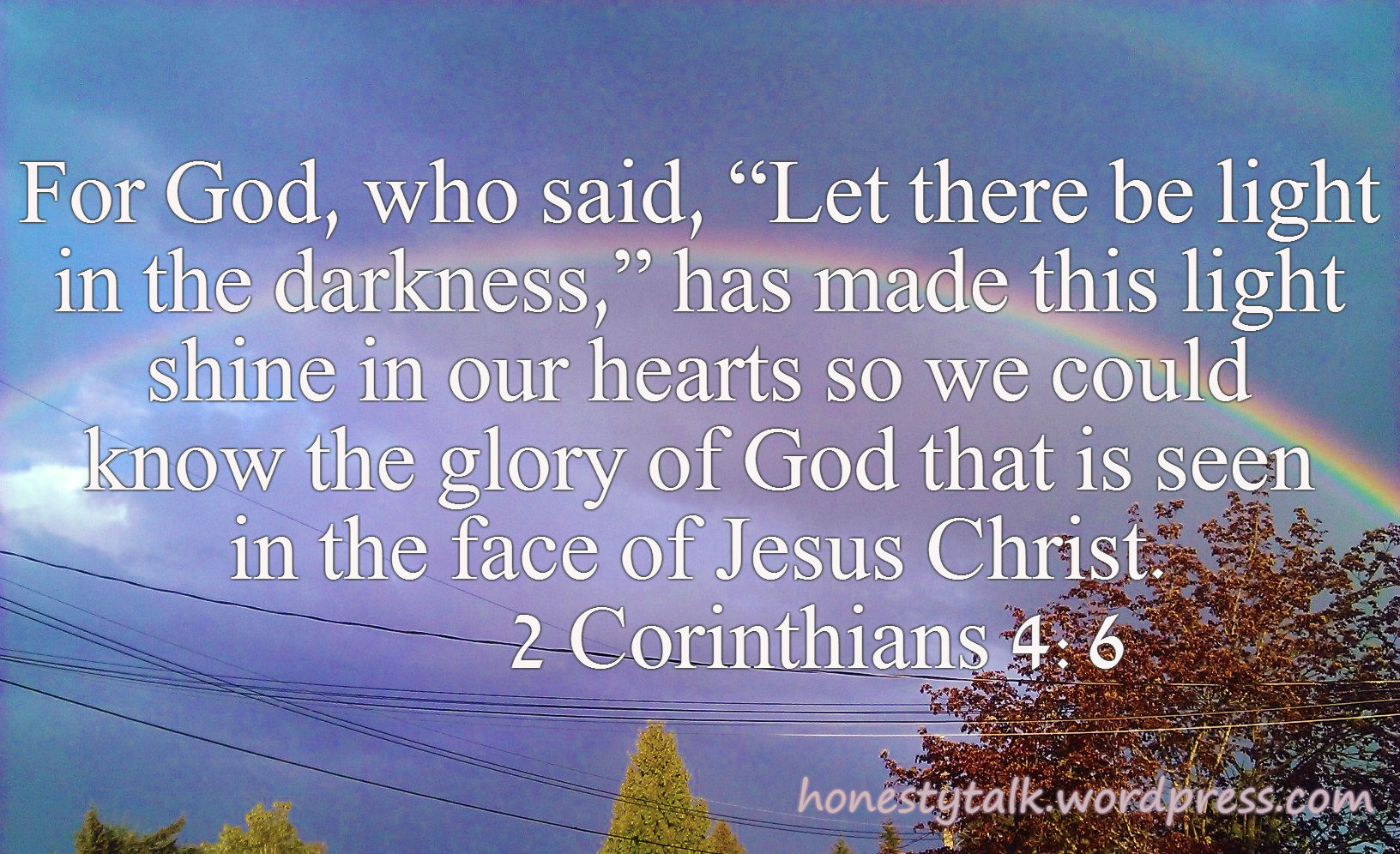
But there are at least several aspects of glorification that are available to us now. That’s because God’s glory—the sum of his majesty, splendor, and wondrous attributes—gleams brightly in the hearts of those who know Jesus (2 Corinthians 4:6).
Think of it. Everything he is, he offers to us in the present, including his wisdom, grace, and kindness; goodness, mercy, and strength; truth, power, and love. Of course, that’s just a partial list. Our God is infinite; so are his glorious attributes.
And as we make ourselves available to God, we begin to experience God’s glory in our lives.
We begin to recognize his goodness in every provision, his mercy and power each time we’re shielded from harm, his wisdom when events unfold for our growth, his love in every blessing, great and small.
We begin to make choices that reflect God’s glorious presence within. Out of love and appreciation, we desire to lead a life worthy of him and pleasing to him in every way (Colossians 1:10).
We also begin to reflect God’s glory to others.

In 1852, a small band of miners discovered gold in Montana. Knowing that the gold rush in California (1849) had caused cutthroat competition and gross inflation, they decided to keep their find a secret. But not long after they returned to town, word spread of their discovery.
Who let the secret slip out? No one. The townspeople knew they had found gold because of the joy on their faces.
We, the glorified children of God, have found greater wealth than gold in our Heavenly Father. And as we contemplate his glory, we become transformed into his image. Joy radiates from our faces, just as it did from the miners’ (2 Corinthians 3:18).
Even more wondrous? As we seek to know him, the Almighty God of the universe is pursuing us. He longs for us to be close to him, where we can experience more of his glory—here and now– and “the glorious riches of his inheritance among the saints” (Ephesians 1:18 HCSB).
Praise to our glorious God for his overflowing love, kindness, and generosity!
* * * * * * * * * *
*Predestination is a confusing concept. I appreciate Warren Wiersbe’s explanation in Be Right (Victor Books, 1976). He says the concept only applies to Christians. Nowhere in the Bible do we find evidence that God has prechosen certain people to be forever condemned. He’s given each person the choice to follow him or not (John 1:12).
** a thorough transformation into holy radiance (Ephesians 5:27)
(Art & photo credits: www.pinterest.com; http://www.faithgateway.com; http://www.egoldprospecting.com.)