Feeds:
Posts
Comments

Archive for the ‘Blessings’ Category

What if you opened your mailbox one day to see a thick, cream-colored envelope among the ads and bills. Your name and address have been hand-calligraphed in gold ink, and an intricate seal is embossed upon the flap.

Inside you find an elegant invitation, announcing a grand celebration at the palace of a highly-respected and beloved king.

“Come!” proclaims his request. “Come and enjoy an unlimited feast with me; come drink the finest wine. There is no cost to you.”

Would you attend? Surely you’d quickly return your R.S.V.P. with “YES” clearly marked!

Such a scenario is fiction, of course, except for one fact: God Almighty, the King of the universe, is a monarch to be highly-respected and beloved–above all others.

And he has issued an invitation to everyone–not just to a single banquet–but to a continual feast in his divine, spiritual kingdom. He bids us to come and enjoy a new, God-enhanced life.

Come, everyone who is thirsty, come to the waters;

and you without money, come, buy, and eat!

Come, buy wine and milk without money and without cost!

–Isaiah 55:1 HCSB

This invitation, proclaimed by the prophet Isaiah on behalf of our King, does include some puzzling statements. For example, why would he invite us “to the waters?” And what will we find there?

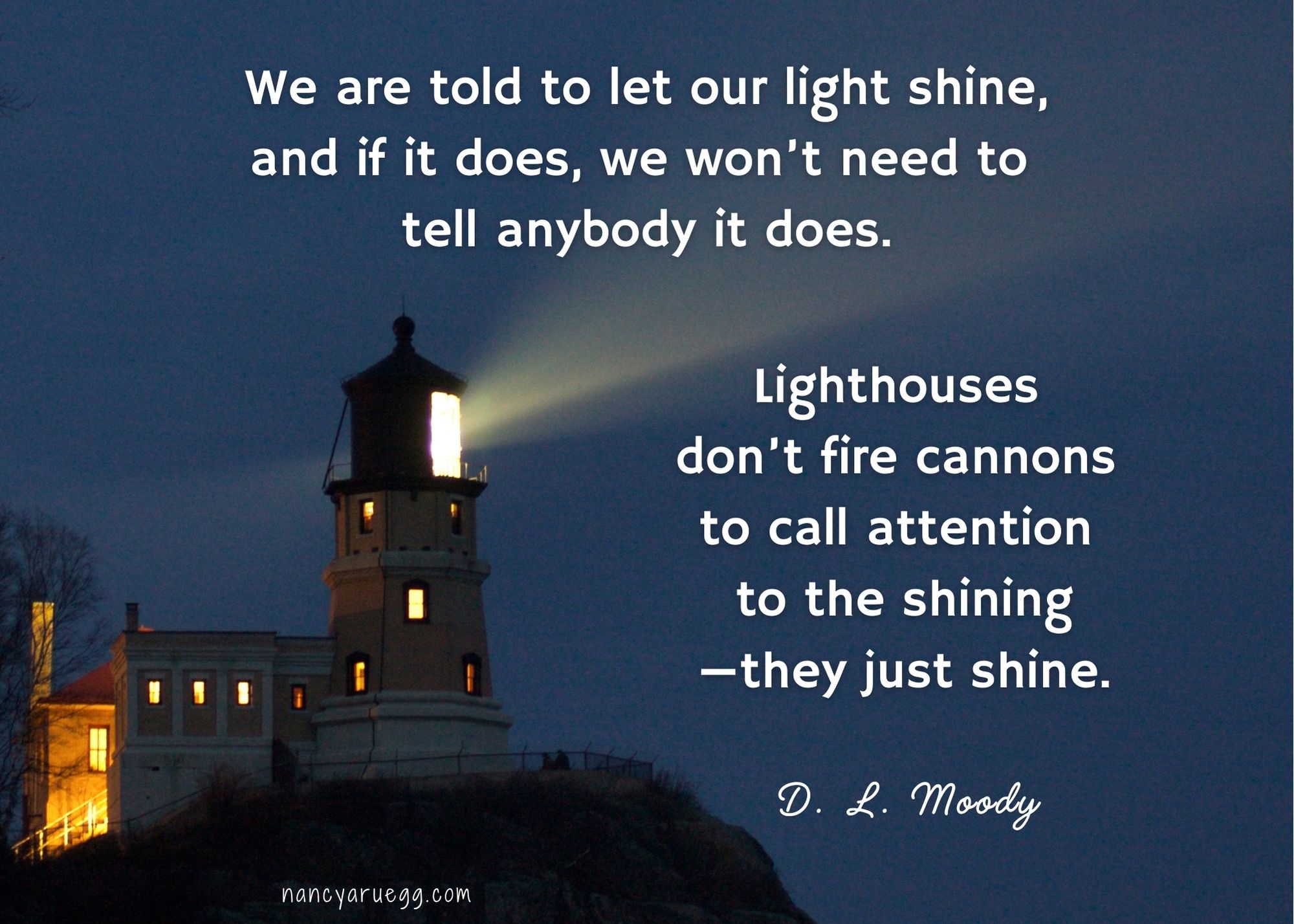
Just as water brings life and abundance in the realm of plants and trees, Christ’s living water provides soul-satisfying life and joyful abundance for us—the abundance of innumerable blessings [1].

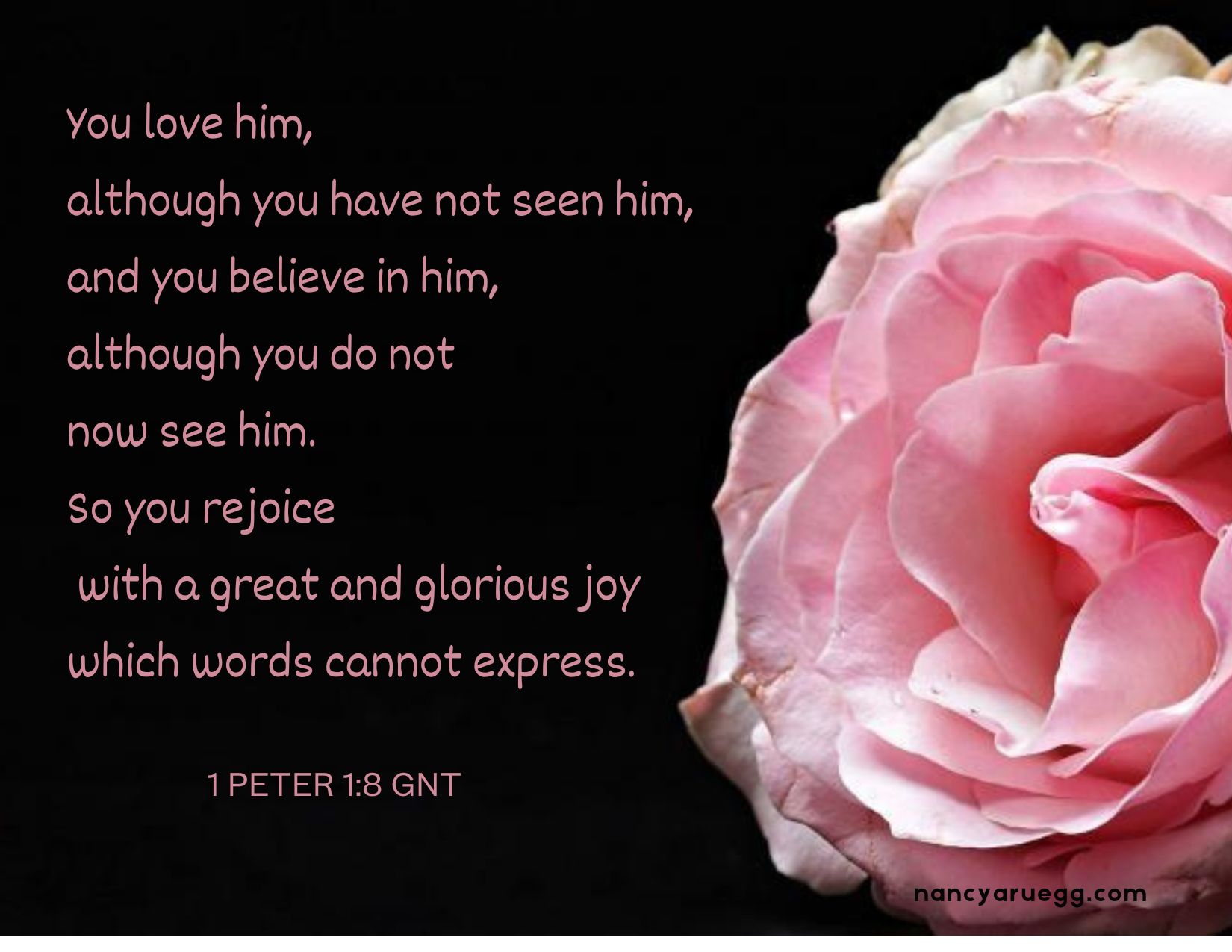
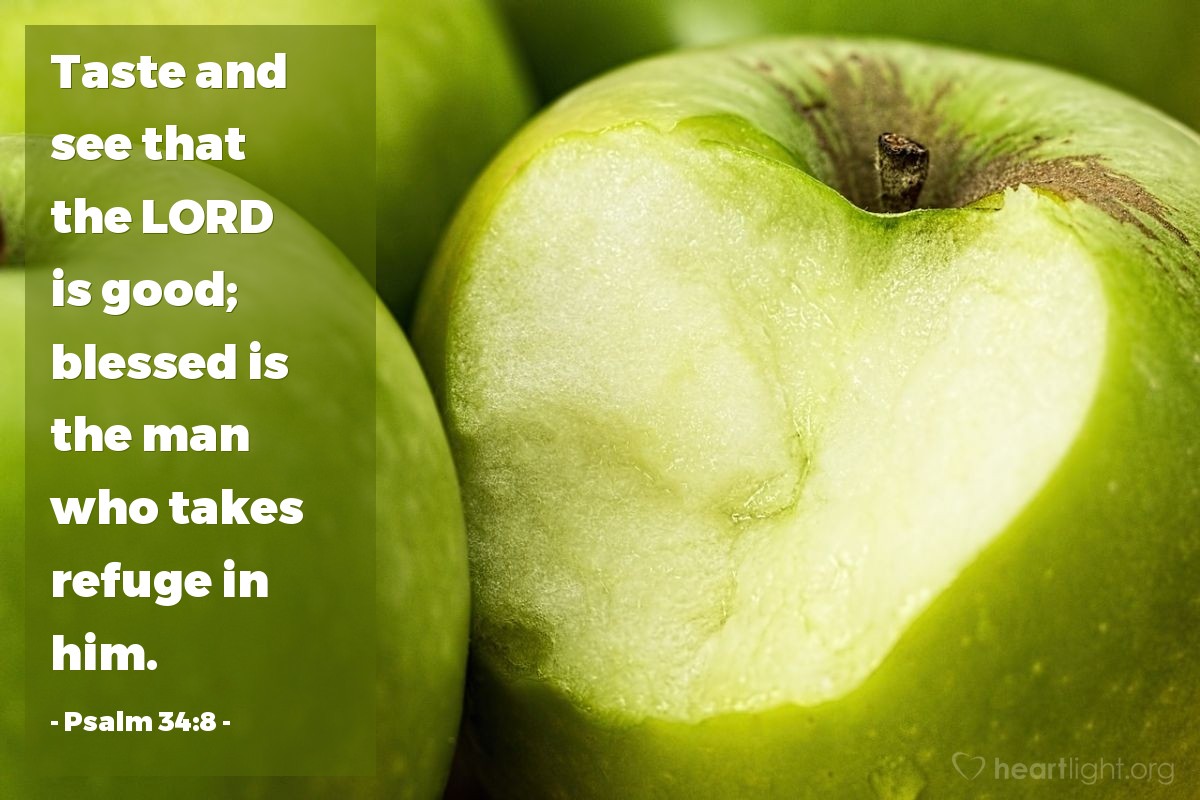
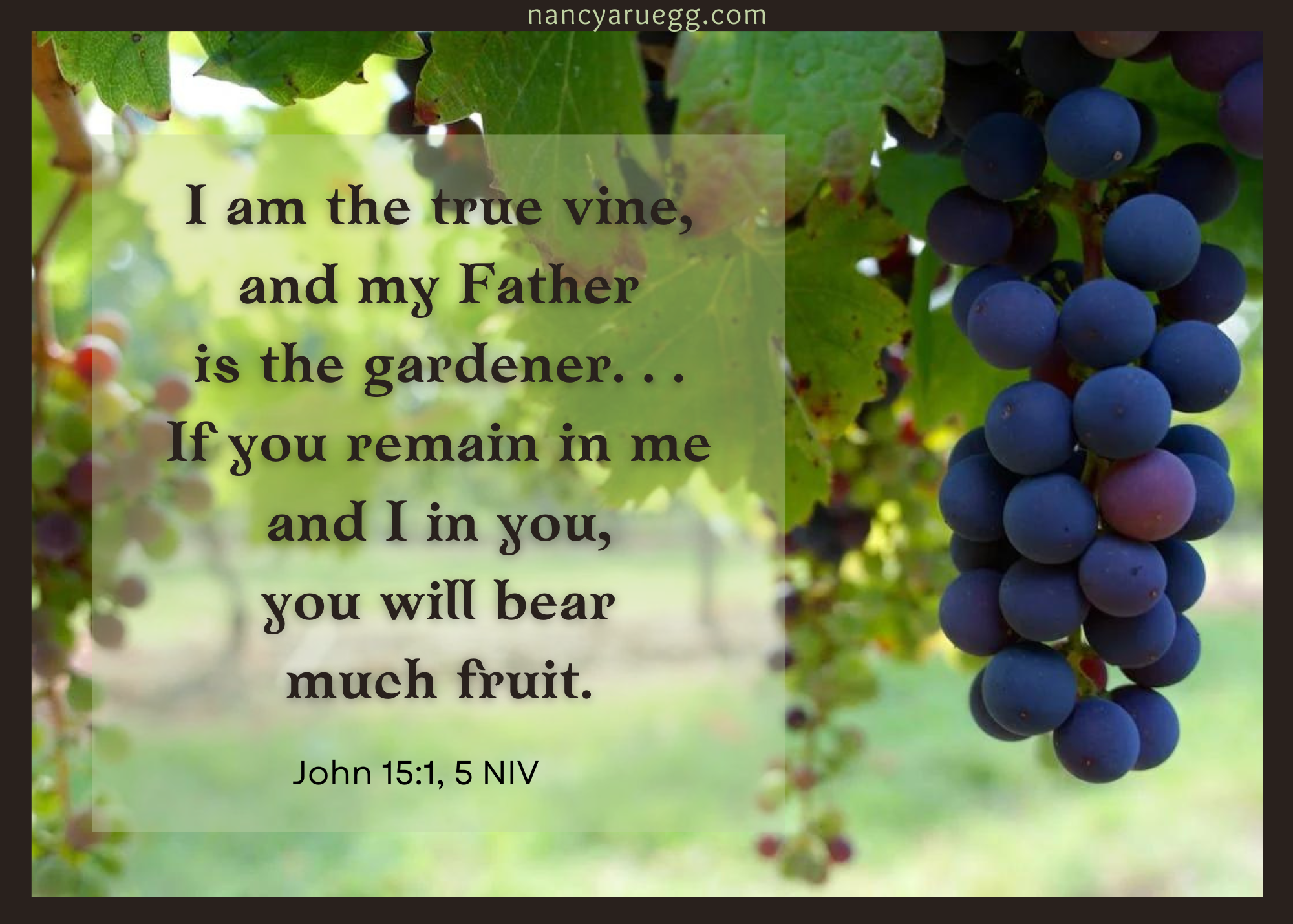
And what about the wine that God says we can “buy without money?” Does it represent more than a celebratory drink? Oh yes! Wine is a metaphor here for spiritual joy, “a joy unspeakable and full of glory”[2] as we taste the goodness of God’s love.

And what about milk?

God would have us understand: his invitation to kingdom-living includes those entities that sustain our spirits, including encouragement, strength, instruction, and help. We find all that and more in the nourishment of His Word, the Bible [3].

Puritan author and preacher, Thomas Brooks (1608-1680) wrote:

The Word of the Lord is a light to guide you, a counselor to counsel you, a comforter to comfort you, a staff to support you, a sword to defend you, and a physician to cure you. The Word is a mine to enrich you, a robe to clothe you, and a crown to crown you.–Thomas Brooks

Countless Jesus-followers who read the Bible, study it, and meditate on its truths can affirm that Brooks is right; they’ve experienced time and again the life-changing power of God’s Word. That includes many of you reading this post.

In addition to his perpetual-banquet invitation, God includes these instructions:

Listen carefully to Me, and eat what is good.

Let your soul delight in abundance.

Incline your ear [to listen] and come to Me;

hear, so that your soul may live.

–Isaiah 55:2b-3a AMP

To listen carefully includes the action of follow-through. And what would God have us do? “Eat what is good”—that is, experience the fullness of his goodness as we follow his ways, and take delight in the abundance of his blessings.  

Then our souls can really live in the security and satisfaction he desires for us, in every moment of the present–and into eternity. And in the final analysis, isn’t that what we desire also?

All we need do is come.

*     *     *     *     *     *     *     *     *     *

I praise you, my King, for your open invitation to come and feast upon all the good things you offer. You prepare a table before me of forgiveness, salvation, peace, joy, strength, comfort, contentment, purpose, and more.

No amount of money on earth could purchase such priceless, heavenly gifts that you so freely give to those who simply COME. I will praise your name for ever and ever!

(Luke 13:29; Psalm 107:9; Psalm 23:5; Ephesians 3:20; Psalm 145:1b)

Have you accepted God’s invitation? If not, will you do so today [4]?

If you have, what goodness and delights have you tasted at his table? Please share in the Comments section below!


[1] David Gusik, https://enduringword.com/bible-commentary/isaiah-55/. See a starter-list of twenty-six examples: God’s Goodness from A to Z.

[2] Selwyn Hughes, Seasons of the Lord, 42.

[3] 1 Peter 2:2.

[4] See https://billygraham.org/answer/how-do-you-become-a-real-christian/ for a simple explanation and a prayer to guide you. Do it today—you’ll be so glad you did!

Photo credits: http://www.rawpixel.com; http://www.picryl.com; http://www.heartlight.org; http://www.canva.com.

Read Full Post »

How would you finish this statement?

Nothing we do is more powerful or life-changing than _____________.

Some would suggest taking better care of ourselves, or setting goals that include a plan for completion, or training our minds to focus on the positive. And the argument could be made that all of these actions create beneficial influence in our lives.

But according to author Stormie Omartian, “nothing we do is more powerful or life-changing than praise[1]. Others would likely agree with her, having cited numerous benefits themselves:

  • Prayers of adoration calm any fear, lift the spirit, and fill us with indescribable joy [2].
  • Praising God reduces our cares, levels our anxieties, and multiplies our blessings [3].
  • Continual praise is what changes the emotions, lifts the darkness, offers hope, frees the mood, and blesses God so that evil is driven out. It changes everything [4].
  • When we choose to practice adoration anyway in the midst of whatever we are feeling, our words lift us over that barrier and into a deeper connectedness with God [5].

But how could simple words produce such life-changing results? Psalm 69:30 offers a clue:

To magnify God is to make larger our view of him and his attributes, which lessens our view of the problems we face. The more often we focus on God, the more our faith thrives, and that in turn leads to less worry and fretting.

For example, see if these statements don’t boost your confidence in God for what you’re facing right now:

  • Praise God he is all-sufficient, all-knowing, and all-powerful. He has everything under control (Isaiah 55:11; Romans 11:33-36; 1 John 3:20b).

  • Praise God he is forever faithful, always working out his overall plan, always fulfilling his purpose (Lamentations 3:22-23; Job 42:2). 

  • Praise God he is continually gracious and good, full of love and compassion (Psalm 145:8-9).

The longer we gaze at him, arrayed in such glorious attributes, the less insurmountable our problems become.

And with an unknown Puritan of old we too can affirm:

“When I think upon and converse with Thee, ten thousand delightful thoughts spring up, ten thousand sources of pleasure are unsealed, and ten thousand refreshing joys spread over my heart, crowding every moment with happiness” [6].

That is the power of praise.

But the enemy of our souls is well aware of this power. He’ll do everything he can to keep us from developing the habit of praise. What might help?

Habit-stacking. Have you heard of it? The practice involves adding a new habit to some action that’s already a fixed routine.

For example, we might add more praise to our days while making the bed in the morning, completing some household chores, commuting to and from work, walking from place to place, waiting for the microwave, chopping fruit or veggies.

What routines are established in your life? Which ones lend themselves to spending a few minutes praising God for who he is and what he’s done?

Another possibility for adding praise to our lives comes from C. S. Lewis: “Make every pleasure into a channel of adoration.” He suggested several ideas to get us started: a beautiful mountain valley, delicious food, a great book, or a piece of music [7].

And you know what happens as we praise God for these blessings?

One’s mind runs back up the sunbeam to the sun [8].

Isn’t that lovely imagery?  

And is there any better place for our mind to be?


[1] Values for Life, 160.

[2] Kristine Brown (https://www.ibelieve.com/christian-living/prayers-of-adoration-to-fill-your-heart-wonder.html).

[3] Suzanne Dale Ezell, Values for Life, 160.

[4] Arnold Prater, Bonding with God, 78.

[5] Sara Hagerty, Unseen, 151.

[6] From The Valley of Vision, Puritan prayers and devotions compiled by Arthur Bennett, 1975.

[7] Quoted by Timothy Keller in Prayer: Experiencing Awe and Intimacy with God, 197.

[8] C. S. Lewis, Letters to Malcolm: Chiefly on Prayer, 89-90.

Art & photo credits: http://www.pickpik.com (2); http://www.canva.com; http://www.freeimageslive.co.uk; www,pxhere.com; http://www.canva.com.

Read Full Post »

Have you seen those grace-filled fingerprints? Perhaps at home in the joy of good-natured laughter around the family table, or one child helping another with his homework—unprompted, or unified celebration of all—for the success of one.

Perhaps you’ve seen God’s fingerprints outdoors in a landscape of incredible beauty and grandeur, or an up-close encounter with one of God’s creatures, or the expanse of a sunrise, sunset, or brilliant rainbow.

And especially at church, we see God’s fingerprints when an impassioned congregation sings their praise to him, a saint of God offers a heart-touching prayer, someone shares a personal story of divine, miraculous provision, or a scripture-reading fits perfectly our current circumstances.

No doubt, God’s grace is on display everywhere and always. It never wanes; it’s new every morning. And, as illustrated above, when we intentionally look, we see his fingerprints in the GRACE of place.

But God’s grace is not only evident around us. God has provided a place of GRACE within us as well.

  • Our God of grace hears—even before we speak (Isaiah 55:24).
  • Our God of grace leads—along the best and straightest path to himself (Psalm 16:11a) [1].
  • Our God of grace drives (propels)—gently but persistently—so we’re resilient, not fragile; strong, not weak; useful, not ineffectual (Ephesians 3:20).
  • Our God of grace lovingly and relentlessly draws us unto himself (Jeremiah 31:3).
  • Our God of grace changes us, progressively transforming us into his likeness with ever-increasing glory (2 Corinthians 3:18).
  • Our God of grace works in us so he can work through us—all to his and our mutual delight (Philippians 2:13).

He is a passionately dedicated, perfectly-intentioned, and supremely benevolent Heavenly Father!

Yet there is more. 

Our God enriches, enlightens, enables, and enraptures by:

  • blessing us—not with everything that pleases us—but with everything good for us [2]
  • bestowing the privilege of his presence—“so wonderful, quieting, soothing, calming, and warming” [3]
  • guiding us with supernatural wisdom as we avail ourselves with childlike trust
  • shaping our lives into what is useful and beautiful [4]
  • providing a haven within of comfort (Psalm 34:18) and strength (Psalm 59:16), refreshment (Acts 3:19) and joy (Psalm 4:7)

All good things are a result of God’s grace (Psalm 84:11)—in the GRACE of place all around us and in the place of GRACE within.

Where are you seeing God’s grace-filled fingerprints this day? Tell us about it in the comment section below!


[1] Dietrich Bonhoeffer

[2] King David mentions at least ten gifts in Psalm 103 alone.

[3] J. Danson Smith, quoted in Streams in the Desert, Jim Reimann, ed., 340.

[4] Eugene Peterson, Run with the Horses, 79.

Art & photo credits: http://www.openclipart.org & canva.com; http://www.pickpik.com; http://www.canva.com (2); http://www.creazilla.com (painting by Pieter Claesz).

Read Full Post »

‘Tis Poetry Month once again, a time to celebrate this art form that can stretch, inspire, and amaze us in ways unique from prose. Award-winning poet Pattiann Rogers identified at least one element of that uniqueness: the music of poetic language.

But is the composing of such music reserved only for experts? That question brings to mind another quote:

Such encouragement for us amateur-poets to give it a try and be stretched, inspired, and amazed when we create our own music of poetic language—unsophisticated as it may be.

This year I’ve experimented with three forms: Shadorma, diamante, and quadrille.

The Shadorma is of Spanish origin. It contains six lines, each with a specific syllable count that follows this pattern: 3/5/3/3/7/5.

Early morning on our deck offered inspiration for this Shadorma:

Dawn Rising

Sunbeams climb

Dusky shadows fade

Breezes kiss

Robins trill

Nasturtiums spangle with dew

Morning masterpiece

The diamante (diamond) form derives its name from its shape. It was created by American poet Iris McClellan Tiedt in 1969.

The pattern for diamante is more complex than Shadorma. The first half of the poem relates to the one word of the first line; the second half to the one word of the last line. These two lines often present opposites. The middle line provides a bridge between the two. 

Each of the seven lines requires a certain number of words of a certain part of speech:

  • Line 1: 1 word (subject/noun)
  • Line 2: 2 adjectives that describe line 1
  • Line 3: 3 -ing words that relate to line 1
  • Line 4: 4 nouns (first 2 relate to line 1, last 2 relate to line 7–if you’re writing about opposite topics)
  • Line 5: 3 -ing words that relate to line 7
  • Line 6: 2 adjectives that describe line 7
  • Line 7: 1 word (subject/noun)

This diamante began to take shape as I considered the transformation Christ can make in a person’s life. A list of R-words began to grow—repentance, redeemed, restored, so I pursued the pattern.

A Transformed Life

Ruin

Repugnant, reprehensible

Rebelling, ravaging, retaliating

Rashness, recalcitrance, remorse, repentance

Returning, Releasing, Receiving

Redeemed, restored

Renewal

The Quadrille form first appeared at www.dversepoets.com in 2016. The only requirement is to include 44 words (excluding the title). They believe that “limitation can happily breed extreme creativity.” Each Monday they provide a word-prompt, and participants must use that word in their poems.*

I chose my own word from John 15:1, 5—vine. And while I played with possibilities, my poem began to fit a pattern. Every line contains seven words except the last, which contains nine.

First, the scripture, as a point of reference:

And now, the poem.

Bonded to the Vine

Praise to the Gardener of our souls!

Once we’re grafted to his Vine, he

Prunes away withered branches of worthless folly,

Waters us with his life-giving, spirit-strengthening Word,

And produces pleasing fruit with boundless sufficiency.

Such beauty results when we’re bonded to the Vine!

Remember the quote of Christopher Fry at the beginning of this post–“Poetry is the language in which man explores his own amazement?”

I wonder if he knew that the pleasure in exploring our amazement—whether as poets or not—is greatly enhanced when we include the Genius behind all things amazing.


* https://dversepoets.com/2017/09/11/quadrille-40/

Photo credits: http://www.canva.com; http://www.pxhere.com; http://www.pickpik.com; http://www.pexels.com (3); http://www.commons.wikimedia.org.

Read Full Post »

After the cold starkness of winter, spring gleefully reawakens our senses with her: 

  • Effusion of colorful flowers
  • Scents of hyacinth, lilacs, and freshly-mowed grass
  • Symphony of bird song
  • Flavors of tender asparagus, luscious strawberries, and tart rhubarb
  • Textures of furry pussy willows, fuzzy moss, and silken magnolia petals

Praise God for our abilities to see, smell, hear, taste, and touch, allowing us to enjoy Spring in so many ways!

Even better, those abilities allow us to meet God in at least five ways.

Our five senses help us understand God more clearly.

Consider how the far-flung stars and planets speak of his power; the clever camouflage of lizard, fawn, and frog display his wisdom; the endless variety of colors, shapes, and textures prove his creativity; the instinctive parenting skills of adult animals demonstrate his goodness.

Our five senses help us experience God’s glory more profoundly.

  • We can see his power at work in the transformation of lives [1].
  • We can hear his wisdom in godly men and women, such as Thomas á Kempis or Corrie ten Boom (just two among millions!):
  • We can feel God’s loving touch through a hug that conveys compassion, a worship song that quickens the heart, or a landscape vista that gives us glory-goosebumps.
  • We can taste his goodness in all the variety of blessings we enjoy (Psalm 34:8).
  • We can smell the fragrance of his sweet presence (Psalm 45:6-8)—if we pay attention.

Our five senses help us connect with God more intimately in solitude.

Many people call it Quiet Time—moments they spend with God in scripture reading/study, prayer, perhaps journaling, and/or listening to peaceful worship music.

It’s in the quiet we begin to see important realities of the spiritual realm, hear God’s voice within our spirits providing wisdom and encouragement, feel his presence more palpably as we touch our knees to the floor in prayer, and again, smell the fragrance of his sweet presence as he meets us in our place of solitude.

   Our five senses help us worship God more intently in community.

Jerry Kerns [2]

Kerns would have us fully engaged–first to bless God’s heart and then to elevate the experience for us also.

How?

  • See the majesty and splendor of God on his throne–in your imagination. This is who you are worshiping [3]!
  • Hear the music and join in with grateful, enthusiastic praise [4].
  • Feel the presence of God as you pray. Try placing your hands on your lap, palms up—open and empty, symbolic of humility and receptivity [5].
  • Taste the bread and wine/juice with prayerful gratitude. Jesus is our Bread of Life who satisfies our spiritual hunger, who shed his blood for us so we might one day enjoy heaven with him. May we never become desensitized to the magnitude of his sacrifice.
  • Smell the fragrance of God’s saints as they leave the perfume of kindness, uplift, and joy in their wake.

Our five senses help us live out our faith more joyfully.

When our heart’s desire is to serve God by serving others, we’ll aspire to live so people:

  • See the Light of Jesus in our choices, behavior, and attitudes (Matthew 5:14-15)
  • Hear us speak truth, wisdom, and encouragement (Proverbs 10:20-21)
  • Feel the love of God in our interactions with them (John 13:35)
  • Taste the flavorful salt of God’s divine grace within us (Matthew 5:13)
  • Smell the fragrance of Christ in our lives (2 Corinthians 2:15-16)

 And as we engage all five senses in these five ways, what will happen?

We’ll bring more glory to God and enjoy more fully the satisfying, abundant life his Son provides.

That sounds mighty good to me. You too?


[1] Stunning examples include Jake DeShazer (https://nancyaruegg.com/2016/08/18/a-miracle-of-forgiveness/), Johnny Hart (https://nancyaruegg.com/2018/08/09/johnny-and-jesus/), and Isobel Kuhn (https://nancyaruegg.com/2024/04/11/goodness-and-mercy-followed/).

[2] https://www.experiencingworship.com/articles/general/2001-7-great-quotes-on-worship.html

[3] See: https://nancyaruegg.com/2023/07/06/in-awe-of-gods-magnificence/

[4] See: https://nancyaruegg.com/2015/09/07/when-worship-loses-the-wonder/

[5] See: https://nancyaruegg.com/2015/03/23/the-ultimate-delight/

Art & photo credits: http://www.pixabay.com; http://www.pexels.com; http://www.goodfon.com; http://www.stockvault.net; http://www.canva.com; http://www.pickpik.com (2); http://www.heartlight.org.

Read Full Post »

Many of those who haven’t asked Christ into their lives yet will still admit: historical evidence proves Jesus once lived on earth. They’ll agree he was a good man who taught wise principles to live by.

But even they might wonder: Why would God allow his Son to suffer such a cruel death at the hands of hateful men?

Welsh pastor and author Selwyn Hughes provided this insightful answer: what seemed to be the worst thing that could happen to Jesus—crucifixion—turned out to be the best thing for him [1].

That sounds ludicrous at first reading until we consider what Christ has enjoyed since returning to heaven, and what he’s looking forward to in the future–all because he fulfilled his mission at the cross.

As he suffered for us, Jesus kept in mind the joys set before him (Hebrews 12:2):

  • Sitting in the ultimate place of honor in the universe, at the right hand of the Majesty on high (Hebrews 1:3b).
  • Angels acclaiming him, saying, “Worthy is the Lamb who was slain, to receive power and wealth, wisdom and strength, honor, glory and praise” (Revelation 5:12).
  • God appointing him to be head over everything for the good of the church (Ephesians 1:22 GNT).
  • Being given authority and sovereign power that will last into eternity (Daniel 7:14).
  • All kings bowing before him one day, and all nations serving him (Psalm 72:11 NLT).
  • All nations and people of every language worshiping him (Daniel 7:14).
  • Being given the name above every name (Philippians 2:9).

And why is that last fact significant?  Jesus is the One and only Son of God, the only Redeemer and Savior, the only Christ and Anointed One of God. “His rank, his titles, his dignity, are above all others” [2].

Perhaps no one has explained the significance of Jesus’ name(s) more eloquently than theologian Charles Spurgeon:

Jesus’ name is “the sum total of all delights. It is the music with which the bells of heaven ring; a song in a word; an ocean for comprehension; although a drop for brevity, a matchless oratorio in two syllables; a gathering up of the hallelujahs of eternity in five letters” [3].

Charles Spurgeon

But Jesus doesn’t want to enjoy these accolades and privileges alone. Max Lucado wrote:

Jesus desires for us to be one with him, continually availing ourselves of all he has to offer.

Even more astonishing? Because of what Christ accomplished on the cross, we who’ve accepted Jesus into our lives get to share in his power and wealth, wisdom and strength, honor and glory!

For example:

  • The immeasurable and surpassing greatness of God’s spiritual POWER is in us who believe (Ephesians 1:19 AMP).
  • He supplies spiritual RICHES and blessings that cannot be fully understood or measured (Ephesians 3:8-9).
  • Christ’s word with all its WISDOM lives within us so we can experience his joy (Colossians 3:16; John 15:10-11).
  • We’re equipped for anything and equal to anything, through Christ who infuses us with inner STRENGTH (Philippians 4:13 AMP).
  • As beloved children adopted into God’s family through Christ, we are precious in his sight (Isaiah 43:4). He’s crowned us with HONOR and GLORY (Psalm 8:5; Romans 2:10), including the honor of representing Jesus in this world, and the glory of his character at work within us [4].

On this eve of Good Friday, we’d do well to remember:

We can pick up our own cross, inspired by Jesus’ example, empowered by God’s Spirit within us, and encouraged by the glorious outcome yet to be [5].

The worst circumstances we might face will become God’s best in our lives too.


[1] Every Day Light, 285.

[2] Barnes’ Notes on the Bible at www.biblehub.org

[3] Morning by Morning, 41.

[4] See also 2 Corinthians 5:17, 20

[5] To “pick up our cross” means trusting in God even when suffering comes our way, putting aside our self-will and embracing God’s will instead.

Photo credits: http://www.freebibleimages.com; http://www.canva.com (2); http://www.quotefancy.com; http://www.canva.com; http://www.pexels.com.

Read Full Post »

Years ago I served as a short-term missionary in Ecuador. One of my first meals there included a fruit I’d eaten many times back home in Illinois, although more often from a can than the produce section.

But that day the golden wedges provided an uber-delightful surprise: more flavor, more sweetness, and less acidity than any I’d enjoyed in the States. It was as if I was eating a different fruit.

That’s because Ecuador grows some of the world’s best pineapple. Their location on the equator and the volcanic soil of the Andes Mountains provides perfect growing conditions. I gained new appreciation for what pineapple could be.

There’s another kind of fruit that many of us are familiar with, but it’s not the kind we eat. It’s the fruit of the Spirit, listed in Galatians 5:22-23. Many of you can probably recite its nine aspects:

What follows are brief thoughts on each. I pray we gain new appreciation for what this fruit can be—perhaps even uncover a surprise or two.

LOVE

If you were asked, what’s a powerful, practical way to express love for others, what would you say? Theologian John Calvin suggested intercession [1]. To pray for a person is to love that person.

Who might you love with a prayer today?

JOY

Scripture tells us to “rejoice always” [2], but that’s hard to do when problems and pain come our way.

Selwyn Hughes offers this perspective: Even though our difficulties may have begun with the devil, by the time they get to us and through us, they will have a divine purpose running through them [3].

Now that we can joyfully celebrate.

PEACE

“The truly thankful person is a truly peaceful person,” asserts Lysa TerKuerst [4]. And Isaiah 26:3 suggests why:

What better way to fix our thoughts than with thanksgiving? And as we affirm God’s blessings, peace will warm our hearts.

PATIENCE

Patience blossoms best in the soil of God’s promises, as we wait for him to intervene. His promises cover every circumstance; our part is to know them and believe, then patiently anticipate their fulfillment.

Are you clinging to a scripture-promise today? Turn it into a prayer of faith, hope, and patience [5].

KINDNESS

We can grow this attribute with one action: meditate on God’s kindness to us [6]. Meditation fosters appreciation; appreciation fosters emulation, and soon we find God’s kindness becoming more a part of who we are.

GOODNESS

This trait often seems out of reach. But instead of trying harder to be good, author Philip Yancey recommends: simply love God. “A person who truly loves God will be inclined to please God” [7].

Also worth remembering, the inclination to always please self results in dissatisfaction and restlessness [8].

FAITHFULNESS

Every year thousands gather to see Old Faithful, even though it’s not the tallest geyser in the world. Why is it so popular? Dependability. You can count on Old Faithful.

What might dependability look like for you today?

GENTLENESS

A list of traits of successful people rarely includes gentleness. Yet this attribute contributes much to prosperity in life. That’s because: “[Gentleness] creates in us a capacity for the closest possible intimacy with God” [9].

It’s the gentle-spirited souls who lean in toward God with yielding hearts to rest in his sovereignty. And then, think of it: God, with all his glorious attributes, comes close (James 4:8).

SELF-CONTROL

“A person without self-control is like a city with broken-down walls”[10]–vulnerable to all sorts of problems.

Better to take the wise course, prayerfully availing ourselves of the Holy Spirit’s help, to develop those habits we know will bring benefit and usefulness.

*     *     *     *     *     *     *     *     *     *

And now, our fruit bowl is full! Did you find any surprises?

I pray this week, you enjoy one or more aspects of this familiar fruit–with fresh appreciation!


[1] https://gracequotes.org/topic/love-others_for/

[2] 1 Thessalonians 5:16

[3] Every Day Light, 124.

[4] Embraced, 256.

[5] A few favorite scripture-promises include: Psalm 32:8; Isaiah 41:10, 31; Romans 8:28; James 1:5.  

[6] From a sermon our pastor preached last spring.

[7] Grace Notes, 325.

[8] Ecclesiastes 2:10-26

[9] Albert M. Wells, Jr., Inspiring Quotations Contemporary & Classical, 91.

[10] Proverbs 25:28 NLT

Art & photo credits: http://www.needpix.com; http://www.heartlight.org; http://www.pickpic.com; http://www.flickr.com; http://www.negativespace.com; http://www.deviantart.com (vulcanknight).

Read Full Post »

We’ve all had days when discouragement, inadequacy, hurt, or fear want to plague our spirits. And we find our own weak efforts do little to ease the distress.

BUT!

Praise God he provides the antidote for every malady of the soul.

What follows is a list of ways he accomplishes that healing and binding [1]. I pray these declarations may be just the antidote to strengthen your inner being:

When we worry; he reassures.

When we stress, he soothes.

“Would you drown your cares? Then go, plunge yourself in the Godhead’s deepest sea; be lost in His immensity; and you shall come forth as from a couch of rest, refreshed and invigorated.

“I know nothing which can so comfort the soul; so calm the swelling billows of sorrow and grief; so speak peace to the winds of trial, as a devout musing upon the subject of the Godhead.”

—Charles Spurgeon

When we stagger; he steadies.

When we struggle; he strengthens.

“With the goodness of God to desire our highest welfare, the wisdom of God to plan it, and the power of God to achieve it, what do we lack?” — A. W. Tozer [2]   

When we falter; he lifts up.

When we fail; he forgives.

“With [God], each day—each moment—is a clean slate” — Aliza Latta [3].  

When we forget; he reminds.

When we doubt; he affirms.

Dismantle doubts with declarations of truth from God’s Word, truths that remind us: his character is flawless, his actions are righteous, his power is unlimited, his love is unfailing, his faithfulness unending [4].

When we regret; he forgets.

When we hunger; he fills.

When we’re bent; he repairs.

“God is mercifully shaping our lives into what is useful and beautiful” — Eugene Peterson [5].

When we desire wrongly; he directs rightly.

When we’re uncertain; he guides.

“Happy are those who place their hands in that of the Great Guide. He will bring them all the way and when he has brought them home to glory and has opened their eyes to see the way by which he has led them, what a song of gratitude will they sing unto God! Lord, lead your poor blind child this day, for I know not my way” — Charles Spurgeon [6].

When we’re discouraged; he inspires

He would have us know: “Nothing under My control can ever be out of control. Everything you need I know about in every detail. Remember, I am able to supply, to guide, to start, to stop, to sustain, to change, to correct in My time and for My purposes” [7] .

Again and again he provides the antidote for every need of our souls.

Our part is simply to receive.


[1]  “Binding” in Psalm 147:3 intimates holding together while an injury heals. God often allows time in combination with his antidotes to accomplish healing, fostering inner strength and perseverance in the process (James 1:2-4).

[2] Knowledge of the Holy, 70.

[3] www.incourage.com, 1-19-19

[4] Exodus 32:4; Psalm 145:17; Job 36:22-23; Psalm 117:1-2; 100:5

[5] Run with the Horses, 79.

[6] Faith’s Checkbook, March 23.

[7] Based on statements made by Chuck Swindoll in Intimacy with the Almighty, 73.

Photo credits: http://www.negativespace.com; http://www.dailyverses.net; http://www.heartlight.org; http://www.dailyverses.net; http://www.pexels.com; http://www.canva.com.

Read Full Post »

Sometime during my teens, workers constructed a new house down the street and around the corner—a white Colonial with pillars—something like this:

I dreamed of living there in its spacious rooms, decorated in classic style, similar to the homes in House Beautiful magazine:

Of course, my dreams included a pool . . .

. . . and my favorite car parked out front, just for me to drive—a baby blue Mustang convertible:

Then I’d be deliriously happy.

And according to Psalm 84:11, those good things should have been mine, right?

After all, I was a pretty good kid—never got in serious trouble.

But now, all these decades later, I know: 1) Any sin at all is enough to separate me from all-righteous God (Isaiah 59:2). And 2) . . .

Chuck Swindoll

Now I realize there’s nothing more I could wish for in this world than what God desires to give me*–gifts that are the result of his ever-perfect goodness, never-ending grace, and breath-taking glory, gifts that are good for me.

Just for fun I challenged myself to list such gifts from A to Z, to celebrate the breadth of his generosity to his children.

I pray you’ll be celebrating too as you peruse the following.

Out of his abundant love, God has graced us with:

Access into his presence any time (Ephesians 2:18)

Bible truth that teaches, guides, and inspires (Psalm 119:24)

Comfort in pain and sorrow (Matthew 5:4)

Delights and blessings (Psalm 103:5)

Enablement to endure life’s downturns (Philippians 4:13), remembering that:

His Forgetfulness of our confessed sins (Hebrews 8:12)

His Grace to redeem us from death (Ephesians 1:7-8)

(The pleasure of) Humor, because the cheerful heart has a continual feast (Proverbs 15:15b)

Immortality with God in heaven (2 Timothy 1:10)

Amos Traver

(His) Jealousy that compels him to preserve his relationship with his people (Exodus 20:5)

Kingdom-living and all its benefits (Luke 12:32)

Loving-kindness, lavished upon us (1 John 3:1; Psalm 36:7-9)

Miracles too numerous to count (Job 5:9)

Nature that brims with beauty and wonder (Psalm 104)

Overflow of his benevolence in our lives (Psalm 119:65 NLT)

Promises that never fail (Psalm 145:13b)

Quietness of spirit that offers peace and contentment (Psalm 23:1-2)

Relationships characterized by unity, support, and love (Ephesians 2:17-22)

(The gift of) Song, enlivening our hearts with strength, joy, and encouragement (Psalm 98:4-6)

Berthold Auerbach

Truth found in Jesus, setting us free from the impossible burden of earning our way to heaven (John 14:6; 8:32)

Uplift to those who are discouraged, guilt-ridden, and/or grieving (Psalm 145:3-13)

Victory over death, given to us through Jesus Christ (1 Corinthians 15:57)

Wonders that showcase his power, wisdom, goodness, and more (Psalm 145:3-13)

(The) X-cellence of his character, compelling him to always do the right thing at the right time (Psalm 96:1-6)

(The) Yoke of Jesus, symbolic of his help as we follow his lead (Matthew 11:28-30)

Zion, the eternal city of perfection prepared for his redeemed (Isaiah 35:10)

And now I can affirm more strongly than ever:

Elizabeth Barrett Browning

Including the best dreams of foolish teenage girls.

*     *     *     *     *     *     *     *     *     *     *     *

Thank you, Heavenly Father, for showcasing in our lives your marvelous attributes and showering us with so many wondrous gifts! May the eyes of my heart turn away from the baubles of this world and revel instead in the beauty of your character and kingdom—a kingdom where you preside in all your perfections and provide for us all good things. Hallelujah!

*based on a statement by Joni Eareckson Tada, A Quiet Place in a Crazy World, 127

Photo credits: http://www.flickr.com (2); http://www.pexels.com (Dylan Leagh); http://www.pickpik.com; http://www.flickr.com (Kerry Ann Dame); http://www.rawpixel.com; http://www.pexels.com; http://www.publicdomainpictures.net (Sheila Brown); http://www.pxhere.com.

Read Full Post »

No doubt you’ve seen a movie or two with at least one desert scene, in which the protagonists must withstand brutal heat and scarcity of water. (Did Lawrence of Arabia, Flight of the Phoenix, or The Way Back come to mind?)

Some of us have even visited a desert—perhaps the Great Basin or the Mojave here in America, the Sahara in Africa, or the Negev in Israel:

Note the limestone and chalk landforms of the Negev—barren rocky cliffs and ravines, desolate summits and valleys, and of course, sand.

As is true of all deserts, the Negev is arid and stark—most of the year. But then come the months of February and March—the rainy season—and oh, what a transformation takes place.

The bleakness turns to an exuberance of vibrant flowers, including:

Arabian Primrose

Desert Tulip

Desert Hollyhock

Negev Iris

Water bestows the miracle of life, facilitating photosynthesis and transporting nutrients from the soil.

And as water brings life to the desert, so God’s grace brings the miracle of life to our hearts.

His lavish grace falls like rain [1]; and oh, what a transformation takes place!

Consider the following aspects of renewal:

1. God’s grace cleanses the dusty grime of sin from our souls (Psalm 51:2).

God knows what we are made of, remembering that we are dust. But out of his grace-filled forgiveness he washes away all wrongdoing, and lovingly works to make us more than we are [2].

2. God’s grace like rain provides the miracle of eternal life (Revelation 21:6).

Jesus makes it possible for us to move from living death to deathless life [3].

3. God’s grace nourishes and invigorates our spirits (John 7:38).

He uses many means to soak his truth into the depths of our hearts, providing refreshment, renewal, and encouragement. One primary example: the Bible.

When we disregard God’s Word, we expose ourselves to aridness of spirit.

4. God’s grace brings fruitful productivity to our lives (Isaiah 58:11).

A number of plants in the Negev provide food, including the seeds of the canarian aizoon, the stems and leaves of the carrechtera, the roots of the desert broomrape, and the flowers of the coarse rocket.

Similarly, the Spirit of God nurtures fruit within us–pleasing attributes like love, kindness, goodness, and more (Galatians 5:22-23). As we grow in our relationship with him, so do these attractive fruit.

5. God’s grace-like-rain showers us with blessing (Isaiah 41:17-18).

Flowers of joy, peace, hope, and more can flourish in the most desolate of places, when we allow God to infuse us with his all-sufficient presence.

6. God’s grace gives us refreshment and pleasure (Jeremiah 31:25; Isaiah 44:3).

He will do us good, real good, lasting good,

only good, every good.

With this promise in our hearts,

we need not fear.

–Charles Spurgeon [4]

7. God’s grace creates radiant beauty in a life that was once a wasteland (Psalm 34:5).

That radiant beauty is characterized by smiles of joy, an attitude of contentment, a voice of wisdom and encouragement, an outlook of faith, and a heart of love.

Praise God, his love flows freely to the unlovely [5], developing such beauty!

His grace-like-rain washes over us, bestowing all these aspects of the abundant life to those who are thirsty.

Will you come?


[1] Charles Spurgeon, Morning by Morning, 259.

[2] Psalm 103:14; Ruth Graham, Blessings for a Mother’s Day, 101.

[3] Jack Odell, from Quote/Unquote, compiled by Lloyd Cory,  284.

[4] Charles Spurgeon, Faith’s Checkbook, May 28.

[5] A. W. Tozer

Art & photo credits: www.commons.wikipedia.org; http://www.imaggeo.egu.eu; http://www.identify.plantnet.org; http://www.commons.wikipedia.org (3); http://www.stocksnap.io; http://www.commonswikipedia.org; http://www.pxhere.com; http://www.rawpixel.com.

Read Full Post »

« Newer Posts - Older Posts »

Still Traveling

Impressions Becoming Expressions

Living Our Days

Gaining a heart of wisdom

He Said What?!

I'm Patty, and my husband and I are living with our adult son who has autism and epilepsy. I love sharing lessons learned from life around me, especially life with Aaron.

Meditations of my Heart

Impressions Becoming Expressions

Linda Stoll

Impressions Becoming Expressions

Debby Thompson

Impressions Becoming Expressions

Signora Sheila

Notes on Life, Faith & Italy

Colleen Scheid

Writing, Acting, Living in God's Love

Mitch Teemley

The Power of Story

Heidi Viars

Finding the Image of God