Feeds:
Posts
Comments

Archive for the ‘Encouragement’ Category


During a former chapter of my life, I taught fourth grade language arts and social studies.

One of the reading strategies we emphasized was looking for Ah-HA Moments—places in a book where readers finally receive answers to the questions they’ve been asking—questions like:

  • Why is the main character doing that?
  • Who could be responsible for this situation?
  • How will the main character(s) solve this problem?

The quest for Ah-HA Moments helps keep readers engaged, aids comprehension, and adds more pleasure to the reading experience.

I took great delight in seeing my students internalize this strategy. Even during other subjects, I’d hear “Ah-HA!” now and then, as a student found the perfect verb for her writing or a history research-team discovered why the Erie Canal was abandoned.

Eons ago the apostle Paul desired Ah-HA Moments for his children—the spiritual offspring he’d led to faith in Jesus.


(“St. Paul” by Rembrandt, c. 1657)


In Ephesians 1:18, Paul prays that his readers would experience spiritual Ah-HA Moments.

No, you won’t find those exact words in any translation. What you will find is a statement with similar meaning:


“I pray that the eyes of your heart

may be enlightened” (NIV).


And then Paul chose to highlight three aspects of our Christian experience that can create those Ah-HA moments: 1) Our hope in Jesus, 2) The riches of his glorious inheritance in his holy people, and 3) God’s incomparable power.

I wonder what Ah-HA Moments we might discover while meditating on each one?

Consider the following:


Hope


“Hope is the reality that is being constructed,

but is not yet visible.”

—William Stringfellow (emphasis added)


And just what does our reality-under-construction include?

  • God’s good work in us that is never-failing and never-ending (Philippians 1:6)
  • Peace and joy, because we hope in Jesus (Romans 15:13)
  • God’s delight in us—not when we’re finally perfectbut when we put our hope in him (Psalm 147:11)
  • Hope that translates into strength—especially strength to persevere (Isaiah 40:31)
  • Refinement, as the anticipation of Jesus’ return “acts as a purifying hope in our lives” (1 John 3:2-3 and Kay Arthur*)


Did any of those statements provide an Ah-HA Moment for you?

For me it was the third bullet point. God delights in me, simply because I hope in him. I don’t have to wait until I’m perfect to receive his approval.


The Riches of His Inheritance


Some Bible scholars believe Paul meant God’s inheritance in us.  

We are his treasured possession, adopted into his family when we accept Jesus into our lives (Deuteronomy 7:6; Galatians 3:29).

As such, he takes care of us, provides purpose for us, and even takes pleasure in us. He enjoys our company and looks forward to the day when we’ll all be together with him for eternity (Revelation 21:3).


Again, any Ah-HA Moments?

I, for one, am astounded to realize God treasures me—sinful and flawed as I am.


God’s Incomparable Power


Every one of us can relate stories of God’s miraculous work, as he’s provided, protected, and guided in ways beyond human explanation.

But sometimes he produces super-human perseverance, inner strength, and even joy through difficult circumstances.

The Christian who avails herself of God’s power is ready for both kinds of intervention. She knows that God will supply all her needs, including the wherewithal to turn every negative into a positive.

That last statement provides my final Ah-HA for this post; maybe for you too. We can find delight—in spite of distress—as we avail ourselves of God’s power.


Of course, these two verses from Ephesians aren’t the only places in scripture where we can experience Ah-HA Moments. In fact, we will never come to the end of them—for which I am very grateful.  You too?


“Nobody ever outgrows Scripture;

the book widens and deepens

with our years.”

–Charles Spurgeon


That’s especially true as we invite God to enlighten the eyes of our hearts—with Ah-HA moments.


*Kay Arthur, His Imprint, My Expression, p. 31.


Photo credits:  http://www.needpix.com; http://www.wikimedia.com; http://www.heartlight.org; http://www.dailyverses.net; http://www.canva.com; http://www.flickr.com.


Read Full Post »


Science teacher Mike Burns emerged from his house and headed to his car for the short commute to his middle school. ‘Wish it were Friday instead of Wednesday, he thought. How can two days feel like five?

Mike’s next door neighbor was already puttering among his prize rosebushes, even though the sun was just rising.

He called out a quiet “Hey, Bill,” so as not to waken any neighbors, then opened the door to the back seat and set his briefcase and lunch on the floor.

“Howdy yourself, Mike!” Bill responded cheerily, raising his clippers in a salute. “’You have a great day now. And just remember: The early bird gets the worm, but the second mouse gets the cheese (1).”


Mike chuckled. Bill always had a quick joke or silly quote to share.

“I’ll try to be that second mouse!” Mike quipped, taking his seat behind the wheel, and waving good-bye to his retired neighbor.

As he waited at the first stoplight, Mike found himself sniggering again. Gotta love that Bill—always so positive.

On his way from parking lot to faculty lounge, Mike thought of several colleagues who’d also appreciate Bill’s advice, and smiled again. Yup, they’re gonna love it, he thought.

Early bird that he was, Mike decided to make the coffee. And while it brewed, he straightened up the papers, pens, and other office supplies littering the worktable. With a satisfied grin he surveyed the surprise for his coworkers, then grabbed his mug, poured the first cup out of the pot, and headed to the second floor.


English teacher Angie Thompson arrived next, the teacher who made coffee more often than anyone. But the lounge was already filled with the aroma of a fresh brew.

And look at the table! I’ve never seen it look so neat—and inviting! Angie smiled, already forming a mental list of teachers who might have been so thoughtful. Then with her own cup of joe in hand, Angie walked briskly down the hall to her classroom, invigorated for the day.

Half an hour later, as students strolled in, she found herself engaging with them in good-natured banter. And when the bell rang, Angie greeted her class with an extra dose of cheerfulness and enthusiasm.

The positivity proved highly contagious and as discussion groups got under way, the students responded to each other with more courtesy than usual.


The same phenomenon was occurring in Mike’s classroom too, as partners companionably constructed barometers.

In fact, the atmosphere of good will continued to spread throughout the day, impacting the entire school community by the time the last car left the parking lot.

And when everyone went home, each was surprised how energized they felt—even happier. Hundreds of households benefited from the positivity.

 And all because Bill offered a bit of friendly conversation and humor.

_________________________


Now some will say this sequence of events highly exaggerates the results from one small act of kindness. But research has proved:

“Kindness is contagious. It can cascade across people, taking on new forms along the way…One good deed in a crowded area can create a domino effect and improve the day of dozens of people” (2).

No wonder God inspired Paul to write:


Mother Teresa gently expanded on Paul’s instruction this way:


“Be kind and merciful.

Let no one ever come to you

without leaving better and happier.

Be the living expression of God’s kindness:

kindness in your face, kindness in your smile,

kindness in your warm greeting…

Give them not only your care, but also your heart.”


Imagine the over-lapping ripple effect if each of us became the living expression of God’s kindness.

It can start with just a brief, neighborly conversation.


What recent kindness made a difference in your life?  Tell us about it in the comment section below!


Notes:

  1. One of comedian Steven Wright’s famous one-liners.
  2. Jamil Zaki, Assistant Professor of Psychology at Standford University for Scientific American, July 26, 2016, https://www.randomactsofkindness.org/the-science-of-kindness).


Art & photo credits:  http://www.goodfreephotos.com; http://www.flickr.com (3); http://www.canva.com; http://www.flickr.com.)


Read Full Post »

(www.thecove.org)


Have you visited the Billy Graham Training Center outside Asheville, North Carolina? You’d be hard-pressed to find a better place for retreat, relaxation, and renewal.

Ruth and Billy chose the location well, tucked as it is onto a peaceful Appalachian mountainside.

My husband and I visited years ago and reveled in five days of morning-and-evening teaching sessions under Warren Wiersbe. The afternoons were unscheduled—for the relaxation part.

One day we decided to tackle a long trail-hike and walk off some of the scrumptious food (and nightly, all-you-can-eat soft-serve ice cream!) we’d been consuming.

A staff member promised the mountain view from the lookout point at the end would be well worth the effort.

But in no time the hike became rough going. The miles we were accustomed to walking back home in the flatland of Florida hadn’t prepared us for the unrelenting incline of this trail.


I started to grunt and groan. My leg muscles begged for mercy until we had to stop and rest—several times.

For the entire distance trees surrounded us—lovely to be sure, but not once did we catch even a glimpse of the vista to come.

Finally we approached the rail of the platform lookout, and my grunts and groans turned to oohing and wowing.


Row upon row of gentle peaks stood sentry before us, stretching immeasurable miles to the horizon. Cumulous clouds above produced large patches of shade below—a jigsaw of light and shadow.

The staffer had been right. To see such a grand panorama of God’s handiwork was indeed worth the struggle.


“God has made everything beautiful in his time,” King Solomon wrote (Ecclesiastes 3:11).

“Everything beautiful” certainly includes the splendorous moments on that platform, especially in contrast to the arduous process to get there.

But equally wondrous, God knows how to create beauty out of difficult life-circumstances—circumstances like:

  • A disturbing diagnosis
  • Ongoing frustration at work
  • A hurtful relationship
  • Financial struggles

How can that be? Because those are the times that push us toward maturity (James 1:2-4)—and maturity is indeed a beautiful thing.


Our problem is, we crave a smooth pathway through life—level, broad, and full of pleasure. But God knows what spoiled, useless creatures we’d become on such a course.

So he allows uphill climbs as the training ground for developing patience, perseverance, persistence, and self-discipline—important facets of maturity.

All the while we can rest assured the day will come when we finally understand how our ugly struggles fit into God’s great and beautiful plan—“a plan so overwhelming, magnificent, and joyful, we will laugh with wonder and delight”—Arthur Christopher Bacon (1).

And how do we know that’s true?

Consider God’s attributes, including his

  • Love and faithfulness (Psalm 117:2)
  • Wisdom (Romans 11:33)
  • Rghteousness (Psalm 145:17)
  • Justice and fairness (Deuteronomy 32:4)


Such a God does not allow useless distress; there is always purpose.

And note the verse says, “He has made everything beautiful in its time.”


Every detail of your life

is fitting together to create

a tapestry of praise.

–Jane L. Fryar (2)


Sometimes we do see the details of our lives fitting together in beautiful, praise-evoking ways.

Our stories of struggle-turned-into-beauty can:

  • Inspire someone to start their own journey with Jesus
  • Offer comfort to another who’s struggling on the same stretch of pathway
  • Provide guidance for a wanderer
  • Encourage a hiker-believer to keep climbing to the heights


But I have a feeling God is saving the best and most beautiful revelations until we’ve reached the lookout of heaven.

For now we can cling to this:

All things are from him—for a purpose (Romans 11:33-36), and we will behold the beauty—when the time is right.


Notes:

  1. From Streams in the Desert, edited by Jim Reimann, Zondervan, 1997, p. 72.
  2. Be Blessed, CTA, Inc., 2009, p. 60.


Photo credits:  http://www.thecove.org; http://www.flickr.com; http://www.wikipedia.org; http://www.bible.com; http://www.canva.com;  http://www.heartlight.org; http://www.maxpixel.net.


Read Full Post »


Biology defines life as

“the metabolic activity of protoplasm.”

But there are times when it seems even worse than that.

–Unknown*


Truthfully, a day of mere metabolic activity—going through the motions but without any delight or satisfaction—can hardly be called life. That’s simply existing.

What we really aspire to is a life of vitality, purpose, and joy.

The question is, how do we find it?

Some pursue pleasure, accumulate wealth and possessions, and/or fight against the effects of aging. But these activities provide momentary satisfaction at best.


Then there’s a different kind of living—life in Jesus.

I am the life,” he proclaimed (John 11:25, 14:6).

And millions upon millions of people through the centuries have lived out the truth of his statement—with the vitality, purpose, and joy he offers.

That’s because:


Jesus is our source for life.


To be alive with Christ is to have eternal life.

That could be a curse if it meant enduring intolerable conditions decade after decade, century after century.

But what we’re promised is God’s eternity–heavenly bliss–when we pass from this life to the next.

Until that moment we’re privileged with God’s presence and his activity in our livesIn addition, he delights to saturate our imperfect inner selves with his own excellencies (Ephesians 3:19), transforming us into his likeness.  And that in turn provides delight for us.


Jesus is our sustenance for life.


“I am the bread of life.

Whoever comes to me

Will never go hungry.”

–John 6:35


As bread supports physical life, Jesus supports spiritual life.

How? Sustenance occurs as we meditate on him—his attributes, acts of power, and wonderful works.

Just thinking about the vastness of his creative genius, the splendor of his miracles, and the overflow of his blessings breathes new life—strength, stamina, and joy—into our spirits.


Jesus is our solution for life.


Breathe in the assurance of God’s truth and the hope of his promises:

“The Lord is strong and mighty, therefore overwhelming victory is mine through Christ who loves me” (Psalm 24:8; Romans 8:37 NLT).

“From him and through him and to him are all things, therefore all circumstances are in the capable hands of my great God and Savior” (Romans 11:36; Titus 2:13).

“With God all things are possible, therefore he will fulfill his purpose for me” (Matthew 19:26; Psalm 138:8, emphasis added).

Such statements revitalize faith and attitude.


Jesus is our solace for life.


Take comfort in who Jesus is:

  • Our indescribable gift (2 Corinthians 9:15). All we have to do is accept.
  • Our constant companion (Matthew 28:20). All we have to do is acknowledge his presence.
  • Our wonderful Counselor (Isaiah 9:6). All we have to do is ask.
  • Our burden-bearer (Matthew 11:28). All we have to do is come to him.
  • Our all-powerful overcomer (John 16:33). All we have to do is avail ourselves and remember our enemy is already defeated.


There is no protoplasmic subsistence with Jesus.

You are a member of God’s royal family because of Jesus (John 1:9)–even during days of mundane repetition or unrecognized contribution.

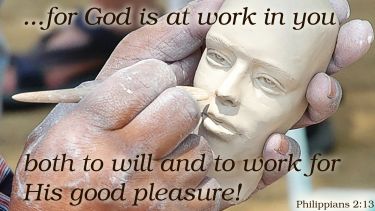
As a result of your standing, all things have become new.  You’ve been revitalized into an extraordinary creation (2 Corinthians 5:17) and bestowed with cosmic significance, a personalized place in the scheme of meaningful events and divine purposes (Philippians 2:13).


All because of Jesus.

He does indeed make life worth living.


*from Quote/Unquote, compiled by Lloyd Cory, Victor Books, 1977, p. 181.


Photo credits:  http://www.wikimedia.com; http://www.wikipedia.org; http://www.heartlight.org; http://www.pixabay.com; http://www.heartlight.org (3).


Read Full Post »

Joanne examined the young woman again, hopeful that after another hour of labor, she would show signs of progress toward birthing her child. But change was imperceptible.

The prolonged labor was sapping the young woman’s strength.  If intervention didn’t occur soon, Lorsan and the baby would die.

Even so, Joanne smiled reassuringly at the mother-to-be and announced, “We’re going to get some help for you, Lorsan.”*


Joanne had been midwife for many women of the Biliangao jungle-village in the northern Philippines.  But she didn’t have the training or equipment for a C-section.

As a Wycliffe Bible Translator, her expertise lay in linguistics. Granted, her preparation for remote mission service had included a modicum of medical training, but certainly not for surgery.

Praise God we can arrange for help, thought Joanne. She asked her colleague Anne to use their newly acquired radio (no generator needed for this one) and call for an airlift from JAARS–Jungle Aviation and Radio Service.


(Founded in 1948; still in operation today.)


Meanwhile, Joanne prayed for her patient, and the villagers who’d gathered listened with wary attention.

Their faith was in the spirits of the jungle and the frequent sacrifices offered to appease them (even though the practice gravely depleted their food supply). The villagers were convinced that all trouble was due to angry spirits, including Lorsan’s difficult delivery.

Of course the JAARS operator who answered Anne’s distress signal knew the missionaries well. They were two of the most courageous women she’d ever met, living as they did in a remote, mountainous region, with people who’d been headhunters in the not-so-distant past.


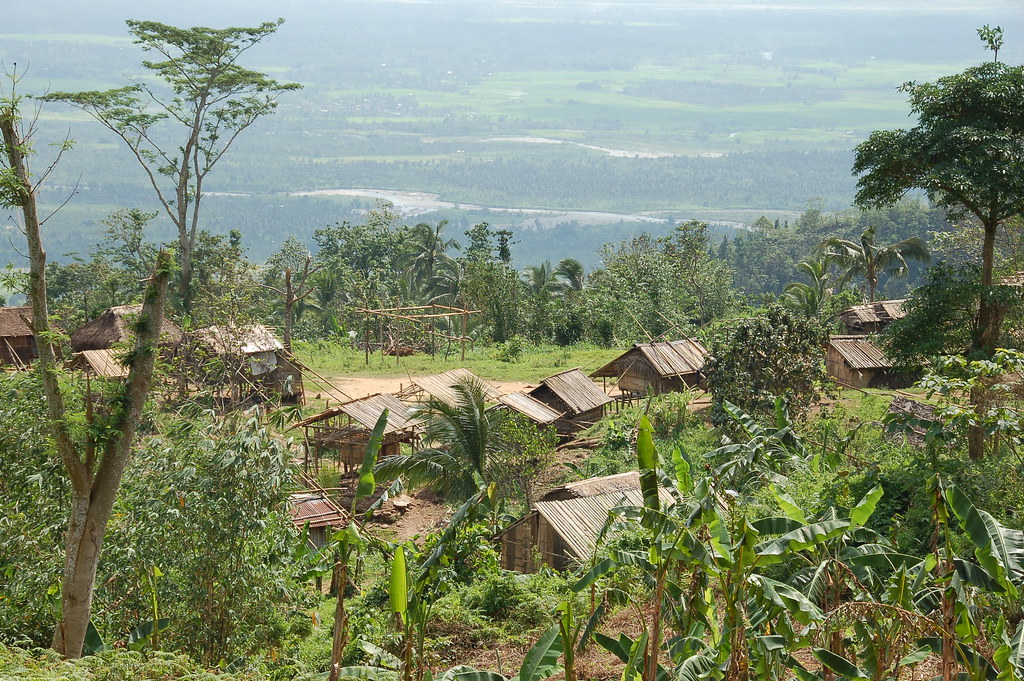
(Mangyan village, Philippines)


But Joanne and Anne had been confident this was the people-group God wanted them to reach, and had talked the reluctant Wycliffe director in letting them go–despite their youth and gender. That was in 1962.

Now it was 1967. For five years Joanne and Anne had been learning the language, determining a way to transcribe it, and then translating the New Testament into the Baliangao language.

All the while they built relationships, helped the people as they could, and told them about Jesus.

The villagers were anxious for their language to be available in written form. But a New Testament about a new God? They had serious doubts about his significance and power.

Only a few villagers had accepted Jesus; everyone else feared what the spirits might do in retaliation.

The JAARS radio operator soon dispatched a plane to transport Lorsan to a lowland clinic. Days later she and her healthy baby were returned to the village.


The people were amazed that mother and child had survived.  Perhaps some also wondered at the kindness of strangers to help a young mother.

They began to ask Joanne and Anne, “Who is this God, the one you’re always talking about?” Among them were several spiritists–witch doctors–desperate for release from their fear and the evil spirits who tormented them.

Joanne prayed as they acknowledged God, the powerful One over all spirits, accepted Jesus into their lives, and committed to end the useless practice of sacrificial appeasement.

Soon there were enough believers to start a church in Baliangao. Joanne’s village “father” and protector soaked up her Bible teaching and became a teacher himself.

By this time, Joanne’s coworker, Anne, had accepted a marriage proposal back in the States. The Wycliffe director recommended that Joanne leave also, but she refused, wanting to complete the New Testament translation for these people she’d grown to love.

While she worked, villagers traveled to near-by villages, telling them about the one true God and his Son Jesus. These neighbors were enemies who warred one another frequently. Many had died in the skirmishes.

But the message of a God who loved them (John 3:16) and offered peace of heart (Psalm 85:8), turned these enemies into brothers and sisters.


Bible classes grew into village-style conferences, and during the twenty-two years Joanne worked to translate the New Testament, she witnessed several thousand Baliangao people turn from fear of spirits to peace in Jesus.

As for the original village, they are now sending out a second generation of missionaries into other parts of Asia.

And as of February 2019, Joann was still serving God as a speaker with Scripture Engagement International, presenting workshops around the world.

The author of Hebrews wrote:


Joanne Shetler is certainly a heroine to consider and imitate–for her courage, perseverance, and faith.


*Real name unknown


Sources:

https://www.jaars.org/updates/my-story-jaars-was-there-for-me/

https://billygraham.org/decision-magazine/june-2006/a-message-for-all-people/

https://bulletininserts.org/inspiration-from-a-bible-translator-whose-work-was-offensive/

http://www.thetravelingteam.org/articles/joanne-shetler 

https://www.westsidebiblechapel.ca/1_3_109_missions-history-joanne-shetler.html

http://magazine.biola.edu/article/16-summer/meet-the-2016-alumni-award-winners/

https://www.checkitout.org/check-it-out/speakers/


Photo credits:  http://www.wikipedia.org; http://www.flickr.com; http://www.commons.wikimedia.org; http://www.flickr.com; http://www.dailyverses.net; http://www.pikrepo.com.

 

Read Full Post »

Pretend you’re a crew member on a cargo ship, and the captain has just announced rough seas ahead. That means just walking will be a challenge. Things on tabletops and floors will tumble and roll if not secured, and sleeping will require wedging yourself into position to keep from being tossed back and forth.

But the captain reminds you, there is good news. A full load of heavy freight in the hold will provide stability and safety against the waves. The rocking will be greatly curtailed.

All of us at some time or other face storms in life, and the same principle applies: certain kinds of cargo provide stability–not the lightweight freight of feel-good pep talks, relaxation techniques, or plain avoidance.

Cargo of substance is required, such as:

Joy

“The joy of the Lord is our strength” (Nehemiah 8:10).

Simply affirming all the ways God demonstrates his love to us will quickly fill a large compartment with delight.   Last week’s post, Be Glad, included many reasons to rejoice in God.

Quietness and Trust

“In quietness and trust is your strength” (Isaiah 30:15).

If you haven’t already done so, make space in the hold of your heart for frequent quiet times with God, perhaps by going to bed earlier and rising earlier.

Very soon time spent in his presence and in his Word will become one of your favorite times of day.   You’ll find it transformative also, creating strong bonds of trust with your Heavenly Father. Just ask anyone who has established the habit.

Promises

“He has given us great and precious promises” (2 Peter 1:4).

But they can offer no stability if we’ve not stored them in the hold of our hearts.

“Grasp them by faith,” Charles Spurgeon wrote long ago.   “Plead them by prayer, expect them by hope, and receive them by gratitude.”

Not that a compartment full of promises will protect us from all harm. But our attitude toward the storms of life will be very different as fear is replaced by faith.


God’s Grace

“It is good for our hearts to be strengthened by grace” (Hebrews 13:9b).

And what is grace?  I like the old standby definition, an easy-to-remember acronym:  God’s Riches At Christ’s Expense.

This compartment is worth checking often, to examine the wealth of substantial contents stored there.

Several years ago I surveyed scripture for that wealth and discovered forty-seven gifts tucked behind the door of grace.*

Thomas a Kempis was right:

So if you don’t feel quite strong enough to face the challenges of 2020, add more weight in the cargo hold of your heart:

  • More joy in who your God is and more delight in what he does
  • Frequent quiet times alone with God, for meditation on his Word, talking with him and listening to him
  • A collection of promises, especially those that apply to your situation
  • Attention to the many facets of God’s grace and how each one impacts your life

Of course, if these blessings could be placed in the cargo hold of a ship, a record would be kept of each compartment’s contents.

The same is true of the cargo holds of our hearts, though for different reason. We can enhance our joy, strengthen our faith, increase our wisdom, encourage our spirits, and augment our worship of God—all as we keep record in a journal or notebook.

“The deepest satisfaction of writing

is precisely that it opens up new spaces within us

of which we were not aware before we started to write.”

–Henri Nouwen

M-m-m. More space for more compartments to add more cargo.

What would you put into one of them?

*(You can compare your list of God’s graces to mine at Undeserved Goodness Part 1 and Part 2.)

Art & photo credits:  http://www.wikimedia.org; http://www.flickr.com (2); http://www.pxhere.com; http://www.flickr.com; http://www.wikimedia.org; http://www.pexels.com.

Read Full Post »


“Let all who take refuge in you be glad;

let them ever sing for joy.

Spread your protection over them,

that those who love your name

may rejoice in you.

Surely, Lord, you bless the righteous;

you surround them with your favor

as with a shield.”

–Psalm 5:11-12


Thank you, Father, for each line of encouragement here, presenting truth worthy of contemplation and celebration. To that end this is my prayer:


I praise you, O God, for being my unfailing refuge—my protector and sanctuary.

Year after year you have:

  • Supplied my needs, like the three teaching positions you provided–each one a miracle (1)
  • Brought me through difficult circumstances, including moves to new communities that initially I wanted no part of
  • Surprised my husband and me with delights we didn’t expect, such as a generous check enclosed with a note, suggesting we enjoy much-needed R & R at our favorite getaway


(Aviles Street, St. Augustine, FL)


I’m not just glad you’re my refuge, I’m elated! My heart sings in celebration of your perfections, sovereignty, and kindness. You provide unending delight!

You have been my protection, preserving my life:

  • In dangerous circumstances, including that narrow mountain road outside Quito, Ecuador
  • From near accidents, such as that red-light runner who could have sent me spinning into heavy traffic
  • Through natural disasters, like those hurricanes during our forty years in Florida


(Hurricane Charley damage, 2004)


You have been my protection emotionally, carrying me through:

  • The incomprehensible, like the senseless death of a young friend
  • Hurtful circumstances, when those we trusted proved unreliable
  • Disappointment, as certain hopes were not realized

I thank you, Father, for every time you’ve limited our ordeals so we could endure; and when necessary you’ve given us your strength to withstand every difficulty (2).


I praise you, O God, that the righteous are not those who always say and do the right thing. Such a standard would disqualify me. Rather, the righteous include those who trust in you and love your many names–Shepherd, Counselor, Helper, and more.

I praise you that your favor includes adoption into your family, freedom from the eternal consequences of our sin, and freedom from guilt—when we ask Jesus into our lives (3).

You graciously give us access to your presence. And when we come you are always ready to listen, uplift, and advise (4).


You’ve designed us for purpose, to give us glorious satisfaction in life, and day after day you lavish blessing (5), including:

  • The privilege to watch children grow—from first steps to first race, from mere sounds to sentences, from making scribbles to writing stories
  • The delight of old friends we know well and new friends we want to know well
  • Your creativity all around us, whether it’s azure skies or smoke-like clouds, sunbeam ribbons or raindrop jewels, verdant treetops or bare filigree branches


Your shield of favor also stands between each of us and the evil forces on every side. You are beneath us as a foundation, over us as a shelter, at our right hand as security, before us to lead the way, and within us to provide strength (6).

Keep me mindful of all these glorious truths, O God—truths that make me more than glad. And as this new year begins, may my days be laced with praise to you, my choices motivated by gratitude to you, and my faith be strong in you until that day you take me home.


Notes:

  1. Two of those miracles are detailed in other posts, After the Fact and The Greater Plan.
  2. 1 Corinthians 10:13; Isaiah 41:10
  3. Ephesians 1:3-7
  4. Ephesians 3:18; 1 Peter 3:12; 2 Corinthians 1:3; Psalm 145:14; James 1:5
  5. Ephesians 1:11-12, 2:10; John 1:16
  6. Isaiah 28:16; Psalm 91:1; Psalm 73:23; John 10:3b, 4b; 1 John 4:4


(Photo credits:  http://www.publicdomainpictures.net; http://www.heartlight.org; http://www.publicdomainpictures.net; naplesnews.com; http://www.bible.com; http://www.heartlight.org; http://www.pixabay.com; http://www.commons.wikipedia.org.)


Read Full Post »

(“Simeon and Anna Recognize the Lord in Jesus”

by Rembrandt, 1627)

An old man and woman stood in astonished stillness, watching the young couple they had just met thread through the Jerusalem temple crowd. The departing girl named Mary folded her shoulders inward to shield their baby. Her husband Joseph led them gently around one knot of people and then another until the couple was out of sight.

Finally old Simeon broke the silence with an awe-filled whisper. “From the moment I awoke this morning, I knew this would be no ordinary day.”

Anna leaned on her walking stick and looked at him expectantly, waiting for Simeon to explain.

“The sunrise was such a glorious sight after the cold drizzle of yesterday, the thought occurred to take advantage of the agreeable weather and walk to the temple.

“But no sooner did the idea take shape than I felt compelled to come, and I began to hope this would be the day God fulfilled his promise to me—to see the Messiah before I died. Now I know it was the Spirit of God nudging me.”

Anna nodded with understanding though she did not know him. Until now Simeon had just been a familiar face among the worshipers she saw regularly, living on the temple grounds as she did.

“How did you know the baby was…the Messiah?” Anna asked. She could barely speak the title, still filled with wonder for what had just transpired.

“I spotted Mary and Joseph purchasing doves for the purification rites. In the next moment my heart started to pound, I felt a warmth course through my body and a voiceless impression in my spirit said: ‘this is the One you’ve been waiting for.’” Simeon’s lower lip trembled and tears filled his eyes.

Anna drew an index finger across the corners of her own eyes. Now it was her turn to whisper in awe: “It was the same for me. I saw you speaking over the Child with such intensity, and noted the reverent expression on Mary’s face. My heart started to pound too and I sensed in my spirit the Baby was our Messiah.”

Anna paused; a small smile tugged at the corners of her mouth. “I am surprised Mary allowed you to hold Jesus.”

Simeon chuckled. “I never expected such a privilege. When I first approached them, I simply exclaimed over their precious Baby as we oldsters are prone to do. And then I hinted at the truth God had revealed to me. “Your Child will fulfill a singular, God-ordained purpose,” I told them.

“Mary looked at me with wide eyes and breathed, ‘yes!’ Joseph wanted to know if an angel had told me about Jesus.  That’s what happened to each of them. They said angels also visited a group of shepherds, to tell them about the birth of the Savior, and we talked about the wonder of it all.

(“The Angel Appearing to the Shepherds”

by Thomas Cole, 1833-1834)

“Our brief conversation evidently developed trust.” Simeon’s throat tightened with emotion; more tears rolled down his weathered cheeks. “Mary asked if I’d like to hold him.”

Anna barely heard his next words, spoken slowly with holy awe. “I held the Christ Child in my arms.”

Anna allowed the reverence of the moment to linger before speaking. “May I ask what you said to them?”

Simeon paused before continuing, but his passion and urgency increased as he spoke. “The moment I looked upon the Infant’s face, a number of Isaiah’s prophecies about the Messiah came flooding into my mind. I found myself prophesying—with great conviction—as God himself gave me the words.”

“The Messiah’s name is no coincidence, Anna. This Jesus will be the source of salvation for all people, Jews and Gentiles alike. He is the glory of Israel. Think of it: our little nation has born the Savior of the world; he will live among us. And many will rise out of their sins and sorrows to experience life and peace—because of their faith in him” (1).

Then Simeon’s face clouded. “But Isaiah also said not all will welcome the Messiah. Some will reject him, even hate him, and fall by the wayside” (2).

His eyes turned toward the horizon. “I also caught a glimpse of great pain and sadness in his future which will impact Mary too. God gave me a warning for her, but I trust God’s promise also: The Lord comforts his people and will have compassion on Mary in her affliction” (3).

Simeon focused again on his companion. “Your prayer of thanksgiving, Anna, was part of that comfort, I am sure. You provided Mary and Joseph a glimpse of the joy and blessedness others will experience because of Jesus—something they can hold on to when difficulty arises.”

“Praise God,” she exclaimed. “He reigns on high but has looked with favor upon such a lowly one as I (4). I feel as though my feet are no longer touching the ground!

“This news of the Messiah’s birth is much too glorious to keep to ourselves. Others have also waited expectantly for our Savior. I can’t wait to share what we’ve just experienced!”

“Yes, I too am anxious to tell my neighbors,” Simeon responded. “It’s time, I suppose, to leave this sacred spot, and proclaim our God’s salvation (5)!  Good-bye, Anna.”

Simeon raised his hand toward her, as he turned toward home.  “The Lord’s blessing be with you.”

“And also with you,” Anna called.

(Based on Luke 1:25-38)

*     *     *     *     *     *     *     *     *     *

Thank you, Father, for prompting Luke to include this story of Simeon and Anna, two senior citizens! May their knowledge of your Word, their devotion to you, and their sensitivity to your voice be a constant inspiration to us, as well as a reminder we are never too old to used by you.


Notes:

  1. Isaiah 40:5; 52:10; 49:6
  2. Isaiah 53:3
  3. Isaiah 49:13
  4. Psalm 138:6
  5. Isaiah 52:7

Art & photo credits:  http://www.flickr.com; http://www.wikimedia.org (2); http://www.canva.com (2).

Read Full Post »


I know. It’s the week before Thanksgiving. If we start feasting on stuffing, mashed potatoes, and squash casserole now, we’ll gain five to ten pounds before the holiday even arrives.

It’s a different kind of feasting the post-title alludes to, the kind Reverend J. R. MacDuff recommended long ago.

And just for fun I’ll make a fill-in-the-blank from his statement, and you can guess the key phrase:


“Cultivate _______________.

It will be to thee a perpetual feast.”

—J.R. MacDuff


How would you complete the quote?

  1. an attentive outlook?
  2. a thankful spirit?
  3. a cheerful attitude?
  4. a faithful heart?

I’ll bet you guessed correctly, given the season.  MacDuff chose #2, a thankful spirit. But missing from his quote is an explanation of how gratitude could possibly offer the pleasure of a perpetual feast.

Perhaps he would suggest the following.


Gratitude fosters a positive perspective.


“Some people grumble that roses have thorns;

I am grateful that thorns have roses.”

—Jean Baptiste Alphonse Karr


In recent years scientific research has proven the benefits of optimistic thinking, including increased life span, less stress, better sleep, fewer colds, and better cardiovascular health. Gratitude to God surely augments the benefits.


“The optimist says, the cup is half full.

The pessimist says the cup is half empty.

The child of God says, my cup overflows.

–Anonymous


Gratitude develops a sense of awe.


“Gratitude bestows reverence,

allowing us to encounter everyday epiphanies,

those transcendent moments of awe

that change forever how we

experience life and the world.”

—John Milton


Think of the delight young children express when they encounter a ladybug sauntering across a rock, a sliver of rainbow glimmering on the wall, or a leaf shower providing a game of catch.

As we follow their lead, we’ll discover our ordinary days are laced with many transcendent moments to be grateful for.   And our hearts will fill with reverent awe for the Creator of these and all good things.


Gratitude strengthens our faith.


“Count blessings and find out

how many of His bridges have held…

Gratitude lays out the planks of trust

from today into tomorrow.”

–Ann Voskamp, 1000 Gifts


Keep a written record of those planks. You’ll be amazed how quickly they accumulate.


Gratitude ushers in joy!

A nearby church posted the following wisdom on their marquee:


To that end, we can engage our senses with a thankful heart, finding joy in:

  • milkweed maidens poised for dancing
  • crackling leaves breeze-rustled into a huddle
  • a winged wedge of geese honking good-bye
  • flannel shirts and fleece vests—cozy as a hug
  • cinnamon apple tea:  autumn in a cup


Ordinary experiences can be turned into extraordinary blessings–by the power of gratitude.


Gratitude contributes to a heart of humility.


“Pride slays thanksgiving,

but a humble mind is the soil

out of which thanks naturally grow.

A proud man is seldom a grateful man,

for he never thinks he gets

as much as he deserves.”

–Henry Ward Beecher


The humble and grateful person realizes everything comes from God and nothing is deserved.


Gratitude cultivates a calm spirit.


“It’s impossible to give thanks

and simultaneously feel fear.”

–Ann Voskamp, 1000 Gifts


We can express gratitude for all God is—his sovereignty and strength, his wisdom and loving kindness, his grace and glory—thus acknowledging his ability to bring good out of every situation. It releases us from the grip of fear and allows us to rest—in him.


_________________________


There you have it—just a few results from a perpetual feast of gratitude:


  • A positive perspective
  • Awe-inspiring wonder
  • Strengthened faith
  • Continual joy
  • Quiet contentment
  • Holy peace


Let the gratitude-feast begin!


(Photo credits:  http://www.wikimedia.com; http://www.maxpixel.net; http://www.pxhere.com; http://www.pixabay.com; http://www.torange.biz; http://www.heartlight.org; http://www.dailyverses.net, http://www.publicdomainpictures.net.)


Read Full Post »

“Be careful what you think,

because your thoughts run your life.”

–Proverbs 4:23, NCV


“Your thoughts run your life.” That would explain why worrisome thoughts can turn into paralyzing fear, pessimism into debilitating discouragement, and sadness into utter hopelessness.

No one wants to dwell in such misery.

But if a person is facing difficult circumstances, and she allows her thoughts to run amok on auto-pilot, she’s likely to slide downward into hyper negativity.  Climbing out is difficult.

“Snap out of it!” someone will say. Not very helpful.

“Look for the silver lining,” advises another. Easier said than done when tragedy strikes–and lingers.

“Spend some time in reflection.” That’s what one web site recommends, offering sixteen questions for a person to consider. Most of us don’t have time for that much introspection–nor the inclination–when we’re hurting.

So, how can we climb out of a miserable pit of despair?

By replacing negative thoughts with positive thoughts, especially scripture.

You see, our brains cannot focus on two things at once. Prove it to yourself by counting to twenty and reciting the ABCs at the same time. You’ll find you’re either counting or reciting, not both simultaneously.

We can apply the same strategy to negative thinking. At the first moment we realize our thoughts are headed in the wrong direction, we can confess it and ask God to help us renew our minds:

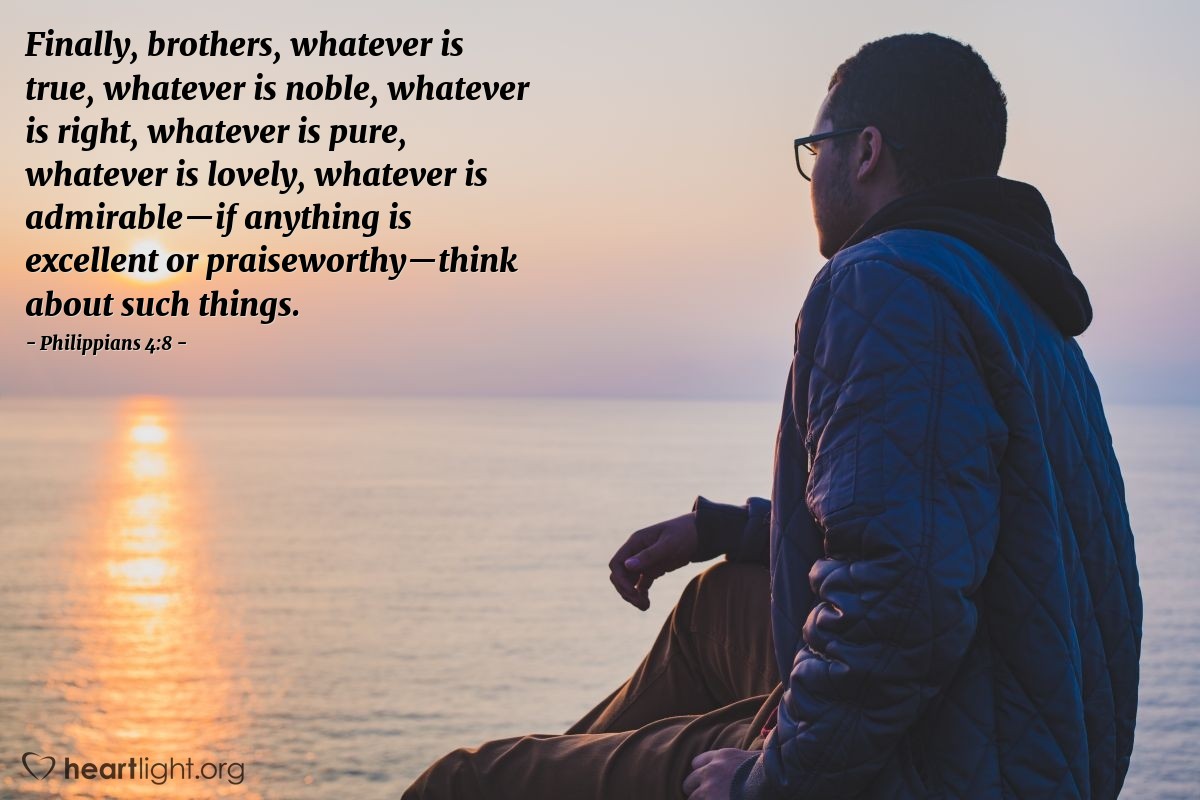
“Lord, I don’t want to think about this anymore; it’s accomplishing nothing. Help me to refocus on what is noble and right, pure and lovely (Philippians 4:8).”


Then we start singing a favorite praise song, or quoting an uplifting scripture, or listing all the reasons we can trust God in this situation.

For a start, the bold-print quotes below highlight some common threads of negative thinking.  Following each is a positive scripture as rebuttal:

“There is no way this situation is going to work out.”

Oh? “In all things God works for the good of those who love him, who have been called according to his purpose” (Romans 8:28, italics added).

“I can’t stand another day of this.”

Oh, yes, I can stand. I can put on the full armor of God, so that in this day of trouble, I may be able to stand my ground” (Ephesians 6:13).  Restoration will come.

“I am never going to succeed.”

 Not true.  God says [he] will accomplish all [his] purposes (Isaiah 46:10b, italics added).  What greater success could there be than to accomplish the purpose of Almighty God?

“I have no idea how to proceed; maybe I should just quit. This is just too hard.”

I can pray as the author of Hebrews did: “May the God of peace…equip me with everything good for doing his will, and may he work in me what is pleasing to him” (Hebrews 13:20-21).

“Sometimes I can’t seem to do anything right. How can God use me?”

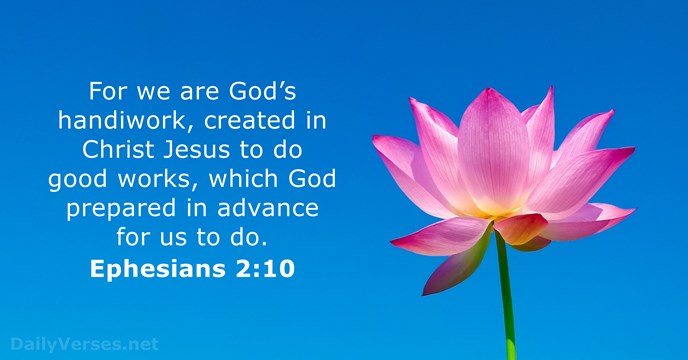
It is God who made me the way I am, with specific plans and purpose in mind:  to do good works according to the gifts and talents he’s given.

_________________________

If the comments in bold print are our focus, our lives will surely head in a downward direction toward discouragement and hopelessness.

If, on the other hand, we focus on the promises and positive affirmations of scripture, we head in an upward direction toward wholeness, productivity, and joy.

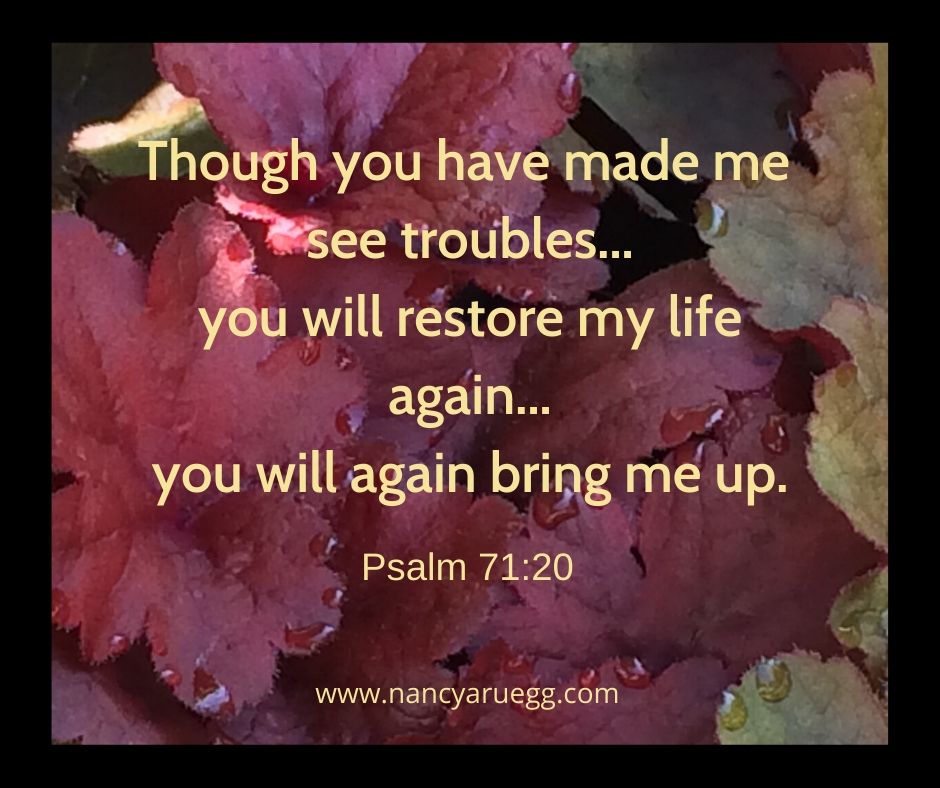
“He enables [us] to go on the heights” (Habakkuk 3:19)–above the doubts and uncertainties.

“Outlook determines outcome” (Warren Wiersbe, Be Mature, p. 22).

(https://quotefancy.com/quote/931807/Warren-W-Wiersbe-Outlook-determines-outcome)

*     *     *     *     *     *      *     *     *     *

What scripture promise or affirmation lifts you up when circumstances try to pull you down?  Add your favorites in the comments section below!

Photo credits:  http://www.flickr.com; http://www.needpix.com; http://www.heartlight.org; Nancy Ruegg; http://www.dailyverses.net; http://www.quotefancy.com.


(Revised and reblogged from April 16, 2015, “Focus Determines Direction.”)

Read Full Post »

« Newer Posts - Older Posts »

When the House is Quiet

Impressions Becoming Expressions

Mitch Teemley

The Power of Story

Still Traveling

Impressions Becoming Expressions

Living Our Days

Gaining a heart of wisdom

He Said What?!

I'm Patty, and my husband and I are living with our adult son who has autism and epilepsy. I love sharing lessons learned from life around me, especially life with Aaron.
Meditations of my Heart

Impressions Becoming Expressions

Linda Stoll

Impressions Becoming Expressions

Signora Sheila

Where faith meets la dolce vita

Heidi Viars

Finding the Image of God