Feeds:
Posts
Comments

Archive for the ‘Hope’ Category

Christian trudged to the church he pastored as rain drummed on his umbrella. His pant cuffs grew increasingly damp from his splashing boots.

Is this really worth the effort, he wondered. Only a handful of people attended the Monday night prayer meetings, which he’d established several years prior at Church of St. Nicholas.

And yet the faithful few who came demonstrated such hope, Christian always felt uplifted by the end of each gathering.

Encouragement of any kind was in short supply. Times were difficult; everyone was suffering except the government elite and their cronies.

In the third year of the weekly prayer sessions, Christian felt compelled to invite fifty people to his church to discuss the oppressive circumstances of their country. More than six hundred came, and subsequently, attendance at the Monday prayer meetings also grew.

Such a large crowd didn’t slip by the attention of authorities. They discouraged religious gatherings, but assumed that prayer meetings were harmless.

Attendees began bringing family and friends. Over the next few years the church started to fill to overflowing. Eventually eight thousand people gathered every Monday night, praying for peace in their land and throughout the world.

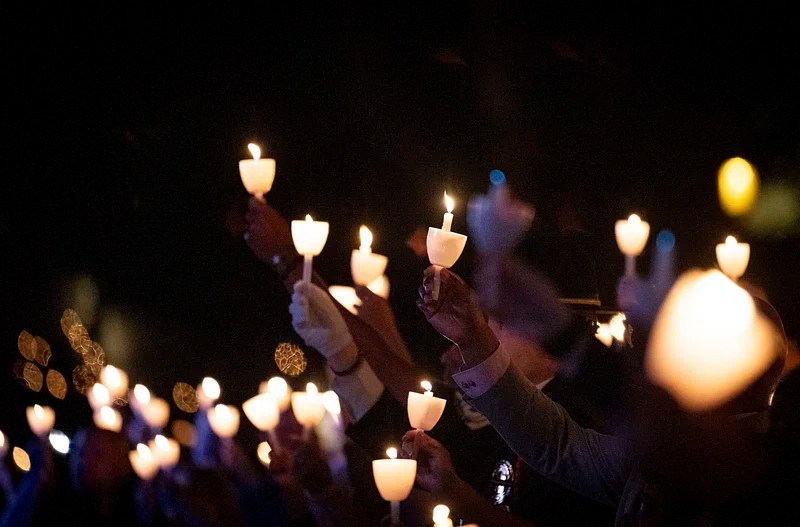
Other churches around the country organized their own prayer meetings. Some attendees would walk the streets afterward, carrying candles and praying or singing as they went.
The authorities finally ran out of patience with the demonstrations. They barricaded the streets around the Church of St. Nicholas to discourage attendees. Instead, the congregation grew.

The next step included peaceful protests. Thousands of people participated. And even though hundreds of demonstrators were beaten and arrested, they weren’t deterred.

Numerous threats were made; some lost their jobs. One woman reported that government officials took custody of her children for a while, due to her participation in what they called an extremist group.  

Worse yet, the protesters were threatened with death. And though many admitted to fearing for their lives, they did not back down.

“Our fear was not as big as our faith,” Christian explained later [1].

One night, after an hour-long service at St. Nicholas Church, Christian led the people outside to join a crowd of approximately 70,000, all gathering from various churches. Each one carried a candle and marched through the city chanting “we are the people” and “no violence” [2].

All along the way, long rows of armed police watched their every move.  More soldiers manned tanks, waiting for the order to disperse the crowd with murderous force.
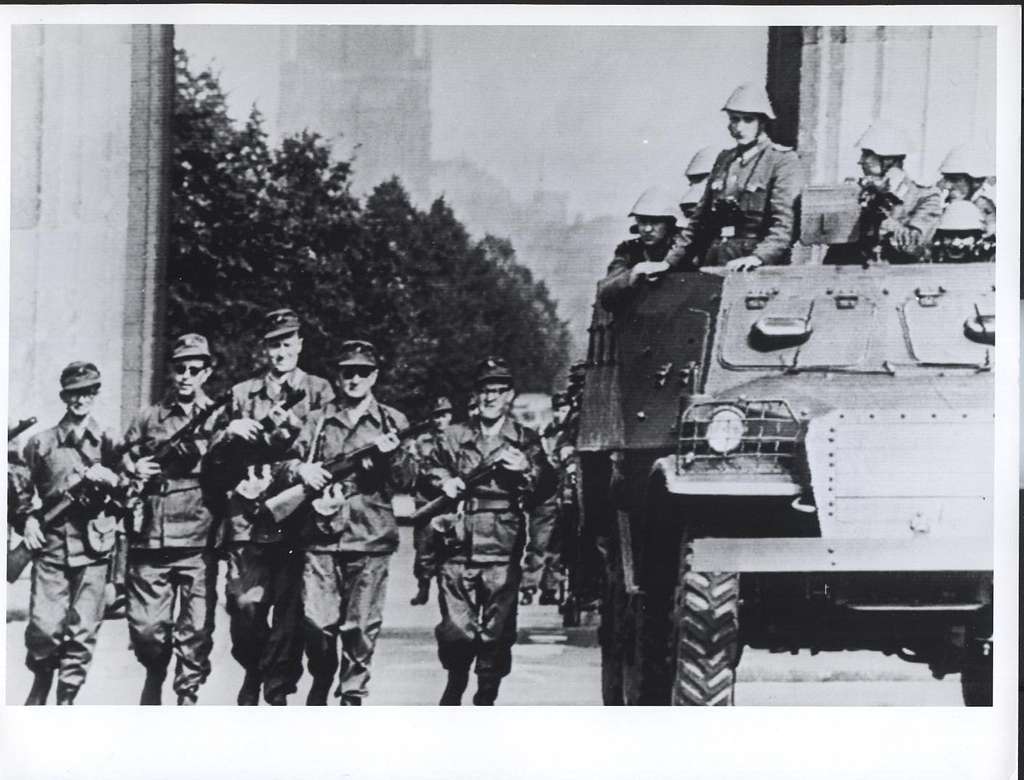
But the order never came. Afterward it was revealed that government officials persuaded their leader to leave the protesters alone.

One of the demonstrators gave a soldier a lighted candle. He put down his weapon and accepted it. Others followed suit. “Soon all the soldiers had lowered their weapons and joined with the protestors” [3].

In the following weeks, the prayerful, candle-carrying crowd grew to 120,000, then 300,000, and finally 700,000.

A crowd such as this must have gathered.

The country’s leader resigned, knowing that without the army to back him, he had become powerless. Soon the whole regime resigned, unable to fight against the power of prayer and Light.
One month after the tide-changing protest, a government spokesperson mistakenly announced in a public broadcast that a monumental change was about to take place. Citizens would be allowed to travel freely, effective immediately [4].

News spread rapidly, reported across the world. Thousands of people soon gathered at the symbol of their thirty-year oppression, a barrier that had divided them into east and west: the Berlin Wall.

Harald Jager, commanding officer of the border guards that night, called his superiors to find out how to deal with the gathering crowd. He received no orders.

“People could have been injured or killed . . . if there had been panic among the thousands gathered at the border crossing,” he declared afterward. “That’s why I gave the order: Open the barrier” [5].

And so, on November 9,1989, thousands flowed through, celebrating and crying. Others climbed over the barrier, chipping away at the wall with hammers and pickaxes. Bulldozers and cranes soon made quick work of dismantling the entire structure [6].

Thirty-four years ago today, that menacing wall became rubble, and a tyrannical regime miraculously toppled with it.

And it all began with Pastor Christian Furher and a handful of praying saints.
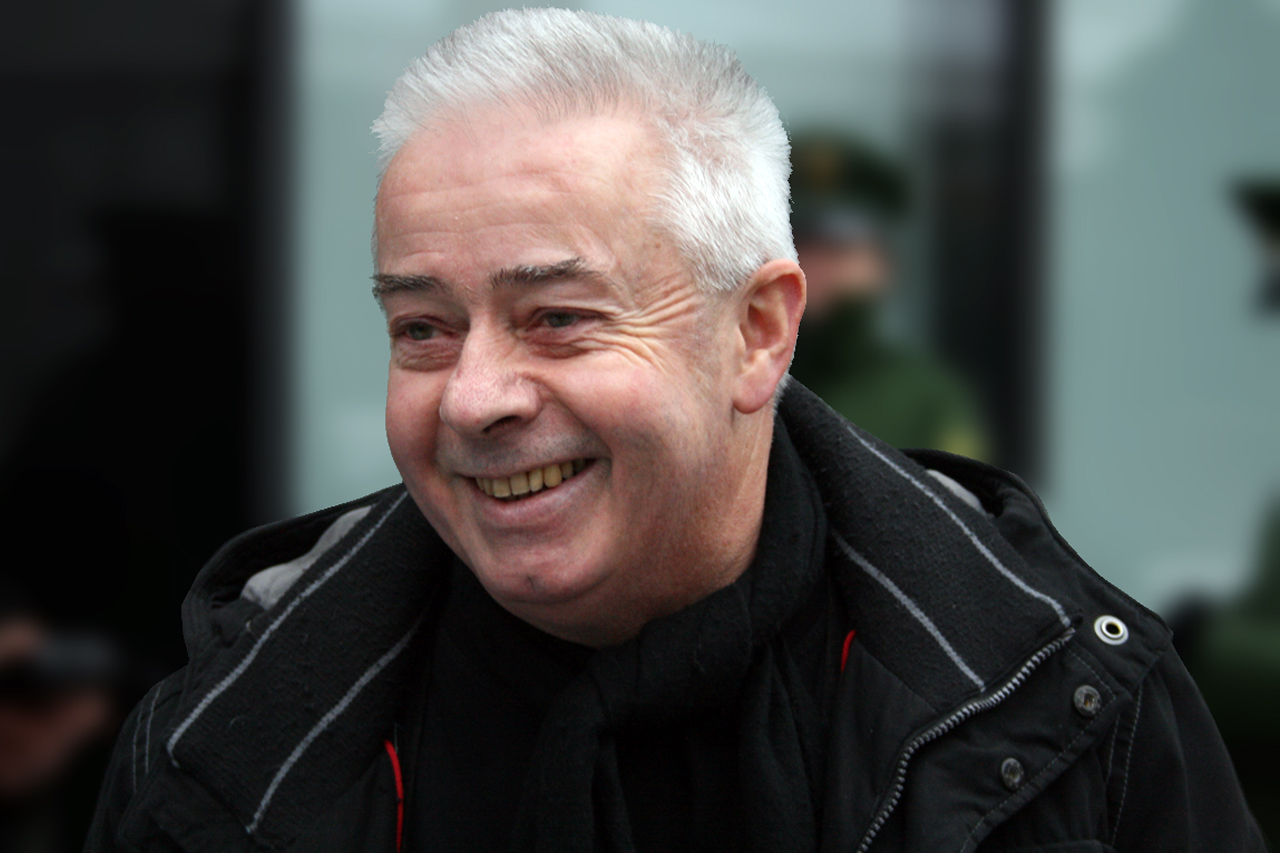
Christian Furher (1943-2014)


[1] https://contemporarychurchhistory.org/2014/09/reflection-on-pastor-christian-fuhrer-of-the-nikolai-church-in-leipzig/

[2] https://embracingbrokenness.org/2020/10/prayer-and-the-berlin-wall-by-charles-buttigieg/

[3] http://storage.cloversites.com/worldhistoryinstitute/documents/WHI_03Mar014_Journal_4.pdf

[4] https://www.foxnews.com/lifestyle/this-day-history-nov-9-1989-berlin-wall-falls-cold-war-victory-us-allies

[5] https://www.bbc.com/news/world-europe-50013048

[6] https://www.history.com/topics/cold-war/berlin-wall

Additional Source: http://www.godgossip.org/article/did-a-prayer-meeting-really-bring-down-the-berlin-wall

Photo credits: http://www.commons.wikimedia.org; http://www.pxhere.com; http://www.rawpixel.net; http://www.picryl.com; http://www.commons.wikimedia.org; http://www.pexels.com; http://www.nara.getarchive.net; http://www.picryl.com; http://www.commons.wikimedia.org.

Read Full Post »

Imagine hosting an ultra-special guest in your home, someone well-loved and well-known. One evening you pass the open door of his room and see him kneeling by the bed in prayer.

His words are barely audible but in that moment, you happen to hear your name.

Would you stop and listen, to see what this respected man considered important for you? I’m thinking you would.

Long ago, someone well-loved and well-known did pray for you and for me—Jesus—and at a most unexpected time, the night before his crucifixion.

Painting by Marcilio Soares

Think of it.  Jesus–the most significant Person in all of history–prayed for you and me.

If I knew that tomorrow would be a day of horrific pain and then death, I’d be praying for strength and courage. But Jesus’ prayer centered on his disciples and then he said:

That’s us—the people down through the centuries who’ve heard the story of Jesus and believe in him as the Son of God.

Are you curious about what Jesus considered important? I’m thinking we should be.

What follows is a selection of those requests, the holy whispers Jesus presented to our Heavenly Father that night:

First, “keep them in your name” (John 17:11).

This is a prayer of protection, that we’d be preserved in the name of God, through his attributes at work for our benefit: his compassion to care for us, power to sustain, goodness to bless, wisdom to guide, and more.

Not that we won’t experience difficulty, but Jesus prayed we won’t be overcome by it.

Second, “possess the full measure of my joy within” (v. 13).

This is not the joy we experience in human relationships or happy events. This is the joy we experience in Christ alone, based on who he is and what he’s done as our Savior, Shepherd, Immanuel (God with us), and Light of life—to name a few of his titles.

These glorious realities can cause joy to well up in our hearts, even while troubles seethe around us. This is what Jesus desires for us.

 Third, “protect them from the evil one” (v. 15).

Satan wants to take us out. He tirelessly works to increase our desire for harmful things. He’ll tell us it’s no big deal, offer excuses for the behavior, and minimize our ability to think through the consequences of sinful choices. 

BUT! Jesus has prayed for our protection. We can fight against temptation with God’s Word, just as Jesus did, as well as exercise his power to fight.  We also have the assurance God won’t allow any temptation that we can’t withstand [1].

Fourth, “sanctify them by the truth” (v. 17).

Jesus would have us consecrated to God, growing into his likeness through obedience, and becoming more intimate with him.

How? We begin by spending time in His Word. That’s how we come to know him.

To truly know him is to love him, and to truly love him is to want to please him by obedience.

Many believe following God’s ways will lead to dissatisfaction in life, but in reality obedience leads to peace, joy, and contentment [2].

These are the qualities of life Jesus desires for us.   

Fifth, “be with me and see my glory” (v. 24).

I’m reminded of Christmastime, when empty-nesters such as Steve and me look forward to the full gathering of family, to share in the glories of the season together.

Similarly, Jesus looks forward to the day when we’ll all be together with our Heavenly Father, to share in his celestial glory!

Study further this prayer of Jesus and discover more concerns that he addressed, and then understand: this was not a single prayer offered once for all time.

He is still praying for us continually [3]—holy whispers of love and compassion, with a desire that we experience his best.

Soak in the wonder of such a reality.

P.S. Another quality Jesus prayed we’d experience? Unity. See Jesus’ Prayer for You for a meditation on that topic.


[1] Luke 4:1-13; 2 Peter 1:3 NASB; 1 Corinthians 10:13

[2] Job 22:21; John 15:10-11; Psalm 119:35

[3] Romans 8:34; Hebrews 7:25; 1 John 2:1

Art & photo credits: http://www.rawpixel.com; http://www.commons.wikimedia.org (Marcilio Soares); http://www.commons wikimedia.org; http://www.dailyversers.net (2); http://www.canva.com; http://www.publicdomainpictures.net (George Hodan).

Read Full Post »

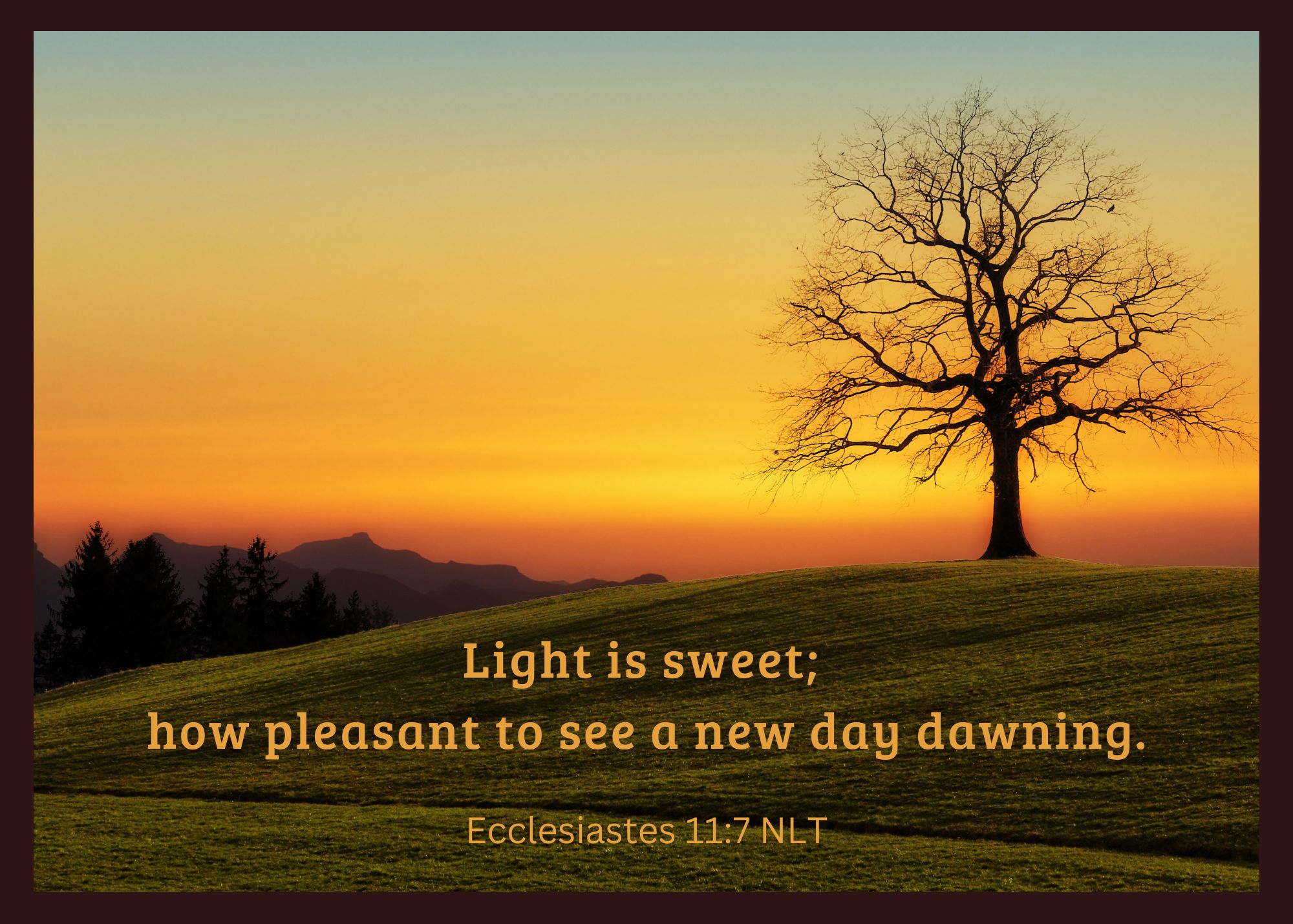
No matter how many sunrises a person might witness over a lifetime, who could tire of the majestic spectacle, with its mesmerizing shades of lavender, scarlet, apricot, and golden yellow—all aglow with the backlight of the sun, and each dawn different than all those before.

I’m filled with wonder as the morning sky begins to fill with light and “the heavens proclaim the glory of God. The skies display his craftsmanship”[1].  He is the supreme Artist.

My favorite sunrise-displays are those when clouds are positioned just right to create magnificent gleaming rays reaching into infinity.

Perhaps God inspired the prophet Malachi with just such a sunrise as he wrote: “The Sun of Righteousness [our Messiah] will rise with healing in his wings for you people who fear my name”[2].

Wings refers to sunbeams, bringing to mind the unending healing of God’s forgiveness, available to all who put their trust in Jesus. He provides for us the dawning of a new day as we choose to move out of darkness and into his marvelous light [3].

Sunrise is also God’s daily reminder that his faithfulness is great and his mercies begin anew each morning . Perhaps he wanted us to understand that his faithfulness to us is as certain and consistent as the sunrise, yet full of surprise and creativity as well [4].

The dawn brings hope, reminding us that:

  • Just as the sun is bigger than any planet in our solar system, so God is bigger than any challenge we might face.
  • Just as the sun always shines whether in full view or behind clouds, God is always with us whether we sense his presence or not.
  • Just as the sun never fails to rise, so the Son will never fail to rise, bringing the light of his salvation, truth, and wisdom.
  • Yesterday’s disappointments and failures are past; a new day with fresh blessings and possibilities has dawned [5]!

In addition to hope, fresh joy comes with the morning light.

But to see the dawn and experience its pleasure, a person must look at the sunrise. If we’re going to see joy and experience its pleasure, we must look to the Son, the source of joy [6]. Then, each day becomes an opportunity to live in wild, blissful amazement of God.

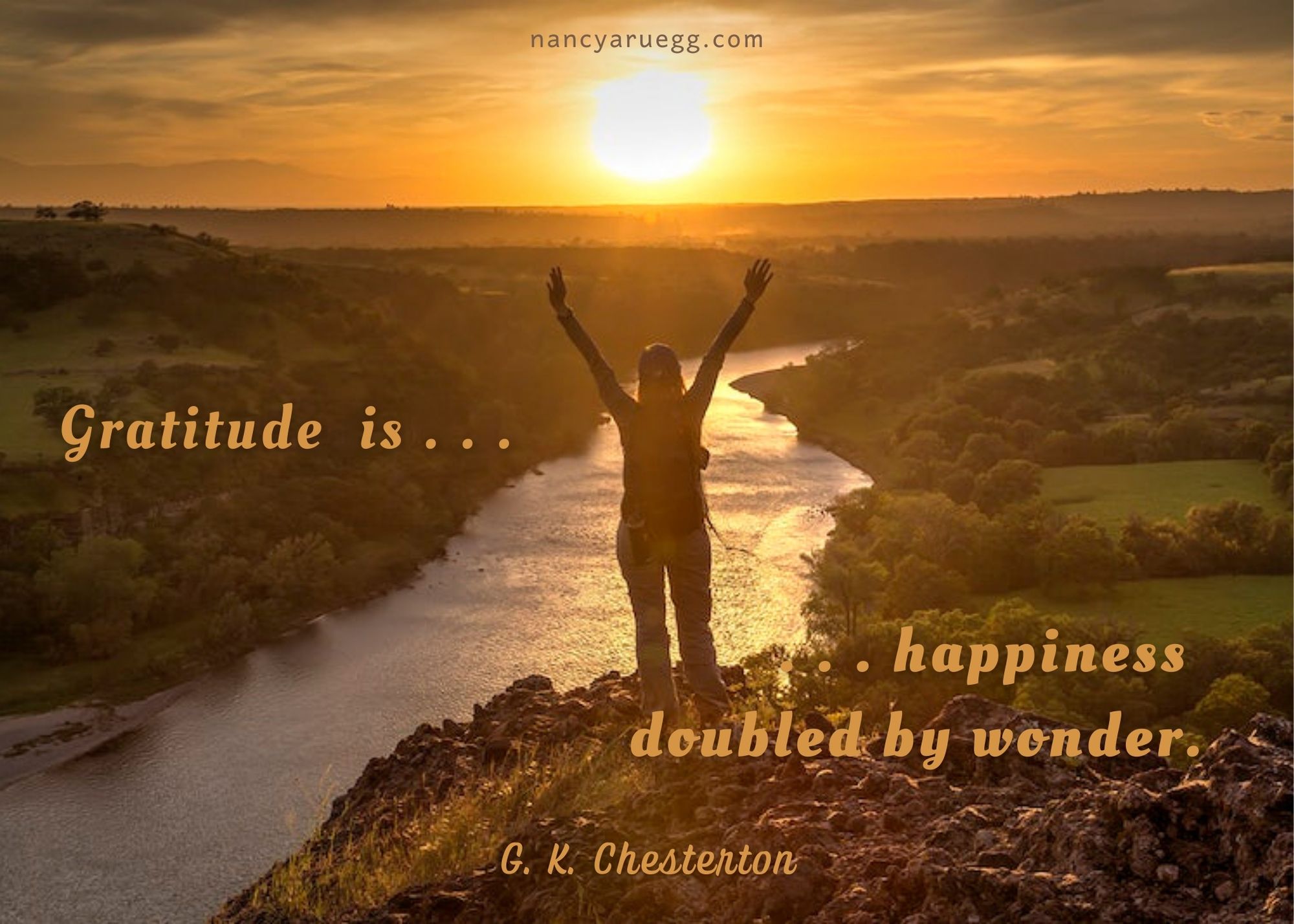
When you do witness a glorious sunrise doesn’t it make you smile—if not on your face, then in your spirit? We can augment that joy with gratitude—not just for a breath-taking dawn, of course, but for all the beautiful, remarkable, and pleasurable things God generously bestows.

Author Roman Payne wrote in celebration of the sun: “O, Sunlight! The most precious gold to be found on Earth!” And surely we’d agree, a golden sunrise especially proves his point.

But just such a sunrise might better serve as a reminder to celebrate the Son:

O SonLight, more precious than all the gold to be found on Earth!

*     *     *     *     *     *     *     *     *     *

I praise you, God the Father, Son, and Holy Spirit, for your light that is brighter than the brilliance of a sunrise! You are the source of all blessing, the brightness of our days, and our guiding Light to show the way. Without you, life is like twilight with dark night ahead. But with you, it is the dawn of morning with the light and warmth of a full day ahead.

(Psalm 84:11 PTP; James 1:19; 2 Samuel 22:29; Psalm 119:105;

last sentence based on Philip Schaff quote.)


[1] Psalm 19:1 NLT

[2] Malachi 4:2a

[3] 1 Peter 2:9

[4] Lamentations 3:23, and an idea inspired by Eugene Peterson, Run with the Horses, pp. 115-116.

[5] Philippians 4:13; Psalm 23:4; 27:1; 119:105, 130; Ecclesiastes 2:13

[6] John 15:11

Photo credits: http://www.pixabay.com; http://www.peakpix.com; http://www.canva.com (2); http://www.rawpixel.com.; http://www.peakpix.com.

Read Full Post »

Some paintings appear so realistic, we can mistake them for photographs:

Painting by Simon Luttichuys, 1650

And while studying the fine brush strokes, the accuracy of color, proportion, and shading, we wonder, How can someone paint like that?

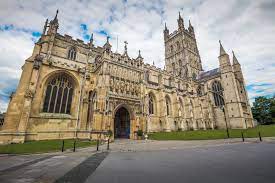
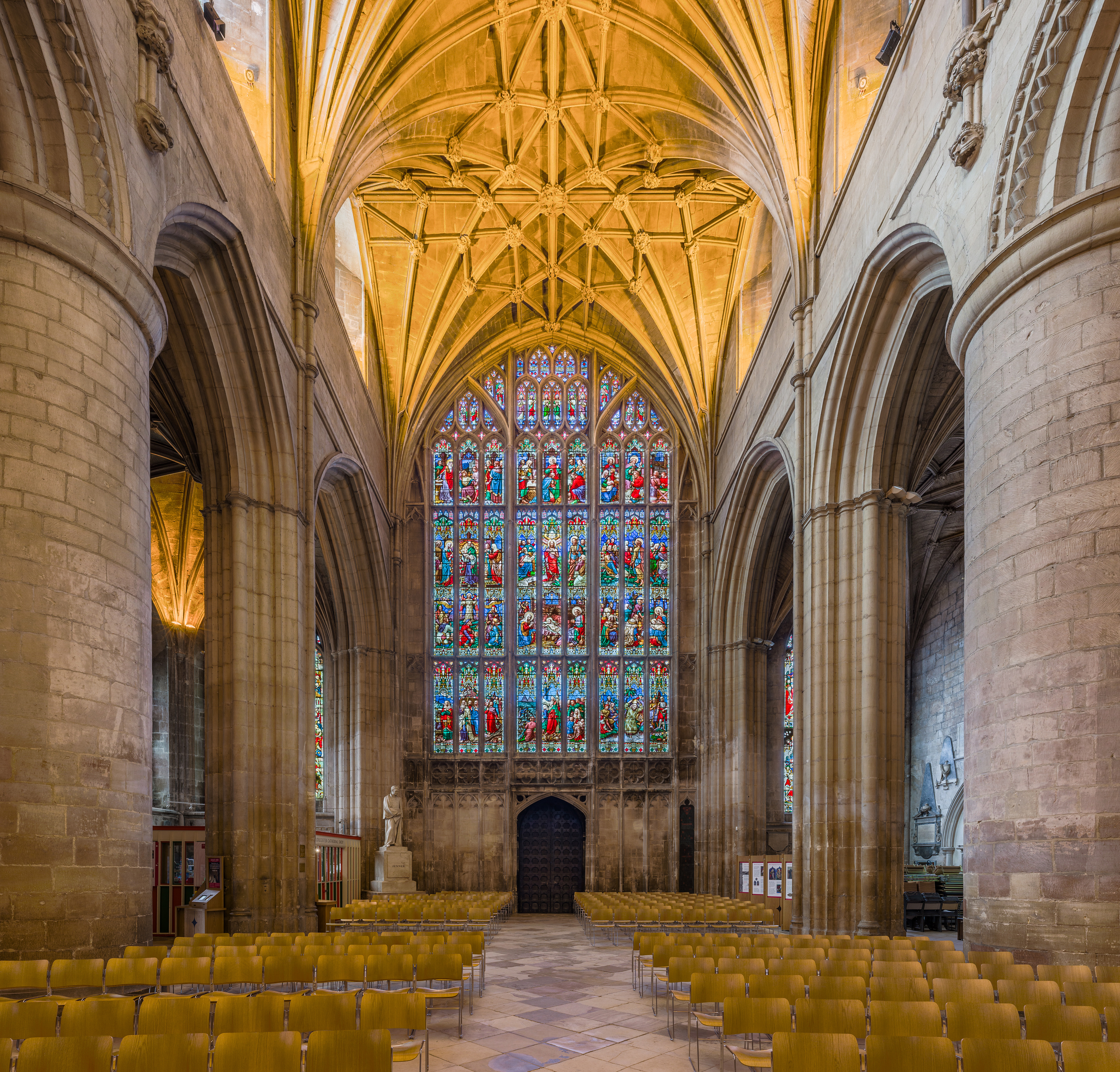
Architecture can stir up the same awe in our hearts. Gloucester Cathedral in England offers a fine example:

The foundation was laid in 1089, and forty-one years later the builders completed the main structure. Its fan-vaulting is a marvel of architecture; its Great East Window is the size of a tennis court.

Other forms of artistic genius can bring us to tears, like a soul-stirring song or a writer’s words that surprise us by their beauty or wisdom.

Some of you have devoted yourselves to training and practiced for hours in order to achieve expertise in one or more of these fields. Others of us have to make do with amateur efforts.

But there’s one dimension where we can all participate with glorious results—as artists of the soul. Scripture provides a few guidelines for us, as we consider the strengths of the masters in each of the above pursuits. For example:

The perceptive artist sees differently.

Just as an artist sees more than most of us—the subtleties of detail, color, light, and contour—the enlightened heart sees all the nuances of hope that God supplies–for positive change, answers to prayer, better tomorrows, and eternal life.

In addition, hope splashes the colors of joy into our souls and casts light into every corner.

The skilled architect builds solidly.

The requirements for a stable structure include a firm foundation on rock, sturdy walls, and a reliable roof.

A soul that is stable and secure for eternity must include the same entities: a firm foundation of faith on our Rock, Jesus Christ, sturdy walls of certainty in God’s truth, and reliable protection over us in the storms of life [1].

The effective writer communicates plainly.

All writers seek to tell their story or share their message with clarity; all of us who follow Jesus should desire to communicate clearly our love and trustworthiness.

But how we express these traits may vary–especially when it comes to love–just as authors’ writing-styles can differ.

For example, you may know a person who exhibits warmheartedness toward others with his cheerfulness and infectious laugh, someone else by listening and empathizing, and still another by lending a hand wherever needed.

But no matter our style, love (and integrity) are what we’re called to communicate [2].

The proficient vocalist and instrumentalist express passion.   

Those who really know how to express music bring more to their performance than perfected technique. They sing or play from their hearts and artfully communicate the emotion of the piece.

In Psalm 147:7 above, we’re told our music before God should communicate grateful praise. And genuine gratitude sparks passion. We’d do well to remember our audience also:

“Sing [or play] as if performing for a King.

You are.”

Unknown

Even as we strive to honor God, a small miracle unfolds within us: the music washes away from our souls the dust of everyday life [3].

So, as an artist of the soul, what form will your worship take today? Will you:

  • Determine to splash the colors of joy in your spirit with the nuances of hope?
  • Add more bricks of faith from God’s Word, to increase your stability?
  • Communicate love and faithfulness to those around you?
  • Sing or play your grateful praise to God your King—with passion? (Remember, he won’t mind a bit if it’s not perfect.)

Let’s make today a work of art for him!


[1] 1 Corinthians 3:11; Psalm 91:2; Psalm 5:11.

[2] John 13:35; Proverbs 4:26 NIV

[3] Based on a Berthold Auerbach quote

Art & photo credits: http://www.commons.wikimedia.org; http://www.pxhere.com; http://www.commons.wikimedia.org (2); http://www.wallpaperflare.com; http://www.pxfuel.com; http://www.canva.com; http://www.peakpx.com; http://www.commonswikimedia.org.

Read Full Post »

Erin has prayed for years that her estranged son would come home.

Tricia can’t seem to shake a gray cloud of despondency, ever since her fiancé broke off their engagement.

Jack worked many extra hours to qualify for a prized promotion, but the boss’s unpleasant nephew was awarded the position instead.

Stacie has faced the loss of one job and a stressful transition to another.

Kate goes through the motions at church and even continues with her quiet time. But God seems to have distanced himself. She hasn’t sensed his presence for weeks.

Such circumstances can cause a downward spiral in our spirits, as debilitating emotions like frustration, anger, worry, and depression threaten to move in and take over. If we feed these emotions with negative thoughts, our faith in God begins to falter, and the devil’s lies begin to sound like truth:

  • So much time has passed; God is never going to answer your prayer.
  • Since bad things keep happening, it’s obvious God has abandoned you.
  • God doesn’t care about your life. Otherwise, why would he allow you to fail?
  • They say God offers love, peace, and joy, but none of it’s coming your way.
  • It looks like God’s forsaken you and to make matters worse, you don’t even know why.

Is it possible to fight against such feelings and fortify our faith? Oh, yes!

Our fight begins with truth—straight from God’s Word. We have to choose facts over feelings—just like a pilot does, as he flies through miles of thick clouds. In order to stay on course, he can’t trust what he feels is proper speed, direction, and altitude; he has to rely on the facts presented by his instruments.

So what scriptural truths might help us maintain our spiritual equilibrium? There are dozens, perhaps hundreds of passages that address our various needs with pinpoint perfection.

Other scriptures provide broad-sweeping truths that cover almost any situation. One example:

If we read the Bible with the intent of finding applicable truth for our circumstances, we won’t be disappointed.

“Such things were written in the Scriptures long ago to teach us.  And the Scriptures give us hope and encouragement as we wait patiently for God’s promises to be fulfilled.”

Romans 15:4 NLT

Now the question becomes: Will we take God at his word and act upon it?

Hebrews 11 gives us a lineup of faith-stars who did just that–based their actions on faith, not feelings.

By faith Noah built an ark (v. 7).   He didn’t allow feelings of inadequacy to stop him.

By faith Abraham left home with no notion of where he was going (v. 8). He didn’t allow fear of the unknown to deter him from following God’s direction.

By faith, the parents of Baby Moses hid him from Pharaoh. They didn’t allow fear of punishment to stop them. “They were not afraid of the king’s edict” (v. 23).

By faith the people of Israel marched around Jericho, even though it must have seemed a strange tactic (v. 30).

Bottom line: Faith is the exercise of our minds, based on the stable truth of God’s Word, in spite of what we might feel. Emotions are just the unreliable, fluctuating condition of our minds. [1]

On the other hand, God doesn’t ask us to ignore our feelings. Job, David, and the prophets honestly expressed frustration, fear, disappointment, and discouragement. But! They didn’t allow their emotions to cripple them. [2]

Also worth noting:  None of these faithful people were perfect, yet God honored their faith.  He doesn’t need perfect people to accomplish his purpose, just willing and faithful ones.

*     *     *     *     *     *     *     *     *     *

Forgive me, Lord, for allowing feelings to impact my faith. Help me to fit every thought. emotion, and impulse into the structure of a Christ-shaped life.  

Thank you for listening and offering encouragement as I confess my feelings.  You even supply strength, peace, and hope.  

And finally, I praise you that you preserve the faithful. I am secure in you.  In fact, you, my all-powerful God, are security itself.

2 Corinthians 10:5, MSG; Psalm 10:17; Psalm 29:11; Psalm 31:23; Proverbs 18:10

Notes:

[1]  J. Clarke, http://www.writtentreasures.org

[2] See Psalm 13 for a worthy example.

Art & photo credits: http://www.pexels.com (Liza Summer); http://www.pexels.com (Karolina Grabowska); http://www.pxfuel.com; http://www.publicdomainpictures.net (George Hodan); http://www.publicdomainpictures.net (2); http://www.wikimedia.org; http://www.dailyverses.net.

(Revised and reblogged from February 9, 2015 while we enjoy a visit from our younger son.)

Read Full Post »

“Forgive me, Mr. Ruskin, but I cannot give myself to painting the way you desire and continue to keep God at the center of my life.” Lilias Trotter looked imploringly into her tutor’s eyes.

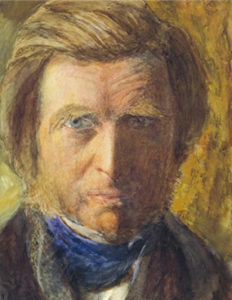
After three years of instruction from John Ruskin, the well-known artist, author, and art critic, twenty-five-year-old Lilias had prayerfully made the difficult choice. She would forego the opportunity to become “the greatest living painter in England” (as Ruskin predicted she would be) [1], and devote more time to her mission work.

(Self-portrait of John Ruskin)

“Ah, my dear Lilias, he sighed. “I was afraid our efforts would come to this. Goodness knows how many times I’ve complained that you needed to spend more time with your brushes and less time with the women of ill-repute around Victoria Station. However, I do admire your dedication, and regretfully wish you well.”

From this crossroads, a new path began to open before Lilias Trotter.

For a while she continued her work with women at the lowest rung of society, bringing them to the newly-established YWCA for training in various employable skills and introducing them to Jesus.

But in 1887 Lilias found her heart drawn to Algeria, after hearing a plea for more missionaries to the region. She applied to the North African Mission board but was denied because of her frail health.

(Algiers, Algeria circa 1880)

Undeterred, Lilias and two friends chose to go on their own. A generous endowment from her wealthy father (upon his death in 1865) provided the financial support necessary.

The three women settled in the French Quarter of Algiers and immediately began learning the Arabic language and Muslim culture. Because of the male-dominated society, they chose to engage women and children.

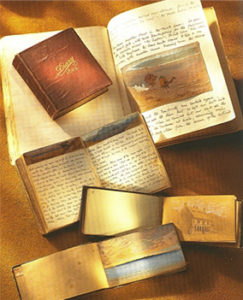
(watercolor sketches from Lilias’ journals)

Lilias put her artistic abilities to work creating leaflets. The charming illustrations drew attention to the spiritual truths she wrote. Her inspiration came from the hours she spent in Bible study, meditation, and prayer.

But inroads into Algerian society didn’t come easily. Nearly everyone was suspicious of them. They were women after all, European and Christian. Opposition came from the French authorities as well as Muslim leaders. Lilias wrote in one of her journals that she and her friends felt like they were knocking their heads against stone walls [2].

In addition, the Muslim women were difficult to reach since they were seldom allowed in public. But after several years one woman accepted Jesus into her life. Sometime later another woman and then another expressed their faith, until they could count their little band of believers on two hands.

Lilias also traveled into Morocco on the west and Tunisia on the west, into the far regions of the Sahara Desert where no European woman had been before. There too she sought out the isolated Arab women as well as the Sufi mystics who resided in the desert.

Lilias shared her pamphlets and booklets that included depictions of Arab life, always praying that her writings and drawings would help these Muslims understand who Jesus is and why he came.

Of course, persecution came to those who chose Jesus. Two of the new Arab Christians were slowly poisoned to death, others were drugged, and still more were punished in additional ways.

After twenty years of struggle, the missionaries still had little to show for their effort. And yet Lilias wrote:

I am full of hope that when God delays in fulfilling our little thoughts, it is to leave Himself room to work out His great ones. And, more and more as time goes on, I feel that the longer He waits the more we can expect, . . . and the greater will be the band of those who will come forth free from their prison walls. When one gets hold of that vision, one can throw back in the devil’s face his taunts over the seemingly wasted years that lie behind us.

Lilias Trotter

Perhaps even more productive than her conversations with people was the impact of her writings. Lilias’ appealing parables, “creatively illustrated in Eastern style” were widely circulated [3].

She felt confident that the Arabs would more seriously consider written material in the privacy of their homes, than in public conversation where opposition was likely. With her knowledge of the culture, language, and arguments of challengers, she was perfectly-suited for the task of producing these materials.

Lilias returned to Europe a number of times because of her health, each time in dire need of rest as well as relief from Africa’s oppressive heat. But Lilias often used these trips to garner interest and support for the organization she founded: the Algerian Mission Band.

A number of people responded, joining Lilias in her work. However she never asked for financial backing. “God’s wealth is boundless,” she said [4].

For forty years Lilias Trotter lived out her passion for the Algerian people. Before her death in 1928, she’d established twelve mission stations. And instead of three workers, a team of thirty had joined them, bringing the joy-filled, abundant life of Christ to the Muslims of Algeria [5].


Notes:

[1] https://ililiastrotter.wordpress.com/about/

[2] https://ishshahsstory.com/2016/08/10/celebrating-lilias-trotter-of-algeria/

[3] https://www.imb.org/2019/06/12/missionaries-you-should-know-lilias-trotter/

[4] https://thiseternalmoment.com/the-life-and-legacy-of-lilias-trotter/

[5] https://pioneers.org/2021/03/15/the-legacy-of-lilias-trotter

Other sources:

https://www.christiantoday.com/article/lilias.trotter.talented.artist.dedicated.missionary/139139.htm

https://liliastrotter.com/about/

Photos of Lilias Trotter and her paintings as well as John Ruskin’s self-portrait, courtesy of Lilias Trotter Legacy at http://www.liliastrotter.com and their Facebook page. Street scene of Algiers: http://www.commons.wikimedia.org.

Read Full Post »

I know—that’s not a title you expect to see on a blog for Jesus-followers or those curious about him. But please, hear (read) me out!

You see, the word fast has a number of meanings. The definition of “wild, reckless, and self-indulgent” is only one of them. Fast can also denote:

  • fixed, secure, and immovable as in “The rope held the boat fast to the dock.”
  • firmly loyal, as in “They became fast friends.”
  • completely and deeply, as in “She fell fast asleep.”

These definitions can give new meaning to” life in the fast lane,” when considered in the context of faith in Jesus:

  • Our future destinies are fast; they are fixed and secure
  • He is our fast, firmly loyal Friend now and forever
  • His love for us is fast—it’s complete and runs deep[1]

The Bible also includes other references to fast[2], instructing us to hold on to certain entities as we walk this lane/path of life. For example, we’re told to:

  • Hold fast to instruction and never let it go (Proverbs 4:13 NAB).
  • Stand firm in the faith (1 Corinthians 16:13 NIV)
  • Stand fast in the Lord (Philippians 4:1 ERV); that is, keep our relationship with the Lord firm (same verse, GWT).
  • Hold fast to that which is good (1 Thessalonians 5:21 NIV)
  • Hold firmly to our confidence and the hope in which we glory (Hebrews 3:6, NIV).
  • Hold fast to Christ’s name (Revelation 2:13 MSB)

And what are the results when life is lived in this fast lane with God?

The Bible tells us:

In other words, when we seek to follow the above directives and live in God’s fast lane, we’ll enjoy some high living!

What does that include?

  • The wise instruction of God’s Word, providing guidance, peace, comfort, and encouragement (Psalm 119:24, 28, 103; 111, 165)
  • Strong faith, protecting us from fear and anxiety (Philippians 4:6-7)
  • An intimate relationship with God, enjoying his unfailing kindness (Jeremiah 31:3)
  • Good thoughts that result in a continual feast of delight; good actions that result in blessing and fulfillment (Proverbs 15:15b, Psalm 107:9, Acts 20:35)
  • Confidence in the promise of heaven that fosters spiritual strength (2 Corinthians 4:16-17)
  • Reliance upon all that Christ is (indicated by his many names), contributing to our well-being, and the added joy of reflecting his radiance to others (Colossians 3:17; 2 Corinthians 2:15a)

In a nutshell, the benefits of life in this fast lane include: guidance, peace, comfort, encouragement, serenity, joy, contentment, delight, blessing, fulfillment, spiritual strength, a sense of well-being, purpose, and more. Whew!

That sounds like high living to me—of the heavenly sort!

The question is, will we choose to live in this fast lane?

*     *     *     *     *     *     *     *     *     *

Lord God, thank you for making possible this thrilling journey—accompanied by you, led by you, loved by you, empowered by you, blessed by you.  Keep me in your fast lane where I can live life to the fullest as you intended. And may others choose to join us.


[1] 1 Peter 1:3-5; John 15:12-15; Ephesians 3:17-19

[2] Some translations use synonyms such as firm and firmly

Art & photo credits: http://www.publicdomainpictures.net; http://www.canva.com (3); http://www.rawpixel.com.

Read Full Post »

Perhaps you’ve also heard these definitions:

  • A pessimist is a person who is seasick during the entire voyage of life.
  • An optimist is a person who goes in a restaurant with no money, and fully expects to pay for his meal with the pearl he finds among the oysters that he plans to order.
  • A realist is a person who does precise guesswork based on unreliable data provided by those of questionable knowledge.

M-m-m. According to those tongue-in-cheek definitions, who would aspire to any of these three attitudes?

Truth be told, pessimists often do identify worst-case scenarios and sometimes think God doesn’t care or he’d intervene. Optimists can believe God will always make good things happen, if we just have enough faith. Realists might not focus on the negative, yet still be cautious about expecting God’s involvement in their circumstances.

But what if he desires that we expect great things–things like strength to endure, help to solve problems, provision for needs, and guidance for decisions? Nineteenth century pastor/author Andrew Murray suggested:

It occurred to me that we Jesus-followers might aim past pessimism, realism, or optimism, toward up-timism. No, you won’t find that word in Webster’s. But according to the Nancy Ruegg Dictionary of Words We Need the up-timist looks up toward God, trusting that out of his love, goodness, and wisdom, he will do what is right.

Up-timists also take to heart the promises of scripture, they remember God’s faithfulness in the past, and affirm who he is in all his glorious attributes.

This doesn’t mean up-timists are perpetually giddy with cheer. But even as tears of pain or grief course down their cheeks, they rest in their Heavenly Father with joy. They’ve learned how to be “sorrowful but always rejoicing” (2 Corinthians 6:10).

Consider these words from the great preacher Charles Spurgeon: “We ought to be glad and rejoice forever in that which God creates. Ours is a heritage of joy and peace. My dear brothers and sisters, if anybody in the world ought to be happy, we are the people. . . How boundless our privileges! How brilliant our hopes!”[1]

These words were penned when Spurgeon was deathly ill. Though he rallied for a time, the great theologian graduated to heaven six months later.

In the letter to his people excerpted above, he included a main characteristic of the up-timist: hope.

Hope is the confident expectation that God will use our painful circumstances for good . . . it’s what allows us to choose to rejoice amid hardships and to say to God, “I will rejoice in You.”[2]

By contrast, pessimists are often characterized by fatalism, realists by over-confidence in their own perceptions, and optimists by wishful thinking.

But up-timists affirm such confident expectations as these:

  • The Lord preserves those who are true to him . . . Be strong and take heart, all you who hope in the Lord (Psalm 31:23-24).
  • Yes, my soul, find rest in God; my hope comes from him. Truly he is my rock and my salvation; he is my fortress, I will not be shaken (Psalm 62:5-6).
  • You are my refuge and my shield; I have put my hope in your word (Psalm 119:114).

Hope isn’t an automatic response in times of hardship, even for up-timists. We have to exercise our determination. One way is to speak truth to ourselves–with conviction. The scriptures listed above offer a good place to start.

Other truths include:

  • I know God has a purpose in this circumstance (Proverbs 19:21).
  • I know God will bring me through (Isaiah 40:29-31).
  • I know God is a good and loving Father, and he’s working toward the eternal perfection of his kingdom, for the benefit of all who love him (1 Corinthians 2:9).

Note how God is at the center of the up-timist’s hope. She expects God to work in her life and in the world, anticipates the fulfillment of his promises, and looks forward to seeing his will unfold.

Note also that “hope doesn’t change what we see, like the lens of optimism or pessimism, hope changes us to withstand the journey this side of heaven with enduring joy, peace, and contentment.”[3]

So–would you describe yourself as an up-timist? How does that point of view impact your life? Please share in the comment section below!


[1] https://www.epm.org/blog/2019/Oct/23/godly-optimism.

[2] Jennifer Rothschild, Lessons I Learned in the Dark, 95.

[3] Kim Striver, https://www.coreradiate.com/blog/optimist

Photo credits: http://www.canva.com; http://www.freebibleimages.org; http://www.canva.com; http://www.heartlight.org; http://www.dailyverses.net; http://www.flickr.com; http://www.canva.com.

Read Full Post »

Many who follow Jesus long for the fulness of blessings he’s promised, like intimacy with God, peace of mind, and life to the fullest (1).

When these blessings aren’t apparent, it’s natural to wonder why. A person might think, I just need to try harder, become more disciplined. Maybe I should severely limit recreation and sacrifice more.

Don’t get me wrong. Self-discipline and sacrifice are part of a dynamic Christian life (2), and actually become delights as we mature in our faith.

But what if:

Intimacy with our Heavenly Father doesn’t require a monk-like lifestyle but stillness and spending time with him in scripture.

“The world applauds achievement; God desires companionship. The world clamors, “Do more! Be all you can be!” But our Father whispers, “Be still and know that I am God.”

Joanna Weaver, Having a Mary Heart in a Martha World

If Bible study sounds like a chore, talk to someone who considers it a joy. Learn from them how to experience the same.

Faith doesn’t require long prayers about inadequate faith, but simply resting in what we know about God.

“If you feed your faith, your doubts will starve to death.”

Debbie MacComber

One way to feed your faith is to keep a journal of events that give evidence of God’s work in your life, his guidance, provision, and blessing (3). I promise, you’ll be amazed.

Peace doesn’t come from distracting ourselves with busyness, but from knowing God, focusing on him through worship, and meditating on his attributes.

Reverend Croft M. Pentz expressed it this way:

“No God, no peace. Know God, know peace.”

Croft M. Pentz

And Ruth Bell Graham discovered:

We’d do well to learn from her experience.

Hope isn’t generated by wishful thinking, but by affirming the Word of God.

Some of you will remember the old hymn, “Standing on the Promises.” The second verse offers this encouragement:

Standing on the promises that cannot fail,
When the howling storms of doubt and fear assail,
By the living Word of God I shall prevail,
  Standing on the promises of God.

–Russell K. Carter

For every hope—of a problem to be solved, a relationship to be healed, and a need to be met—there are scripture-promises on which to place our hope. To trust God is to trust his promises. 

Contentment isn’t the result of having all desires fulfilled, it’s the result of gratitude for what we already have.

When we begin to thank God for such delights as the friendly wave of a neighbor, the worshipful toll of church bells, the bright lady bug on a stem, we soon realize how many gifts he bestows.    

Add to his daily delights the assurance that God is with us to support, within us to empower, and going before us to lead the way (4).

Most of our wants pale in comparison to the glories we already enjoy. . .

. . . in creation . . .
. . . in relationships . . .
. . . in usefulness.

A rich and satisfying life doesn’t come through self-centered gratification, but through obedience to God’s ways.

“God’s commands are designed to guide us to life’s very best” (5), including the qualities we’ve considered in this post: delightful intimacy with God, restful peace, constant contentment, and more. That’s a life overflowing with joy.

Pursuing this kind of rich, satisfying life is a bit like making soup! Every ingredient that goes in the pot impacts the flavor of everything else in the pot. In the spiritual realm, everything we do, say, or even think impacts the flavor of our faith.

Gratitude produces contentment but also impacts our worship and quality of life. Faith grows our knowledge of God, but also grows contentment and spiritual strength. Scripture study instills peace, but also nurtures hope and tightens our connection to God. The list could continue but you get the idea.

The bottom line is this:

The question becomes, what actions will we pursue to genuinely impact the flavor of our faith?  


1. James 4:8; John 14:27; John 10:10

2. Galatians 5:22-23; Ephesians 5:2

3. “Christmas Afterglow” includes several examples.

4. Isaiah 41:10; 1 Corinthians 3:16; Deuteronomy 31:8

5. Henry Blackaby

Photo credits: http://www.canva.com; http://www.pxhere.com; http://www.pxhere.com; http://www.wikimedia.org (2); http://www.pexels.com; http://www.canva.com; http://www.pixnio.com.

Read Full Post »

“This is the property,” his agent told him, as they flew over a great swath of swampy real estate—about 43 square miles worth.  “What do you think?”

The passenger, W.E., smiled with satisfaction. He hardly noticed the scrub pines, cypress groves, and marshy ponds dotting the landscape. In his mind’s eye he saw beauty and grandeur. “I like it!” he cried.

Ground view of the kind of landscape W.E. saw that day

Within days, W.E. and his associates were arranging to purchase the land from the various owners. The final price tag: five million dollars (the equivalent of about 43 million today).

That was in 1963. In 2011, the property was estimated to be worth over 1.3 billion dollars, because of W. E.’s vision and his ability to accomplish what he started.

Development of the property began in 1965. It took thousands of workers and six years to complete the initial phase of W. E.’s plan.

First, the acreage had to be cleared, then lakes dredged as well as canals built in order to control the flow of water. Before the first foundation could be poured, the land had to be elevated. Millions of trees, shrubs, and plants were also installed.

Some might say what followed was pure magic, as the massive project resulted in Disney World. And ever since its opening in 1971, the visionary genius of Walter Elias Disney has dazzled the senses of visitors.

Someone else sees value in places where most of us don’t. The King of the universe recognizes worth in you and me, scrubby and nondescript as we might be. In fact, he smiles with satisfaction on his people of faith, because what he envisions is the beauty and grandeur of what we’re becoming.[1]

The Apostle Paul explained it this way:

And what does God’s good work include? Here’s a partial list:

  • He guides us to know what’s right and then empowers us to do it
  • He creates the desire within us to follow his way of wisdom
  • He draws us toward a heavenly perspective that impacts our choices and motives
  • He grows our love for one another
  • He develops godly traits that minister to others and provide us satisfaction as well
  • He transforms us, day by day, into the beauty and grandeur of Christ’s character[2]

“The life of a Christian is a series of miracles” wrote Charles Spurgeon—miracles that include wisdom, love, godliness, power, and more. Such transformation is much more spectacular than turning swampland into a stunning park. And God will never stop developing his miracles within us until we’re home with him.

Our challenge is to submit to his work.  

God wants to dredge self-centeredness from our spirits so rivers of living water can flow freely. Then we’ll enjoy the continual, life-giving spring of contentment he provides.[3]

God wants to place us on the foundation-rock of his Word, providing peace and security—especially when the storms of life threaten to overtake us.[4]   

God also wants to establish us like trees planted by water. Then we won’t fear the heat of difficulty or a drought of deprivation, because our roots grow deep into the river of God’s delights—delights like His love, his truth as found in the Bible, his strength and presence.[5]

Walt Disney and his team did accomplish incredible feats of innovation, design, and technology. But God shaping us into beautiful, joyful, purposeful people?  That’s mind-boggling miraculous.

*     *     *     *     *     *     *     *     *     *

Thank you, loving Father, for continuing to grow me in your grace until your task within me is finally finished. Thank you for never giving up, for completing what you start. May I be an enthusiastic participant in your good work!

Sources:

https://dozr.com/blog/building-disney-world

https://d23.com/we-say-its-disney/

https://www.forbes.com/sites/megandubois/2021/09/23/looking-back-at-50-years-of-walt-disney-world-history-and-business-strategy/?sh=a0fc33fff209

https://www.themeparktourist.com/features/20140323/17091/making-walt-disney-world-20-amazing-photographs

Notes:


[1] Psalm 147:11

[2] Psalm 119:33-37; Philippians 2:13; Colossians 3:2; Philippians 1:9; Galatians 5:22-23; 2 Corinthians 3:18

[3] John 7:37-39 and footnote to v. 38, The Woman’s Study Bible

[4] Matthew 7:24-27; Psalm 119:24

[5] Jeremiah 17:7-8; Psalm 36:8; Ephesians 3:16-19

Photo credits: http://www.publicdomainpictures.net; http://www.wikimedia.org; http://www.pxhere.com; http://www.heartlight.org; http://www.rawpixel.com; http://www.flickr.com.

Read Full Post »

« Newer Posts - Older Posts »

From the Inside Out

Impressions Becoming Expressions

Sylvia Schroeder

Impressions Becoming Expressions

Mitch Teemley

The Power of Story

Still Traveling

Impressions Becoming Expressions

Living Our Days

Gaining a heart of wisdom

He Said What?!

I'm Patty, and my husband and I are living with our adult son who has autism and epilepsy. I love sharing lessons learned from life around me, especially life with Aaron.

Meditations of my Heart

Impressions Becoming Expressions

Linda Stoll

Impressions Becoming Expressions

Signora Sheila

Where faith meets slow living

Heidi Viars

Finding the Image of God