Feeds:
Posts
Comments

Archive for the ‘Praise’ Category

For ten years of my twenty-six year teaching career, I commuted almost fifty miles each day. Those of you who endure the same or worse understand that it is: 1) boring, 2) a waste of time, and 3) FRUSTRATING!

The roadways are filled with thoughtless, rude drivers who can raise your blood pressure to dangerous levels if you’re not careful.

One day, after yet another encounter with a dreadful driver, I started to sing, “To God Be the Glory”—an old hymn that is still a favorite of many.

But somehow my mind took a wild turn and I veered into new lyrics that fit my situation–and my mood:

“To God be the glory in spite of the jerks who travel the turnpike and drive me berserk!”

It made me chuckle. The tension in my shoulders began to relax.

M-m-m, I thought. I may be on to something.

For the next several weeks I spent my commuting time working thoughts into rhymes and rhymes into the rhythm of the old hymn.

Here are the results:

The South Florida Commuter Song

Verse 1

To God be the glory in spite of the jerks
Who travel the Turnpike and drive me berserk!
I’ll focus on Jesus and all of His works,
Improving my attitude and calming my nerves.

Praise the Lord for the trees, and the birds on the wing!
Praise the Lord for the clouds, and this song I can sing!
I’ll thank Him for His promises and victories won,
And for taking frustration and making it fun!

Verse 2

I’ll pray for the poor bloke who speeds out of sight.
He’s clueless I’ll see him at an upcoming light.
I’ll pray for his safety, since he’s unconcerned,
And hope in the process some patience I learn!

Praise the Lord for the sun as it spangles the sky.
Praise the Lord for the ponds, and the mist on the rise.
I’ll thank Him for creation, its beauty sublime.
Renouncing frustration, His peace I shall find.

Verse 3

And when drivers speed by then squeeze in ahead,
Replace my frustration with your grace instead.
Remind me they don’t know you, they’re striving alone.
I pray they may seek You, and make You their own.

Praise you, Lord! I am Yours, and You’re always with me.
Help me lean, and be serene, even when folks are mean.
I pray for Your Spirit to take full control
As over the highways and byways I roll.

Verse 4

There’s one more group of drivers that I must address.
They pull out in front of me, then drive like Aunt Bess!
They poke along slowly, yet still make the light,
But then the light turns red—I’M stuck! What a fright . . .

. . . How upset I can get when others drive thoughtlessly!
But I have heard from Your Word how You want me to be:
As loving and forgiving as You are to me.
So when others drive like Aunt Bess, I’ll say, “God bless!”

© Nancy Ruegg 2008

Are you smiling? I hope so! And perhaps you’ll be inspired to turn a frustration in your life into an attitude-changing song. If you do (or already have), please share it with us in the Comment section below!

(Revised and reblogged from 1/7/2013 while we prepare for houseguests.)

Photo credits: http://www.commons.wikimedia.org (Ildar Sagdejev); http://www.flickr.com; http://www.pxhere.com; http://www.flickr.com (Pam Link).

Read Full Post »

Sunday evening at our son’s house we reveled in a rare musical experience—a private mini-concert by a gifted violinist, Jenny Armor. She happens to be the daughter of friends, and they’d joined us for dinner.

Not only is Jenny able to play ultra-challenging music with superb technique, she plays from her heart. This week Jenny graduates from a music conservatory in Canada; in the fall she’ll begin a two-year master’s program in Europe.

Here’s a link to a video of Jenny playing a Schoenfeld trio for clarinet, violin, and piano, recorded two years ago.

You can imagine what two more years of training and practice have achieved. But one thing has been apparent since Jenny was very young: making beautiful music brings her blessed happiness.

Of course, Jenny’s violin experience didn’t begin with the works of Schoenfeld, Brahms, or Tchaikovsky. Most likely it was “Twinkle, Twinkle, Little Star.” But as she’s grown in knowledge and then put that knowledge into practice (lots of practice!), the pleasure Jenny derives from playing has only expanded.

The same could be said for many endeavors. The journey to become an expert in any field is to increase the pleasure of that activity along the way.

Even in the spiritual realm, a close parallel can be drawn:

Someone might ask, “How can just knowing the stories of Jesus increase my happiness?”

First, familiarity with the biblical accounts can provide pleasure. Who doesn’t enjoy a good story?  But the delight expands as we identify Christ’s attributes-in-action and then realize they also impact us

Those attributes would include:

  • Compassion—upon those who came to hear him teach and those who approached him for healing (Matthew 14:14; Mark1:40-41, et al.)
  • Mercy and grace to forgive sins (Matthew 9:2; Mark 2:5, et al.)
  • Respect and kindness for all people, including hated Samaritans (John 4), Roman occupiers (Luke 7:1-10), and disregarded pagans (Matthew 15:21-24)
  • Selflessness, ultimately expressed as he endured crucifixion (Matthew 20:26-28)

And as we develop awareness, we see more and more evidence of such attributes at work in and around us. Think of it: The King of the universe is participating in our lives (Revelation 17:14; Philippians 2:13)! And growing appreciation leads to greater joy.

The next question becomes, how might we see more evidence of his presence, in order to experience fresh delights? One way is meditation.

Meditation on Christ is what turns knowledge about him into an intimate relationship with him. It begins with slow, prayerful reading of New Testament verses or passages. Questions such as these can guide our thinking:

  • What does this text reveal about my relationship with Christ?
  • What am I learning about God the Son in this passage, about his character and/or activity?
  • What encouragement or instruction would he have me internalize and apply to my life?
  • What insights might I make a matter of prayer?

And if we record responses in a notebook or journal, we’ll deepen our reflection and receive even greater benefit, because oftentimes to write is to discover.

We can conclude our meditations with praise, for who our Savior is, what he has done, and the understandings brought to light by the Spirit. This prayer might also be written, to augment its imprint on our hearts.

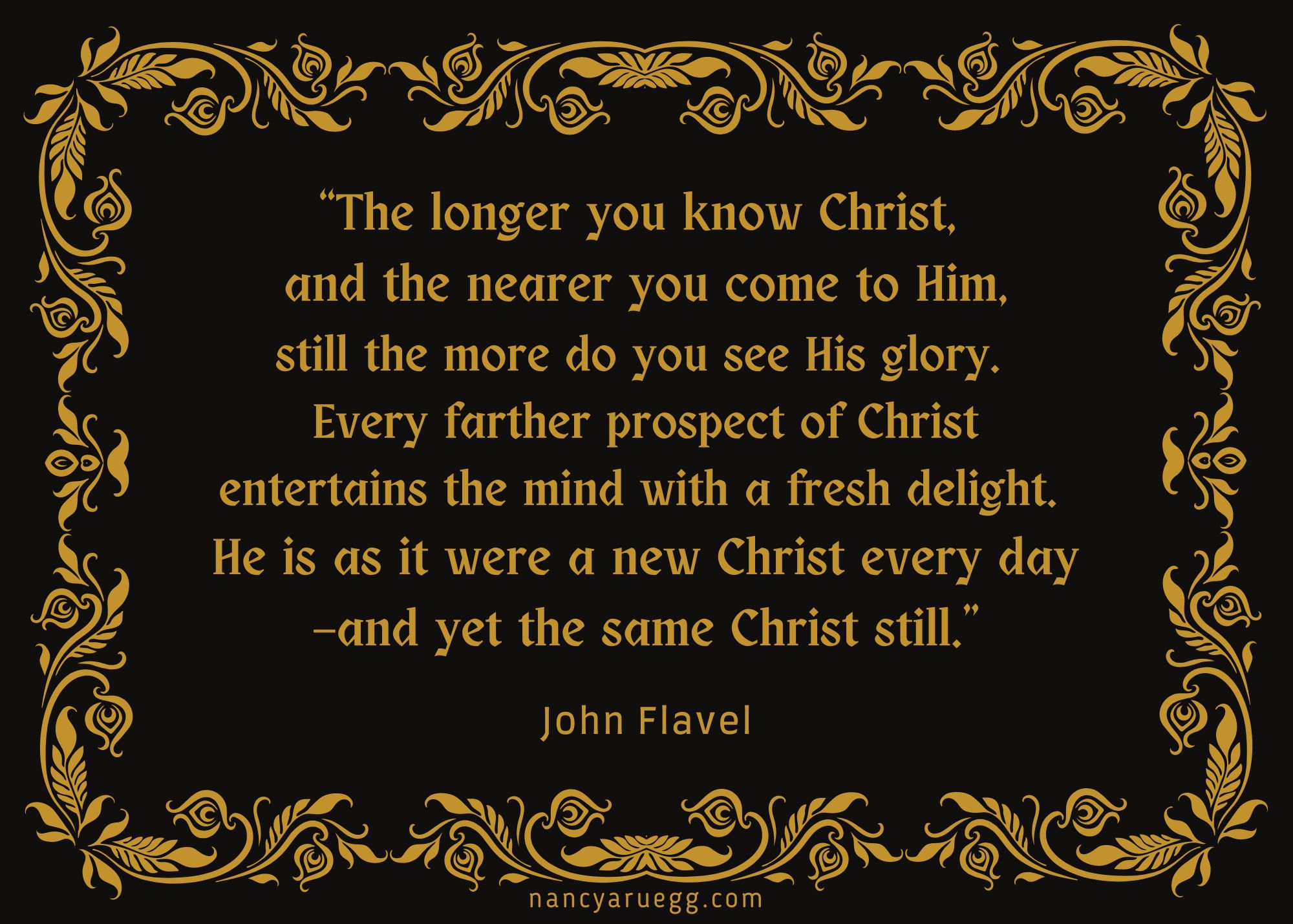
And then, with Puritan minister and author John Flavel, we’ll be able to affirm:

Just as our young friend Jenny surely experiences happy blessedness as she pursues her violin studies, how much more will we experience fresh delight and happy blessedness in Jesus as we study him.

Art & photo credits: http://www.flickr.com; http://www.freerangestock.com; http://www.canva.com

Read Full Post »

How would you finish this statement?

Nothing we do is more powerful or life-changing than _____________.

Some would suggest taking better care of ourselves, or setting goals that include a plan for completion, or training our minds to focus on the positive. And the argument could be made that all of these actions create beneficial influence in our lives.

But according to author Stormie Omartian, “nothing we do is more powerful or life-changing than praise[1]. Others would likely agree with her, having cited numerous benefits themselves:

  • Prayers of adoration calm any fear, lift the spirit, and fill us with indescribable joy [2].
  • Praising God reduces our cares, levels our anxieties, and multiplies our blessings [3].
  • Continual praise is what changes the emotions, lifts the darkness, offers hope, frees the mood, and blesses God so that evil is driven out. It changes everything [4].
  • When we choose to practice adoration anyway in the midst of whatever we are feeling, our words lift us over that barrier and into a deeper connectedness with God [5].

But how could simple words produce such life-changing results? Psalm 69:30 offers a clue:

To magnify God is to make larger our view of him and his attributes, which lessens our view of the problems we face. The more often we focus on God, the more our faith thrives, and that in turn leads to less worry and fretting.

For example, see if these statements don’t boost your confidence in God for what you’re facing right now:

  • Praise God he is all-sufficient, all-knowing, and all-powerful. He has everything under control (Isaiah 55:11; Romans 11:33-36; 1 John 3:20b).
  • Praise God he is forever faithful, always working out his overall plan, always fulfilling his purpose (Lamentations 3:22-23; Job 42:2). 
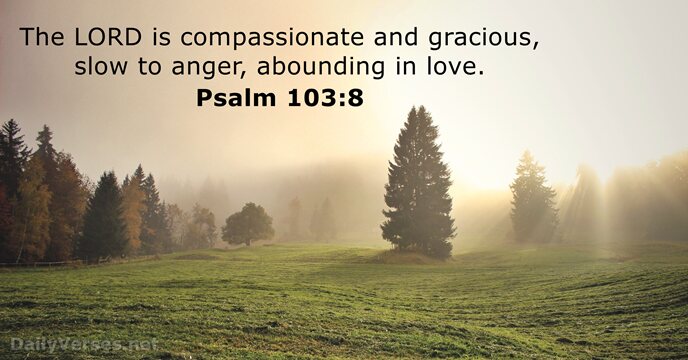
  • Praise God he is continually gracious and good, full of love and compassion (Psalm 145:8-9).

The longer we gaze at him, arrayed in such glorious attributes, the less insurmountable our problems become.

And with an unknown Puritan of old we too can affirm:

“When I think upon and converse with Thee, ten thousand delightful thoughts spring up, ten thousand sources of pleasure are unsealed, and ten thousand refreshing joys spread over my heart, crowding every moment with happiness” [6].

That is the power of praise.

But the enemy of our souls is well aware of this power. He’ll do everything he can to keep us from developing the habit of praise. What might help?

Habit-stacking. Have you heard of it? The practice involves adding a new habit to some action that’s already a fixed routine.

For example, we might add more praise to our days while making the bed in the morning, completing some household chores, commuting to and from work, walking from place to place, waiting for the microwave, chopping fruit or veggies.

What routines are established in your life? Which ones lend themselves to spending a few minutes praising God for who he is and what he’s done?

Another possibility for adding praise to our lives comes from C. S. Lewis: “Make every pleasure into a channel of adoration.” He suggested several ideas to get us started: a beautiful mountain valley, delicious food, a great book, or a piece of music [7].

And you know what happens as we praise God for these blessings?

One’s mind runs back up the sunbeam to the sun [8].

Isn’t that lovely imagery?  

And is there any better place for our mind to be?


[1] Values for Life, 160.

[2] Kristine Brown (https://www.ibelieve.com/christian-living/prayers-of-adoration-to-fill-your-heart-wonder.html).

[3] Suzanne Dale Ezell, Values for Life, 160.

[4] Arnold Prater, Bonding with God, 78.

[5] Sara Hagerty, Unseen, 151.

[6] From The Valley of Vision, Puritan prayers and devotions compiled by Arthur Bennett, 1975.

[7] Quoted by Timothy Keller in Prayer: Experiencing Awe and Intimacy with God, 197.

[8] C. S. Lewis, Letters to Malcolm: Chiefly on Prayer, 89-90.

Art & photo credits: http://www.pickpik.com (2); http://www.canva.com; http://www.freeimageslive.co.uk; www,pxhere.com; http://www.canva.com.

Read Full Post »

‘Tis Poetry Month once again, a time to celebrate this art form that can stretch, inspire, and amaze us in ways unique from prose. Award-winning poet Pattiann Rogers identified at least one element of that uniqueness: the music of poetic language.

But is the composing of such music reserved only for experts? That question brings to mind another quote:

Such encouragement for us amateur-poets to give it a try and be stretched, inspired, and amazed when we create our own music of poetic language—unsophisticated as it may be.

This year I’ve experimented with three forms: Shadorma, diamante, and quadrille.

The Shadorma is of Spanish origin. It contains six lines, each with a specific syllable count that follows this pattern: 3/5/3/3/7/5.

Early morning on our deck offered inspiration for this Shadorma:

Dawn Rising

Sunbeams climb

Dusky shadows fade

Breezes kiss

Robins trill

Nasturtiums spangle with dew

Morning masterpiece

The diamante (diamond) form derives its name from its shape. It was created by American poet Iris McClellan Tiedt in 1969.

The pattern for diamante is more complex than Shadorma. The first half of the poem relates to the one word of the first line; the second half to the one word of the last line. These two lines often present opposites. The middle line provides a bridge between the two. 

Each of the seven lines requires a certain number of words of a certain part of speech:

  • Line 1: 1 word (subject/noun)
  • Line 2: 2 adjectives that describe line 1
  • Line 3: 3 -ing words that relate to line 1
  • Line 4: 4 nouns (first 2 relate to line 1, last 2 relate to line 7–if you’re writing about opposite topics)
  • Line 5: 3 -ing words that relate to line 7
  • Line 6: 2 adjectives that describe line 7
  • Line 7: 1 word (subject/noun)

This diamante began to take shape as I considered the transformation Christ can make in a person’s life. A list of R-words began to grow—repentance, redeemed, restored, so I pursued the pattern.

A Transformed Life

Ruin

Repugnant, reprehensible

Rebelling, ravaging, retaliating

Rashness, recalcitrance, remorse, repentance

Returning, Releasing, Receiving

Redeemed, restored

Renewal

The Quadrille form first appeared at www.dversepoets.com in 2016. The only requirement is to include 44 words (excluding the title). They believe that “limitation can happily breed extreme creativity.” Each Monday they provide a word-prompt, and participants must use that word in their poems.*

I chose my own word from John 15:1, 5—vine. And while I played with possibilities, my poem began to fit a pattern. Every line contains seven words except the last, which contains nine.

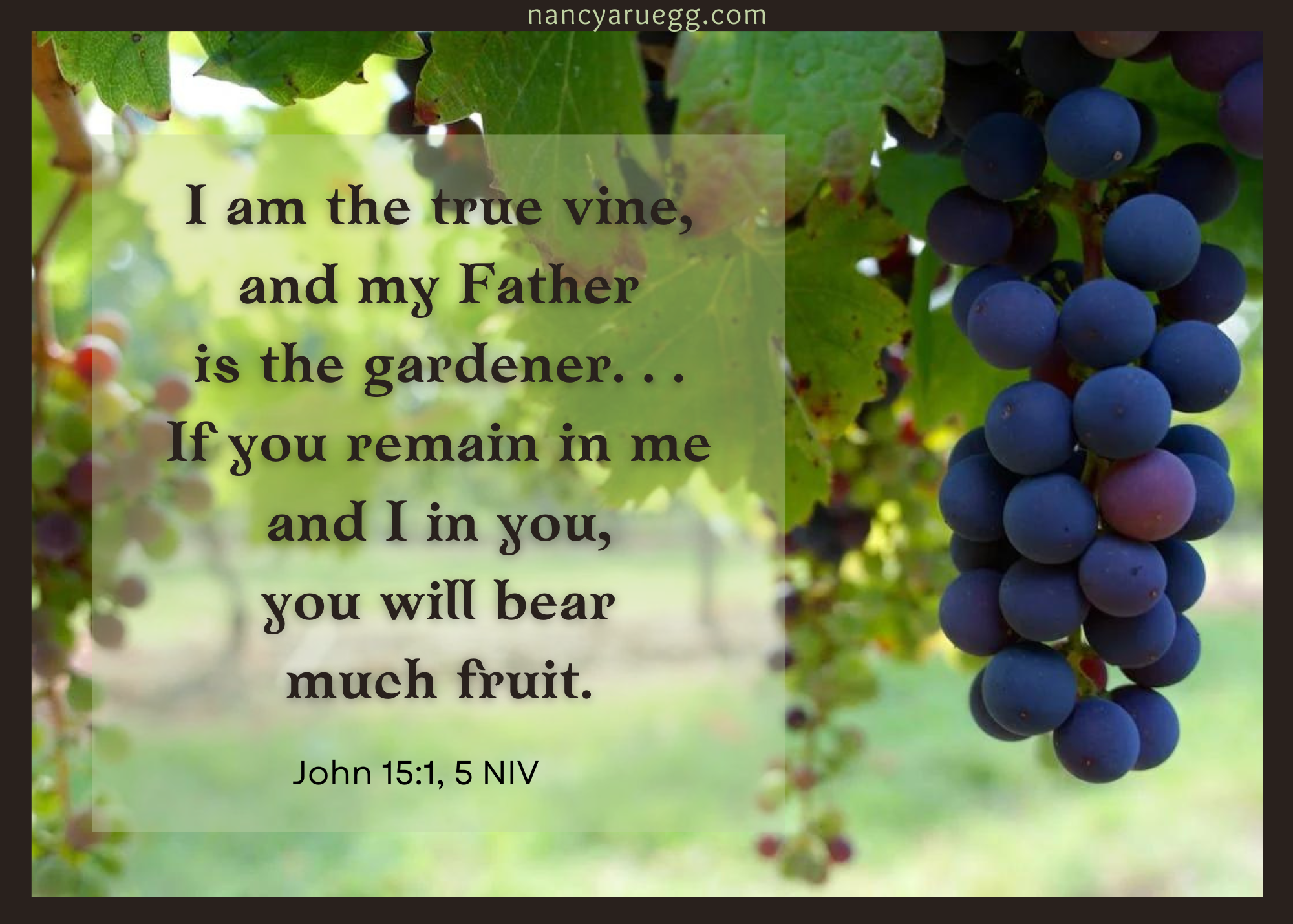
First, the scripture, as a point of reference:

And now, the poem.

Bonded to the Vine

Praise to the Gardener of our souls!

Once we’re grafted to his Vine, he

Prunes away withered branches of worthless folly,

Waters us with his life-giving, spirit-strengthening Word,

And produces pleasing fruit with boundless sufficiency.

Such beauty results when we’re bonded to the Vine!

Remember the quote of Christopher Fry at the beginning of this post–“Poetry is the language in which man explores his own amazement?”

I wonder if he knew that the pleasure in exploring our amazement—whether as poets or not—is greatly enhanced when we include the Genius behind all things amazing.


* https://dversepoets.com/2017/09/11/quadrille-40/

Photo credits: http://www.canva.com; http://www.pxhere.com; http://www.pickpik.com; http://www.pexels.com (3); http://www.commons.wikimedia.org.

Read Full Post »

Several years ago I read these words written by a pastor: “When hard times come, say to yourself, ‘Now is the time to use my faith in a new way.’”

I had to wonder, What might that new way include? He didn’t say.

But while considering my own hard times I remembered a few new-to-me strategies God brought to my attention that did indeed strengthen my faith. 

First, he led me to a new way to read scripture, recording any thoughts, insights, or prayers in a notebook. Writing helps slow my thinking so I can absorb more of what God would have me understand.

A few questions, prayerfully considered, might help our pens begin to write. For example:

  • God, what do you want me to understand and embrace from this passage/verse?
  • How would you desire this insight to impact my attitudes, beliefs, and/or actions going forward?
  • What does this passage teach me about you, as God the Father, Son, and/or Holy Spirit? How might this knowledge impact my current frame of mind?

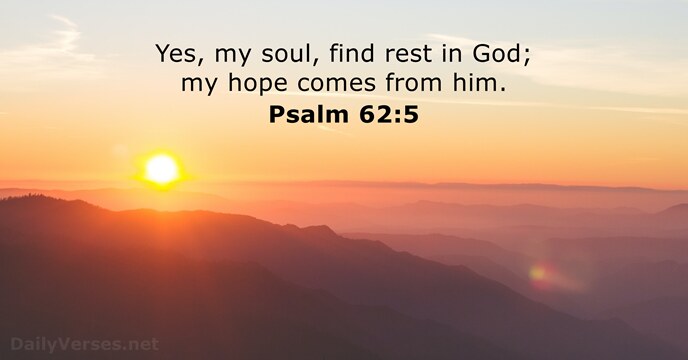
During one time of upheaval I wrote the following, based on Psalm 62:5.

You are my hope, O God. Your plan is to prosper me, to help me grow in faith and Christian maturity. My eternal hope in you can help keep this present difficulty in perspective. After all, when compared to eternity, any hardship here on earth is brief. Someday I’ll live forever with you and the problems I’ve faced will seem insignificant in the light of heaven!

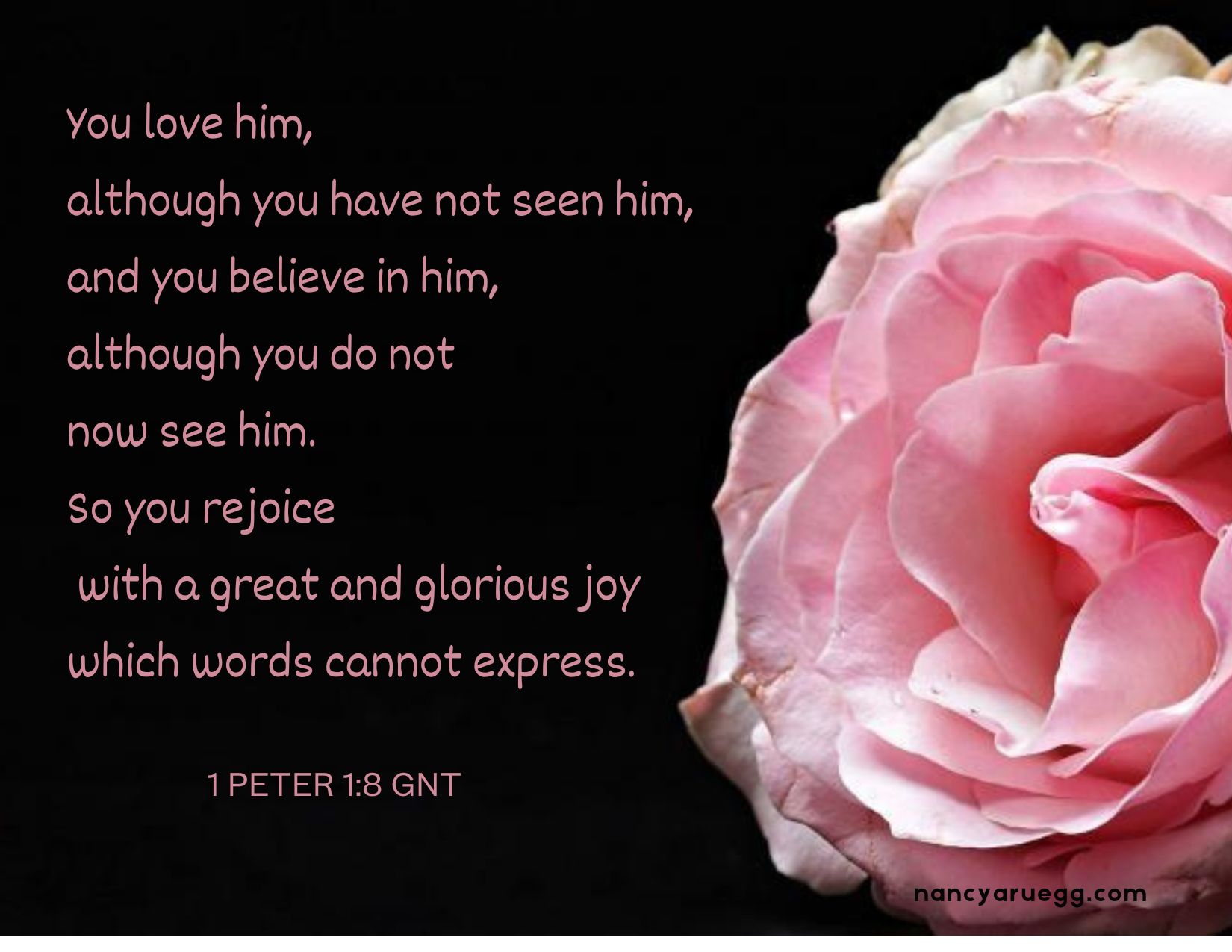
God also introduced me to a new way to pray: spend less time rehashing the problem, and more time rejoicing with gratitude. It’s the kind of praying Paul encouraged (Philippians 4:6-7):

We can thank God for each of his attributes at work on our behalf: his wisdom, power, goodness and more. We can also thank him for graciously upholding us, surrounding us with encouraging family and friends, and allowing us to sense his presence more palpably.

Consider also the positive impact on mind and spirit if we pray with anticipation, affirming God will act to fulfill his highest purpose. If we thank God that it will be so before it is so—that’s faith!*

Such a prayer might be:

I praise you, O God, for your power that can fulfill grand purpose even through (name the situation.) I praise you for being a creative God who solves problems in amazing, miraculous ways.

I thank you for being an involved God who takes an active, loving role in the lives of his children. I thank you that you are faithful and trustworthy, that when we commit our way to you and trust in you, you will act (Psalm 37:5)!

God also led me to a new way to embrace the promises, by acquiescing to his plan for fulfilling them.

For example, when a beloved fellow believer is diagnosed with cancer, our prayer is for a complete restoration, of course. We might site the promise of Psalm 41:3:

And sometimes God’s answer is yes. Even the doctors are surprised how quickly the patient recovers. Sometimes God’s answer is wait, as the patient endures radiation, surgery, and chemotherapy. And sometimes the answer is no.

But isn’t that complete healing as well as the patient is taken home to heaven where no sickness exists?

Life-experience and a growing relationship with God teach us:

It is then we turn to promises like these—promises we can count on no matter what:

  • He will guide us along the right paths (Proverbs 3:5-6)
  • He will provide peace of heart (John 16:33)
  • He will bring good out of every situation (Romans 8:28)
  • His grace will see us through (2 Corinthians 12:9)
  • He will provide everything we need (Philippians 4:19) 

These are among the promises to hold especially close.

And as we exercise such ways of faith presented above, they lead us to know God more, trust God more, and experience more of the spiritual blessings he longs to bestow.

And now, what new way of faith have you discovered that strengthens you during hard times? Please share in the Comments section below!

*Arnold Prater, Bonding with God, 81.

Art & photo credits: http://www.picryl.com; http://www.rawpixel.com; http://www.dailyverses.net; http://www.commons.wikimedia.org; http://www.canva.com; http://www.picryl.com; http://www.canva.com; http://www.pexels.com.

Read Full Post »

More than likely you’ve never seen the item pictured above. At first glance, you might think it’s a noisemaker used in primitive worship ceremonies. Others might say it looks like a musical instrument or the paddle for some game.

In actuality, it’s a model of an ancient Aztec weapon, a macuahuitl (MAC-wah-wick).

Strange-looking, isn’t it?  How could a wooden paddle be deadly enough for warfare? The key lies in those black protrusions on the sides. They were made from obsidian and filed razor sharp, capable of creating gaping slash wounds.

Here’s another strange-looking weapon. They remind me of the jacks some of us played with as children. These are called caltrops, with each spike measuring 2 1/2-to-3 inches.

Caltrops were designed so that, when thrown on the ground, one point would always land facing up.

Spread hundreds of these around your camp at night, and protect your soldiers while they rest. Or hide them in the area before the opposing army approaches, and cause crippling injury to many men and beasts as they charge.

But why all this talk about ancient weapons?

In the spiritual battles of life, we too have at least two strange-but-effective weapons at our disposal.

At first glance, they might appear useless against our adversary Satan. But these weapons have the power to defeat his minions of discouragement, disappointment, envy, frustration, and more.

The first weapon is gratitude. Yes, just uncomplicated gratitude.

For example, consider each of the negative emotions named above and how gratitude might incapacitate them:

  • When discouraged by lack of recognition at work, I can be thankful God sees.
  • When dissatisfied with my paycheck, I can be thankful that God will provide.
  • When disappointed by my child’s behavior, I can be thankful for the life-lessons taught through consequences that will benefit him in the future.
  • When envious over the lovely new house of an acquaintance, I can be thankful for our low mortgage, friendly neighbors, and the memories that have turned our house into a home.
  • When frustrated by a day of one-step-forward-and-two-steps-back, I can thank God for the strength and patience to see me through [1].

And as we wield our weapon of gratitude we’ll discover: “The truly thankful person is a truly peaceful person” [2].

But how do we manufacture deep-down satisfaction when life is full of difficulty and stress?

Luci Swindoll suggests: “Consider who you are and be satisfied with that. Consider what you have and be satisfied with that. Consider what God is doing and be satisfied with that” [3].

One way to employ contentment is to meditate on one of the praise psalms, like Psalm 103 or 145. While reading each verse, consider what it says about who you are, what you have, and what God is doing. Brandish your discoveries in the face of the enemy of your soul.

Even one simple statement can generate a whole journal of responses. For example:

In this moment, consider:

  • What goodness do you see, hear, taste, smell, or feel (externally and internally)? Praise God for these gifts [4]
  • What recent events have brought you joy? Praise God for engineering those events.
  • Who has blessed you lately? Praise God for these people.
  • What are you looking forward to? What hopes do you have for the future? Praise God that, because of his unfailing love and faithfulness, we always have hope (Lamentations 3:21-23).
  • What evidence of God’s thrilling presence have you noted? Praise him for revealing himself in so many different ways [5].

Perhaps a thick fog of trouble makes it difficult to see much goodness. British writer and scholar Alexander Smellie (1857-1923) would have us affirm:

“The Lord knows what is best for me, and my surroundings are determined by Him. Wherever He places me, He does so to strengthen my faith and power, and to draw me into closer communion with Himself. And even if confined to a dungeon, my soul will prosper.”

Those are fighting words of contentment we can take into battle, my friends!


[1] Job 28:24; Philippians 4:19; Hebrews 12:11; Habakkuk 3:17-19; Philippians 4:13

[2] Lysa Terkheurst, Embraced, 256.

[3] Joy Breaks, 79.

[4] A previous post Mindfulness PLUS may prompt your thoughts.

[5] Another post Heart-to-Heart offers examples.

Photo credits: http://www.worldhistoryencyclopedia.org; http://www.picryl.com; http://www.heartlight.org; http://www.canva.org; http://www.pxhere.com.

Read Full Post »

Three weeks ago we embarked upon a reflection of one of the most important songs in the history of the Christian faith: “O Come, O Come, Emmanuel.”

The lyrics beautifully weave together the Old and New Testaments, telling the story of our Messiah, “the chosen One”—who would come to deliver his people from the consequences of their sins and establish his kingdom forever [1].

Each verse helps us place our eyes on Jesus’ return by remembering his first coming and then expressing hope and yearning for his second coming [2].

As noted before, the unknown lyricist (from the eighth or ninth century) carefully based each stanza on scripture. You’ll find references for further reflection listed at the end of this post.

One fact not mentioned thus far: the poet constructed the Latin lyrics in the form of a seven-sentence acrostic. When the first letter of the second word of each sentence (the names of Jesus) are put together, they spell SARCORE.

Read that word backwards, and the letters form two words of sublime hope: Ero cras, which means, “I will be present tomorrow.”

Whatever the future may hold, our Emmanuel will see us through. What a faith-stirring surprise the lyricist created for us [3]!

Now let’s turn our attention to the last two verses [4].

VERSE SIX

I praise you, Lord Jesus, that just as the morning star shines brightly against the darkness of night, you are the glorious Light of the world, shining brightly against the darkness of evil [5].

Just as the morning star glows steadily without a flicker, you shine in our lives with unwavering faithfulness and love [6].

Just as the morning star is a promise of coming day, your light provides hope and assurance that you will come again, to usher in The Day of the Lord, when a new heaven and a new earth will be established and righteousness will dwell [7].

Finally, just as the morning star can guide those at sea, your light guides our way through life. “In your light we see light”—the light of wisdom and discernment [8].

Such truths do bring us comfort, dispelling shadowy thoughts and flooding our spirits with the light of your perfection.

I praise you, Lord Jesus, for turning the darkness of sin, anxiety, discouragement, and more, into the light of your forgiveness, peace, hope, and joy [9]!

VERSE SEVEN  

I praise you, Lord Jesus, our King! How comforting to know that Someone all-wise and supremely gracious is the Ruler of all nations, all things [10].

Yet you are also a respecter of persons. You’ve bestowed upon us the gift of choice, the ability to determine our own way. And what have we accomplished? Our world is tainted by selfishness, pride, and contention [11].

How we need you, Lord Jesus! You are our only hope for our selfishness to be transformed into selflessness, pride into humility, and contention into unity.

So we boldly pray that every person on earth would come to faith in you [12].

Is that an unattainable dream? No, because you also are unwilling that anyone should perish. And all things are possible with you, our sovereign God and Savior [13].

After all, you:

  • Created all things everywhere
  • Maintain order in the entire universe
  • Control the course of human history
  • Depose kings and raise up others
  • Exist in all places at the same time [14]

I praise you, Lord Jesus, that nothing can prevent you from accomplishing your purpose [15].

And I praise you, Lord Jesus, that you’ve given us the wherewithal to experience harmony with one another, as we demonstrate love and compassion with humility [16].

May we be examples to the world, whetting their appetite for what we experience: the joy of living in the presence of the King of Peace [17]!


[1] Ace Collins, Stories Behind the Best-Loved Songs of Christmas,127; Isaiah 59:20; John 1:40-49; Romans 6:23; Revelation 11:15.

[2] https://www.danielim.com/2017/12/19/the-hidden-theology-and-history-of-o-come-o-come-emmanuel/

[3] https://www.ligonier.org/learn/articles/o-come-o-come-emmanuel

[4] From www.hymnary.org. (Lyrics vary depending on source.)

[5] Revelation 22:16

[6] Psalm 100:5; John 8:12

[7] 2 Peter 3:12-13

[8] Psalm 36:9b; Ecclesiastes 2:13-14

[9] Psalm 18:28

[10] Revelation 19:16

[11] Proverbs 5:23

[12] 1 Timothy 2:1-4

[13] 2 Peter 3:9; Mark 10:27b

[14] Colossians 1:16-17; Daniel 2:21; Jeremiah 23:23-24 GNT

[15] Psalm 115:3

[16] 1 Peter 3:8

[17] Psalm 16:11

Photo credits: http://www.flickr.com; http://www.heartlight.org; http://www.stockvault.net; http://www.rawpixel.com; http://www.stockvault.net; http://www.canva.com; http://www.pickpik.com.

Read Full Post »

Two weeks ago we embarked upon a reflection of one of the most important songs in the history of the Christian faith: “O Come, O Come, Emmanuel.”

The lyrics beautifully weave together the Old and New Testaments, telling the story of our Messiah, “the chosen One”—who would come to deliver his people from the consequences of their sins and establish his kingdom forever [1].

As noted before, the unknown lyricist carefully based each stanza on scripture. You’ll find references for further reflection listed at the end of this post.

Today we turn our attention to verses four and five [2]:

VERSE 4

I praise you, Lord Jesus, for fulfilling all the Messianic prophecies in the Old Testament—at least 300 of them (!), proclaimed long before your birth. The one referenced here offers such glorious hope, as I’m reminded that:

Jesse was the father of King David, and the prophet Jeremiah foretold you’d be a descendant of this king, a man loyal to the Lord. But as the centuries passed, the nation of Judah turned their backs on God. Again and again he urged them to return to him [3].

Isaiah (another prophet) painted a word picture of the events that would occur. He compared the kingdom of Judah and the throne of David’s descendants to a tree that would be cut down. All that would remain would be a stump–a remnant of the people [4].

Eleven years later, events unfolded just as Isaiah and four others prophets had foretold. Jehoiachin, the last legitimate king of Judah, was removed from his throne by the Babylonian king, Nebuchadnezzar.

Thousands of Judeans were taken captive so they’d see the error of their ways, seek forgiveness, and follow God once again [5].

But I praise you, Lord Jesus, that Isaiah’s word picture didn’t end there. He proclaimed that out of that hopeless, rotting stump would come a strong sapling.

Six centuries later, you came to earth, the only Righteous One of God, fulfilling that prophecy [6].

Not only were you from the lineage of David on your earthly father Joseph’s side, but also on your mother Mary’s side. This fulfilled the prophecies proclaiming you are the descendant of David that the Jewish people longed for: their Messiah [7].

I praise you, Lord Jesus, for coming to save your people–Jews and Gentiles alike. Because of your great mercy, you rescued me from the specter of hell, taking the punishment I deserved.

And now, the grave has no power over anyone who acknowledges you as their Rescuer [8]!

VERSE 5  

I praise you, Lord Jesus, for possessing the Key of David. That’s significant because a key indicates authority over a domain.  

King David was given authority to rule over all Israel; you rule over all mankind. In fact, God has seated you at his right hand in the heavenly realms, far above all rule and authority, all power and dominion [9].

Out of your magnificence and perfection, you’ve prepared heaven for your people—a place of utter tranquility, blissful and continual joy, eternal and lavish love—beyond what we can imagine.

I praise you, Lord Jesus! You’ve opened wide the gates of heaven; you hold open the door of opportunity for all to enter [10].

As you’ve promised, one day you’ll return and take your children home along “the heavenward road.” Then you will shut the door upon death once and for all [11].

REFRAIN

In all of this and more I REJOICE! You are my Rescuer, saving me from the greatest enemy of all: death.

I praise You, Lord Jesus, for graciously providing the way heavenward. I REJOICE in you, my Savior, my Lord, my King!


[1] Ace Collins, Stories Behind the Best-Loved Songs of Christmas,127; Isaiah 59:20; John 1:40-49; Romans 6:23; Revelation 11:15.

[2] From www.hymnary.org. (Lyrics vary depending on the source.)

[3] Jeremiah 23:5; 1 Samuel 13:14; Isaiah 3:8-9; 55:7

[4] Isaiah 11:1, 10

[5] 2 Kings 24:8-17; 25:21; Isaiah 55:7; Joel 2:12-13

[6] Acts 22:14; 3:18

[7] Matthew 1; Luke 3; Jeremiah 23:5-6

[8] Psalm 86:13 GW; 56:13; Ephesians 1:17; Romans 8:11

[9] Revelation 3:17; Matthew 28:18; Ephesians 1:20—22

[10] Isaiah 22:22; Revelation 3:7

[11] John 14:1-3; Hebrews 2:14; Revelation 21:4

Art and photo credits: http://www.pixexid.com; http://www.stockvault.net; http://www.pexels.com; http://www.pixahive.com; http://www.stockvault.net; http://www.pixexid.com; http://www.stockvault.net.

Read Full Post »

Last week we embarked upon a reflection of one of the most important songs in the history of the Christian faith: “O Come, O Come, Emmanuel.”

The lyrics beautifully weave together the Old and New Testaments, telling the story of our Messiah, “the chosen One”—the One who would come to deliver his people from the consequences of their sins and establish his kingdom forever [1].

Each verse of “O Come, O Come, Emmanuel” directs our spiritual eyes toward Christ’s return by remembering his first coming, and then expressing hope, anticipation, and yearning for his second coming [2].

Our needs here in the present are also addressed as we look to him–our Emmanuel (God with us), our Wisdom from on high, our great Lord of might, and more.

As noted last week, the unknown lyricist carefully based each stanza on scripture. You’ll find a number of references listed at the end of this post for further reflection.

This week we meditate on verses two and three [3]:

VERSE 2

I praise you, Lord Jesus, that you are the wisdom of God from on high, and have become for us wisdom. In you are hidden all the treasures of discernment and knowledge—more profitable than silver, yielding better returns than gold, and more precious than rubies [4].

Through you, God Almighty made the universe, and he appointed you heir of all things. Your wisdom is on display in the order of everything: the orbits of planets, the balance of ecosystems, the cycle of seasons, and more [5].

I praise you, Lord Jesus! You are the radiance of God’s glory and the exact representation of his being. You wisely, actively, and expertly sustain all things by your powerful word [6]!

The Milky Way Galaxy is just one of approximately 200 billion galaxies in the universe–a conservative estimate.

It measures about 100, 000 lights years in diameter. Our whole planetary system occupies one tiny spot of the galaxy.

During your earthly life you exemplified the epitome of wisdom in what you taught and how you lived.

As if that wasn’t enough, you provide wisdom to those who trust you as their Lord and Savior and simply ask.

You know exactly when to give, how to give, what to give, and what to withhold [7].

We can trust you to show us the best path to follow, so that we may enjoy the abundant life you offer [8].

VERSE 3

I praise you, Lord Jesus, that you are our Lord of might, sovereign over all. You are leading everything to the conclusion you ordained before time began, by the same power, wisdom, and love with which you made it. Nothing can be amiss [9].

You will not fail to do your pre-ordained, unerring part, which is ultimately the only part that matters [10].

I praise you that just as the people of Israel saw the radiance of your glory on Mount Sinai as Moses received the law, we too can see evidence of your majesty and splendor. In fact, it’s all around us in:

  • The wonders of your creation
  • The truths in scripture
  • The love and compassion evident in your generous blessings
  • The beauty of your attributes on display—your knowledge, wisdom, power, goodness, and more
  • The scriptural prophecies fulfilled; the promises kept
  • The miracle of your grace that meets us where you find us but doesn’t leave us where you found us [11]

REFRAIN:

In all of this and more we REJOICE!

You have come to be with us, our Emmanuel. You support us with your perfect wisdom, omnipotent might, and more.

Hallelujah!


[1] Ace Collins, Stories Behind the Best-Loved Songs of Christmas, 127; Isaiah 59:20; John 1:40-49; Romans 6:23; Revelation 11:15

[2]  https://www.danielim.com/2017/12/19/the-hidden-theology-and-history-of-o-come-o-come-emmanuel/  

[3] From www.hymnary.org. The lyrics of this hymn vary depending on the source.

[4] 1 Corinthians 1:24, 30; Colossians 2:3; Proverbs 3:13-15

[5] Hebrews 1:2; Jeremiah 51:15

[6] Hebrews 1:3; Colossians 1:16-17

[7] Charles Spurgeon, Morning by Morning, 84.

[8] Proverbs 3:5-6

[9] Daniel 7:13-14. Last two sentences based on Julian of Norwich quote

[10] Based on Elisabeth Elliot quote

[11] Based on Anne LaMott quote

Art & photo credits: http://www.pixexid.com; http://www.stockvault.net (Mirko Fabian); http://www.pxhere.com; http://www.stockvault.net (Mirko Fabian); http://www.pxhere.com; http://www.pickpik.com.

Read Full Post »

Earlier this week I greeted a store clerk with “Merry Christmas” and in return received a beaming smile.

“You’re the first person to say that to me this year!” she enthused. “Merry Christmas to you too!”

Technically, this woman and I were rushing the season by several weeks. According to the centuries-old church calendar, the Christmas celebration only extends from December 25 to January 6.

In these three to four weeks (depending on the year) leading up to Christmas, we ought to be offering one another a different greeting: “Happy Advent.”

And what exactly is Advent? The word comes to us from Latin, adventus, which means coming. It’s a season not just of waiting for Christmas, but also a time to anticipate the second coming of Christ.

For that reason, many churches will sing the ancient Advent hymn, “O Come, O Come, Emmanuel,” perhaps this Sunday. Dating from the eighth century, it’s probably the oldest song of the season that we still sing today.

It’s also considered one of the most important songs in the history of the Christian faith [1]. The lyrics beautifully weave together the Old and New Testaments, telling the story of our Messiah, “the chosen one,” who would come to deliver his people from the consequences of their sins and establish his kingdom forever [2].

Each verse of “O Come, O Come, Emmanuel” directs our spiritual eyes toward Christ’s return by remembering his first coming, then hoping, anticipating, and yearning for his second coming [3], expressed in the soulful tune of the verses.

In contrast, the assertive “Rejoice! Rejoice!” of the refrain conveys the joy of assurance: Our Emmanuel has come, he is with us now in spirit, and he will come again “in the same resurrected, glorified body in which He ascended to heaven” [4].

The unknown lyricist carefully based each stanza on scripture. You’ll find a number of references listed at the end of this post for further reflection.

Please join me over the next few weeks as we delve into the meaning of this grand hymn.

Today we’ll consider verse one and the refrain that put us in the first century with those who ached for the Messiah to come. And yet the lyrics also speak to us today as we long for him to return.

I praise you, Lord Jesus, for being my Emmanuel (“God with us”) [5].

You are with me when:

  • Frustrations build
  • Fear begins to rise
  • Circumstances overwhelm
  • Disappointments deflate my spirit
  • My heart aches

You are with me to:

  • Help in every situation
  • Supply guidance, strength, comfort, provision, and more
  • Fill my heart with your fullness of joy as I focus on who you are and what you’ve done
  • Grant me peace of mind as I trust in you
  • Give me hope based on your fail-proof promises

I praise you, Lord Jesus, for these facets (and many more) of the abundant life you offer, when I avail myself of your enduring influence.

Even so, like the captive Jews in Babylon centuries ago, many mourn in exile here [6]. This world is a painful place as self-centeredness, greed, injustice, rage, war, lust and more create havoc. We long for your kingdom of righteousness, justice, peace, love, joy, and prosperity.

Yet I still praise you, Lord Jesus! When the time was right, you came to pay the ransom for our souls and release us all—Jew and Gentile alike–from the bondage of sin and Satan [7].

Then you invite us to dwell in your spiritual kingdom with you. And those of us who accept your invitation will one day dwell in your wondrous heaven.

Even now as we grieve the suffering caused by sin and imperfection, we rejoice that when the time is right, you will return to earth, Lord Jesus, to end all suffering and receive us into your flawless and glorious kingdom.

Thank you, dear Christ, for making it possible.   


[1] Ace Collins, Stories Behind the Best-Loved Songs of Christmas, 127.

[2] Isaiah 59:20; John 1:40-49; Romans 6:23; Revelation 11:15

[3] https://www.danielim.com/2017/12/19/the-hidden-theology-and-history-of-o-come-o-come-emmanuel/  

[4]  https://carm.org/about-jesus/will-the-second-coming-of-jesus-be-a-literal-bodily-return/

[5] Isaiah 7:14; Matthew 1:23

[6] Psalm 137:1-4; Psalm 119:136-138

[7] Luke 4:18; Romans 2:11-21

Photo credits: http://www.picryl.com; http://www.pixexid.com; http://www.canva.com; http://www.stockvault.net (Mirko Fabian); http://www.dailyverses.net; http://www.publicdomainpictures.net (George Hodan).

Read Full Post »

« Newer Posts - Older Posts »

When the House is Quiet

Impressions Becoming Expressions

Mitch Teemley

The Power of Story

Still Traveling

Impressions Becoming Expressions

Living Our Days

Gaining a heart of wisdom

He Said What?!

I'm Patty, and my husband and I are living with our adult son who has autism and epilepsy. I love sharing lessons learned from life around me, especially life with Aaron.

Meditations of my Heart

Impressions Becoming Expressions

Linda Stoll

Impressions Becoming Expressions

Signora Sheila

Where faith meets la dolce vita

Heidi Viars

Finding the Image of God