Feeds:
Posts
Comments

Archive for the ‘God’s Grace’ Category

I praise you, Lord Jesus, for surrendering all the glorious perfections of heaven, to live among us with all our un-glorious imperfections [1].

Also astounding is your arrival as an infant, born to peasants, in a stable-cave. How ignoble for the King of kings, the Alpha and Omega who always was and always will be.

As Mary and Joseph tried to rest on scratchy straw, did they wonder, “How could this be part of your plan, Lord Jehovah? How could the Messiah fulfill his grand destiny from such lowly beginnings?”

Little did the couple know:

  • their helpless baby who could not stand “would one day walk on water” [2]
  • his little hands that could not grasp would one day break five rolls and two fish into pieces and feed five thousand people
  • their Child who could not speak would one day make the hearts of men burn within them as he spoke words of supernatural wisdom and insight
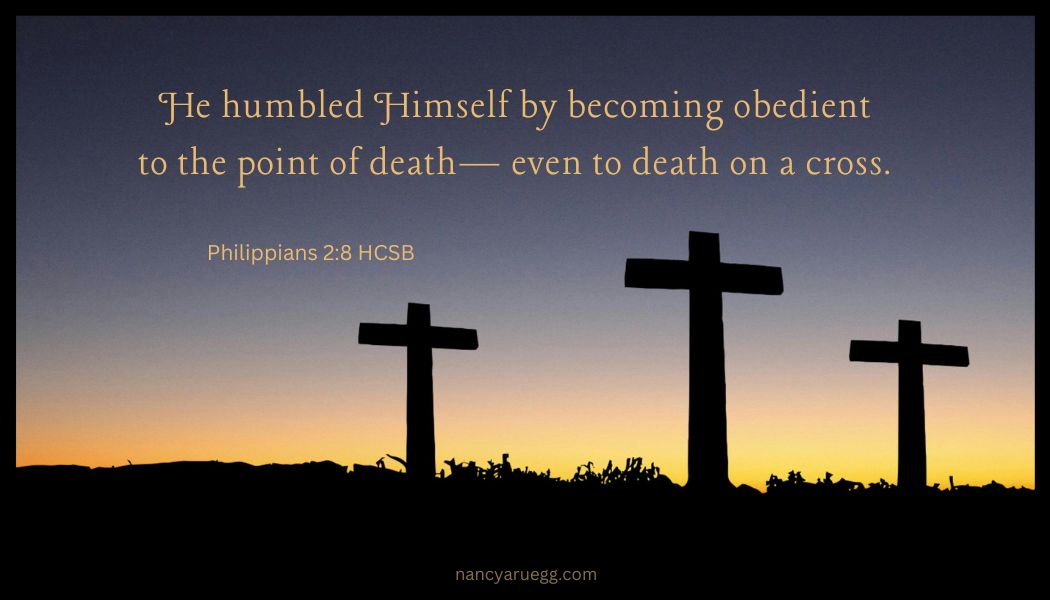
  • his flailing arms would one day spread wide on a cross, to save his people from their sins [3]

The depth of your humility and the magnitude of your sacrifice, Lord Jesus, overwhelm me.

I praise you for all the ways you demonstrated God’s character to us during your earthly ministry—his love, compassion, goodness, and more.

I praise you, Lord Jesus, for your power on display in the miracles you performed and those you continue to perform to this day, confirming who you are—not just a wise teacher or mystic but the Son of God.

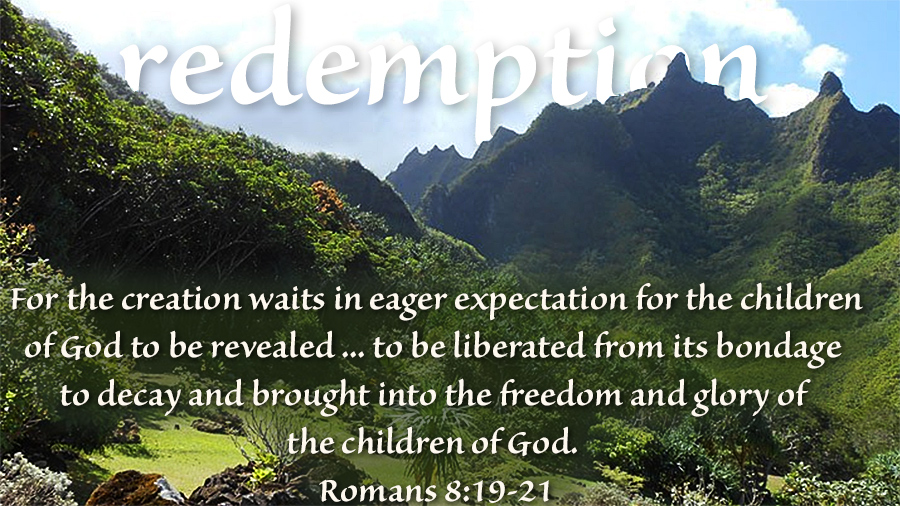
I praise you for the glimpses of heaven we experience from time to time of what it will be like when all creation is “brought into the freedom and glory of the children of God,”–because of what you accomplished [4].

Such glimpses include:

  • The exquisite beauty of nature, causing us to gasp in wonder
  • The profound heart-to-heart connections we experience with other believers
  • The songs that move our spirits and cause tears of blissful joy
  • The sense of your presence—your encompassing and perfect shalom [5]

–C. S. Lewis (The Problem of Pain, 150-151)

I praise you, Lord God, that before time began, you’d already established the plan for your Son’s birth, ministry, death, and resurrection [6].

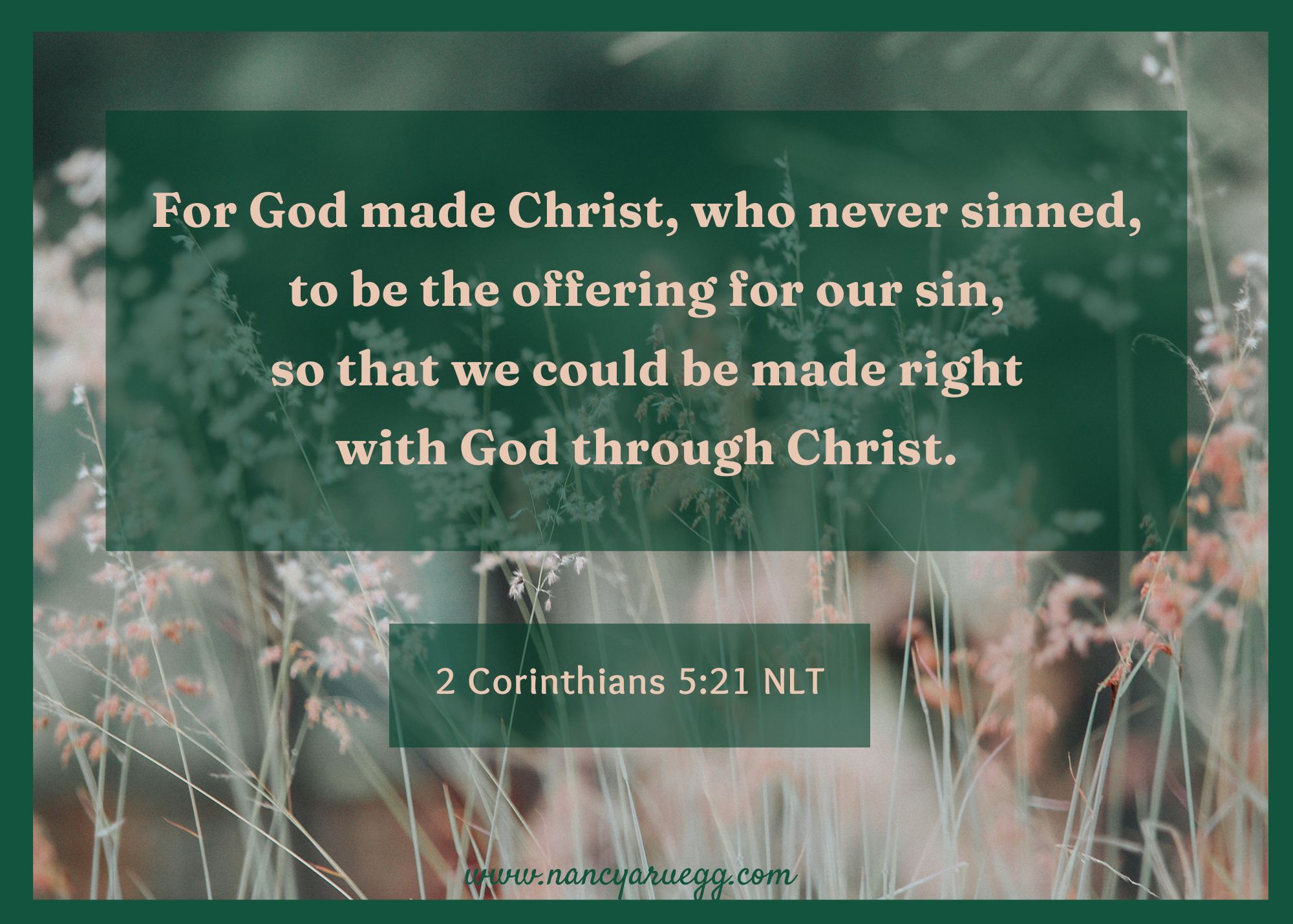
I praise you, Lord Jesus, for withstanding horrific suffering in our place, paying the penalty for our sins [7].

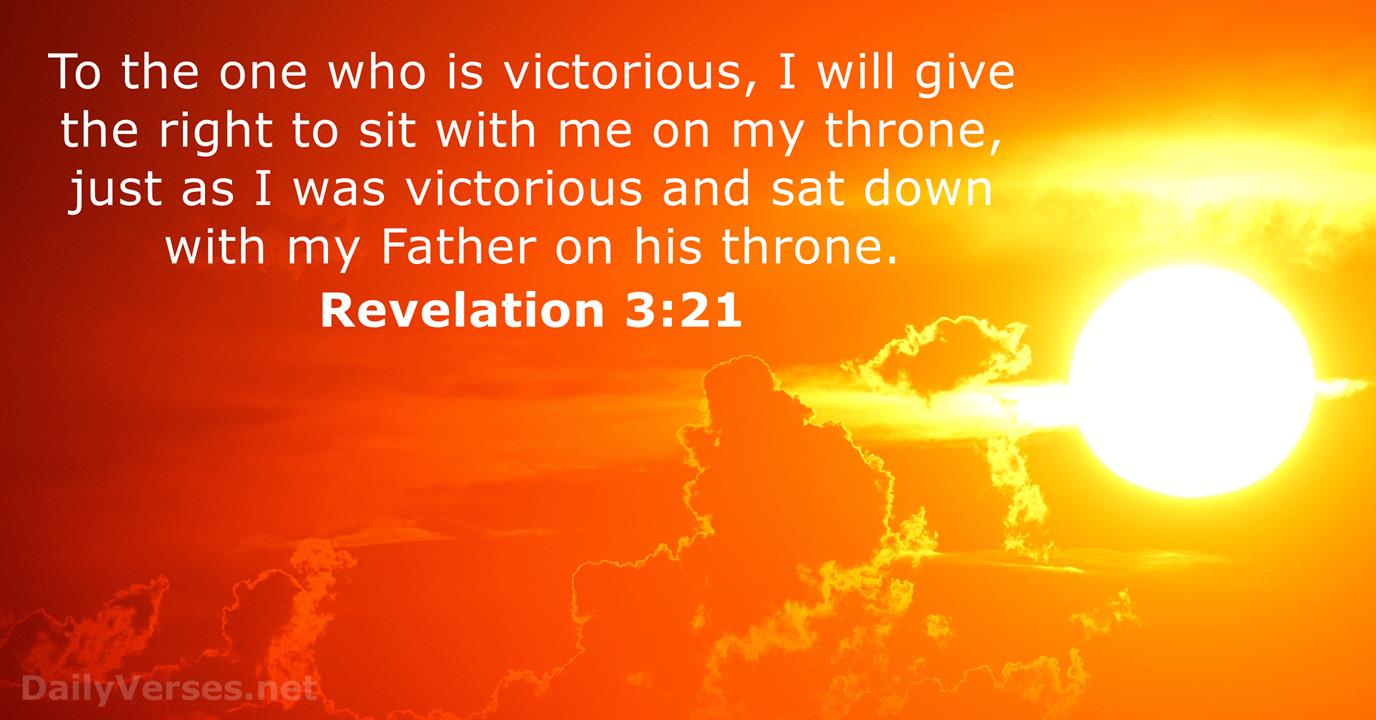
I praise you Heavenly Father, for your power over death, proven by the resurrection of your Son. He received a grand welcome back to heaven and now sits on his throne, receiving the honor, glory, and power he deserves [8].

I praise you for the promise—repeated many times through scripture—that upon our physical deaths, those of us who believe in Christ will live forever with you, surrounded by the wonders of heaven [9].

I praise you, Lord Jesus, we’ll even sit with you on your throne [10]!

Such an honor seems downright absurd, and yet there it is—promised and guaranteed in your infallible Word—promises we can trust, a guarantee we can believe in.

I pray that many will see:

And may many embrace you, O Christ, as their Prince of Peace and King of kings, to experience your shalom and joy. May they accept your gift of gifts: eternal life!


[1] Philippians 2:5-7

[2] From Mark Lowry’s carol, “Mary Did You Know”; see also Matthew 14:22-33 for one example

[3] Matthew 14:13-33; Luke 24:13-24; Luke 23:33; Matthew 1:21

[4] Romans 8:21

[5] Shalom includes not only peace, but complete well-being and wholeness

[6] Titus 1:2

[7] Romans 5:8

[8] Revelation 3:21

[9] John 3:16

[10] Revelation 3:21

[11] From a sermon, “The Great Birthday of Our Coming Age,” December 21, 1884.

Photo credits: http://www.freebibleimages.com; http://www.canva.com; http://www.heartlight.org; http://www.dailyverses.net; canva.com.

Processing…
Success! You're on the list.

Read Full Post »

As his father prayed, little Isaac peeked through his fingers to see what was causing a rustling sound. His eyes spied a mouse crawling up a bell-rope, and Isaac giggled.

After family prayers, Father wanted to know what had possessed his son to be so disrespectful.

“I saw a mouse running up the bell-rope, and it came to my mind:

There was a mouse for want of stairs,

‘Ran up a rope to say his prayers.”

Father was not amused and reached for the rod. Isaac fell to his knees and begged:

“Father, Father, pity take,

And I will no more verses make [1]!”

Neither the little poet Isaac Watts (1674-1748) nor his father could have known where the boy’s penchant for rhymes would take him.

As a late teen, Isaac complained often to his father about the tiresome, chanted hymns of the church. How was a person supposed to sing them with joy as the Bible-psalms often urged, when the music droned in a minor key?

From a 1600’s hymnal

Mr. Watts finally suggested he turn complaining into composing and create better melodies and lyrics. Isaac did, and over the next fifty-plus years more than six hundred of his hymns were published.

Some people found fault with Isaac’s contemporary worship songs. But at least several prominent leaders supported him, including Samuel Johnson, Cotton Mather, and John Wesley [2].

Isaac Watts

Probably the best known of Watts’ hymns is “Joy to the World,” although Watts never set it to music. Decades later Lowell Mason felt inspired to do so and upon publication in 1848, the song soon became a beloved Christmas carol.

Some insist this hymn has no place in the carol-category, because Watts included no elements of the Christmas story in the lyrics.

But as Alyssa Poblete points out: This song celebrates what Christ came to do. And along with looking back at the grace accomplished in the past, we also look forward to the grace accomplished for our future, to the ultimate joy to be revealed [3].

That enlightenment helps explain that puzzling first line, “Joy to the world, the Lord is come” (emphasis added). I’ve often wondered why Watts didn’t choose “has come.”

Ms. Poblete gives us indication. God’s grace (explained in part by the acronym, God’s Riches at Christ’s Expense) is active in all of time—past, present, and future.

Our Messiah’s birth was long-promised for centuries. His coming ushered in a new kingdom of Light. Those who believe in Jesus gain release from the kingdom of darkness, and one day that evil kingdom will be utterly destroyed [4].

In addition:

Christ’s coming is an ever-present and ongoing engagement in the world.

–Darrow L. Miller [5]

The Lord didn’t just come. He is here! And we can sing with dazzling Christmas joy because:

  • One day the whole earth will receive her King. Therefore, let heaven and nature sing (v. 1) [6]
  • The Savior reigns forever and ever (v. 2) [7]
  • Sins and sorrows will be no more, when Christ returns (v. 3) [8]
  • He comes to make his blessings flow (v. 3) [9]
  • He rules the world with truth and grace (v. 4) [10]
  • The glories of his righteousness and the wonders of his love are on display everywhere (v. 4) [11]

These musicians capture well the dazzling joy of knowing our Savior reigns!

For the reasons listed above and more, Watts invites: “Let every heart prepare him room” (v. 1), and “Let men [all humanity] their songs employ” (v. 1)!

May we be just such people who sing with intention, from a place of authenticity [12].

In fact, take a moment right now if you can, and worship, celebrate, and sing with dazzling Christmas joy!


[1] Betty Dunn, https://www.powerofchange.org/blog/2011/12/16/isaac-watts-joy-to-the-world.html

[2] Erin Tabor, https://www.zmiinternational.org/daily-dose-of-encouragement/joy-to-the-world-the-lord-is-come  

[3] https://www.thegospelcoalition.org/article/joy-to-the-world-a classic-christmas-hymn-reconsidered/

[4] Isaiah 7:14 and 9:6; Colossians 1:14; Revelation 20:7-20.

[5] https://disciplenations.org/wp-content/uploads/202004/Music-that-Writes-Culture-Reflections-on-Joy-to-the-World.pdf

[6] Romans 8:19-23; Revelation 22:20; Psalm 96:1-4

[7] Revelation 11:15

[8] Revelation 21:4

[9] Psalm 5:12; 34:10b; 2 Peter 1:3

[10] John 1:14; Colossians 1:16-17

[11] Psalm 33:4; 145:17 31:21

[12]  https://passioncitychurch.com/article/joy-to-the-world/

Art & photo credits: http://www.justanotherclaypotblogspot.com 9/10/2008; http://www.boudewijnhuijgens.getarchive.net; http://www.jenikirbyhistory.getarchive.net; http://www.canva.com (2); youtube.com; http://www.pxhere.com and canva.com.

Processing…
Success! You're on the list.

Read Full Post »

Eric, our older son, and I were chatting on the phone.

“Mom, did you happen to save my old Uncle Wiggily book from when I was little?”

Uncle Wiggily? Goodness. I hadn’t thought about that old rabbit and his adventures for years.

“I doubt that we have it,” I responded. “Didn’t each of you kids already take the children’s books you wanted as keepsakes? I think all we have are some leftovers, saved for the grandchildren.”

“No, I don’t have it either,” he replied.

“Well, maybe it was just too worn out to save.”

“Could be. I was hoping to find a copy because it would be such fun to share with our Elena when she gets a bit older.” He paused a moment.  “Remember the picture of Uncle Wiggily in his car?”

This illustration from an earlier edition

No, I didn’t remember.

“The wheels were made from big, fat sausages. That was my favorite page. But every illustration was full of imaginative detail,” he reminisced.

That would explain why Eric, our artist, had such fondness for this book.

“I even checked on Craig’s List to see if anyone might have a copy, but no luck.”

Wow. He did have a big soft spot for Uncle Wiggily. And I had a big case of guilt for getting rid of it.

Why hadn’t I remembered that book was one of his favorites? How could I have thrown it away, even if it was tattered?

Months later, my husband Steve and I were sorting through boxes in the garage. Two of them contained the children’s books we still owned.

Maybe we could pare down to one box, I thought.

I started unloading the books and organizing them into piles. At the very bottom of the second box was—you guessed it–Uncle Wiggily. And it wasn’t in such bad shape after all.

I whispered a prayer of gratitude for this small but precious gift—a blessing that I hadn’t even asked for.

Does it seem to you that out-of-the-blue blessings bring the most joy? Perhaps that’s true because they give us such memorable glimpses of God’s love and grace–love and grace that are:

Undeserved

Just as he “gave” me a book I had not searched for nor prayed for, God loved and provided for each of us before we ever searched for him or prayed to know him (Matthew 5:45; Psalm 14:2).

Personal

Surely there are not many folks who would delight in finding an old copy of Uncle Wiggily.  The blessing of discovering its whereabouts was, it seemed, personalized–just for me (and Eric).

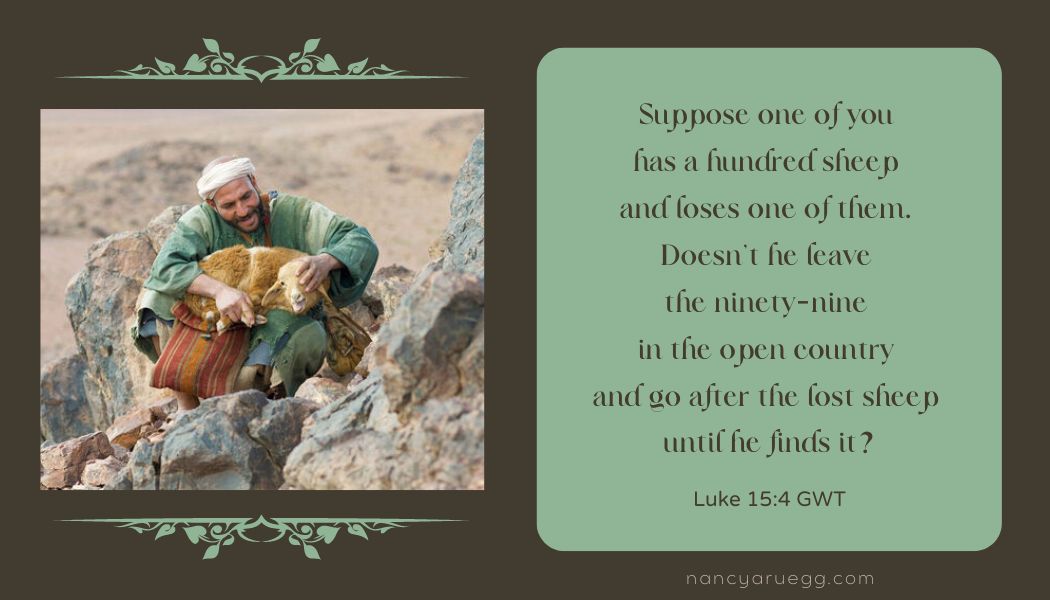
Similarly, God’s love and grace are personal. He cares deeply for each of his children. Remember the parable of the lost sheep (Luke 15:1-7)?

It’s true:

God loves each of us as if there was only one of us.

—St. Augustine

Last, God’s love and grace are:

Lavish

It is doubtful a copy of Uncle Wiggly will turn up at a Sotheby’s auction.  It is not a valuable antique volume that collectors will pay thousands of dollars for.  

But when I found that book at the bottom of the box, it was like finding buried treasure–placed there by God himself–an unnecessary but perfectly lovely, out-of-the-blue blessing from my Heavenly Father.

I couldn’t wait to call Eric and share with him the good news.

*     *     *     *     *     *     *     *     *     *

What out-of-the-blue blessing have you received that caused great joy? Please share your story in the comment section below!

(Revised and reblogged from August 14, 2014 while we enjoy houseguests.)

Art & photo credits: http://www.flickr.com; http://www.commons.wikimedia.org; http://www.canva.com.; http://www.freebibleimages.com.

Read Full Post »

(An imaginary conversation between God and me.)

ME:

You know me, Lord. If I’m not careful my mind can slide into fear and worry, especially about the needs and struggles of loved ones. Or I can slip backward into hurts or regrets of the past. Release from such thoughts is not always easy.

But I’ve heard it said, “What is IM-possible is HIM-possible” (Unknown).

So when negativity seeks to pull me down, I want to be quick to remember who YOU are, your promises, and what you can do that make all things HIM-possible.

GOD:

Indeed, nothing is IM-possible with me (Luke 1:37).

Here are four important truths to keep in mind that make for HIM-possible-living:

I am greater than your fears.

Think on My sovereignty and might.

I am in control of all things. I have established My throne in heaven and My kingdom rules over all. Therefore, the one who fears Me need not fear anything else [1].

I am all-wise and all-powerful, always with you and ready to offer counsel.

I am your all-sufficient Father, able to provide everything and anything you’ll ever need.

ME:

I praise You, Lord, for equipping me to contend with whatever circumstances unfold. You are the Mighty Warrior who saves!

(Psalm 103:19; 1 John 4:18a; Romans 11:33; Psalm 15:3, 46:1; Ephesians 3:20; Zephaniah 3:17)

GOD:

I am greater than your troubles.

Remember My power and strength.

Out of My omnipotence, I promise to supply you with strength sufficient for the day. Each morning I provide a fresh supply of all my mercies.

No matter what the future may hold, you can keep on bearing all things through My Son, Jesus Christ, who constantly infuses you with His strength.

Every trouble produces benefit–strong, honorable character in you, and blessing for others as they see My peace and joy reflected in you.

ME:

I praise you, Lord, for being a present-and-active help in times of trouble.

(2 Chronicles 20:6; Psalm 18:32; Lamentations 3:22-23; Philippians 4:13;

Romans 8:28; James 1:2-4; Matthew 5:16; Psalm 46:1)

GOD:

I am greater than your hurts.

Remember my love and tenderness, my grace and kindness.

I provide a solid foundation on which to rest, even when wave after wave of challenge sweeps through your life [2].

I am your Great Physician. Cling to Me by immersing yourself in My Word and find the cure for your heartache.

I am patiently transfiguring all the notes of your life into the song of My Son, Jesus . . . All is grace, as your hurts and heartaches become tools in My hands, to transform you into the image of Christ [3].

ME:

I praise you, Lord, for your devoted, attentive care.

(Isaiah 66:13a; Psalm 86:15; Psalm 147:3; Psalm 119:49-50; 2 Corinthians 3:18)

GOD:

I am greater than your regrets.

Remember my compassion and forgiveness.

Dwell on regrets and you’ll stir up a whirlpool of excruciating details. It’s an easy place to drown [4].

Leave the irreparable past in My hands, and step into the irresistible future with Me [5]. You’ll find joy replacing remorse and peace replacing agitation.

When thoughts of your failures do push their way into your consciousness, allow my total forgiveness to relieve your pangs of guilt. Then offer Me praise for accepting you just as you are, thanking Me for growing you into more than you were yesterday [6].

ME:

I praise you, Lord, for your mercy to forgive and your grace that meets me where I am but does not leave me where it found me [7].

I praise you that victory over fears, troubles, hurts, and regrets is more than HIM-possible with you!

(Psalm 103:8, 13; Romans 8:37)


[1] The fear of God in the original language doesn’t mean to be afraid. It means sustaining a joyful, astonished, awe and wonder before Him—Timothy Keller.

[2] Jane Fryar, Be Blessed, 34-35.

[3] Ann Voskamp, One Thousand Gifts, 100; Kay Arthur, His Imprint, My Expression, 180.

[4] Based on a David Powlison quote, https://www.sgclouisville.org/blog/2024/01/16/sermon-quotes-what-do-we-do-with-regret.

[5] Oswald Chambers, My Utmost for His Highest, Dec. 31.

[6] Ruth Bell Graham, Blessings for a Mother’s Day, 101.

[7] Anne Lamott, GRACE Eventually.

Art & photo credits: http://www.canva.com; http://www.heartlight.org; http://www.pxhere.com; http://www.canva.com; http://www.heartlight.org; http://www.dailyverses.net; http://www.rawpixels.com.

Read Full Post »

Imagine an impression, conviction, direction or affirmation imprinted so strongly upon your spirit that you knew for certain it came from God. It’s an appealing idea, but we may wonder:

How can we know when a thought is divinely bestowed?

The above promise from Jeremiah 33:3 indicates we can distinguish God’s voice. (Further evidence includes Isaiah 30:21, John 8:47, Revelation 3:20, and more.)

In addition, many respected Jesus-followers offer affirmation, based on their own experience.

Below you’ll find excerpts from some of these teachers, preachers, and authors, to answer our questions about hearing God speak within our hearts—questions like:

TO WHOM DOES GOD SPEAK?

To those who belong to God.

To those who make time for stillness.

To those willing to sit in silence.

To those who prepare themselves to hear.

WHY DOES GOD SPEAK INTO THE HEARTS OF HIS CHILDREN?

HOW CAN WE KNOW THAT GOD IS ACTUALLY SPEAKING TO US?

He speaks in love (Jeremiah 31:3), not condemnation (Romans 8:1).

Whatever God says will concur with his Word.

Confirmation from elsewhere may also present itself.

WHAT CAN WE DO TO IMPROVE OUR LISTENING ABILITY?

Spend time in God’s Word.

Pray.

Be still.

Take time to wait.

Stay alert.

Even at the kitchen sink.

“Just as this beautiful cluster of grapes once grew on a vine,

you are growing beautiful fruit as you abide in Me”–JESUS (John 15:5).

If we ask God to reveal himself, he’ll do it—as he chooses—through little whispers, confirmations, divine delays and heavenly echoes that corroborate with what he’s already saying through His Word and Spirit (Priscilla Shirer, Discerning God’s Voice, 193).

Let’s ask him now.

*     *     *     *     *     *     *     *     *     *

Jesus, please quiet all the loud voices that flood my heart and mind. Give me ears to hear the gentle sound of your voice. Speak Lord, your servant is listening. Amen (Chrystal Evans Hurst, Kingdom Woman Devotional, 41).

Psalm 37:7; 1 Samuel 3:9

Photo credits: http://www.heartlight.org; http://www.dailyverses.net; http://www.pexels.com (2); http://www.canva.com (2); http://www.pexels.com.

Read Full Post »

Have you seen those grace-filled fingerprints? Perhaps at home in the joy of good-natured laughter around the family table, or one child helping another with his homework—unprompted, or unified celebration of all—for the success of one.

Perhaps you’ve seen God’s fingerprints outdoors in a landscape of incredible beauty and grandeur, or an up-close encounter with one of God’s creatures, or the expanse of a sunrise, sunset, or brilliant rainbow.

And especially at church, we see God’s fingerprints when an impassioned congregation sings their praise to him, a saint of God offers a heart-touching prayer, someone shares a personal story of divine, miraculous provision, or a scripture-reading fits perfectly our current circumstances.

No doubt, God’s grace is on display everywhere and always. It never wanes; it’s new every morning. And, as illustrated above, when we intentionally look, we see his fingerprints in the GRACE of place.

But God’s grace is not only evident around us. God has provided a place of GRACE within us as well.

  • Our God of grace hears—even before we speak (Isaiah 55:24).
  • Our God of grace leads—along the best and straightest path to himself (Psalm 16:11a) [1].
  • Our God of grace drives (propels)—gently but persistently—so we’re resilient, not fragile; strong, not weak; useful, not ineffectual (Ephesians 3:20).
  • Our God of grace lovingly and relentlessly draws us unto himself (Jeremiah 31:3).
  • Our God of grace changes us, progressively transforming us into his likeness with ever-increasing glory (2 Corinthians 3:18).
  • Our God of grace works in us so he can work through us—all to his and our mutual delight (Philippians 2:13).

He is a passionately dedicated, perfectly-intentioned, and supremely benevolent Heavenly Father!

Yet there is more. 

Our God enriches, enlightens, enables, and enraptures by:

  • blessing us—not with everything that pleases us—but with everything good for us [2]
  • bestowing the privilege of his presence—“so wonderful, quieting, soothing, calming, and warming” [3]
  • guiding us with supernatural wisdom as we avail ourselves with childlike trust
  • shaping our lives into what is useful and beautiful [4]
  • providing a haven within of comfort (Psalm 34:18) and strength (Psalm 59:16), refreshment (Acts 3:19) and joy (Psalm 4:7)

All good things are a result of God’s grace (Psalm 84:11)—in the GRACE of place all around us and in the place of GRACE within.

Where are you seeing God’s grace-filled fingerprints this day? Tell us about it in the comment section below!


[1] Dietrich Bonhoeffer

[2] King David mentions at least ten gifts in Psalm 103 alone.

[3] J. Danson Smith, quoted in Streams in the Desert, Jim Reimann, ed., 340.

[4] Eugene Peterson, Run with the Horses, 79.

Art & photo credits: http://www.openclipart.org & canva.com; http://www.pickpik.com; http://www.canva.com (2); http://www.creazilla.com (painting by Pieter Claesz).

Read Full Post »

‘Tis Poetry Month once again, a time to celebrate this art form that can stretch, inspire, and amaze us in ways unique from prose. Award-winning poet Pattiann Rogers identified at least one element of that uniqueness: the music of poetic language.

But is the composing of such music reserved only for experts? That question brings to mind another quote:

Such encouragement for us amateur-poets to give it a try and be stretched, inspired, and amazed when we create our own music of poetic language—unsophisticated as it may be.

This year I’ve experimented with three forms: Shadorma, diamante, and quadrille.

The Shadorma is of Spanish origin. It contains six lines, each with a specific syllable count that follows this pattern: 3/5/3/3/7/5.

Early morning on our deck offered inspiration for this Shadorma:

Dawn Rising

Sunbeams climb

Dusky shadows fade

Breezes kiss

Robins trill

Nasturtiums spangle with dew

Morning masterpiece

The diamante (diamond) form derives its name from its shape. It was created by American poet Iris McClellan Tiedt in 1969.

The pattern for diamante is more complex than Shadorma. The first half of the poem relates to the one word of the first line; the second half to the one word of the last line. These two lines often present opposites. The middle line provides a bridge between the two. 

Each of the seven lines requires a certain number of words of a certain part of speech:

  • Line 1: 1 word (subject/noun)
  • Line 2: 2 adjectives that describe line 1
  • Line 3: 3 -ing words that relate to line 1
  • Line 4: 4 nouns (first 2 relate to line 1, last 2 relate to line 7–if you’re writing about opposite topics)
  • Line 5: 3 -ing words that relate to line 7
  • Line 6: 2 adjectives that describe line 7
  • Line 7: 1 word (subject/noun)

This diamante began to take shape as I considered the transformation Christ can make in a person’s life. A list of R-words began to grow—repentance, redeemed, restored, so I pursued the pattern.

A Transformed Life

Ruin

Repugnant, reprehensible

Rebelling, ravaging, retaliating

Rashness, recalcitrance, remorse, repentance

Returning, Releasing, Receiving

Redeemed, restored

Renewal

The Quadrille form first appeared at www.dversepoets.com in 2016. The only requirement is to include 44 words (excluding the title). They believe that “limitation can happily breed extreme creativity.” Each Monday they provide a word-prompt, and participants must use that word in their poems.*

I chose my own word from John 15:1, 5—vine. And while I played with possibilities, my poem began to fit a pattern. Every line contains seven words except the last, which contains nine.

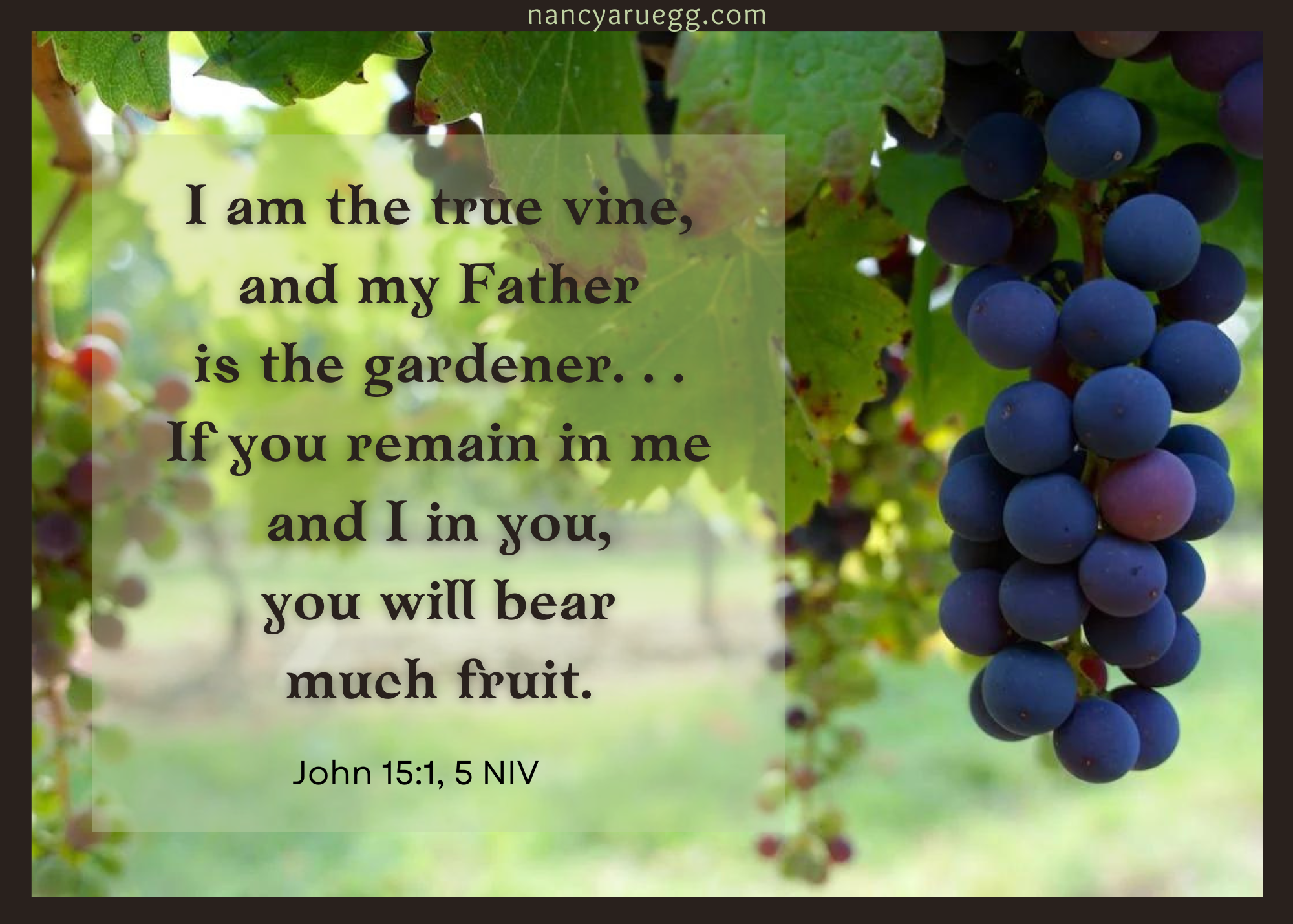
First, the scripture, as a point of reference:

And now, the poem.

Bonded to the Vine

Praise to the Gardener of our souls!

Once we’re grafted to his Vine, he

Prunes away withered branches of worthless folly,

Waters us with his life-giving, spirit-strengthening Word,

And produces pleasing fruit with boundless sufficiency.

Such beauty results when we’re bonded to the Vine!

Remember the quote of Christopher Fry at the beginning of this post–“Poetry is the language in which man explores his own amazement?”

I wonder if he knew that the pleasure in exploring our amazement—whether as poets or not—is greatly enhanced when we include the Genius behind all things amazing.


* https://dversepoets.com/2017/09/11/quadrille-40/

Photo credits: http://www.canva.com; http://www.pxhere.com; http://www.pickpik.com; http://www.pexels.com (3); http://www.commons.wikimedia.org.

Read Full Post »

Many of those who haven’t asked Christ into their lives yet will still admit: historical evidence proves Jesus once lived on earth. They’ll agree he was a good man who taught wise principles to live by.

But even they might wonder: Why would God allow his Son to suffer such a cruel death at the hands of hateful men?

Welsh pastor and author Selwyn Hughes provided this insightful answer: what seemed to be the worst thing that could happen to Jesus—crucifixion—turned out to be the best thing for him [1].

That sounds ludicrous at first reading until we consider what Christ has enjoyed since returning to heaven, and what he’s looking forward to in the future–all because he fulfilled his mission at the cross.

As he suffered for us, Jesus kept in mind the joys set before him (Hebrews 12:2):

  • Sitting in the ultimate place of honor in the universe, at the right hand of the Majesty on high (Hebrews 1:3b).
  • Angels acclaiming him, saying, “Worthy is the Lamb who was slain, to receive power and wealth, wisdom and strength, honor, glory and praise” (Revelation 5:12).
  • God appointing him to be head over everything for the good of the church (Ephesians 1:22 GNT).
  • Being given authority and sovereign power that will last into eternity (Daniel 7:14).
  • All kings bowing before him one day, and all nations serving him (Psalm 72:11 NLT).
  • All nations and people of every language worshiping him (Daniel 7:14).
  • Being given the name above every name (Philippians 2:9).

And why is that last fact significant?  Jesus is the One and only Son of God, the only Redeemer and Savior, the only Christ and Anointed One of God. “His rank, his titles, his dignity, are above all others” [2].

Perhaps no one has explained the significance of Jesus’ name(s) more eloquently than theologian Charles Spurgeon:

Jesus’ name is “the sum total of all delights. It is the music with which the bells of heaven ring; a song in a word; an ocean for comprehension; although a drop for brevity, a matchless oratorio in two syllables; a gathering up of the hallelujahs of eternity in five letters” [3].

Charles Spurgeon

But Jesus doesn’t want to enjoy these accolades and privileges alone. Max Lucado wrote:

Jesus desires for us to be one with him, continually availing ourselves of all he has to offer.

Even more astonishing? Because of what Christ accomplished on the cross, we who’ve accepted Jesus into our lives get to share in his power and wealth, wisdom and strength, honor and glory!

For example:

  • The immeasurable and surpassing greatness of God’s spiritual POWER is in us who believe (Ephesians 1:19 AMP).
  • He supplies spiritual RICHES and blessings that cannot be fully understood or measured (Ephesians 3:8-9).
  • Christ’s word with all its WISDOM lives within us so we can experience his joy (Colossians 3:16; John 15:10-11).
  • We’re equipped for anything and equal to anything, through Christ who infuses us with inner STRENGTH (Philippians 4:13 AMP).
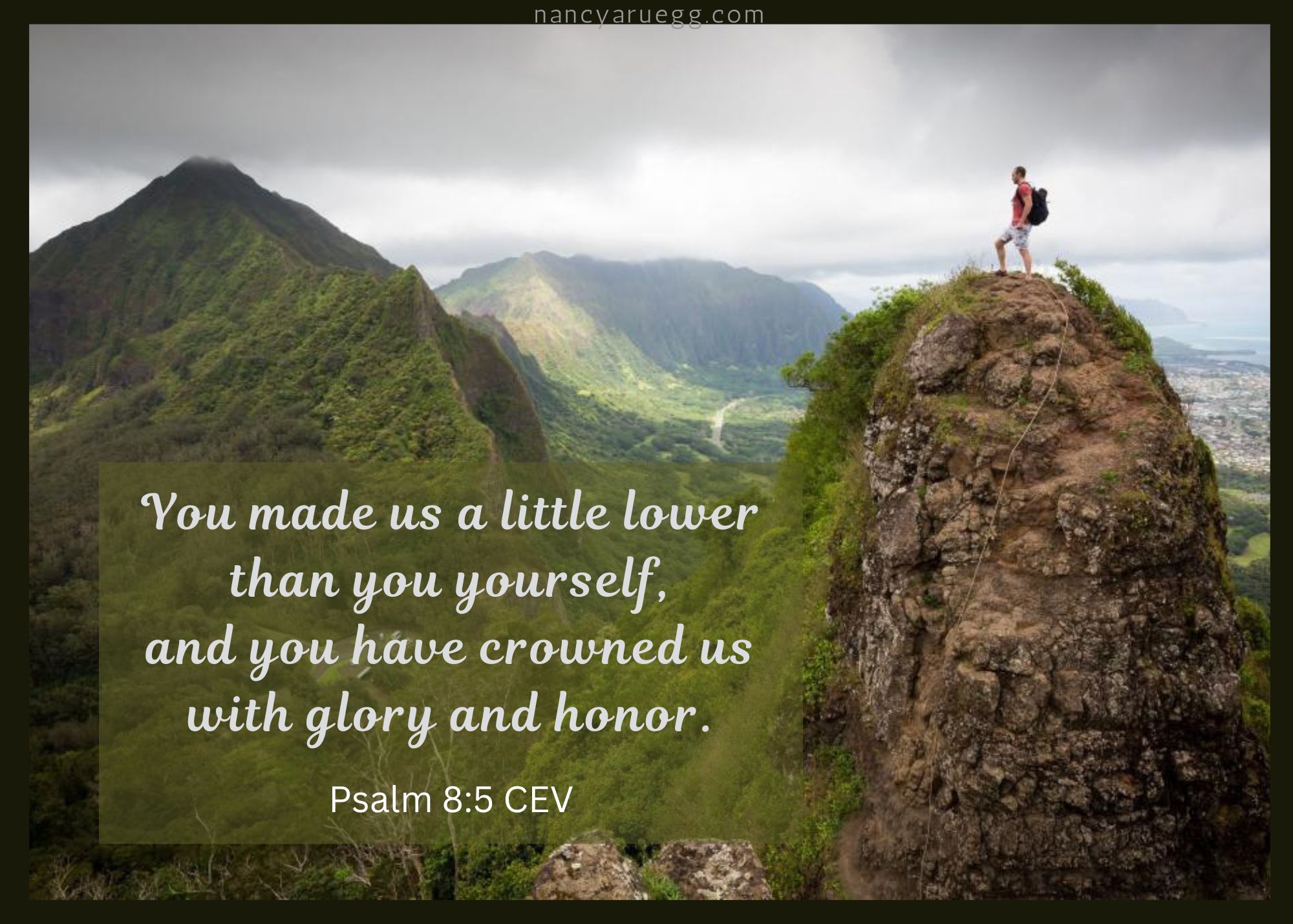
  • As beloved children adopted into God’s family through Christ, we are precious in his sight (Isaiah 43:4). He’s crowned us with HONOR and GLORY (Psalm 8:5; Romans 2:10), including the honor of representing Jesus in this world, and the glory of his character at work within us [4].

On this eve of Good Friday, we’d do well to remember:

We can pick up our own cross, inspired by Jesus’ example, empowered by God’s Spirit within us, and encouraged by the glorious outcome yet to be [5].

The worst circumstances we might face will become God’s best in our lives too.


[1] Every Day Light, 285.

[2] Barnes’ Notes on the Bible at www.biblehub.org

[3] Morning by Morning, 41.

[4] See also 2 Corinthians 5:17, 20

[5] To “pick up our cross” means trusting in God even when suffering comes our way, putting aside our self-will and embracing God’s will instead.

Photo credits: http://www.freebibleimages.com; http://www.canva.com (2); http://www.quotefancy.com; http://www.canva.com; http://www.pexels.com.

Read Full Post »

No doubt you’ve seen a movie or two with at least one desert scene, in which the protagonists must withstand brutal heat and scarcity of water. (Did Lawrence of Arabia, Flight of the Phoenix, or The Way Back come to mind?)

Some of us have even visited a desert—perhaps the Great Basin or the Mojave here in America, the Sahara in Africa, or the Negev in Israel:

Note the limestone and chalk landforms of the Negev—barren rocky cliffs and ravines, desolate summits and valleys, and of course, sand.

As is true of all deserts, the Negev is arid and stark—most of the year. But then come the months of February and March—the rainy season—and oh, what a transformation takes place.

The bleakness turns to an exuberance of vibrant flowers, including:

Arabian Primrose

Desert Tulip

Desert Hollyhock

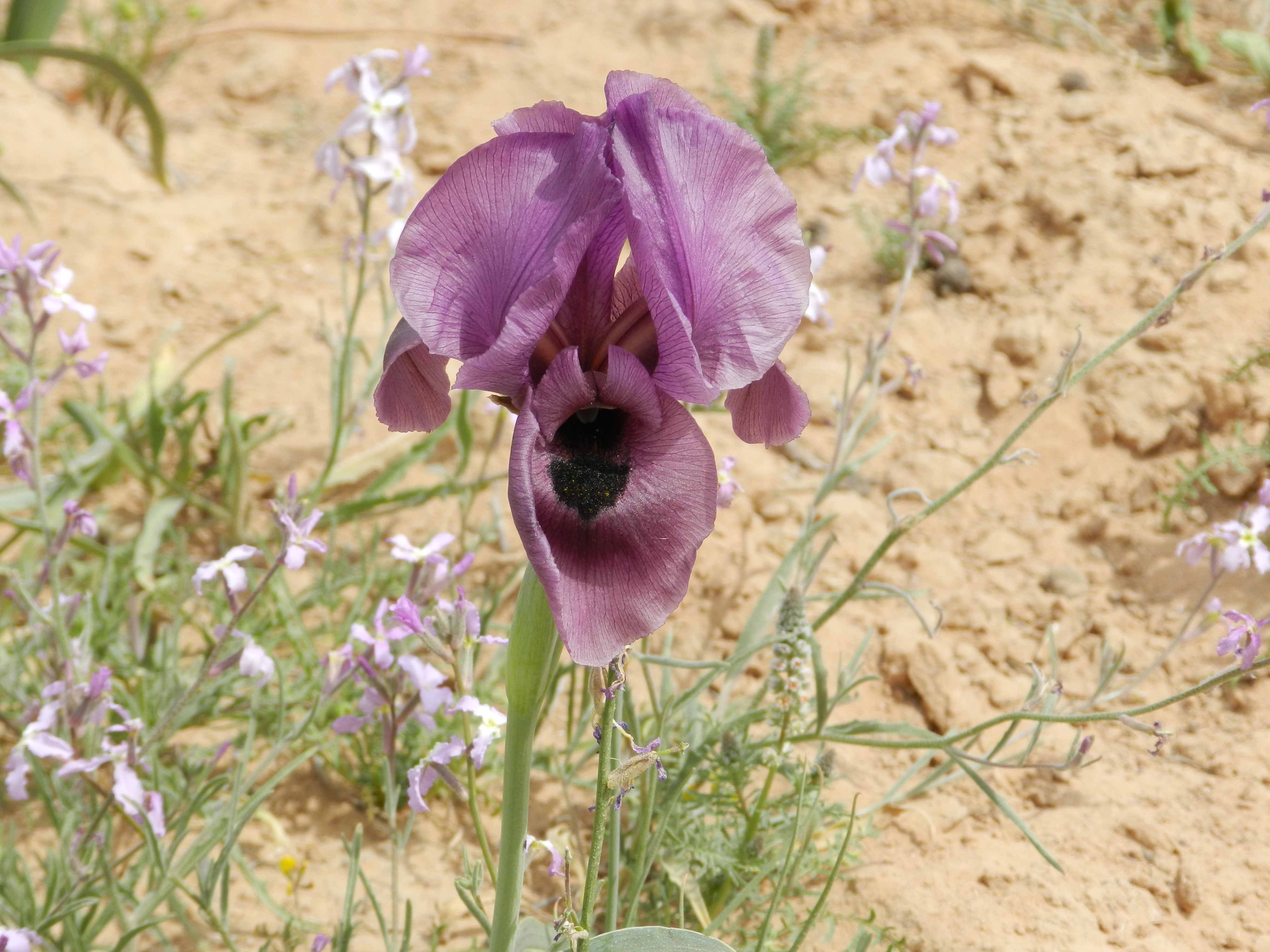
Negev Iris

Water bestows the miracle of life, facilitating photosynthesis and transporting nutrients from the soil.

And as water brings life to the desert, so God’s grace brings the miracle of life to our hearts.

His lavish grace falls like rain [1]; and oh, what a transformation takes place!

Consider the following aspects of renewal:

1. God’s grace cleanses the dusty grime of sin from our souls (Psalm 51:2).

God knows what we are made of, remembering that we are dust. But out of his grace-filled forgiveness he washes away all wrongdoing, and lovingly works to make us more than we are [2].

2. God’s grace like rain provides the miracle of eternal life (Revelation 21:6).

Jesus makes it possible for us to move from living death to deathless life [3].

3. God’s grace nourishes and invigorates our spirits (John 7:38).

He uses many means to soak his truth into the depths of our hearts, providing refreshment, renewal, and encouragement. One primary example: the Bible.

When we disregard God’s Word, we expose ourselves to aridness of spirit.

4. God’s grace brings fruitful productivity to our lives (Isaiah 58:11).

A number of plants in the Negev provide food, including the seeds of the canarian aizoon, the stems and leaves of the carrechtera, the roots of the desert broomrape, and the flowers of the coarse rocket.

Similarly, the Spirit of God nurtures fruit within us–pleasing attributes like love, kindness, goodness, and more (Galatians 5:22-23). As we grow in our relationship with him, so do these attractive fruit.

5. God’s grace-like-rain showers us with blessing (Isaiah 41:17-18).

Flowers of joy, peace, hope, and more can flourish in the most desolate of places, when we allow God to infuse us with his all-sufficient presence.

6. God’s grace gives us refreshment and pleasure (Jeremiah 31:25; Isaiah 44:3).

He will do us good, real good, lasting good,

only good, every good.

With this promise in our hearts,

we need not fear.

–Charles Spurgeon [4]

7. God’s grace creates radiant beauty in a life that was once a wasteland (Psalm 34:5).

That radiant beauty is characterized by smiles of joy, an attitude of contentment, a voice of wisdom and encouragement, an outlook of faith, and a heart of love.

Praise God, his love flows freely to the unlovely [5], developing such beauty!

His grace-like-rain washes over us, bestowing all these aspects of the abundant life to those who are thirsty.

Will you come?


[1] Charles Spurgeon, Morning by Morning, 259.

[2] Psalm 103:14; Ruth Graham, Blessings for a Mother’s Day, 101.

[3] Jack Odell, from Quote/Unquote, compiled by Lloyd Cory,  284.

[4] Charles Spurgeon, Faith’s Checkbook, May 28.

[5] A. W. Tozer

Art & photo credits: www.commons.wikipedia.org; http://www.imaggeo.egu.eu; http://www.identify.plantnet.org; http://www.commons.wikipedia.org (3); http://www.stocksnap.io; http://www.commonswikipedia.org; http://www.pxhere.com; http://www.rawpixel.com.

Read Full Post »

As the new year makes its entrance, a fresh breeze of possibilities and dreams fills the mind:

  • Perhaps this year . . .
  • Wouldn’t it be wonderful if . . .
  • All things are possible with God, so . . .

But no sooner do I start finishing those statements with starry-eyed optimism, than some scratchy, irritating thoughts demand my attention.  Thoughts such as:

  • You’re too old, terribly unworthy, and under-qualified.
  • You’ve already waited so long. Your desires obviously aren’t God’s desires for you.
  • You’ve hopelessly veered from God’s plan; otherwise your life circumstances would surely be different.

And my heart cries out:

I need your Word, God, your Sword of the Spirit, to slay these lies. And though I am grateful for familiar sword-thrusts like Romans 8:28, Jeremiah 29:11, and Philippians 4:13 to wield against the untruths listed above, a few new moves would surely increase my resolve. “Strengthen me according to your word” (Psalm 119:28b).

And God seems to say:

“All right, Nancy, let’s look at each statement from my viewpoint.

“You are too old? Not so. Moses was eighty when he became the leader of the Hebrew nation, bringing them out of Egypt and into Canaan. Daniel served as prime minister in Babylon well past the age of eighty. John was quite elderly when he received the Revelation. Age has nothing to do with usefulness.

“You are unworthy? Also not so. You are one of My chosen people, a royal priestess, who belongs to Me, the King of the universe (1 Peter 2:9a). Like all My children, you are precious and honored in My sight because I love you (Isaiah 43:4).

“You are under-qualified? All the better for My purposes! My G.R.A.C.E. (God’s Riches at Christ’s Expense) includes wisdom, power, strength, discernment, all spiritual gifts, all fruit of the Spirit, and more. My grace is more than sufficient for you; it’s all you need. In fact,“My strength comes into its own in your weakness” (2 Corinthians 12:9 MSG).

“You’ve waited too long? Think again. Abraham waited 25 years for Isaac. Joseph waited seventeen years for his dream to come true. Caleb waited 45 years for his special parcel of the Promised Land.

“You’ve veered from My plan for you? Please refer to Ephesians 1:11. Your singular purpose is to display My glory, that is, my attributes of love, joy, goodness, and more. Wherever you are . . . “whatever you do, work at it with all your heart, as working for the Lord, not for men” (Colossians 3:23). And remember: small acts can achieve important results also.

“One closing thought to keep in mind: There is method and reason to every decree I have judiciously ordained since the beginning of time, to accomplish My will according to My sovereignty. I AM the Almighty, all-wise God, your Heavenly Father.”

*     *     *     *     *     *     *     *     *     *

O God, help me to look toward 2024, not through the eyes of discouraging doubt but through the eyes of ever-increasing faith. And when I cannot understand, help me just to stand. In Jesus’ powerful name, Amen. *

* Based on a prayer from Selwyn Hughes in Every Day Light, 105.

Image credits: http://www.pxhere.com; http://www.pickpik.com.

(Revised and reblogged from 1-3-2013 while we enjoy the last couple of days with out-of-town family.)

Read Full Post »

« Newer Posts - Older Posts »

Sylvia Schroeder

Impressions Becoming Expressions

Mitch Teemley

The Power of Story

Still Traveling

Impressions Becoming Expressions

Living Our Days

Gaining a heart of wisdom

He Said What?!

I'm Patty, and my husband and I are living with our adult son who has autism and epilepsy. I love sharing lessons learned from life around me, especially life with Aaron.

Meditations of my Heart

Impressions Becoming Expressions

Linda Stoll

Impressions Becoming Expressions

Signora Sheila

Where faith meets la dolce vita

Heidi Viars

Finding the Image of God